Engineering Fundamentals (1)
 Call Kai
 Learn
Learn Practice Test
 Spaced Repetition
 Match
Match Flashcards
 Knowt Play
1/60

There's no tags or description
Looks like no tags are added yet.
Name | Mastery | Learn | Test | Matching | Spaced | Call with Kai |
|---|
No analytics yet
Send a link to your students to track their progress
61 Terms
Historical and Societal Influences
Suspension Bridge : Wrought iron
Steel: Henry Bessemer developed “Bessemer converter”
Aliminium Smelting
Helicopter
Effect of Engineering on Peoples lives
Engineering improves people’s lives by providing safe infrastructure, transport, communication, and medical technology. It also makes daily life safer, easier and more comfortable
Sine Rule
A/ sin a= B/ sin b = C/ sin c
Cosine Rule
a2= b2+c2-2bc Cos A
Newtons Law of Motion
A body will remain at rest unless acted upon by an unbalanced force
F= MA
To every action there is an equal and opposite reaction
Force
Push or Pull on a body
Gravity
10m/s2
Weight
Mass x Gravity
W = MG
Concurrent force
Forces that pass through the same point
Non- Concurrent Force
Intersect various points
Co-Linear Force
Act along the same line
Classifaction of Materials
Elements: Cannot be broken down into simple material
Solutions: Where one substance dissolves in another, Sugar in Tea
Compounds: Two or more elements that combine chemically
Mixtures: 2 or more pure substances, elements or compounds mixed together, Salt and Pepper
Physical Properties
Density: The amount of matter packed into a given volume
P= M/V…. Density= Mass divided by volume (Kg/m3)
Porosity: How many holes a material has
Moisture content: Measure of amount of moisture
Mechanical Properties
Strength: Ability of a material to withstand applied loads without failure
Hardness: Ability of a material to withstand scratching or dents
Elasticity: Return to its original shape
Stiffness: Ability of a material to resist elastic deformation
Plasticity: Ability of a material to undergo some degree of damage ( Glass has no plasticity as it easily breaks)
Malleability: Ability to be rolled into thin wire
Ductility: Ability to be drawn flat into thin wire
Fatigue: Tendency of a material to breal
Notch Toughness: Measure of the amount of energy recquired to cause failure
Thermal Properties
Thermal conductivity: Ability of a material to conduct heat
Heat resistance: How well a material can resist hear
Magnetic Materials
Diagmagnetic
Paramagnetic
Feromagnetic
Atomic Structure
Neutrons
Protons
Electrons
Neutrons
Have no charge
Located in nucleus
Protons
Have a single positive charge
Located in nucleus
Have a mass 0.992x of a neutron
Electrons
Negative charge
Electrons outer shell called “Valence”
2,8,8,18
Bonding
Ionic
Covalent
Metallic
Ionic Bonding
Metal and Non Metal ( Ceramics)
Transfer of one or more electron ( Electrostatic action)
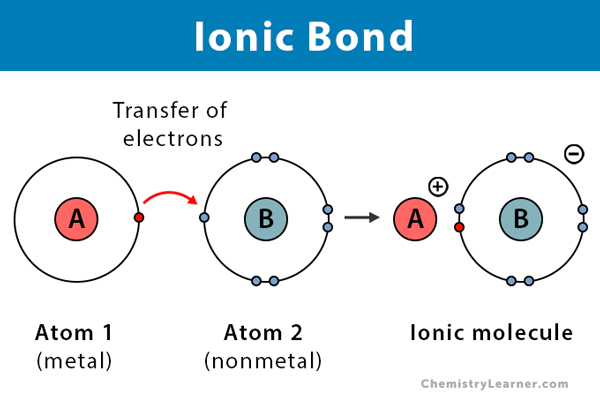
Electrical Insulator
Covalent Bond
Non metals (Polymers)
Share valence electrons
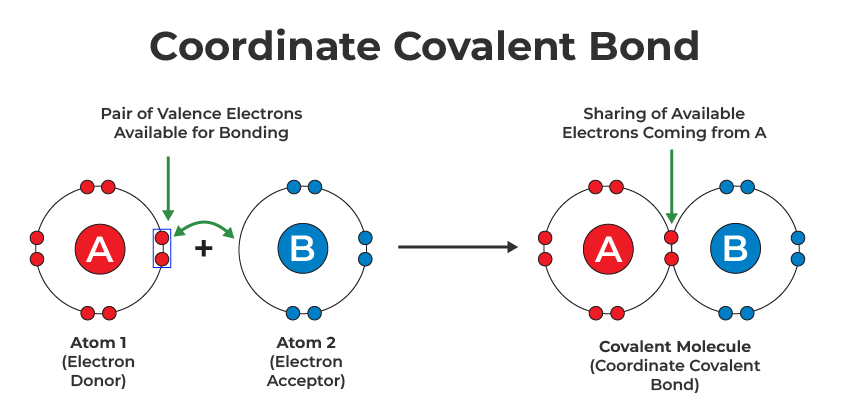
Insulators
Metallic Bond
Valence electrons form a sea of eletrons
Metal atoms
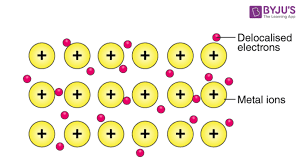
Electical conductors
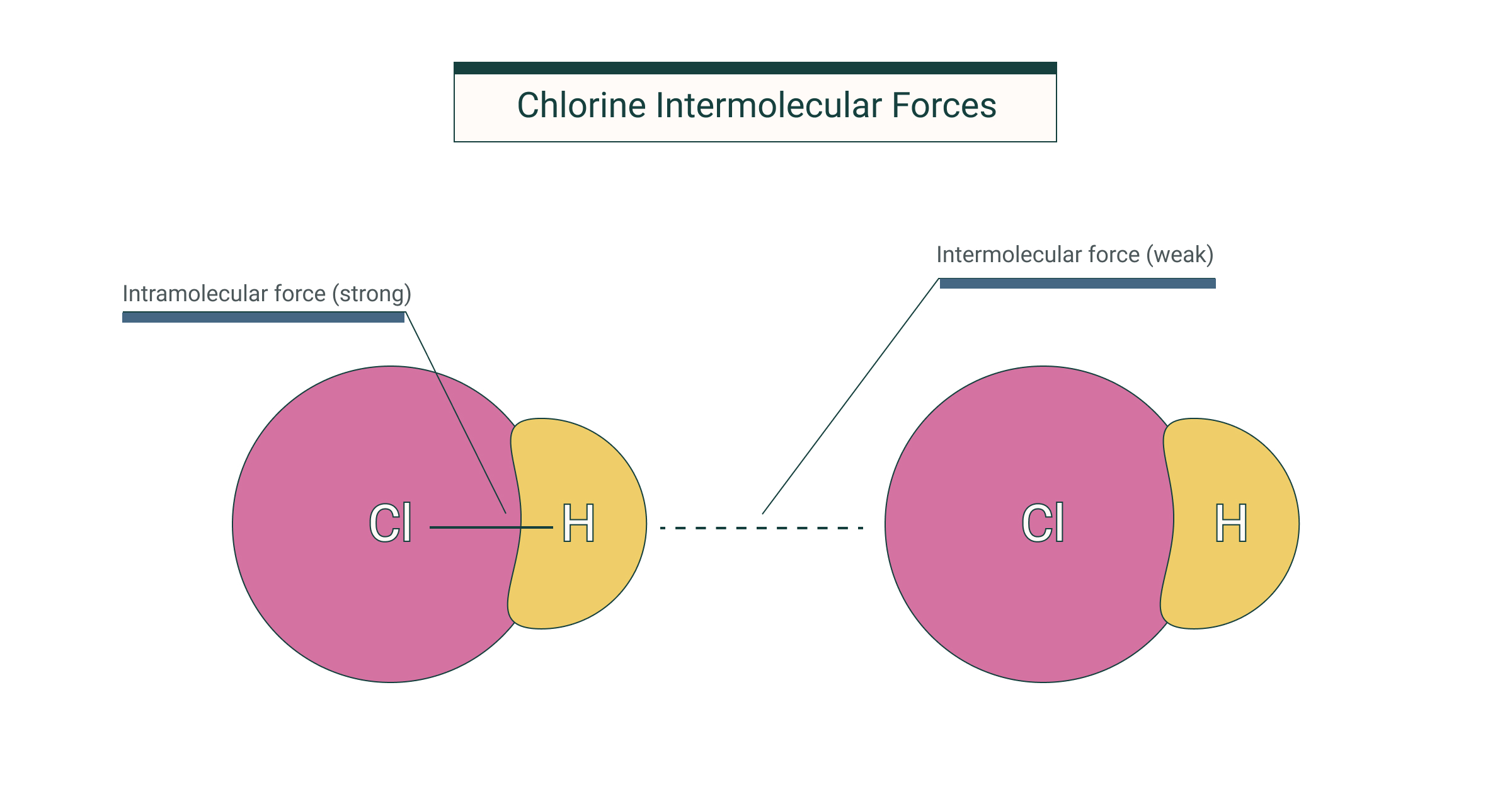
Intermolecular forces
Van der Waals forces
Very weak
Always in covalent bond
Polymorphosim
Exist in more than one crystal structure
Crystal Structure
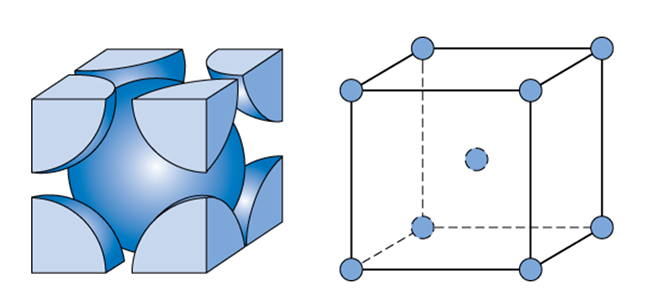
BCC ( Body centred cube)
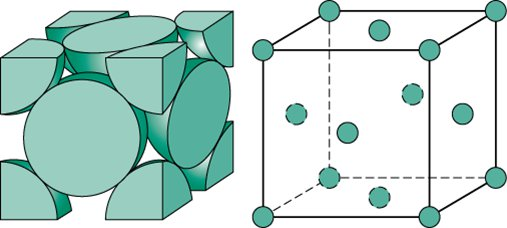
FCC (Face centered cube)
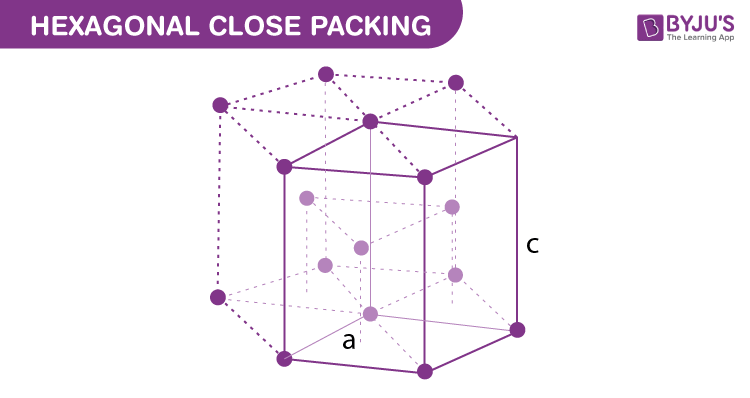
HCP ( Hexagonal close packed)
BCC
Room temperature
Atoms at each corner of a cube
One atom in the centre of the cube
FCC
Very ductile (easy to bend and shape)
Atoms at each corner
Atoms in the centre of each face
GOLD, SILVER, ALIMINUIM, PLATINUM
HCP
Heat treatment
Atoms arranged in hexagon layers
Non- Crystalline (Amorphous)
Polymers and Ceramics in their solid state
Glass
Metals
Ferrous Metals
Non Ferrous Metals
Ferrous Metals
Have iron as a PRIMARY constituent
Iron, cast iron, carbon steel
Mild Steel
Eaily formed, machined and welded
Ductile- Into thin wire
Scews, bolts
Easily corrodes, must be painted, electroplated, galvanised
Stainless Steel
10 percent of chromium added
Non ferrous
May contain Iron, but not primary constituent
Copper: High electrical conductivity, corrostion resistance, electrical wiring
Brass: 70 copper, 30 zinc, corrosion resistance, switch gears
Bronze: Copper and Tin
Vulcanised rubber tyre
Alimnium bronze: Excellent corrosion resistance
Basic Forming Processes
Casting
Rolling
Extruding
Joining
Cutting
Fabricating
Casting
Involves heating up a material such as a metal alloy, then placing into a mould
Investment casting- Lost wax casting
Polymer - Moulding NOT CASTING, blow moulding
Rolling
Pass a metal through a roller to form a circular or square bar
Hot rolling- Easier, less dimensionally accurate
Cold Rolling- Harder- More dimensionally accurate
Extruding
Passed through a die at an elevated temperature
Aliminium alloy window frame
Joining
Metallurgical Methods
Welding
Soft soldering
Brazing
Silver soldering
Mechanical Joining
Welding
Spot Welding: Joining sheetmetal
Butt Welding: Joining tubes
MIG Welding: Can weld aliminum
TIG Welding: Joining aliminum and stainless steel
Soft Soldering
Join 2 metals using tin alloy
EG Joining electrical wires together, 60 percent tin, 40 percent lead
Brazing
Brass that is melted onto a ferrous temperature at 860 degrees
Silver soldering
Joining dissimilar parent metals
Mechanical Joining
Mechanical joining is a method of fastening two or more materials together using physical devices — instead of melting (welding)
Screws, bolts, nuts, studs
Cutting
Removal of unwanted material
Fabricating
Assembling an item from various components
Polymers
Plastics, manufactured from crude oil
Formation of Polymers
Polymers are formed by linking together small molecules called monomers
Addition Polymerisation
Condensation Polymeriasation
Addition Polymerisation
2 or more monomers to form polymer
Condensation Polymerisation
Monomers join to form a by-product
Eg- Phenol formaldehyde ( Bakelite)
Polymer structure
Thermoplastics ( Thermosoftening)
Thermosetting
Thermosoftenning
Can be resoftened by heat or rehardned by coolness
Covalent bonds and Weak secondary bond
HORIZONTAL STRONG BOND, VERTICAL WEAK BOND!!!
Examples
ABS: Lego bricks
Nylon: Clothing
Polycarbonate: Glass
Polyethylene: Water pipes
Thermosetting
Cannot be re-softened by heating
Better rigidity and less elasticty
Epoxy or GRP
ALL COVALENT BONDS!!!
Ceramics
Clay Body
Glass
Refractories
Clay body ceramics
Porcelain and China
Low porosity
Good thermal and electrical insulator
Glass
Soda Lime Glass
Amorphous ( Non crystallisation)
Good mechanical strength
GORILLA GLASS- ALKALI ALUMNIOSILICATE
Refractories
Stable at high temperatures
Oven and Furnaces
Forming and Shaping ceramics
Slip casting technique- Toilets
Glass Sheets- Windows
Hot Isostatic Pressing (HIP)- Medical implants
Composites
Materials made from different materials combined together
TIMBER
CONCRETE
Timber
Natural composie that is composed of cellulose fibres, the tracheids and lignin
Excellent strength and reasonable peformance
Affected by weather and prone to pests
Concrete
Consists of sand, cement and aggregrate
4 aggregrate : 2 sand: 1 cement
Portland cement
Good in compression, weak in tension