Lab 3: Cnidaria
 Call Kai
 Learn
Learn Practice Test
 Spaced Repetition
 Match
Match Flashcards
 Knowt Play
1/61

There's no tags or description
Looks like no tags are added yet.
Name | Mastery | Learn | Test | Matching | Spaced | Call with Kai |
|---|
No analytics yet
Send a link to your students to track their progress
62 Terms
Cnidaria: organization
tissue level
Cnidaria: embryonic development
dipoblast
Cnidaria: symmetry
radial
Cnidaria: skeleton
hydrostatic skeleton
Cnidaria: movement
hydrostatic skeleton
muscles contract to create pressure and move body
Cnidaria: sensory/nervous
nerve net
light sensing Ocelli
no central nervous system
Cnidaria: circulation
diffusion
Cnidaria: digestion/feeding
incomplete gut / GVC
intracellular digestion
extracellular digestion
cnidocytes for prey capture
Cnidaria: excretory
diffusion
Cnidaria: reproduction
both monoecious and dioecious
some alternation of sexual and asexual stage
Cnidaria: respiration
diffusion
life form: polyp
anchored with mouth up
life form: medusa
free-swimming with mouth down
mesoglea
not a tissue layer
jelly-like substance
provides substance for body
GVC
gastrovascular cavity
ectoderm →
epidermis
endoderm →
gastrodermis
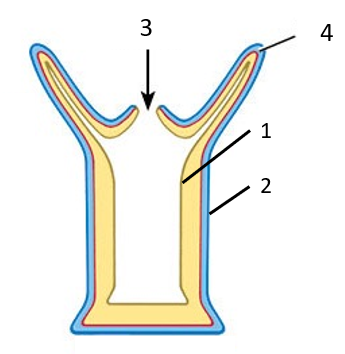
Which life form is this?
polyp
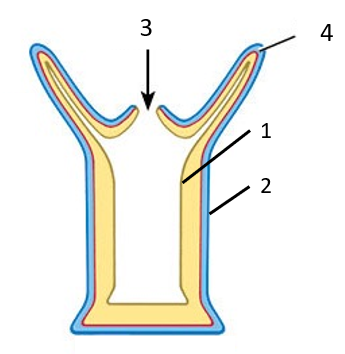
What is 1?
gastrodermis
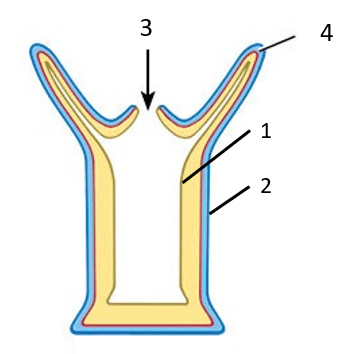
What is 2?
epidermis
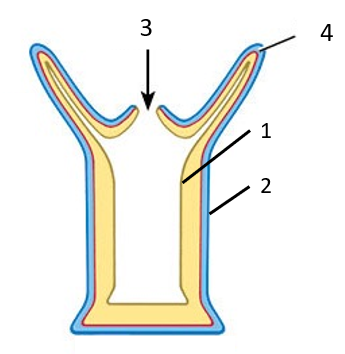
What is 3?
mouth
What is 4?
tentacle
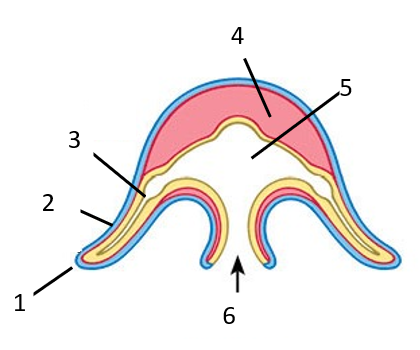
Which life form is this?
medusa
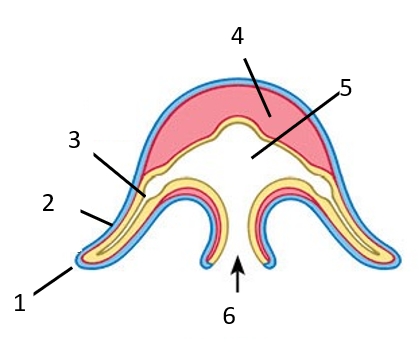
What is 1?
tentacle
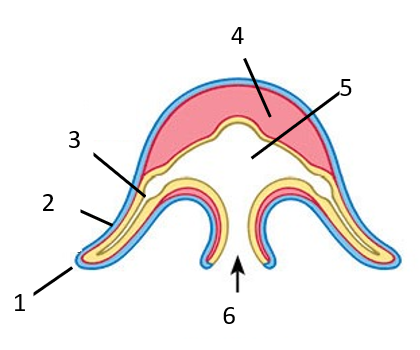
What is 2?
epidermis
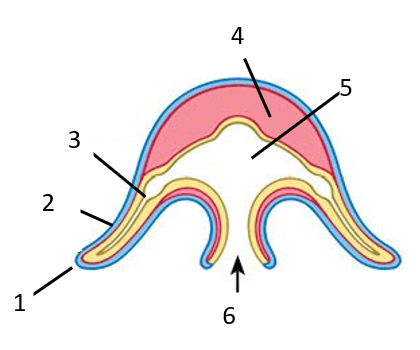
What is 3?
gastrodermis
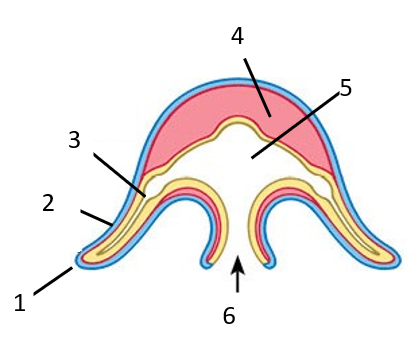
What is 4?
mesoglea
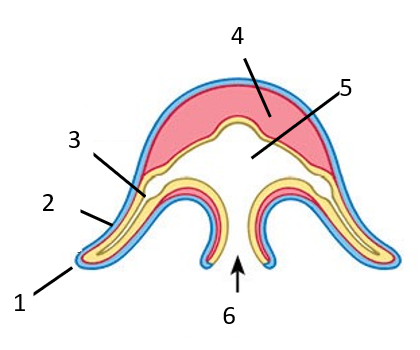
What is 5?
gastrovascular cavity
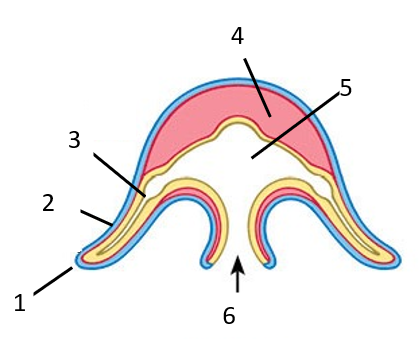
What is 6?
mouth
each of these contains a stinging capsule (nematocyst)
cnidocytes
a stinging capsule that either penetrate, fasten/coil, or adhere; some inject toxins
nematocyst
Cell used for both prey capture and predator deterrent and hundreds or thousands may line exterior surfaces
nematocyst
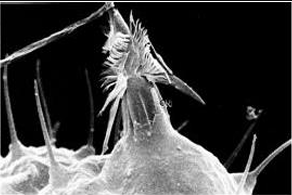
What is this?
Cnidocyte
For class Hydrozoa which life stage is the most dominant
polyp (most colonial) although most produce a medusa stage at some point
How is the medusa stage for Class Hydrozoa
velum ring and no oral arms and have very little mesoglea
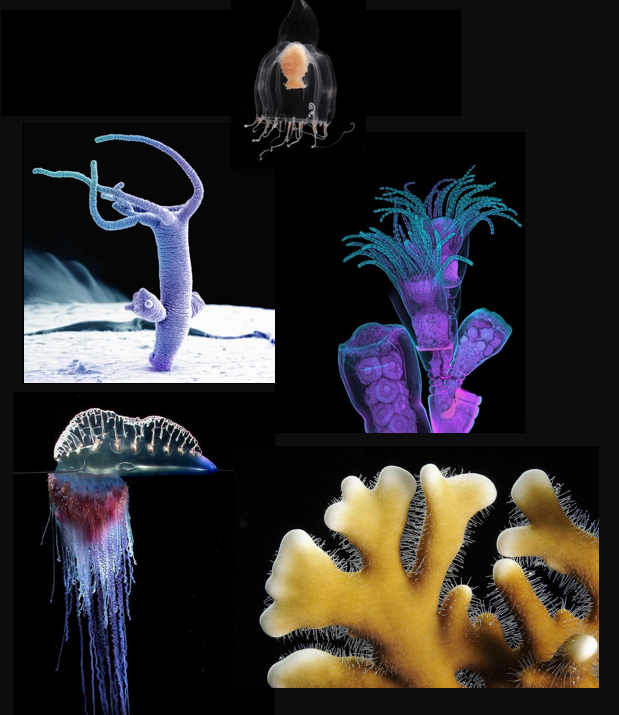
Which phylum and class is this?
Phylum Cnidaria Class Hydrozoa
What phylum and class is this
Phylum Cnidaria Class Hydrozoa
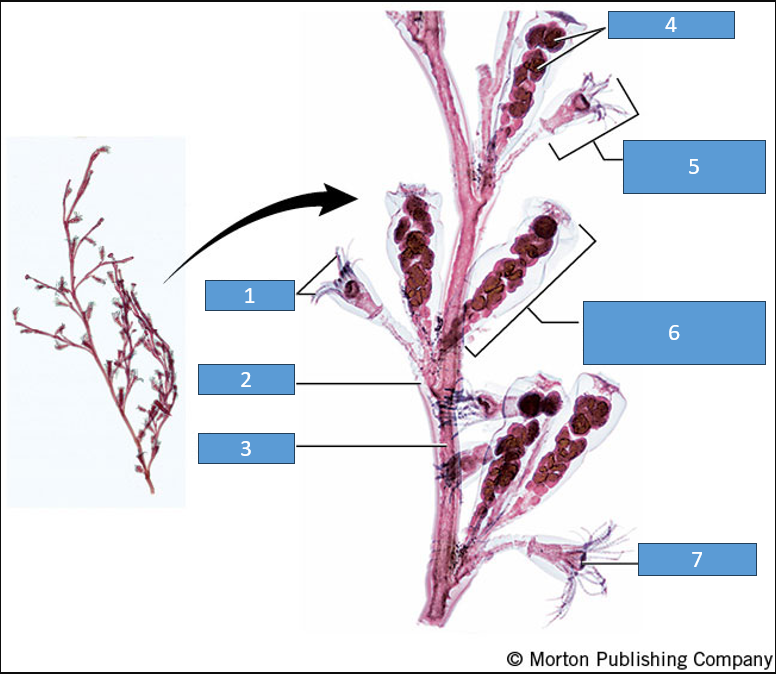
What is 1?
tentacles
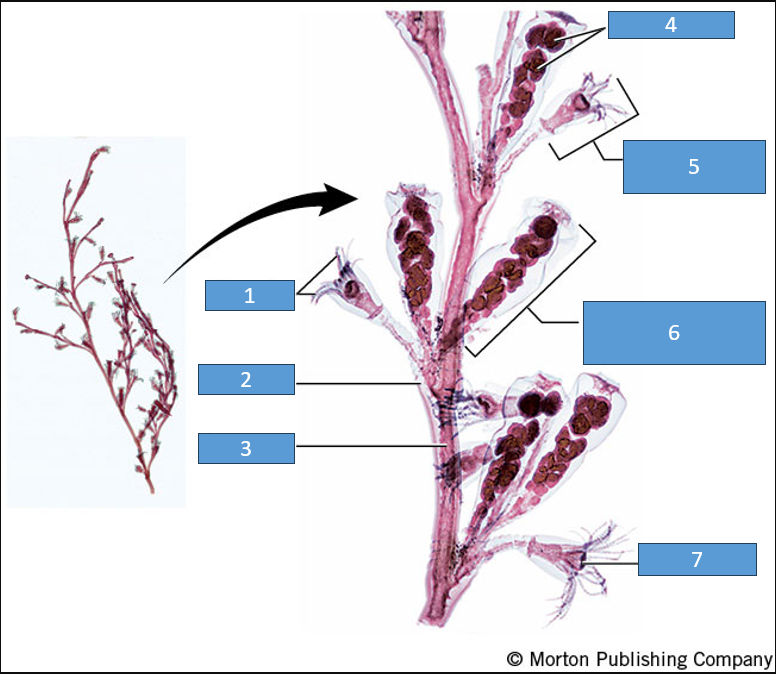
What is 2?
perisarc
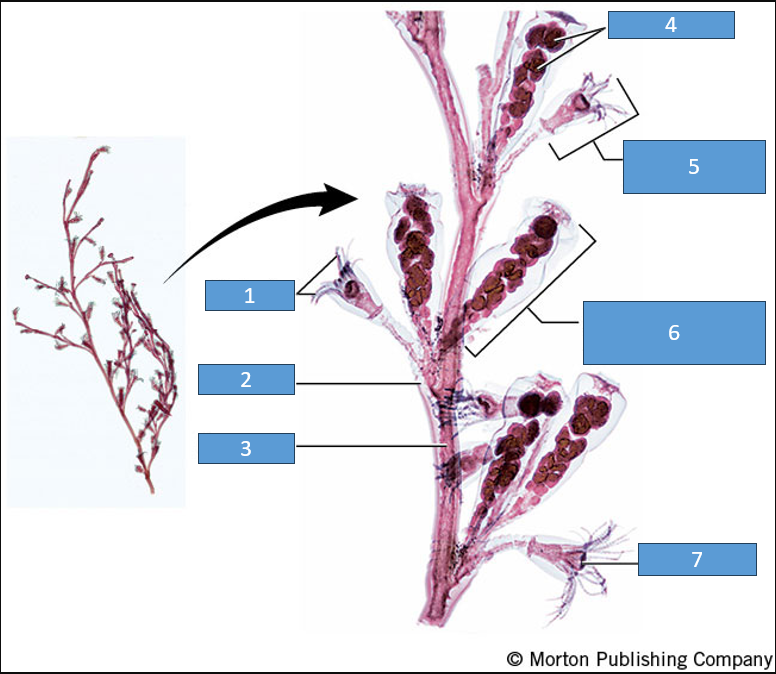
What is 3?
coenosarc
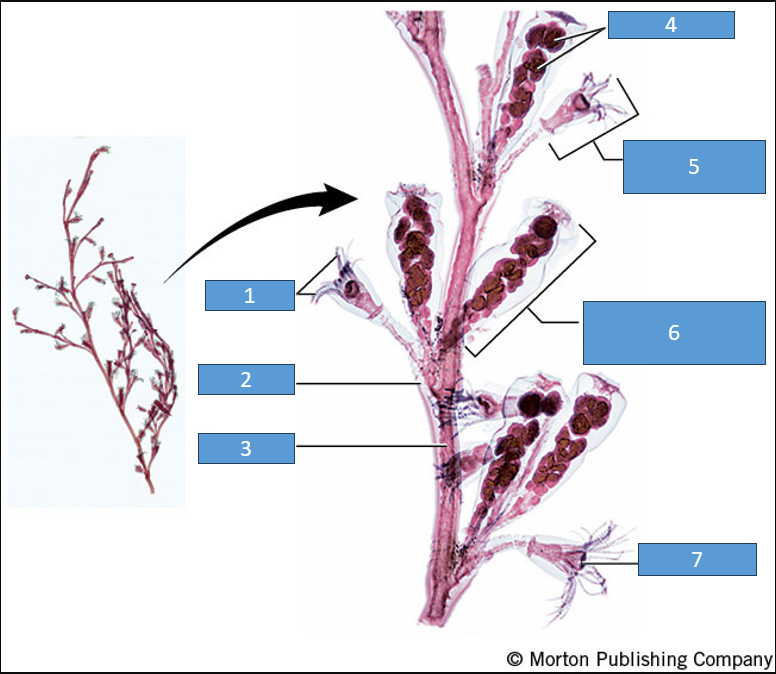
What is 4?
medusa buds
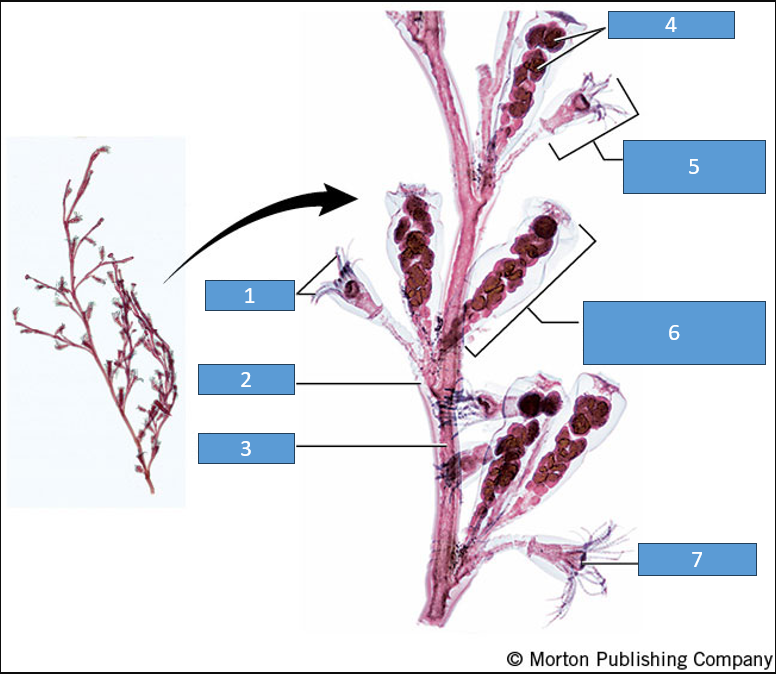
What is 5?
hydranth
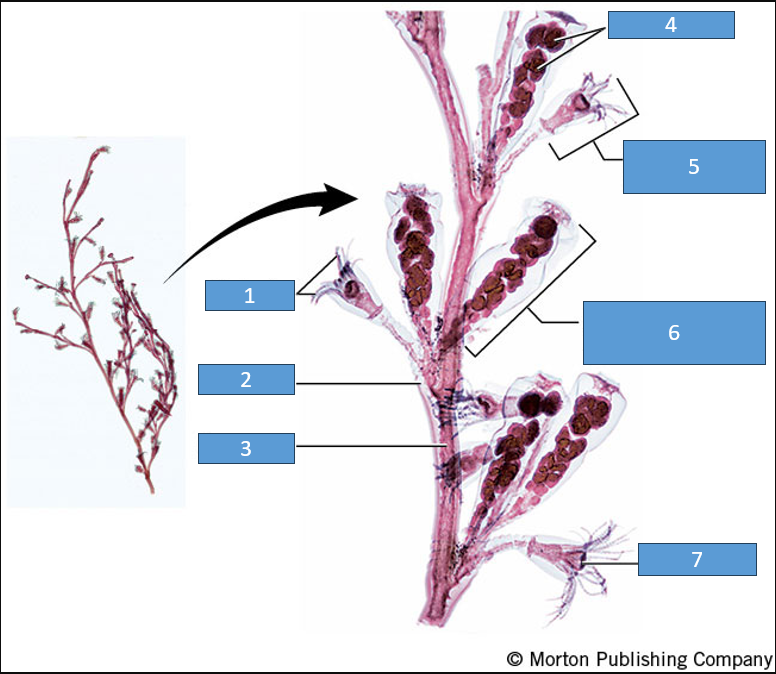
What is 6?
goangium
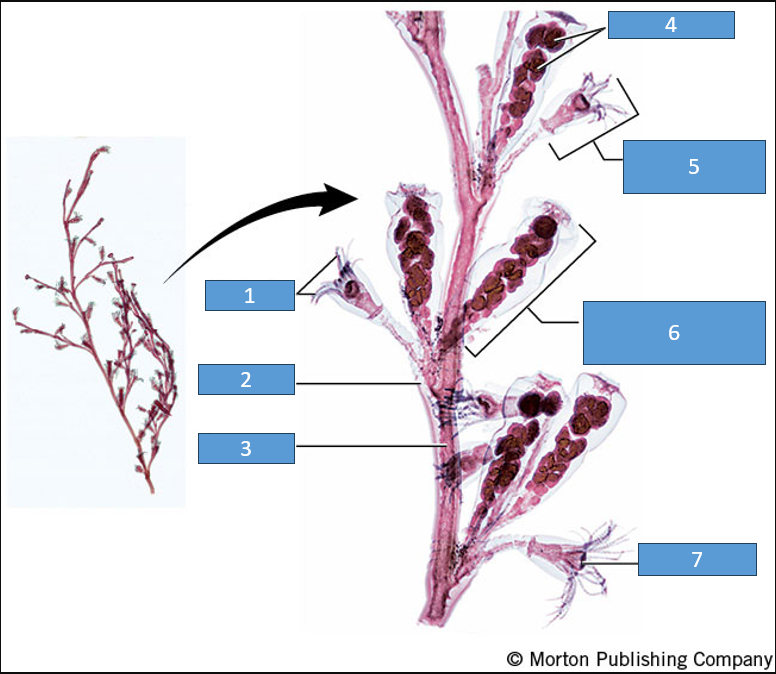
What is 7?
hypostome
What are hydranths and goangium examples of
polymorphic colony
Feeding polyps
hydranths
asexually reproducing polyps
goangium
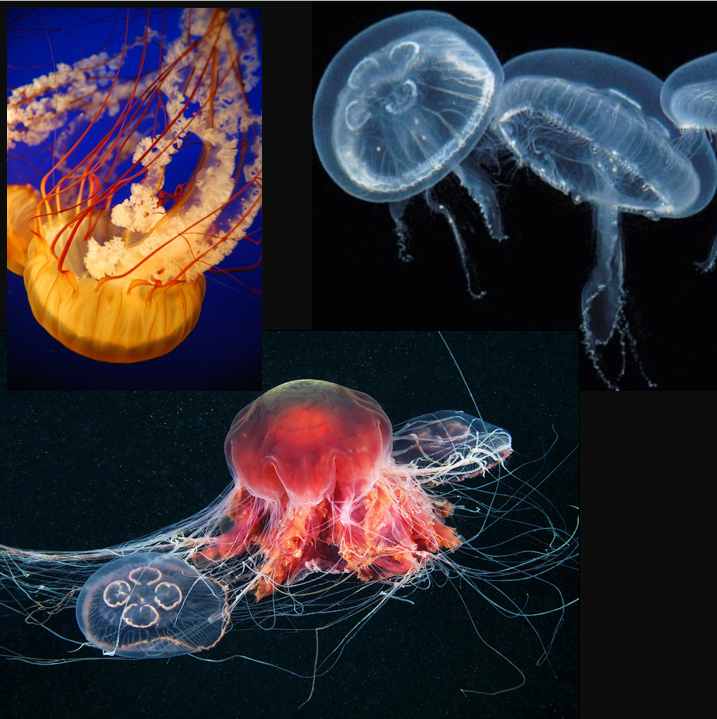
What phylum and class are these?
Phylum Cnidaria Class Scyphozoa
Which class are true sea jellies
Scyphozoa
Which class have a thick layer of meoglea
Scyphozoa
Which life stage is dominant for class Scyphozoa
medusa
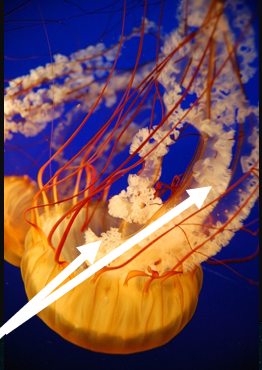
What are these?
oral arms
Class Scyphozoa poly p stage
very reduced which buds off medusae
Which class is sessile with only a polyp stage (NO medusa stage)
Anthozoa
Which class exists as solitary individuals (e.g., anemones) or as true colonies (e.g., corals)
Anthozoa
Which class is all marine
Anthozoa
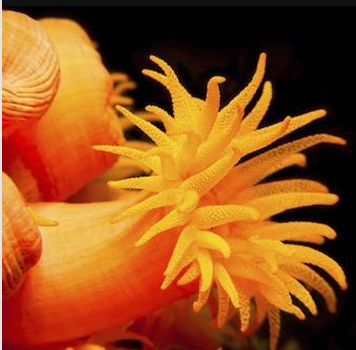
Which phylum and class does this belong to
Phylum Cnidaria Class Anthozoa
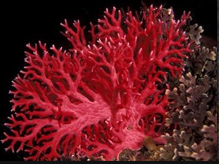
What phylum and class is this?
Phylum Cnidaria Class Anthozoa
Sea Fan (soft coral)
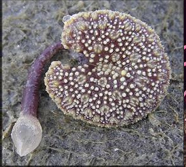
What phylum and class is this?
Phylum Cnidaria Class Anthozoa
Sea Pansy
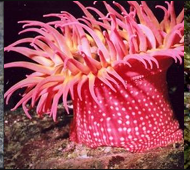
What phylum and class is this?
Phylum Cnidaria Class Anthozoa
Anemone
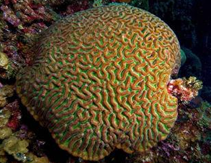
What phylum and class is this?
Phylum Cnidaria Class Anthozoa
Coral (hard coral)
What is the difference between fire coral (hydrozoa) and true coral (anthozoa)
fire coral have rougher exoskeletons