Macroeconomics and Personal Finances: Growth, Inflation, Recession, and Investment Strategies
 Call Kai
 Learn
Learn Practice Test
 Spaced Repetition
 Match
Match Flashcards
 Knowt Play
1/26

There's no tags or description
Looks like no tags are added yet.
Name | Mastery | Learn | Test | Matching | Spaced | Call with Kai |
|---|
No analytics yet
Send a link to your students to track their progress
27 Terms
What is the expected average growth rate in Real GDP per capita?
2%
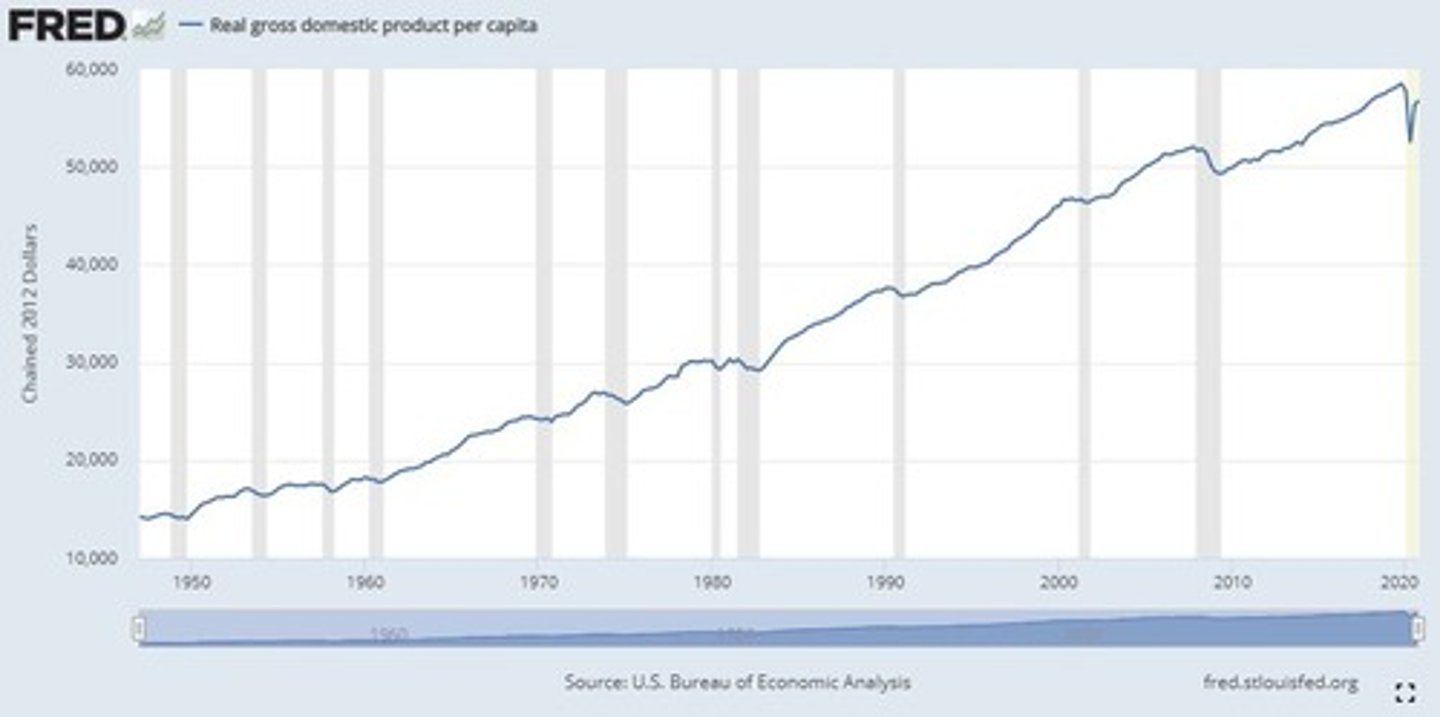
How often is Real GDP expected to double?
Every 35 years
What is meant by 'creative destruction' in economic growth?
It refers to the process where technological changes lead to lower demand for certain jobs, making them obsolete.
What is the Federal Reserve's target annual inflation rate?
2%
What happens to the cost of living if inflation averages 2%?
The cost of living is expected to double every 35 years.
What should you ensure about your nominal wages in relation to inflation?
They should grow by at least 2% to keep pace with inflation.
What is a recommended emergency fund amount?
3-6 months' worth of expenses.
What should you do to mitigate financial risks during recessions?
Keep an emergency fund, lower household expenses, and build transferable skills.
What is the definition of wealth in financial terms?
Wealth = value of all your assets owned - liabilities.
What are the three types of assets you can hold as part of your wealth?
Physical assets, financial assets, and cash equivalents.
What does ROI stand for in investing?
Return on Investment.
What is the key economic principle related to investments?
Risk, Reward Trade-off.
What are compound returns?
Returns earned on previous returns, not just the original principal.
What is the difference between active and passive investing?
Active investing involves trying to pick stocks and time the market, while passive investing aims to match market returns through index funds.
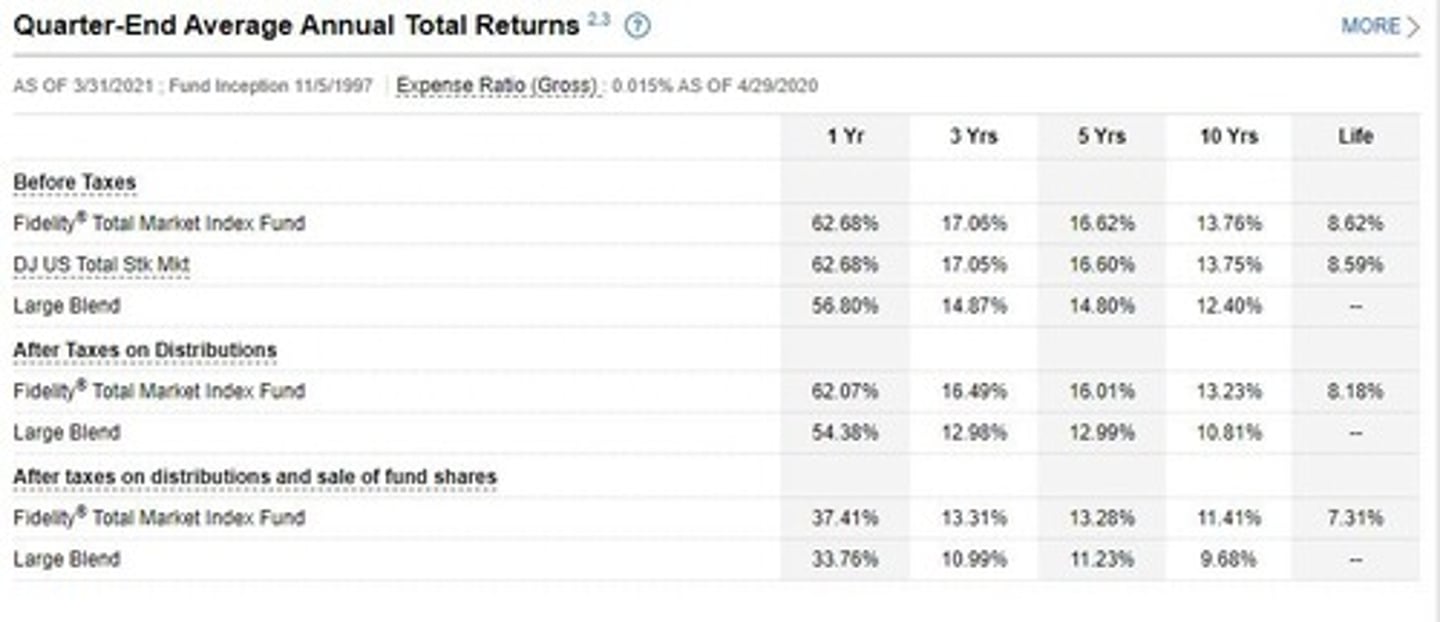
What does the Efficient Market Hypothesis suggest?
Asset prices reflect all publicly available information, making it hard to consistently beat the market.
What is the goal of passive investing?
To achieve the average ROI of a large diversified group of assets.
What should you consider when deciding between active and passive investing?
Whether you can beat the average ROI of the market or if the fees of a fund manager justify their services.
What are pro-cyclical assets?
Assets that tend to perform well during economic upturns.
What is a potential opportunity during a recession?
Buying undervalued stocks or real estate in a buyer's market.
What is the impact of inflation on cash holdings?
Cash holdings can erode due to inflation, so it's best to keep only what is necessary.
What are some examples of financial assets?
Stocks, bonds, mutual funds, and real estate.
What is the importance of liquidity in your emergency fund?
It should be stored in a liquid form that earns interest close to the inflation rate.
What is the significance of having diversified income sources?
It helps mitigate risks associated with job loss or reduced hours.
What is the relationship between economic growth and personal wealth?
As the economy grows, individual wealth is expected to grow as well.
What should you do if jobs do not return to your old industry after a recession?
Be ready to adjust and change occupations or locations.
What is the expected outcome of free market incentives after a recession?
They will push real growth back to potential and drive unemployment down to the natural rate.
What are some characteristics of cognitive, non-routine jobs?
They require specialized knowledge and involve a lot of interaction with people.