RTF FAST (copy)
 Call Kai
 Learn
Learn Practice Test
 Spaced Repetition
 Match
Match Flashcards
 Knowt Play
1/89

Earn XP
Description and Tags
Name | Mastery | Learn | Test | Matching | Spaced | Call with Kai |
|---|
No analytics yet
Send a link to your students to track their progress
90 Terms
“see and be seen
Air traffic control began in the early 1930’s with only one rule _____
ATC
provides service assistance on a traffic flow and direct the aircraft safe and orderly in a controlled airspac
Prevent collisions between the aircraft and on the maneuvering areas (terrain)
provides service assistance on a traffic flow and direct the aircraft safe and orderly in a controlled airspac
Functions of an ATC
Two – way radio
also known as transceiver that uses a portion of the very high frequency (VHF) range to transmit and receive radio communication
is between 118.0 megahertz (MHz) and 135. 1975 (MHz)
Frequency range of VHF COM
LOS line of sight
VHF transmission is limited to ______
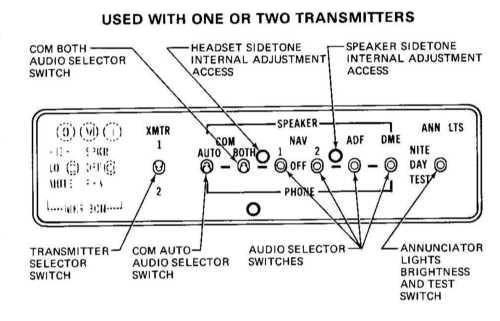
Squelch control
it adjusts how strong a received signal has to be to hear the audio. turning this increases the reception range to receive weaker signals
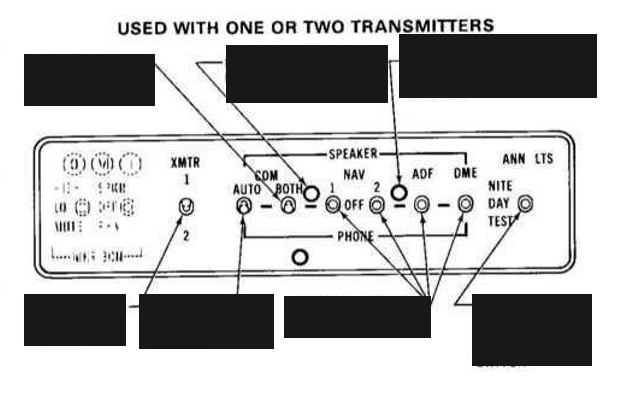
XMTR Transmitter selector switch
simultaneously selects the audio amplifier associated with that transmitter to provide speaker audio. For example, if the number one transmitter is selected, the audio amplifier in the number one NAV/ COM is also selected and is used for ALL speaker audio
AUDIO SELECTOR SWITCHES
These switches allow receiver audio to be directed to the airplane speaker or to a headset, and heard singly or in combination with other receivers. To hear a particular receiver on the airplane speaker, place that receiver's _________ in the up (SPEAKER) position. To listen to a receiver over a headset, place that receiver's __________in the down (PHONE) position. The center (OFF) position turns off all audio from the associated receiver.
30-300 KHz
L/FM Band freq range
3 - 30 MHz
HF Band freq range
30 - 300 MHz
VHF freq range
300 MHz - 3 GHz
UHF Band
ATIS Automatic Terminal Information System
is a continuous broadcast of recorded information at selected high activity terminal areas.
OKTAS
unit of measurement to describe the amount of cloud cover at any given location
Control Tower
– Controls all airborne traffic within a specified airport area. Both landing and take-off is a primary responsibility of the _______ of all VFR traffic within the airports traffic area. (10 miles radius and 3,
Ground Control
– Is the segment of air traffic control system that is responsible for the separation of traffic moving on the airport surface.
Ramp Control
– The purpose of the ramp control service is to expedite and maintain orderly movement of aircraft from apron to taxiway gates and vice versa.
Departure and Approach Control
– Are sometimes located separately from the tower. These facilities provide traffic through the use of radar and are most commonly used for IFR operations
UNICOM
– A privately operated air/ground communication station which transmits on a limited number of frequencies where in you can get advisory information and also request other information services.
MULTICOM
– Frequency that provides aircraft in the area to use for air to air communication which are essential to activities being performed by, or directed from, private aircraft.
Emergency Frequency
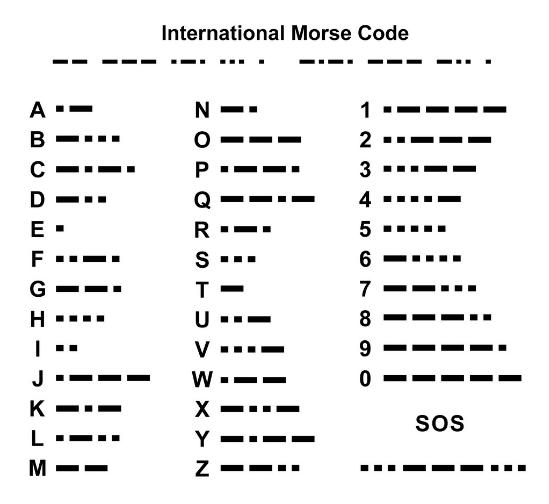
– The assigned international emergency is 121.5 MHz which all pilots must commit to memory; the initial call up is: “MAYDAY (3x)”. If the pilot desires to only alert ground personnel he then must preface his call with “PAN-PAN (3x)”
Flight Service Station (FSS
) – Are ATC facilities used extensively by pilots during crosscountry flights, current altimeter settings, advisories and pre-flights weather briefings of significant values.
Aircraft traffic
traffic that is – Prior to take-off and after landing, aircraft shall contact ground control
Vehicular traffic
– traffic that are to be used on runways and taxiways shall be provided with radio equipment capable of maintaining two-way voice communications with ground contro
clipping
Do not release the transmit switch until you have finished speaking, a term known as _____ |
Acknowledge
(Phrase) Let me know that you received and understood this msg
Advise (HR)
(Phrase) Tell us/ Inform us/ of / about…
Affirm
(Phrase) Yes
Airborne (HR)
(Phrase) the time the flight has started after TO phase
Approved
(Phrase) Permissino granted
Break
(Phrase) i hereby indicate the separation between portions of this message (to be used when there is no clear indicatino between the text and other portions of the message)
break break
(Phrase) i hereby indicate the separation between messages transmitted to different addresses in a very busy environment
cancel
(Phrase) annul previous msg
caution (hr)
(Phrase) beware
check
(Phrase) examine a sys or proc
cleared
(Phrase)authorized
climb (hr)
(Phrase) climb to maintain
comply (hr)
(Phrase) act in compliance with req or ins
confirm
(Phrase) i req verification of
contact
(Phrase) est comms with
correct
(Phrase) true or accurate
correction
(Phrase) an error has been made, the correct version is…
cross (hr)
(Phrase) fly/taxi across. pass from one side to the other
depart (hr)
(Phrase) leave
departure(hr)
(Phrase) take off, departing
descend(hr)
(Phrase)descend to maintain
disregard
(Phrase) ignore
estimate (hr)
(Phrase)Calculate/ make approx calcn
expedite (hr)
(Phrase)speed up increase speed
hold hr
(Phrase) keep in place/ condn
hold short hr
(Phrase)keep at a dist/ keep away of/ stop before reaching destination
how do you read
(Phrase) what is the readability of the xmsn
immediately hr
(Phrase) at once, w/o delay
i say again
i repeat for clarity or emphasis
leave hr
depart, abandon, go away from
look out for hr
(Phrase) view over, survey inspection (watch out for risk/hazard)
maintain
(Phrase) continue in accordance wth the condns
monitor
(Phrase) listen out on freq
negative
(Phrase) no/ permission not granted/ not correcttrfgd/ not capable
out
(Phrase) end of transmission (mostly for vhf comms)
over
(Phrase) xmsn ended and i expect a response (norm vhf)
read hr
(Phrase) hear and understand
read back
(Phrase) repeat all or specified parts of message
recleared
(Phrase) a change has been made to ur last clearance and this new clearance supersedes ur prev clearance or part thereof
report
(Phrase) pass me the following information
request
(Phrase) i wish to know/ i would like to obtain
revision hr
(Phrase) reconsidered or corrected version/ calculation of time
roger
(Phrase) i have received all of ur transmission
say again
(Phrase) repeat all or the following part of your last transmission
slow down hr
(Phrase)reduce speed
speak slower
(Phrase) reduce rate of speech
squawk hr
(Phrase) set mode code as ins
standby
(Phrase) wait and i will call you
unable
(Phrase) i cannot comply with your request, ins or clearance
verify hr
(Phrase)check and confirm w originator
wilco
(Phrase) will comply
words twice
(Phrase)as req: comm is diff please send xmsn twice
as info: since comm is diff, xmsn will be sent twice
Name of the station addressed
Identification of the aircraft
Nature of the distress condition
Intention of the person in command
Position, level and heading of the aircraft
Any other useful information
elements of distress
121.5 khz
vhf emergency freq
243/406
uhf emer freq
squawk 7700 for 1 minute on transponder to alert ATC that you are in Gen. Emergency
Squawk 7600 (no radio code / operating) for 15 minutes
Enter the pattern and wait for the light gun signal
When flying within any radar service,
during comms fail
120.3
Binalonan radio freq
135.1
RPUG UNICOM
121.9
RPU CTAF (multicom)
108-117.95 khz
VHF NAV freq range
Check receiver volume is set to optimal level
Listen out to the freq being used
Radio techniques before transmission
Speak w normal voice
Speak with an even rate of speech
Maintain a const volume
Dont hesitate on what youre saying
Dont release the ptt until done w xmsn (clipping)
Radio techniques: mic ops