Nurse Cheung ATI TEAS 7 English & Language Usage
 Call Kai
 Learn
Learn Practice Test
 Spaced Repetition
 Match
Match Flashcards
 Knowt Play
1/99

There's no tags or description
Looks like no tags are added yet.
Name | Mastery | Learn | Test | Matching | Spaced | Call with Kai |
|---|
No analytics yet
Send a link to your students to track their progress
100 Terms
Spelling Rules: I before E, except after C
The rule is ONLY true when the IE makes a LONG E sound.
EXAMPLES:
- achieve
- believe
- piece
- receive
- receipt
- ceiling
- deceive
- preconceived
Spelling Rules: I before E, except after C EXCEPTION
The vowel sound is not a LONG E.
- ancient
- efficient
- science
- sufficient
- their
- foreign
- weird
- leisure
- height
- neighbor
- weight
- vein
- feisty
Spelling Rules: Drop the final E
Drop the E when the suffix is a vowel suffix.
Common suffixes:
- ing
- ed
Constant suffixes:
- ful
- less
EXAMPLES:
- hope + ful = hopeful
- hope + ing = hoping (drop the E)
- care + less = careless
- care + ed = cared (drop the E)
Spelling Rules: Drop the final E EXCEPTION
Keep the E if the word ends in "CE" or "GE" and the suffix starts with A or O.
- notice + able = noticeable
- change + able = changeable
- courage + ous = courageous
- outrage + ous = outrageous
Spelling Rules: Double the Final Consonant
Follow the 1:1:1 rule (1 syllable: 1 vowel: 1 consonant).
Common suffixes:
- ing
- ed
- able (vowel suffix)
EXAMPLES:
- run + ing = running
- trip + ed = tripped
- jog + ing = jogging
- hug + able = huggable
Spelling Rules: Double the Final Consonant EXCEPTION
Words ending in H, W, X and Y do not follow this rule.
EXAMPLES:
- mix + ing = mixing NOT mixxing
- play + able = playable NOT playyable
- brew + ing = brewing NOT brewwing
Words ending in H don't typically follow the 1:1:1 rule!
Spelling Rules: Change the Y to an I
1. Adding any suffix except -ing
EXAMPLE: baby = babies
2. Constant + Y
EXAMPLE: happy = happiness
Spelling Rules: Change the Y to an I EXPECTIONS
Final Y + ing
if you are adding -ing to word, KEEP the final Y.
EXAMPLES:
- copy + ing = copying NOT copiing
- enjoy + ing = enjoying NOT enjoiing
(DOUBLE i IS NOT A VOWEL TEAM IN THE ENGLISH LANGUAGE)
Do Not Change Y to I
1. adding any suffix except -ing
2. vowel + Y
EXAMPLES:
- stay + ed = stayed NOT staied
- valley + s = valleys NOT vallies
Rules for Plurals: General Rule
Most nouns are made plural by adding "s" to the end of the singular form
EXAMPLE:
- car = cars
- bag = bags
- table = tables
Rules for Plurals: Nouns Ending in "F" or "FE"
Change the "F" or "FE" to -ves
EXAMPLES:
- calf = calves
- shelf = shelves
- wolf = wolves
EXCEPTIONS:
- there are certain words you do not drop the "F" OR "FE": roofs, chiefs, chefs, beliefs, oafs, reefs, giraffes, refs, safes, surfs.
Rules for Plurals: Nouns Ending in S, X, Z, CH, SH, and SS
Most nouns are made plurals by adding "es" to the end of the singular form.
EXAMPLES:
- bus = buses
- bench = benches
- box = boxes
EXCEPTION:
- words where the "ch" sound is pronounced "k" like stomachs = stomachs.
- words that have the irregualr plural, like fish = fish OR ox = oxen.
Rules for Plurals: Nouns Ending in O
Nouns that end in "O" preceded by a vowel is made plural by adding -s.
EXAMPLES"
- radio = radios
- stereo = stereos
- video = videos
EXCEPTIONS: Nouns that end in "O" preceded by a consonant is made plural by adding -es.
- piano = pianos
- photos = photos
- halo = halos
EXAMPLES:
- potato = potatoes
- hero = heroes
- domino = dominoes
Rules for Plurals: Nouns Ending in "Y"
When the "Y" follows a consonant, change the "Y"
to "i" and add -es.
EXAMPLES:
- city = cities
- candy = candies
- lady = ladies
When the "Y" follows a vowel, the plural is formed by retaining the "Y" and adding -s.
EXAMPLES:
- day = days
- toy = toys
- donkey = donkeys
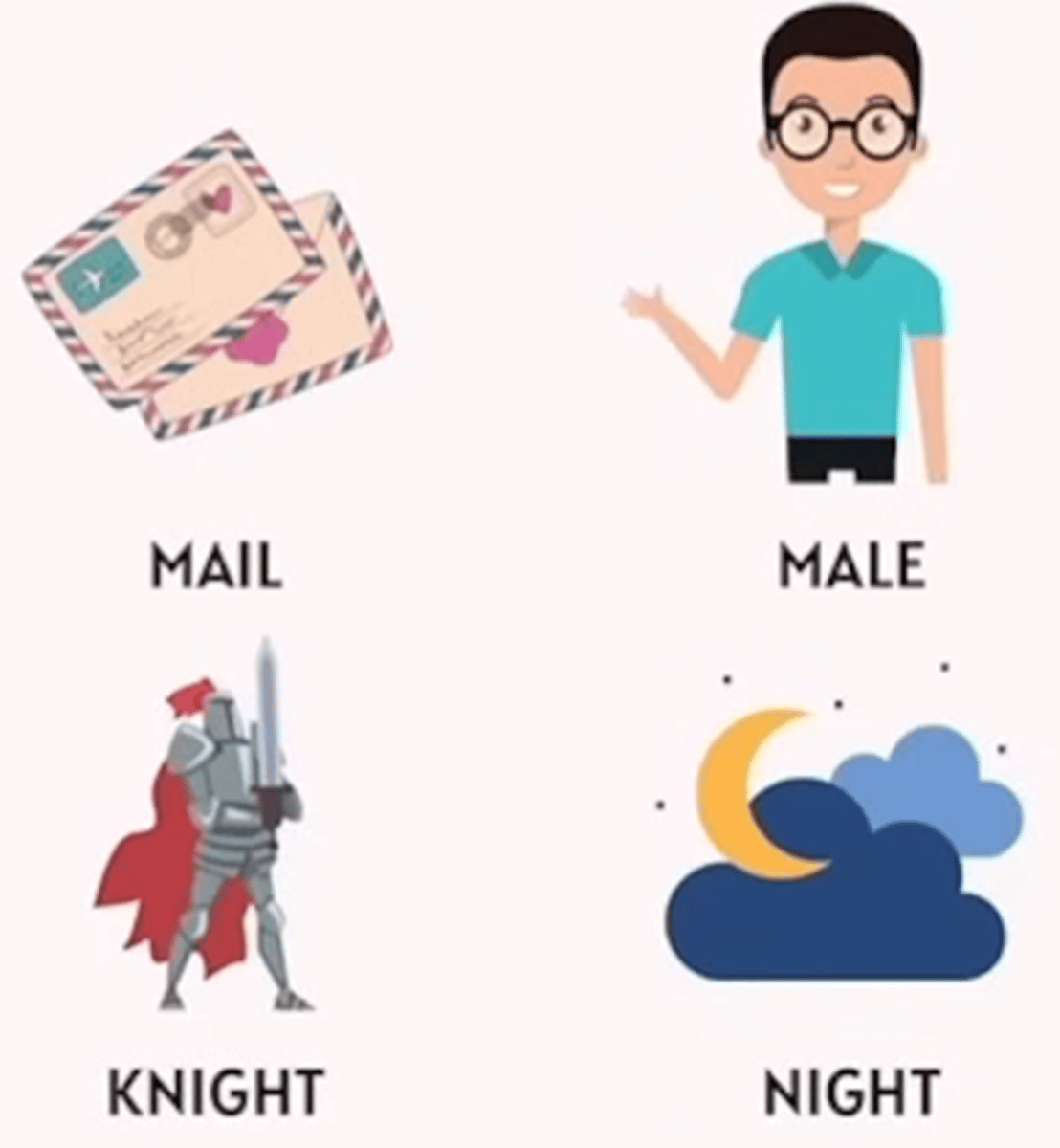
Homophones - "SOUND"
Words that sound the same but have a different meaning.
(Spelled differently)
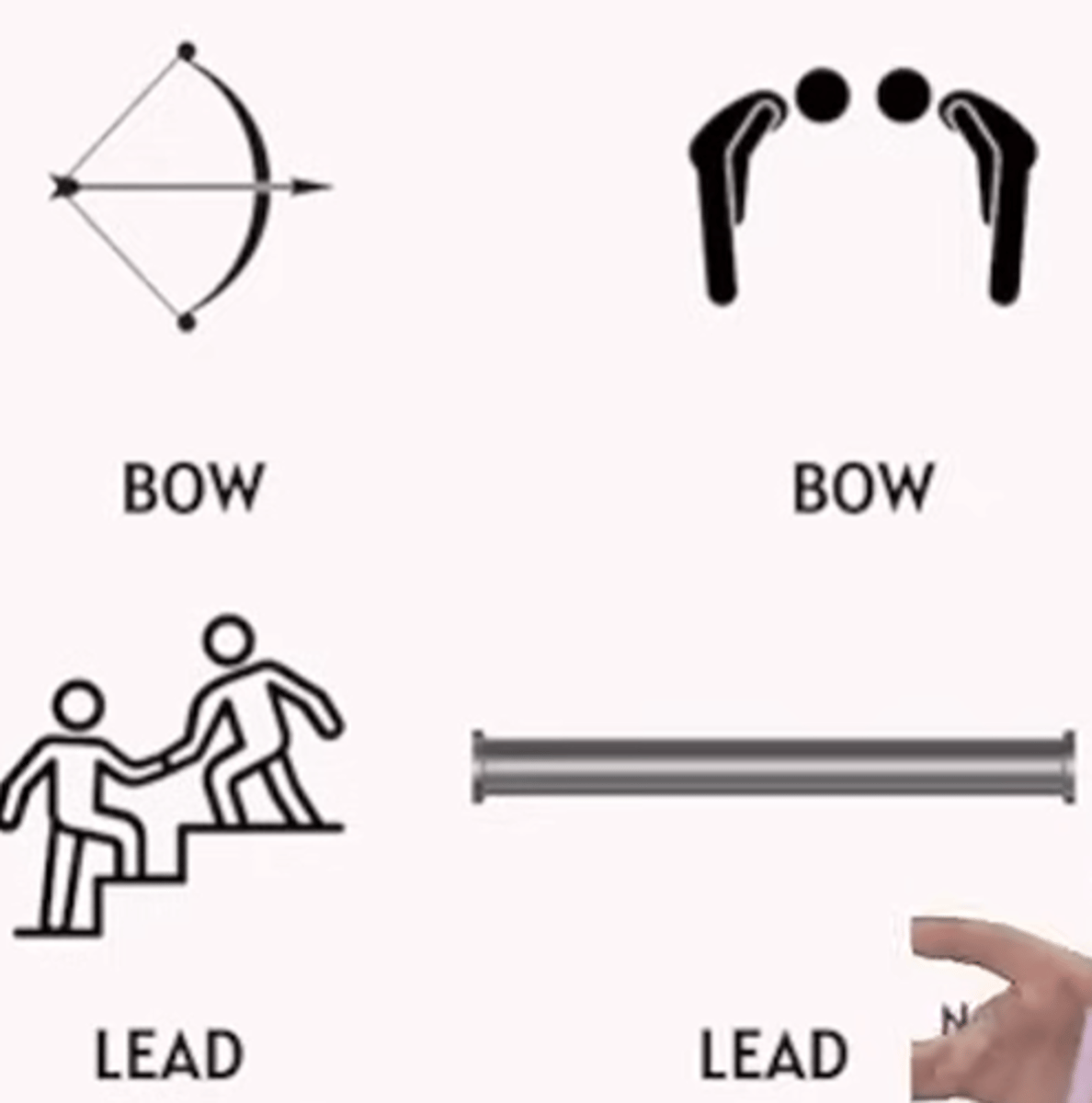
Homographs - "WRITING"
Words that are spelled the same but may not sound the same.
(Sound differently)
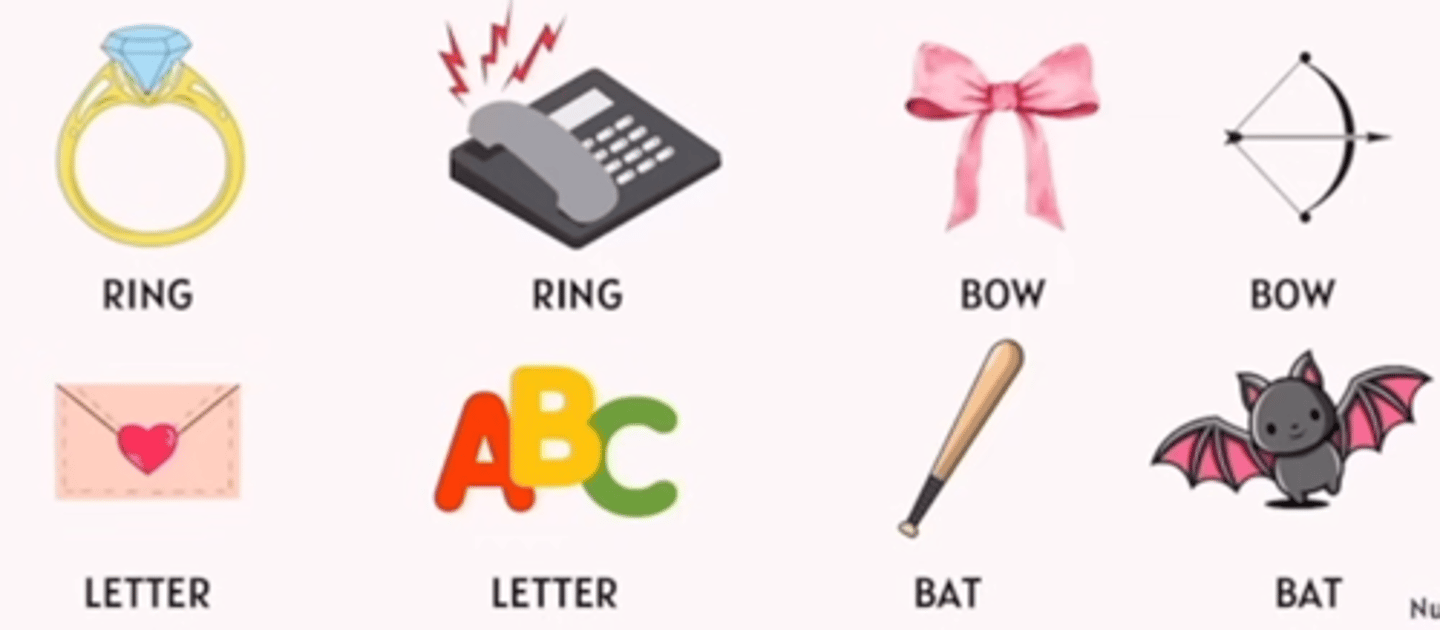
Homonyms
Words that are spelled that same and sound the same with different meanings.
Standard English Punctuation: Period
Every declarative sentence should conclude with a period.
EXAMPLES:
- She loves chocolate.
- He is my best friend.
- My dad wants to go to a restaurant for dinner.
- We have a meeting in two hours.
Standard English Punctuation: Capitalize Proper Nouns
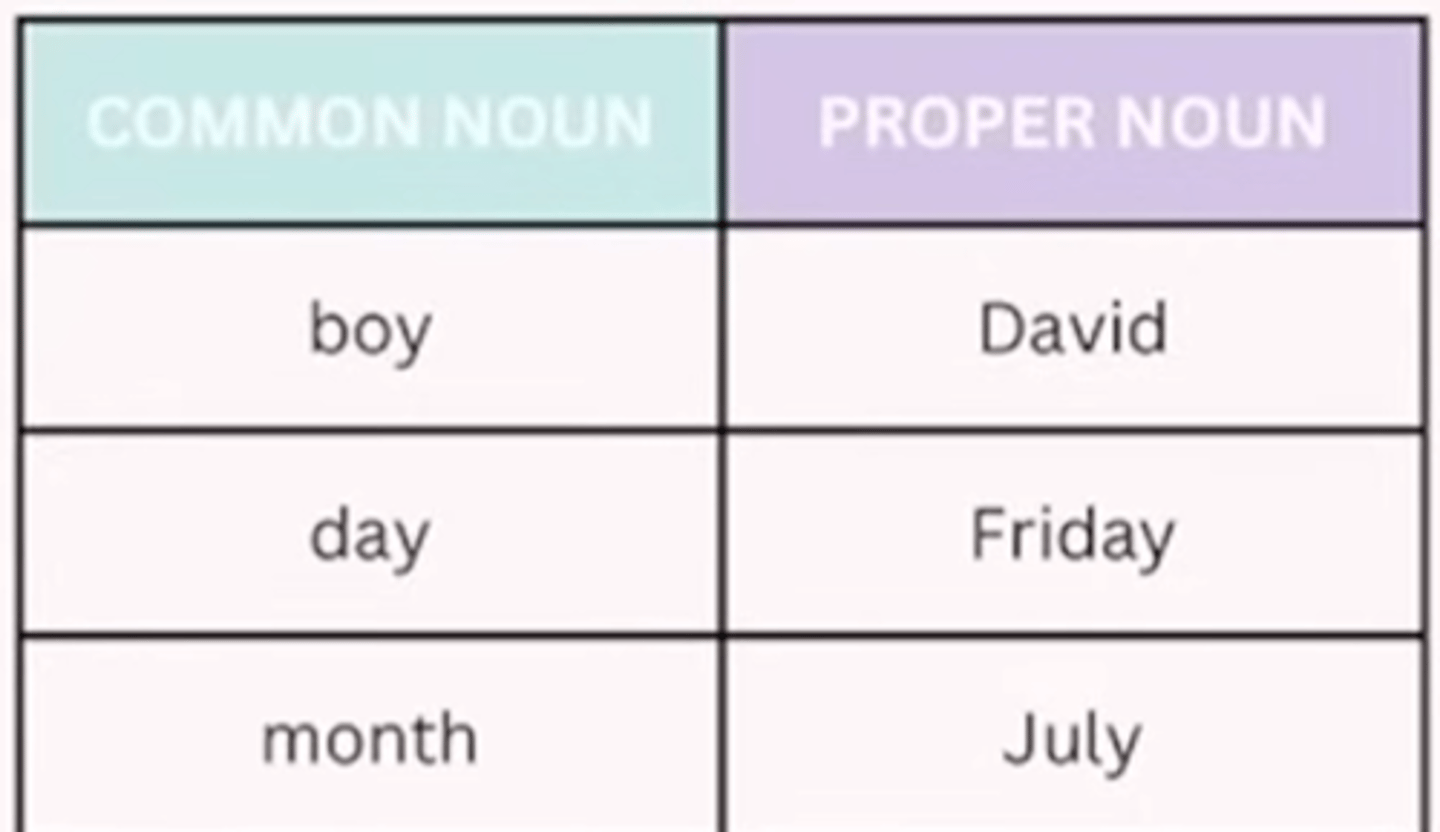
Capitalize proper nouns, not common nouns (unless it starts a sentence).
EXAMPLES:
- He is a boy. His name is David.
- The best day of the week is Friday.
- My favorite month of the year is July.
- Canada is a country known for its natural beauty.
- New York is a city that never sleeps.
- The Atlantic Ocean is a vast ocean between the Americas and Europe.
Standard English Punctuation: Capitalize the First Letter
Capitalize the first letter of a sentence.
EXAMPLES:
- She loves chocolate.
- He is my best friend.
- My dad wants to go to a restaurant for dinner.
- We have a meeting in two hours.
Standard English Punctuation: Don't Use Apostrophe
Do not use an apostrophe to form a plural.

Standard English Punctuation: Do Use Apostrophe
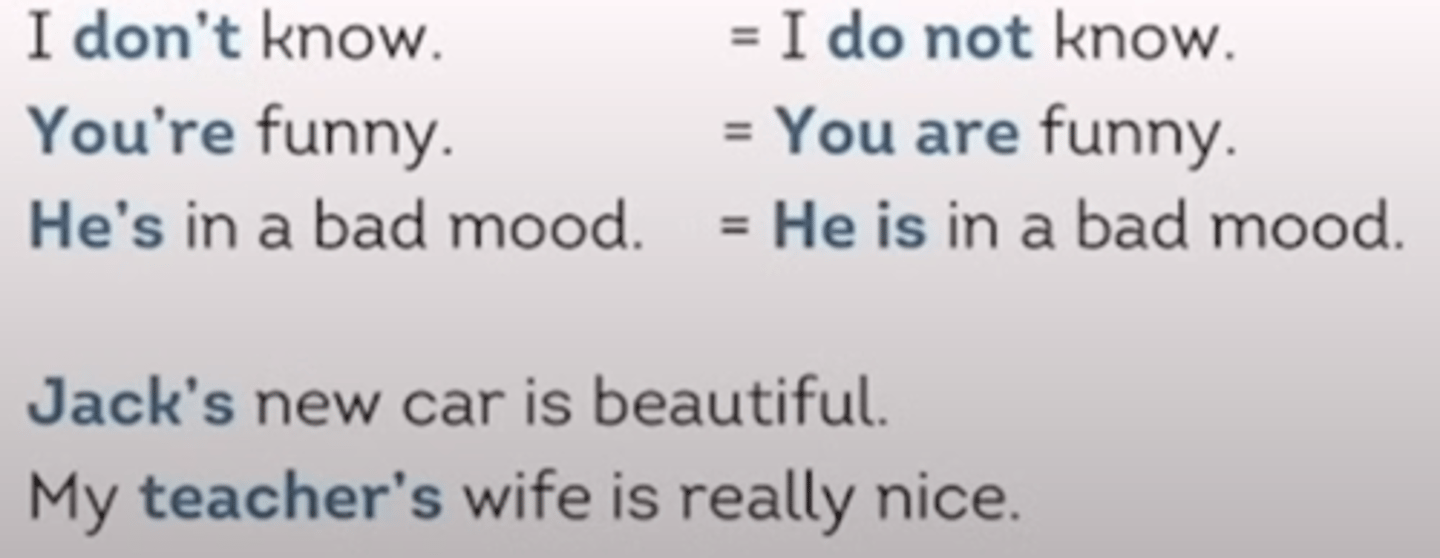
Apostrophes are used for contractions or to show possession.
Standard English Punctuation: Question Marks
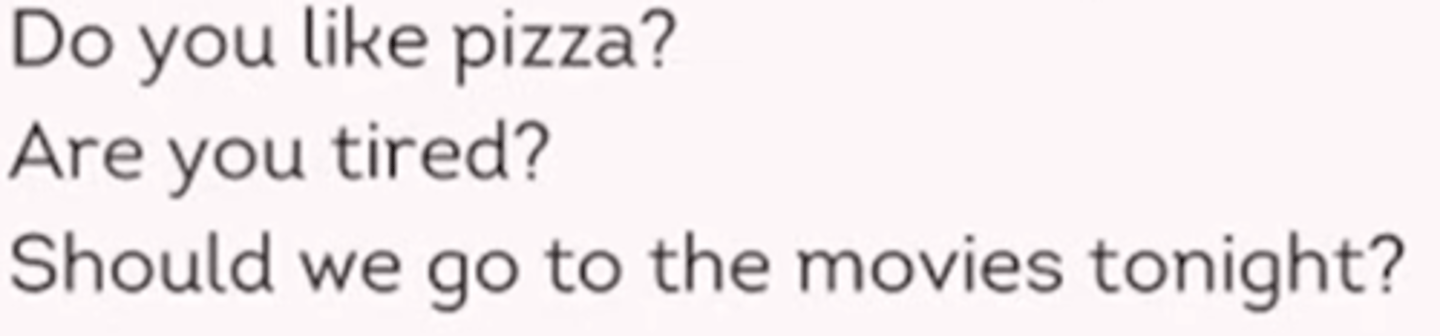
Every question or interrogative sentence must end with a question mark.
Standard English Punctuation: Exclamation Mark
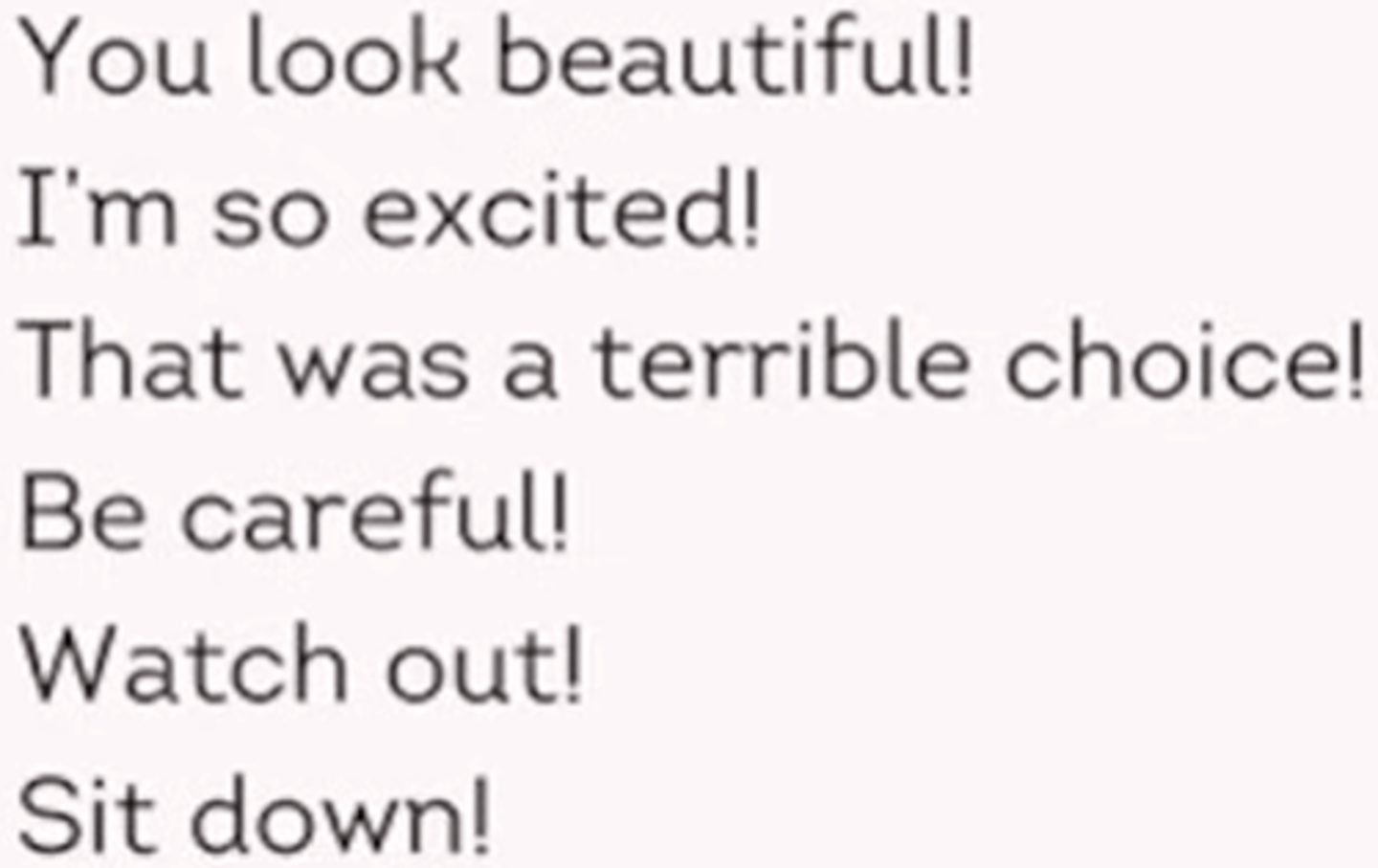
Add an exclamation mark at the end of a sentence to express excitement, strong emotion, or a sense of urgency.
Standard English Punctuation: Commas
Use commas to separate items in a series of three or more things.

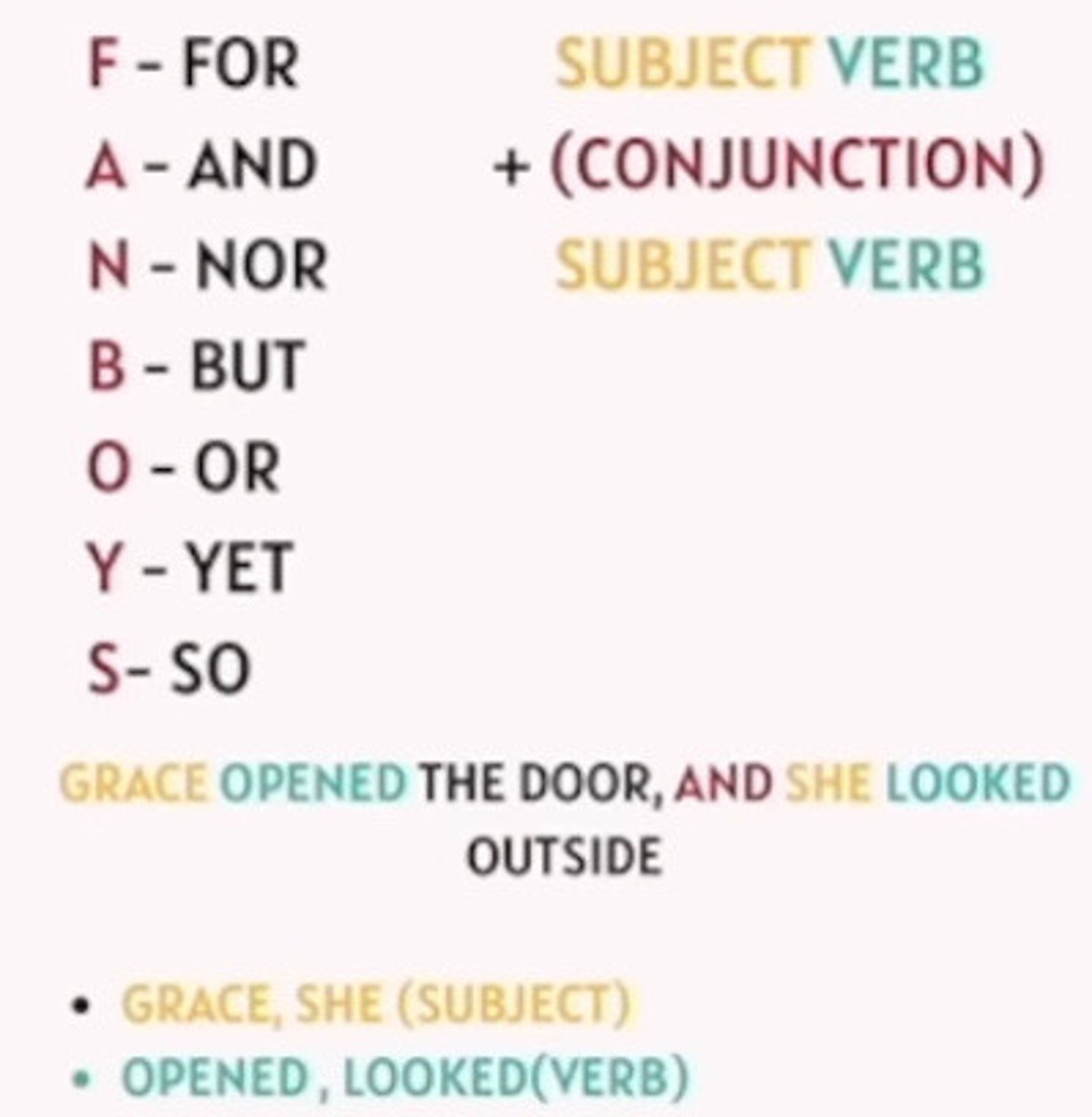
Standard English Punctuation: Commas Joined by Conjunction
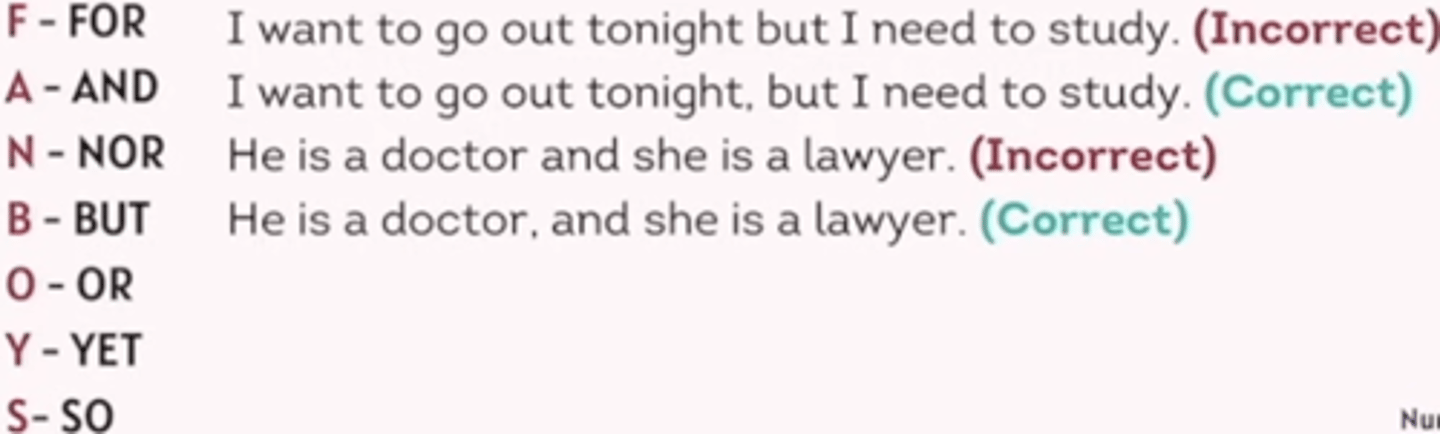
Use a comma to separate independent clauses (complete thoughts) when they are joined by the following conjunctions.
Standard English Punctuation: Semicolon
Use a semicolon between closely related independent clauses.

Standard English Punctuation: Colon
Use a colon to introduce a list of items.

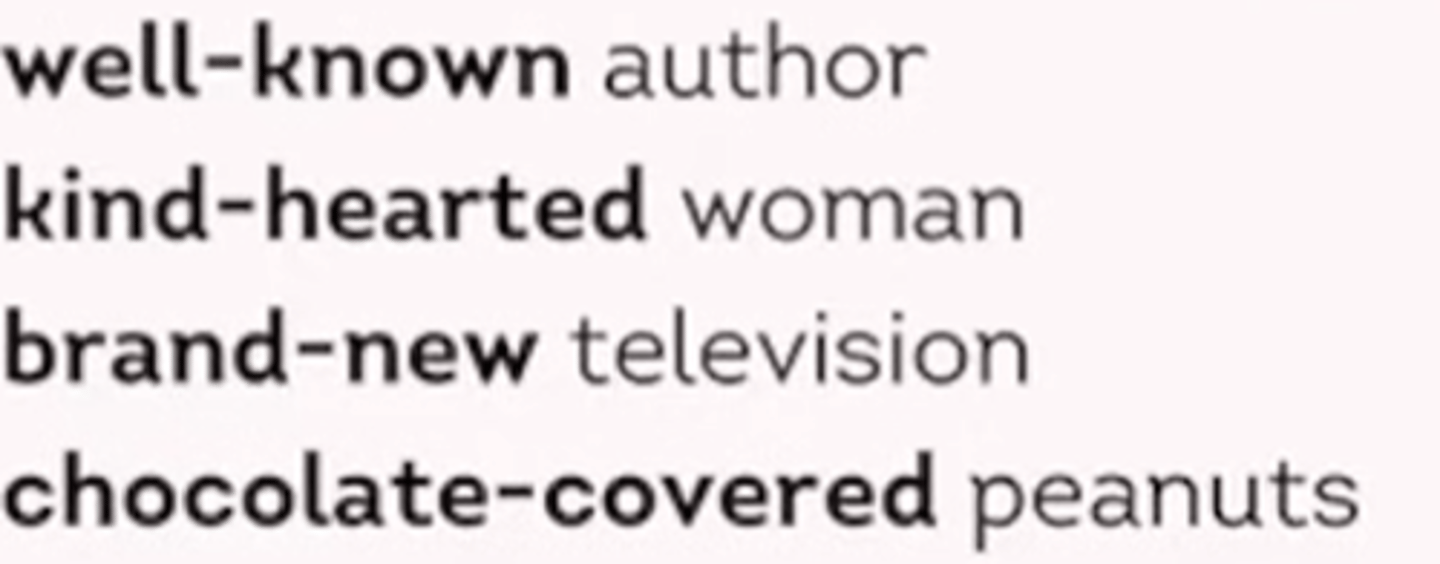
Standard English Punctuation: Hyphen
Use hyphen to join two or more words that serve as a single adjective before a noun.
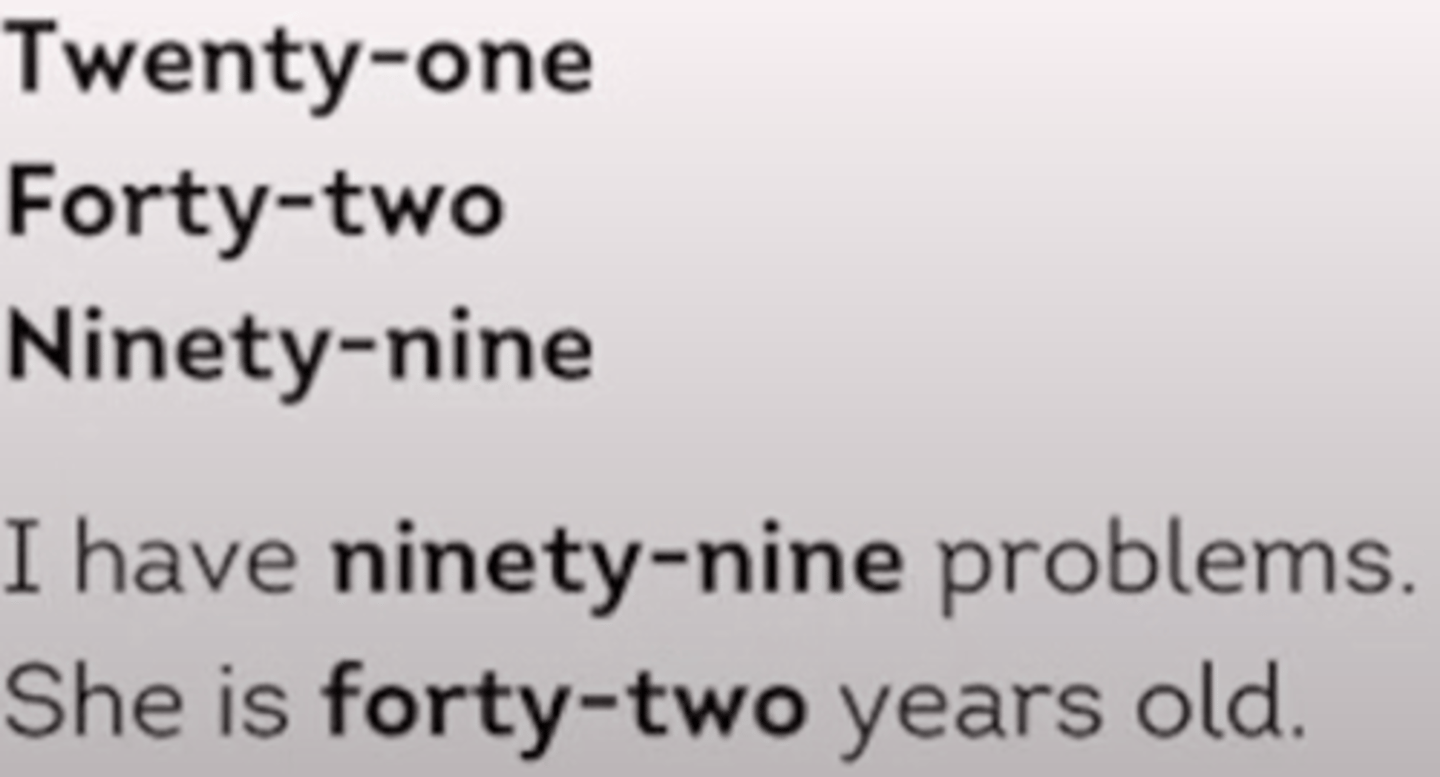
Standard English Punctuation: Hyphen with Compound Numbers
Use a hyphen with compound numbers. You should hyphenate compound numbers between 21 and 99.
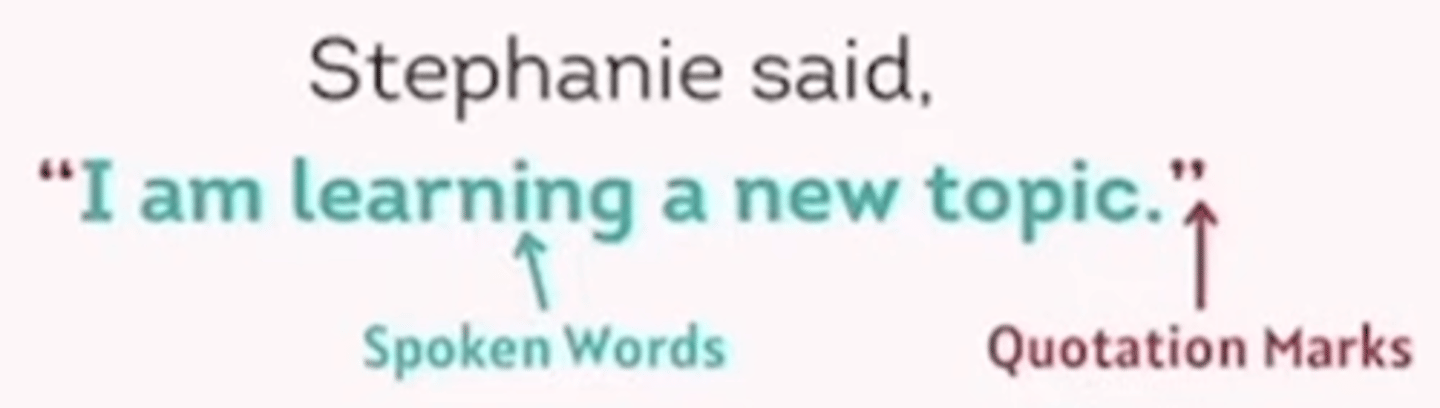
Direct Quotes
Use the speaker's own words; put quotations marks around the speech.
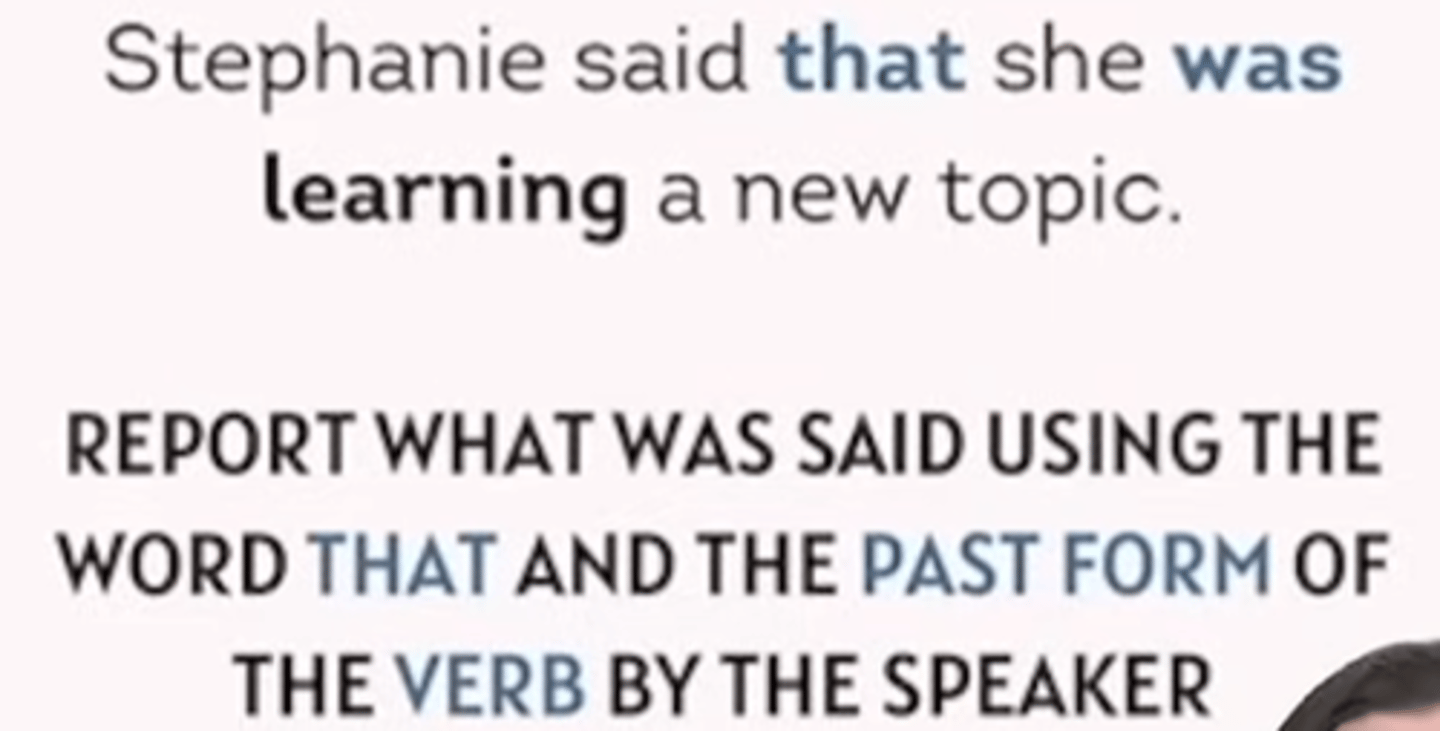
Indirect Quotes
Do not use the exact words of the speaker; do not use quotations marks.
Parts of Speech: Verb
Describes an action or experience.

Parts of Speech: Noun
Names a person, place, things, or ideas.

Parts of Speech: Adjective
Describes a noun or a pronoun.

Parts of Speech: Adverb
Describes a verb, an adjective, or an adverb. Tells us how often, how, where, or when.

Parts of Speech: Pronoun
Replaces the name of the person, place, thing, or idea in a sentence.

Parts of Speech: Interjection
Express strong emotions and is often followed by an exclamation mark.

Parts of Speech: Conjunction
Connects words, phrases, or clauses in a sentence.

Parts of Speech: Prepositions
Describes the place, time, or direction. It is used before a noun or pronoun.

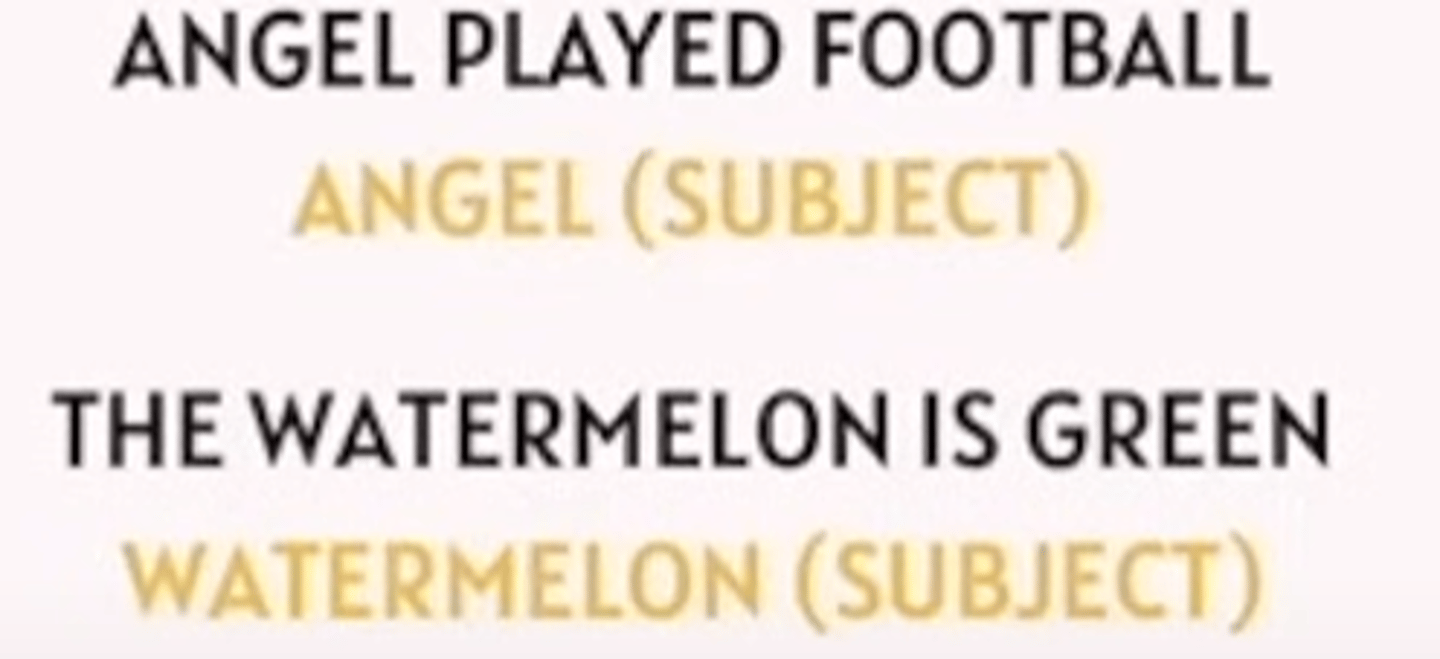
Subjects
It tells who or what the sentence is about.
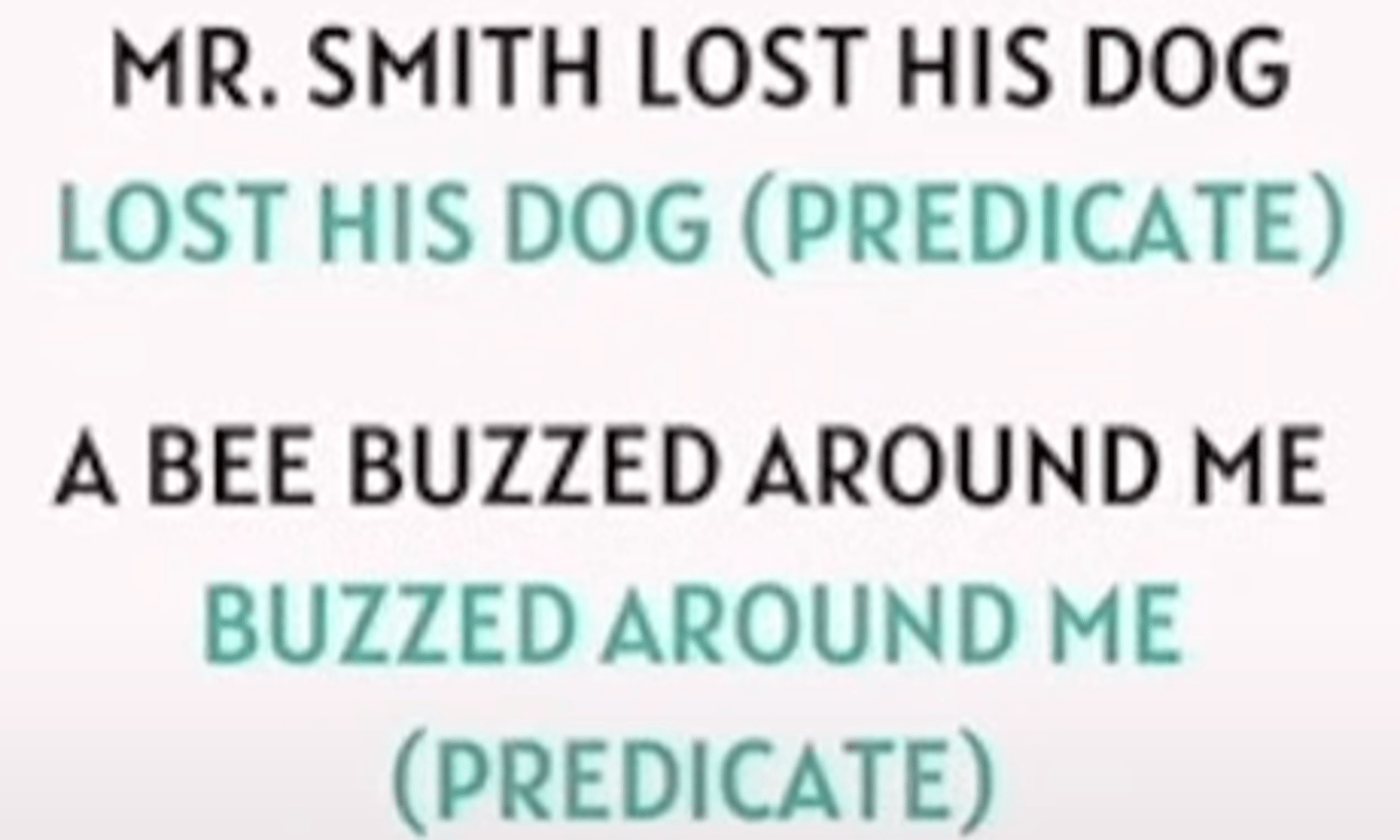
Predicate
It tells what someone or something is or does.
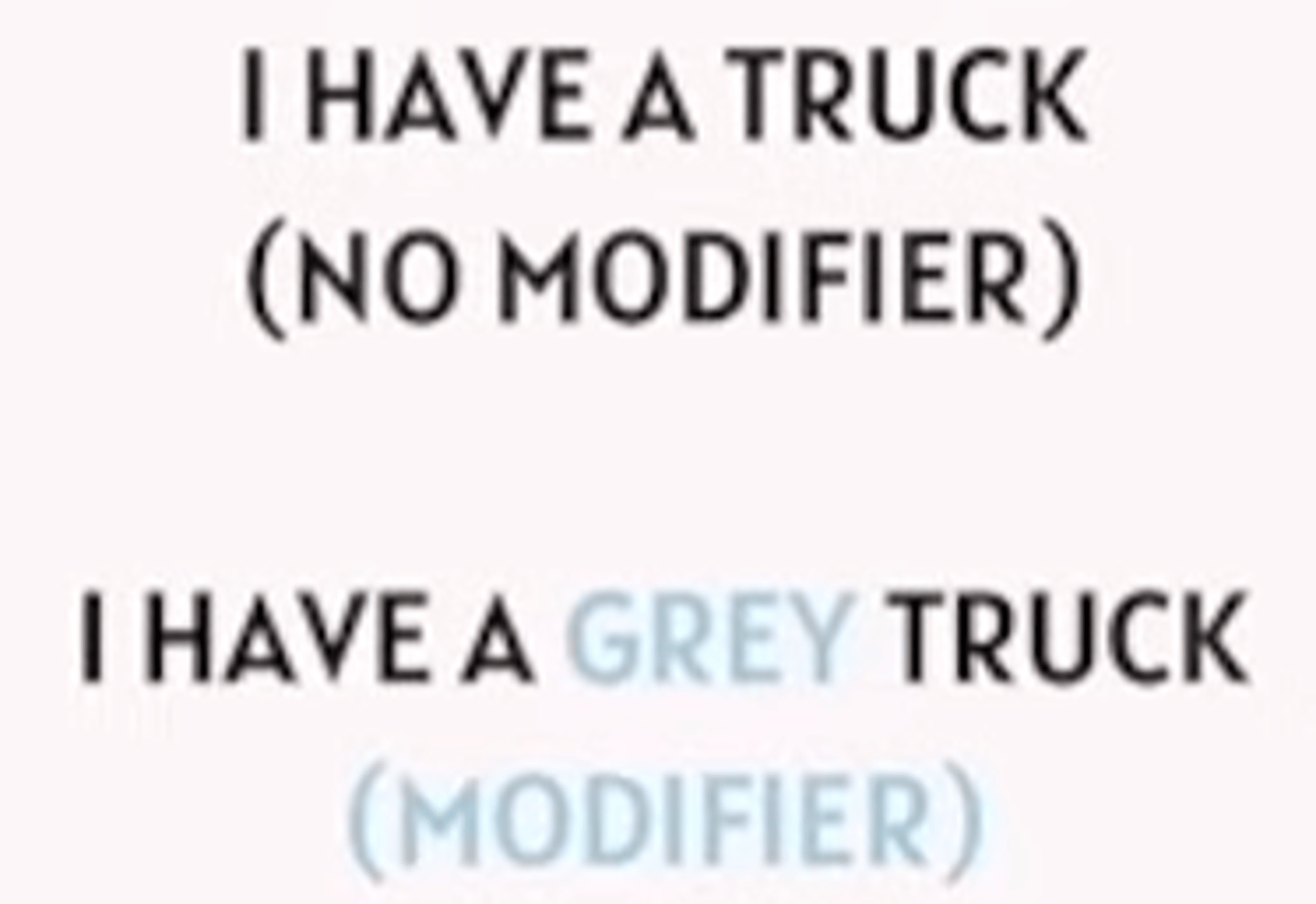
Modifier
Words or phase that adds information about another word or phrase.
- adjectives and adverbs are modifiers.
Subjects & Predicates
You need both subject + predicate to make a complete thought/ sentence.

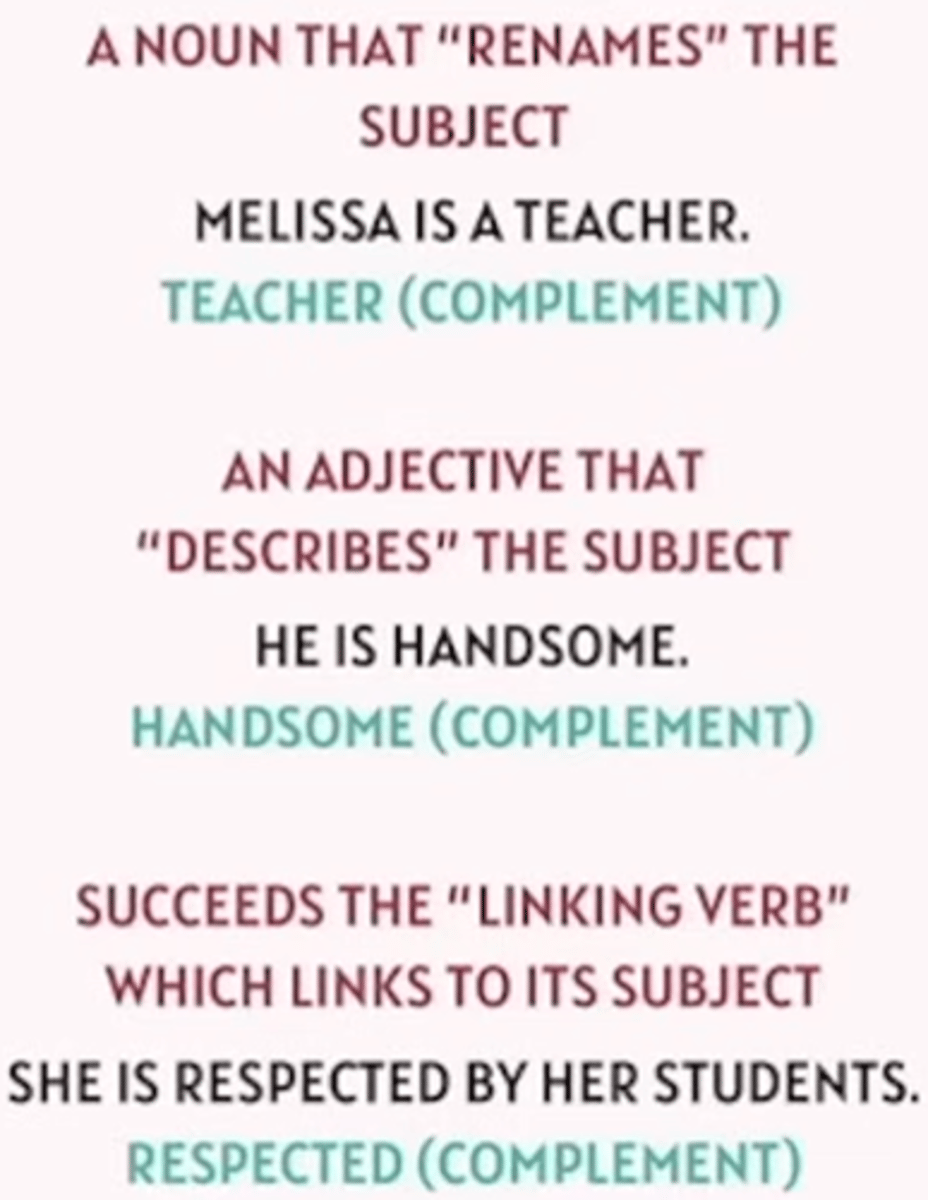
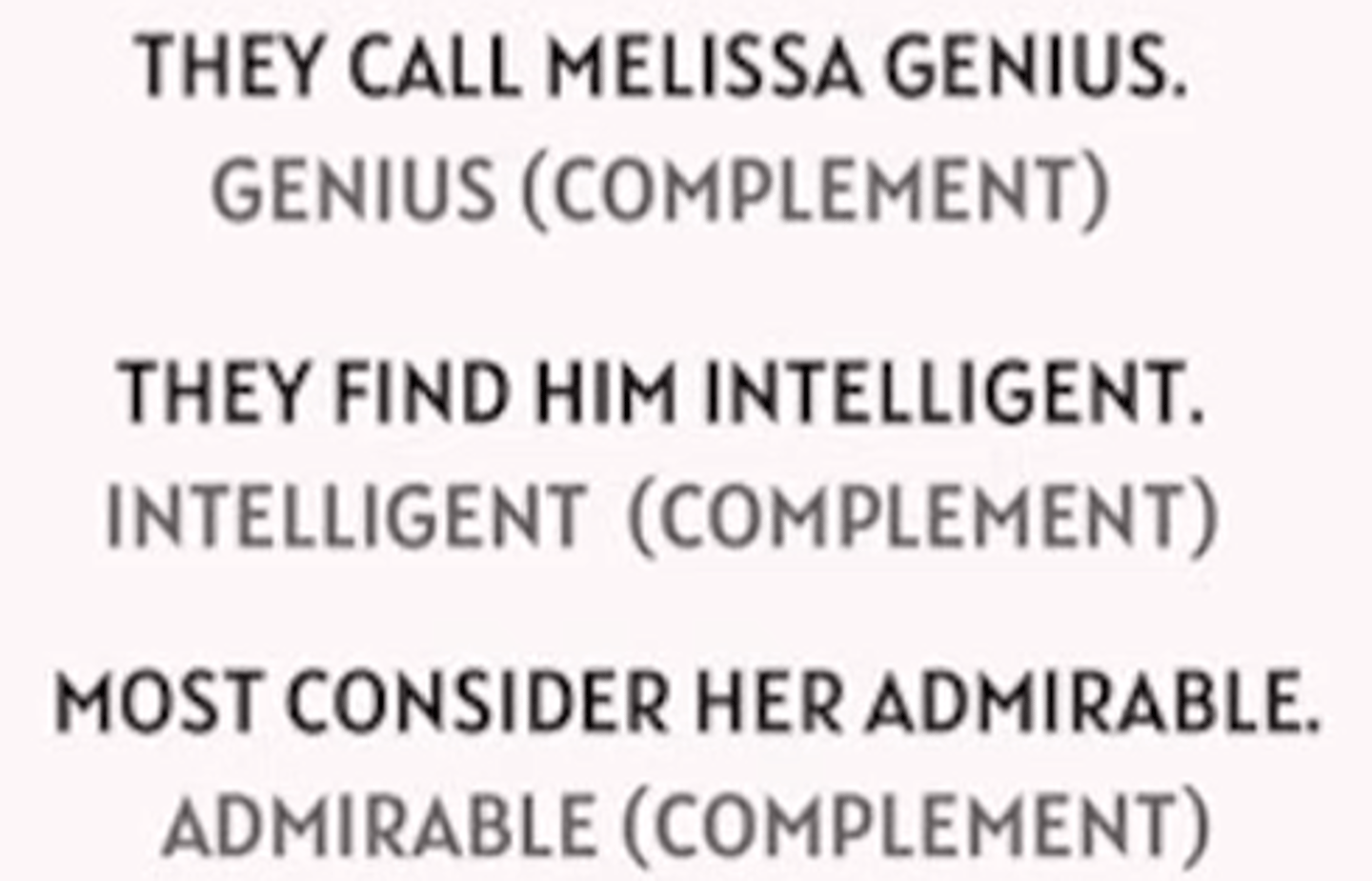
Subject Complement
Object Complement
A noun, adjective, or phrase which adds information about the direct object (succeeds the direct object).
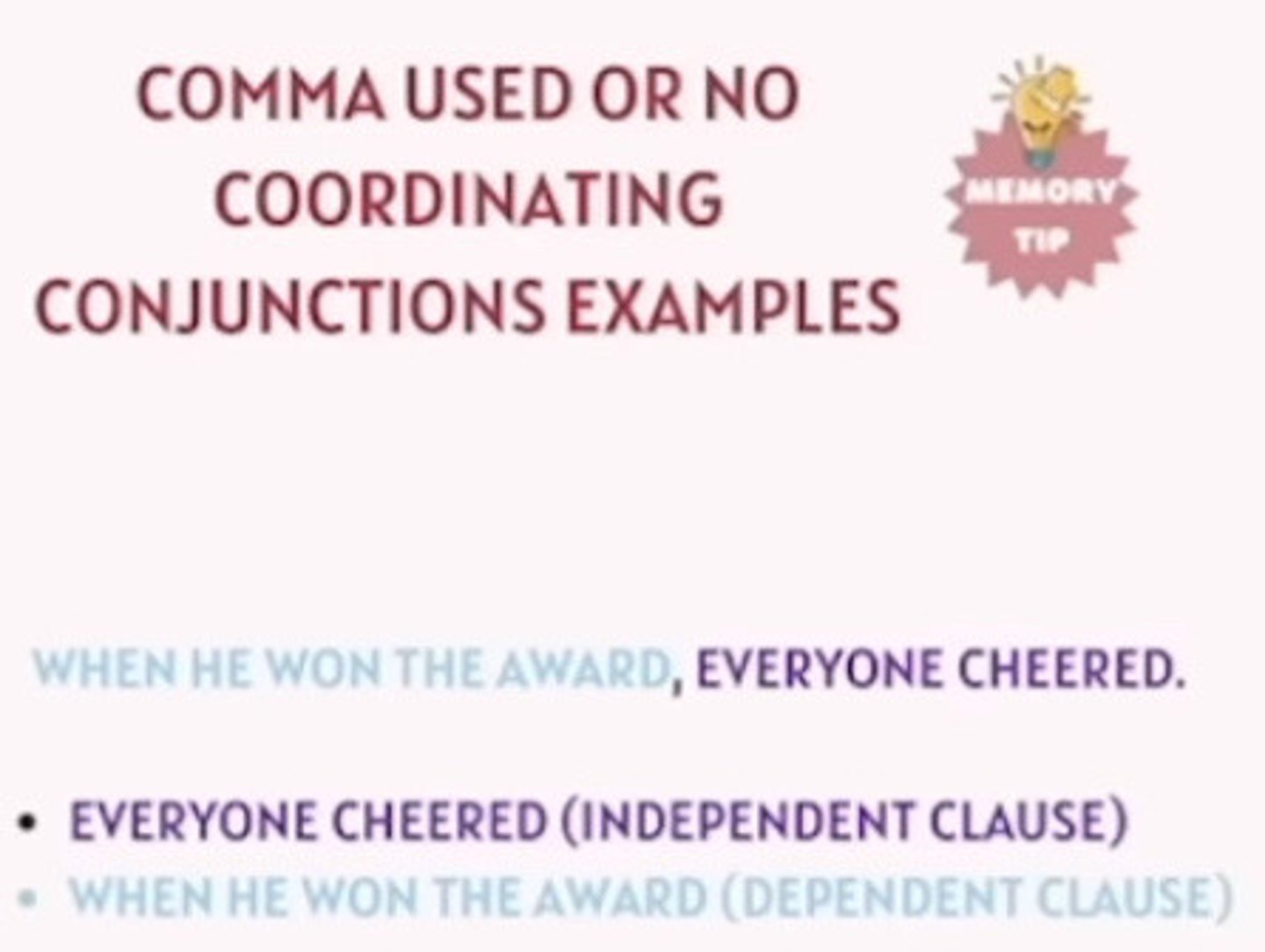
Clause
A group of words that has a subject and verb.
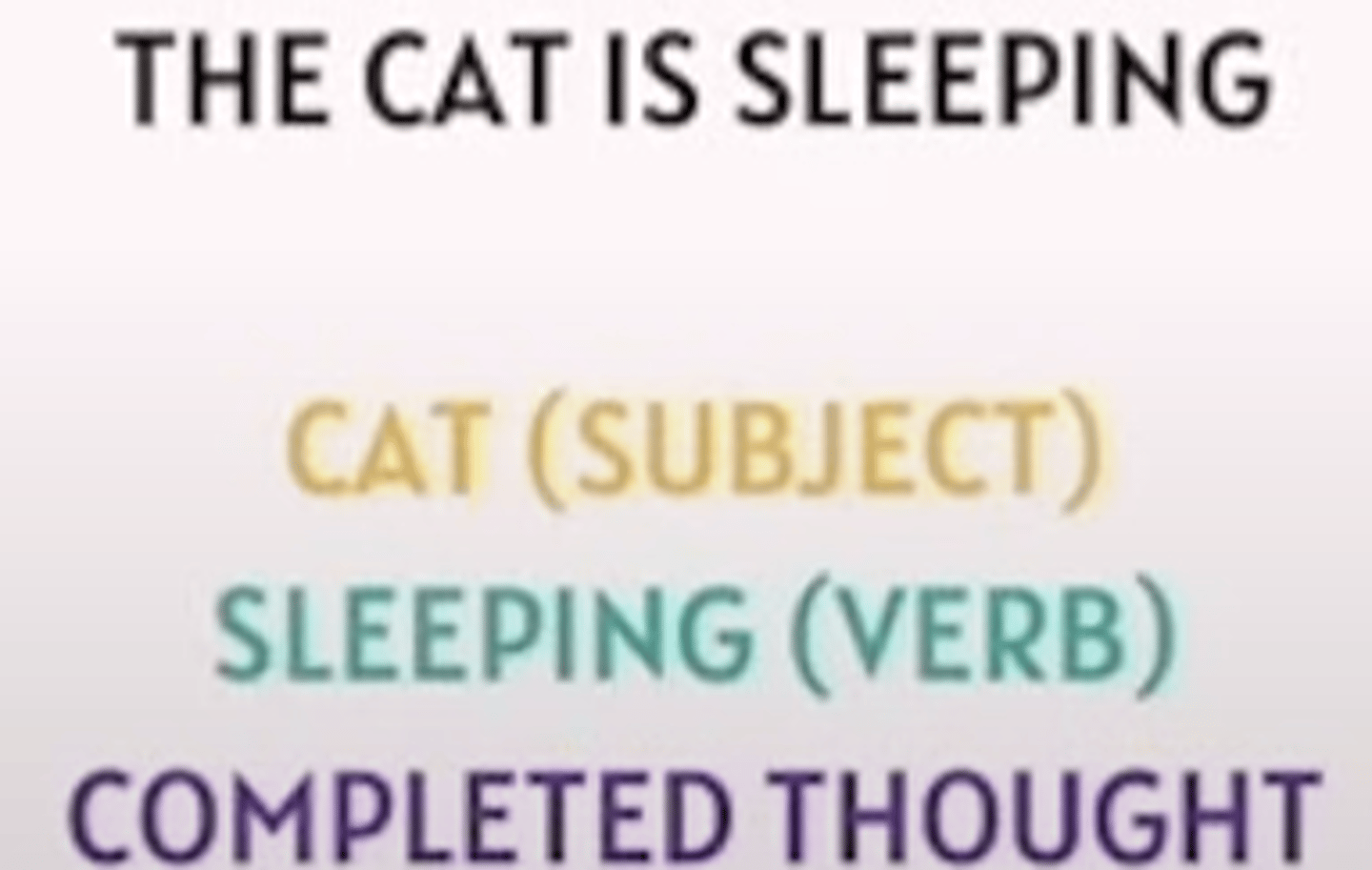
Independent Clause
Independent clause is a completed thought.
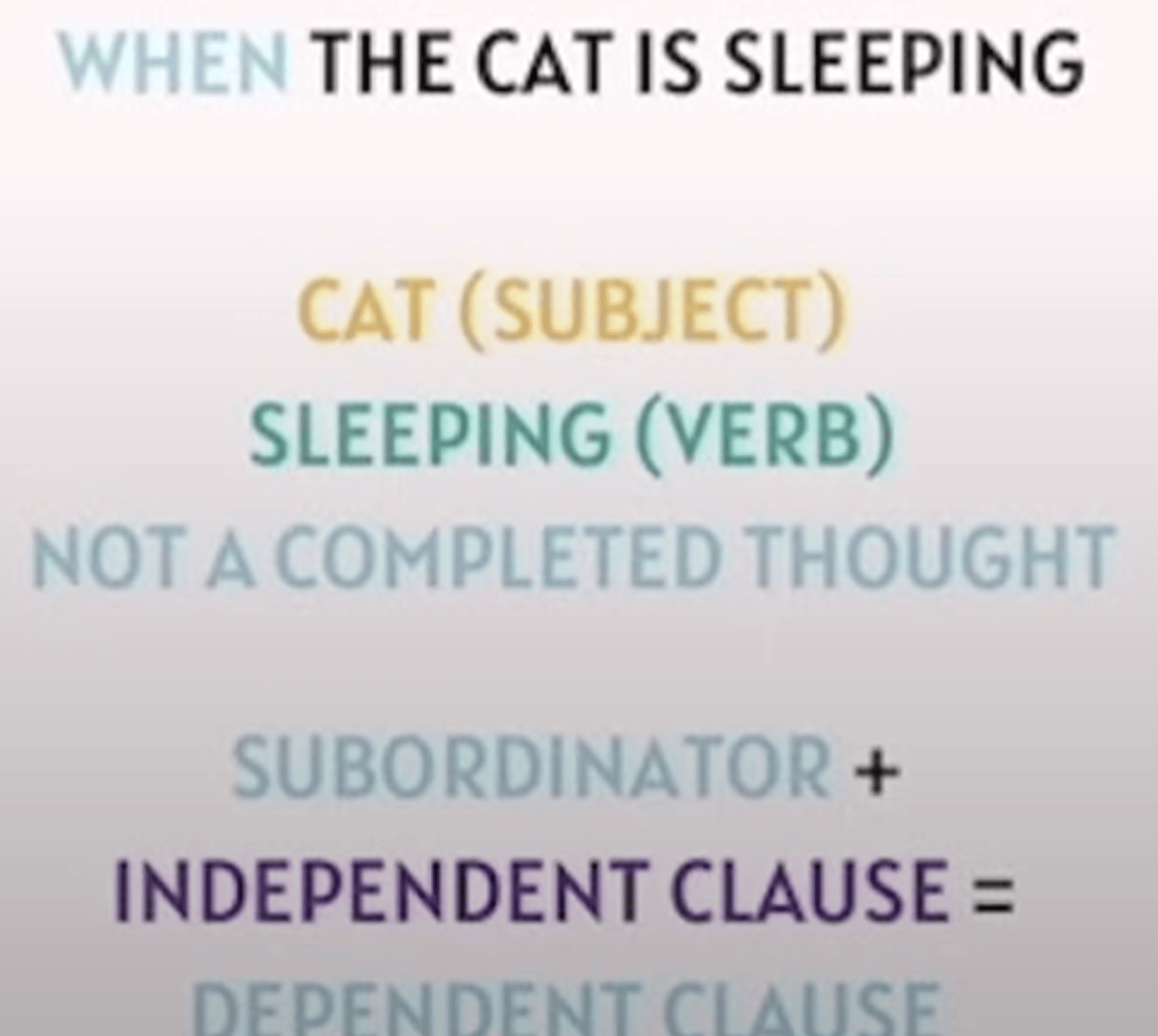
Dependent Clause
Dependent clause needs more information and not a completed thought.
- start with a subordinating conjunction: since, when, if, while, because, who, that, which, who, that, which, as, although, whether, until, unless, in case, and/or even though.
Simple Sentences
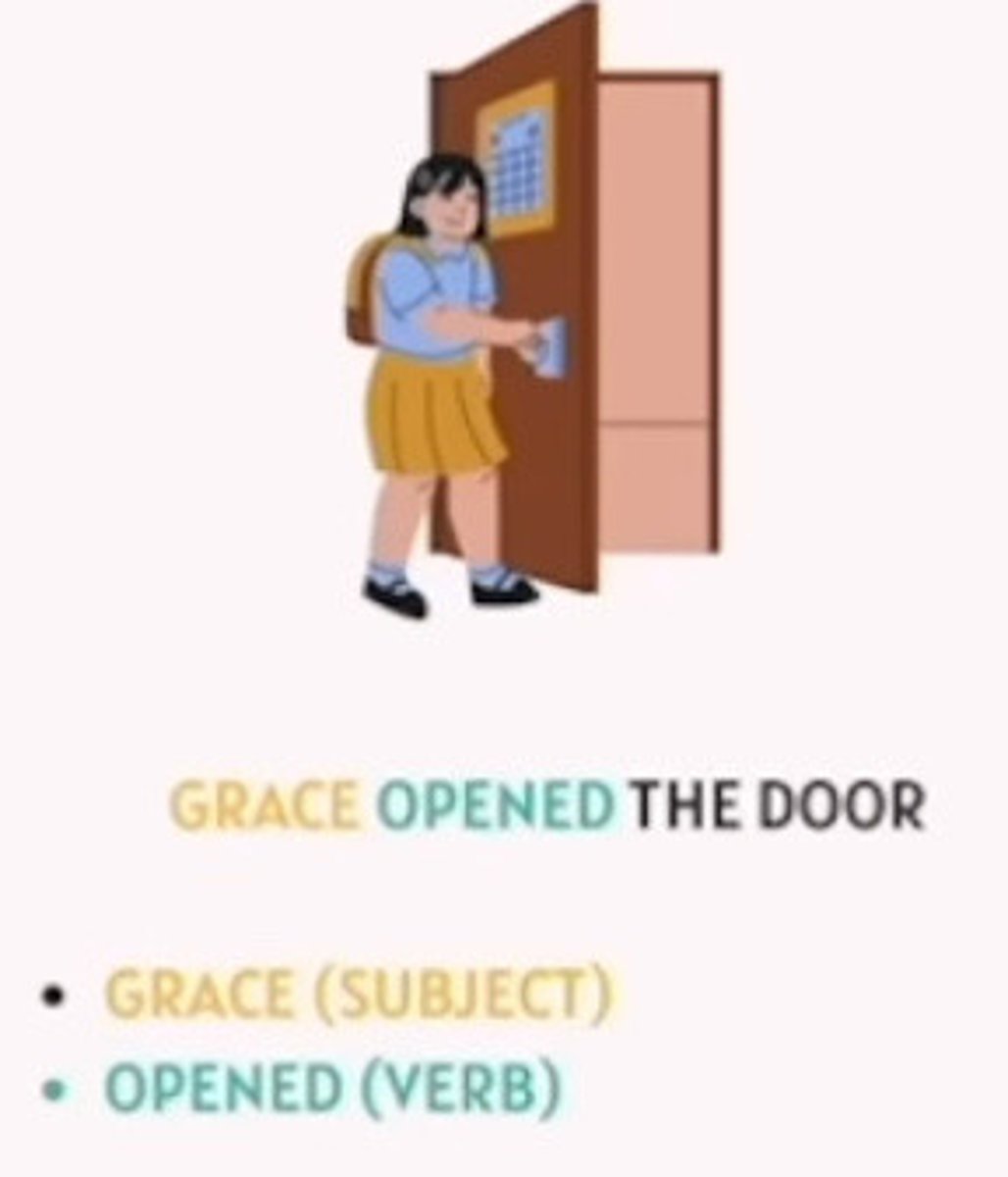
One independent clause
- one subject
- one verb
- completed thought
EXAMPLE:
Lola knew a lot about elephants.
- Lola (subject)
- knew (verb)
Compound Sentence
Two or more independent clauses joined by a coordinating conjunction. (Jointed by coordinating conjunction)
EXAMPLE:
Although Calvin was running late, he seemed relaxed.
- He seemed relaxed (independent)
- although Calvin was running late (dependent)
Complex Sentence
One independent clause and one dependent clause.
(dependent clauses are not a completed though)
EXAMPLE:
He was hungry, so he ate.
- He, he (subject)
- Was, ate (verb)
- so (conjunction)
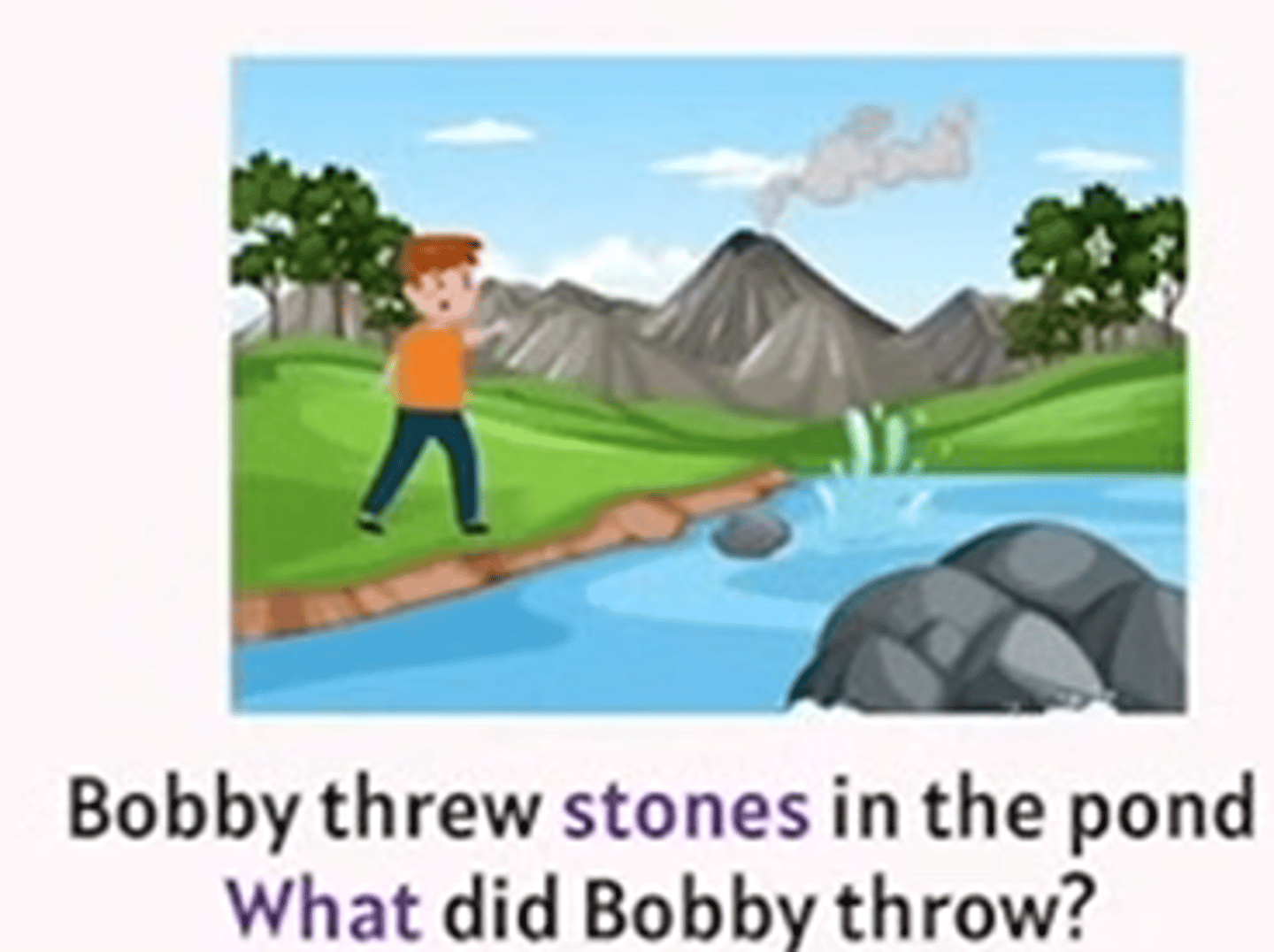
Direct Objects
Receives the action of a verb directly.
Answers the question:
- what?
- who?
- whom?
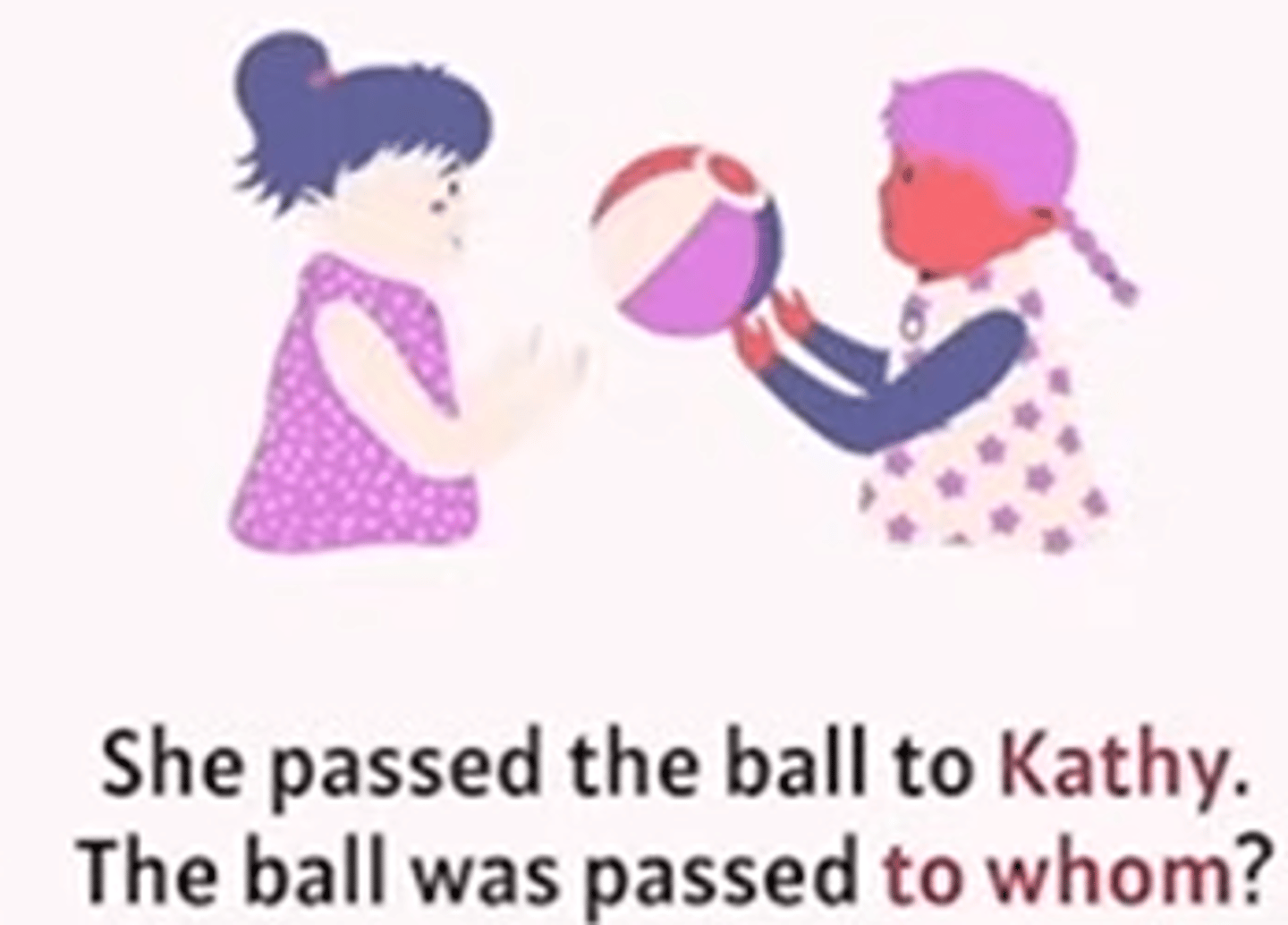
Indirect Objects
Recipient of the direct object (action that is done).
Answers the question:
- at whom?
- to whom?
- for whom?
- from whom?
Complete Sentence
Complete sentences require both a subject + predicate.
EXAMPLE:
Roses are red. (subject + predicate)
Incomplete Sentence
Parts of a sentence is missing.
EXAMPLE:
drinks coffee every morning. (no subject + predicate)
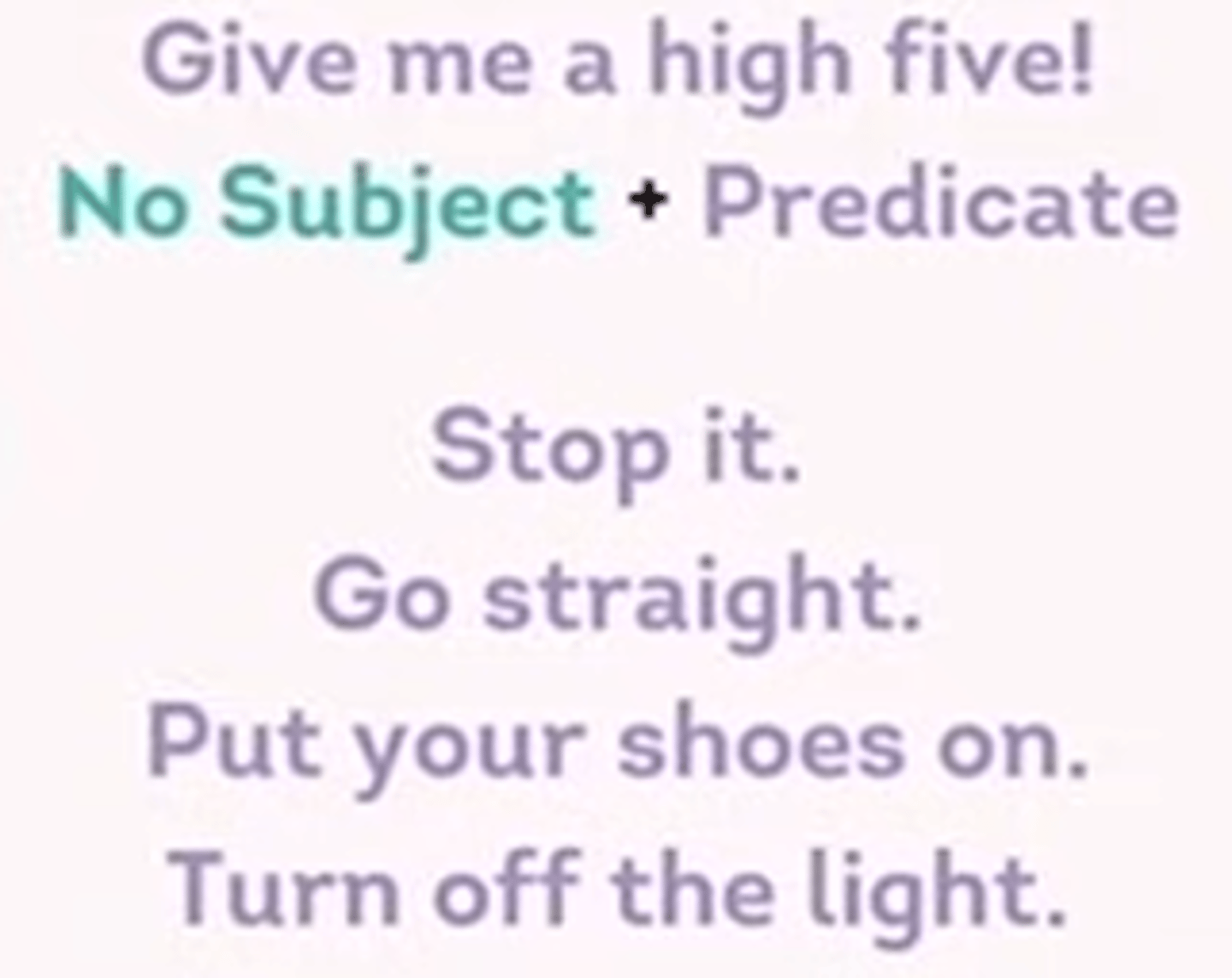
Imperative Sentence
Issues a command, request, or instruction.
No subject needed + predicate.
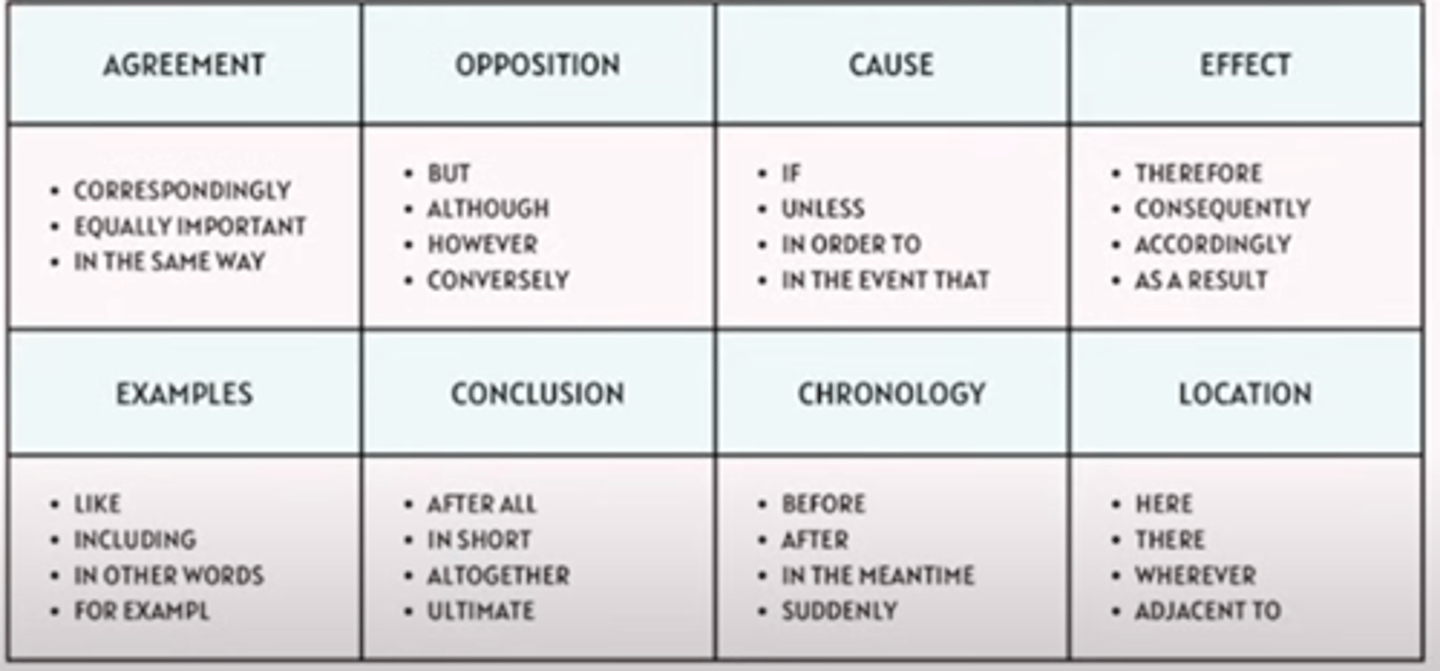
Transition Words
Past Simple Verb Tense
An action that has already happened.

Past Perfect Verb Tense
An action that was finished before another past action. - ALWAYS SEE THE WORDS: has, have, had

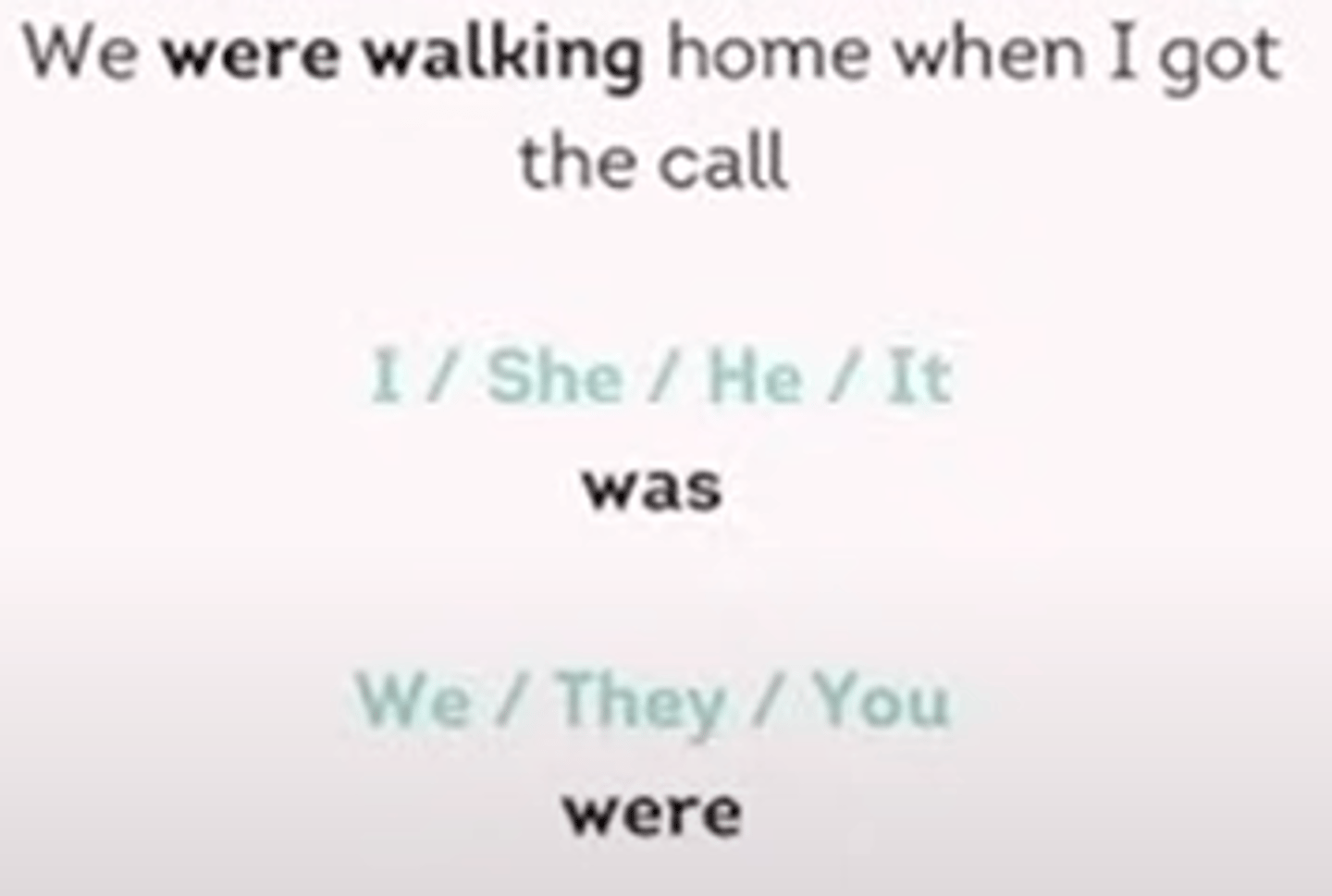
Past Progressive Verb Tense
A past action that was ongoing.
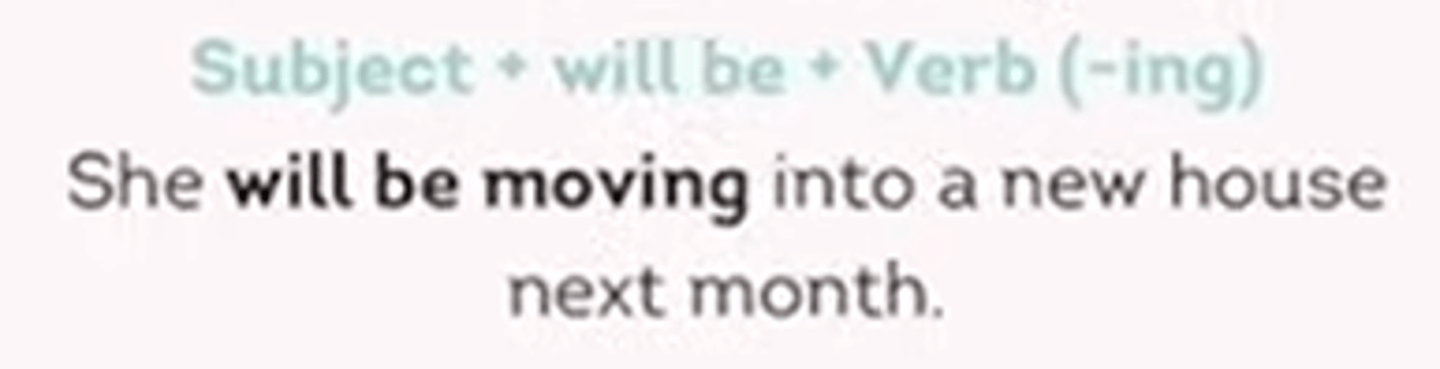
- ALWAYS SEE THE WORDS: was, were, will + verb (-ing)
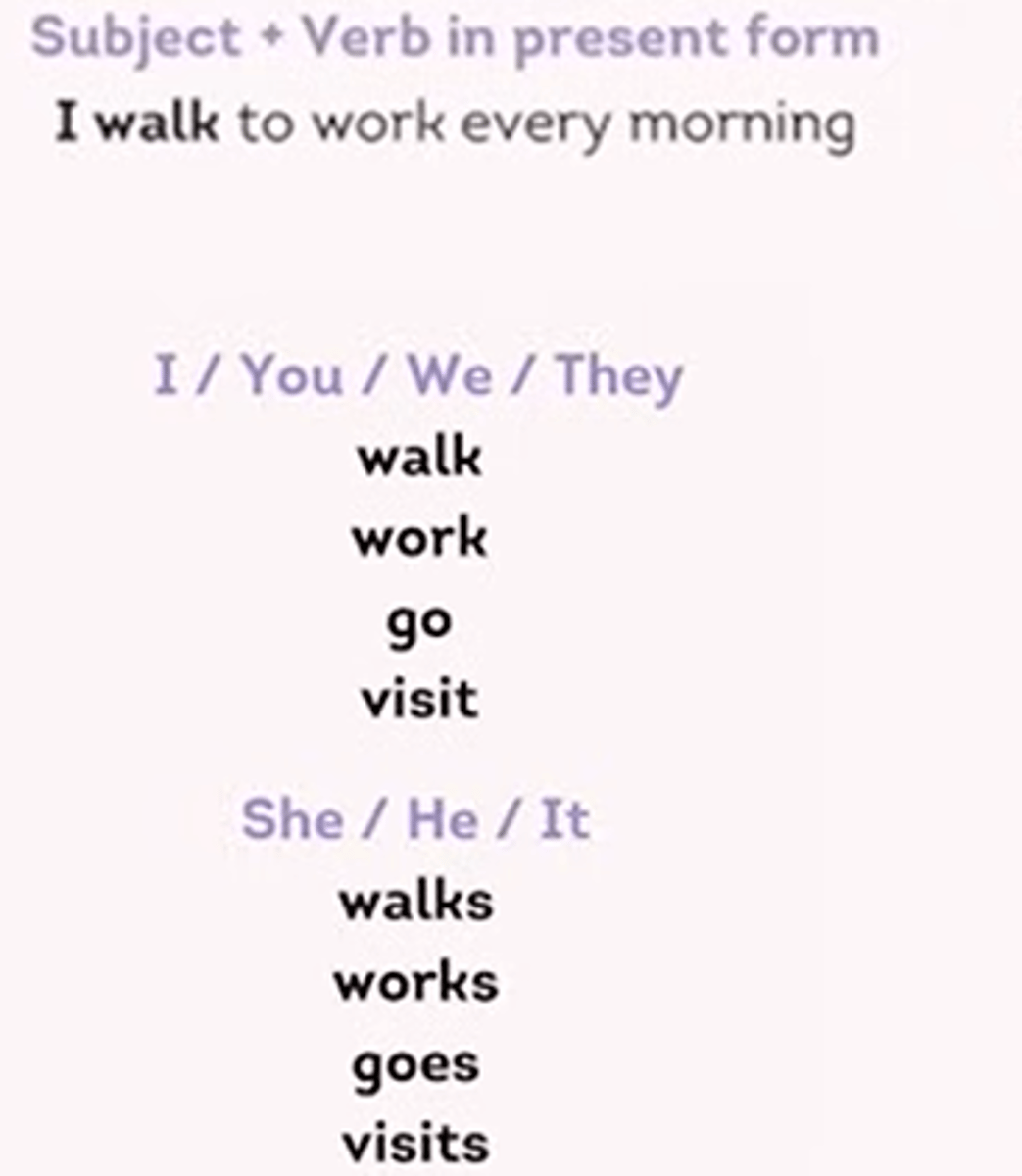
Present Simple Verb Tense
An action that occurs in the present.
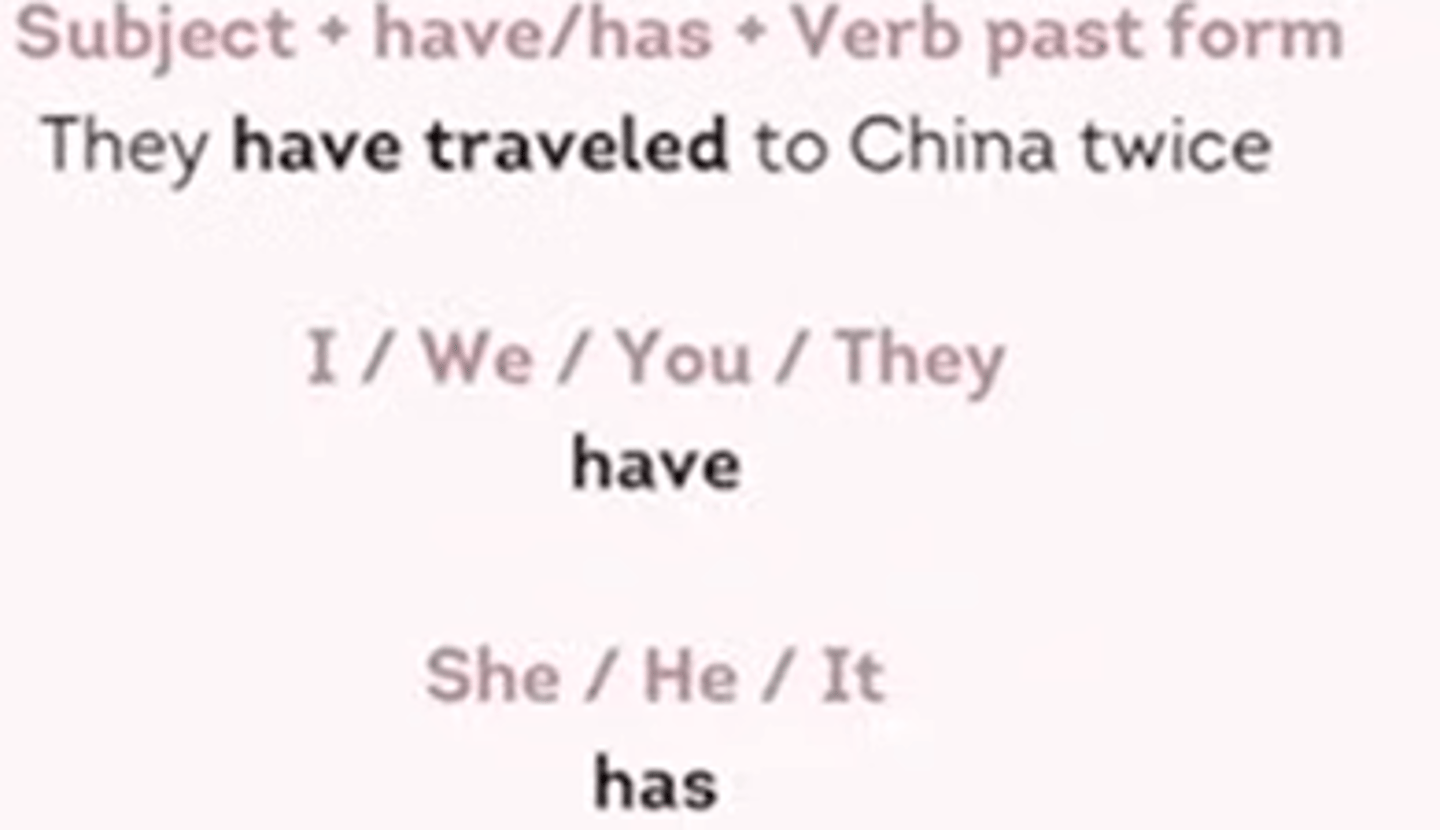
Present Perfect Verb Tense
An action that has taken once or many times before now.
- ALWAYS SEE THE WORDS: has, have, had.
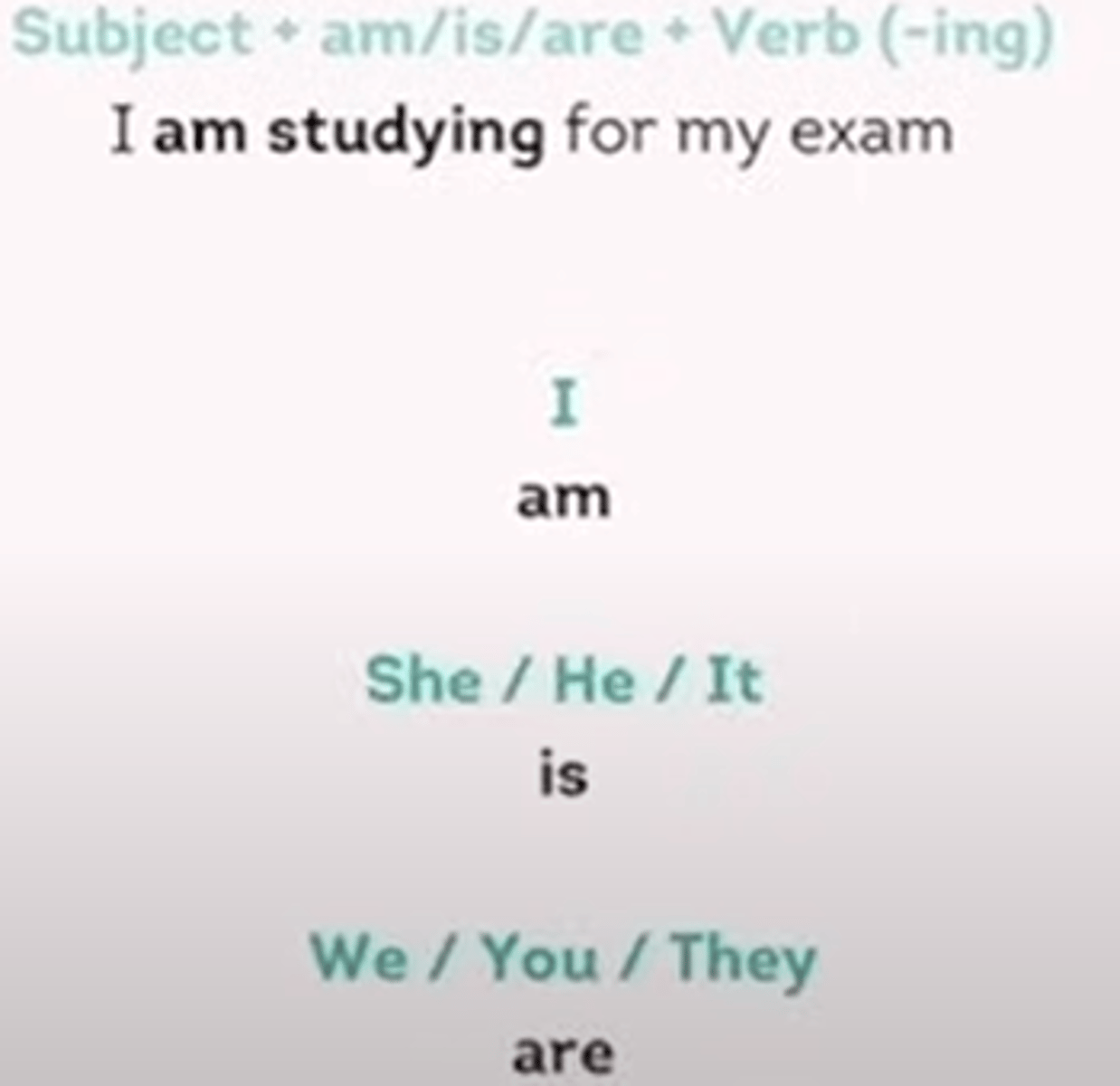
Present Progressive Verb Tense
An action that was ongoing now.
- ALWAYS SEE THE WORDS: am, is, are + verb (-ing).
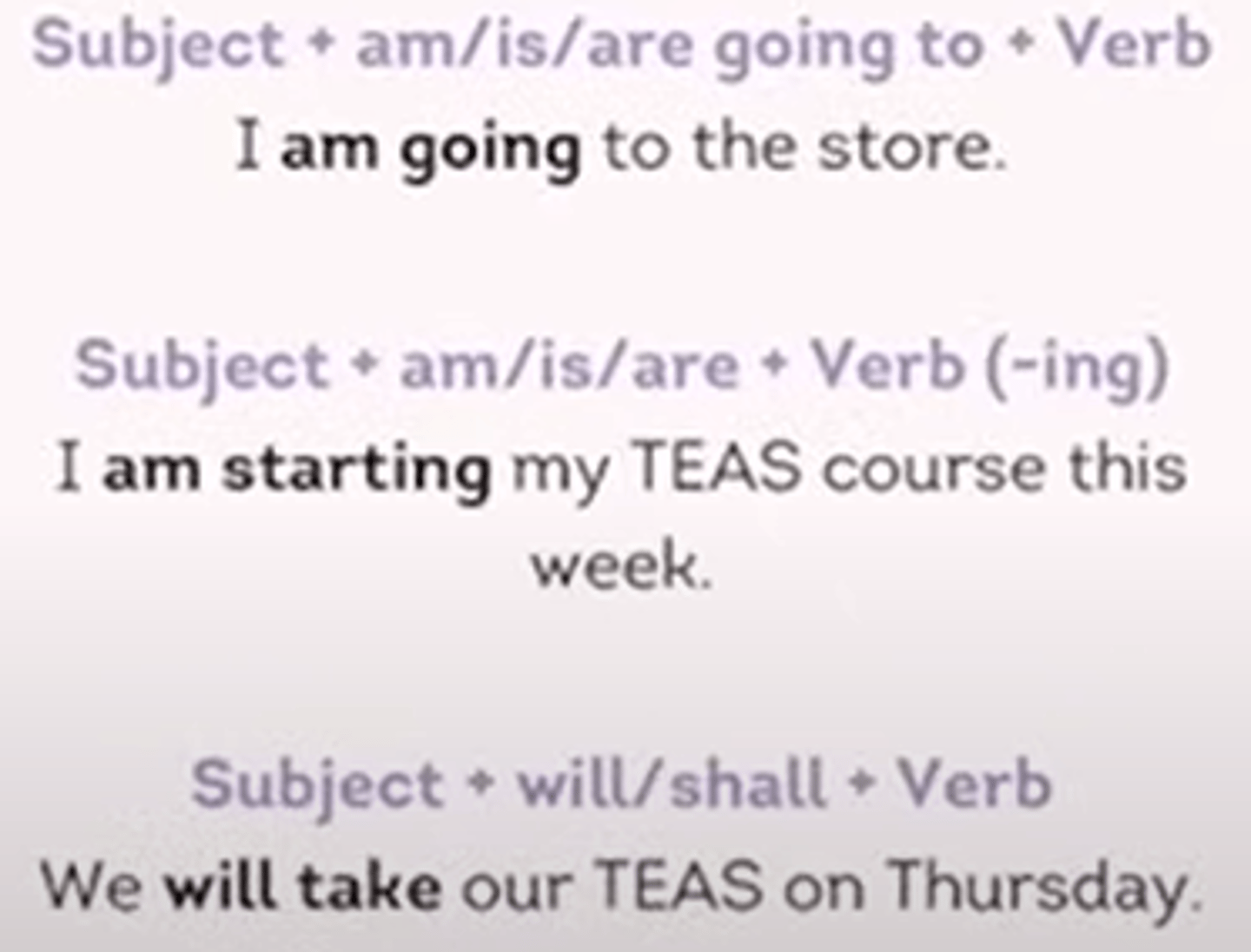
Future Simple Verb Tense
An action that hasn't happened yet.
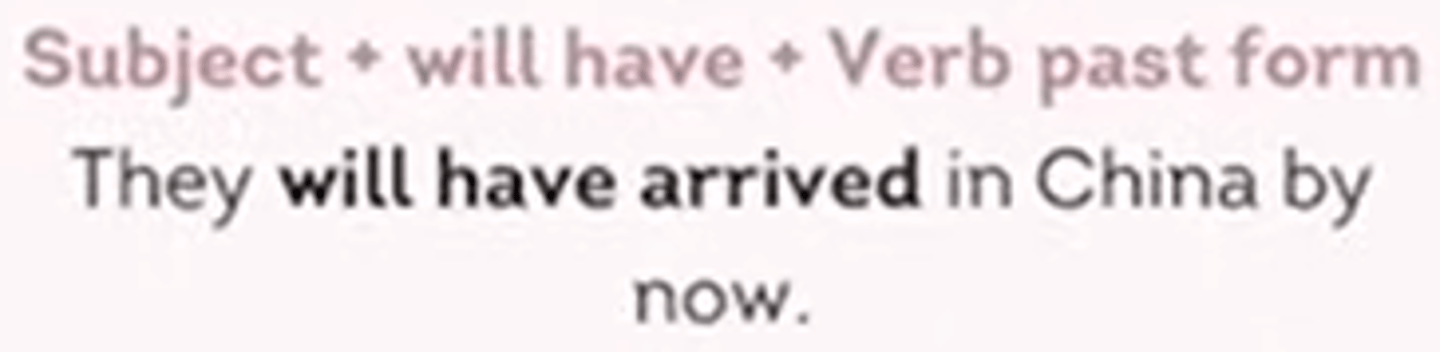
Future Perfect Verb Tense
An action that will be completed before a specified time.
Future Progressive Verb Tense
An action that will occur and continue for a set period of time in the future.
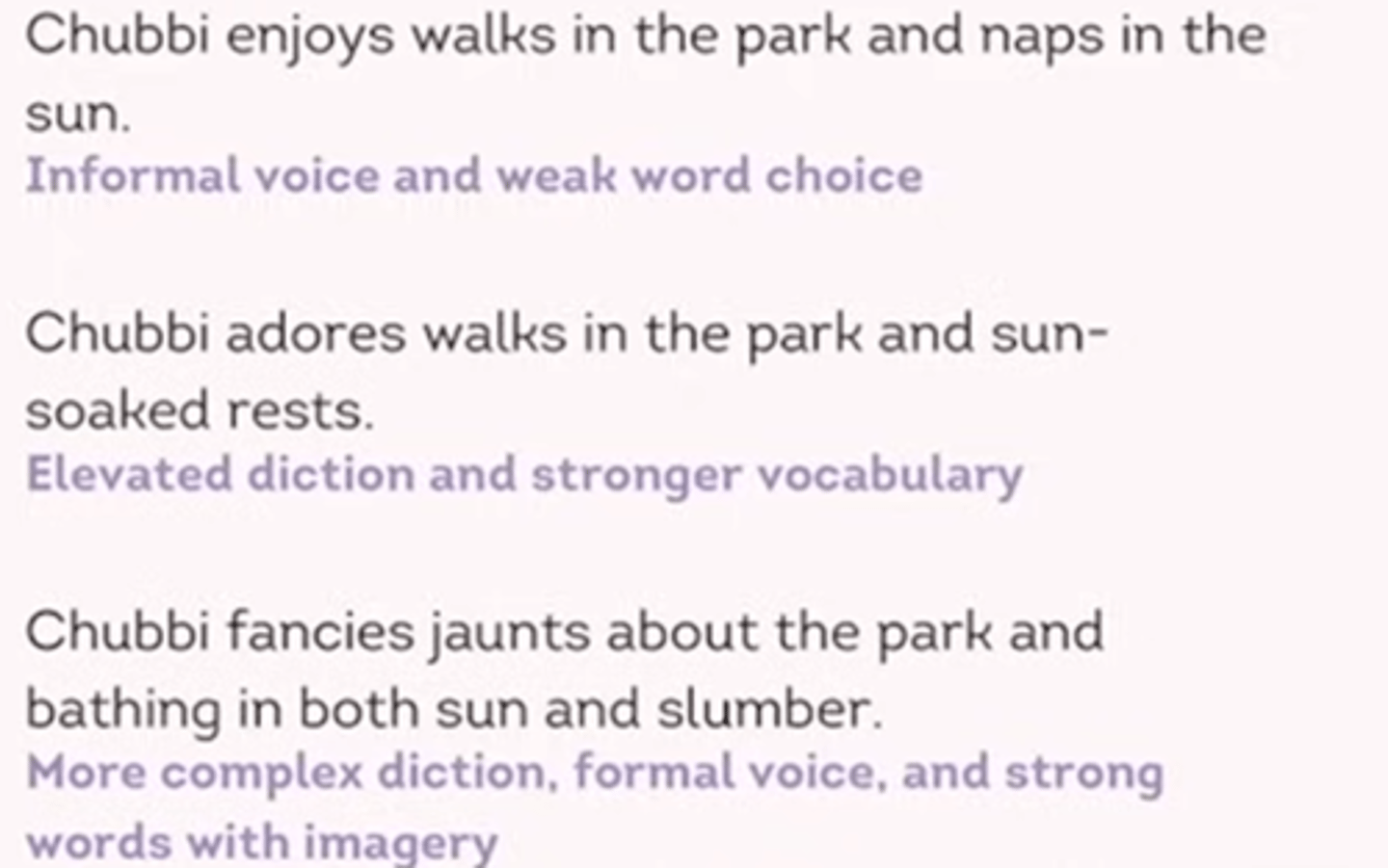
Diction
The choice and use of words and phrases in speech or writing.
What diction can do:
- affect the tone and complexity
- determine the formality
- determine the strength
- identify the speaker
Run-on Sentences
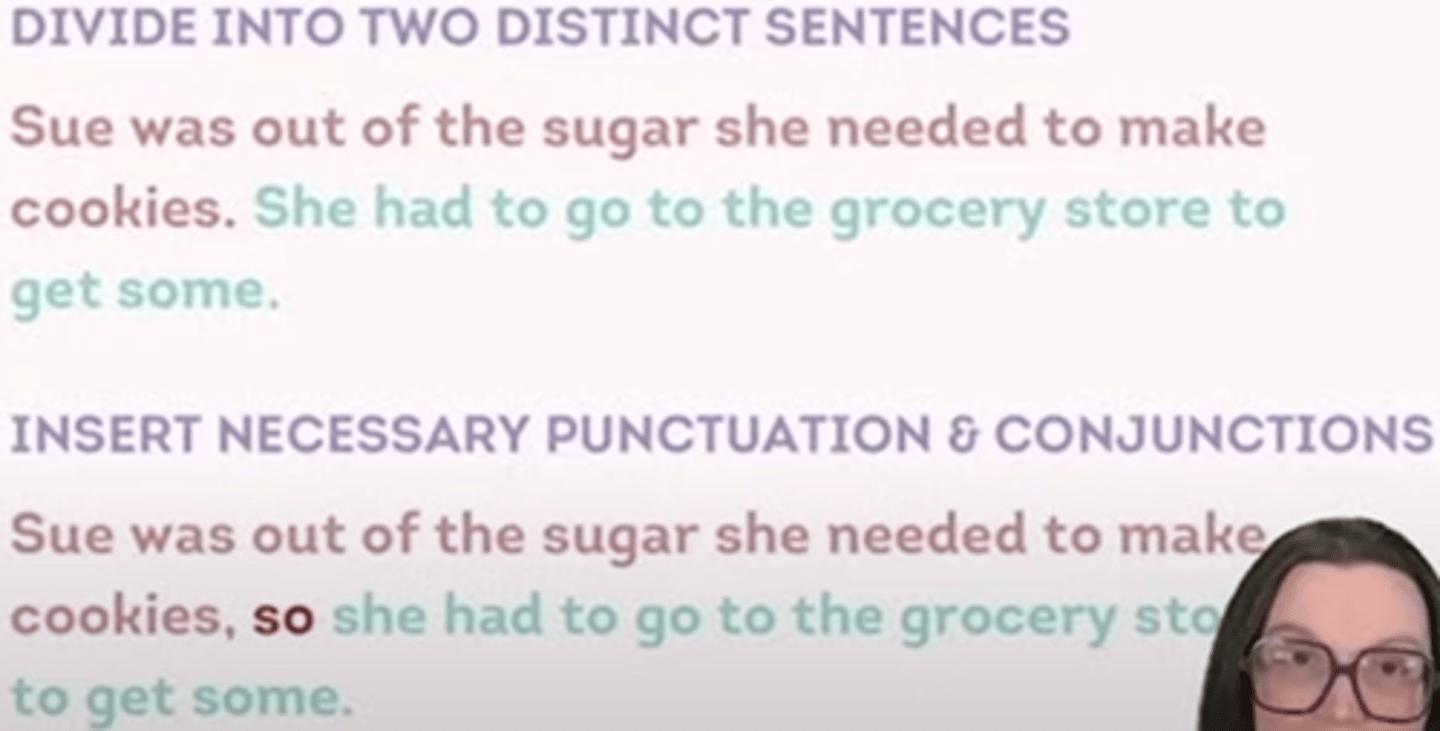
When two independent clauses run together without proper punctuation or appropriate conjunctions.
How to fix run-on sentences:
- divide into two distinct sentences
- insert necessary punctuation and conjunction.
EXAMPLE:
Sue was not out of sugar she needed to make cookies she had to go to the grocery to get some.
Narrative Writing
Aa style that allows the writer to tell a story.
Structure: Character, Setting, Conflict, Climax, & resolution.
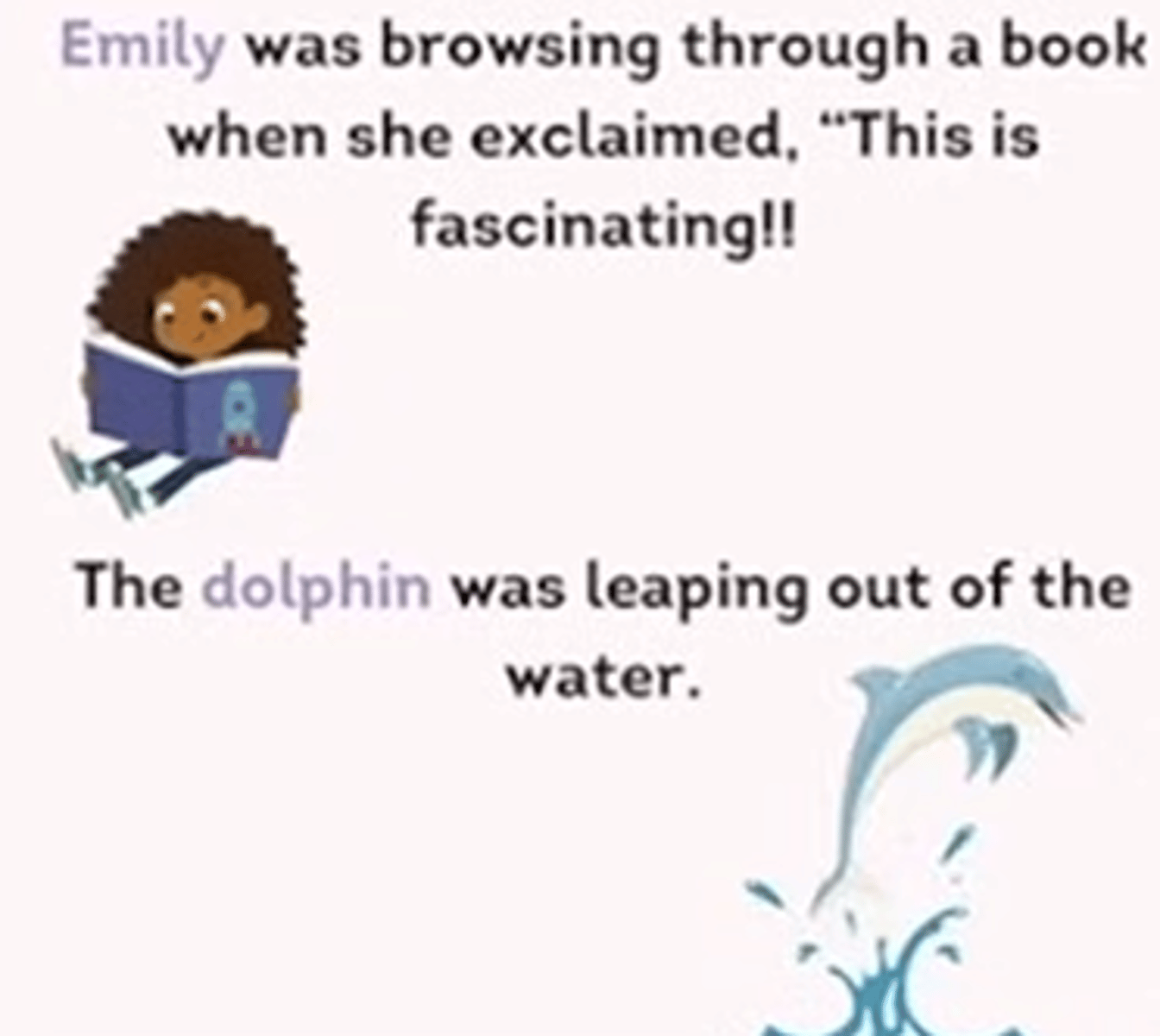
Character
Anything that performs an action or speaks the dialogue in the story.
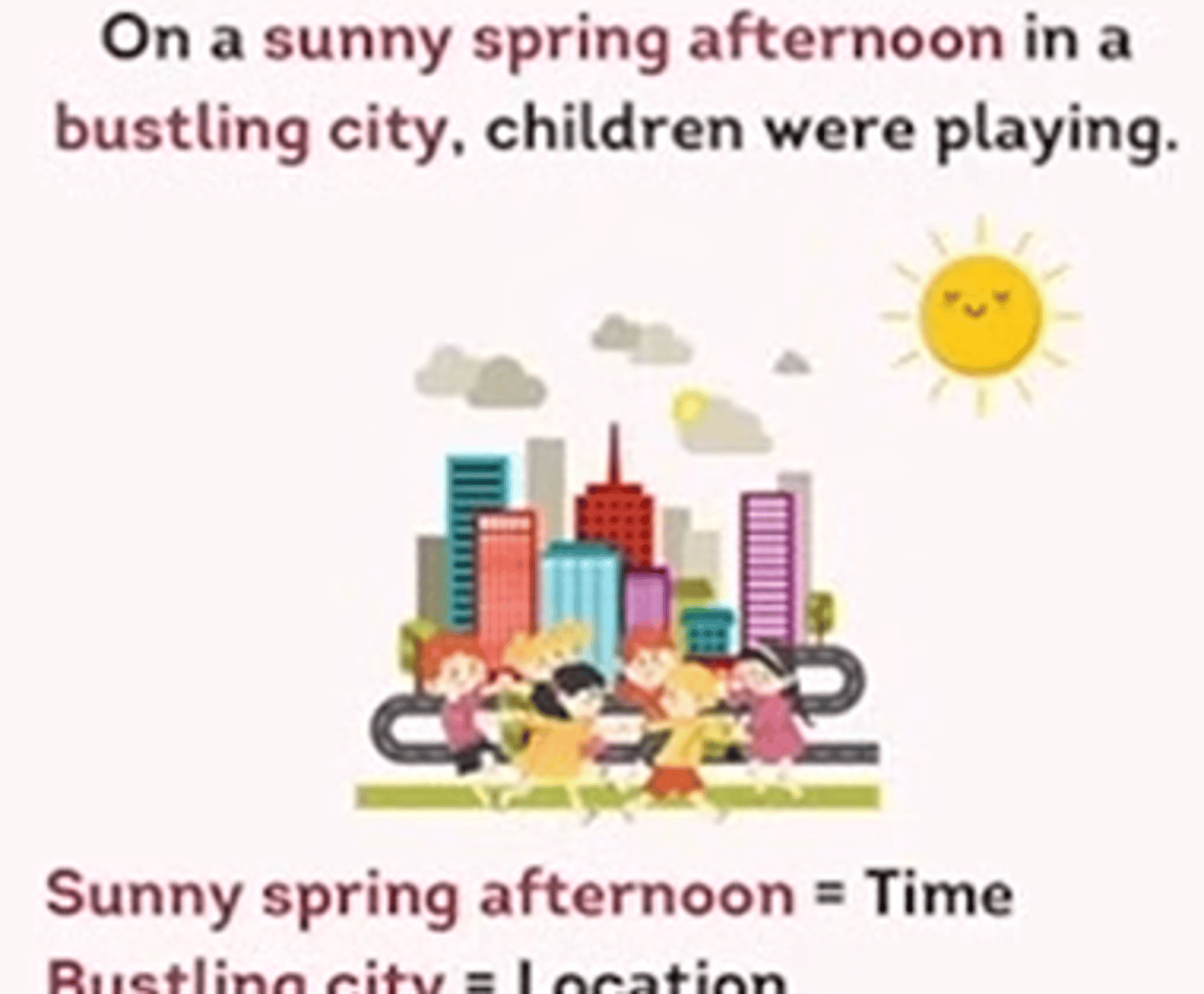
Setting
Location and time of the story. Can be fictional or non-fictional.
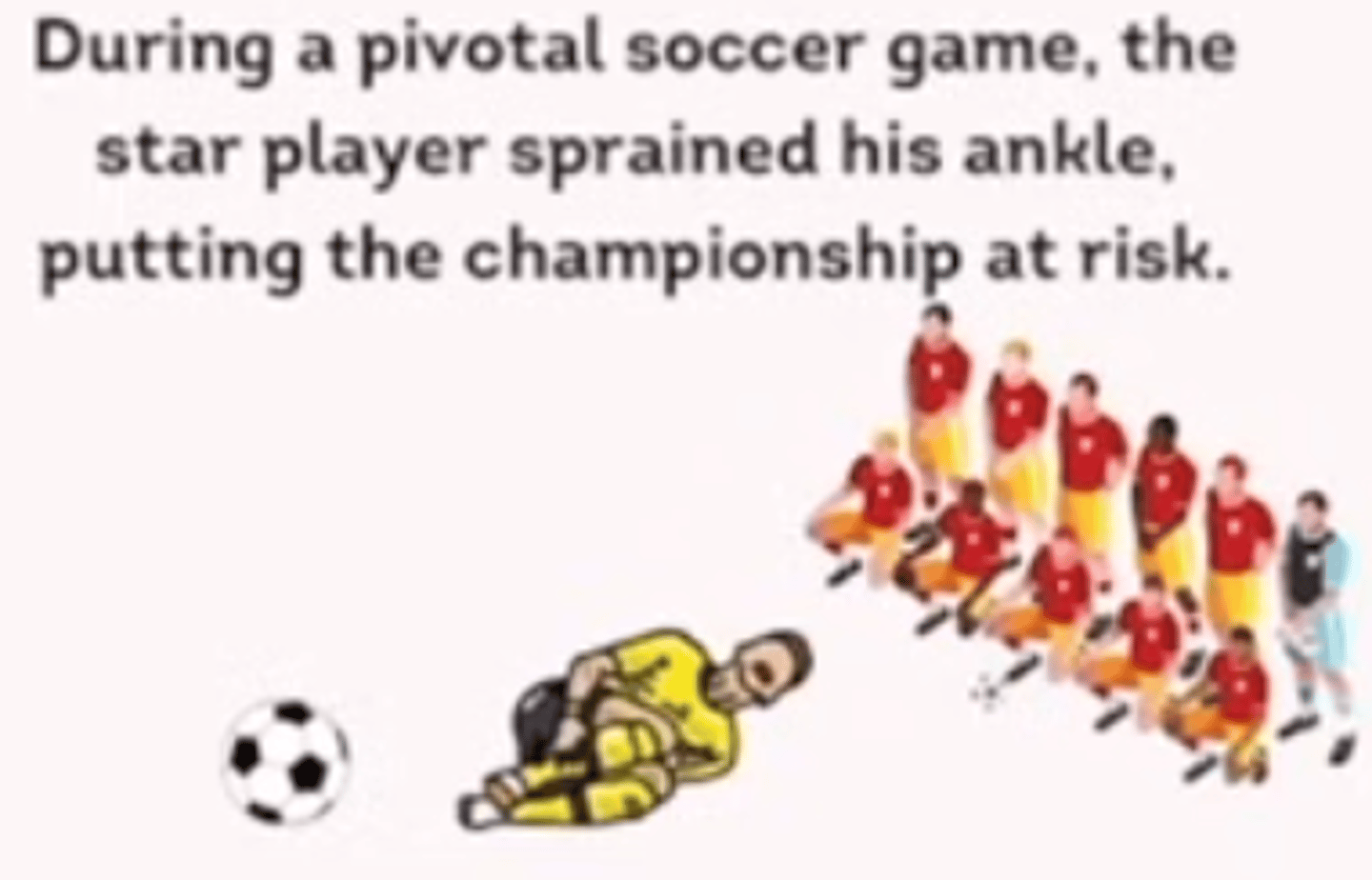
Conflict
Problem or complication that affects the setting or character.
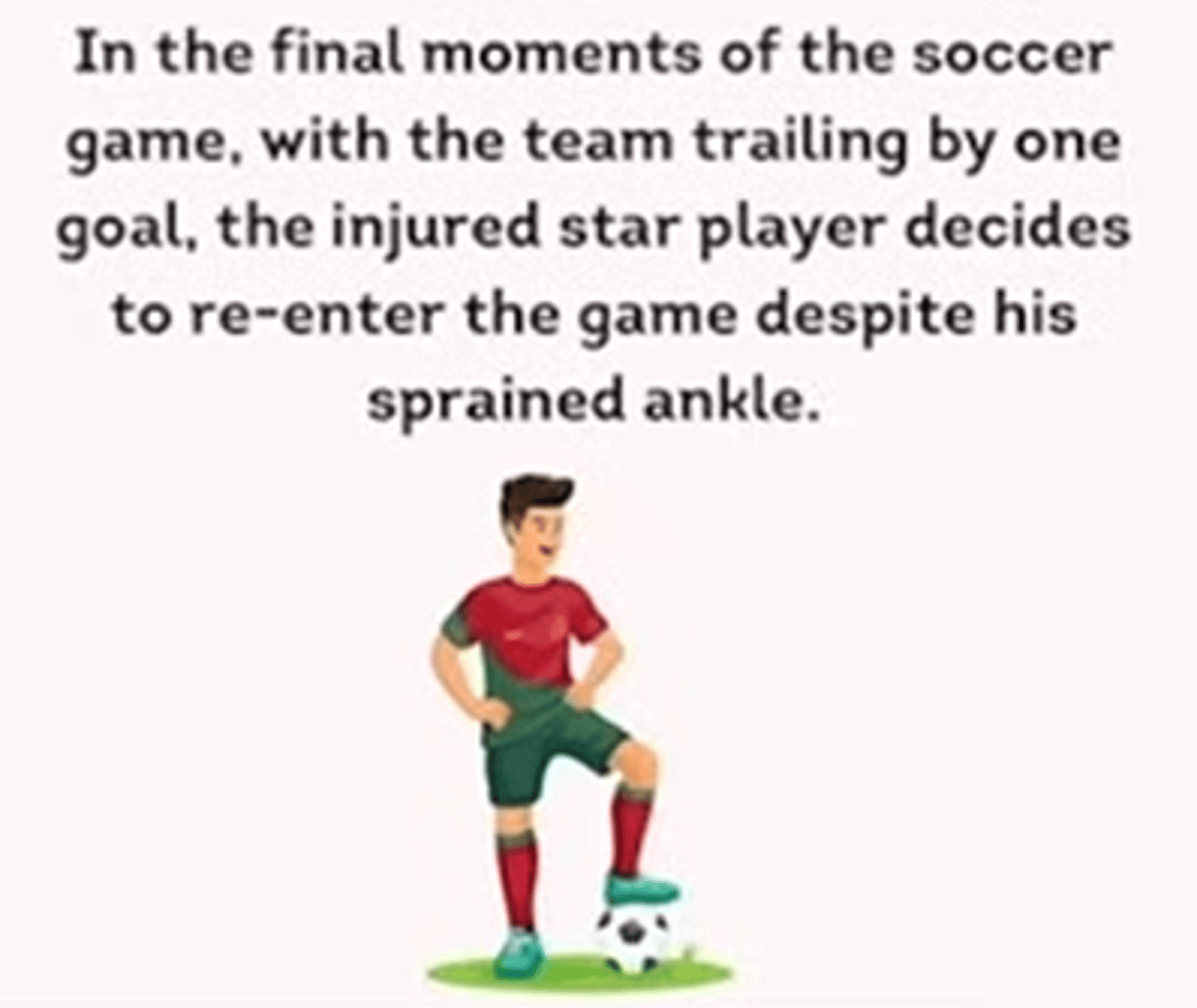
Climax
Part of the story where the action is at its peak.
Resolution
The conclusion of the story, where the program is solved.

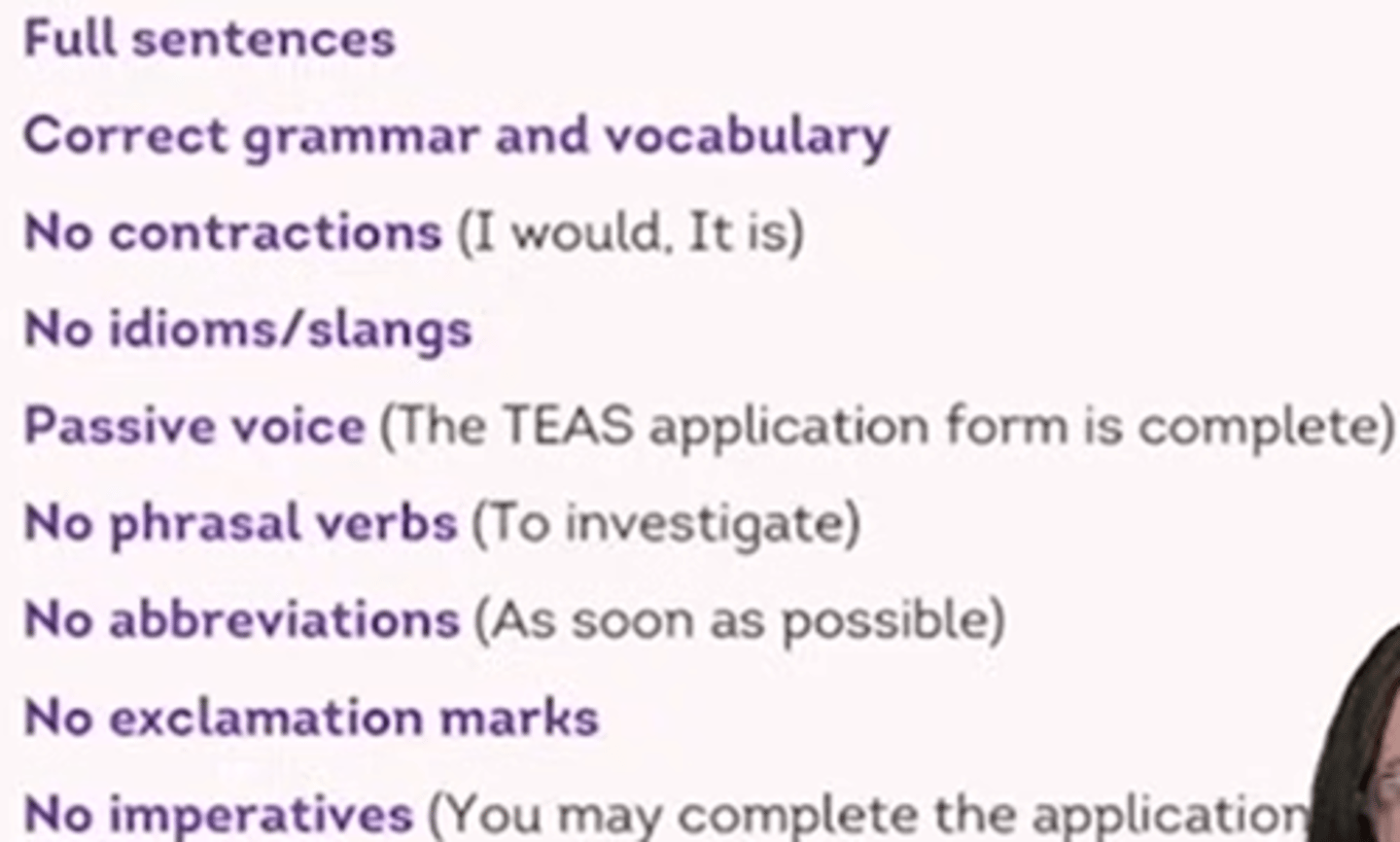
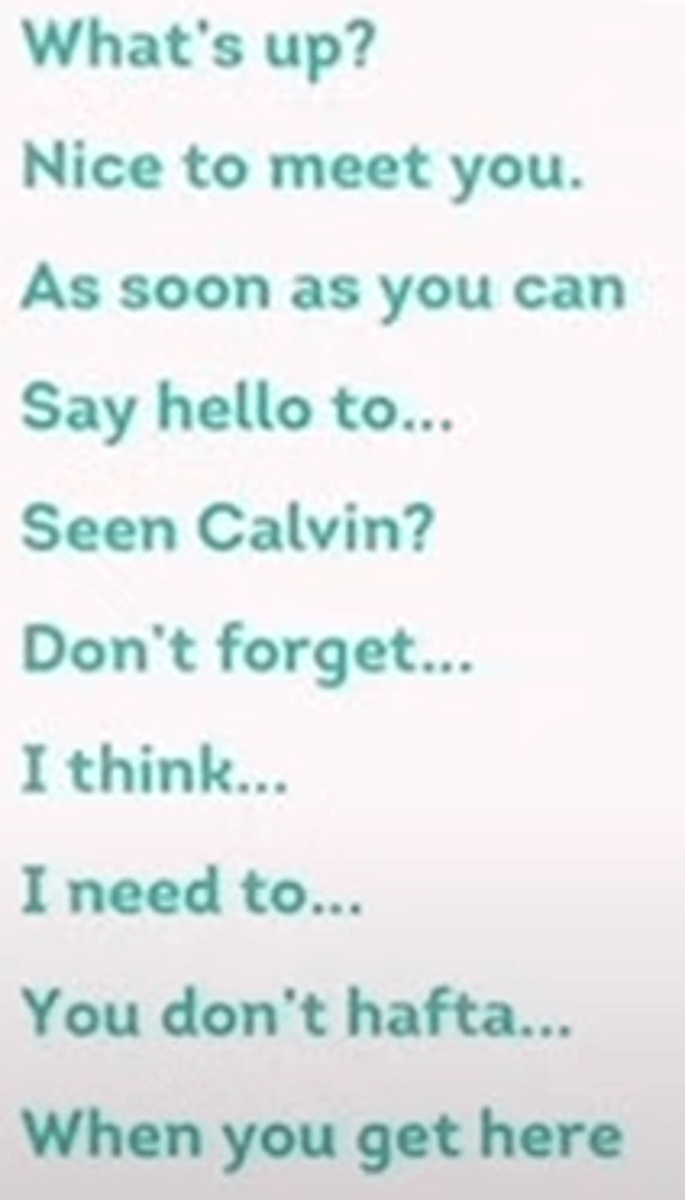
Formal Language
Appropriate for professional or significant situations.
Informal Language
More causal language.
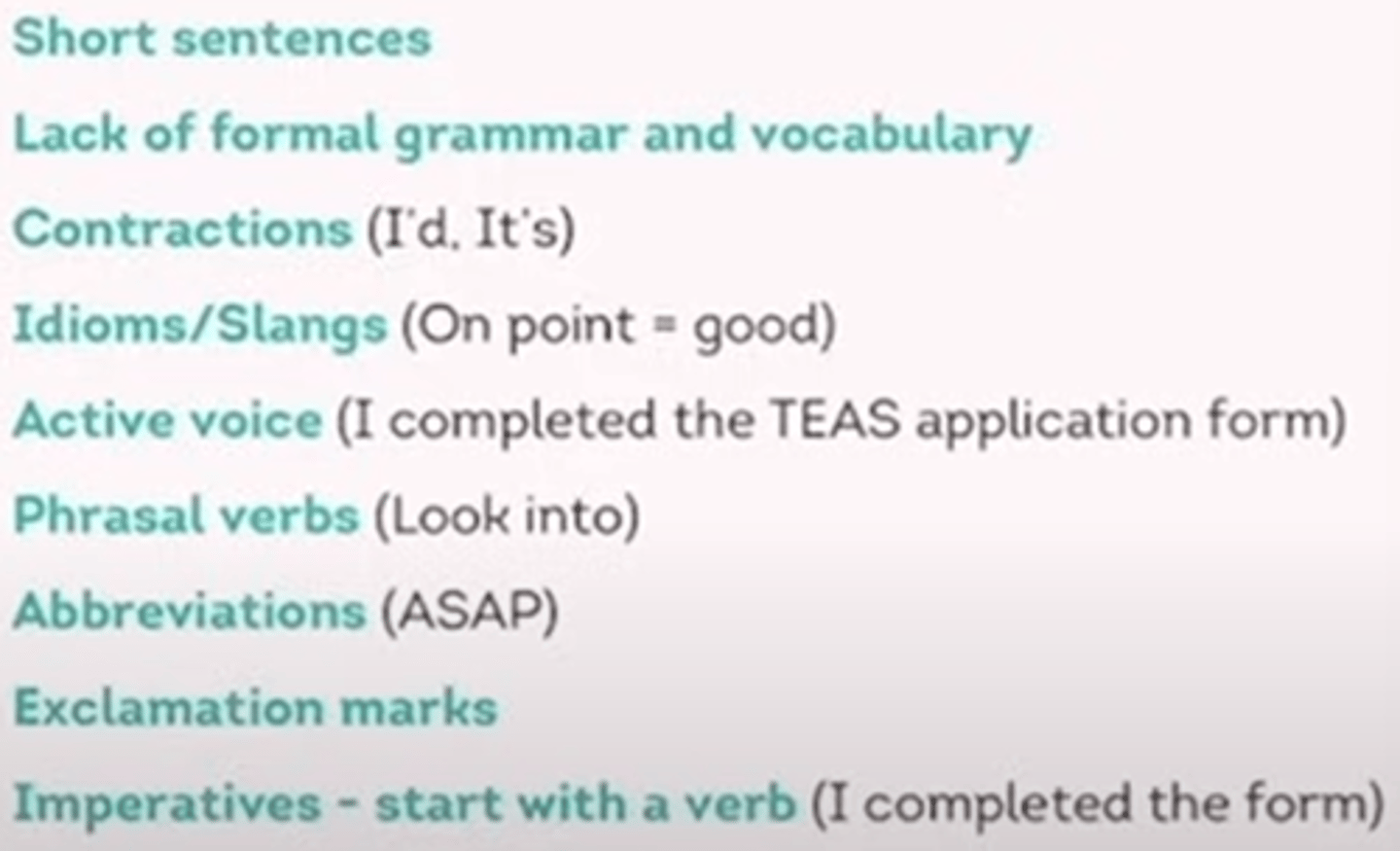
Formal Language Examples
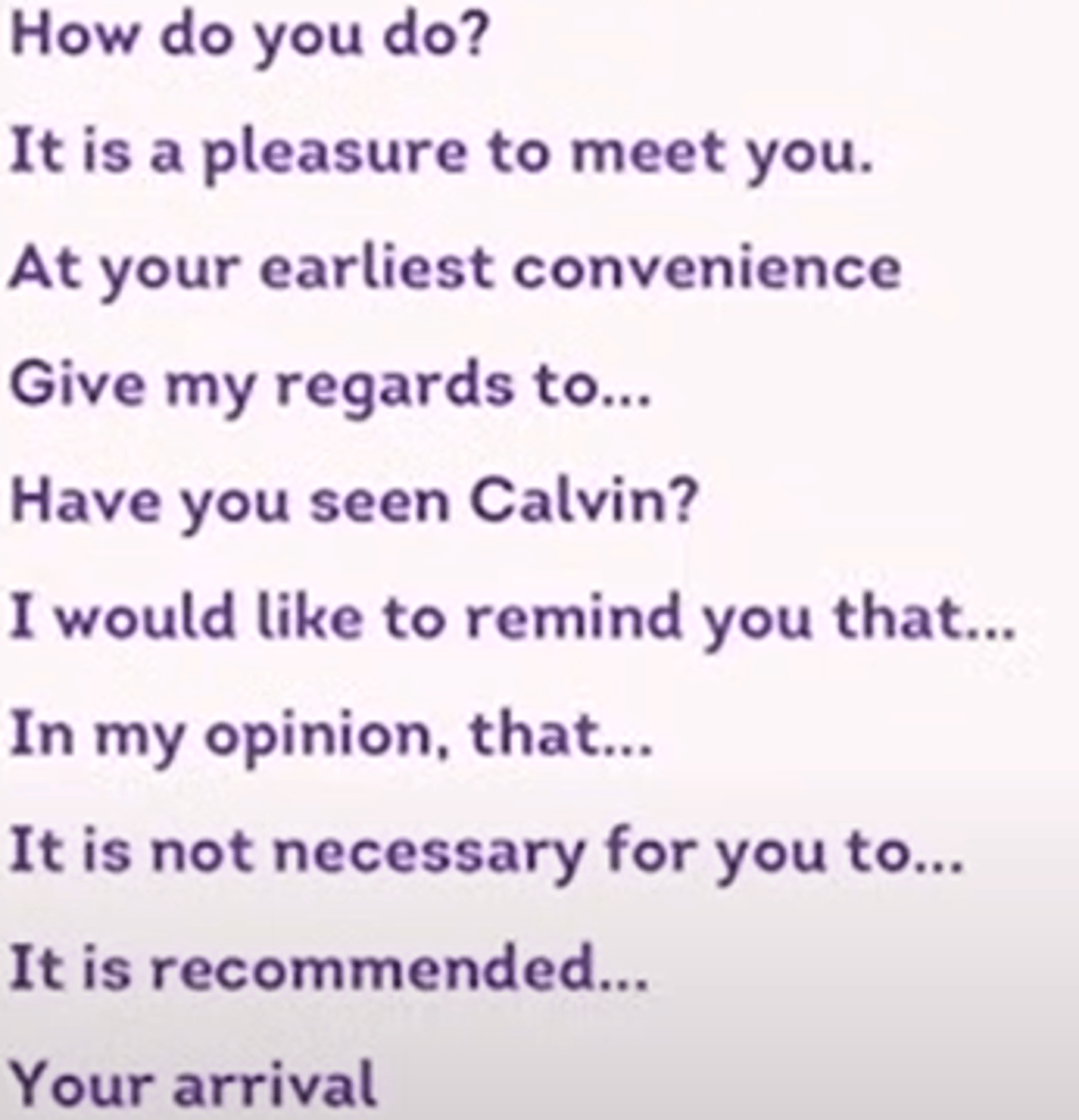
Informal Language Examples
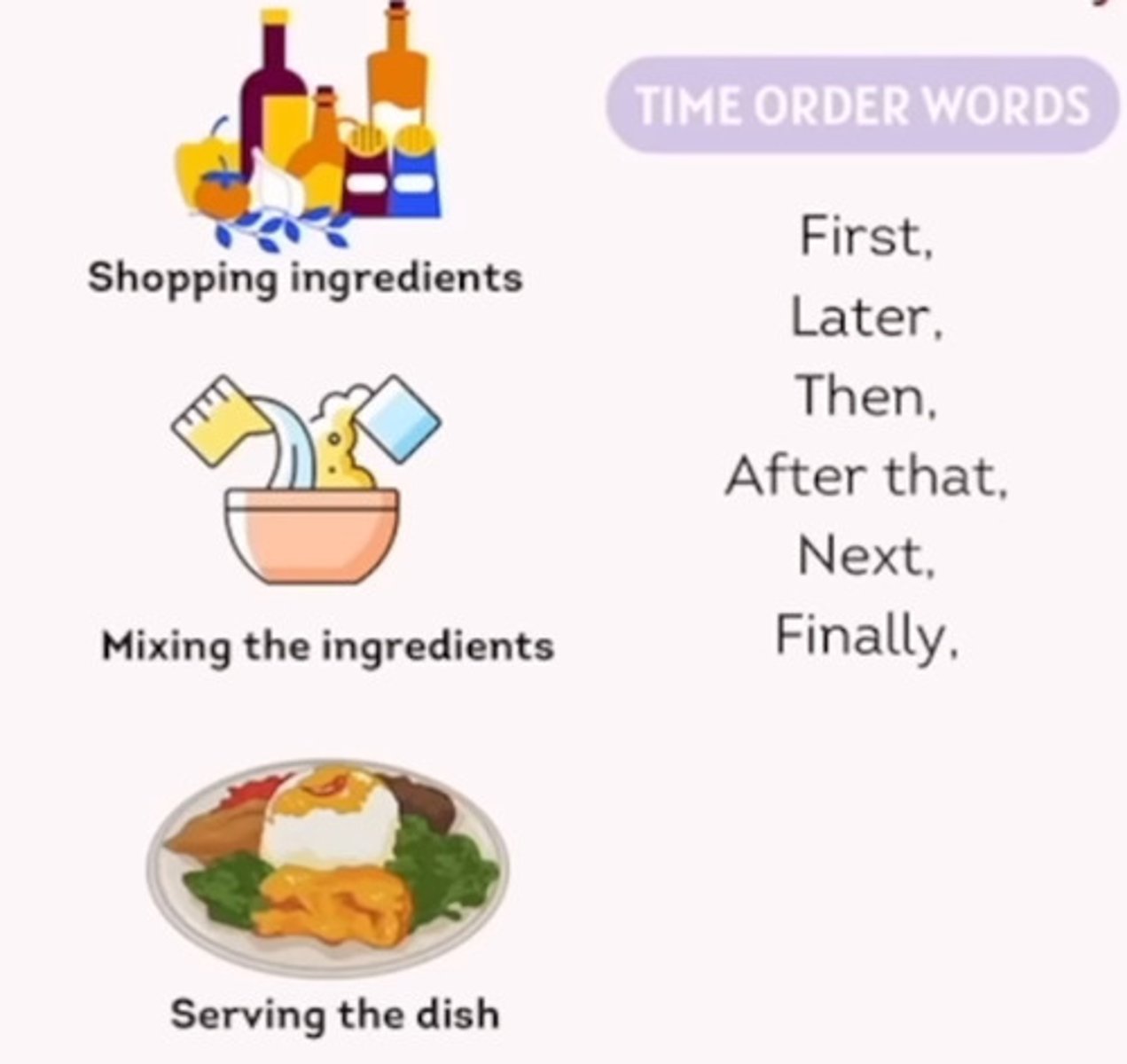
Chronological Order
Arrangement of ideas following one after another in time (primarily used in expository writing styles).
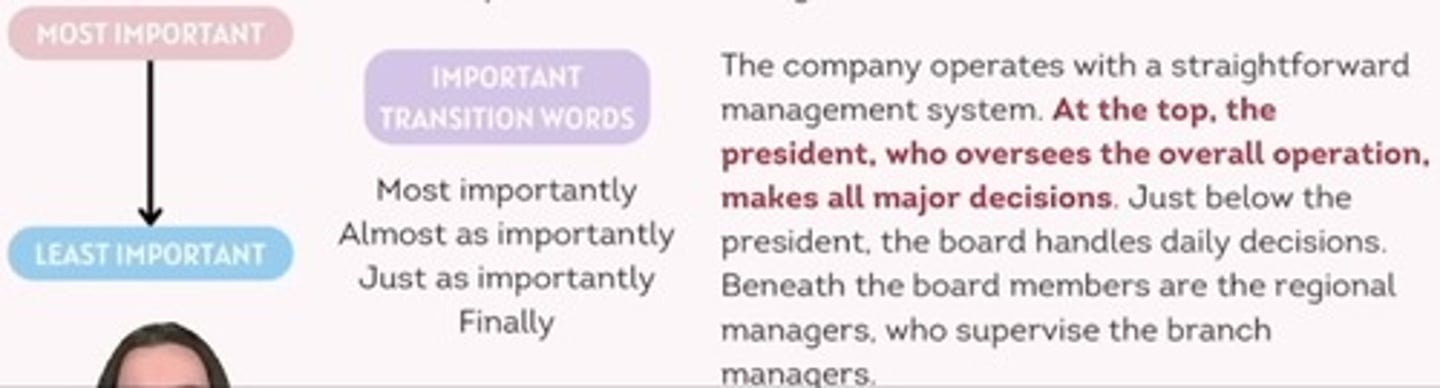
Order of Importance
Used for persuading, convincing, and ranking items b their importance or advantage.
Spatial Order
Using directional words.
1. Helping readers visualize something.
2. Creating a scene using the five senses.
3. Writing a descriptive essay
Transitions:
- just to the left/ right
- behind/ between
- on the left/ right
- across from
- a little futher down
to the south/ east
- a few yards away
- turning left/ right

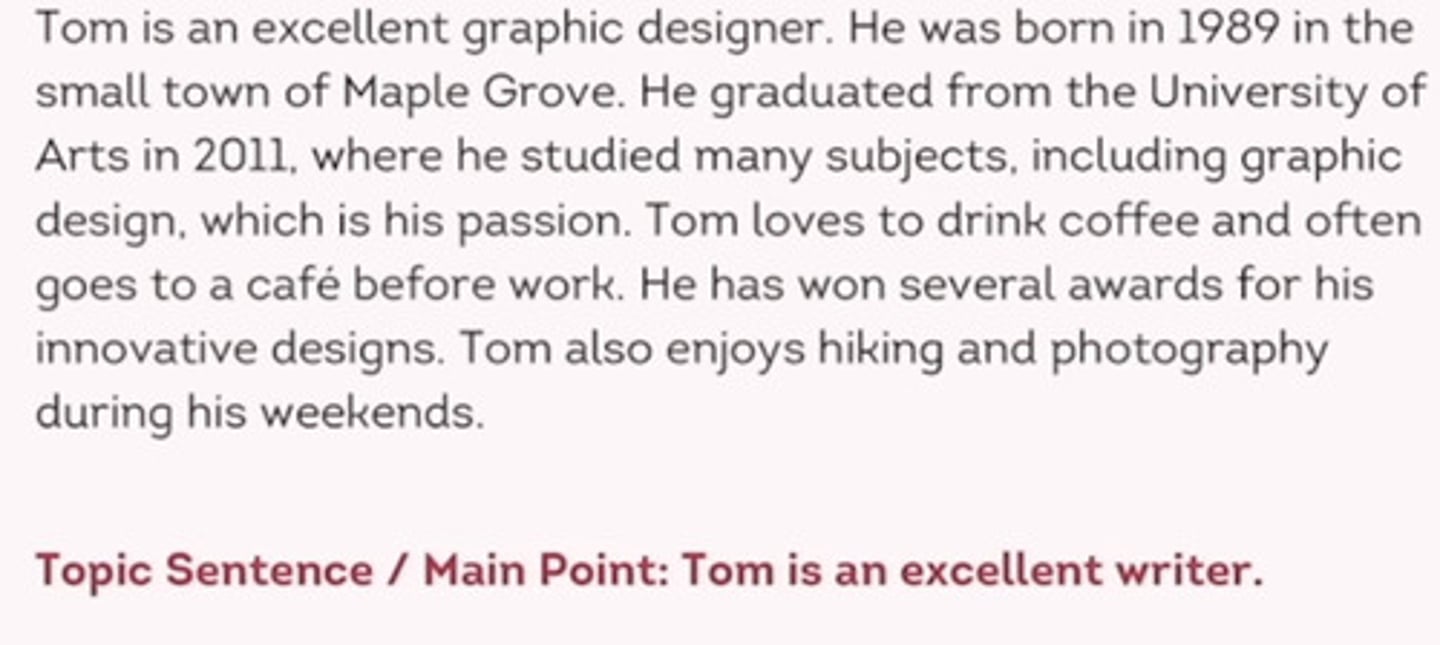
Unnecessary Information
Any details or content that do not contribute to the main point or purpose of the writing.
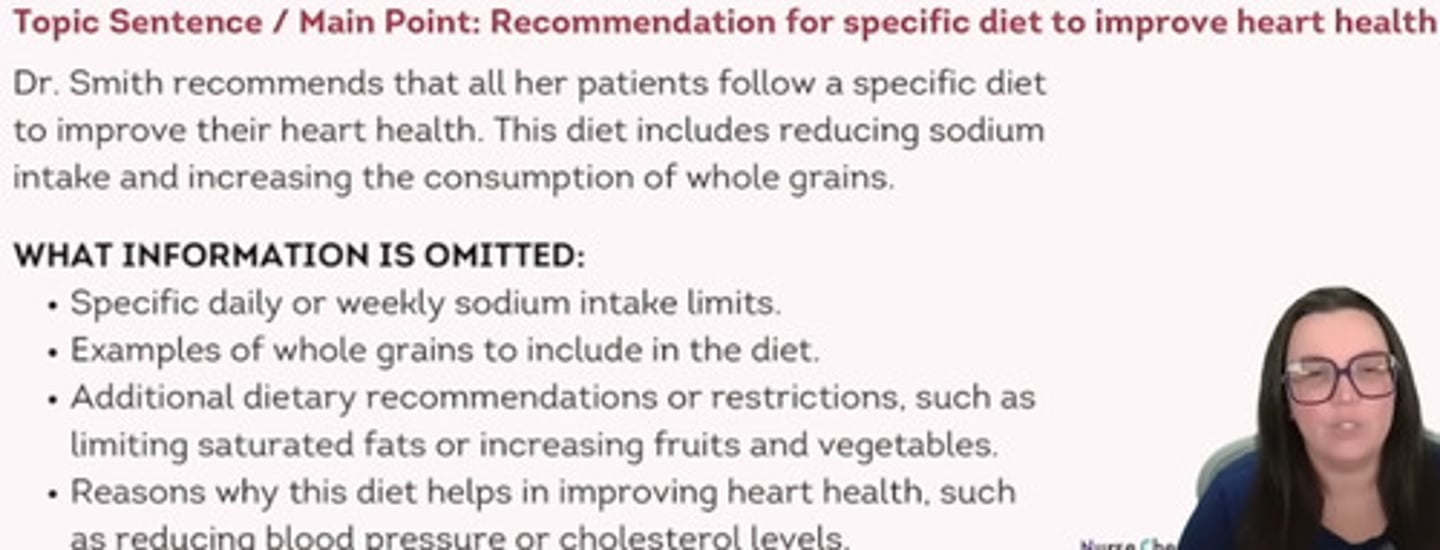
Omitted Words
Pertinent details that are left out either intentionally or unintentionally, leading to a potential lack of clarity or incomplete understanding.
Step 1 in the Writing Process: Prewriting
- planning process.
- narrowing down topic.
- creating framework.
Type of Prewriting
- Stream of Consciousness: unstructured, unplanned method of writing where you write down everything that comes to mind without worrying about grammar, punctuality, or even coherence.
- Brainstorming: structured approach, where you actively think about the topic and write down any related ideas.
- Mind Mapping: draw a map of your ideas starting with central concepts and branching out into subconcepts.
Step 2 in the Writing Process: Writing
Begin drafting the initial draft of your writing.
Step 3 in the Writing Process: Conferencing
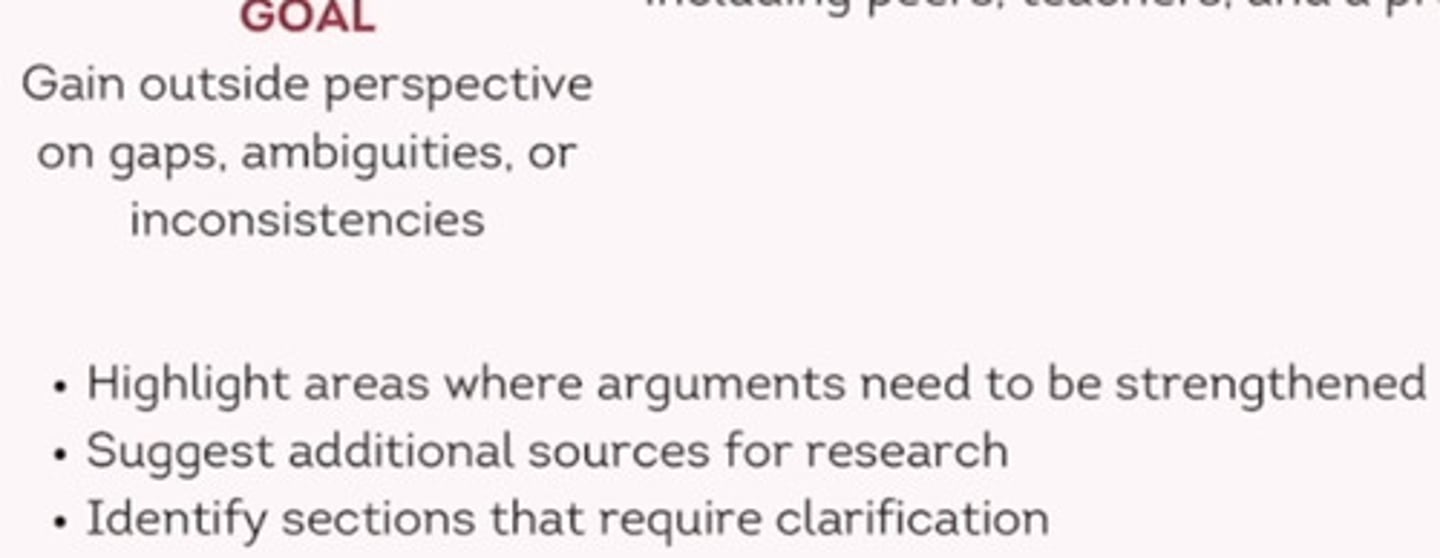
Discuss the draft with others to get their feedback, including peers, teachers, and professional editor.
Step 5 of the Writing Process: Editing
Focus on micro-level detail like grammar, punctuation, spelling, and sentence structure.
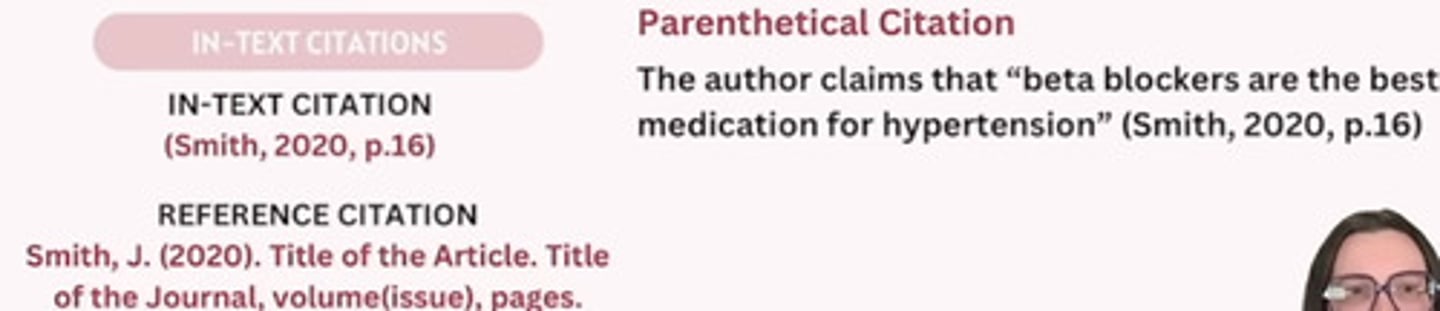
Cite Sources
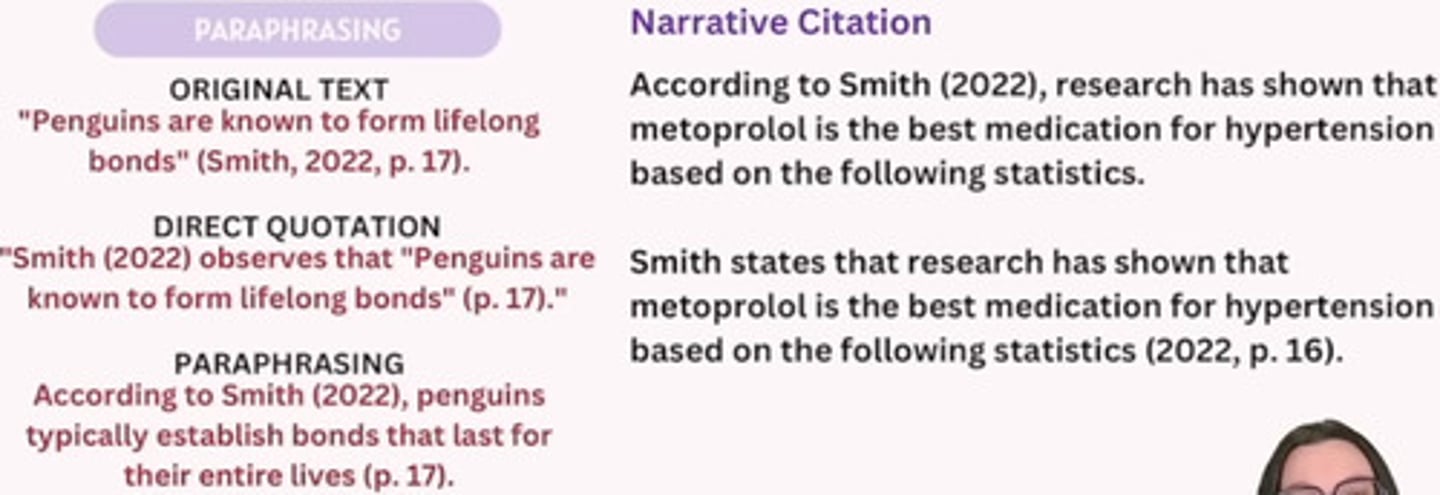
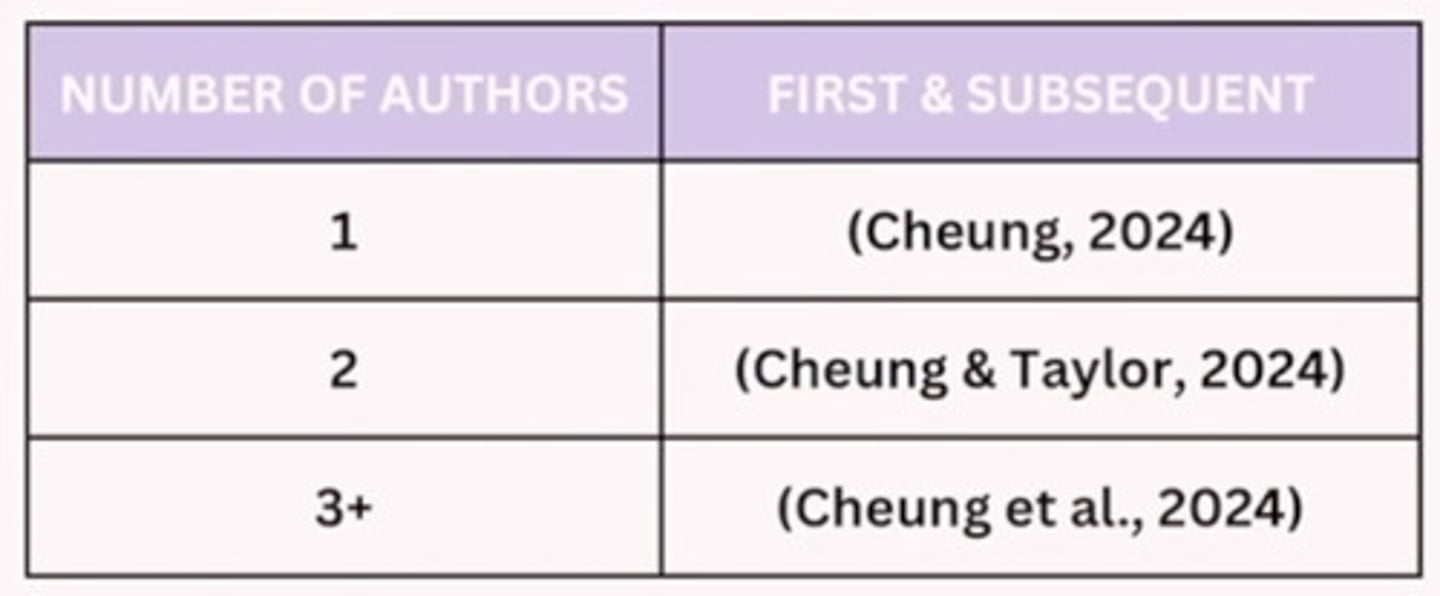
Gives credit to the original authors, allowing readers to find the original source of information.
Citations: In-Text
Citations: Paraphrasing
Citation with Multiple Authors
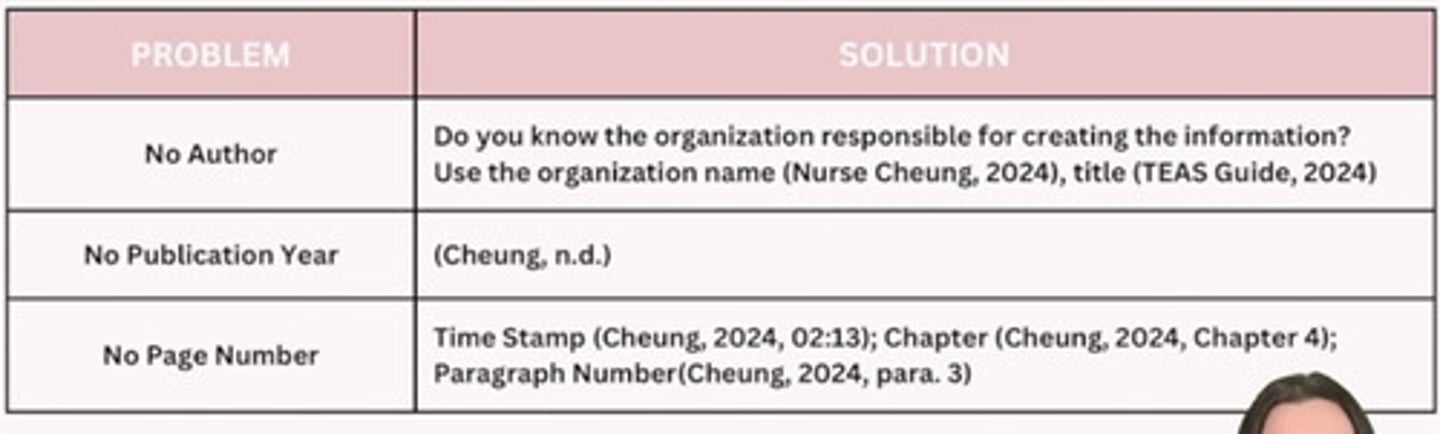
Citations with Missing Details
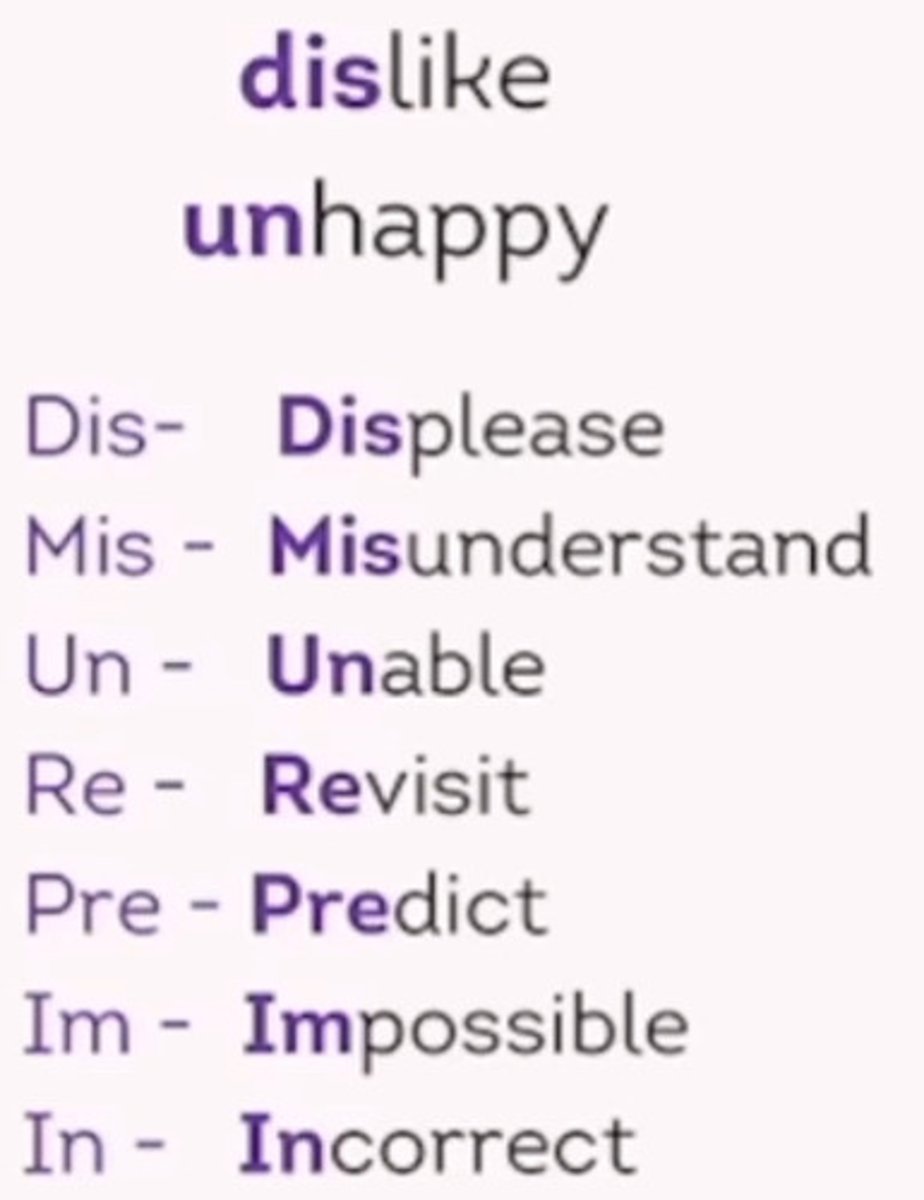
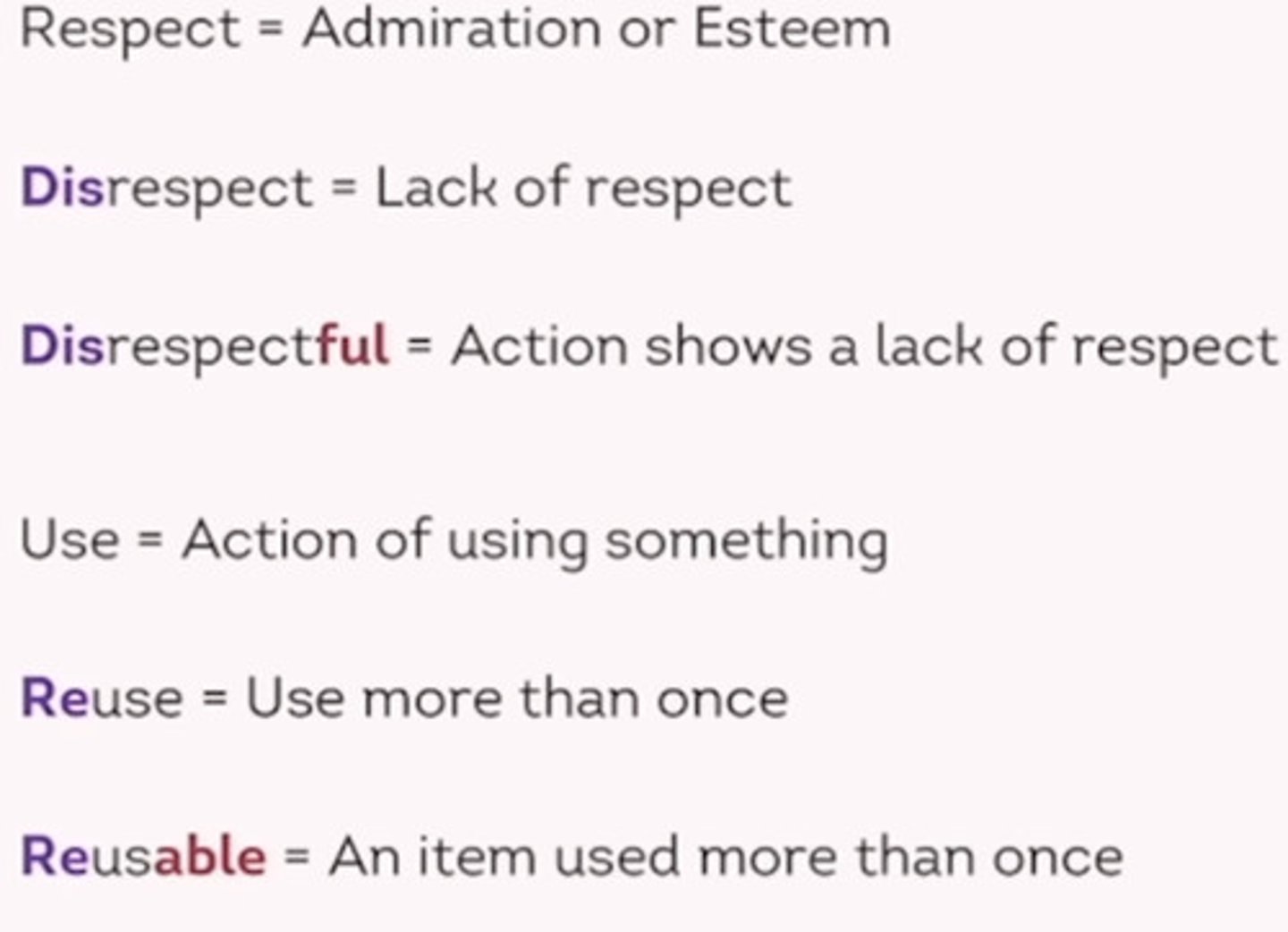
Prefixes
Word part that comes at the beginning of a certain words.
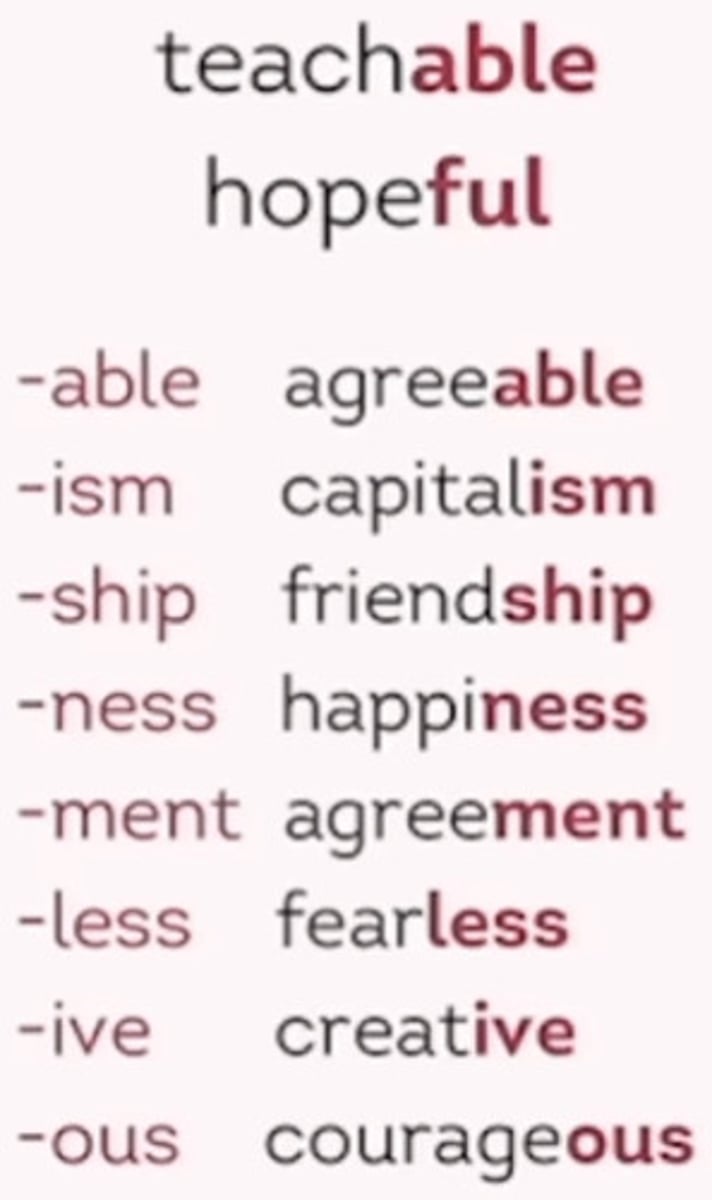
Suffixes
Word part that comes at the end of certain words.
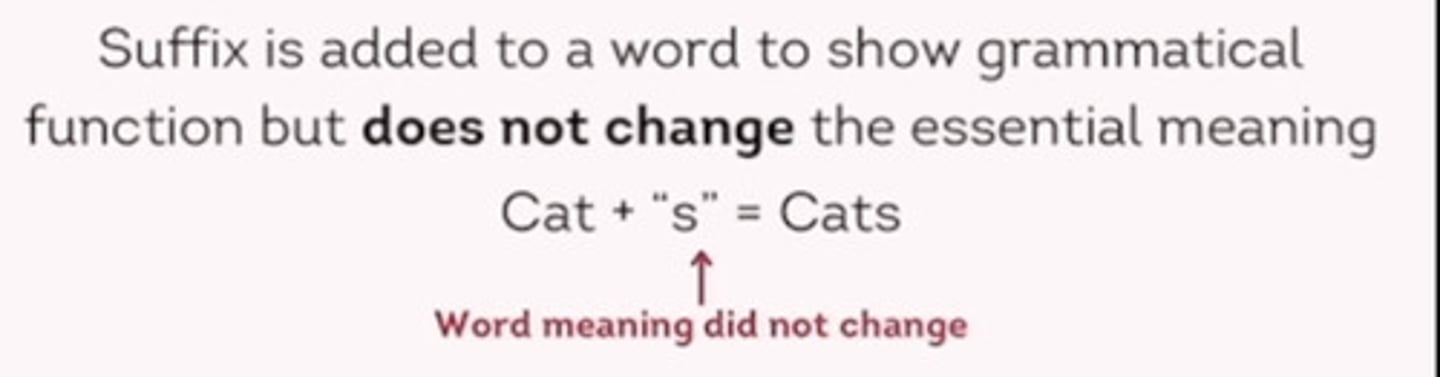
Suffixes: Inflectional
Suffixes: Derivational
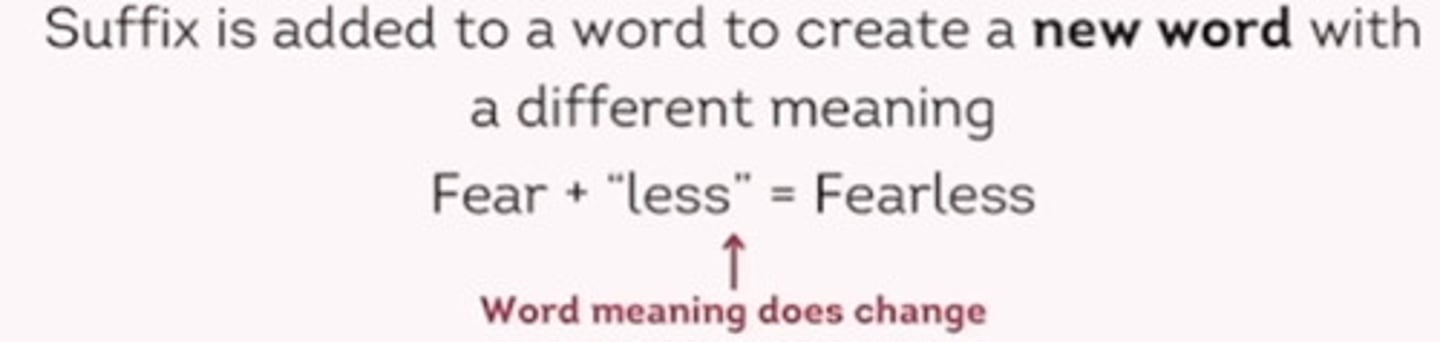
Prefixes & Suffixes
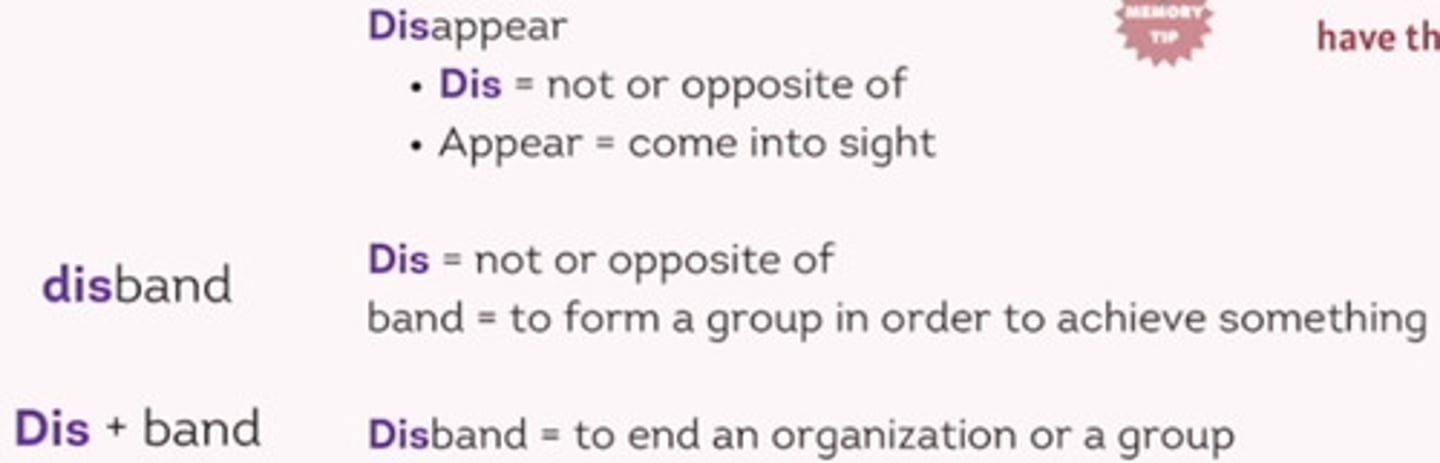
How to Determine Word Meaning
Break words into parts to decipher what the word means.
(Think of other words that have the same parts).
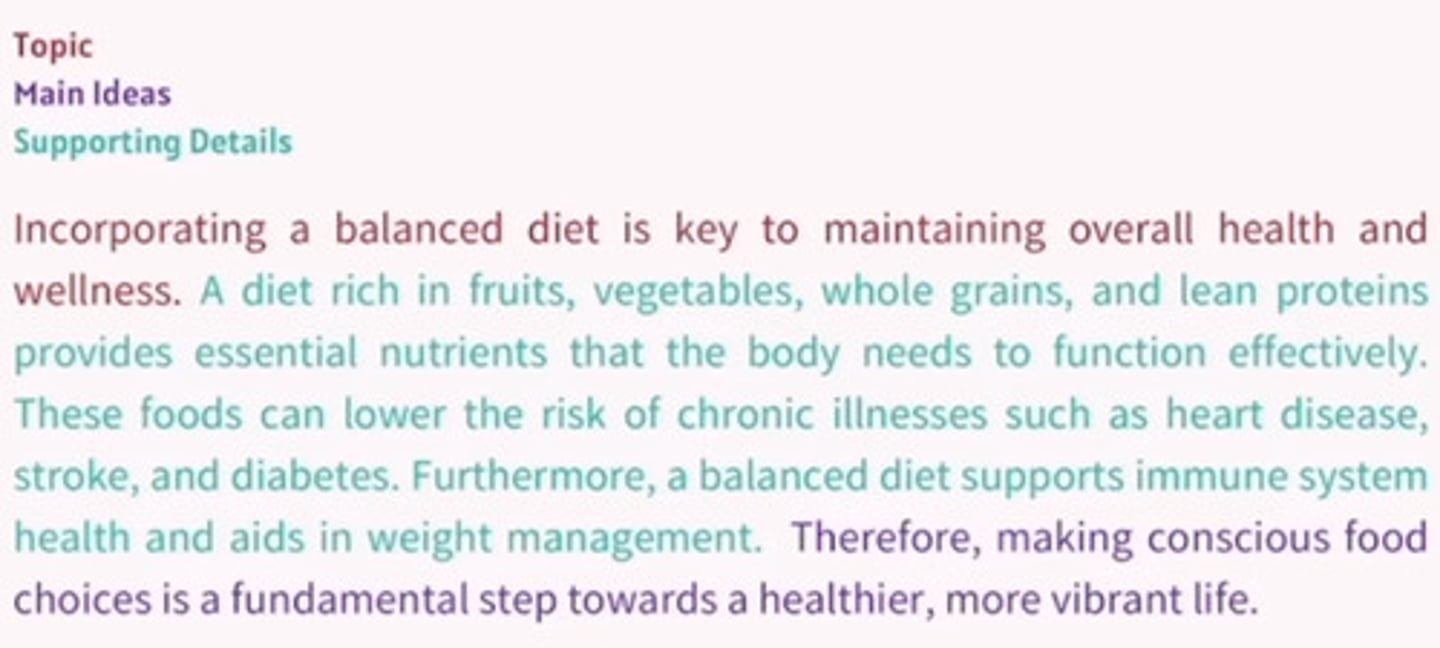
Step 4 of the Writing Process: Revision
Incorporate feedback received, restructure work, add details, remove redundancies, and improve your draft at a macro level.
