APAH Vocab
 Call Kai
 Learn
Learn Practice Test
 Spaced Repetition
 Match
Match Flashcards
 Knowt Play
1/48

Earn XP
Description and Tags
All of vocab
Name | Mastery | Learn | Test | Matching | Spaced | Call with Kai |
|---|
No analytics yet
Send a link to your students to track their progress
49 Terms
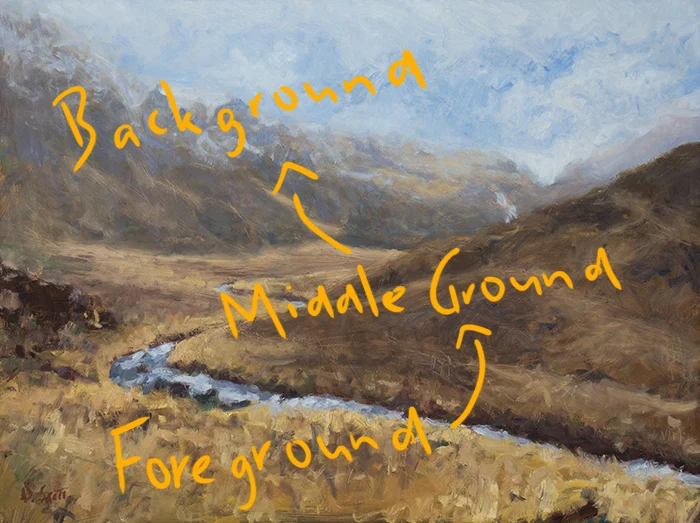
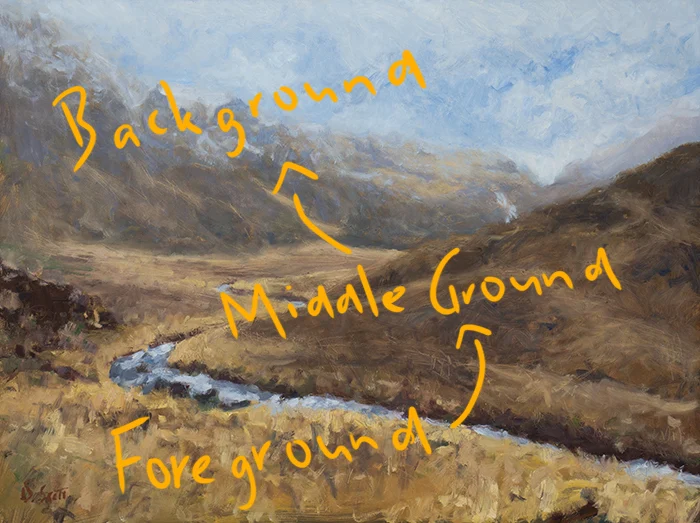
Foreground
Objects in an artwork closest to the viewer (bottom of the picture plane)
Iconography
The visual images and symbols used in a work of art
Medium
The materials used to make a work of art
Attribution
who is responsible for a work of art.
Patron
Financial supporter of an artist/commissions artwork
Composition
How an artwork is arranged using elements and principles
Middleground
Objects in an artwork between the foreground and background (middle of the picture plane)
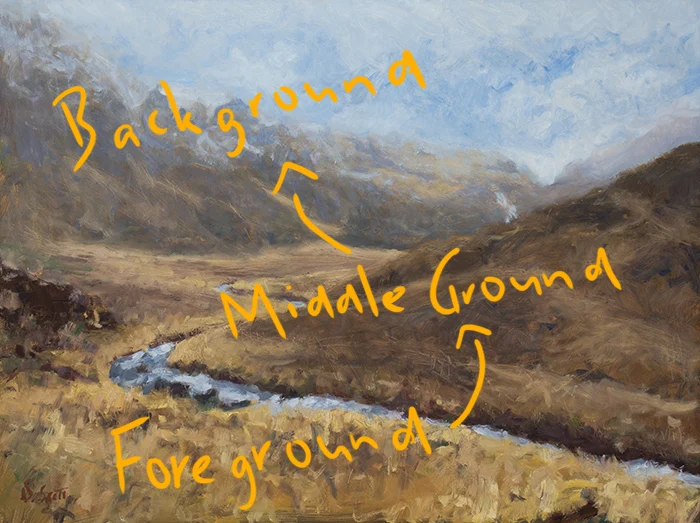
Background
Objects in an artwork furthest from the viewer (top of the picture plane)
The Elements of Art
Line
Shape
Form
Value
Color
Space
Texture
Line
an element of art that can be 2-D, 3D, or implied. An extended point.
Color scheme
An organized arrangement of color.
Main Types: Complementary, Analogous, Triadic, Split-Complement and Monochromatic
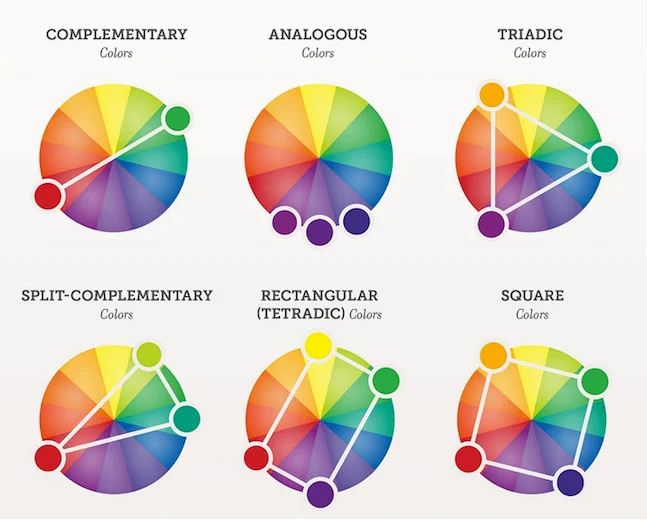
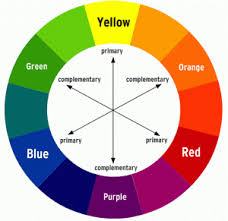
COMPLEMENTARY COLORS
Colors opposite each other on the color wheel (when placed together creates the most visual contrast and energy)
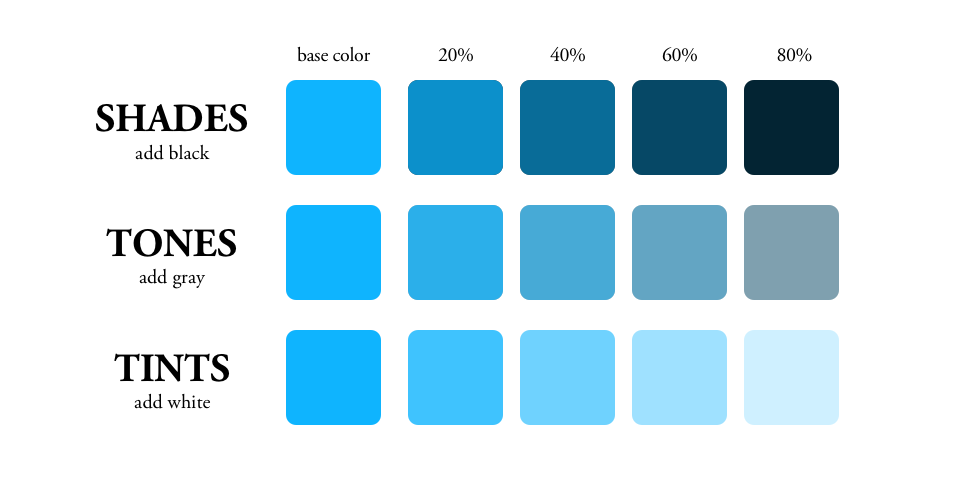
Monochromatic
A color scheme made up of one color plus its tints,tones, and shades
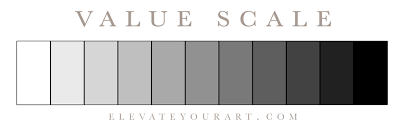
Value
refers to the lights and darks of grays and colors.
Texture
refers to the way objects feel or the way they appear to feel
Positive Space
the area of the artwork that is the subject matter
Negative Space
the area of space that is surrounding the subject matter
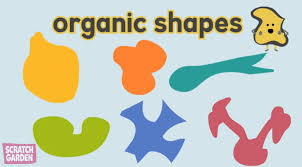
Organic Shape
irregular, flowing, and imperfect shapes that mimic forms found in nature
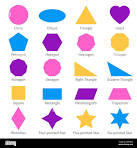
Geometric Shape
straight lines, angles, and points
Form
An element of art that is 3-D and encloses volume.
The Principles of Design
Emphasis
Contrast
Pattern
Rhythm
Movement
Balance
Unity
Balance
distribution of the visual weight of objects, colors, texture, and space.
Ex. Asymmetrical,Radical,Symmetrical
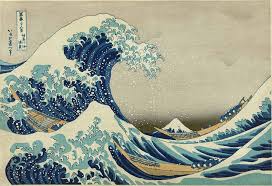
Asymmetrical
Cut it in half and it’s NOT the same on either side
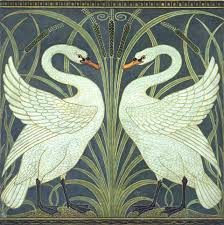
Symmetrical
Cut it in half and it’s the same on either side
Unity
creates a sense of harmony and wholeness, by using similar elements within the composition and placing them in a way that brings them all together.
Rhythm
Suggests movement through the use of repeating elements of art.
Pattern
design in which lines, shapes, forms or colors are repeated with recognizable organizable.
Emphasis
When one area of the artwork attracts more attention then the rest
Contrast
arrangement of opposite elements (light vs. dark colors, rough vs. smooth textures, large vs. small shapes, etc.) in a piece so as to create visual interest
Movement
creating a path for the viewer's eye to take through a work of art, suggestions motion
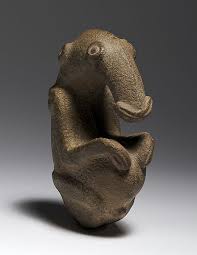
Anthropomorphic
having characteristics of the human form, although the form itself is not human
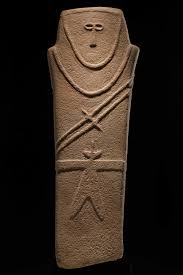
Archaeology
the scientific study of ancient people and cultures principally revealed through excavation
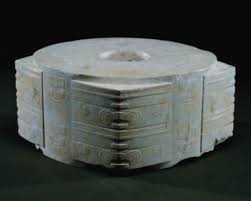
Cong
a tubular object with a circular hole cut into a square-like cross section
Proportion
How one piece of an artwork relates to other parts of the artwork
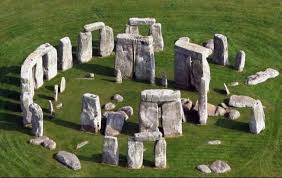
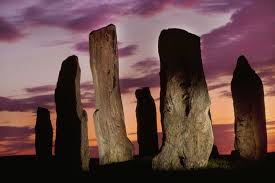
Henge
a Neolithic monument, characterized by a circular ground plan; used for rituals and marking astronomical events
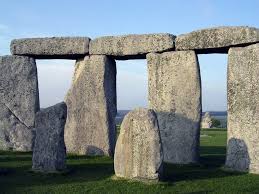
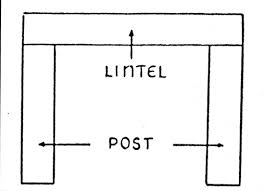
Lintel
a horizontal beam over an opening
Megalith
a squared stone of great size used in the construction of a prehistoric structure
Stylized
non-realistic manner of representing the visible world and its contents abstracted from the way that they appear in nature
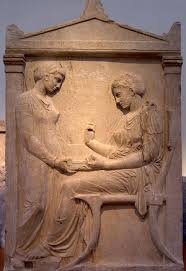
Stele
an upright stone slab used to mark a grave or site, used during Neolithic period(6th-4th millennium B.C.E.)
Post and Lintel
a method of construction in which two posts support a horizontal beam called a lintel
Shamanism
a religion in which good and evil are brought about by spirits which can be influenced by shamans, who have a access to these spirits
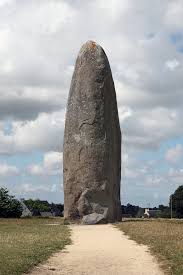
Menhir
a large uncut stone erected as a monument in the prehistoric era; a standing stone
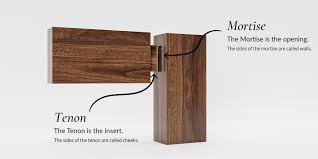
Mortise and Tenon
a groove cut into stone or wood, called amortise that is shaped to receive a tenon, or a projection of the same dimensions