Chapter 6: Safety and body mechanics
 Call Kai
 Learn
Learn Practice Test
 Spaced Repetition
 Match
Match Flashcards
 Knowt Play
1/46

There's no tags or description
Looks like no tags are added yet.
Name | Mastery | Learn | Test | Matching | Spaced | Call with Kai |
|---|
No analytics yet
Send a link to your students to track their progress
47 Terms
Elderly have more..
safety concerns due to issues like dementia, confusion, illness, disability, and diminished sense
Paralysis
is the loss of ability to move all or part of the body
A fall is..
any sudden uncontrollable descent from a higher to a lower level, with or without injury resulting
A fracture
is a broken bone
Disorientation
means confusion about person, place, or time
HOW DO YOU PREVENT FALLS?
Clear all walkways of clutter, trash, throw rugs, and cords
If rugs or mats are used, they should have a nonslip backing
Have residents wear nonskid, sturdy shoes. Make sure shoelaces are tied
Residents should not wear clothing that is too long or drags on the floor
Keep personal items that are used often close to residents, including call lights
Answer call lights right away
Immediately clean up spills on the floor
Report loose handrails immediately
Mark uneven flooring or stairs with tape of a contrasting color to indicate a hazard
Improve lighting where needed
Lock wheels and move footrests out of the way before helping residents into or out of wheelchairs
Lock bed wheels before helping a resident into and out of bed while giving care
RAISE A BED WHILE GIVING CARE TO MAKE THE JOB EASIER AND SAFER
GET HELP WHEN MOVING A RESIDENT IF U FEEL UNSURE
OFFER HELP WITH ELIMINATION REGULARLY
LEAVE FURNITURE IN THE SAME PLACE AS U FOUND IT
KNOW WHICH RESIDENTS ARE AT RISKS FOR FALLS
IF A RESIDENT STARTS TO FALL, BE IN A GOOD POSITION TO CATCH HIM/HER
WHENEVER A RESIDENT FALLS, IT MUST BE REPORTED TO THE NURSE
Scalds
are burns caused by hot liquids
HOW TO PREVENT BURNS AND SCALDS
check water temperatre with a water thermomter
immediately report frayed electrical cords or appliances that look unsafe
let residents know where you are about to pour or set down a hot liquid
pour hot drinks away from residents
make sure residents are sitting down before serving them hot drinks
if plate warmers or other equipment that produce heat are used, monitor them carefully
Residents must always..
be identified before giving or serving food
Choking can..
occur while eating, drinking, or taking medication
What are considered poisons?
Cleaning products, paints, medicines, toiletries, and glue SHOULD NOT BE INGESTED
An abrasion
is an injury that rubs off the surface of the skin
Oxygen therapy
is the adminstration of oxygen to increase the supply of oxygen to the lungs
Combustion
means the process of burning
Flammable
means easily ignited and capable of burning quickly
WORKING SAFELY WITH OXYGEN
POST NO SMOKING SIGNS AND OXYGEN IN USE SIGNS
REMOVE ALL FIRE HAZARDS FROM THE ROOM OR AREA
DO NOT BURN CANDLES, LIGHT MATCHES, OR USE LIGHTERS AROUND OXYGEN
DO NOT USE AN EXTENSION CORD WITH OXYGEN CONCENTRATOR
DO NOT PLACE ELECTRICAL CORDS OR OXYGEN TUBING UNDER RUGS OR FURNITURE
OXYGEN CAN BE IRRITATING TO THE NOSE AND MOUTH: CHECK THE NASAL CANNULA REGULARLY AND REPORT AND DOCUMENT ANY IRRITATON YOU OBSERVE
DO NOT USE ANY PETROLUM BASED PRODUCTS: SUCH AS VASELINE OR CHAPSTICK. THEY ARE A FIRE HAZARD. OIL STUFF IS A FIRE HAZARD
LEARN HOW TURN OXYGEN OFF IN CARE OF FIRE. NEVER ADJUST THE OXYGEN SETTING OR DOSE
What is the Safety Data Sheet (SDS)?
Employers must have an SDS FOR EVERY CHEMICAL USED
EMPLOYERS MUST PROVIDE EASY ACCESS TO THE SDS
STAFF MEMBERS MUST KNOW WHERE THESE SHEETS ARE KEPT AND HOW TO READ THEM. THEY SHOULD ASK FOR HELP IF THEY DO NOT KNOW HOW TO READ THEM
OSHA requires that emergency eyewash stations..
be placed in all hazardous areas in case an eye injury occurs. Employees must know where the closest eyewash station is and how to get there with restricted vision
A restraint
is a physical or chemical way to restrict voluntary movement and behavior
There are many serious problems associated with restraint use, including the following:
Pressure injuries
Pneumonia
Risk of suffocation
Reduced blood circulation
Stress on the heart
Blood clots
Incontinence
Constipation
Muscle atrophy
Loss of bone mass
Poor appetite and malnutrition
Depression and/or withdrawal
Sleep disorders
Loss of dignity
Loss of independence
Stress and anxiety
Increased agitation (anxiety, restlessness)
Loss of self-esteem
Severe injury
Death
Restraint-free care
means that restraints are not kept or used for any reason
Restraint alternatives
are measures used in place of a restraint
Creative ideas that help avoid the need for restraints are used instead
Atrophy
weakening or wasting away of muscles
EXAMPLES OF RESTRAINT ALTNERATIVES
MAKE SURE CALL LIGHTS ARE WITHIN REACH AND ANSWERED PROMPTLY
IMPROVE SAFETY MEASURES TO PREVENT ACCIDENTS AND FALLS
ASSIST THE RESIDENT WITH AMBULATION WHEN HE IS RESTLESS
PROVIDE ACTIVITES FOR THOSE WHO WANDER AT NIGHT
ENCOURAGE ACTIVITIS AND INDPENDENCE. ESCORT THE RESIDENT TO SOCIAL ACTIVITIES. INCREASE VISITS AND SOCIAL INTERACTION
GIVE FREQUENT HELP WITH ELIMINATION NEEDS.
GIVE FREUQEST HELP WITH ELIMINATION AND EPISODE OF INCONTINENCE
OFFER FOOD, DRINK, READING MATERIALS
DISTRACT OR REDIRECT TASK
MONTIOR RESIDENT CLOSELY
USE A TEAM APPROAH TO MEETING THE RESIDENT’S NEEDS
WHAT ARE BODY MECHANICS?
Body mechanics is the way the parts of the body work together when a person moves. Using proper body mechanics helps save energy and prevent energy.
The elements of body mechanics are: alignment, base of support, fulcrum and lever, and center of gravity.
Posture
is the way a person holds and positions his body
Base of support
The base of support is the foundation that supports an object. The feet are the body’s base of support.
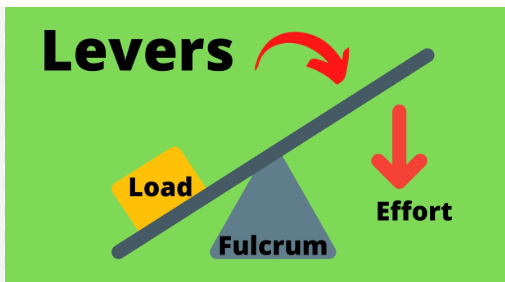
Fulcrum and lever
A lever moves an object by resting on a base of support, called a fulcrum.
For example, on a seesaw, the flatboard a person sits on is the lever.
The triangular base that the board rests on is the fulcrum
Center of gravity
The center of gravity in the body is the point where the most weight is concentrated
USING PROPER BODY MECHANICS
When lifting an object off the floor..
Your legs and thighs should do the lifting
USING PROPER BODY MECHANICS
Hold a heavy object..
close to you
Do not twist..
when you are lifting or moving an object
Never try to catch..
a falling a resident
Report to the nurse any task you feel that you cannot..
safely do
WHAT ARE POTENTIAL FIRE HAZARDS IN A FACILITY?
SMOKING
FRAYED OR EXPOSED ELECTRICAL WIRES
DAMAGED ELECTRICAL EQUIPMENT
OXYGEN USE
FLAMMABLE LIQUIDS OR RAGS WITH OILS ON THEM
OVERLOADED ELECTRICAL SOCKETS
ALL FACILITIES HAVE A..
FIRE PLAN
FIRE PLAN
The PASS acronym will help you understand how to use an extinguisher:
Pull the pin
Aim at the base of the fire when spraying
Squeeze the handle
Sweep back and forth at the base of the fire
Pull the pin
Aim at the base of the fire when spraying
Squeeze the handle
Sweep back and forth at the base of the fire
How to use a fire extinguisher
In case of fire, follow the RACE acronym
Remove anyone in danger if you are not in danger
Alert by activating the fire alarm system or calling 911.
Contain the fire if possible by closing all doors and windows
Extinguish the fire, or the fire department will extinguish it. Evacuate the area of instructed to do so.
Remove anyone in danger if you are not in danger
Alert by activating the fire alarm system or calling 911.
Contain the fire if possible by closing all doors and windows
Extinguish the fire, or the fire department will extinguish it. Evacuate the area of instructed to do so.
in case of a fire
In case of a fire, residents who can walk will also need..
assistance in getting out of a building
In case of a fire, do not get into an..
elevator, unless directed to do so by the fire department
In case of a fire, IN CASE THE DOOR IS CLOSED, CHECK FOR..
HEAT COMING FROM IT BEFORE OPENING IT
In case of a fire and if its on your clothing or hair..
STOP, DROP, AND ROLL
DROP TO THE GROUND, LYING DOWN IF POSSIBLE.
ROLL ON THE GROUND TO TRY AND EXTINGUISH THE FLAMES
In case of a fire, USE A DAMP COVERING..
OOVER THE MOUTH TO REDUCE SMOKE INHALATION
In case of a fire, , AFTER LEAVING THE BUILDING
MOVE AWAY FROM IT
In case of a fire, KNOW WHICH RESIDENTS NEED..
ONE-ON-ONE HELP OR ASSISTIVE DEVICES
IMMOBILE RESIDENTS CAN BE MOVED IN SEVERAL WAYS
IF THEY HAVE A WHEELCHAIR, TRANSPORT THEM INTO IT.
YOU CAN USE OTHER WHEELED TRANSPORTERS, SUCH AS CARTS, BATH CHAIRS, STRETCHERS, OR BEDS
EVEN A BLANKET CAN BE USED AS A STRETCHER OR EVEN PULLED ACROSS THE FLOOR WITH SOMEONE ON IT