Bio 211 Red Terms Rest of 15-16
 Call Kai
 Learn
Learn Practice Test
 Spaced Repetition
 Match
Match Flashcards
 Knowt Play
1/34

There's no tags or description
Looks like no tags are added yet.
Name | Mastery | Learn | Test | Matching | Spaced | Call with Kai |
|---|
No analytics yet
Send a link to your students to track their progress
35 Terms
troph
to nurish
chemo
chemical
photo
light
auto
inorganic
hereto
organic
Obligate Aerobe
need oxygen to respirate and produce ATP
Obligate Anaerobe
use other chemicals to make ATP and oxygen is harmful to them
Facultative Anaerobes
alternate between aerobic and anaerobic metabolism depending on the environment
extremophiles
things that live in extreme environments
thermophilic
LOVE hot places
acidophilic
love low PH places
Methanogens
generate methane
halophiles
LOVES salt
Bacteriorhodopsin
another way that archaea trap light energy via sunlight to push protons
Why are prokaryotes important?
1) Important and 3 main cycles on either (carbon, nitrogen and sulfur)
2) Important in symbiotic relationships
Symbiosis
interactions between 2 organisms (and usually take advantage of one another)
What are the main components of a virus?
1) not cellular and cannot replicate without living cells
2)hijack other cells DNA replication process
What are the two components of a virus?
Bacteriophage and capsid
Bacteriophage
A type of virus that infects bacteria
Capsid
shell of protein outside of the cell with genomes made of DNA or RNA (both single and double)
Lytic Cycle
viral cycle that leads to the destruction of the host cell, by injecting the virus into the host cell directly
Lysogenic
viral cycle that is injected into a host cell and automatically fuses with the cell DNA, asexually duplicating, DOES NOT KILL HOST CELL
When did eukaryotes originate?
1.8 bya
How did eukaryotes evolve from prokaryotes?
1) Gaining a flexible cell surface
2) Cytoskeleton (supports the cell)
3) Nuclear Envelope (membrane around the cell)
4) Organelles
The Protobacteria clade formed into 1 to become mitochondria how many times?
ONCE
Protists
all eukaryotes that ARE NOT plants, animals, and fungi
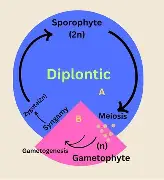
Diplontic Life Cycle
where the organism is mostly a diploid cell until sexually mature and then will reproduce sexually
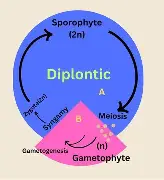
Haplontic Life Cycle
cell mostly in the haploid stage, then produces gametes via mitosis
Why are protists important?
-primary producers
-important in endosymbionts
-human pathogens
Primary producers
produce organic compounds
What are the major clades of Protists?
Archaeplastida, Excavata, and SAR Clade
Archaeplastida
plastid derived from endosymbiosis
Excavata
all unicellular with empty space for feeding space
SAR Clade
Stramenopiles, Alveolates, and Rhizarians, extremely large and diverse, responsbile for 20% of photosynthesis on earth
hydrogenosomes
Reduced mitochondria in parabaslids