A & P - Chapter 7 - Joints*
 Call Kai
 Learn
Learn Practice Test
 Spaced Repetition
 Match
Match Flashcards
 Knowt Play
1/46

There's no tags or description
Looks like no tags are added yet.
Name | Mastery | Learn | Test | Matching | Spaced | Call with Kai |
|---|
No analytics yet
Send a link to your students to track their progress
47 Terms
Synovial Joints
Joints that are held together by a joint capsule and ligaments and are most associated with movement in the body.
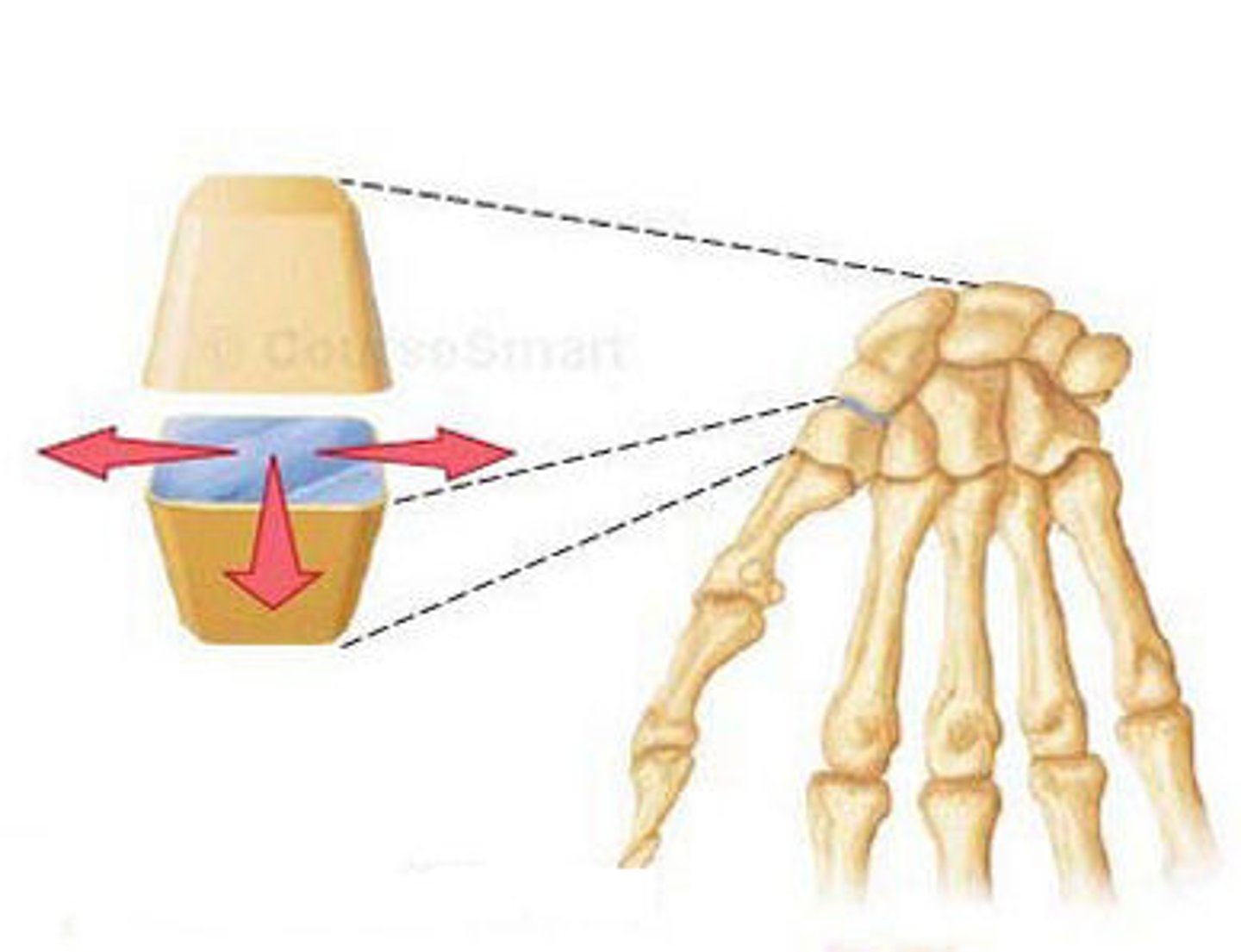
Planar (gliding) Joint
Composed of the articulation between two relatively flat bony surfaces. Limited amount of motion. (ex. interracial joints of hand)
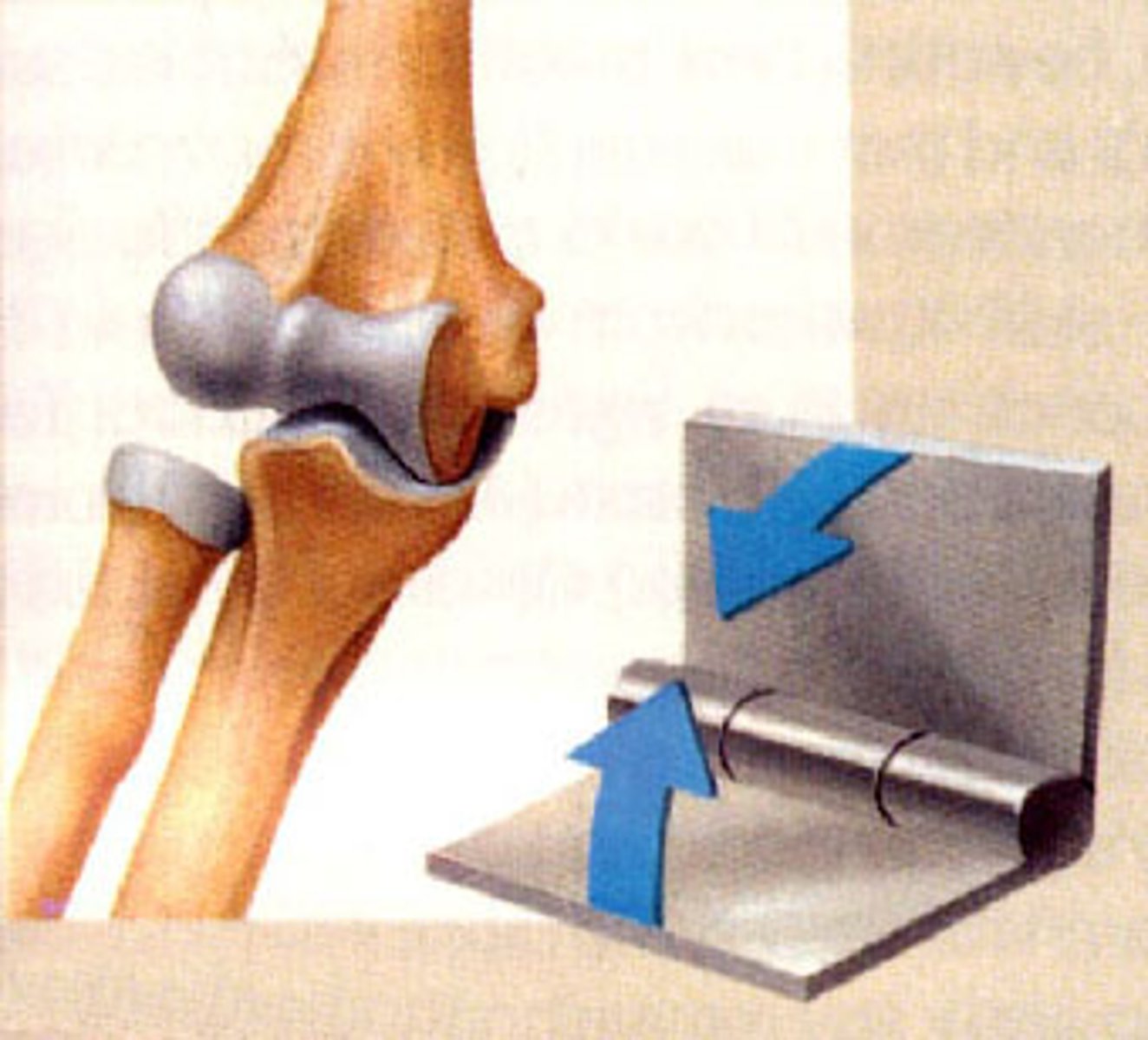
Hinge Joint
Joint between bones (as at the elbow or knee) that permits motion in only one plane.
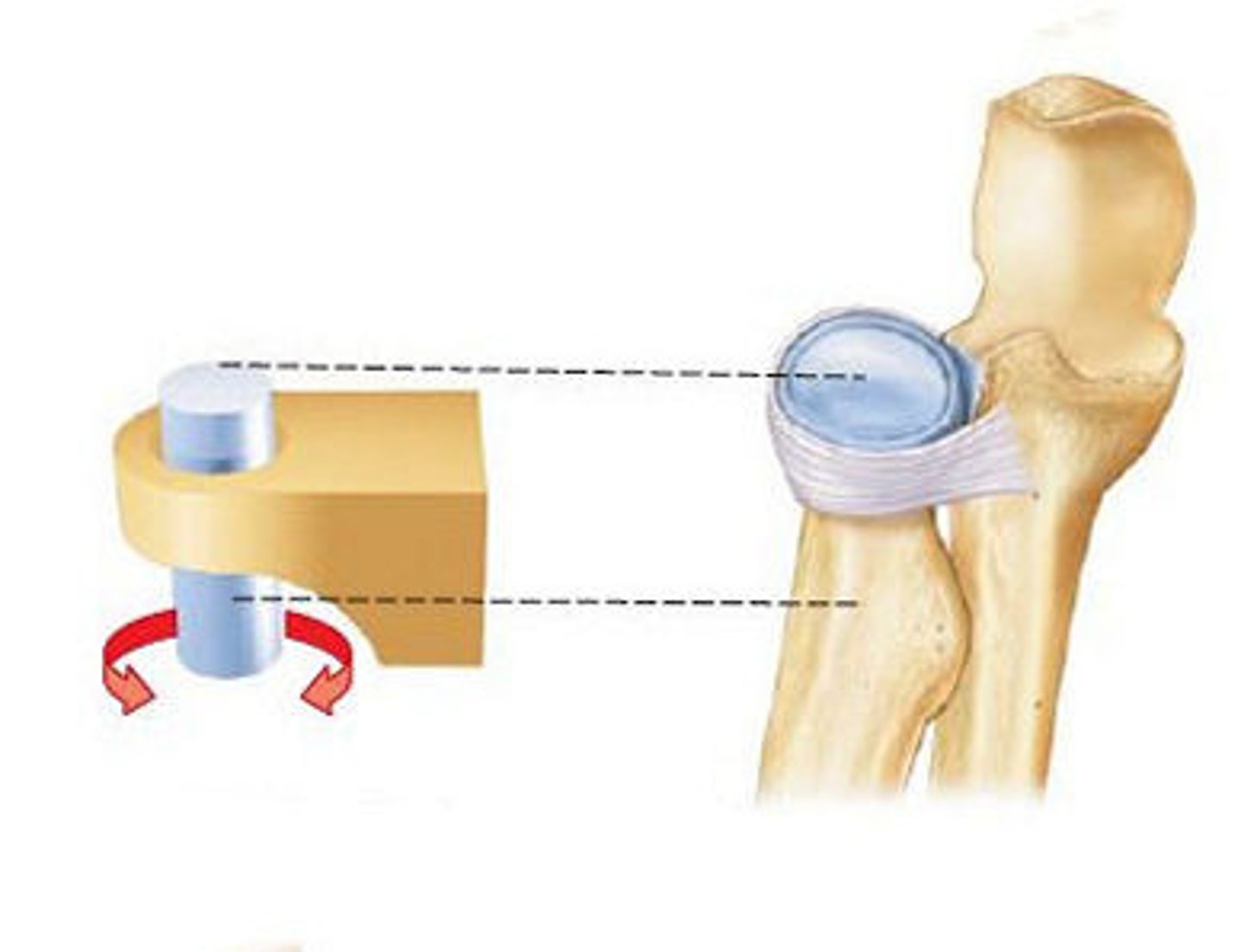
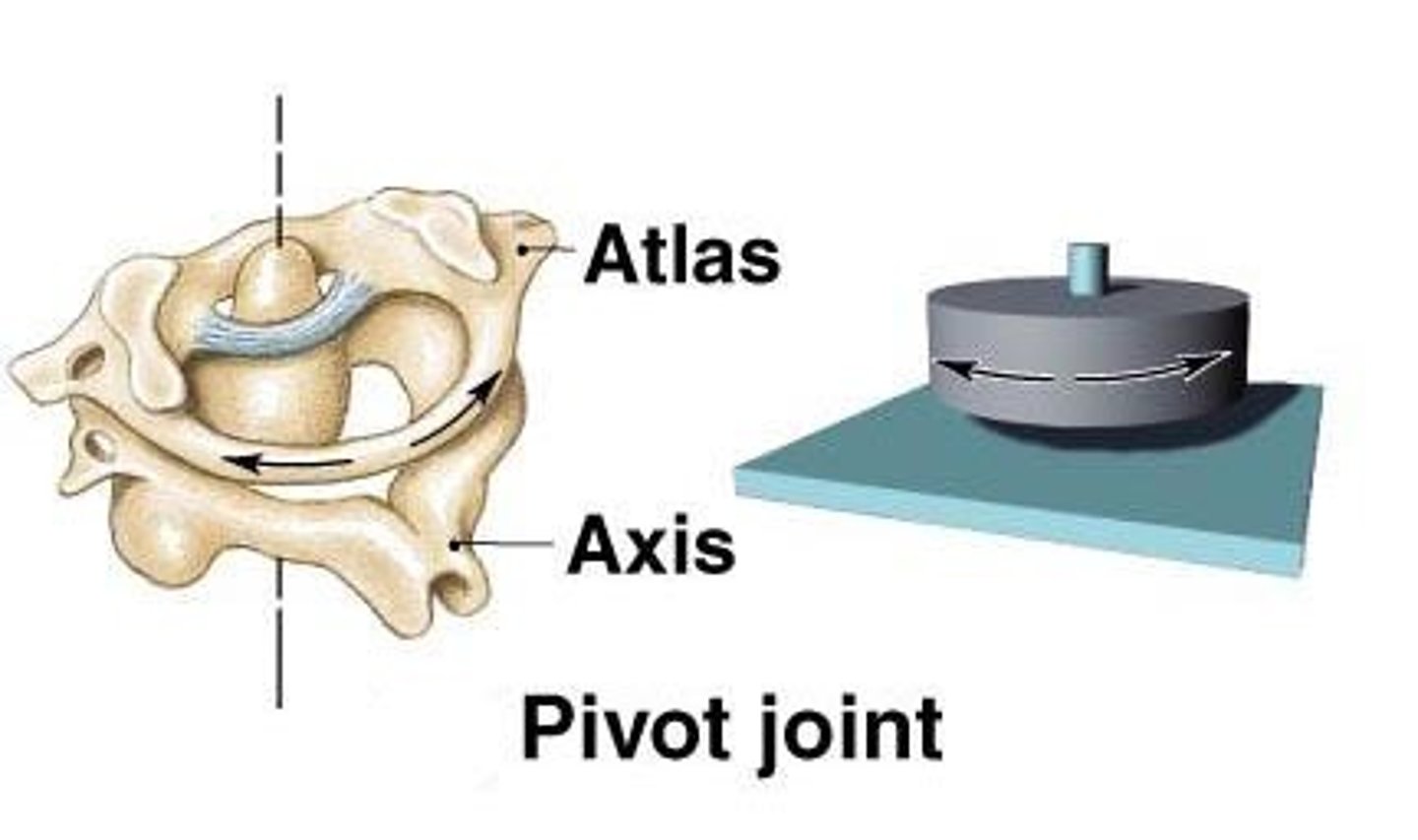
Pivot Joint
joint that allows the rotation of one bone around another bone
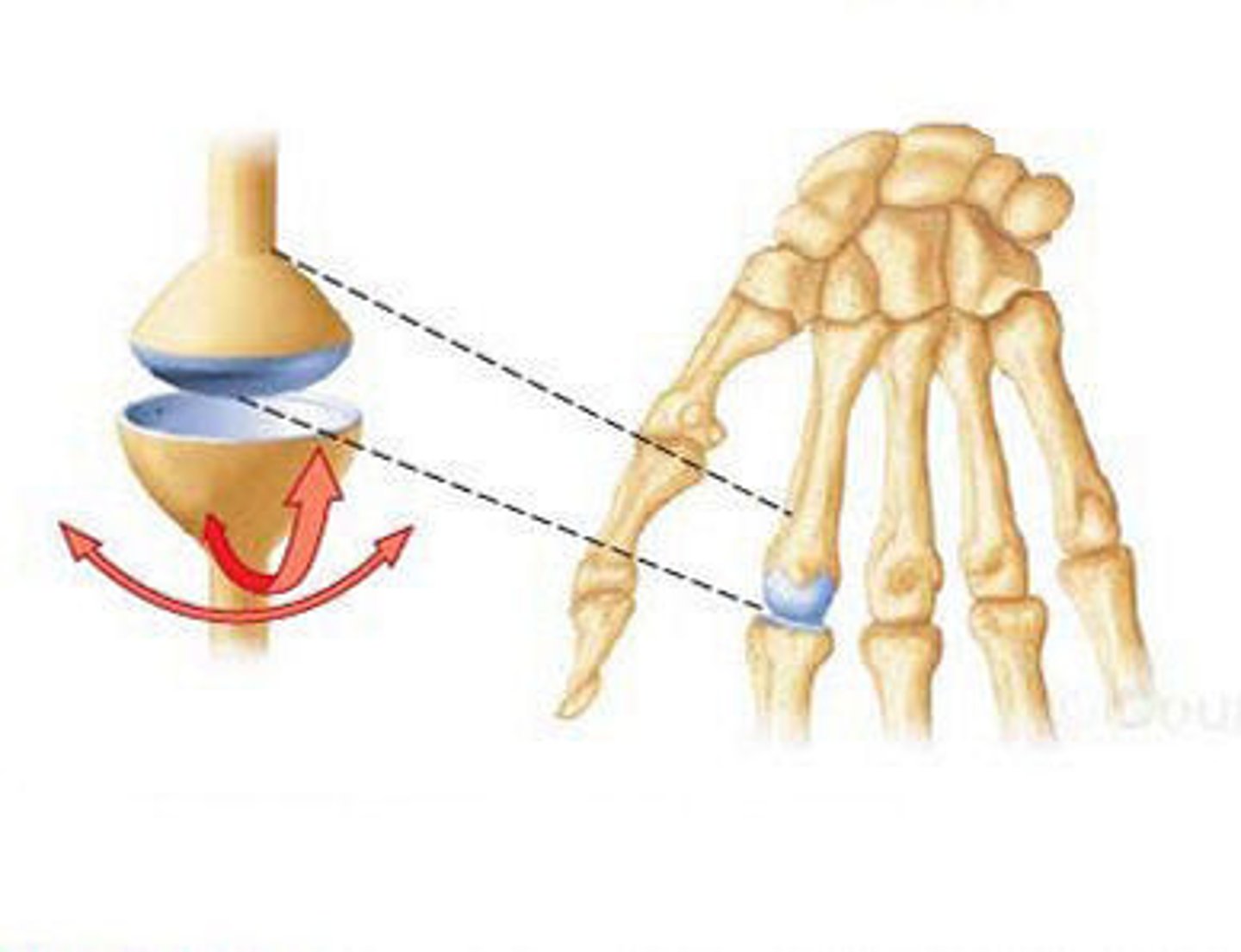
Condyloid Joint
Egg-shaped end of one bone that fits into an oval cavity of another, movement - side to side and back & forth.
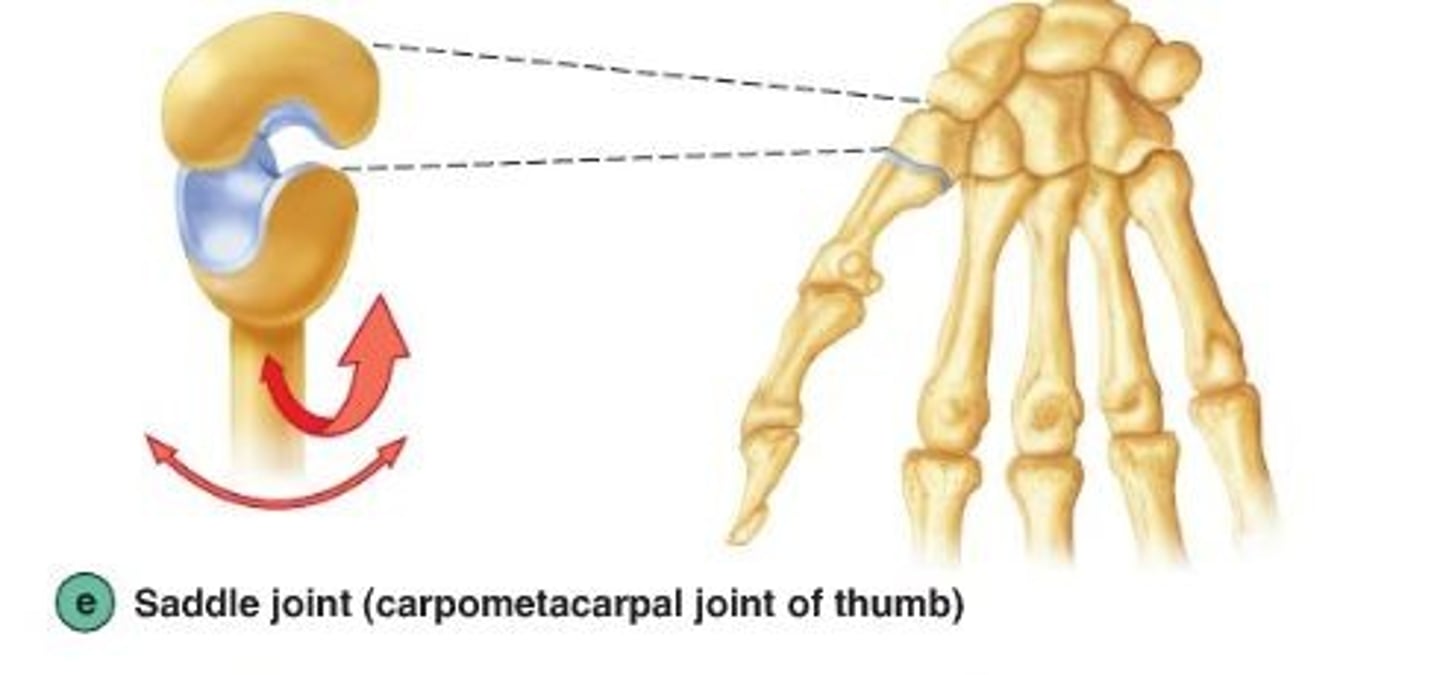
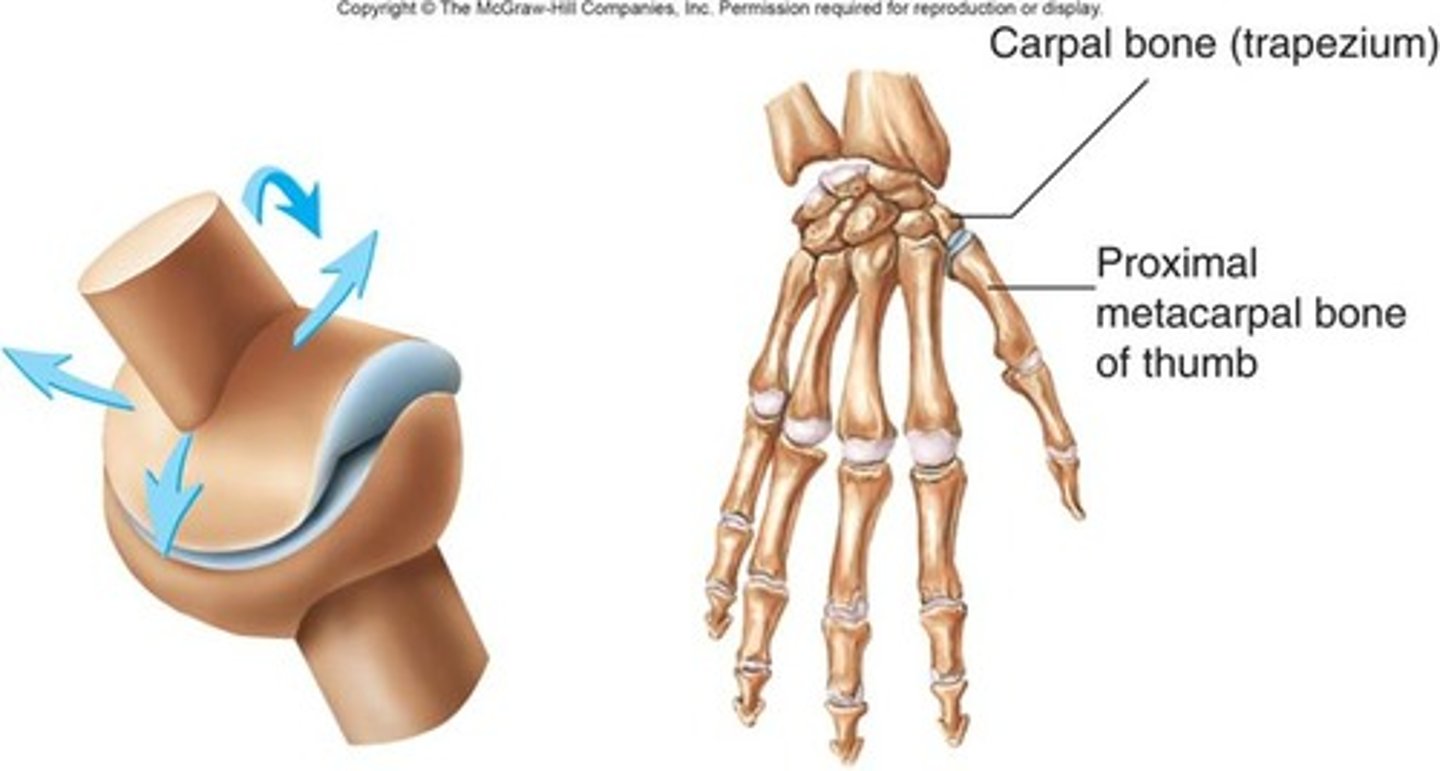
Saddle Joint
type of joint found at the base of each thumb; allows grasping and rotation
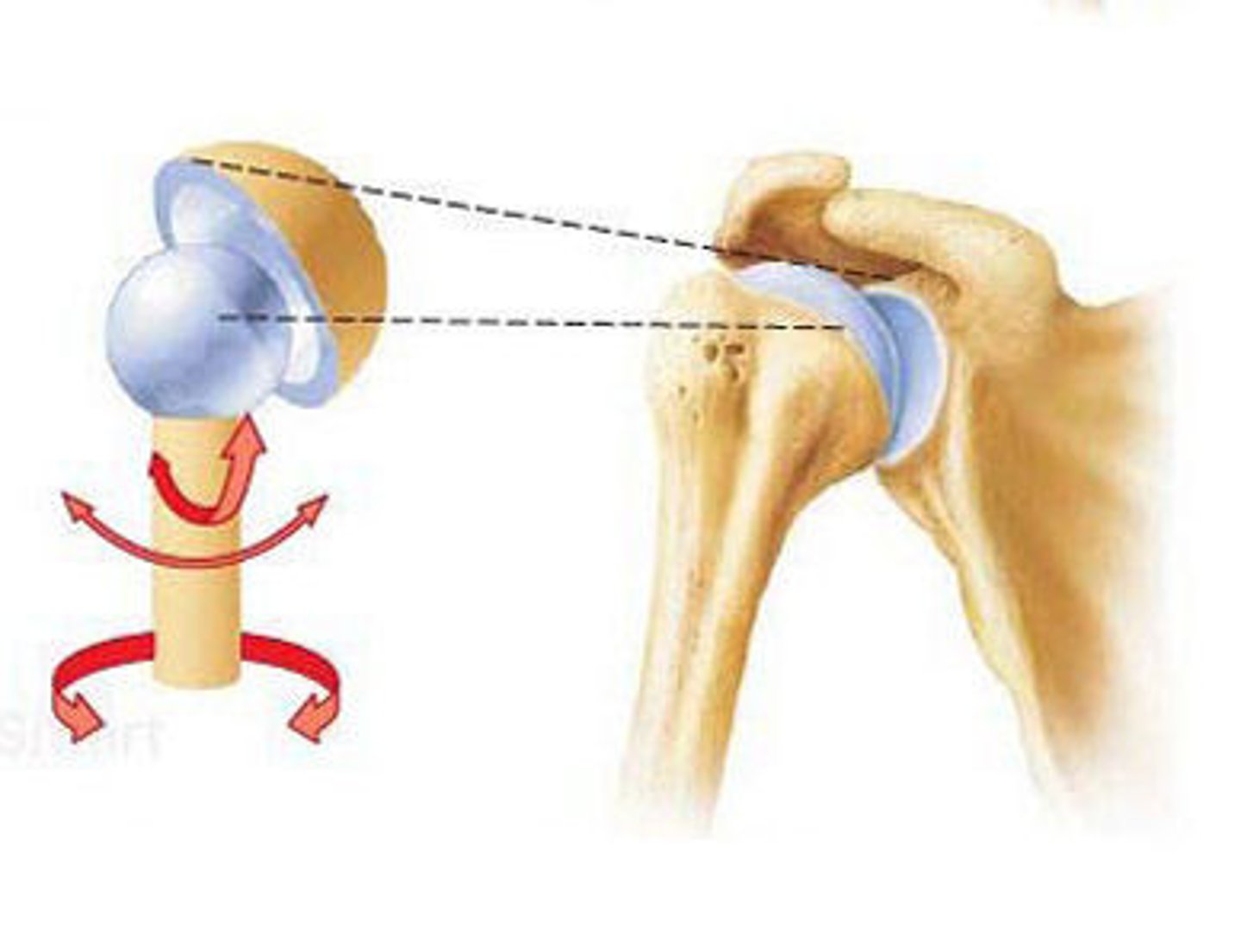
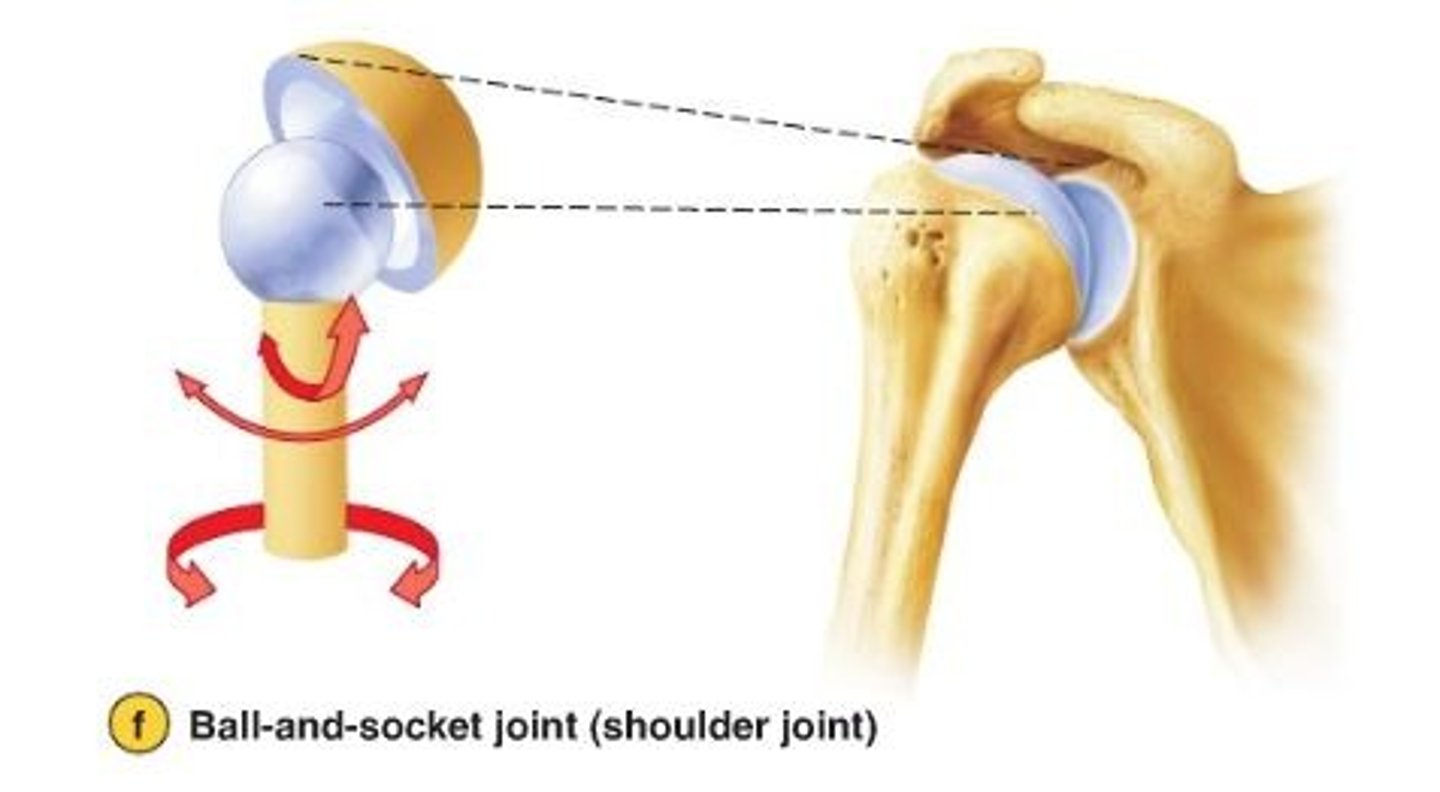
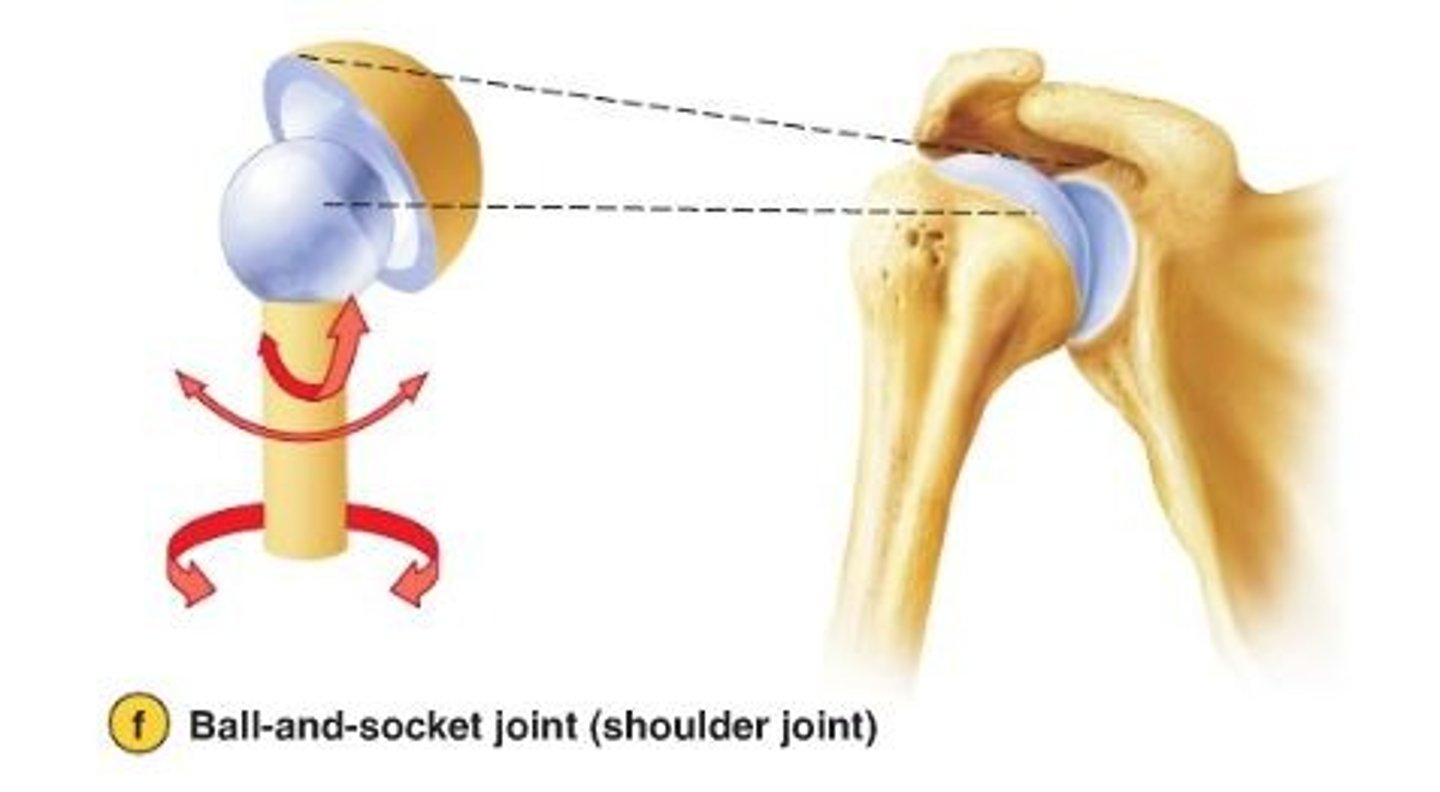
Ball and Socket Joint
A ball and socket joint allows for radial movement in almost all directions. They are found in the hips and shoulders. (Like a door knob)
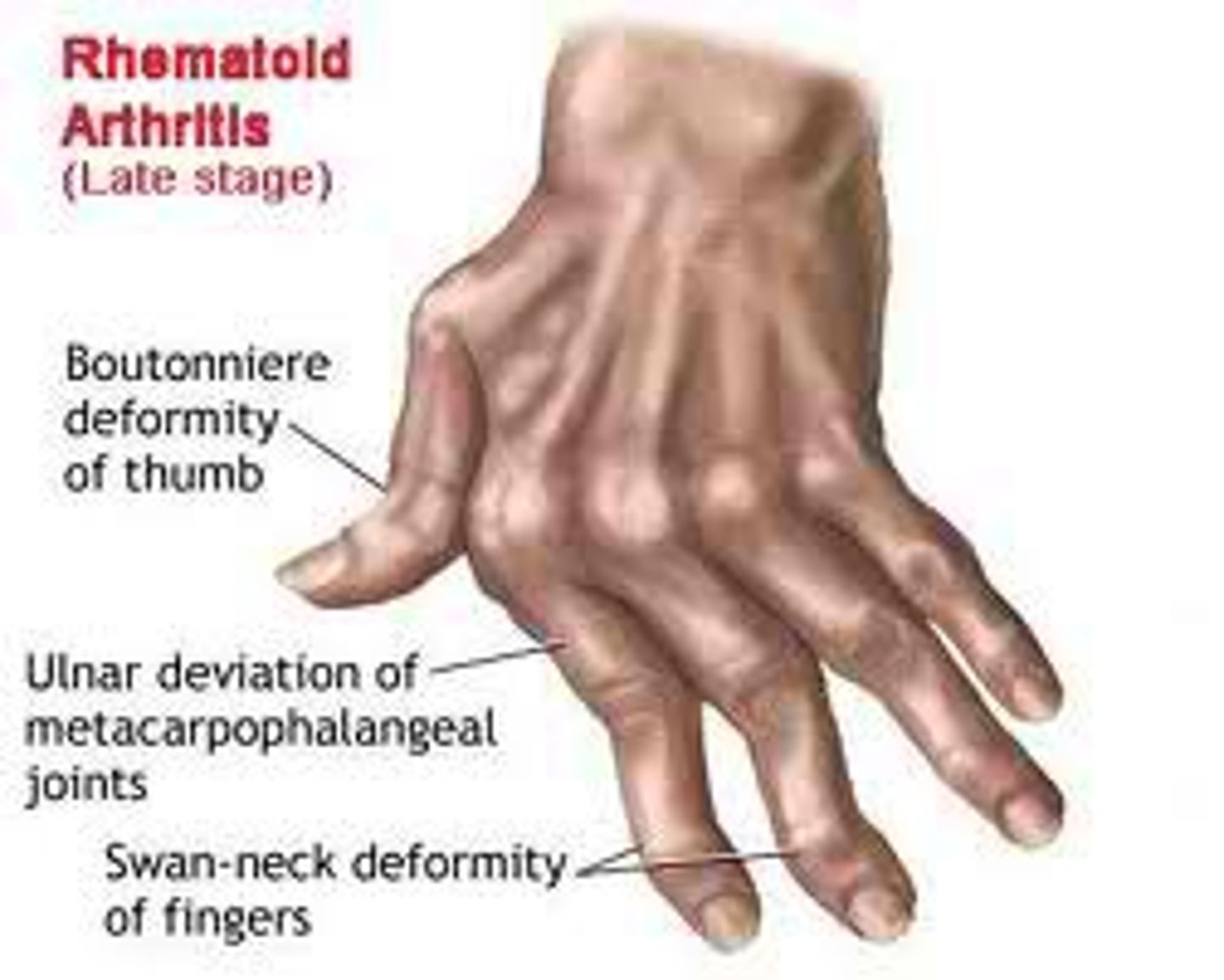
Rheumatoid arthritis
This autoimmune disorder affects tissue on joint surfaces.
Diarthrosis
Freely movable, stable, complex, always synovial joint, hip/shoulder have labrum
Synarthrosis
Immovable, Ex: sutures & synchondroses
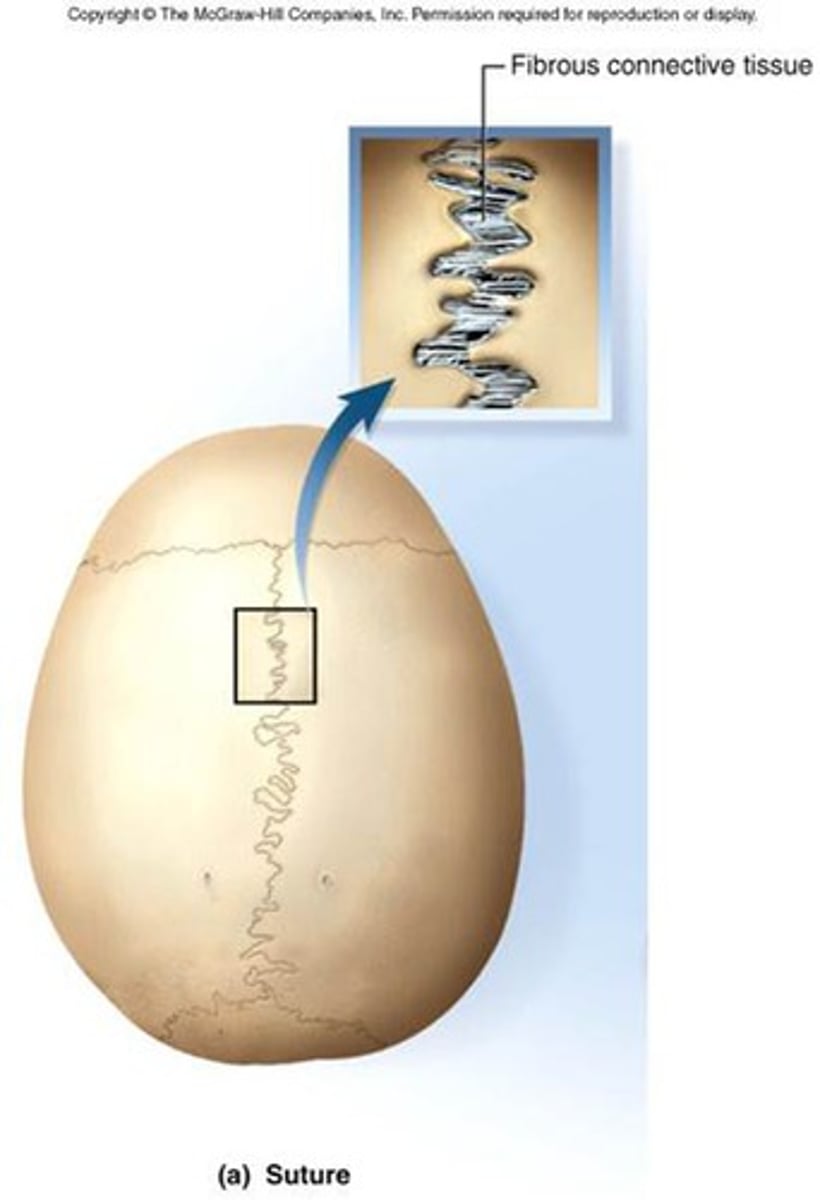
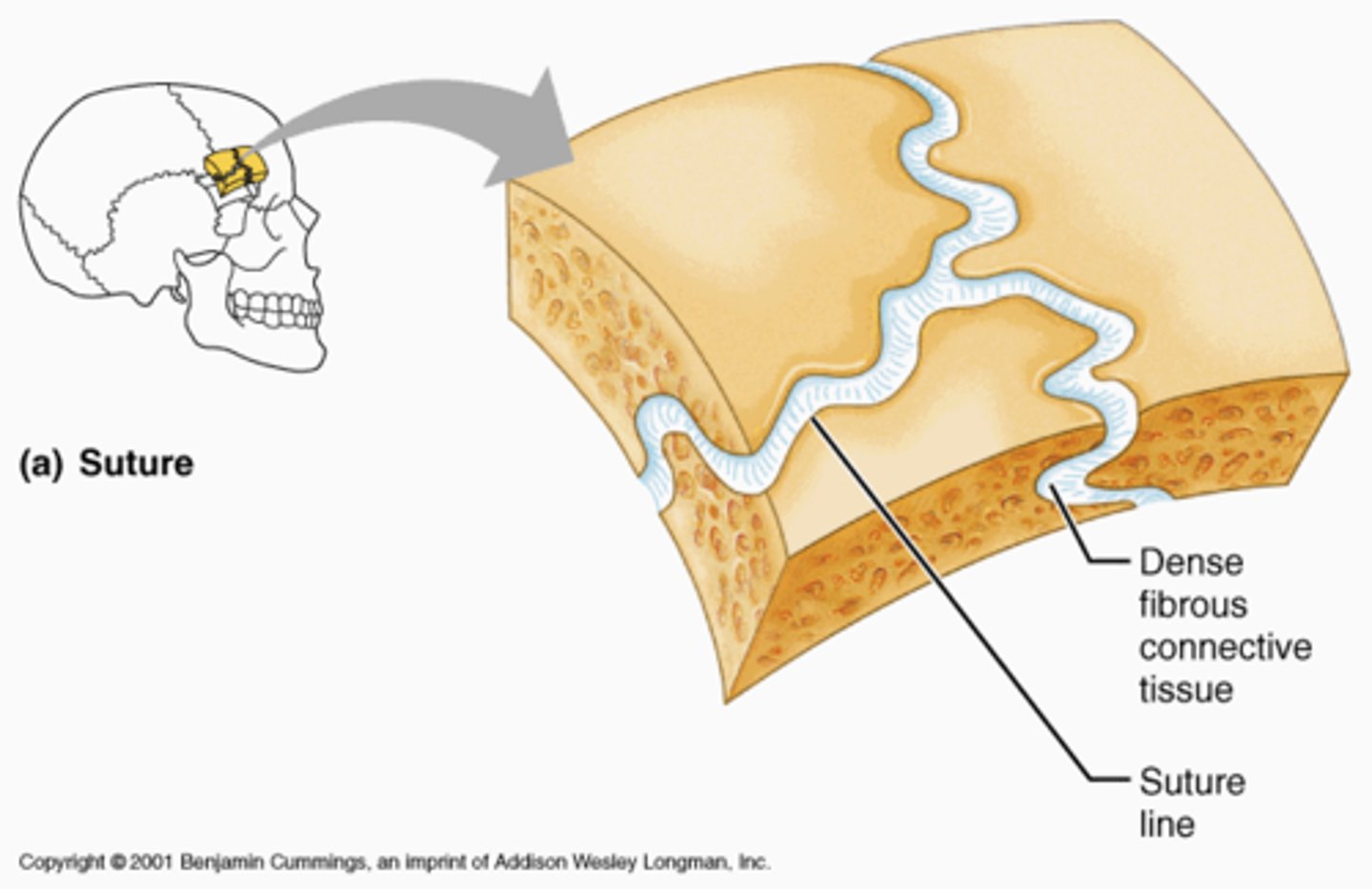
Fibrous Joints
No synovial cavity, connected by dense fibrous CT, Ex: sutures, syndesmoses & gomphoses
Cartilaginous Joints
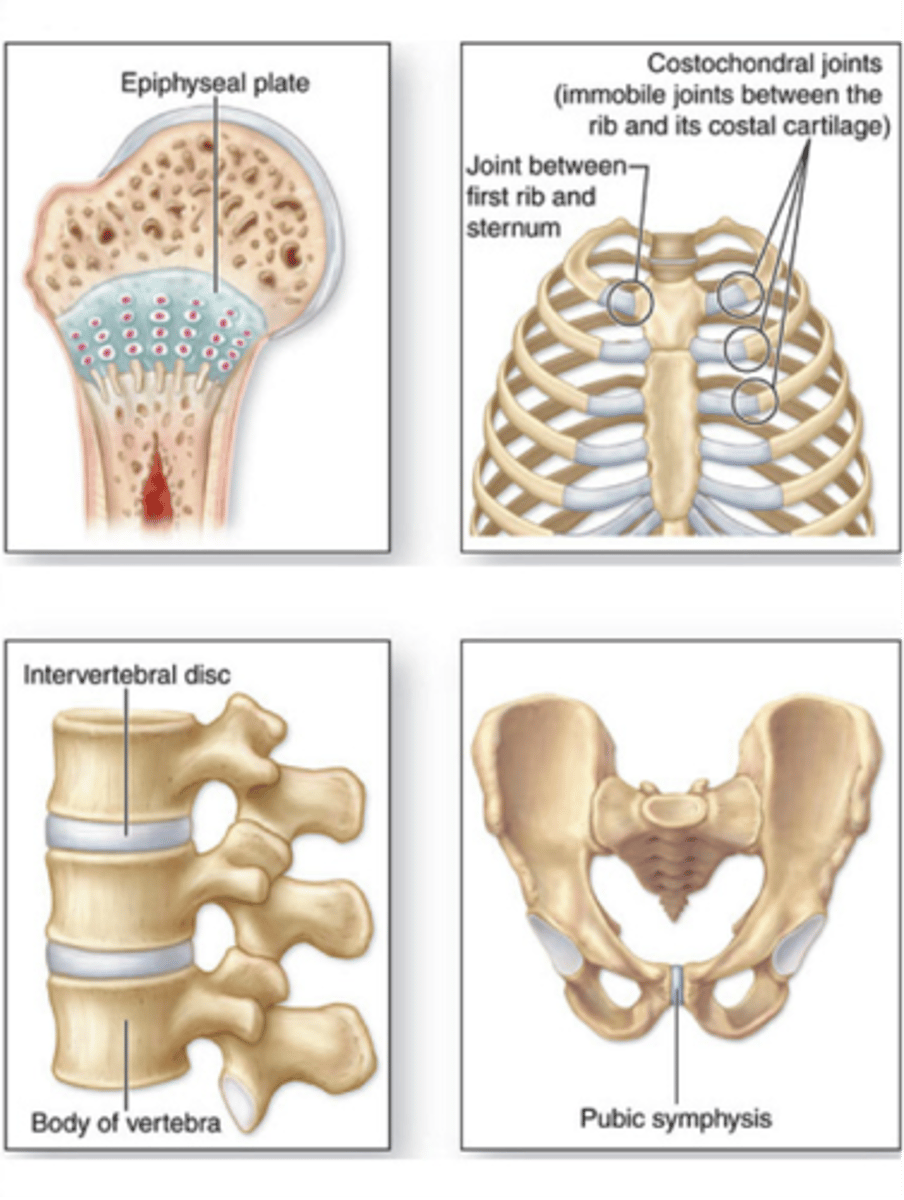
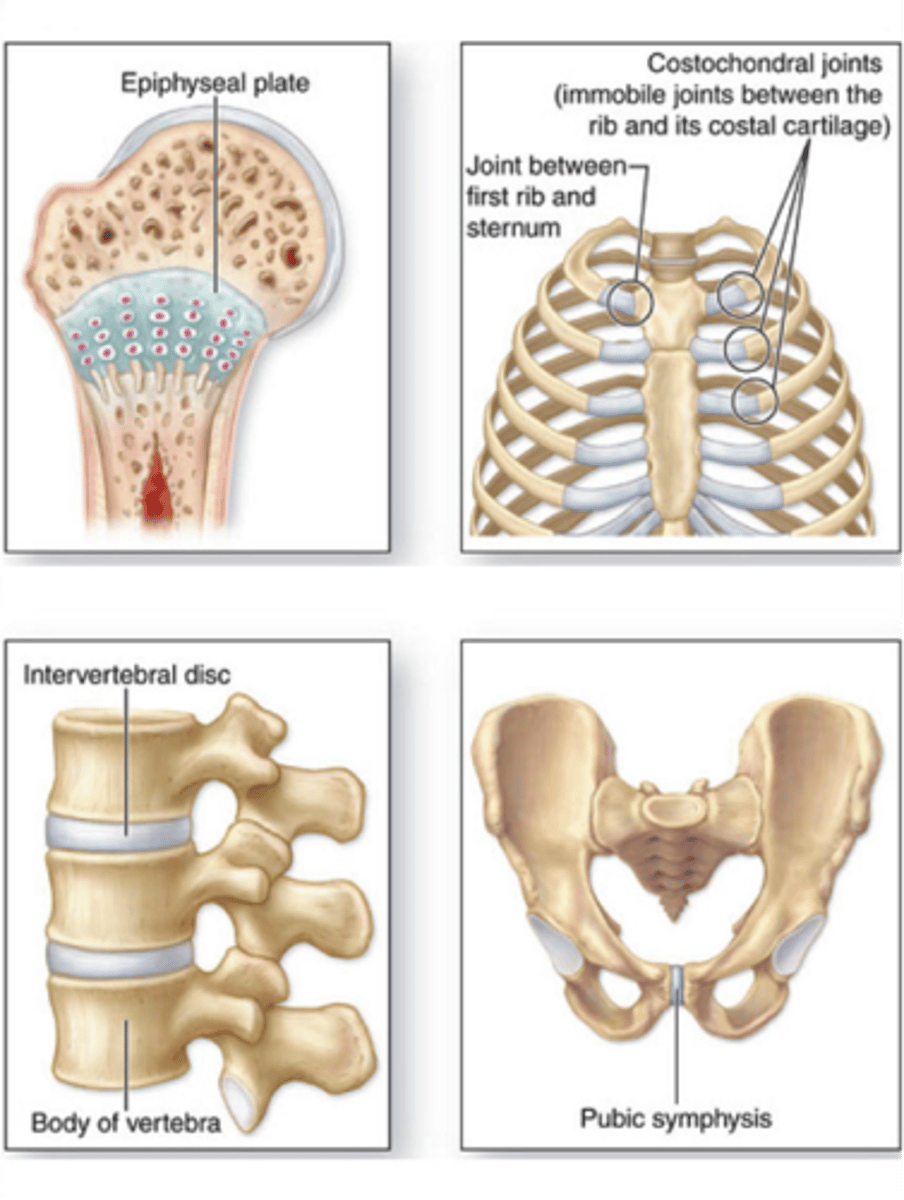
No synovial cavity, cartilage binds articulating bone (fibrocartilage or hyaline), are synarthrosis or amphiarthrosis, ex: synchondroses and symphyses
Gomphosis
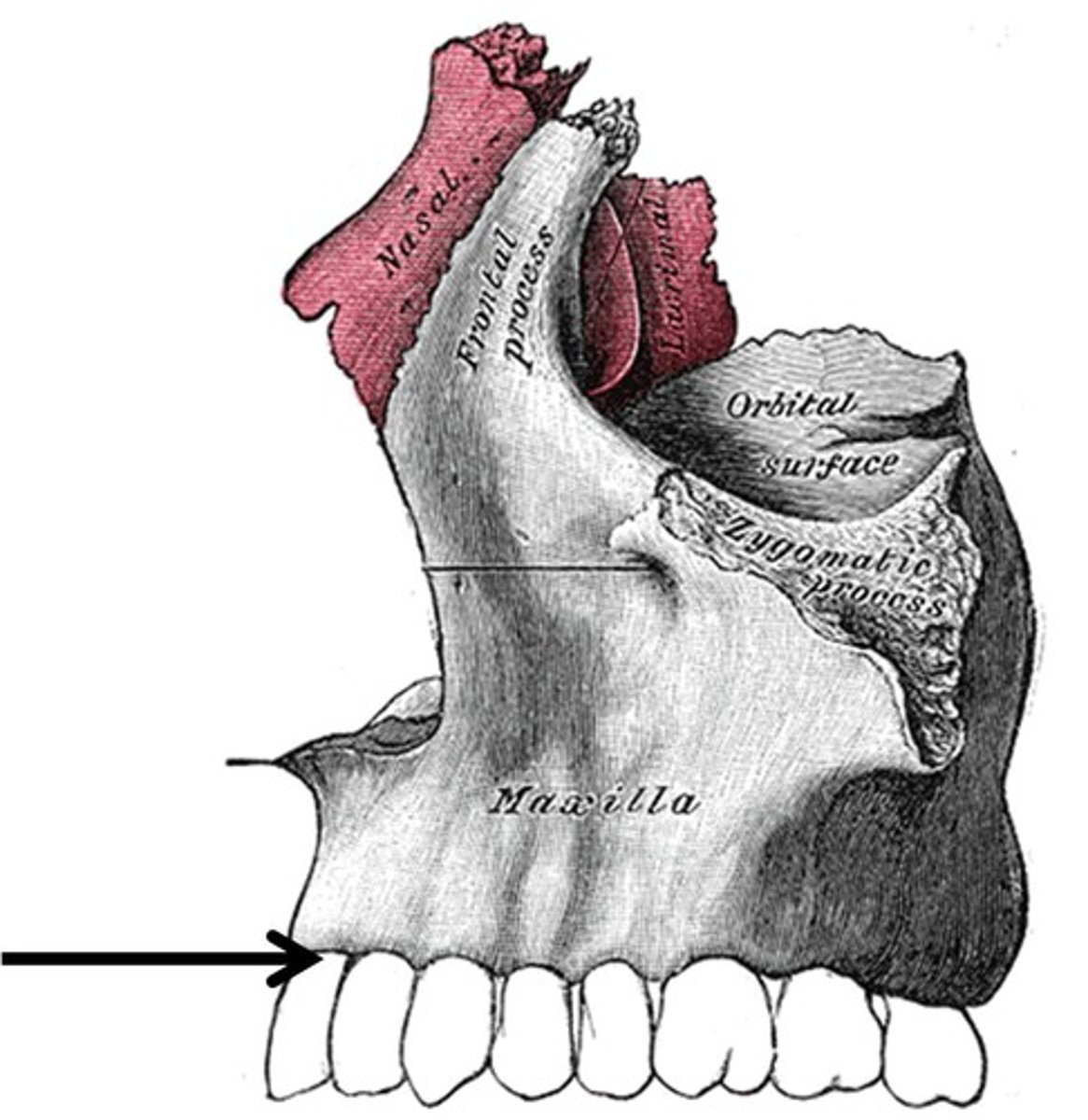
Immovable, ligament (periodontal ligament) holds teeth in bony socket.
Amphiarthrosis
Slightly movable Ex: symphyses & syndesmoses
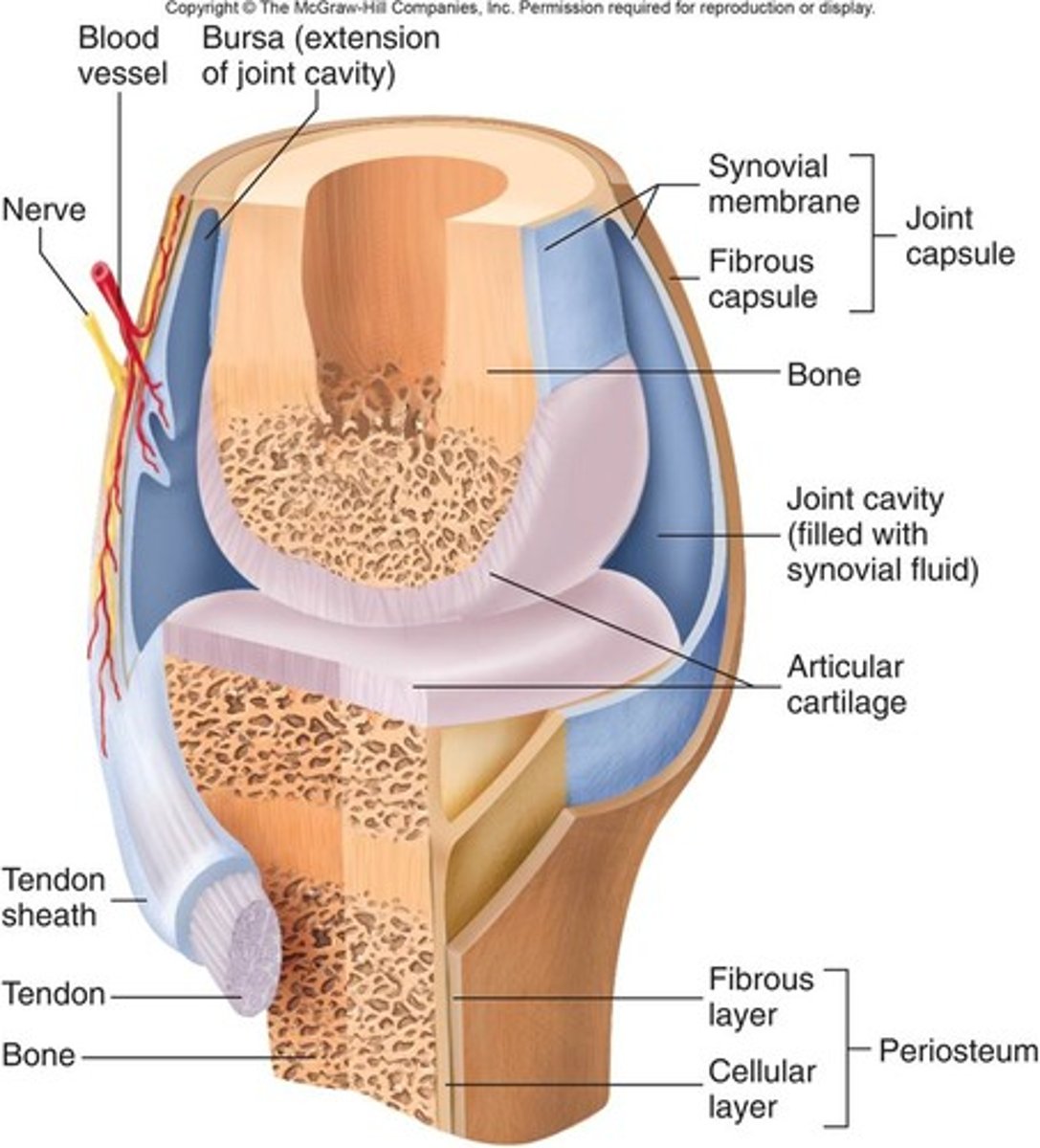
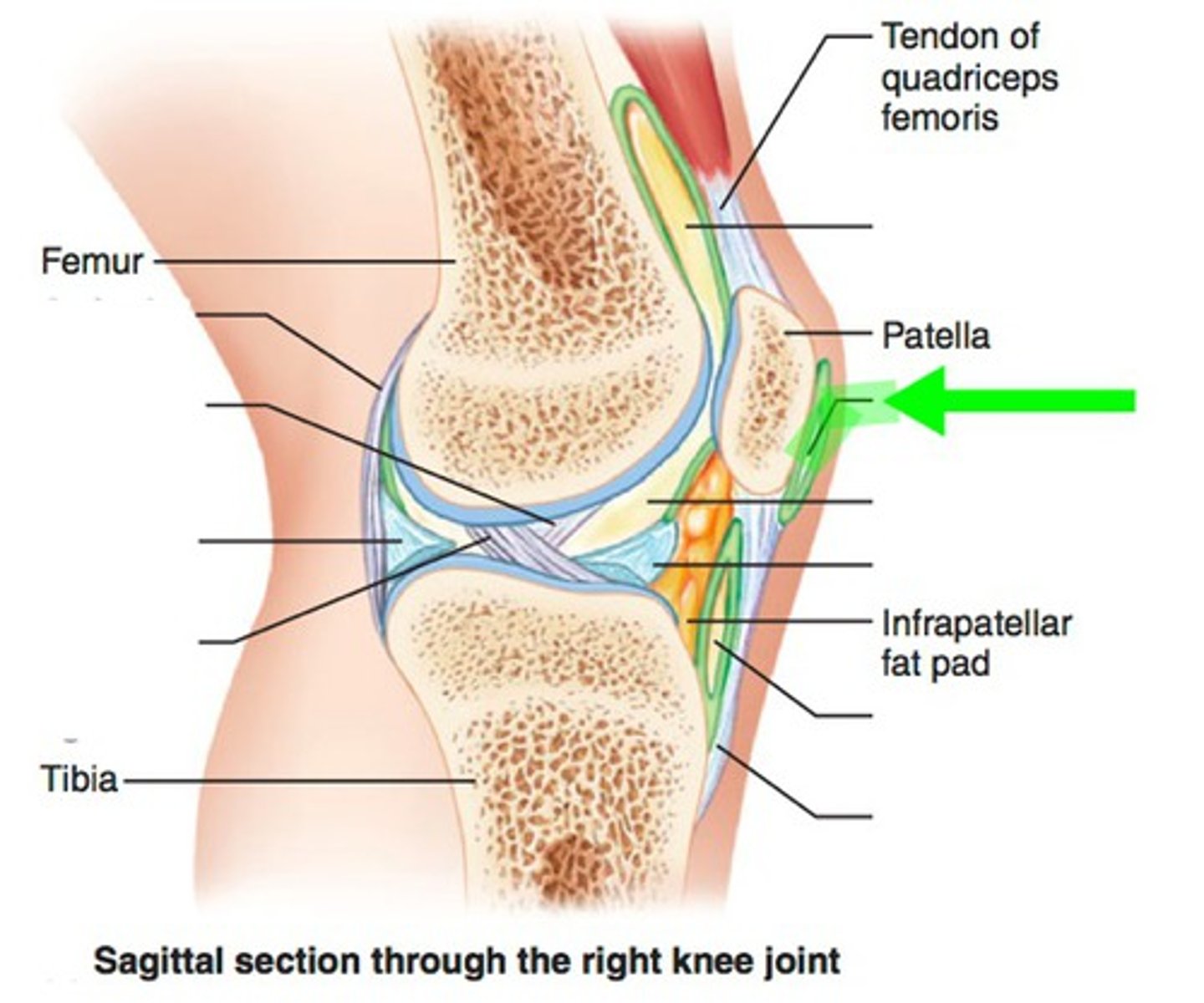
Synovial Joint Features
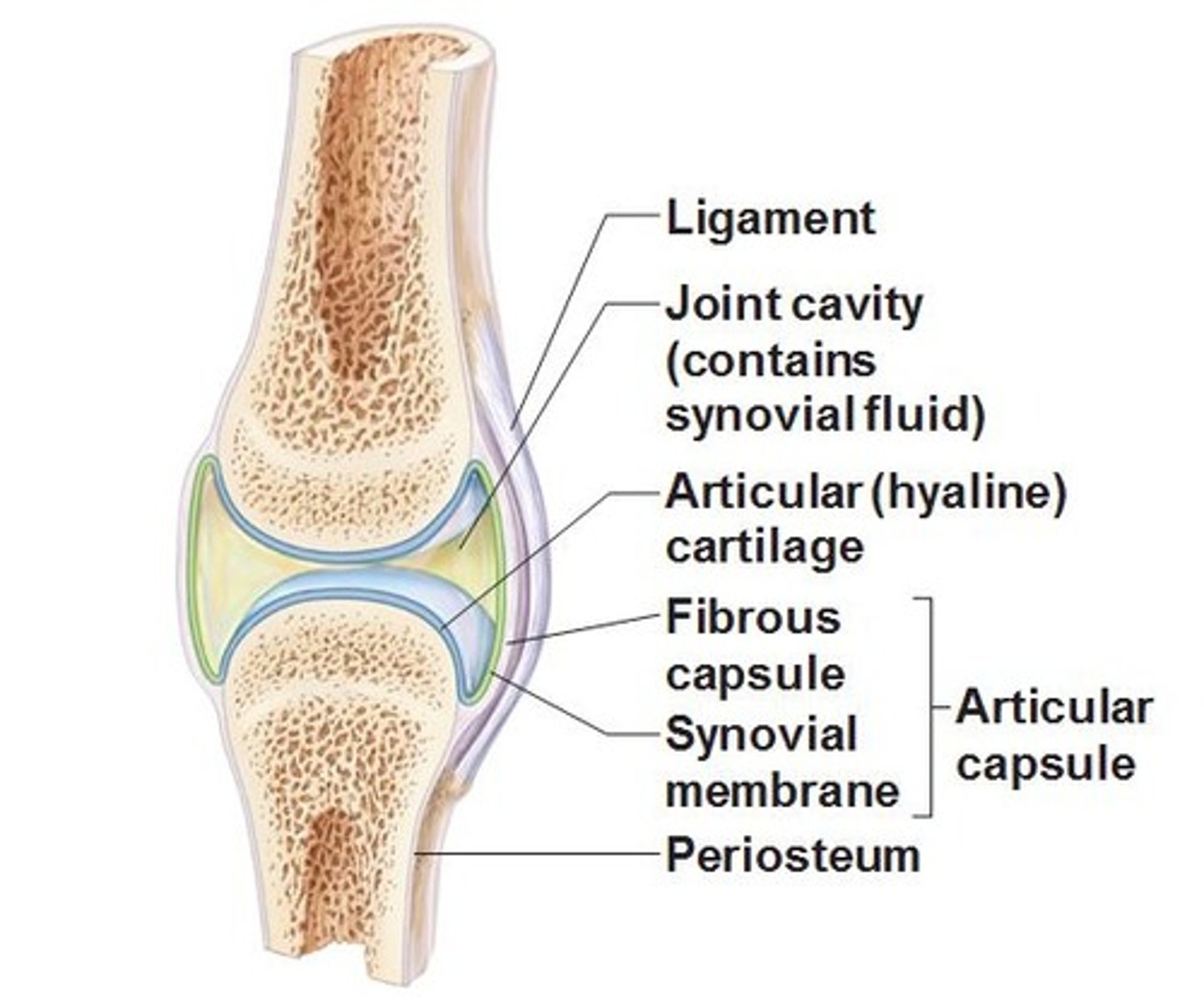
(1.) Joint capsule with 2 layers (2.) Joint cavity inside of joint capsule (3.) Synovial membrane (inner layer of capsule) (4.) Synovial fluid forms film over joint surface (5.) Articular cartilage covers joint surface (6.) Articulating Bone (bones that make up the joint
Joint Capsule
has 2 layers, thickness varies in body, may be reinforced by or incorporate tendons and ligaments
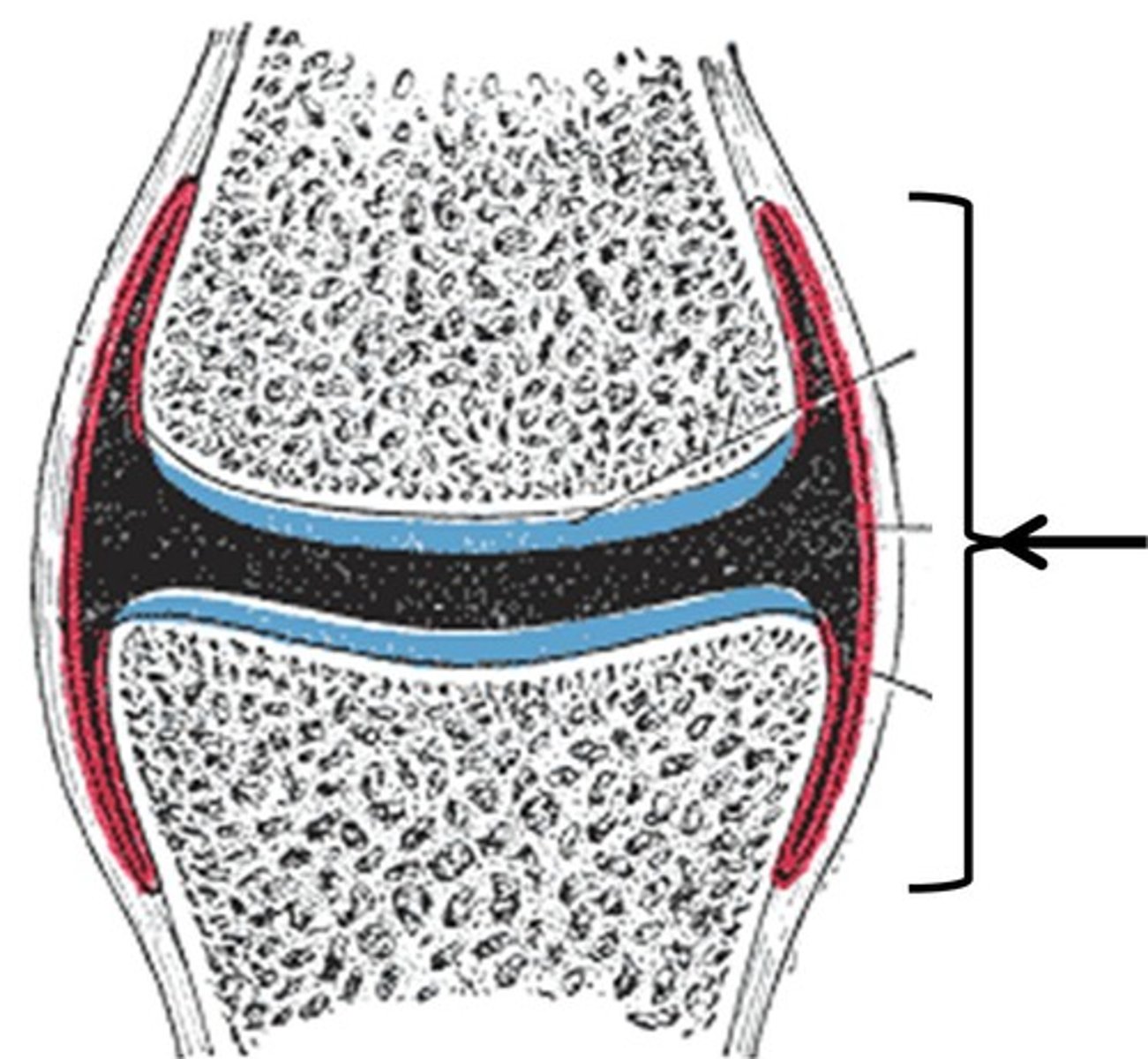
Synovial Fluid
Clear, yellow, viscous, reduces friction between articulations, provides nourishment for articular cartilage, contains hyaluronic acid and lubricin
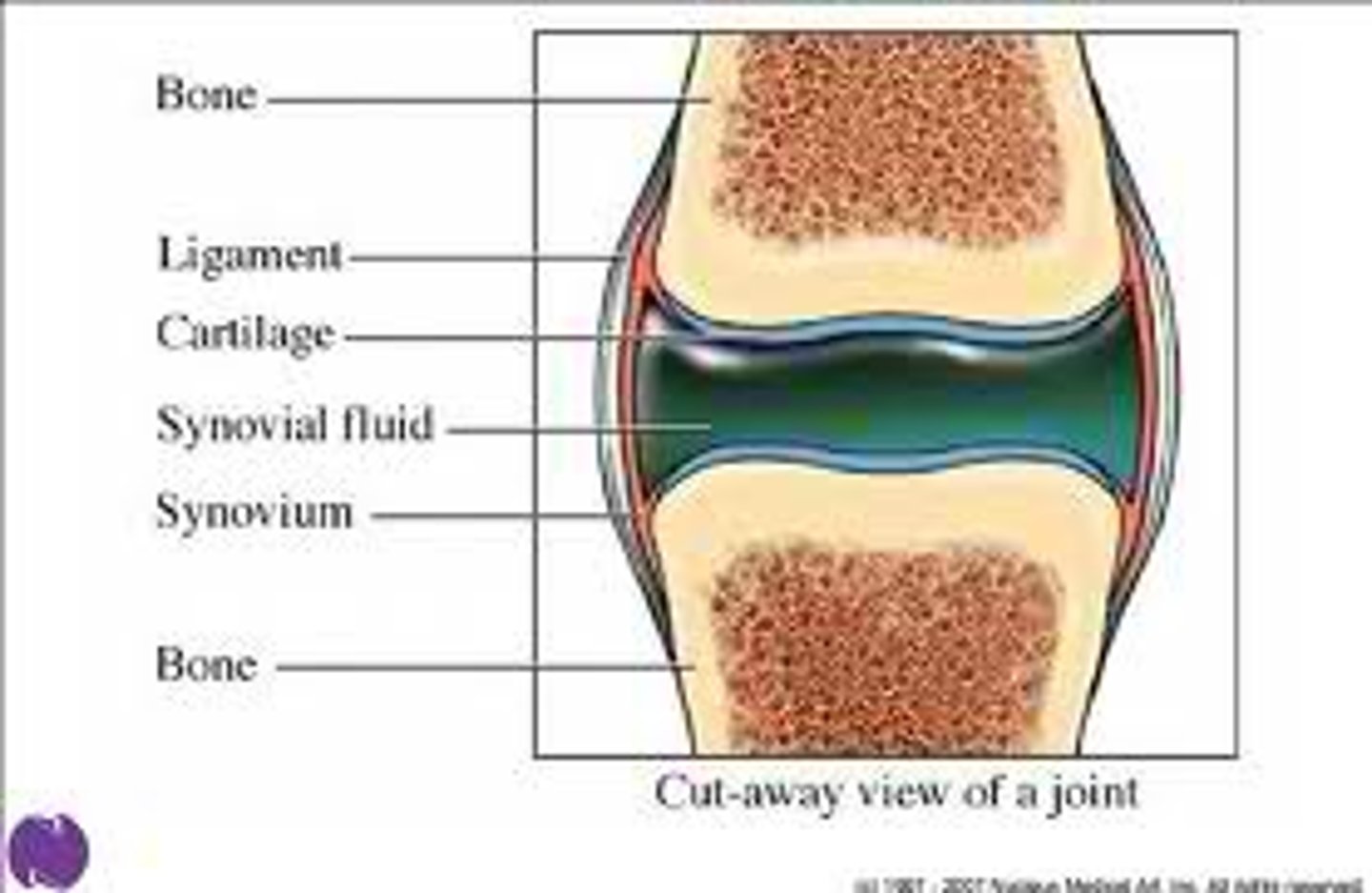
Articular Cartilage
Lacks blood vessels & nerve, transmits and distributes high loads, maintenance of contact stress at low levels, reduces friction, shock absorber
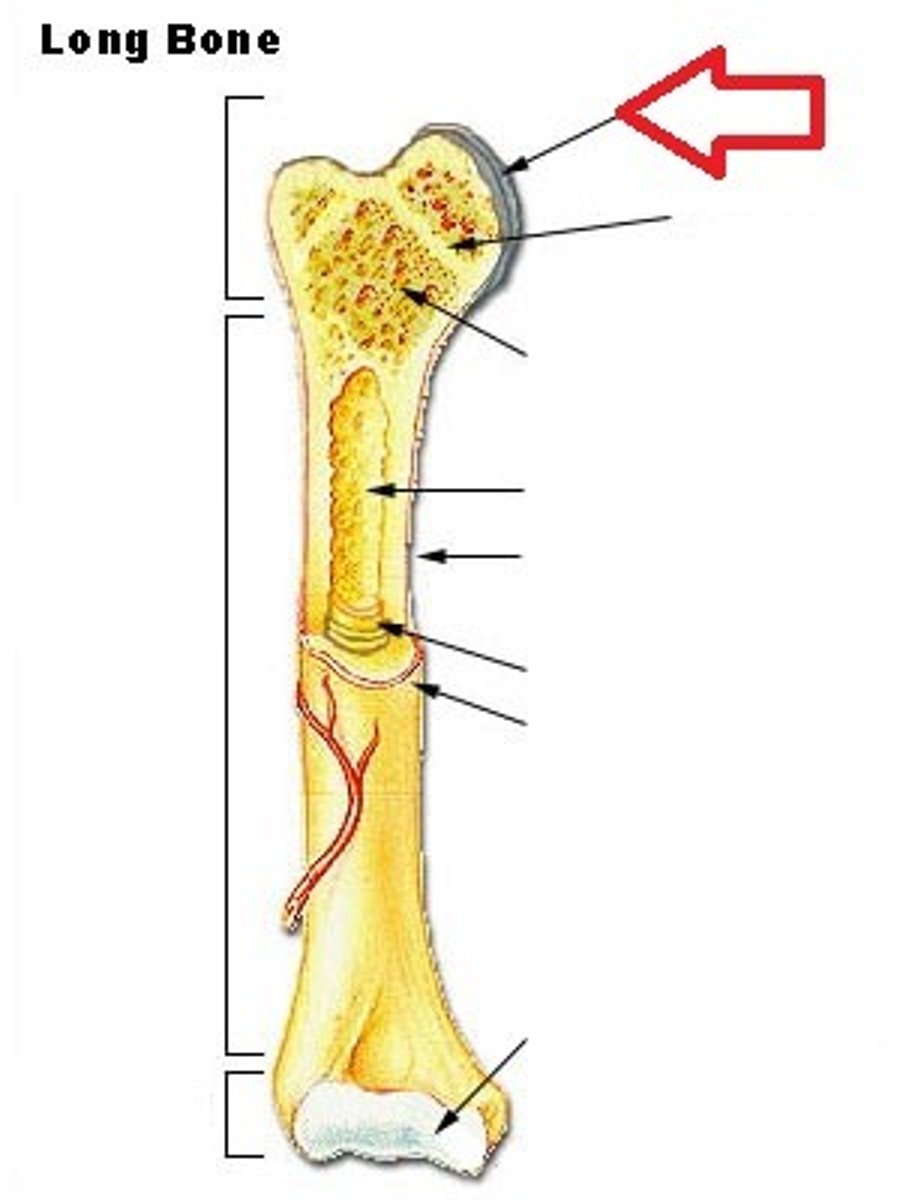
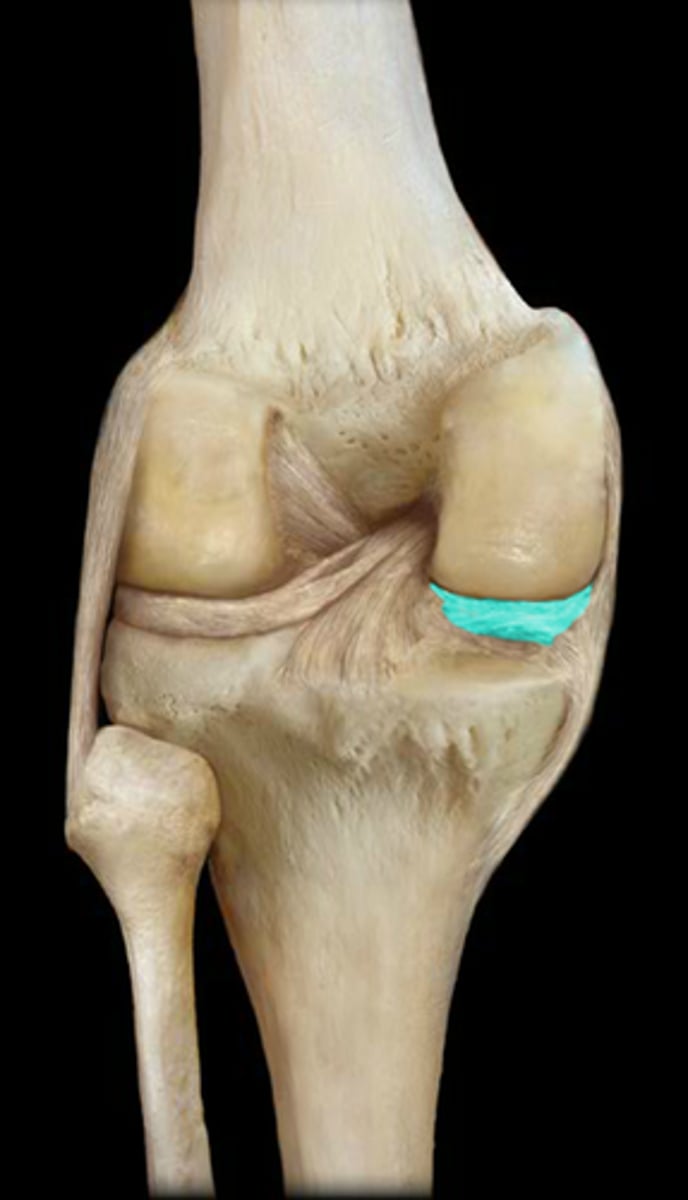
Menisci
Made of fibrocartilage, allows articular bones to fit tightly together, increases knee stability (increases curve of tibial condyles), reduces friction, shock absorber
Bursae
Flat, sacs, filled with synovial fluid, located between 2 structures (skin/bone, tendon/bone, muscle/bone, ligament/bone)
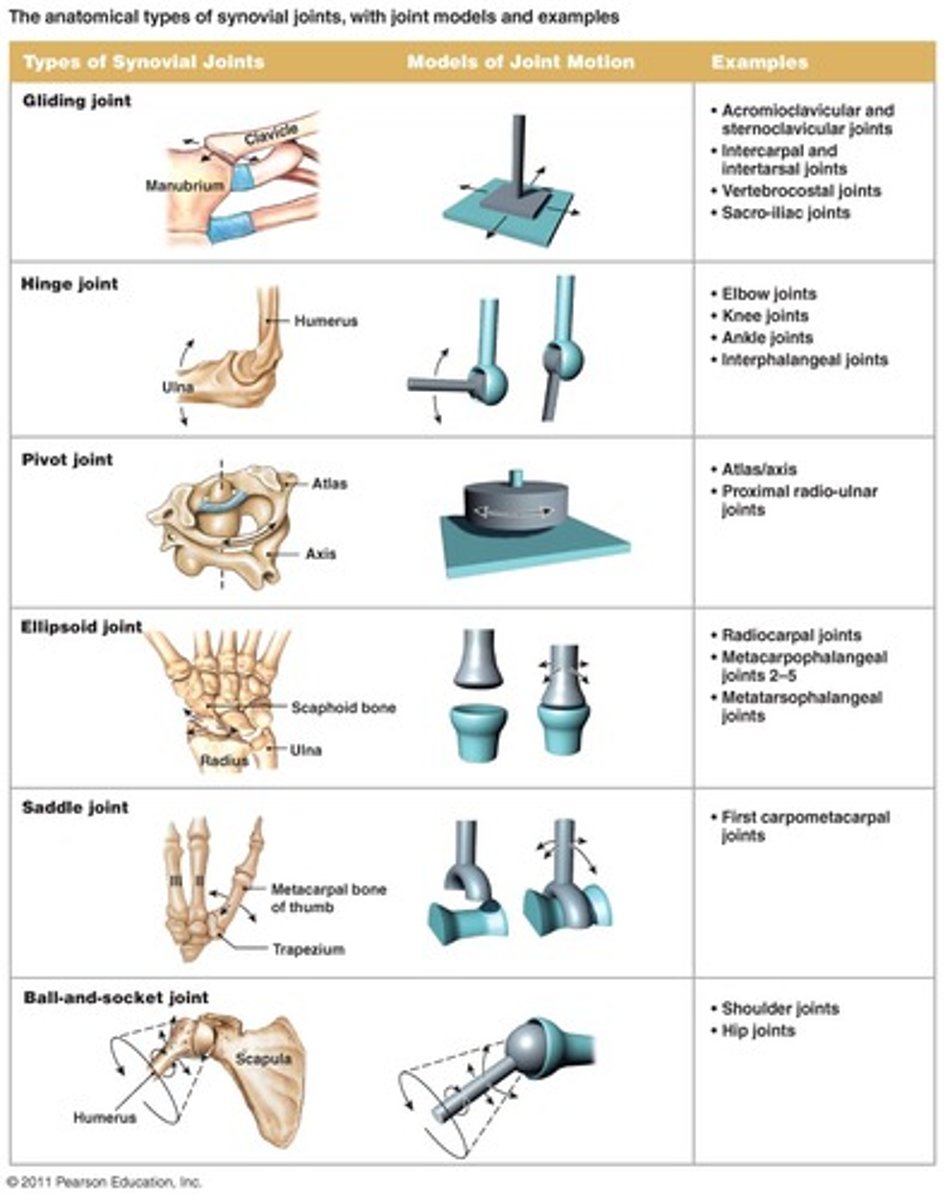
Types of Diarthroses
Gliding (plane), hinge, pivot, condyloid, saddle, ball and socket
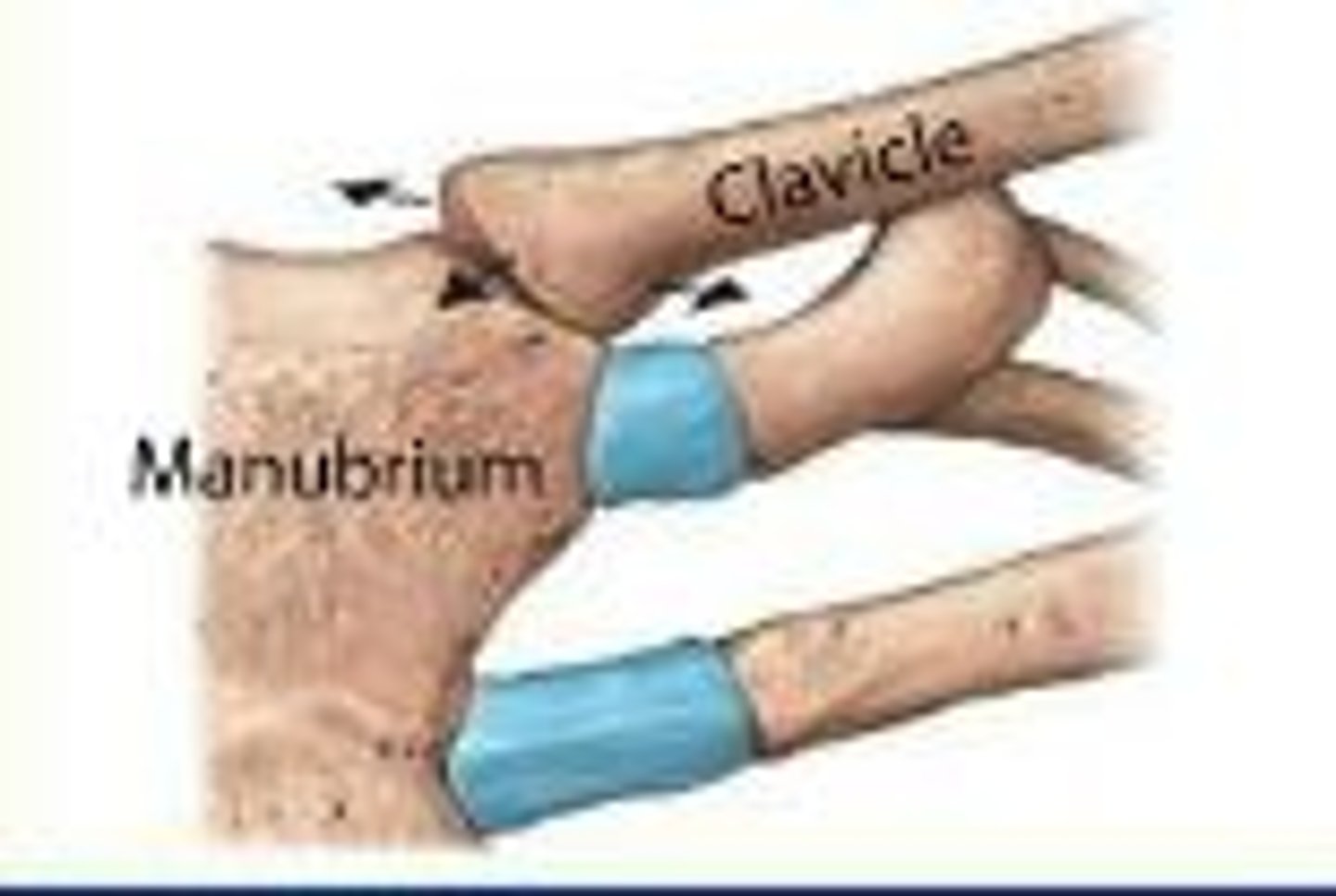
Examples of Gliding (planar) Joint
intercarpal/intertarsal joints, sternoclavicular joint, vertebrocostal joints, articular processes of adjacent vertebrae
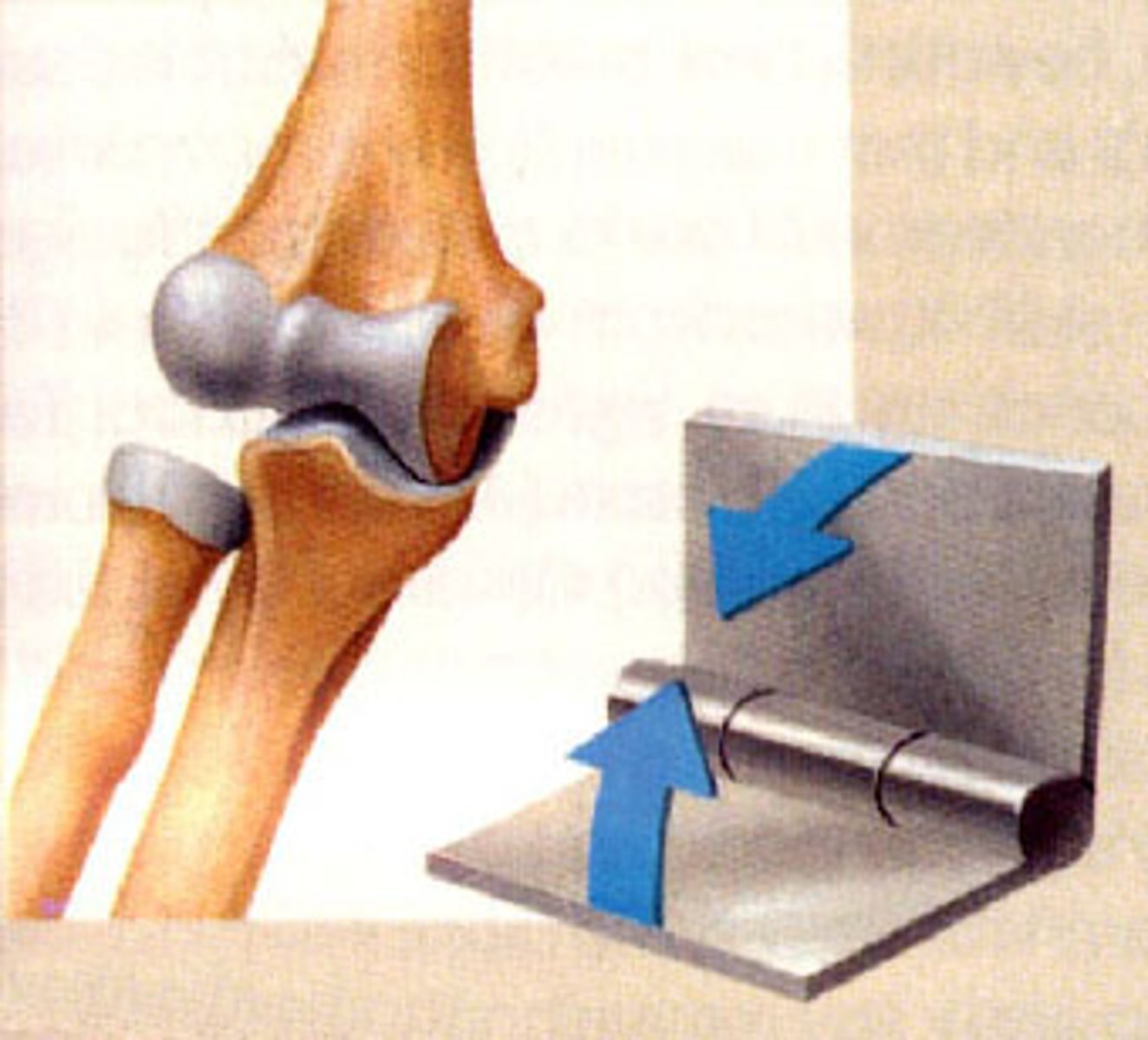
Examples of Hinge Joint
Knee, elbow, ankle, interphalangeal joints
Examples of Pivot Joint
Proximal radioulnar joint (supination, pronation), Atlanto-Axial joint (turning head side to side "no")
Examples of Condyoid Joint
Wrist (raduis, scaphoid/lunate) and metacarpophalangeal joints for digits 2-5
Examples of Saddle Joint
joint between trapezium and metacarpal of thumb
Examples of Ball and Socket Joint
Shoulder and hip joints
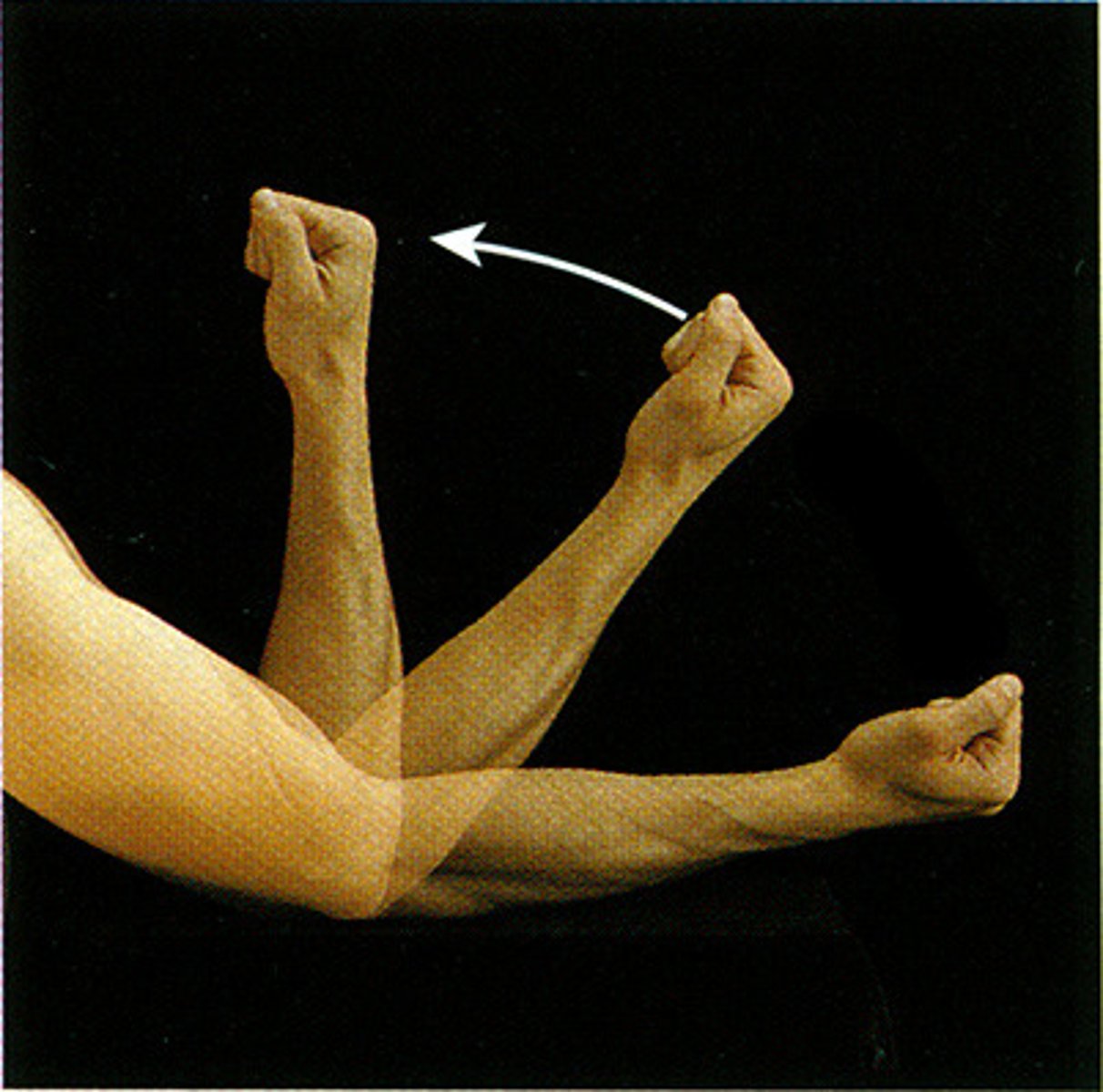
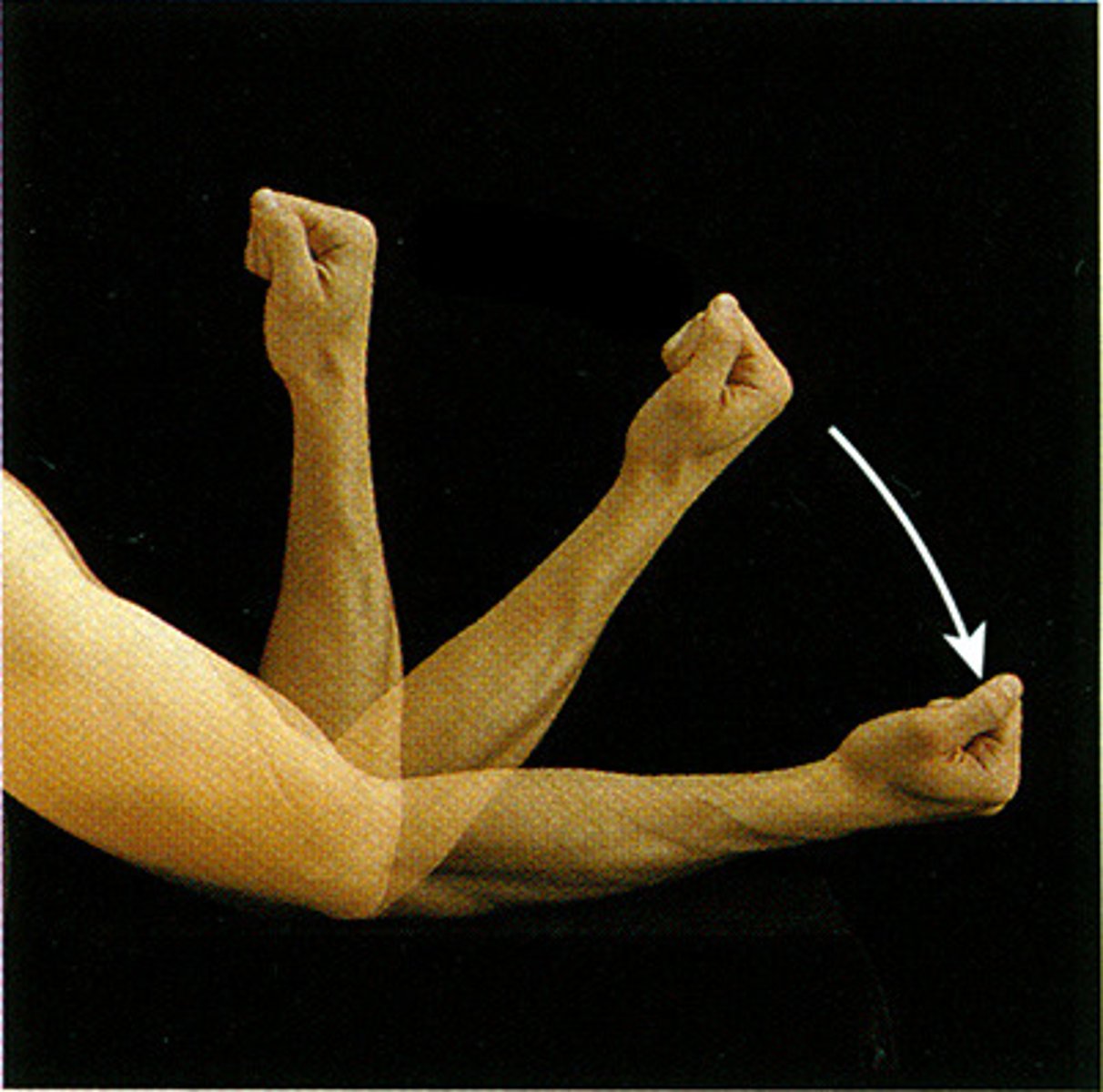
Flexion
Decreasing joint angle
Extension
Increasing joint angle
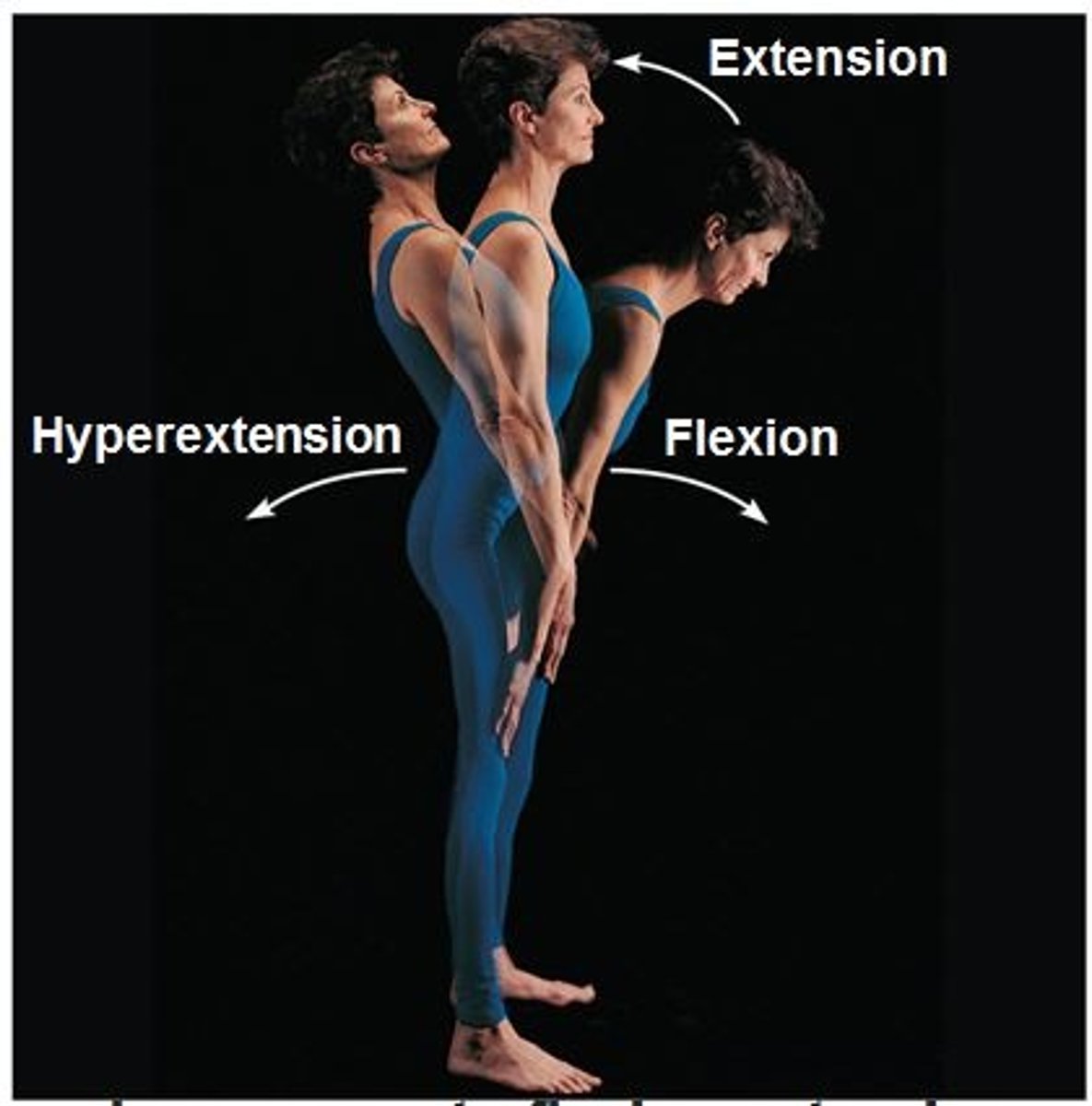
Hyperextension
More than normal anatomical extension
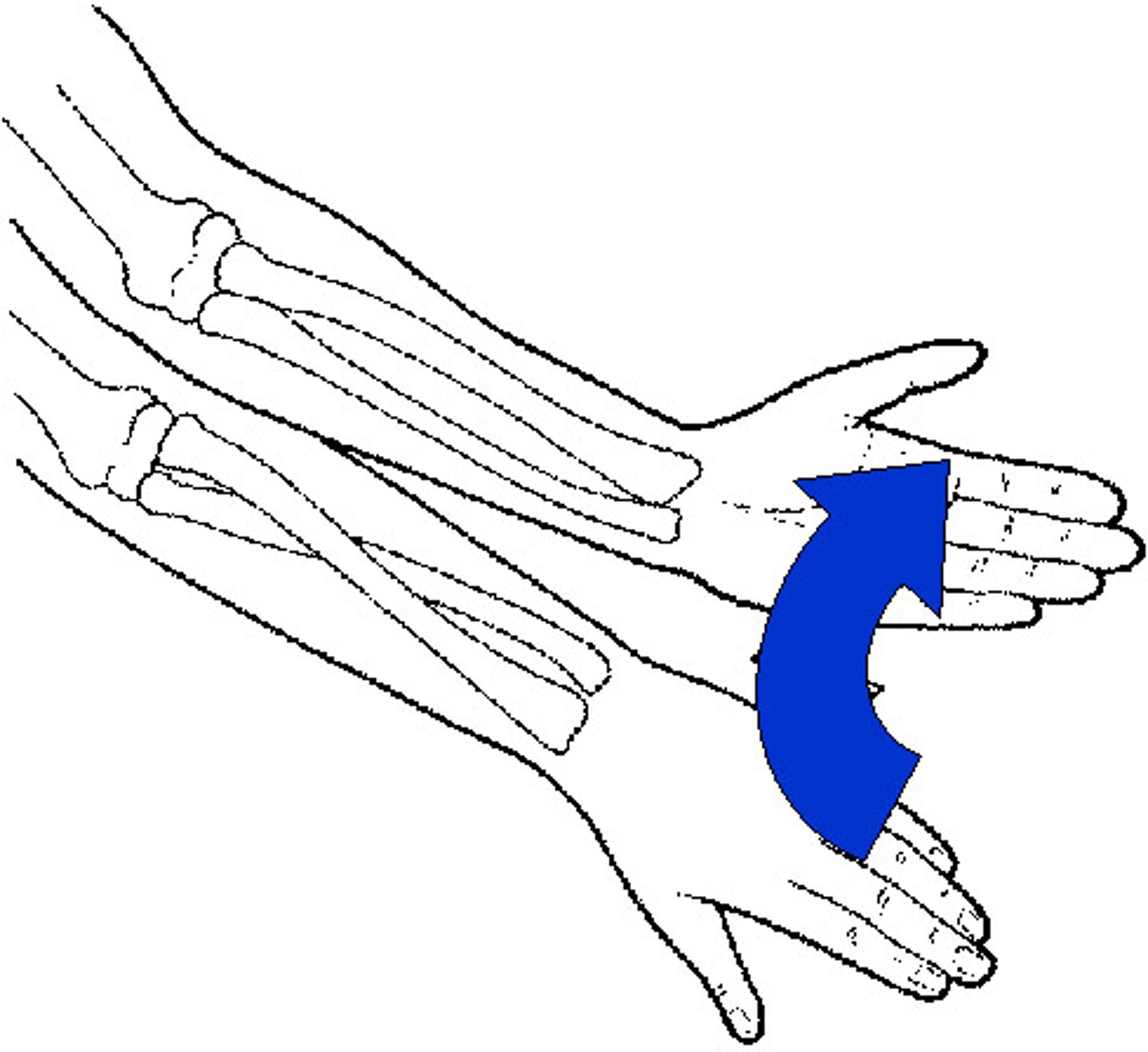
Supination
Palm is turned anteriorly
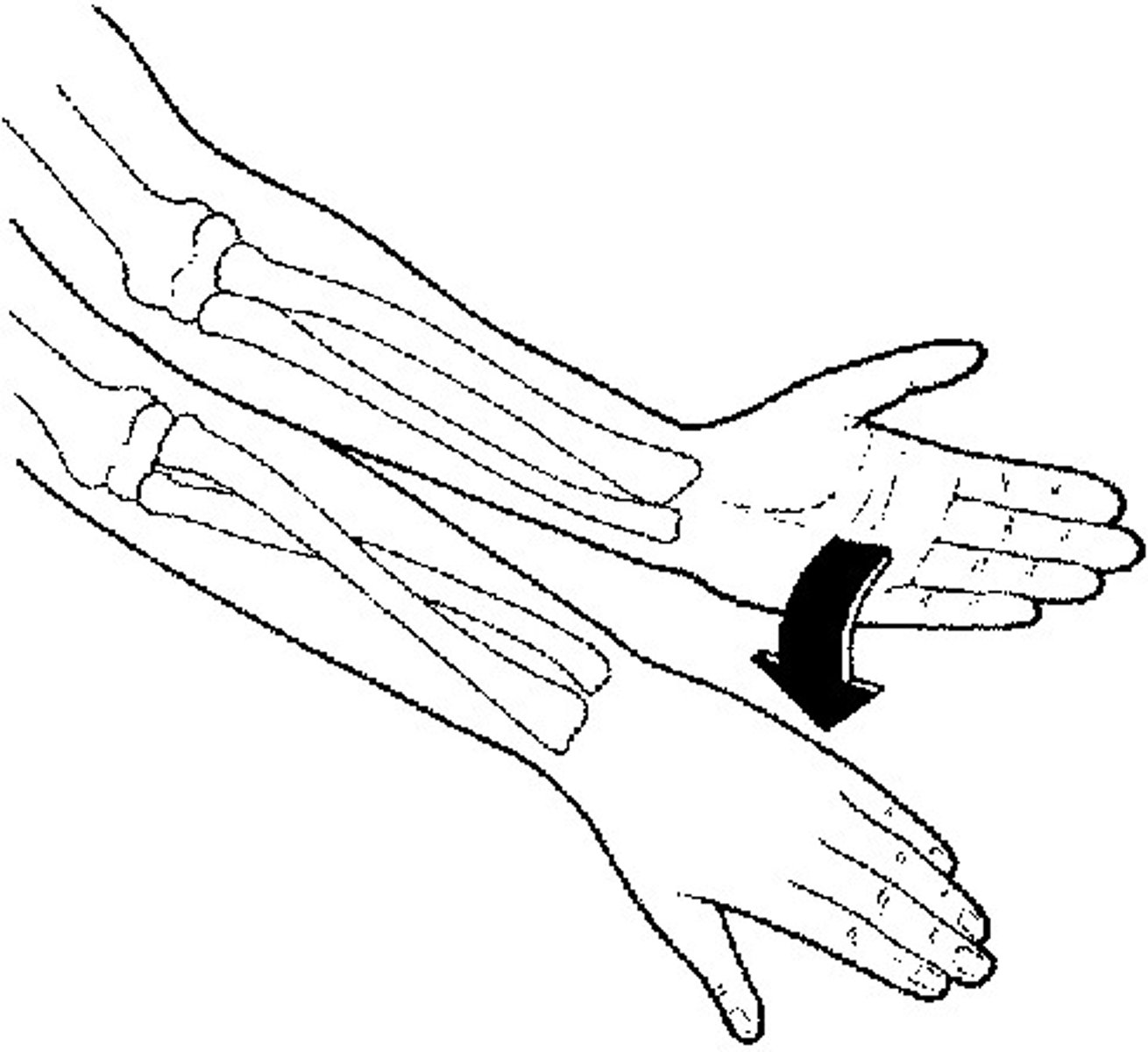
Pronation
Palm is turned posteriorly
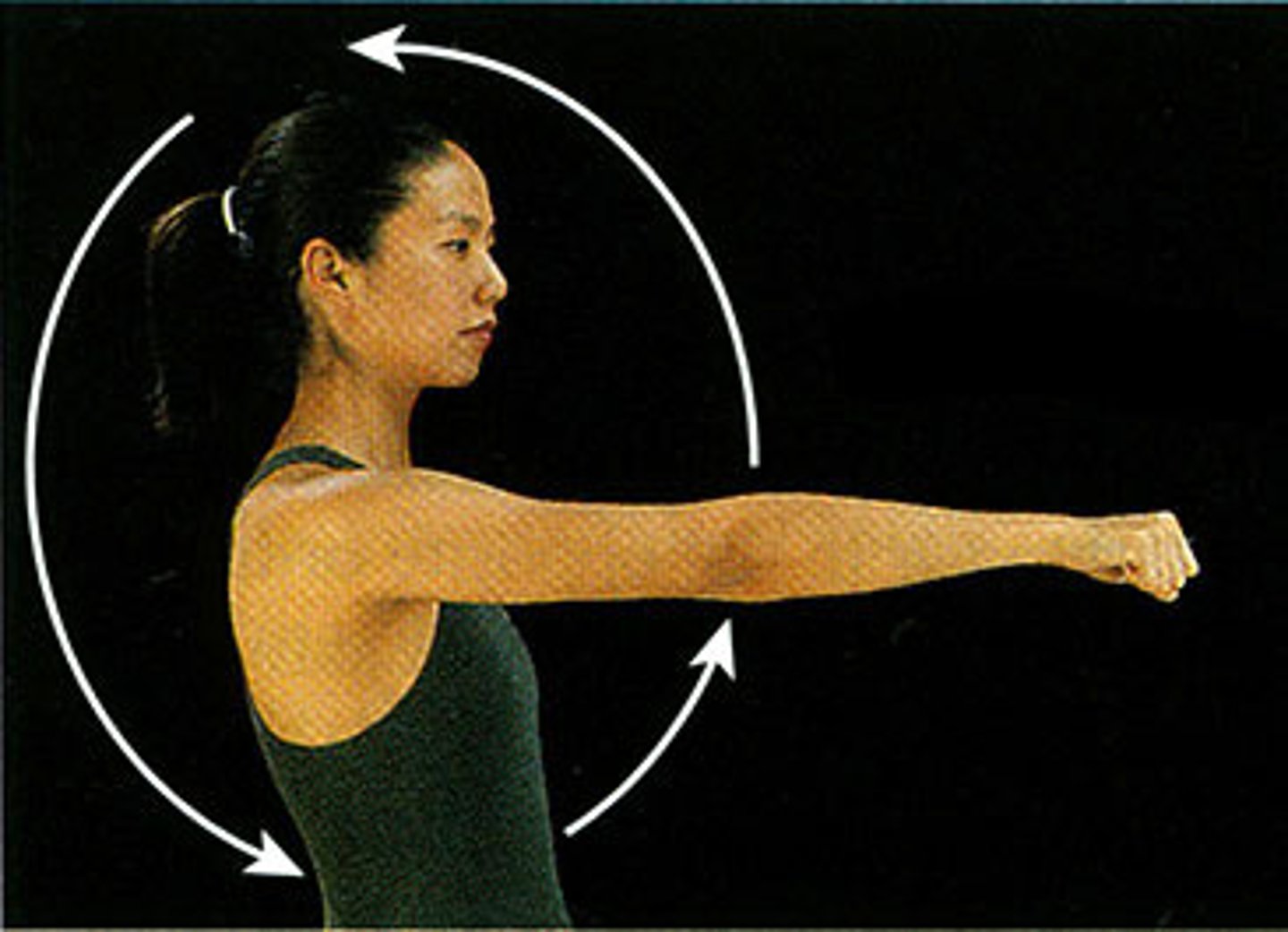
Circumduction
Movement in a circle
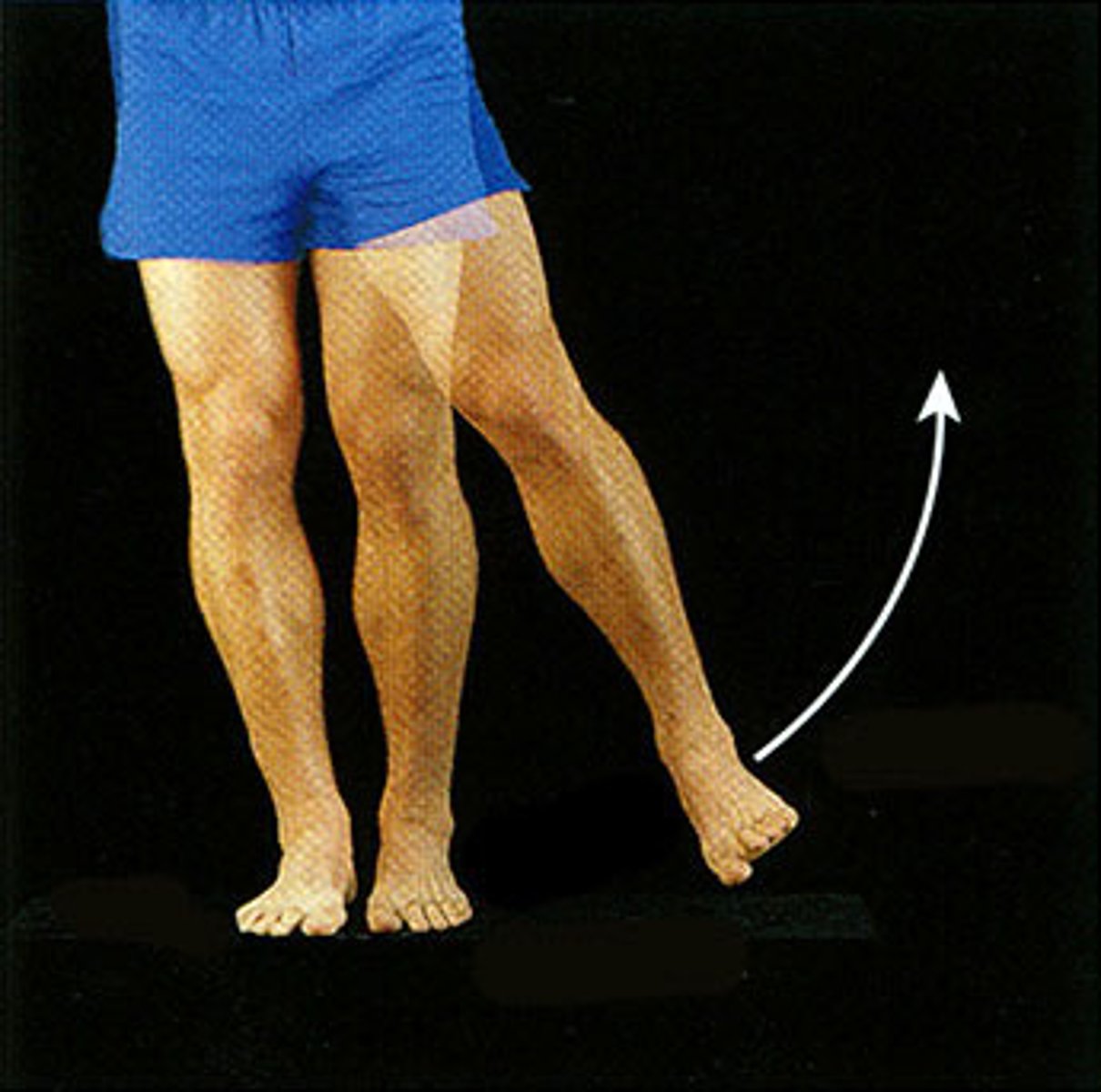
Abduction
Movement away from the midline
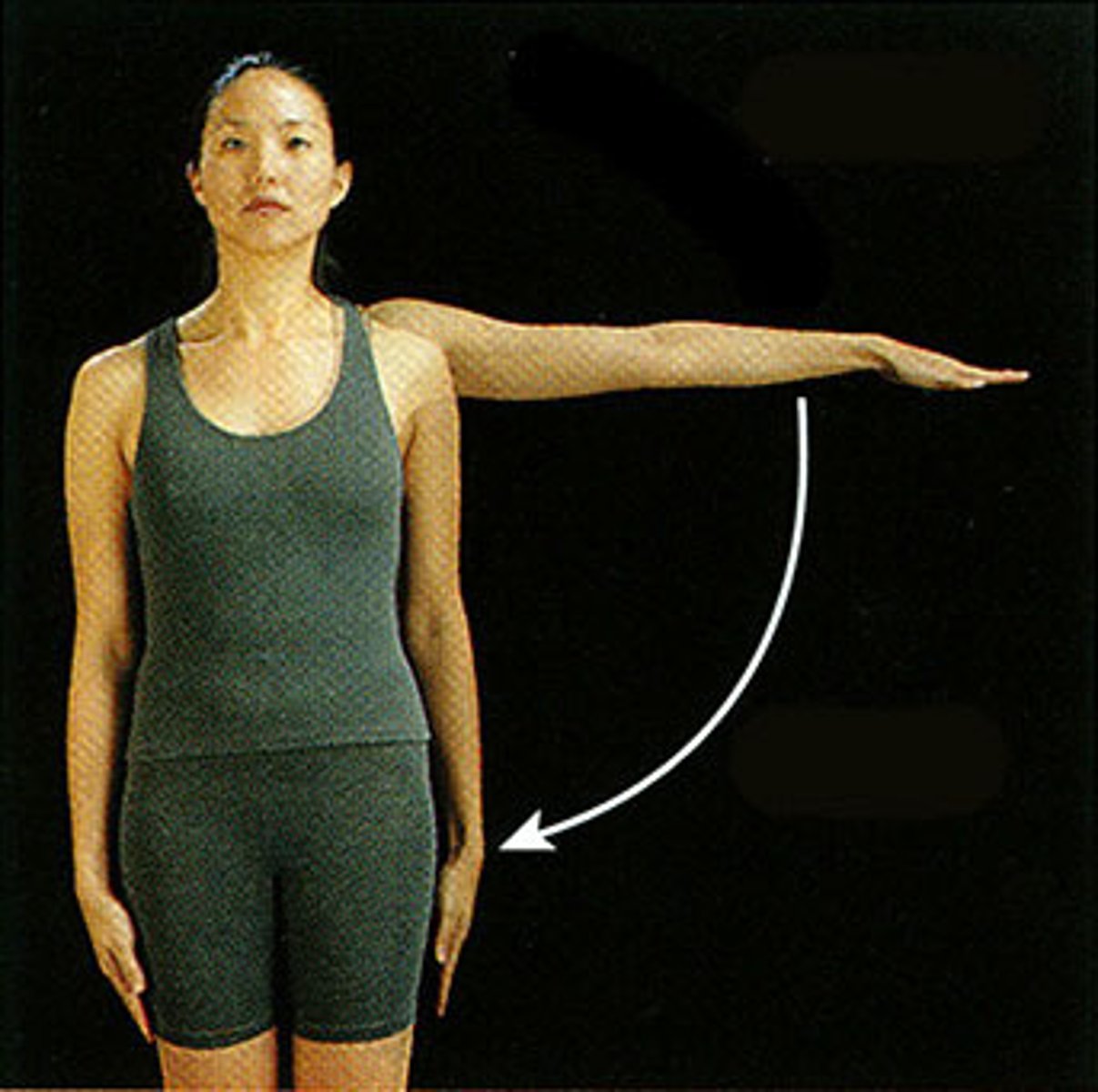
Adduction
Movement toward the midline
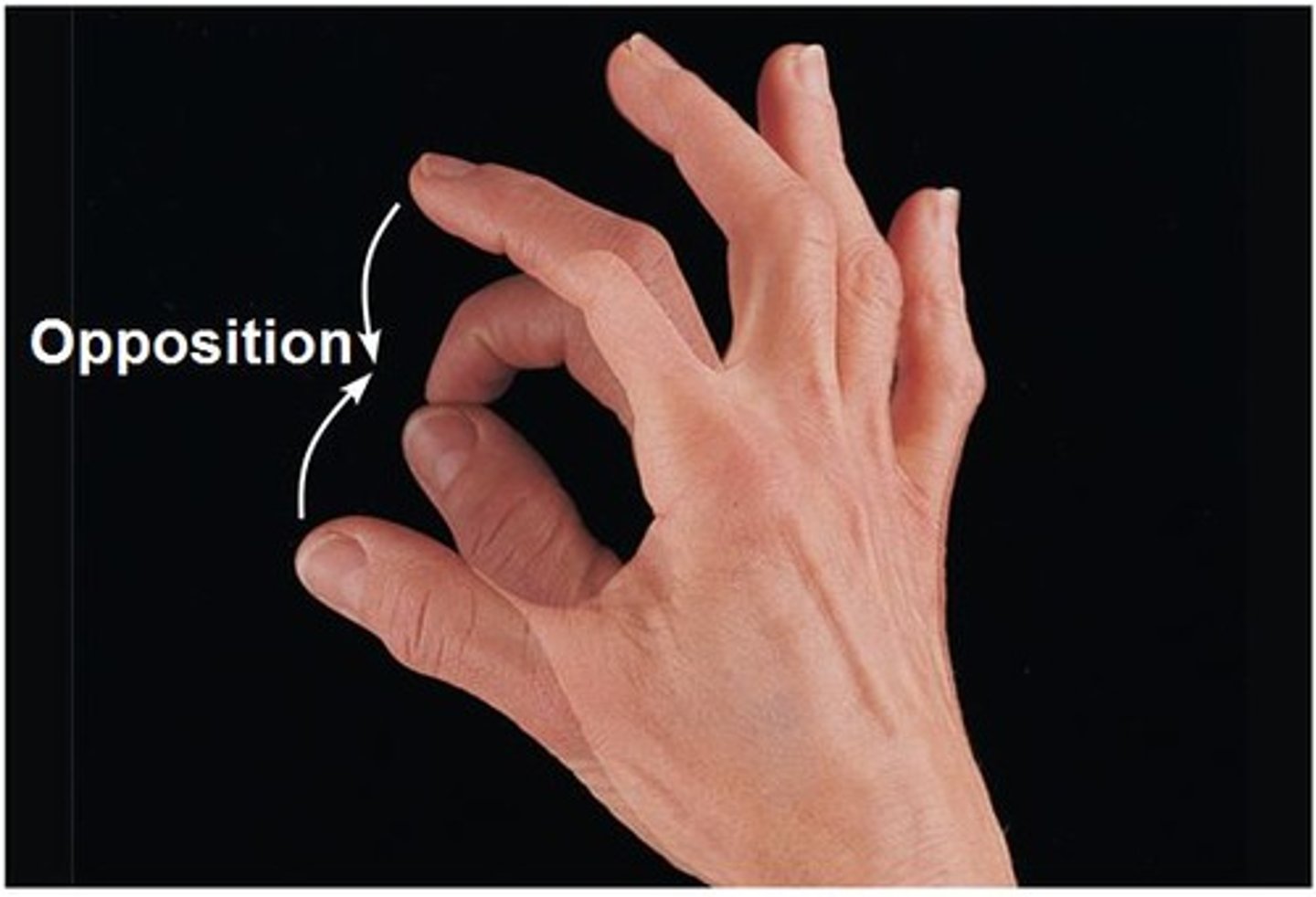
Opposition
Movement of the thumb across the palm to touch the fingertips on same hand
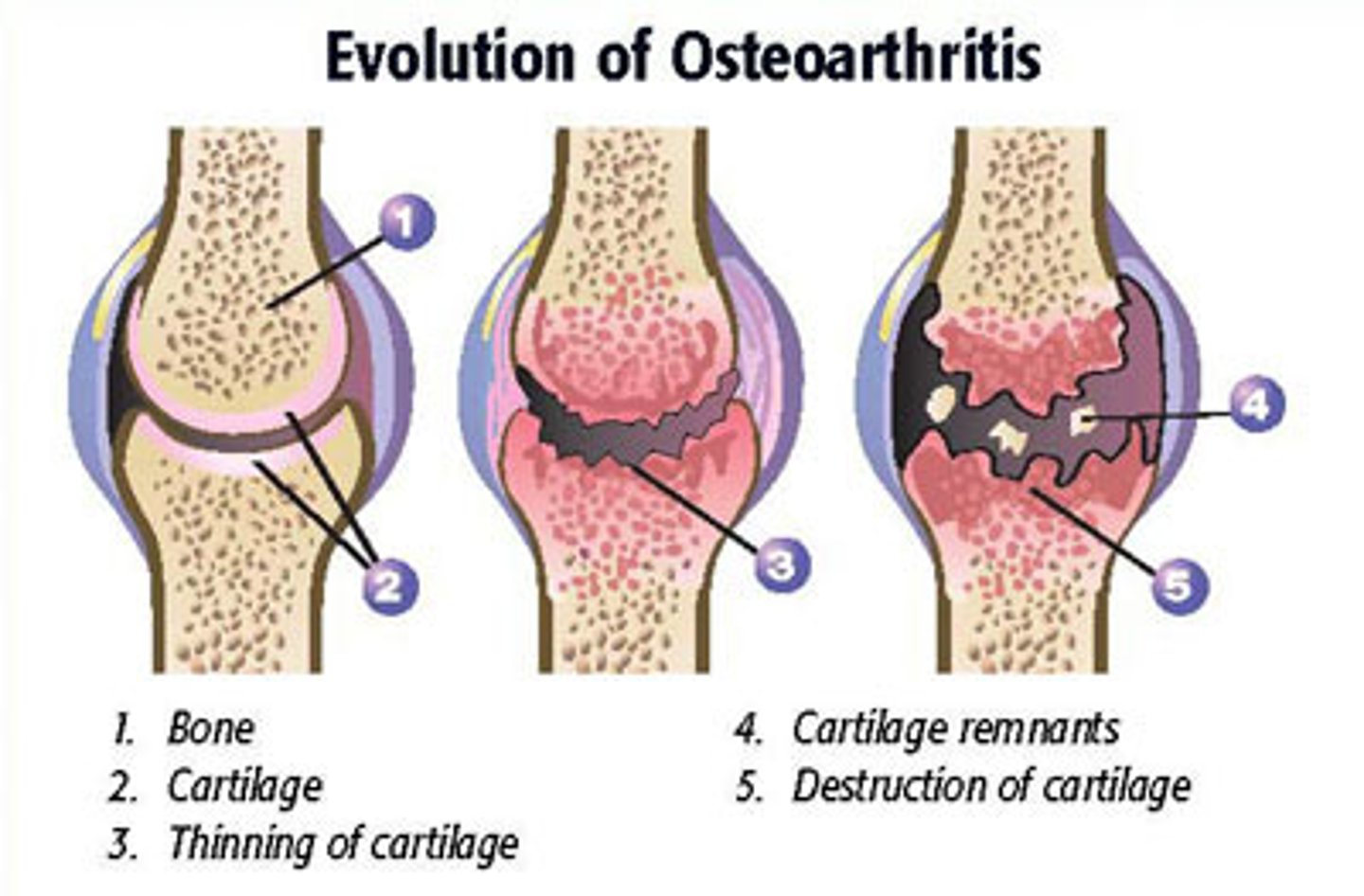
Osteoarthritis
What degenerative joint disease causes the flaking of cartilage that exposes underlying bone, is generally non-inflammatory and produces bone spurs (osteophytes)
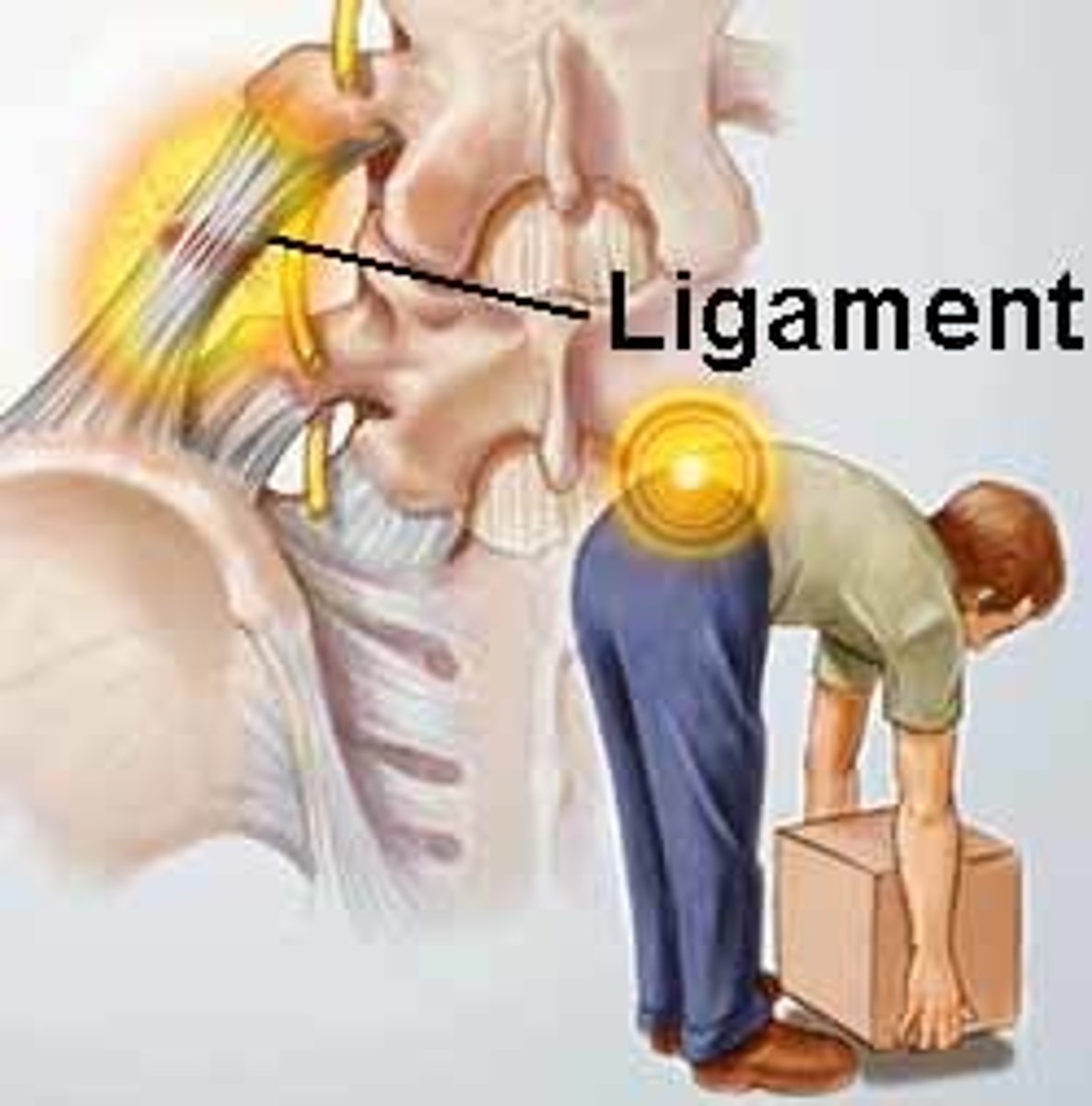
Strain
What is a less serious injury, an overstretched or partially torn muscle?
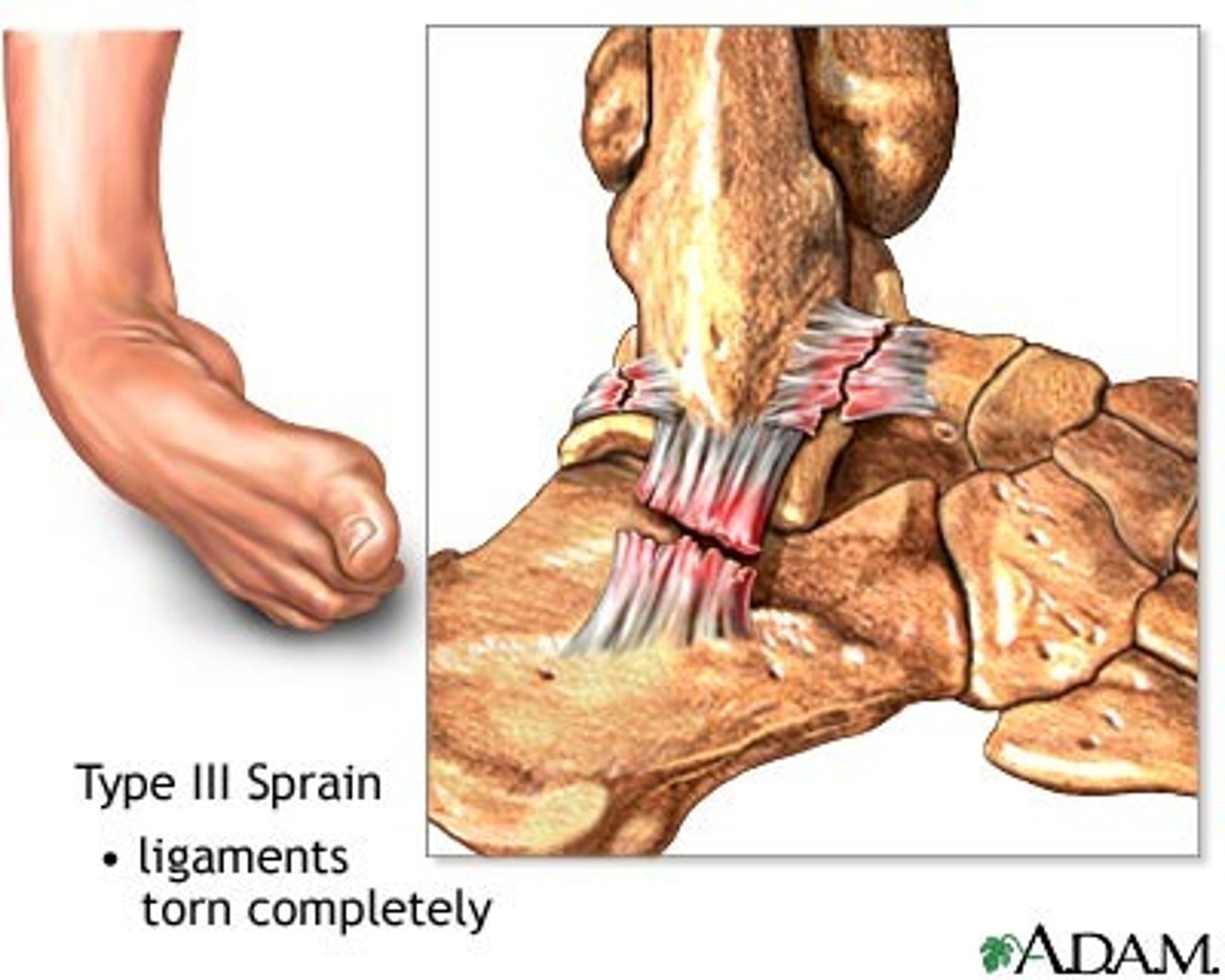
Sprain
What is the twisting of joint that stretches or tears ligaments, no dislocation, damage to nearby blood vessels (swelling & hemorrage), muscles & tendons?
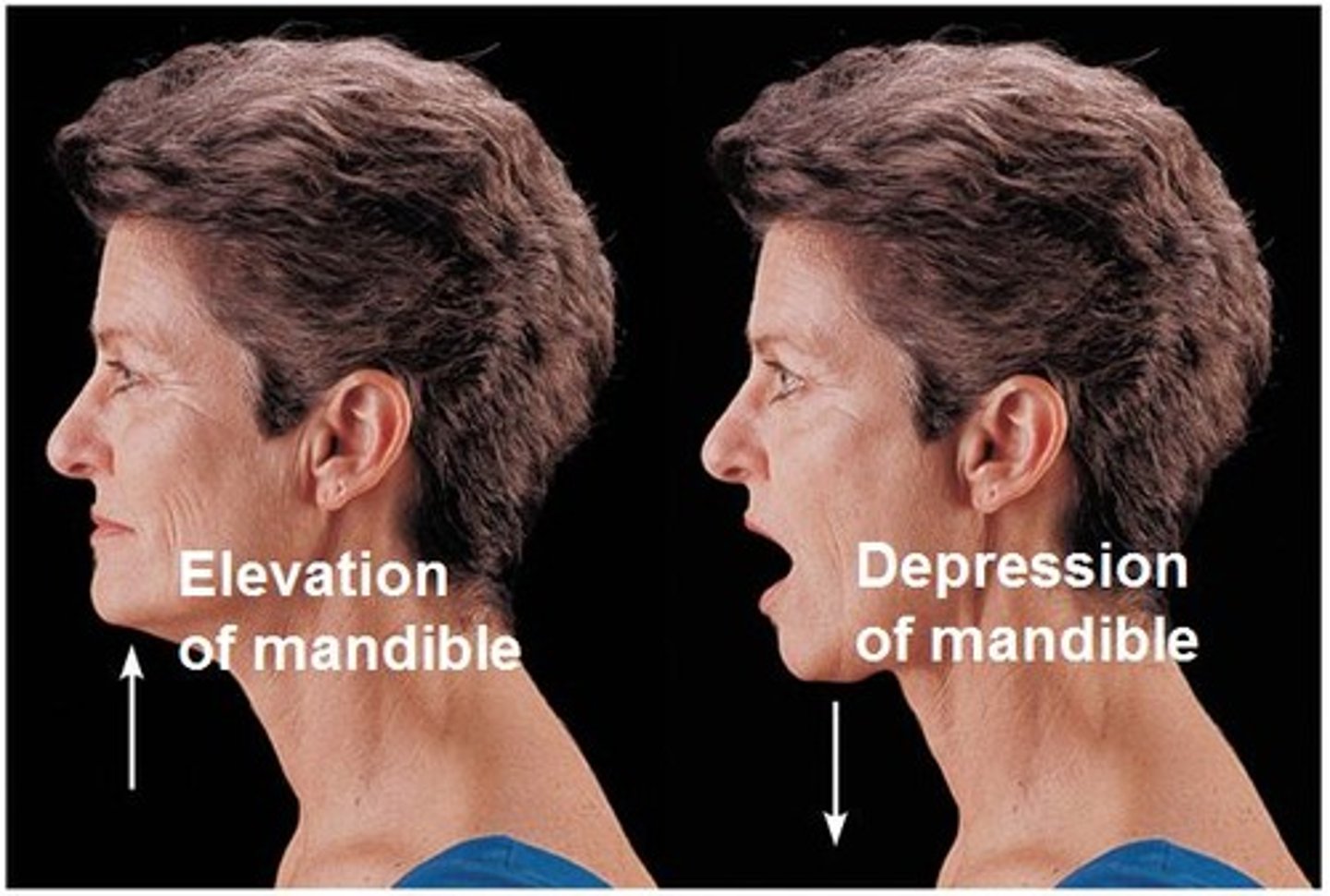
Elevation
upward movement of a body part
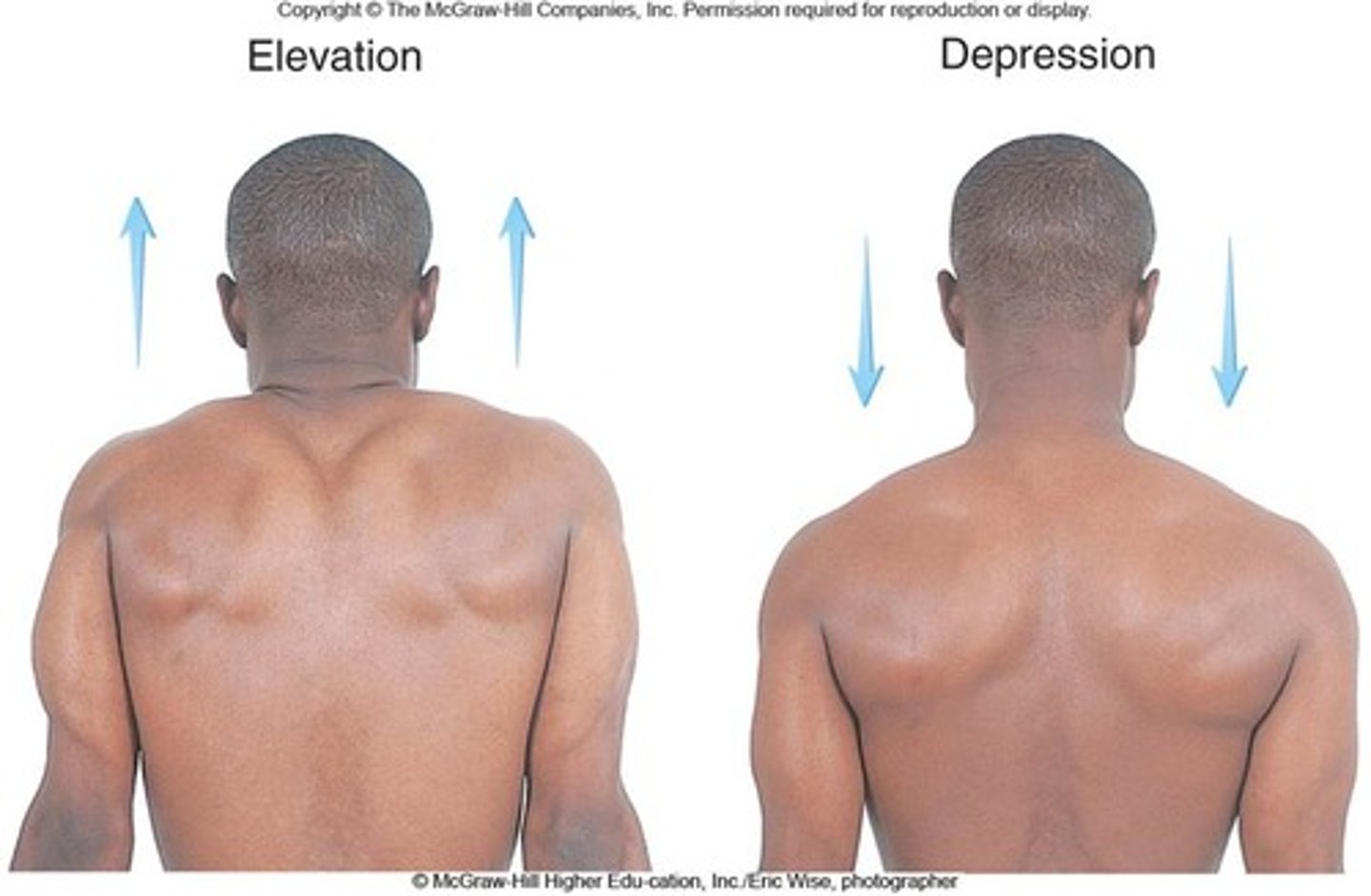
Depression
downward movement of a body part
Protraction
Moving a part forward
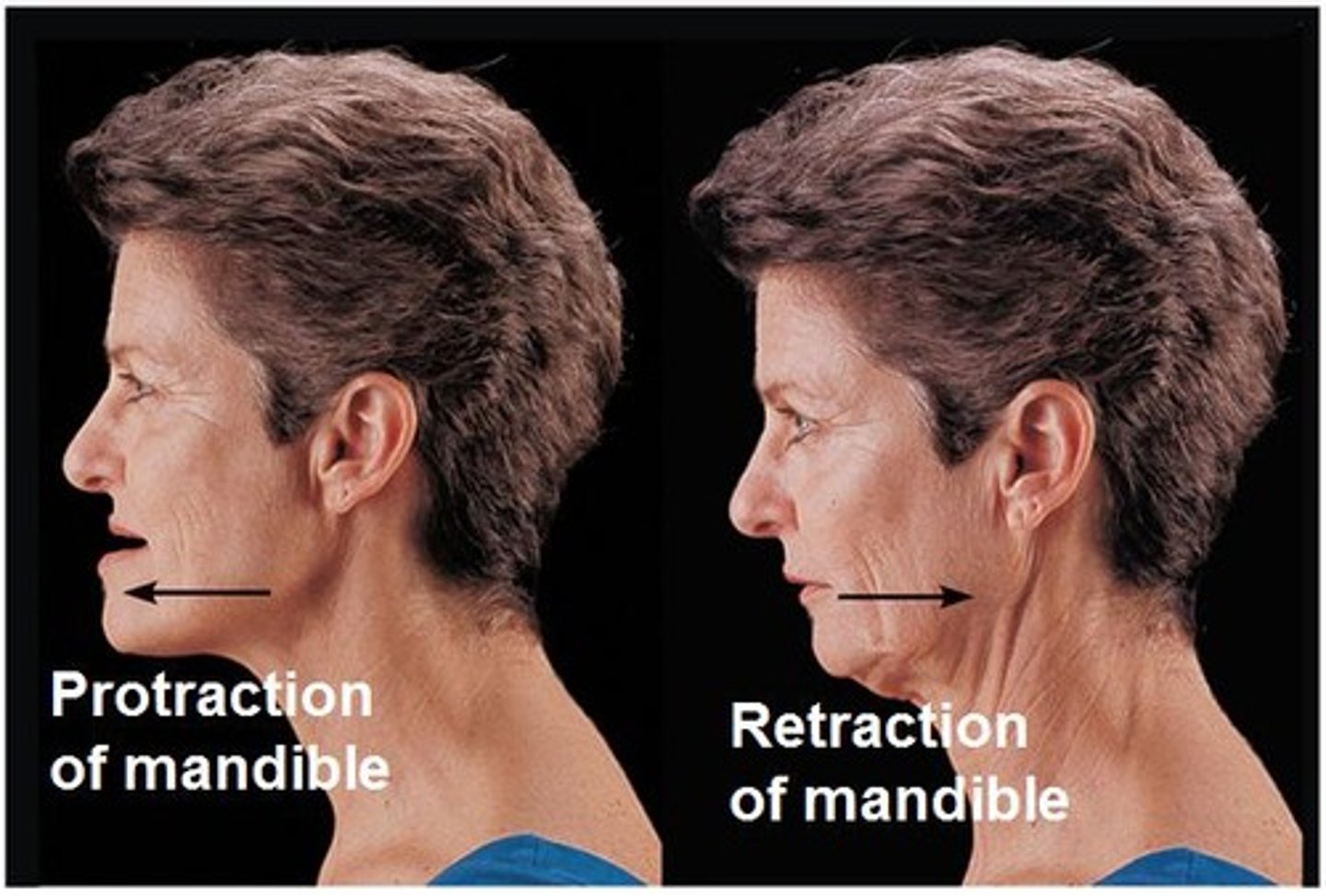
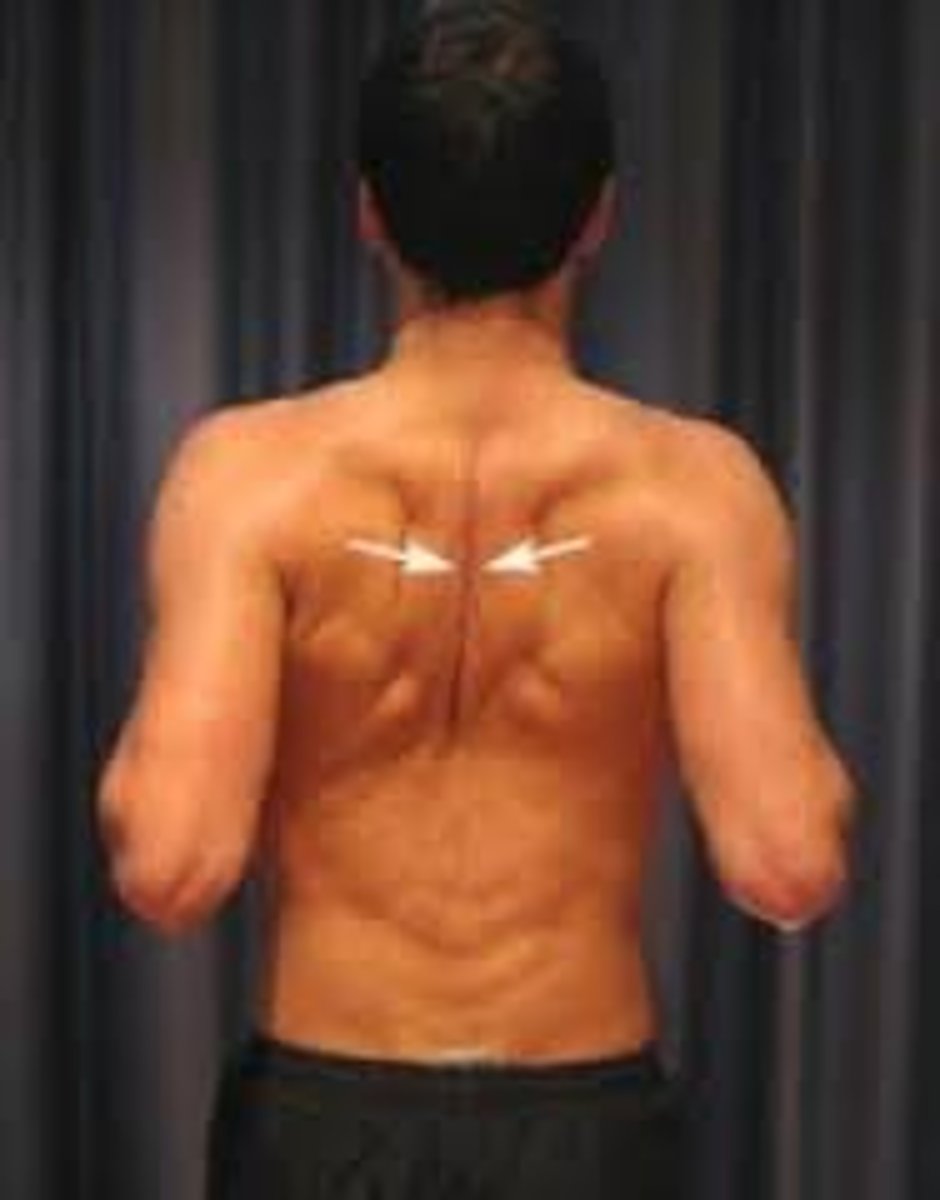
Retraction
moving a part backward
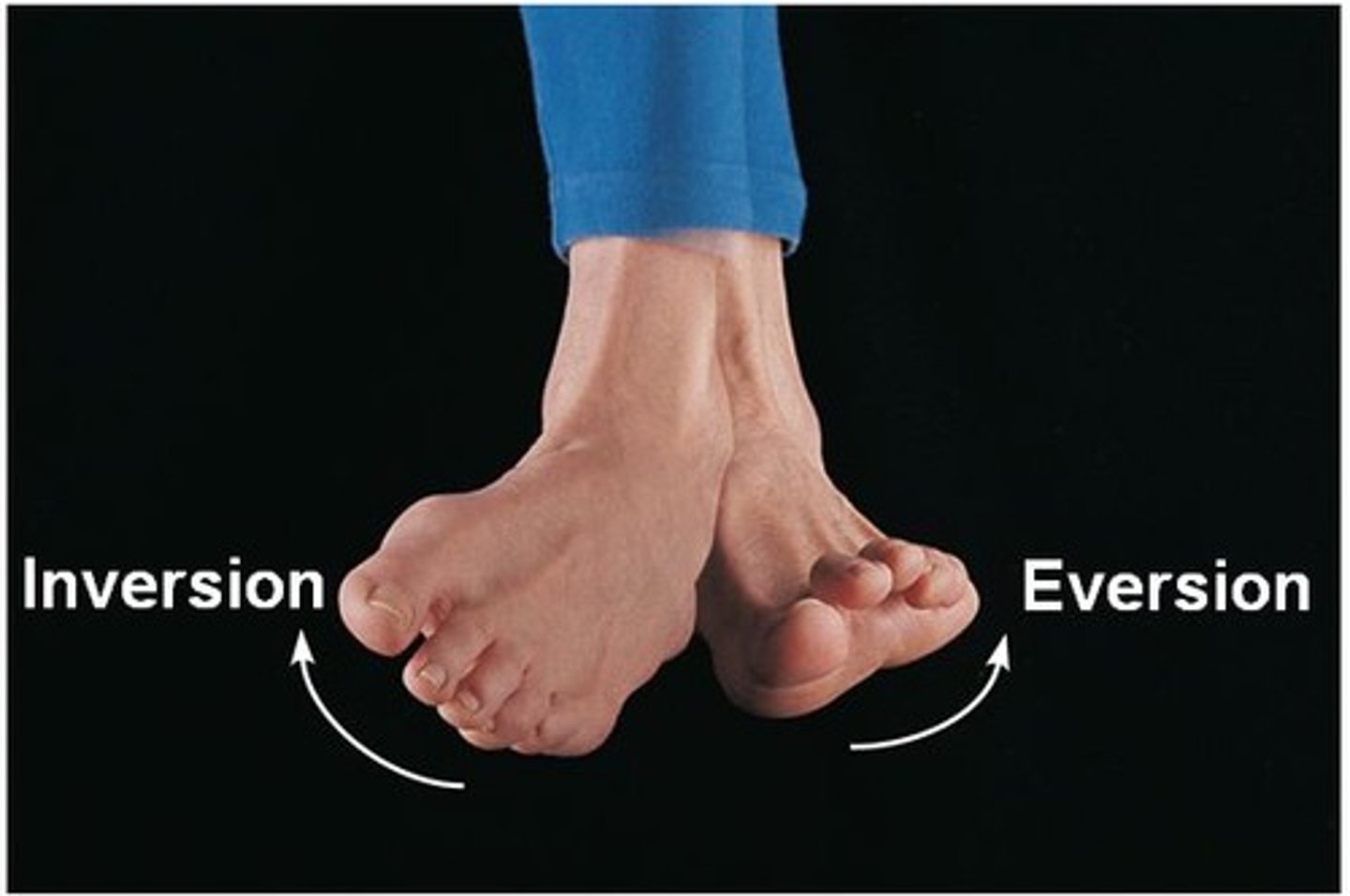
Inversion
sole of foot inward
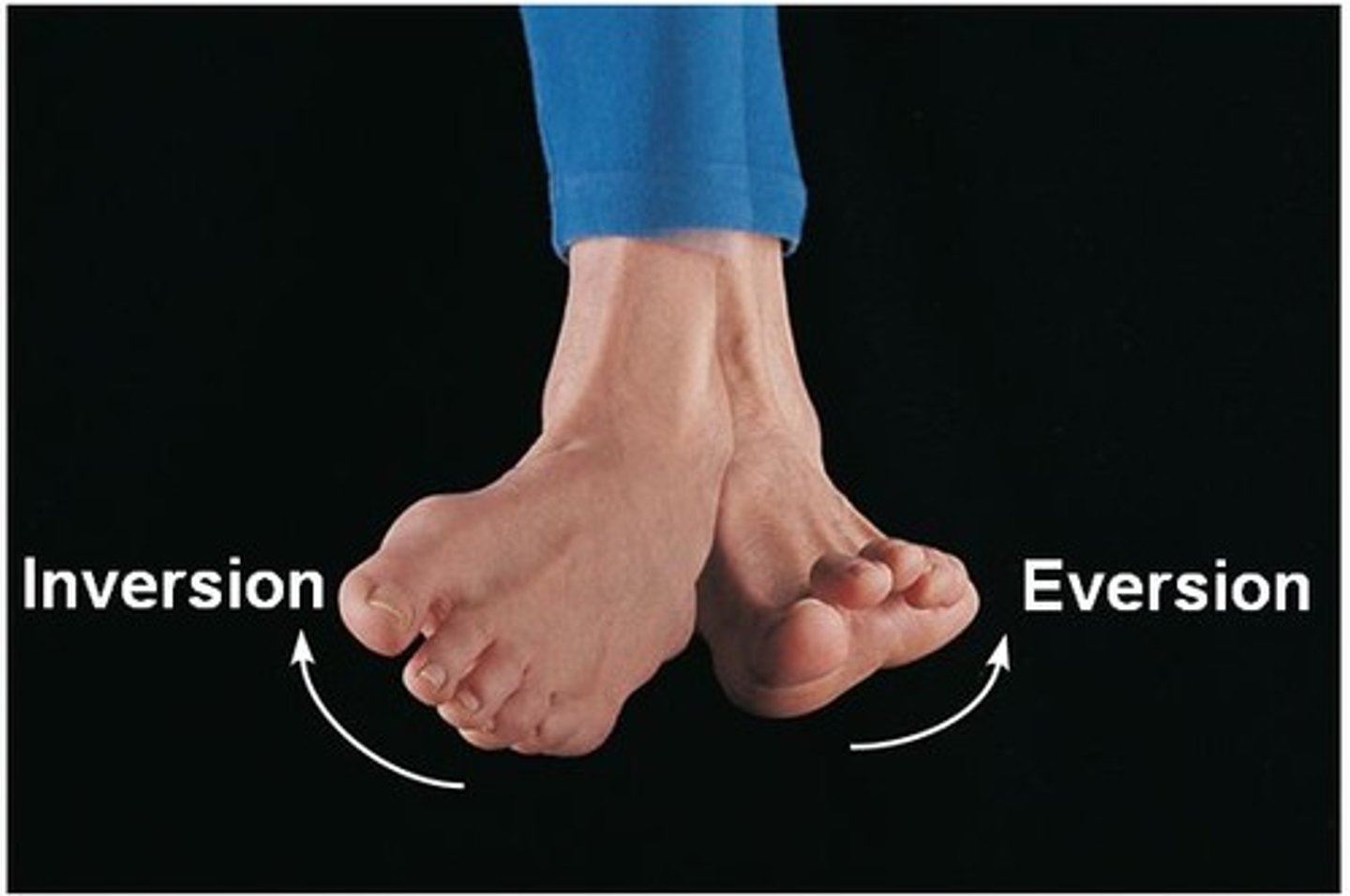
Eversion
sole of foot outward
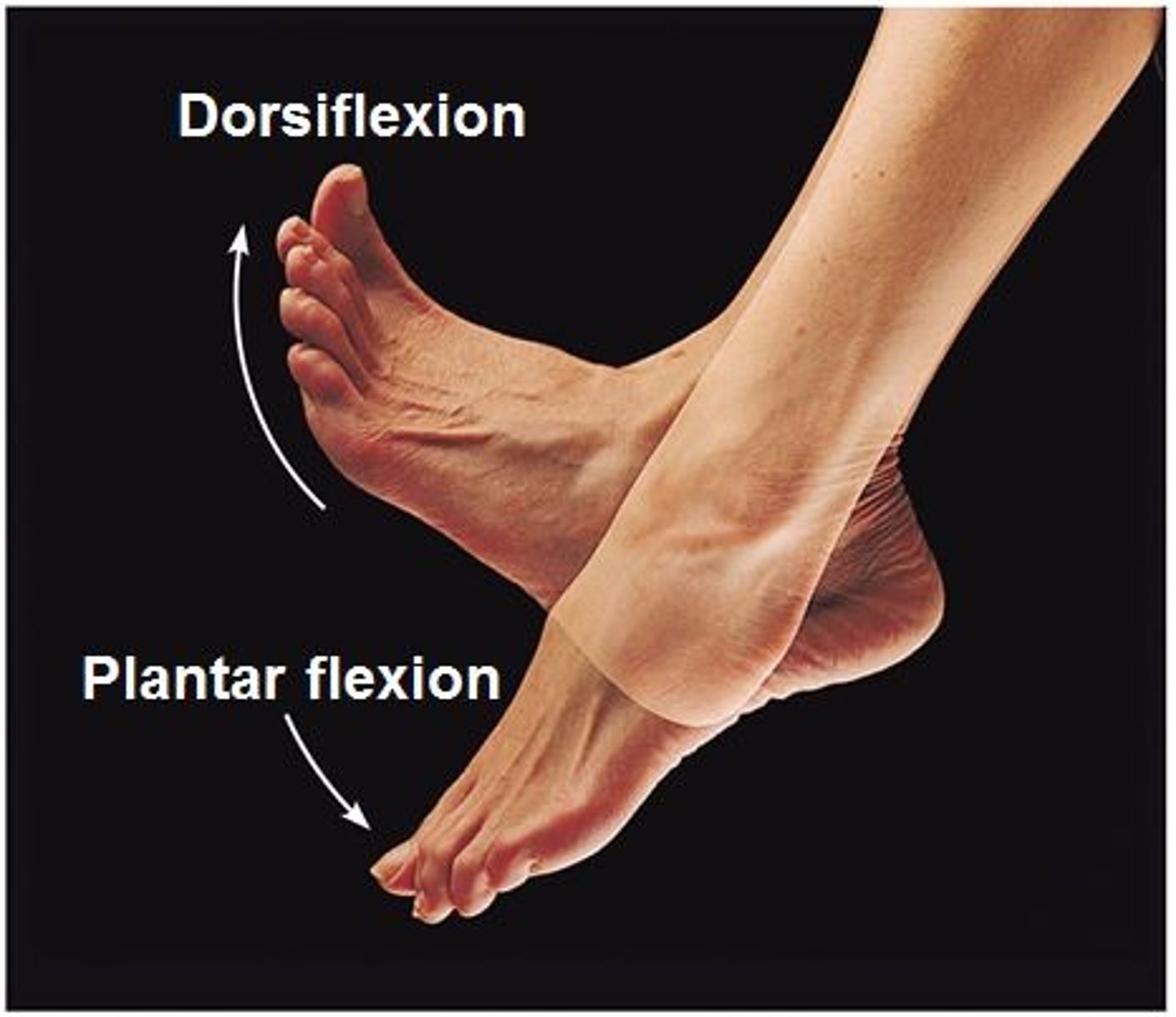
Dorisflexion
bends the foot upward at the ankle, toes up
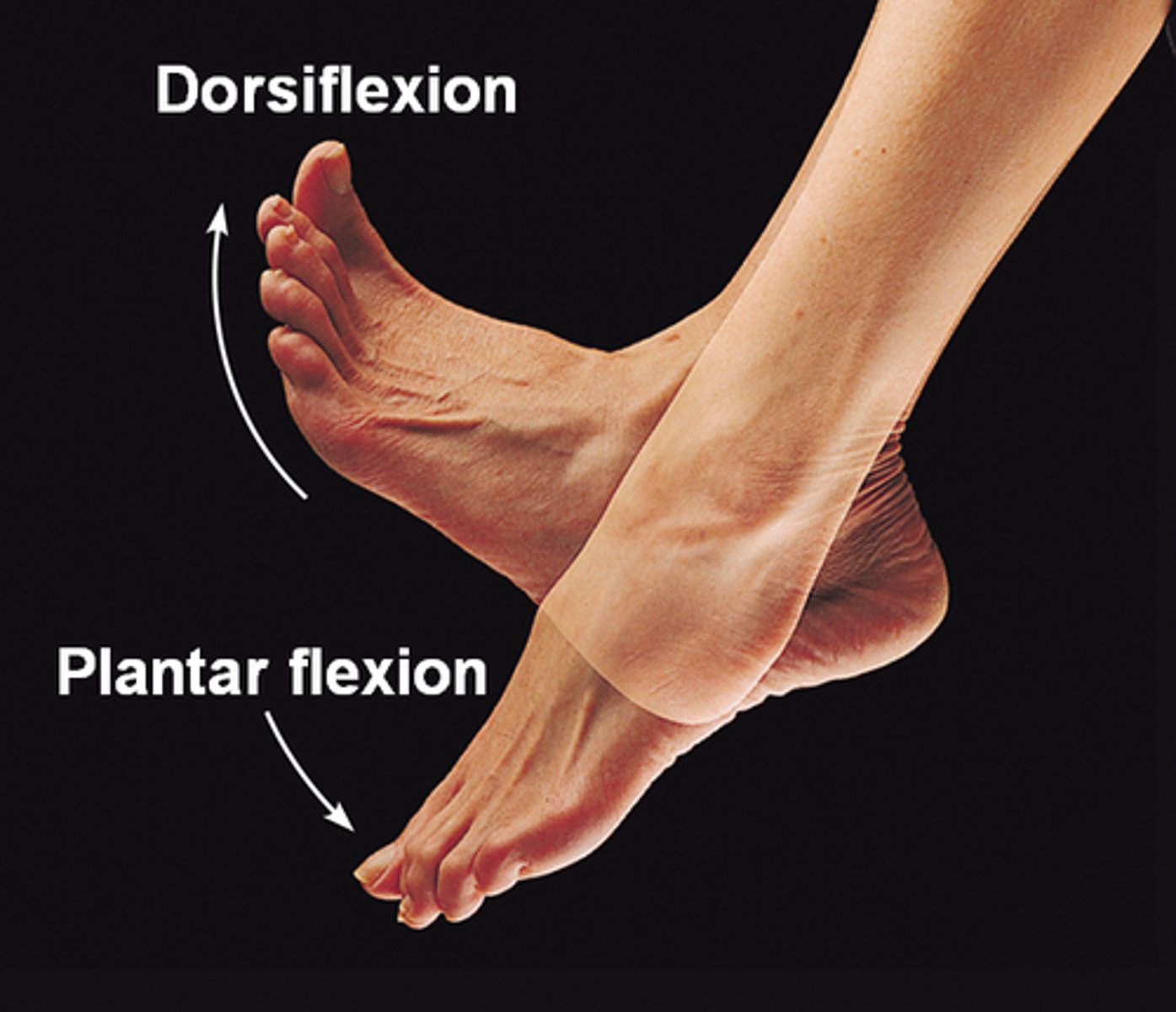
Plantar Flexion
bends the foot downward at the ankle, toes down