The Effect of AI Tools on the Critical Thinking Skills of Students in Higher Education
 Call Kai
 Learn
Learn Practice Test
 Spaced Repetition
 Match
Match Flashcards
 Knowt Play
1/18

Earn XP
Description and Tags
Artificial Intelligence (AI) tools are being incorporated into the educational system at an unprecedented rate. AI technologies such as machine learning and natural language processing built into educational tools have made it easier than ever to create intelligent tutoring systems and adaptive learning platforms, offering instant personalized tutoring to students of every level. Despite the potential benefits, the integration of AI may be a cause for concern for the development of critical thinking skills for these students. Overreliance on AI tools can have an inverse effect and diminish students’ critical thinking skills if they blindly accept the AI’s outputs. This flashcard set will discuss how to responsibly incorporate AI into education tools and how they can enhance critical thinking skills of students in higher education.
Name | Mastery | Learn | Test | Matching | Spaced | Call with Kai |
|---|
No analytics yet
Send a link to your students to track their progress
19 Terms
What is Artificial Intelligence in Education?
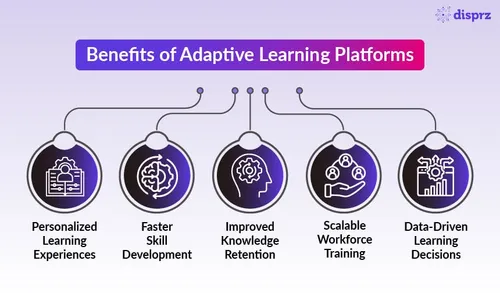
There are many distinct applications of AI in education. Intelligent tutoring systems, Adaptive learning tools are two of the most common archetypes for AI-powered tools in education.

Intelligent tutoring systems
Intelligent tutoring systems act as a tutor, providing instant feedback for any question.

Adaptive learning tools
Adaptive learning tools can create personalized curriculums for individual students based on their strengths and weaknesses.
What is critical thinking?
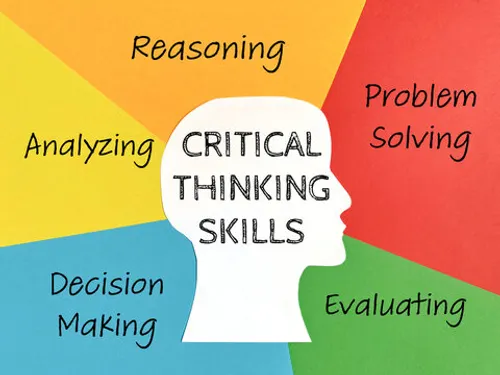
Critical thinking is expressed in terms of both creative thinking and problem solving skills and can be quantitatively measured using assessments.
Why is critical thinking an important skill in higher education?
Critical thinking allows students to analyze information and solve complex problems, skills that AI tools can strengthen when used as learning aids.

How can we assess critical thinking?
There are standardized assessments specifically for this purpose, such as the critical thinking disposition inventory (CTDI) and California CTDI (CCTDI).
What concerns do critics have about AI tools in education?
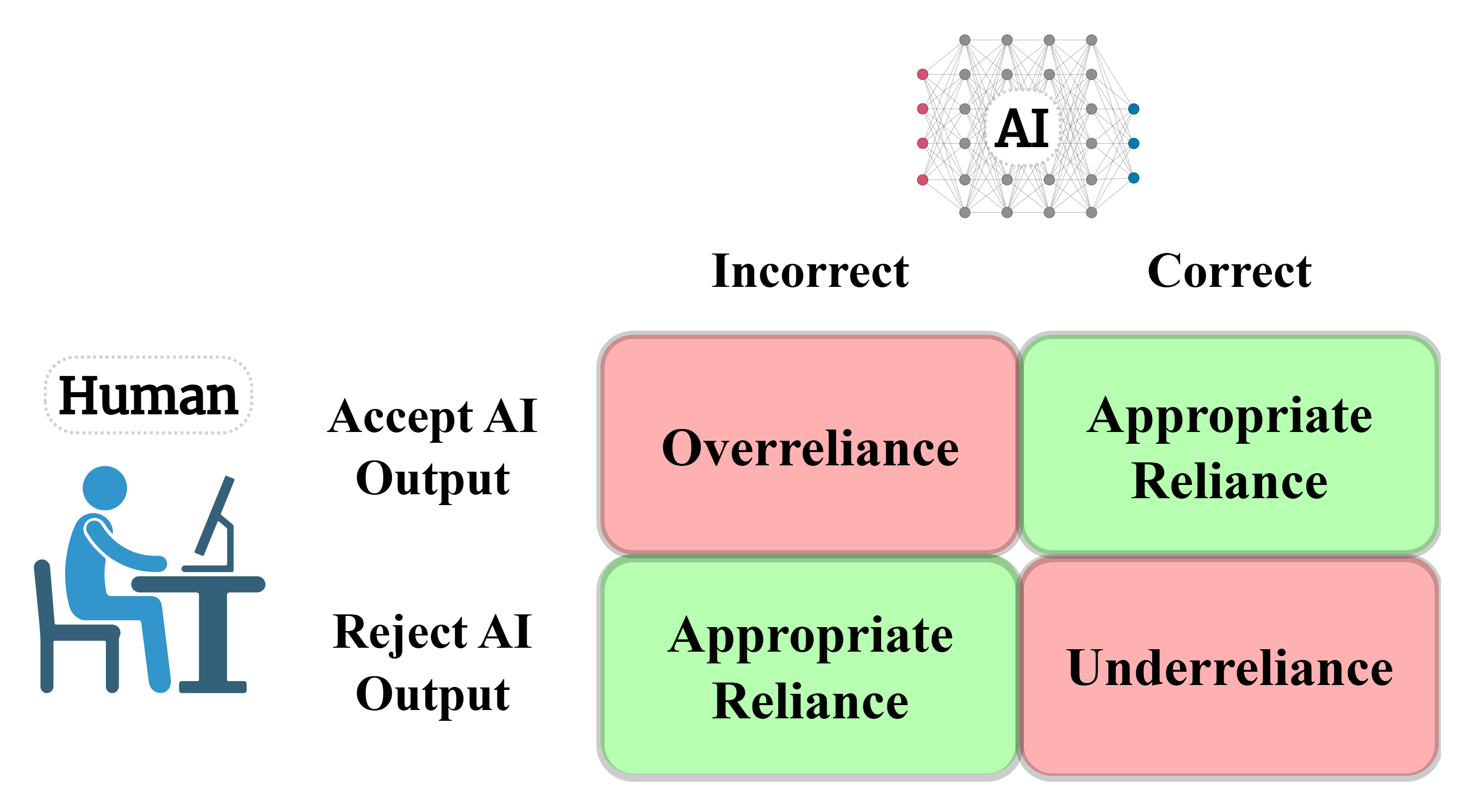
Critics worry that students may rely too heavily on AI tools, which could reduce independent thinking and lead to weaker critical thinking skills.
How is using AI as a “tool for inquiry” different from using it as a “source of truth”?
When used as a tool for inquiry, AI encourages discussion and multiple perspectives, which strengthens critical thinking. When used as a source of truth, it can discourage independent reasoning. Hassen (2025) differentiates these two as cognitive augmentation and cognitive atrophy.
What is cognitive augmentation?
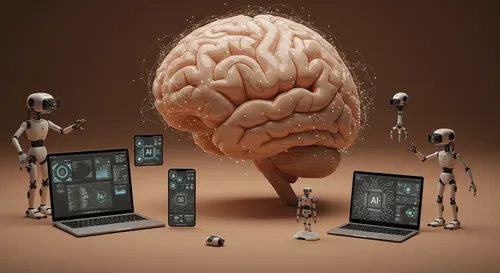
Cognitive augmentation refers to tools that enhance and extend human cognitive abilities. AI as a Socratic partner can provide multiple perspectives, including supporting arguments and counterarguments, to a discussion to accelerate inquiry. This is an example of cognitive augmentation improving the critical thinking skills of the user.
What is cognitive atrophy?
Cognitive atrophy refers to tools that lead to the weakening or loss of skills through disuse. Uncritical acceptance of AI output promotes intellectual passivity, biases, and hallucinations, leading to cognitive atrophy.
What is the current state of AI in education?
It has already redefined the landscape of teaching and learning, offering unprecedented opportunities to personalize learning to each individual student.
Machine learning, natural language processing, and data analytics have enabled personalized and adaptive learning in an easily understandable way
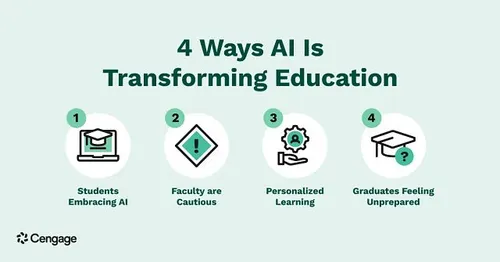
How can AI be applied in education?
AI can be applied in education in a variety of ways, from simply prompting a generative AI chatbot to altering instructional tools and platforms to be powered by AI. Examples of these applications include ChatGPT 3.5, SummarizeBot, Quillionz and Bodoudou.
How can we prevent cognitive atrophy in AI educational tools?
Generative AI alone is a powerful enough tool to act as a “virtual education assistant”, providing instant answers to students’ questions and personalized learning guidance to deepen the understanding and mastery of what they have learned. When incorporating generative AI into an educational tool, it discourages students from blindly turning to the AI for answers and allows automatic personalized learning based on the students’ strengths and weaknesses.
What is the effect of AI on critical thinking skills?
Across multiple case studies, it has been found that the use of AI tools in higher education courses yielded consistently positive results. These results came in the form of varying student outcomes, such as grades, engagement, and critical thinking.
What are the results from the case study of the Human Resources Management Course by Zhang et al.?
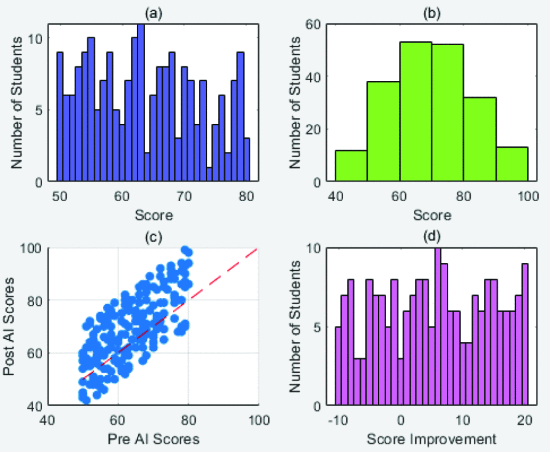
They found that the students' grades, which were previously scattered, shifted toward higher score bands. This suggests that the introduction of generative AI as a study tool may have helped the students improve their grades.
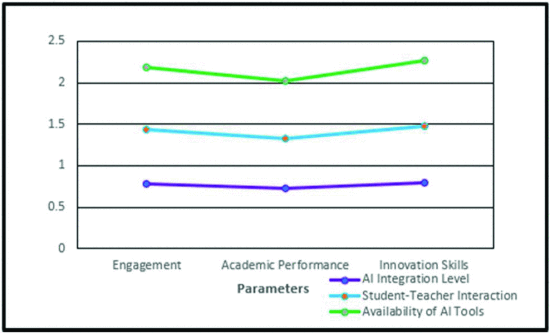
What evidence from the case study of Rajagopal et al. suggests AI tools can improve student learning?
The case study found that the creative thinking skill of students increased by 44% to 57% based on their metrics. Their findings demonstrate how AI tools can develop problem solving and creative thinking skills. They theorize that AI-enabled learning environments can stimulate critical thinking by presenting students with challenging problems that require creative solutions.
What are the results from the case study of an English foreign language class in China by Liu and Wang?
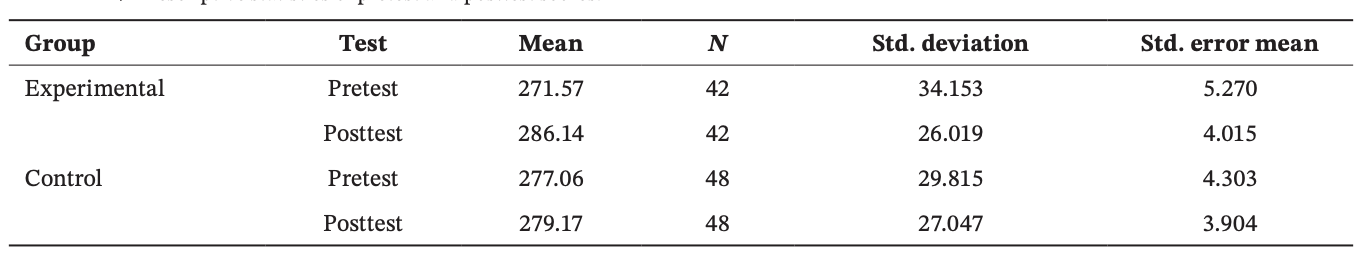
Their study found that the experimental group of students that were allowed to use AI tools to study had an increase in points on the CTDI-CV by 14.571 on average, while the control group that used traditional studying methods saw no statistically significant increase. This shows that AI tools are not only beneficial in improving critical thinking skills, they can outperform traditional studying methods.
What is the main conclusion about AI tools and critical thinking in higher education?
AI tools can strengthen students’ critical thinking skills, but overreliance on them can reduce independent thinking.
Sources
N. Singer, “As Schools Embrace A.I. Tools, Skeptics Raise Concerns,” The New York Times, Jan. 02, 2026.
W. Liu and Y. Wang, “The Effects of Using AI Tools on Critical Thinking in English Literature Classes Among EFL Learners: An Intervention Study,” European Journal of Education, vol. 59, no. 4, Oct. 2024
Sri Tulasi T and I. Ahamed, “Artificial Intelligence Effects on Student Learning Outcomes in Higher Education,” Apr. 2024
D. Zhang, X. Zhao and G. Zhou, "Application of Generative AI in the Teaching of Human Resource Management Course for Medical and Health Management Majors," 2024 14th International Conference on Information Technology in Medicine and Education (ITME), Guiyang, China, 2024
M. Z. Hassen, “The Impact of AI on Students’ Reading, Critical Thinking, and Problem-Solving Skills,” American Journal of Education and Information Technology, vol. 9, no. 2, pp. 82–90, Sep. 2025
S. Rajagopal, D. Deevi, Ranjna, D. Sur and P. K. K, "Enhancing Learning Experiences Using Artificial Intelligence Technology in Education," 2025 2nd International Conference on New Frontiers in Communication, Automation, Management and Security (ICCAMS), Bangalore, India, 2025