Silk Road Quiz 3
 Call Kai
 Learn
Learn Practice Test
 Spaced Repetition
 Match
Match Flashcards
 Knowt Play
1/25

There's no tags or description
Looks like no tags are added yet.
Name | Mastery | Learn | Test | Matching | Spaced | Call with Kai |
|---|
No analytics yet
Send a link to your students to track their progress
26 Terms
An Lushan Rebellion
marked decline of latter half of the dynasty Tang dynasty
leading to political instability and territorial loss.
Xuanzang
7th-century Chinese Buddhist monk who transformed Chinese Buddhism by translating vast amounts of Indian scriptures
bridging cultures along the Silk Road
providing detailed accounts of 7th-century India
Emperor Shōmu
was crucial for establishing Buddhism as a state religion to unify Japan
commissioning the monumental Daibutsu (Great Buddha) and promoting temple construction across the country.
Parchment codex
parchment made from animal skin.
Romans began using parchment codices in 1st c. BCE, became official form of book
Oracle bone script, Shang dynasty, China
is the earliest known, fully developed Chinese writing system
serving as the foundation of modern Chinese characters
a crucial record of the Shang Dynasty
The Diamond Sutra
a foundational Mahayana Buddhist text wisdom and emptiness
teaching that all phenomena are illusory and lack inherent self-existence.
It guides practitioners to detach from rigid concepts, encouraging a life of non-abiding and compassion
Roman and Sasanian glass (techniques and features)
Roman glass revolutionized production through invention of glassblowing (1st c. BCE), making glassware a common household item
Sasanian glass (3rd–7th c. CE) is renowned for luxurious cut and polished techniques
Hejia Village hoard
holding one of the largest hoards ever found in China.
Over 1,000 artifacts, including gold/silver vessels, jewelry, and gems, demonstrate advanced craftsmanship
blending Chinese styles with Persian and Central Asian influences, likely belonging to a high-ranking official
Tomb of Princess Chen, Liao dynasty
crucial for understanding the Khitan elite's blend of nomadic steppe traditions and Han Chinese influence.
Also revealed immense wealth.
Characteristics of the Mongol empire
military brilliance, rapid communication, cultural tolerance, and promotion of trade—were immensely important because they created the largest contiguous land empire in history
with the exchange of technologies, cultures, and commerce between East and West.
Marco Polo
Venetian merchant who traveled through Asia during the Mongol period
wrote Descriptions of the World
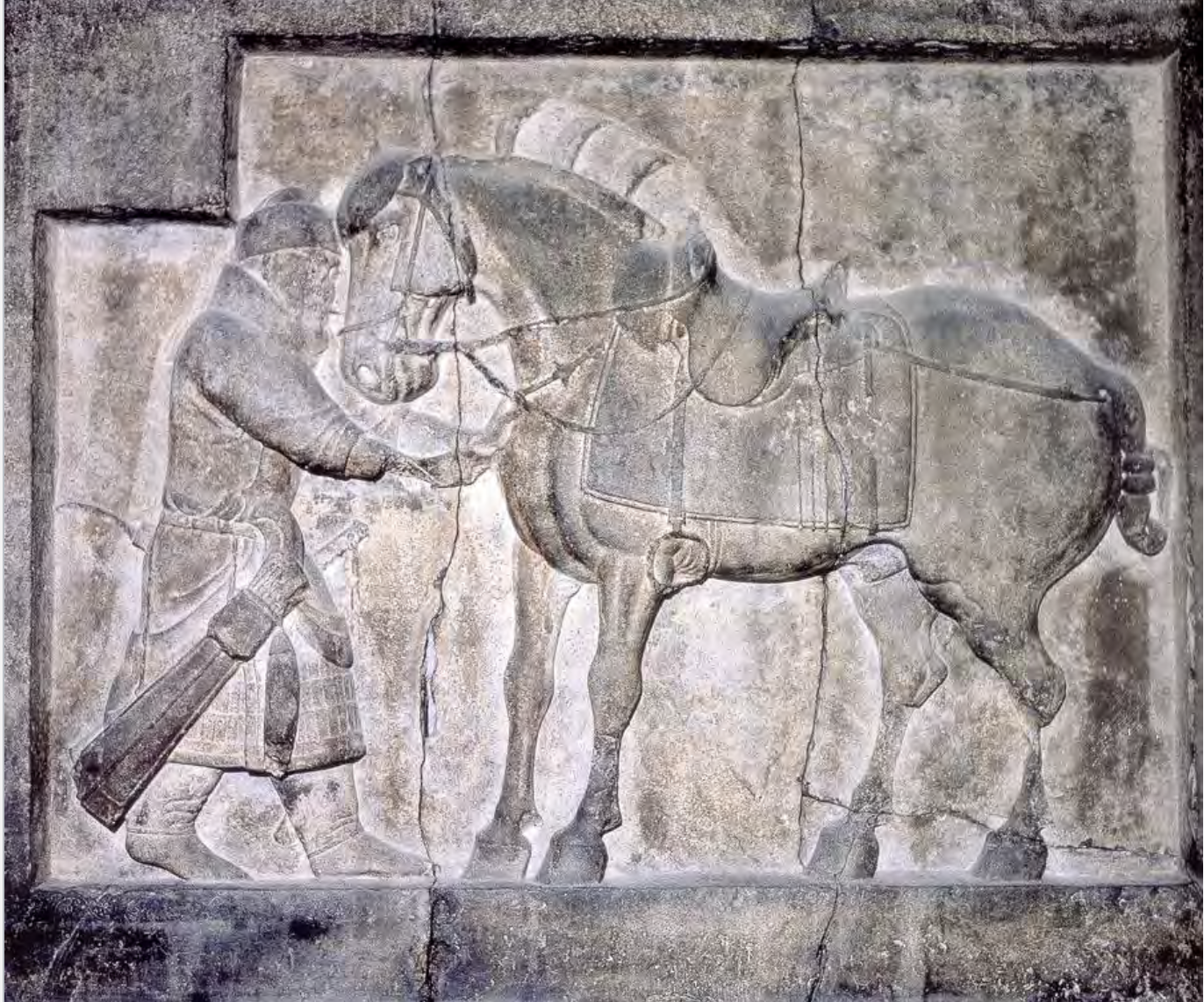
Name: Relief of one of the six horses on Emperor Taizong’s Tomb
Country/Place: China
Period: Tang Dynasty
Medium: Limestone
Significance: showcasing his favorite warhorses. They signify the military triumphs, immense power, and legitimacy of Taizong’s reign, with each horse representing a key battle and displaying wounds of loyalty to honor their shared struggle in founding the empire.
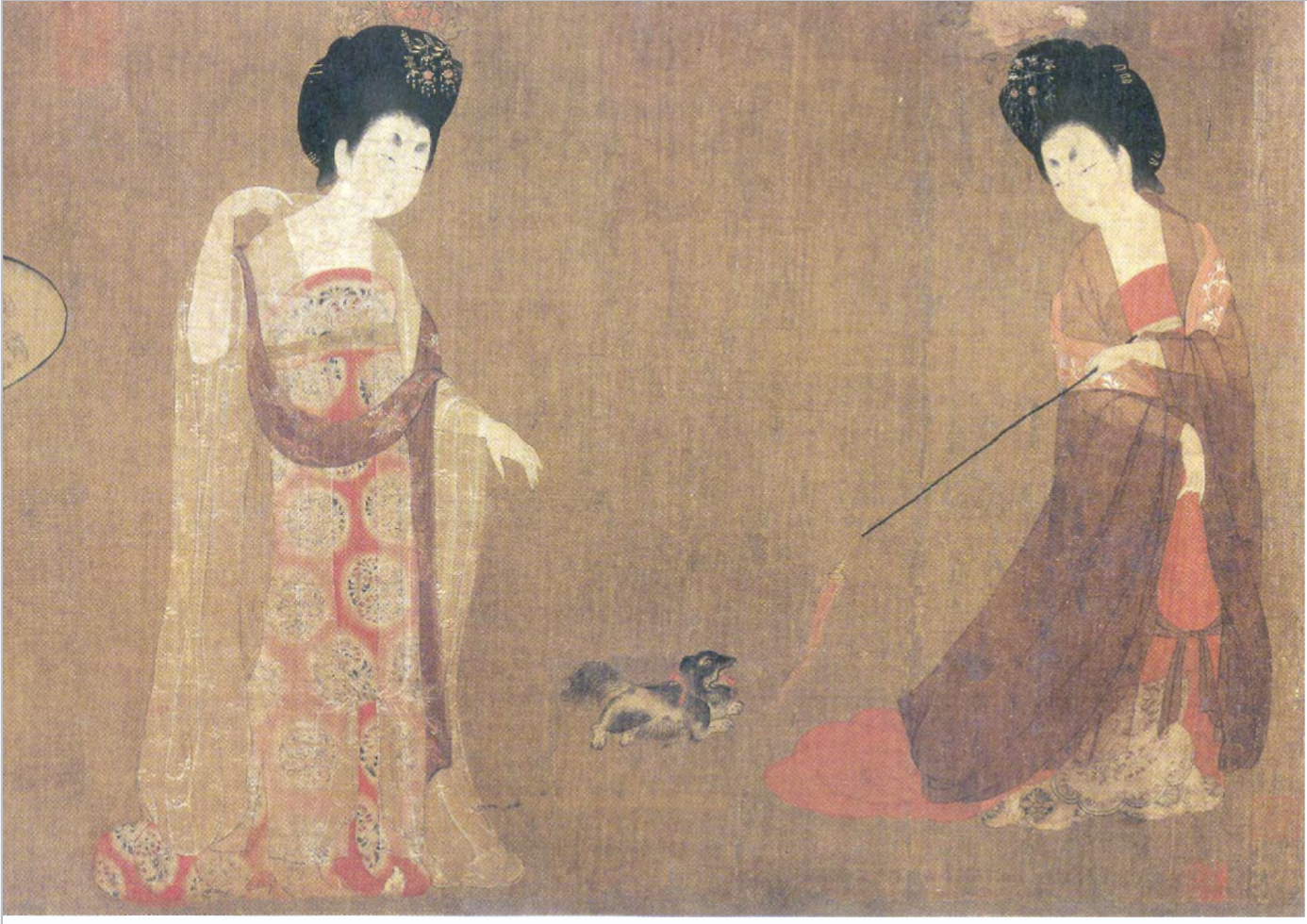
Name: Zhou Fang, Court Ladies with Hairpins and Flowers
Country/Place: China
Period: Tang Dynasty
Medium: Silk
Significance: captures the luxurious, leisurely, and refined lifestyle of Tang Dynasty noblewomen
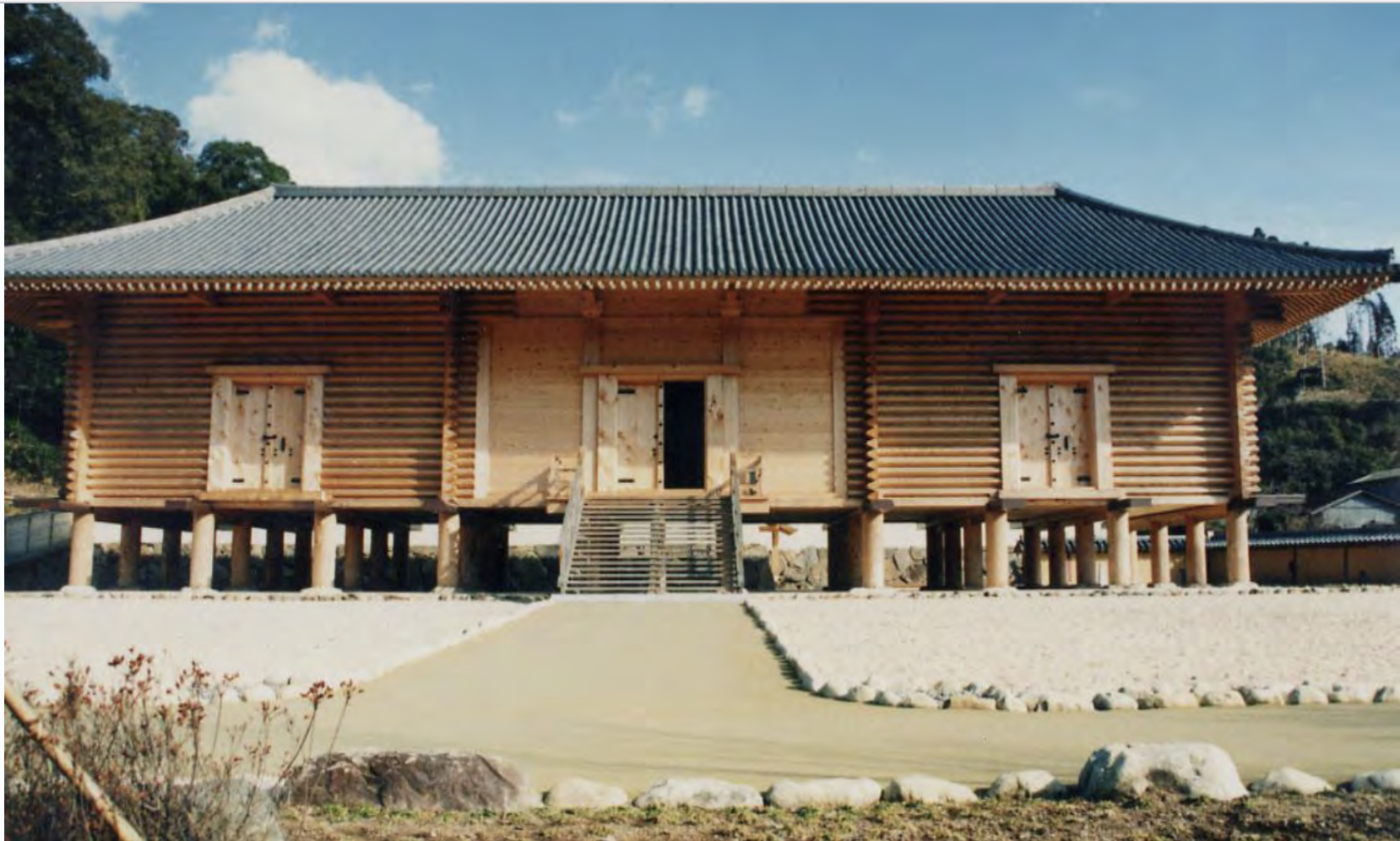
Name: Shosoin imperial treasury
Country/Place: Tōdaiji Temple
Period: 8th century CE
Medium: Silk, wood, metal, clay, glass, ivory
Significance: Safeguarded over 9,000 artifacts from the 8th-century Nara period for nearly 1,300 years. It is essentially a "time capsule" of East Asian culture, serving as a primary source for understanding the art, daily life, politics, and international trade of ancient Japa
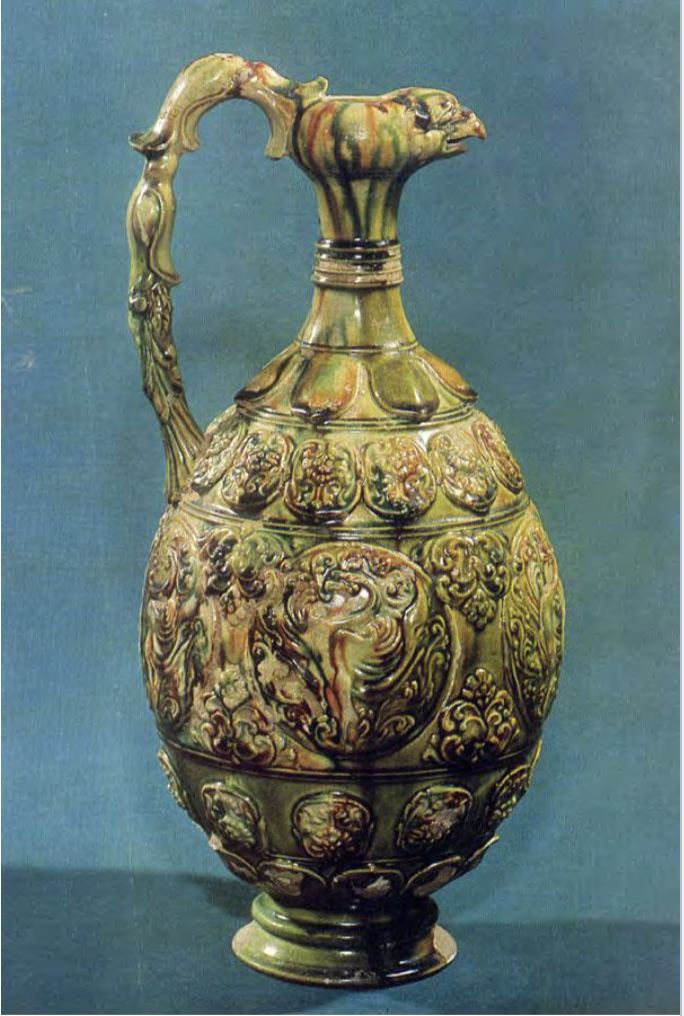
Name: Sancai ewer
Country/Place: Shosoin
Period: Tang Dynasty
Medium: clay (three-colored glaze)
Significance: as a rare, intact example of 8th-century Tang dynasty-style ceramics, symbolizing the height of Silk Road cultural exchange and the adoption of foreign luxury arts into Japan's Nara period court
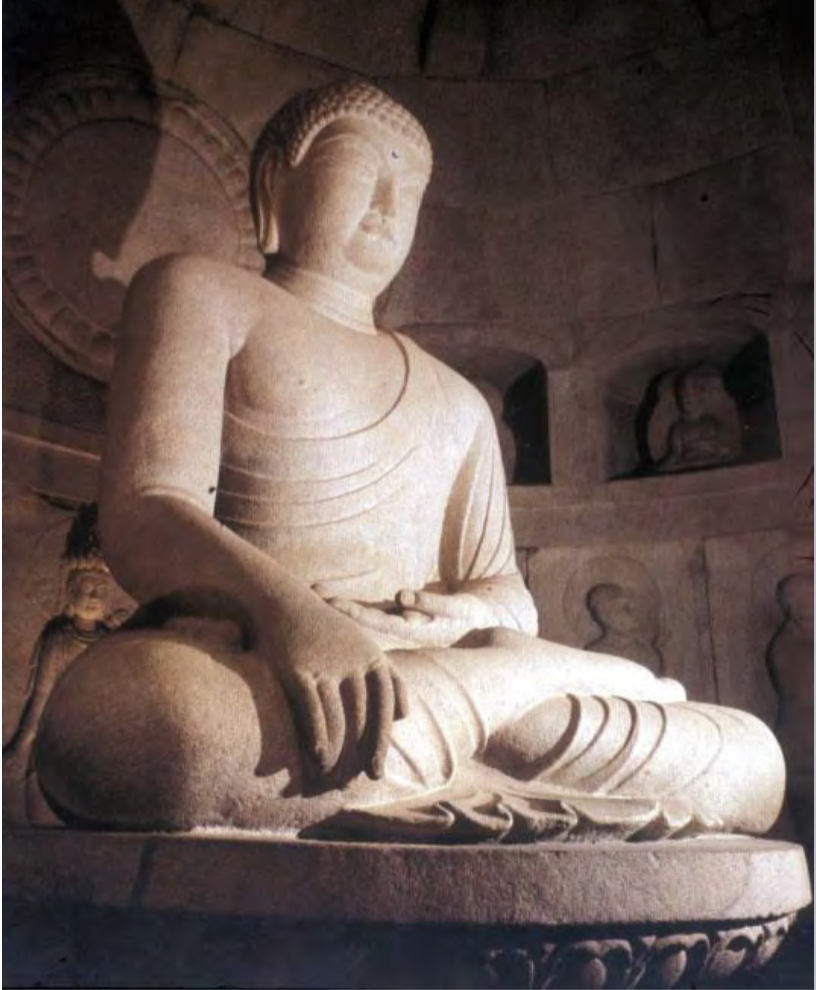
Name: Colossal Buddha
Country/Place: Seokguram Cave-temple, S. Korea
Period: 8th century CE
Medium: white granite
Significance: for its rare man-made granite cave design, profound scientific engineering, and artistic representation of Sakyamuni Buddha at the moment of enlightenment, offering profound spiritual energy and cultural identity
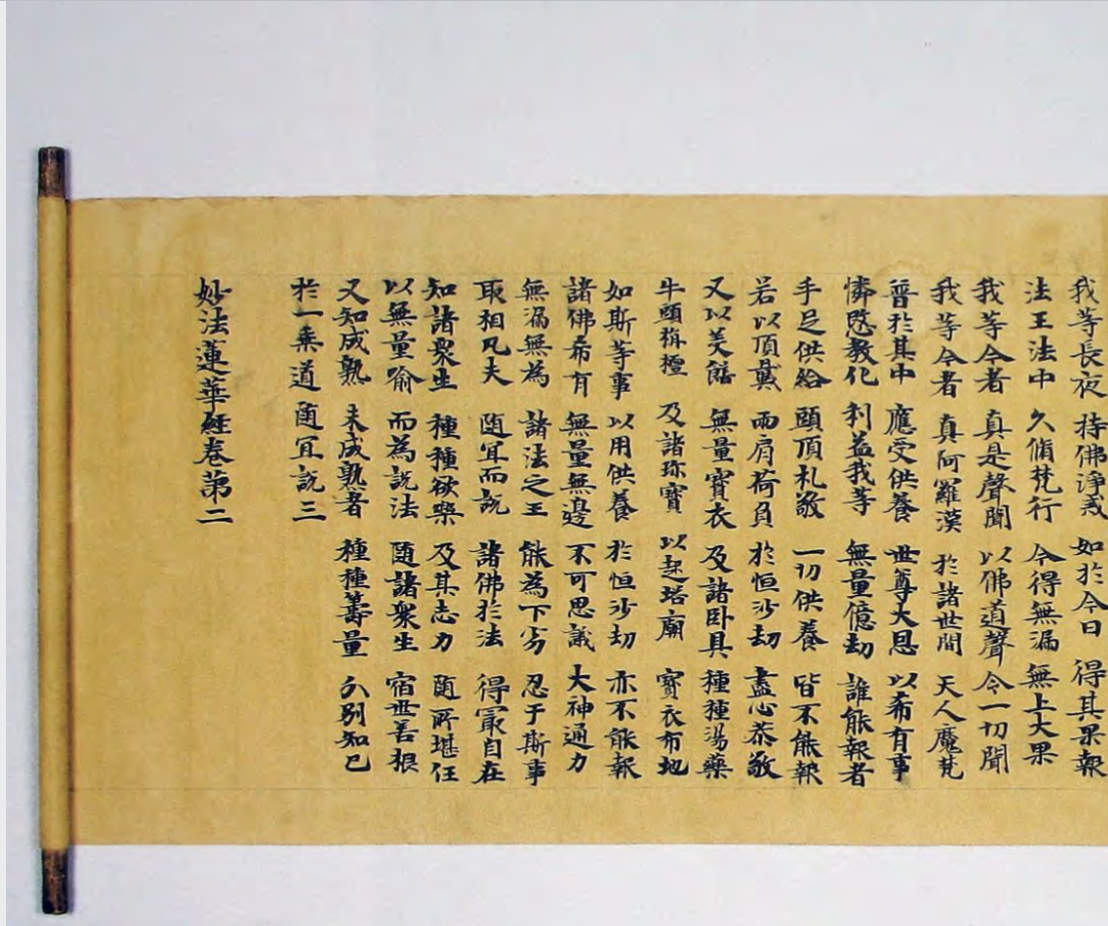
Name: Buddhist sutra in paper, handscroll, handwritten
Country/Place: China
Period: Tang Dynasty
Medium: Paper
Significance: Represent a profound convergence of spiritual devotion, merit-making, and artistic tradition
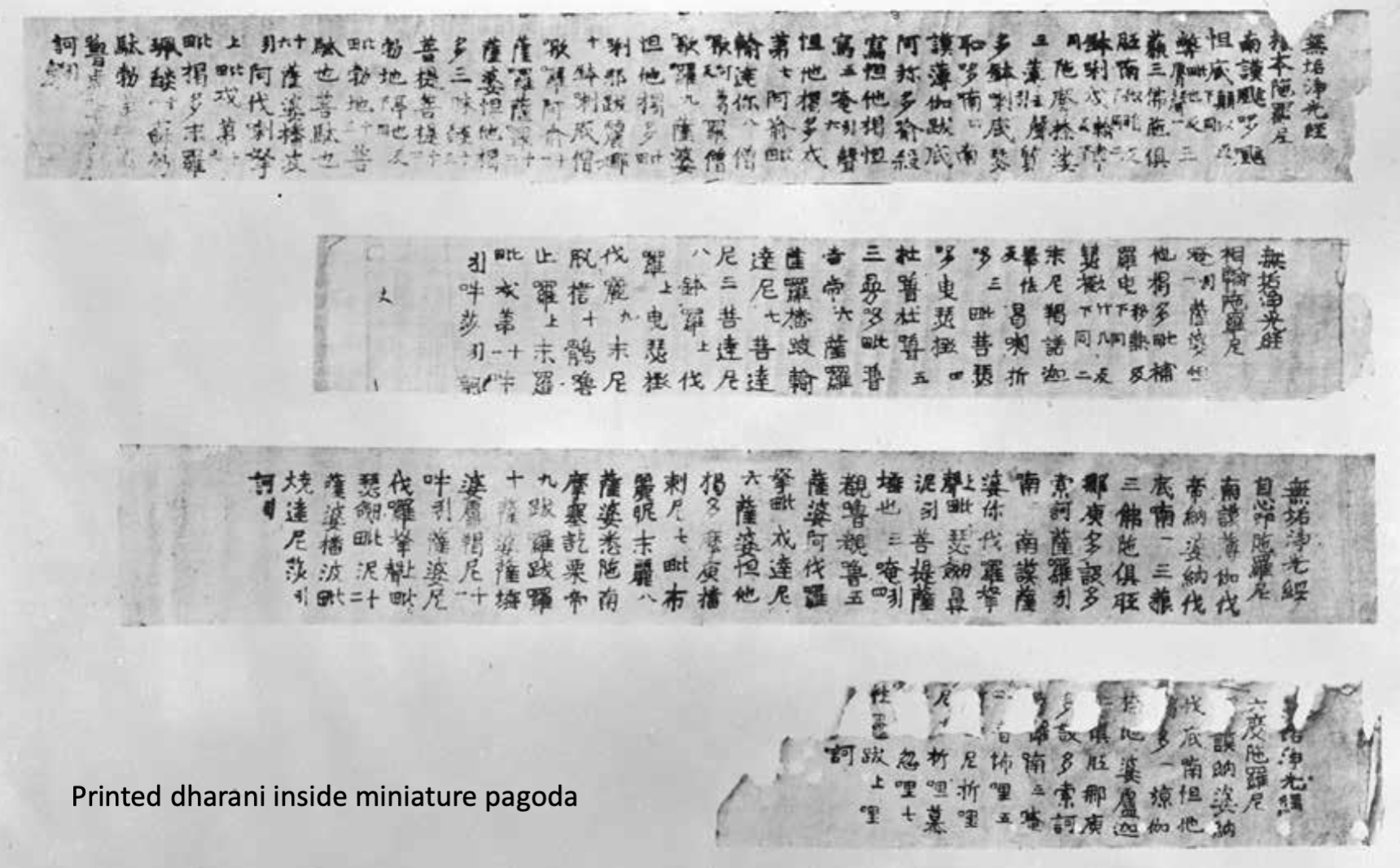
Name: Miniature pagodas with printed dharanis (spells)
Country/Place: Japan
Period: 8th century CE
Medium: Paper strips
Significance: represent a pivotal fusion of spiritual merit-making, political security, and the earliest known large-scale printed texts.
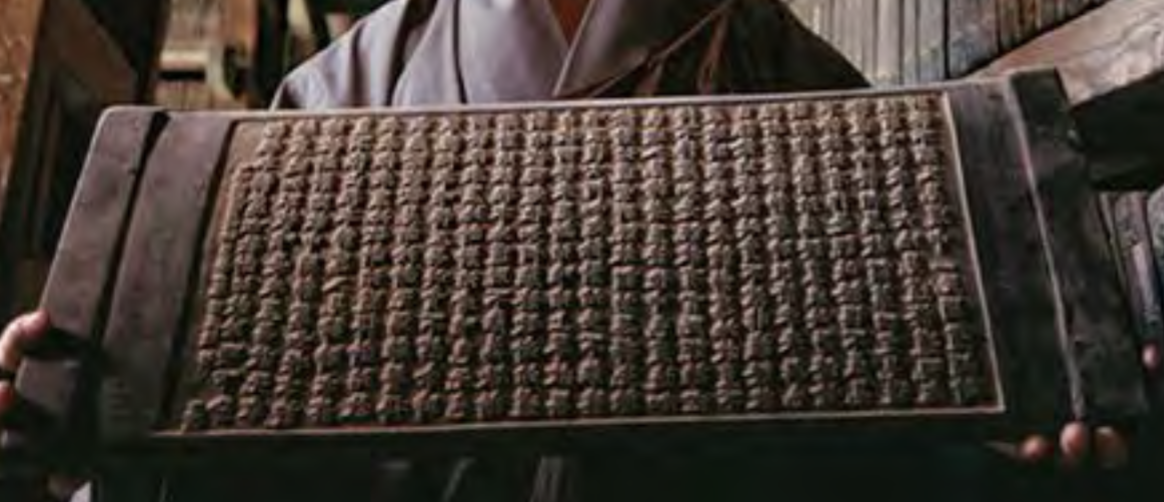
Name: Tripitaka Koreana
Country/Place: Goryeo Dynasty
Period: 13th century CE
Medium: wooden blocks
Significance: represents a supreme achievement in human, religious, and artistic dedication aimed at securing spiritual protection against Mongol invasion
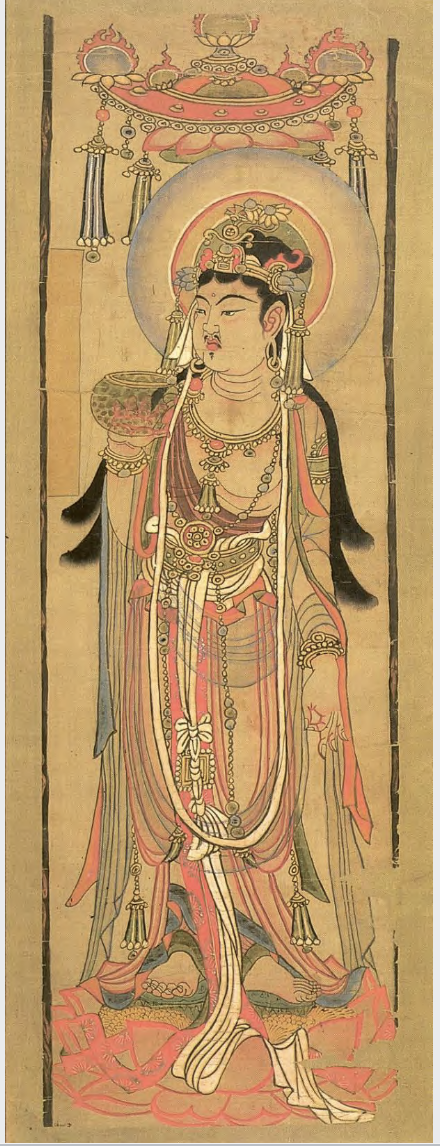
Name: Silk banner of bodhisattva holding a glass bowl
Country/Place: Dunhuang Library
Period: 9th-10th century CE
Medium: glass
Significance: signifies the fusion of Buddhism with Silk Road trade, luxury, and spiritual devotion
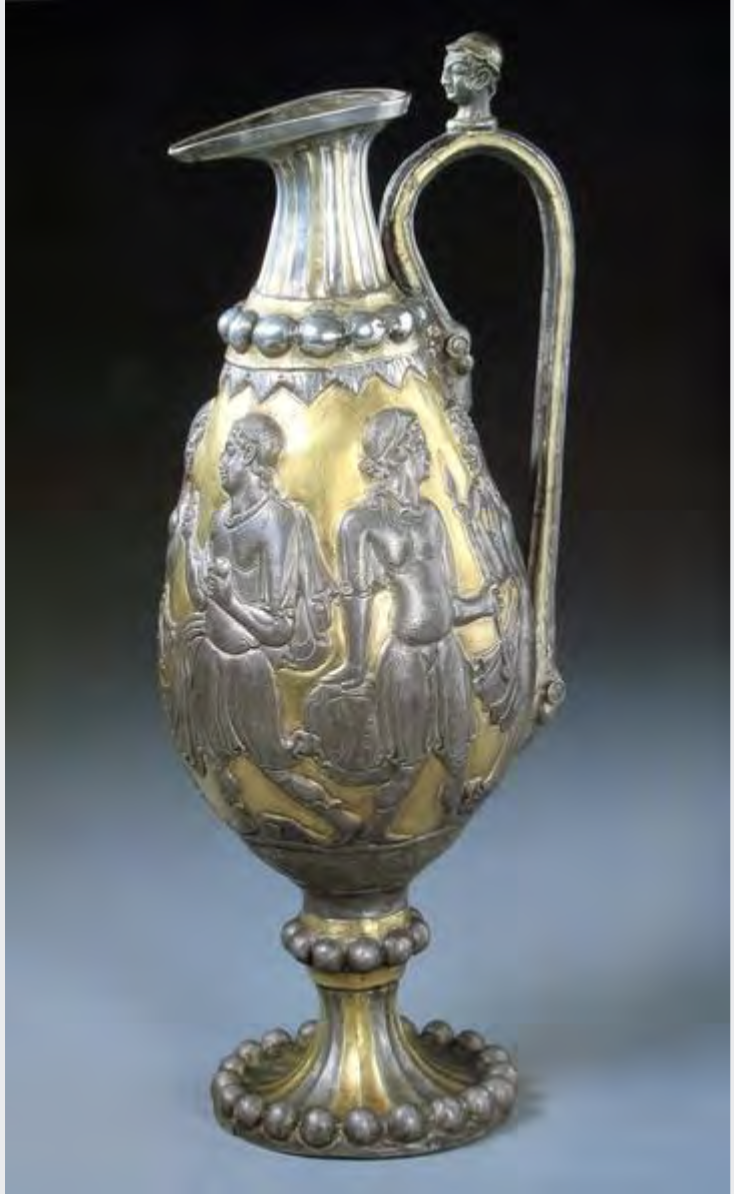
Name: Gilt silver ewer
Country/Place: Northwest China
Period: 6th century CE
Medium: Gilt silver
Significance: a premier artifact demonstrating intense Silk Road cultural exchange
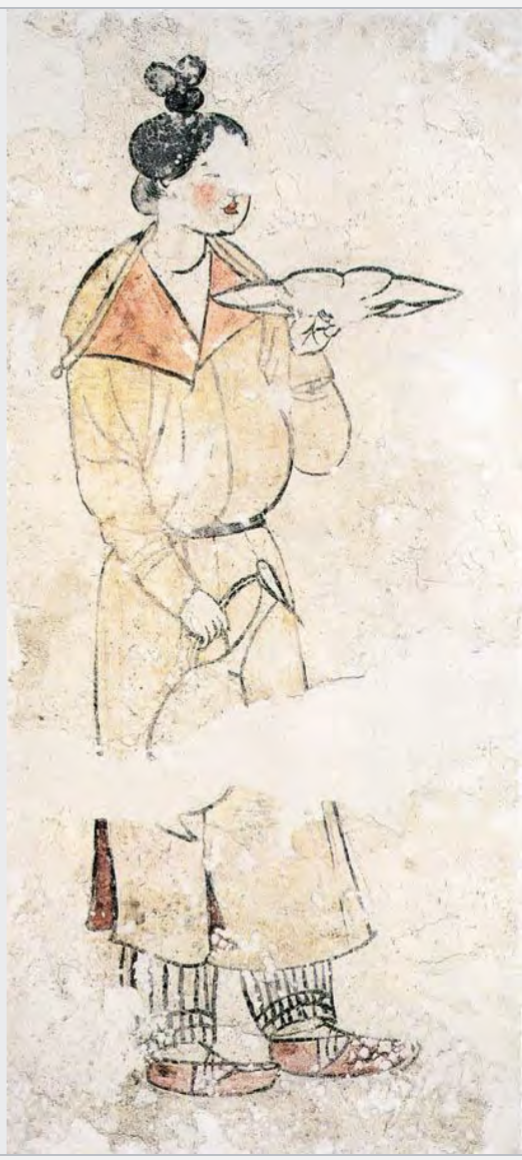
Name: Tang mural showing a woman in foreign clothing and holding a lobed dish and ewer
Country/Place: China
Period: Tang Dynasty
Medium: mineral pigments applied to a plastered brick wall
Significance: cosmopolitanism, cultural fusion, and social openness of the 7th-9th century Chinese empire. Such imagery highlights the profound influence of Silk Road trade, the popularity of foreign fashions and the high status of women during this era
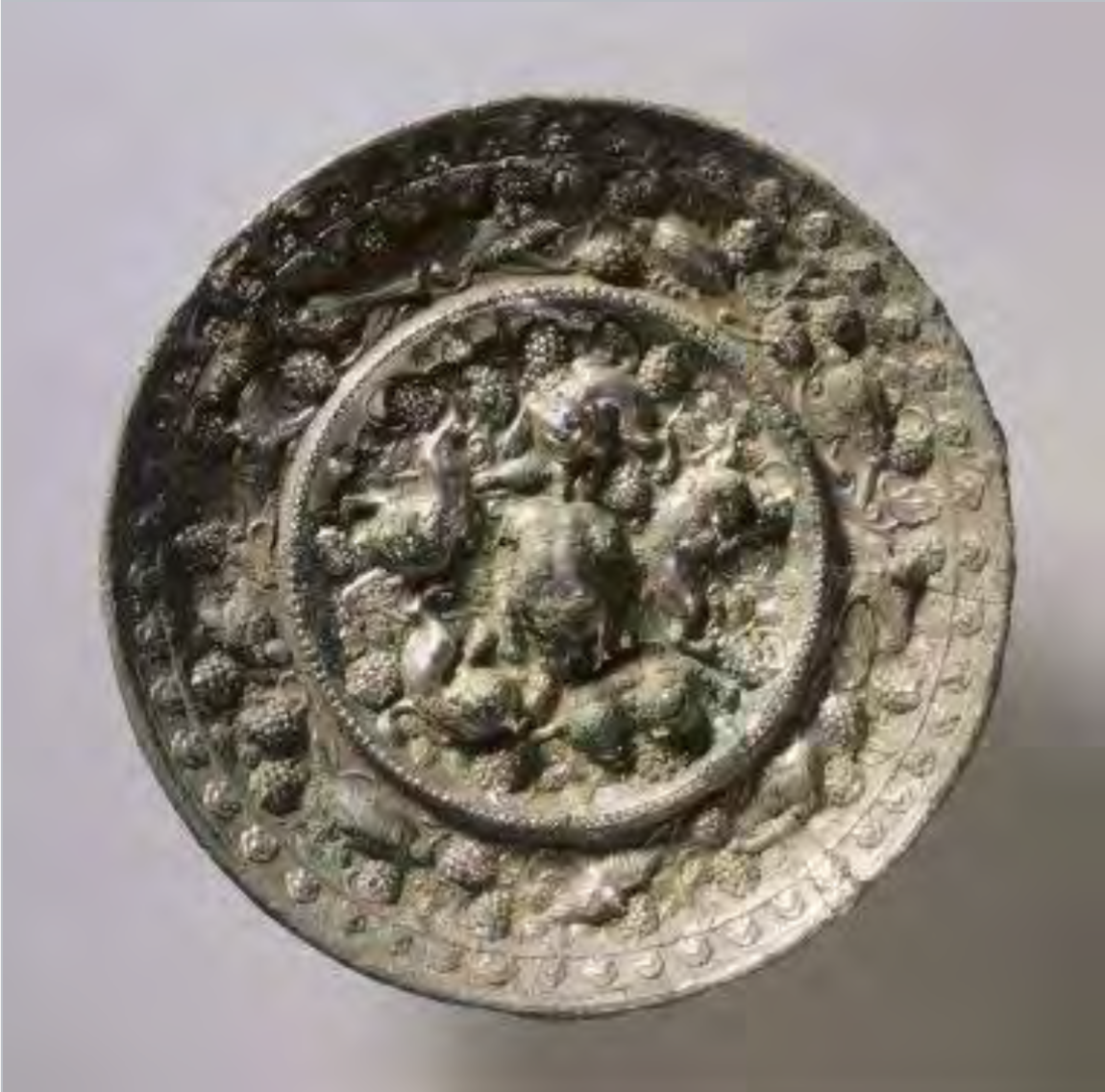
Name: Tang bronze mirror with grapes and sea lions
Country/Place: China
Period: Tang Dynasty
Medium: bronze alloy
Significance: a masterpiece of Chinese art that embodies the era's cosmopolitan, open, and wealthy culture
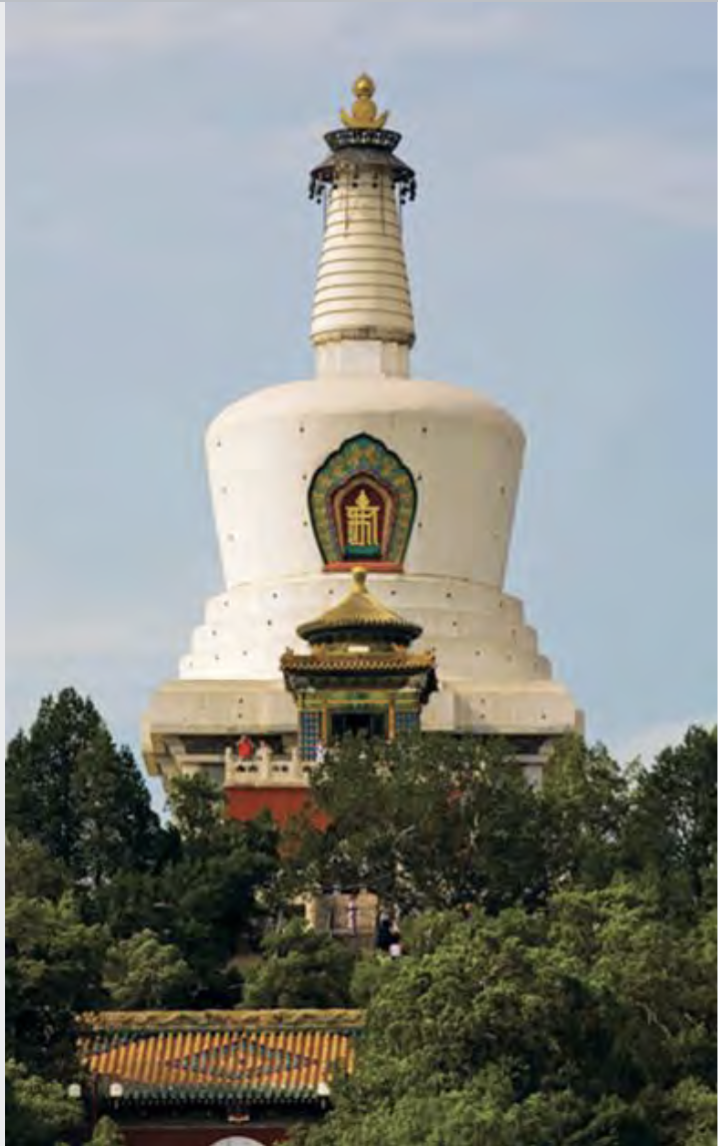
Name: White Stupa
Country/Place: Beijing
Period: 13th century CE
Medium: Stone with stucco and bronze
Significance: the oldest and largest Tibetan-style Buddhist pagoda in China. It represents a crucial cultural exchange between Nepal and China and is a lasting, well-preserved symbol of the Mongol-ruled Yuan Dynasty.
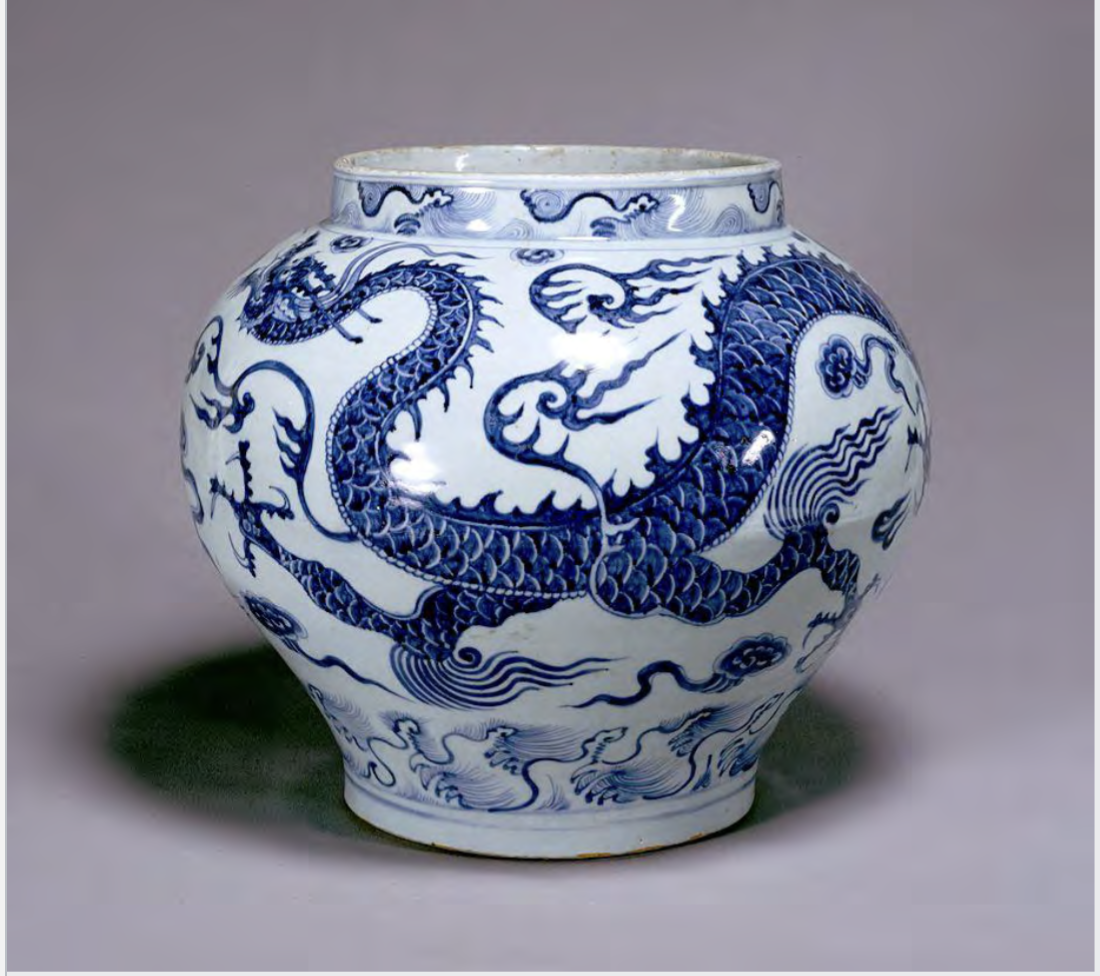
Name: Blue-and-white jar with dragon motif
Country/Place: China
Period: 14th century CE
Medium: Blue and white porcelain
Significance: exclusive symbols of royal authority, power, and fertility. ceramics represented imperial power, featuring five-clawed dragons in China
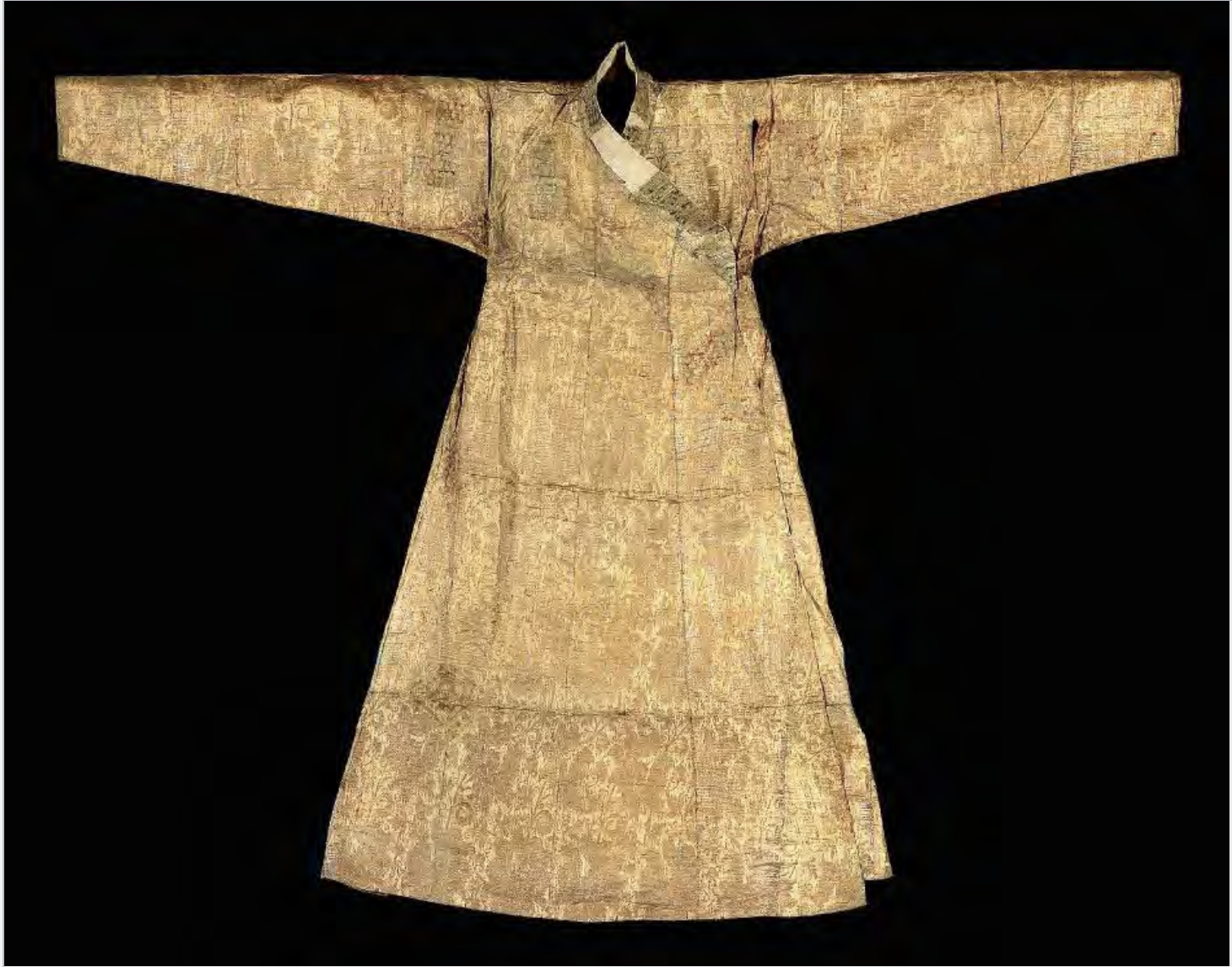
Name: Mongolian robe, silk with gold/metal thread
Country/Place: Central Asia
Period: Mongol Empire
Medium: silk intertwined with gold-wrapped threads
Significance: signified supreme imperial power, immense wealth, and high social status within the Mongol Empire