ANSC 1400: Wool and Fiber Production
 Call Kai
 Learn
Learn Practice Test
 Spaced Repetition
 Match
Match Flashcards
 Knowt Play
1/63

There's no tags or description
Looks like no tags are added yet.
Name | Mastery | Learn | Test | Matching | Spaced | Call with Kai |
|---|
No analytics yet
Send a link to your students to track their progress
64 Terms
wool
finer fiber with large overlapping scales, has crimp, continous growth, no medullar canal
A modified haird protein fiber
A natural textile fiber obtained from sheep and other animals;
From sheep, it’s called “greasy” because it contains high levels of lenolin, dead skin, pesticide, and vegetable matter
hair
coarser fiber with smaler scales, no crimp, continuous growth, moderate meduallar canal
kemp
coarsest fiber, shorter, brittle, chalky white color, intermittent growth, sheds, large medullar canal, does not dye well
epicuticle
thin outer membrane of natural animal fibers, water repellent
cuticle
the scales on natural animal fibers, overlapping flattened cells, edges point towards tip; spinning and felting
cortex
spindle shaped cells in natural animal fibers, 100 um long and 5 um wide; elasticity, resiliency/durability, ability to dye
medulla
central spongy core of natural animal fibers found in medium and long wool; hollow fibers, extreme weather like Scottish tweed
yield
one factor of wool quality; the ratio of wool’s clean weight to the grease weight, ratio of usable wool weight; range from 50% (fine wool) to 70% (long wool)
fiber diameter
one factor of wool quality; how fine the fiber is, correlated with crimp
fine wool - more felting, more breakage/pilling
long wool - less felting and pilling, but more harshness
staple length
one factor of wool quality; how long a fiber is
finer wool → 2 inch minimum
“woolen” spin, carded prep → 3-4 inches
“worsted” spin, combed prep → >5 inches
staple strength
one factor of wool quality; how strong the wool is, Newtons/kilotex; “tender” wool, develops from environmental stress factors, fever/disease, changes in nutrition, weather, and reproduction
vegetable matter (VM)
one factor of wool quality; material like hay, leaves, twigs, waste, etc. that gets stuck in the wool
color
one factor of wool quality; the visible characteristic of wool, can be changed naturally from urine/manure stains, sweat and oil combination, or bacteria stains; change be changed articfically from dyeing
condition
one factor of wool quality; the correlation of crimp to grease; determines whether the fleeces are considered cotted, felted, or matted
fine
describes type of wool fiber/quality
secondary / primary ratio of 20:1
18-24 um + 60-70 follicies/mm² → 120,000,000/sheep
14-22 CPI
ex. Merino, Cormo, Corriedale, Romdale/California Variegated Mutant (CVM)
medium
describes type of wool fiber/quality
secondary / primary ratio of 10:1
25-30 um + 20-30 follicies/mm² → 60,000,000/sheep
8-14 CPI
ex. Dorset, Suffolk, Hampshire
long
describes type of wool fiber/quality
secondary / primary ratio of 5:1
30-40 um + 15-20 follicies/mm² → 30,000,000/sheep
3-8 CPI
ex. Leicester breeds, Romney, Lincoln, Cotswolds
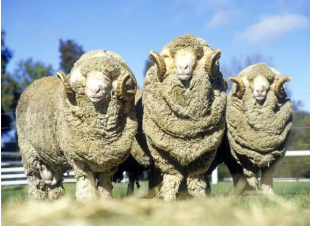
Merino
sheep breed with fine wool, more common in Australia and South Africa, 16-22u
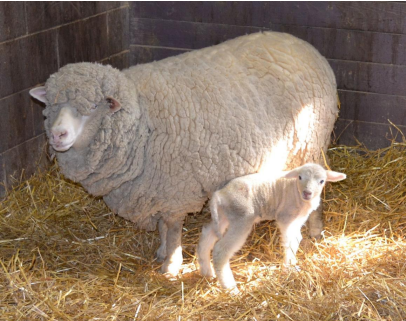
Cormo
sheep breed with fine wool, cross between Corriedale rams and Merino ewes, from Tasmania, Australia, imported to the U.S. in 1976
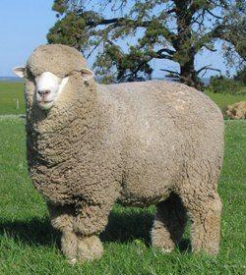
Corriedale
sheep breed with ½ fine wool, Merino x Lincoln, Australia 1880s to US 1914, 24-30u
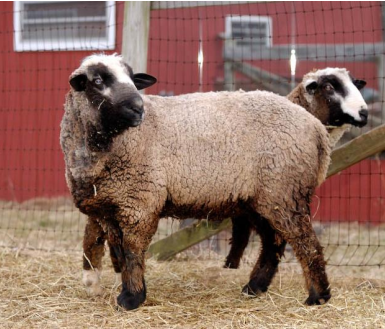
Romeldale/California variegated mutant (CVM)
sheep breed with fine wool, NZ Romney rams x Rambouillet ewes, colored lambs selected for mutants
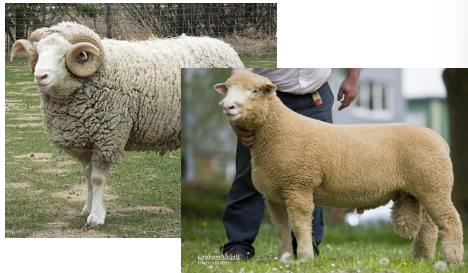
Dorset
sheep breed with medium wool, England 1200s to US 1860s, 27-33u
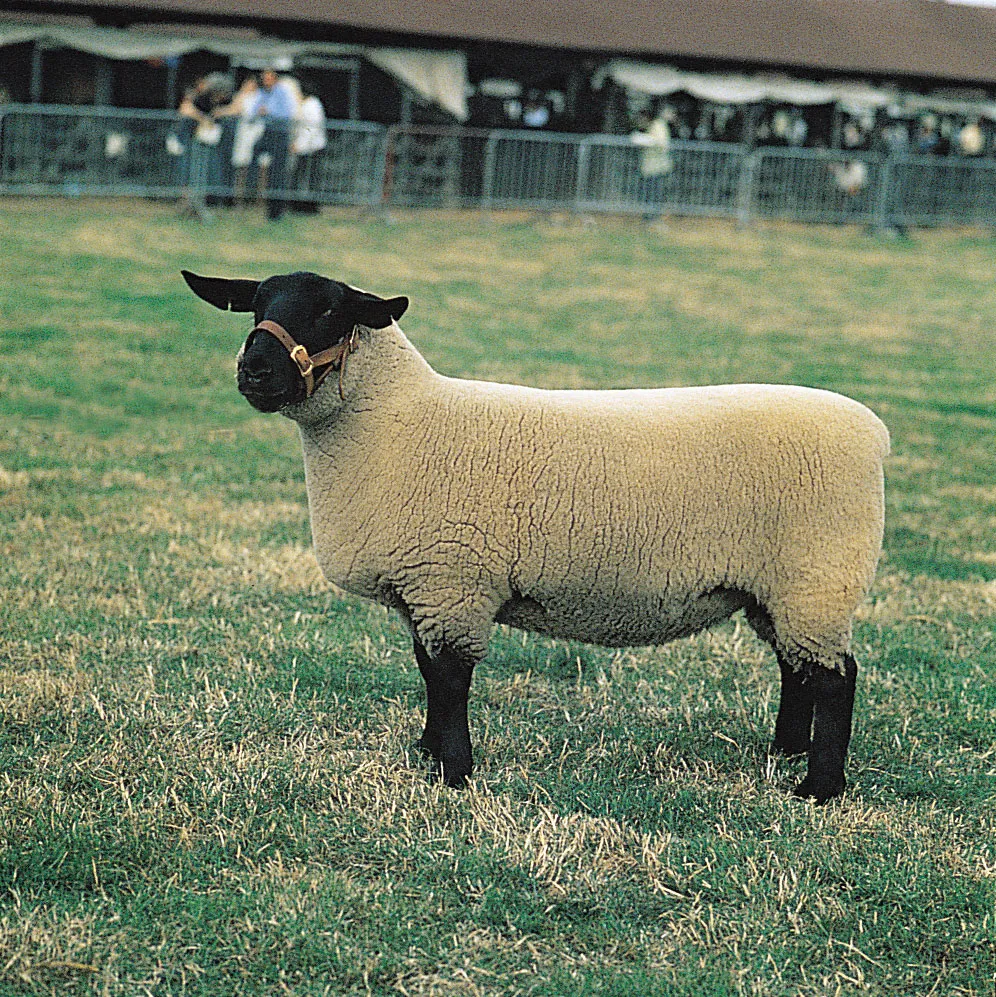
Suffolk
sheep breed with medium wool, lowland breed from central and eastern England, rotation with crops, 26-33u
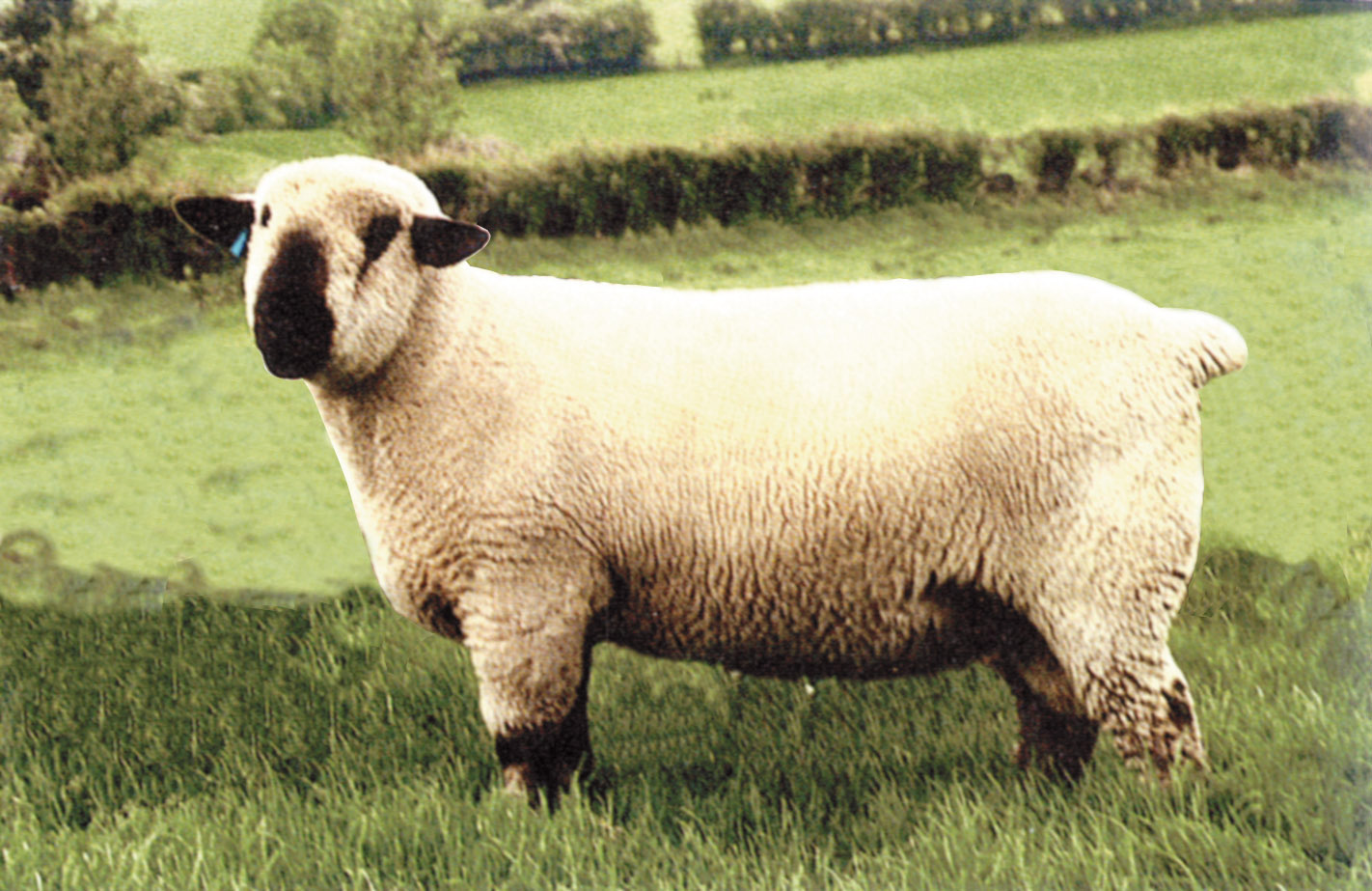
Hampshire
sheep breed with medium wool, lowland breed from central and eastern England, rotation with crops, 25-33u
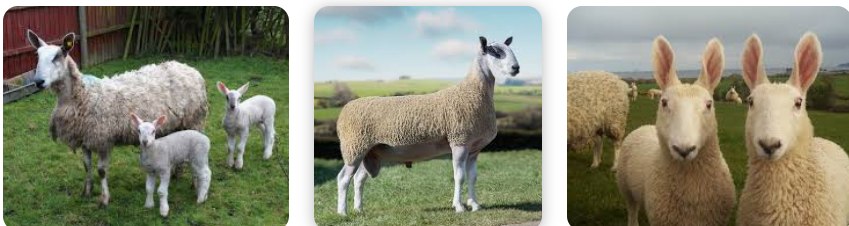
Leicester
sheep breed group of 3 with long wool, upland breed from less harsh weather and slightly better soil/grass production, 30-38u
Romney
sheep breed with long wool, lowland breed from central and eastern England, rotaion with crops, 32-39u
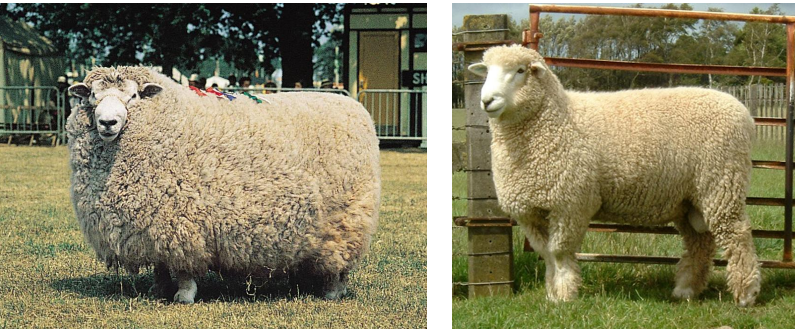
Lincoln
sheed breed with long wool, 34-41u
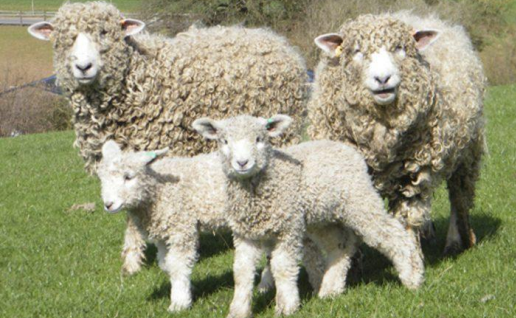
Cotswolds
sheep breed with long wool,
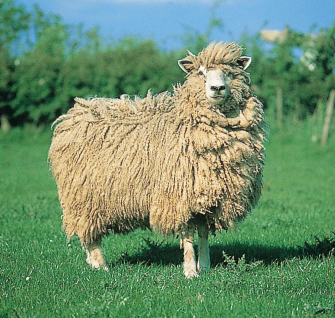
Icelandic
sheep breed that’s multi-coated, introduced to Iceland by Vikings in 900, long outer coat and fine inner coat
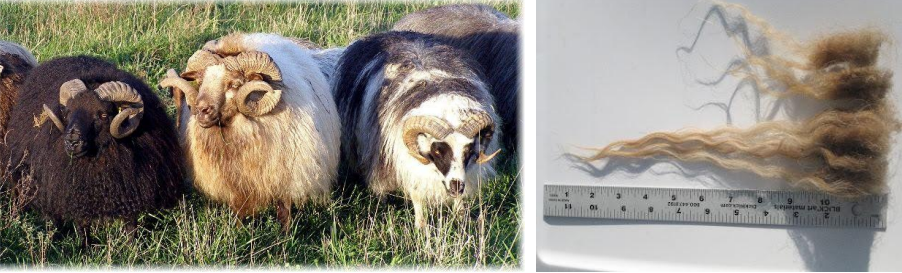
Karakul
Ssheep breed that’s multi-coated, originated from central Asia, very hardy, lambs born black then lighten to gray, silver, brown, and red
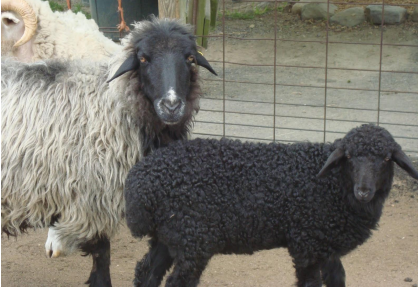
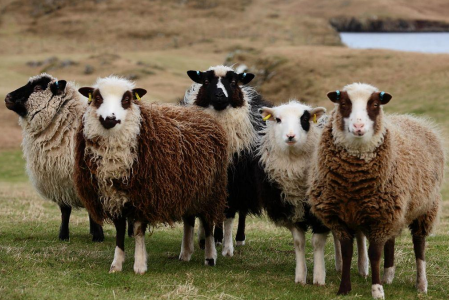
Shetland
sheep breed that’s multi-coated, originated from Shetland Isles of Scotland, hardy thrifty, and easy lambers, several shades and patterns
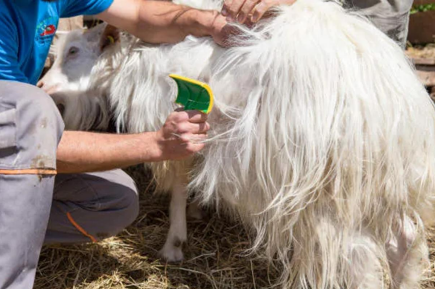
Cashmere
a type of fiber goat, produces fiber of the same name, high valley in the Himalayas
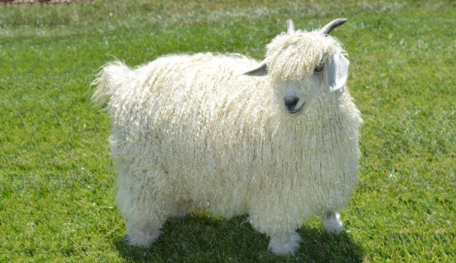
Angora
a type of fiber goat, produces Mohair fiber, from Turkey
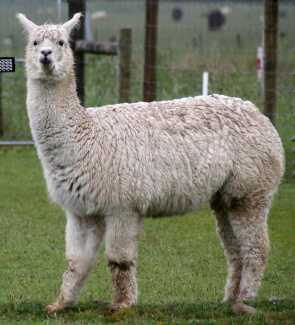
Huacaya
type of alpaca, “wooly”, about 92% are this type
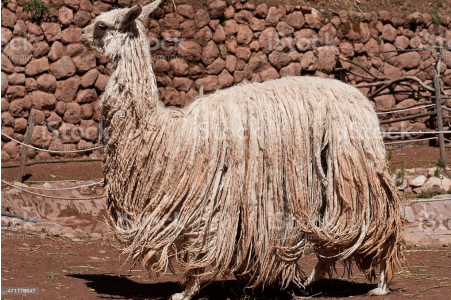
Suri
type of alpaca, long sleek necks, 8% are this type
second cuts
small stubby wool fibers created when a shear passes their clippers over the exact same area of the sheep twice
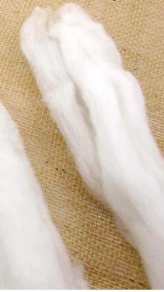
combed top
processed from combing prepped wool
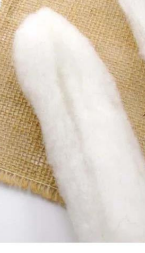
roving
processed from carding prepped wool
rolag
processed from making the strands parallel but not linear/spiral, from hand carder
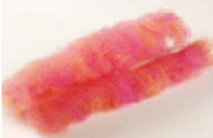
English
comb type with rows of long teeth, used in pairs
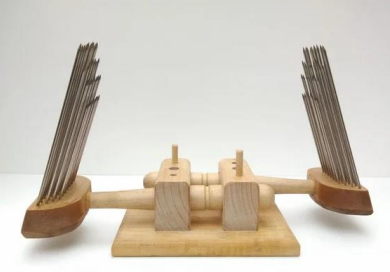
Viking
comb type with two rows of curved teeth, used in pairs
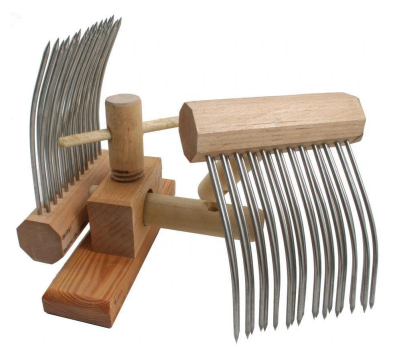
Wool
basic type of comb with one row of straight or slightly curved teeth, used in pairs
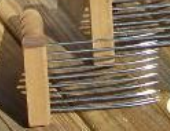
Hackle
stationary comb with one or multiple rows of straight teeth
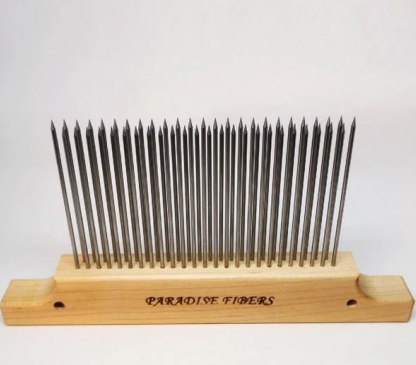
box
a type of picker to clean fleece that slides teeth over each other in a parallel fashion
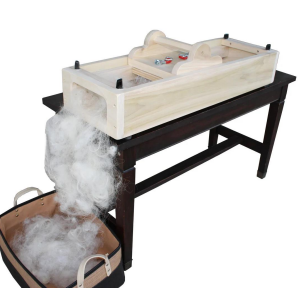
swinging
a type of picker to clean fleece that swings an arm of teeth over a stationary set
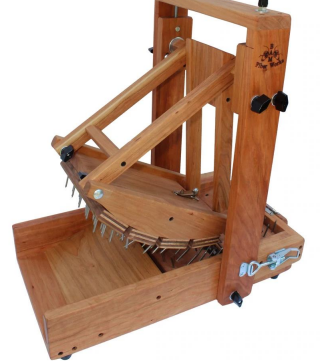
hand
a type of carder to detangle, clean, and align raw wool fibers, used in pairs, can be flat or curved, higher TPI (~108) used for cotton and other short staple fibers, lower TPI (~72) used for wool and other long staple fibers
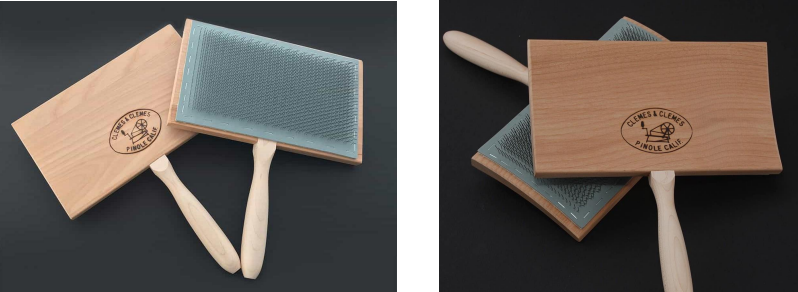
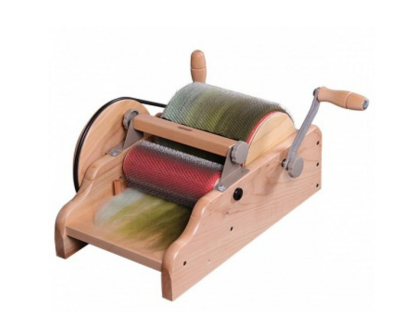
drum
a type of carder to detangle, clean, and align raw wool fibers, spins with a crank
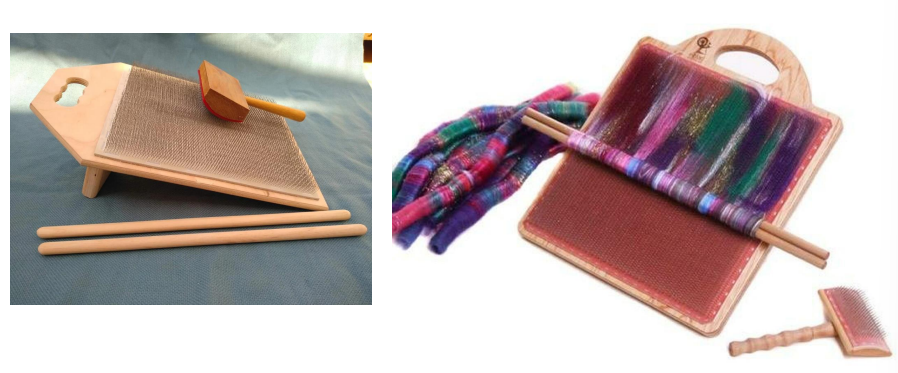
blending board
a type of carding board where you brush and combine different colors of wool with a smaller hand comb on a single board that has teeth
diz
used to make roving/comb top
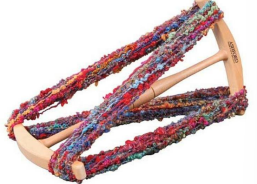
niddy noddy
used to wind yard into skeins
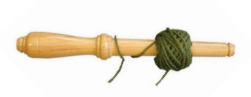
nostepinne
tool used to wind loose yarn into a neat ball
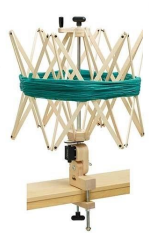
swift
used to wind skeins into balls/cakes
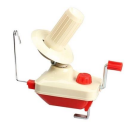
center pull ball winder
used to wind loose yarn into a ball
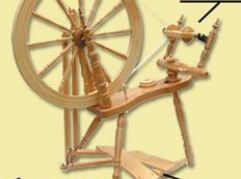
saxony
traditional wheel, single slanted wooden bench, traditional has single treadle but more modern ones can have double treadle, flyer next to the wheel
castle
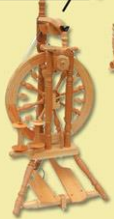
verticle wheel, double treadle, flyer above the wheel
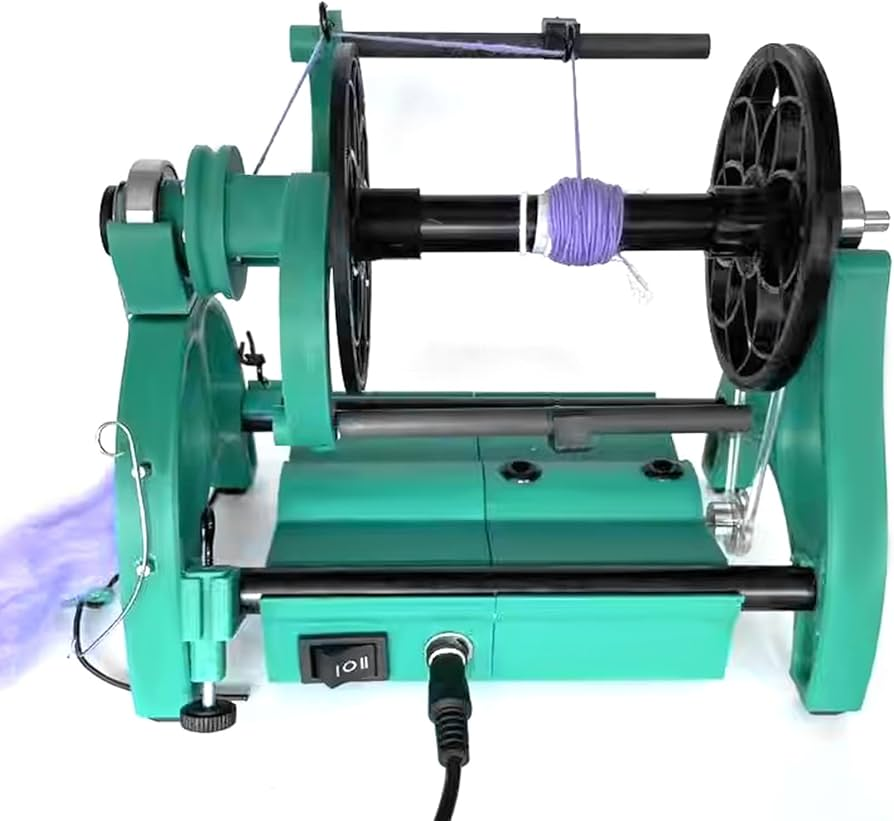
electric
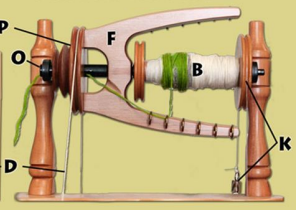
scotch
type of drive system, single drive, flyer driven/lead, pulley/whorl and drive band on the the flyer/same side of the orifice
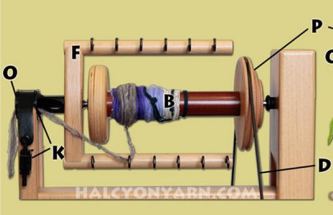
Irish
type of drive system, single drive, bobbin driven, pully/whorl and driver band on the bobbin/opposite side of the orifice
double drive
type of drive system, uses a single band looped twice around the wheel and flyer, pulley/whorl and driver bands on the bobbin/opposite side of the orifice
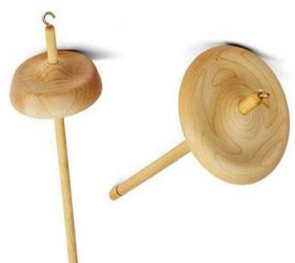
top whirl
type of drop spindle
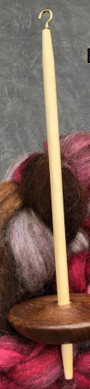
bottom whirl
type of drop spindle
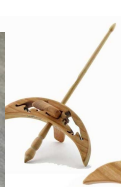
Turkish
type of drop spindle
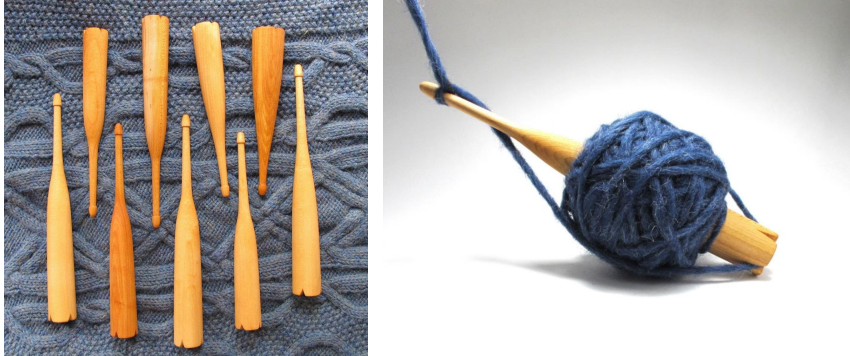
scottish
type of drop spindle
neps and noils
tangled fiber clusters that create bumps