kcep chapter 12 (traumatic brain injuries ) | Quizlet
 Call Kai
 Learn
Learn Practice Test
 Spaced Repetition
 Match
Match Flashcards
 Knowt Play
1/26

There's no tags or description
Looks like no tags are added yet.
Name | Mastery | Learn | Test | Matching | Spaced | Call with Kai |
|---|
No analytics yet
Send a link to your students to track their progress
27 Terms
What is Traumatic Brain Injury (TBI)?
A physical injury to brain tissue that temporarily or permanently impairs brain function.
Can a head concussion be considered a TBI?
Yes.
What are common causes of TBI?
External mechanical forces such as direct blows to the head or indirect forces like inertia during a motor vehicle accident.
How are TBIs classified?
According to severity (mild, moderate, severe) and mechanism of injury (closed or penetrating head injury).
What are some potential long-term risks after a TBI?
Increased risk of epilepsy, Alzheimer's disease, and Parkinson's disease.
What is the incidence of TBI in Canada?
Approximately 65,000 new cases per year, with about 20% resulting in death.
What percentage of TBI patients survive with severe impairments?
10 to 20%.
What are the two types of damage in TBI?
Focal (localized damage) and diffuse (widespread damage).
What is a penetrating head injury?
An injury where brain tissue is damaged by an object that has pierced the skull.
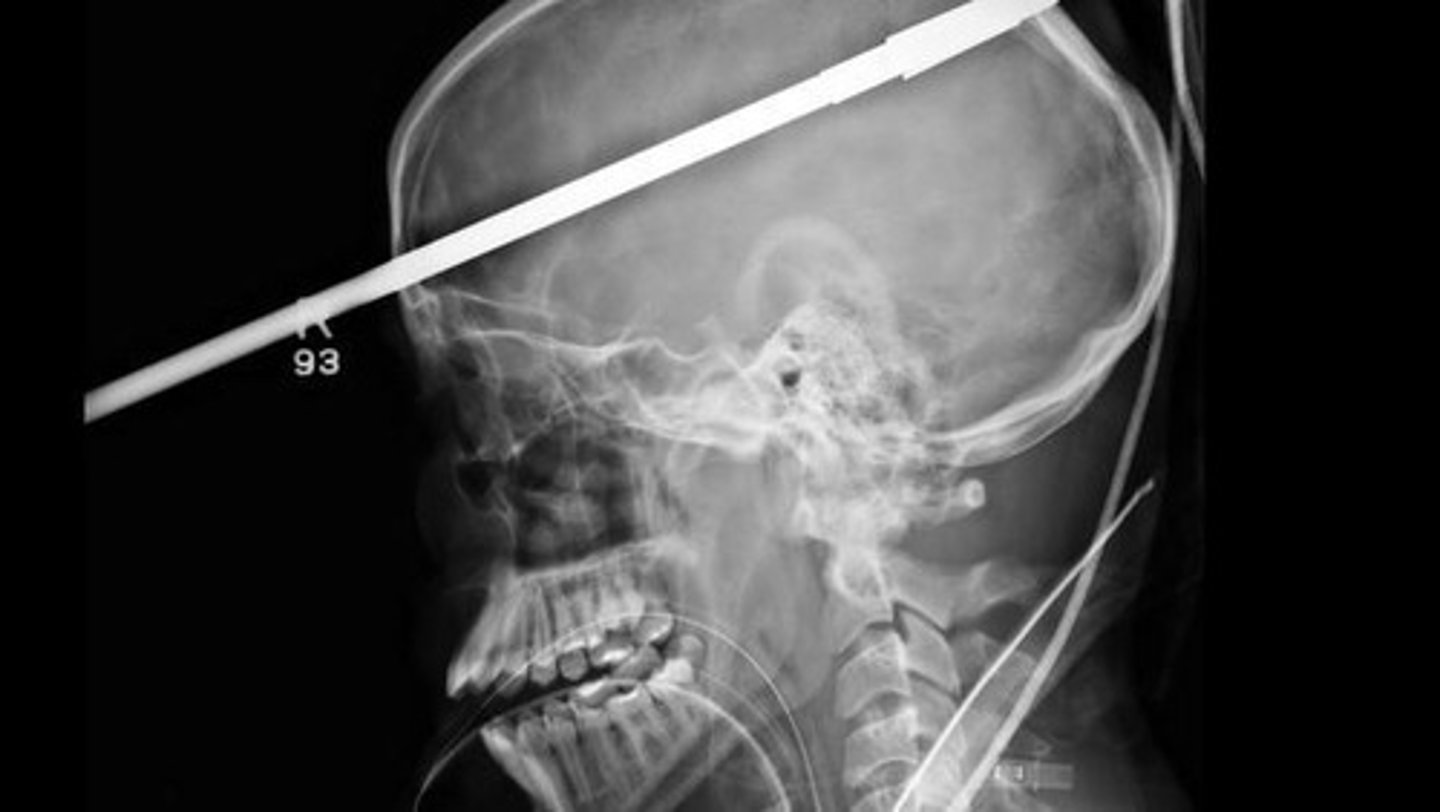
What characterizes a closed head injury?
The skull and dura mater are not breached.
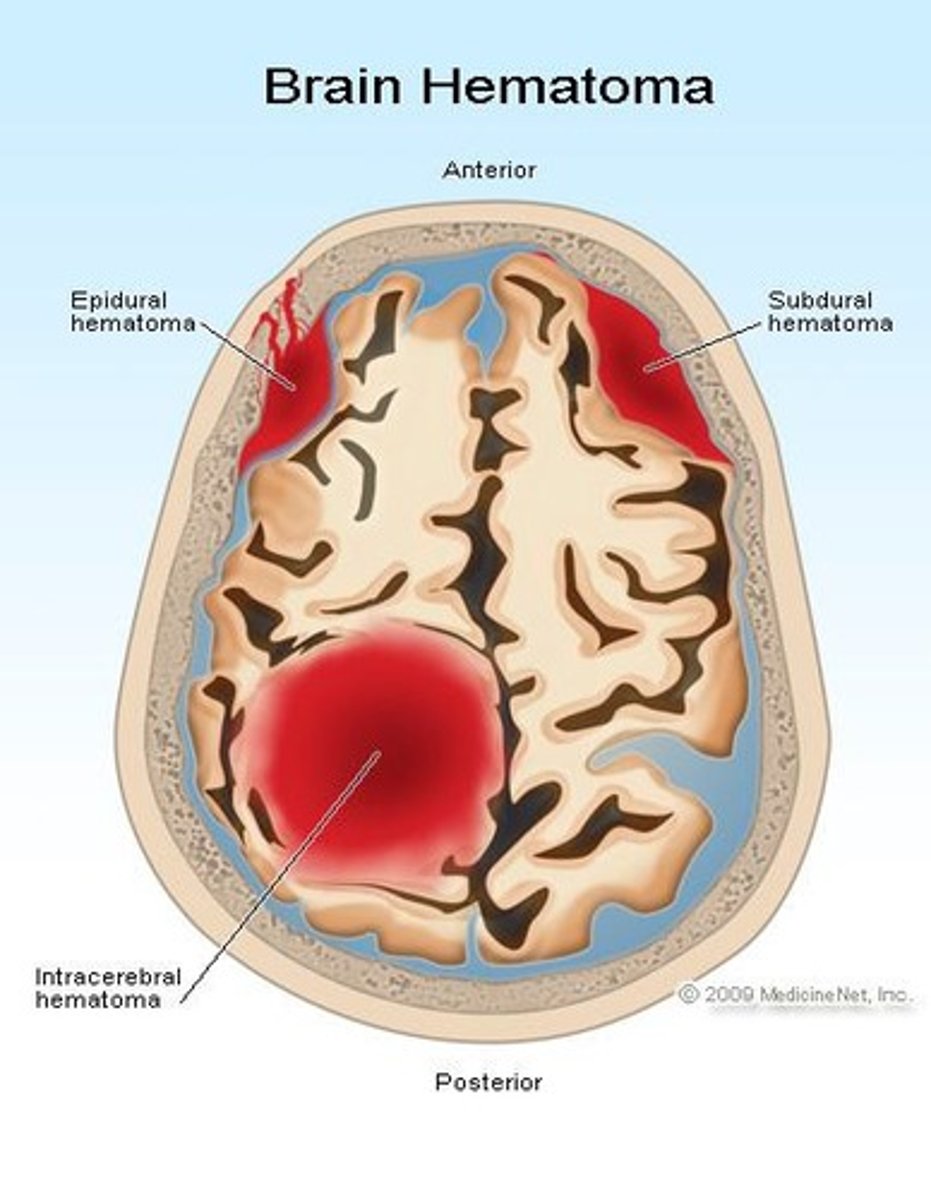
What is a hematoma?
A collection of blood outside of blood vessels, which can occur outside or within the brain tissue.
What is diffuse axonal injury?
Injury resulting from tearing of nerve bundles and stretching of blood vessels.
What happens to nerve fibers during a TBI?
They can be severed or stretched, leading to inefficient and slowed functioning.
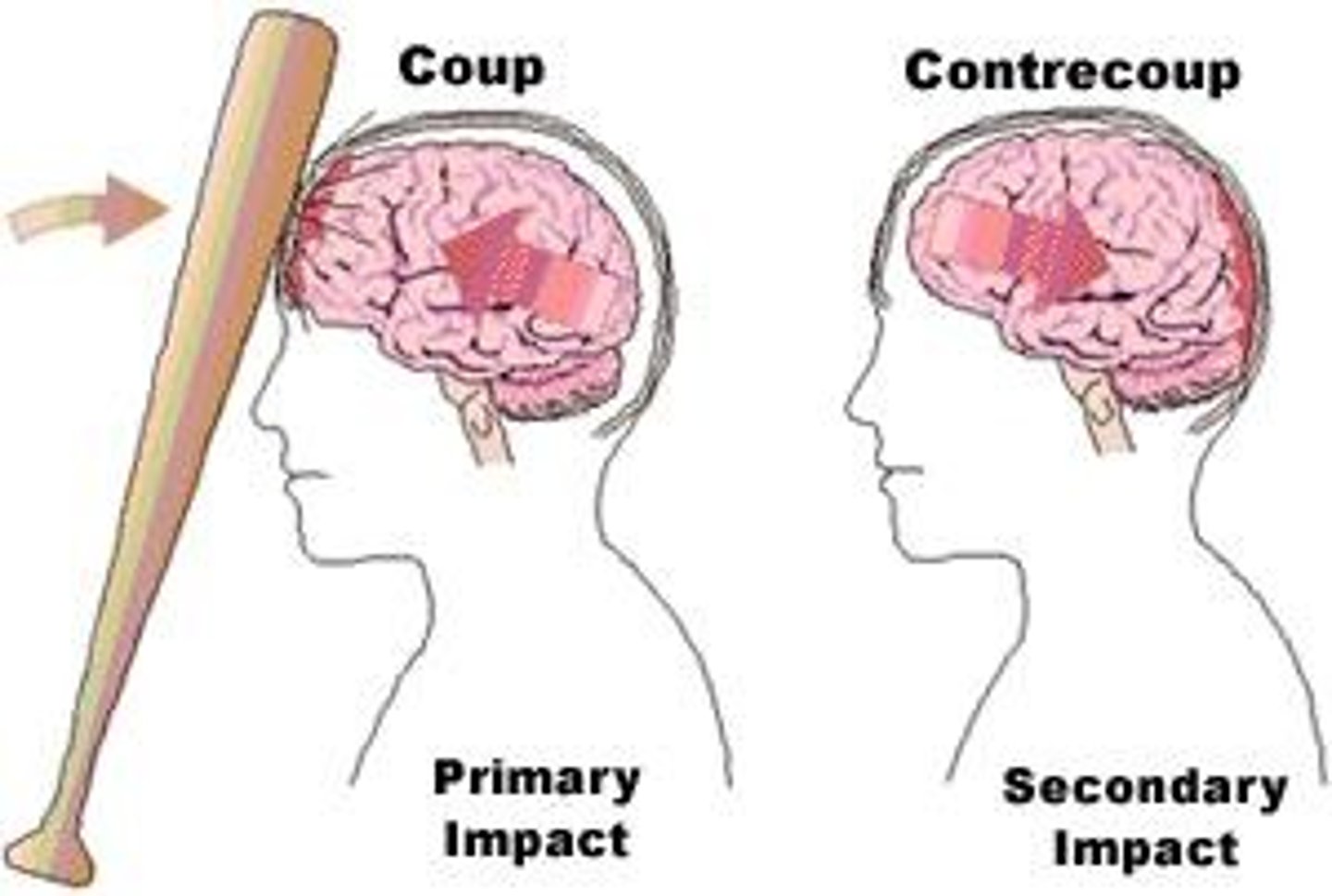
What is the coup-contrecoup phenomenon?
Coup refers to the brain injury at the site of impact, while contrecoup refers to injury on the opposite side of the brain.
What is Hemineglect Syndrome?
A condition where a patient ignores one side of their body or environment, often due to right parietal lobe damage.
What are common medical symptoms of TBI?
Headaches, risk of seizures, and fatigue.
What physical symptoms may occur after a TBI?
Balance issues, lack of coordination, muscle weakness, and rigidity.
Can exercise be beneficial after a TBI?
Yes, exercise training can aid recovery.
What is the relationship between length of coma and level of motor severity?
There is a correlation; longer coma duration often leads to greater motor severity.
What cognitive effects can result from TBI?
Confusion, inattention, disorientation, and potential impact on IQ.
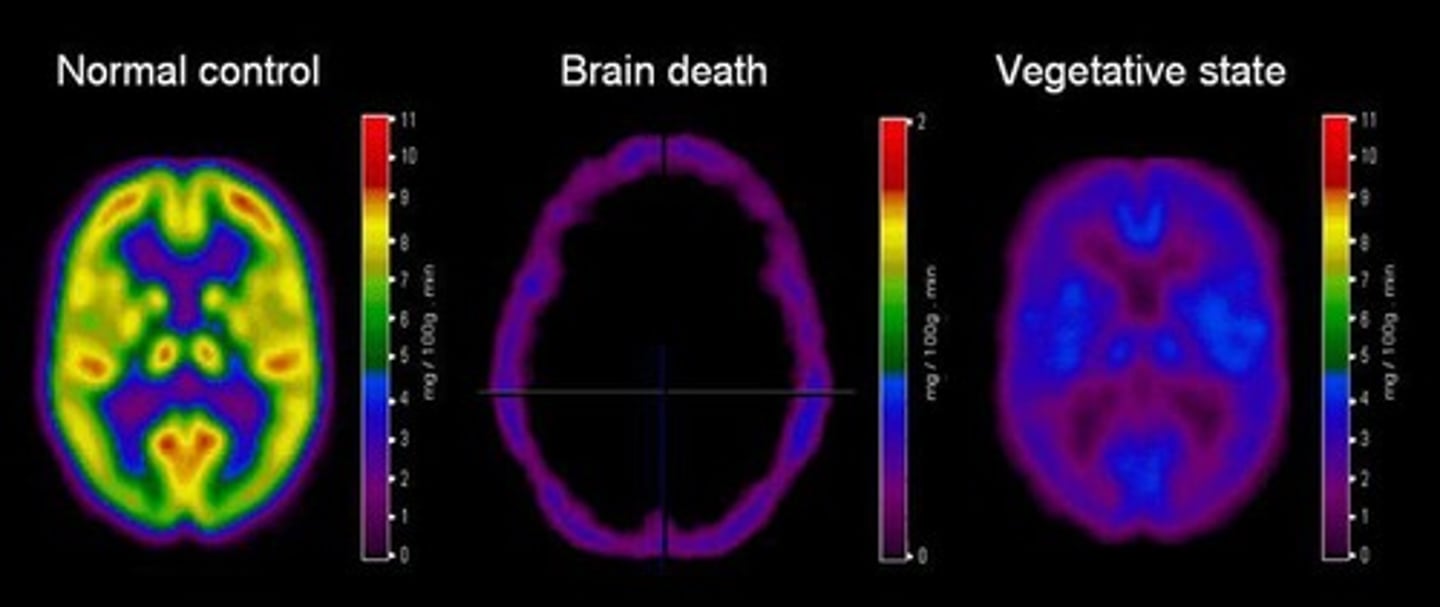
What is cerebral death?
A condition where the body is alive but the brain is no longer able to regulate body functions.
Fontal lobe functions
Executive functions, thinking, planning, arganising and problem solving, emotions and behavioural control, personality
Motor cortex function
Movement control
Sensory cortex function
Sensations
Parietal lobe functions
Perception, making sense of the world, arithmetic, spelling
Temporal lobe functions
Memory, understanding, language
Occipital lobe function
Vision