Eukaryotic Cell Structure & Endomembrane System Overview
 Call Kai
 Learn
Learn Practice Test
 Spaced Repetition
 Match
Match Flashcards
 Knowt Play
1/27

There's no tags or description
Looks like no tags are added yet.
Name | Mastery | Learn | Test | Matching | Spaced | Call with Kai |
|---|
No analytics yet
Send a link to your students to track their progress
28 Terms
What distinguishes eukaryotes from prokaryotes?
have a true nucleus, membrane-bound organelles, and are generally larger in size.
What does the term 'eukaryote' literally mean?
'True nucleus'
What are the main components of the endomembrane system?
Endoplasmic Reticulum, Golgi Apparatus, Lysosomes, Food vacuoles, and the cell membrane.
What is the function of mitochondria in eukaryotic cells?
produce ATP, the energy currency of the cell.
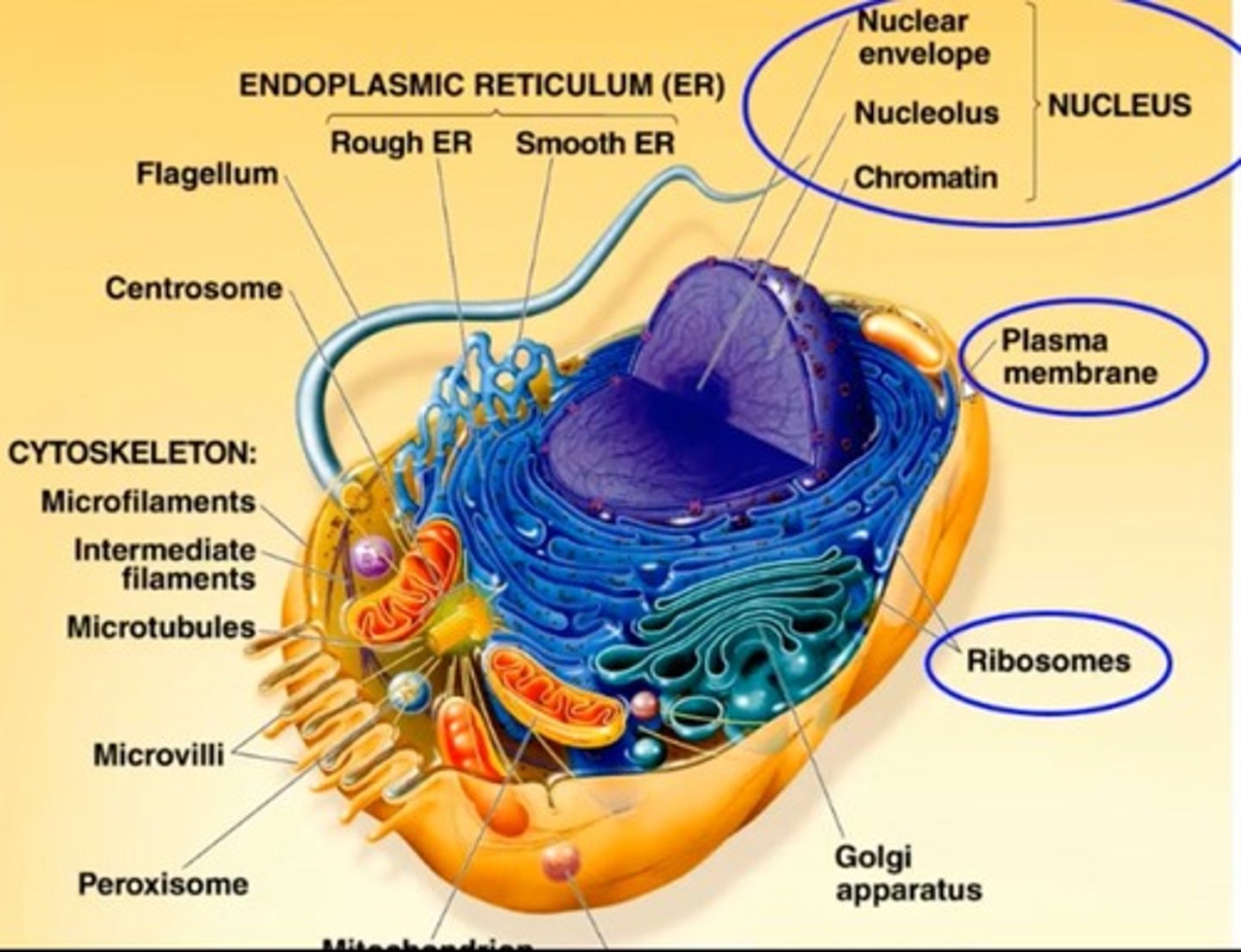
What is the role of the cytoskeleton?
provides shape and support to the cell.
What is the size range of eukaryotic cells?
Typically 10-100 µm in diameter.
What is the significance of the surface area to volume ratio in cells?
A higher surface area to volume ratio allows for more efficient nutrient uptake.
How do plant cells differ from animal cells?
Plant cells have a cell wall, chloroplasts, and a large central vacuole.
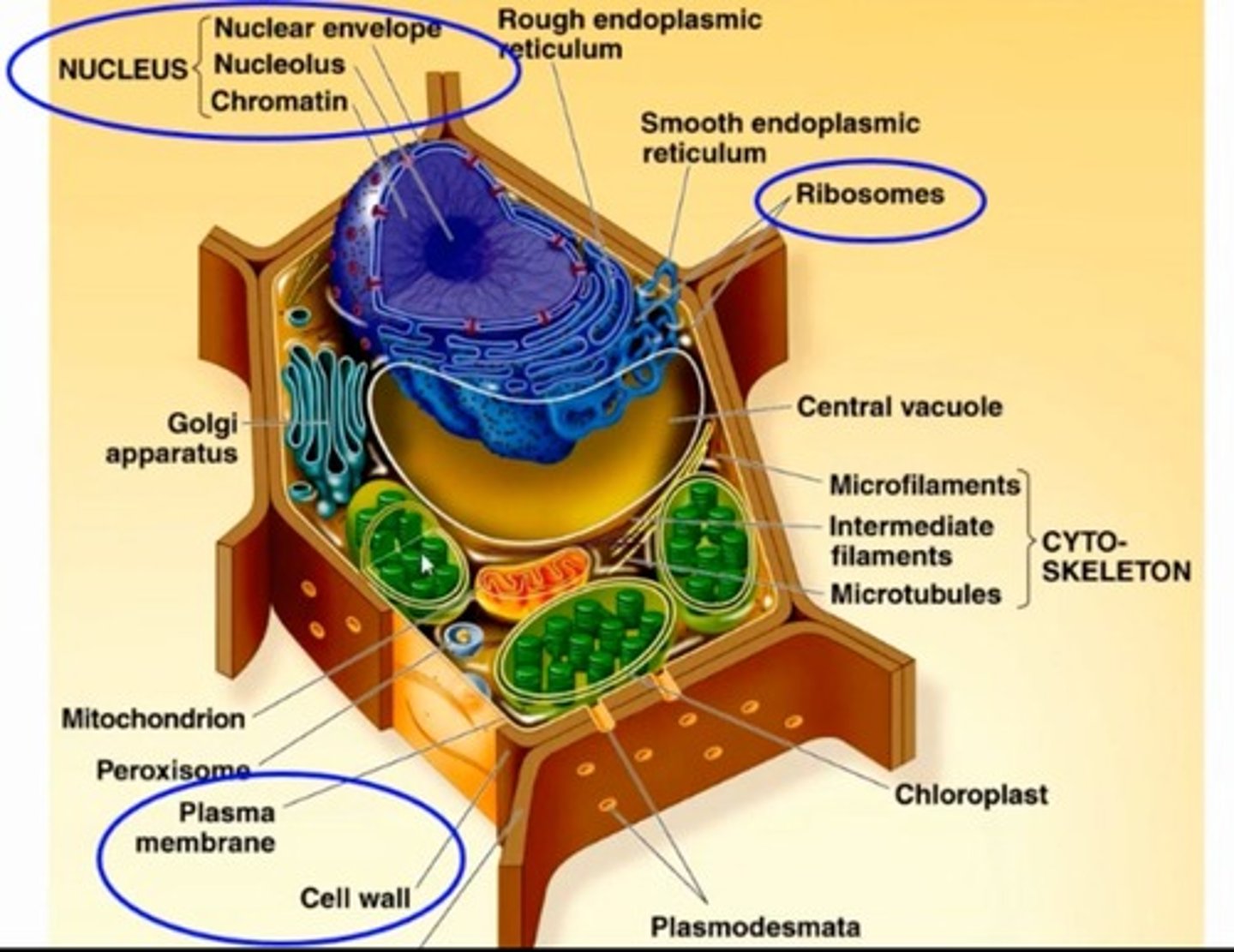
What is the function of the central vacuole in plant cells?
It reduces cytosolic volume and increases the surface area to volume ratio.
What are ribosomes made of?
Ribosomes are made of polypeptides and rRNA.
What is the difference between cytosol and cytoplasm?
Cytosol is the aqueous solution within the cell, while cytoplasm includes the cytosol and organelles.
What is the function of the rough endoplasmic reticulum (RER)?
synthesizes proteins that are either secreted or sent to other organelles.
What does the smooth endoplasmic reticulum (SER) do?
synthesizes lipids, detoxifies drugs, and stores glycogen.
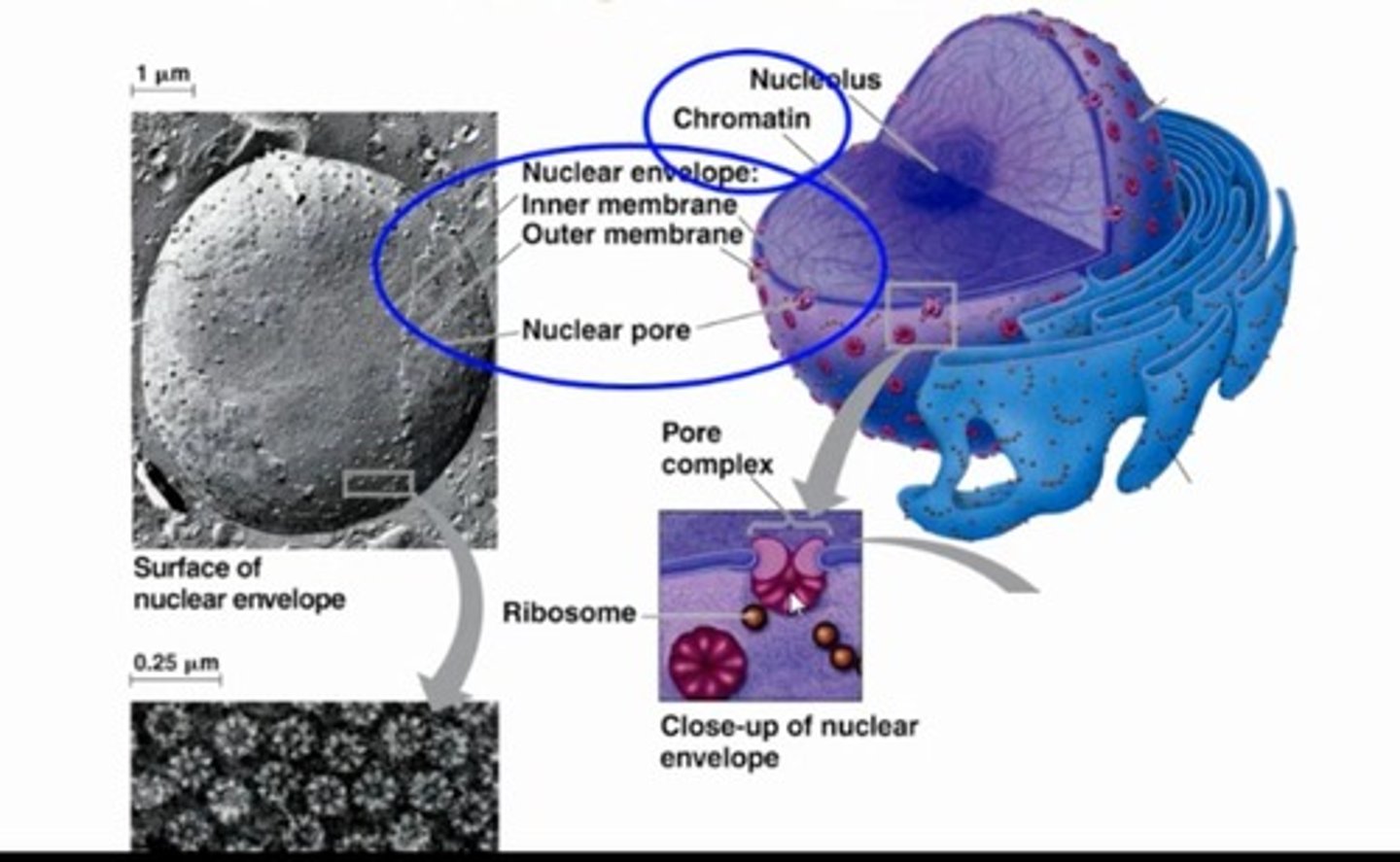
What is the nuclear envelope?
a double membrane that surrounds the nucleus.
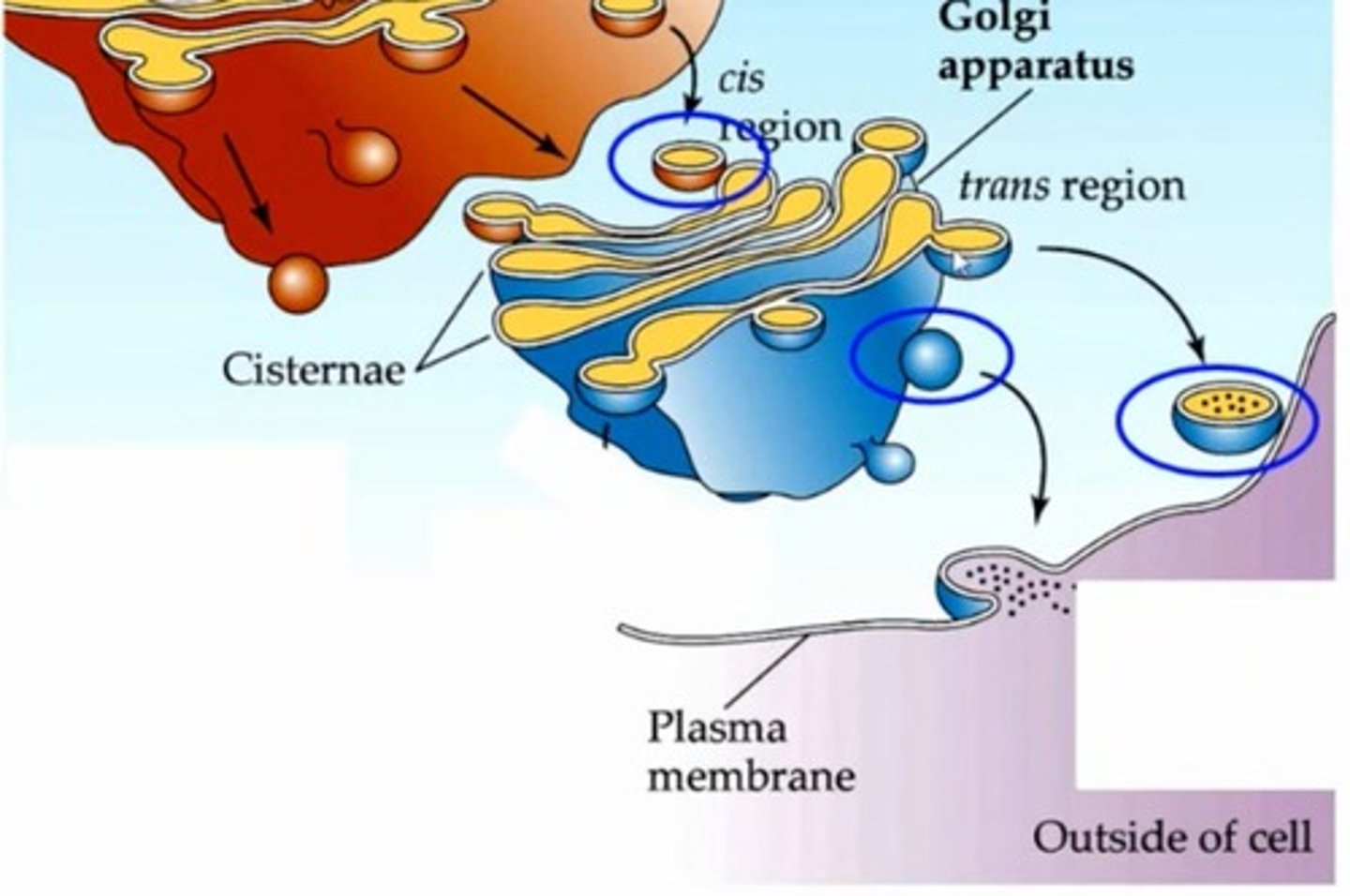
What is the role of transport vesicles in the endomembrane system?
carry proteins and lipids between different compartments of the endomembrane system.
What is the function of the Golgi apparatus?
modifies, sorts, and packages proteins and lipids for secretion or delivery to other organelles.
What is the primary function of lysosomes?
contain enzymes that break down waste materials and cellular debris.
How do eukaryotic cells maintain their internal environment?
to create compartments, allowing for distinct environments within the cell.
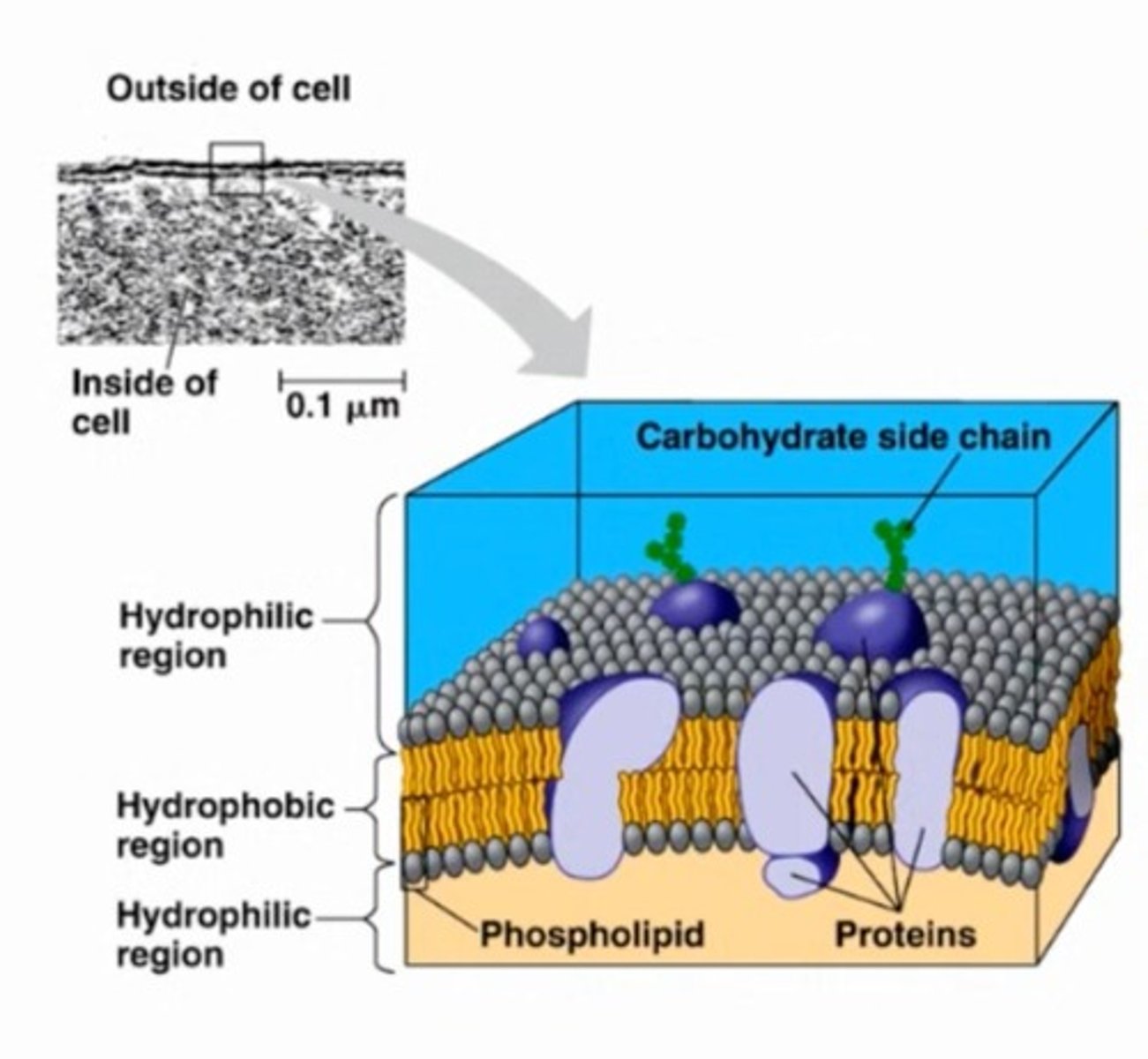
What is the role of cholesterol in animal cell membranes?
Cholesterol helps to maintain membrane fluidity and stability.
What is the function of cell membranes?
act as barriers, facilitate communication, and transport nutrients into the cell.
What is the significance of the pH in cellular compartments?
Different pH levels can activate or deactivate proteins, influencing their function.
What is the process of protein synthesis in eukaryotic cells?
DNA is transcribed to RNA in the nucleus, which is then translated to proteins by ribosomes in the cytosol.
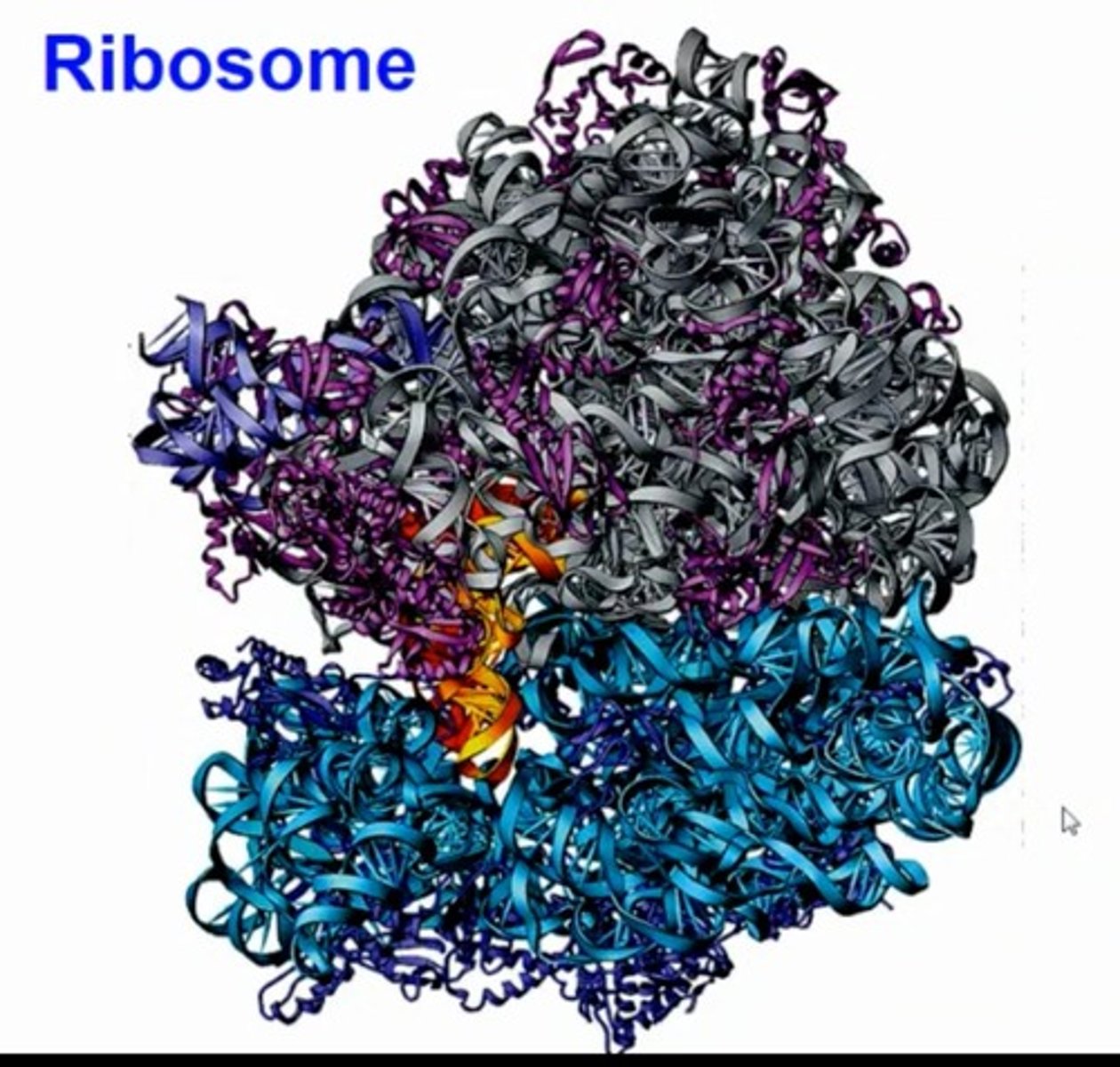
What are the two types of ribosomes found in eukaryotic cells?
Cytosolic (free) ribosomes and ER-bound ribosomes.
What is the primary role of the nucleolus?
involved in the production of ribosomal RNA (rRNA).
What is the function of membrane-bound organelles?
They provide compartmentalization, allowing for specialized functions and ordered biochemical processes.
What is the difference between prokaryotic and eukaryotic DNA organization?
Prokaryotic DNA is located in the nucleoid, while eukaryotic DNA is enclosed within the nucleus.
What is the role of enzymes in cellular metabolism?
facilitate biochemical reactions, including the conversion of nutrients to ATP.
How do cells import nutrients?
through transport proteins in the cell membrane.