food is medicine: nutritional disorders - lecture 33 LAST LECTURE EVER
 Call Kai
 Learn
Learn Practice Test
 Spaced Repetition
 Match
Match Flashcards
 Knowt Play
1/60

There's no tags or description
Looks like no tags are added yet.
Name | Mastery | Learn | Test | Matching | Spaced | Call with Kai |
|---|
No analytics yet
Send a link to your students to track their progress
61 Terms
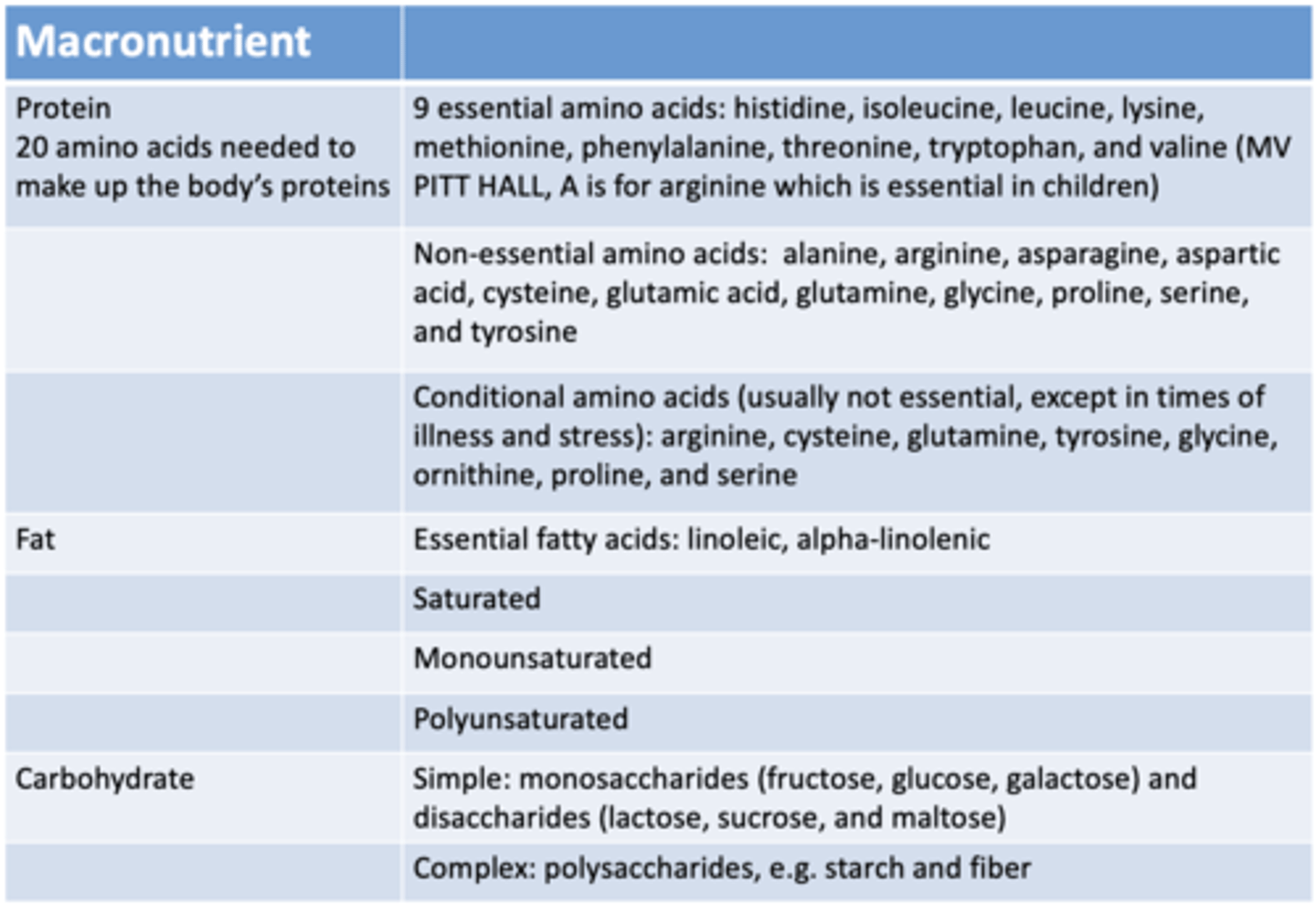
essential macronutrients
-- essential - you need to get them from your diet
-- nonessential - you dont have to get them from your diet
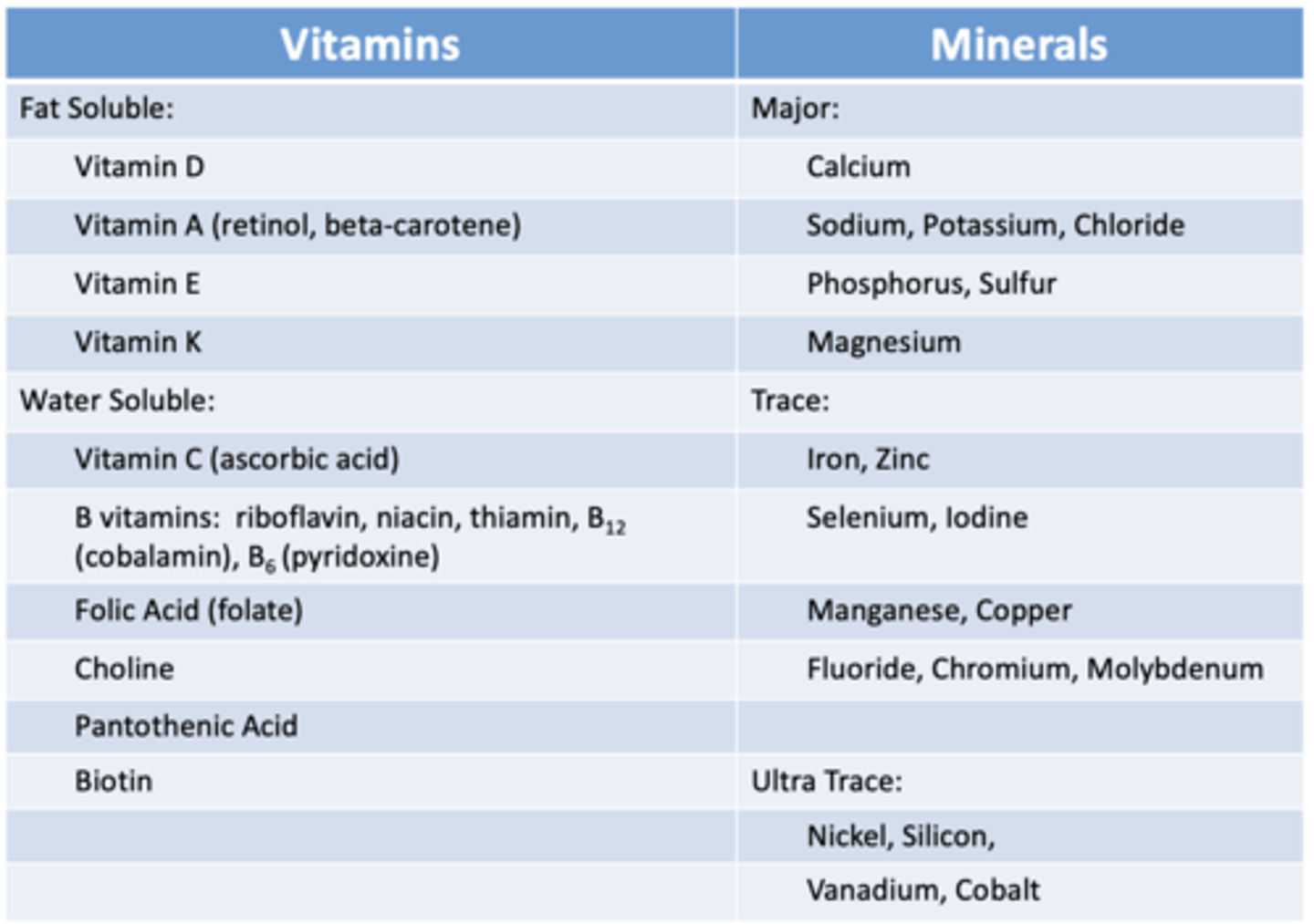
essential micronutrients
-- essential - you need to get them from your diet
-- nonessential - you dont have to get them from your diet
Nutrition
the study of the food we eat and its effects on our body's physiological and biochemical processes
Nutrients
embedded in the food we eat and are essential chemicals that are critical to human growth and function
-- Must get from diet
Phytochemicals
Phytochemicals are compounds in plants (phyto) that are believed to provide health benefits beyond the traditional nutrients (ex. Lycopene)
Zoochemicals
the animal equivalent of phytochemicals in plants. They are compounds in animals that are believed to provide health benefits beyond the traditional nutrients that food contains. (ex. Conjugated linoleic acid)
nutritional disorders
Inappropriate intake of food that negatively impacts physiological processes and thus healthspan
Caused by a deficiency or excess of one or more nutrients that alters the structure and/or function of cells, tissues, and organs to cause disease
Most are chronic, not acute
Suboptimal nutrition and/or marginal deficiencies
occurs when the diet doesn't provide recommended amounts of nutrients
Chronic and long-term --> malnutrition.
Malnutrition
Undernutrition, which includes wasting (low weight-for-height), stunting (low height-for-age) and underweight (low weight-for-age)
Micronutrient-related malnutrition, which includes micronutrient deficiencies (a lack of important vitamins and minerals) or micronutrient excesses
Overweight, obesity and diet-related noncommunicable diseases (such as heart disease, stroke, diabetes, and some cancers)
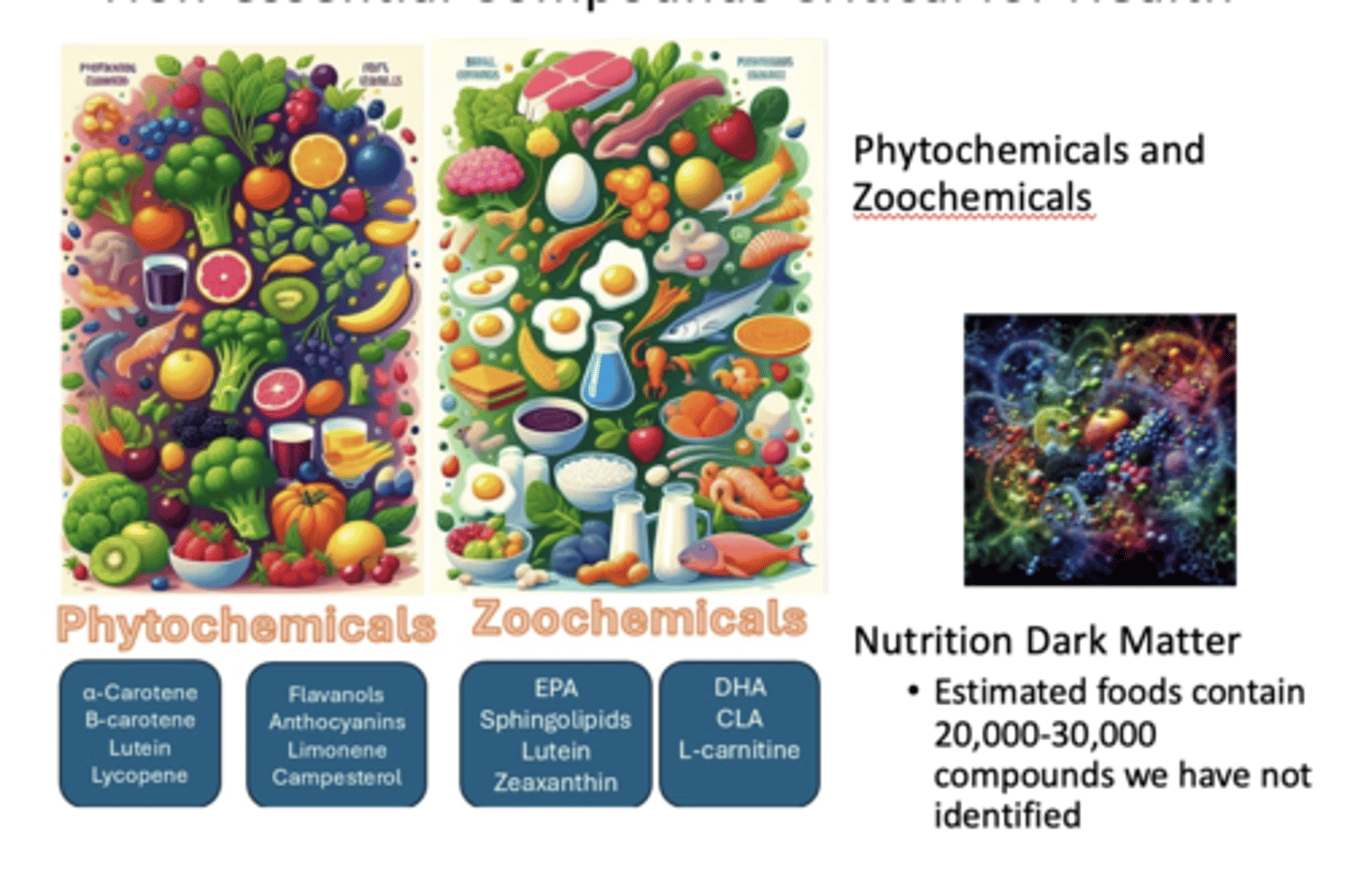
Non-essential Compounds Critical for Health
healthspan
Period of life spent in good health
lifespan
the length of time a person lives
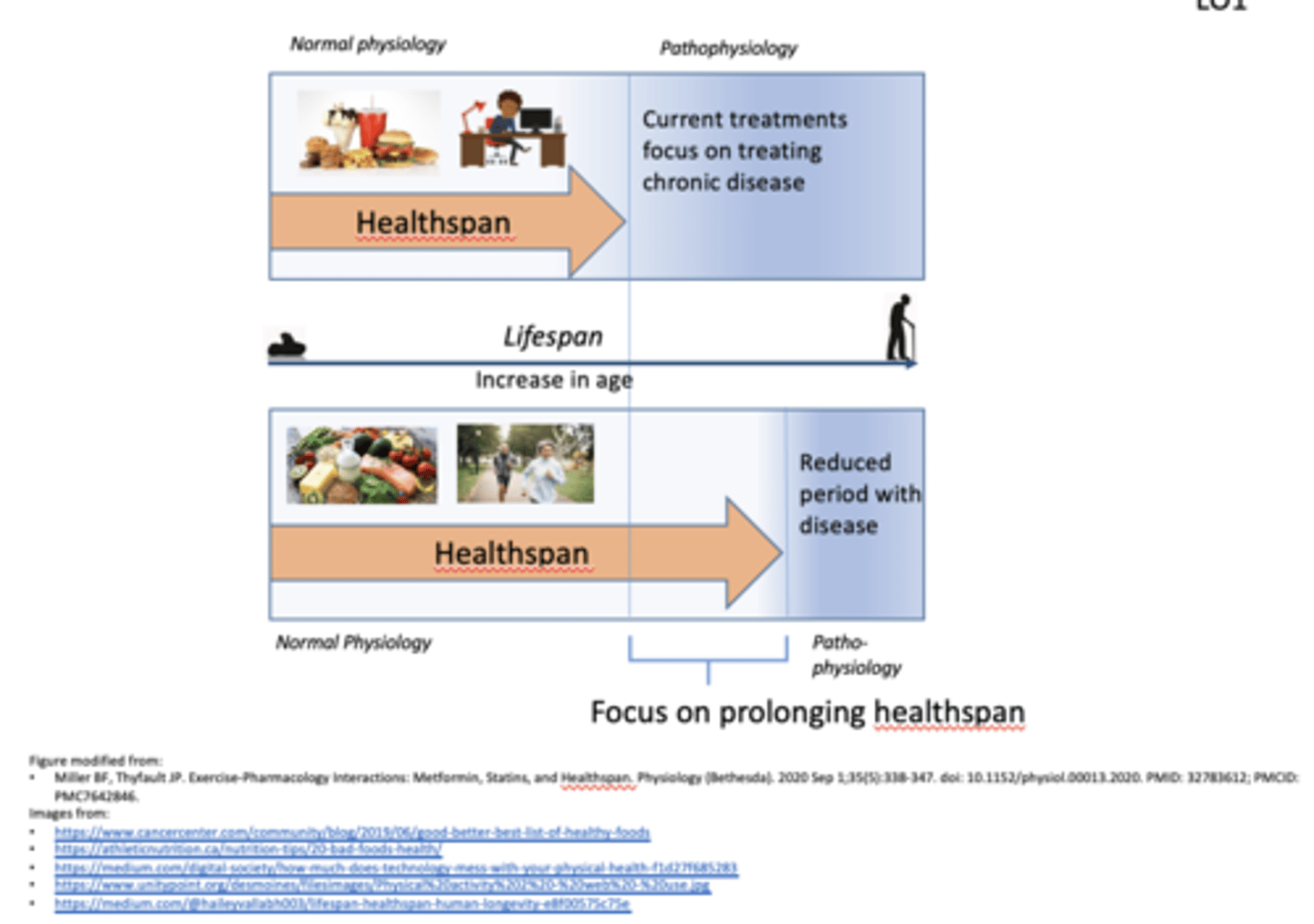
Current treatment
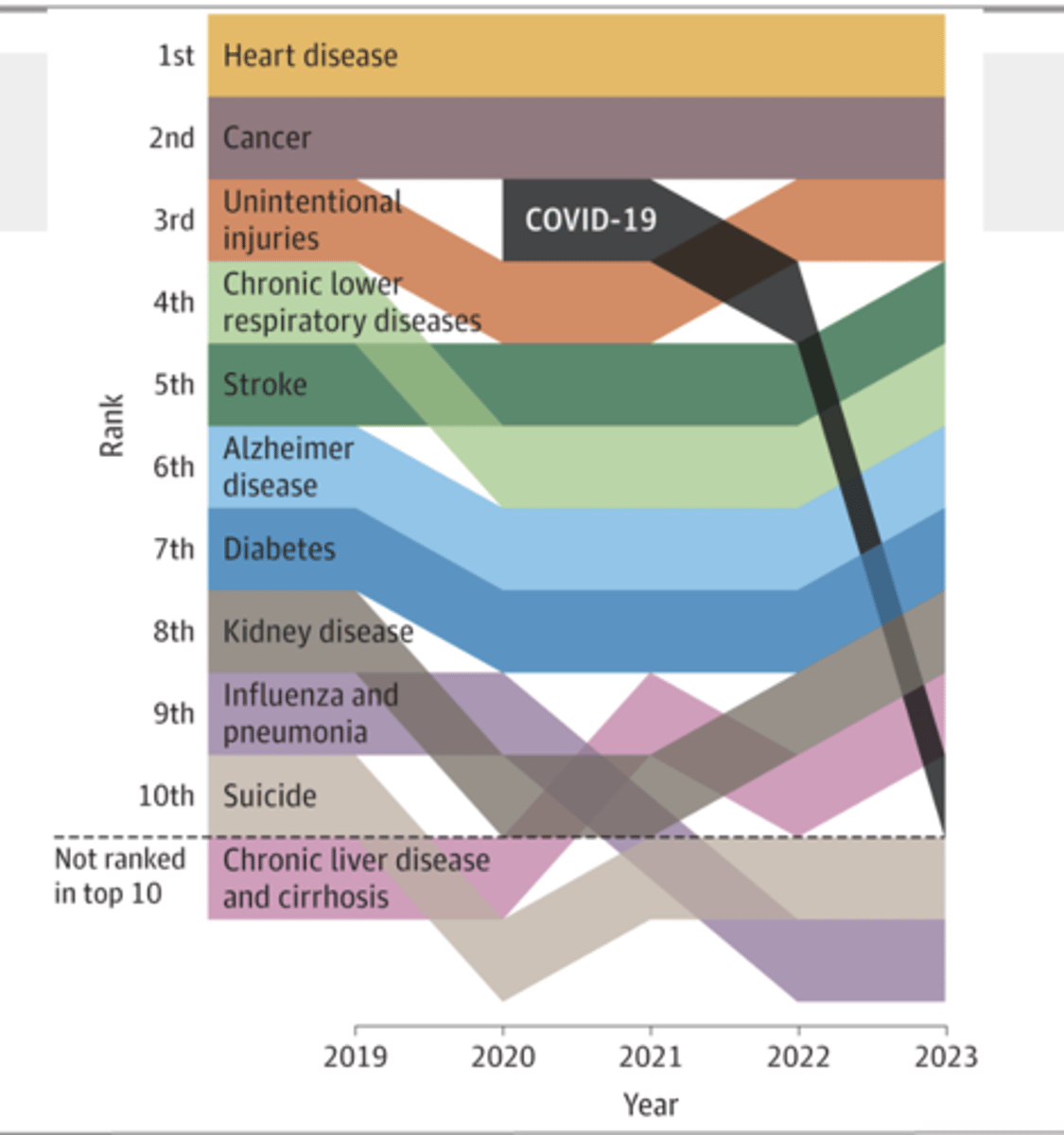
From: Leading Causes of Death in the US, 2019-2023. All are associated with diet.
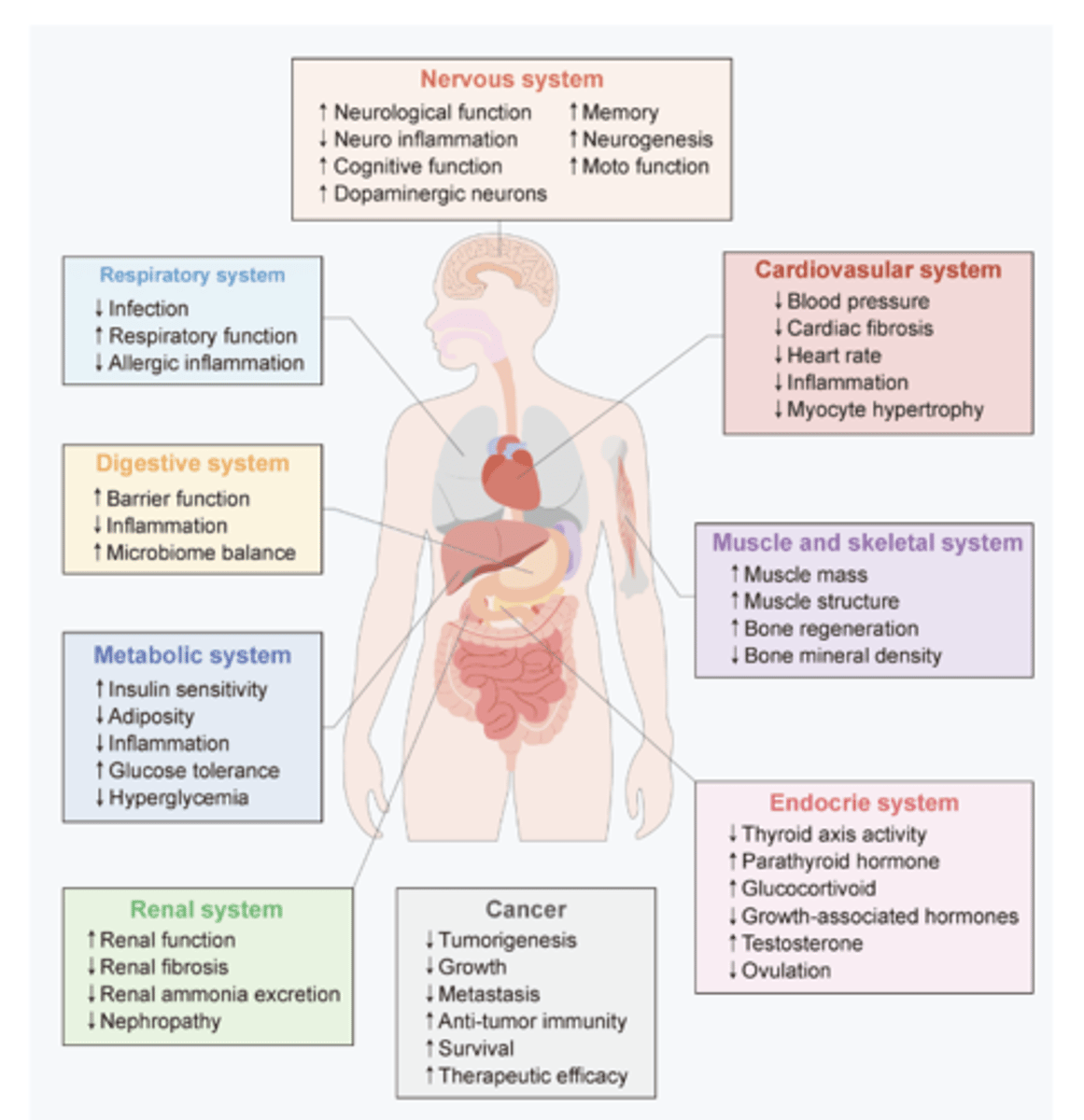
Functionality of dietary interventions on human tissues under health and diverse disease states. _________ ______________ exert beneficial effects across varying aspects, including nervous system, cardiovascular system, respiratory system, metabolic system, renal system, endocrine system, and digestive system as well as cancer
Dietary interventions
Suboptimal Nutrition (Marginal Deficiency) (2)
Deficiency syndrome/disease develops slowly
Sometimes individual does not recognize
2017: ≈11 million people worldwide died from suboptimal nutrition while 255 million have a disability associated with diet
Examples - in photo
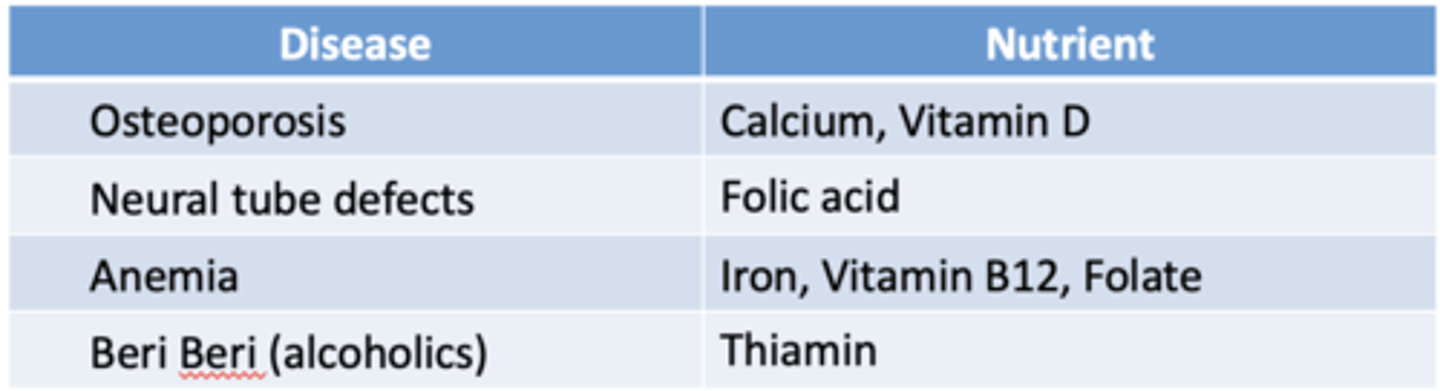
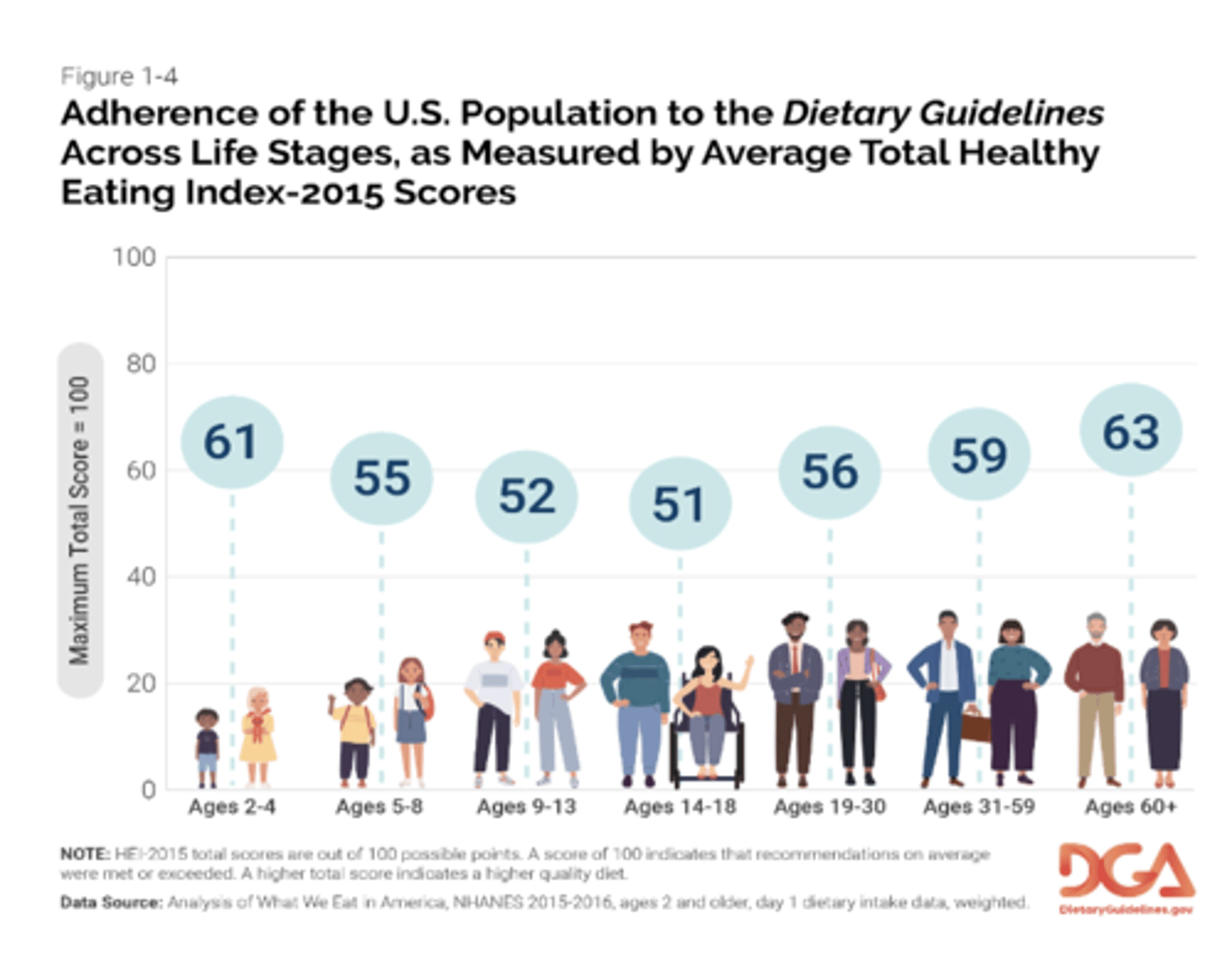
Inappropriate food intake- leads to nutrient disorders....
what are the Nutrients of Concern:
Calcium
Vitamin A
Vitamin C
Iron
Folate
Iodine
Magnesium
Dietary Reference Intake (DRI)
refers to set of reference values that include RDA, AI, EAR, UL.
All nutrients now have an RDA and EAR, or AI.
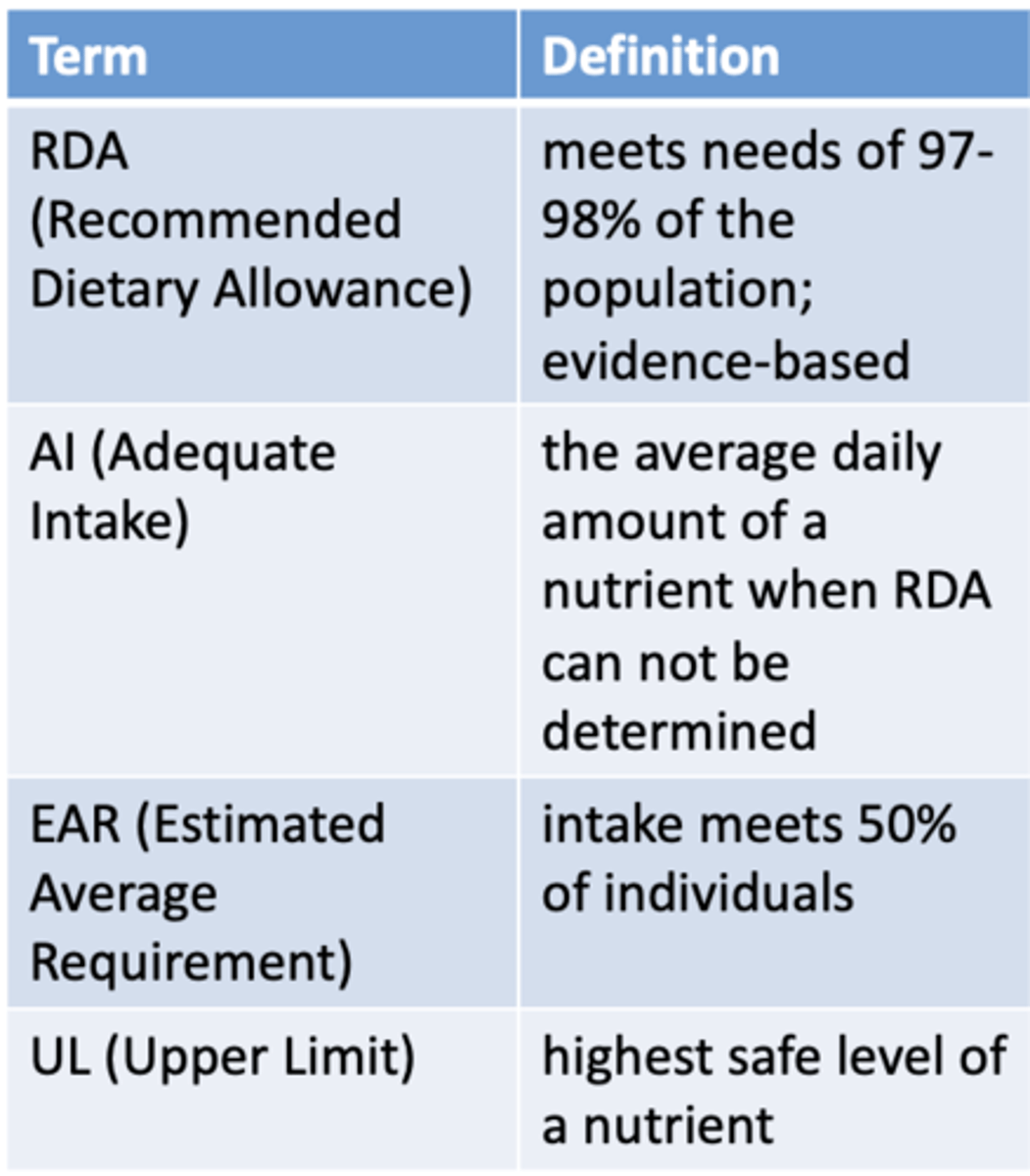
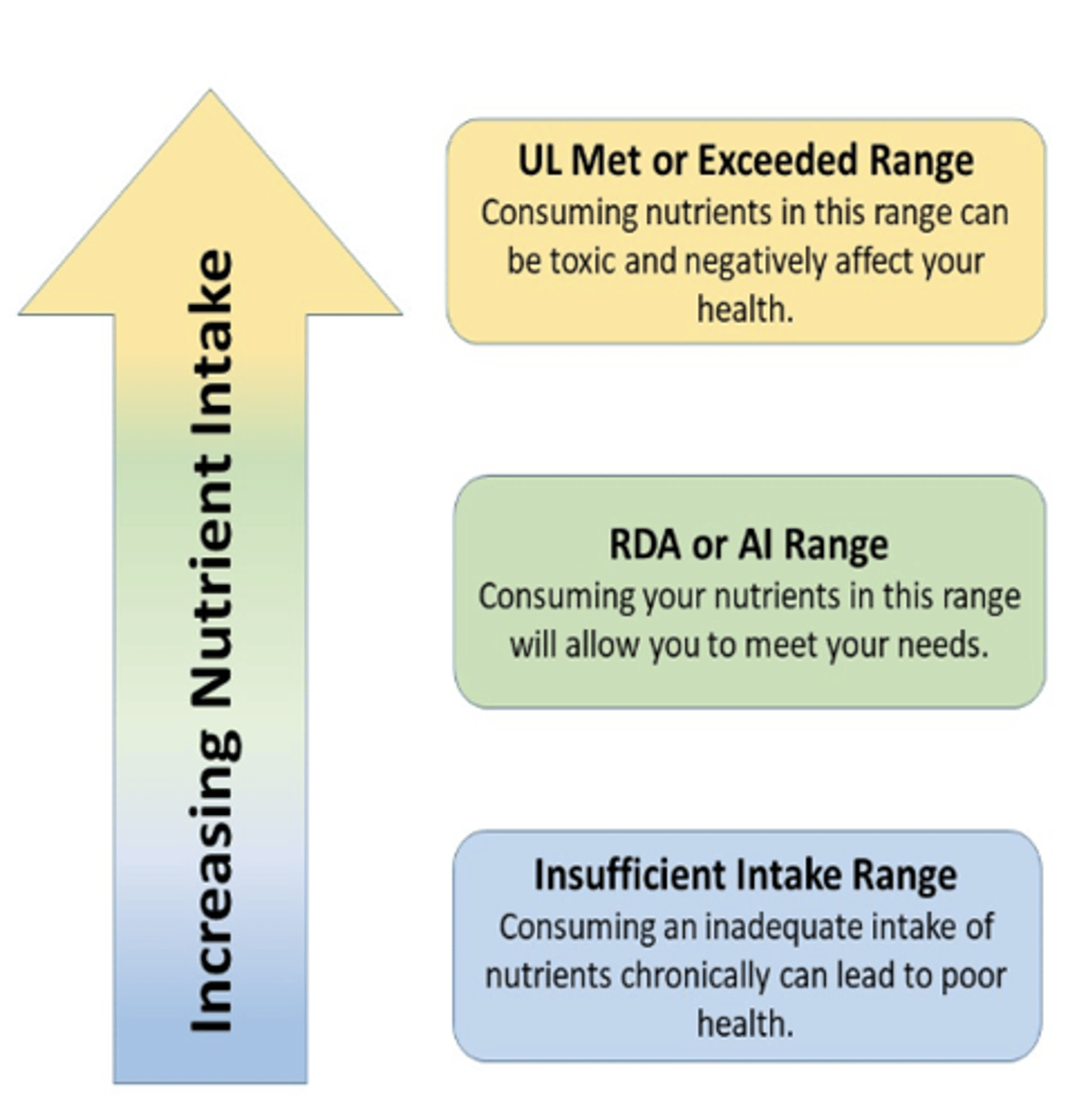
increasing nutrient intake
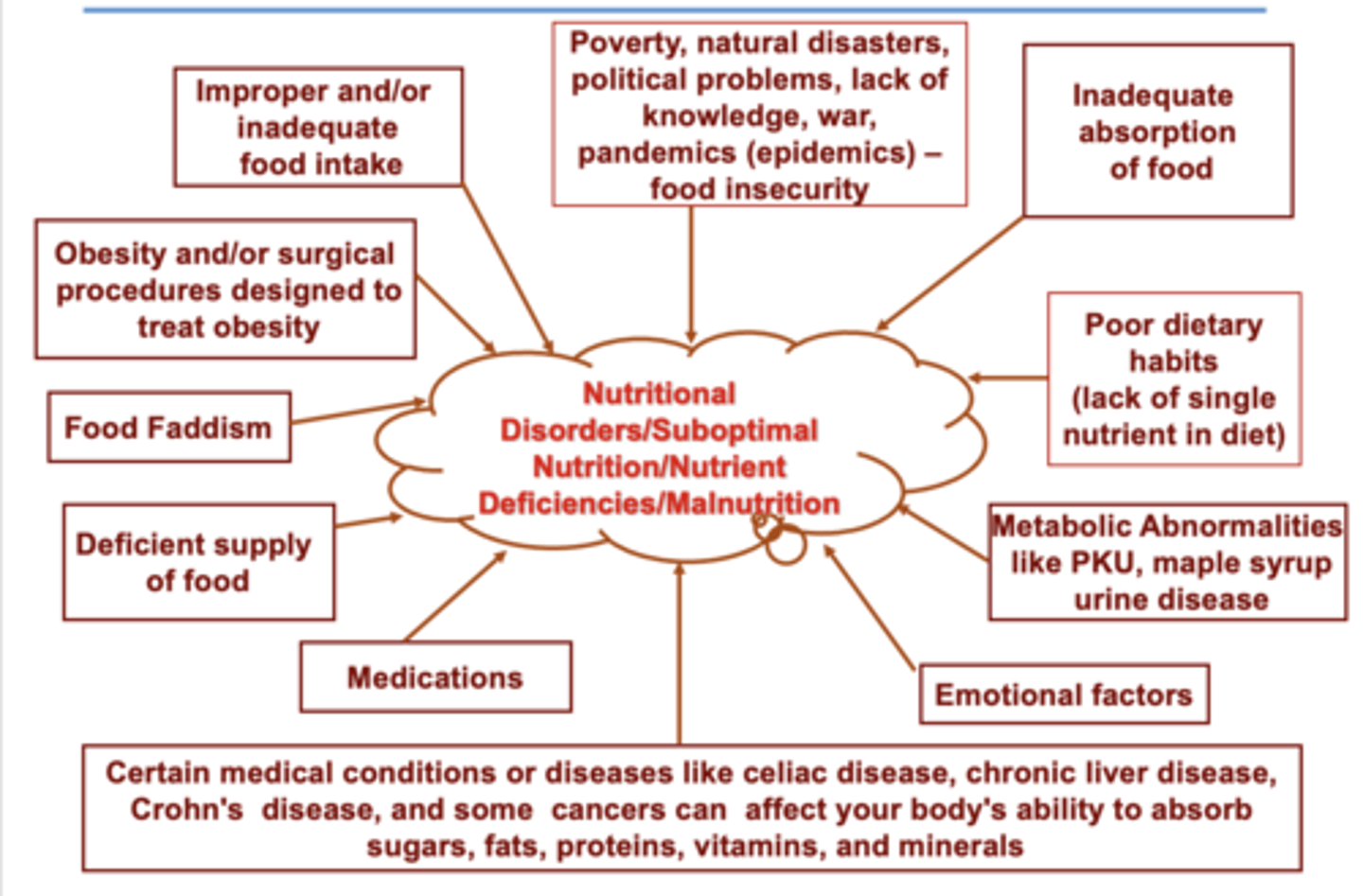
Causes and Risk Factors
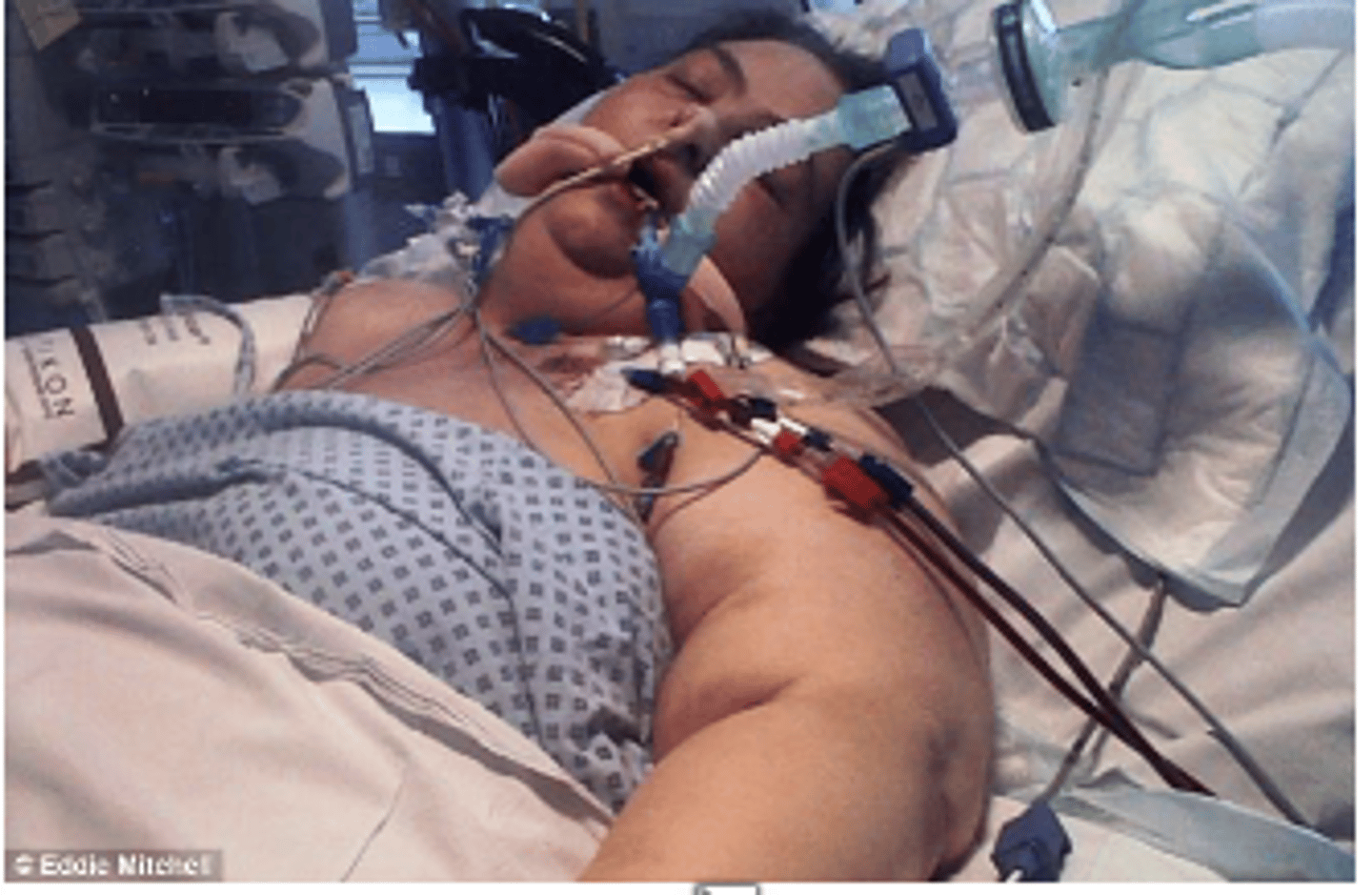
Mother of two children wanted to take her children to Disney World and ride the roller coaster with them. She was morbidly obese and weighed 250 lbs. She had tried numerous diets without success and decided to have a gastric bypass. The surgery went as planned at a well-known bariatric unit and she was discharged three days later. Within a few days of leaving the hospital, she developed abdominal pain and began vomiting. She went to the emergency room of a local hospital and five days later the surgeons drained abdominal fluid from her side. Several days later a hole was found in her stomach lining. She never recovered from this and died. At autopsy, several other wounds were found, and most were only partially healed.
What caused her death?
a)Inadequate protein intake
b)Suboptimal nutrition
c)Lack of vitamin C
d)Excess fluid intake
b)Suboptimal nutrition
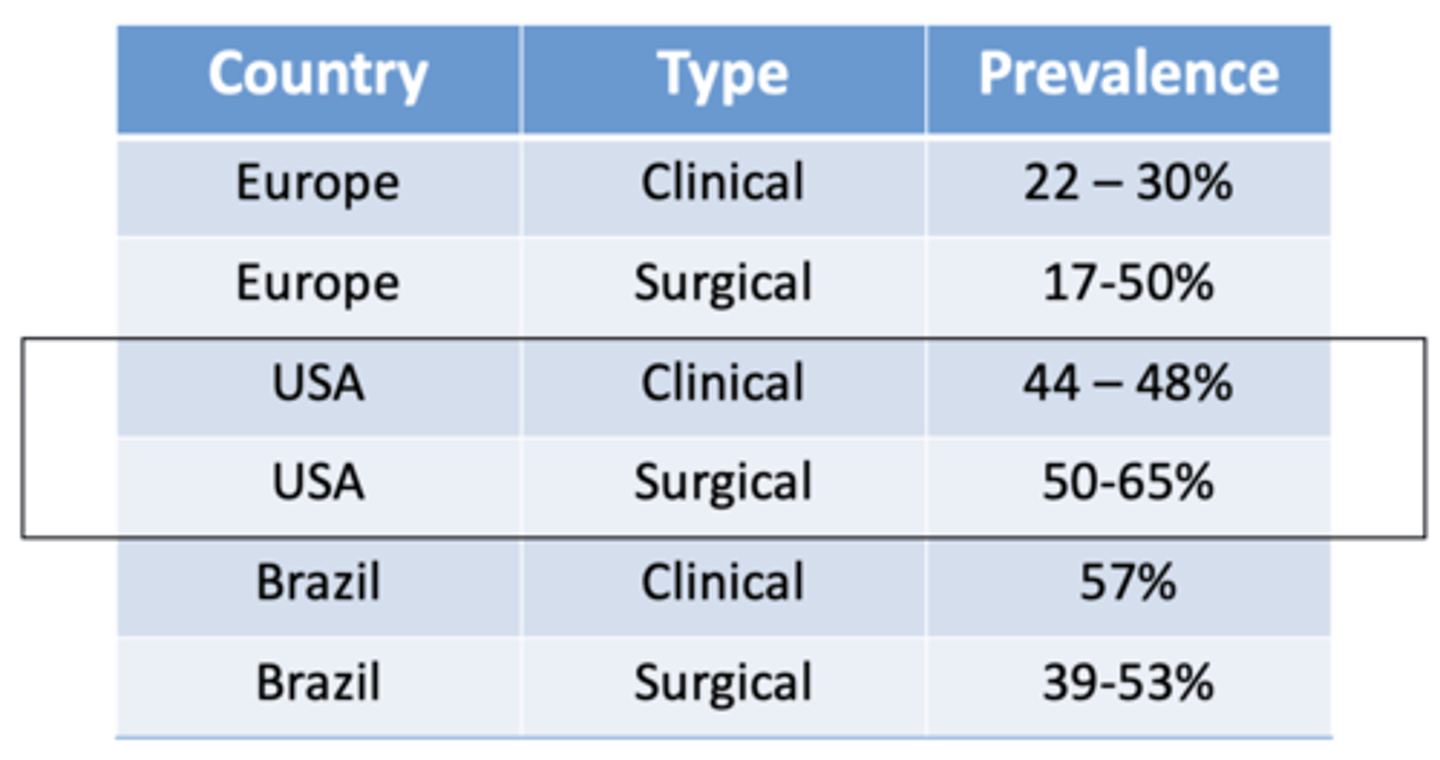
How prevalent is it in hospitals?
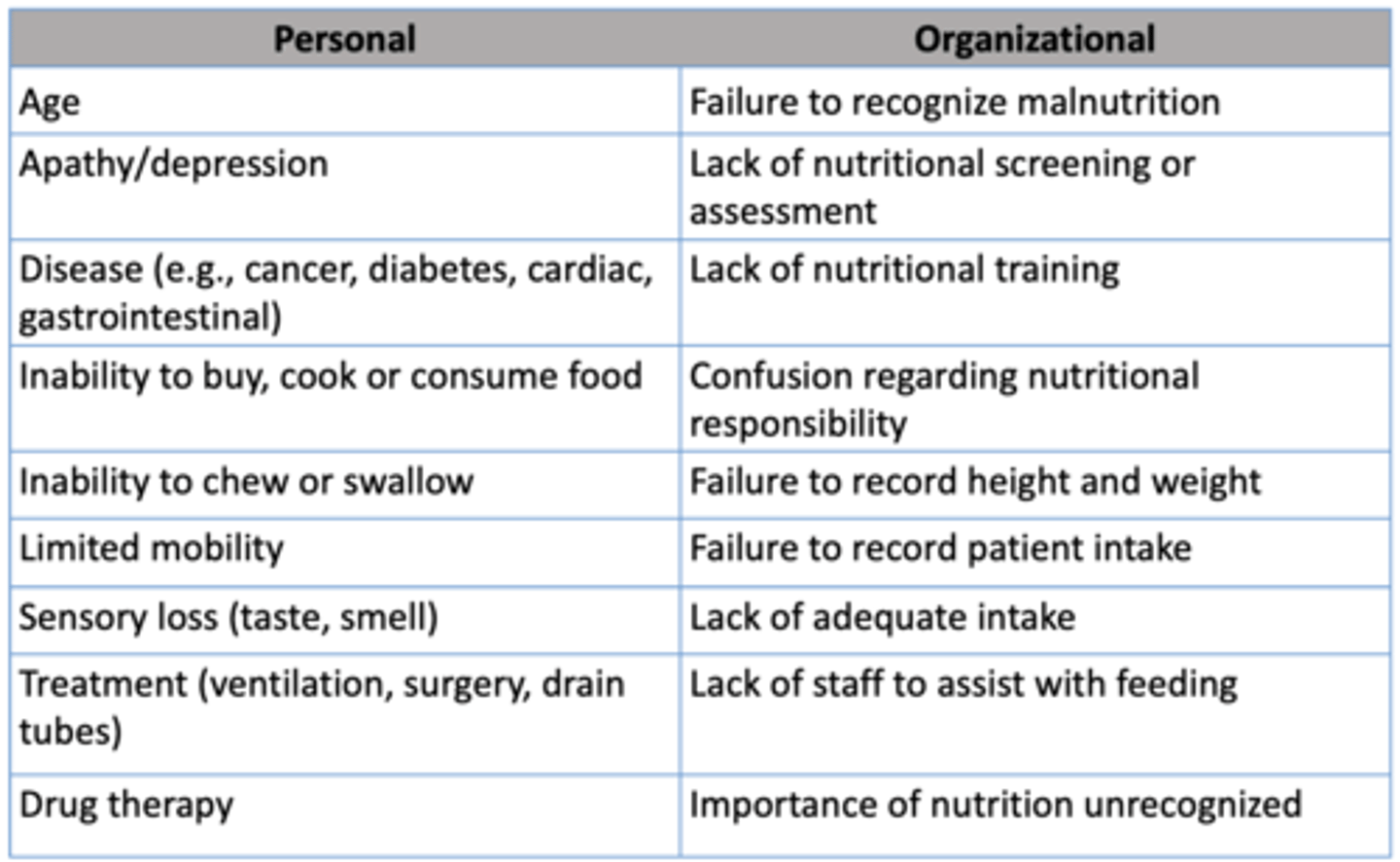
Factors contributing to malnutrition in acute care patients
Nutritional Disorder Treatment
Treatment
1. Usually consists of replacing missing nutrients or removing excess nutrients
2. Treating symptoms as needed
3. Treating any underlying medical condition
Expectations (prognosis)
1. Depends on the cause of the malnutrition
2. Most can be corrected
3. Treat medical condition to reverse the nutritional deficiency/excess
Complications
1. Untreated - mental or physical disability, illness, and possibly death
Prevention
1. Eating a good, well-balanced diet
iodine
goiter
on the rise in higher social economic countries, particularly women
vitamin D
adults: increased fractures, muscle weakness, bone loss which can lead to osteomalacia, osteoporosis
children: growth delay, soft bones, rickets
about 42% of americans deficient in this vitamin. 3 out of 4 older people may be deficient
calcium
adults: osteoporosis, osteomalacia
children: soft bones, rickets
many americans do not consume enough calcium
vitamin A (retinol vs beta carotene)
excess amount of retinol in pregnancy - teratogen that causes congenital anomalies
too little - night blindness
retinol is found in animal products
beta carotene is found in plants
vitamin C
scurvy
symptoms: bruising, swollen, and/or bleeding gums, weakness, fatigue, rash, coiled hair, failure to thrive, irritability, muscle weakness, or weight loss
sailor's disease (greenbacks)
iron
microcytic anemia - small red blood cells
anyone, 30% of the population
folate
megaloblastic anemia
pregnancy: congenital anomalies - neural tube defects
specific foods now fortified with folate
vitamin B12
megaloblastic anemia
vegans, vegetarians, >20% of older adults (absorption decreases with age)
niacin
pellagra
4 Ds (dementia, diarrhea, dermatitis, death)
disease that killed many southerners
thiamin
beriberi
wet and dry form which affects nerves leading to wernicke encephalopathy and korsakoff syndrome
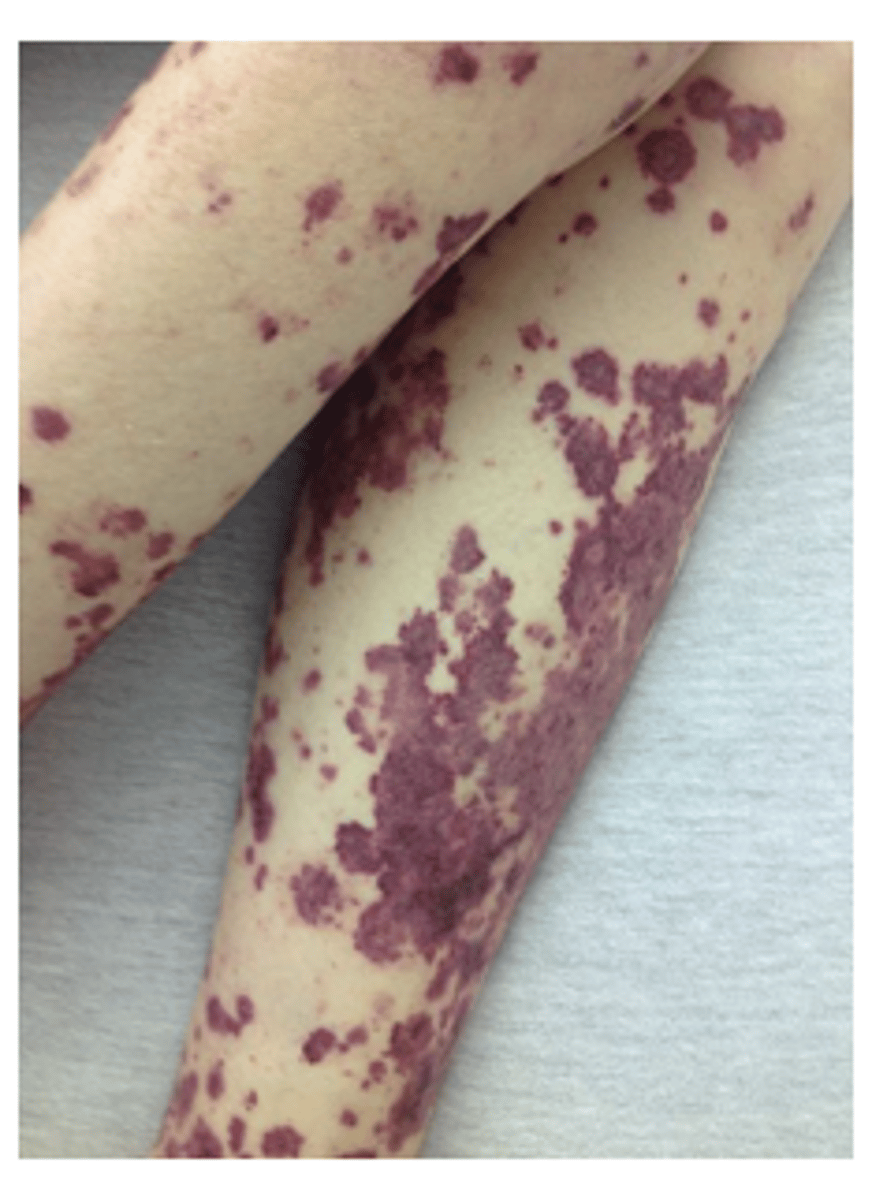
A 9-year-old girl with autism comes to the hospital with severe bone pain that keeps her from walking for 2 months. She also has a petechial rash and gingival swelling. An orthopedic workup, including extremity and back MRI, is negative. When asked specifically, her mother reports that her diet consists of frozen pancakes and chocolate milk. Which of the following deficiencies is most likely the cause of her symptoms?
a.Folate
b.Iron
c.Vitamin A
d.Vitamin C
e.Vitamin D
d.Vitamin C
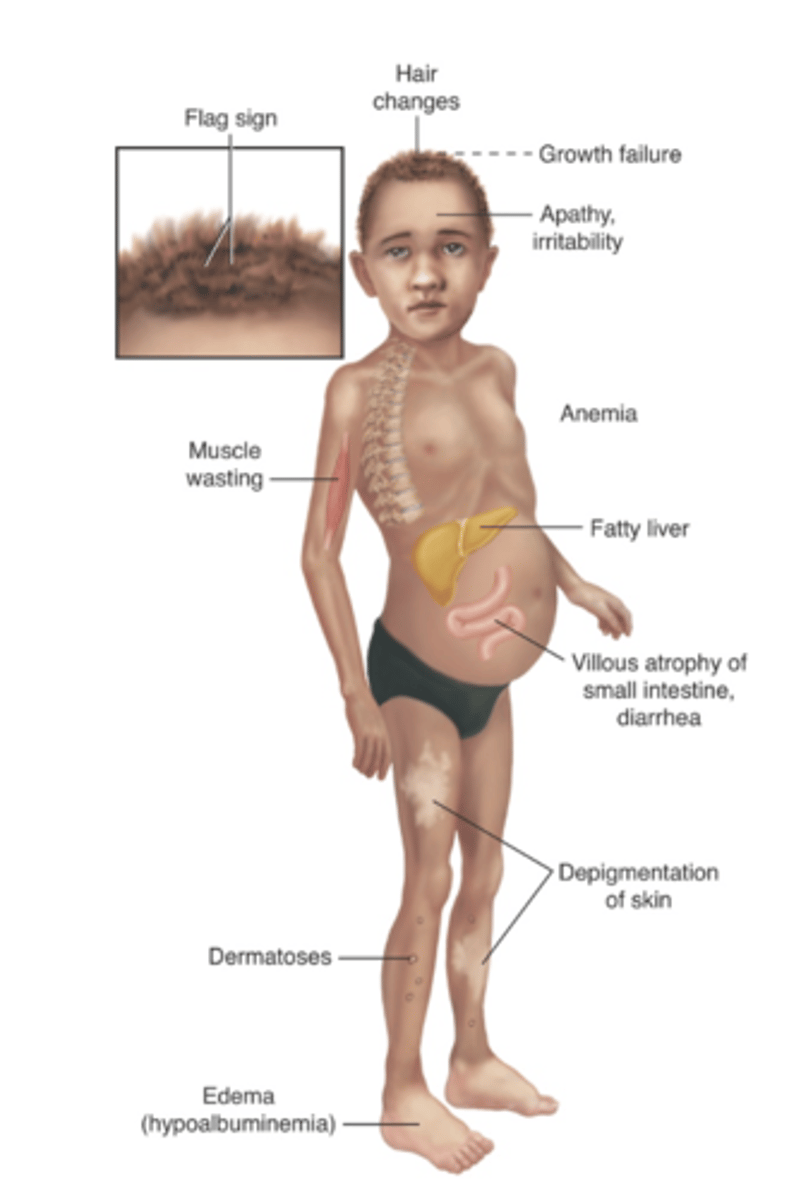
Protein Calorie Malnutrition - Kwashiorkor
Characterized as a protein deficit that is relatively greater than the reduction in total calories
In Westernized countries, see with alcohol use disorder.
Protein Calorie Malnutrition - Marasmus
Undernourishment resulting from energy deficit and reduction in all nutrients
-- Loss of muscle and fat stores
-- Diarrhea is common
-- Children - growth failure
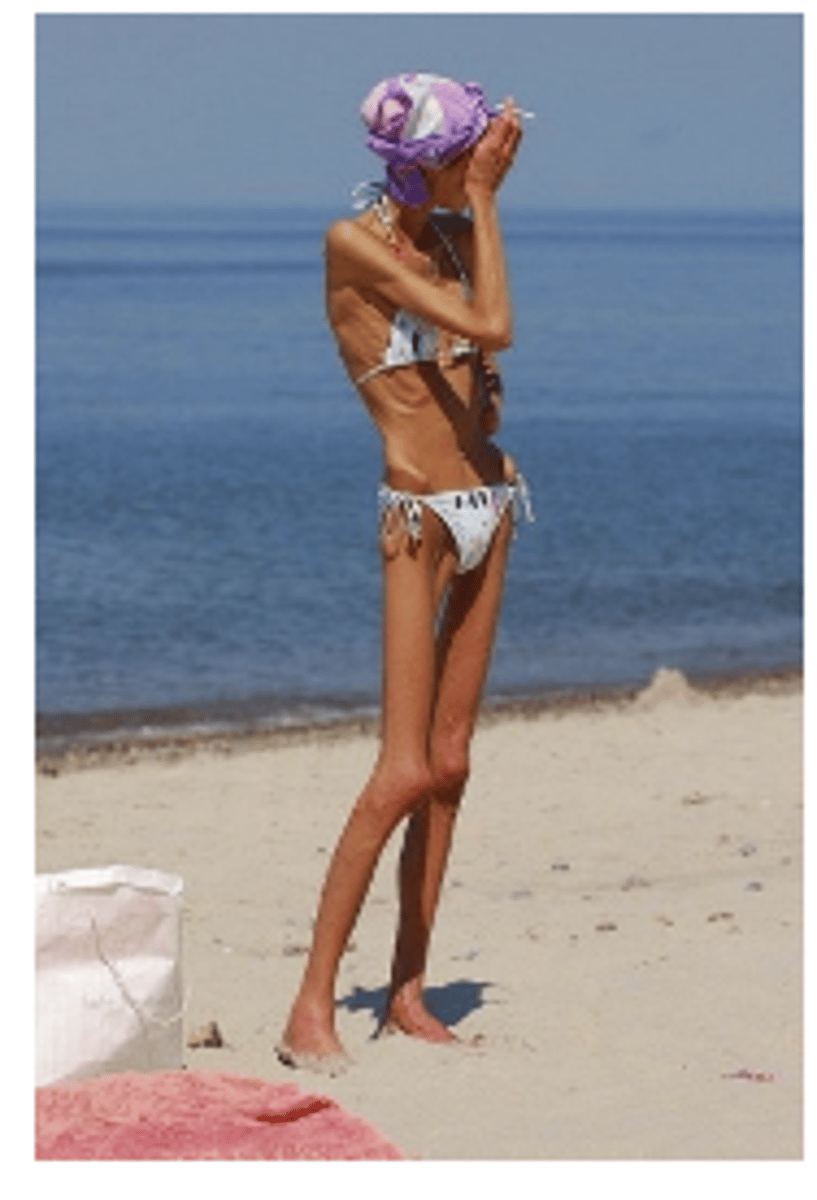
Eating Disorders
Serious disturbance in eating with excessive concern over body shape and/or body weight
Examples: Anorexia nervosa, Bulimia nervosa, Binge-eating disorder
Disordered eating
abnormal eating patterns that do not meet the criteria for an eating disorder diagnosis
-- ARFID (Avoidant/Restrictive Food Intake Disorder) avoid certain foods or restrict their diets; often seen in children
-- Night eating syndrome (NES) - eat more than 25% of calories at night, have trouble sleeping, wake up at night to eat

Relative Energy Deficiency in Sports (RED - S) (aka Female Athlete Triad)
seen in male and female athletes
A woman aged 48 years, diagnosed with anorexia nervosa (AN) at the age of 12 was admitted to a highly specialized eating disorder facility in the UK with distended abdomen, muscular atrophy, ulcerative dermatitis, electrolyte derangements and low serum albumin. Her weight was 53.1 kg, corresponding to a body mass index (BMI) of 17.9 kg/m2. After initial stabilization, a therapeutic ascites puncture relieved the patient from 6500 mL of ascites. After 6 weeks of nutritional and diuretic treatment, the patient was discharged with a weight of 46.8 kg (BMI 15.7 kg/m2), without ascites and with healed ulcerations. What is the patient’s nutritional problem?
a)Obesity
b)Kwashiorkor
c)Vitamin B12
d)Marasmus
e)Vitamin D
b)Kwashiorkor
Excess Adipose Tissue - Obesity
Root cause still unknown
Eating too many calories from energy dense, nutrient poor foods seems to contribute to obesity
Too many calories does not mean you are getting all the nutrients you need every day
Examples of nutrient deficiency/malnutrition seen in obese people:
Treatment:
- Surgery
- Drugs
- Diet
All treatments involve losing weight, focus is adipose tissue
Treatment can lead to nutritional disorders
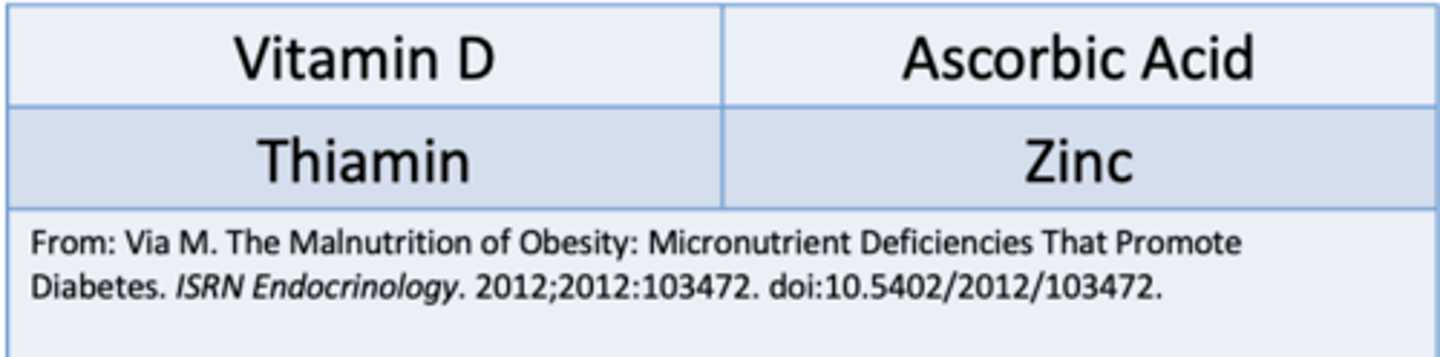
Surgery: Nutrient Deficiencies/Malnutrition with Bariatric Surgery
Micro-nutrient deficiencies are common in people who are obese before and after by-pass surgery
Bypass alters the GI tract, so changes nutrient absorption
Common nutrient problems with RYGB - iron, vitamin B12, folic acid, vitamin D, and calcium
Protein and vitamin B12 are a problem if the stomach is altered
FDA-approved meds for weight loss
dont need to memorize
1. Orlistat (Xenical)
2. Orlistat (Alli)--over the counter
3. Phenteramine-topiramate (Qsymia)
4. Naltrexone-bupropion (Contrave)
5. Liraglutide (Saxenda)*
6. Semaglutide (Wegovy)*
7. Setmelanotide (Imcivree) for rare genetic conditions
*GLP-1 agonists for weight loss require _______ doses than for DM treatment
higher
what are some Observed nutrient deficiencies r/t GLP-1 use?
vitamin B12, vitamin D, iron, calcium
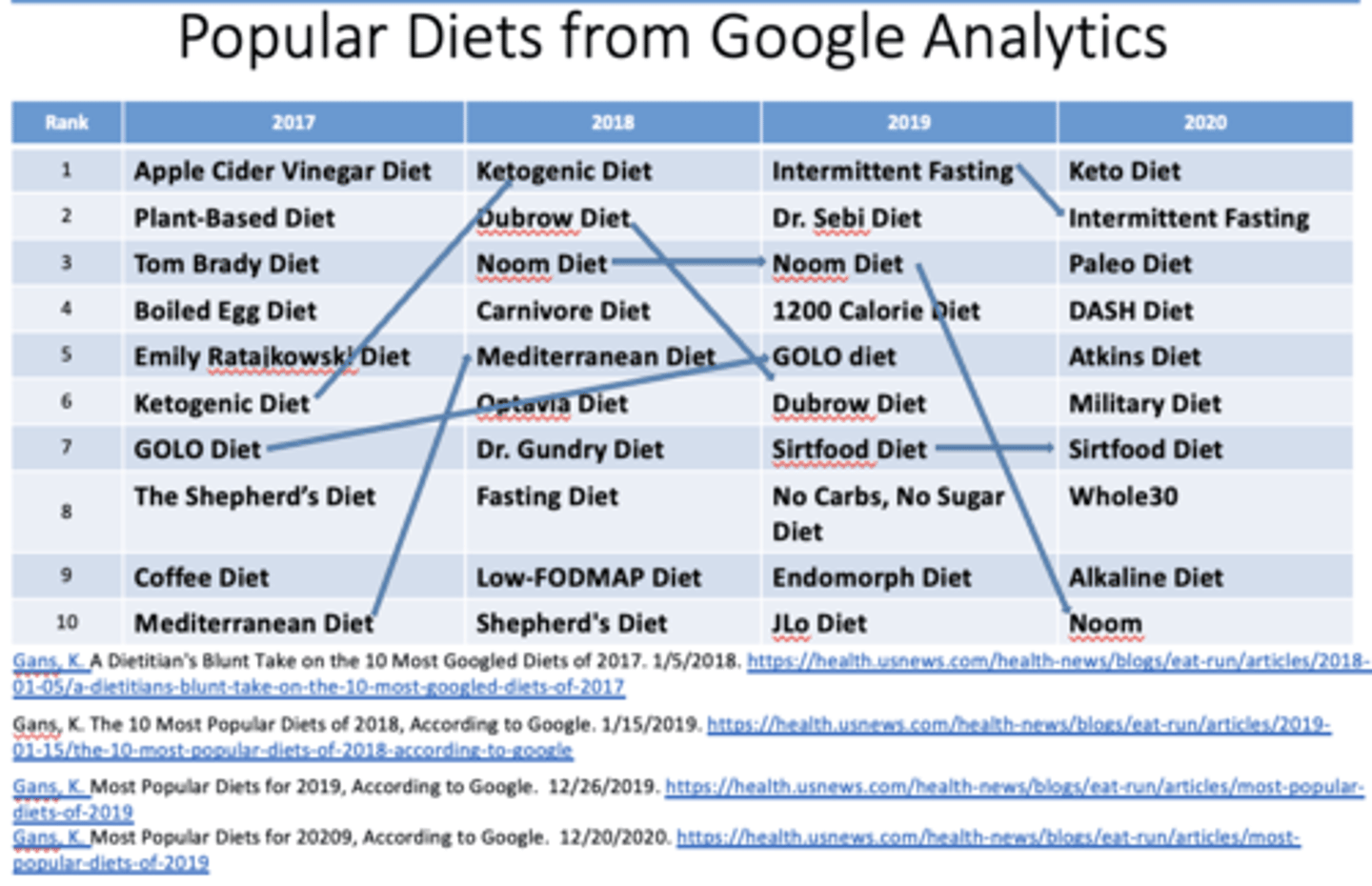
Diets: Nutrient Deficiencies/Malnutrition with Weight Loss Diet
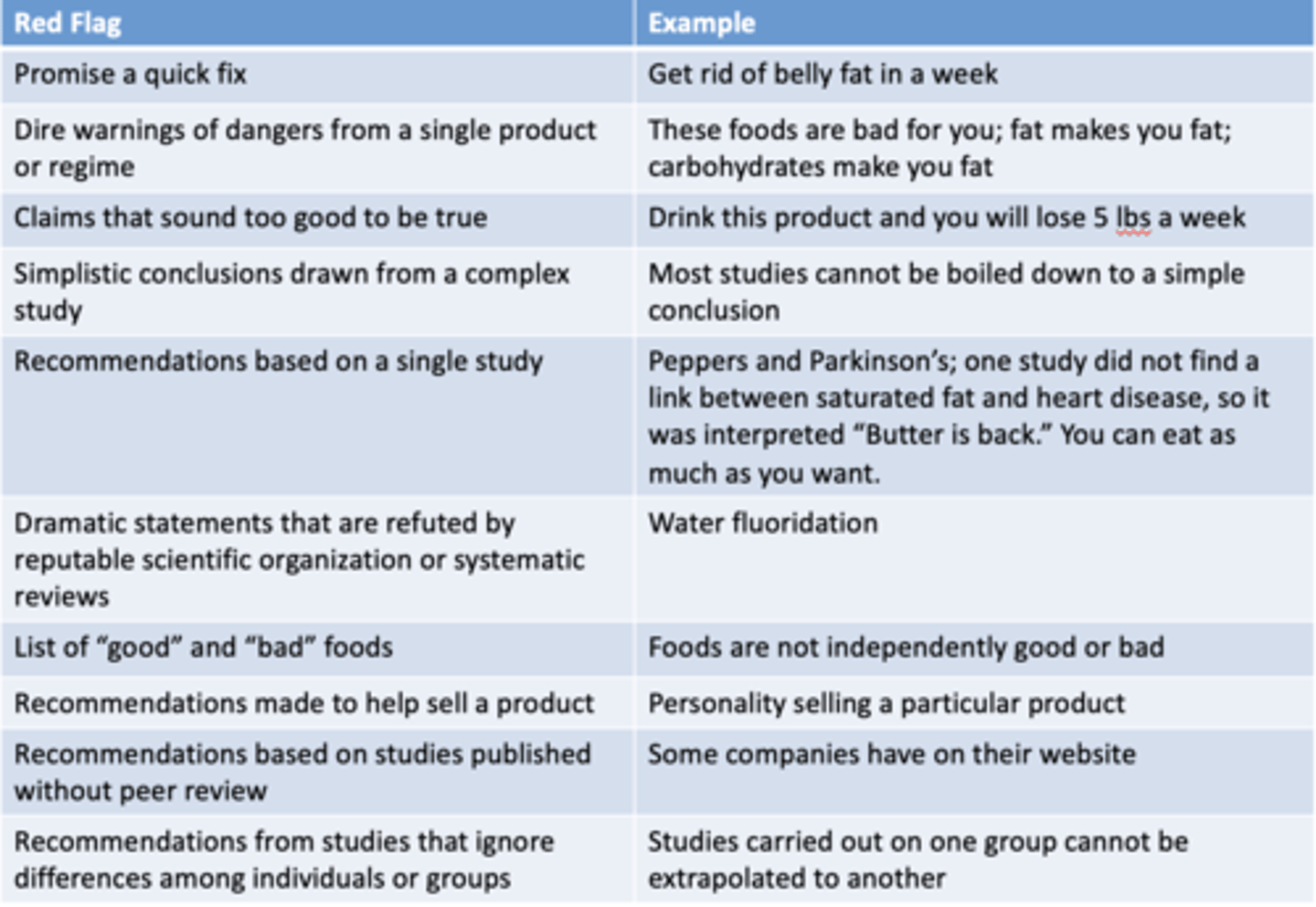
Tips for Evaluating Diets - Red Flags that signal bad advice
Short List of Drugs That Can Cause Nutrient Disorders/Malnutrition
Protein pump inhibitors (used to treat GERD)
-- increase risk of hypocalcemia and hypomagnesemia
Antacids – long term use
-- Vitamin B12 deficiency
Antihypertensives
-- Affect body levels of potassium, calcium and zinc
Diuretics
-- Some increase loss of potassium, magnesium, and calcium
Cholestyramine
-- Decrease absorption of fat-soluble vitamins as well as vitamin B12, folic acid and calcium
Hydralazine
-- antihypertensive drug that depletes vitamin B6
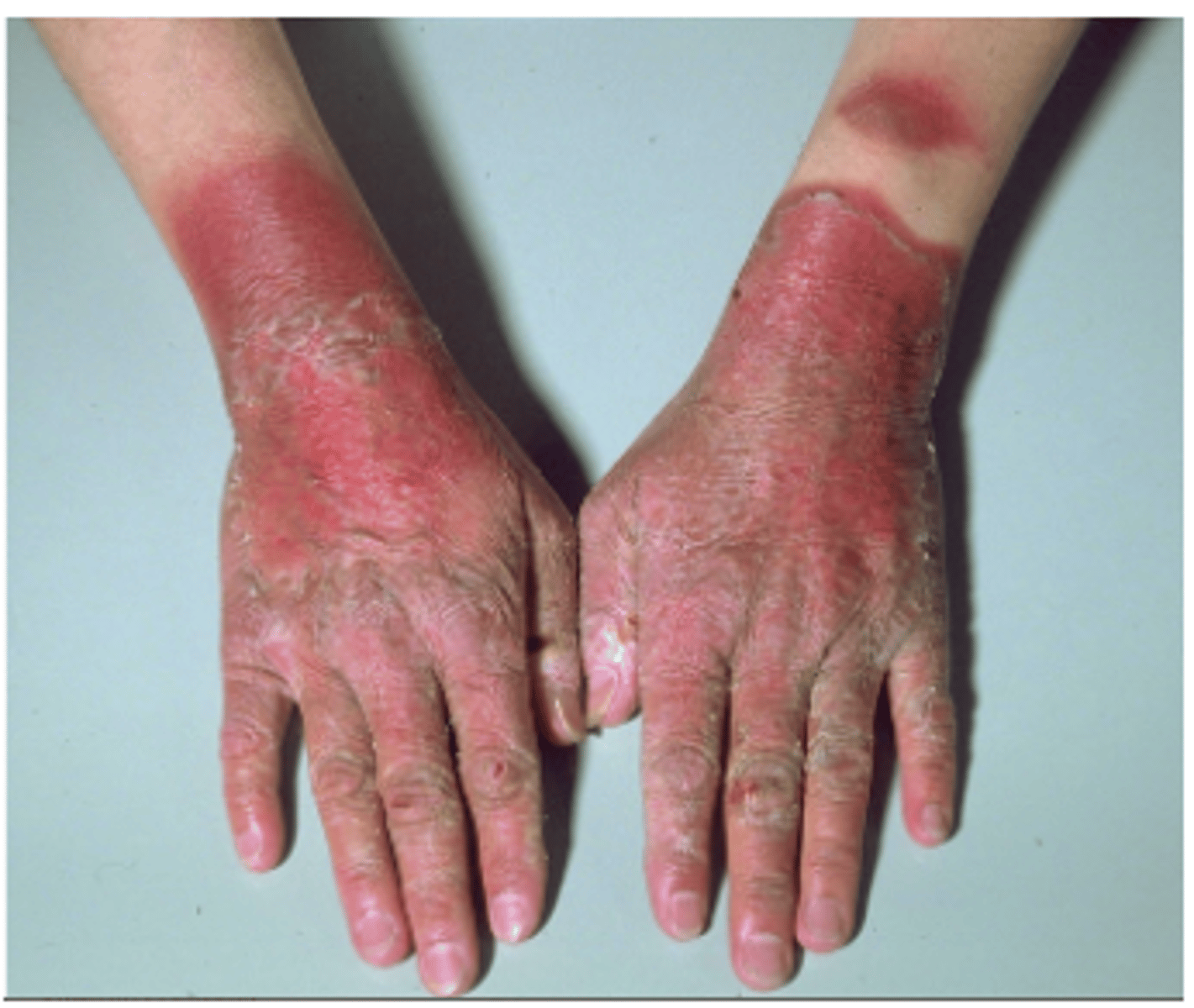
A sixty-eight-year-old man with atherosclerosis and high blood pressure reports to the ER with complaints of “swimming in my head”. His BP is so low it’s difficult to measure. He is severely dehydrated, lips that are dry and cracked, and a dry tongue. His hands are covered by dark, thick, rough, scaly, skin from the knuckles to the tip of the fingers, which they’ve had for months. The rash is on his back, chest, and feet. His partner indicates he has had severe diarrhea for the past several months, going to the bathroom five to ten times a day and at night. His current medications are atorvastatin (a statin for high cholesterol), hydralazine (for high blood pressure), and metformin (for diabetes), all of which he has taken for several years. He eats a well-balanced meals with a good combination of fresh fruits, vegetables, grains, and chicken. Based on this information, which of the following do you think this individual may be deficient for:
A. Thiamine
B. Niacin
C. Pyridoxine
D. Folate
E. Cobalamin
C. Pyridoxine
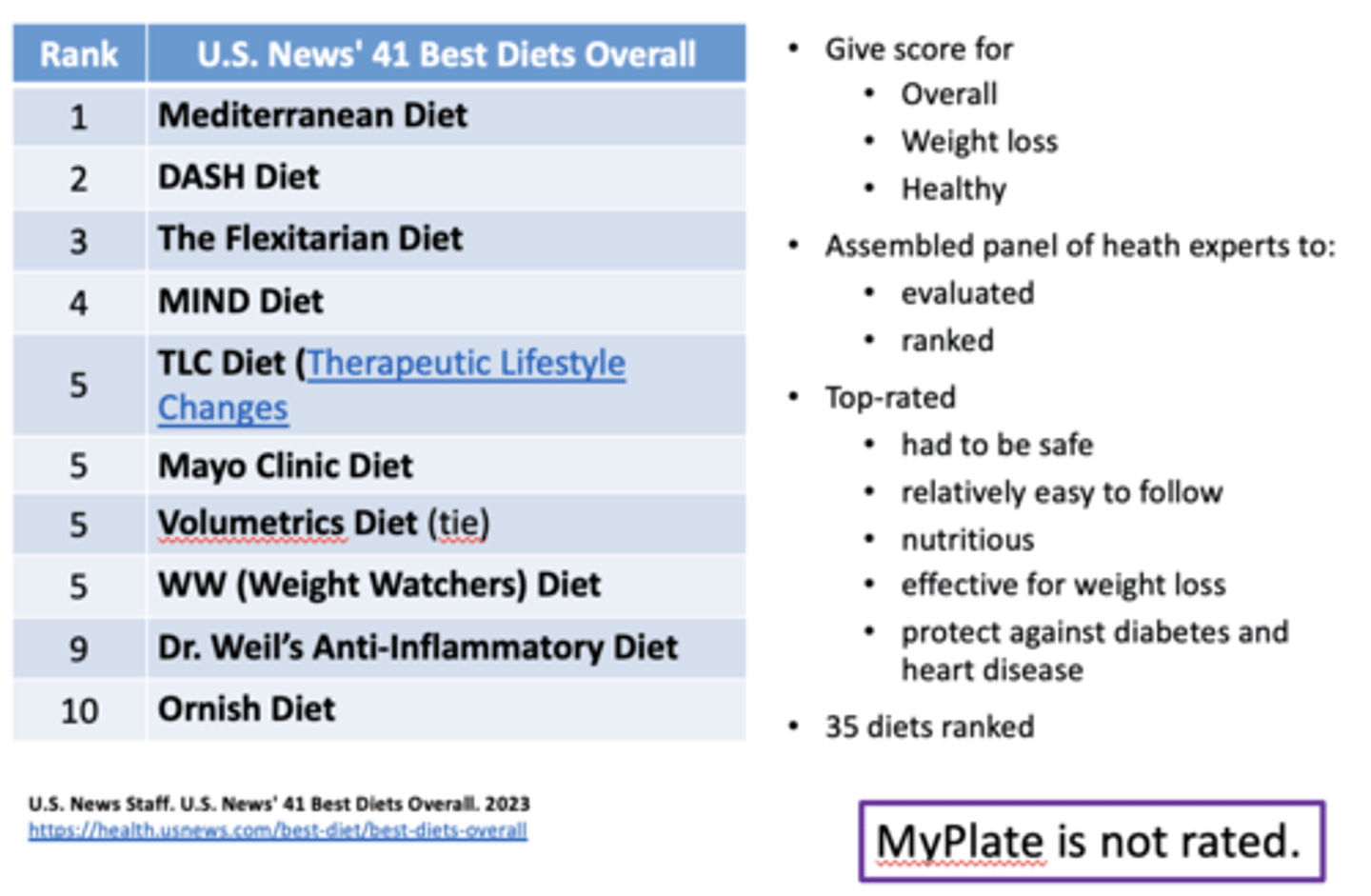
Diets Experts Are Recommending: US News & World News
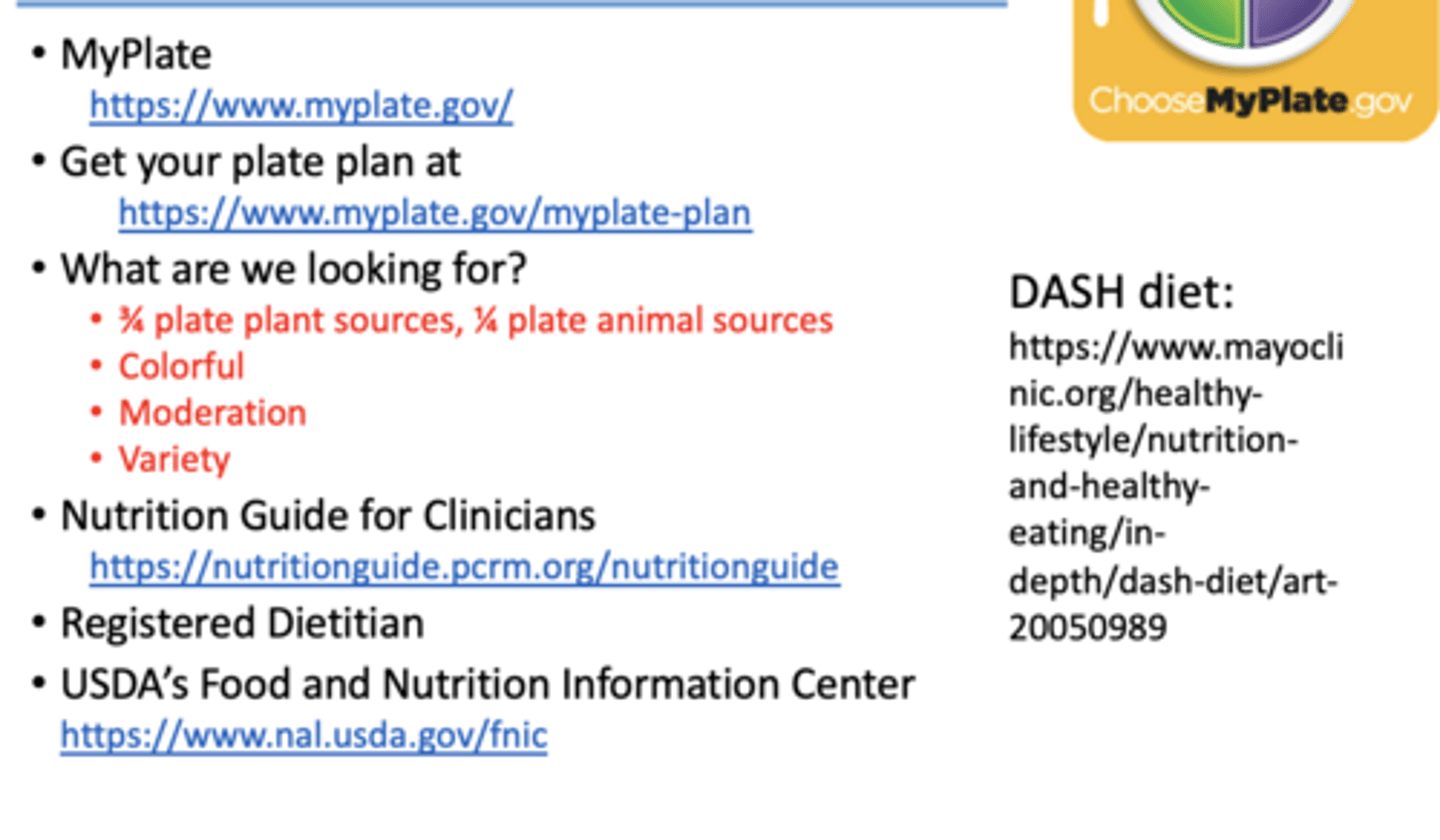
What should you eat? Resources to eat right
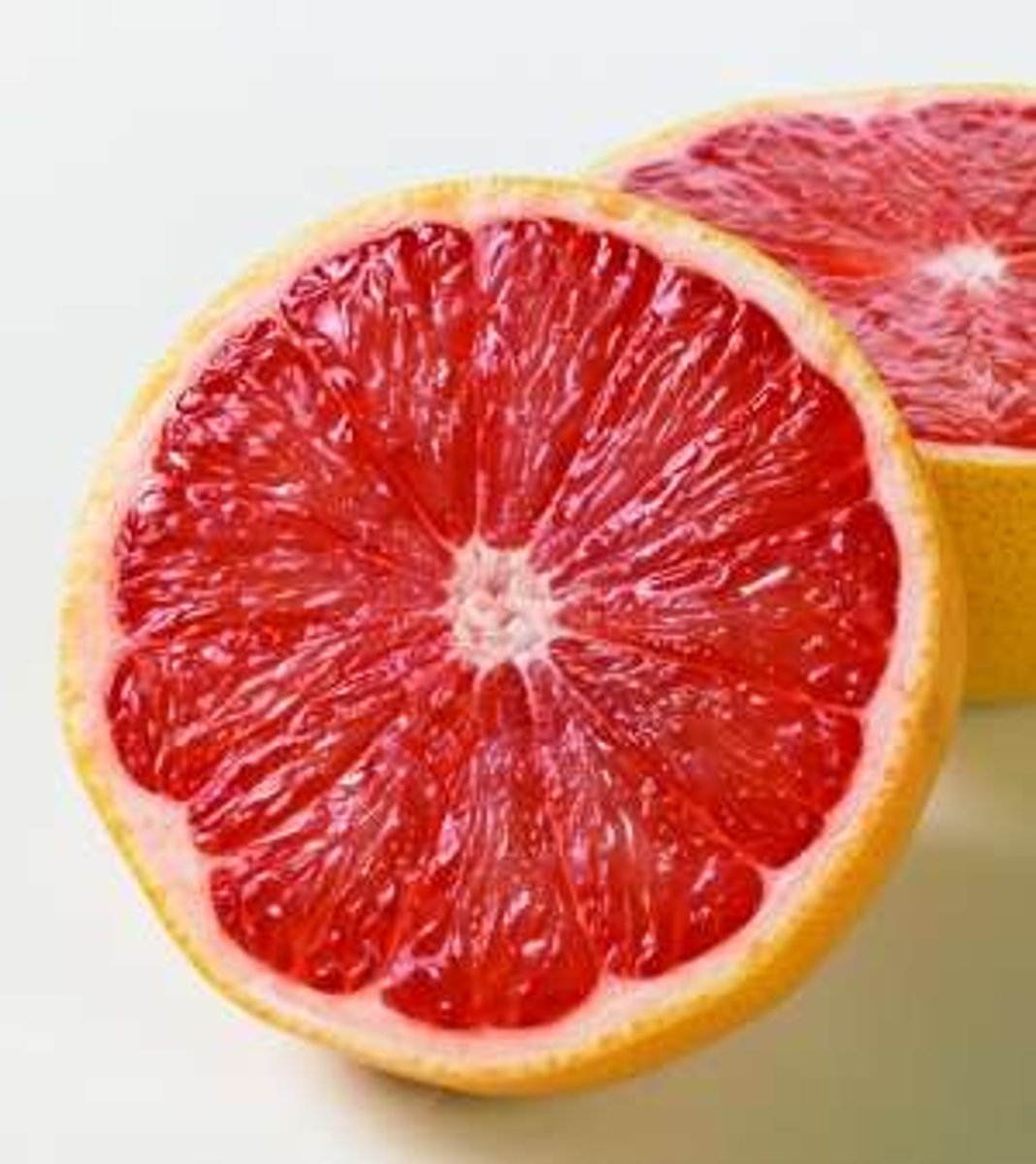
fruits
potassium, dietary fiber, vitamin c, and folate (folic acid)
vegetables
many nutrients, including potassium, dietary fiber, folate (folic acid), vitamin a, and vitamin c

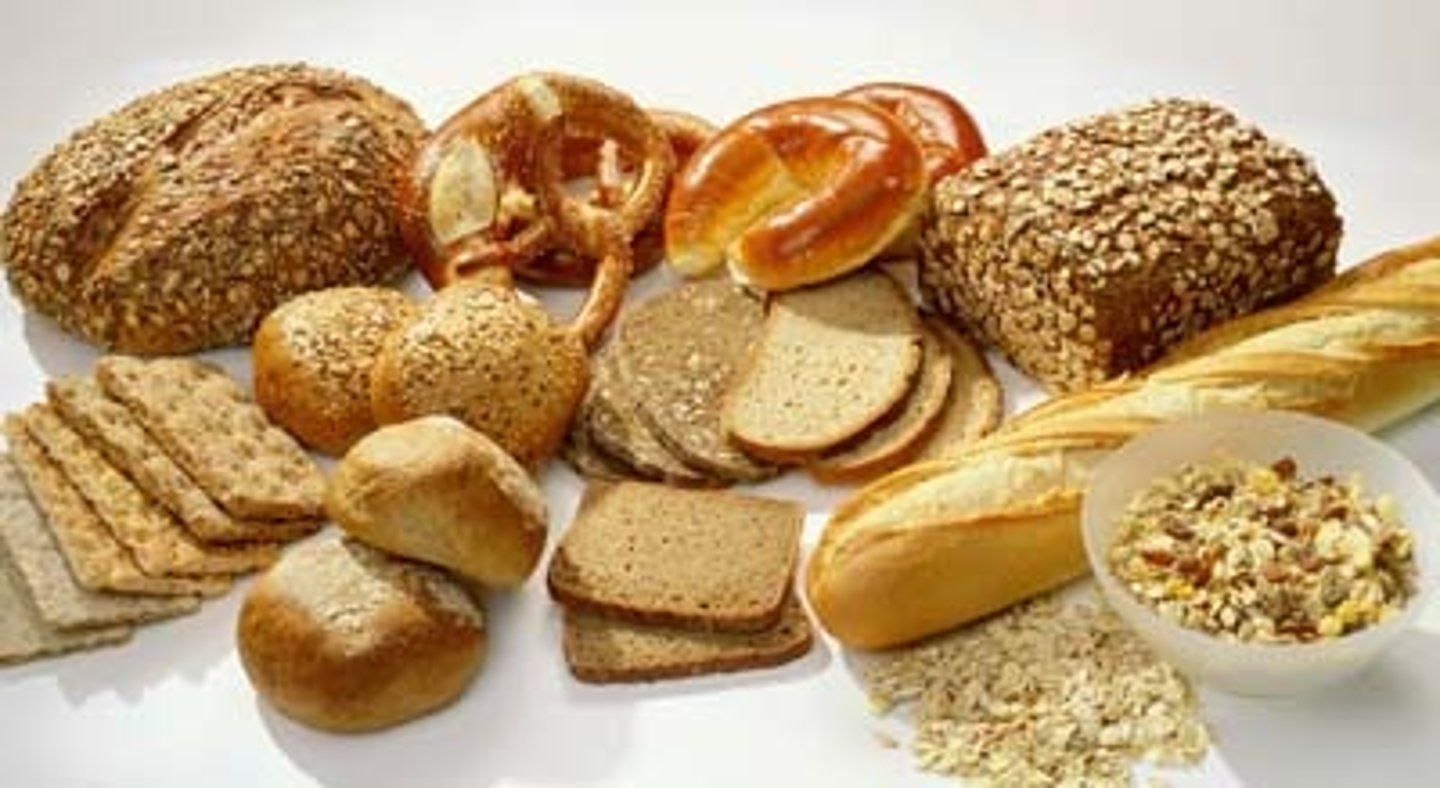
grains
dietary fiber, several b vitamins (thiamin, riboflavin, niacin, and folate), and minerals (iron, magnesium, and selenium)
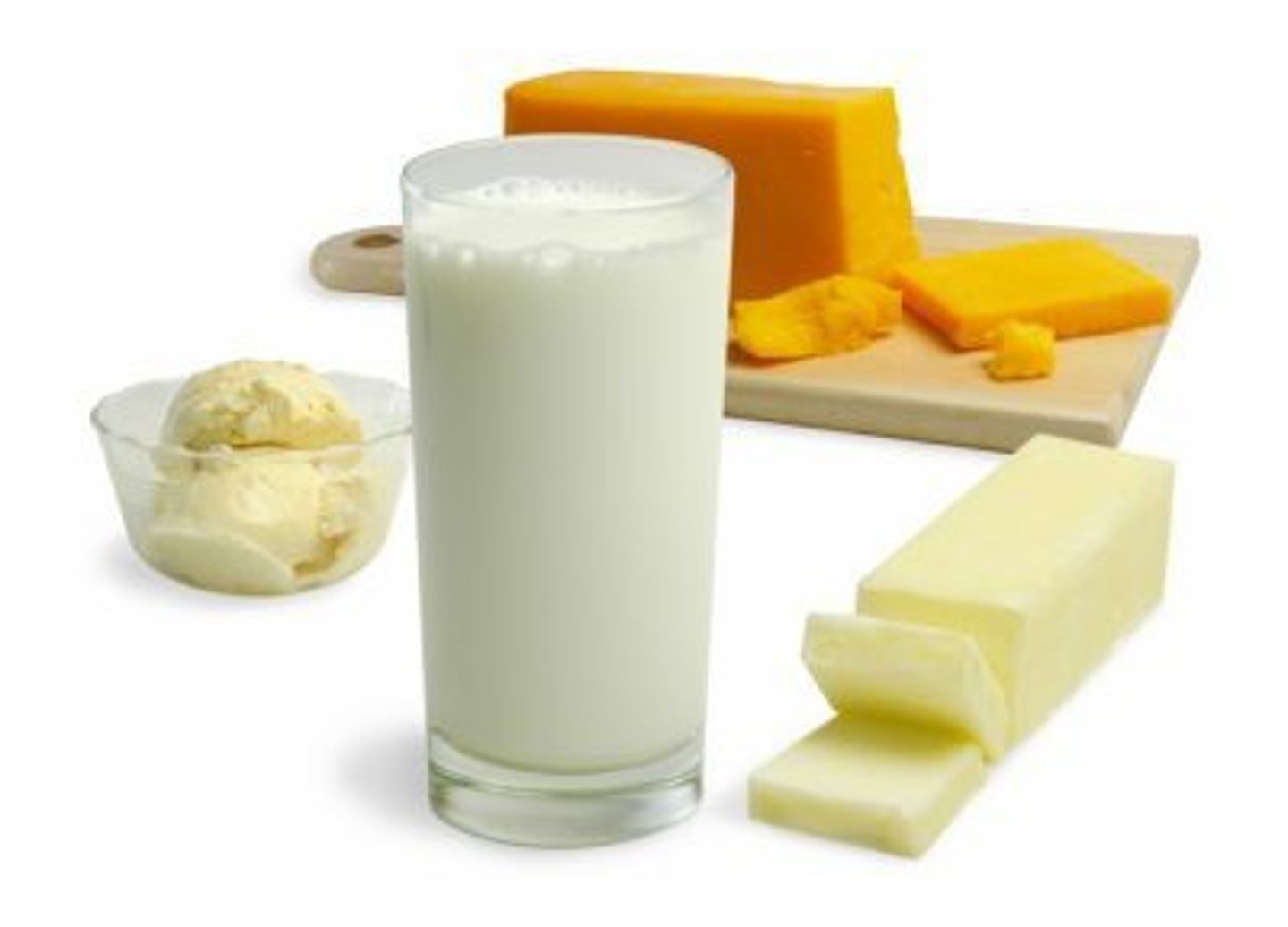
dairy
calcium, potassium, vitamin D, vitamin B12, and protein
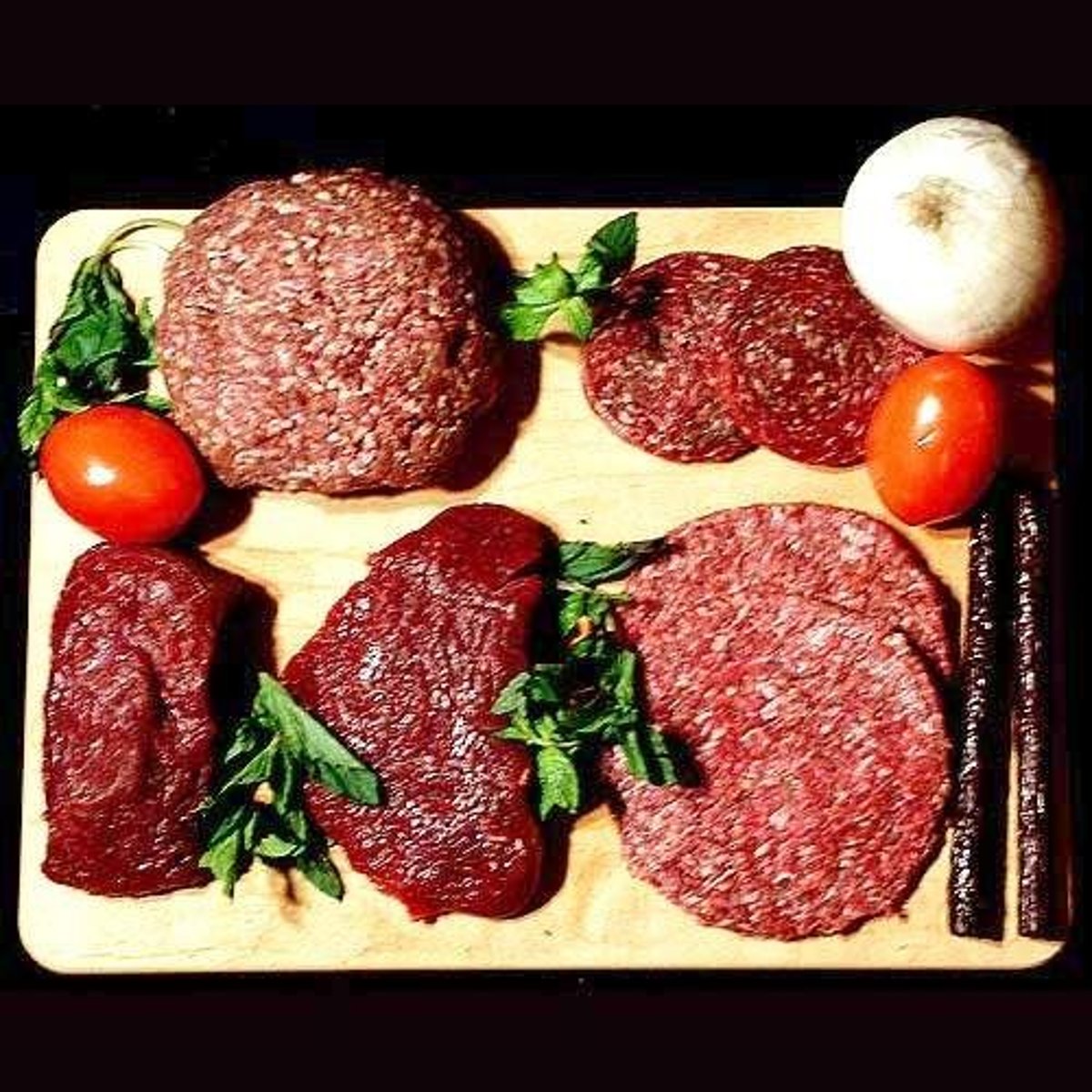
protein
protein, b vitamins (niacin, thiamin, riboflavin, and b6), vitamin E, vitamin B12, iron, zinc, and magnesium
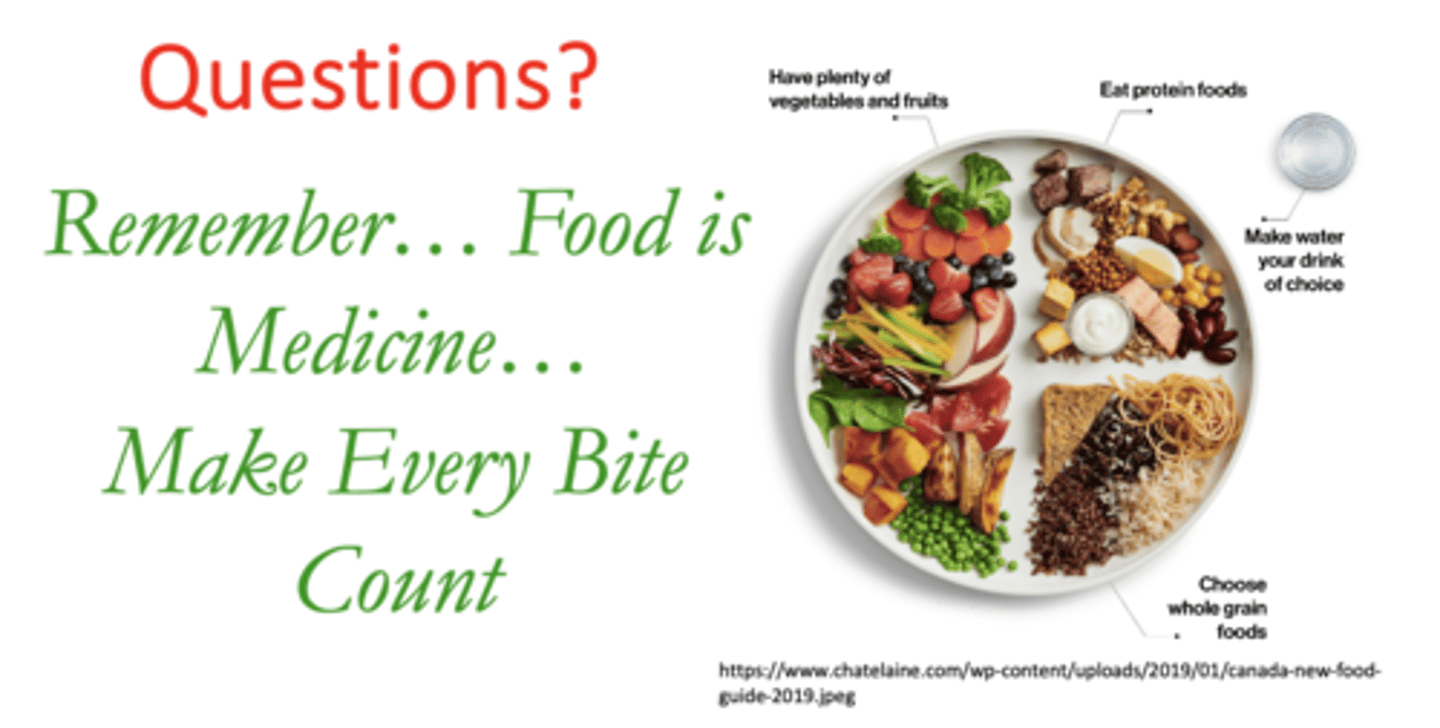
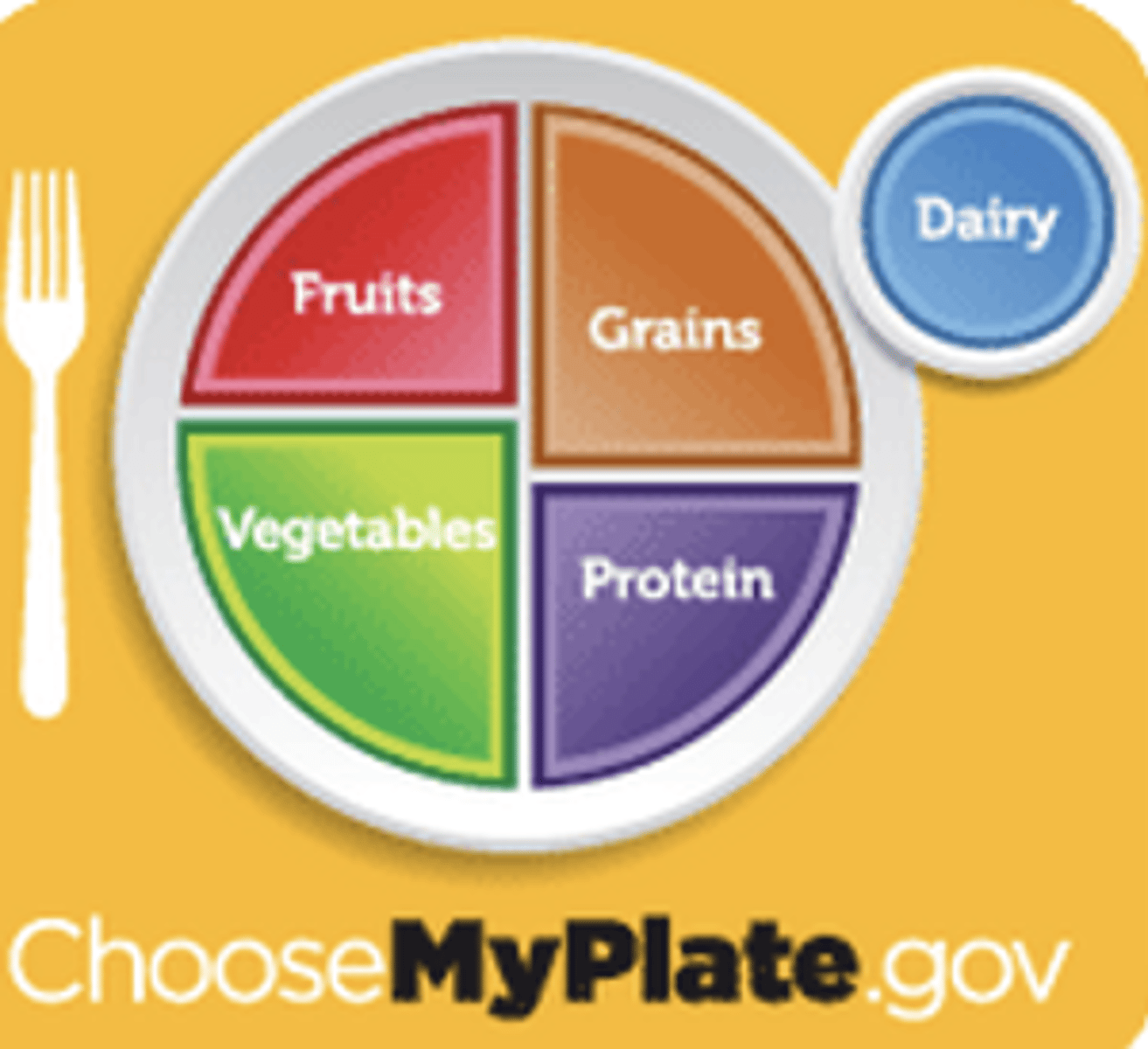
MyPlate
https://www.choosemyplate.gov/MyPlate (app available)
Breaks food we eat into five groups plus oil
Stresses importance of your plate consisting of mostly plant foods from three groups:
-- Vegetables
-- Fruits
-- Whole grains
Includes dairy which many people cannot eat - substitute soy or almond milk
Stresses importance of a colorful plate (only get if include lots of plant foods)
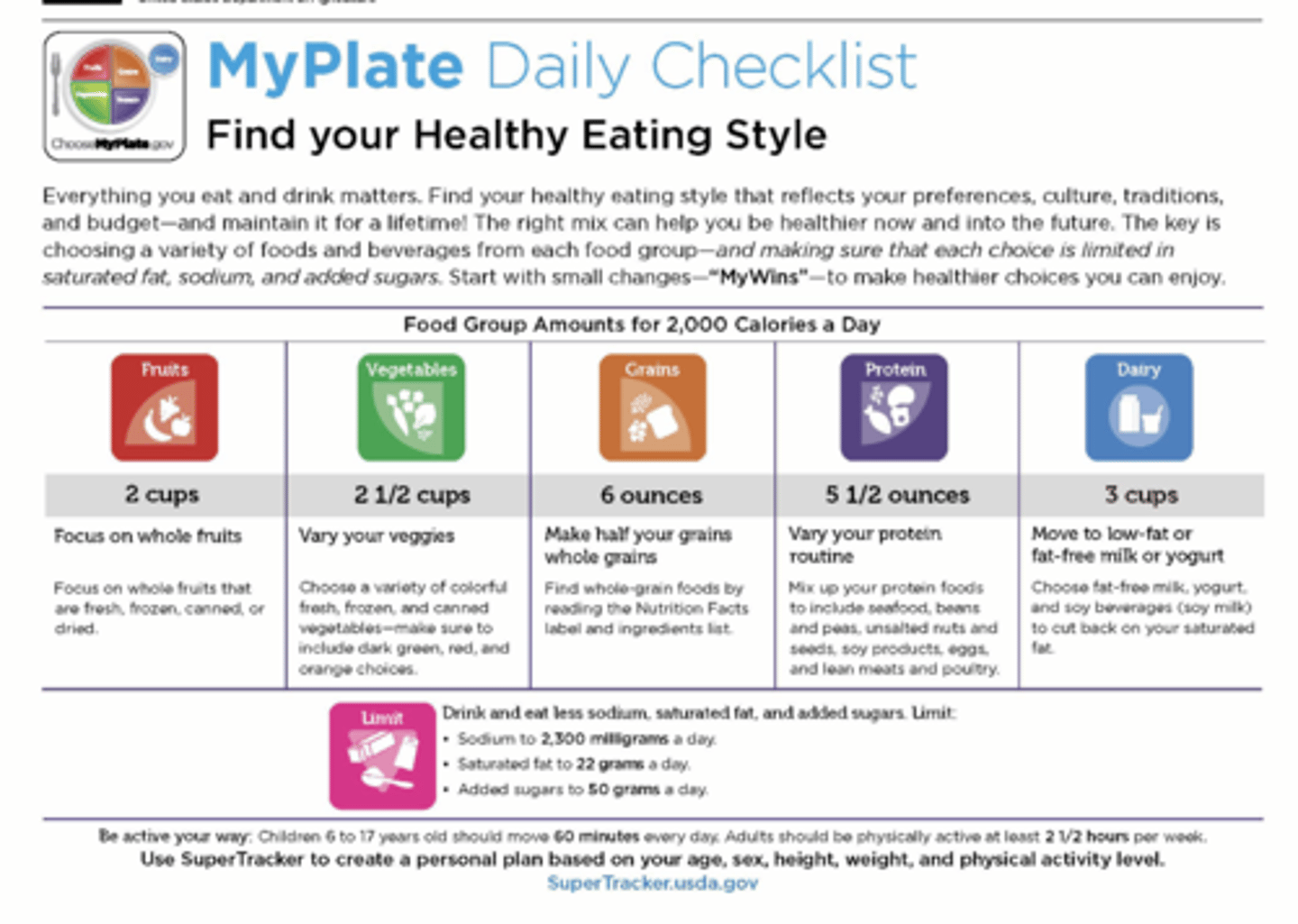
MyPlate Daily Checklist
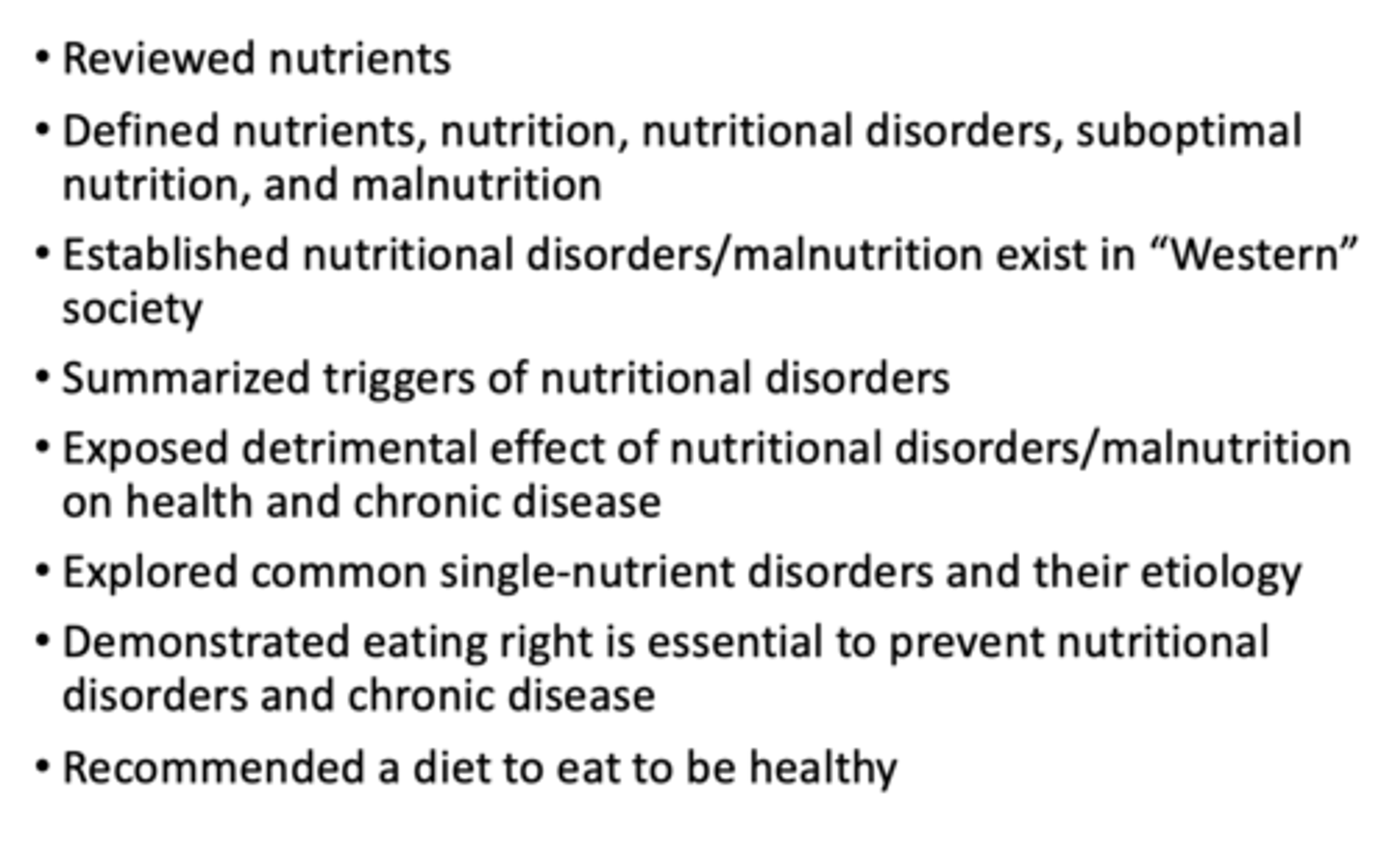
summary
our job
to assist in identifying potential nutritional disorders/malnutrition and bring to the attention of the medical team, doctor, and/or dietitian