Anatomy 6.1: Muscoskeletal System 1
 Call Kai
 Learn
Learn Practice Test
 Spaced Repetition
 Match
Match Flashcards
 Knowt Play
1/461

There's no tags or description
Looks like no tags are added yet.
Name | Mastery | Learn | Test | Matching | Spaced | Call with Kai |
|---|
No analytics yet
Send a link to your students to track their progress
462 Terms
What does the skeletal system consist of?
Bones and cartilage
What is the main function of the skeletal system?
It provides shape and support for the body
Which system acts on the skeletal system to produce movement?
The muscular system
Name two vital organs protected by the skeletal system
The heart and lungs. (Also protects pelvic organs.)
What does the articular system consist of?
Joints and their associated ligaments
What is the function of the articular system?
It connects bones and provides sites where movement occurs
What does the muscular system consist of?
Skeletal muscles, smooth muscle, and cardiac muscle
What is the function of skeletal muscles?
To contract and move or position parts of the body
What do smooth and cardiac muscles do?
They propel, expel, or control the flow of fluids and substances in the body
Parts of the skeletal system
- bones (skeleton)
- joints
- cartilages
- ligaments (bone to bone)
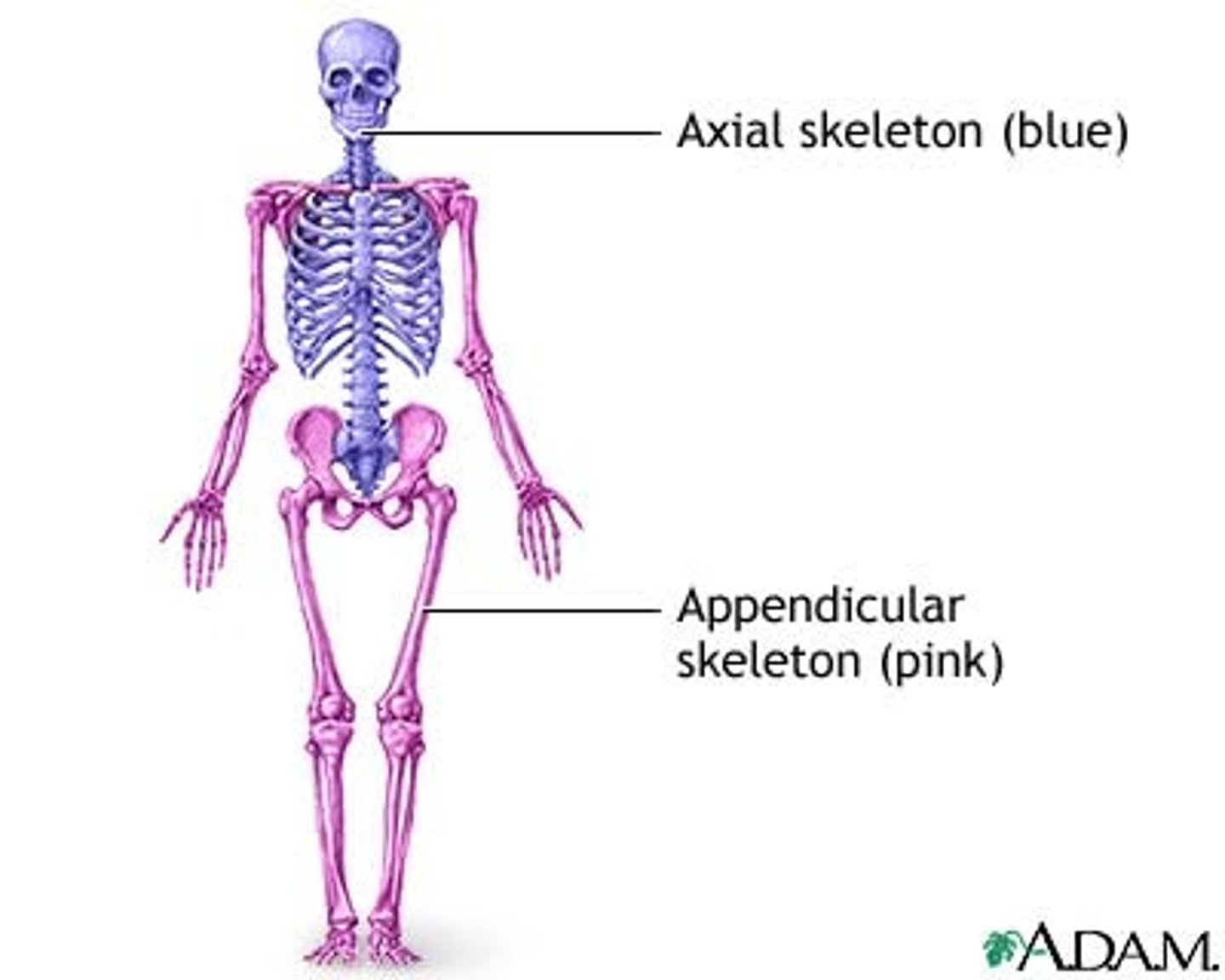
2 divisions of the skeletal system
1. Axial
2. Appendicular
axial skeleton components
- skull, vertebral column, rib cage, sternum
- forms vertical axis of the body by supporting head, neck, back and chest
appendicular skeleton
- Bones of the limbs and limb girdles that are attached to the axial skeleton
- all bones of the upper and lower limbs
Functions of Bones and Muscles
- support the body
- protection of soft organs
- movement due to attached skeletal muscles
- storage of minerals and fats
- hematopoesis (blood cell formation)
How many bones does the human body have?
206 bones
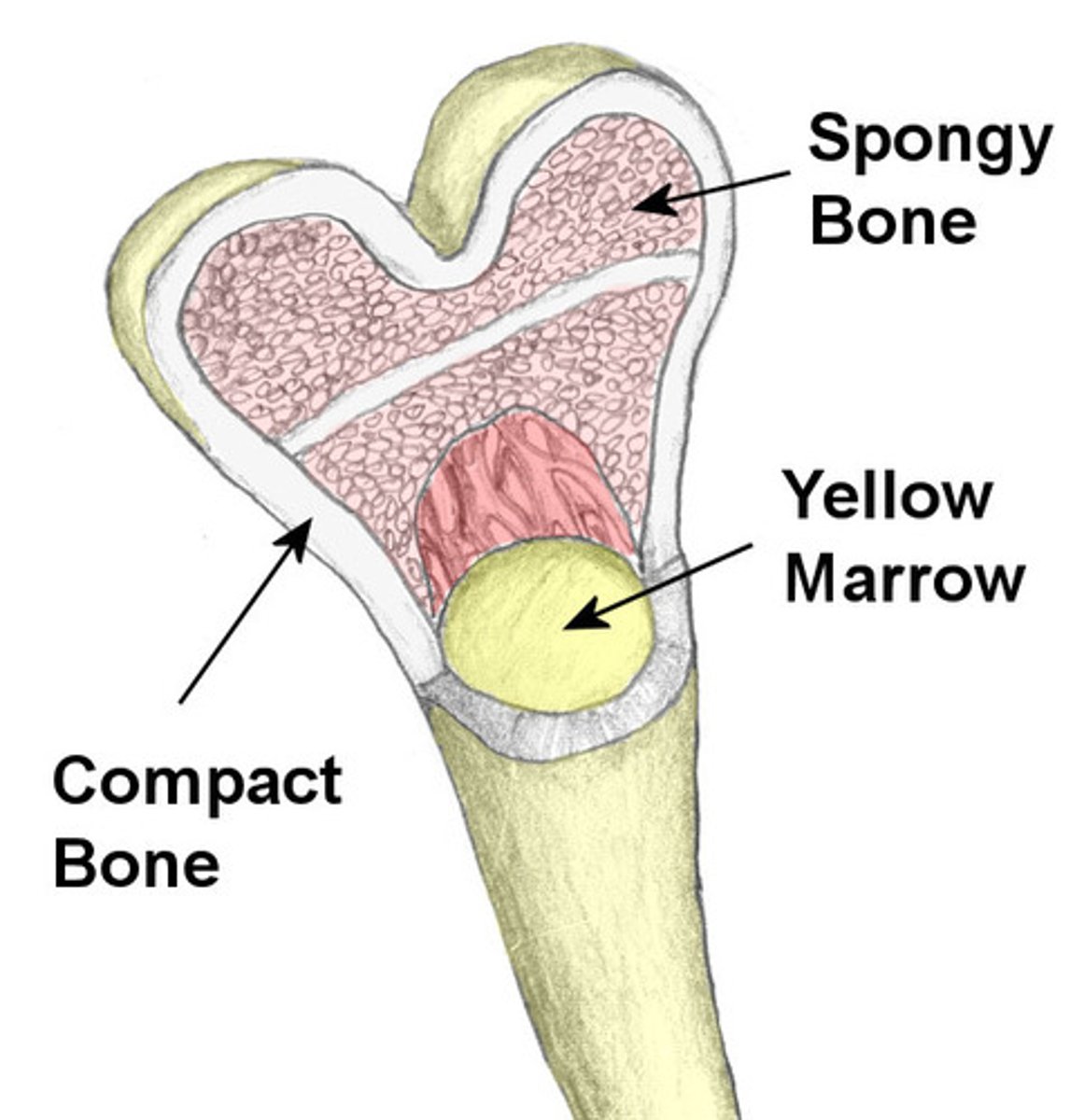
2 types of bone tissue
compact bone and spongy bone
compact bone
- Hard, dense bone tissue that is beneath the outer membrane of a bone
- homogenous
4 types of bone classificstion based on shape
- long bone
- short bone
- flat bone
- irregular bone
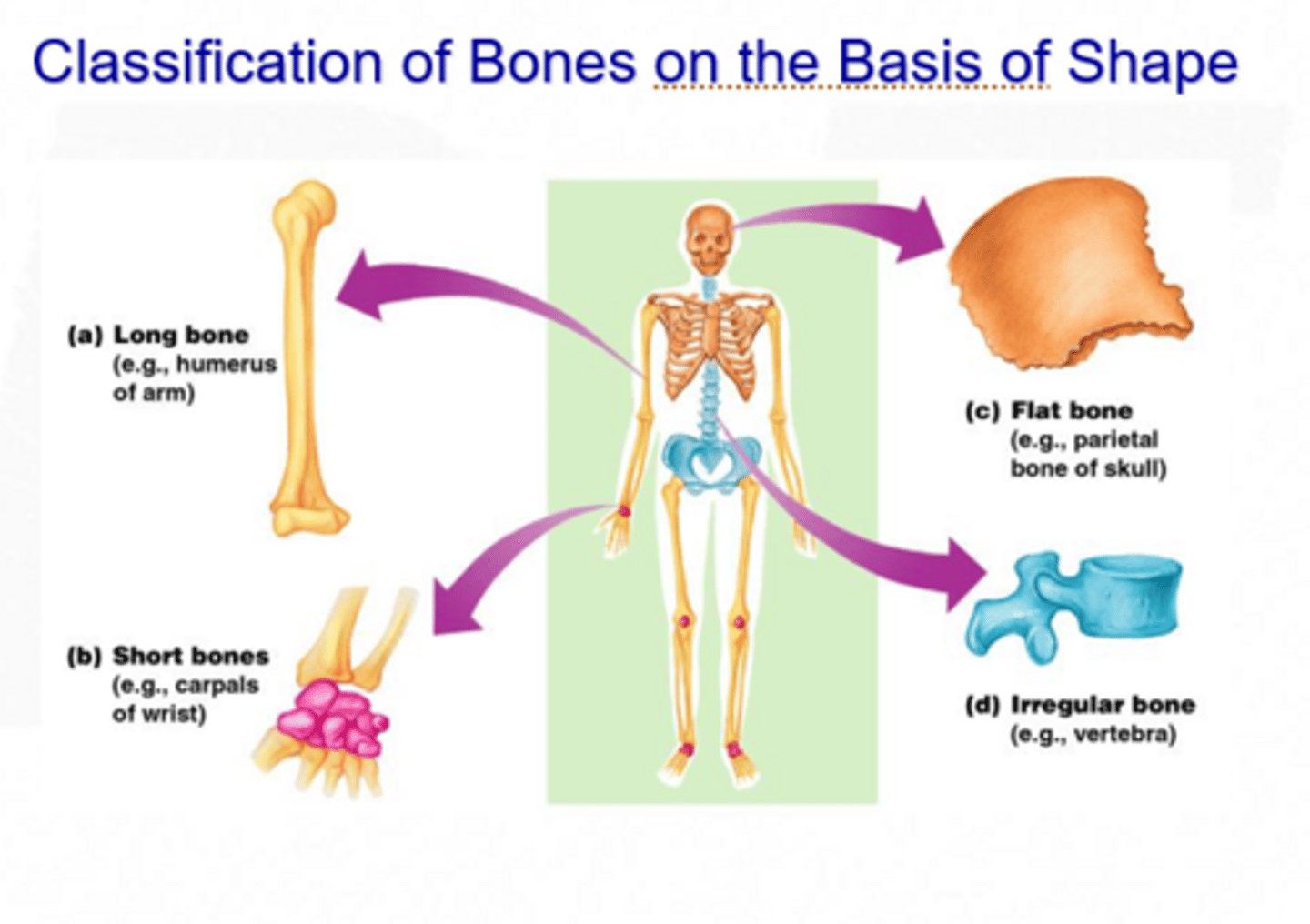
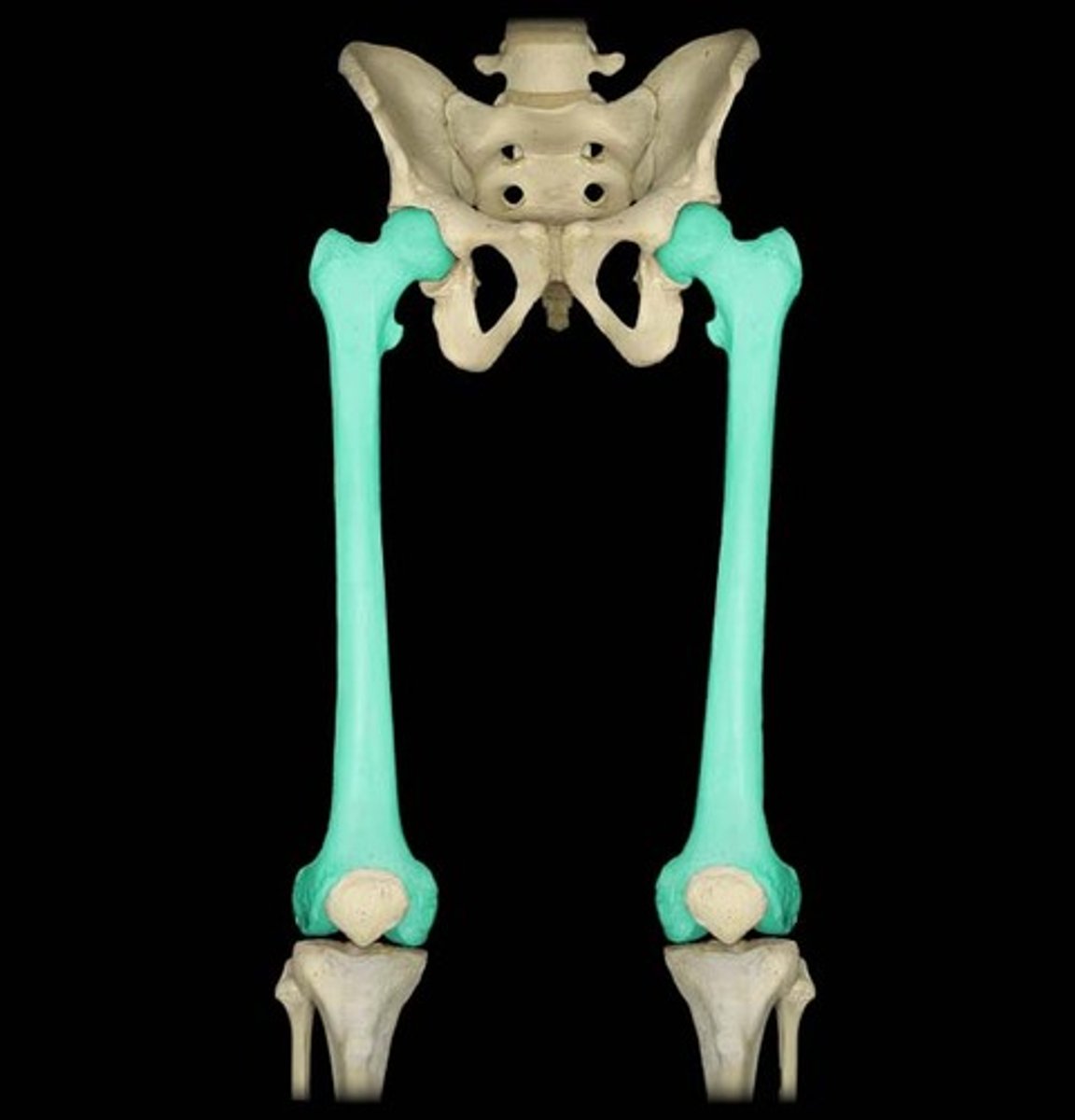
example to long bone
femur, humerus
example of short bone
carpals of the wrist
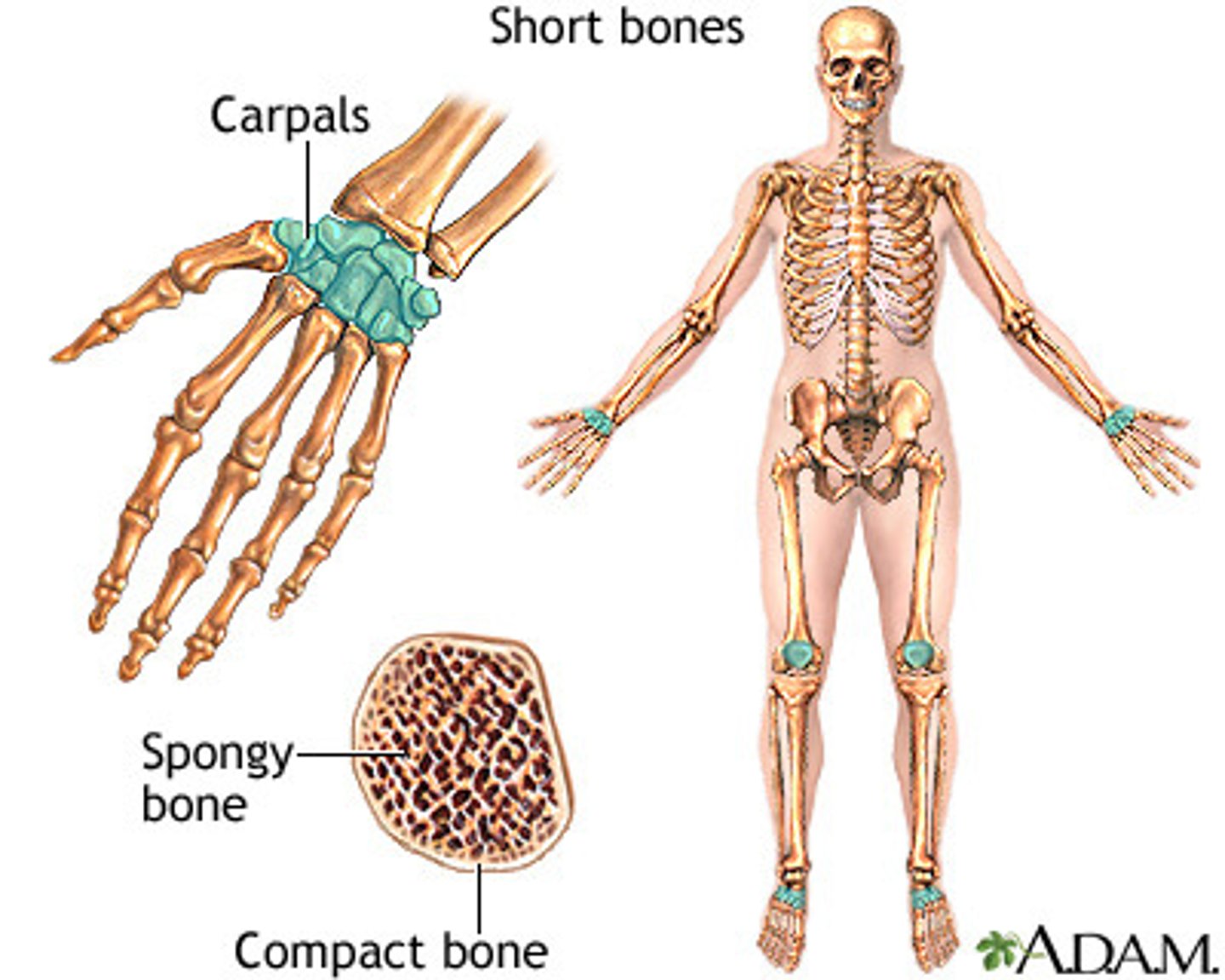
example of flat bone
parietal bone of skull
Example of an irregular bone
vertebrae
What is a joint (articulation)?
The place where two bones come together
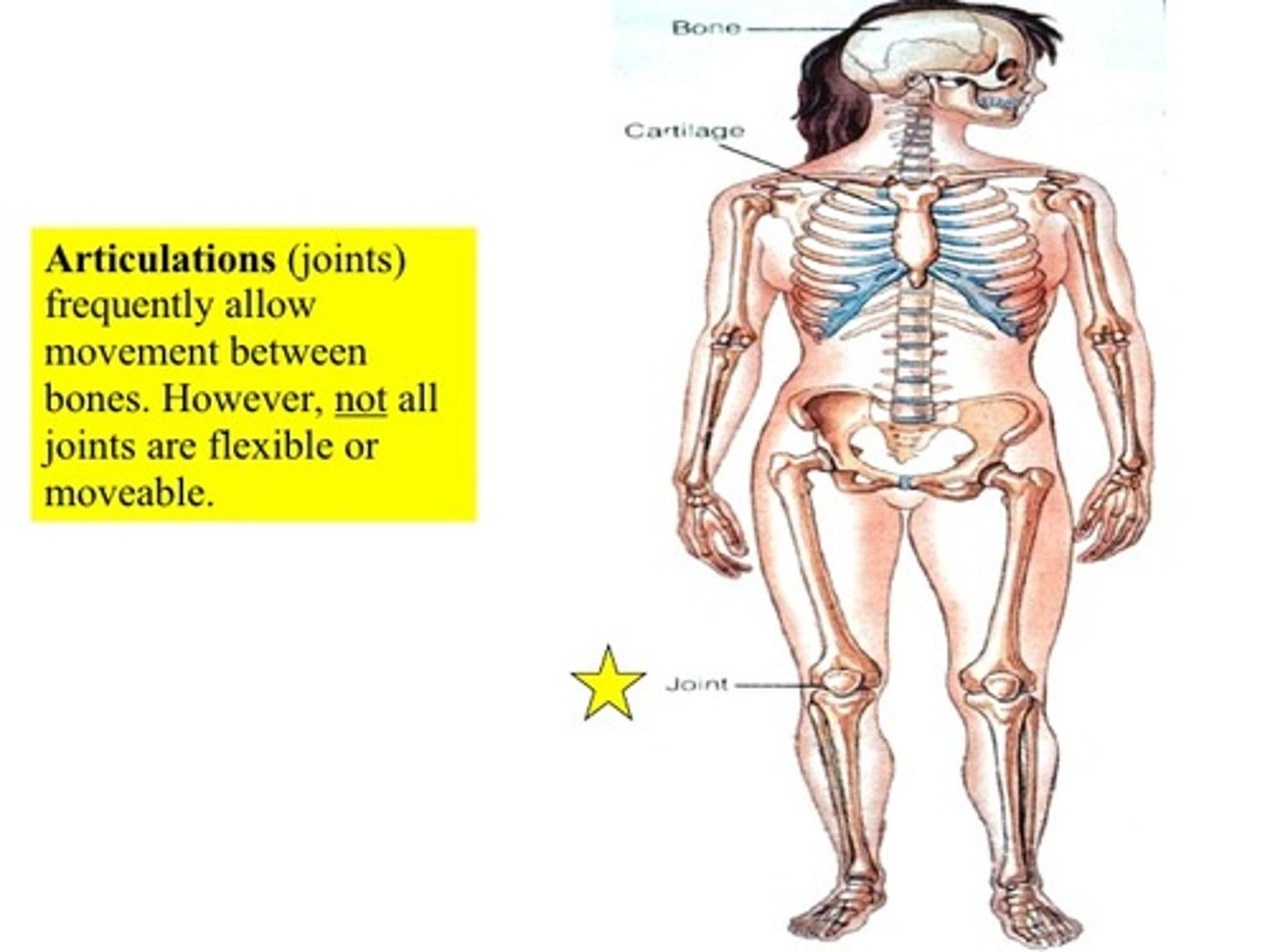
How are joints structurally classified?
Fibrous, cartilaginous, and synovial
What type of joint is fibrous?
Immovable joints
What do fibrous joints connect?
Bones with no movement
Give examples of fibrous joints.
Skull and pelvis
What type of movement do cartilaginous joints allow?
Slight movement
How are bones connected in cartilaginous joints?
By cartilage (e.g. hyaline or fibrocartilage)
Give examples of cartilaginous joints
Spine or ribs
What type of movement do synovial joints allow?
Free movement
What fills the cavity between bones in synovial joints?
Synovial fluid
What is the function of synovial fluid?
It lubricates and protects the bones
Which type of joint is the most movable?
Synovial joints
structural classification of joints
1. Fibrous
2. Cartilaginous
3. Synovial
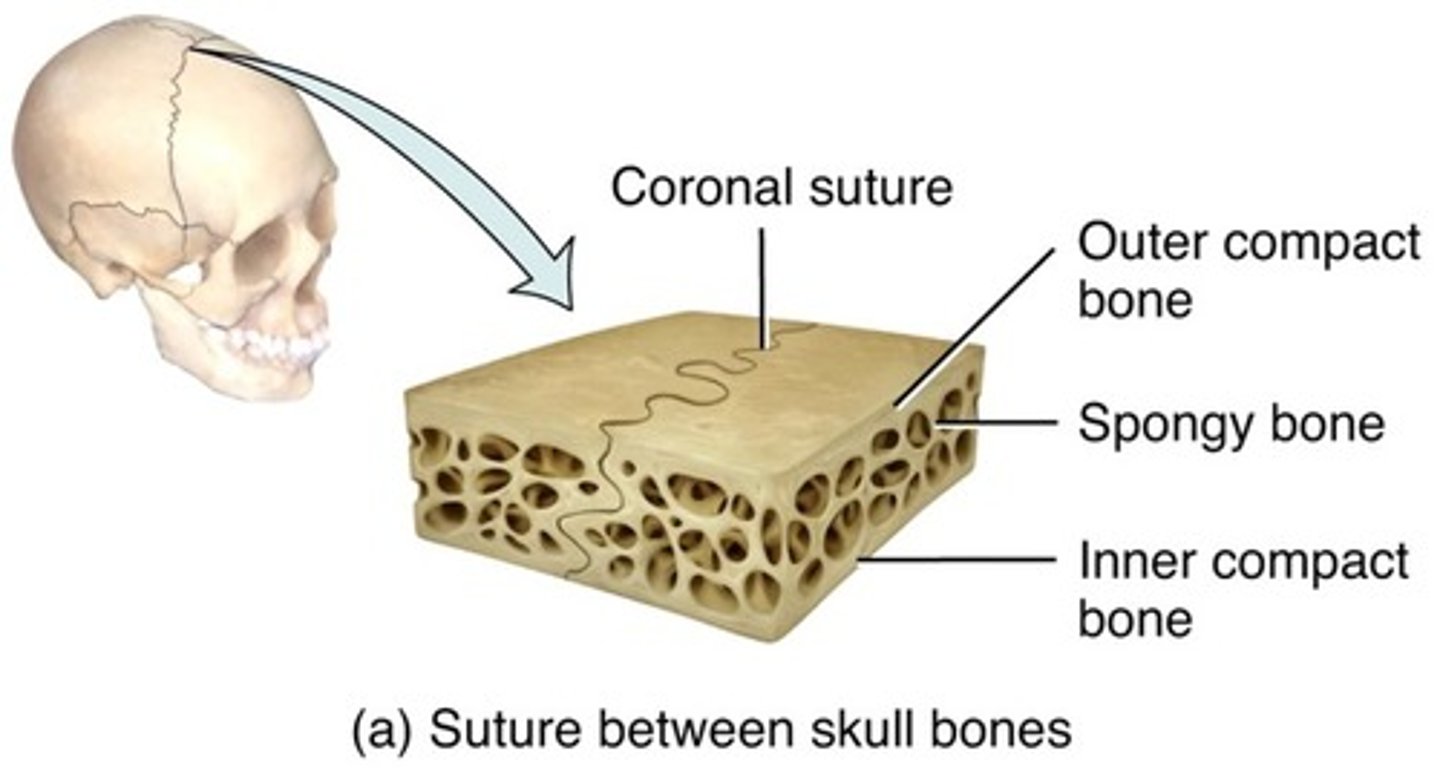
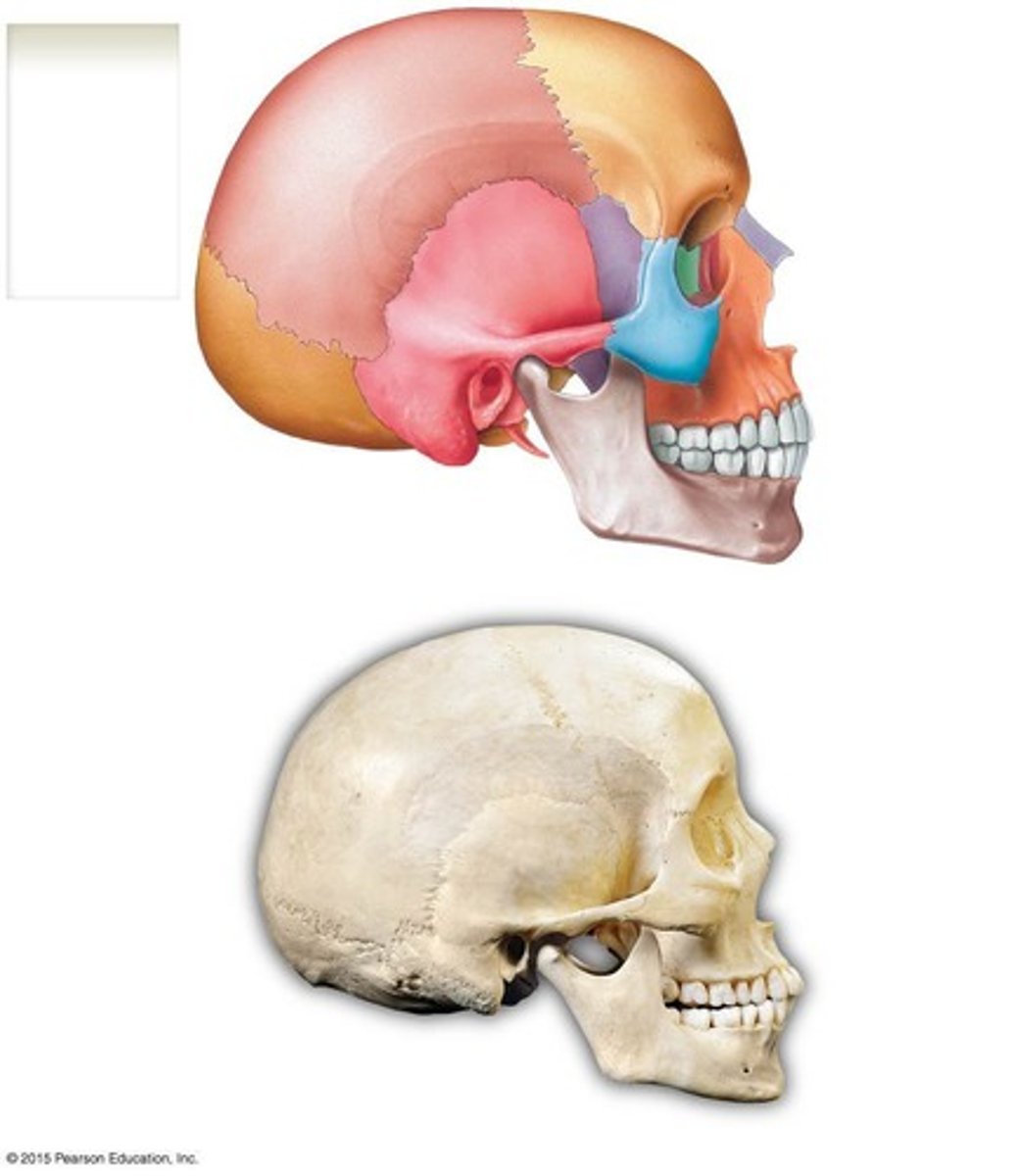
suture (fibrous joint)
interlocking line of union between bones made with dense fibrous connective tissue; skull
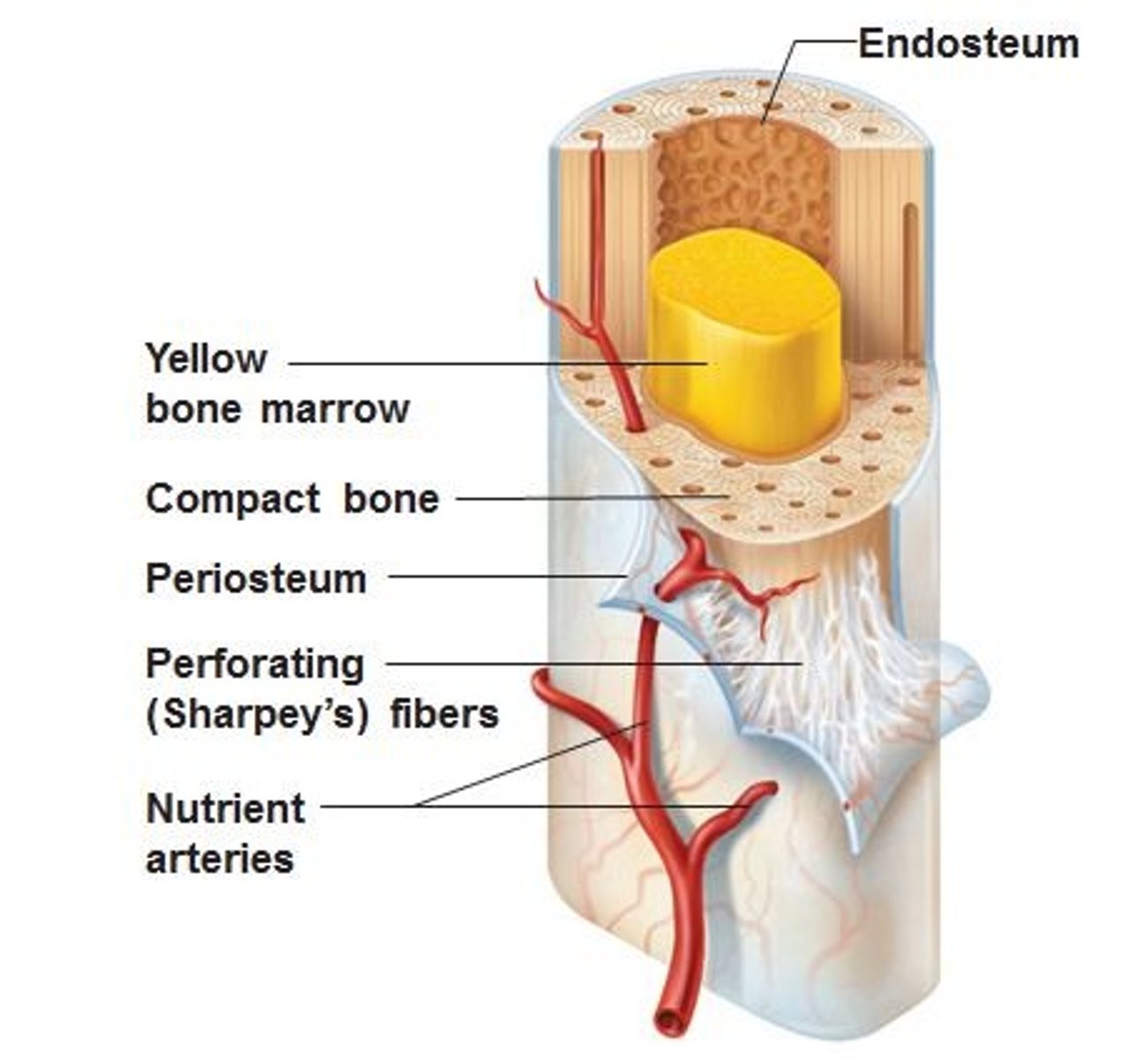
Periosteum
A dense fibrous membrane covering the surface of bones (except at their extremities) and serving as an attachment for tendons and muscles.
joint capsule
The fibrous sac that encloses a joint.
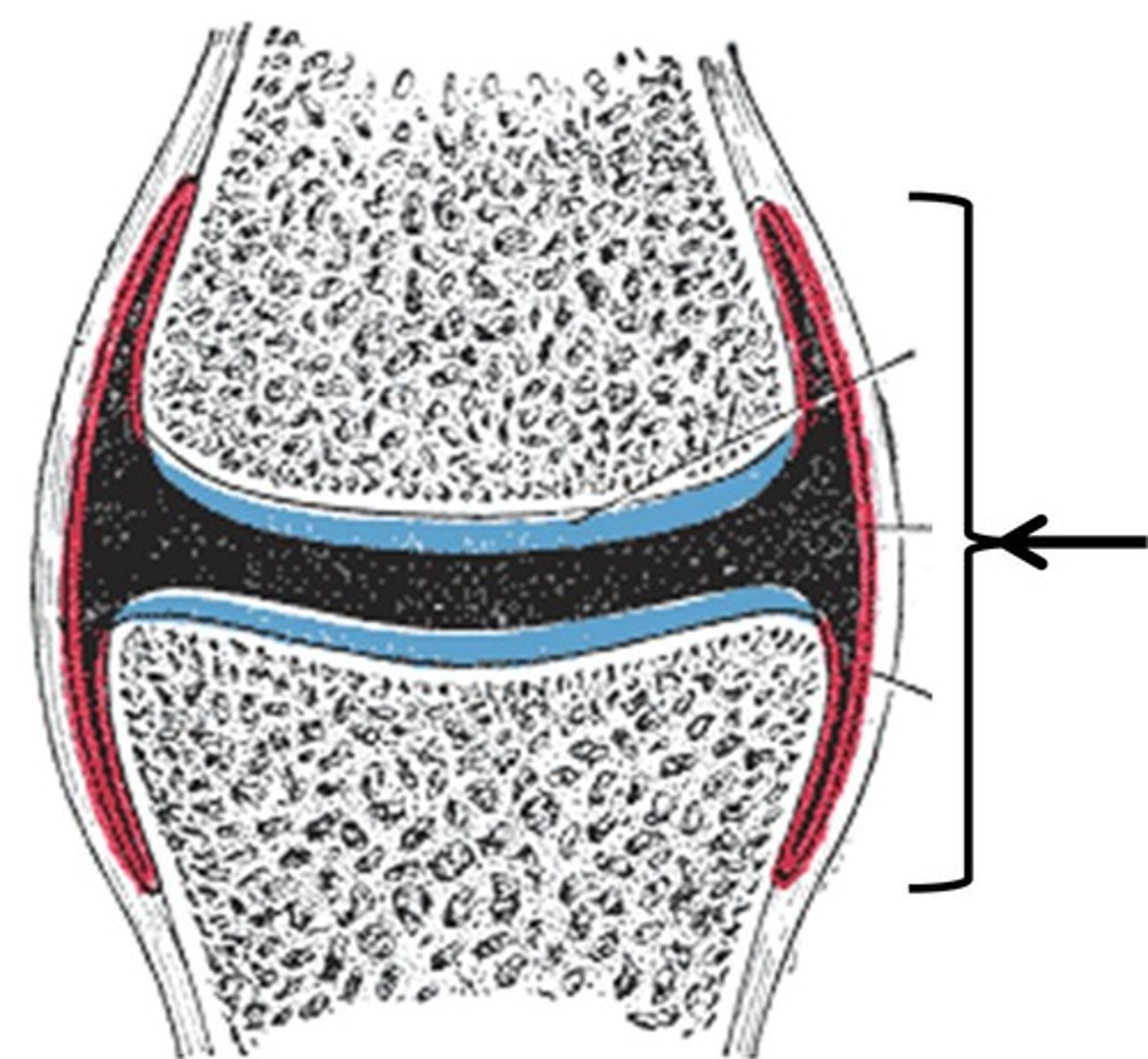
components of joint capsule
fibrous capsule and synovial membrane
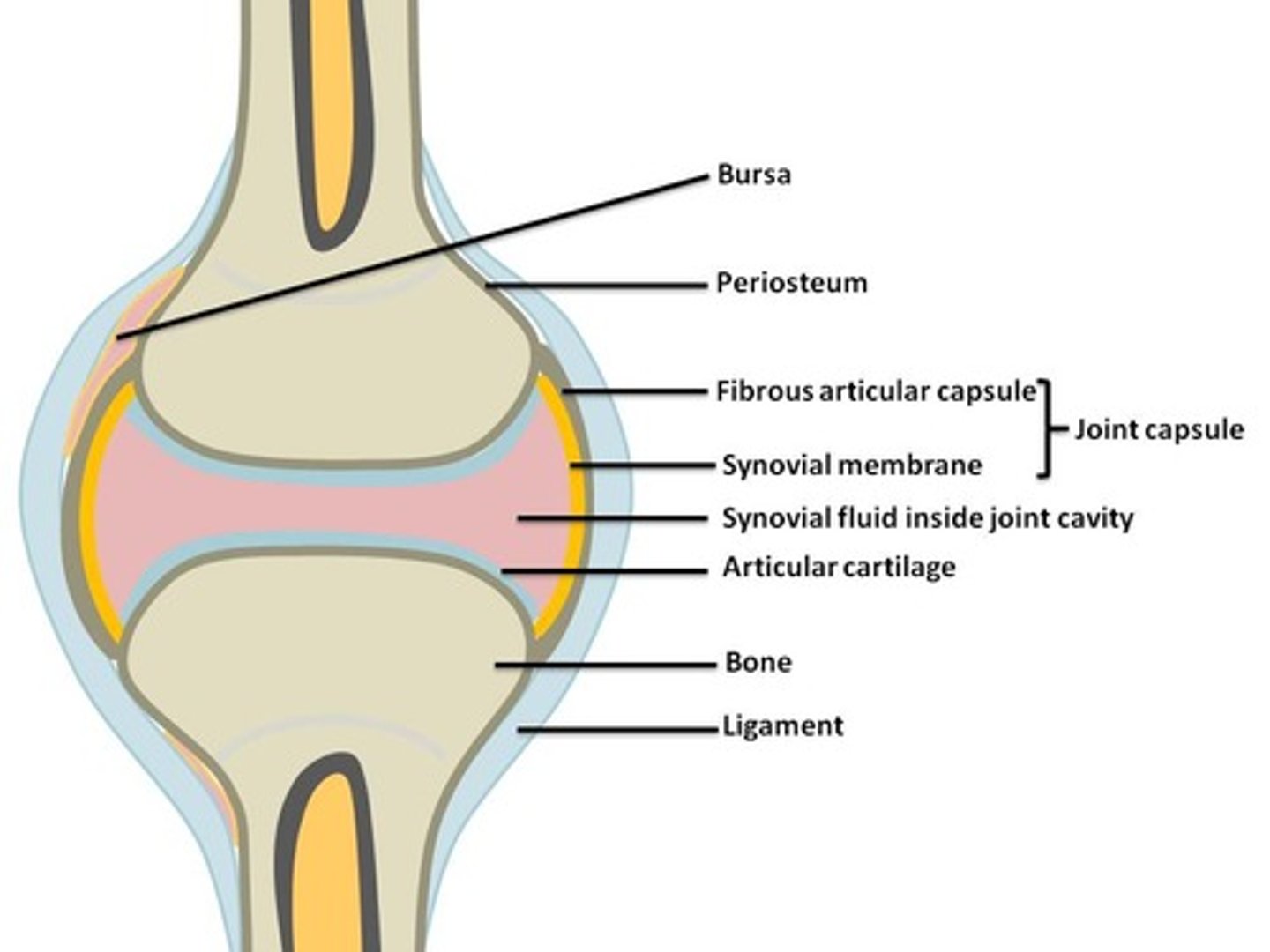
synovial membrane
The lining of a joint that secretes synovial fluid into the joint space.
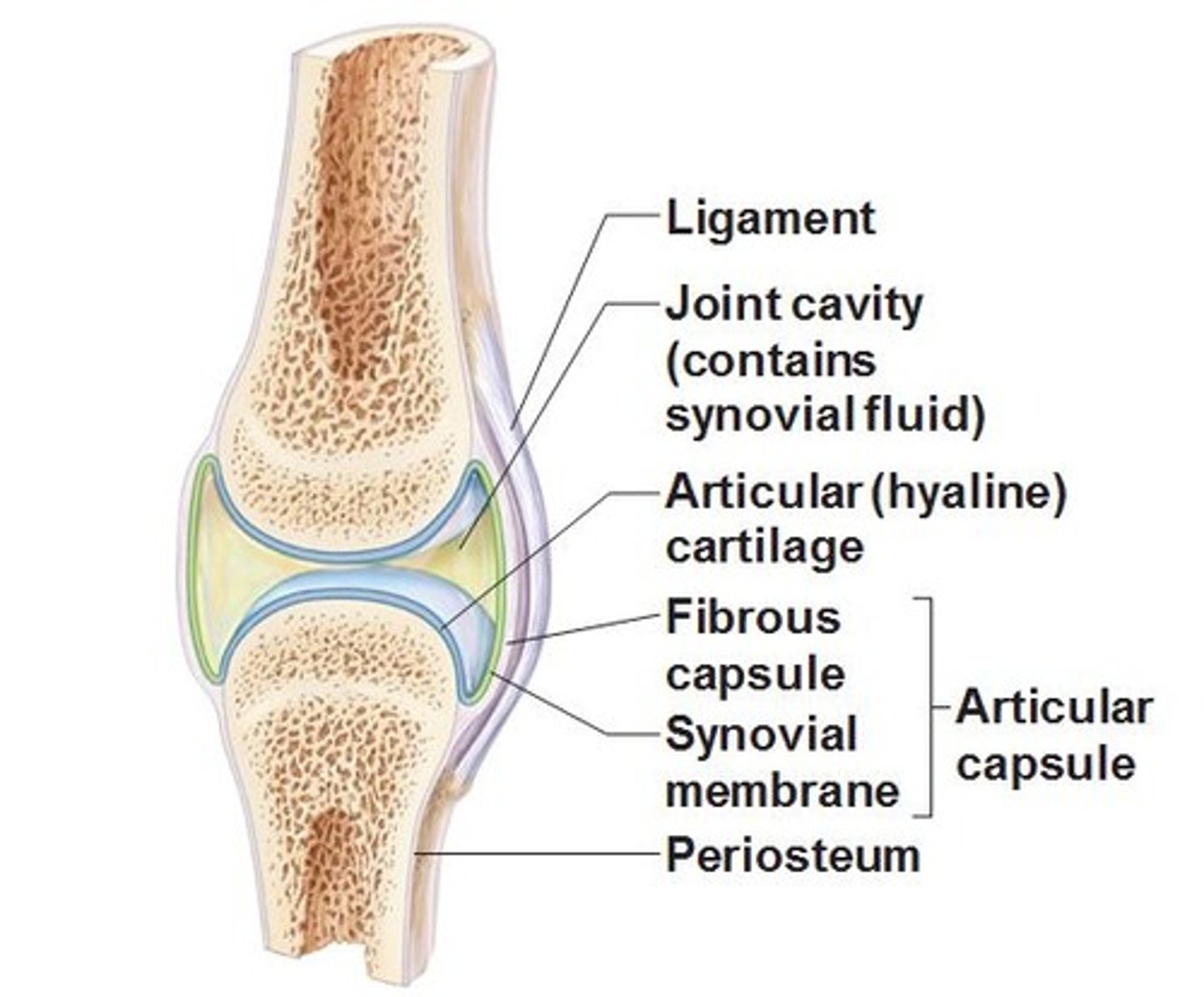
joint cavity
contains synovial fluid
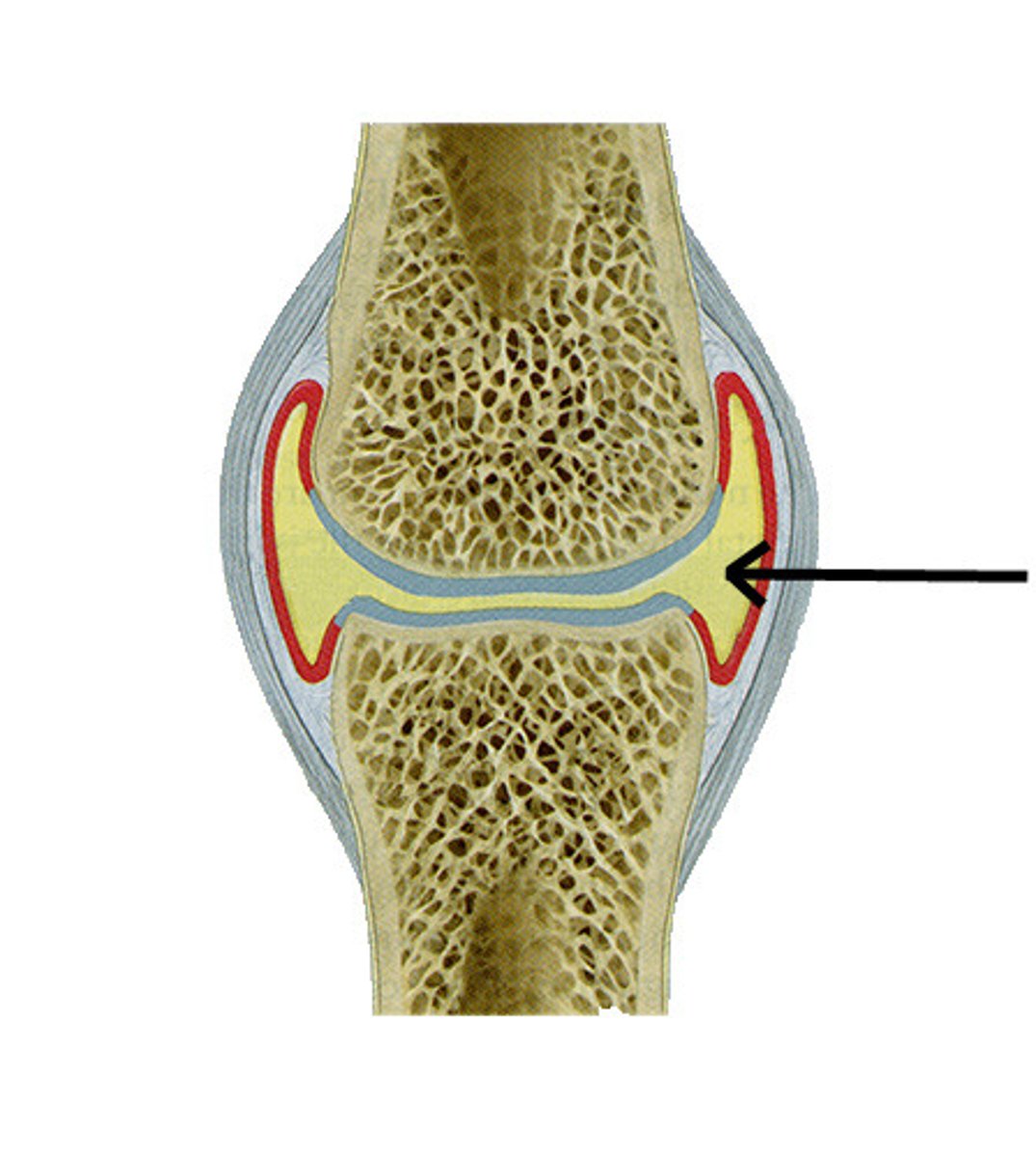
articular cartilage
covers the surfaces of bones where they come together to form joints
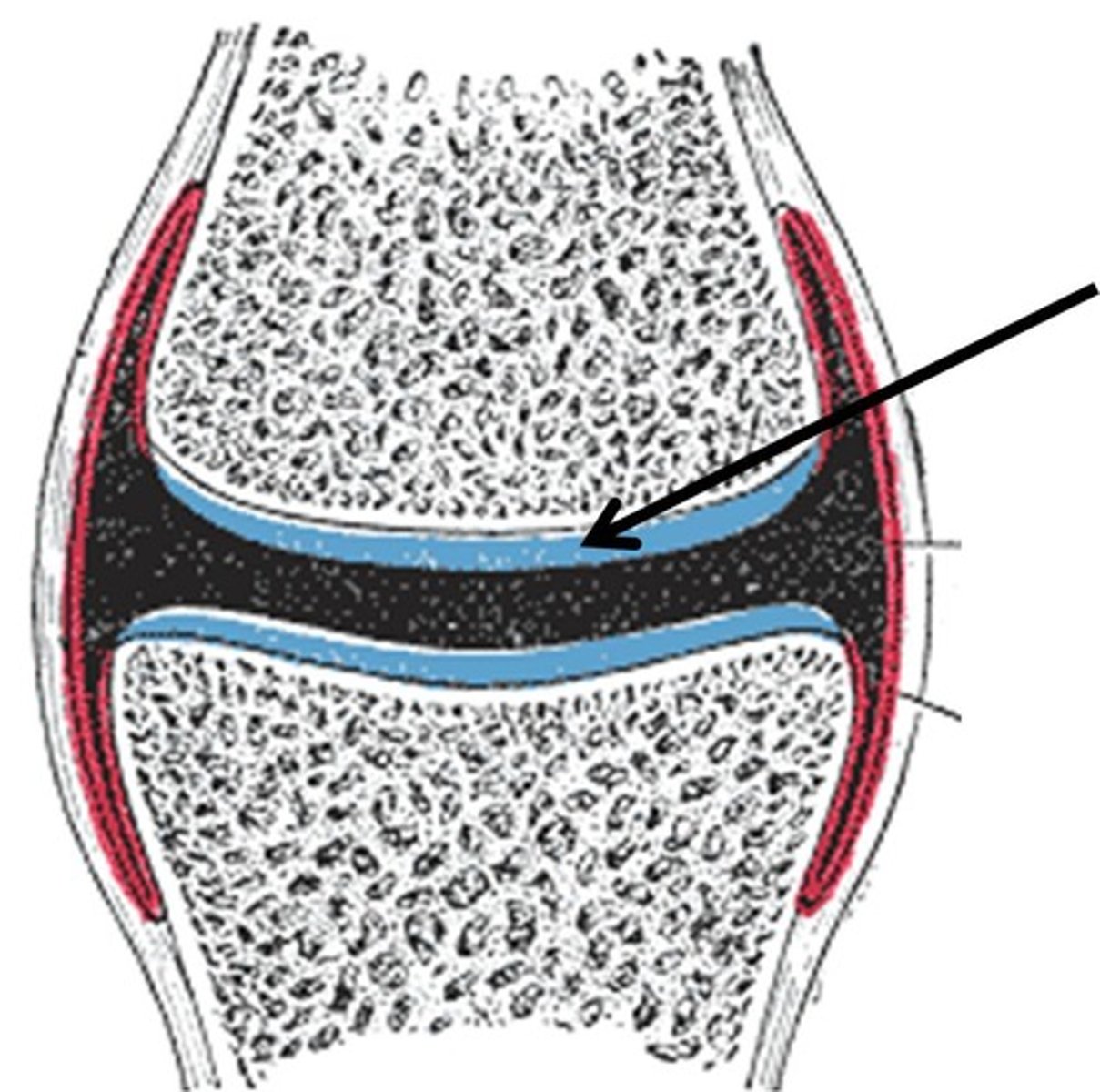
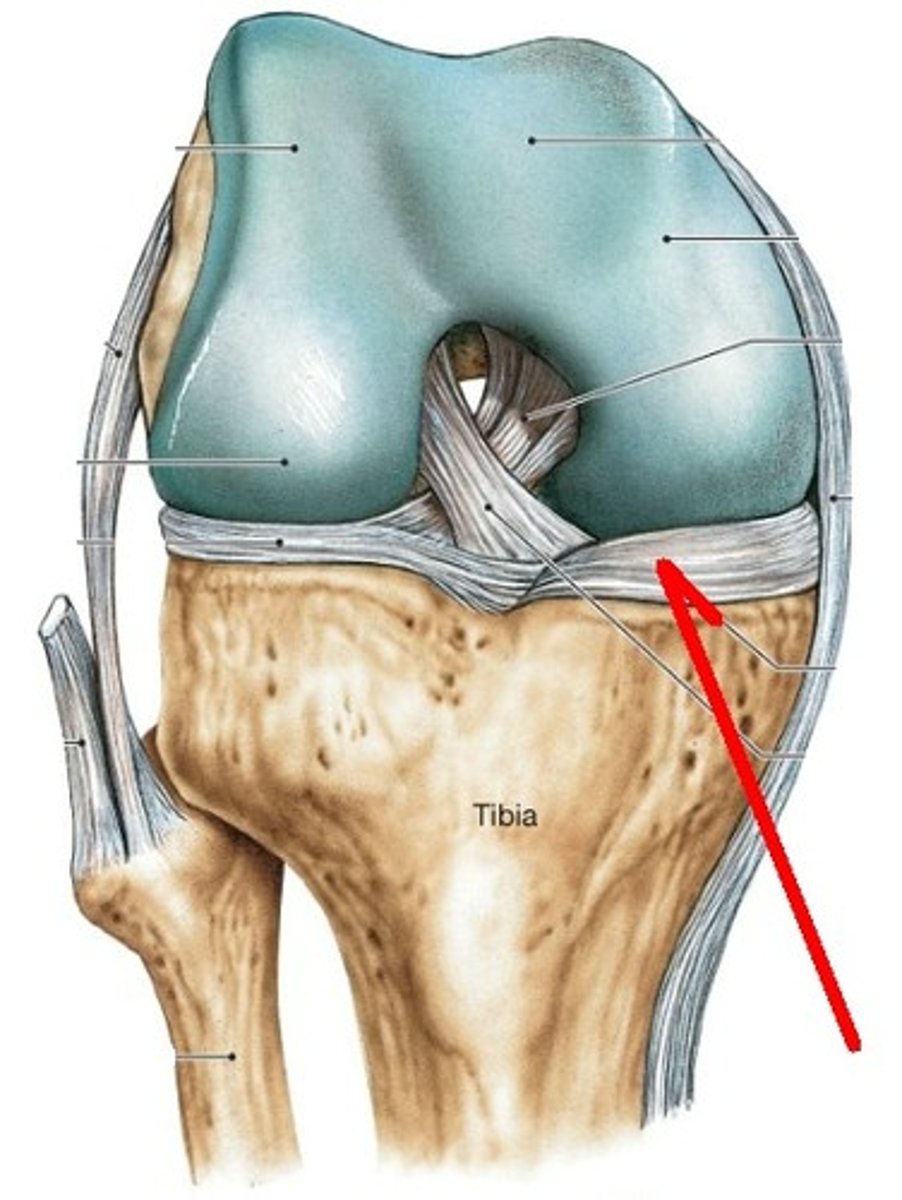
Meniscus
Curved surface of liquid
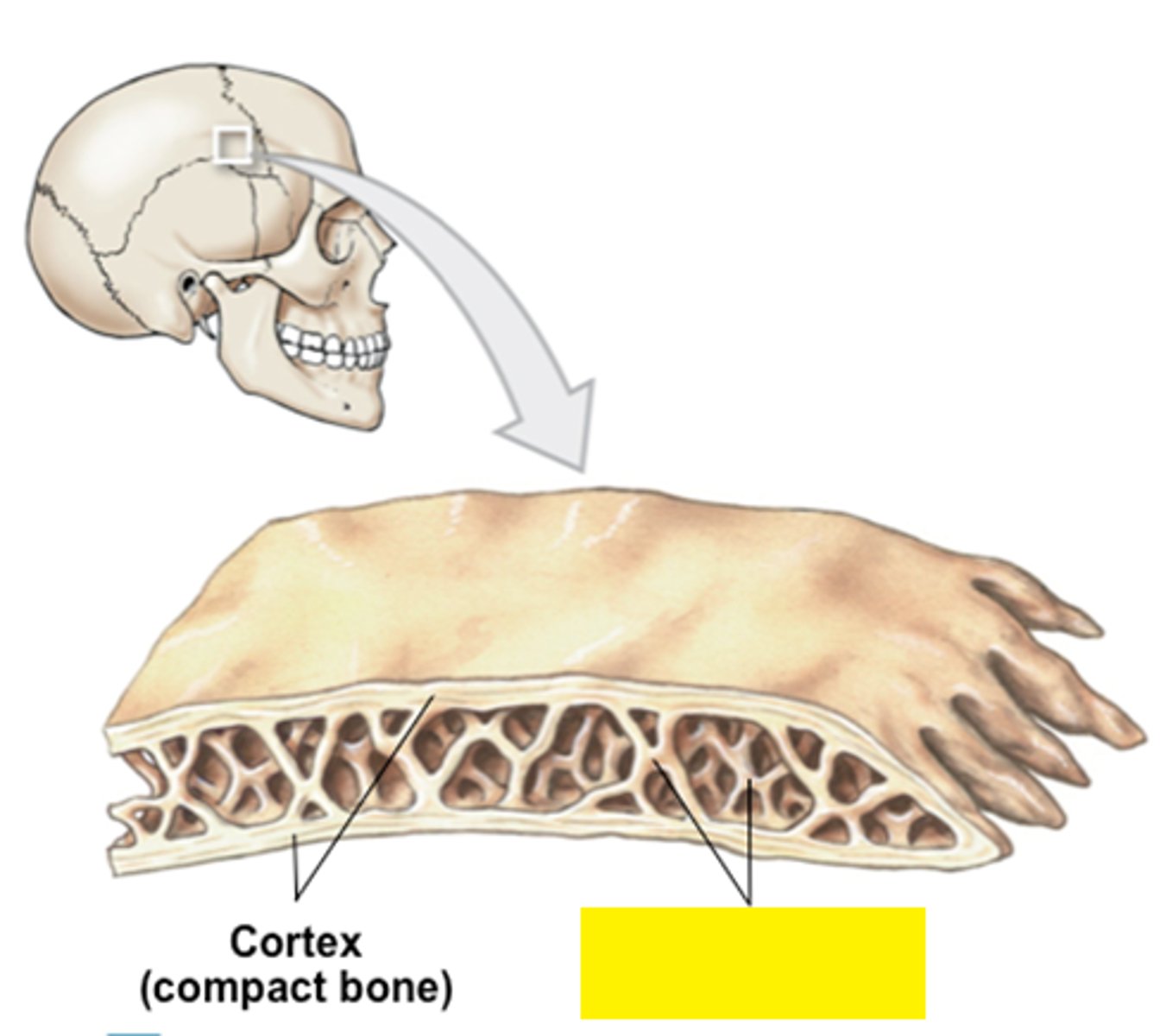
Diploe (spongy bone)
spongy bone in flat bones
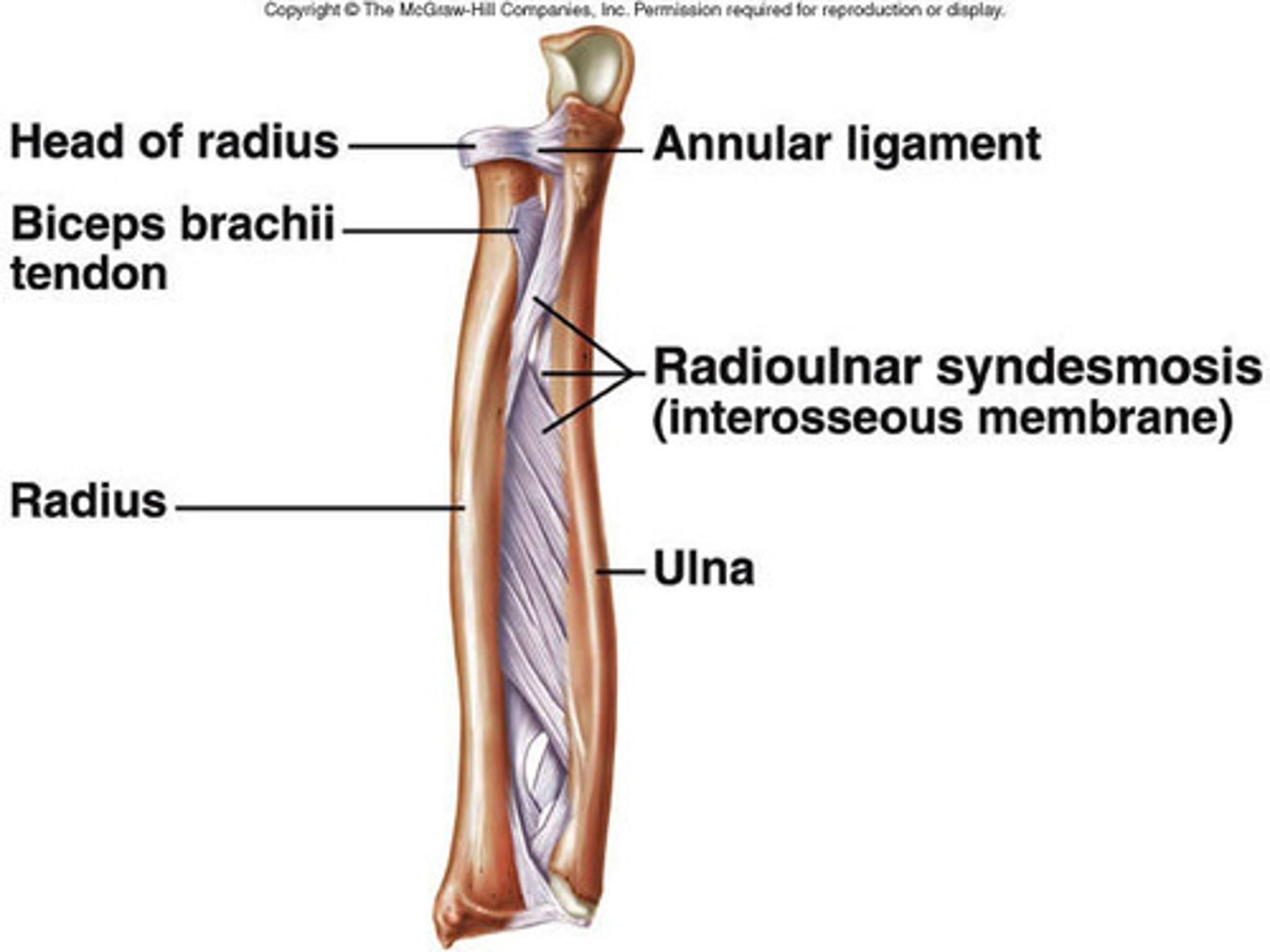
Syndesmosis (fibrous joint)
Joint held together by a ligament. Fibrous tissue can vary in length, but is longer than in sutures.
Gomphosis (fibrous joint)
attachment of a tooth to its socket
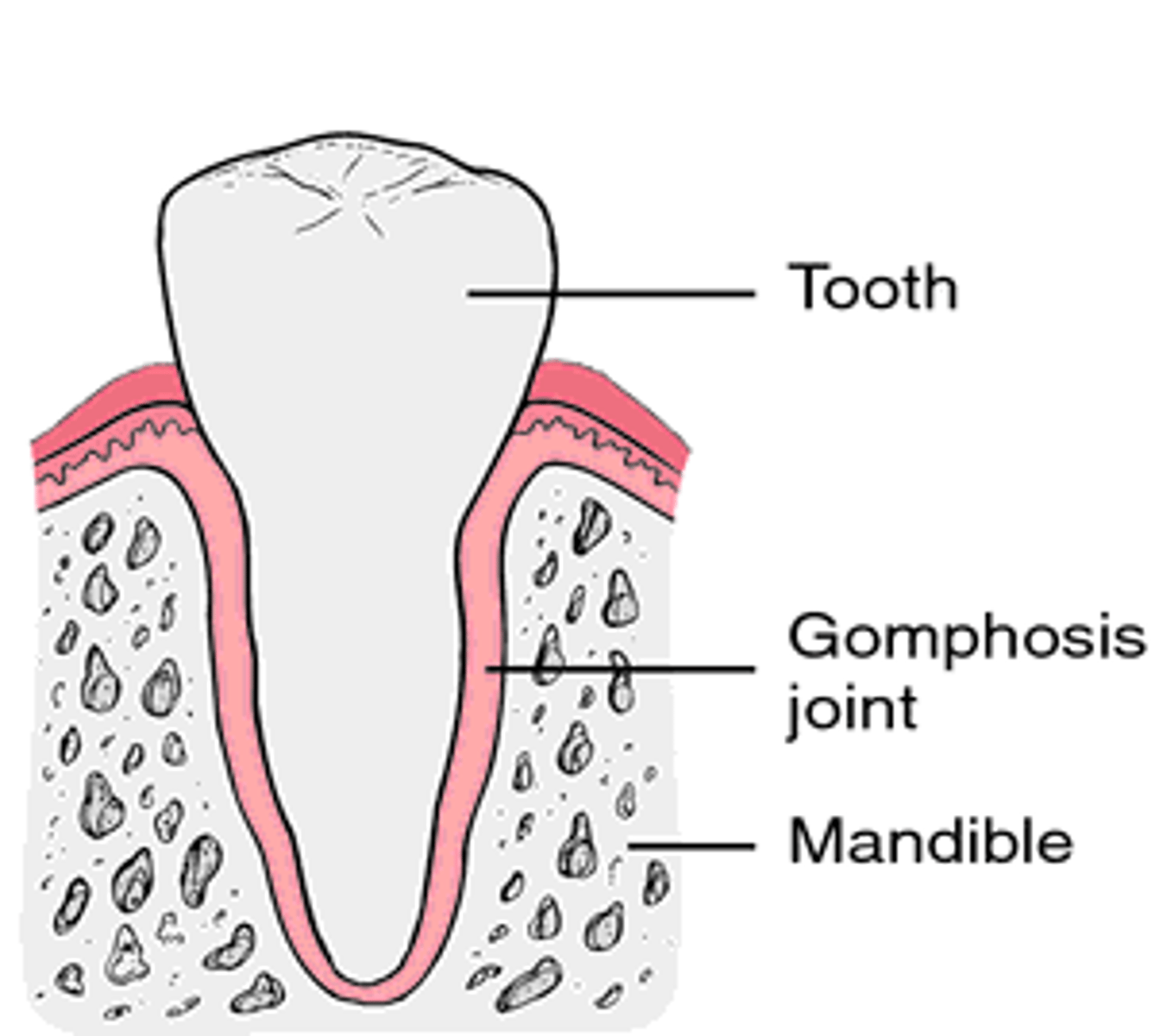
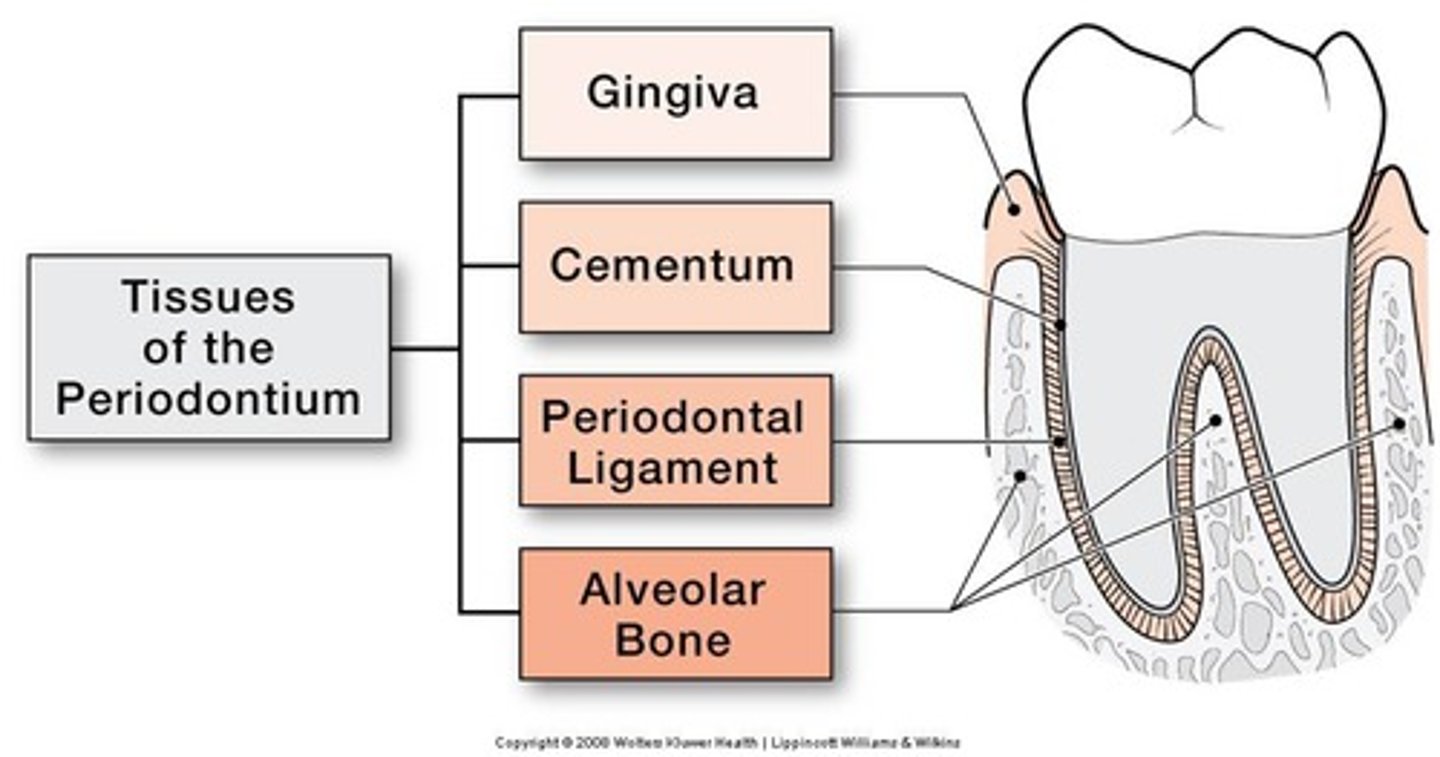
Periodontium
Structures that surround, support, and are attached to the teeth
What is another name for primary cartilaginous joints?
Synchondroses
What type of cartilage connects the bones in primary cartilaginous joints?
Hyaline cartilage
Are primary cartilaginous joints permanent or temporary?
Usually temporary
What is the main function of primary cartilaginous joints?
Allow bone growth
What is another name for secondary cartilaginous joints?
Symphyses
What type of cartilage connects bones in secondary cartilaginous joints?
Fibrocartilage
Are secondary cartilaginous joints temporary or permanent?
Permanent
What type of movement do secondary cartilaginous joints allow?
Slight movement.
Give examples of secondary cartilaginous joints.
Intervertebral discs and pubic symphysis.
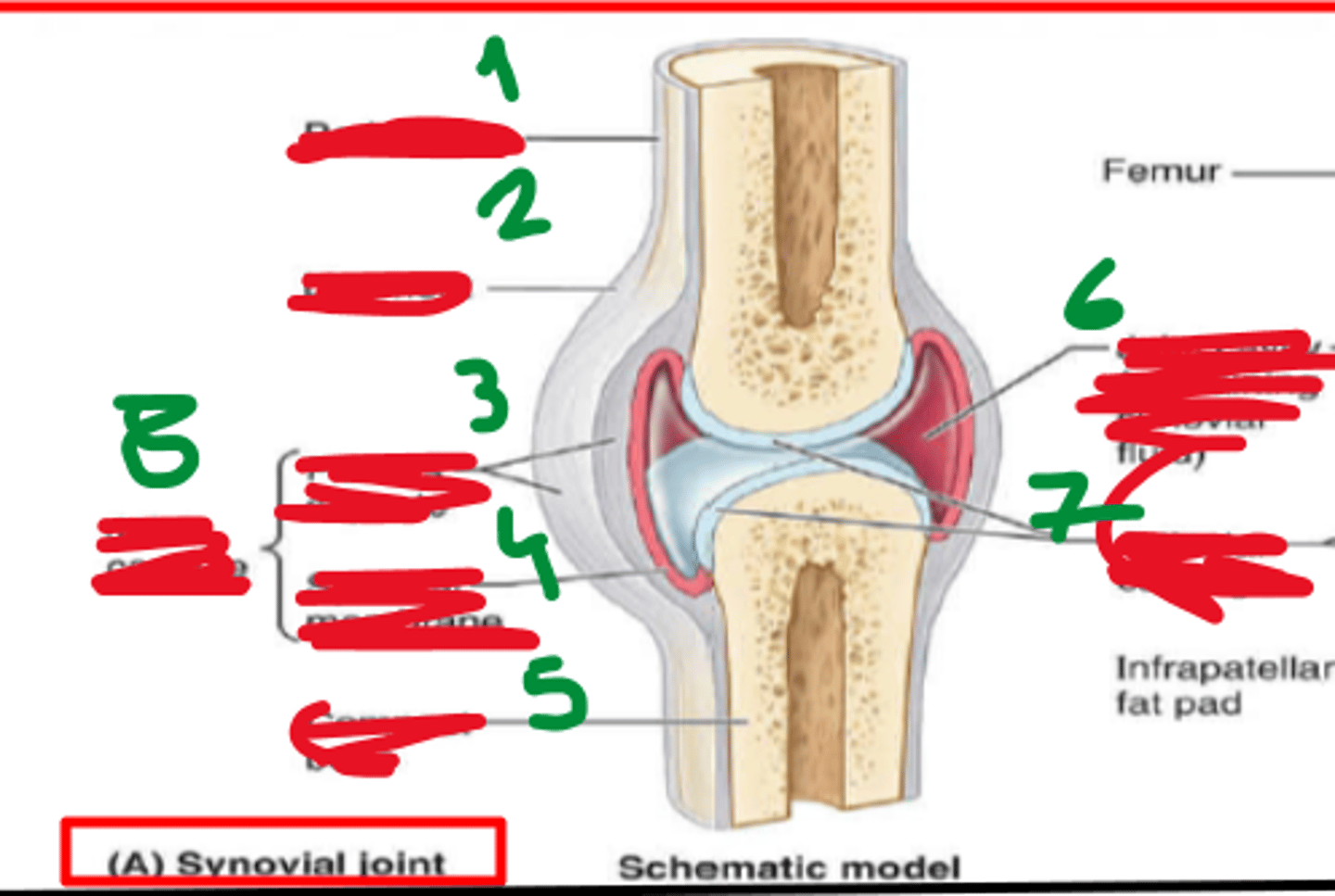
Label the schematic model of the synovial joint
1. periosteum
2. ligament
3. fibrous capsule
4. synovial membrane
5. compact bone
6. joint cavity (contains synovial fluid)
7. articular cartilage
What is the functional classification of joints based on?
The degree of movement between bones
What are the three functional types of joints?
Synarthrosis, amphiarthrosis, and diarthrosis
What is a synarthrosis?
An immobile or nearly immobile joint
What is the main function of synarthrosis joints?
To provide strong, stable connections and protect internal organs
Give two examples of synarthrosis joints
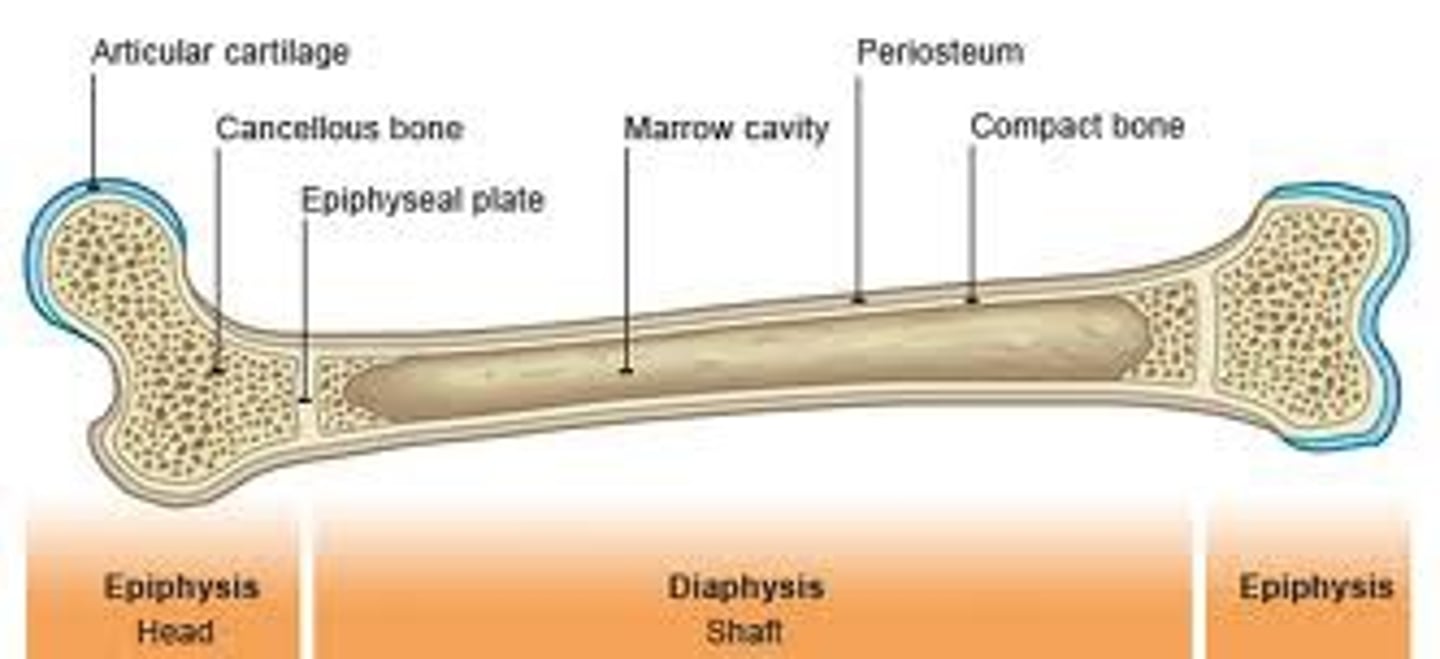
Skull sutures and epiphyseal plates
epiphyseal plates
growth plates
What is an amphiarthrosis?
A slightly movable joint.
What structures usually connect bones in amphiarthrosis joints?
Cartilage or ligaments
Give two examples of amphiarthrosis joints
Pubic symphysis and intervertebral discs
What is a diarthrosis?
A freely movable joint
Which structural joint type corresponds to diarthrosis?
Synovial joints
what structures allow smooth movement in diarthrosis joints?
Synovial fluid, a joint capsule, and articular cartilage
Where are diarthrosis joints commonly found?
In the limbs (e.g., shoulder, hip, knee, elbow)
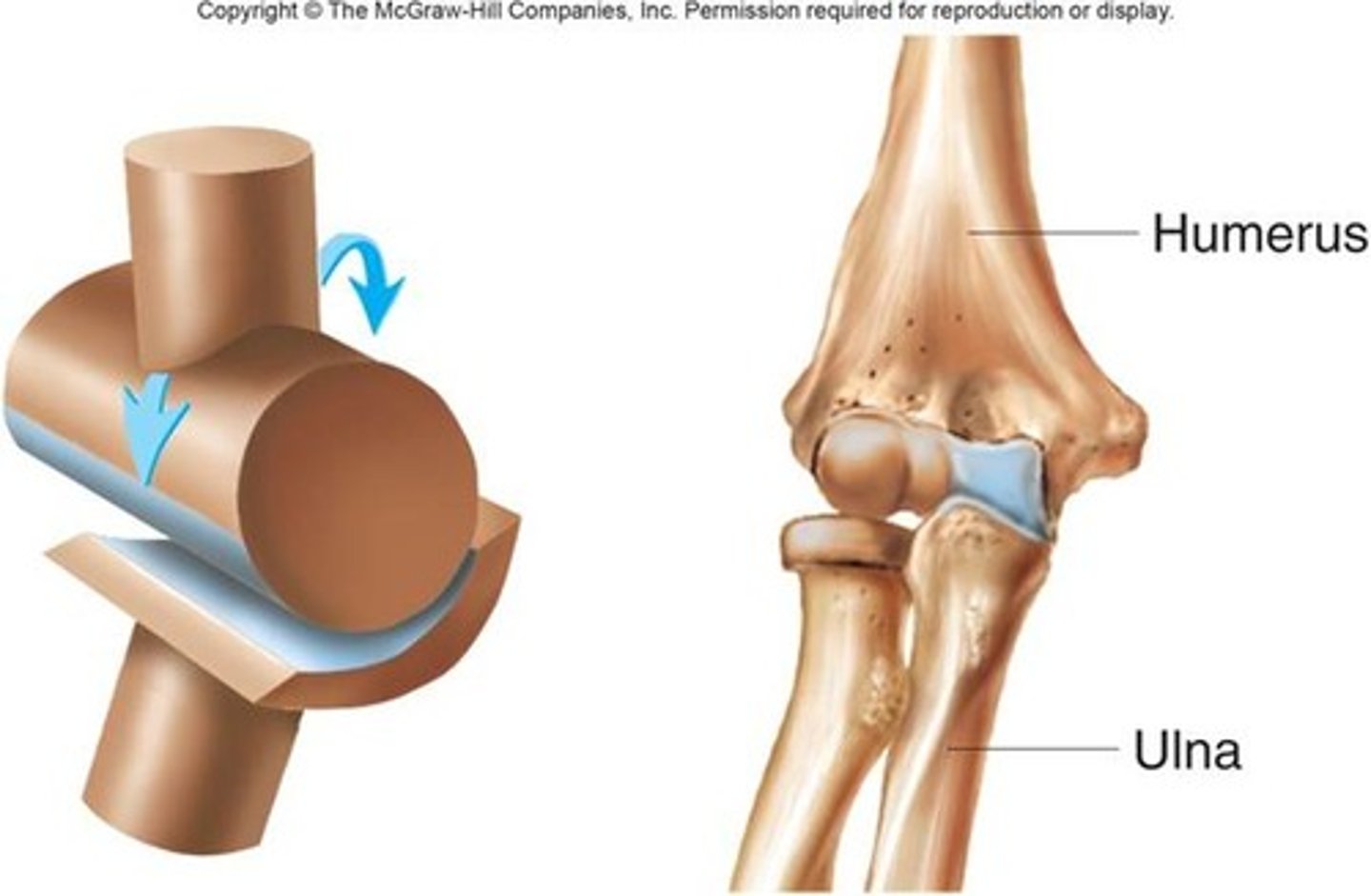
What is a uniaxial diarthrosis?
A joint that moves in one anatomical plane
Give an example of a uniaxial diarthrosis.
The elbow joint
What is a biaxial joint?
a joint that allows movement in two planes
Give an example of a biaxial joint.
The metacarpophalangeal joint (knuckle joint) of the hand.
What is a multiaxial joint?
A joint that allows movement in three planes
Give two examples of multiaxial joints
Shoulder and hip joints
What are cartilaginous joints functionally classified as?
synarthrosis or amphiarthrosis
What are fibrous joints functionally categorised as?
synarthrosis or amphiarthrosis
The suture joints in the skull are what type of functional joint? (structurally a type of fibrous joint)
synarthrosis
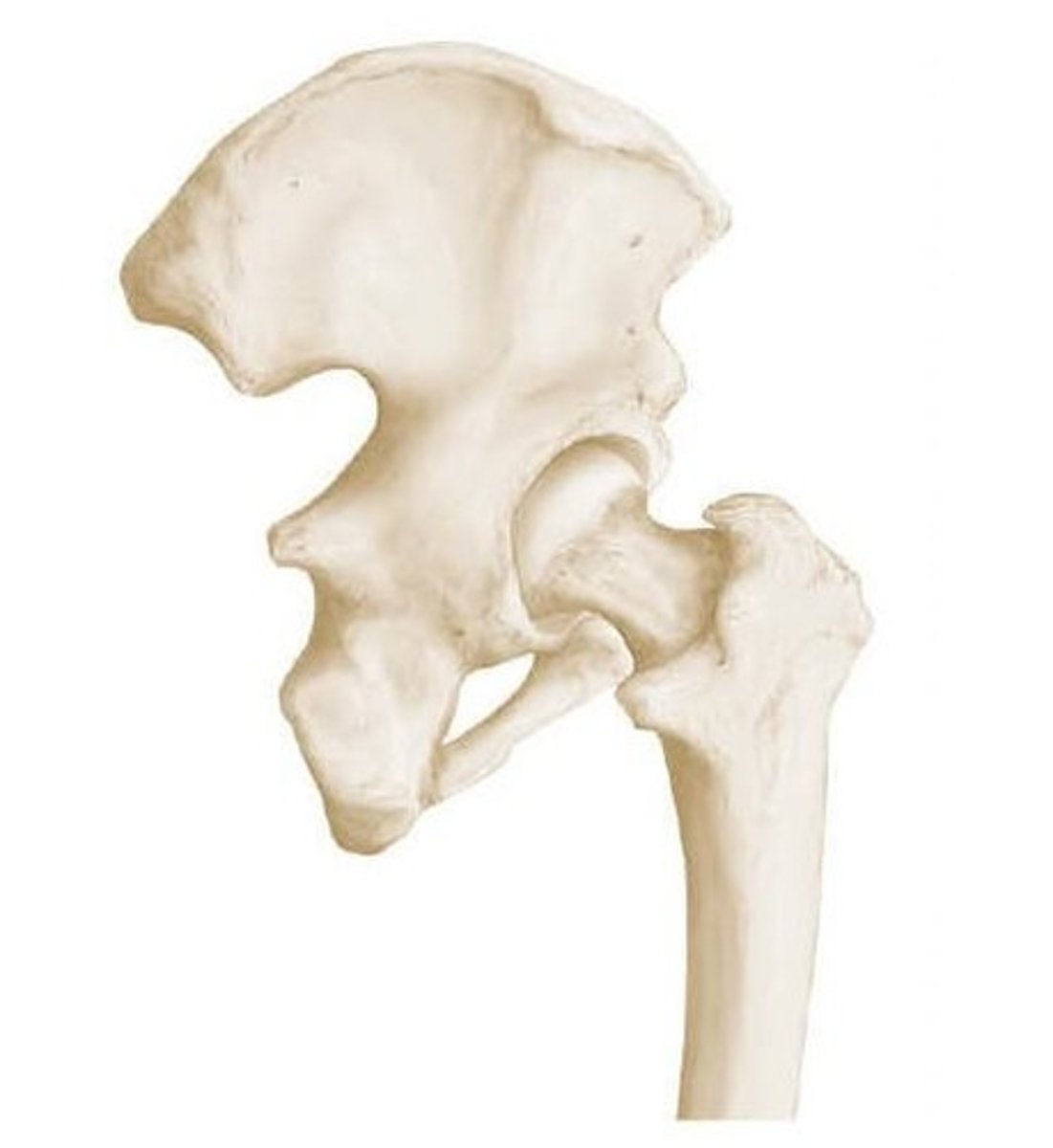
What type of functional joint is the hip joint?
- diarthrosis: multiaxial joint
What type of functional joint is the intervertebral disc? (structurally secondary cartilogenous)
amphiarthrosis
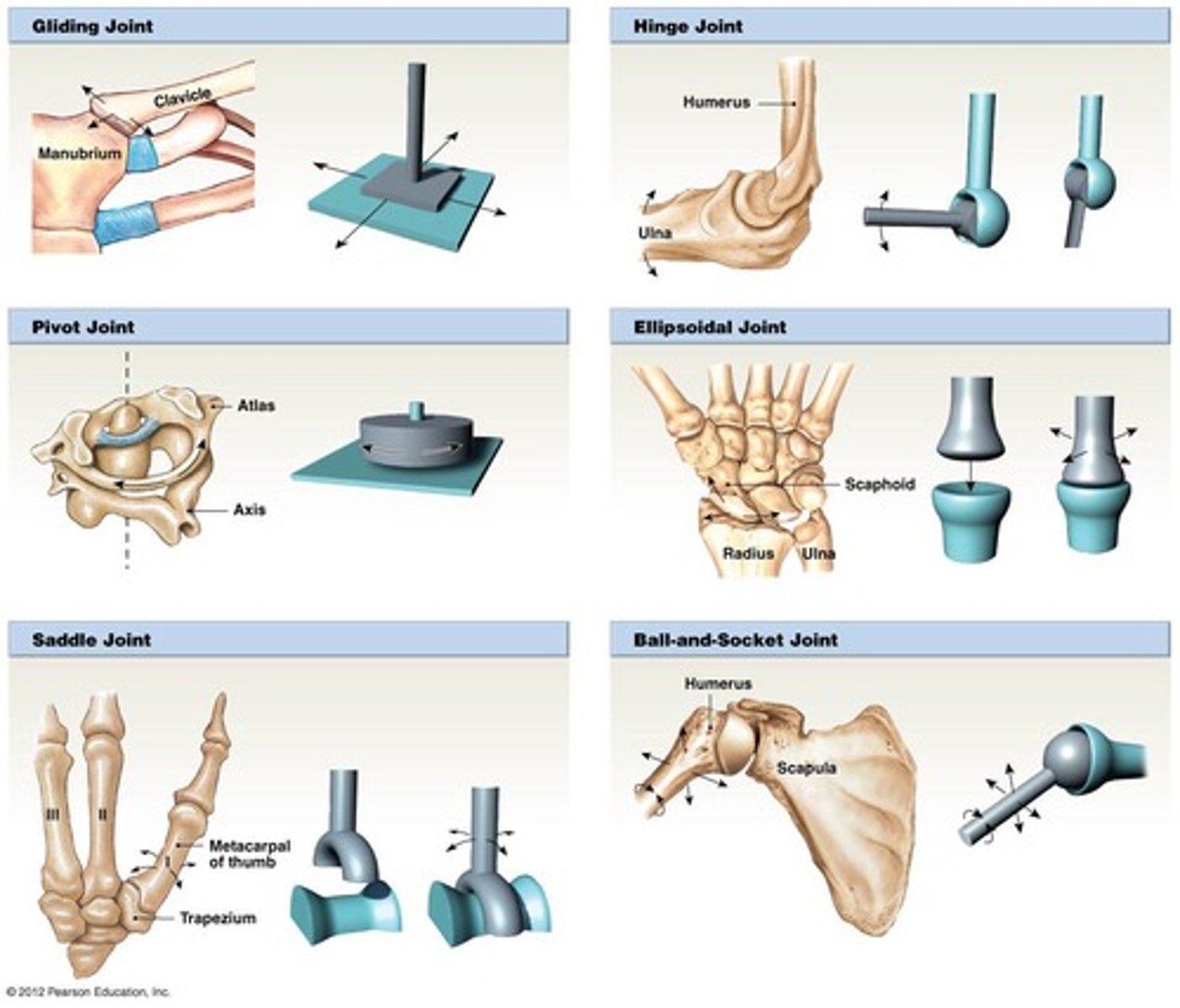
Name the six synovial joints
- Ball-and-socket
- hinge
- pivot
- condyloid (ellipsoid)
- saddle
- plane (gliding)
Which synovial joint allows the greatest range of movement?
Ball-and-socket joint
What movements are possible at ball-and-socket joints?
Rotation, flexion, extension, abduction, and adduction
Give two examples of ball-and-socket joints
Shoulder and hip joints
What type of movement occurs at hinge joints?
Flexion and extension in one plane
Name two examples of hinge joints
Elbow and knee.
What movement occurs at pivot joints?
Rotation around a central axis
Give examples of pivot joints
Atlanto-axial joint
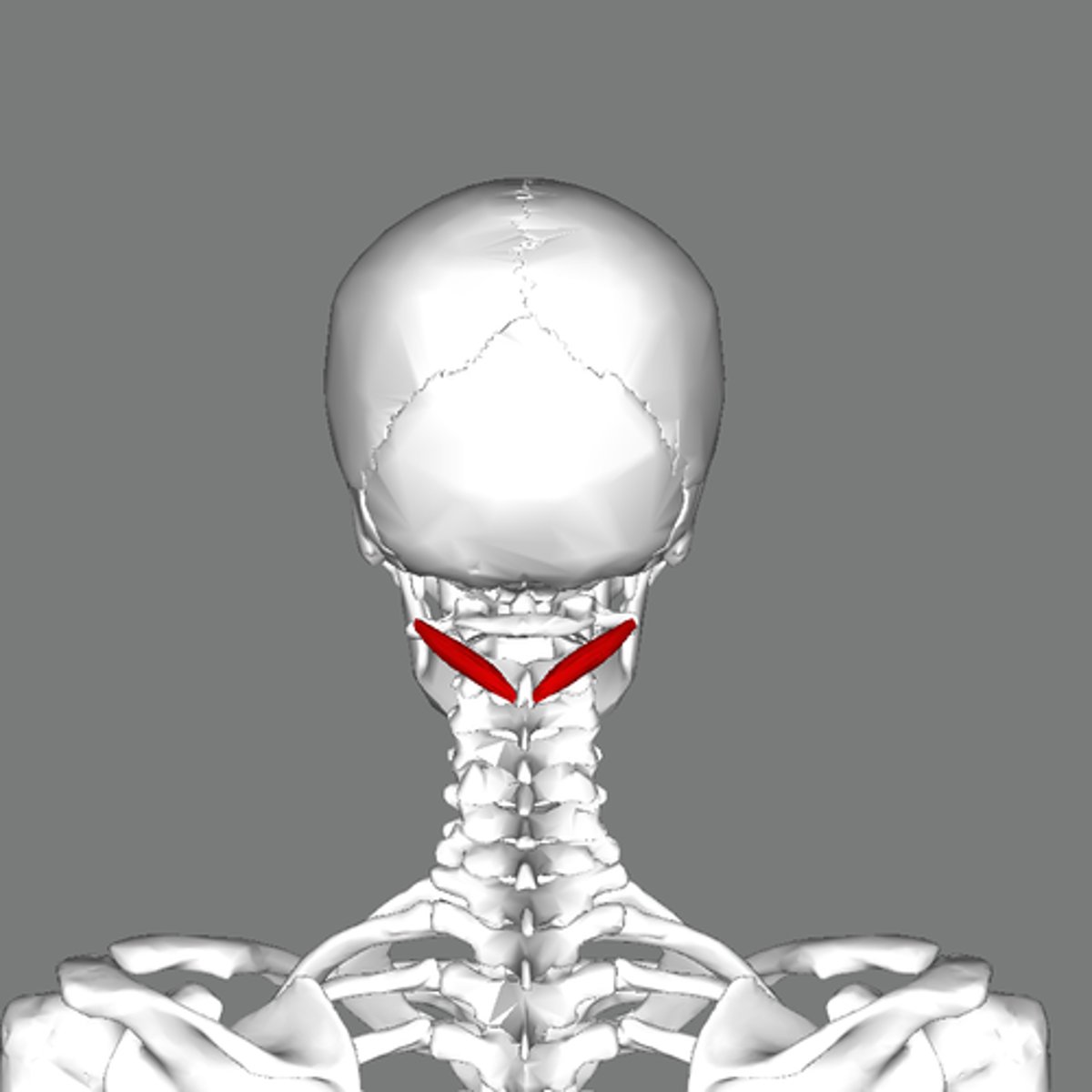
What movements occur at condyloid joints?
Angular movements in two planes (flexion, extension, abduction, adduction)
Give an example of a condyloid joint.
- Radiocarpal (wrist) joint
- metacarpophalangeal joint
What is the main feature of a saddle joint?
Opposing concave and convex bone surfaces that permit movement on two different planes
Where is the main example of a saddle joint found?
Carpometacarpal joint of the thumb
What movement occurs in plane joints?
Small gliding or sliding movements
Give three examples of plane joints.
Intercarpal joints (wrist)
intertarsal joints (ankle)
acromioclavicular joint (between clavicle and scapula)
About how many muscles are in the human body?
Over 600
What are the main functions of muscles?
Movement, maintaining posture, and generating body heat
What are the three types of muscle tissue?
Skeletal, cardiac, and smooth muscle
Skeletal muscle
Voluntary muscle attached to bones.
cardiac muscle
Involuntary muscle tissue found only in the heart.