BIOL 121: Protist and Fungus Diversity Lab
 Call Kai
 Learn
Learn Practice Test
 Spaced Repetition
 Match
Match Flashcards
 Knowt Play
1/16

There's no tags or description
Looks like no tags are added yet.
Name | Mastery | Learn | Test | Matching | Spaced | Call with Kai |
|---|
No analytics yet
Send a link to your students to track their progress
17 Terms
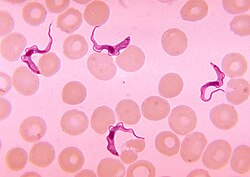
What protist/fungus is this?
Protist; Trypanosoma
What disease do trypanosomes cause? Which insect transmits it?
African sleeping sickness; tsetse flies
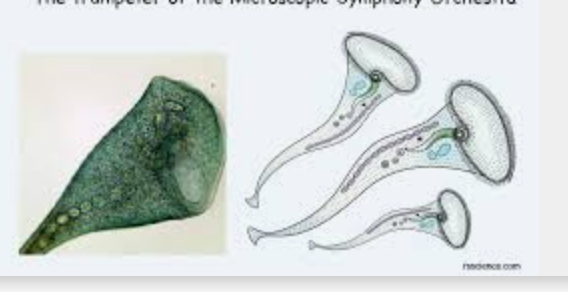
What protist/fungus is this?
Protist; Stentor (first = motile, second = sessile/fixed
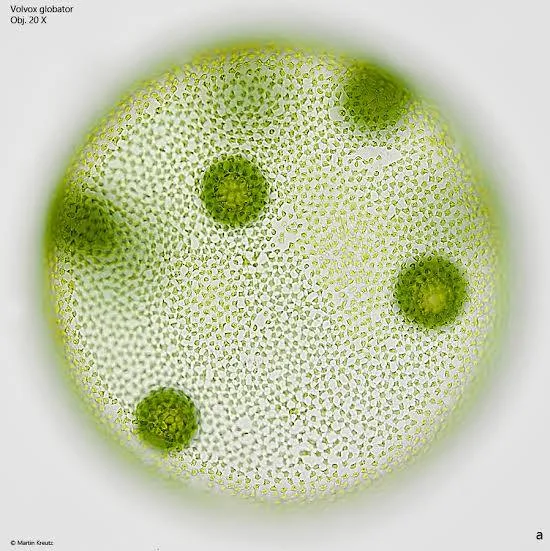
What protist/fungus is this?
Protist; Volvox
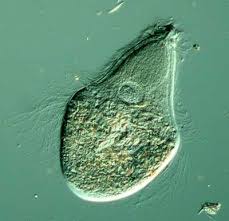
What protist/fungus is this?
Protist; Trichonympha = termite gut protist
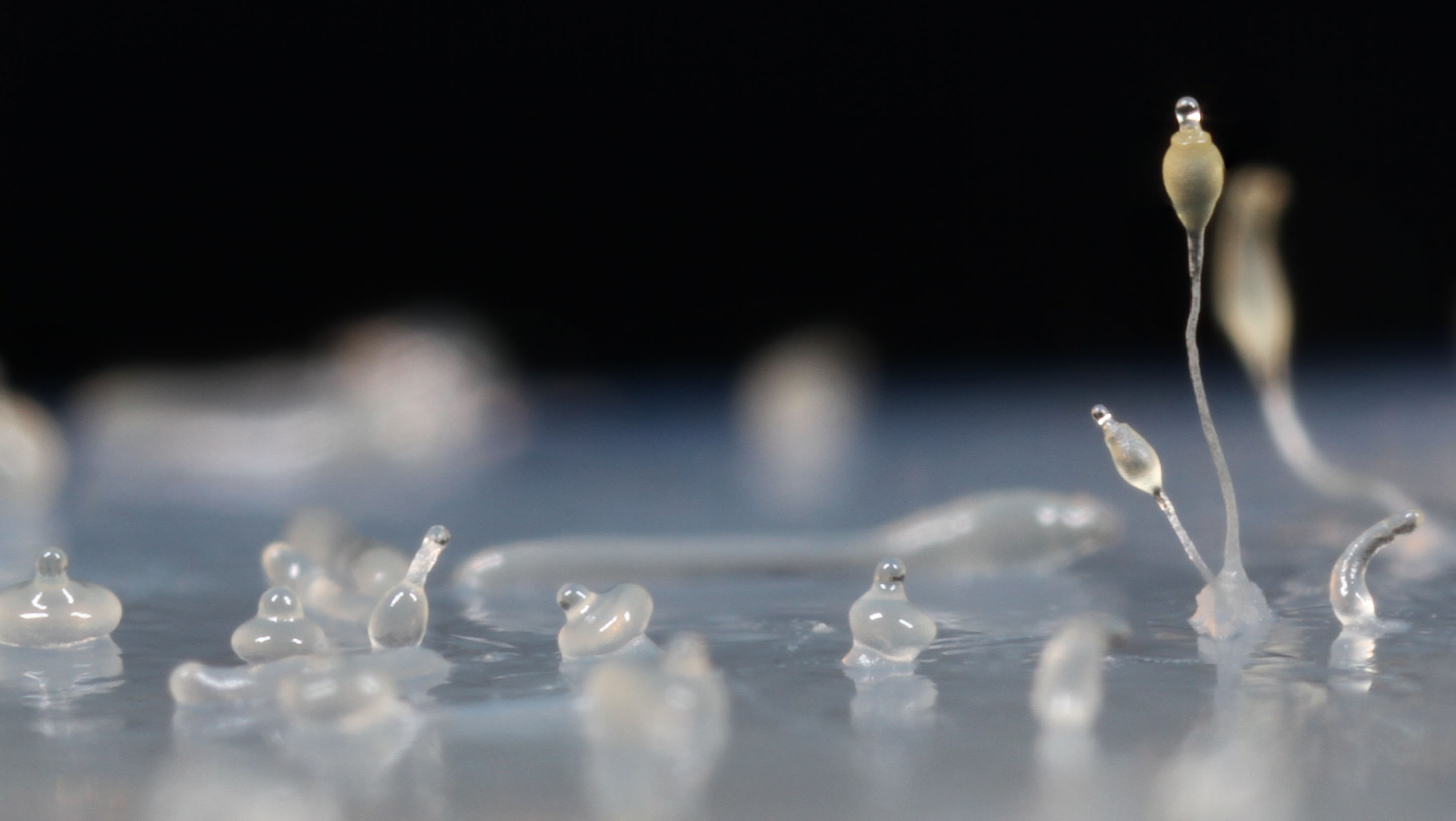
What protist/fungus is this?
Protist; Dictyostelium
What are all the stages of the dictyostelium growth?
Growth —> aggregation (splat looking)
Mound
Finger
Slug
Fruiting body
Spores (—> amoeba)
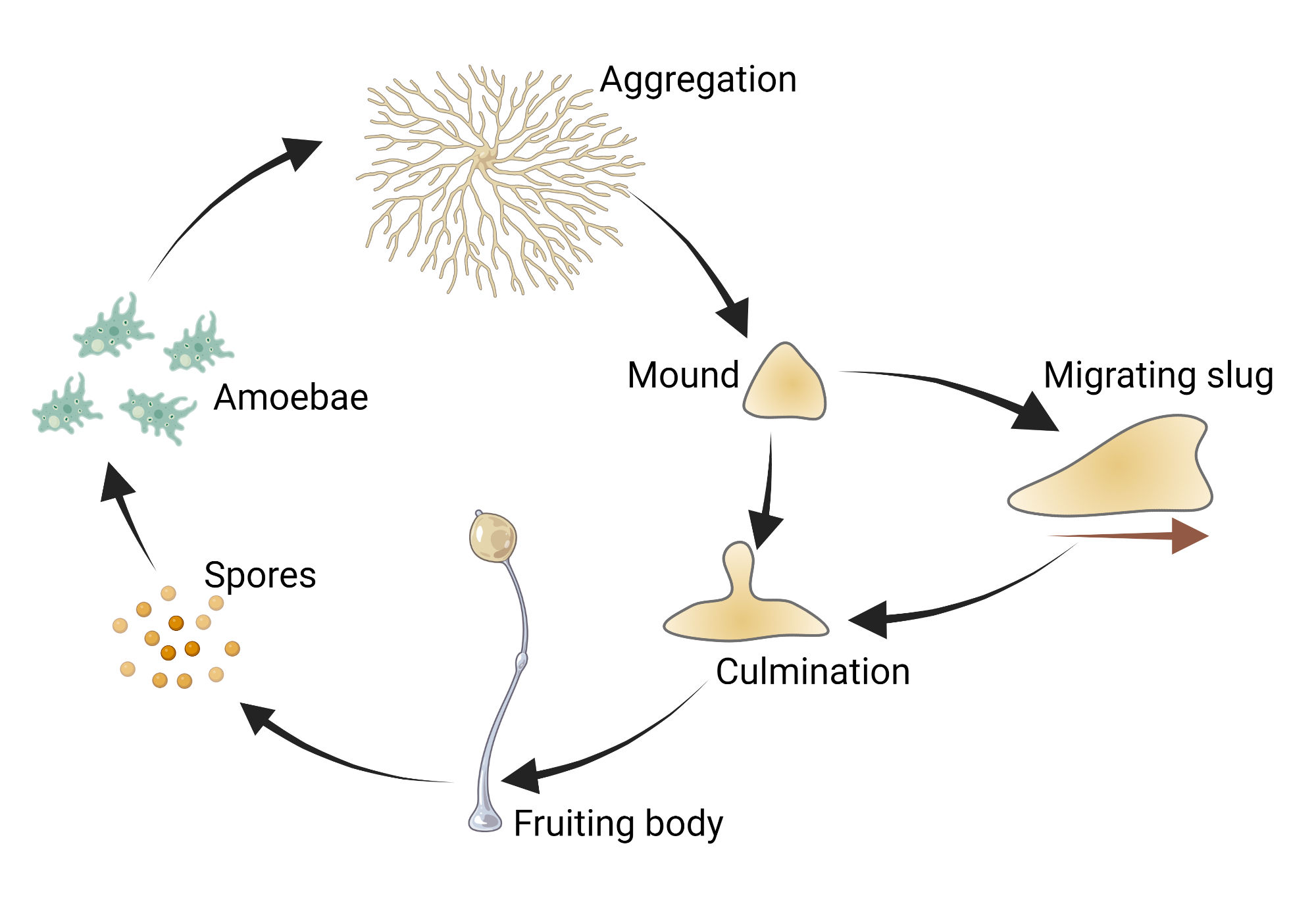
What/how makes dictyostelium amoeba suddenly come together to form a multicellular organism?
Bacteria/food runs out —> starving
Produce/secrete cAMP —> attract to each other w/ glycoproteins
Aggregate —> slug
Cells differentiate to become different parts of fruiting body (stalk, base, apical mass w spores)
Spores germinate + cycle repeats
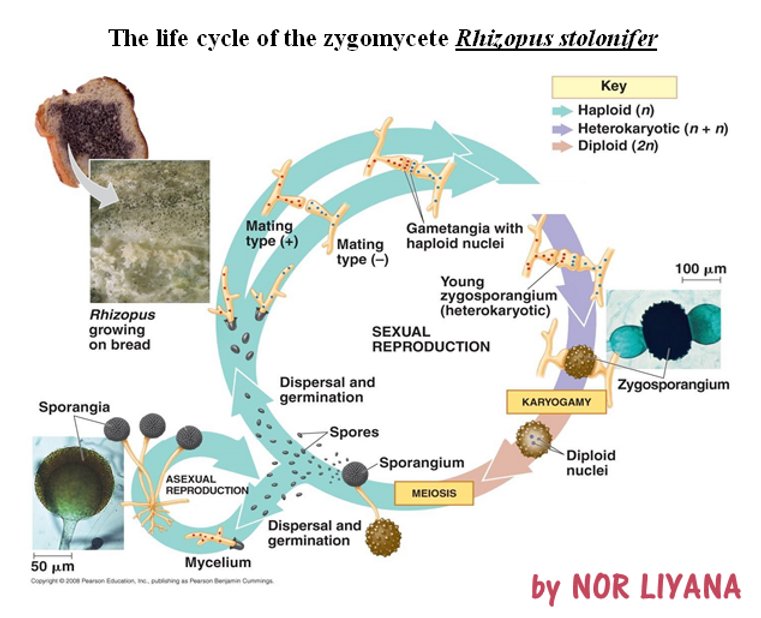
Life Cycle of Mucoromycota
Two mating types: hyphaes meet to make bridge
Gametangia: outgrowths of each hyphae have n nuclei
Gametangia fuse (plasmogamy) to make heterokaryotic zygosporangium = single cell w/ many n nuclei
Zygosporangium = becomes dormant until environment better; then nuclei fuse to become 2n nuclei through karyogamy
2n nuclei —> divide by meiosis
zygosporangium germinates + makes sporangium that release genetically different spores, which will make new hyphae
What are lichen composed of and how do they reproduce?
Organisms that consist of one or more fungi growing in close association w/ a photosynthetic green alga;
Fragmentations of the lichen may asexually propagate the association; some make soredia, which are smaller fragments of fungus and algae that can be wind carried to new places.
Hyphae
Threadlike strands of cells that form a network
Mycelium
Group of hyphae; nutritionally active portion, often hidden part of fungi; no tissues
Heterotrophs vs Saprobes (fungi)
Heterotrophs: do not ingest their own food and instead Secrete enzymes that break down complex molecules + absorb them
Saprobes: decomposers; absorb nutrients from non-living organic material
Endomycorrhizae versus Ectomycorrhizae
Ectomycorrhizal = fungus surrounds the plant root cells
Endomycorrhizal = fungus penetrates the plant root cells
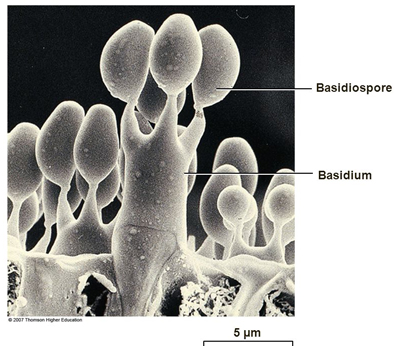
Belonging to phylum Basidiomycota, there are…
Basidia + basidiospores
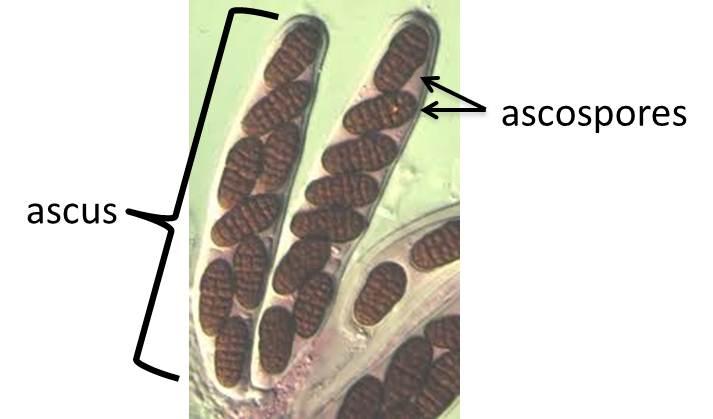
Belonging to phylum Ascomycota, there are… (sexual/sacs)
Asci + ascospores
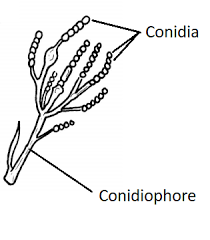
Belonging to phylum Ascomycota, there are…(asexual)
Conidiophores + conidia