Taxonomy HL IB Biology
 Call Kai
 Learn
Learn Practice Test
 Spaced Repetition
 Match
Match Flashcards
 Knowt Play
1/80

Earn XP
Description and Tags
Classification and Cladistics
Name | Mastery | Learn | Test | Matching | Spaced | Call with Kai |
|---|
No analytics yet
Send a link to your students to track their progress
81 Terms
What are the three domains of life?
Eukarya, archaea, bacteria
What is present in eukarya but not in archaea?
A nucleus and 80S ribosomes
What is present in eukarya and archaea but not bacteria?
Histones and introns
What are eukarya?
Eukaryotic organisms (containing a membrane-bound nucleus)
What are archaea?
Extremophilic prokaryotic organisms (lack a nucleus)
What are bacteria?
Common prokaryotic organisms (lack a nucleus)
Why are archaea able to withstand extreme conditions so well?
Their DNA, like eukaryotic DNA, is tightly wrapped in histones and they also have ether-linked membranes which make them highly robust and heat-resistant (prokaryotes and eukaryotes have ester-linked membranes).
Seven main taxonomic ranks?
Kingdom, Phylum, Class, Order, Family, Genus, Species (Killer Penguins Come Over For Grape Soda)
What is binomial nomenclature?
The naming system for every organism- each organism has a name with two parts. Genus is capitalized and comes first while species is lowercase and comes after.
What are the different plant phyla?
Bryophyte, Filicinophyte, Coniferophyte, Angiosperms
What are the different animal phyla?
Porifera, Cnidaria, Platylhelminthes, Annelids, Molluscs, Anthropods, Chordates
What does the phylum Bryophyta include?
Mosses and liverworts
What are the characteristics of Bryophyta?
No ‘true’ roots, leaves, or stems (they have rhizoids), no vascularization, and reproduce via spores
How do bryophytes deal with their lack of roots?
They are anchored by root-like structures called rhizoids
Which plant phylum lacks vascularization?
Bryophyta
How do bryophytes reproduce?
Spores released via sporangia (reproductive stalks)
What are the characteristics of Filicinophyta?
Pinnate leaves, have roots and stems, a vascular system, and reproduce via spores
What does the phylum filicinophyta include?
All types of ferns
What do the leaves of Filicinophytes look like?
They are pinnate, meaning they are large fronds divided into leaflets.
How do filicinophytes reproduce?
They release spores from clusters (sori) on the underside of their leaves.
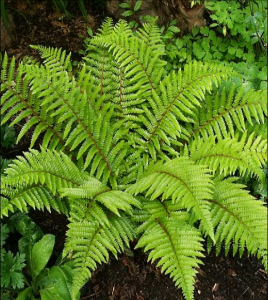
Identify which plant phyla this belongs to.
Filicinophyta (ferns)
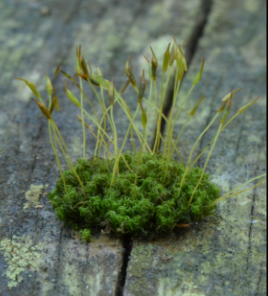
Identify which plant phyla this belongs to.
Bryophyta (moss and liverworts)
What are the characteristics of coniferophytes?
Have waxy, needle-like leaves, woody stems, roots, advanced vascular systems, and reproduce via non-motile seeds (found in cones)
What do coniferophytes include?
Woody trees and shrubs; pine trees and conifers
How do coniferophytes reproduce?
Via non-motile seeds which are found in structures called cones
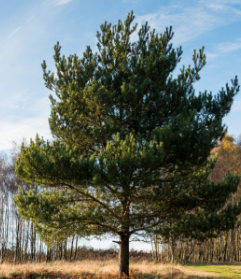
Identify the plant phylum it belongs to
Coniferophyta
What are the characteristics of angiospermophytes?
Flowering plants with highly variable leaves, roots, and stems, possessing an advanced vascular systems, and reproduce via seeds produced in ovules.
How do angiospermophytes reproduce?
Via seeds produced in ovules. Seeds may develop in fruits.
What is included in the phylum angiospermophyta?
Flowers and grasses
What is the flow of evolution for plant phyla?
Vascularization, seeds, flowers
What is the outgroup of plant phyla?
Bryophyta (non-vascularized plants)
What are the characteristics of phylum porifera?
Asymmetrical, no mouth or back opening (pores), silica or calcium carbonate-based spicules, sessile aquatic animals (stay in place)
How do porifera “breathe?”
They use their pores
Are porifera mobile?
No, they are sessile aquatic animals meaning they stay fixed in place.
What provides structural support in porifera?
Their silica/calcium carbonate-based spicules
What includes porifera?
Sea sponges
Why are porifera an outgroup compared to the rest of the animal kingdom?
They have no symmetry, mouth, back end, etc. (Mainly asymmetrical)
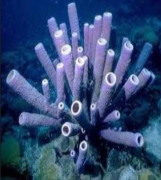
Identify the phylum this belongs to.
Porifera (sea sponges)
What are characteristics of the phylum cnidaria?
They have radial body symmetry, a single entrance cavity (mouth); cnidocytes have tentacles with stinging cells (used for capturing/disabling prey) and corals secrete a calcium carbonate skeleton.
What is included in cnidaria?
corals, jellyfish, and sea anemones
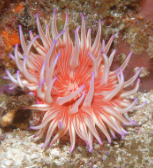
Identify the phylum this belongs to.
Cnidaria (sea anemones, jellyfish, and corals)
What are the characteristics of the phylum platyhelminthes?
Bilateral body symmetry, single entrance cavity (mouth), flattened body shape; some are parasitic and live in host organisms.
What is included in the phylum platyhelminthes?
Flatworms (tapeworms and planaria)
What are the main characteristics of platyhelminthes?
Bilateral body symmetry and one opening which is the mouth
Why do platyhelminthes have a flattened body shape?
It makes their SA:Vol ratio higher so their rate of material exchange via diffusion is increased.
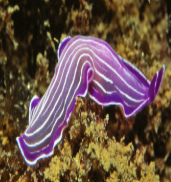
Identify the phylum this belongs to.
Platyhelminthes (tapeworms and planaria)
What are the characteristics of phylum Annelida?
Bilateral body symmetry, have two entrance cavities (connected via gut), bodies composed of ringed segments, and move via contraction of segments.
What is included in phylum Annelida?
Earthworms and leeches
How are the opening cavities in Annelida connected?
Their gut
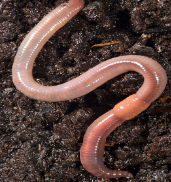
Identify what phylum this belongs to.
Annelida (earthworms and leeches)
How do Annelida move?
Peristaltic contraction of their ringed segments.
What are the characteristics of mollusca?
Bilateral body symmetry, separate opening cavities (connected via gut), contain a visceral mass, muscular foot, and mantle, highly diverse in size and anatomical structure (may have a calcareous shell)
What is included in mollusca?
Squids, octopi, snails, and clams (bivalves)
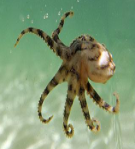
Identify the phylum this belongs to.
Mollusca (slugs, squids, and bivalves)
What are the characteristics of arthropoda?
Bilateral body symmetry, separate mouth and anus (connected via gut), jointed body sections and appendages, exoskeleton
What is the main characteristic of arthropoda?
Jointed body sections and appendages (limbs)
What is included in arthropoda?
Insects and crustaceans
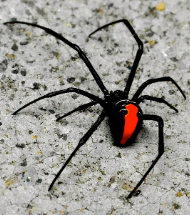
Identify the phylum this belongs to.
Arthropoda
What are the characteristics of phylum chordata?
Vertical body symmetry, two opening cavities (connected via gut), limbs, and spinal chords
What is included in phylum chordata?
All vertebrate classes. (Some invertebrate subclasses like hagfish)

Identify the phylum this belongs to.
Chordata
What are all of the classes under phylum chordata?
Fish, amphibians, reptiles, birds, mammals
What are the vertebrata classes?
Fish, amphibians, reptiles, birds, mammals
What are the characteristics of the class vertebrata?
Covered in scales, reproduce via external fertilization, breathe through gills, no constant body temperature, have a swim bladder
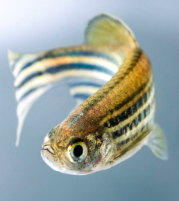
What phylum does the zebrafish belong to?
Chordata
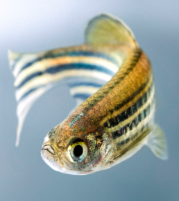
Identify the vertebrata class this belongs to.
Fish
What are the characteristics of the vertebrata class amphibians?
Moist skin, reproduce via external fertilization, simple lungs, no constant body temperature, spends larval state in water/adult state on land

Identify the vertebrata class this belongs to.
Amphibians

What phylum does the amphibian frog belong to?
Chordata
What are the characteristics of the vertebrata class reptiles?
Covered in scales, lay eggs with soft shells (internal fertilization), breathe via lungs, no constant body temperature, possess simple teeth with no living tissue
How do reptiles reproduce?
Internal fertilization —> lay eggs with soft shells

Identify the vertebrata class this belongs to.
Reptiles

What phylum do chameleons belong to?
Chordata
What are the characteristics of the vertebrata class birds?
Covered in feathers, lay eggs with hard shells (internal fertilization), breathe via lungs, maintain a constant body temperature, have wings and beaks (no teeth)
How do birds reproduce?
Internal fertilization—>lay eggs with hard shells
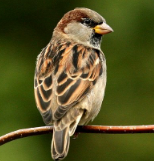
Identify the vertebrata class this belongs to.
Birds
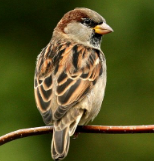
What phylum do the vertebrata class birds belong to?
Chordata
What are the characteristics of mammals?
Skin follicles produce hair, usually have live births (internal fertilization), breathe via lungs, maintain a constant body temperature, feed young with milk from mammary glands
How do mammals reproduce?
Internal fertilization—> live births
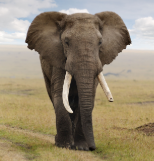
What vertebrata class does this belongs to?
Mammals
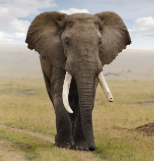
What phylum do the vertebrata class mammals belong to?
Chordata