Division Pteridophyta
 Call Kai
 Learn
Learn Practice Test
 Spaced Repetition
 Match
Match Flashcards
 Knowt Play
1/39

There's no tags or description
Looks like no tags are added yet.
Name | Mastery | Learn | Test | Matching | Spaced | Call with Kai |
|---|
No analytics yet
Send a link to your students to track their progress
40 Terms
what are the classes under Division Pteridophyta
Class Psilotopsida
Class Equisetopsida
Class Marattopsida
(all three classes above are Eusporangiate ferns)
Class Pteridopsida
Leptosporangiate ferns
what are the orders under Psilotopsida
Order Psilotales (Psilotum, Tmesipteris)
Order Ophioglossales (Ophioglossum)
what is the class and order of Equisetum?
Class Equisetopsida
Order Equisetales
what is the class and order of Marattia
Class Marattopsida
Order Marattiales
what are the families under Class Pteridopsida
Family Polypodiaceae (Polypodium)
Family Woodsiaceae (Cystopteris)
Family Cyatheaceae (Cyathea)
what are the orders under Class Pteridopsida
Order Polypodiales
Order Cyathiales
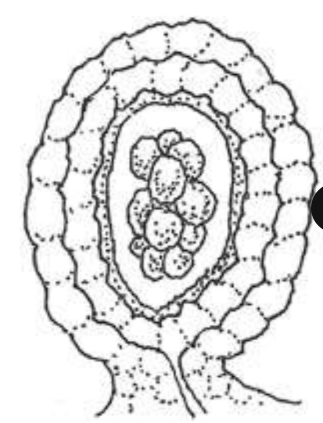
large sporangium that developed from several cells
producing many spores
the sporangia are often fused to form synangia
considered as the primitive type of sporangia
Eusporangiate sporangium
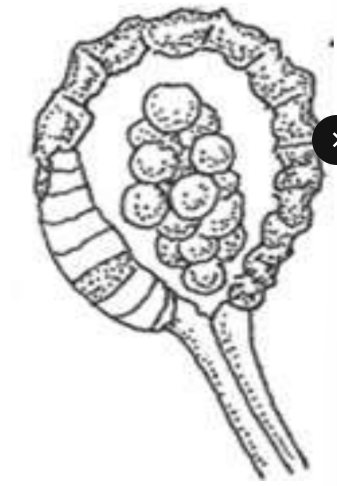
small specialized sporangia developing from a single cell
produce small definite number of spores
sporangium often occur in a cluster (sorus) covered by a flap of tissue- indusium
advance type of sporangia
Leptosporangiate sporangium
perennial herbs, trees, epiphytes, and floating plants
inhabit terrestrial and freshwater environments
several species dominate the terrestrial environment
stem with steles of almost all types
Division Pteridophyta
dichotomously branched; no leaves or roots
stems are photosynthetic with rhizoids
homosporous
gametophyte is small, inconspicuous, and saprophytic
Psilotum (whisk fern)
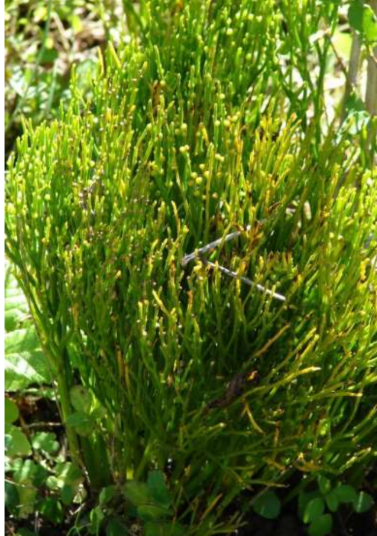
in Psilotum, sporangia occur as?
Sporangia occur as eusporangiate synangia at the short lateral stems with enations (microphyll)
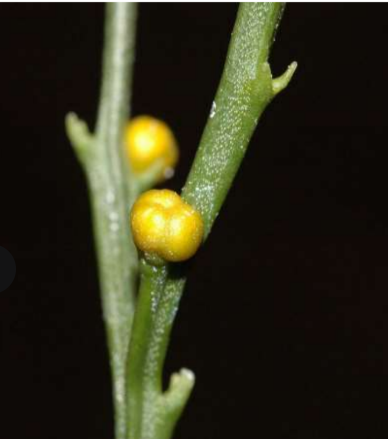
Eusporangiate synangia
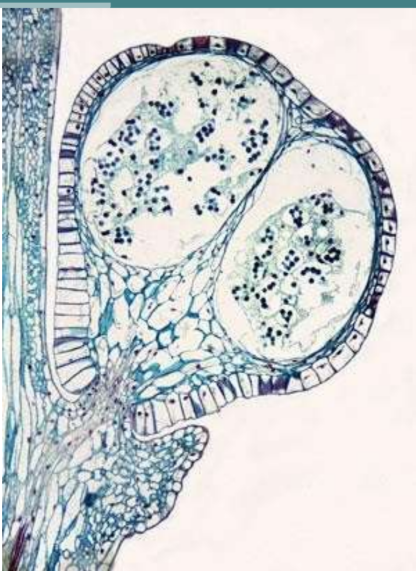
the horsetails or scouring rushes
with jointed and ribbed stem
Equisetum
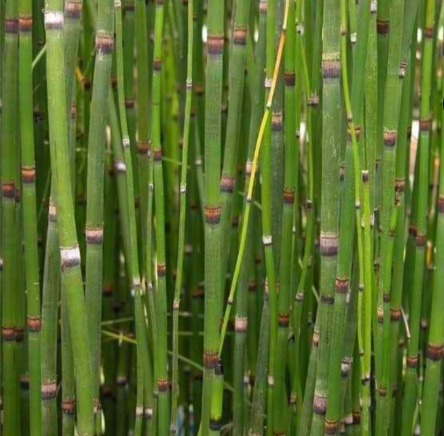
the strobilus of Equisetum is composed of?
Strobilus compose of sporangiophores, each with multiple homosporous sporangia
in equisetum gametophytes are?
gametophytes are saprophytic, monoecious, and cryptic (hidden underground)
Leptosporangiate ferns= ?
True ferns
what are the core leptosporangiates?
Polypodiales (polypods)
Cyantheales (tree ferns and allies)
Salviniales (heterosporous ferns, water ferns)
Polypodiales=
polypods
Cyatheales=
tree ferns and allies
Salviniales=
heterosporous ferns, water ferns
Schizaeales=
schizaeaoid ferns
Gleicheniales=
gleichenioid ferns
Hymenophyllales=
filmy ferns
Osmundales=
osmundaceous ferns
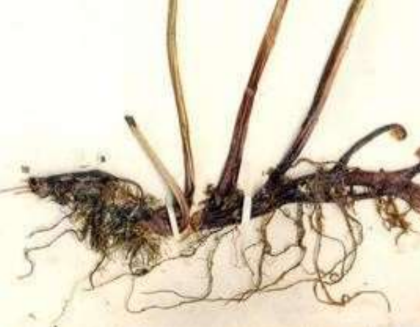
referred to as rhizomes
Stems
Epiphytic species and terrestrial ones have above-ground creeping??
Stolons (ex: Polypodiaceae)
Leaf: megaphyll often referred to as a?
frond
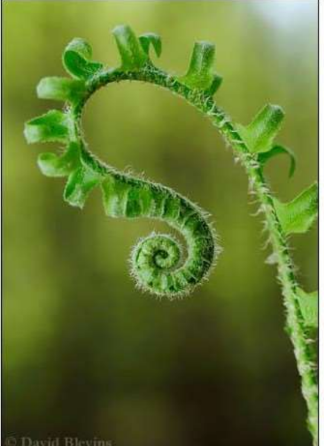
new leaves typically expand by the unrolling of a tight spiral called fiddlehead; uncurling of the leaf is termed circinate vernation
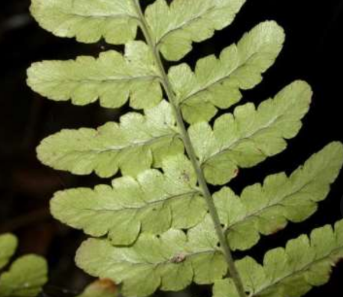
vegetative frond
functions mainly for photosynthesis
Trophophyll
fertile frond
produce spores borne in sporangia that are usually clustered to form sorus (sori)
in most ferns, fertile fronds are morphologically very similar to the sterile ones, and they photosynthesize in the same way
Sporophyll
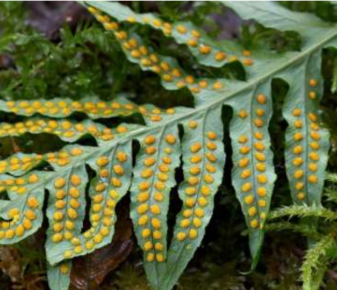
underground non-photosynthetic structures that take up water and nutrients from soil
always fibrous and are structurally very similar to the roots of seed plants
roots
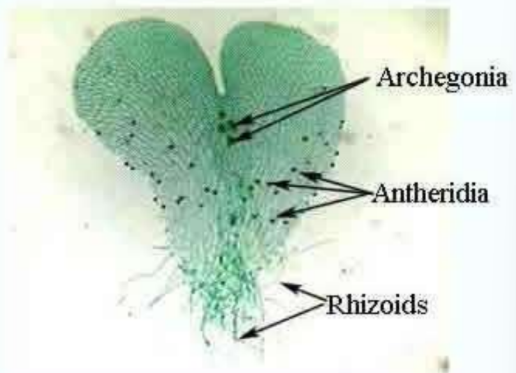
green, photosynthetic, one cell thick, heart shaped, 3-10 mm long and 2-8 mm broad
produce gametes in structures called:
antheridia flagellated sperms
archegonia: single egg
Prothallus
rootlike structures (not true roots)
for absorption of water, minerals and salts; anchorage
Rhizoids
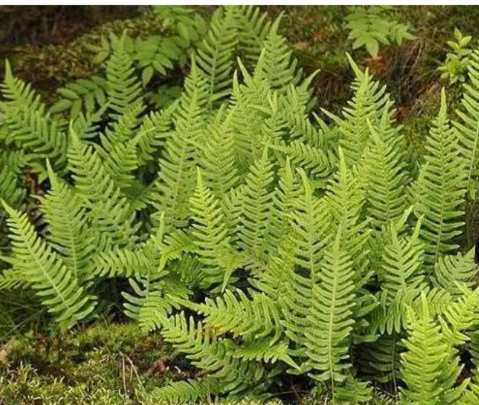
Polypodium vulgare
the greatest impact of seedless vascular plants on human life comes from their?
extinct progenitors
tall club mosses, horsetails, and tree-like ferns flourished in the swampy forests during this period
Carboniferous period
whats the result of the evolution of vascular tissues?
with the evolution of vascular tissues, roots and leaves, these plants accelerated their rate of photosynthesis, dramatically increasing the removal of CO2 in the atmosphere
The drop in carbon dioxide levels caused global cooling that resulted in wide spread glacier formation
what forest gave rise to larger deposits of coal throughout the world
Carboniferous forest
mined abundantly as primary source of energy during the Industrial revolution
Coal (fossil fuel)
it contributed to rapids technological progress during the time
it is also a major contributor to global warming
The importance of seedless vascular plants: ferns
prevent soil erosion
promote topsoil formation
restore nitrogen to aquatic habitats by harboring cyanobacteria
make good house plants
have been used as food and for medical remedies
what fern is considered a delicacy?
Fern fiddlehead