Energy Resources and Energy Transfers
 Call Kai
 Learn
Learn Practice Test
 Spaced Repetition
 Match
Match Flashcards
 Knowt Play
1/32

There's no tags or description
Looks like no tags are added yet.
Name | Mastery | Learn | Test | Matching | Spaced | Call with Kai |
|---|
No analytics yet
Send a link to your students to track their progress
33 Terms
what are all of the energy stores?
Thermal, kinetic, chemical, elastic potential, magnetic, gravitational potential, electrostatic, nuclear
what are the different energy transfers?
heating, electrical, radiation (light and sound), mechanical
what is the principle of conservation of energy?
energy cannot be created or destroyed, only transferred from one store to another
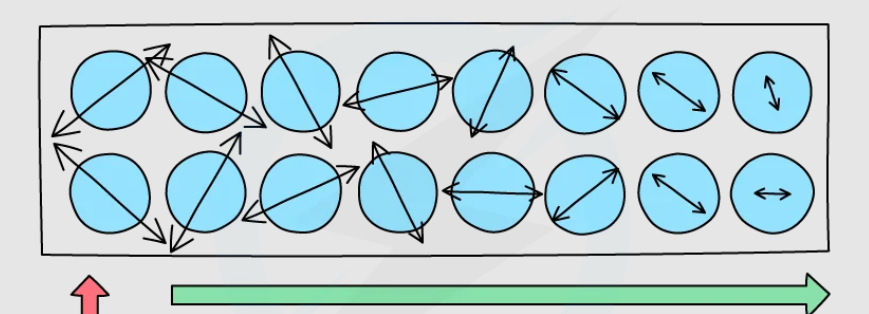
how does thermal energy transfer take place in conduction?
in solids the particles vibrate more when heated
they pass energy to neighbouring particles
in metals, free electrons also carry energy quickly
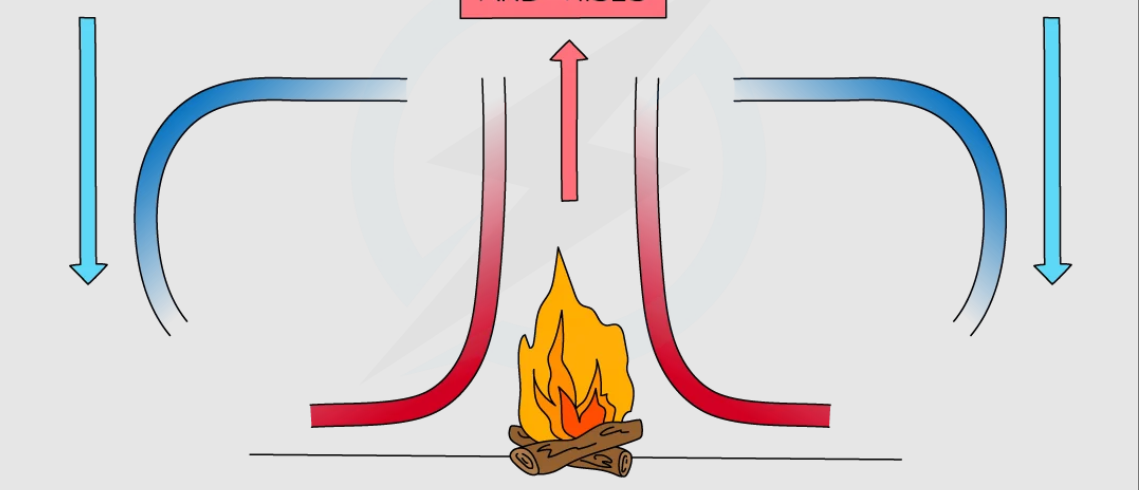
how does thermal energy transfer take place in convection?
in liquids and gases, the heated fluid expands and becomes less dense
it rises while the cooler fluid sinks
this creates a convection current
how does thermal energy transfer take place in radiation?
in any state, energy is transferred as infrared electromagnetic waves
no particles are needed
give three examples of convection in everyday life
heating a room (radiator)
boiling water
hot air balloons
what are the two things that affect how well infrared radiation emits or absorbs something?
surface (colour + texture)
temperature
what is an example of a good absorber and emitter?
black, dull (matt) surfaces
what is an example of a poor absorber and emitter?
white, shiny (reflective) surfaces
what is the effect of temperature on infrared radiation?
the hotter an object is the more infrared radiation it emits
the faster it loses thermal energy
describe the method for a conduction practical
take a metal rod
attach wax + drawing pins on it
heat one end with a bunsen burner
pins fall of one by one, starting closest to flame
describe the method for a convection practical
fill beaker with water
add small amount of potassium manganate
heat gently underneath
purple colour rises, circulates then sinks
describe the method for a radiation practical
use a container with different surfaces (dull black, shiny)
fill with hot water
use a thermometer or infrared detector
black surface loses heat fastest, shiny surface loses heat slowest
give two examples of ways to reduce conduction
loft insulation in houses
foam in walls
give two ways to reduce convection
double glazing (air gap between glass panes)
cavity wall insulation
give two ways to reduce radiation
shiny foil in a vacuum flask
reflective surfaces behind radiators
what is work done equal to?
energy transferred
what is power?
the rate of transfer of energy
what is the energy transfers when generating electricity using wind power?
kinetic energy of wind turbine turns blades
turbine spins a generator
—> electrical energy
what is the energy transfers when generating electricity using water power?
gravitational potential energy of water stored at height
water falls—> kinetic energy
spins turbine—> electricity
what is the energy transfers when generating electricity using geothermal energy?
Thermal energy from Earth’s core heats water
Steam rises → kinetic energy of steam
Turns turbine → electricity
what is the energy transfers when generating electricity using solar heating systems?
Radiation from Sun → thermal energy
Heats water directly
Hot water can produce steam → turbine → electricity
what is the energy transfers when generating electricity using solar cells?
Light energy (photons) from Sun
Directly converted into electrical energy
what is the energy transfers when generating electricity using fossil fuels?
Chemical energy stored in fuel
Burning → thermal energy (heat)
Boils water → steam → kinetic energy
Steam spins turbine→ electricity
what is the energy transfers when generating electricity using nuclear power?
Nuclear energy (fission of uranium)
Releases thermal energy
Heats water → steam → turbine → electricity
what are two advantages and disadvantages of wind power?
advantages: renewable, no fuel cost
disadvantages: noisy pollution, large land area needed
what are two advantages and disadvantages of hydroelectric power?
advantages: renewable, no fuel cost
disadvantages: expensive to build, limited suitable locations
what are two advantages and disadvantages of geothermal energy?
advantages: renewable, low emissions
disadvantages: expensive drilling, only possible in certain regions
what are two advantages and disadvantages of solar power?
advantages: renewable, no fuel cost
disadvantages: only works in daylight, weather dependent
what are two advantages and disadvantages of fossil fuels?
advantages: high energy output, cheap infrastructure
disadvantages: non-renewable, produces CO2 —> climate change
what are two advantages and disadvantages of nuclear power?
advantages: very high energy output, very low CO2 emissions during operation
disadvantages: radioactive waste, risk of accidents
what are the renewable and non-renewable resources
renewable: wind, solar, hydro, geothermal
non-renewable: fossil fuels, nuclear