Exam 3 - true/false
 Call Kai
 Learn
Learn Practice Test
 Spaced Repetition
 Match
Match Flashcards
 Knowt Play
1/3

There's no tags or description
Looks like no tags are added yet.
Name | Mastery | Learn | Test | Matching | Spaced | Call with Kai |
|---|
No analytics yet
Send a link to your students to track their progress
4 Terms
enlightenment
age of enlightenment = 1700 to 1800 & traditionally considered beginning of modern era
enlightenment thinkers in britain, france, & throughout europe questioned traditional authority & embraced that humanity could be improved through rational change
modern world = 1750 to 1980s at where the post-modern era emerges
5 main characteristics of enlightenment
systemize, categorize, & analyze knowledge
belief in reason = primary source of authority & legitimacy
distrust of divine revelation & religious authority
development of ideals: liberty, progress, tolerance, fraternity, & constitutional government
central ideas = personal liberty & religious tolerance (opposite to absolute monarchy & dogma of roman catholic church)
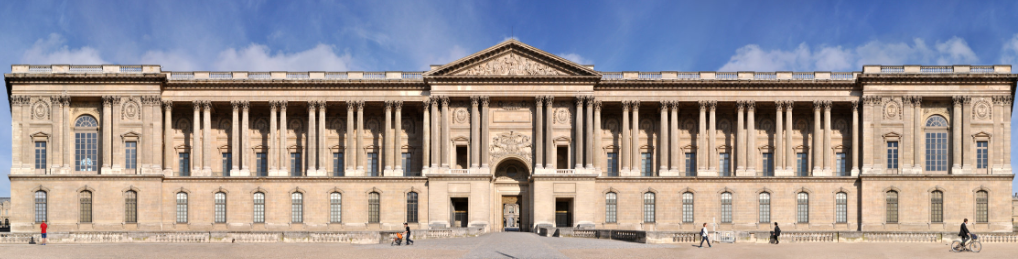
formal characteristics of french neo-classicism
rejection of fluid, baroque forms & search for simple/expressive tectonics
emphasis on bold horizontal profiles
massing of elements in cubic & rectangular form
emphasis on stereotomy (cutting of stone)
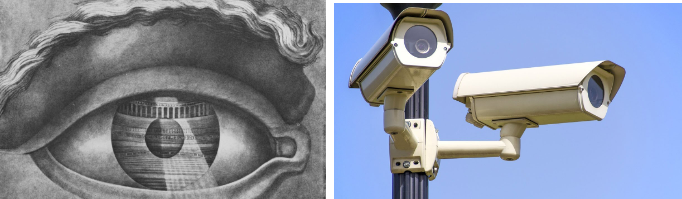
enlightenment’s all-seeing eye
in age of enlightenment, all-seeing eye = clear gaze of reason. interpreted 2 ways:
symbolized state & the law. all-seeing eye = vigilance (used on dollar bill) & stands guard (ready to raise alarm if anyone threatens democracy)
post-modern philosopher michel foucault: the all seeing eye = intrusion of modern state (intrusion that could intimidate)
foucault: all-seeing eye = oppressive psychological power