Cell Transport/Cells
 Call Kai
 Learn
Learn Practice Test
 Spaced Repetition
 Match
Match Flashcards
 Knowt Play
1/42

There's no tags or description
Looks like no tags are added yet.
Name | Mastery | Learn | Test | Matching | Spaced | Call with Kai | Chat |
|---|
No analytics yet
Send a link to your students to track their progress
43 Terms
Cell Theory
All living things are composed of cells
Cells are the basic unit of structure and function in living things
New cells are produced from pre-existing cells
Prokaryotes
-Cells that do not contain a nucleus
-Do not contain membrane bound organelles
- Small and simple
- Have genetic material
-Carry out every activity of living things
-ex:bacteria
Eukaryotes
-Cells that contain a nucleus
-Generally larger and more complex
-Have membrane bound organelles
Eukaryotic cell structure
-Organelles¨little organs¨ : Tiny structures with specific jobs, Specialized just like your organs
Cytoplasm
Jelly like or fluid filled, supports the organelles, space between the nucleus and cell membrane
Nucleus
-Plant and animal
-contains nearly all the cells DNA: Instruction to build proteins
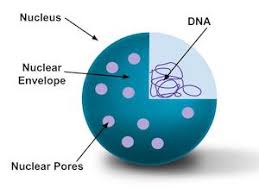
-Surrounded by nuclear envelope
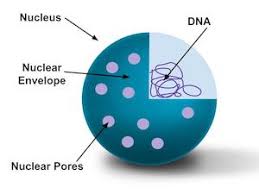
Nuclear pores
-Allows larger sized substances to move in and out of the nucleus
Chromatin
-DNA bound to protein
-spread throughout the nucleus when cell is not dividing
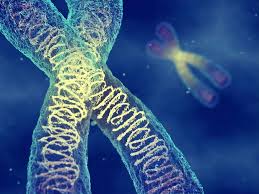
Chromosomes
-Condensed DNA during cell division
Nucleolus
-Assembly of ribosomes begin
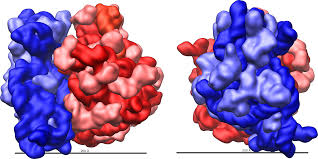
Ribosomes
-Site of protein synthesis
-get protein making coded instructions from nucleus
-Very small organelle
-Free floating in cytoplasm
-Form bumps on Rough ER
ER
-Transports materials through cell
-Moves molecules from one part of cell to another
-Series of tubules and sacs
-Connects the nuclear envelope to the cell membrane
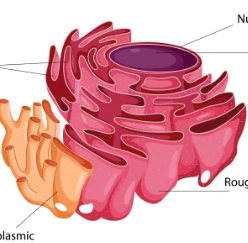
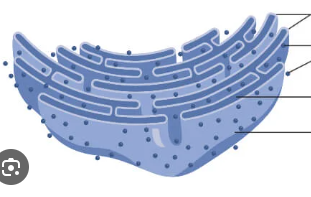
Rough ER
-Is studded with chromosomes
-Process proteins to exported from the cell
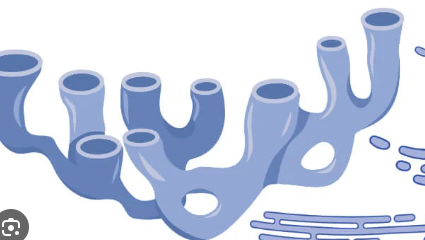
Smooth ER
-Does not have ribosomes : processes lipids and carbs
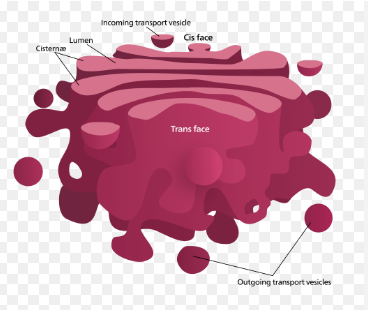
Golgi Apparatus
-modify,sort, and package proteins and other materials from the ER
-Materials will either be stored or exported out of the cell
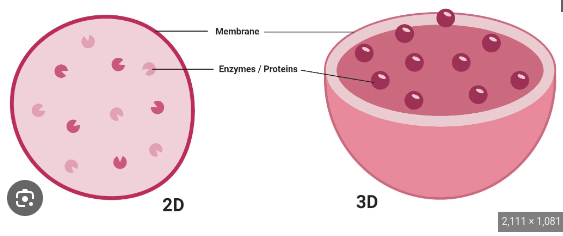
Lysosomes
-Small organelles filled with enzymes
-Used for digestion, or breakdown of lipids,carbs, and proteins into small molecules that cell can use
-formed from pieces of golgi that break off
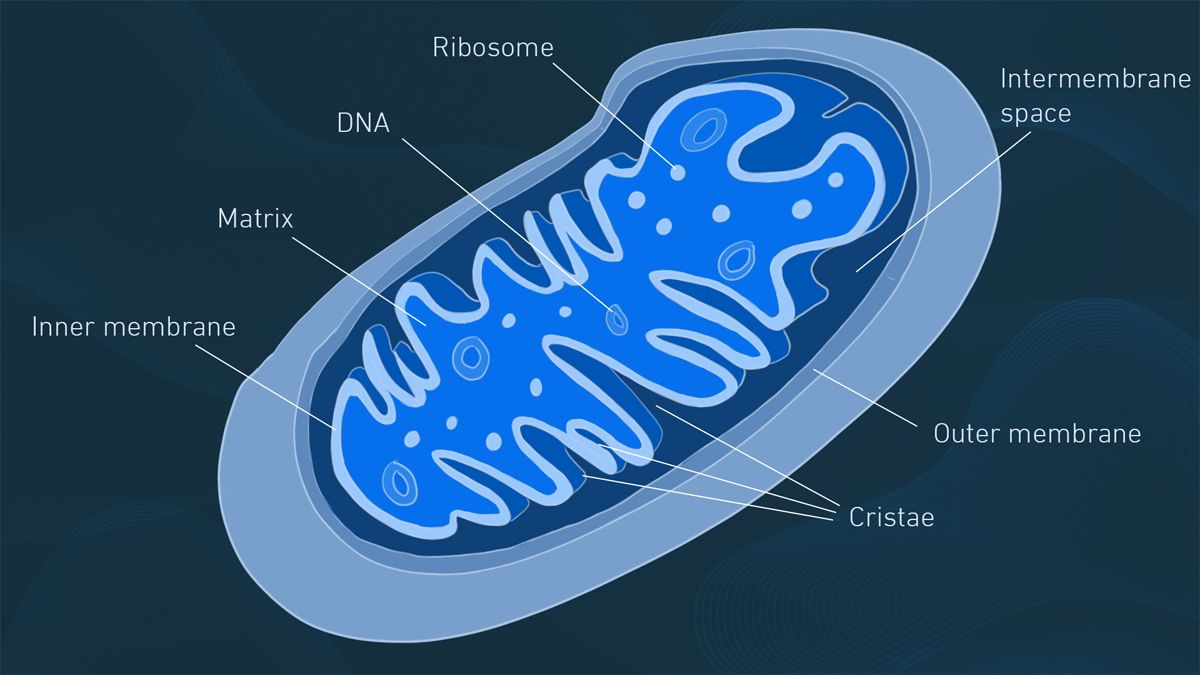
Mitochondria
-Relativly large organelles
-¨Powerhouse¨ of the cell
-Convert chemical energy in food into compounds that cell can use
-Usally more abundant cells that require more energy like muscle cells
Cytoskeleton
-Mantains the 3-D shape of the cell
-Helps cell move
-Made up of long strands of protein
-Microtubules are part of the cytoskeletion, form cilia, and flagella, both used for support movement
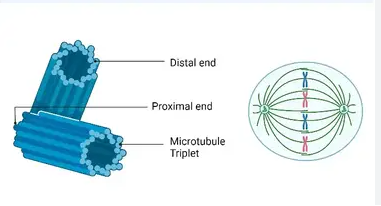
Centrioles
-Not found in plant cells
-Located near the nucleus, have paired bundles of cylinders
-Groups of microtubules
-Help organize cell division:Help organize the spindle fibers and seperate chromosome
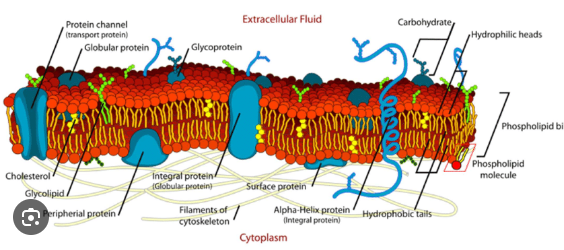
Cell Membrane
-Regulates what enters and leaves the cell
-Provides protection and support
-Made of a phospholipid bi-layer-proteins, carbs and lipids
Only plants have these organelles
-Cell Wall
-Central Vacuole
-Chloroplast
Cell Wall
-Provides support and protection for plant cell
-It does not replace the cell membrane
-Plants with cell walls also have a cell membrane
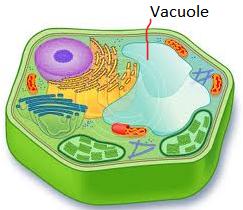
Vacuoles
-Can take up to 90% of plant cell
-Large vacuole causes pressure that helps plants support plant structures
-Serves as a storage area
-Animals cells have small vacuoles
Chloroplast
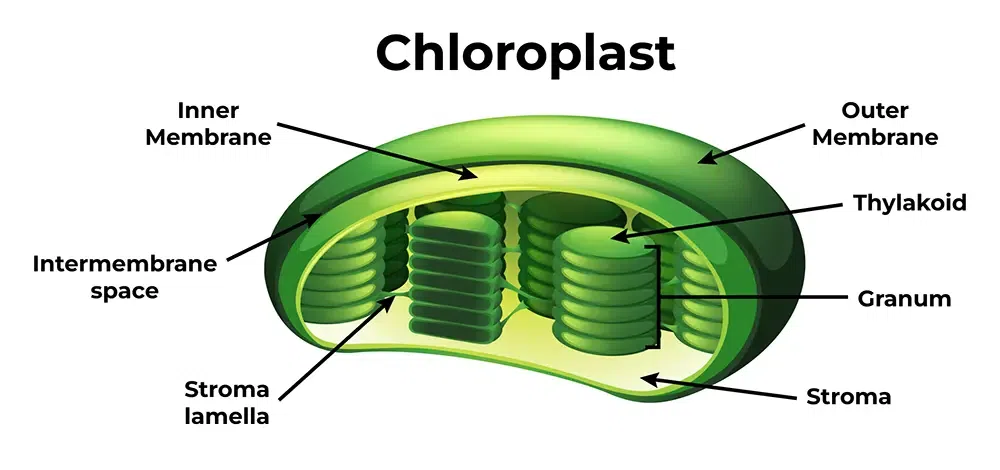
-organelles that capture sunlight and convert it into chemical energy
-Converts sunlight, carbon dioxide, and water into sugars
-Photosynthesis
-Contains chlorophyll: Green pigment that absorbs light
Cellular Transport
Process by which materials enter and leave the cell.
Passive transport
No Cellular energy used
-Diffusion
-Osmosis
Diffusion
-Movement of molecules from an area of high concentration to low concentration
-Due to random movement of molecules
Concentraction
-Number of molecules in a solution
Osmosis
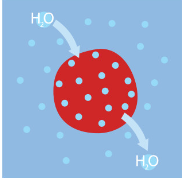
-Diffusion of water across a selectively permeable membrane
-Hypertonic solution
-Hypotonic solution
-Isotonic solution
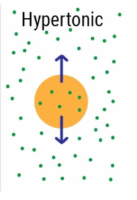
Hypertonic solution
-High solute concentracion outside of cell causes water to diffuse out of cell
Key word:¨Hyper¨- Over, above, excessive
-Water will leave the cell
-Cell will shrink
Hypotonic solution
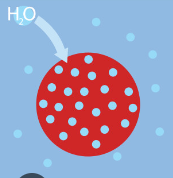
-High solute concentration inside of cell causes water to diffuse into cell
Key word:¨Hypo¨-Under, beneth, less than
-Water will enter cell
-Cell will swell up
Isotonic solution
-Concentration of solute is same on both sides of membranes
Key word:¨iso¨- equal, same
-Water will enter and leave
-Cell will stay the same
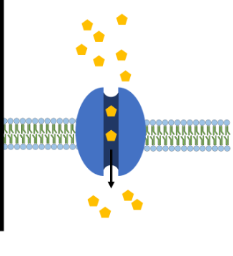
Facililated Diffusion
-Uses carrier protein to move materials across the cell membrane
-High to Low
Active Transport
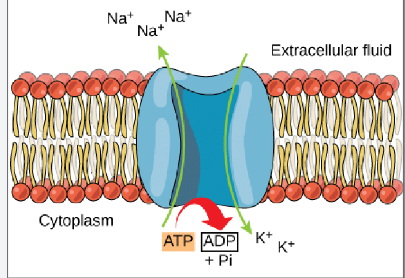
-Uses cellular energy to move materials across the cell membrane against concentration gradient
-Low to High
-Using ATP from mitochondria
ex:Protein Pump
1.Protein Pump
-Proteins embedded in the cell membrane helps move ions and small molecules
ex:Na+/K+ ATPase pump
Na+=Sodium, K+=Potassium
-Moves three NA ions out and two K ions into cell
2.Endocytosis
-Movement of substances into cell by vacuoles
Key Word:¨Endo¨-inside
Phagocytosis: Taking in large particles for food; blood cells consuming bacteria
Pinocytosis: Taking in water by using vacuoles
Exocytosis
Movement of substances out of cell by vacuoles
Key Word: ¨exo¨- inside
Selectively Permeable
Some things can pass through but others cant : so that cell can be filtered out and isotonic.
Lipid Bilayer
Gives membrane flexible structure that forms strong barrier between cell and surrondings
Hydrophobic
Water hating molecules: Hydrophobic tails
Hydrophilic
Water loving molecules: Hydrophilic heads
Why lipids ¨Self assemble¨
Ampithatic nature, hydrophobic tail, hydrophilic
Equilibrium
Concentration of substance on both sides of membrane one equal