florida native trees
 Call Kai
 Learn
Learn Practice Test
 Spaced Repetition
 Match
Match Flashcards
 Knowt Play
1/9

There's no tags or description
Looks like no tags are added yet.
Name | Mastery | Learn | Test | Matching | Spaced | Call with Kai |
|---|
No analytics yet
Send a link to your students to track their progress
10 Terms
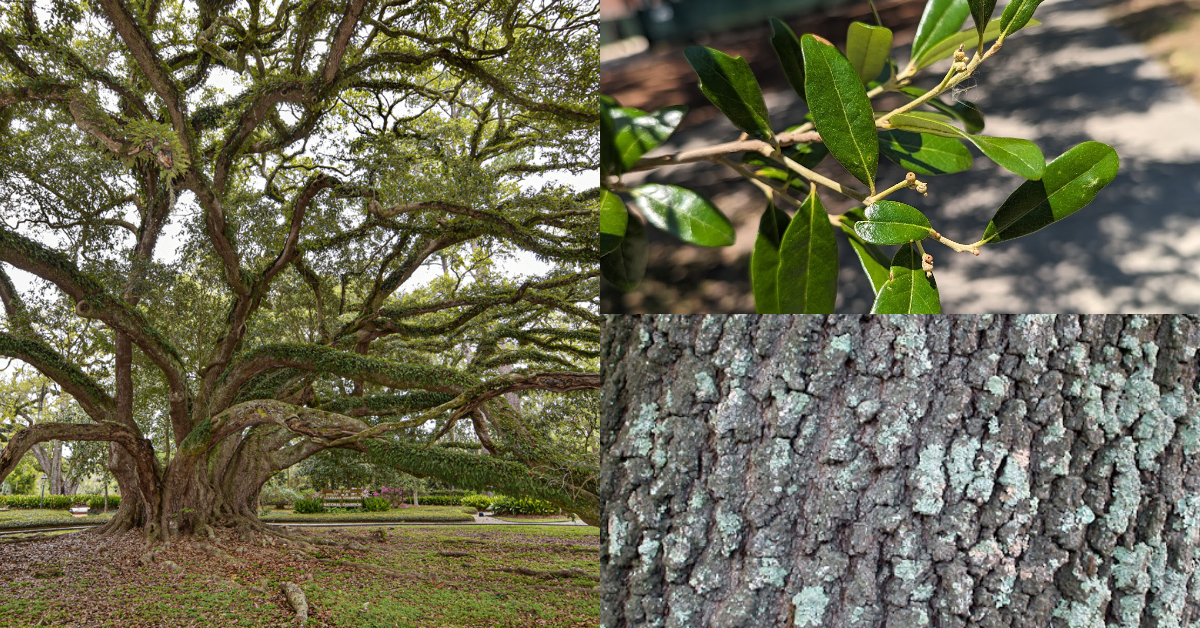
Live Oak (Quercus virginiana)
thrives in sandy soils
large, broadleaf evergreen tree
often adorned in spanish moss
40-80ft tall
60-100ft spread
moderate to fast growth rate, particularly in its youth
often living over 200 years
small green flowers in spring
produces oval acorns
leaves are leathery, dark green, glossy on top, with a paler and hairy underside
Gastrointestinal Health: The bark is used to treat acute diarrhea and dysentery due to its ability to reduce excessive fluid and tighten tissues.
Topical/Skin Care: Decoctions of the bark are used externally to treat hemorrhoids, varicose veins, skin infections, and to stop bleeding.
Oral Hygiene & Throat: Gargling with a bark decoction is used for inflamed gums, pharyngitis, and tonsillitis.
Antimicrobial Activity: Research suggests Q. virginiana bark and leaves have antimicrobial properties, used to treat wounds and sometimes gonorrhea
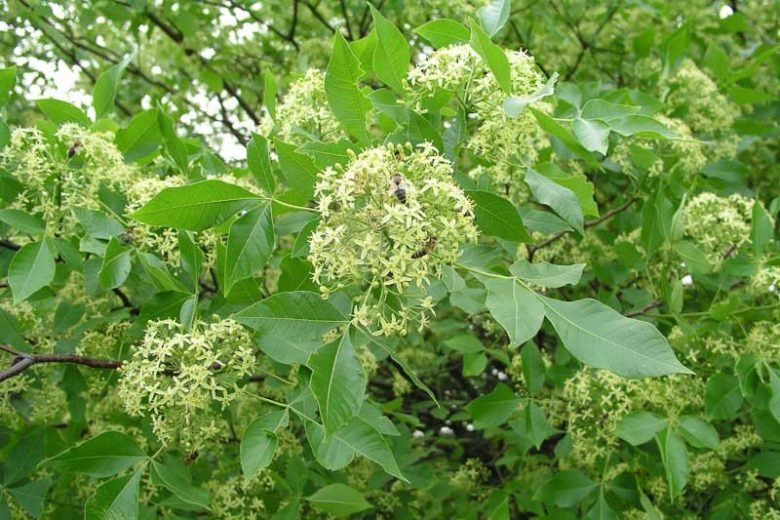
Hop Tree (Ptelea trifoliata)
shrub or small tree
sprays of tiny star shaped greenish-white flowers (pictured) in late spring to early summer
these change to clusters of hanging seed clusters, 1in across
foliage turns greenish yellow in the fall
aromatic and exudes an unpleasant citrus-oil aroma
very important for the caterpillars of the Eastern Tiger Swallowtail and Giant Swallowtail, as they feed on the leaves
15-20ft tall and wide
adaptable to wide range of soil conditions
Gastrointestinal Health: Considered a strong bitter tonic (historically compared to goldenseal) to improve appetite and soothe gastrointestinal irritation.
Parasitic Infections: Used as an anthelmintic for treating worms, including pinworms and roundworms.
Respiratory Issues: Used to treat bronchial congestion and asthmatic symptoms.
External Application: Applied as a poultice or wash for wounds.
Fevers: Used as an antiperiodic for treating intermittent fevers
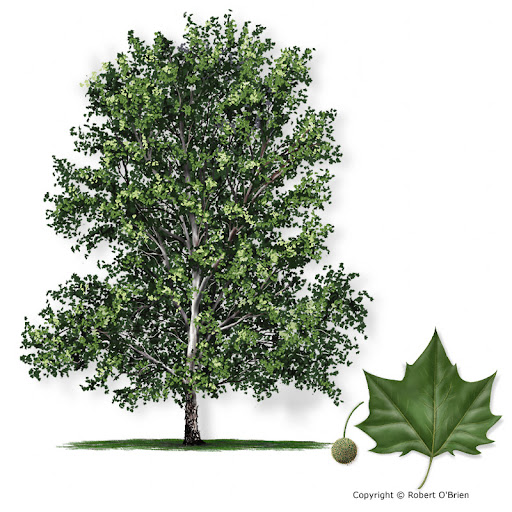
American Sycamore (Planatus occidentalis)
also known as Western Plane
deciduous tree
striking bark, which peels away in patches, revealing a mottled appearance
living at least 200 years, sometimes even 500-600 years
massive trunk and a broad, spreading habit
70-100ft tall and wide, one of the biggest trees in America
songbirds like the seeds
large, maple-shaped leaves
small flowers give way to small, fuzzy long-stalked hanging balls that persist into winter
Respiratory & Internal Ailments: A tea made from the inner bark was used to treat colds, coughs, tuberculosis, and lung ailments.
Gastrointestinal Health: The inner bark acted as an astringent and was used to treat diarrhea and dysentery.
Skin & External Issues: Bark infusions or "ooze" were applied to sores, skin eruptions, eczema, and infant rashes. It was also used to wash wounds.
Other Uses: It was used to treat rheumatism (as a foot soak), hemorrhages, and as a blood purifier.
Internal Pain: The bark was sometimes ingested to treat internal pain
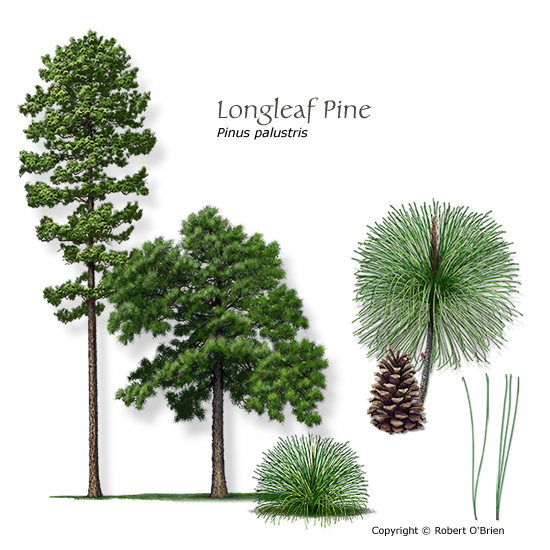
Longleaf Pine (Pinus palustris)
evergreen coniferous tree
straight trunk and short, stout branches
bright green needles up to 14 in. long, longest of any eastern Northern American pine
6-10 in. long pine cones
80-100 ft. tall
30-40 ft. wide
loves full sun in acidic soil
Respiratory Relief: Pine needle tea acts as a stimulating expectorant, helping to remove mucus from the lungs and ease sore throats.
Wound Care & Skin: The resin, or pitch, can be applied to cuts, burns, and splinters to seal them and provide antimicrobial protection.
Immune Boost: Needles contain high levels of Vitamin C, historically used to prevent scurvy.
Anti-inflammatory: Pine resin is used topically to relieve joint pain and rheumatism.
Oral Health: Historically, resin was chewed to clean teeth and disinfect the mouth, or packed into toothaches
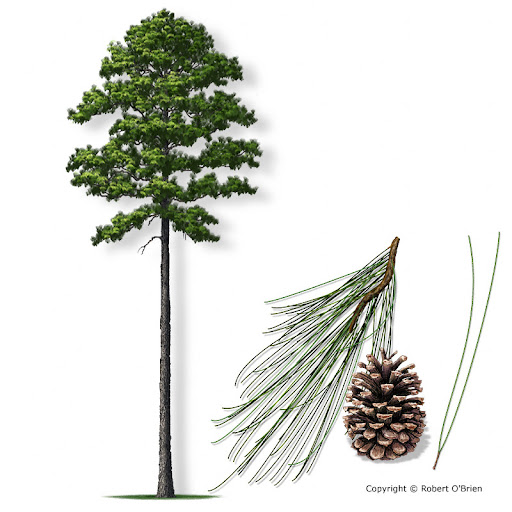
Slash Pine (Pinus elliottii)
large evergreen conifer
long dark shiny green needles, 6-12 in. long in bundles of 2-3 on the same branch
bark is red-brown and furrowed when young, plating light-brown to cinnamon when grown
70-100 ft. tall, 30-50 ft. wide
lives 150 years
thriving in moist flatwoods, swamps, and sandy soils
Resin (Pine Pitch): Known for its "drawing" capabilities, it is commonly used in salves to treat wounds, pull out splinters, and soothe bug bites. The sticky resin is antiseptic and was historically used to treat sores and boils.
Needles: Fresh green needles are rich in Vitamin C and can be prepared as an infusion (tea) to combat colds, coughs, and congestion. They are also used in steam inhalations to clear sinuses.
Inner Bark: Used as an expectorant to soothe phlegmy, congested coughs.
Turpentine: Derived from the resin, it has historically been used to treat chronic bowel inflammation, rheumatism, urinary complaints, and skin ulcers.
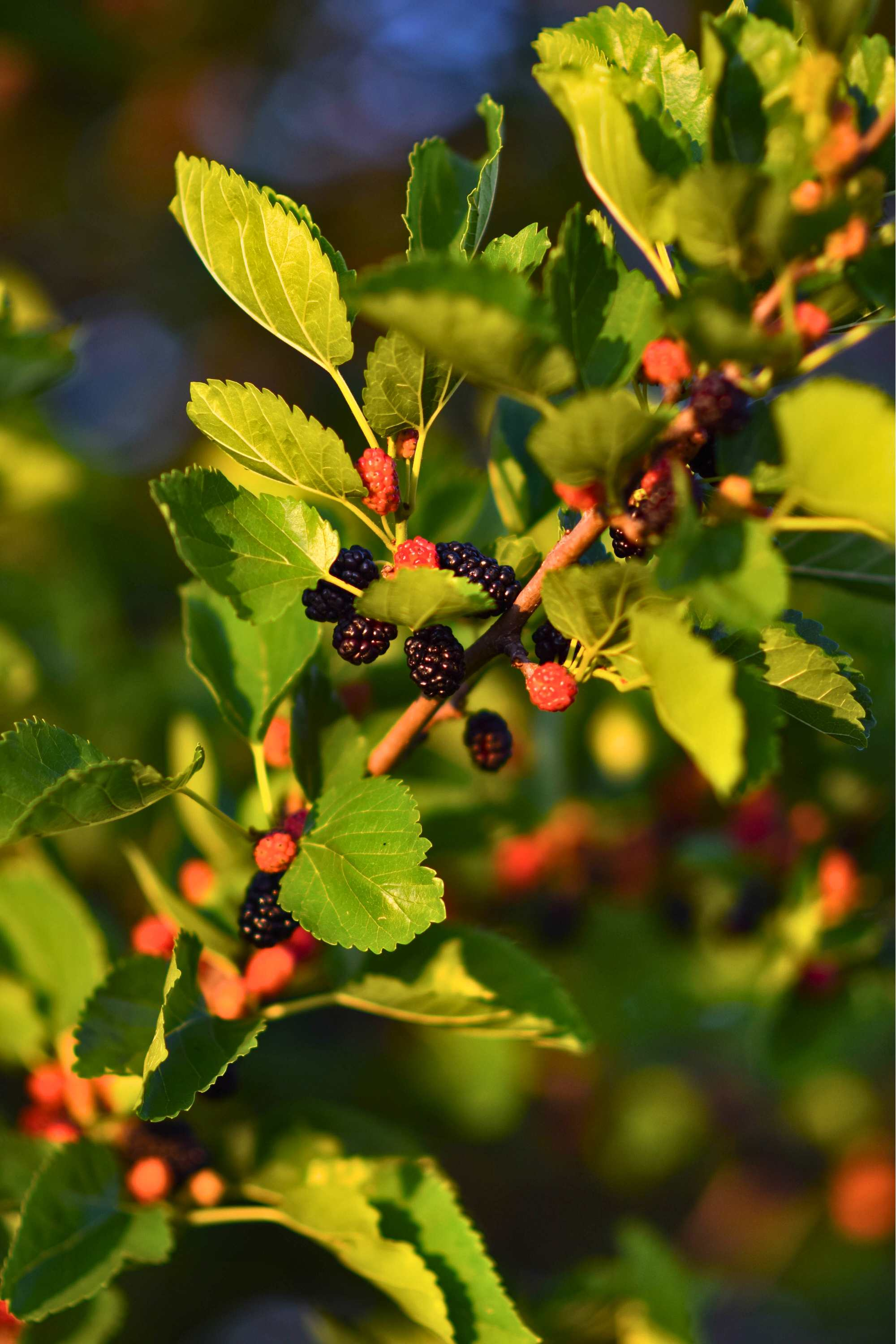
Red Mulberry (Morus rubra)
medium sized deciduous tree
prolifically fruiting
dark purplish-red edible oval fruits, 1 in. long
30-50 ft. tall, 30-40 ft. wide
likes moist, shaded hammocks and floodplains
Leaves: Brewed into tea to treat colds, chills, and fever.
Bark/Sap: Traditionally used to treat ringworm.
Fruit: Used to boost immunity and treat anemia.
The berries are high in vitamin C, vitamin K, iron, and calcium.
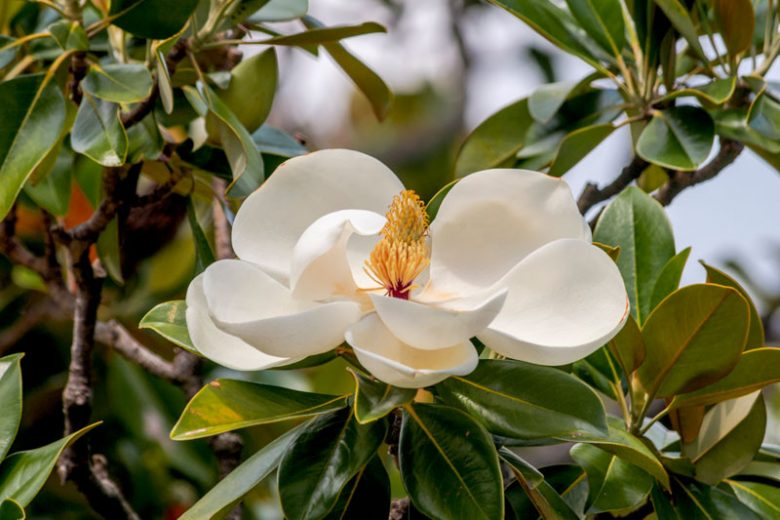
Southern Magnolia (Magnolia grandiflora)
nontoxic to humans and pets
evergreen
lemon-scented white blooms
cone-like pods with red seeds in fall
glossy green leaves, and rust colored undersides
60-80 ft. tall, 30-50 ft. spread
Anxiety and Stress Relief: Magnolia bark extract is known for its ability to reduce anxiety, particularly in menopausal women, by helping to manage cortisol levels.
Digestive Health: It is used to treat stomach disorders, constipation, nausea, and indigestion.
Pain Relief and Inflammation:
Used to treat arthritis, achy joints, and pain, particularly in the form of a tincture or liniment from the bark.
Respiratory Issues: Used to alleviate coughing and asthma.
Oral Health: Research suggests it can treat mild gum disease (gingivitis) and reduce bacteria.
Traditional Uses: In addition to the above, it has historically been used to manage symptoms related to fever, high blood pressure, and epilepsy
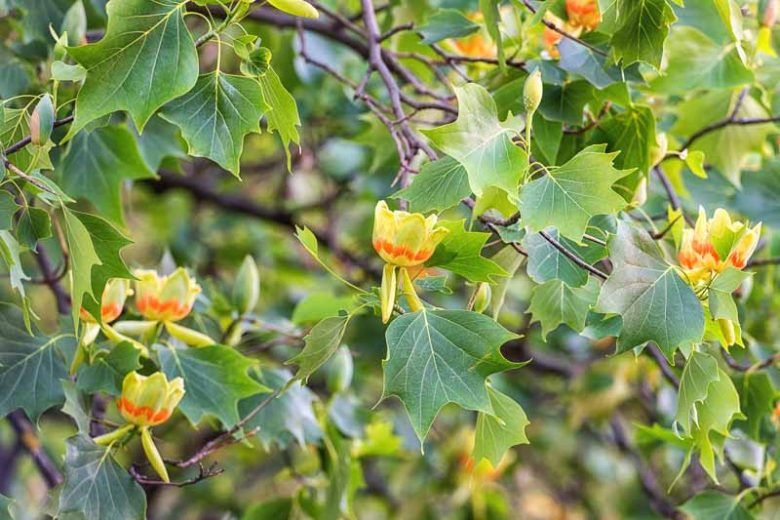
Tulip Tree (Liriodendron tulipifera)
deciduous tree
tall, straight trunk
60-80 ft. tall, 30-40 ft. spread
200-300 year life, sometimes 400+ years
tulip shaped flowers in late spring to early summer
bright yellow leaf color in fall
glossy green foliage in summer
Pain Relief & Rheumatism: The bark contains salicylates (similar to willow), making it useful for treating rheumatic pain and inflammation.
Fever & Stimulant: It is a known diaphoretic (promotes sweating) and acts as a tonic for treating fevers, often used as a substitute for quinine or Peruvian bark.
Gastrointestinal Health: Used as a remedy for indigestion, dysentery, and other stomach complaints.
Wound Care & Skin Conditions: Bark infusions were used as wash or poultices for sores, boils, and wounds.
Respiratory Care: Used to treat coughs and as a stimulant.
Vermifuge: Used traditionally to expel worms
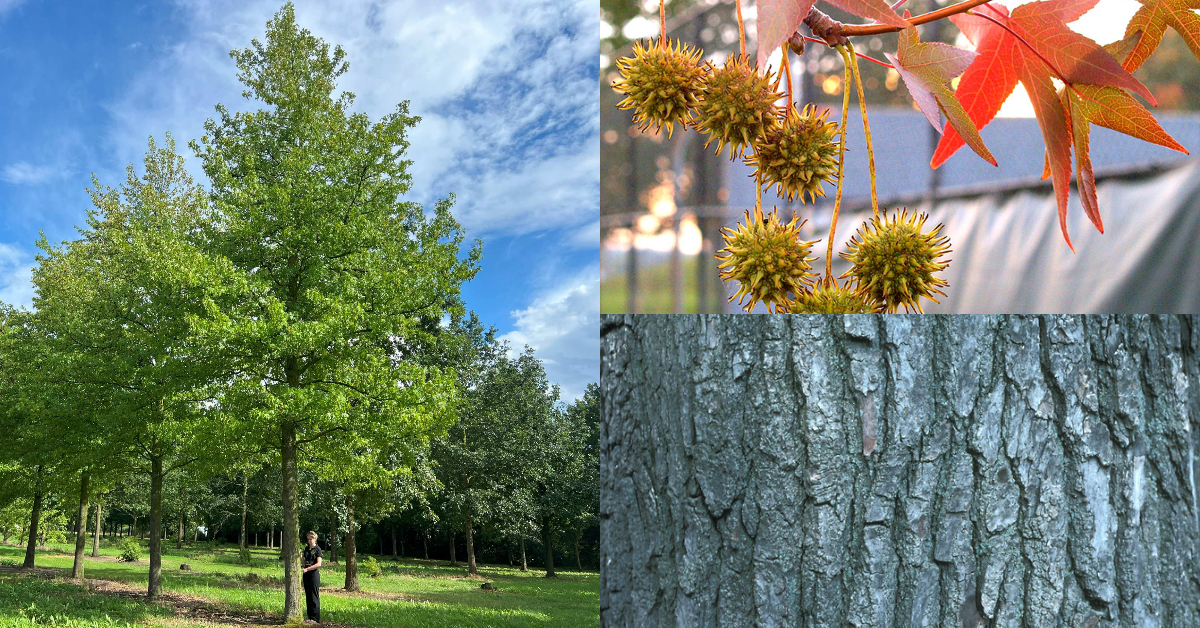
Sweet Gum (Liquidambar styraciflua)
deciduous tree
star-shaped leaves
60-80 ft. tall, 40-60 ft. spread
150+ year lifespan
yellow-green flowers in spring, and “gumball” fruit that harden into brown spiky balls in fall
deeply furrowed, rough bark with irregular ridges
Resin/Sap (Storax): Known as a powerful antimicrobial and wound healer. It has been used to treat cuts, bruises, sores, ulcers, and skin conditions like scabies. Internally, it is used as an expectorant for coughs, bronchitis, and to treat diarrhea or dysentery.
Green Seed Pods: Green, immature, or young seed pods are used to make tea or tinctures. They contain high concentrations of shikimic acid, which is used in the manufacturing of the antiviral drug Tamiflu®. These are used to boost the immune system and as a flu remedy.
Bark & Leaves: The inner bark has been used in infusions as a sedative to calm nerves. Leaves have been used in poultices to treat skin irritations and insect bites.
Traditional Uses: Cherokee Native Americans used the bark for diarrhea. Appalachian settlers blended the resin with whiskey for a dental wash, while Guatemalans used it as a skin deodorant.
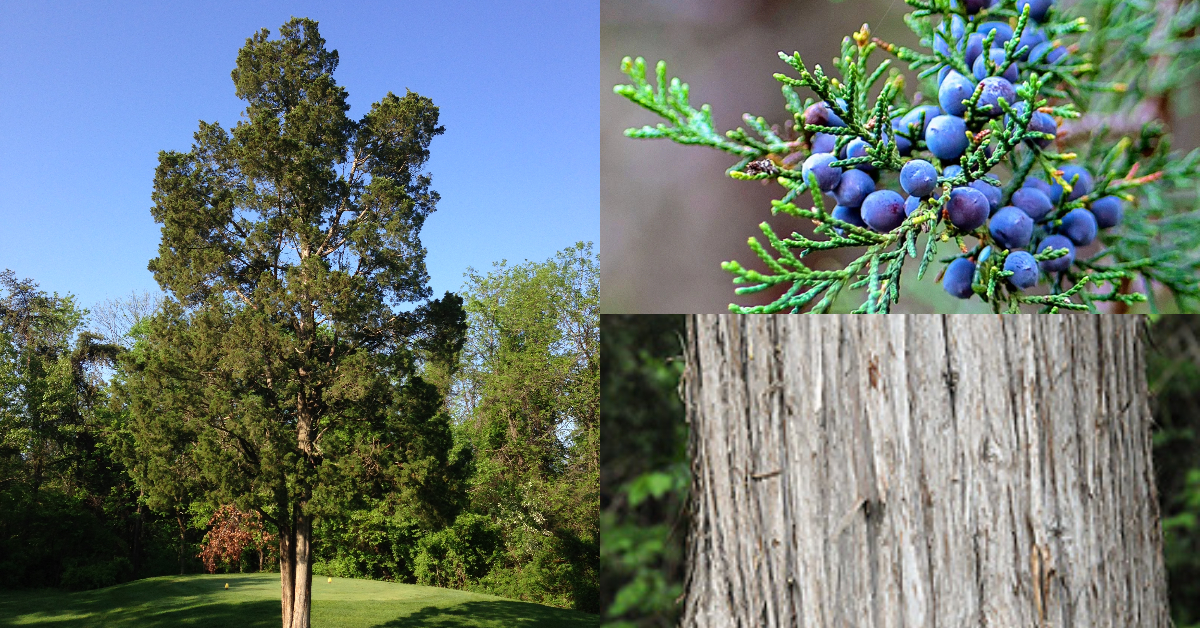
Eastern Red Cedar (Juniperus virginiana)
evergreen conifer
not a true cedar, but a species of juniper
dense, pyramidal or columnar habit
40-50 ft. tall, 8-20 ft. spread
300+ year lifespan
dioecious species
females produce small, blue berry-like cones
mildly toxic if ingested in large quantities
Respiratory Support: Tea made from boughs is used to treat coughs, colds, flu, tonsillitis, and pneumonia.
Skin Care and Topical Relief: It treats eczema, acne, rashes, and warts. Cedar oil acts as an antifungal agent for skin infections.
Anti-inflammatory and Pain Relief: It is applied topically to soothe joint pain, arthritis, and rheumatism.
Immune and Digestive Health: It has been used to address intestinal parasites and enhance digestion.
Historical and Cultural Uses: Many Indigenous tribes used it for cleaning, childbirth recovery, and to stop hemorrhages.