Parts of the Stage
 Call Kai
 Learn
Learn Practice Test
 Spaced Repetition
 Match
Match Flashcards
 Knowt Play
1/39

There's no tags or description
Looks like no tags are added yet.
Name | Mastery | Learn | Test | Matching | Spaced | Call with Kai |
|---|
No analytics yet
Send a link to your students to track their progress
40 Terms
Front of House
Lobby area of the theatre
House
The area of the theatre where the audience sits
House lights
The lights in the house
Aisle
Rows between the sections of the seats
Aisle lighting
Lighting so patrons can see while walking up or down the isles during the performance
Raked seating
Seating that inclines toward the back of the theatre
Orchestra
Main floor seating area
Balcony
Second tier seating
Control booth
Small enclosed room at the back of the auditorium used to house light and sound equipment
Pit
area immediately below the stage which is usually lower than the auditorium level, used primarily by the stage orchestra
Stage
The playing space
Apron
area in front of the curtain to the end of the stage
Proscenium arch
The structure that creates a “box” for the audience to see into
Front curtain
Main large curtain to the stage
Teaser
heavy curtain hung above the proscenium opening to adjust height of opening
Tormentors
Curtain at each side of the proscenium opening to regulate width of opening
Legs
Curtains placed on either side of the Stage (behind tormentors) in order to mask the wings from the view of the audience hung in pairs stage right and left.
Wings
Offstage areas to the right and left of the stage
Borders
Short curtains hung at intervals above the acting area to mask lights and scenery from audience
Battens
Long pipes from which curtains are hung
Grid/Gridiron
framework of beams above stage to support lighting
Flies
area above the stage where scenery is hung out of view
Fly gallery / floor
Where lines for flying scenery are worked
Cyclorama/cyc
Background curtain covering the stage back and sides can be used for backgrounds and projections
Scrim
loose weave curtain on battens - opaque when lit from front and transparent when lit from back
Work Lights
basic lights that allow the stage to be lit to work, but does not come from stage instruments
Strip lights
a strip of lights in one instrument that usually provides color to the scene
Spotlights
lights used to highlight a specific area or person onstage. also called a “special”
Footlights
Lights at the edge of the stage at the feet of the actors
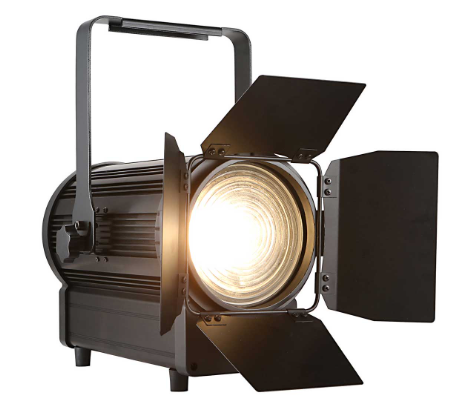
Fresnel
Boxy - better for general wash
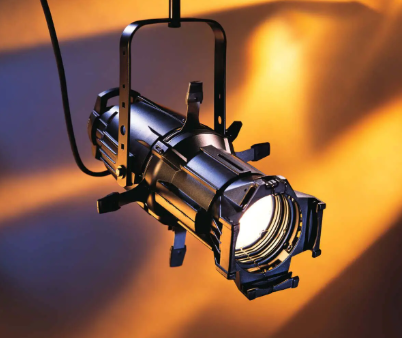
Leko/ellipsoidal
More direct beams
Gelatins (Gels in gel frame)
gives color to beam of light patched into dimmers controlled at light board by channels
Barn doors/cuts
sides of the instrument that focus the beam of light
Cove
Lighting in ceiling that is concealed from view
Flats
Frame constructed of 1 by 3 board, covered with canvas, painted, and used most often for interior or exterior walls of a building in a stage setting.
Proscenium
Most common, developed in Italy during the Renaissance - creates picture frame theatre with hidden areas can break the 4th wall
Thrust or ¾ stage
Pioneered in North America by Tyrone Guthrie favored format in ancient Greece and Elizabethan England - places much more action in the midst of the audience
Arena theatre (theatre in the round)
Audience surrounds action on all sides
Black Box
Format less space that can be adjusted to any desired arrangement
Stadium
Seating on two sides of the stage