Comprehensive Head to Toe Exam iHuman case study due july aug 2024
 Call Kai
 Learn
Learn Practice Test
 Spaced Repetition
 Match
Match Flashcards
1/91

There's no tags or description
Looks like no tags are added yet.
Name | Mastery | Learn | Test | Matching | Spaced | Call with Kai |
|---|
No analytics yet
Send a link to your students to track their progress
92 Terms
aspects of appearance and behavior to comment on
-dress, posture, grooming, hygiene
-stature, build
-nutritional state
-degree of cooperativeness
-state of distress
-affect
-eye contact
-motor activity
aspects of mood to comment on
congruence with situation and aspect
aspects of the skull, scalp, and hair to comment on
-contour
-lesions
-hair
-tenderness
CN VII (Facial) test
instruct patient to:
-frown
-elevate forehead/raise eyebrows
-clench and show teeth
-smile
-puff and blow out cheeks
-close eyes firmly (try to open against resistance)
CN V (trigeminal) test - motor
-place hands on patient's cheek's and temples
-instructs patient to contract and relax masseter muscles by clenching teeth
-tests strength by pushing down on the mandible against resistance
CN V (trigeminal) test - sensory
-instructs patient to close eyes and say "now" when feeling cotton touch their face
-use a light wisp of cotton over 3 nerve distributions bilaterally
aspects of the eyebrows, orbital areas, and eyelids to comment on
-distribution of eyebrows
-orbital edema, sagging tissue, lesions, nodules
-ptosis
-completeness of lid closure
-erythema
-discharge/tearing
aspects of the bulbar and palpebral conjunctivae and sclerae to comment on
-color
-edema
aspects of the lacrimal glands/sac to comment on
-edema
-tenderness
CN II, III (optic, oculomotor) test
-instructs patient to focus on a far fixed point, then on a near fixed point; observes pupillary response
-inspects B/L eyes with pen light; observes pupillary response
-performs swinging light test; observes pupillary response
aspects to comment on after CN II, III test
-corneal clarity
-pupillary size and shape
-pupillary reflex, direct, consensual, and afferent accommodation
CN III, IV, VI (oculomotor, trochlear, abducens) test
-have patient follow pen with eyes without moving their head
-six cardinal fields of gaze
aspects to comment on when testing CN III, IV, and VI
-conjugate or convergent gaze
-nystagmus, plane of movement
aspects to comment on during ophthalmoscopic exam
-red reflex
-retinal color and lesions
-characteristics of blood vessels
-disc and physiologic cup characteristics
-macular characteristics
aspects to comment on regarding the pinna, tragus, and mastoid area of the ear
-position
-deformities / lesions
-tenderness
-swelling
aspects to comment on during inspection of the auditory canal with otoscope
-patentcy
-cerumen
-erythema
-discharge
aspects to comment on during inspection of the tympanic membranes with otoscope
-tympanic membrane color
-transparency
-contour
-light reflex
-perforations
CN VIII (acoustic/vestibulocochlear) test / Whisper Test
-instruct patient to occlude one ear
-stand behind patient and whisper a 2-syllable word
-have patient repeat whispered word
aspects of the Whisper Test to comment on
-interpretation
-significance
aspects to comment on regarding the external nose
-shape
-nare patency
aspects to comment on regarding the nasal mucosa and nasal septum
-color
-discharge
-swelling of turbinates
-perforation of septum
aspects to comment on regarding the lips, gingivae, teeth, tongue, and buccal mucosa
-color
-condition of teeth
-presence of dentures/piercings
-ulcerations or lesions
CN XII (hypoglossal) test
-have patient stick out tongue
-have patient move tongue toward nose and chin
aspects of the CN XII test to comment on
-symmetry / position of the tongue
-tremors
-ability to move
CN X (vagus) test
have patient say "ahh"
aspects of testing CN X to comment on
-rise of palatal arch
-uvula
-anteroposterior pillars
-upper palate
-tonsils
-posterior pharynx
aspects of the carotid arteries to comment on
-rhythm
-grade
-presence of bruit
aspects to comment on regarding the thyroid gland
-tenderness
-consistency
-size
-nodules
aspects of B/L lymph nodes to comment on
-size
-consistency
-mobility
CN XI (spinal accessory) test
-have patient push against hand by turning head
-have patient shrug shoulders while providing downward pressure
aspects to comment on during CN XI test
-B/L strength grade
aspects to comment on regarding the neck
-ecchymosis
-erythema
-edema
-contour
-pain
-ROM
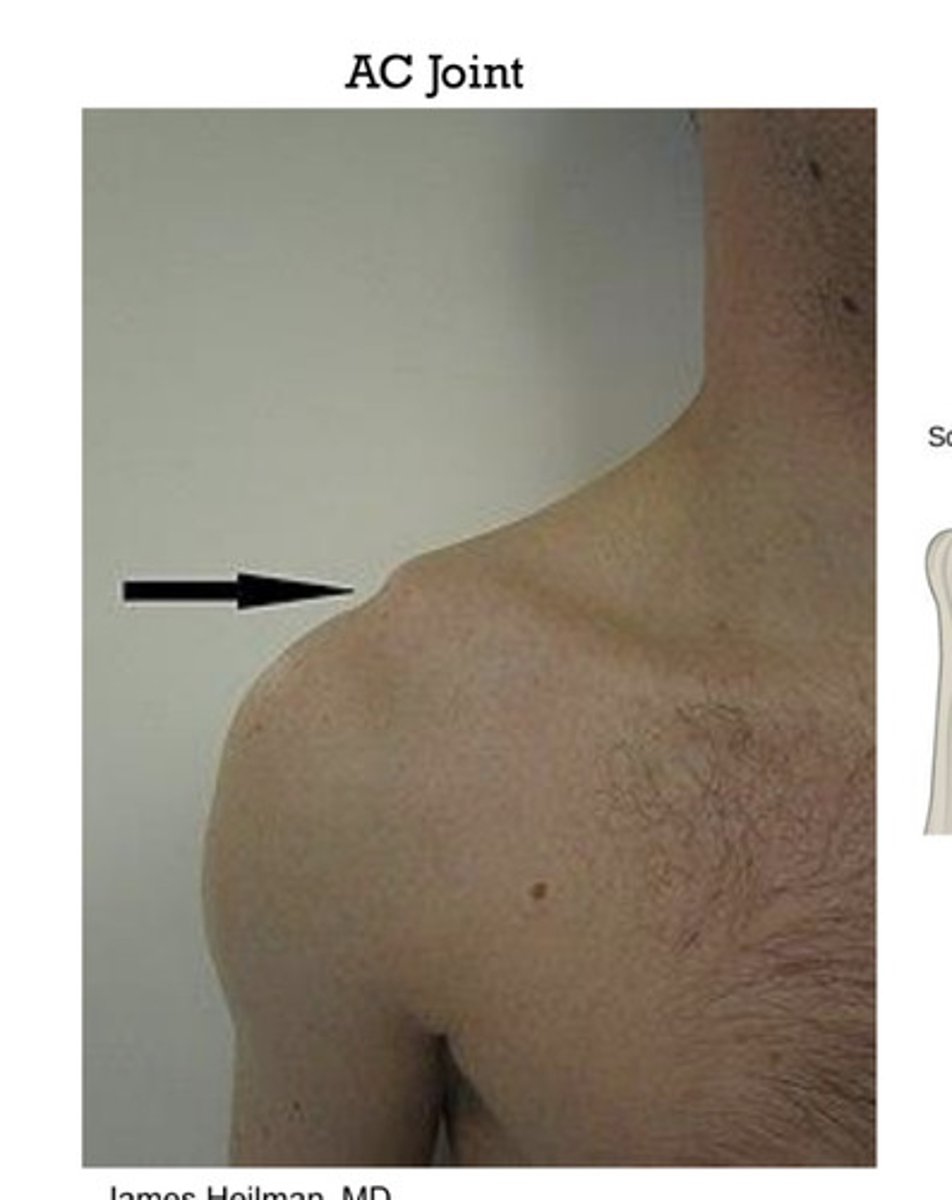
Where is the AC joint located?
between the lateral end of the clavicle and the acromion process of the scapula
aspects to comment on in regard to B/L shoulders
-ecchymosis
-erythema
-edema
-contour
-pain
-ROM
aspects to comment on regarding B/L elbows
-ecchymosis
-erythema
-edema
-contour
-pain
-ROM
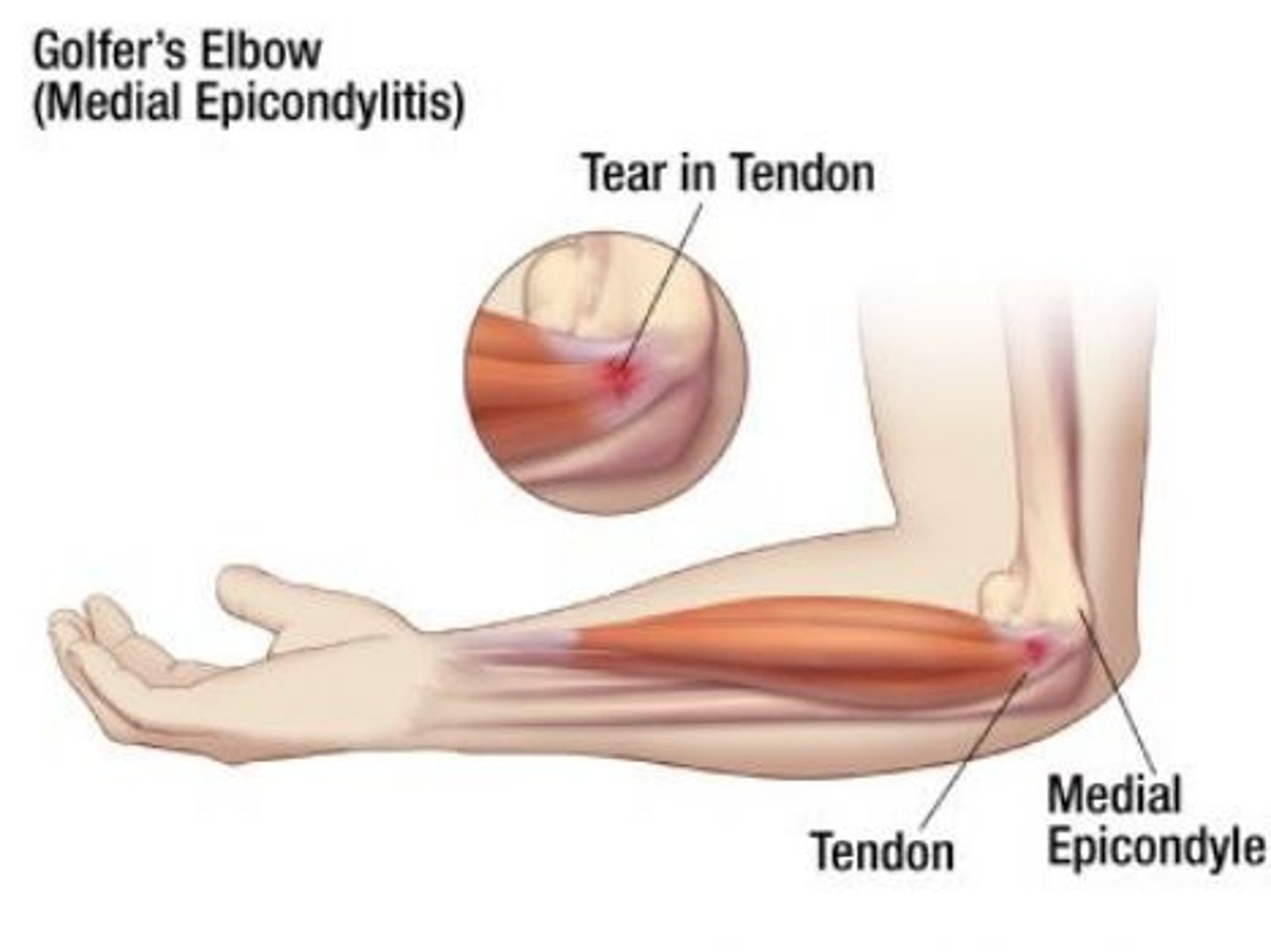
Where is the medial epicondyle?
medial distal end of humerus
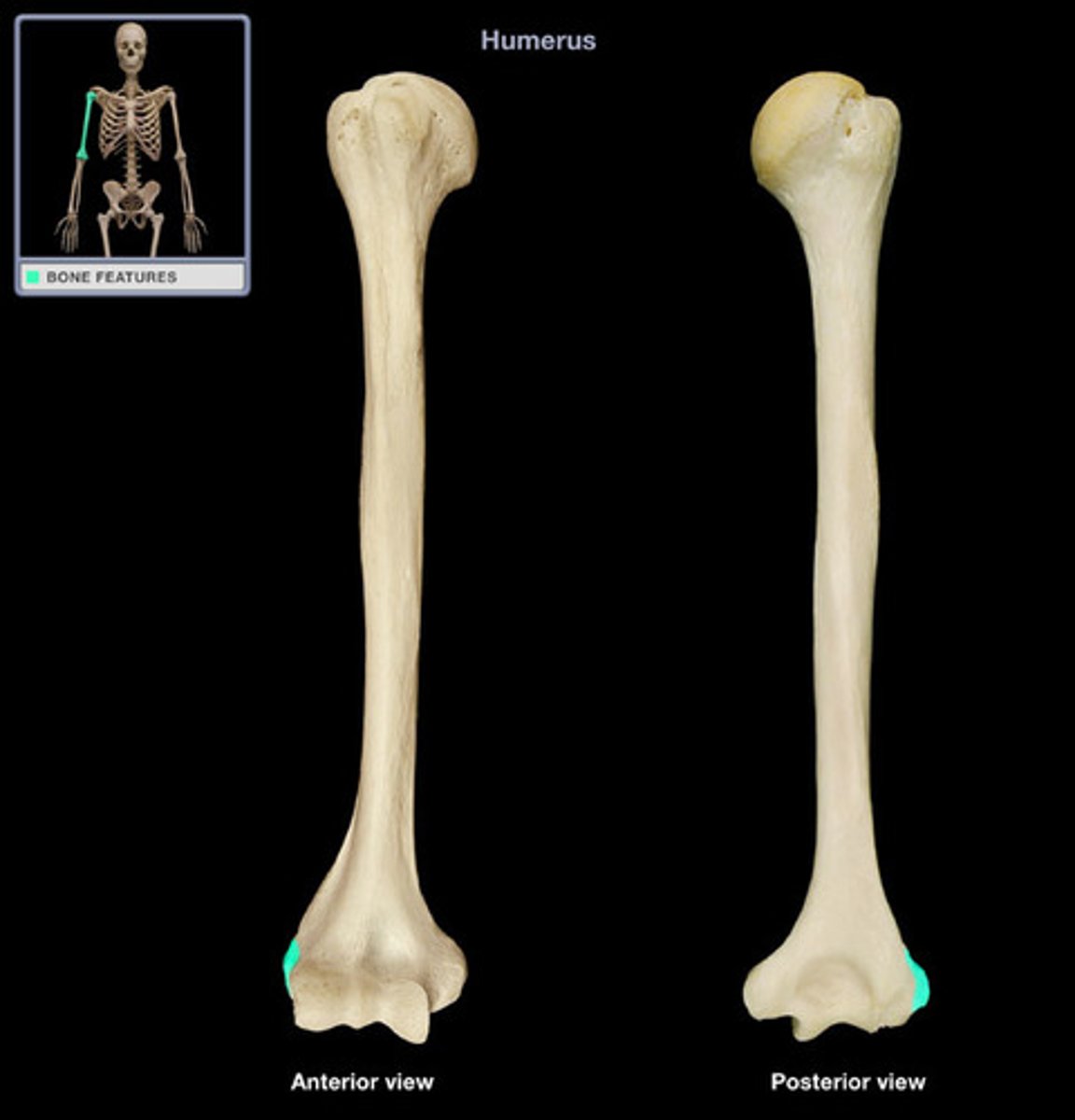
Where is the lateral epicondyle?
lateral/distal end of humerus
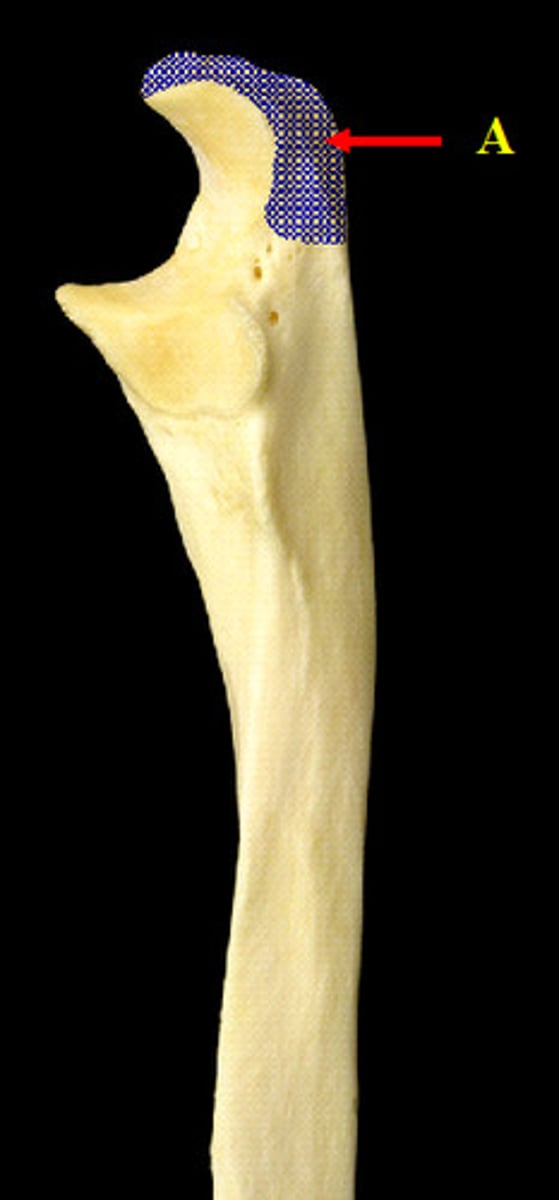
Where is the olecranon process located?
proximal end of ulna
aspects to comment on regarding B/L wrists
-ecchymosis
-erythema
-edema
-contour
-pain
-ROM
B/L wrist ROM
-extension
-flexion
-radial deviation
-ulnar deviation
B/L elbow ROM
-flexion
-extension
-supination
-pronation
B/L shoulder ROM
-flexion
-extension
-abduction
-adduction
-internal rotation
-external rotation
neck ROM
-flexion
-extension
-rotation
-lateral bending
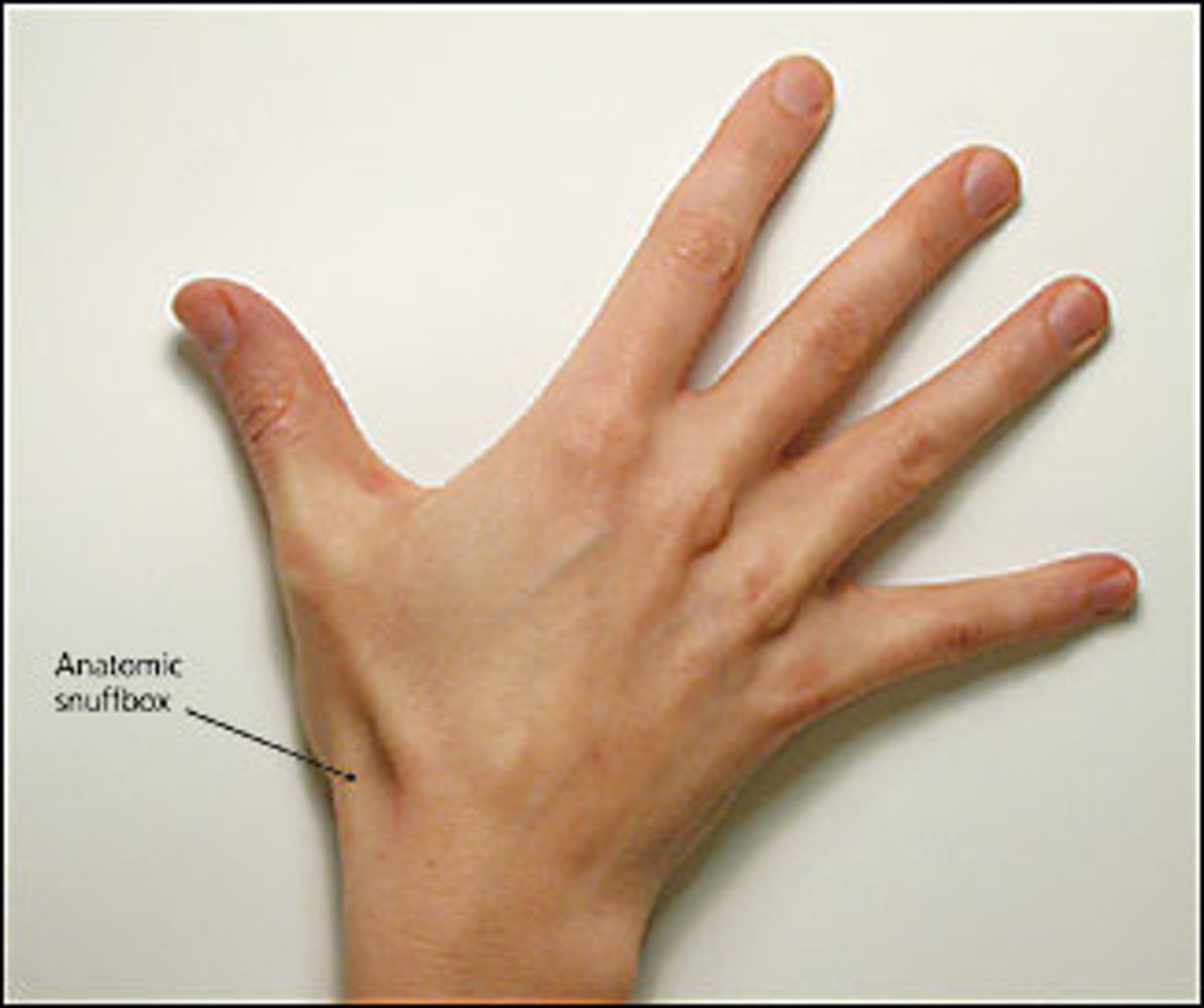
where is the "snuffbox" located?
when fingers are abducted, it's the space below the extensor pollicis longus tendon
aspects to comment on in regard to B/L hands and fingers ROM
-ecchymosis
-erythema
-edema
-contour
-pain
-ROM
-number, completeness, position, shape, symmetry of digits
upper extremity deep tendon reflexes
-biceps
-triceps
-brachioradialis
aspects of the deep tendon reflexes to comment on
-grade
-significance
aspects of the precordium to comment on
-heaves or lifts
where is the point of maximal impulse located?
5th ICS, left midclavicular line
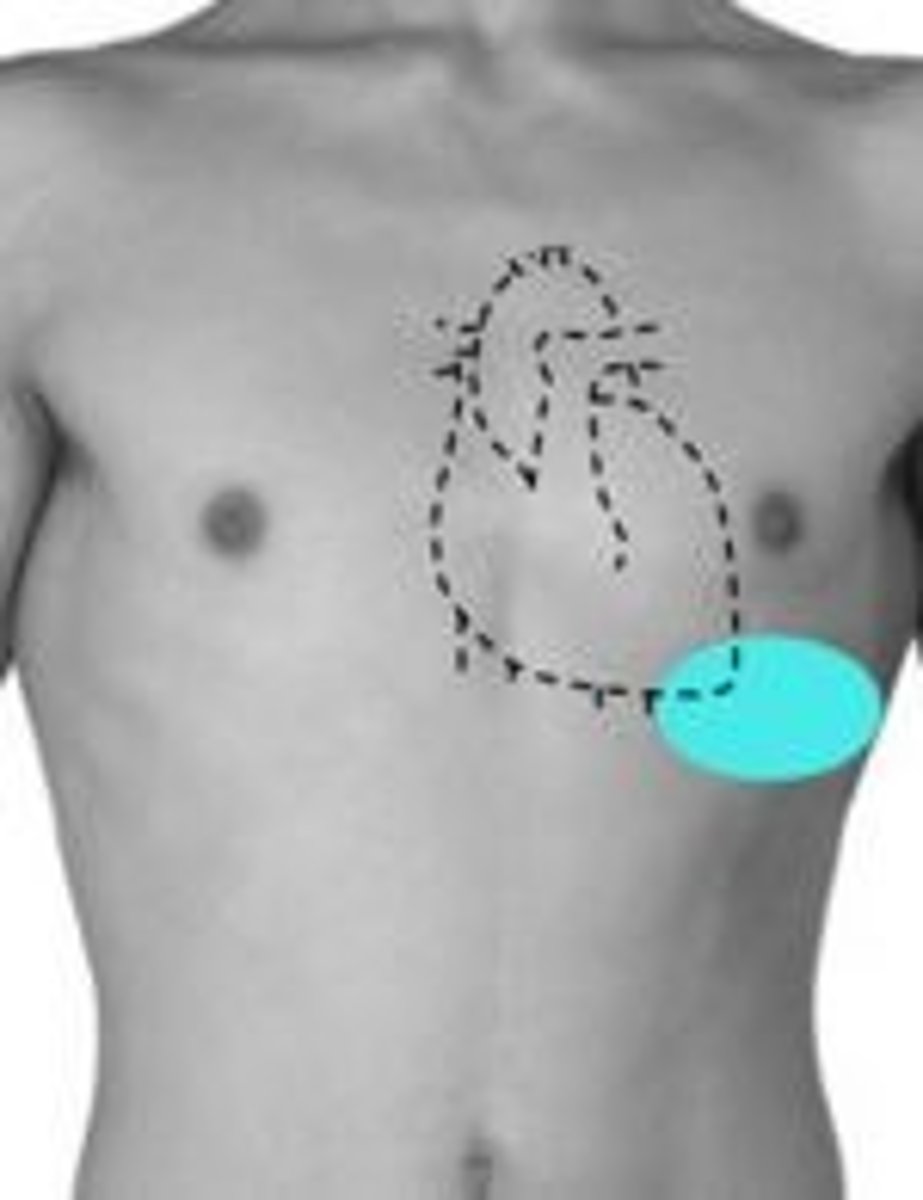
what are the 5 areas of the heart to auscultate?
-aortic
-pulmonic
-Erb's point
-tricuspid
-mitral / apical
aspects of the heart sounds to comment on
-rate
-rhythm
-presence of murmur
aspects of thorax inspection to comment on
-skin characteristics
-respiratory rate, rhythm
-symmetric or paradoxical chest rise / retractions
-use of accessory muscles
-symmetry of shoulders, clavicles
-AP to transverse diameter ratio
aspects of anterior and posterior thorax auscultation to comment on
-clarity of lung sounds
-adventitious sounds
aspects of abdominal inspection to comment on
-skin and hair characteristics
-contour
-symmetry
-pulsations/movements
-umbilicus
aspects of bowel sound auscultation to comment on
-rate
-interpretation, significance
where are abdominal vascular sounds auscultated at?
-epigastric
-umbilicus
-aorta
-B/L renal arteries
-B/L iliac arteries
-B/L femoral arteries
What are you listening for when you auscultate abdominal vascular structures?
bruits
aspects of abdominal percussion to comment on
-tympany or dullness
-interpretation, significance
Percussion of the upper border of the liver
percuss intercostal spaces along the R midclavicular line starting at an area of lung resonance down, marking the first area of dullness
percussion of the lower border of the liver
percuss along the R midclavicular line from an area of intestinal tympany up, marking the first area of dullness
what is a normal liver span?
6-12 cm
What is Castell's Method?
method to percuss the spleen
steps of Castell's method
-follow anterior axillary line to last intercostal space
-have patient exhale completely and percuss for tympany
-have patient inhale and percuss for a change to dullness
aspects of light and deep abdominal palpation to comment on
-rigidity, guarding
-tenderness
-masses
steps of liver palpation
-place left hand under thorax parallel to 11-12th ribs
-place right fingertips lightly below costal margin at MCL
-instruct patient to take a deep breath and exhale completely
-on exhale, palpate with R fingertips and apply upward pressure with left
-hold position while patient inhales
Where is the iliac crest located?
L4-L5
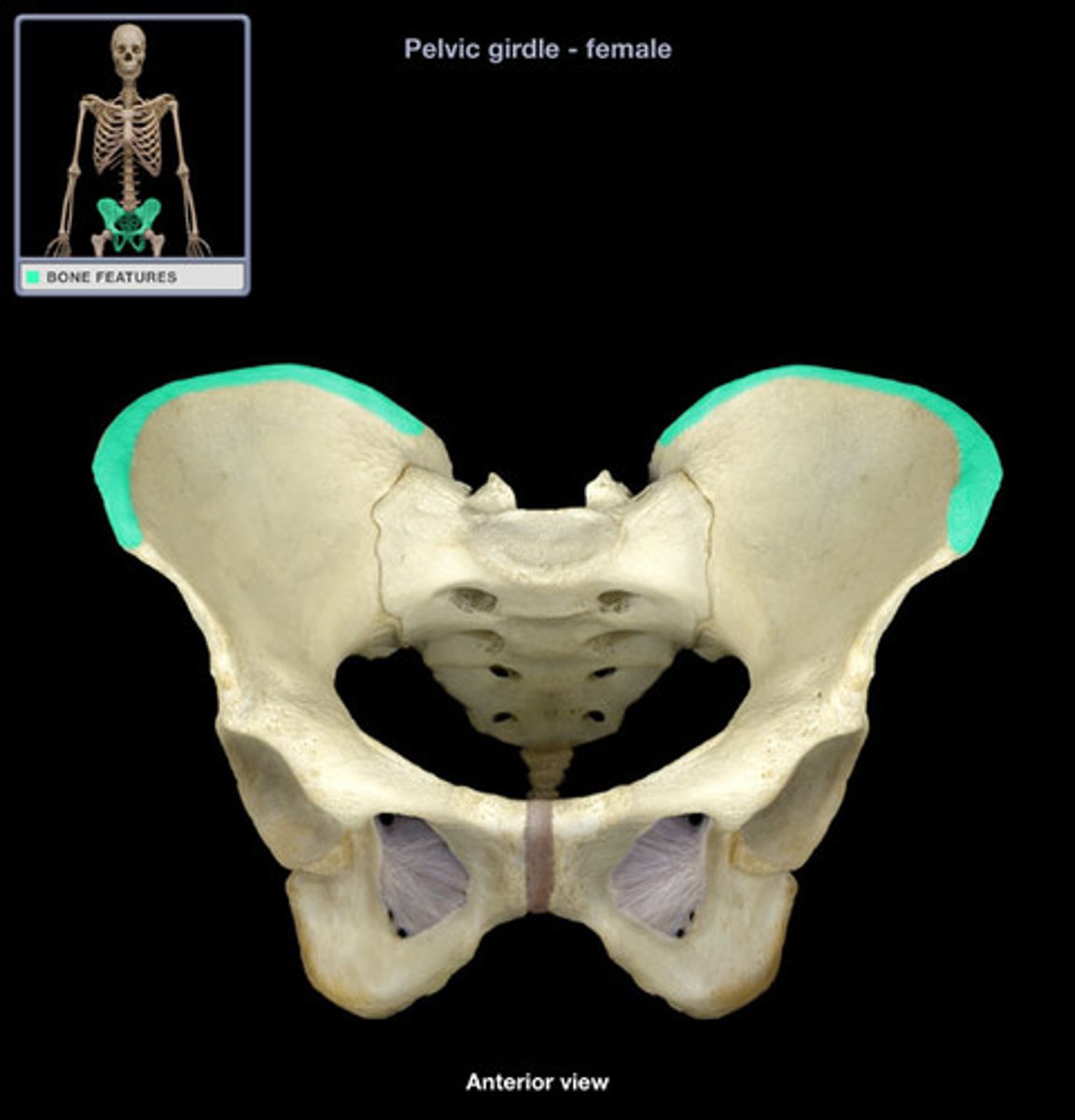
where is the anterior superior iliac spine located?
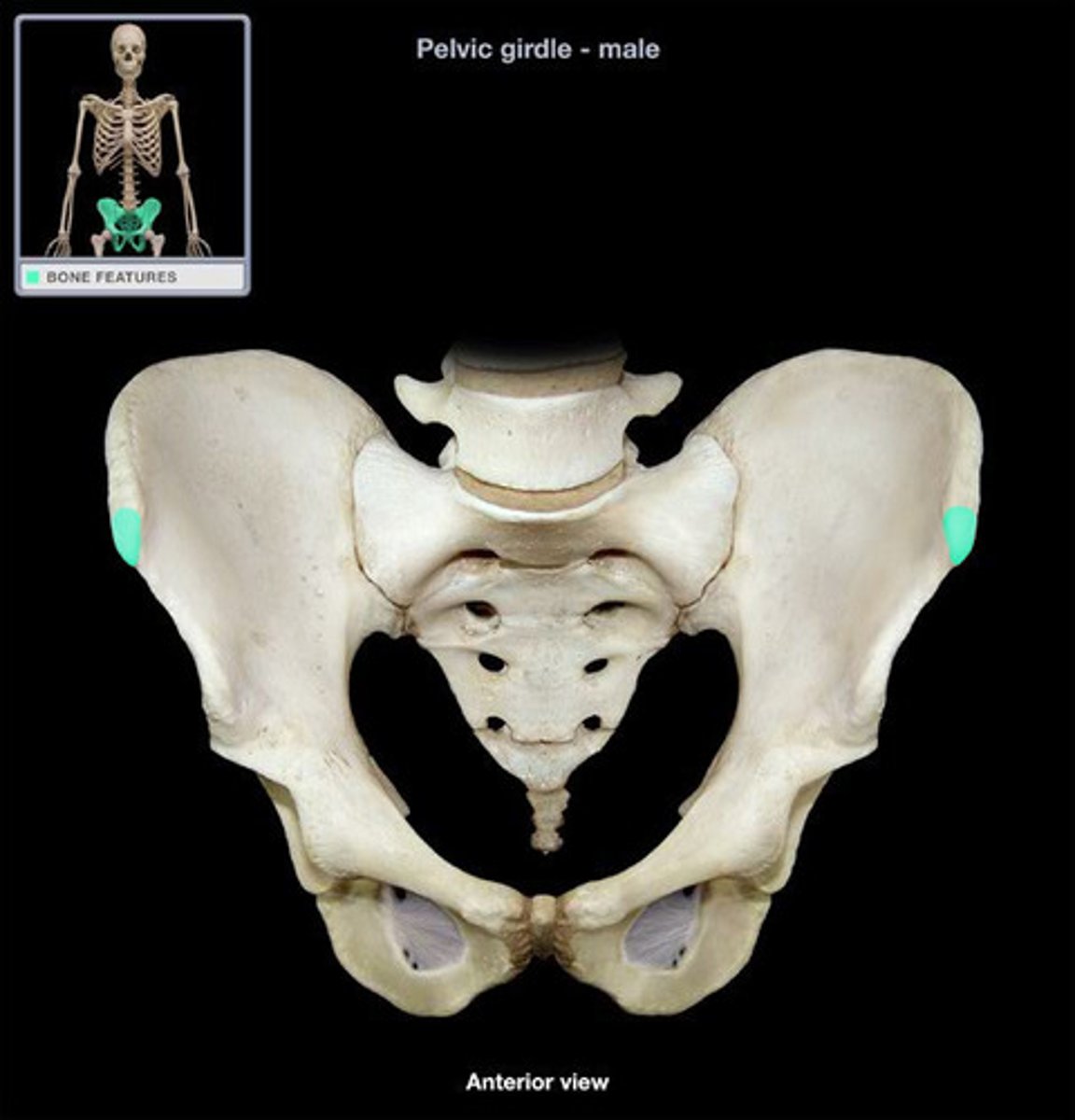
where is the posterior superior iliac spine located?
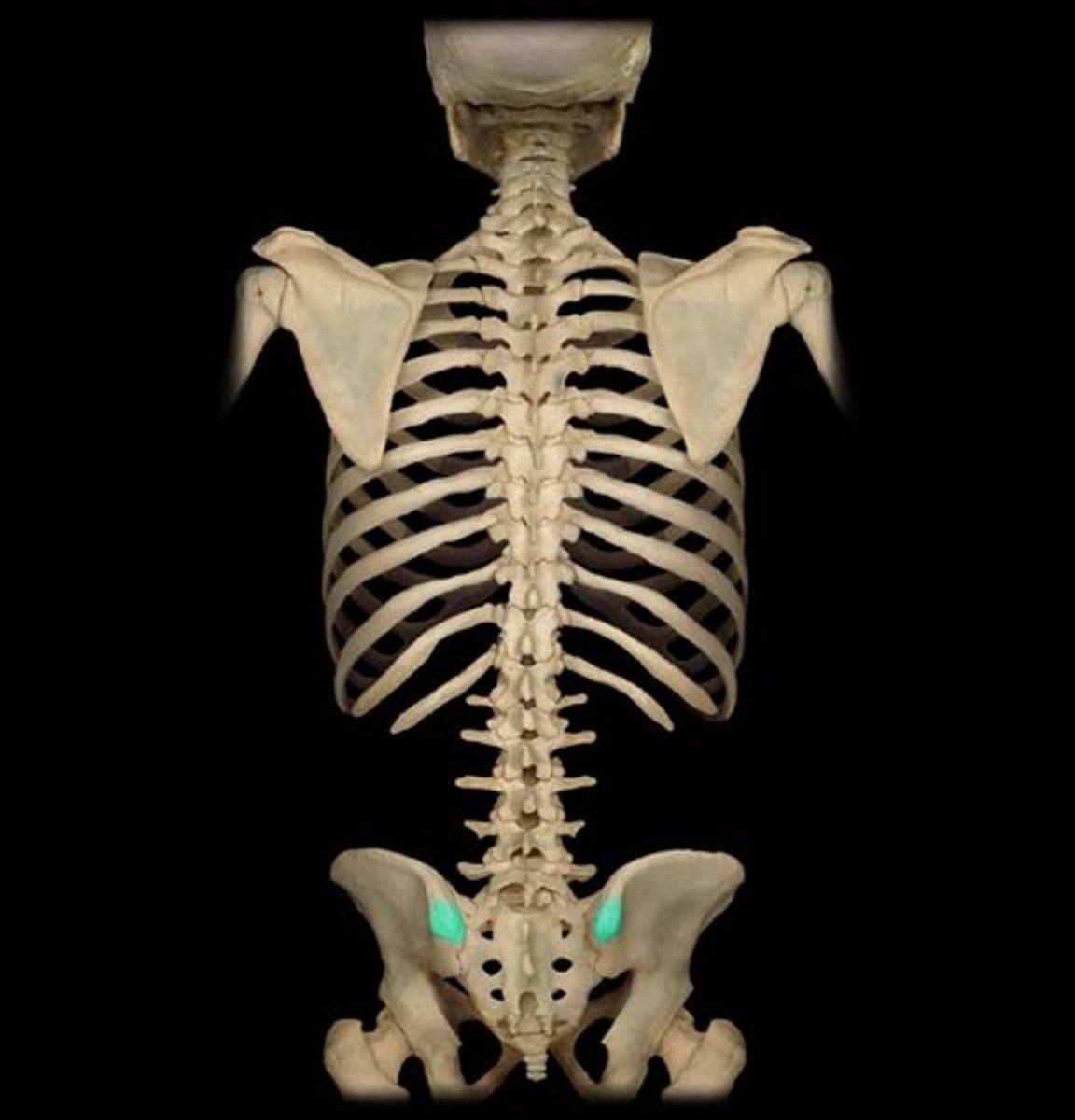
B/L hip ROM
-flexion
-extension
-adduction
-abduction
-internal rotation
-external rotation
aspects of B/L hip ROM to comment on
-ecchymosis
-erythema
-edema
-contour
-presence or absence of crepitus
-pain
B/L knee ROM
-flexion
-extension
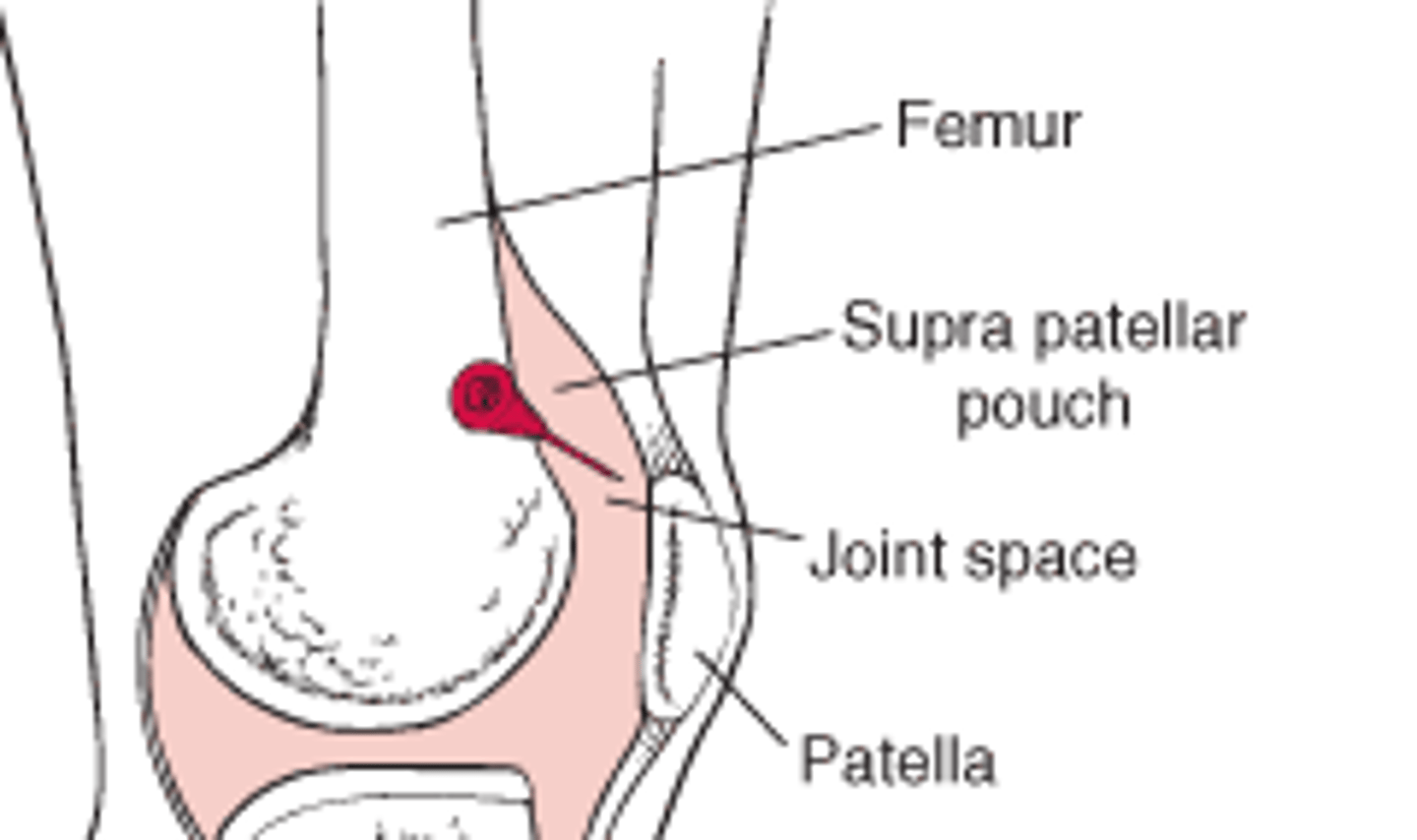
where is the suprapatellar pouch located?
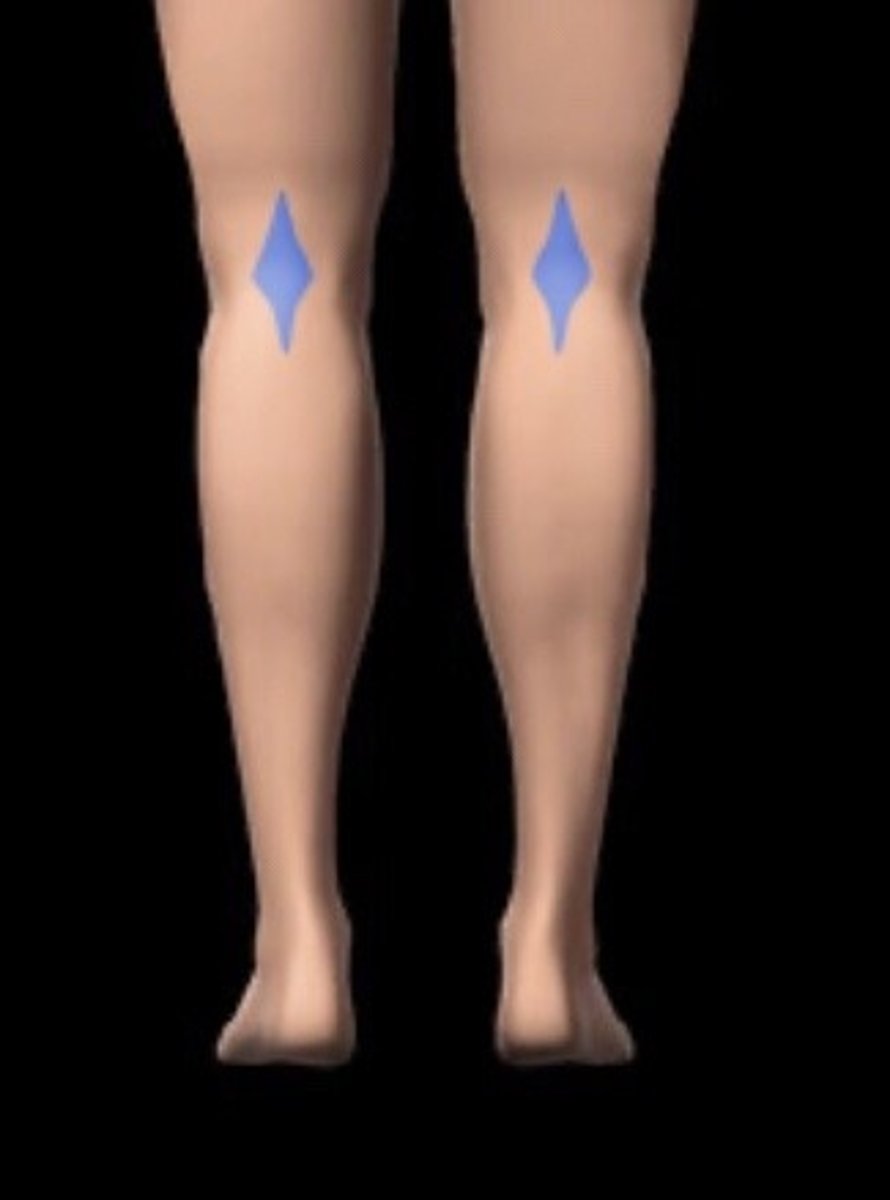
where is the popliteal fossa located?
the hollow at the back of the knee
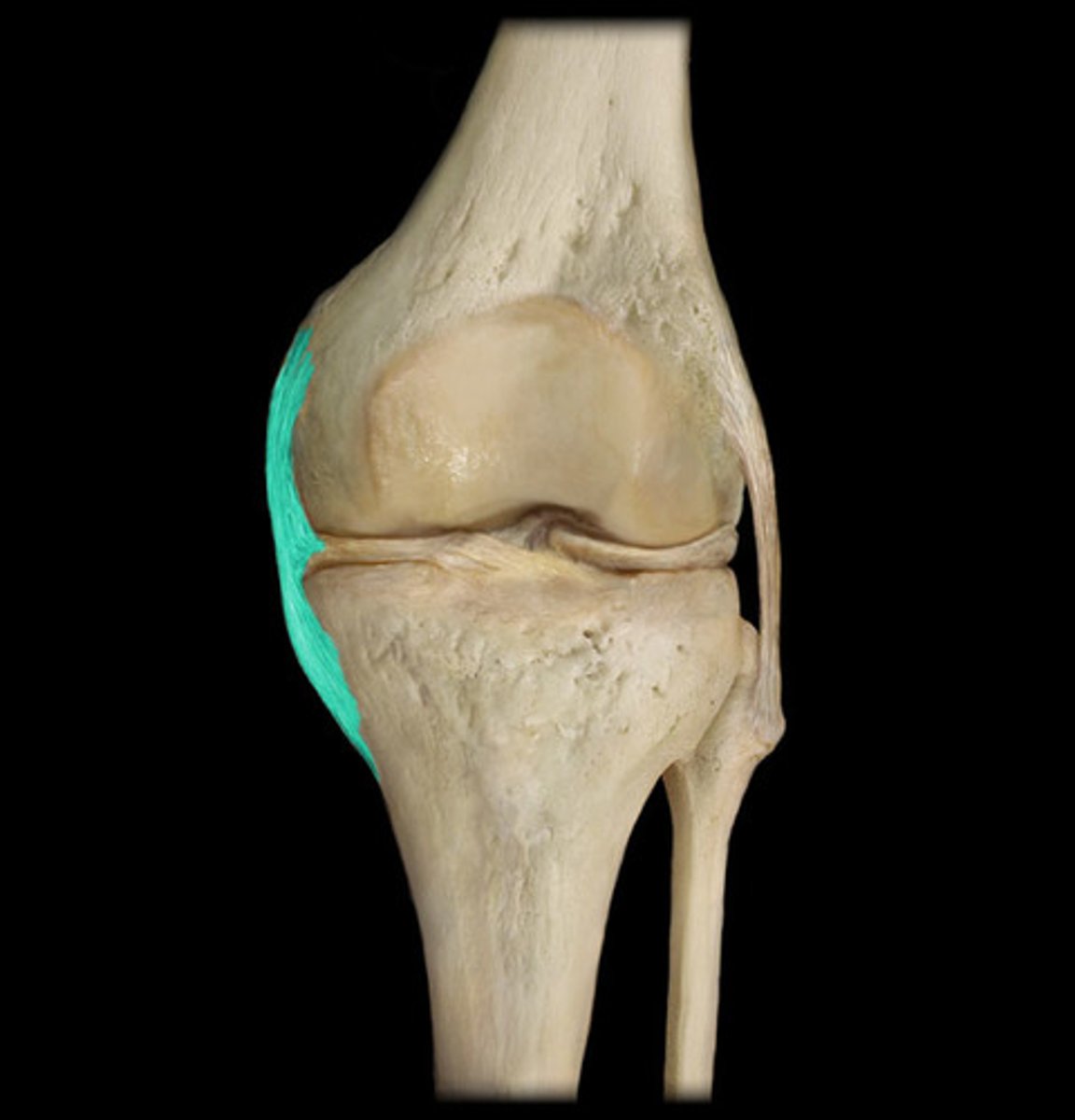
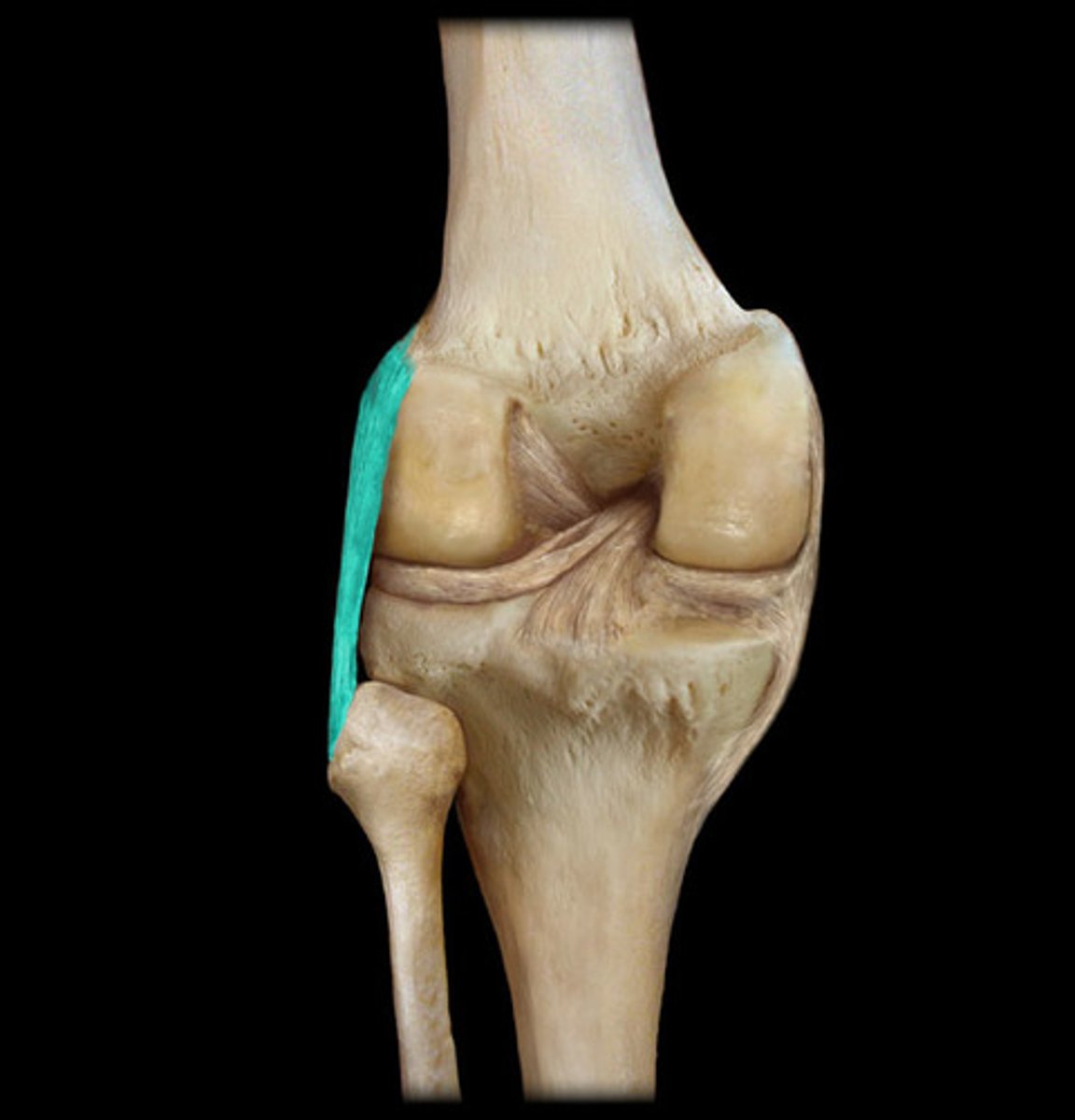
where is the MCL located?
medial side of the knee
Where is the LCL located?
External side of the knee
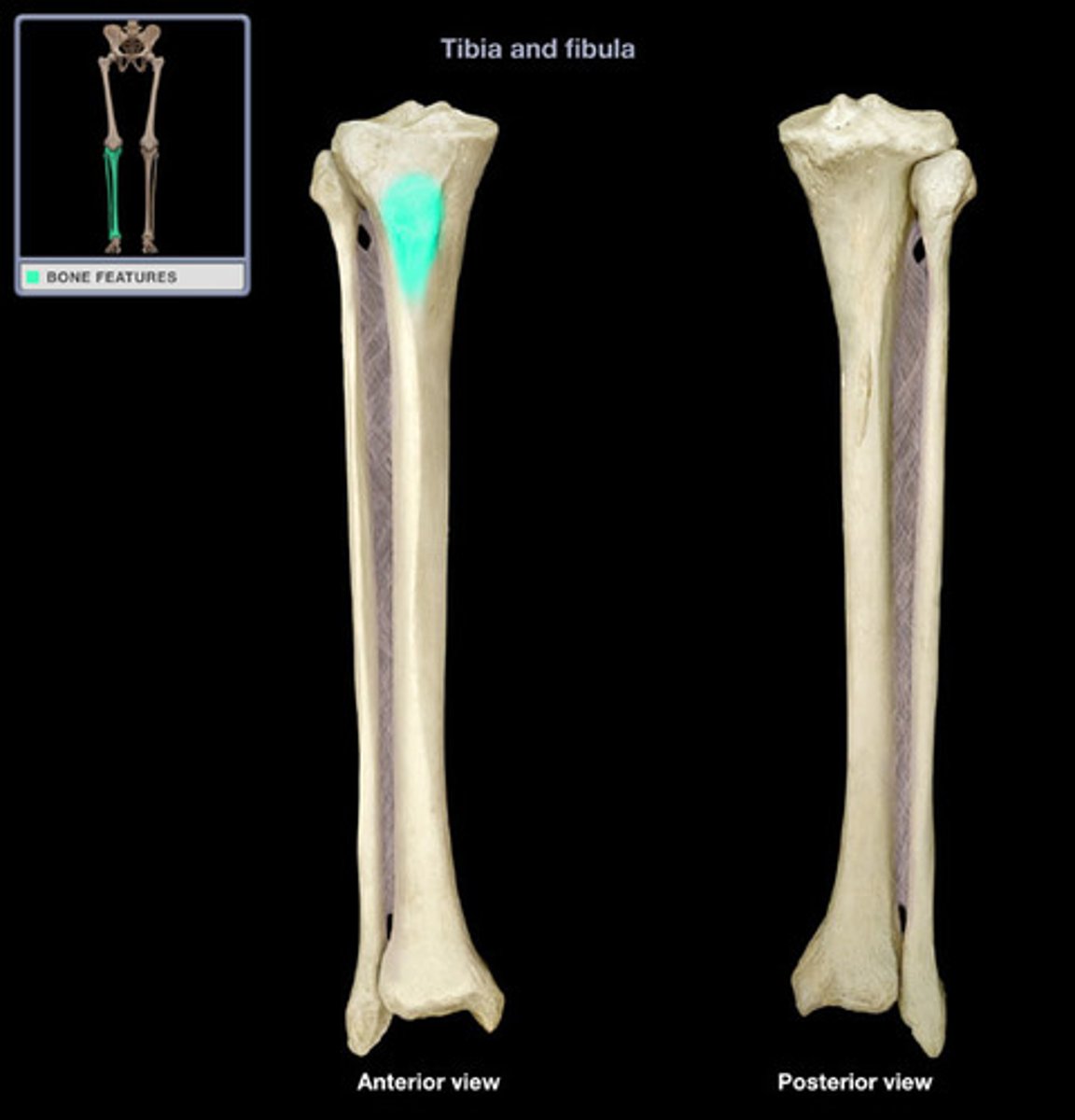
where is the tibial tubercle located?
aspects of B/L knee ROM to comment on
-ecchymosis
-edema
-erythema
-contour
-genu varum / genu valgum
-pain
-crepitus
genu varum
bow legged
genu valgum
knock knees
B/L ankle ROM
-dorsiflexion
-plantar flexion
-eversion
-inversion
aspects of B/L ankle ROM to comment on
-ecchymosis
-edema
-erythema
-contour
-pain
B/LLE deep tendon reflex locations
-patellar
-anchilles
aspects of B/LLE deep tendon reflexes to comment on
-grade
-significance
Spine ROM
-flexion
-extension
-lateral bending (R and L)
-rotation
aspects of spine ROM to comment on
-ecchymosis
-edema
-erythema
-contour
-pain
-posture
-alignment of hips, shoulders, feet
balance and gait tests
1. Romberg's test
2. Pronator drift
3. Natural gait
4. tandem walking
5. toes and heels
aspects of balance and gait to comment on
-smoothness of movement
-balance, guarding
-weakness
-stiffness
Romberg's test
standing up with feet together, arms out and eyes closed, see if they can maintain balance
Pronator drift
hold palms out upwards and look for movement of palms (rotation)
tandem walking
Assess balance by asking person to walk a straight line in a heel-to-toe fashion
toes and heels walking
have patient to walk across room on their toes and back on their heels
aspects to comment on regarding the thyroid gland