Chemical Urinalysis
 Call Kai
 Learn
Learn Practice Test
 Spaced Repetition
 Match
Match Flashcards
 Knowt Play
1/61

There's no tags or description
Looks like no tags are added yet.
Name | Mastery | Learn | Test | Matching | Spaced | Call with Kai |
|---|
No analytics yet
Send a link to your students to track their progress
62 Terms
Common errors in urine dipstick testing
sample is not mixed well enough
the strip is submerged for too long
reactions are read at the wrong time or in the wrong lighting
isothenuria
patient is producing urine with a specific gravity equal to plasma (1.010)
due to chronic kidney disease or kidney damage
are the kidneys doing anything?
hyposthenuria
patient is producing urine with a specific gravity less than plasma (<1.010)
urine is less dense than plasma
due to
increased fluid consumption
diuretics
kidney infection
renal disease
diabetes insipidus (type 1)
hypersthenuria
patient is producing urine with a specific gravity greater than plasma (>1.010)
urine is more dense than plasma
due to
dehydration
vomiting or diarrhea
diabetes mellitus (type 2)
nephrosis
What test method measures urine specific gravity?
pKa electrolyte dipstick test
pKa electrolyte dipstick test
pKa polyelectrolyte on the stick combines with bromothymol blue dye in an alkaline solution to produce a pH change
reactions range from blue (alkaline) to green-yellow (acidic)
the higher the urine concentration, the more H+ are released, therefore lowering the pH
What are some causes of falsely elevated and decreased results in the pKa electrolyte test?
falsely elevated results
urine is high in protein (protein steals H+)
falsely decreased results
urine has a high pH (>6.5)
normal urine pH range
4.5 to 8.0
Determining the pH of urine can aid in ___ ___
crystal identification
What test method is used for determining urine pH?
double indicator reaction
utilizes methyl red and bromothymol blue dyes
methyl red changes from red to yellow in acidic conditions
bromothymol blue changes from yellow to blue in alkaline conditions
Causes of acidic urine
metabolic or respiratory acidosis
UTIs with acid-producing bacteria
chronic kidney failure
diet, food
medications
Causes of alkaline urine
metabolic or respiratory alkalosis
UTIs with urease producing bacteria
chronic kidney failure
diet, food
medications
What is the first indicator of kidney disease?
proteinuria
the kidneys are supposed to reabsorb proteins, not excrete them
Normal urine protein levels
no protein or less than 10 mg/dL
normal urine proteins
albumin, Tamm-Horsfall protein (natural defense to infection), or Bence Jones protein
What test method is used for determining urine protein?
protein error of indicators reaction
Protein Error of Indication test
dipstick indicators change color in the presence of protein
protein + H+ = color change
albumin reacts strongly
reported as:
negative, trace (<10), 1+, 2+, 3+, or 4+
Causes of falsely elevated and falsely decreased results in the protein error of indicators test
falsely elevated results
urine is alkaline, has a high specific gravity, or dipstick is left in for too long
falsely decreased results
proteins in the specimen are NOT albumin
What is the confirmatory test used for positive “protein error of indicator” test results?
sulfosalicylic acid (SSA) precipitation test
SSA reacts with ALL proteins in the specimen
proteins precipitate out of the urine and the urine is graded by turbidity
negative, trace, 1+ through 4+
What is pre-renal proteinuria?
proteinuria caused by conditions affecting the plasma before reaching the kidneys
not indicative of actual renal disease
Causes of pre-renal proteinuria
multiple myeloma (Bence Jones proteins in urine)
hemoglobinuria and myoglobinuria
excess Hgb in the blood due to increased RBC destruction
sepsis
renal proteinuria
proteinuria due to true renal disease
glomerular damage or tubular dysfunction
Causes of renal proteinuria
glomerular or tubular disorders
dehydration
strenuous exercise
hypertension
preeclampsia
Fanconi Syndrome
inherited tubular malreabsorption disorder
What is post-renal proteinuria and what causes it?
proteins present in the urine after reaching the kidneys (excreted into the urine in the ureters, bladder, or urethra)
causes
lower UTIs
prostatic or seminal fluid
blood from menstruation or injury
What is the purpose of microalbumin tests?
to aid in diagnosing diabetic nephropathy
reduced glomerular filtration leads to eventual renal failure
the presence of microalbumin in urine can predict the onset of renal complications
pre-renal glucosuria
serum glucose levels exceed the renal threshold (160-180 mg/dL)
seen in diabetes mellitus (type 2), pregnancy, pancreatitis, or simply eating high-sugar meals
renal glucosuria
poor tubular reabsorption leads to glucose in urine
seen in end-stage renal disease
What is the test method used for determining urine glucose and how does it work?
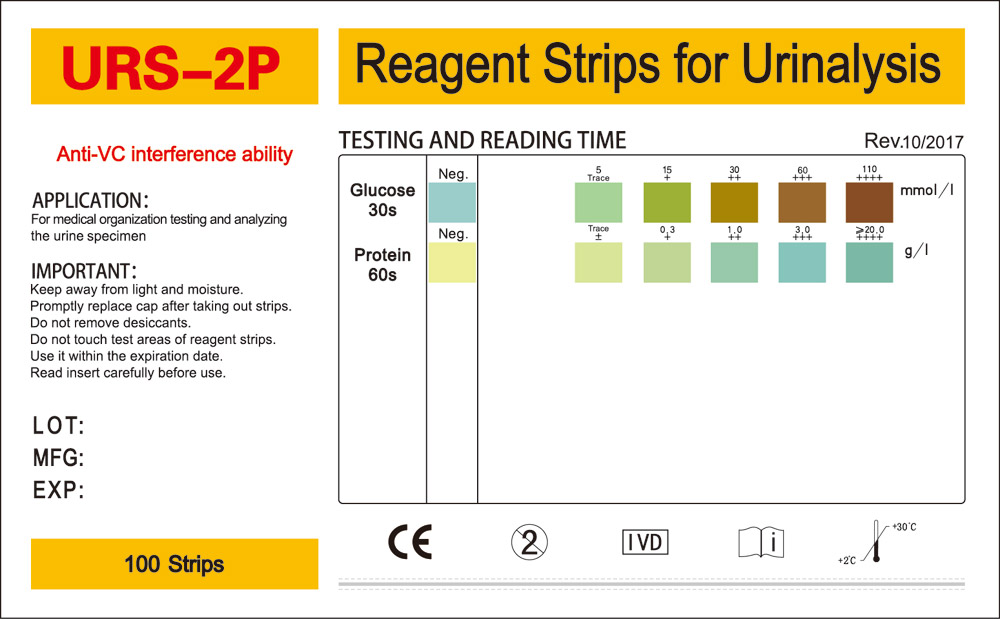
glucose oxidation enzyme reaction
glucose oxidase converts glucose to gluconic acid and hydrogen peroxide, producing a color change for measurement
color change ranges from blue to green to brown
Causes of falsely elevated and falsely decreased glucose oxidation enzyme reaction tests
falsely elevated results
contamination with bleach or hydrogen peroxide, improper dipstick storage
falsely decreased results
patient takes vitamin C
What is the confirmatory test performed after a positive glucose oxidation test?
Clinitest
Benedict’s copper reduction reaction
detects glucose, fructose, pentose, lactose, and galactose (galactosuria is an inborn error of metabolism)
What are ketones?
products of fat metabolism
normal urine has no ketones
ketones are present in urine when fat is metabolized for energy instead of carbs
Why is monitoring ketones in urine valuable? What instances can produce ketonuria?
valuable for monitoring diabetes mellitus patients
seen in:
vomiting, starvation, malabsorption, and keto diets
What test method is used to determine urine ketone levels?
sodium nitroprusside reaction
reaction causes a color change from tan to pink to purple
reported as negative, trace, small, moderate, or large
Limitations to the sodium nitroprusside test method for determining urine ketones
falsely elevated results
highly pigmented urine
falsely decreased results
delayed testing (ketones rapidly deteriorate)
Confirmatory test for urine ketones
Acetest
utilizes the same sodium nitroprusside reaction PLUS lactose for better color differentiation
replaced with BHOB tests
If a patient has positive glucose AND positive ketones in their urine, what might be suspected?
diabetic ketoacidosis
since type 1 diabetics have little to no insulin production, hyperglycemia occurs
plasma glucose reaches the renal threshold and is excreted in urine
ketones are produced because fat is being metabolized for energy
insulin helps the body use glucose, but no insulin = no glucose usage
Causes of blood in urine
kidney stones
glomerular disease
pyelonephritis
strenuous exercise
menstruation
Causes of hemoglobinuria
RBC lysis in the urinary tract
intravascular hemolysis
hemolytic anemias, transfusion reactions, burns, infections
Causes of myoglobinuria
rhabdomyolysis (muscle cell damage) due to:
trauma, crush injuries, seizures (extreme muscle tensing), extreme physical exertion
What is the test method used for determining blood in urine?
pseudoperoxidase activity of hemoglobin
How does the pseudoperoxidase activity of hemoglobin test method work?
hemoglobin and peroxidase oxidize chromogen resulting in a color change (yellow to dark green)
diffuse (solid) color reaction: Hgb or myoglobin is free in the urine
speckled color reaction: Hgb is inside intact RBCs
reported as negative, trace, small, moderate, or large
What are some causes of falsely decreased hematuria test reactions?
high specific gravity
vitamin C
specimen is not mixed well
How is bilirubin formed? How does it become urobilinogen?
old RBCs are broken down in the liver and spleen
free hemoglobin is broken down into iron, protein, and protoporphyrin
protoporphyrin is converted to UNCONJUGATED bilirubin and released into circulation where it binds to albumin and is transported to the liver
in the liver, the unconjugated bilirubin is metabolized into CONJUGATED bilirubin
conjugated bilirubin is transported to the intestines
intestinal bacteria metabolize the conjugated bilirubin into urobilinogen
unconjugated bilirubin is/is not excreted by the kidneys
IS NOT
conjugated bilirubin can/cannot be excreted by the kidneys
CAN
What does bilirubinuria indicate?
liver damage or bile duct damage
normal bilirubin metabolism in the GI tract is defective
therefore, conjugated bilirubin is excreted through the renal system
What is the test method used for determining urine bilirubin?
Diazo reaction
conjugated bilirubin + diazonium salt = azo dye
color change ranges from tan to pink to violet
reported as negative, small, moderate, or large
Causes of falsely elevated and falsely decreased results of the diazo bilirubin test
falsely elevated results
pigmented urine (AZO or blood)
falsely decreased
light exposure, vitamin C, or increased nitrates
What is the confirmatory test for positive diazo bilirubin reactions?
Ictotest
more sensitive, less interference with highly pigmented urine
normal urine urobilinogen levels
less than 1 mg/dL
abnormal urine contains over 1 mg/dL
Why would urobilinogen be present in urine?
intravascular hemolysis
liver disease
gallbladder obstruction
constipation
T/F: An overworked or diseased liver does not reabsorb urobilinogen efficiently, therefore excess urobilinogen is excreted through the kidneys.
true
What test method is used for determining urine urobilinogen?
Ehrlich reaction
Ehrlich’s reagent + acid = color change (red and pink)
reported as normal (0.1-1 mg/dL) or abnormal (2, 4, or 8 mg/dL)
Causes of falsely elevated and falsely decreased results of the Ehrlich reaction for urobilinogen
falsely elevated results
pigmented urine
falsely decreased results
specimen is old, elevated nitrates, presence of formalin
What clinical condition might explain a positive urine bilirubin but a negative/normal urine urobilinogen?
bile duct obstruction
conjugated bilirubin is not reaching the intestines (duct is blocked)
bilirubin is not converted to urobilinogen
the liver can still conjugate the bilirubin, but it is excreted in the urine
What clinical condition might explain a positive urine bilirubin and a positive urine urobilinogen?
liver damage
liver cells are damaged and cannot effectively conjugate bilirubin
the liver relies on the kidneys for excretion of both conjugated bilirubin and urobilinogen
What clinical condition might explain a negative urine bilirubin but a positive urine urobilinogen?
hemolytic anemia/processes
increased RBC destruction — increased Hgb degradation — increased unconjugated bilirubin in the blood
the liver can still conjugate the bilirubin
intestinal metabolism is increased and urine urobilinogen is positive
Why might urine be positive for nitrite?
bacterial infection, indicative of a UTI
What test method is used for determining urine nitrites?
Greiss reaction
nitrite + aromatic amine = diazo salt
diazo salt + tetrahydrobenzoquinolin = color change (white to pink)
reported as negative, trace, or positive
Causes of falsely elevated and falsely decreased urine nitrite
falsely elevated
highly pigmented urine
falsely decreased
non-nitrite producing bacteria (gram pos), vitamin C, or antibiotics
Leukocyturia indicates
inflammation and infection of the upper or lower urinary tract
Where is leukocyte esterase produced?
WBC granules (NOT lymphocytes)
therefore, a negative leukocyte esterase test does not always mean the absence of WBCs
What test method is used for determining urine leukocyte esterase?
leukocyte esterase and diazo reaction
color change ranges from white to pale to dark purple