CH. 40 Basic Principles of Animal Form and Function
 Call Kai
 Learn
Learn Practice Test
 Spaced Repetition
 Match
Match Flashcards
 Knowt Play
1/31

There's no tags or description
Looks like no tags are added yet.
Name | Mastery | Learn | Test | Matching | Spaced | Call with Kai |
|---|
No analytics yet
Send a link to your students to track their progress
32 Terms
Anatomy vs Physiology
the biological form of an organism vs the biological functions an organism performs (closely related)
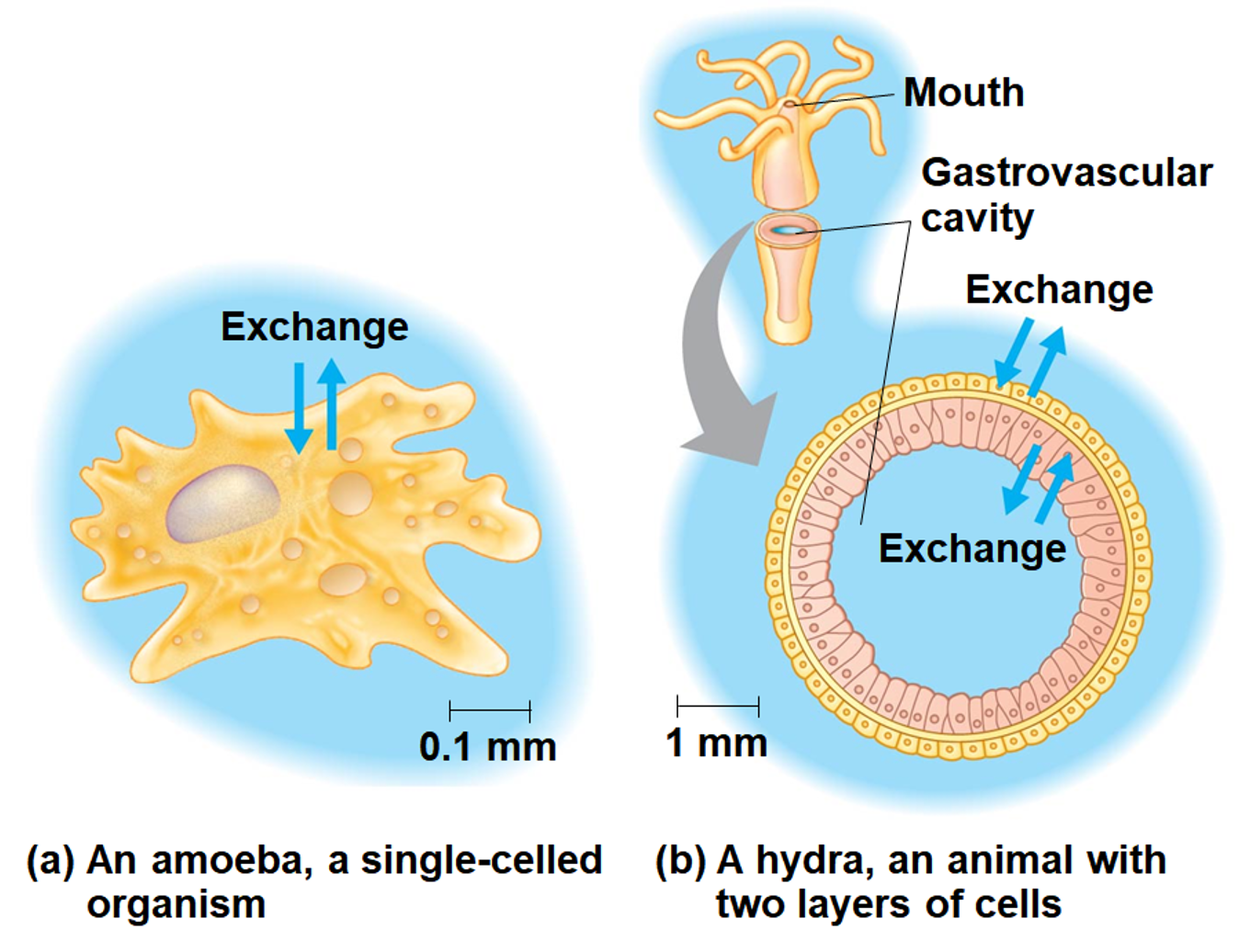
Exchange
Nutrients, waste products, gas exchanged across cell prop to cell surface area
Single Cell: in water has lots of SA
Multi cell: only have 2 cell thick body wall
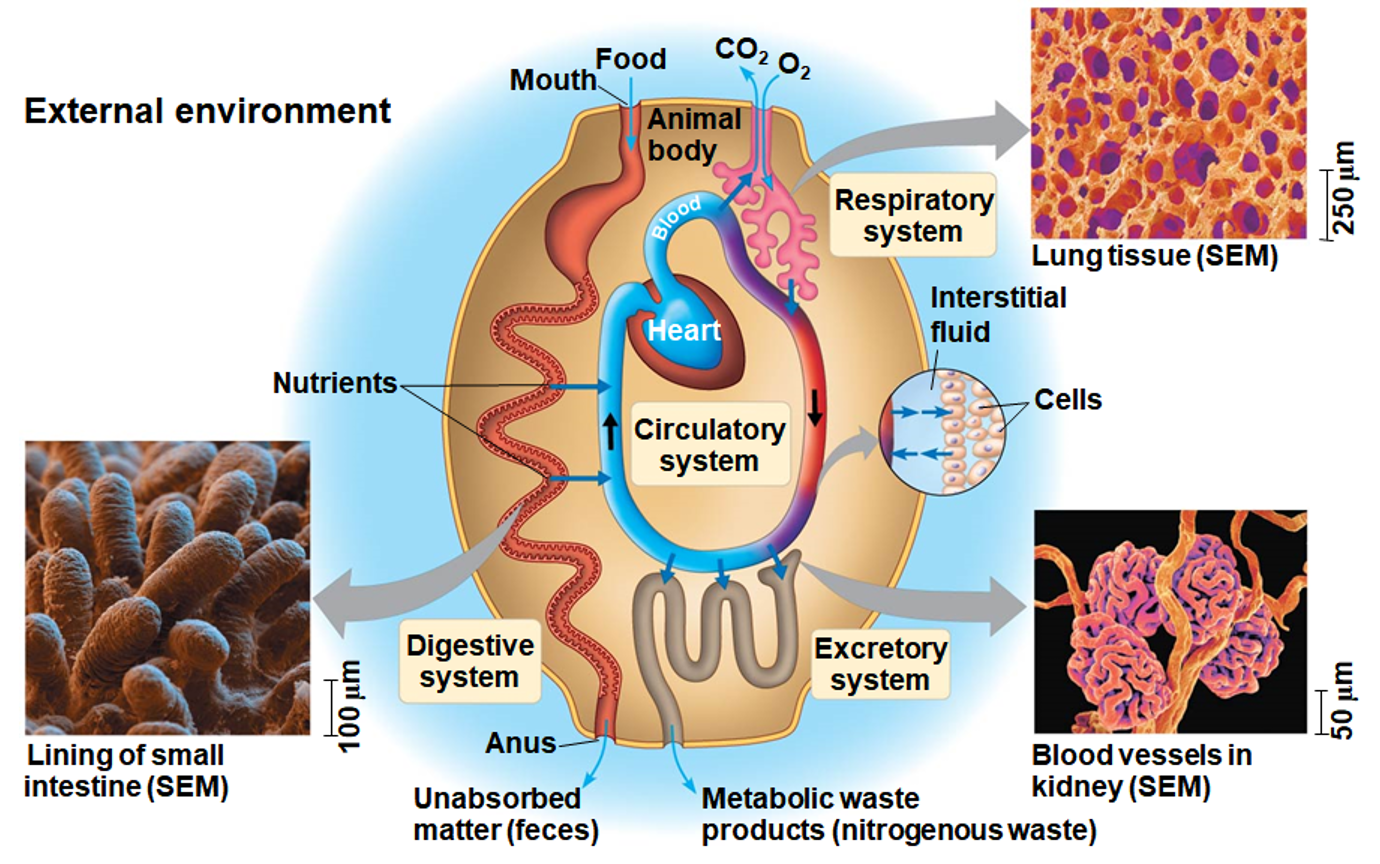
Interstital Fluid
fills the space between cells, which links exchange surfaces to body cells
complex body plan helps animals maintain stable internal enviornment
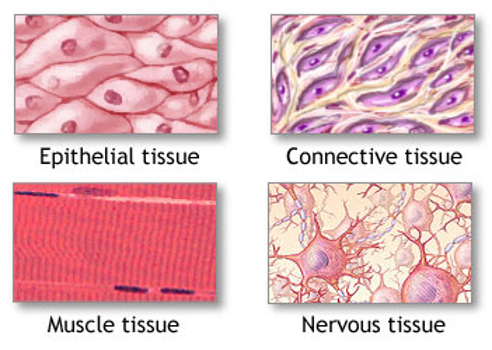
Tissues
make up organs, which together make up organ systems
Epithelial
Connective
Muscle
Nervous
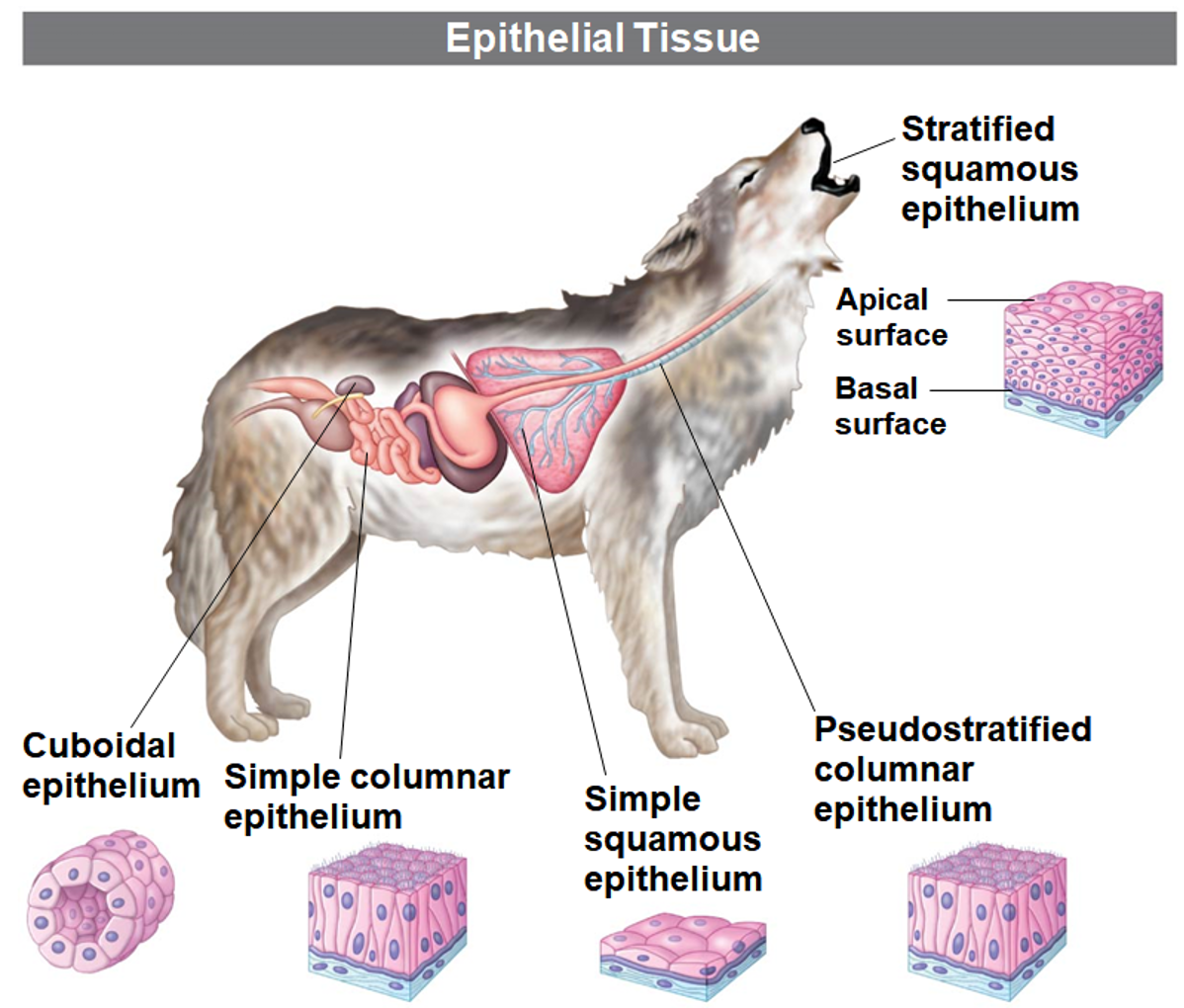
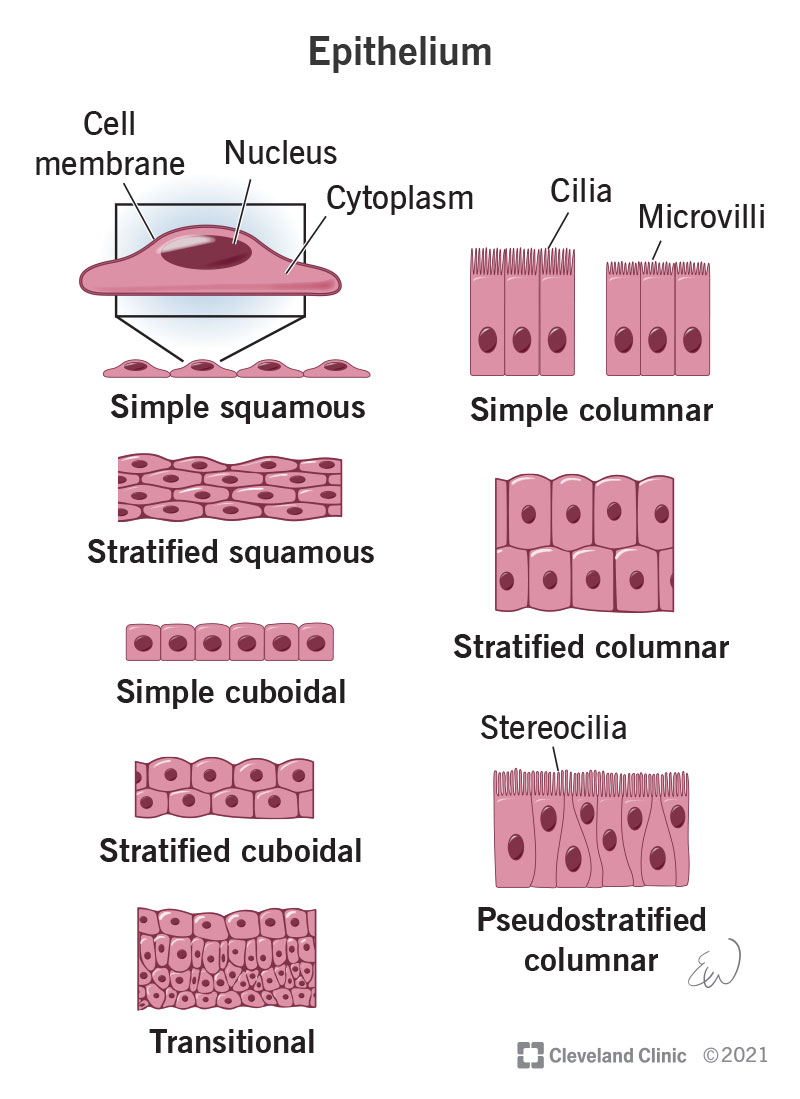
Epithelial Tissue
covers the outside of the body and lines the organs and cavities within the body
closely joined
cuboidal, columnar, squamous
simple, stratified (multi tier), pseudostratified (single layer that varies lengths)
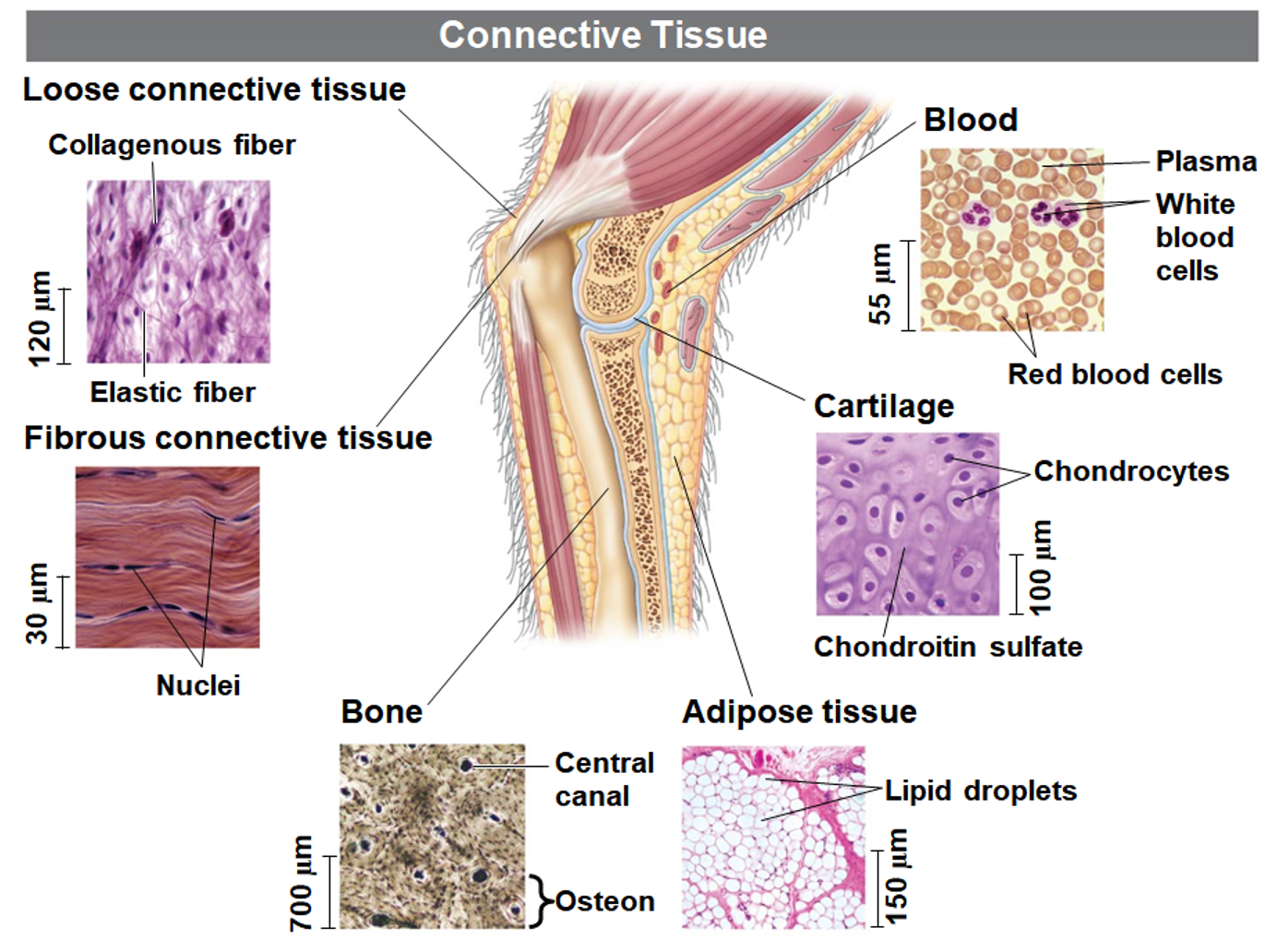
Connective Tissue
mainly binds and supports other tissues + contains sparsely packed cells scattered throughout an extracellular matrix (fibers in a liquid, jellylike, or solid foundation)
Fibers: Collagenous (strength + flex), Reticular (joins), Elastic (stretch + snap)
Connective Tissue Cells (2)
Fibroblasts: secrete the protein of extracellular fibers
Macrophages: involved in the immune system
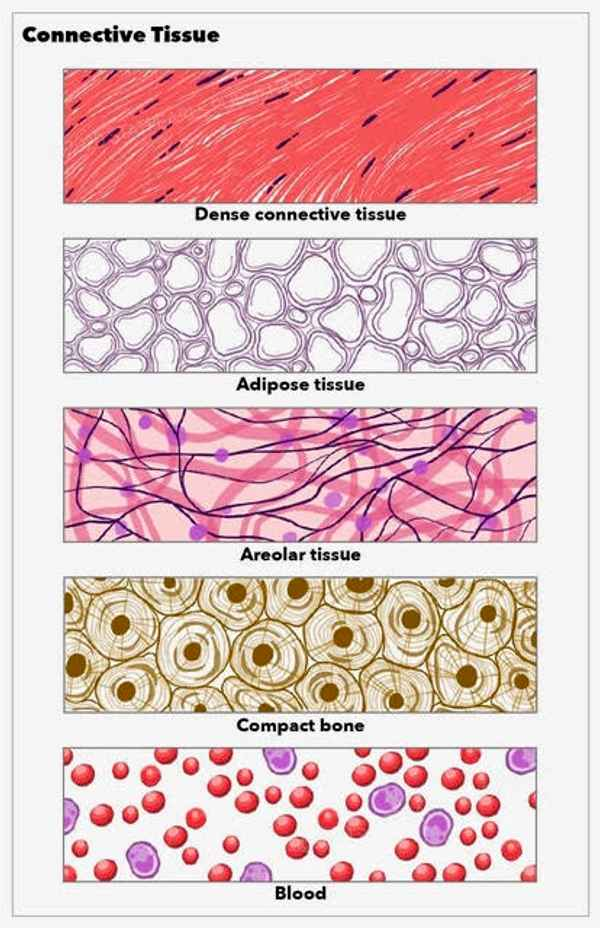
Types of Connective Tissue (6)
Loose: binds epithelia to underlying tissue + hold organs
Fibrous: found in tendons + ligaments
Bone: form skeleton
Adipose: store fat for insulation + fuel
Blood: cells + plasma
Cartilage: support
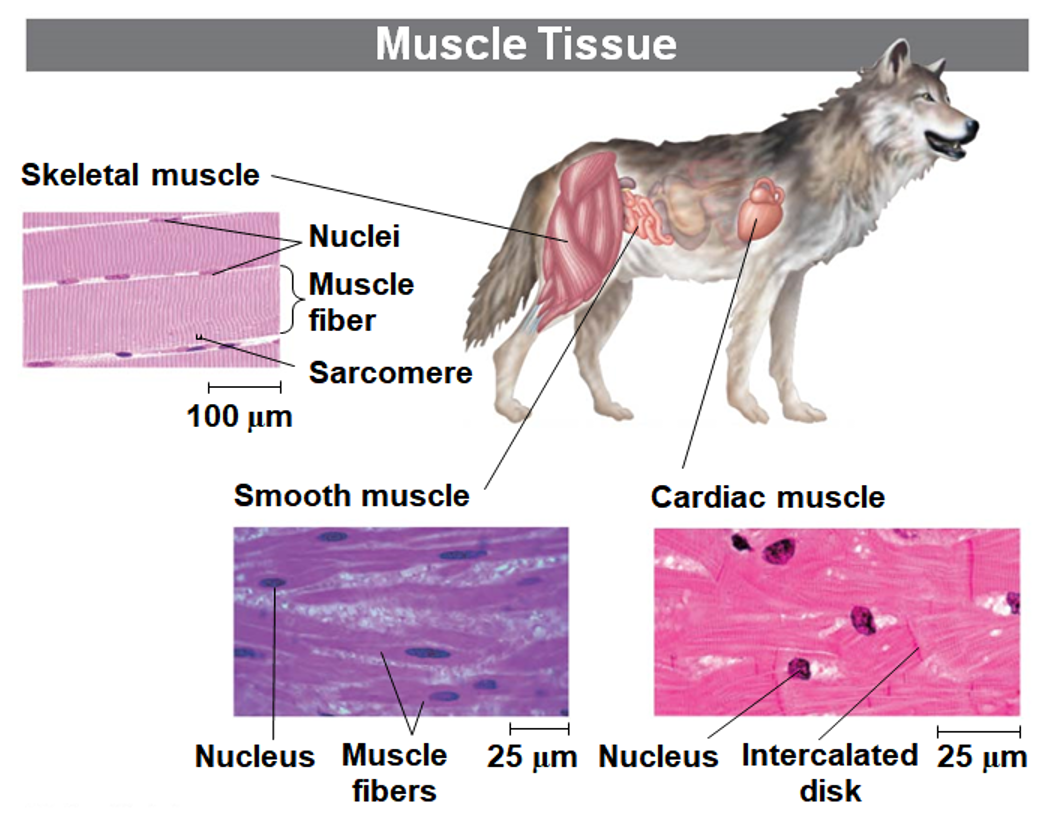
Muscle Tissue
For body movement, cells consist of filaments of the proteins actin and myosin, which together enable muscles to contract
Skeletal/Strained: voluntary move
Smooth: involuntary move
Cardiac: contraction of heart
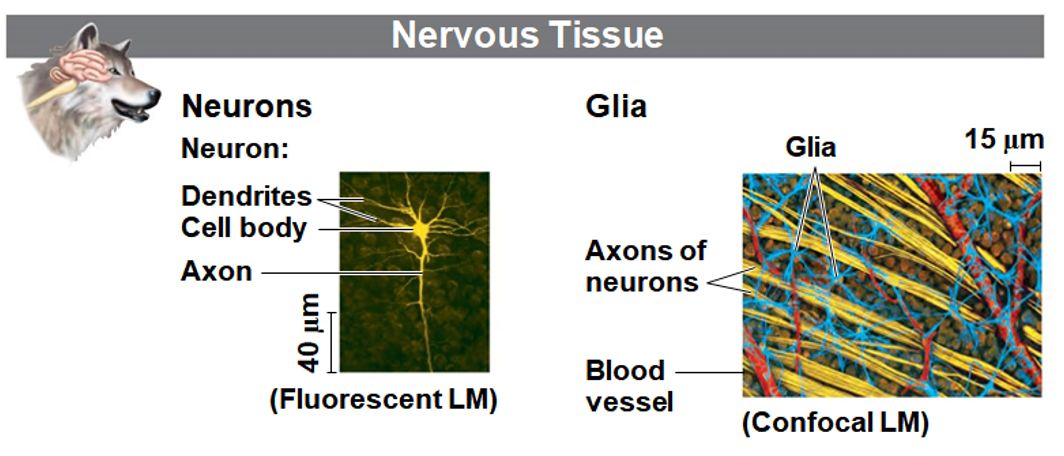
Nervous Tissue
functions in the receipt, processing, and transmission of information
Neurons/Nerve cells: transmit nerve impulse
Glial/Glia cells: support
Endocrine System
releases signaling molecules called hormones (affect 1+ regions) into the bloodstream
hormones have long-lasting effects over large area
use for control + coordination
Nervous System
transmits information between specific locations
use for control + coordination
Regulator
uses internal control mechanisms to control internal change in the face of external fluctuation
Conformer
allows its internal condition to vary with certain external changes
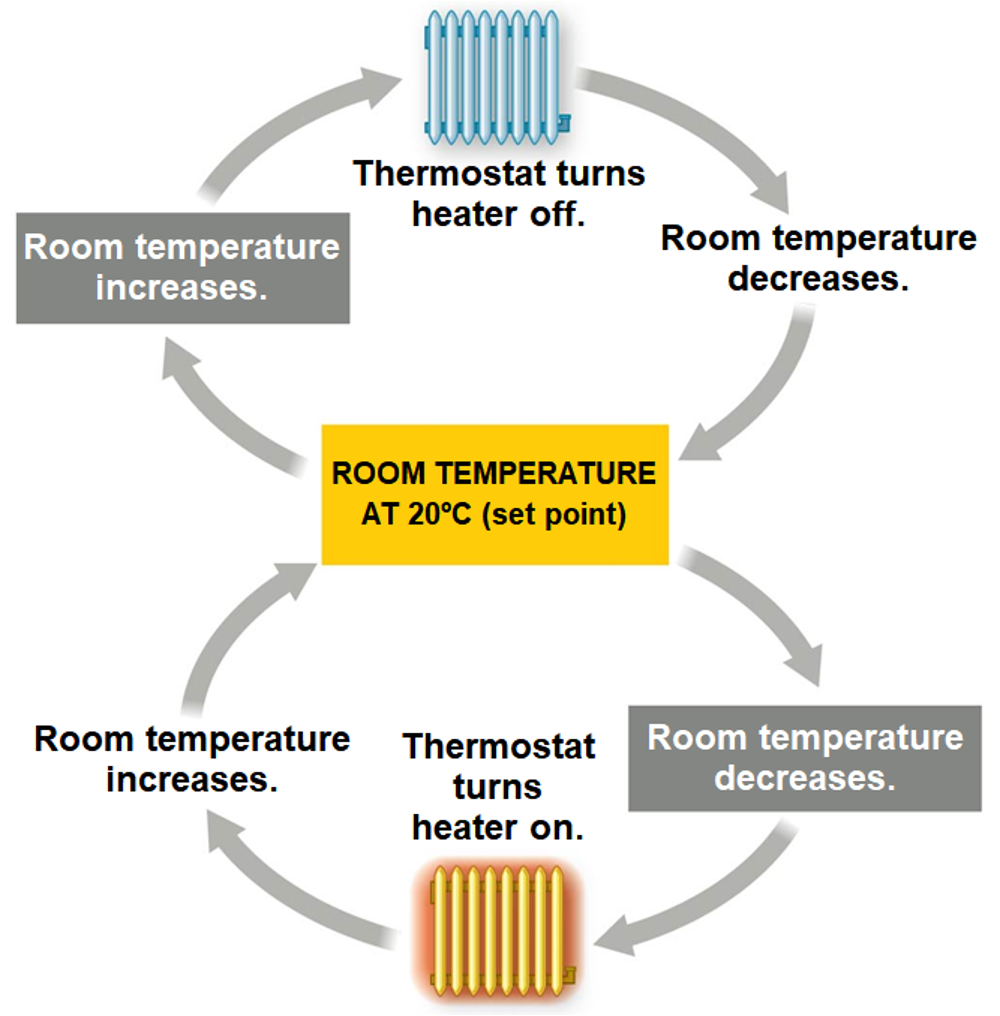
Homeostasis
maintain a “steady state” or internal balance regardless of external environment
Humans: body temp, blood pH, glucose at constant lvl
Stimulus cause fluctuations detected by sensor then send response
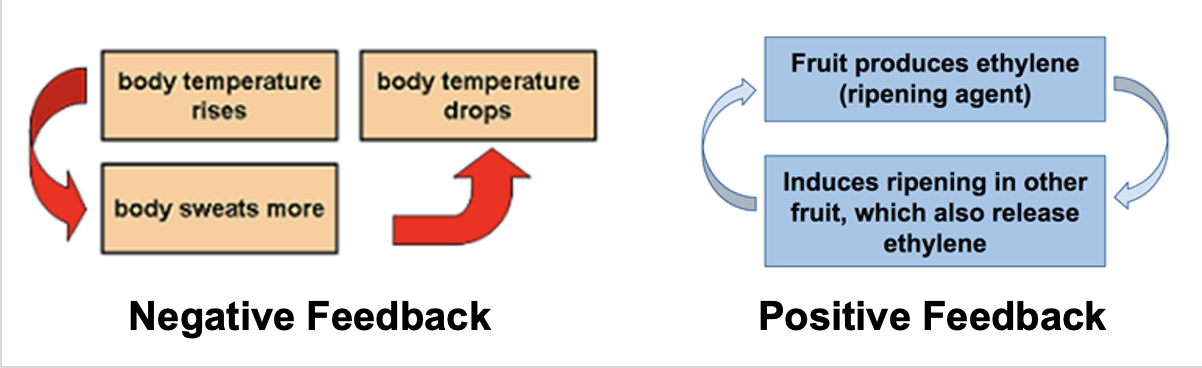
Negative vs Positive Feedback
helps return to normal range vs amplifies stimulus
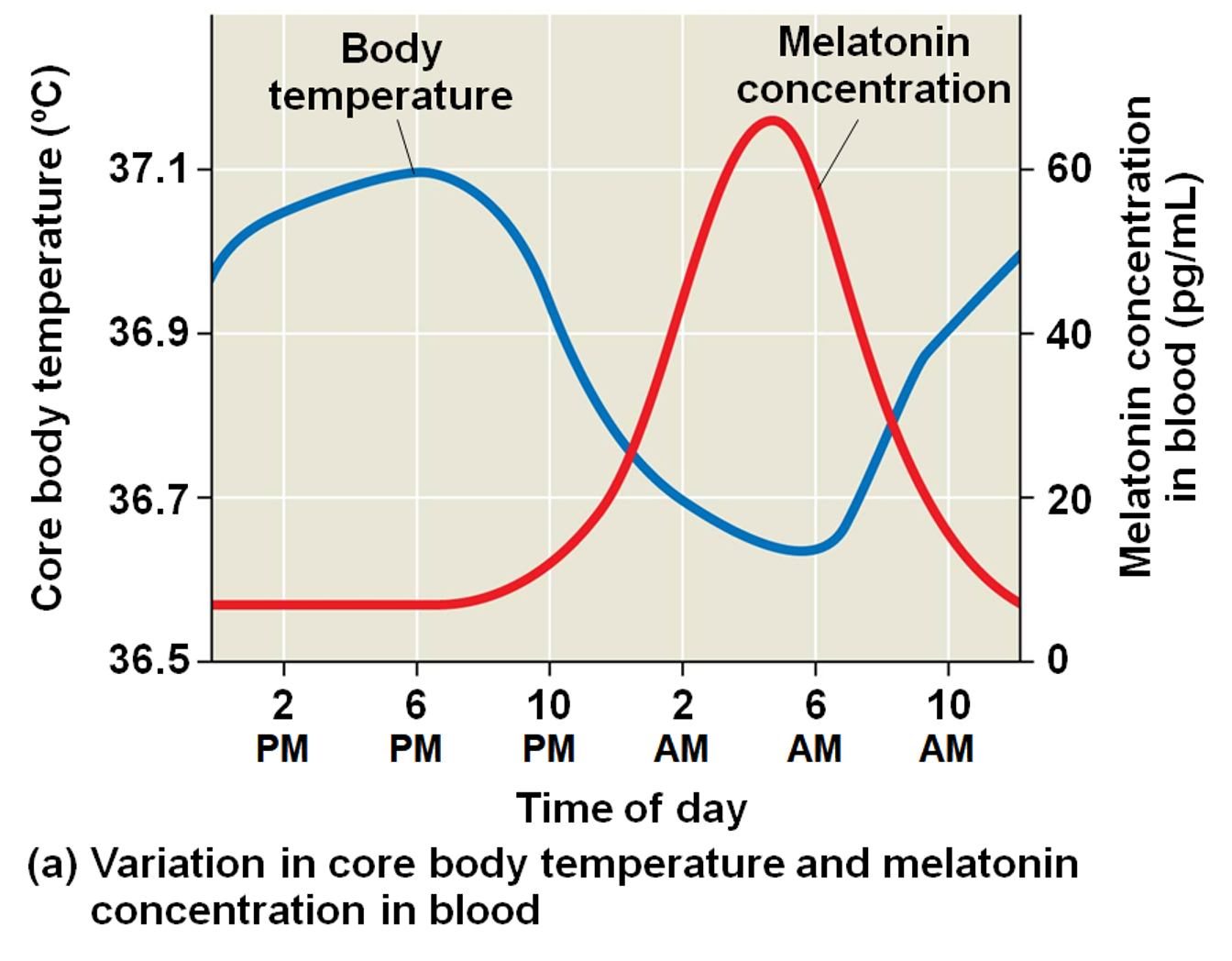
How is Homeostasis altered?
Circadian Rhythm governs physiological changes (every 24hrs)
Acclimatization: temporary external environment change, lipid composition change, antifreeze
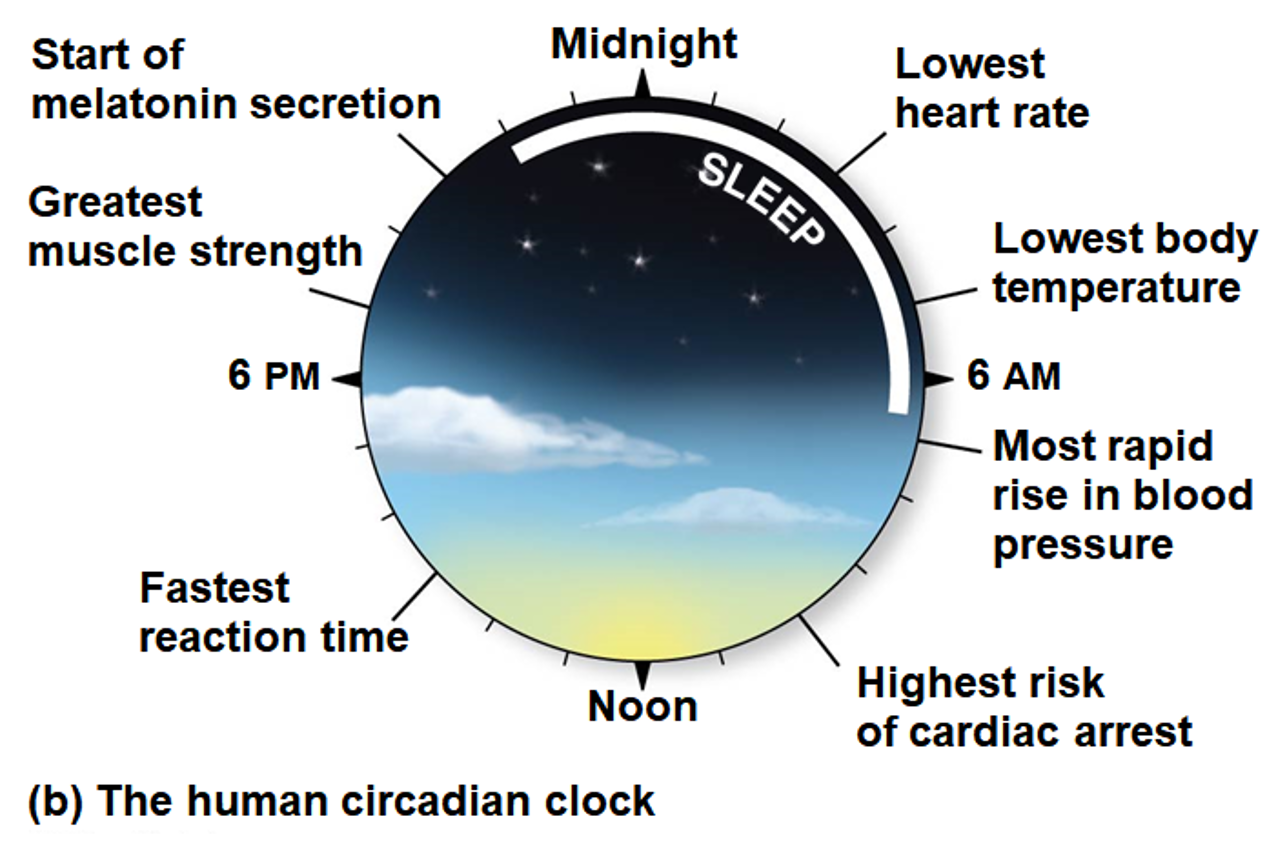
Thermoregulation
process by which animals maintain an internal temperature in a normal range
Endothermic
animals generate heat by metabolism, more energetically expensive
Birds + mammals
Ectothermic
gain heat from external sources, greater variation in internal temp
fish, amphibians, non-avian reptiles
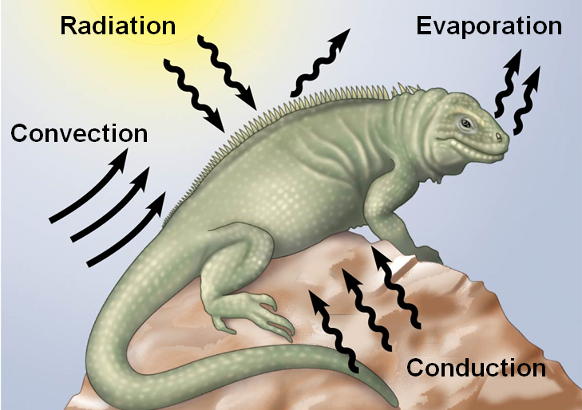
Physical process to exchange heat (4)
Pokikilotherm: body temp varies with envir
homeotherm: constant body temp
Radiation
Evaporation
Convection
Conduction
Integumentary System (5)
Heat regulation in mammals often involves the skin, hair, and nails
Insulation
Circulatory adaptations
Cooling by evaporative heat loss: sweat, bath, panting
Behavioral responses
Adjusting metabolic heat production
Insulation
Skin, feathers, fur, and blubber reduce heat flow between an animal and its environment
allows for countercurrent exchange (transfer heat btwn fluids in opp directions)
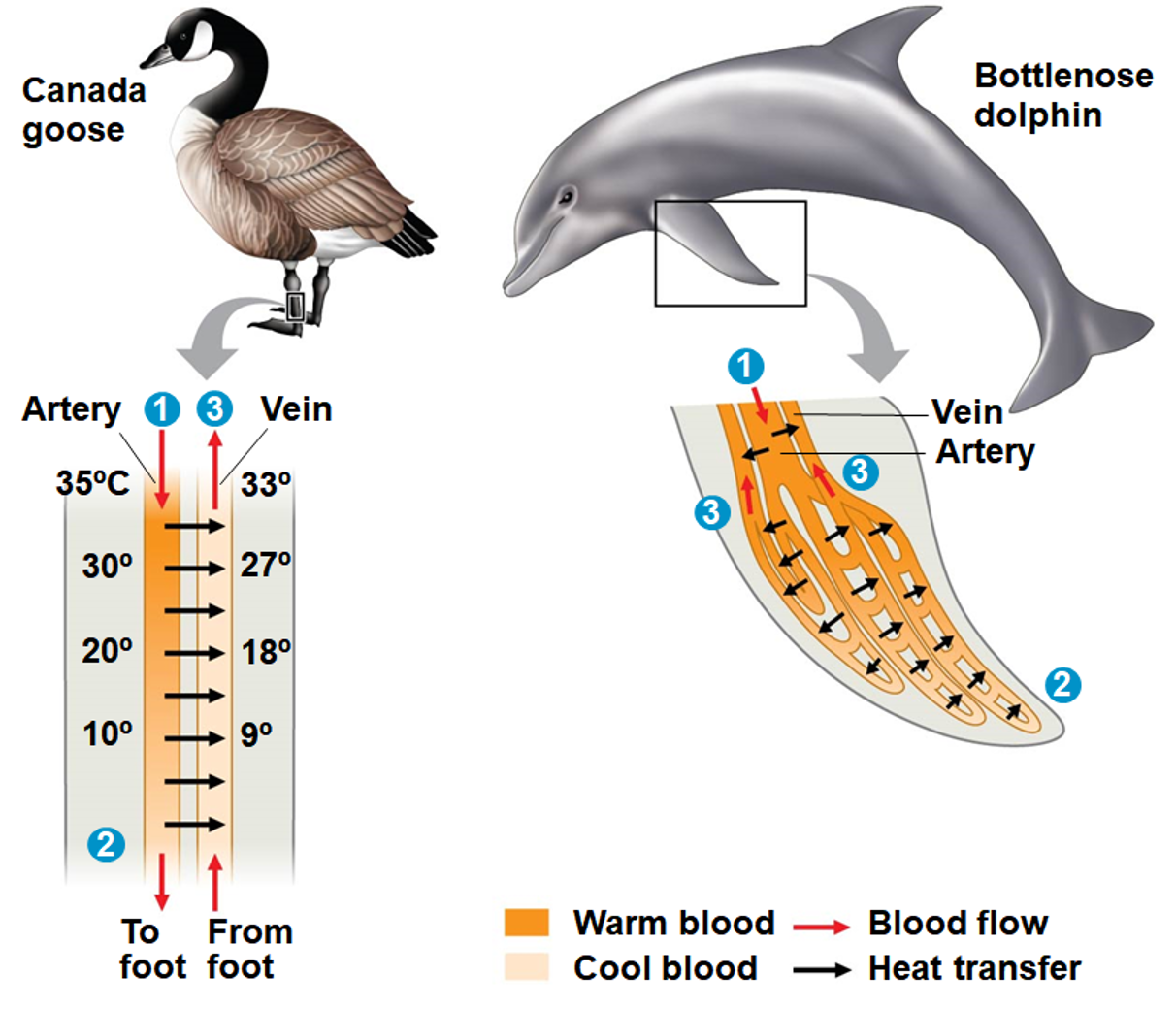
Circulatory Adaptation
Many endotherms & some ectotherms can alter the amount of blood flow between the body core and skin (shark, fish, insect- thorax)
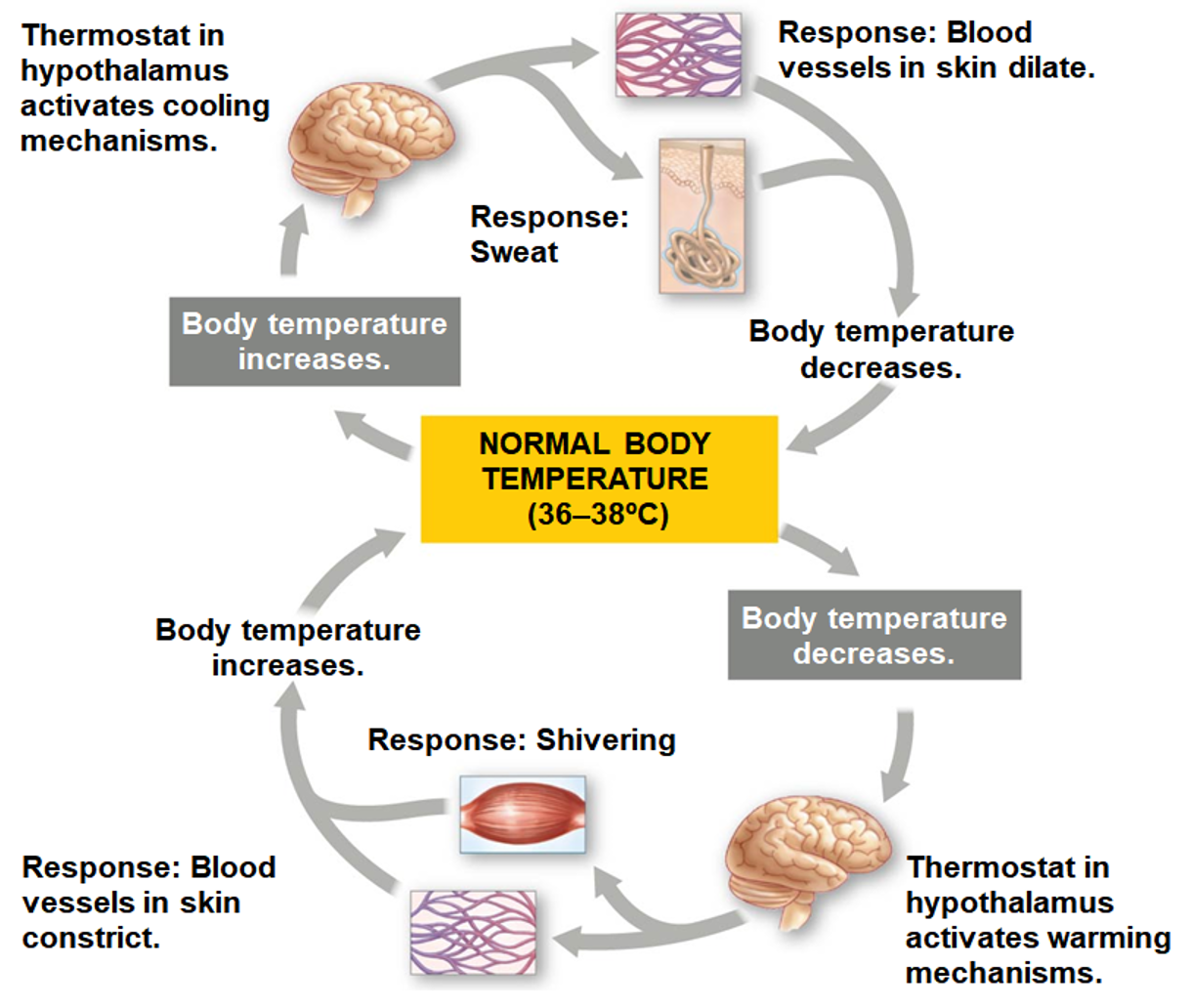
Vasodilation: inc blood flow in skin, facilitate heat loss
Vasconstriction: dec blood flow in skin
Thermogenesis
adjustment of metabolic heat production to maintain body temperature, inc by muscle activity
Non-shivering inc metabolic activity in mitochondria
Brown fat for rapid heat production
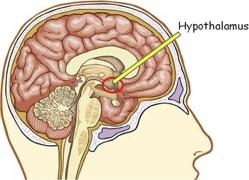
Hypothalamus
Controls thermoregulation to trigger heat loss/generating mechanisms
Fever
Bioenergetics
overall flow and transformation of energy in an animal
determines nutrition needs (ATP)
leads to biosynthesis
Biosynthesis
includes body growth and repair, synthesizing storage material such as fat, and production of gametes
Metabolic Rate
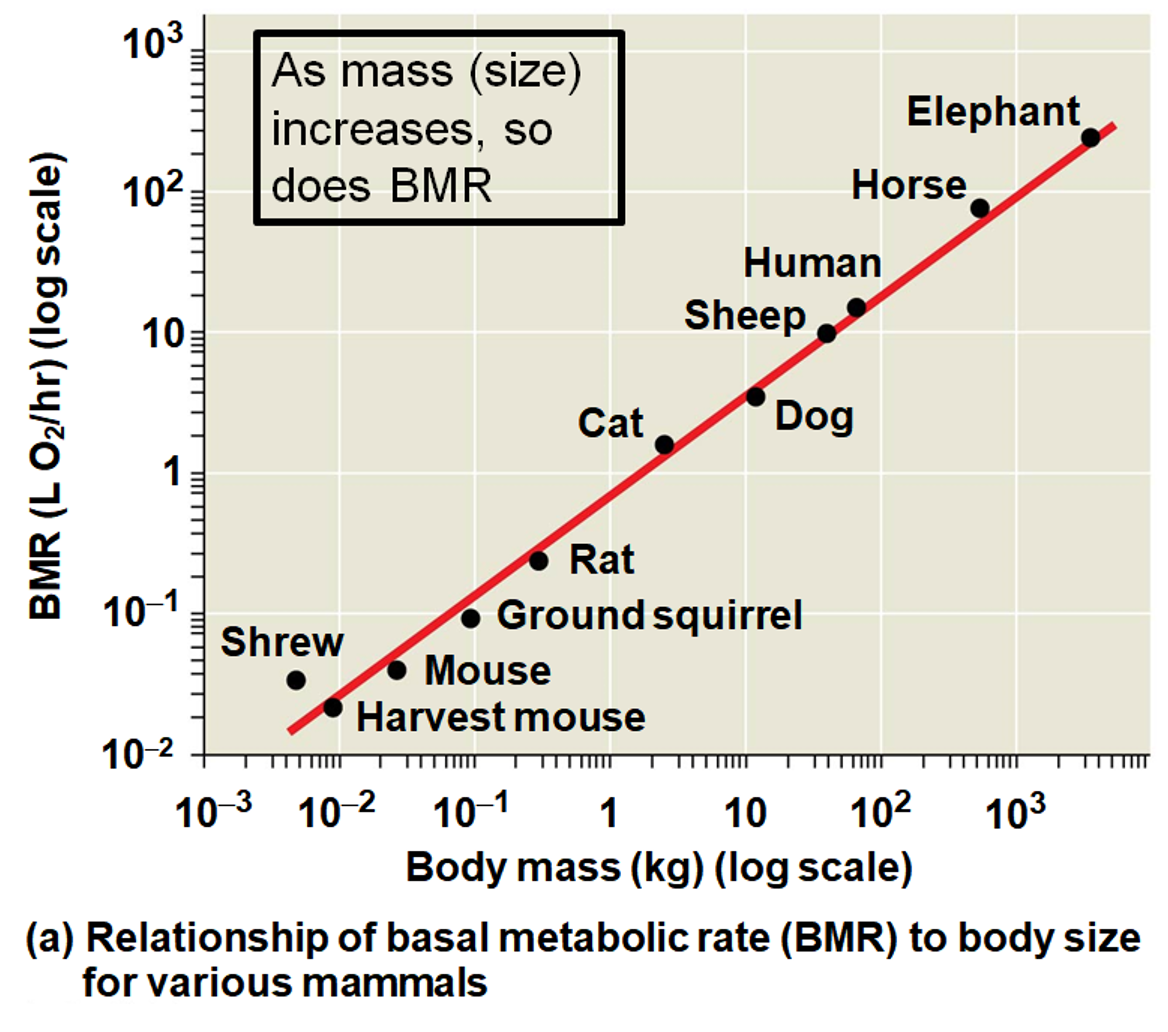
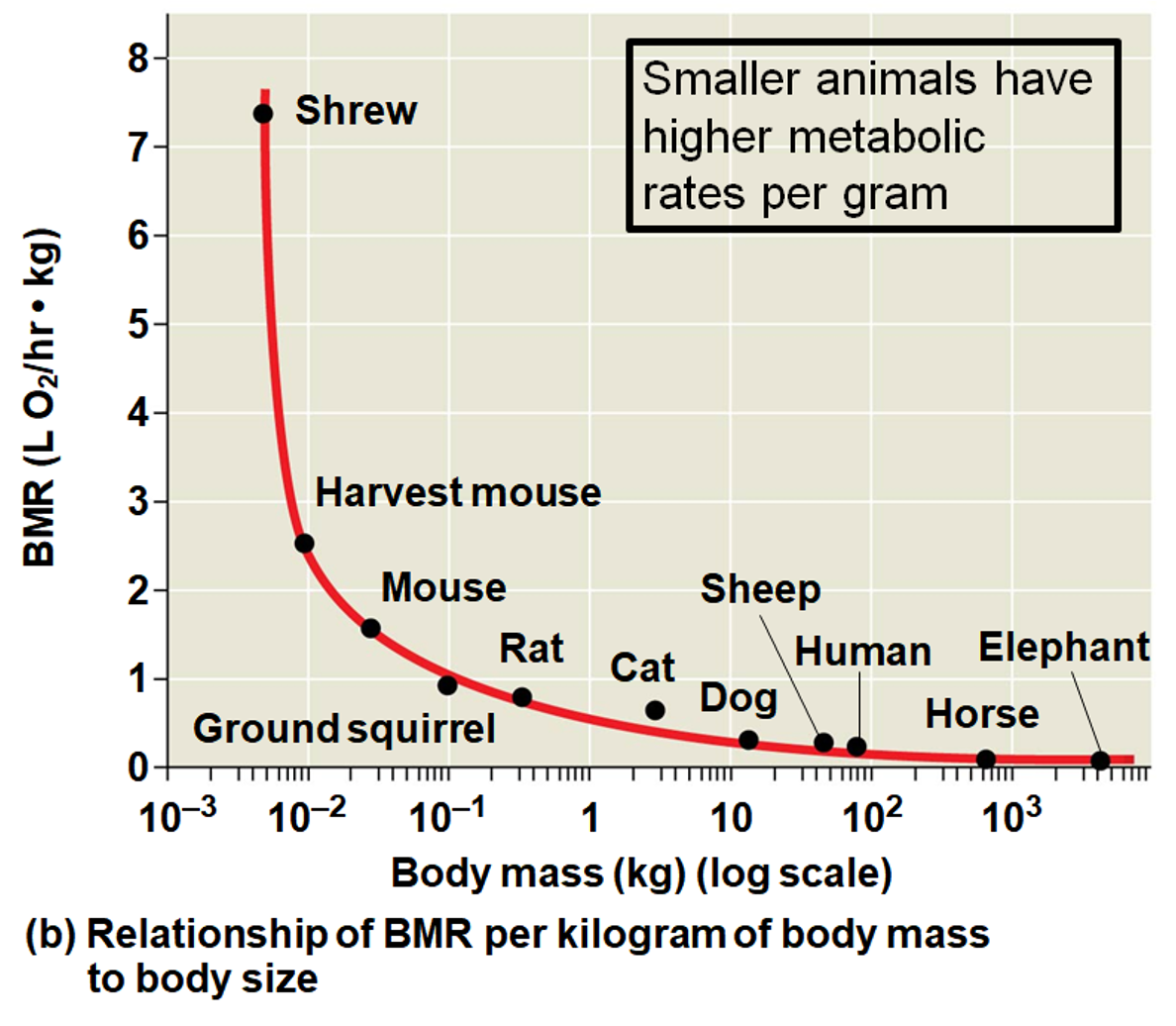
sum of all the energy an animal uses in a unit of time
determined by heat loss, amount of O2 or CO2 produced, energy content of food
Prop to body mass (m3/4) + inverse to activity duration = higher in small aninmals
Types of Metabolic Rate (2)
Basal metabolic rate (BMR): endotherm at rest at comfortable temp
Standard metabolic rate (SMR): ectotherm at rest, lower
both assume non-growing, fasting, non-stress animal
Torpor
state of decreased activity and metabolism
enables animals to save energy while avoiding difficult and dangerous conditions
Estivation: animals survive w/ scarce water for long period
Hibernation
long-term torpor that is an adaptation to winter cold and food scarcity
20x lower than normal rates