AP Exam Review: All terms- AP Psychology (Myers 10th Edition)
 Call Kai
 Learn
Learn Practice Test
 Spaced Repetition
 Match
Match Flashcards
 Knowt Play
1/603

There's no tags or description
Looks like no tags are added yet.
Name | Mastery | Learn | Test | Matching | Spaced | Call with Kai |
|---|
No analytics yet
Send a link to your students to track their progress
604 Terms
Wilhelm Wundt
pioneering psychologist who established the first psychology lab at the University of Leipzig

Edward Bradford Titchener
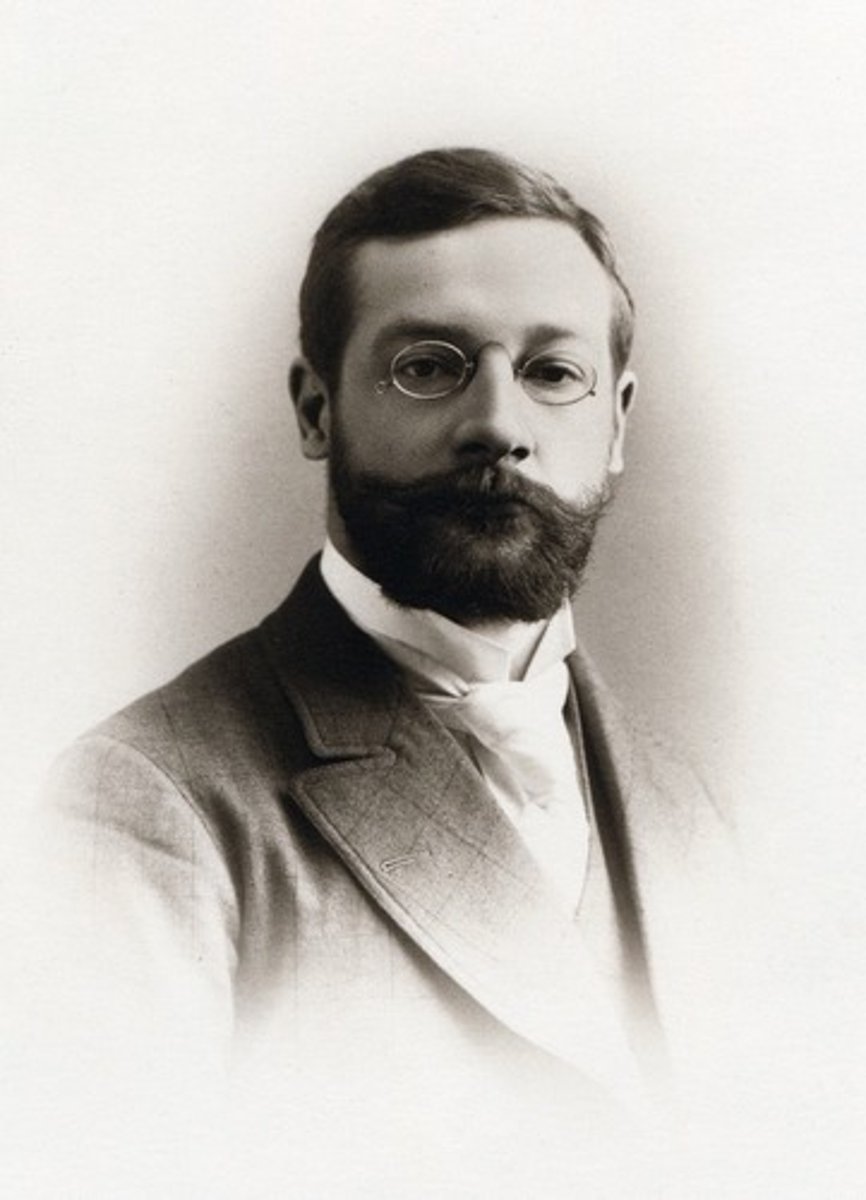
student of Wundt and psychologist that helped found structuralism, or the usage of introspection to discover the mind's structure
structuralism
early perspective that the mind operates by combining subjective emotions and objective sensations; the examination of basic cognitive structures pioneered by Wundt and Titchener
William James
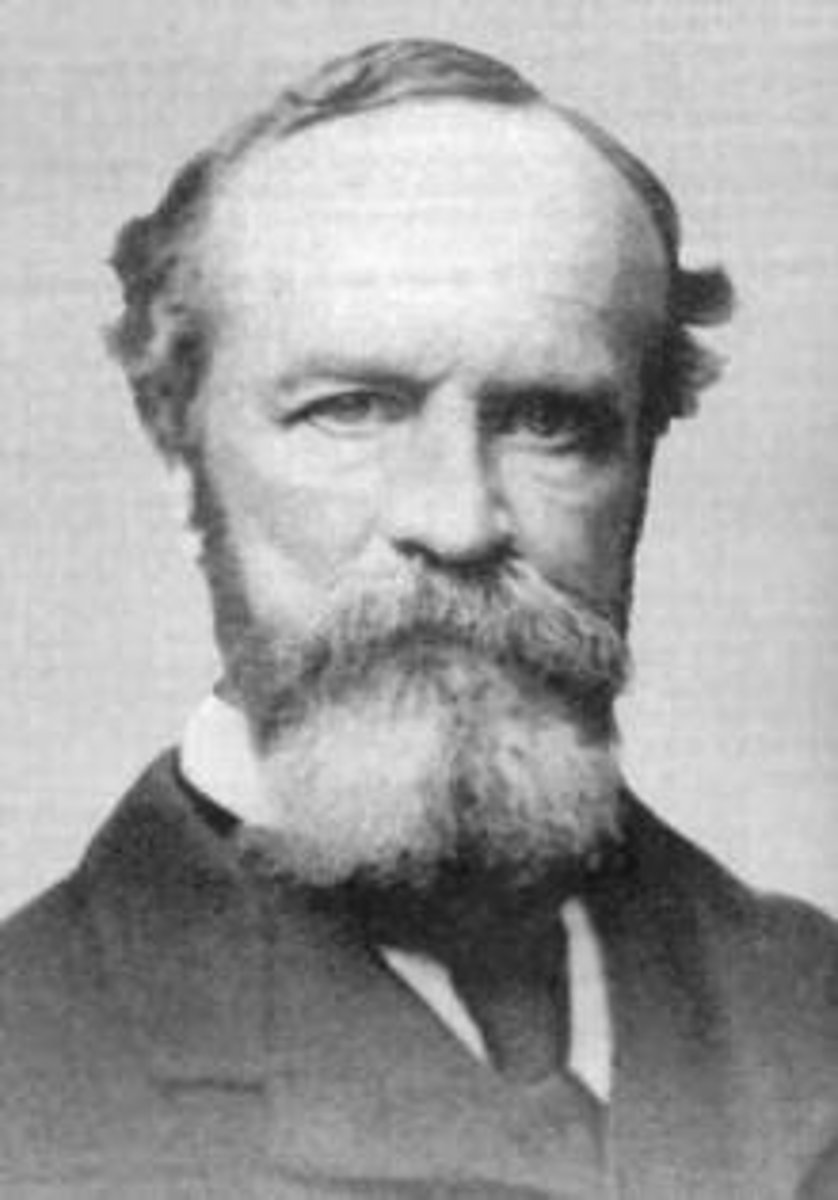
philosopher-psychologist who pioneered functionalism, considering the evolved functions of our thoughts and feelings
functionalism
early perspective that sought to consider the evolved functions of our thoughts and feelings, not just what the brain did; encouraged explorations of down-to-earth emotions, memories, willpower, habits, and streams of consciousness
Mary Whiton Calkins
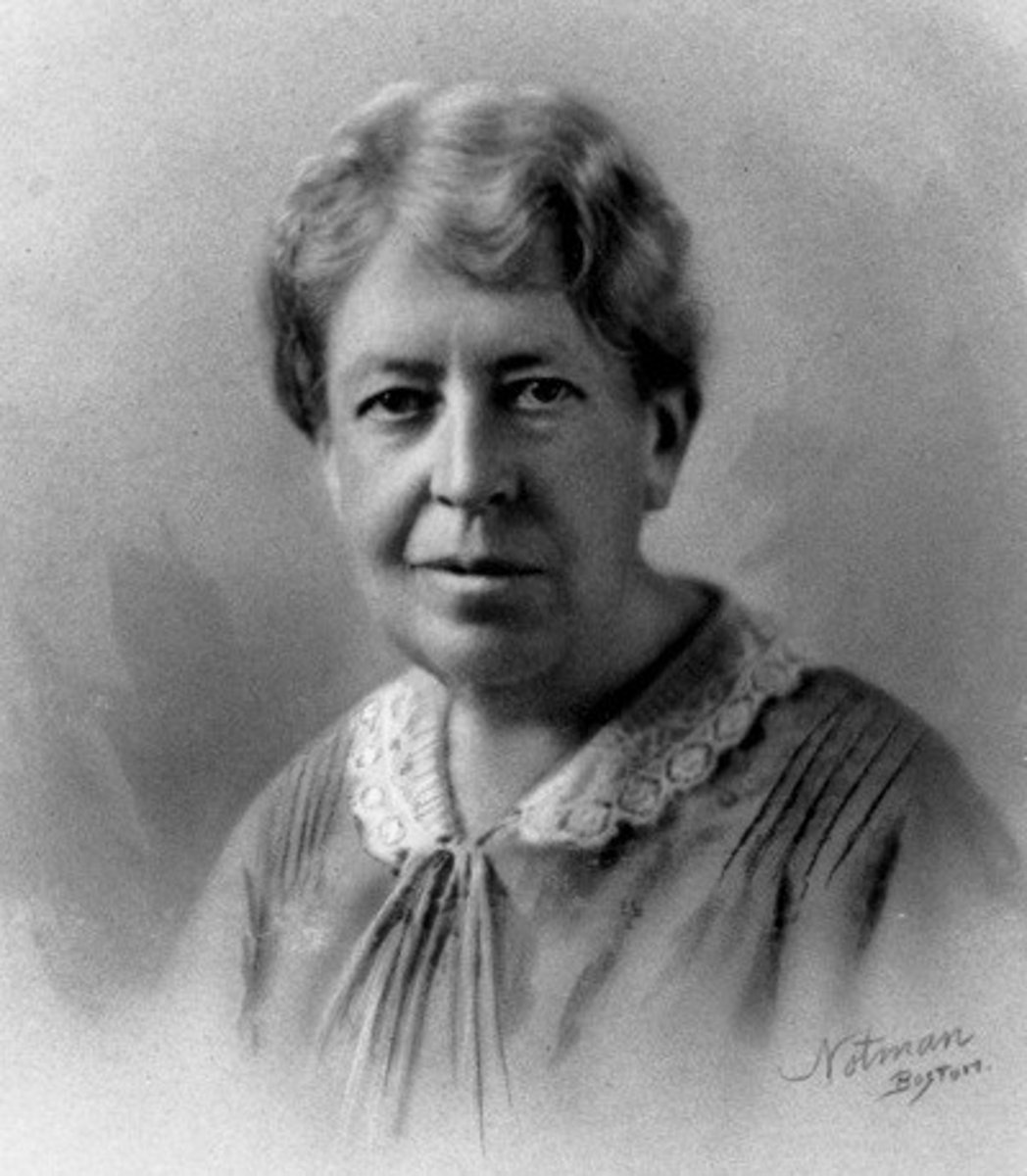
student of James, pioneering memory psychologist, and first female president of the American Psychological Association (APA)
Margaret Floy Washburn
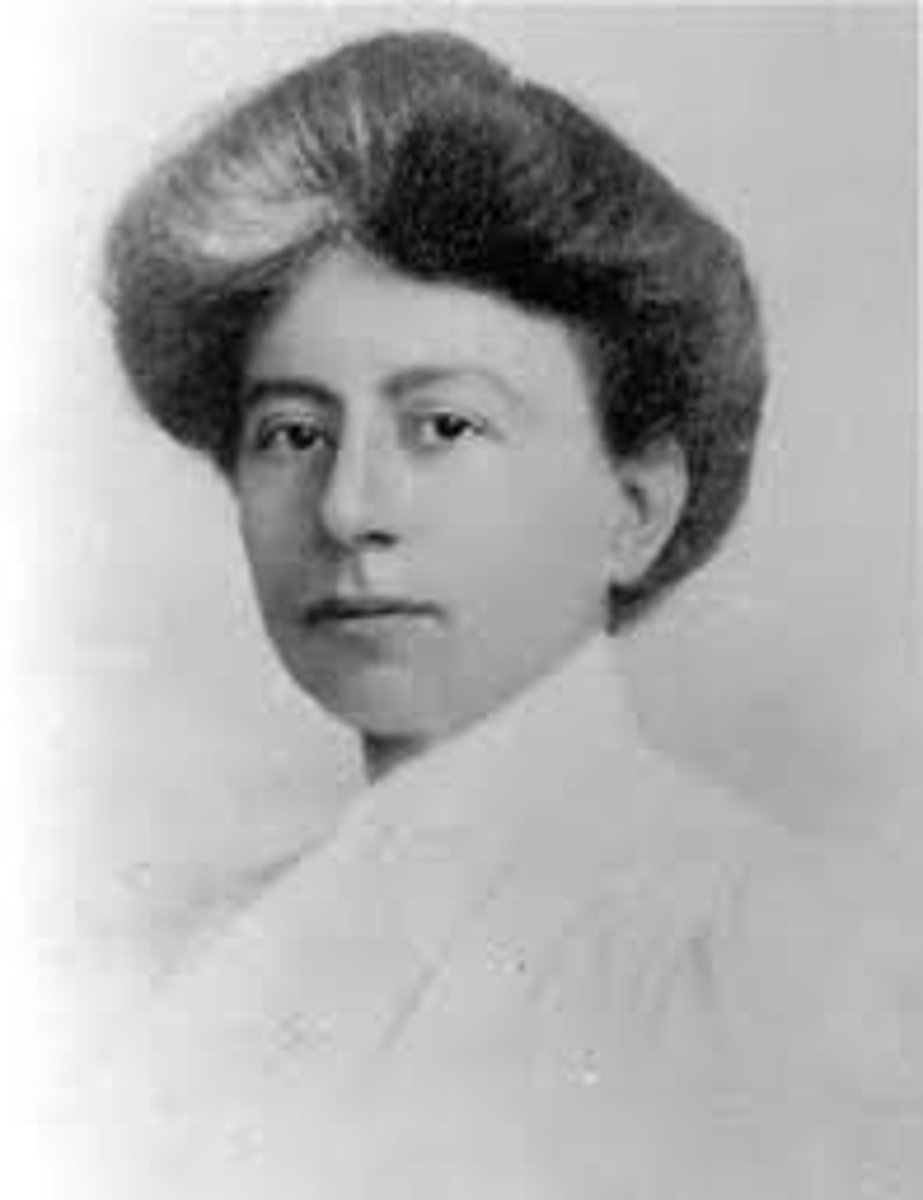
first female psychology Ph.D. recipient, having also written the book "The Animal Mind"
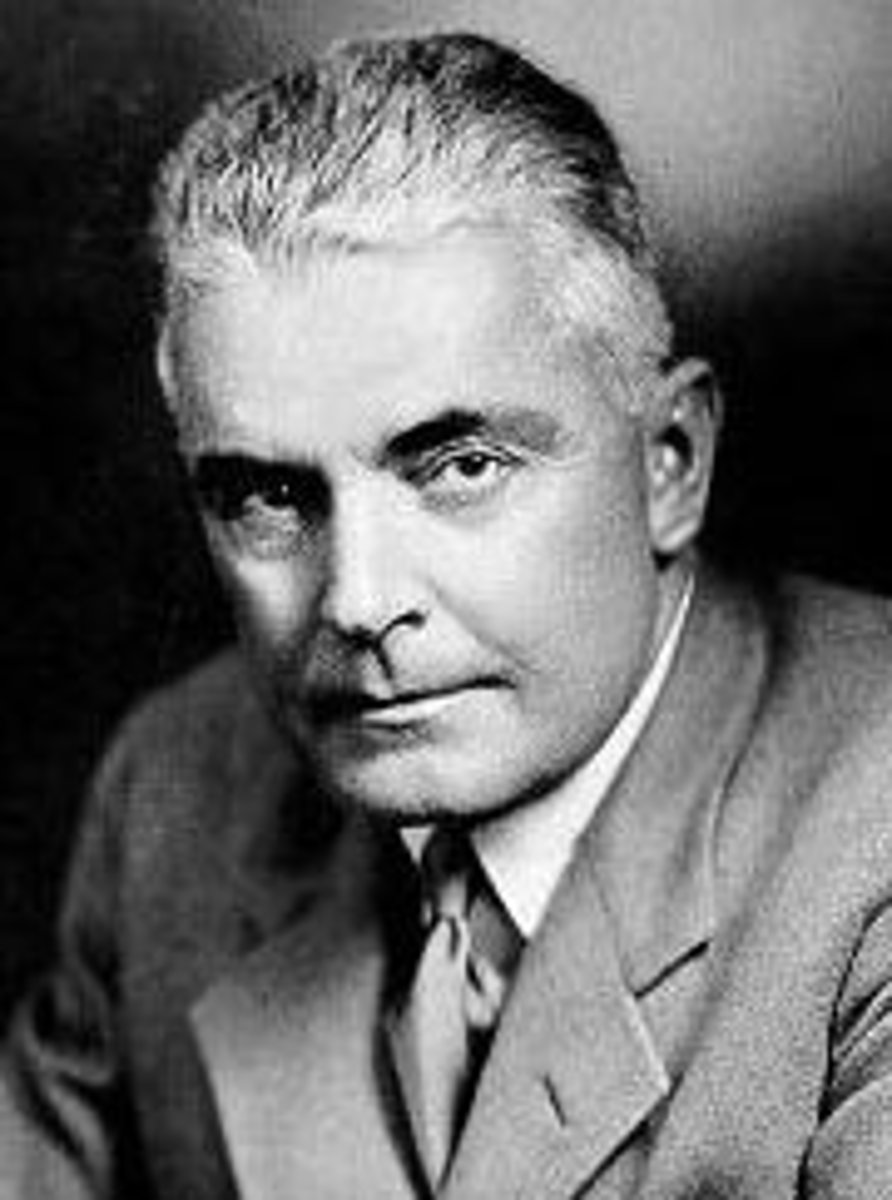
John B. Watson
Pioneer of the behaviorist perspective, having worked with Rosalie Rayner on his famous "Little Albert" experiment showing conditioned responses on a baby
behaviorism
perspective in the early 1900's that psychology (1) should be an objective science that (2) studies behavior without reference to mental processes. Most research psychologists today agree with (1) but not (2)
Freudian psychology
perspective in the early 1900's that emphasized the way our unconscious thought processes and emotional responses to childhood experiences affect our behavior
humanistic psychology
historically significant perspective that emphasized the growth potential of healthy people and the individual's potential for personal growth; first appeared in the 1960's, led by Carl Rogers and Abraham Maslow
cognitive revolution
second group of psychologists in the 1960's that rebelled against the behaviorist perspective, arguing for a returned focus on mental processes
cognitive neuroscience
the interdisciplinary study of the brain activity linked with cognition (including perception, thinking, memory, and language)
psychology
the science of behavior and mental processes
nature-nurture issue
the longstanding controversy over the relative contributions that genes and experience make to the development of psychological traits and behaviors. Today's science sees traits and behaviors arising from the interaction of the two ideas
natural selection
the principle that, among the range of inherited trait variations, those contributing to reproduction and survival will most likely be passed on to succeeding generations
biopsychosocial approach
an integrated approach that incorporates biological, psychological, and social-cultural levels of analysis
neuroscience perspective
modern perspective focusing on how the body and brain enable emotions, memories, and sensory experiences
evolutionary perspective
modern perspective focusing on how the natural selection of traits has promoted the survival of genes
behavior genetics
modern perspective focusing on how our genes and our environment influence our individual differences
cognitive perspective
modern perspective focusing on how we encode, process, store, and retrieve information
social-cultural perspective
modern perspective focusing on how behavior and thinking vary across situations and cultures
basic research
pure science that aims to increase the scientific knowledge base
applied research
scientific study that aims to solve practical problems
counseling psychology
a branch of psychology that assists people with problems in living (often related to school, work, or marriage) and in achieving greater well-being
clinical psychology
a branch of psychology that studies, assesses, and treats people with psychological disorders
psychiatry
a branch of medicine dealing with psychological disorders; practiced by physicians who sometimes provide medical (for example, drug) treatments as well as psychological therapy
positive psychology
the scientific study of human functioning, with the goals of discovering and promoting strengths and virtues that help individuals and communities thrive
community psychology
a branch of psychology that studies how people interact with their social environments and how social institutions affect individuals and groups
hindsight bias
the tendency to believe, after learning an outcome, that one could have foreseen it
critical thinking
thinking that does not blindly accept arguments and conclusions. Rather, it examines assumptions, discerns hidden values, evaluates evidence, and assesses conclusions
theory
an explanation using an integrated set of principles that organizes observations and predicts behaviors or events
hypothesis
a testable prediction, often implied by a theory
operational definition
a statement of the procedures (operations) used to define research variables. For example, "human intelligence" may be operationally defined as "what an intelligence test measures"
replication
repeating the essence of a research study, usually with different participants in different situations, to see whether the basic finding extends to other participants and circumstances
case study
an observation technique in which one person is studied in depth in the hope of revealing universal principles
naturalistic observation
observing and recording behavior in naturally occurring situations without trying to manipulate and control the situation
survey
a technique for ascertaining the self-reported attitudes or behaviors of a particular group, usually by questioning a representative, random sample of the group
population
all the cases in a group being studied, from which samples may be drawn (NOTE: except for national studies, this does not refer to a country's whole form of this)
random sample
a sample that fairly represents a population because each member has an equal chance of inclusion
correlation
a measure of the extent to which two factors vary together, and thus of how well either factor predicts the other
experiment
a research method in which an investigator manipulates one or more factors (independent variables) to observe the effect on some behavior or mental process (the dependent variable). By random assignment of participants, the experimenter aims to control other relevant factors
experimental group
in an experiment, the group that is exposed to the treatment, that is, to one version of the independent variable
control group
in an experiment, the group that is not exposed to the treatment; contrasts with the experimental group and serves as a comparison for evaluating the effect of the treatment
random assignment
assigning participants to experimental and control groups by chance, thus minimizing preexisting differences between those assigned to the different groups
double-blind procedure
an experimental procedure in which both the research participants and the research staff are ignorant (blind) about whether the research participants have receive the treatment or a placebo. Commonly used in drug-evaluation studies
placebo effect
experimental results caused by expectations alone; any effect on behavior caused by the administration of an inert substance or condition, which the recipient assumes is an active agent
independent variable
the experimental factor that is manipulated; the variable whose effect is being studied
confounding variable
a factor other than the independent variable that might produce an effect in an experiment
dependent variable
the outcome factor; the variable that may change in response to manipulations of the independent variable
culture
the enduring behaviors, ideas, attitudes, values, and traditions shared by a group of people and transmitted from one generation to the next
informed consent
an ethical procedure that research participants be told enough to enable them to choose whether they wish to participate
debriefing
the postexperimental explanation of a study, including its purpose and any deceptions, to its participants
biological perspective
perspective concerned with the links between biology and behavior. Includes psychologists working in neuroscience, behavior genetics, and evolutionary psychology
neuron
a nerve cell; the basic building block of the nervous system
dendrites
a neuron's bushy, branching extensions that receive messages and conduct impulses toward the cell body
axon
the neuron extension that passes messages through its branches to other neurons or to muscles or glands
myelin sheath
a fatty tissue layer segmentally encasing the axons of some neurons' enables vastly greater transmission speed as neural impulses hop from one node to the next
action potential
a neural impulse; a brief electrical charge that travels down an axon
threshold
the level of stimulation required to trigger a neural impulse
synapse
the junction between the axon tip of the sending neuron and the dendrite or cell body of the receiving neuron
neurotransmitters
chemical messengers that cross the synaptic gaps between neurons. When released by the sending neuron, they travel across the synapse and bind to receptor sites on the receiving neurons, thereby influencing whether that neuron will generate a neural impulse
reuptake
a neurotransmitter's reabsorption by the sending neuron
acetylcholine (ACh)
neurotransmitter that enables muscle action, learning, and memory; deterioration of neurons that produce it often accompanies Alzheimer's disease
dopamine
neurotransmitter that influences movement, learning, attention, and emotion; oversupply is linked to schizophrenia, undersupply is linked to tremors and decreased mobility in Parkinson's disease
serotonin
neurotransmitter that affects mood, hunger, sleep, and arousal; undersupply is linked to depression, with some antidepressant drugs raising its levels
norepinephrine
neurotransmitter that helps control alertness and arousal; undersupply can depress mood
GABA (gamma-aminobutyric acid)
major inhibitory neurotransmitter, with an undersupply linked to seizures, tremors, and insomnia
glutamate
major excitatory neurotransmitter involved in memory; oversupply can overstimulate brain, producing migraines or seizures (which is why some people avoid MSG that contains this compound)
endorphins
"morphine within" - natural, opiatelike neurotransmitters linked to pain control and to pleasure
nervous system
the body's speedy, electrochemical communication network, consisting of all the nerve cells of the peripheral and central nervous systems
central nervous system (CNS)
the brain and spinal cord
peripheral nervous system (PNS)
the sensory and motor neurons that connect the central nervous system (CNS) to the rest of the body
nerves
bundled axons that form neural "cables" connecting the central nervous system with muscles, glands, and sense organs
sensory neurons
neurons that carry incoming information from the sensory receptors to the brain and spinal cord
motor neurons
neurons that carry outgoing information from the brain and spinal cord to the muscles and glands
interneurons
neurons within the brain and spinal cord that communicate internally and intervene between the sensory inputs and motor outputs
somatic nervous system
the division of the peripheral nervous system that controls the body's skeletal muscles
autonomic nervous system (ANS)
the part of the peripheral nervous system that controls the glands and the muscles of its internal organs (such as the heart). Its sympathetic division arouses; its parasympathetic division calms
sympathetic nervous system
the division of the autonomic nervous system that arouses the body, mobilizing its energy in stressful situations
parasympathetic nervous system
the division of the autonomic nervous system that calms the body, conserving its energy
reflex
a simple, automatic response to a sensory stimulus, such as the knee-jerk response
endocrine system
the body's "slow" chemical communication system; a set of glands that secrete hormones into the bloodstream
hormones
chemical messengers that are manufactured by the endocrine glands, travel through the bloodstream, and affect other tissues
adrenal glands
a pair of endocrine glands that sit just above the kidneys and secrete hormones (epinephrine and norepinephrine) that help arouse the body in times of stress
pituitary gland
the endocrine system's most influential gland. Under the influence of the hypothalamus, it regulates growth and controls other endocrine glands
hypothalamus
brain region controlling the pituitary gland
thyroid gland
endocrine gland that affects metabolism
parathyroid gland
endocrine gland that helps regulate blood calcium levels
pancreas
endocrine gland that regulates blood sugar levels
testis
endocrine gland that secretes male sex hormones
ovary
endocrine gland that secretes female sex hormones
lesion
tissue destruction; in the case of a brain, a naturally or experimentally caused destruction of brain tissue
electroencephalogram (EEG)
an amplified recording of the waves of electrical activity that sweep across the brain's surface. These waves are measured by electrodes placed on the scalp
PET (positron emission tomography) scan
a visual display of brain activity that detects where a radioactive form of glucose goes while the brain performs a given task
MRI (magnetic resonance imaging)
a technique that uses magnetic fields and radio waves to produce computer-generated images of soft tissue; shows brain anatomy
fMRI (functional MRI)
a technique for revealing bloodflow and, therefore, brain activity by comparing successive MRI scans; shows brain function
brainstem
the oldest part and central core of the brain, beginning where the spinal cord swells as it enters the skull; responsible for automatic survival functions
medulla
the base of the brainstem; controls heartbeat and breathing
thalamus
the brain's sensory switchboard, located on top of the brainstem; directs messages to the sensory receiving areas in the cortex and transmits replies to the cerebellum and medulla