Verification Principle - Religious Language
 Call Kai
 Learn
Learn Practice Test
 Spaced Repetition
 Match
Match Flashcards
 Knowt Play
1/18

There's no tags or description
Looks like no tags are added yet.
Name | Mastery | Learn | Test | Matching | Spaced | Call with Kai |
|---|
No analytics yet
Send a link to your students to track their progress
19 Terms
Who developed Verification Principle ?
AJ Ayer
Two types of meaningful language
Analytic & Synthetic statements

Analytic statements
True by definition

Synthetic statements
Empirically verificable

All other statements (e.g. ethical/theological/aesthetic)
Empty of meaning
Two types of verification
- Verification in practice
- Verification in principle

Verification in Practice
Only possible when statements can be proved empirically

Verification in Principle
- When observations would make the statement verifiable in practice
- This can be done in the future when we gain the currently unavailable scientific knowledge required to verify it

Statement Verifiable in Practice
"It is currently 20 degrees Celsius outside in London"
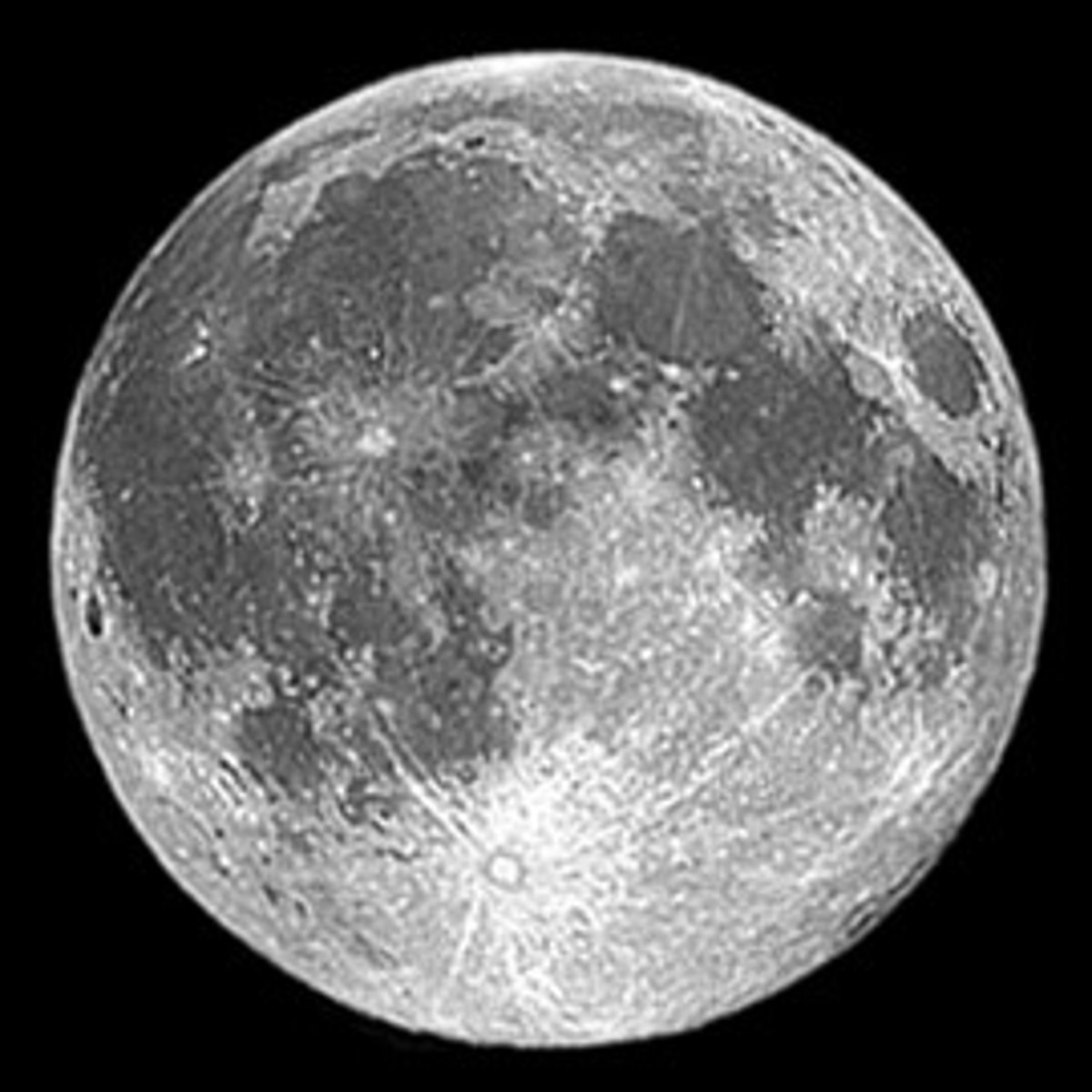
Statement Verifiable in Principle
"There are mountains on the far side of the Moon"
Book which proposed Verification Principle
Language, Truth & Logic

Statements unverifiable in Practice or Principle
Have no factual meaning - "Pseudo-proposition"

Examples of statements with no factual meaning
- "God exists"
- 'God is loving"
Ayer's claim about ethical statements
Statements of approval/disapproval

Ayer's overall view of all religious statements
- Neither true nor false
- Simply meaningless, so all talk of them = pointless
AJ Ayer quote
"If 'God' is a metaphysical term, then it cannot even be probable that God exists."
Strengths of Verification Principle
- Straightforward: Focuses on verifiable facts
- Scientific Approach: Insistence on empirical support / consideration of future empirical evidence
- Clarity in language use: Some religious claims = Obscure and unsupported. Made philosophers of religion think carefully about religious language.

Weaknesses of Verification Principle
- Simple = Doesn't mean it's right: Many people believe that human responses to the world (e.g. ethics & philosophy) are important & have meaning.
- Assumes science tells us everything important about the world: Many would disagree, e.g. Karl Popper.
- Not true of all religious arguments: Claim that universe has creator = Reasonable hypothesis due to basis drawn from creativity of our own human minds. No more irrational than other scientific assumptions.
- Not empirically verifiable: Makes the principle itself meaningless, it's a recommendation rather than fact.

Karl Popper's criticism of Verification Principle
- "Flawed science"
- Claimed science works primarily through falsification