7 - Basic ECG Review

0.0(0)
Studied by 0 people
call kaiCall Kai
learnLearn
examPractice Test
spaced repetitionSpaced Repetition
heart puzzleMatch
flashcardsFlashcards
GameKnowt Play
Card Sorting

1/40

flashcard set

Earn XP

Description and Tags

Info from 'Clinical Assessment in Respiratory Care' 9th edition

Last updated 6:39 PM on 4/29/26
Name
Mastery
Learn
Test
Matching
Spaced
Call with Kai

No analytics yet

Send a link to your students to track their progress

41 Terms

1
New cards

indications for ECGs

  • cardiac disorders (MI, ventricular hypotrophy, dysrhythmias)

  • pre-op as screening tool

2
New cards

pacemaker sites

  1. sinoatrial (SA) node (60-100 bpm)

  2. atrioventricular (AV) junction: AV node + bundle of His (40-60 bpm)

  3. bundle branches (30-40 bpm)

  4. Purkinje fibers (30-40 bpm)

3
New cards

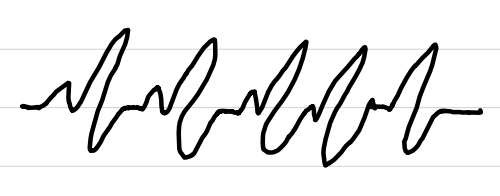
P wave

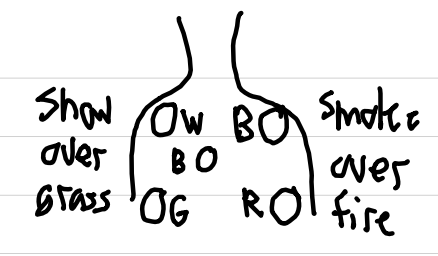
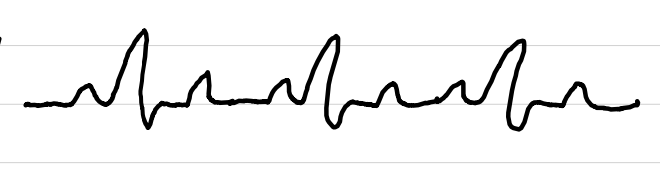
[1]

little bump on ECG that represents atrial depolarization; sudden loss of negative charge in polarized cells (K+ out, Na+ in)

<p>[1]</p><p>little bump on ECG that represents atrial depolarization; sudden loss of negative charge in polarized cells (K<sup>+</sup> out, Na<sup>+</sup> in)</p>
4
New cards

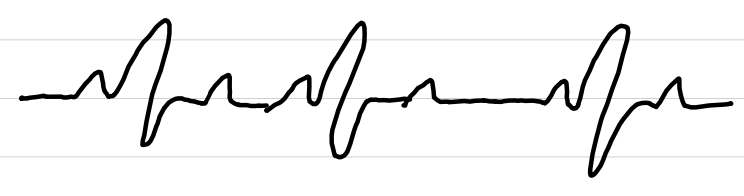
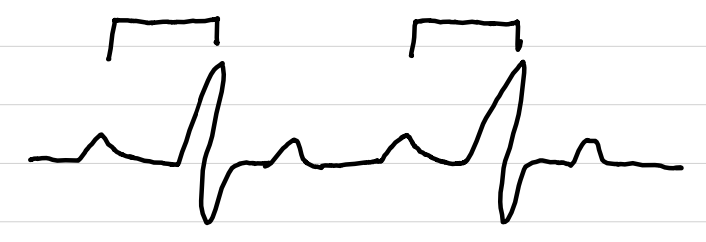
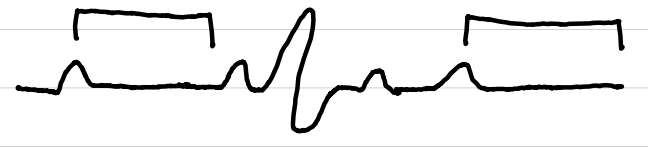
PR interval

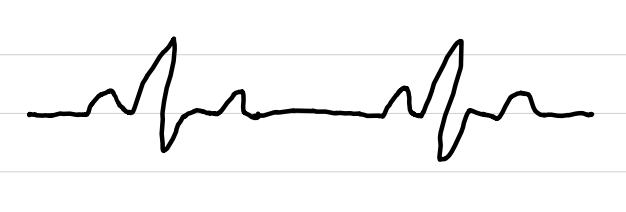
[1+2]

section on ECG from beginning of P wave to beginning of QRS complex; represents delay of AV node to allow filling of ventricles

<p>[1+2]</p><p>section on ECG from beginning of P wave to beginning of QRS complex; represents delay of AV node to allow filling of ventricles</p>
5
New cards

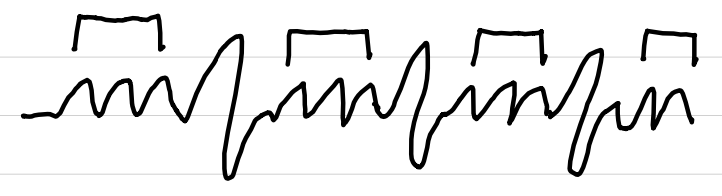
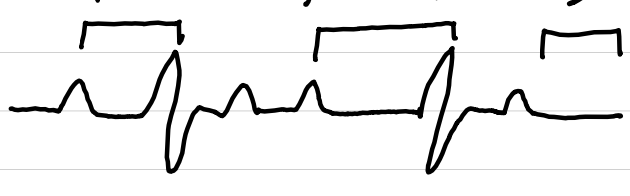
QRS complex

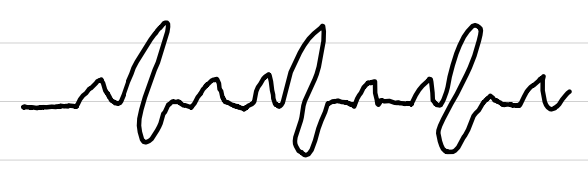
[3]

jagged line on ECG that represents ventricular depolarization

<p>[3]</p><p>jagged line on ECG that represents ventricular depolarization</p>
6
New cards

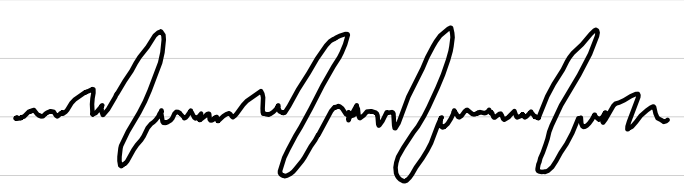
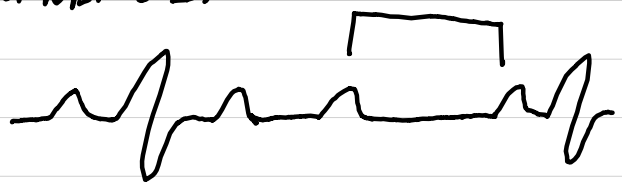
ST segment

[4]

section on ECG from end of QRS complex to beginning of T wave; represents beginning of ventricular repolarization

<p>[4]</p><p>section on ECG from end of QRS complex to beginning of T wave; represents beginning of ventricular repolarization</p>
7
New cards

T wave

[5]

big bump on ECG that represents ventricular repolarization (Na+ out, K+ in)

<p>[5]</p><p>big bump on ECG that represents ventricular repolarization (Na<sup>+</sup> out, K<sup>+</sup> in)</p>
8
New cards

length of time for 5 consecutive big boxes on ECG strip

1 second

9
New cards

length of time for one big box on ECG strip

0.20 seconds

10
New cards

length of time for one small box on ECG strip

0.04 seconds

11
New cards

6-second method

method of counting rate on ECG strip if HR is irregular

  • count number of QRS complexes in 6-second strip

  • multiply number by 10

12
New cards

large boxes method

method of counting rate on ECG strip if HR is regular

  • count number of large boxes (0.2 sec each) between QRS complexes

  • divide number into 300 (300 ÷ x) to find ventricular rate

  • repeat above for atrial rate using P waves

13
New cards

small boxes method

method for counting rate on ECG strip if HR is regular

  • count number of small boxes (0.04 sec each) between QRS complexes

  • divide number into 1500 (1500 ÷ x) to find ventricular rate

  • repeat above for atrial rate using P waves

14
New cards

ECG leads

  • 6 limb leads

    • 4 electrodes

    • I, II, III, aVR, aVL, aVF

    • view heart on frontal plane to find axis

  • 6 chest leads

    • 6 electrodes

    • V1-V6

    • view heart on horizontal plane

    • overlie right ventricle (V1-V2), ventricular septum (V3-V4), left ventricle (V5-V6)

15
New cards

3- and 5-lead placement

  • white → RA

    • right arm / right upper chest below right clavicle

  • black → LA

    • left arm / left upper chest below left clavicle

  • red → LL

    • left leg / left lower chest above and left of umbilicus

  • green → RL

    • right leg / right lower chest above and right of umbilicus

  • brown → any precordial lead

    • 4th intercostal space, right sternal border


  • white, black, red = I, II, III

  • all = I, II, III, aVR, aVL, aVF, V

<ul><li><p>white → RA </p><ul><li><p>right arm / right upper chest below right clavicle</p></li></ul></li><li><p>black → LA </p><ul><li><p>left arm / left upper chest below left clavicle</p></li></ul></li><li><p>red → LL </p><ul><li><p>left leg / left lower chest above and left of umbilicus</p></li></ul></li><li><p>green → RL </p><ul><li><p>right leg / right lower chest above and right of umbilicus</p></li></ul></li><li><p>brown → any precordial lead </p><ul><li><p>4th intercostal space, right sternal border</p></li></ul></li></ul><div data-type="horizontalRule"><hr></div><ul><li><p>white, black, red = I, II, III</p></li><li><p>all = I, II, III, aV<sub>R</sub>, aV<sub>L</sub>, aV<sub>F</sub>, V</p></li></ul><p></p>
16
New cards

normal direction of QRS axis

left and down (→↓) and -35° to +90°

17
New cards

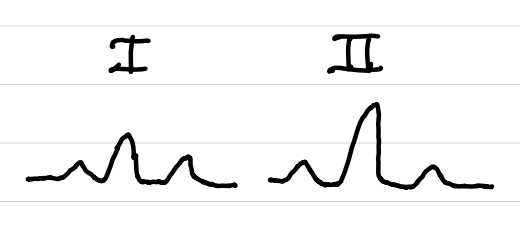
axis determination

  • I positive, II positive → normal

  • I positive, II negative → left deviation

  • I negative, II positive → right deviation

  • I negative, II negative → extreme right deviation
<ul><li><p>I positive, II positive → normal</p></li><li><p>I positive, II negative → left deviation</p></li><li><p>I negative, II positive → right deviation</p></li><li><p>I negative, II negative → extreme right deviation</p></li></ul><p></p>
18
New cards

causes of right axis deviation

  • left ventricular infarction

  • right ventricular hypertrophy

  • chronic obstructive lung disease

  • acute pulmonary embolism

  • infants ≤ 1 year old (normal)

  • biventricular hypertrophy

  • left posterior fascicular

19
New cards

causes of left axis deviation

  • right ventricular infarction

  • left ventricular hypertrophy

  • abdominal obesity

  • ascites / large abdomen

  • third-trimester pregnancy

  • left anterior fascicular block

20
New cards

ECG interpretation

  1. evaluate patient’s overall condition

  2. identify HR

  3. is rate regular or irregular?

  4. evaluate P waves

  5. measure PR interval (normal: 0.12-0.20 sec)

  6. evaluate QRS complex (normal: <0.10 sec)

  7. inspect ST segment

21
New cards

normal sinus rhythm (NSR)

  • rate: 60-100 bpm

  • rhythm: regular

  • P waves: normal

  • PR interval: 0.12-0.20 sec

  • QRS complexes: <0.10 sec

  • ST segments: normal

<ul><li><p>rate: 60-100 bpm</p></li><li><p>rhythm: regular</p></li><li><p>P waves: normal</p></li><li><p>PR interval: 0.12-0.20 sec</p></li><li><p>QRS complexes: &lt;0.10 sec</p></li><li><p>ST segments: normal</p></li></ul><p></p>
22
New cards

sinus bradycardia (SB)

  • rate: <60 bpm

  • rhythm: regular

  • P waves: normal

  • PR interval: 0.12-0.20 sec

  • QRS complexes: <0.10 sec

  • ST segments: normal

<ul><li><p>rate: <span style="color: red;">&lt;60 bpm</span></p></li><li><p>rhythm: regular</p></li><li><p>P waves: normal</p></li><li><p>PR interval: 0.12-0.20 sec</p></li><li><p>QRS complexes: &lt;0.10 sec</p></li><li><p>ST segments: normal</p></li></ul><p></p>
23
New cards

sinus tachycardia (ST)

  • rate: 100-150 bpm

  • rhythm: regular

  • P waves: normal

  • PR interval: 0.12-0.20 sec

  • QRS complexes: <0.10 sec

  • ST segments: normal

<ul><li><p>rate: <span style="color: red;">100-150 bpm</span></p></li><li><p>rhythm: regular</p></li><li><p>P waves: normal</p></li><li><p>PR interval: 0.12-0.20 sec</p></li><li><p>QRS complexes: &lt;0.10 sec</p></li><li><p>ST segments: normal</p></li></ul><p></p>
24
New cards

supraventricular tachycardia (SVT)

  • rate: >150 bpm

  • rhythm: regular

  • P waves: not seen

  • PR interval: not measurable

  • QRS complexes: <0.10 sec

  • ST segments: not seen

<ul><li><p>rate: <span style="color: red;">&gt;150 bpm</span></p></li><li><p>rhythm: regular</p></li><li><p>P waves: <span style="color: red;">not seen</span></p></li><li><p>PR interval: <span style="color: red;">not measurable</span></p></li><li><p>QRS complexes: &lt;0.10 sec</p></li><li><p>ST segments: <span style="color: red;">not seen</span></p></li></ul><p></p>
25
New cards

sinus dysrhythmia (SD)

  • rate: <60-100 bpm

  • rhythm: irregular

  • P waves: normal

  • PR interval: 0.12-0.20 sec

  • QRS complexes: <0.10 sec

  • ST segments: normal

<ul><li><p>rate: &lt;60-100 bpm</p></li><li><p>rhythm: <span style="color: red;">irregular</span></p></li><li><p>P waves: normal</p></li><li><p>PR interval: 0.12-0.20 sec</p></li><li><p>QRS complexes: &lt;0.10 sec</p></li><li><p>ST segments: normal</p></li></ul><p></p>
26
New cards

atrial flutter (AF)

  • rate: atrial 180-400 bpm, ventricular slower

  • rhythm: regular

  • P waves: sawtooth, uniform

  • PR interval: not measurable

  • QRS complexes: <0.10 sec

  • ST segments: may not be seen

<ul><li><p>rate: <span style="color: red;">atrial 180-400 bpm, ventricular slower</span></p></li><li><p>rhythm: regular</p></li><li><p>P waves: <span style="color: red;">sawtooth, uniform</span></p></li><li><p>PR interval: <span style="color: red;">not measurable</span></p></li><li><p>QRS complexes: &lt;0.10 sec</p></li><li><p>ST segments: <span style="color: red;">may not be seen</span></p></li></ul><p></p>
27
New cards

atrial fibrillation (A-Fib)

  • rate: variable

  • rhythm: irregularly irregular

  • P waves: variable

  • PR interval: not measurable

  • QRS complexes: <0.10 sec

  • ST segments: may not be seen

<ul><li><p>rate: variable</p></li><li><p>rhythm: <span style="color: red;">irregularly irregular</span></p></li><li><p>P waves: <span style="color: red;">variable</span></p></li><li><p>PR interval: <span style="color: red;">not measurable</span></p></li><li><p>QRS complexes: &lt;0.10 sec</p></li><li><p>ST segments: <span style="color: red;">may not be seen</span></p></li></ul><p></p>
28
New cards

premature atrial contractions (PAC)

  • rate: any

  • rhythm: any (usually irregular)

  • P waves: early

  • PR interval: 0.12-0.20 sec

  • QRS complexes: <0.10 sec

  • ST segments: normal

<ul><li><p>rate: any</p></li><li><p>rhythm: any (<span style="color: red;">usually irregular</span>)</p></li><li><p>P waves: <span style="color: red;"><span>early</span></span></p></li><li><p>PR interval: 0.12-0.20 sec</p></li><li><p>QRS complexes: &lt;0.10 sec</p></li><li><p>ST segments: normal</p></li></ul><p></p>
29
New cards

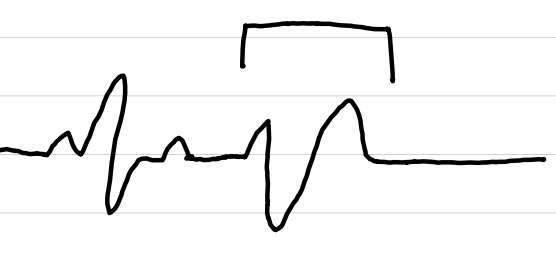
premature ventricular contractions (PVC)

  • rate: variable

  • rhythm: regular until interrupted

  • P waves: not associated

  • PR interval: not measurable

  • QRS complexes: >0.12 sec, premature, abnormal, followed by compensatory pause

  • ST segments: not seen after abnormal QRS

  • subtypes: unifocal, multifocal, couplets, R-on-T
<ul><li><p>rate: variable</p></li><li><p>rhythm: <span style="color: red;">regular until interrupted</span></p></li><li><p>P waves: <span style="color: red;">not associated</span></p></li><li><p>PR interval: <span style="color: red;">not measurable</span></p></li><li><p>QRS complexes: <span style="color: red;">&gt;0.12 sec, premature, abnormal, followed by compensatory pause</span></p></li><li><p>ST segments: <span style="color: red;">not seen after abnormal QRS</span></p></li><li><p>subtypes: unifocal, multifocal, couplets, R-on-T</p></li></ul><p></p>
30
New cards

ventricular tachycardia (VT, V-Tach)

  • rate: 140-300 bpm

  • rhythm: regular

  • P waves: not seen

  • PR interval: not measurable

  • QRS complexes: abnormal, >0.10 sec

  • ST segments: not seen

  • subtype: Torsades de Pointe (party streamer shaped)
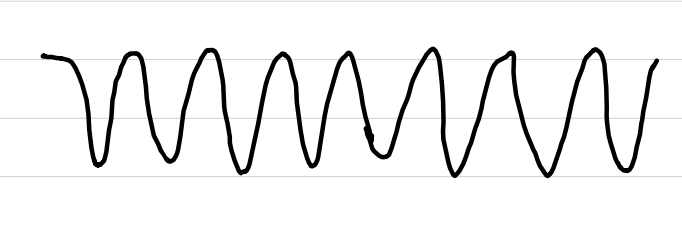
<ul><li><p>rate: <span style="color: red;">140-300 bpm</span></p></li><li><p>rhythm: regular</p></li><li><p>P waves: <span style="color: red;">not seen</span></p></li><li><p>PR interval: <span style="color: red;">not measurable</span></p></li><li><p>QRS complexes: <span style="color: red;">abnormal, &gt;0.10 sec</span></p></li><li><p>ST segments: <span style="color: red;">not seen</span></p></li><li><p>subtype: Torsades de Pointe (party streamer shaped)</p></li></ul><p></p>
31
New cards

ventricular fibrillation (V-Fib)

  • rate: none

  • rhythm: irregular

  • P waves: absent

  • PR interval: absent

  • QRS complexes: absent or low-amp

  • ST segments: absent

<ul><li><p>rate: <span style="color: red;">none</span></p></li><li><p>rhythm: <span style="color: red;">irregular</span></p></li><li><p>P waves: <span style="color: red;">absent</span></p></li><li><p>PR interval: <span style="color: red;">absent</span></p></li><li><p>QRS complexes: <span style="color: red;">absent or low-amp</span></p></li><li><p>ST segments: <span style="color: red;">absent</span></p></li></ul><p></p>
32
New cards

asystole (flatline)

  • rate: none

  • rhythm: none

  • P waves: none

  • PR interval: none

  • QRS complexes: none

  • ST segments: none

<ul><li><p>rate: <span style="color: red;">none</span></p></li><li><p>rhythm: <span style="color: red;">none</span></p></li><li><p>P waves: <span style="color: red;">none</span></p></li><li><p>PR interval: <span style="color: red;">none</span></p></li><li><p>QRS complexes: <span style="color: red;">none</span></p></li><li><p>ST segments: <span style="color: red;">none</span></p></li></ul><p></p>
33
New cards

first-degree AV block (first-degree heart block)

  • rate: any

  • rhythm: any

  • P waves: normal

  • PR interval: >0.20 sec

  • QRS complexes: <0.10 sec

  • ST segments: normal

<ul><li><p>rate: any</p></li><li><p>rhythm: any</p></li><li><p>P waves: normal</p></li><li><p>PR interval: <span style="color: red;">&gt;0.20 sec</span></p></li><li><p>QRS complexes: &lt;0.10 sec</p></li><li><p>ST segments: normal</p></li></ul><p></p>
34
New cards

second-degree AV block type I (Mobite I, Wenckebach)

  • rate: varies (ventricular < atrial)

  • rhythm: irregular

  • P waves: normal

  • PR interval: varies, lengthens, then none

  • QRS complexes: <0.10 sec

  • ST segments: normal

<ul><li><p>rate: varies (<span style="color: red;">ventricular &lt; atrial</span>)</p></li><li><p>rhythm: <span style="color: red;">irregular</span></p></li><li><p>P waves: normal</p></li><li><p>PR interval: <span style="color: red;">varies, lengthens, then none</span></p></li><li><p>QRS complexes: &lt;0.10 sec</p></li><li><p>ST segments: normal</p></li></ul><p></p>
35
New cards

second-degree AV block type II (Mobite II)

  • rate: any (ventricular < atrial)

  • rhythm: atrial regular, ventricular regular/irregular

  • P waves: normal

  • PR interval: normal or prolonged

  • QRS complexes: <0.10 sec or absent

  • ST segments: normal

<ul><li><p>rate: any (<span style="color: red;"><span>ventricular &lt; atrial</span></span>)</p></li><li><p>rhythm: atrial regular, <span style="color: red;"><span>ventricular regular/irregular</span></span></p></li><li><p>P waves: normal</p></li><li><p>PR interval<span>: normal or </span><span style="color: red;"><span>prolonged</span></span></p></li><li><p>QRS complexes: &lt;0.10 sec or <span style="color: red;"><span>absent</span></span></p></li><li><p>ST segments: normal</p></li></ul><p></p>
36
New cards

third-degree AV block (complete heart block)

  • rate: slow (ventricular < atrial)

  • rhythm: regular

  • P waves: normal

  • PR interval: varies, no relation to QRS

  • QRS complexes: usually >0.10 sec

  • ST segments: normal

<ul><li><p>rate: slow (<span style="color: red;">ventricular &lt; atrial</span>)</p></li><li><p>rhythm: regular</p></li><li><p>P waves: normal</p></li><li><p>PR interval: varies, <span style="color: red;">no relation to QRS</span></p></li><li><p>QRS complexes: <span style="color: red;">usually &gt;0.10 sec</span></p></li><li><p>ST segments: normal</p></li></ul><p></p>
37
New cards

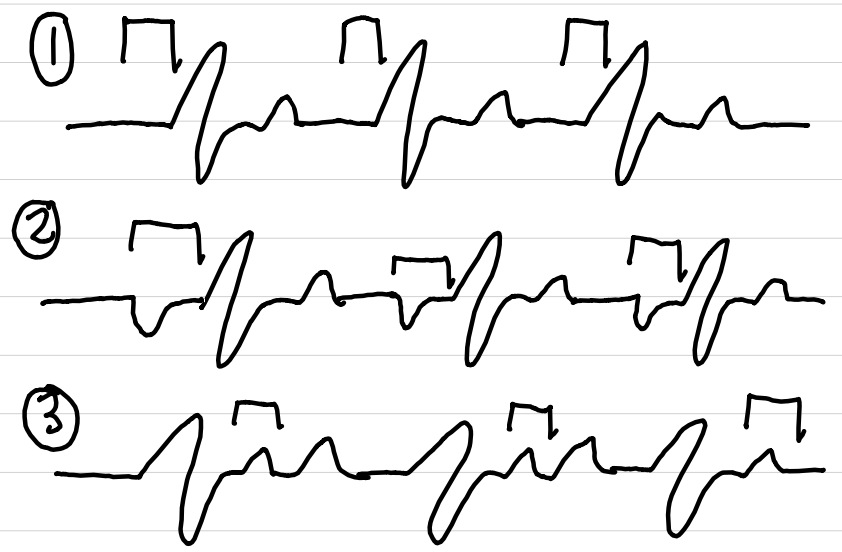
junctional rhythm (JR)

AV junction is pacemaker

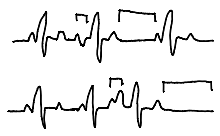
  • P wave may be absent (1), inverted (2), or after QRS (3)

  • QRS normal

<p>AV junction is pacemaker</p><ul><li><p>P wave may be absent (1), inverted (2), or after QRS (3)</p></li><li><p>QRS normal</p></li></ul><p></p>
38
New cards

evidence of cardiac ischemia, injury, or infarction

  • ischemia (1)

    • depressed ST segment (≥1 mm below baseline) or inverted T wave

    • injury potentially reversible

  • acute myocardial injury (2)

    • elevated ST segment

    • ST returns to normal with restored perfusion

  • MI (3)

    • elevated ST segment and T wave changes in early stages

    • later, pathologic Q waves

      • appear hours to days after event

      • usually remain for rest of patient’s life
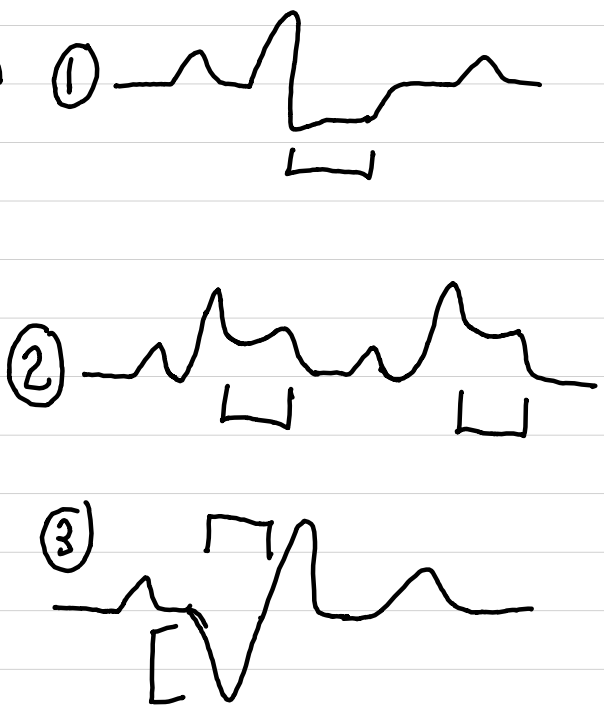
<ul><li><p>ischemia (1)</p><ul><li><p><span style="color: red;">depressed ST segment</span> (≥1 mm below baseline) or inverted T wave</p></li><li><p>injury potentially reversible</p></li></ul></li><li><p>acute myocardial injury (2)</p><ul><li><p><span style="color: red;">elevated ST segment</span></p></li><li><p>ST returns to normal with restored perfusion</p></li></ul></li><li><p>MI (3)</p><ul><li><p><span style="color: red;">elevated ST segment</span> and T wave changes in early stages</p></li><li><p>later, <span style="color: red;">pathologic Q waves</span></p><ul><li><p>appear hours to days after event</p></li><li><p>usually remain for rest of patient’s life</p></li></ul></li></ul></li></ul><p></p>
39
New cards

pulseless electrical activity (PEA)

electrical activity in the heart with no pulse
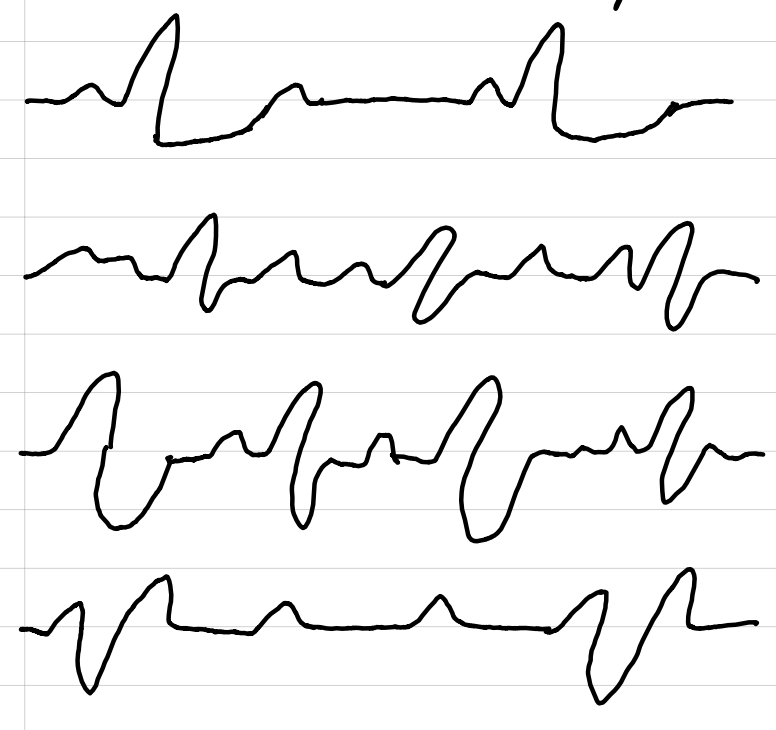
<p>electrical activity in the heart with no pulse</p>
40
New cards

causes of dysrhythmias

  • hypoxia

  • ischemia

  • sympathetic stimulation

  • drugs

  • electrolyte imbalance

  • hypertrophy

  • rate

  • stretch

41
New cards

ECG patterns with chronic lung disease

  • severe COPD

    • right axis deviation

    • P waves large due to right atrial enlargement (leads II, III, aVF)

    • prominent and negative P wave in lead I

  • cor pulmonale

    • increased R wave size on leads V1-V3

    • reduced size of QRS in leads I-III, V5-V6