cbio2200 exam 4
 Call Kai
 Learn
Learn Practice Test
 Spaced Repetition
 Match
Match Flashcards
 Knowt Play
1/51

There's no tags or description
Looks like no tags are added yet.
Name | Mastery | Learn | Test | Matching | Spaced | Call with Kai |
|---|
No analytics yet
Send a link to your students to track their progress
52 Terms
myology
study of muscular system
endomysium
around each myofiber
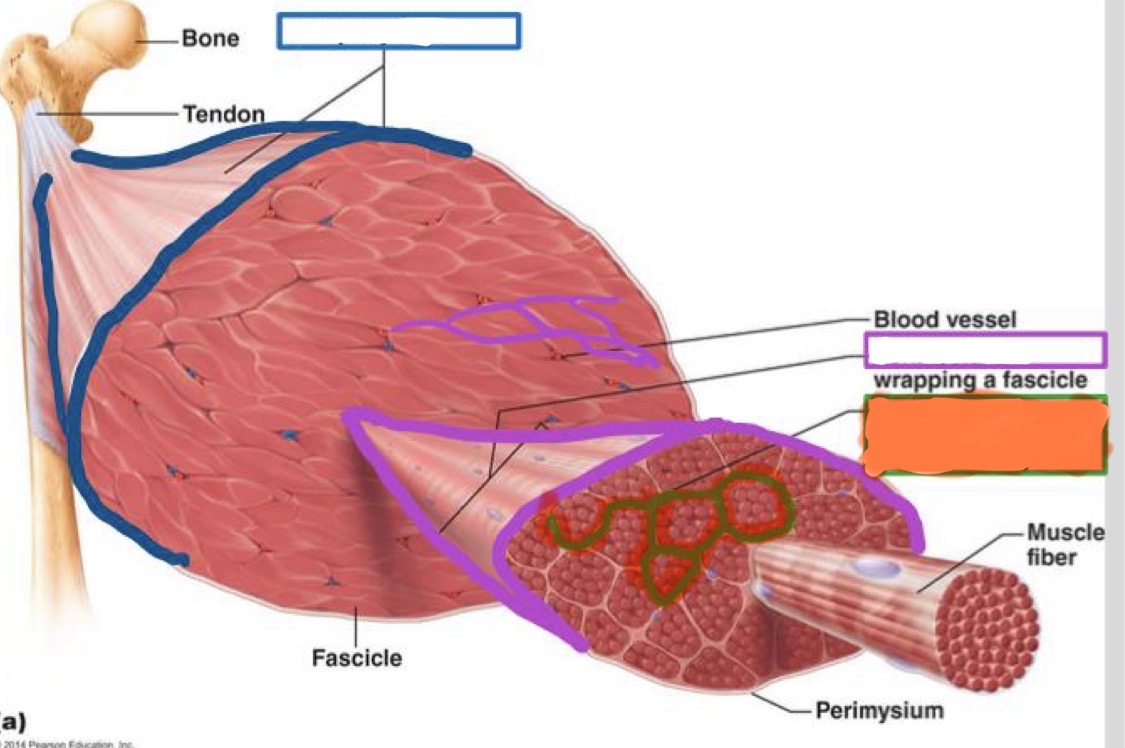
perimysium
bundles myofibers into fascicles
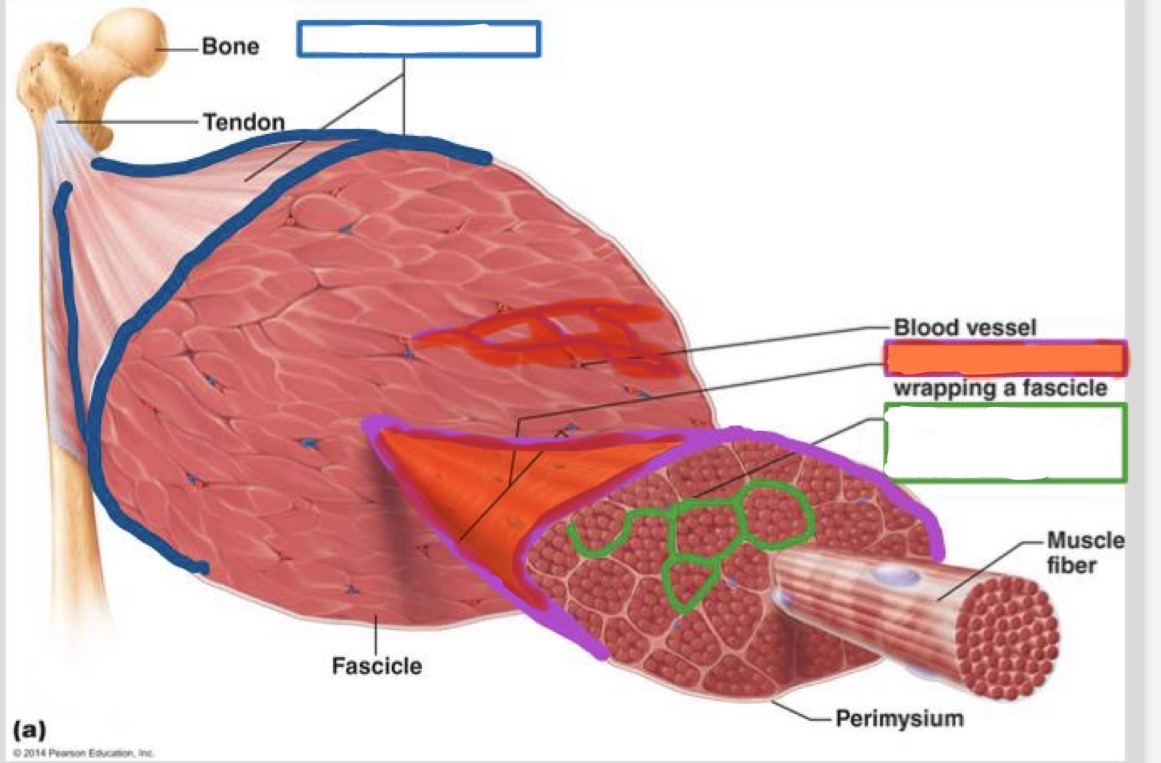
epimysium
surrounds entire muscle (organ)
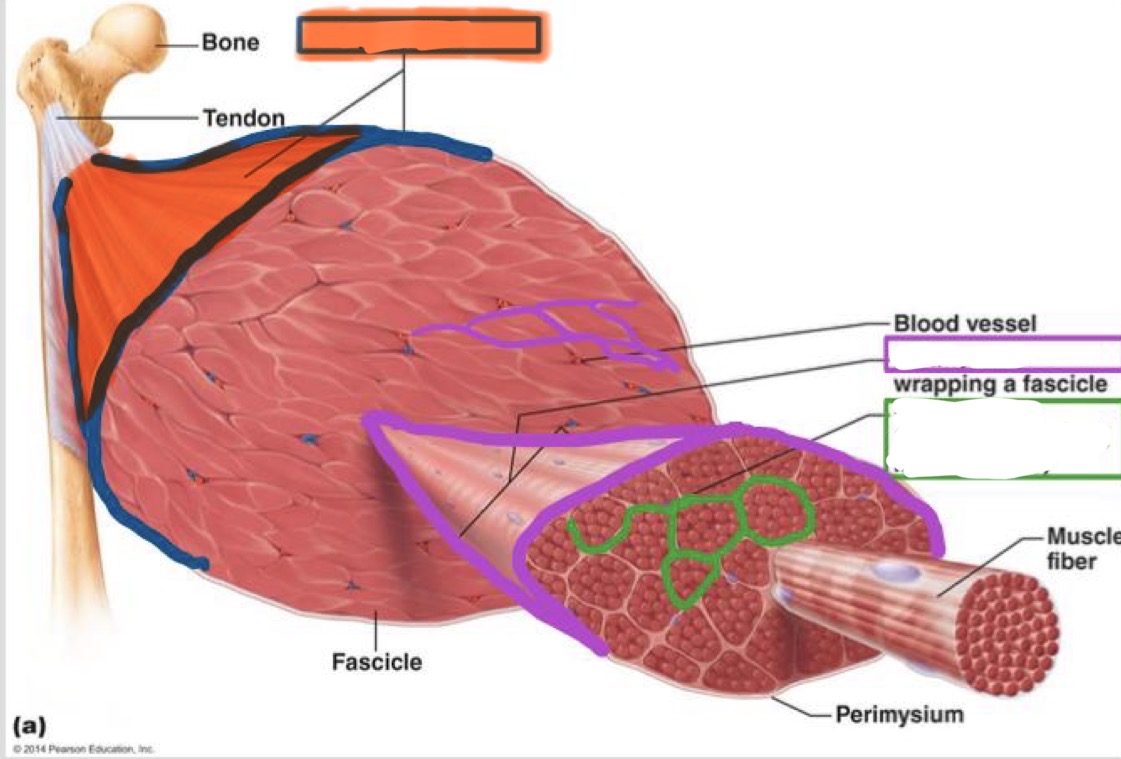
sarcolemma
plasma membrane
sarcoplasm
cytoplasm/internal space
muscle fiber
muscle cell; multinucleated; many mitochondria
myofibrils
unit in muscle fiber
terminal cisterns
sarcoplasmic reticulum running around myofiber
t tubules
infoldings of sarcolemma
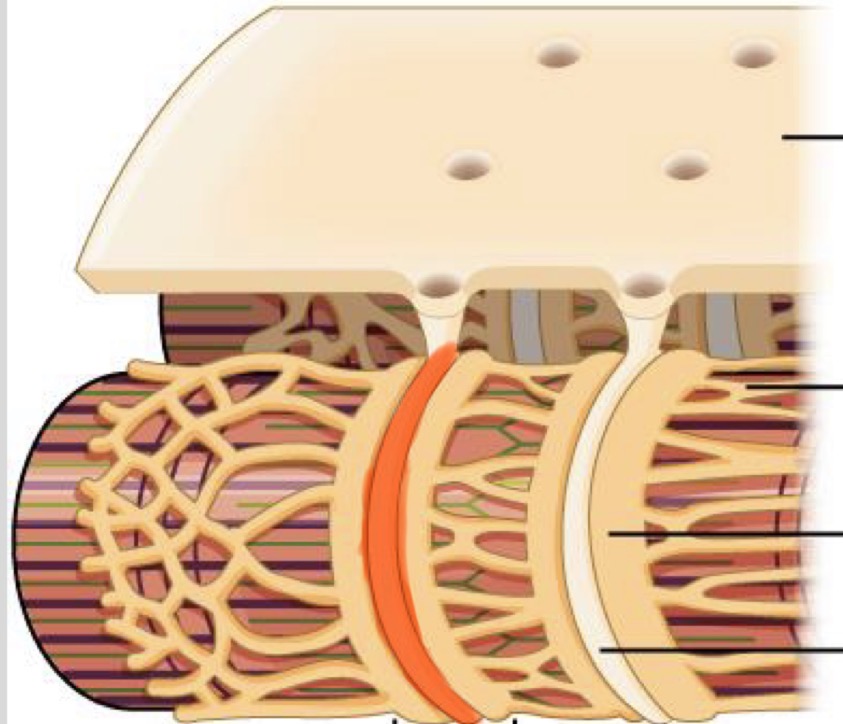
triad
2 terminal cisterns + t-tubule; regulates Ca2+ levels
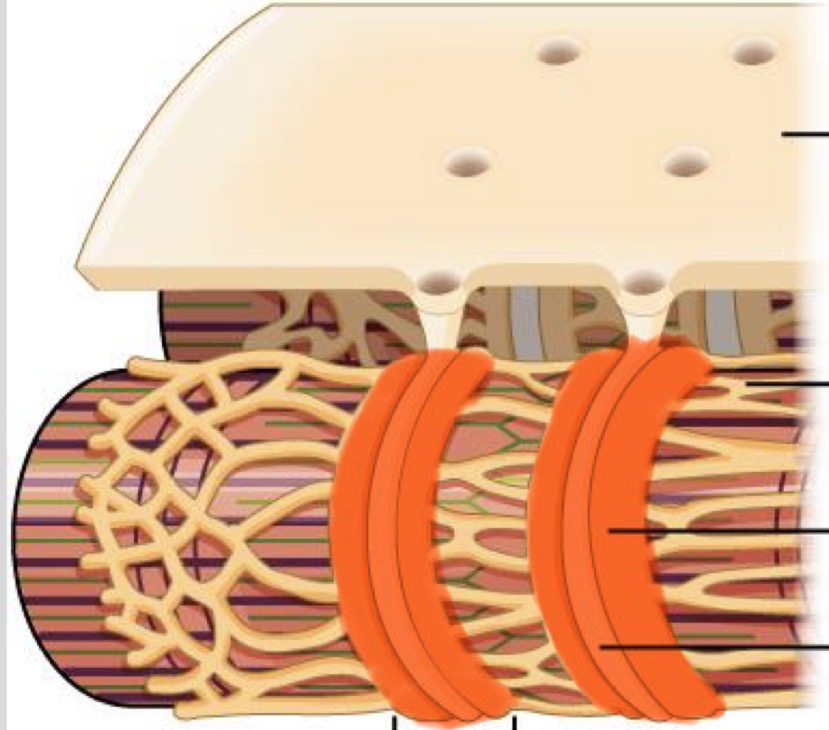
myofibrils
bundles of parallel myofilaments
thick filaments
myosin protein bundles
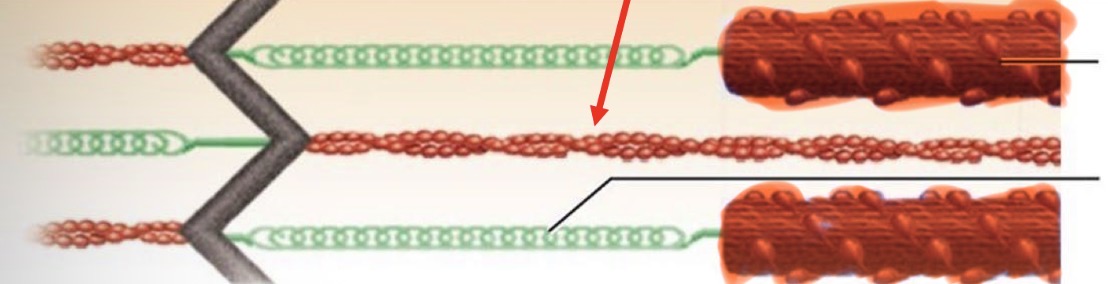
thin filament
actin protein bundles
elastic filament
titin protein bundles
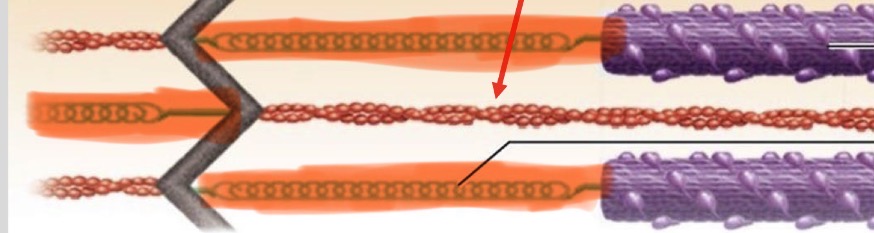
myosin tail
part of thick filament that binds the molecules together
myosin head
part of thick filament that binds to ATP & actin
thin myofilament
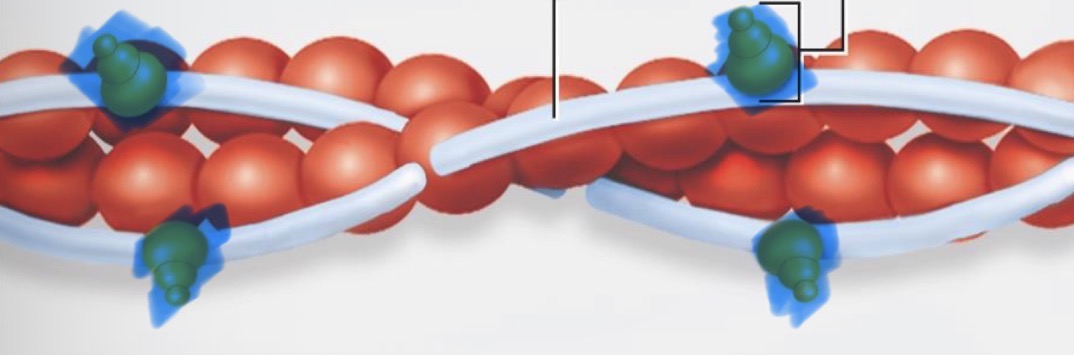
two intertwined strands of actin
actin monomer
G actin
actin polymer
F actin
tropomyosin
blocks active sites (where myosin will bind)
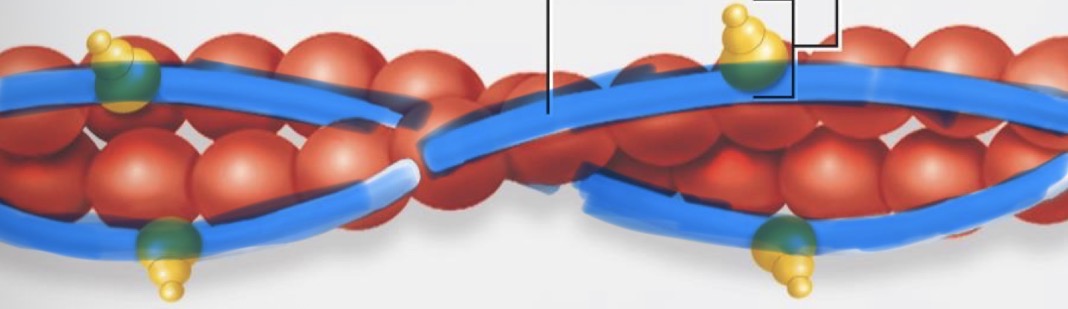
troponin
calcium-binding protein on tropomyosin
sarcomere
contractile unit of muscle fibers
dystrophin
protein that anchors outer proteins of sarcolemma; helps transfer force from sarcomere → endomysium → tendon
sarcomere
region between two z discs
z disc
anchors thin & elastic filaments
m line
bisects H band; links thick filaments to each other

H band
only thick filaments; disappears when muscle contracts
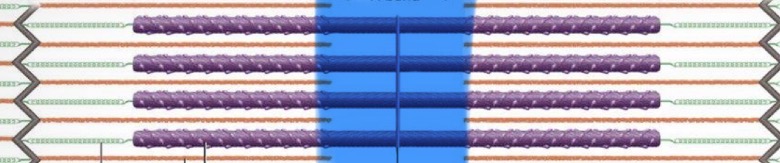
A band
length of thick filaments; overlapped by thin filaments
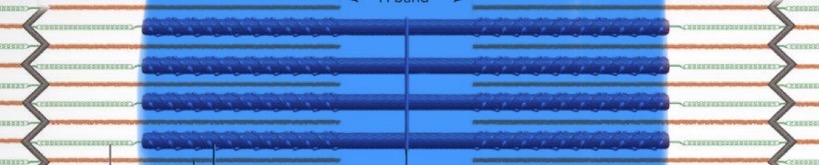
I band
distance between two a bands; no thick filaments

A band
dark band in striations
I band
light band in striations
motor unit
one nerve fiber + all the muscle fibers innervated by it
neuromuscular junction
when neuron meets muscle fibers
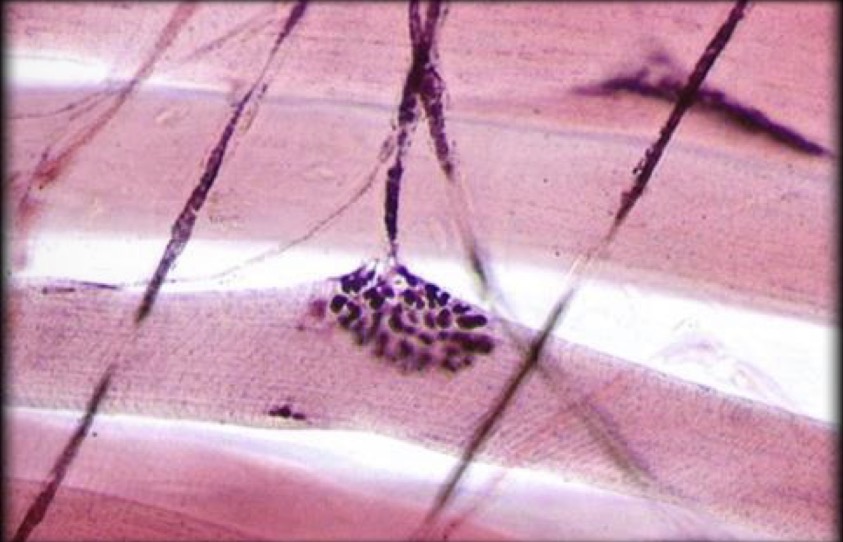
ACh
neurotransmitter that initiates muscle movement
junctional folds
folds in sarcolemma that increase surface area of neuromuscular junction
botox
neurotoxin that blocks release of ACh
-90mV
muscle fiber resting membrane potential
-65mV
muscle fiber threshold
excitation
nerve action potentials lead to muscle action potentials
excitation-contraction coupling
action potentials cause activation of myofilaments, preparing them to contract.
contraction
muscle fiber develops tension & shortens (myosin + actin binding)
relaxation
stimulation ends, muscle fibers relaxes
cross-bridge formation
myosin head binds to active site on thin filament (actin)
power stroke
myosin head moves from unbent, high energy → bent, low energy
detachment
myosin head unbinds & re-binds further down the thin filament
unbent
recovery stroke; myosin head has ATP hydrolyzed (ADP + Pi)
bent
power stroke; myosin releases ADP & pulls actin filament along with it
relaxation
Ca2+ released from SR stops & reabsorbed by SERCA pumps
relaxation
atp is used to break cross bridges
rigor mortis
requirement of ATP & remaining Ca2+ in SR causes this after death