Lesson #6 - Threats to Biodiversity

0.0(0)
Studied by 0 people
call kaiCall Kai
learnLearn
examPractice Test
spaced repetitionSpaced Repetition
heart puzzleMatch
flashcardsFlashcards
GameKnowt Play
Card Sorting

1/16

encourage image

There's no tags or description

Looks like no tags are added yet.

Last updated 11:23 PM on 4/9/26
Name
Mastery
Learn
Test
Matching
Spaced
Call with Kai

No analytics yet

Send a link to your students to track their progress

17 Terms

1
New cards

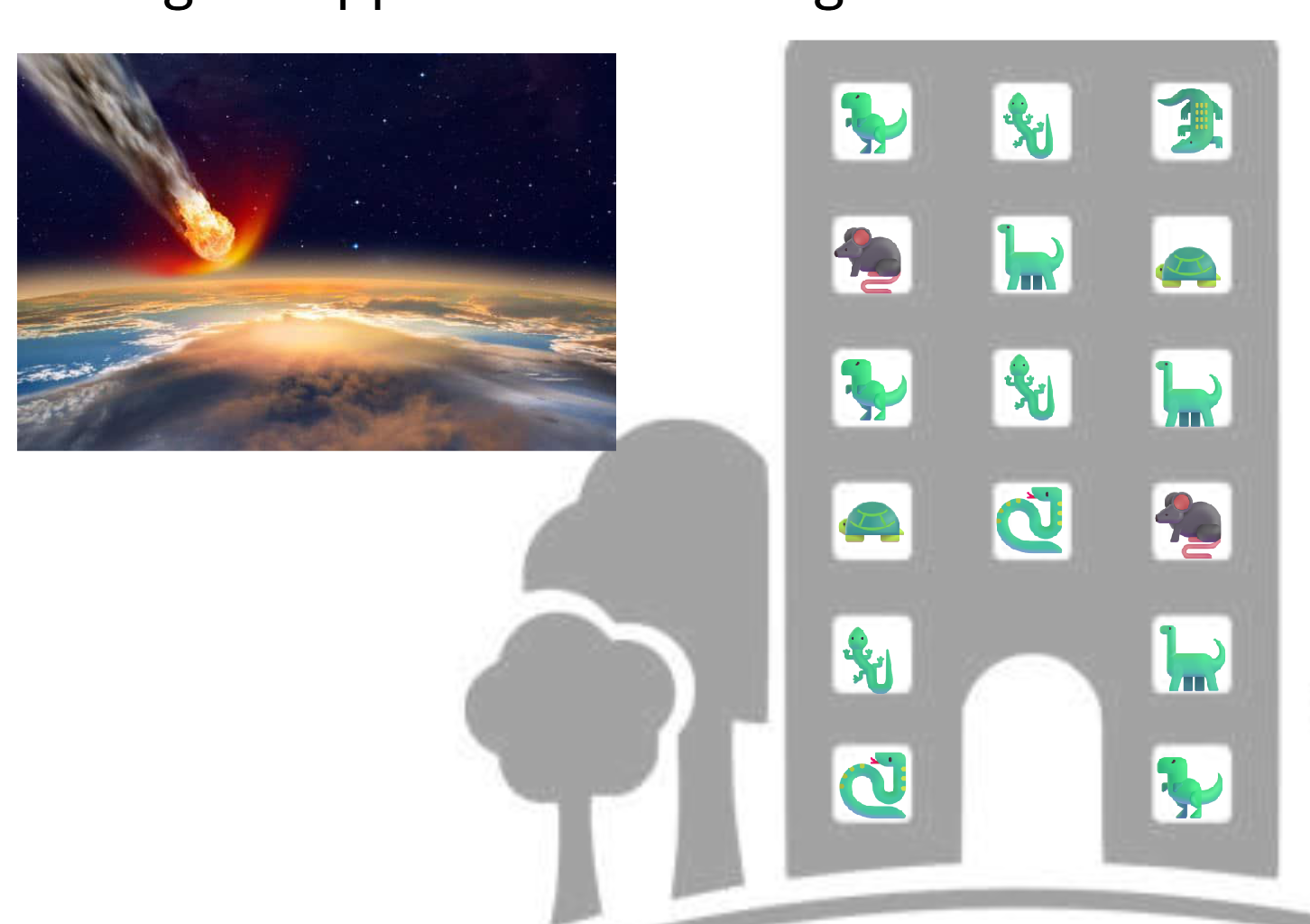
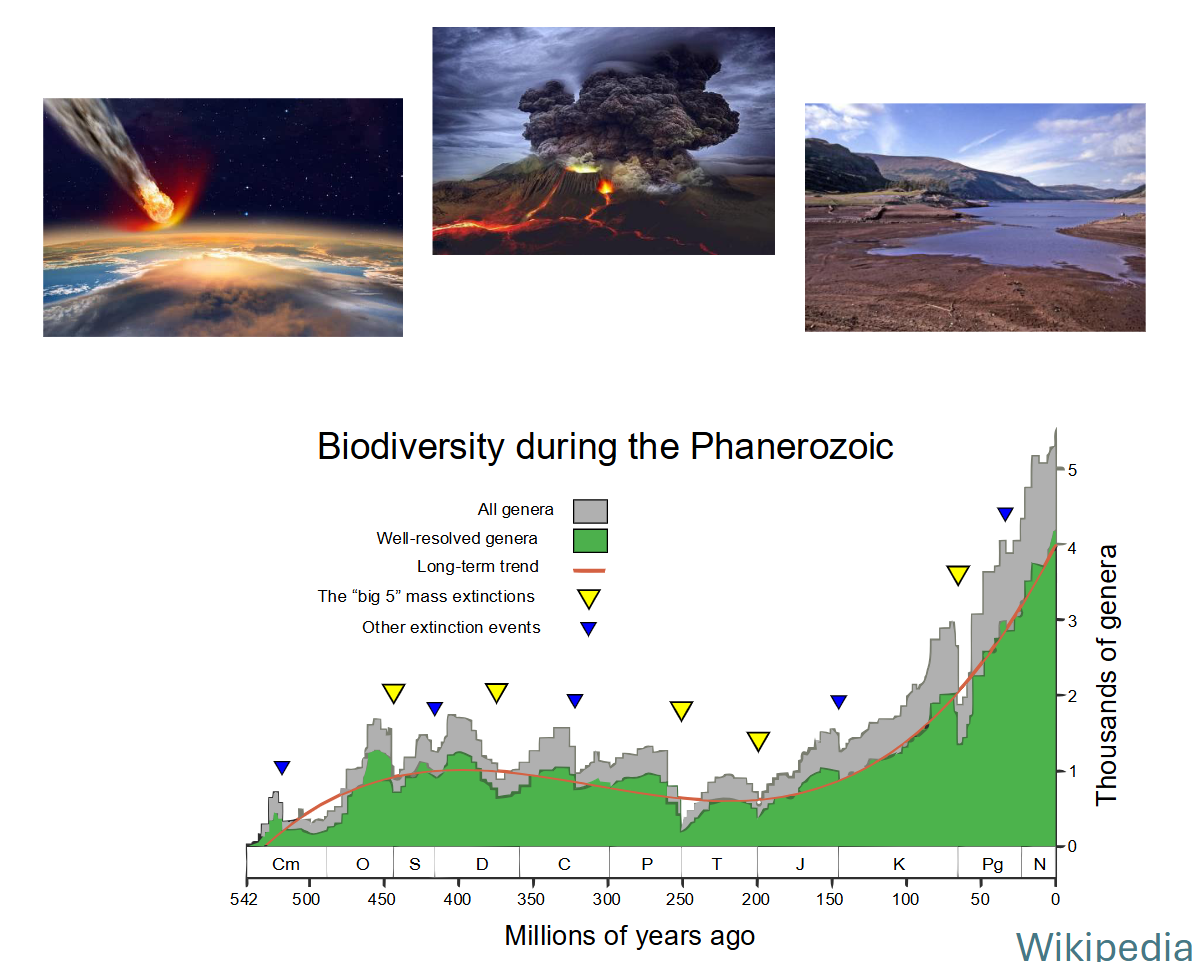
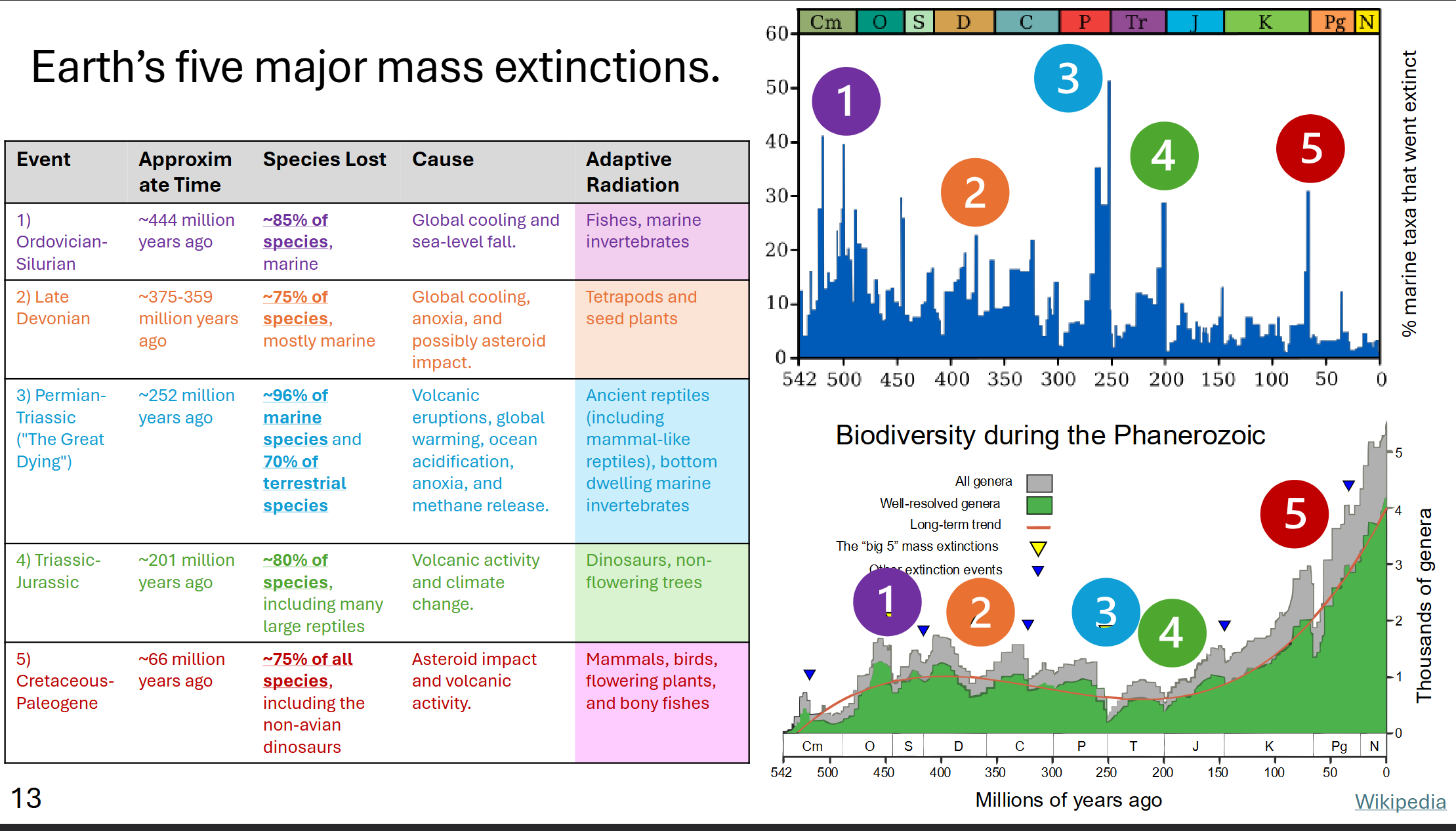
Mass Extinctions

  • Over the course of Earth's history, organisms have experienced large-scale, global die-offs

  • When A LOT of species die out in a short time

    • >50% of species

    • 1-2 million years

  • Wipe species out more or less at random

  • Caused by extremely unusual, short-term environmental changes
<ul><li><p><span>Over the course of Earth's history, organisms have experienced large-scale, global die-offs</span></p></li><li><p><span>When A LOT of species die out in a short time</span></p><ul><li><p><span>&gt;50% of species</span></p></li><li><p><span>1-2 million years</span></p></li></ul></li><li><p><span>Wipe species out more or less at random</span></p></li><li><p><span>Caused by extremely unusual, short-term environmental changes</span></p></li></ul><p></p>
2
New cards

Table Showing Earth’s 5 Major Mass Extinctions
knowt flashcard image
3
New cards

If all Biological Niches are occupied…How could new ecological opportunities emerge?

  • Mass extinctions reset ecosystems and open ecological niches, providing the opportunity for surviving species to diversify and adapt.

  • Ex: Open up niches

<ul><li><p><span>Mass extinctions reset ecosystems and open ecological niches, providing the opportunity for surviving species to diversify and adapt.</span></p></li><li><p><span>Ex: Open up niches</span></p></li></ul><p></p>
4
New cards

Are we in a mass extinction now?

  • Loss of species is between 1000 and 10,000 times higher than the natural extinction rate

  • Many more species are at risk of extinction (46,000!)

  • Average wildlife populations declined by 73% in just 50 years
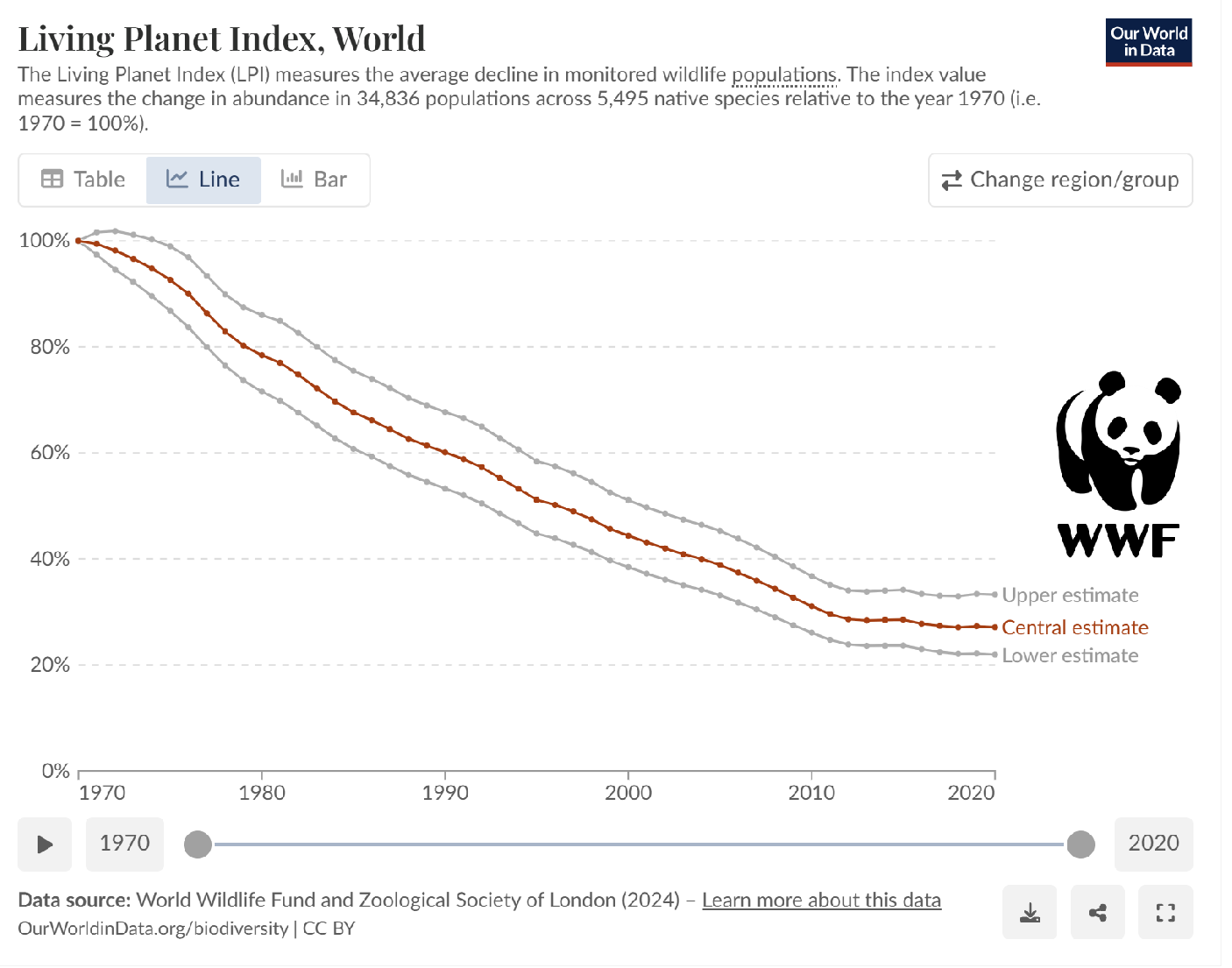
<ul><li><p>Loss of species is between 1000 and 10,000 times higher than the natural extinction rate</p></li><li><p>Many more species are at risk of extinction (46,000!)</p></li><li><p><span>Average wildlife populations declined by 73% in just 50 years</span></p></li></ul><p></p>
5
New cards

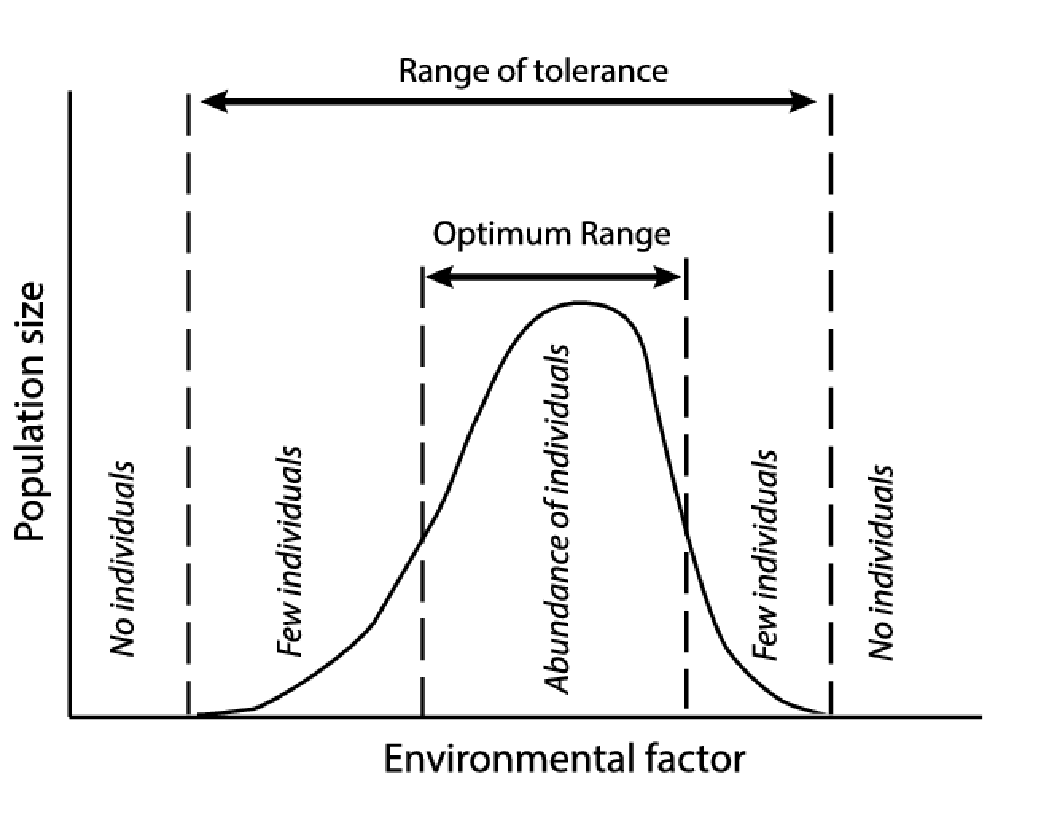
Why is this happening…Human Alterations!

  • Human alterations push species outside their fundamental niches or shrink their realized niches, leading to declines or extinction

  • Fundamental niche

    • The full set of environmental conditions and resources a species could use in the absence of competitors and threats.

  • Range of tolerance

    • The limits of environmental conditions (e.g., temperature, moisture, nutrients) within which a species can survive, grow, and reproduce.

  • Realized niche

    • The narrower portion of the fundamental niche that a species actually occupies due to competition, predation, and other biotic interactions.
<ul><li><p><span>Human alterations push species outside their fundamental niches or shrink their realized niches, leading to declines or extinction</span></p></li><li><p><span><strong>Fundamental niche</strong></span></p><ul><li><p><span>The full set of environmental conditions and resources a species could use in the absence of competitors and threats. </span></p></li></ul></li><li><p><span><strong>Range of tolerance</strong></span></p><ul><li><p><span>The limits of environmental conditions (e.g., temperature, moisture, nutrients) within which a species can survive, grow, and reproduce.</span></p></li></ul></li><li><p><span>Realized niche</span></p><ul><li><p><span>The narrower portion of the fundamental niche that a species actually occupies due to competition, predation, and other biotic interactions.</span></p></li></ul></li></ul><p></p>
6
New cards

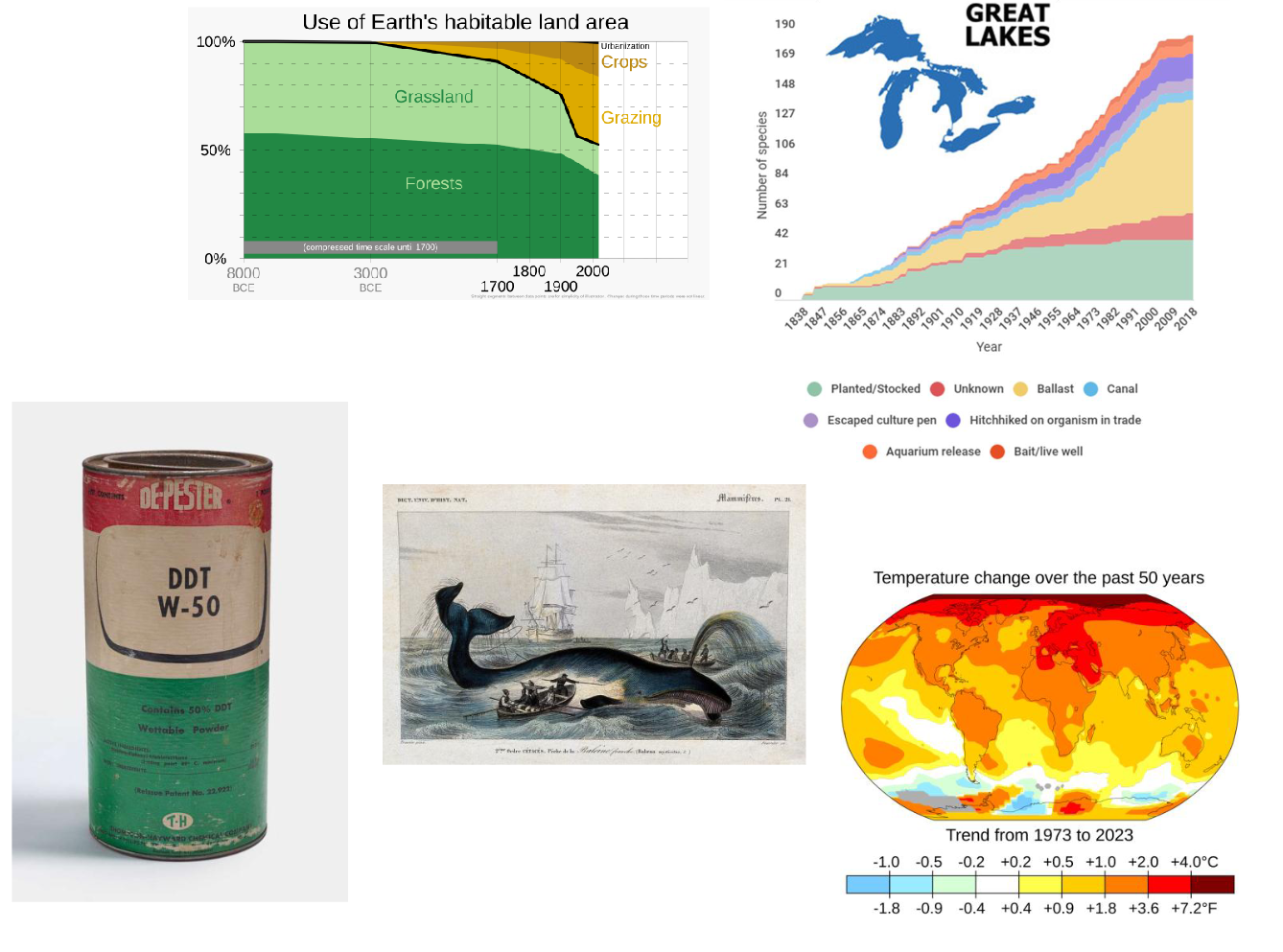
What are five ways humans are contributing to population declines?

  • Habitat loss

    • The destruction or conversion of natural environments reduces the space and resources species need to survive.

  • Invasive species

    • Non-native species establish and spread, disrupting ecosystems by outcompeting or preying on native species or altering their environment.

  • Climate change

    • Shifts in temperature, precipitation, and extreme events alter conditions faster than many species can adapt.

  • Overexploitation

    • Species decline when humans harvest, hunt, or fish them faster than they can reproduce.

  • Pollution

    • Harmful substances released into air, water, or soil degrade habitats and directly harm organisms.
<ul><li><p><span>Habitat loss</span></p><ul><li><p><span>The destruction or conversion of natural environments reduces the space and resources species need to survive. </span></p></li></ul></li><li><p><span>Invasive species</span></p><ul><li><p><span>Non-native species establish and spread, disrupting ecosystems by outcompeting or preying on native species or altering their environment.</span></p></li></ul></li><li><p><span>Climate change</span></p><ul><li><p><span>Shifts in temperature, precipitation, and extreme events alter conditions faster than many species can adapt.</span></p></li></ul></li><li><p><span>Overexploitation</span></p><ul><li><p><span>Species decline when humans harvest, hunt, or fish them faster than they can reproduce.</span></p></li></ul></li><li><p><span>Pollution</span></p><ul><li><p><span>Harmful substances released into air, water, or soil degrade habitats and directly harm organisms.</span></p></li></ul></li></ul><p></p>
7
New cards

Habitat Fragmentation

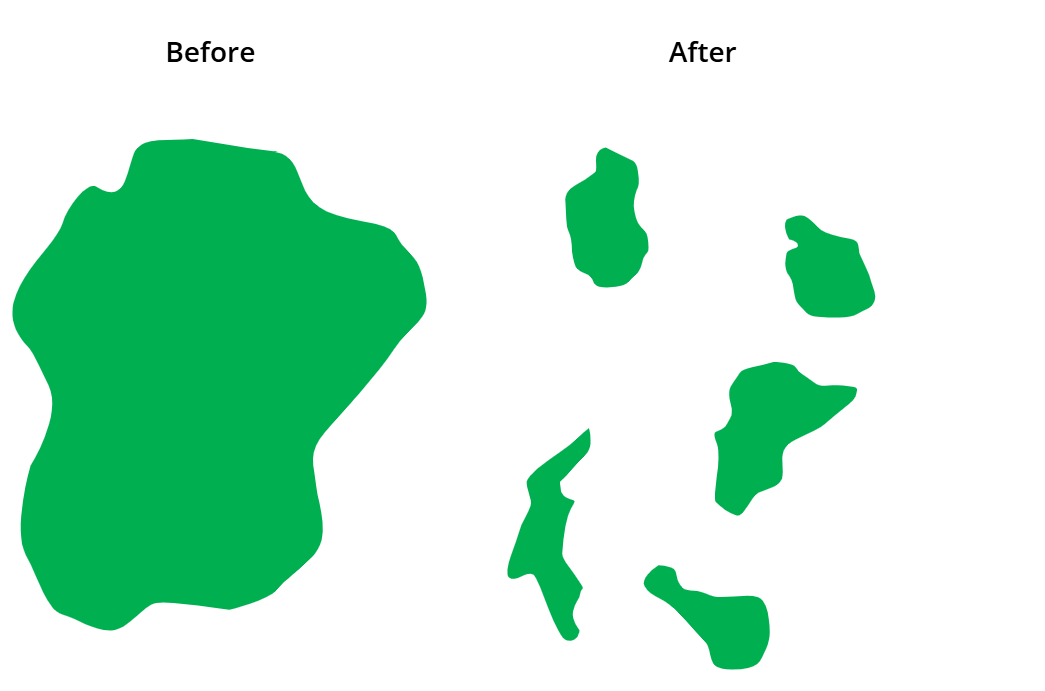
  • Large, continuous habitats are broken into smaller, isolated pieces that limit movement and increase vulnerability.

  • One primary consequence of fragmentation is that it causes a large increase in the amount of "edge" habitat relative to the amount of "interior" habitat. After fragmentation occurs, trees that end up on a forest edge are exposed to intense sunlight and high winds.

  • Fragmentation also reduces gene flow, or mixing of genetic information, in many or most of the species present.
<ul><li><p><span>Large, continuous habitats are broken into smaller, isolated pieces that limit movement and increase vulnerability.</span></p></li><li><p><span>One primary consequence of fragmentation is that it causes a large increase in the amount of "edge" habitat relative to the amount of "interior" habitat. After fragmentation occurs, trees that end up on a forest edge are exposed to intense sunlight and high winds. </span></p></li><li><p><span>Fragmentation also reduces gene flow, or mixing of genetic information, in many or most of the species present.</span></p></li></ul><p></p>
8
New cards

What are small populations considered?

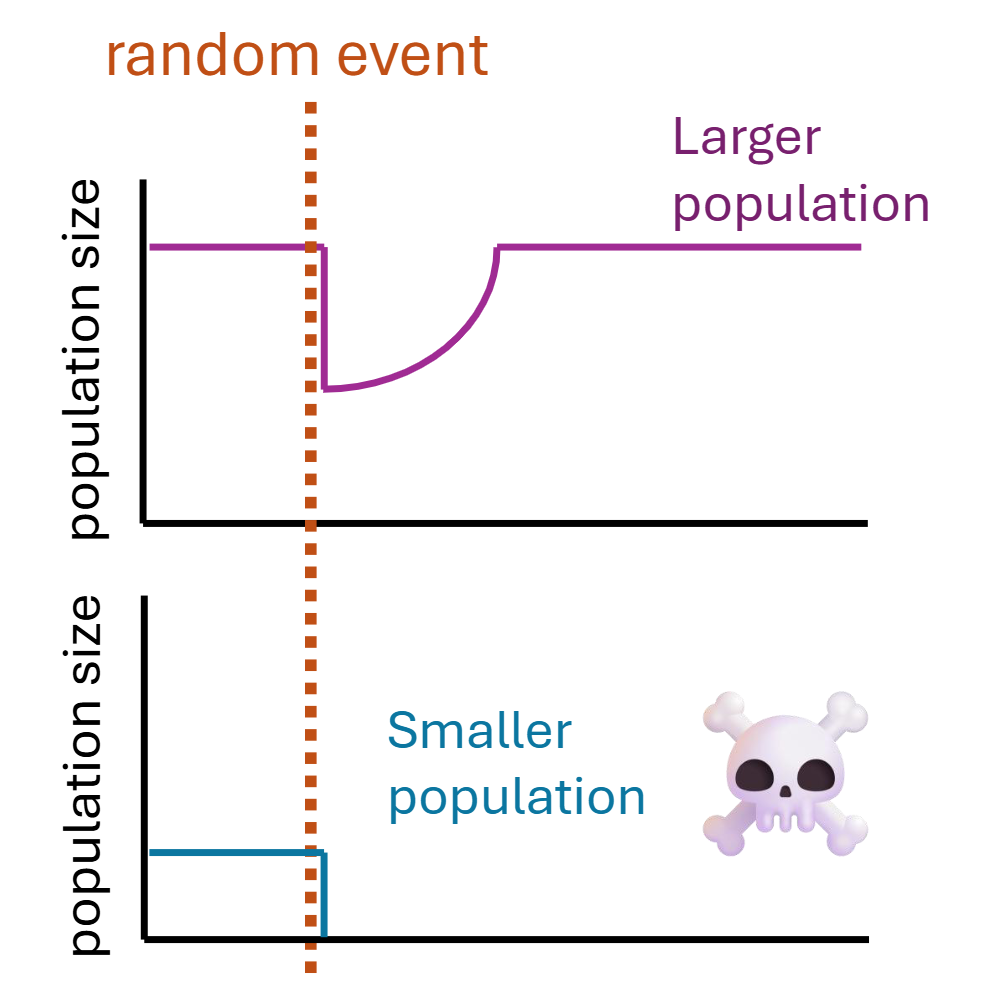
  • Considered vulnerable

  • Vulnerable to random events

    • “Density-independent factors”

  • Harder to find mates or colonize new habitat

    • Reduced growth rates

  • May get trapped in poor habitat

    • Reduced growth rates and lower carrying capacity
<ul><li><p><strong>Considered vulnerable</strong></p></li><li><p><span>Vulnerable to random events</span></p><ul><li><p><span>“Density-independent factors”</span></p></li></ul></li><li><p><span>Harder to find mates or colonize new habitat</span></p><ul><li><p><span>Reduced growth rates</span></p></li></ul></li><li><p><span>May get trapped in poor habitat</span></p><ul><li><p><span>Reduced growth rates and lower carrying capacity</span></p></li></ul></li></ul><p></p>
9
New cards

What are small populations considered? (Continued…3 more points)

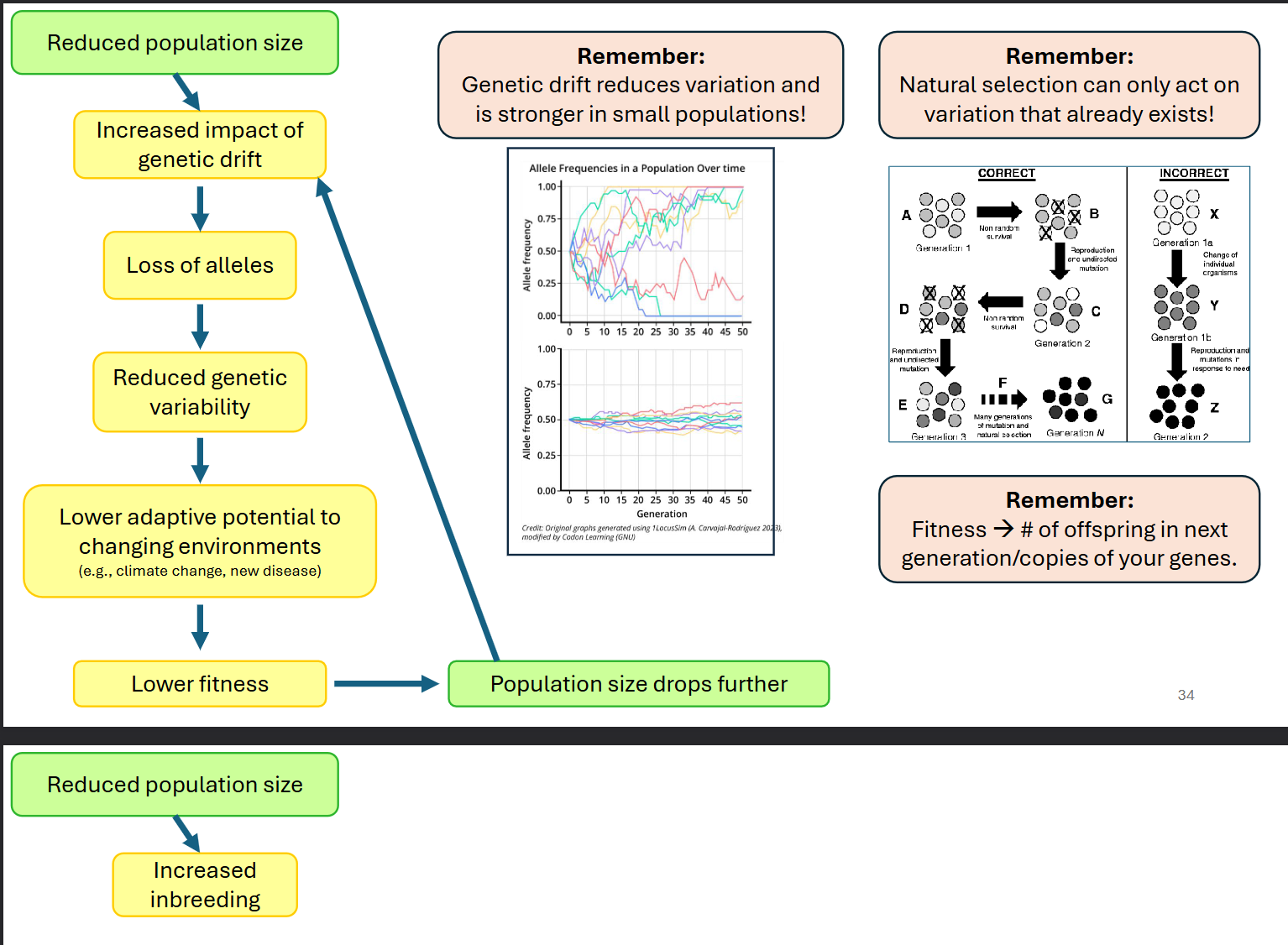
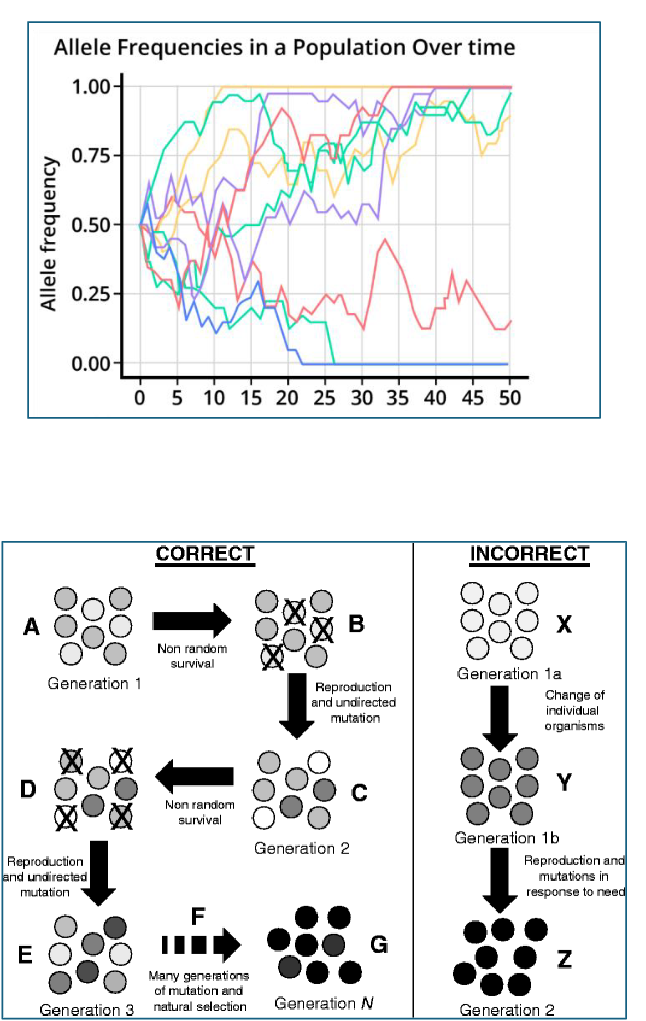
  • Increased genetic drift

    • Reduces genetic variation

  • Increased inbreeding + inbreeding depression

    • Increases homozygosity

  • Reduced average fitness

    • Less variation, which is a necessary ingredient for natural selection
<ul><li><p><span>Increased genetic drift</span></p><ul><li><p><span>Reduces genetic variation</span></p></li></ul></li><li><p><span>Increased inbreeding + inbreeding depression</span></p><ul><li><p><span>Increases homozygosity</span></p></li></ul></li><li><p><span>Reduced average fitness</span></p><ul><li><p><span>Less variation, which is a necessary ingredient for natural selection</span></p></li></ul></li></ul><p></p>
10
New cards

Summary/Relation Slide

knowt flashcard image
11
New cards

The Dangers of Inbreeding

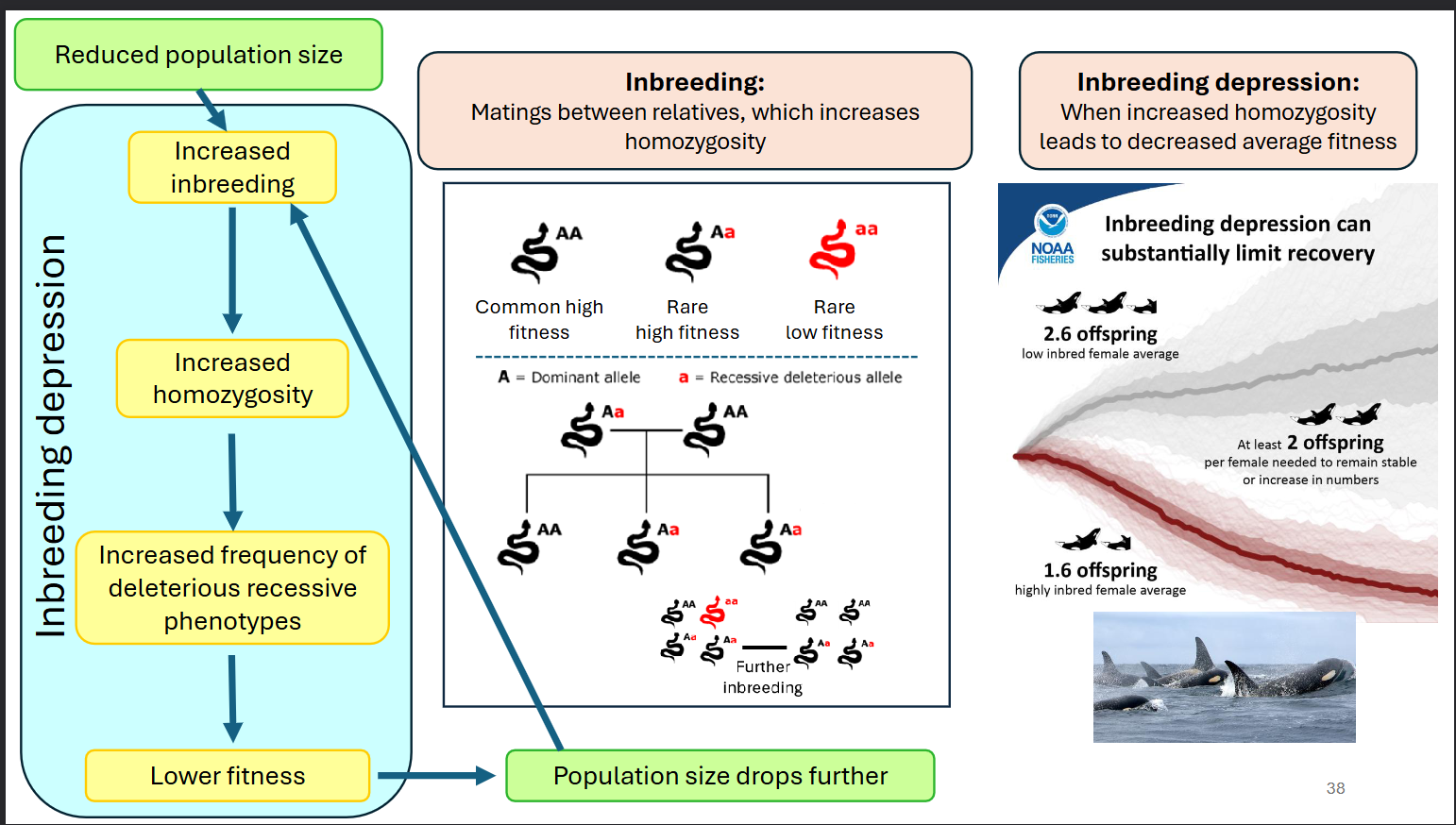
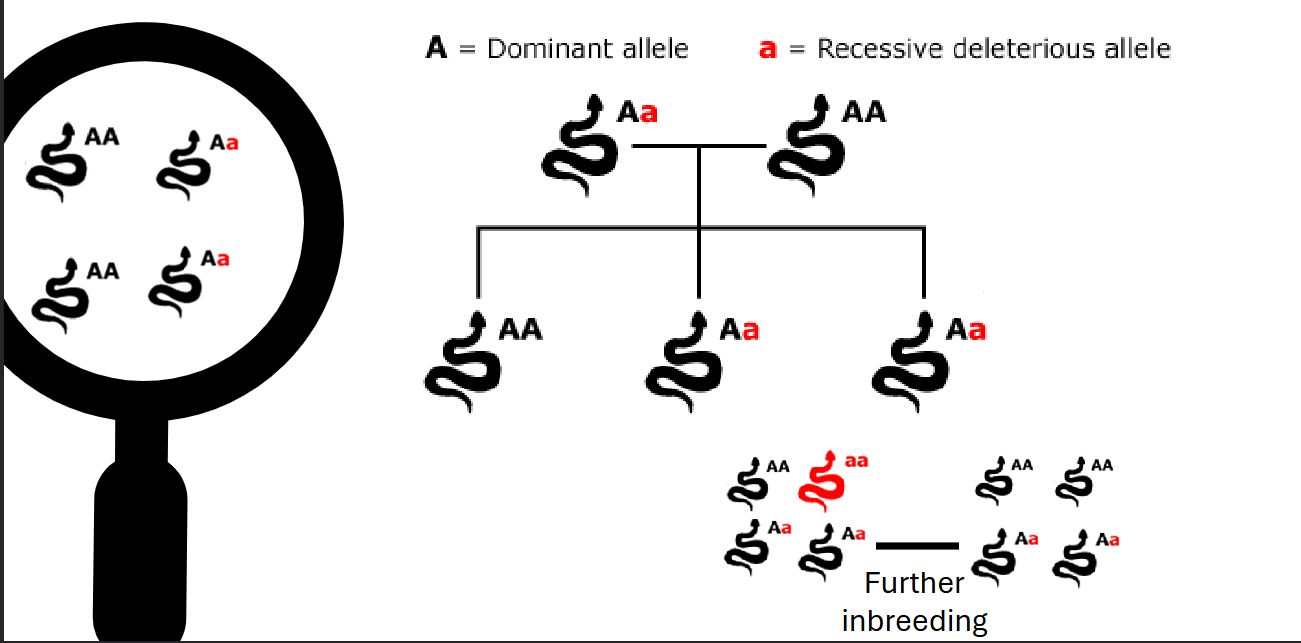
  • Inbreeding is defined as mating between relatives, and that it is considered a form of non-random mating

  • Increases genetic homozygosity!

  • Can increase frequency of homozygous recessive genotypes with deleterious effects
<ul><li><p><span>Inbreeding is defined as mating between relatives, and that it is considered a form of non-random mating</span></p></li><li><p><span>Increases <strong>genetic homozygosity!</strong></span></p></li><li><p><span>Can increase frequency of homozygous recessive genotypes with deleterious effects</span></p></li></ul><p></p>
12
New cards

Another Summary/Relation Slide

knowt flashcard image
13
New cards

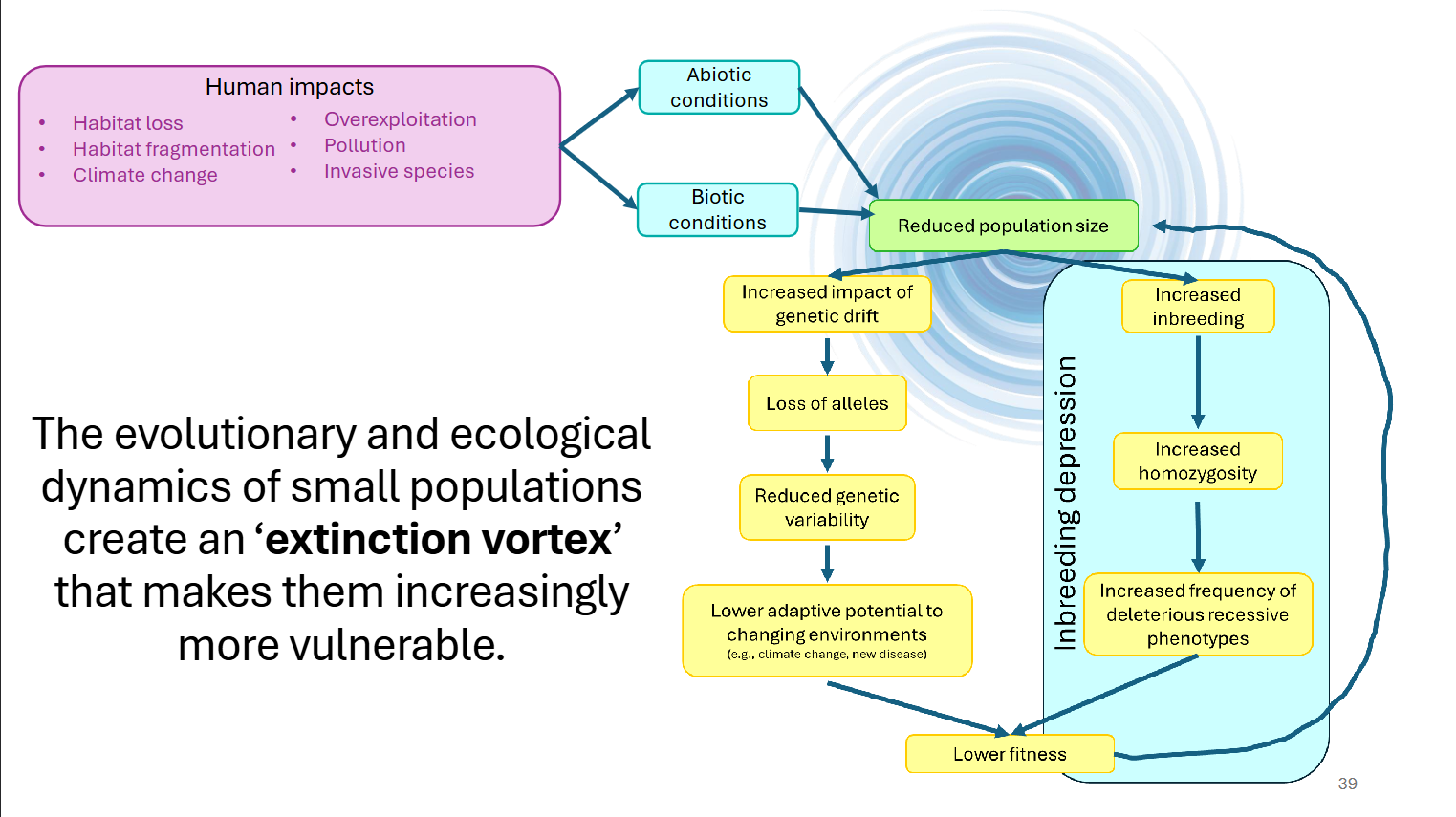
Extinction Vortex

  • As a population shrinks, it loses genetic diversity. This makes the group less healthy and less able to adapt to changes, which causes the population to shrink even further

  • Genetic Drift: In small groups, "bad" genetic traits can become common purely by chance, while helpful traits are lost.

  • Inbreeding: With fewer mates available, related individuals breed more often. This leads to inbreeding depression, resulting in lower fertility and higher infant mortality.

  • Demographic Variation: In a tiny population, a random event—like a year where only males happen to be born—can be enough to end the entire lineage.

  • Environmental Shocks: A small group is much more vulnerable to a single "bad day," like a forest fire or a disease outbreak, which a larger population could survive.

  • Consider: When one species enters an extinction vortex...it can impact others!
<ul><li><p>As a population shrinks, it loses genetic diversity. This makes the group less healthy and less able to adapt to changes, which causes the population to shrink even further</p></li><li><p><strong>Genetic Drift:</strong> In small groups, "bad" genetic traits can become common purely by chance, while helpful traits are lost.</p></li><li><p><strong>Inbreeding:</strong> With fewer mates available, related individuals breed more often. This leads to <strong>inbreeding depression</strong>, resulting in lower fertility and higher infant mortality.</p></li><li><p><strong>Demographic Variation:</strong> In a tiny population, a random event—like a year where only males happen to be born—can be enough to end the entire lineage.</p></li><li><p><strong>Environmental Shocks:</strong> A small group is much more vulnerable to a single "bad day," like a forest fire or a disease outbreak, which a larger population could survive.</p></li><li><p><strong>Consider:</strong> <span>When one species enters an extinction vortex...it can impact others!</span></p></li></ul><p></p>
14
New cards

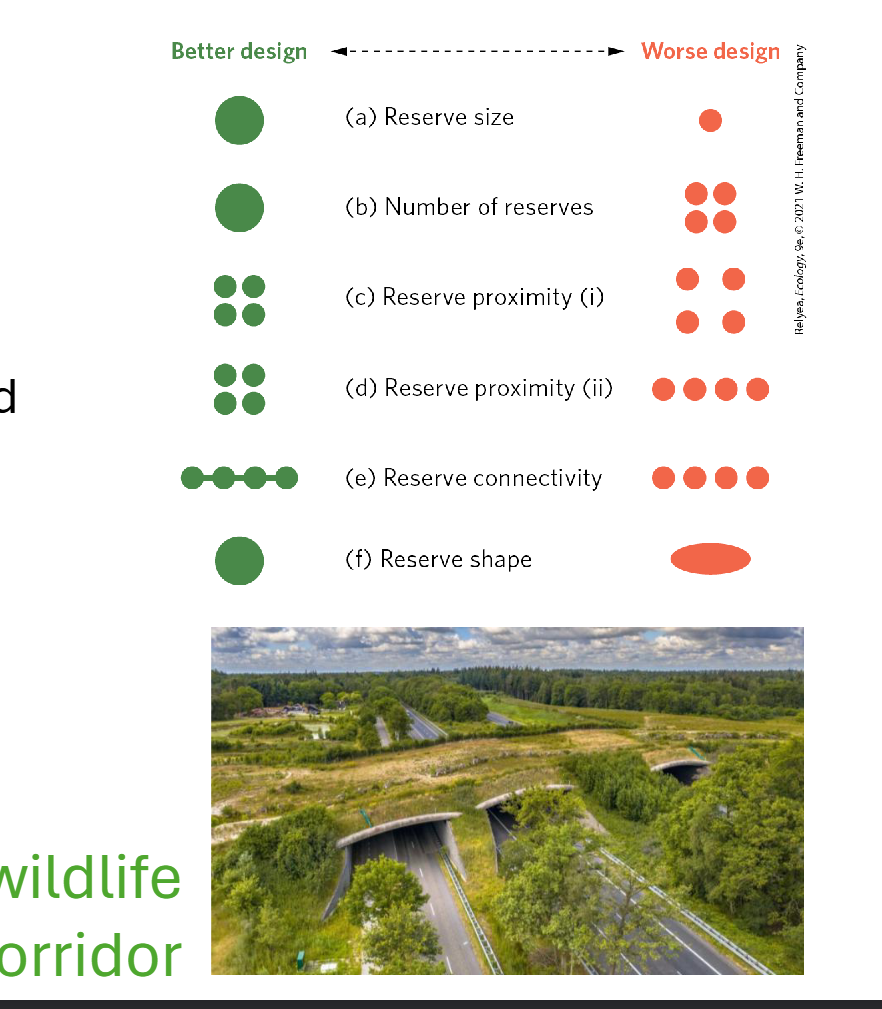
How can the extinction vortex help us prevent population declines?

  • Environment

    • Improve habitat quality to increase carrying capacity

    • Increase habitat area to increase population size

    • Restore connectivity to increase movement and colonization

  • Genetics

    • Increase gene flow to decrease inbreeding and reduce homozygosity

    • Decreased homozygosity increases fitness

    • Increased population sizes minimizes the impacts of genetic drift
<ul><li><p><span><strong>Environment</strong></span></p><ul><li><p><span>Improve habitat quality to increase carrying capacity</span></p></li><li><p><span>Increase habitat area to increase population size</span></p></li><li><p><span>Restore connectivity to increase movement and colonization</span></p></li></ul></li><li><p><span><strong>Genetics</strong></span></p><ul><li><p><span>Increase gene flow to decrease inbreeding and reduce homozygosity</span></p></li><li><p><span>Decreased homozygosity increases fitness</span></p></li><li><p><span>Increased population sizes minimizes the impacts of genetic drift</span></p></li></ul></li></ul><p></p>
15
New cards

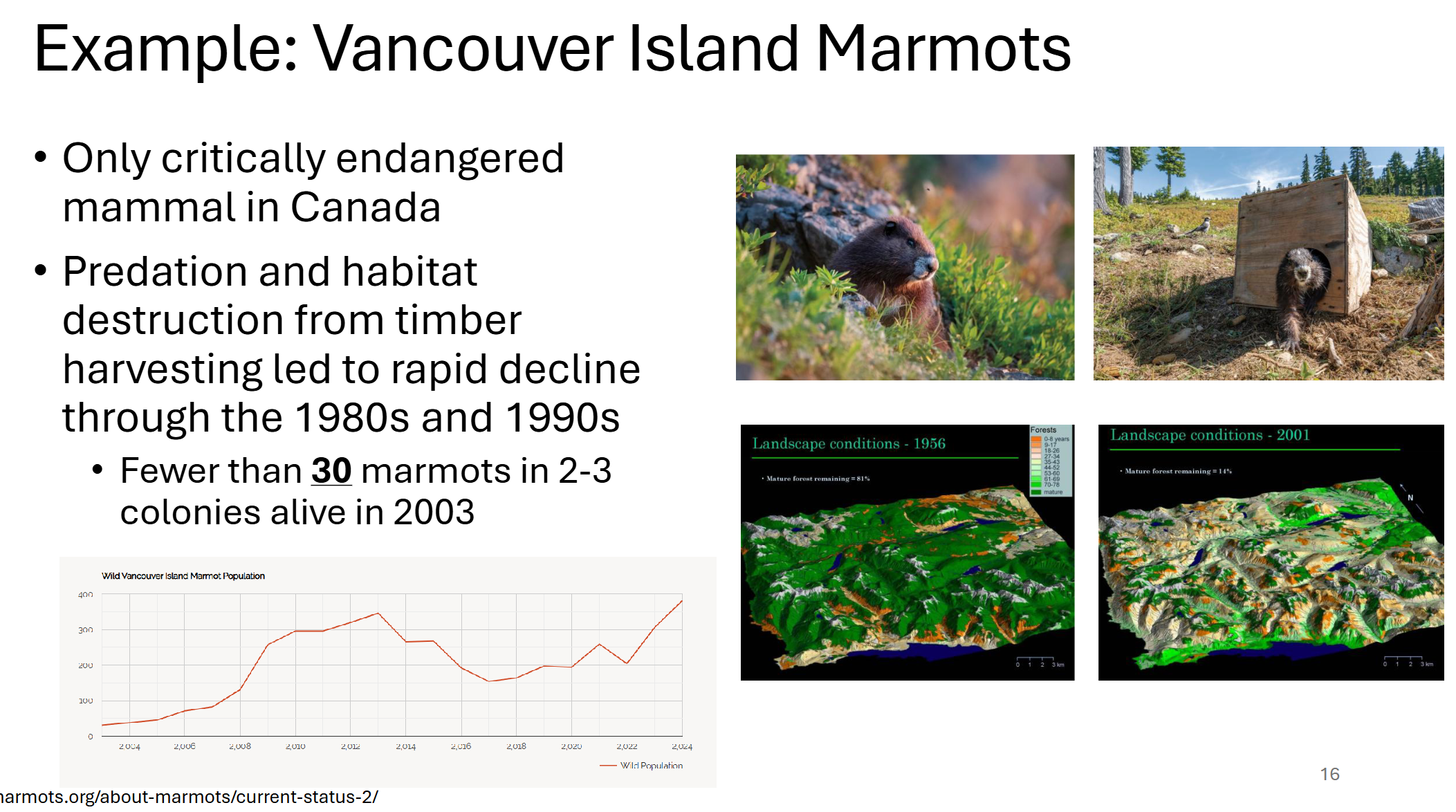
Vancouver Island marmot Conservation efforts

  • Captive breeding programs

    • Matings focus on maximizing genetic variation (genetic screening, avoid inbreeding, etc.)

  • Captivity intentionally designed to maximize successful release into wild

  • Strategic release to:

    • Increase population sizes

    • Increase gene flow

    • Decrease inbreeding

  • An estimated 427 Vancouver Island Marmots in 35 colonies as of Fall 2025! Started with fewer than 30 marmots in 2-3 colonies alive in 2003
<ul><li><p><span>Captive breeding programs</span></p><ul><li><p><span>Matings focus on maximizing genetic variation (genetic screening, avoid inbreeding, etc.)</span></p></li></ul></li><li><p><span>Captivity intentionally designed to maximize successful release into wild</span></p></li><li><p><span>Strategic release to: </span></p><ul><li><p><span>Increase population sizes </span></p></li><li><p><span>Increase gene flow </span></p></li><li><p><span>Decrease inbreeding</span></p></li></ul></li><li><p><span>An estimated 427 Vancouver Island Marmots in 35 colonies as of Fall 2025! Started with fewer than 30 marmots in 2-3 colonies alive in 2003</span></p></li></ul><p></p>
16
New cards

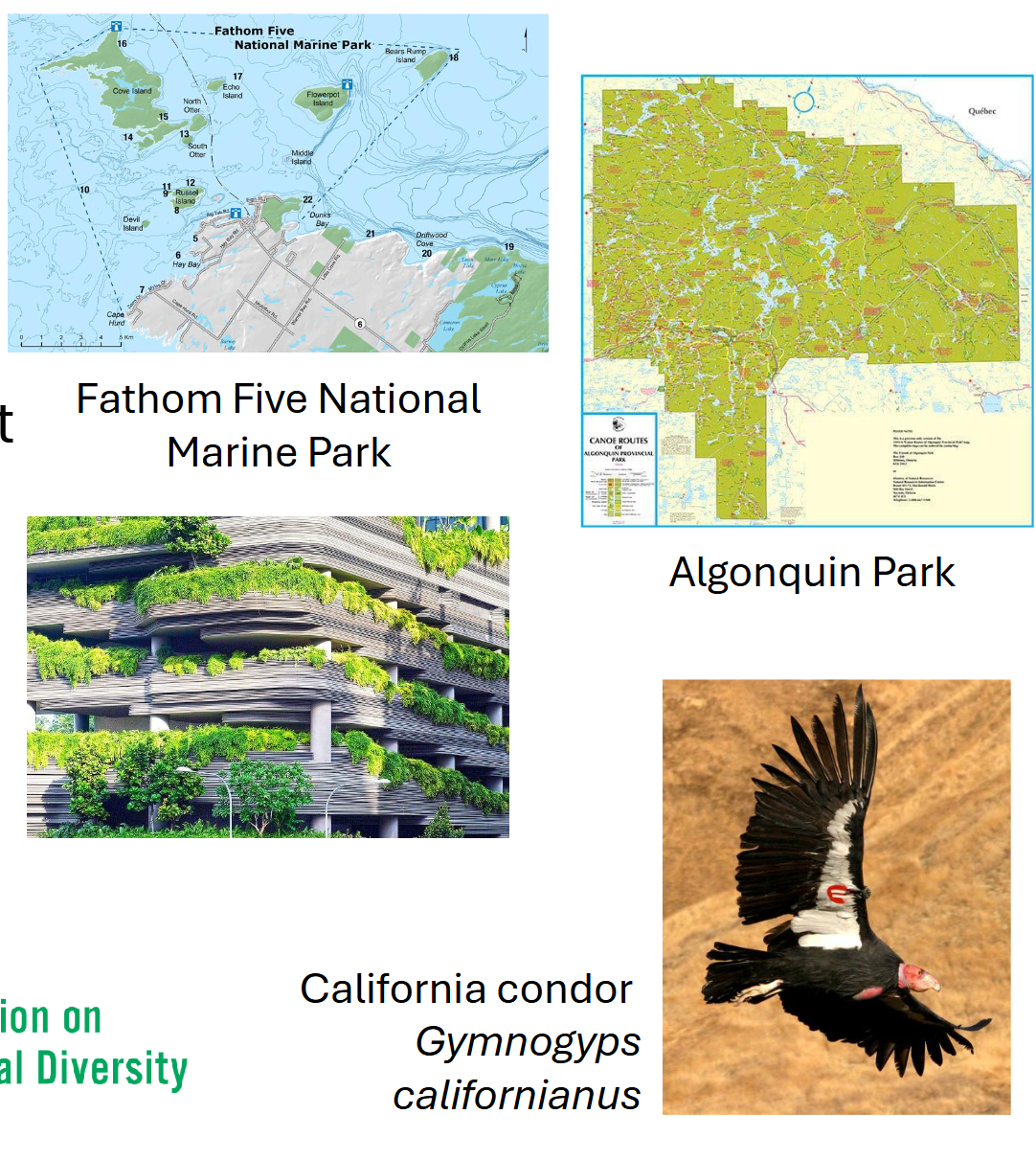
How does Conservation Work?

  • Protect areas

  • Sustainable resource management

  • Re-establish species

  • Captive breeding and species recovery programs

  • Conservation policy and global cooperation
<ul><li><p><span>Protect areas</span></p></li><li><p><span>Sustainable resource management</span></p></li><li><p><span>Re-establish species</span></p></li><li><p><span>Captive breeding and species recovery programs</span></p></li><li><p><span>Conservation policy and global cooperation</span></p></li></ul><p></p>
17
New cards

How is Conservation a Science?

  • Science is both

  • 1. A collection of knowledge, and

  • 2. A process for the collection of knowledge.

  • The scientific method

    • Ongoing!

  • Conservation biology helps us understand and address challenges like the conservation of biodiversity
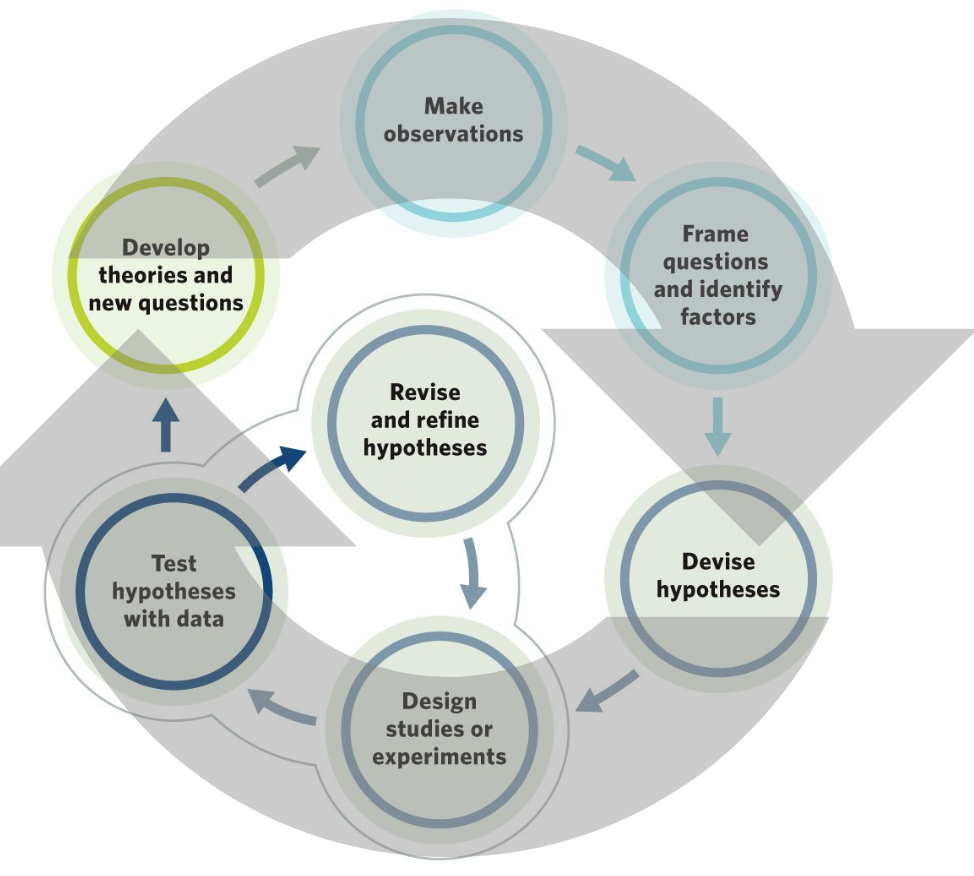
<ul><li><p><span>Science is both</span></p></li><li><p><span>1. A collection of knowledge, and</span></p></li><li><p><span>2. A process for the collection of knowledge.</span></p></li><li><p><span>The scientific method</span></p><ul><li><p><span>Ongoing!</span></p></li></ul></li><li><p><span>Conservation biology helps us understand and address challenges like the conservation of biodiversity</span></p></li></ul><p></p>