BIO 400 FINAL
 Call Kai
 Learn
Learn Practice Test
 Spaced Repetition
 Match
Match Flashcards
 Knowt Play
1/222

There's no tags or description
Looks like no tags are added yet.
Name | Mastery | Learn | Test | Matching | Spaced | Call with Kai |
|---|
No analytics yet
Send a link to your students to track their progress
223 Terms
Analogous structures (convergent evolution)
When very different animals look similar but are distant; insects have wings, bats have wings
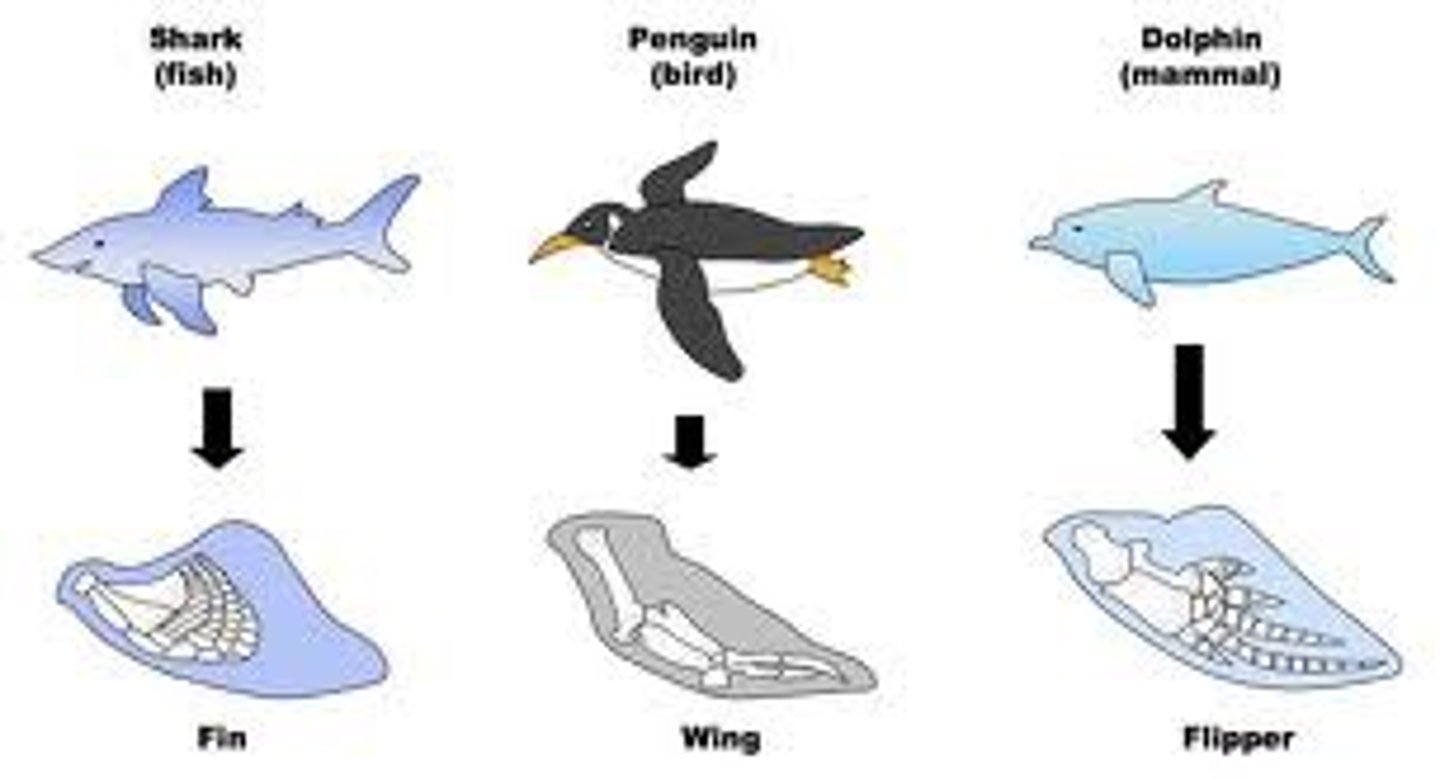
homologous structures
similar structures that related species have inherited from a common ancestor
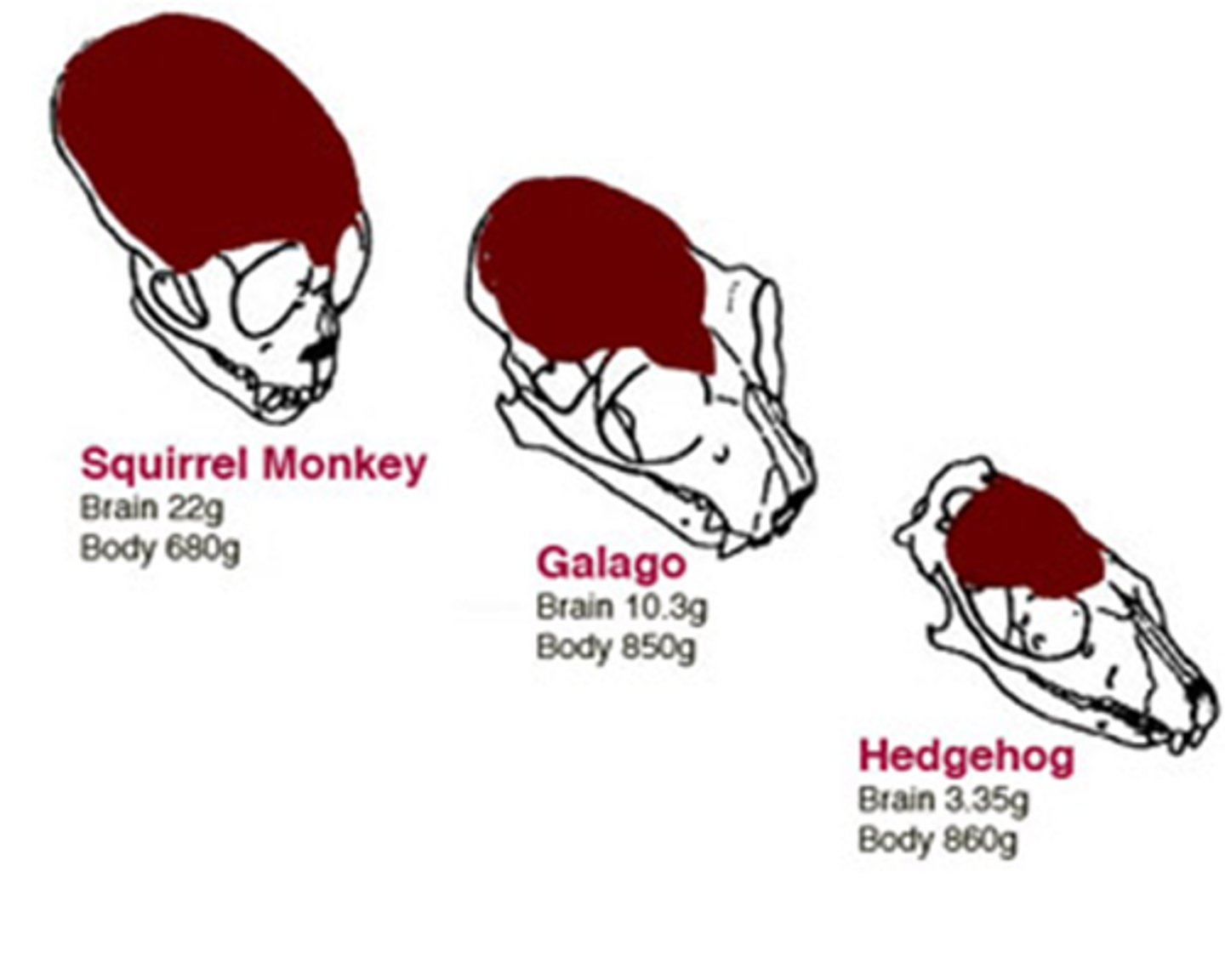
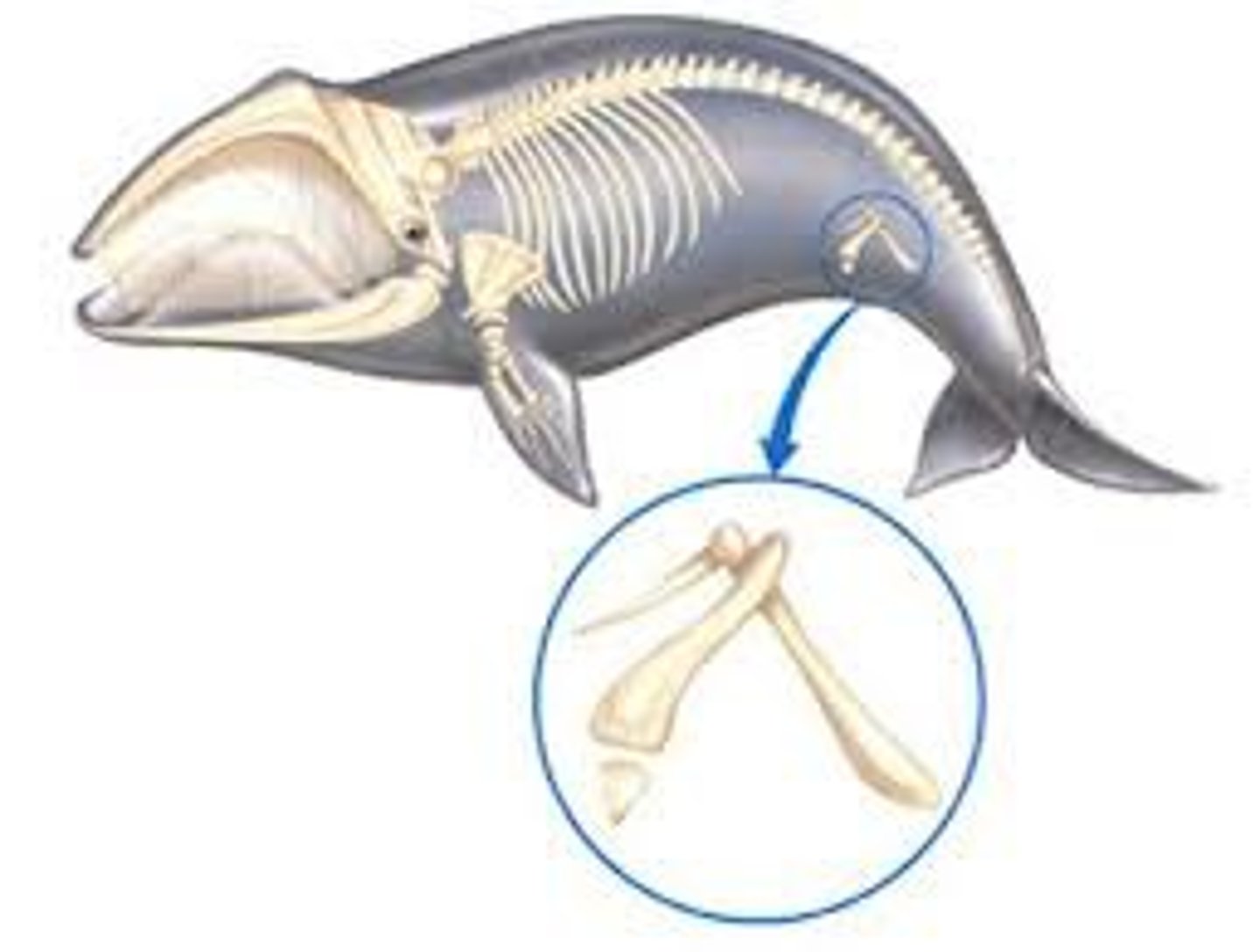
vestigial structures
Are little or no importance to organism, but remain from an ancestor.
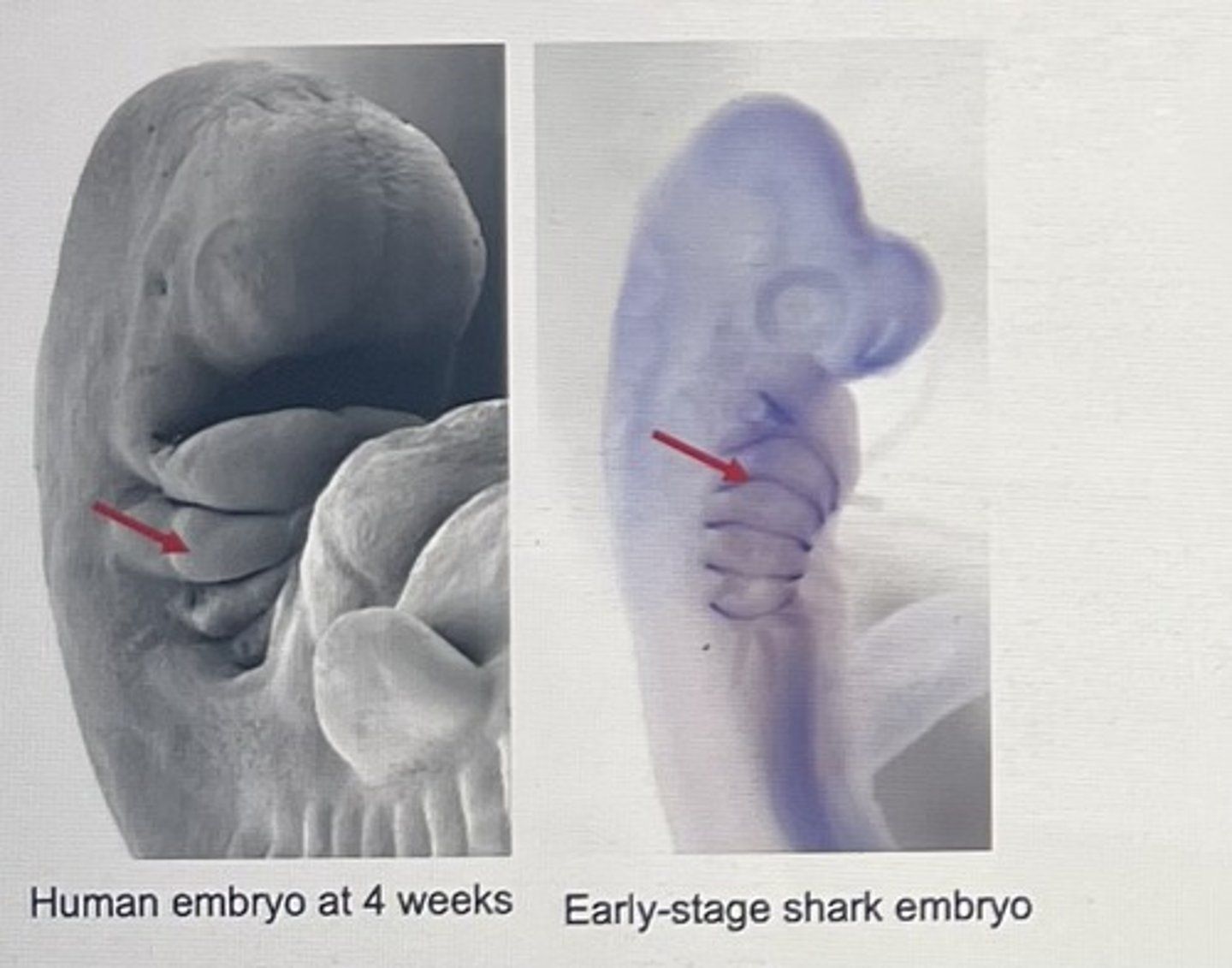
embryological evidence for evolution
The embryos of vertebrates have similar stages of development and have similar structures during these stages.
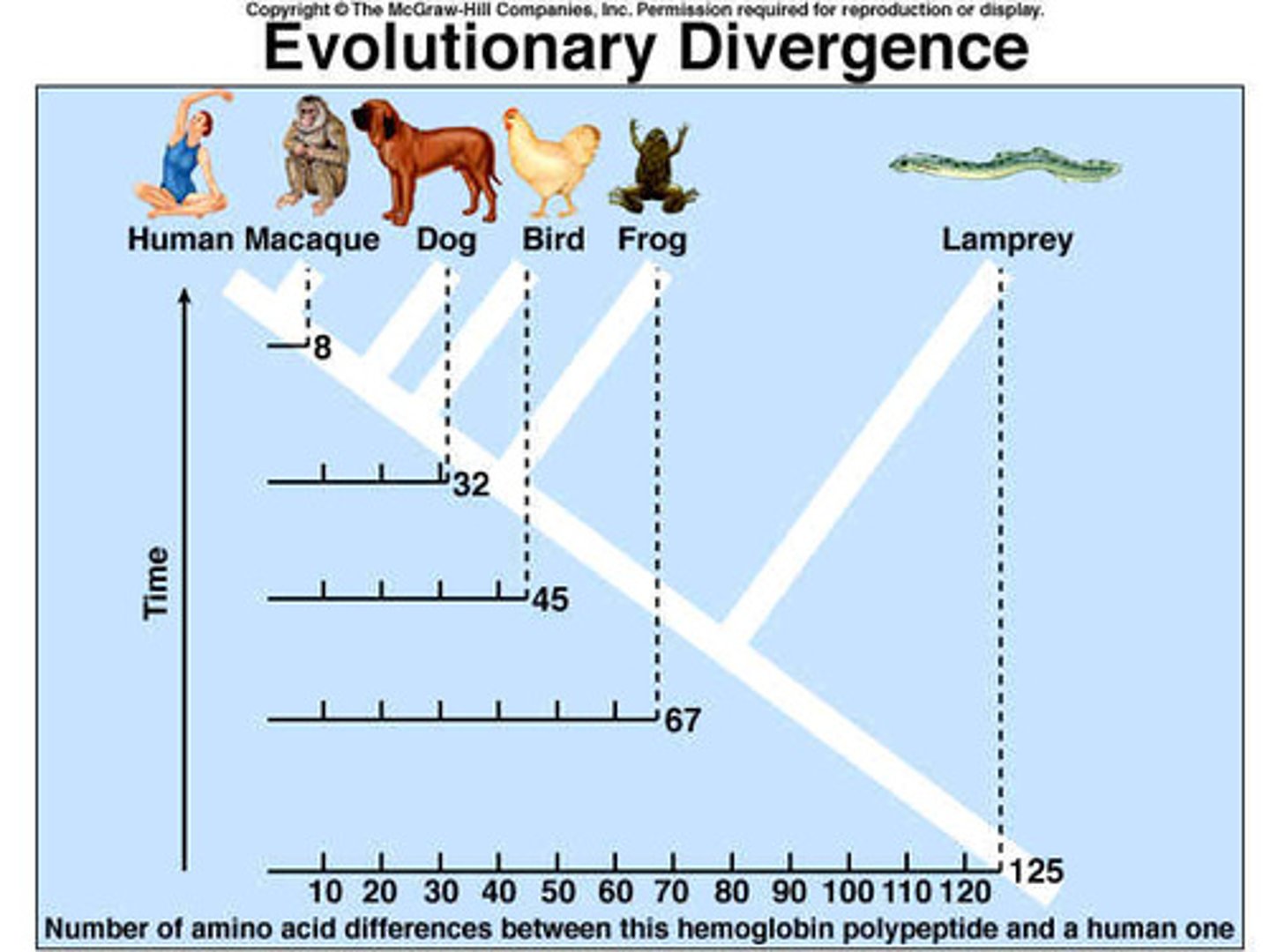
Biochemical Evidence for Evolution
Sequence of amino acids, similar proteins, similar DNA in various forms of life demonstrates relationships. The closer a group of animals or plants are, the more amino acids, proteins, DNA they have in common.
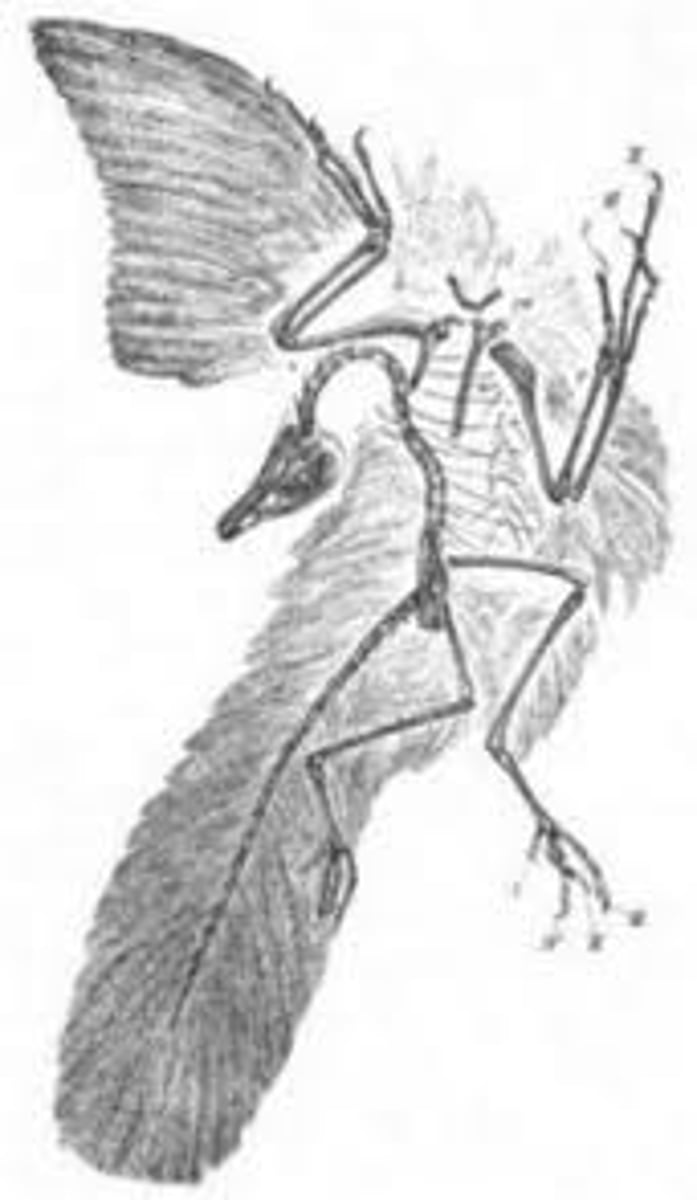
Fossil Evidence for Evolution
looking at historical organisms for change and similarities to present day organisms
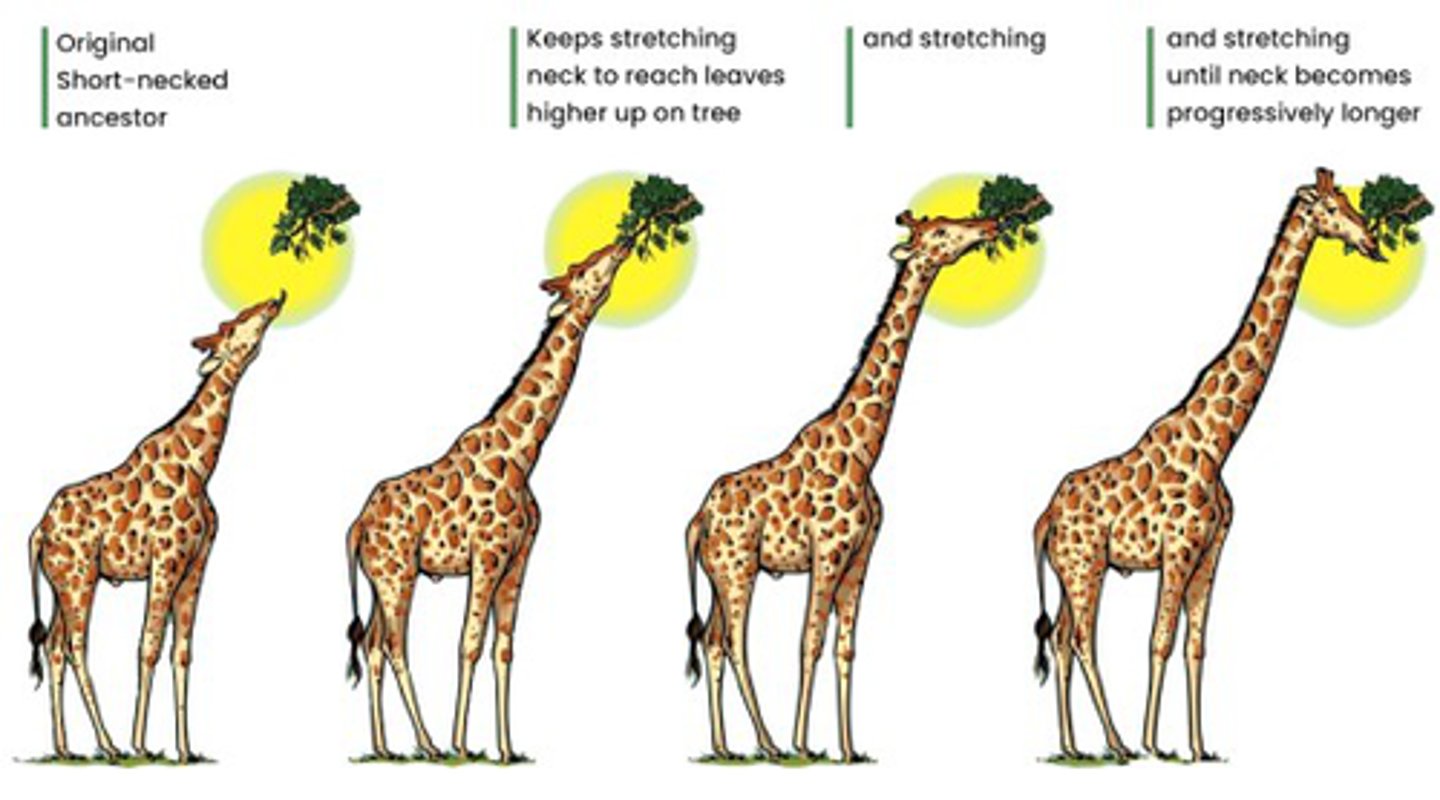
Larmarck's Theory of Evolution
Animals develop structures and organs they need to adapt to the environment
These structures and organs are passed on to its offspring
Use IT or Lose IT
Darwin's Theory of Evolution
all species of organisms arise and develop through the natural selection of small, inherited variations that increase the individual's ability to compete, survive, and reproduce.
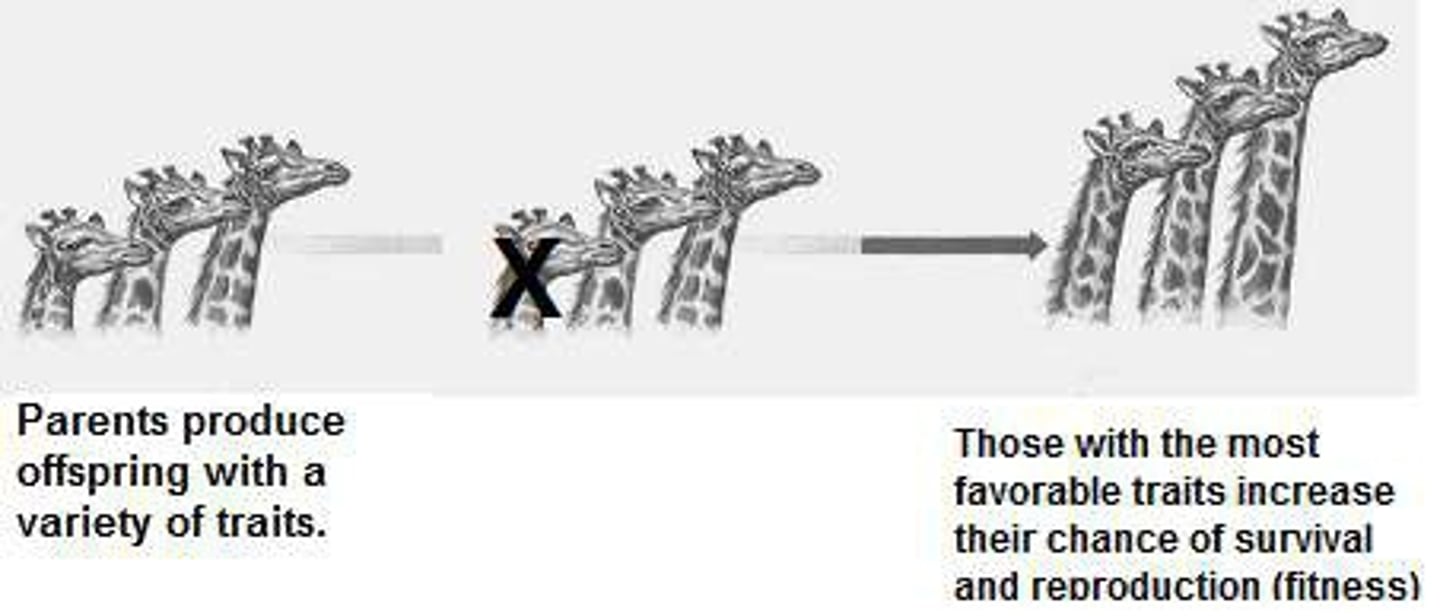
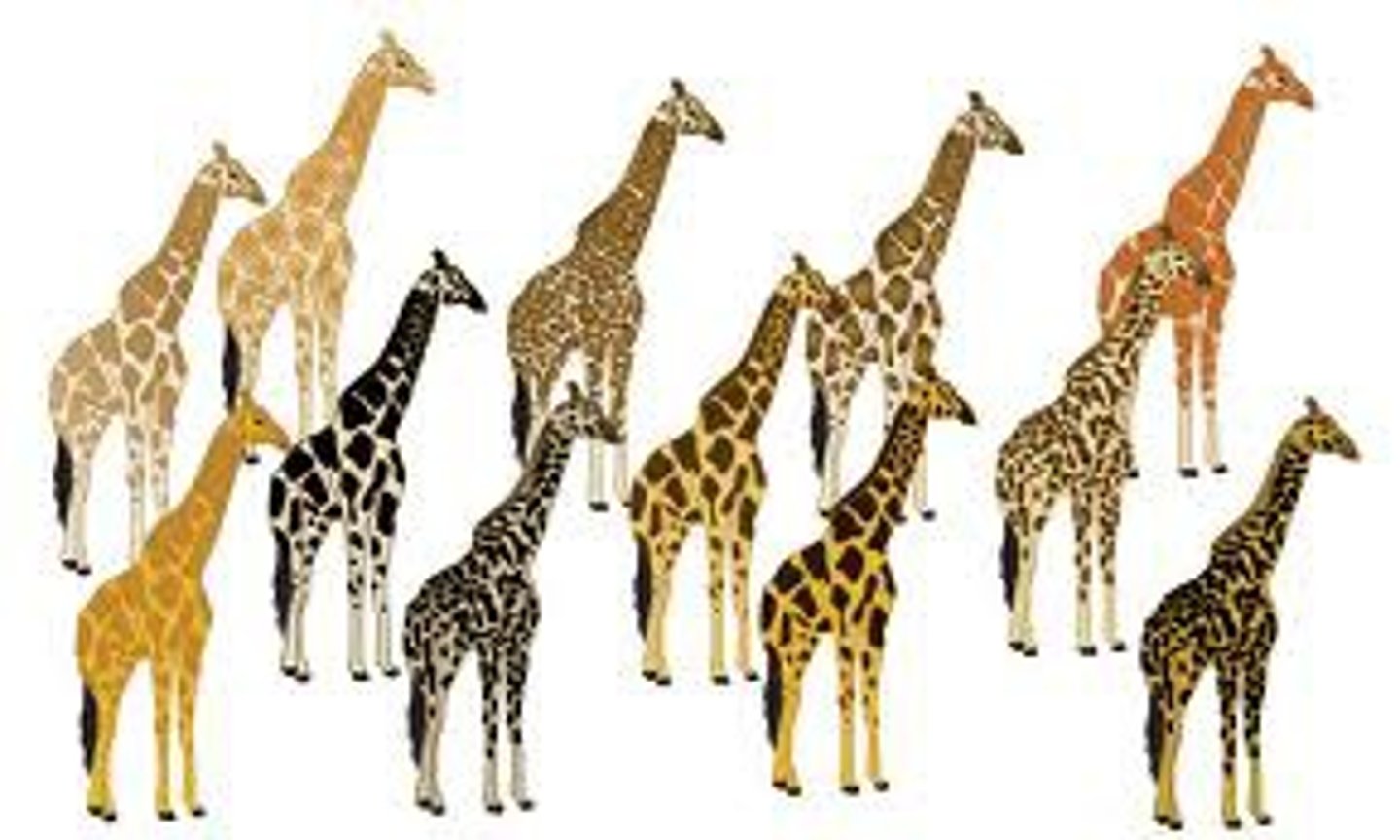
Variations in population
Arise by chance but the ones with better adaptations have better survival and their genes are carried on
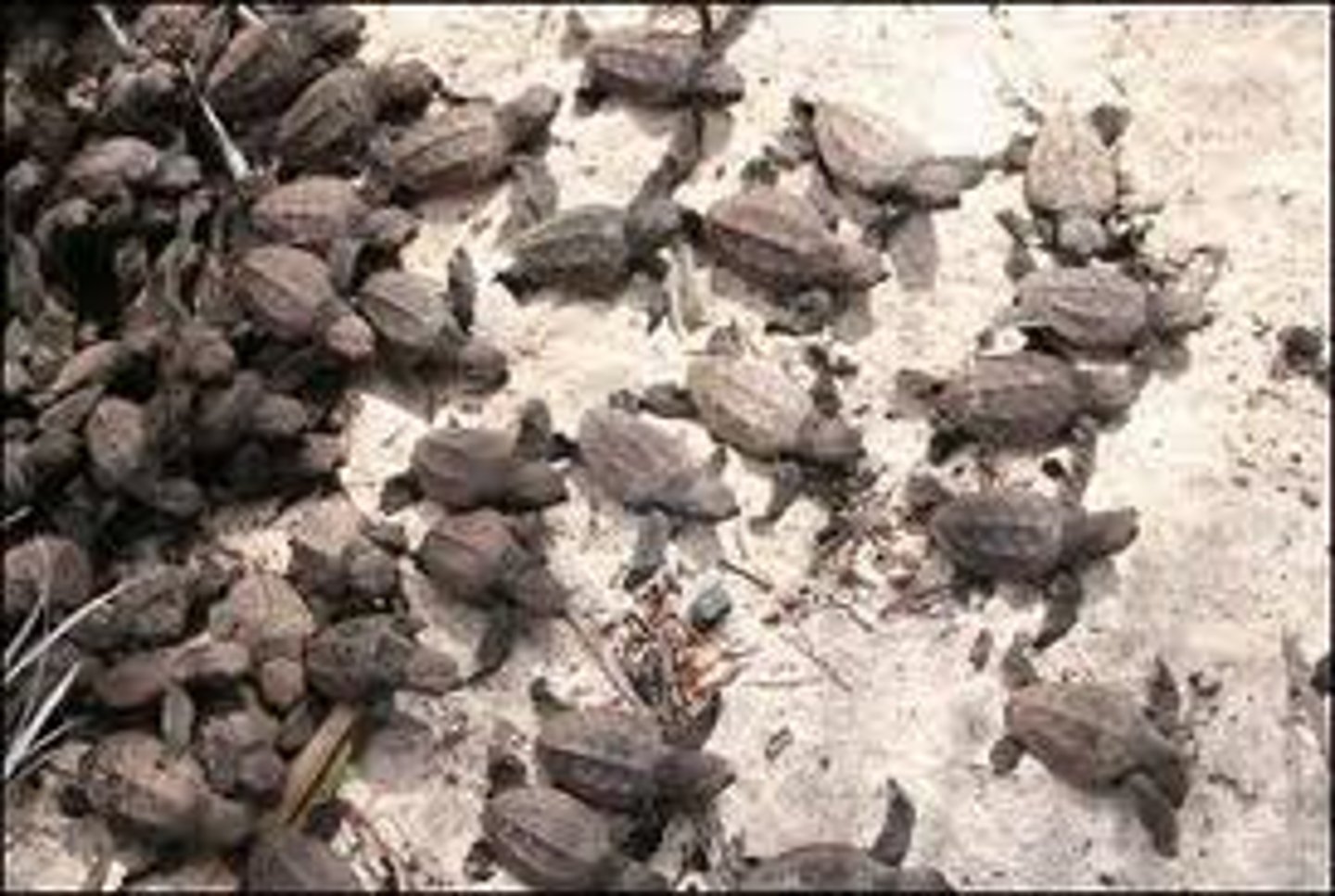
Overproduction of offspring
produce more offspring that can survive
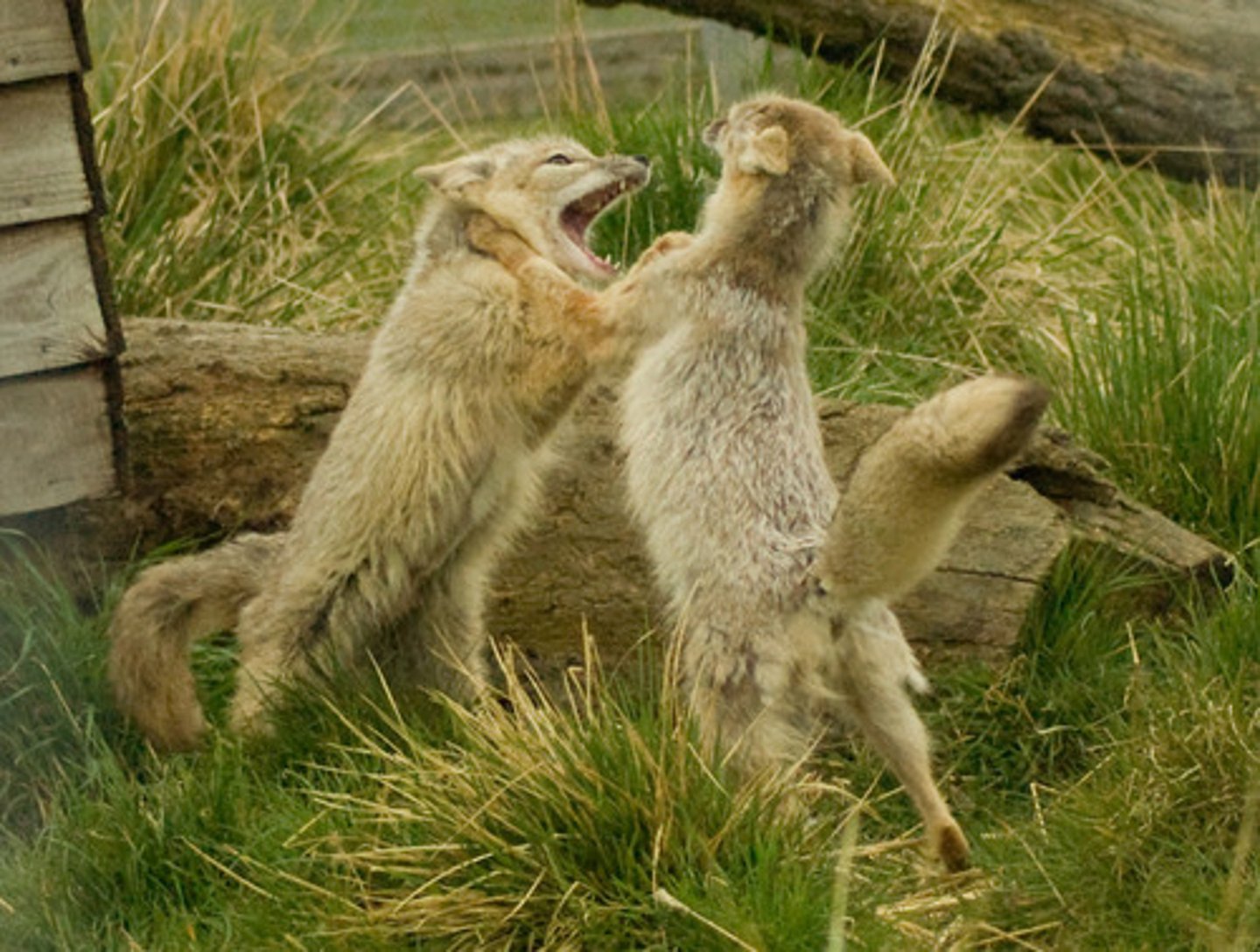
competition
the struggle between organisms to survive in a habitat with limited resources
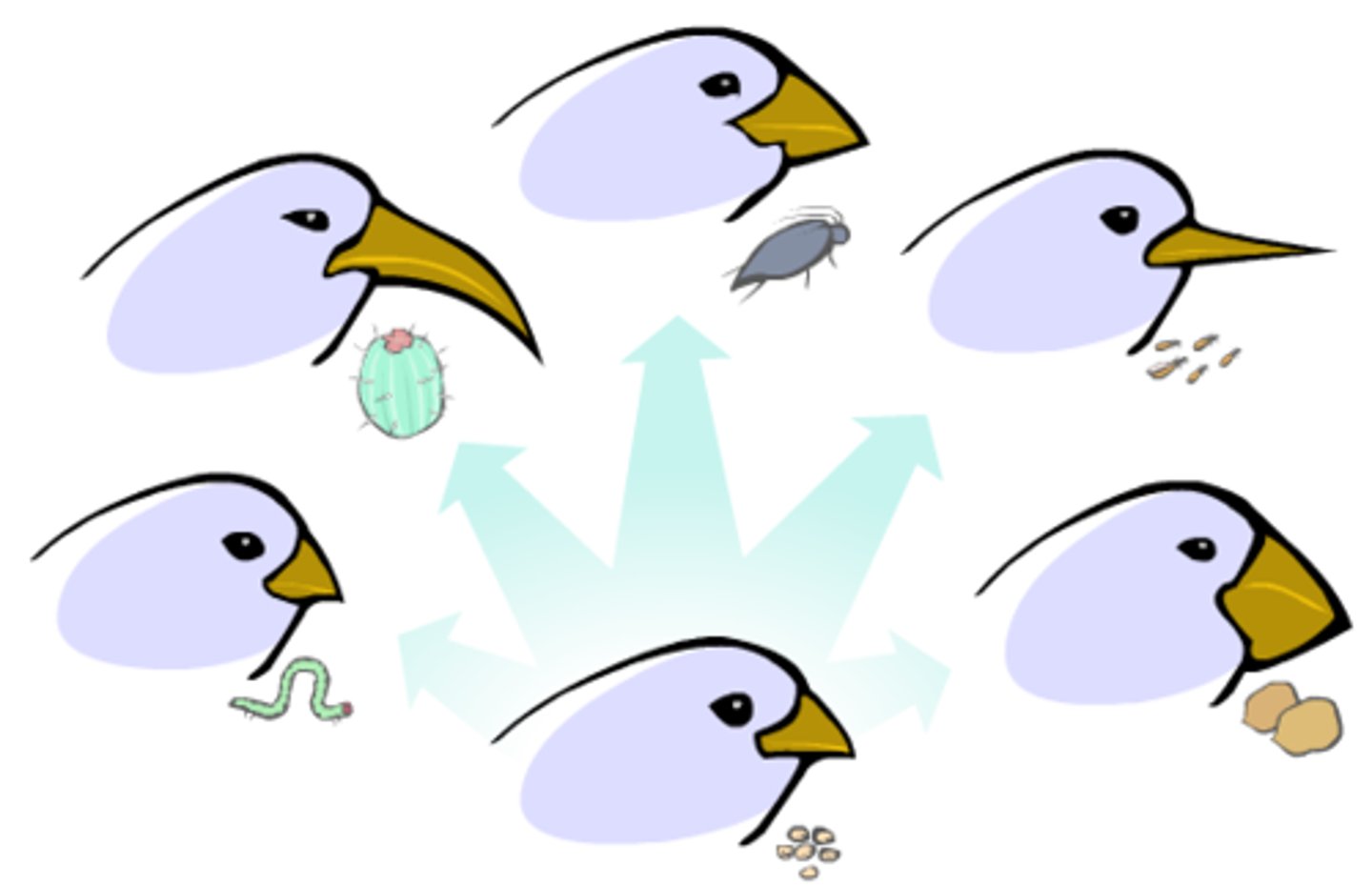
Adaptation
inherited characteristic that increases an organism's chance of survival
Speciation
the formation of new and distinct species in the course of evolution.
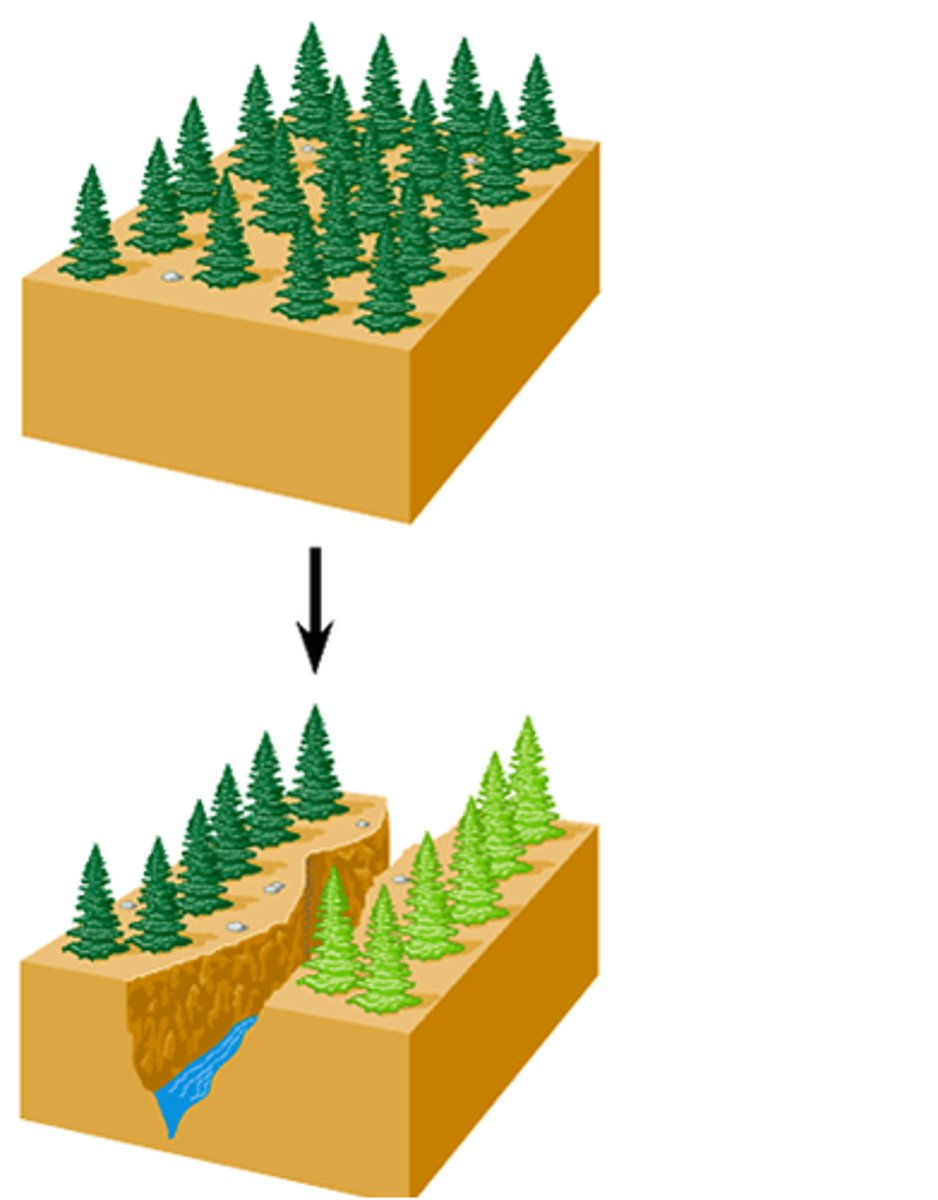
allopatric speciation
the process of speciation that occurs with geographic isolation
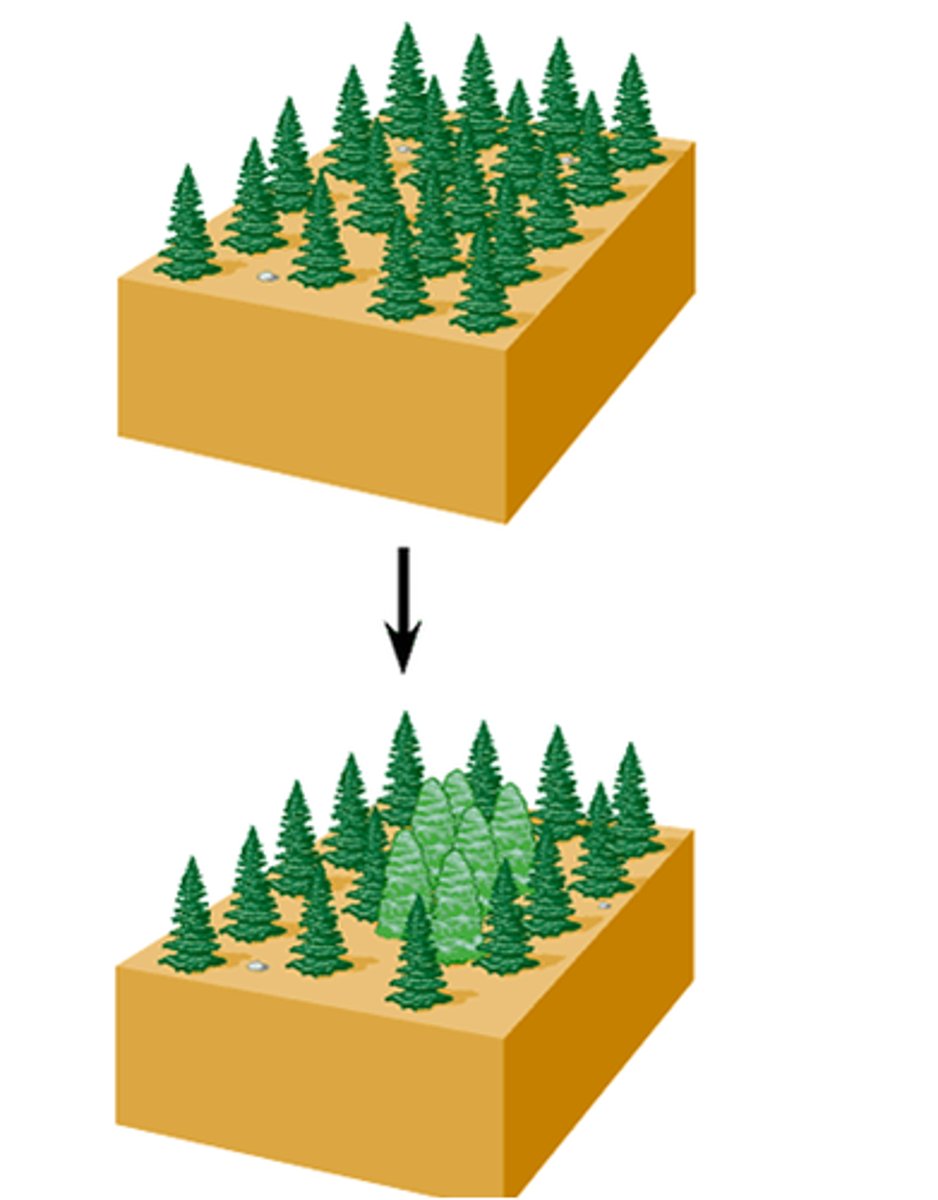
sympatric speciation
The formation of new species in populations that live in the same geographic area
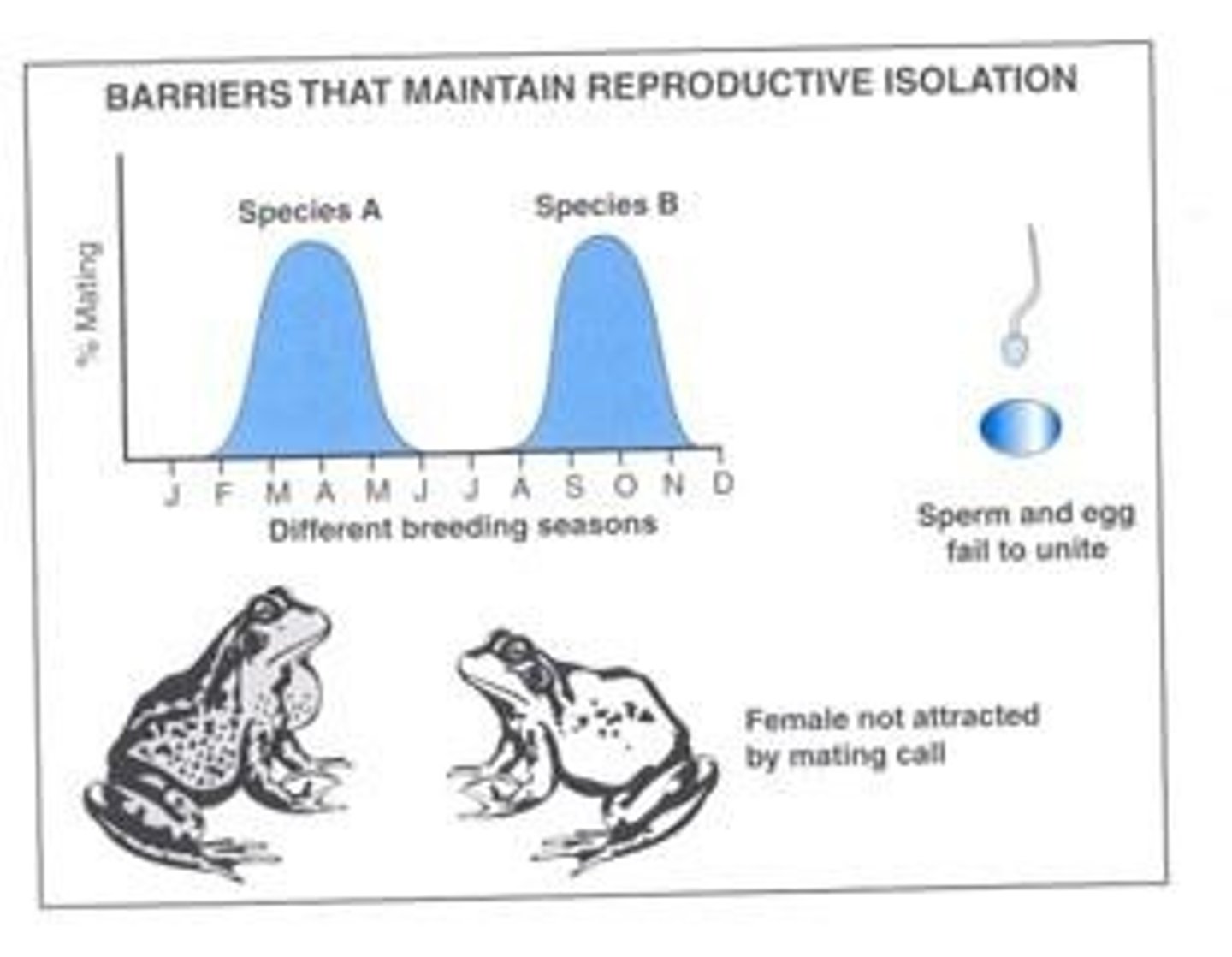
temporal speciation
reproducing at different times; pollinating on different days
mechanical isolation
mating is attempted, but morphological differences prevent its successful completion
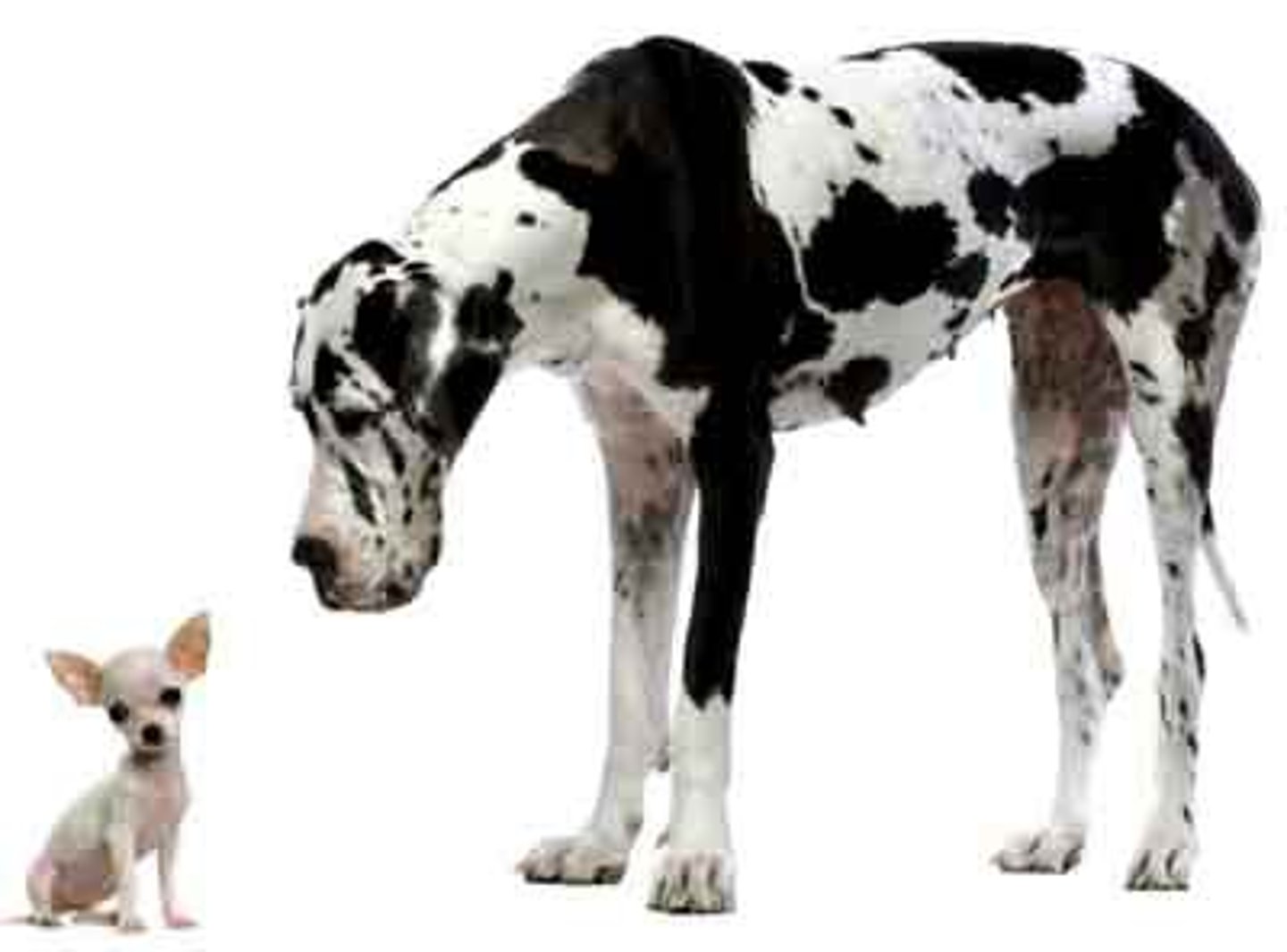
gametic isolation
Sperm of one species may not be able to fertilize eggs of another species
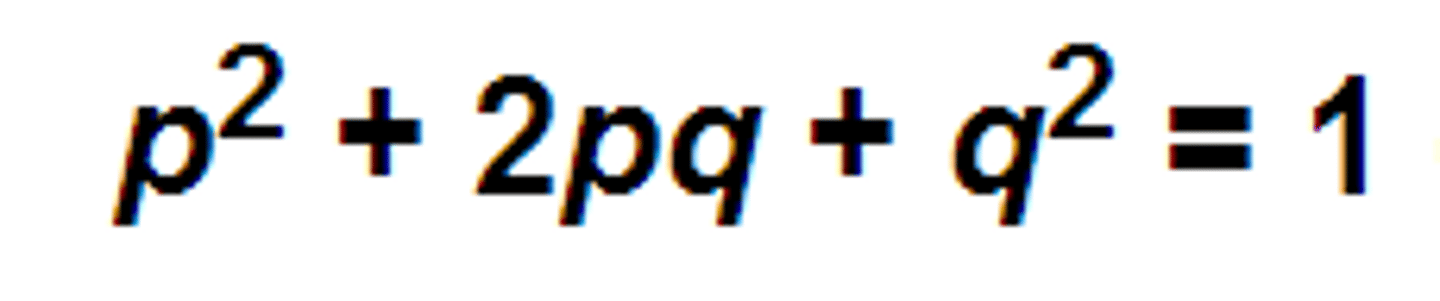
Hardy-Weinberg equilibrium
condition that occurs when the frequency of alleles in a particular gene pool remain constant over time
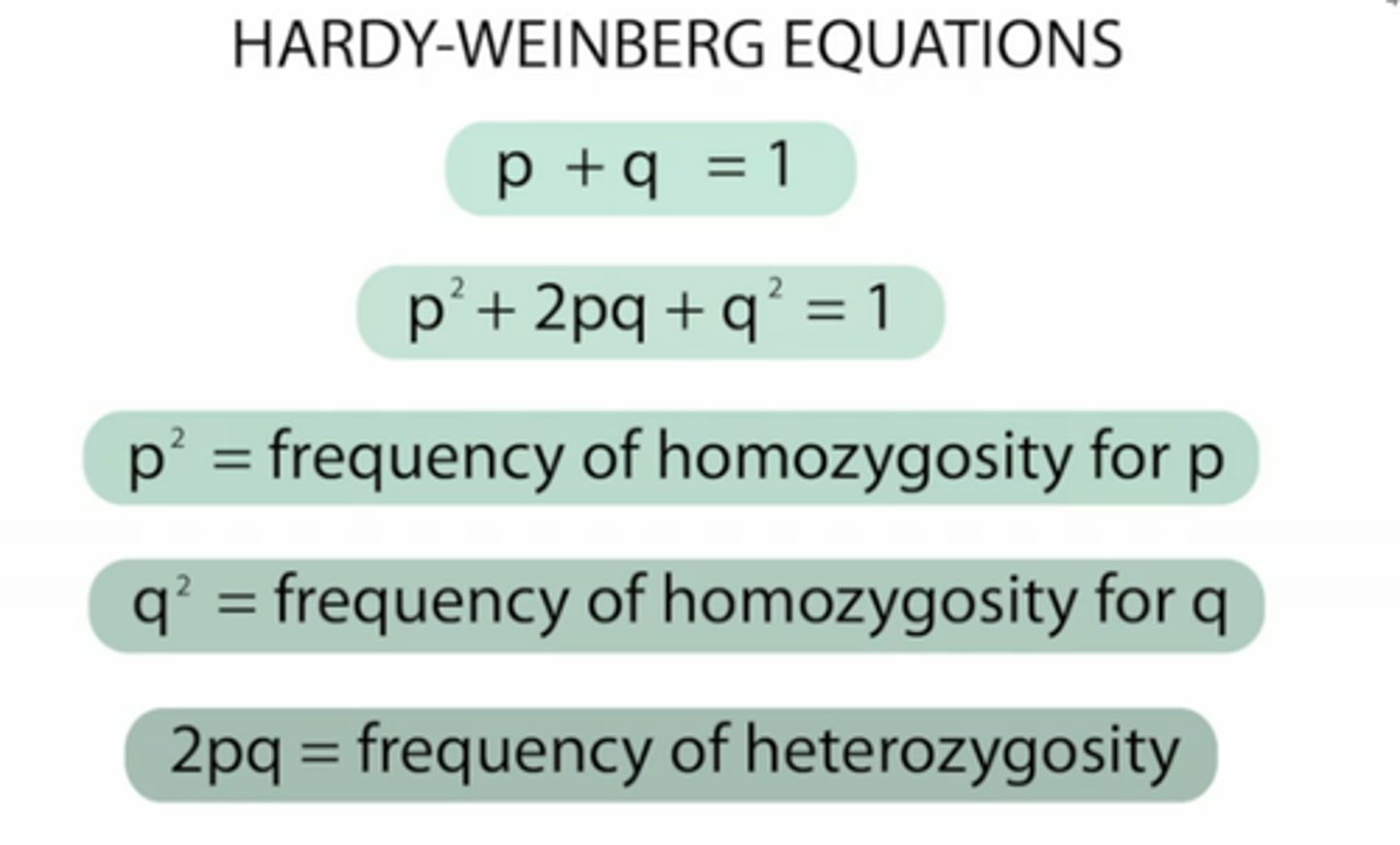
p (in hardy-weinberg)
frequency of dominant allele
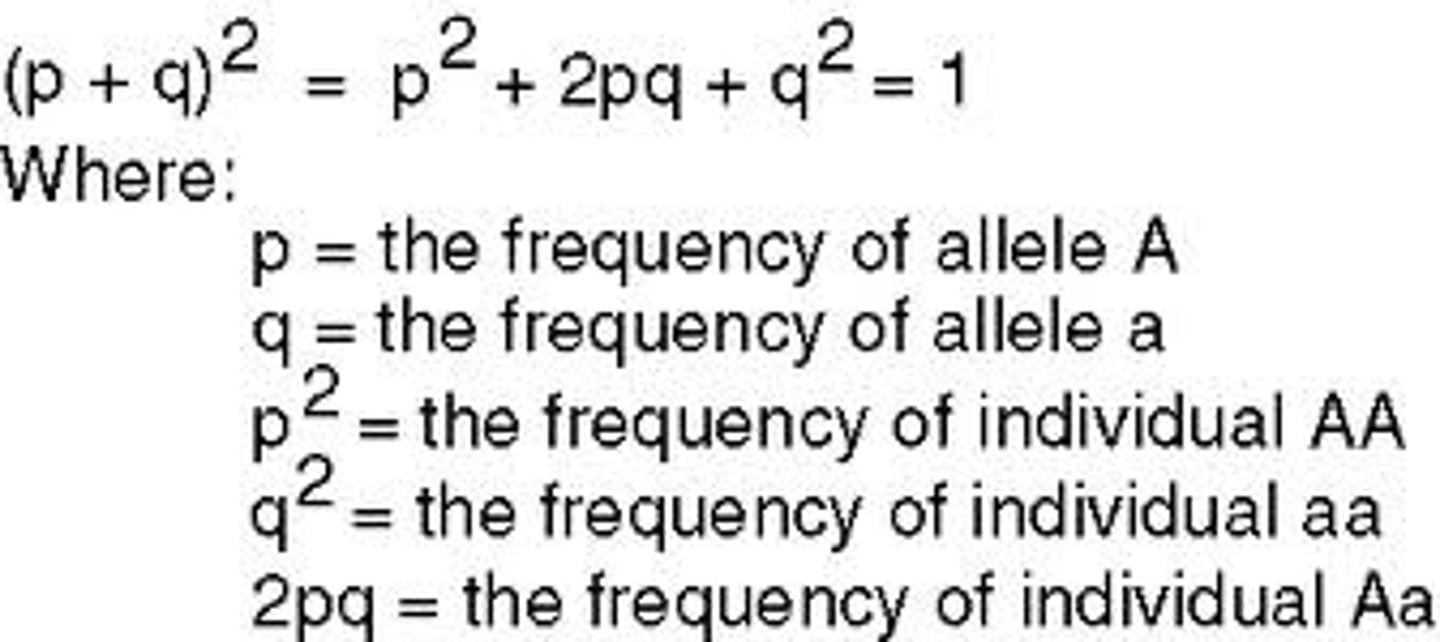
p2 (Hardy Weinberg)
frequency of homozygous dominant
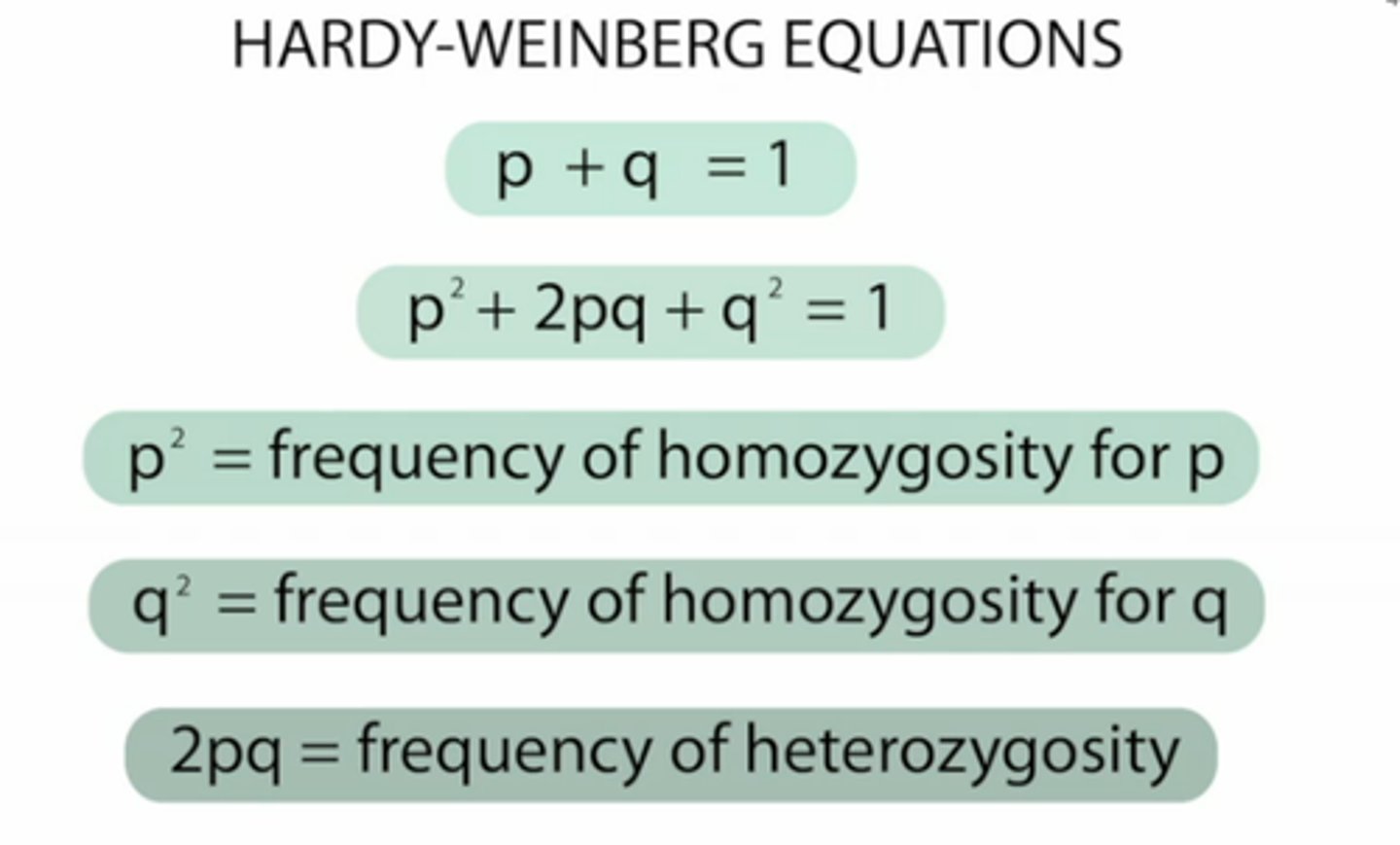
2pq
frequency of heterozygous genotype
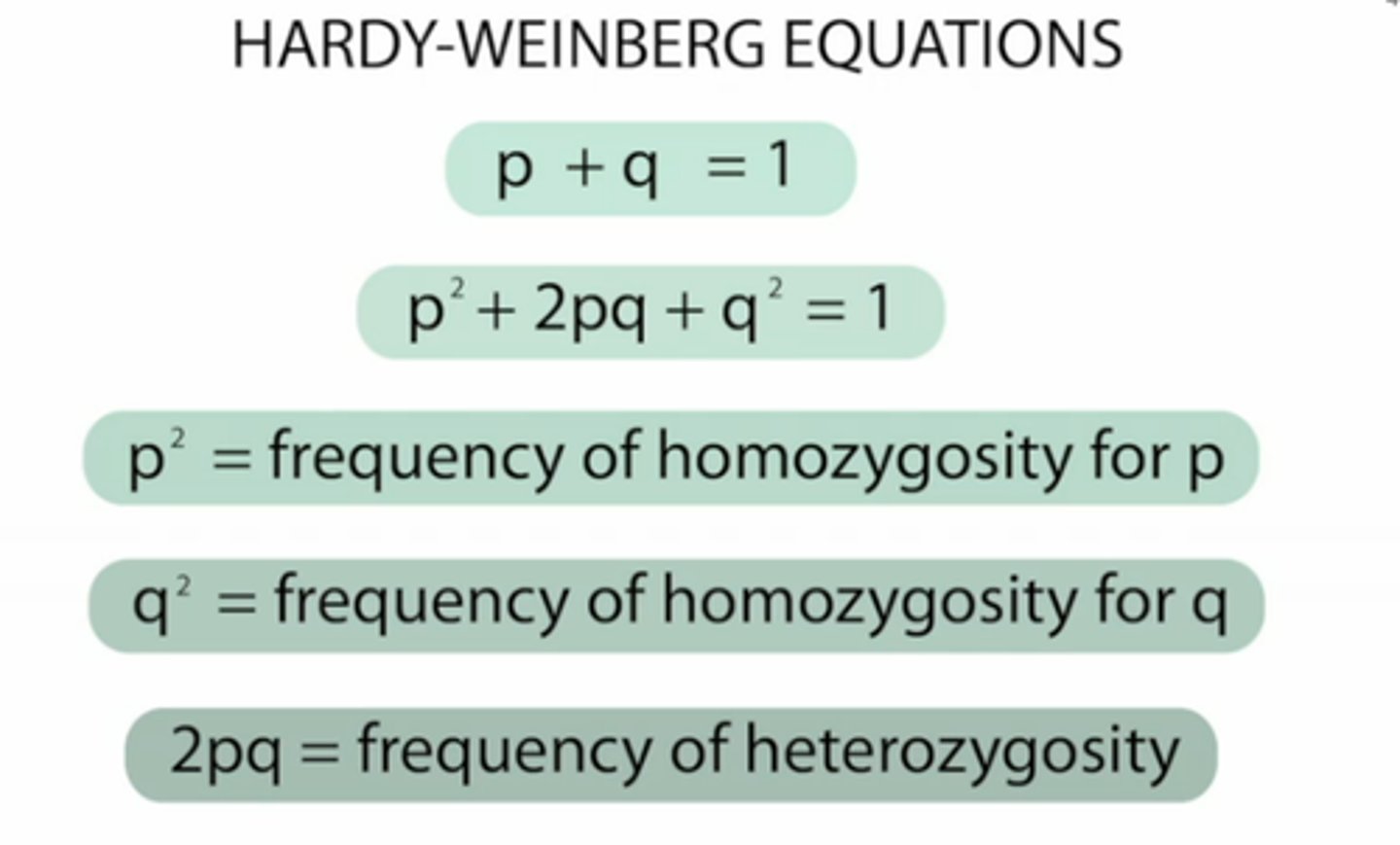
q (in hardy-weinberg)
frequency of recessive allele
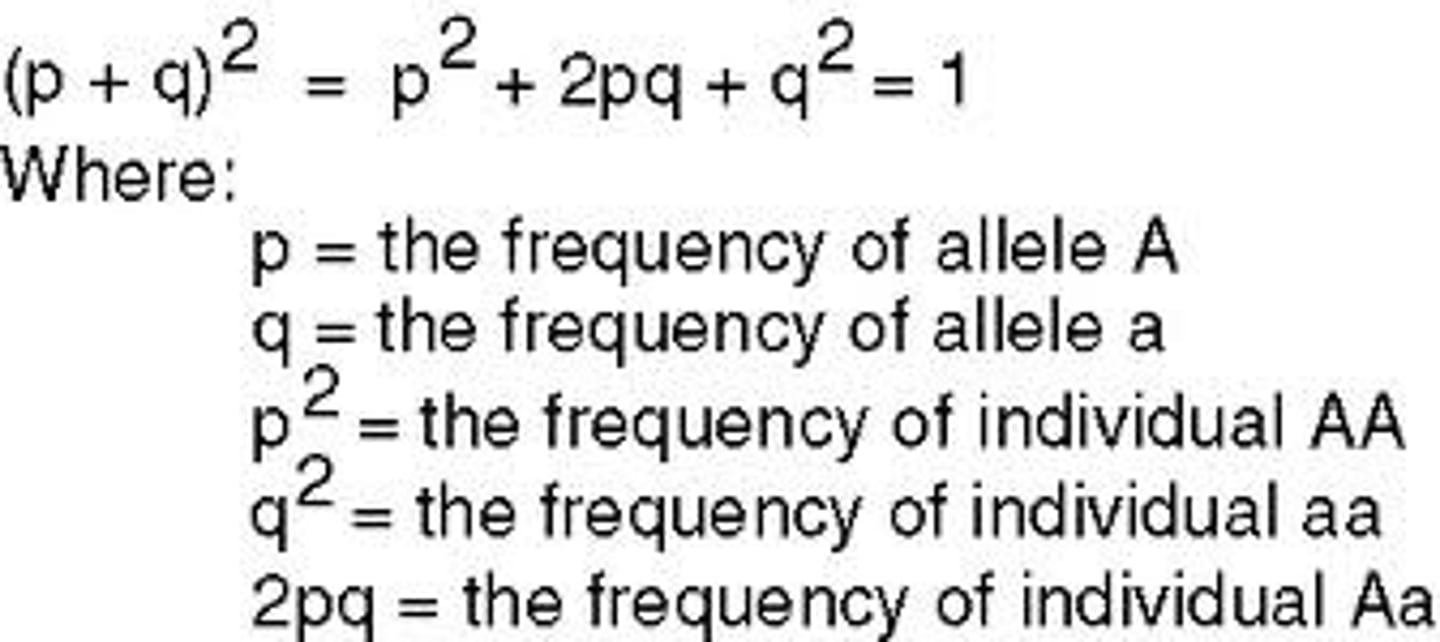
q2 in Hardy-Weinberg
frequency of homozygous recessive genotype
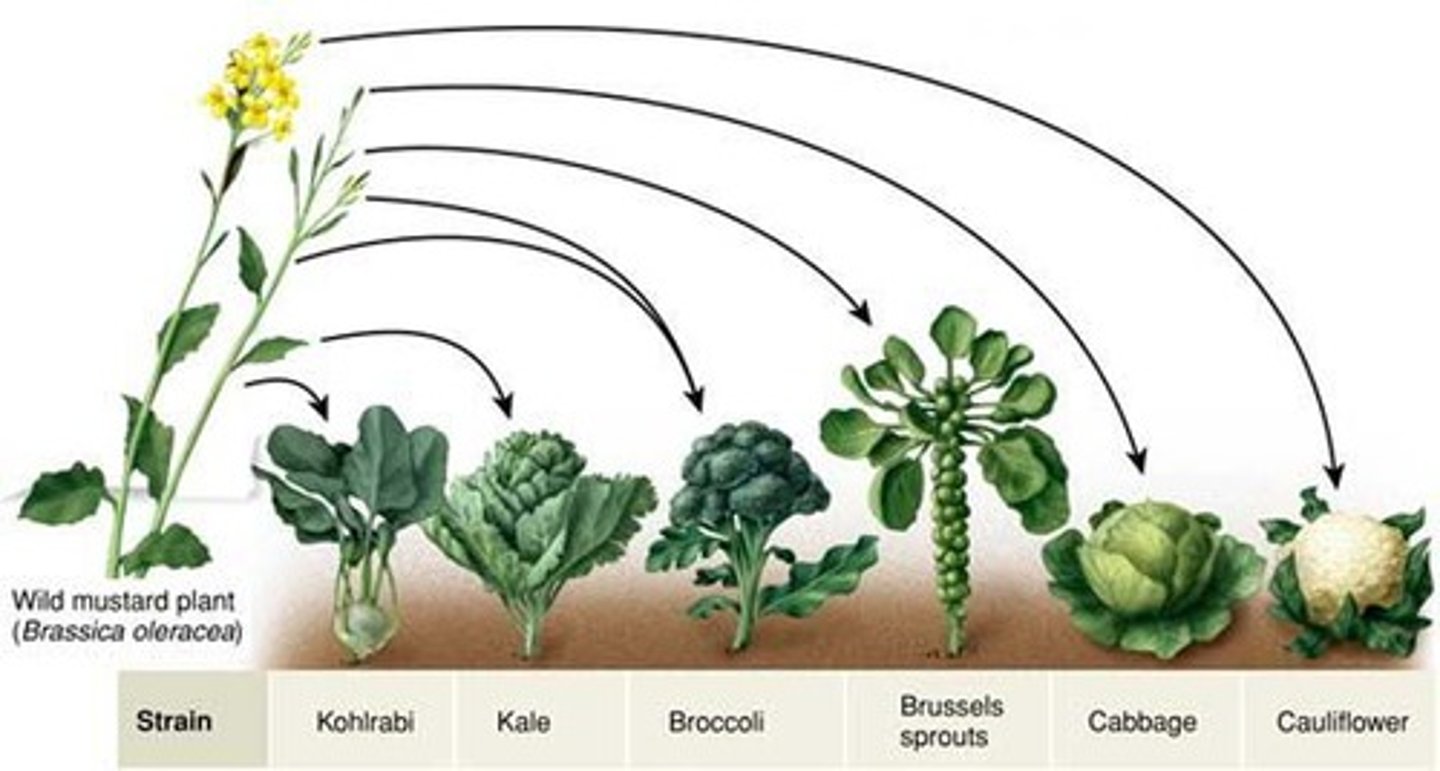
artificial selection
Breeding organisms with specific traits in order to produce offspring with identical traits.
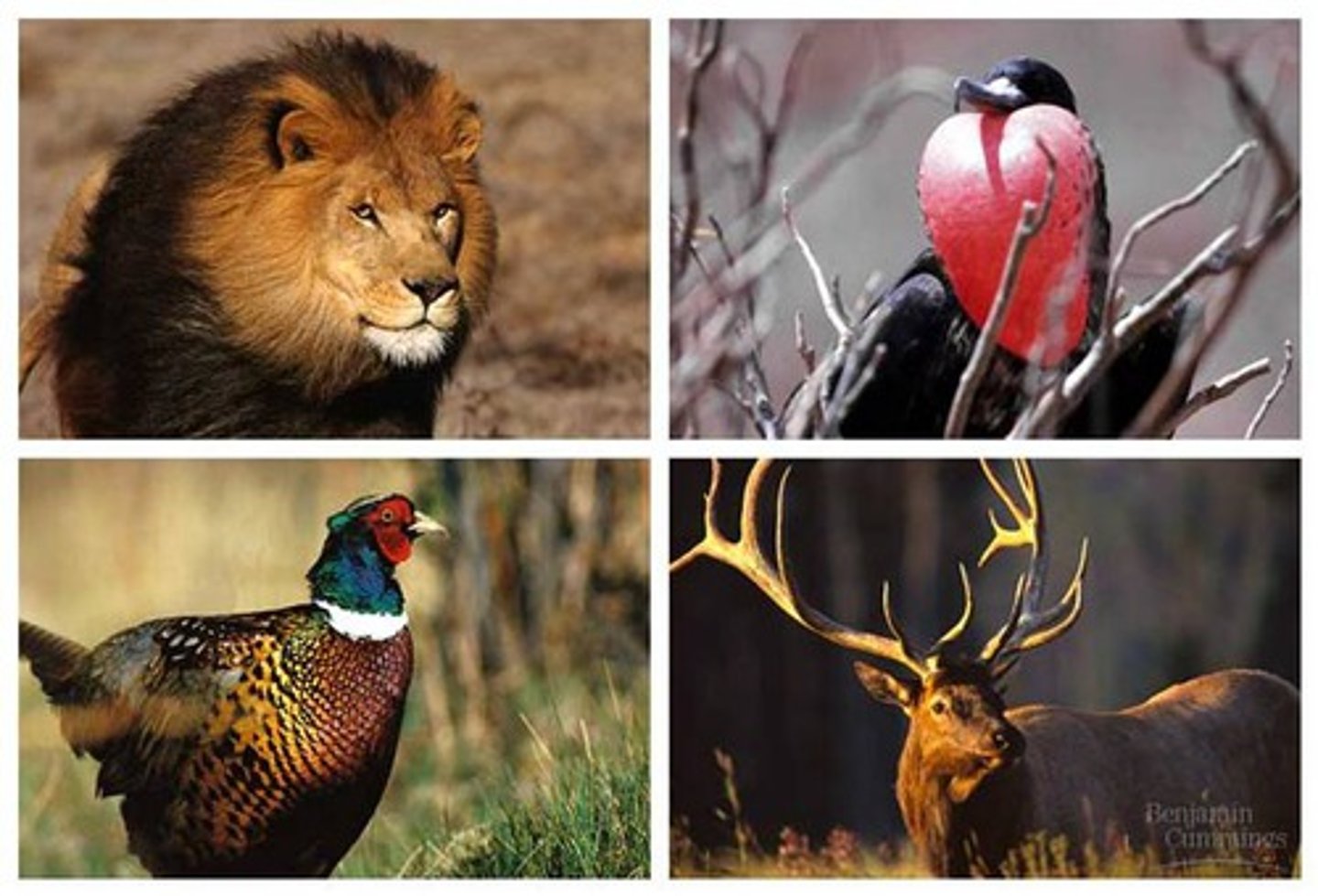
sexual selection
when individuals select mates based on heritable traits
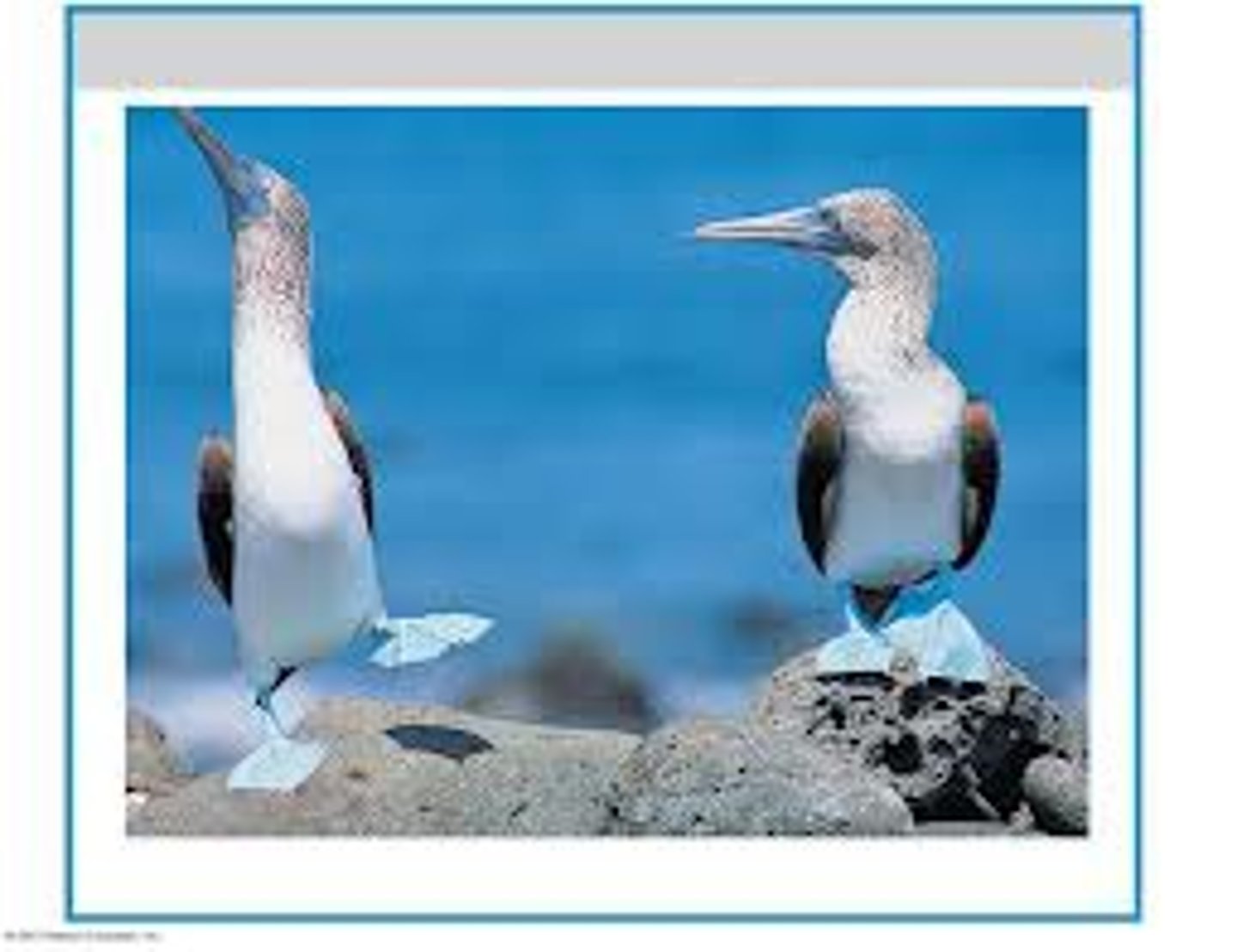
behavioral isolation
isolation between populations due to differences in courtship or mating behavior
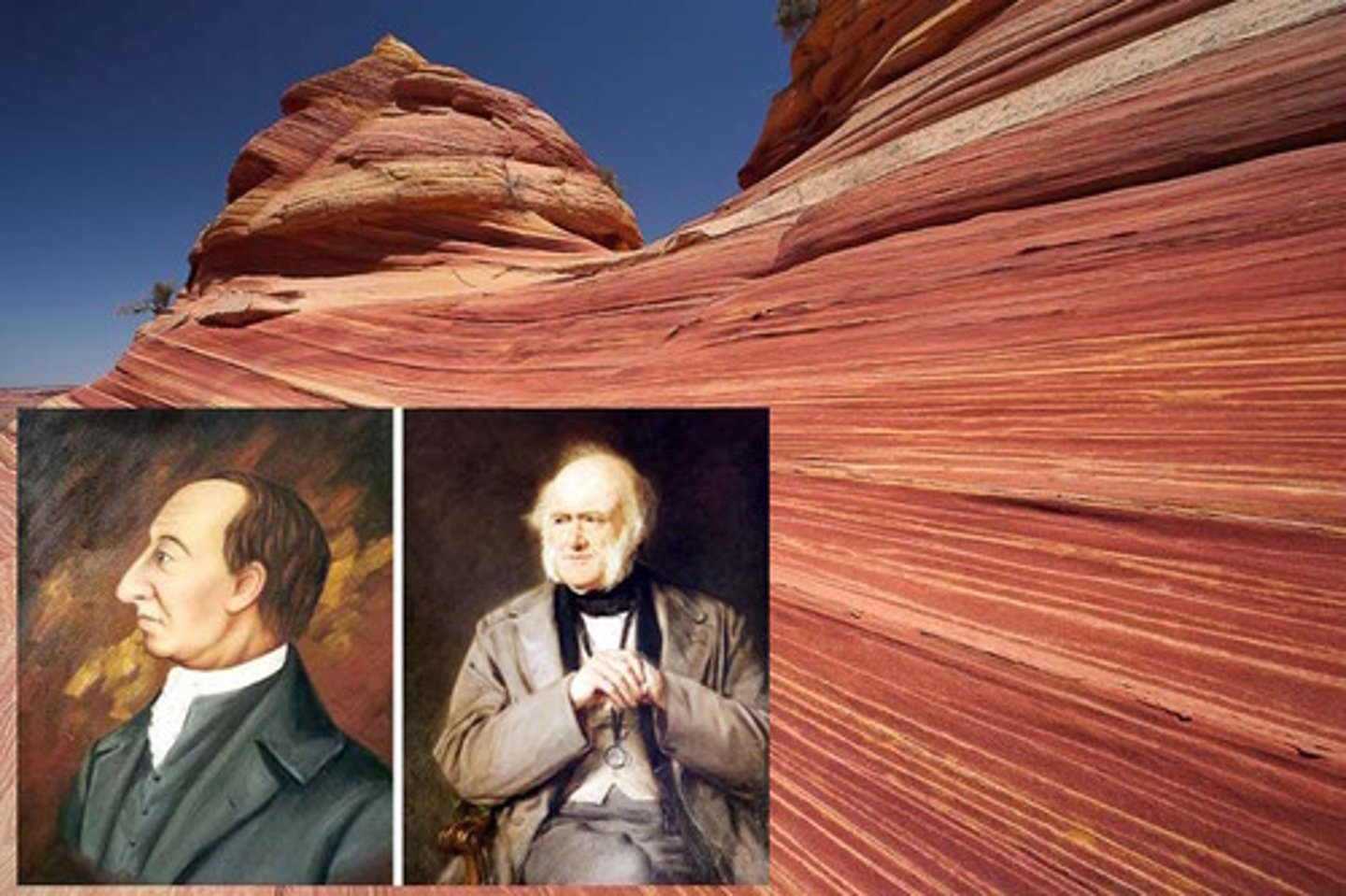
Lyell, Hutton - influences on Darwin?
Geologists who said the world was old and slowly, but constantly changing
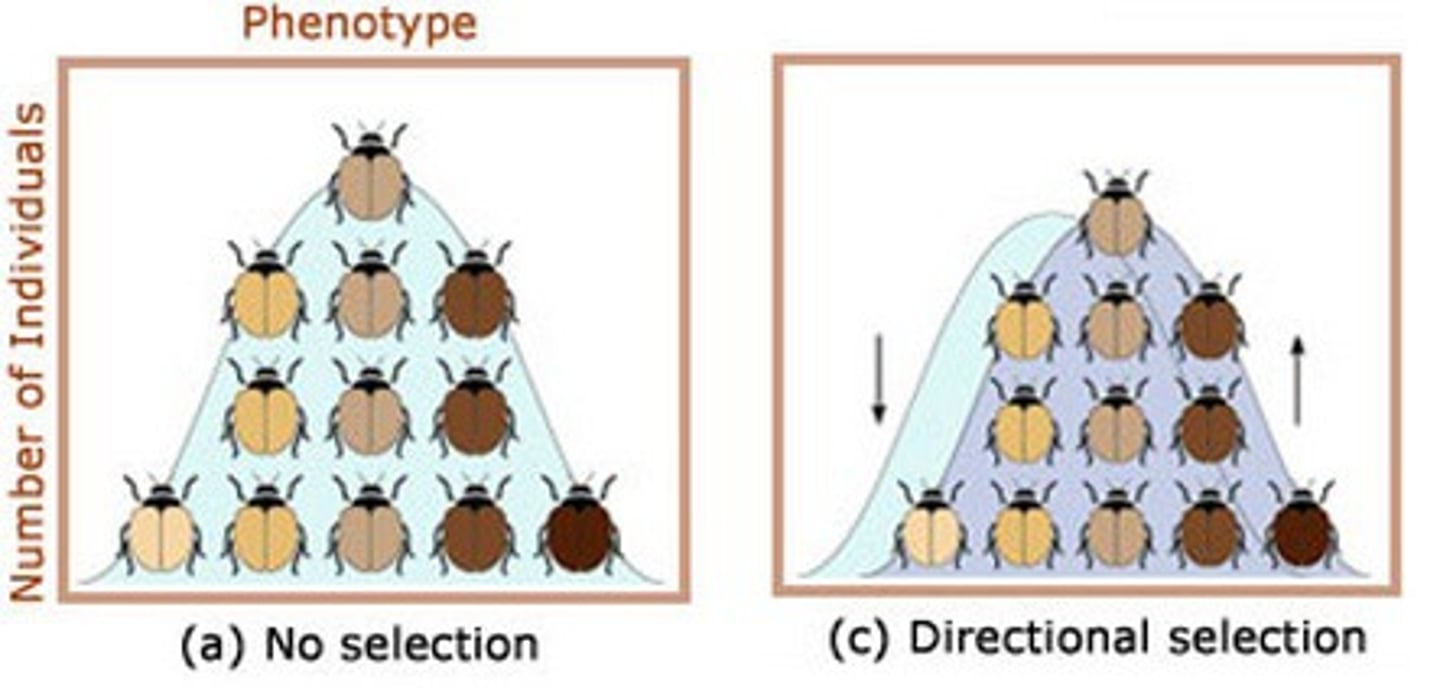
directional selection
occurs when natural selection favors one of the extreme variations of a trait
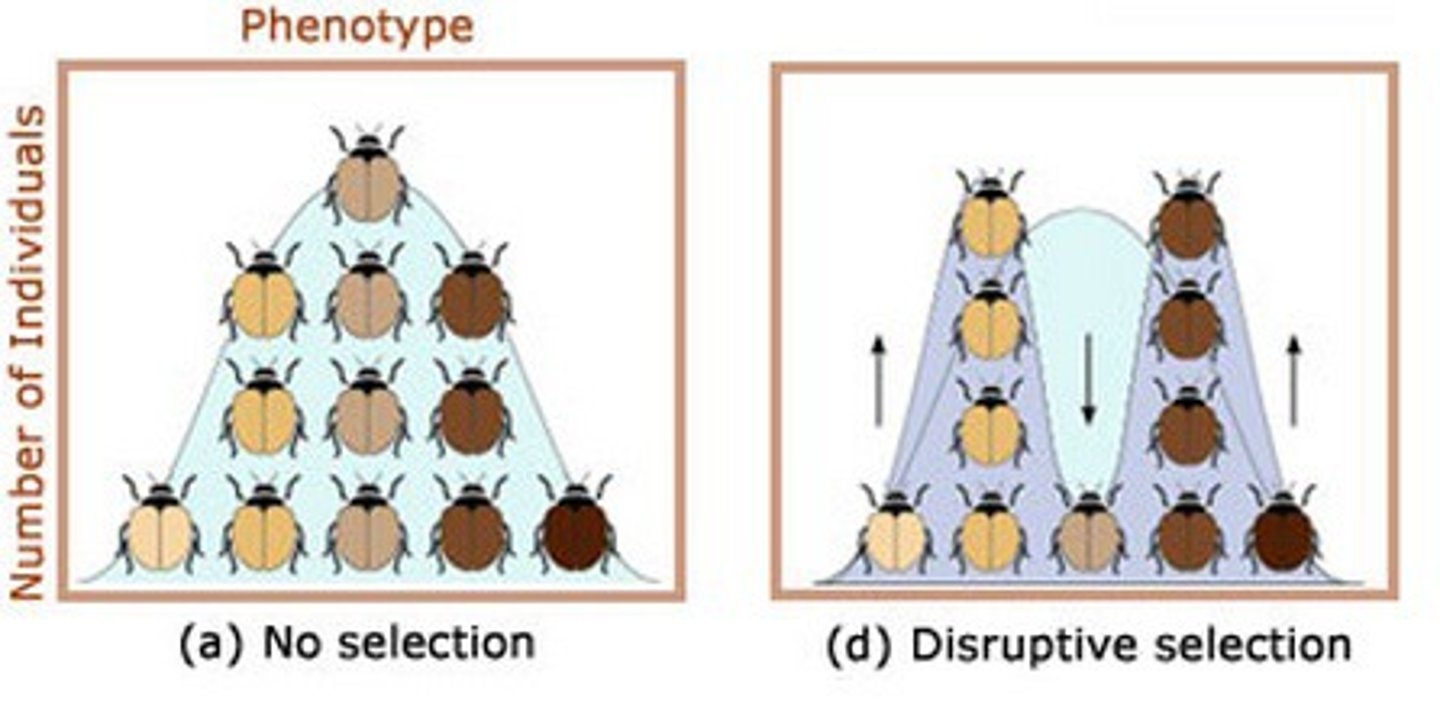
disruptive selection
favors individuals at both extremes of the phenotypic range
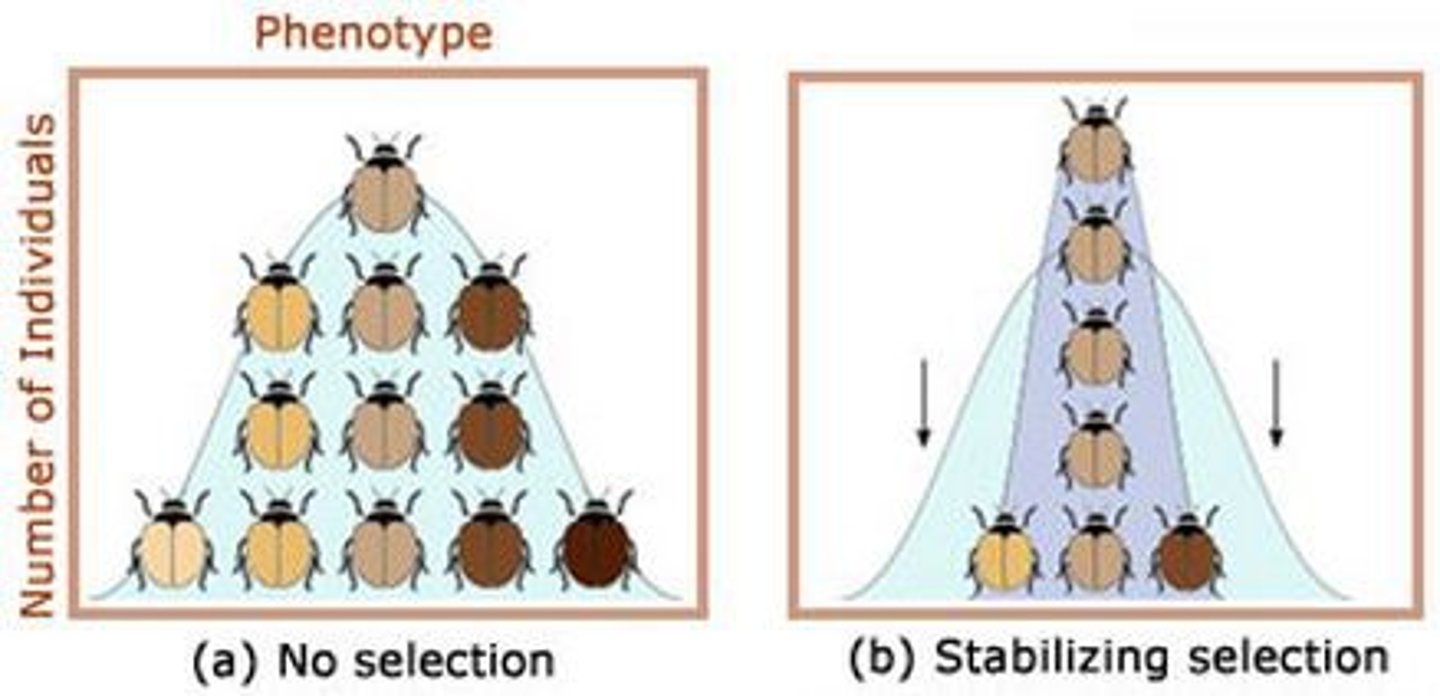
stabilizing selection
Natural selection that favors intermediate variants by acting against extreme phenotypes
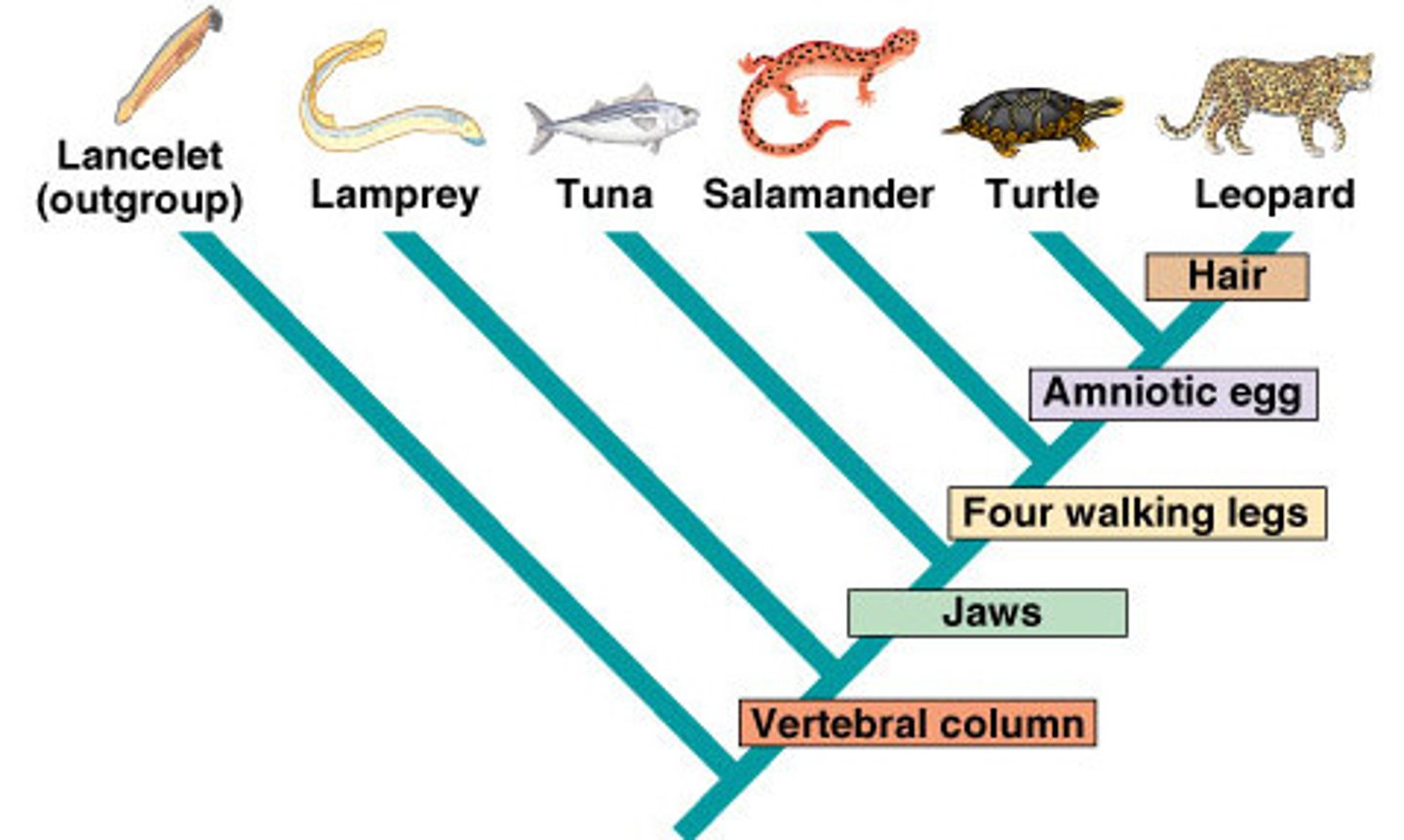
phylogenetic tree (cladogram)
a diagram that depicts the ancestral relationships between organisms
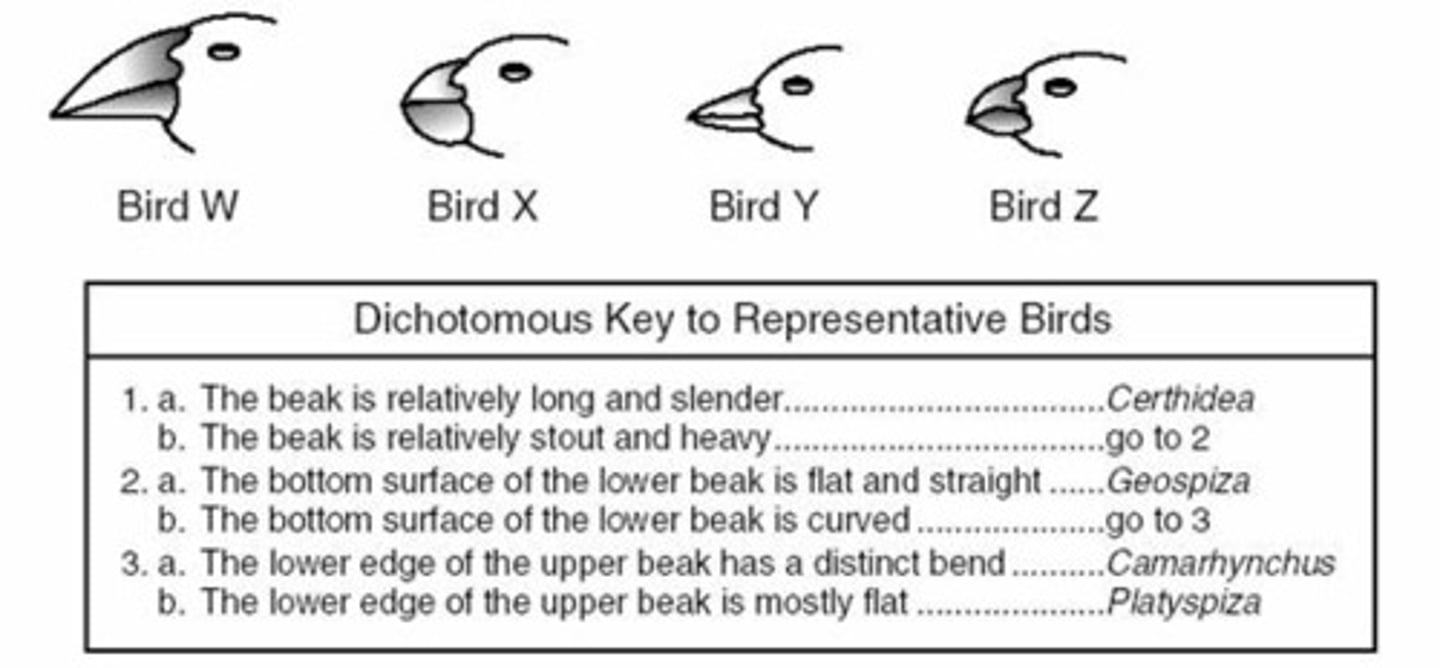
Dichotomous key (classification key)
Classification tool used in identifying organisms or materials
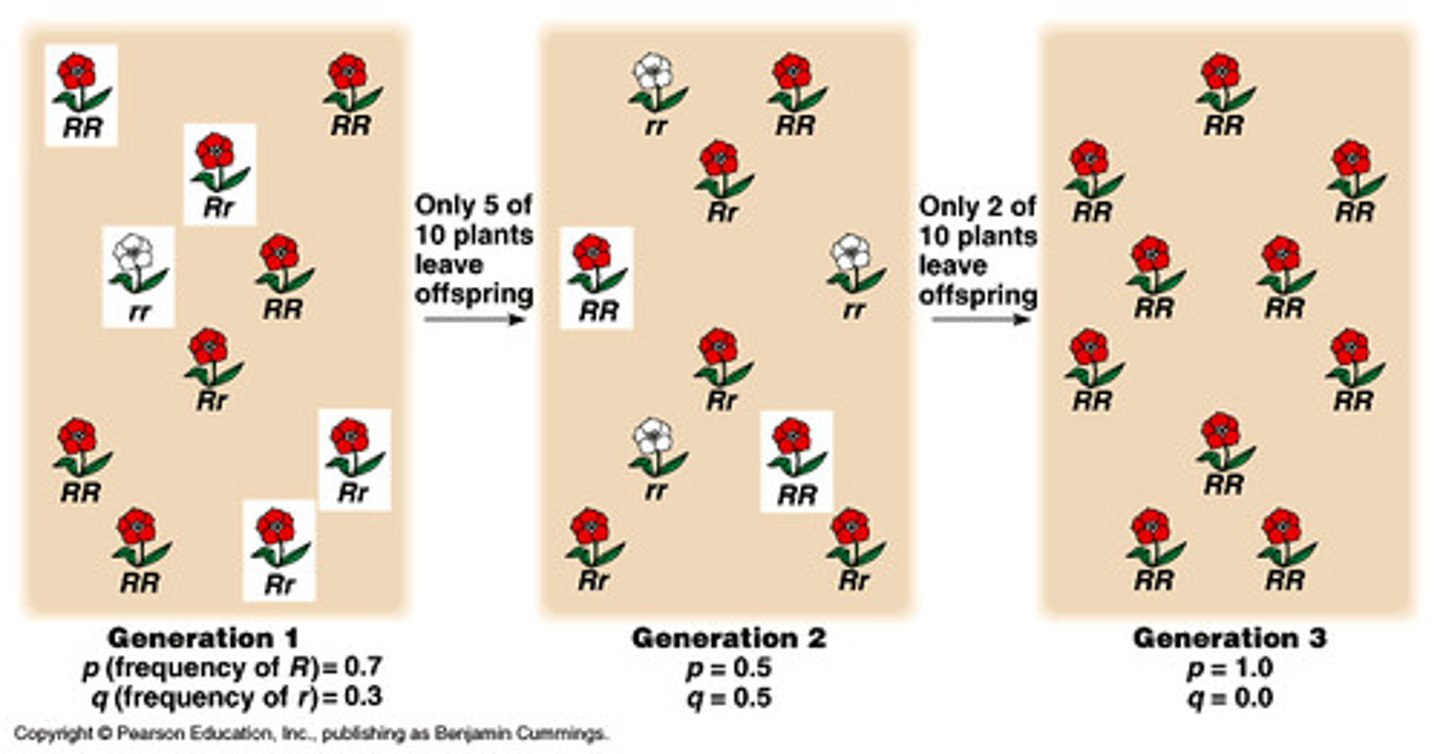
genetic drift
random change in allele frequencies that occurs in small populations
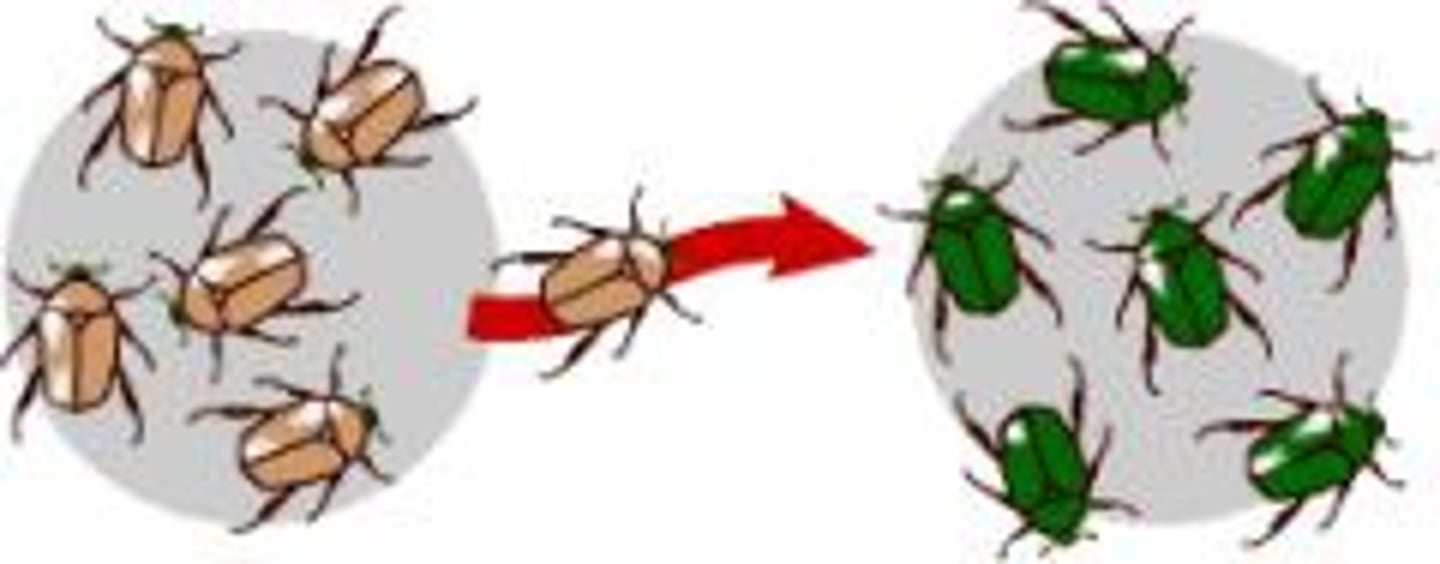
gene flow (migration)
movement of alleles from one population to another
Phylum
Group of closely related classes
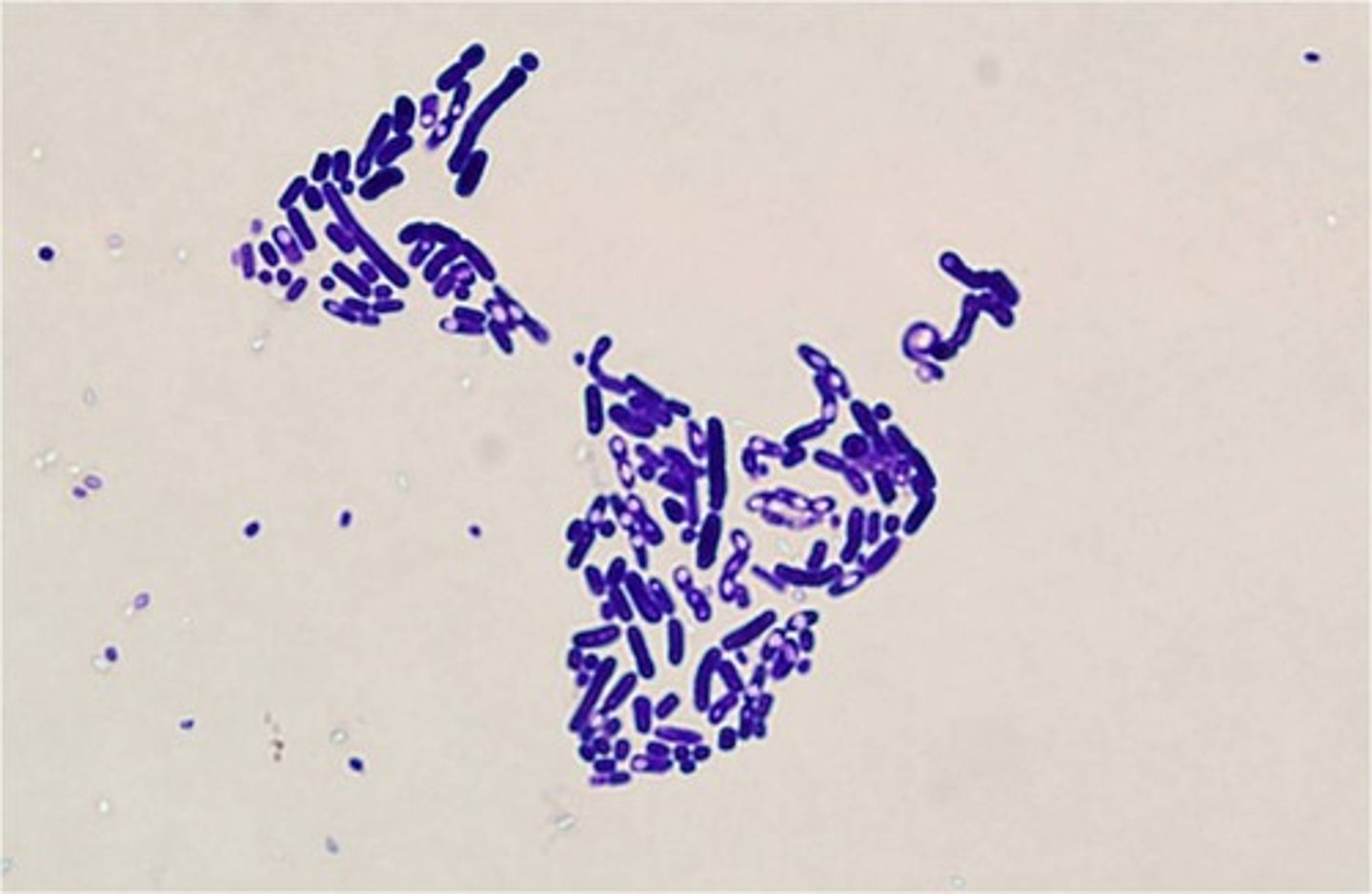
Bacteria Domain Characteristics
Prokaryote and live in regular environments
Archaebacteria Domain Characteristics
Prokaryote and live in EXTREME environments
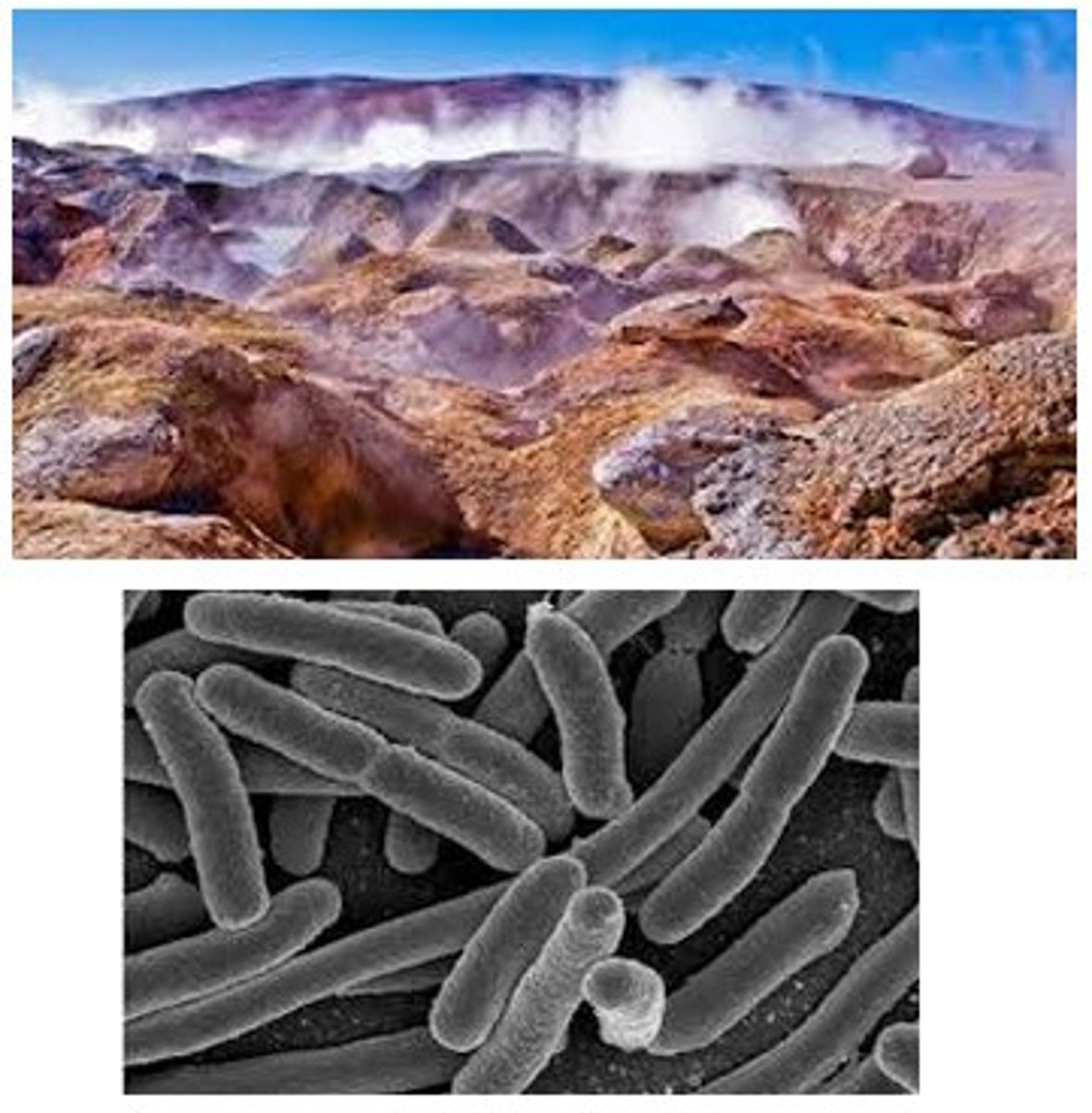
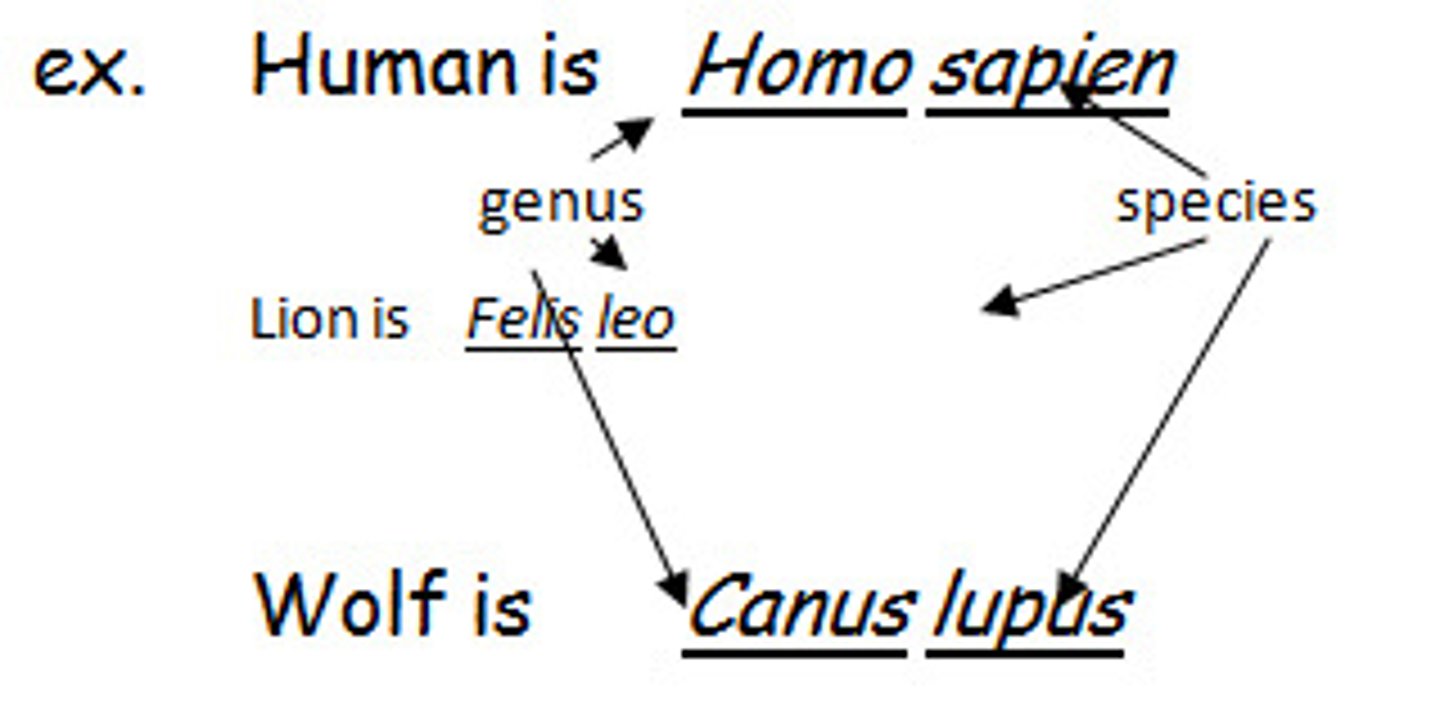
genus-species name
The unique two-word name of a particular organism.
Levels of classification (largest to smallest)
Domain, Kingdom, Phylum, Class, Order, Family, Genus, Species
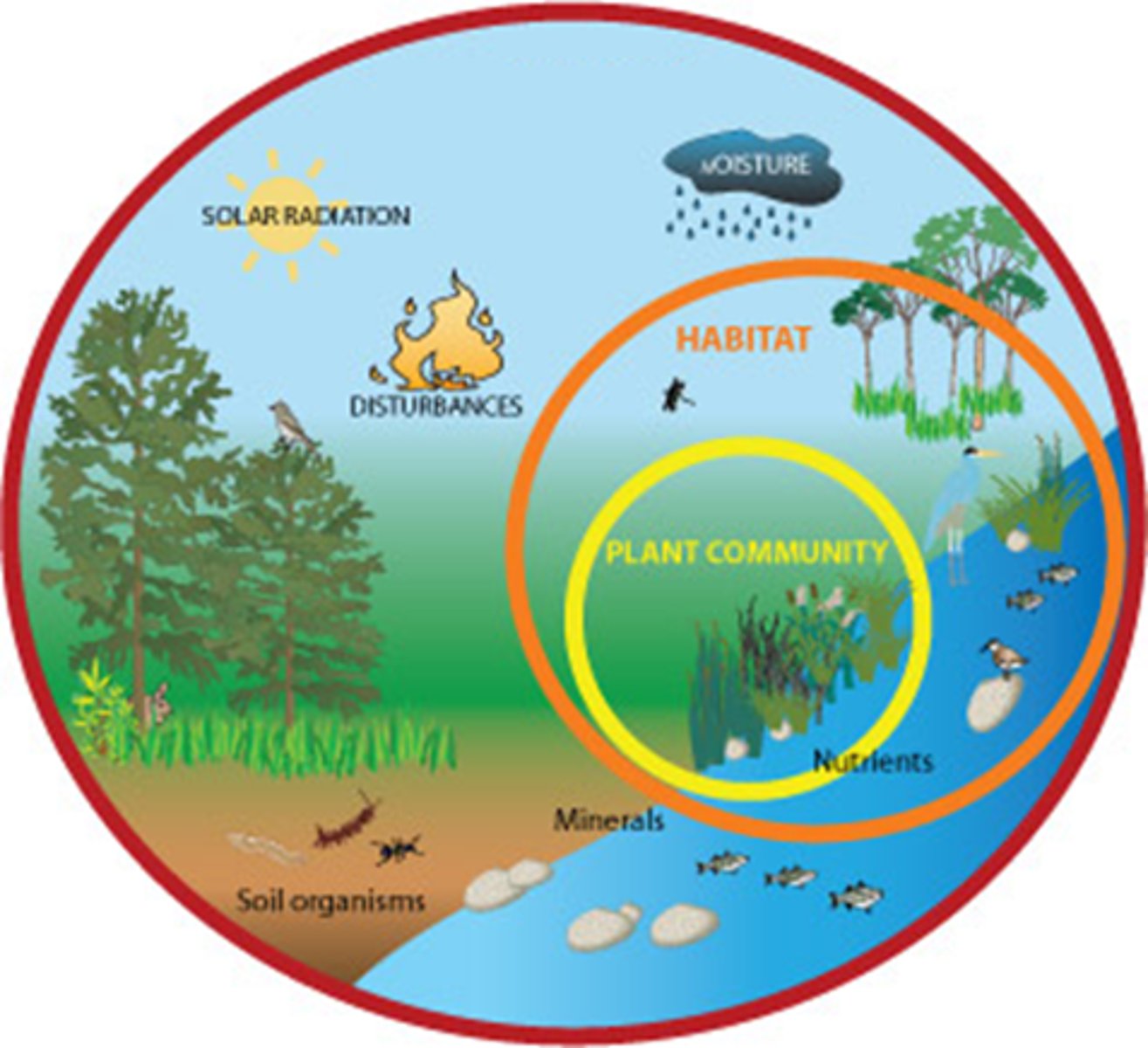
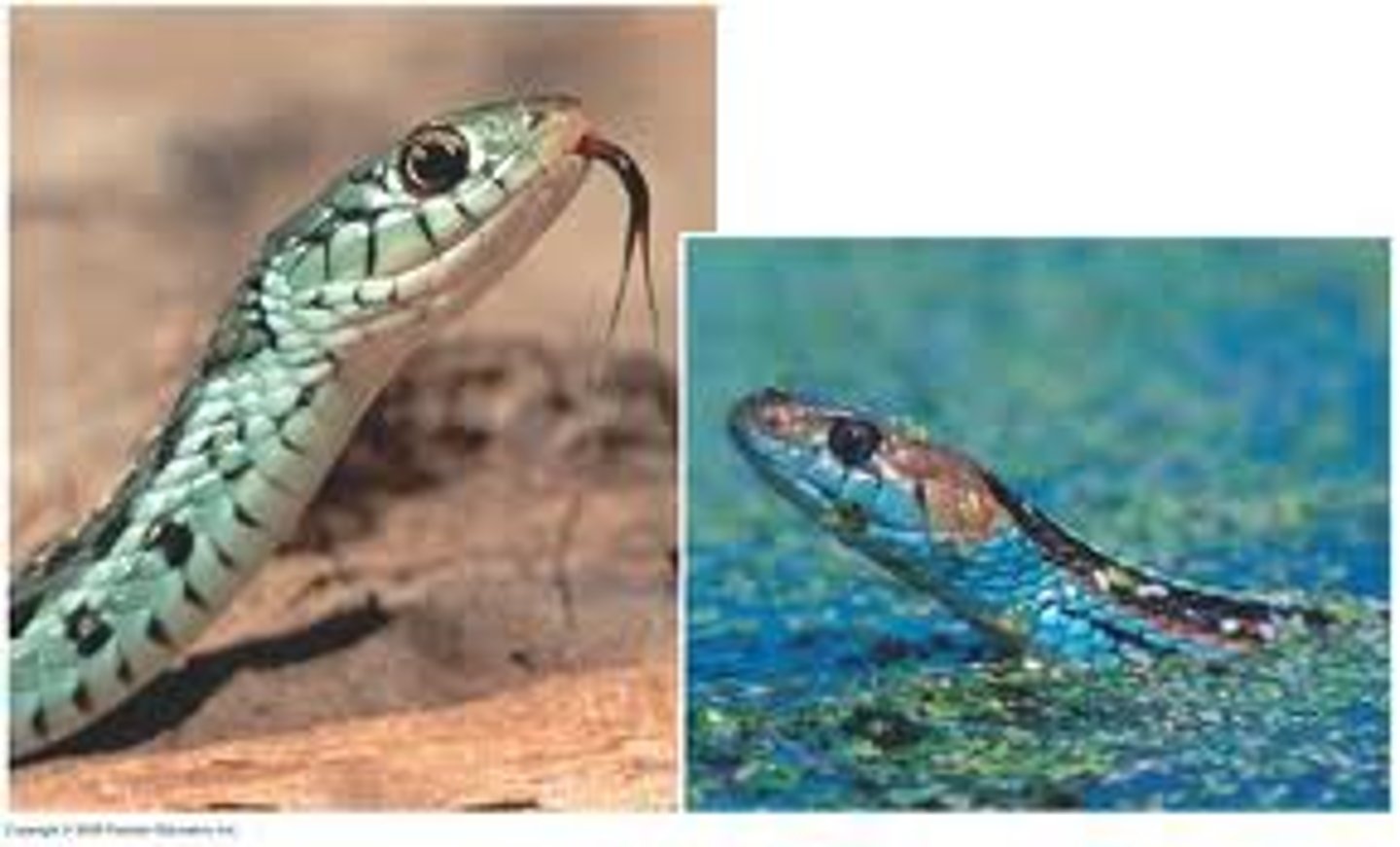
habitat isolation
Two species encounter each other rarely, or not at all, because they occupy different habitats, even though not isolated by physical barriers
Phylum
in classification, a group of closely related classes
binomial nomenclature
Classification system in which each species is assigned a two-part scientific name
Cell cycle
– Ordered process of cell growth and division
Interphase
– Cell growth and DNA replication phase
G1 phase
– Cell growth and normal function phase
S phase
– DNA replication phase
G2 phase
– Preparation for mitosis
M phase
– Mitosis + cytokinesis
Mitosis
– Division of nucleus producing identical cells
Cytokinesis
– Division of cytoplasm
Binary fission
– Prokaryotic cell division
Chromatin
– Uncondensed DNA
Chromosome
– Condensed DNA
Sister chromatids
– Identical DNA copies
Centromere
– Region joining chromatids
Centrosome
– Spindle organizing structure
Spindle
– Microtubules that separate chromosomes
Cleavage furrow
– Animal cell splitting
Cell plate
– Plant cell division structure
Cancer
– Uncontrolled cell division
Tumor
– Mass of abnormal cells
Benign tumor
– Non cancerous tumor
Malignant tumor
– Cancerous tumor
Metastasis
– Spread of cancer cells
Anchorage dependence
– Cells must attach to divide
Density dependent inhibition
Cells stop dividing when crowded
What is the cell cycle?
– The process of cell growth, DNA replication, and division
What happens in S phase?
– DNA is replicated
Why is mitosis important?
– It produces identical cells for growth and repair
What is binary fission?
– Prokaryotic cell division
What causes cancer?
– Loss of cell cycle control
What is cytokinesis?
– Division of cytoplasm
DNA
– Genetic material of organisms
RNA
– Molecule involved in protein synthesis
Double helix
– Twisted ladder shape of DNA
Nucleotide
DNA/RNA building block
Base pair
A-T or C-G
Replication
Copying DNA
Helicase
– Unzips DNA
DNA polymerase
– Builds new DNA strand
DNA ligase
– Joins DNA fragments
Transcription
DNA → RNA
Translation – RNA → Protein
RNA → Protein
mRNA
– Messenger RNA
tRNA
– Transfers amino acids
rRNA
– Makes up ribosomes
Codon
3 base mRNA code
Anticodon
– Matching tRNA sequence
Amino acid
– Protein building block
Polypeptide
– Chain of amino acids
Mutation
– DNA change
Insertion –
Extra base added
Deletion
– Base removed
Frameshift mutation
– Reading frame shift
Missense mutation
– Amino acid change
Nonsense mutation
– Stop codon created
Silent mutation
– No effect change
What is DNA? –
Genetic material that stores instructions for life
What is transcription?
– DNA is used to make mRNA