Math Vocabulary for High School
 Call Kai
 Learn
Learn Practice Test
 Spaced Repetition
 Match
Match Flashcards
 Knowt Play
1/237

There's no tags or description
Looks like no tags are added yet.
Name | Mastery | Learn | Test | Matching | Spaced | Call with Kai |
|---|
No analytics yet
Send a link to your students to track their progress
238 Terms
acute angle
An angle with a measure less than 90°.
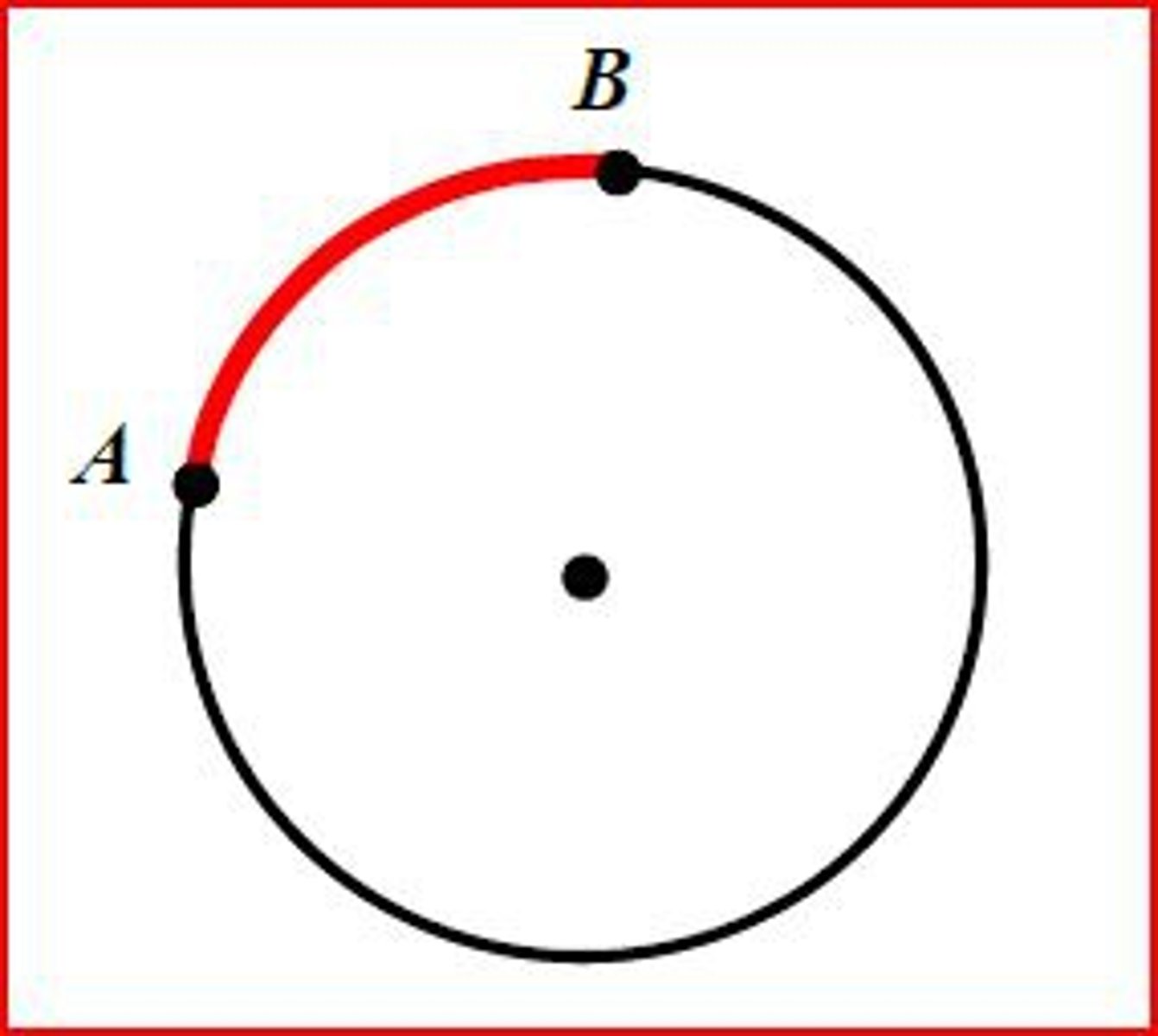
arc
Part of a circle between any two of its points.
area
The measure, in square units, of the inside of a plane figure.
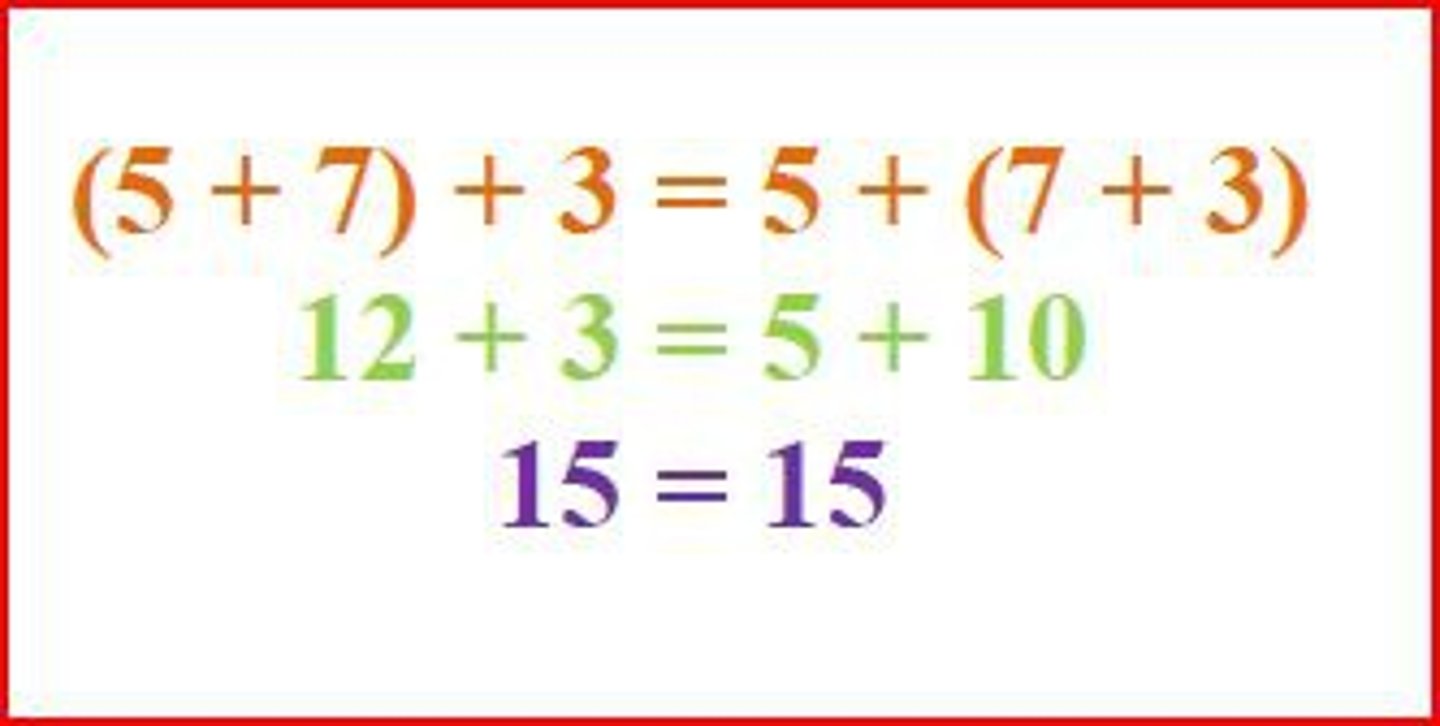
Associative Property of Addition
Changing the grouping of three or more addends does not change the sum.
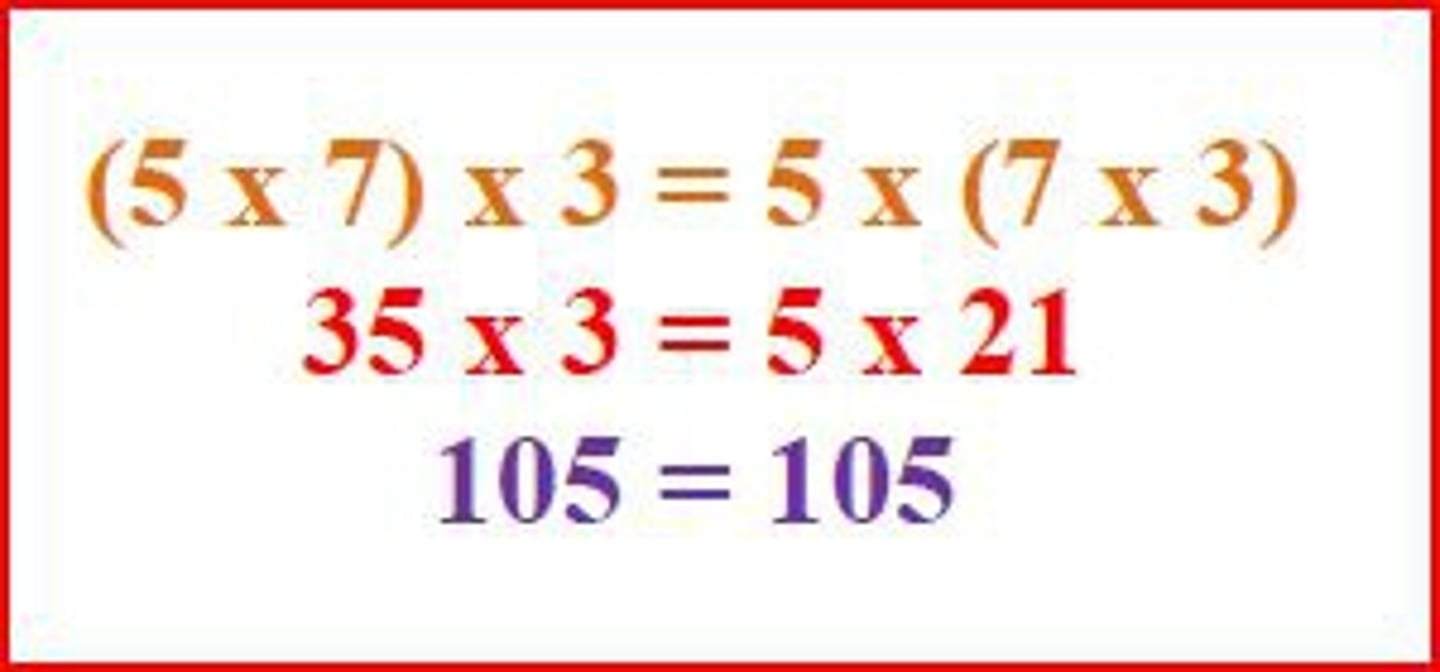
Associative Property of Multiplication
Changing the grouping of three or more factors does not change the product.
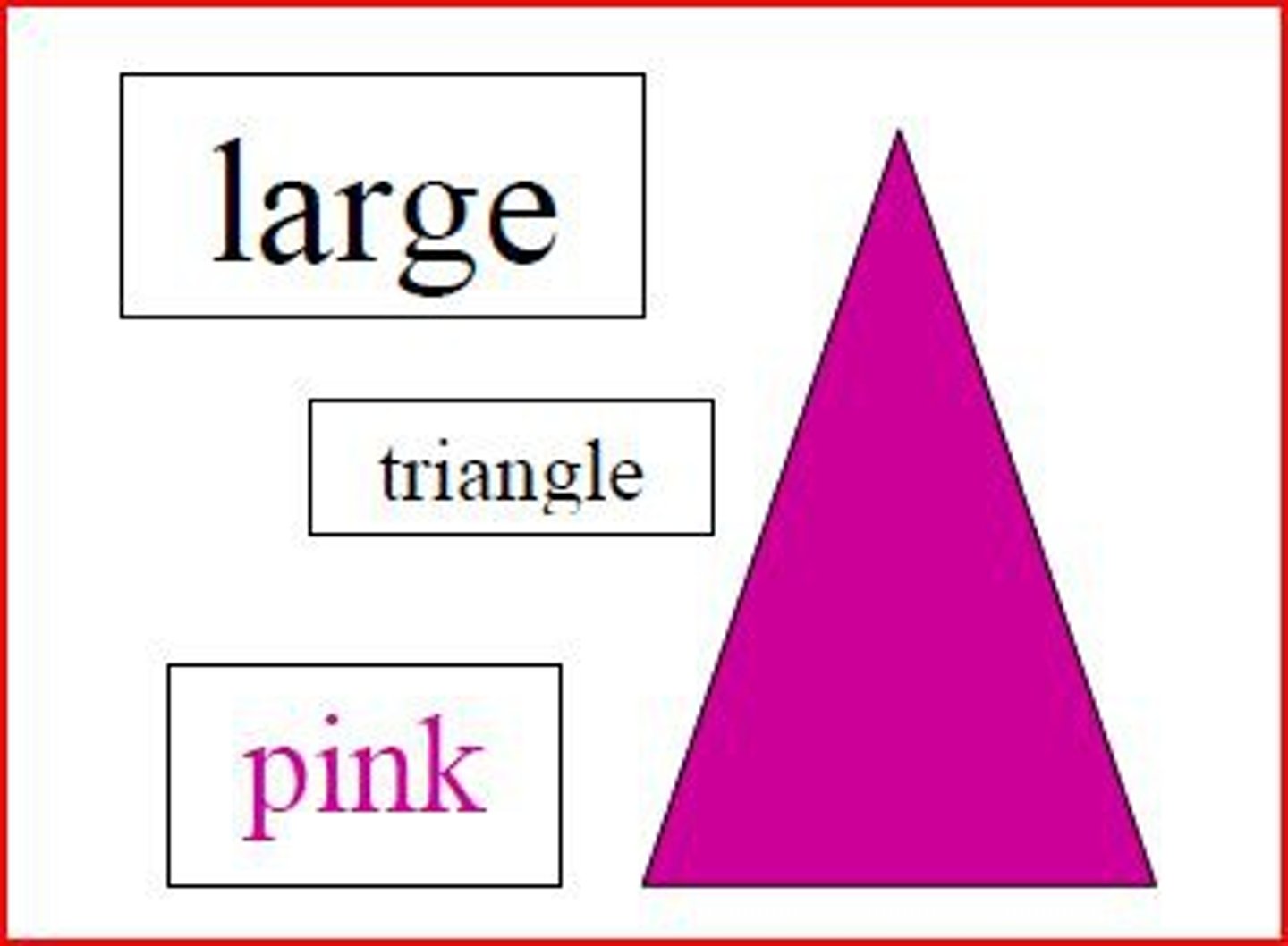
attribute
A characteristic of an object, such as color, shape, size, etc.
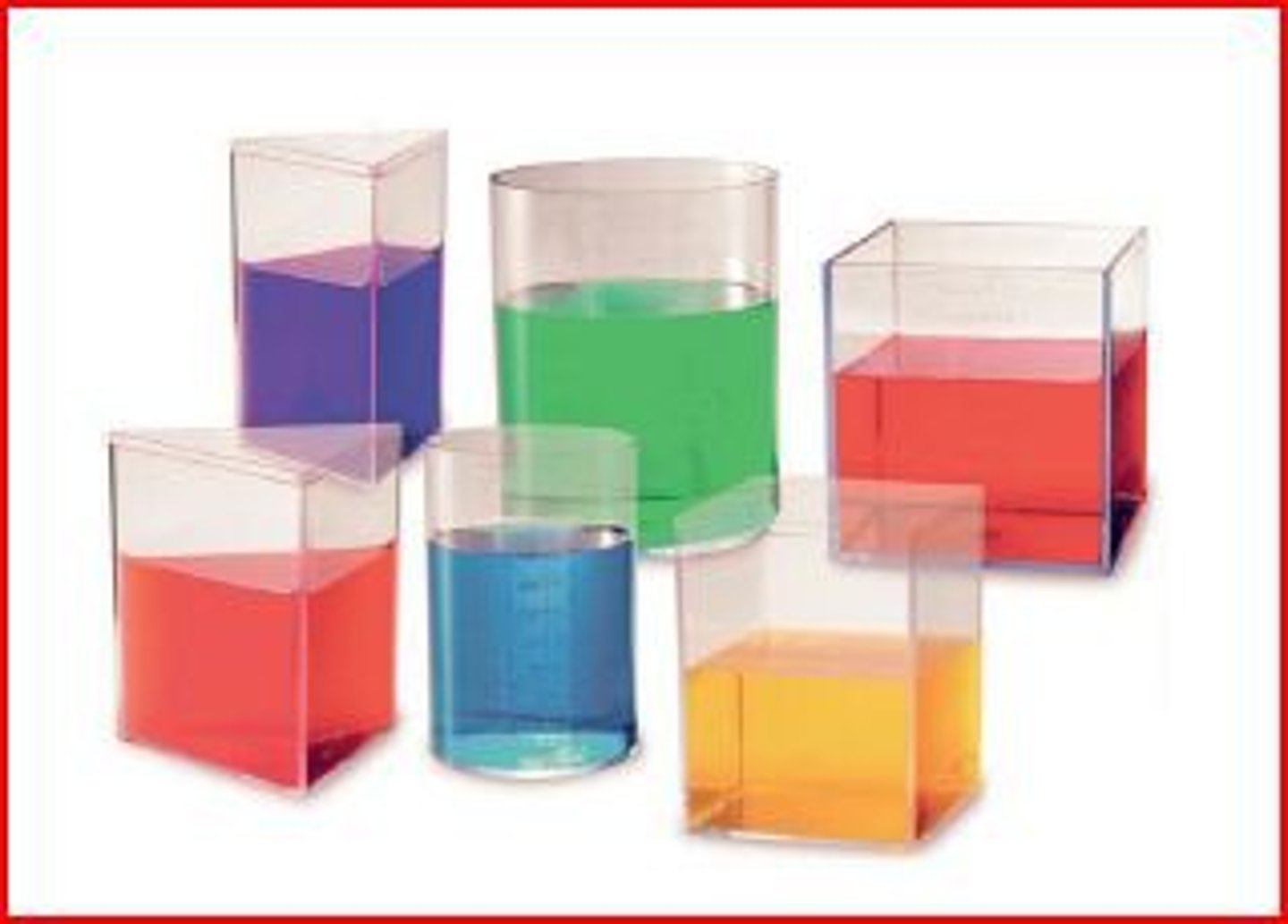
capacity
Capacity refers to the amount of liquid a container can hold.
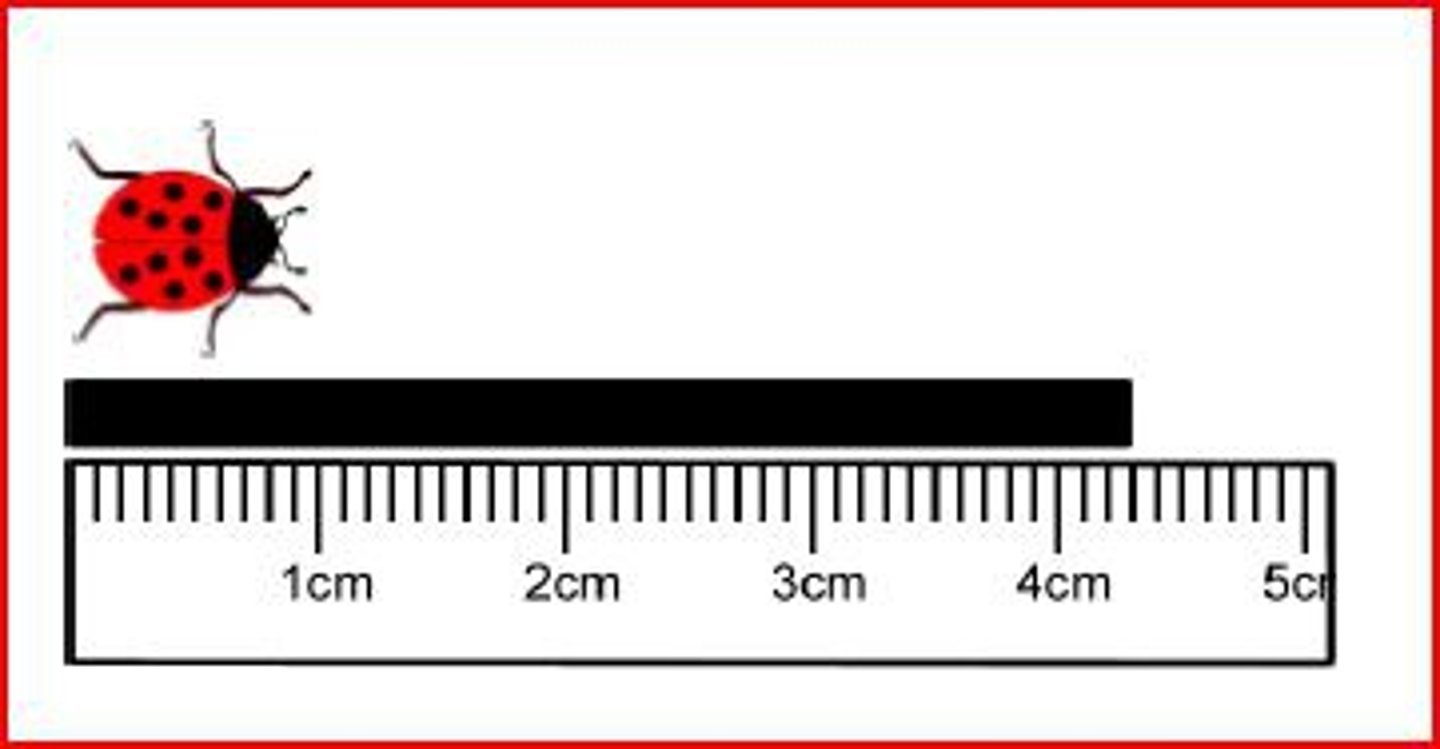
centimeter (cm)
A metric unit of length equal to 0.01 of a meter.
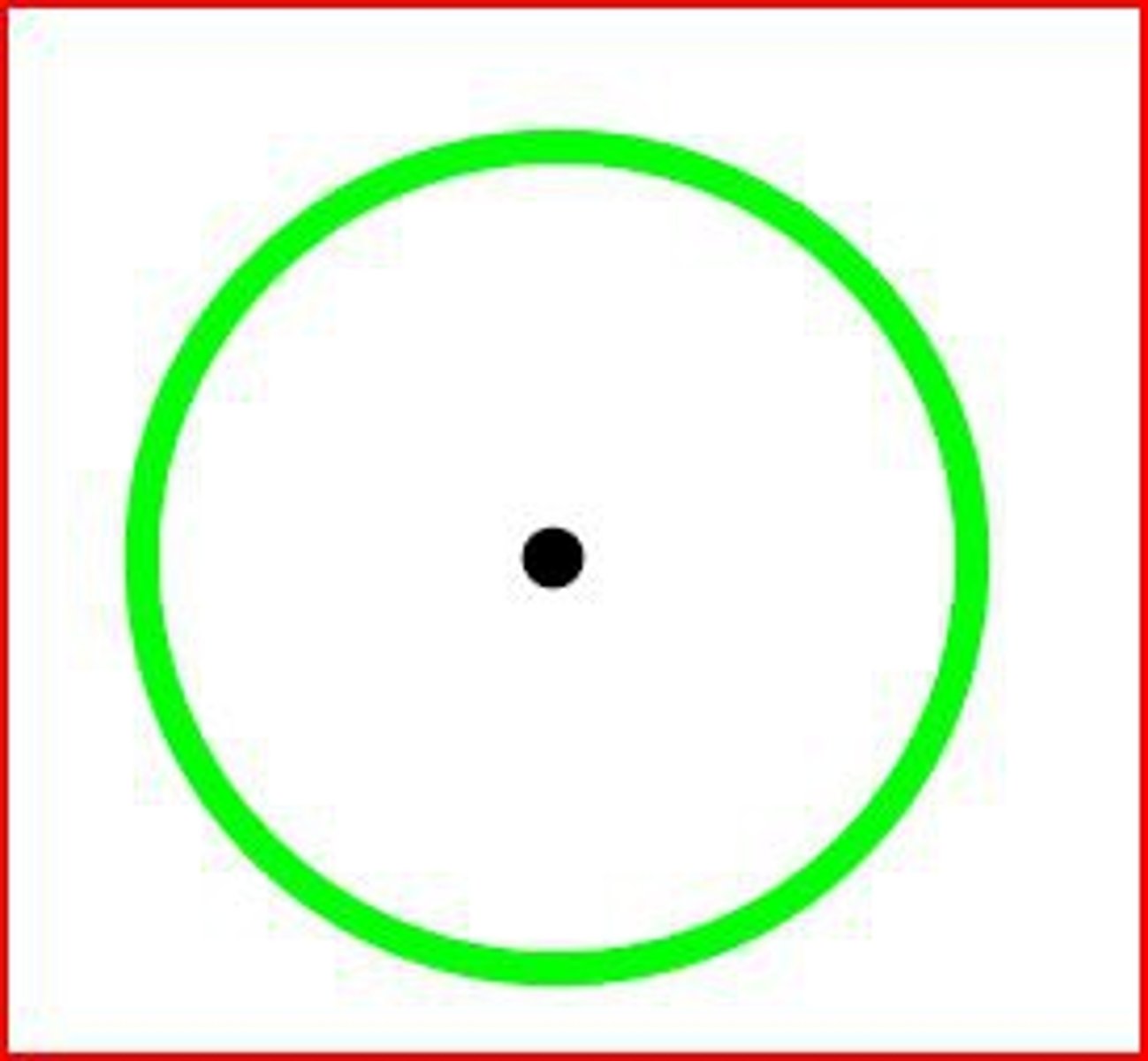
circle
A plane figure with all points the same distance from a fixed point called a center.
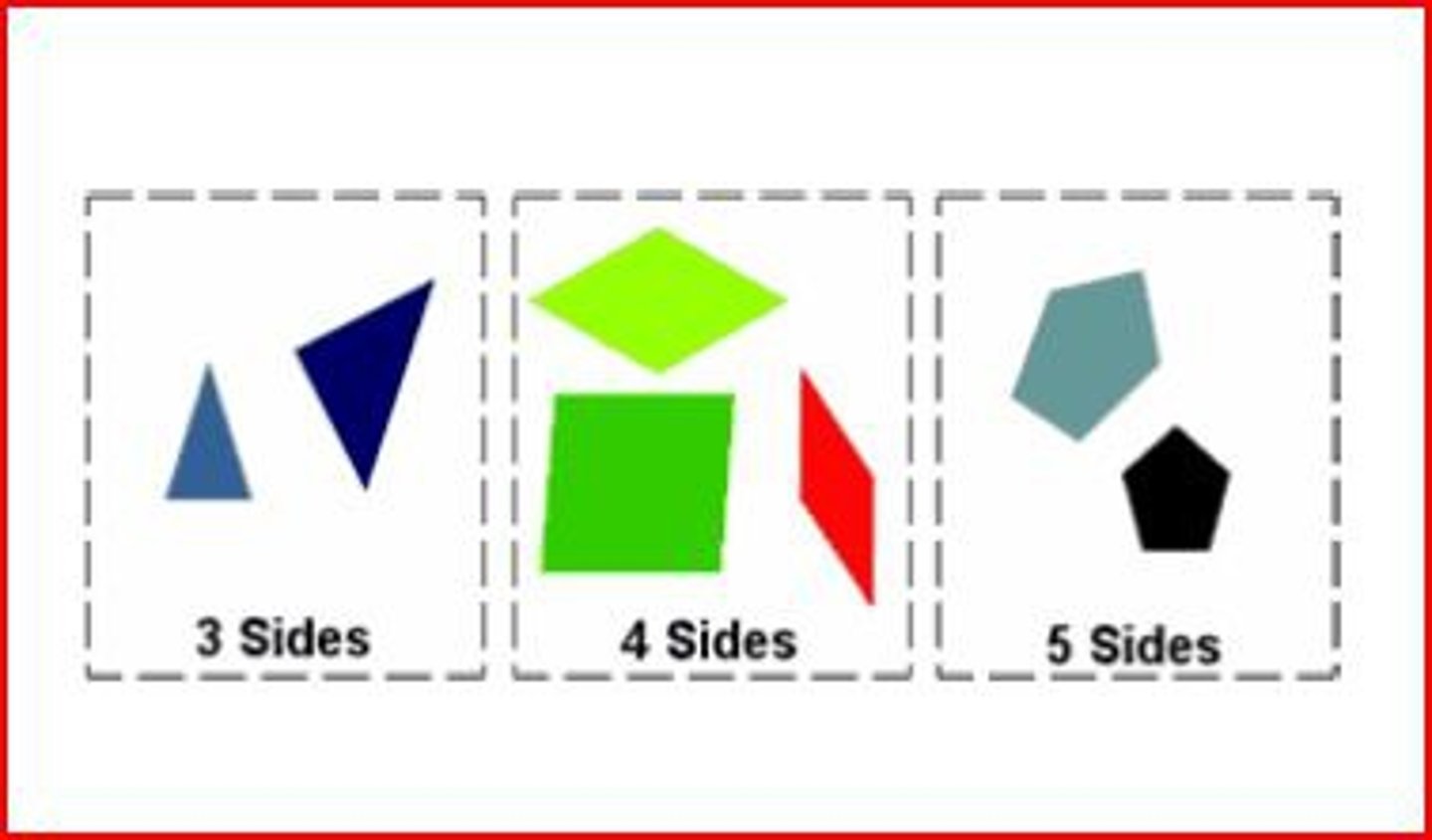
classify
To sort into categories or to arrange into groups by attributes.
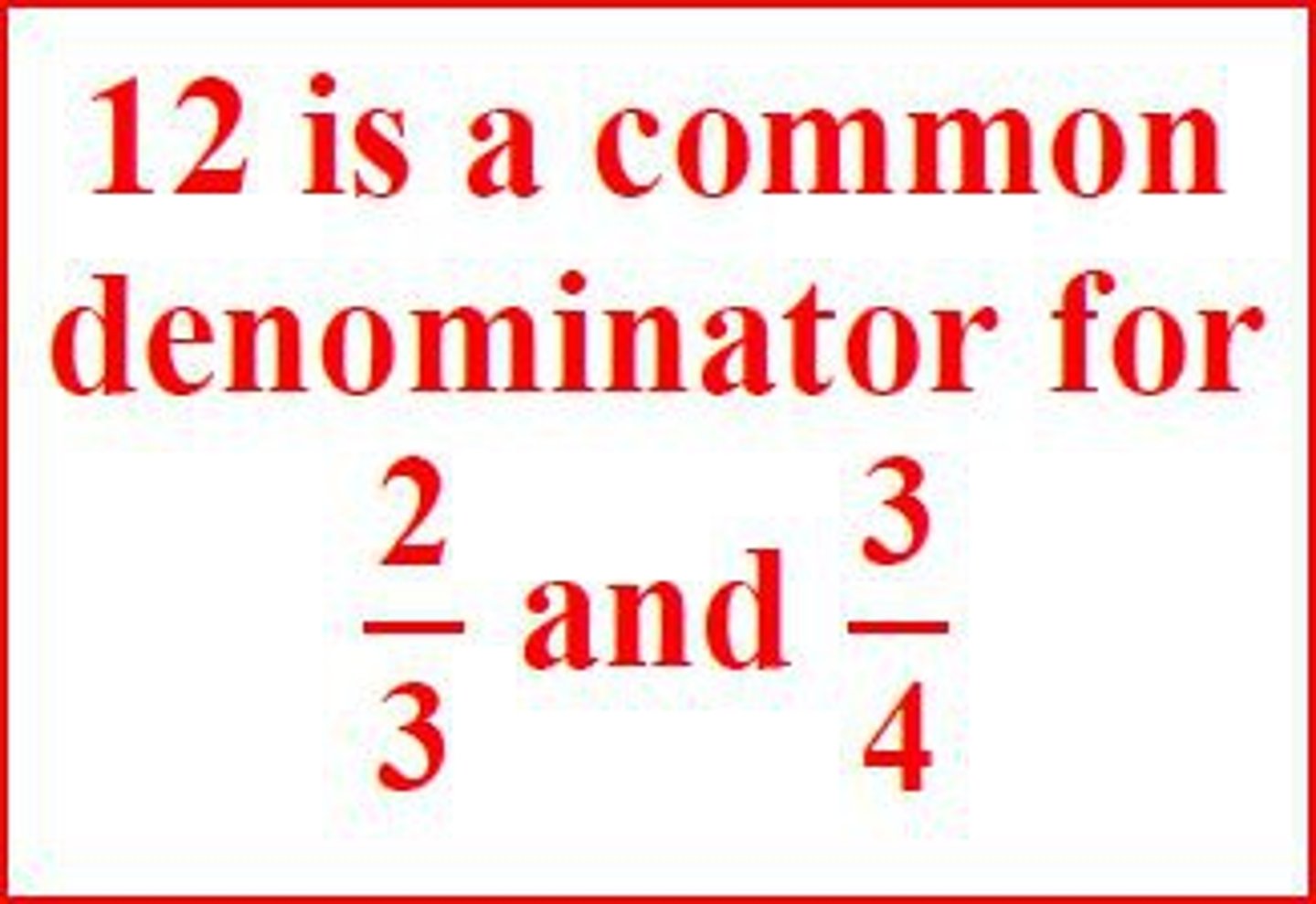
common denominator
For two or more fractions, a common denominator is a common
multiple of the denominators.
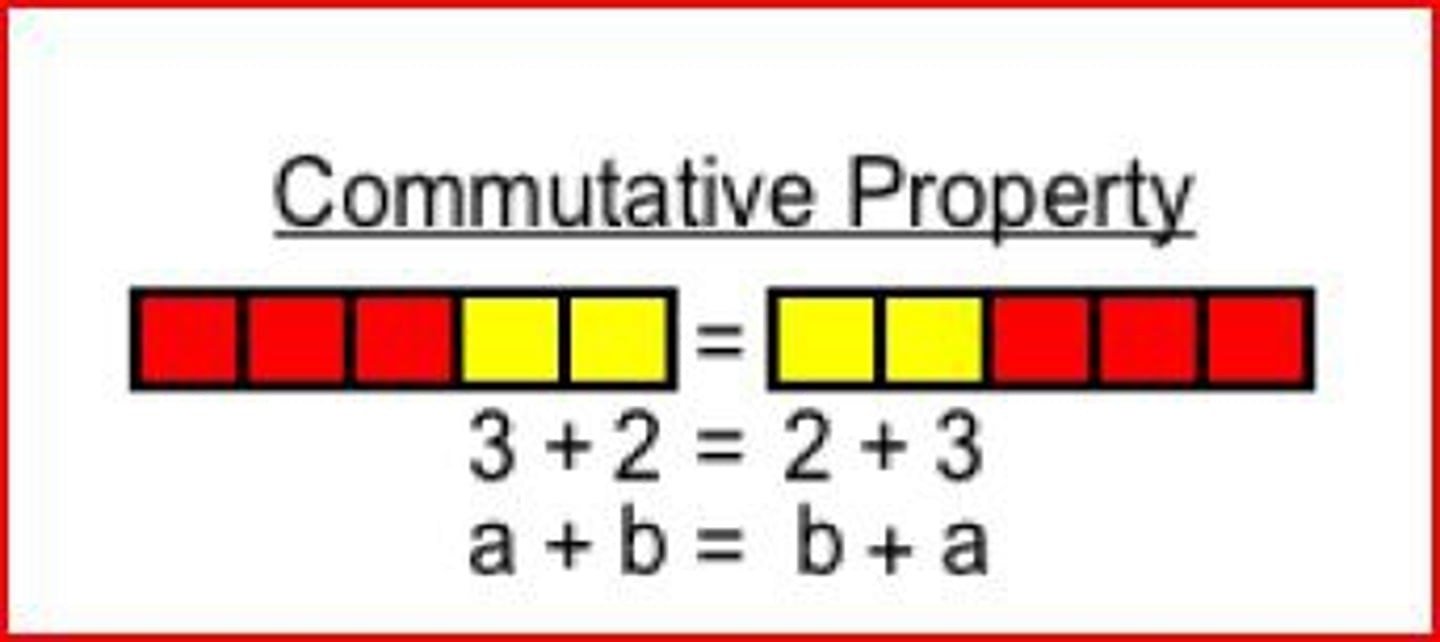
Commutative Property of Addition
Changing the order of the addends does not change the sum.
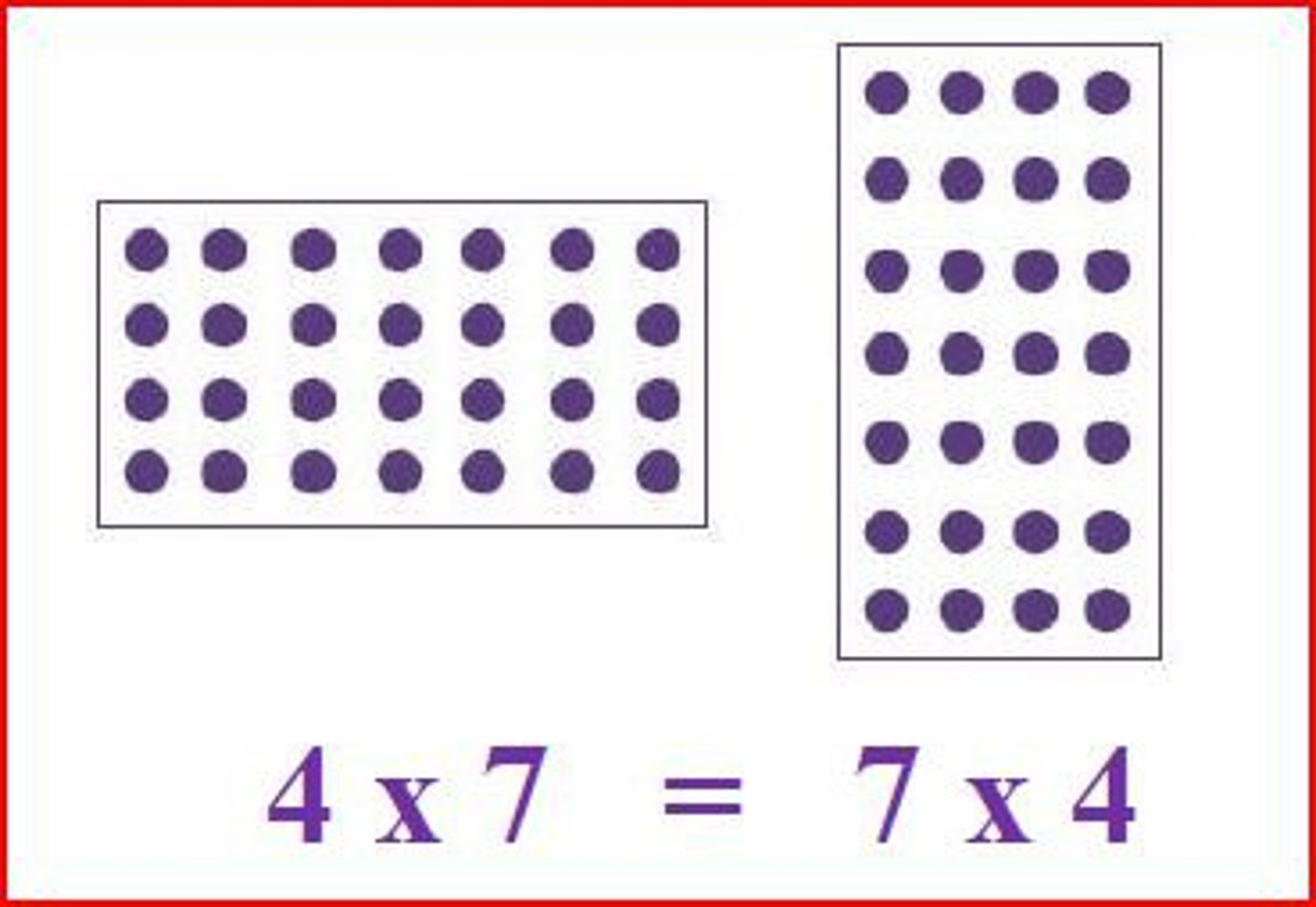
Commutative Property of Multiplication
Changing the order of the factors does not change the product.
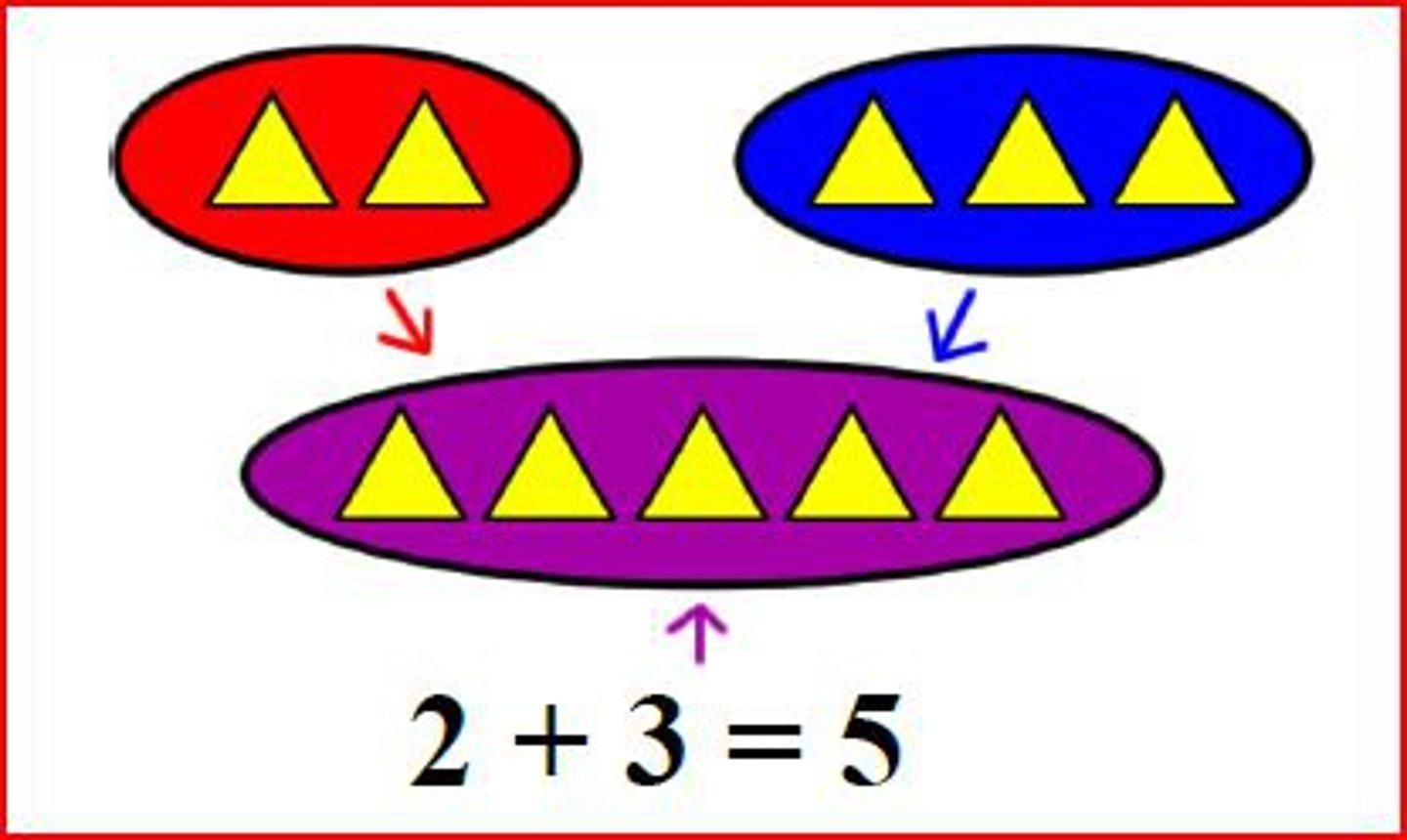
add
To combine, put together two or more quantities.
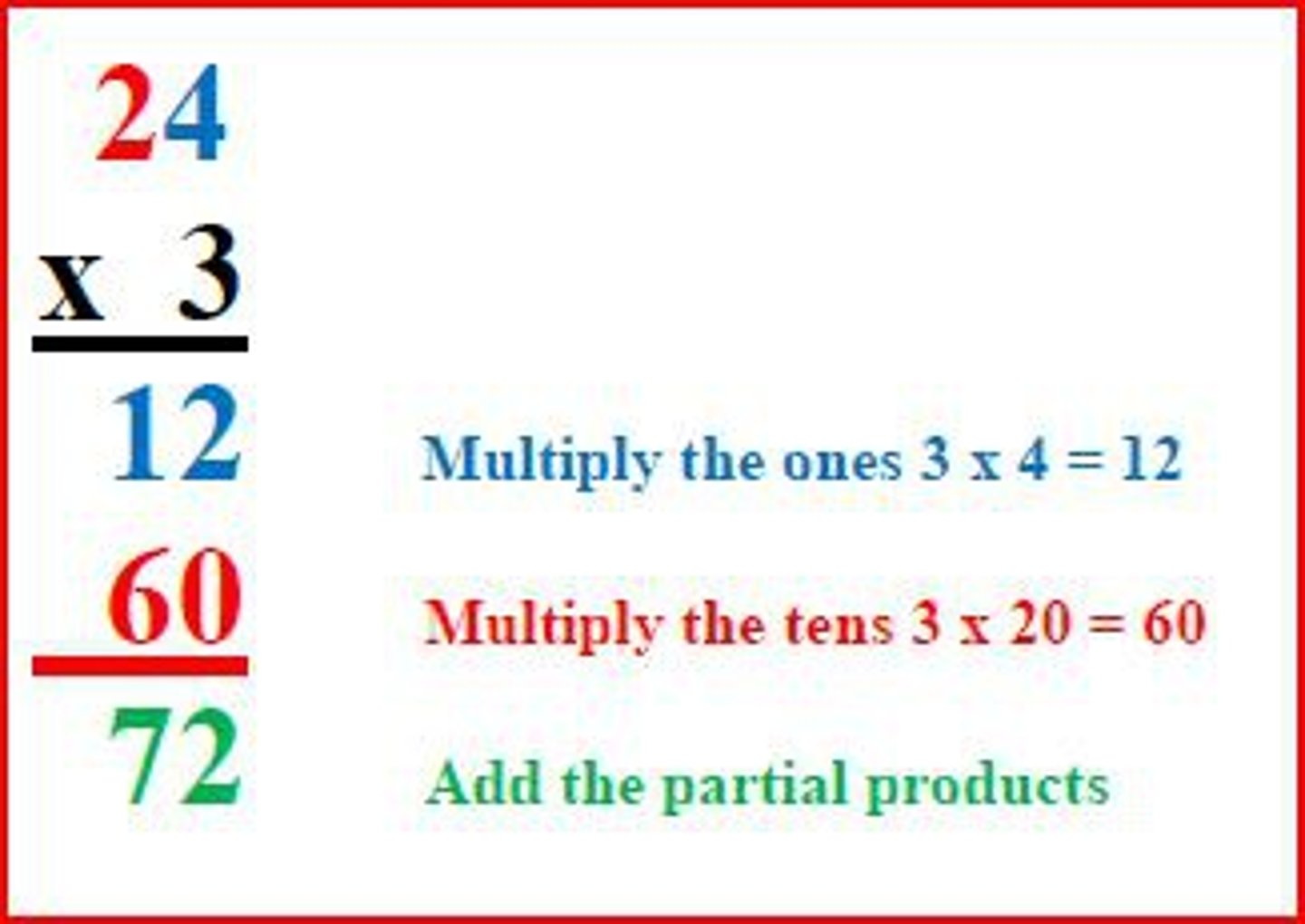
algorithm
A step-by-step method for computing.
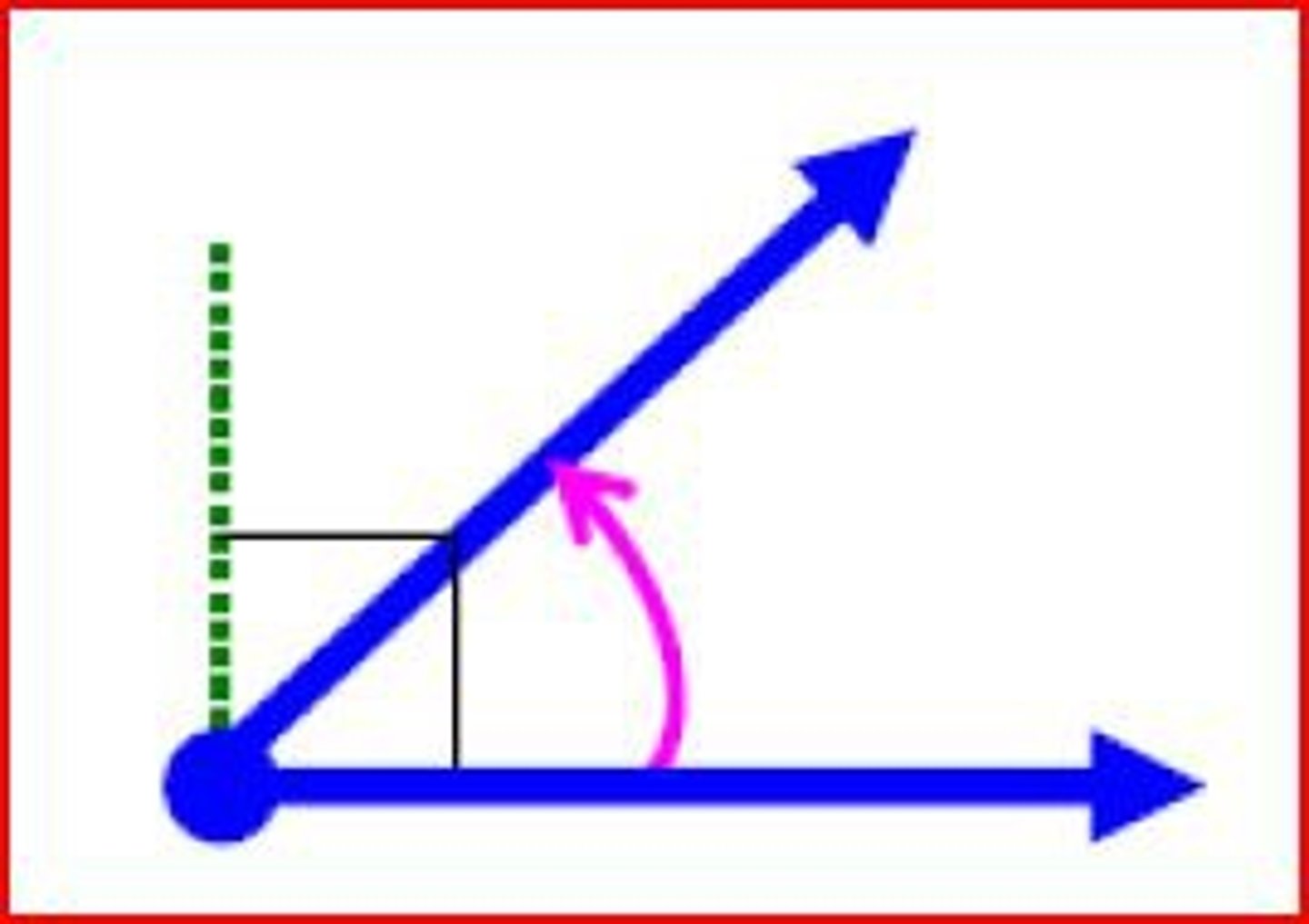
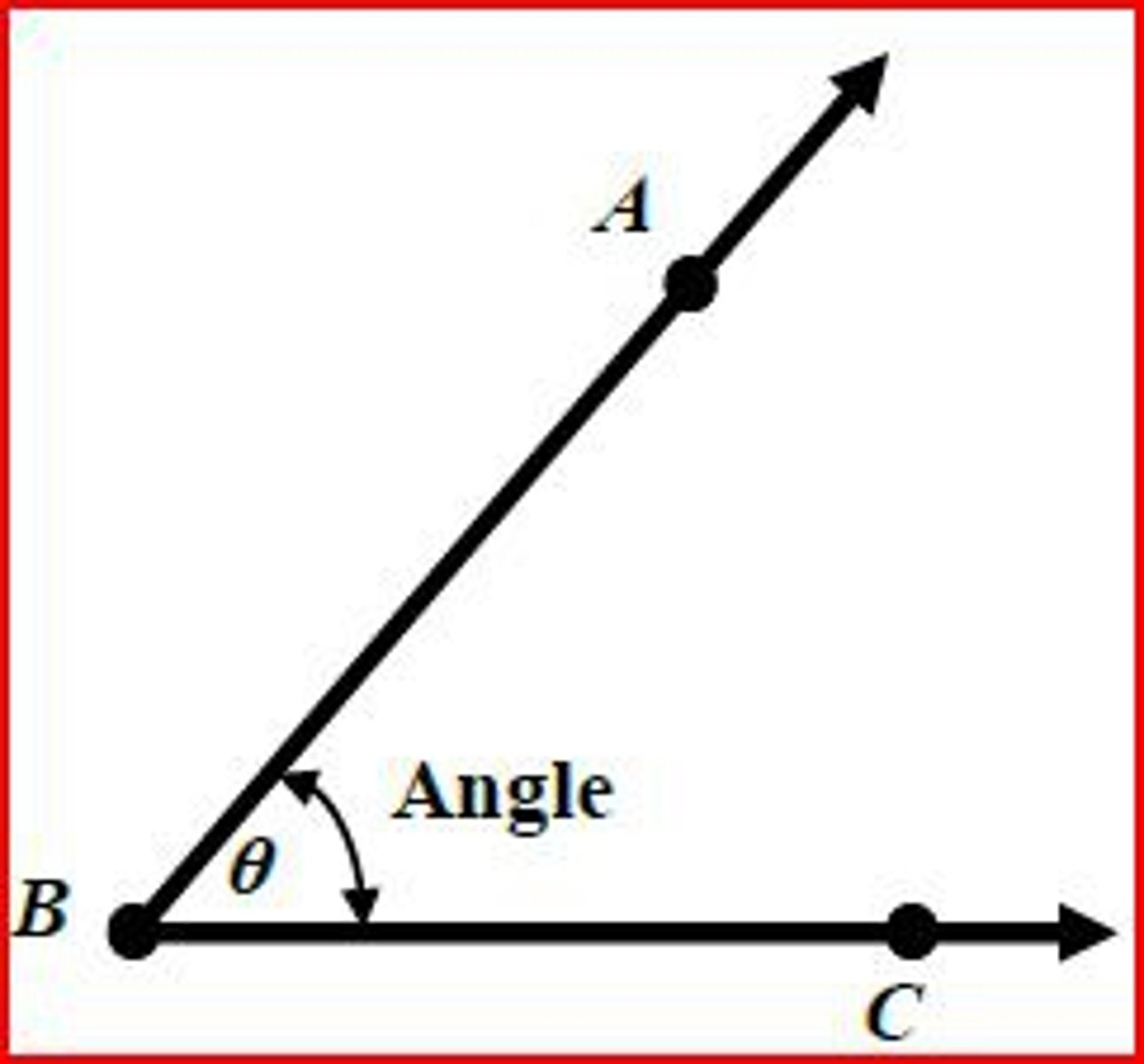
angle
Two rays that share an endpoint.
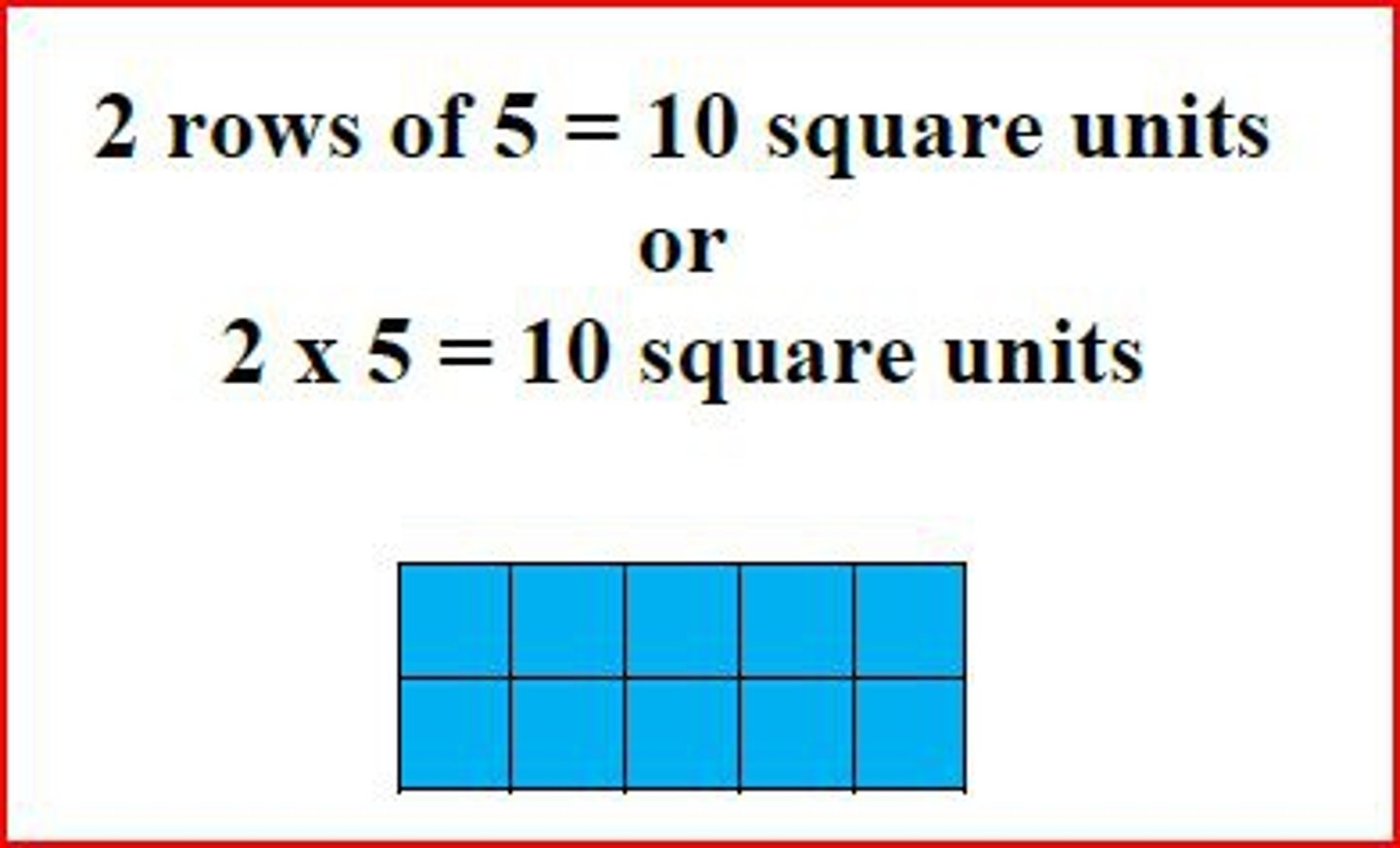
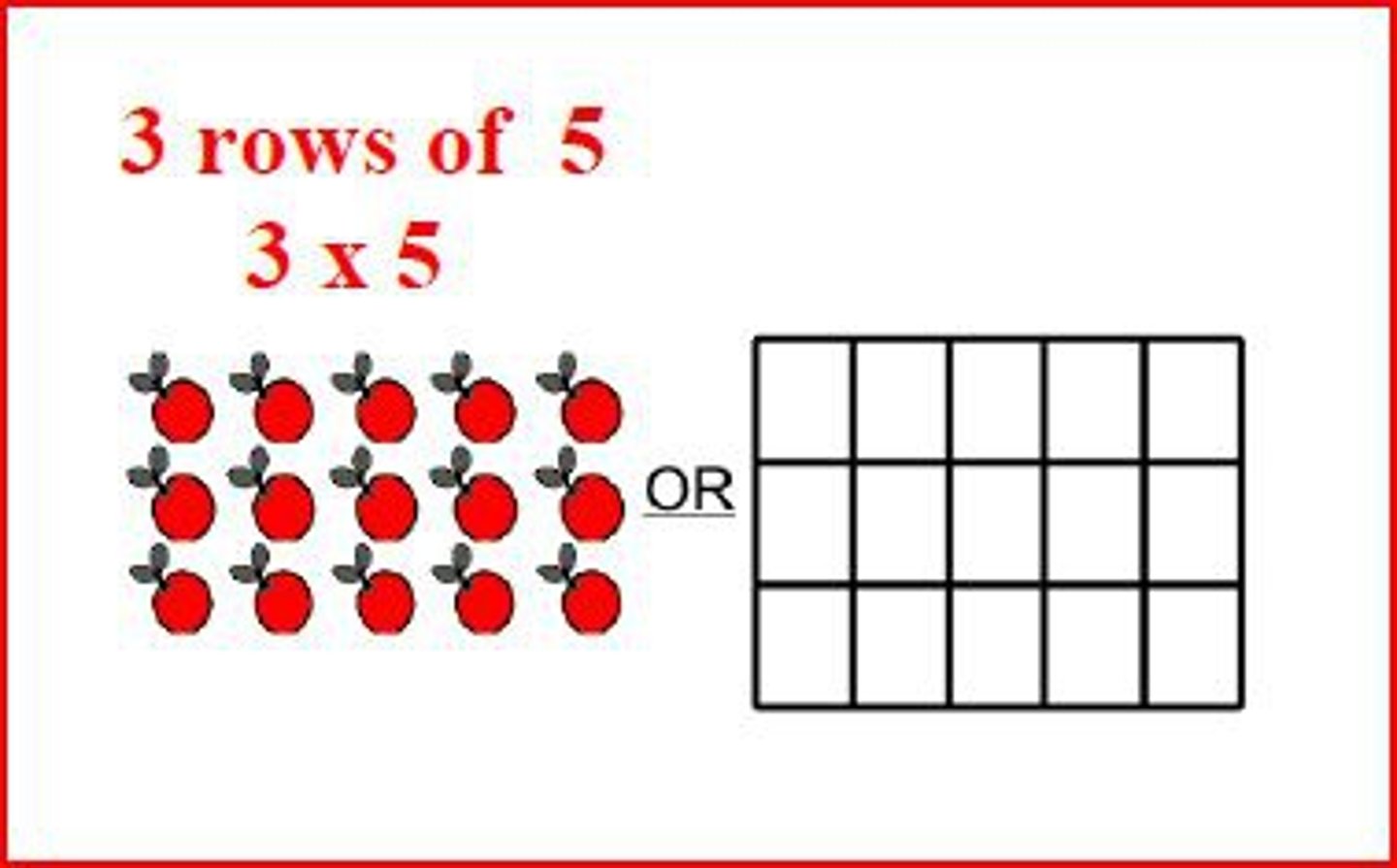
array
An arrangement of objects in equal rows.
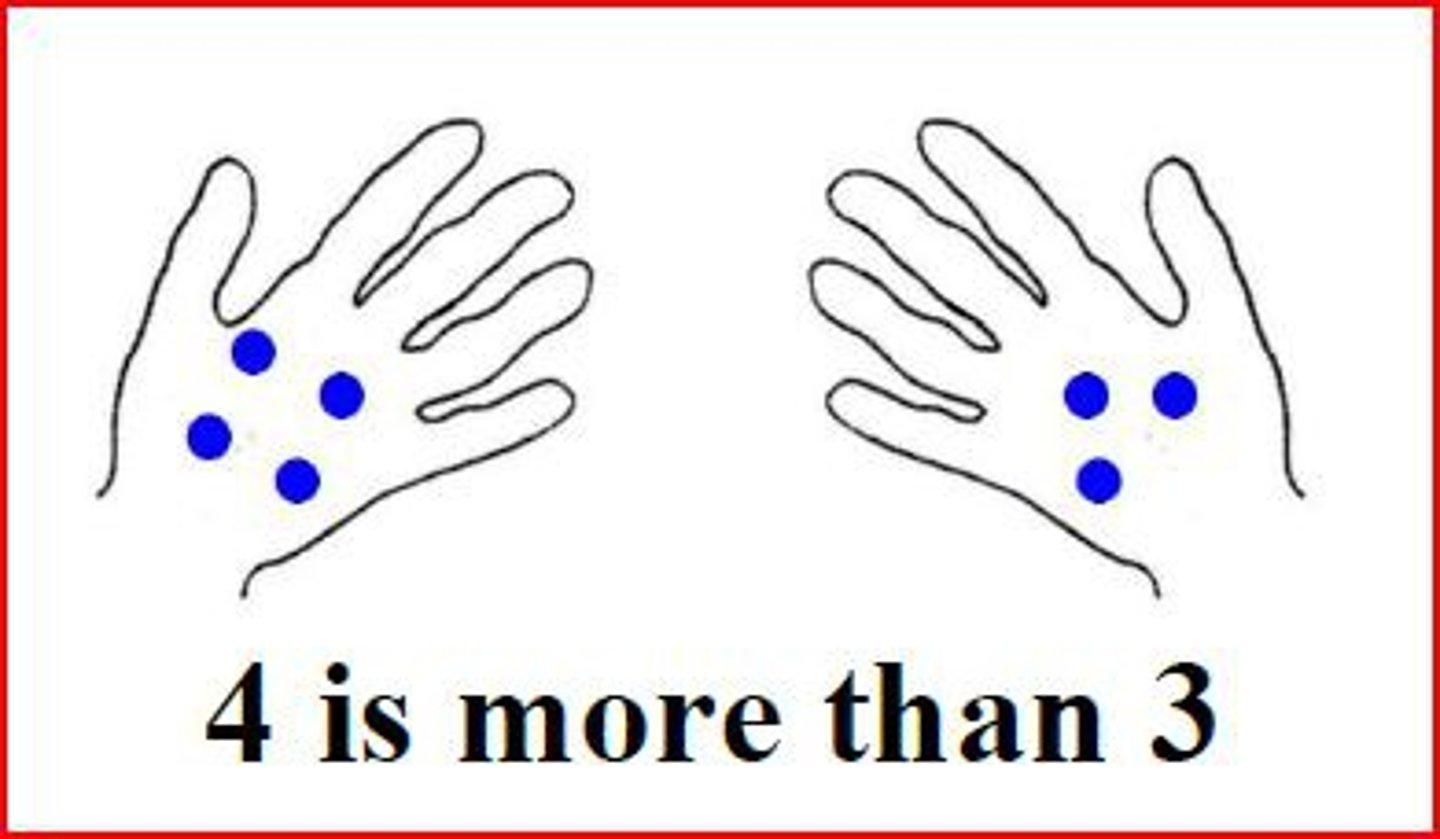
compare
To decide if one number is greater than, less than, or equal to.
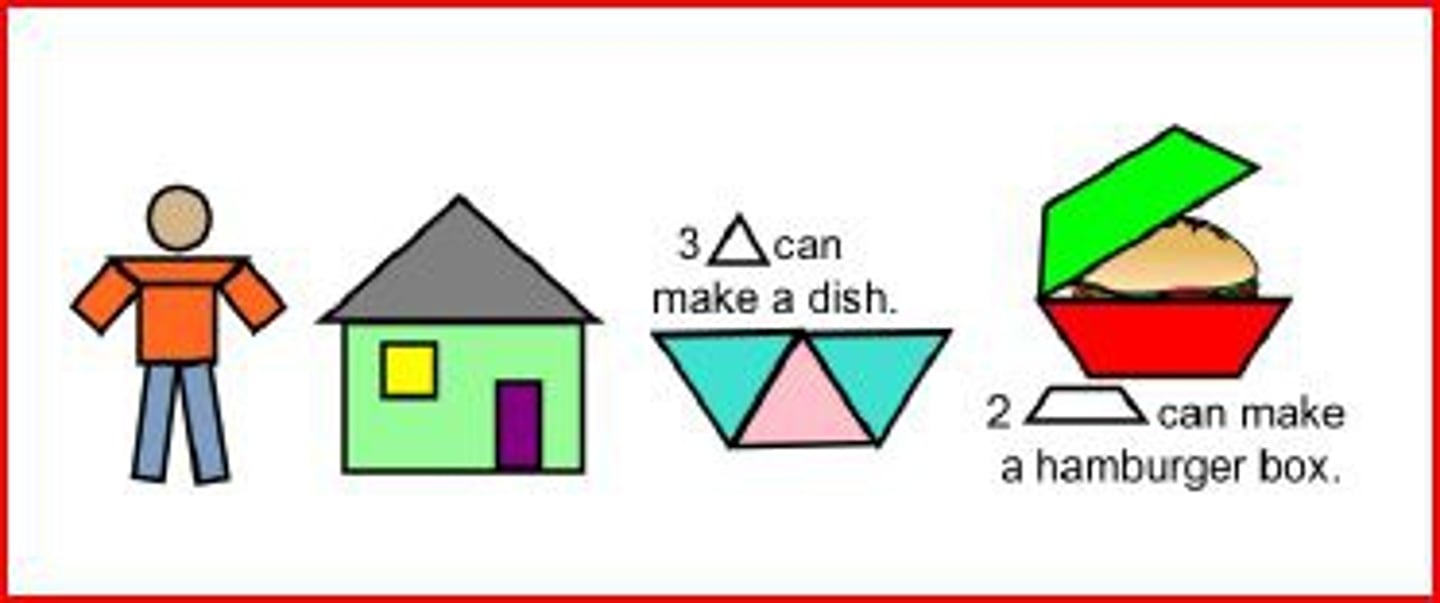
compose
To put together components or basic elements.
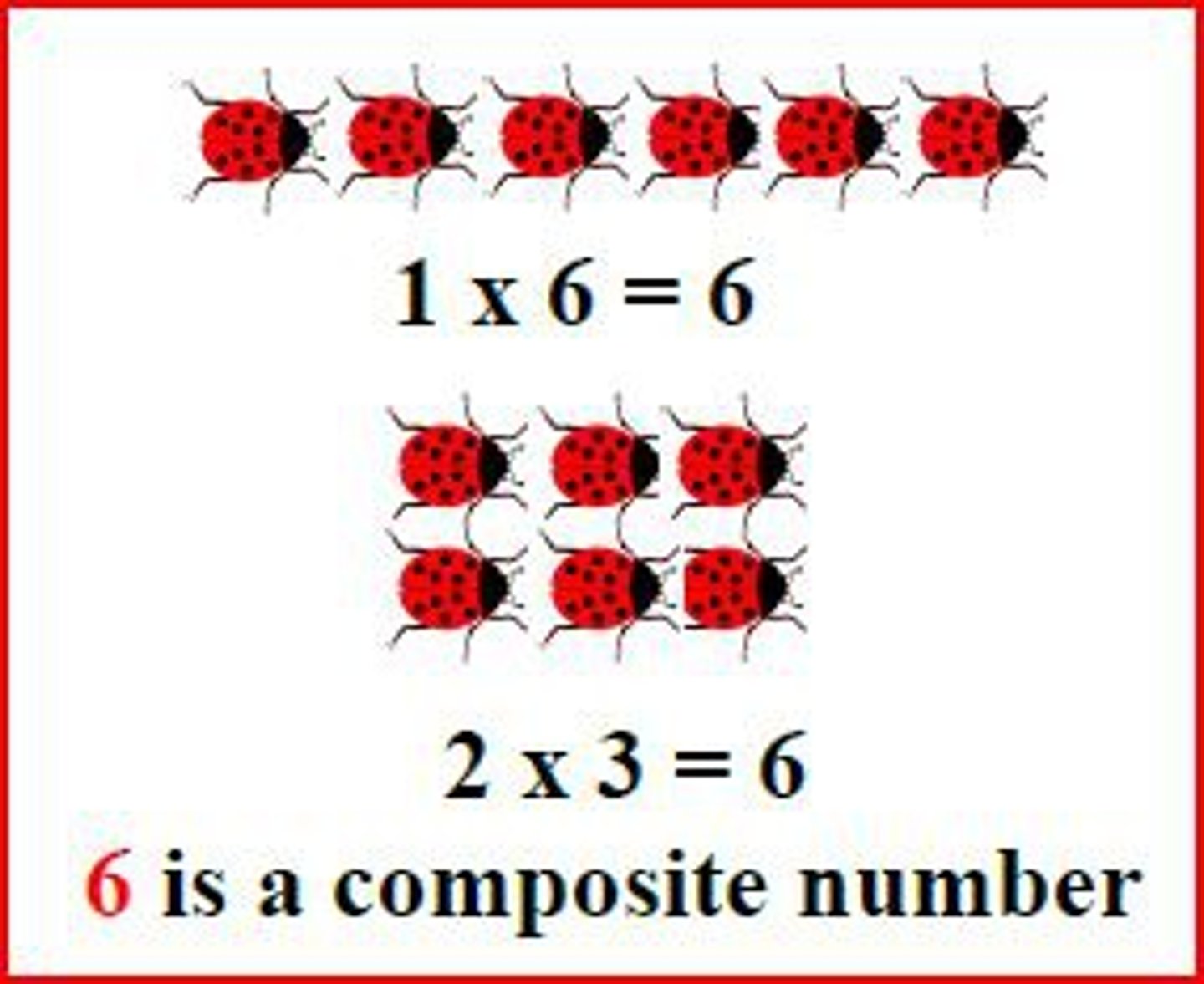
composite number
A number greater than 0 that has more than two different factors.
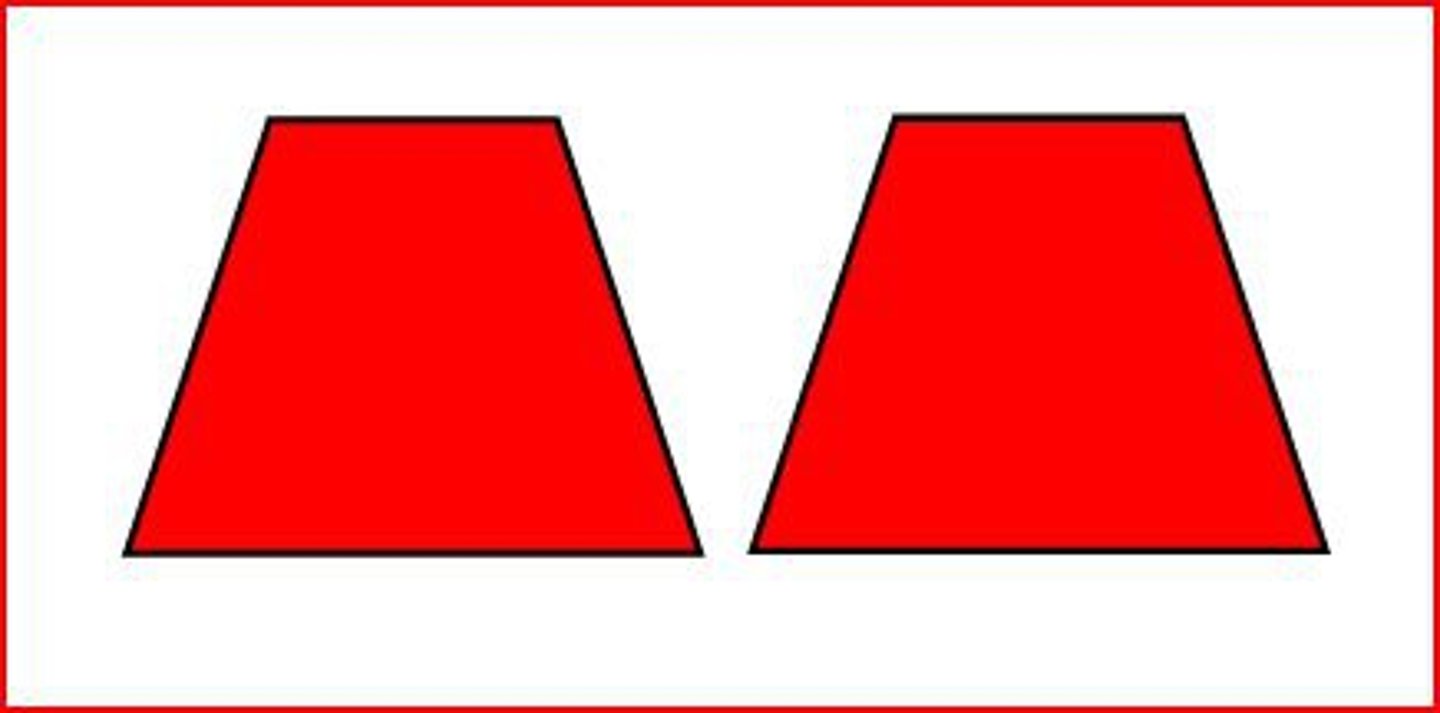
congruent
Having exactly the same size and shape.
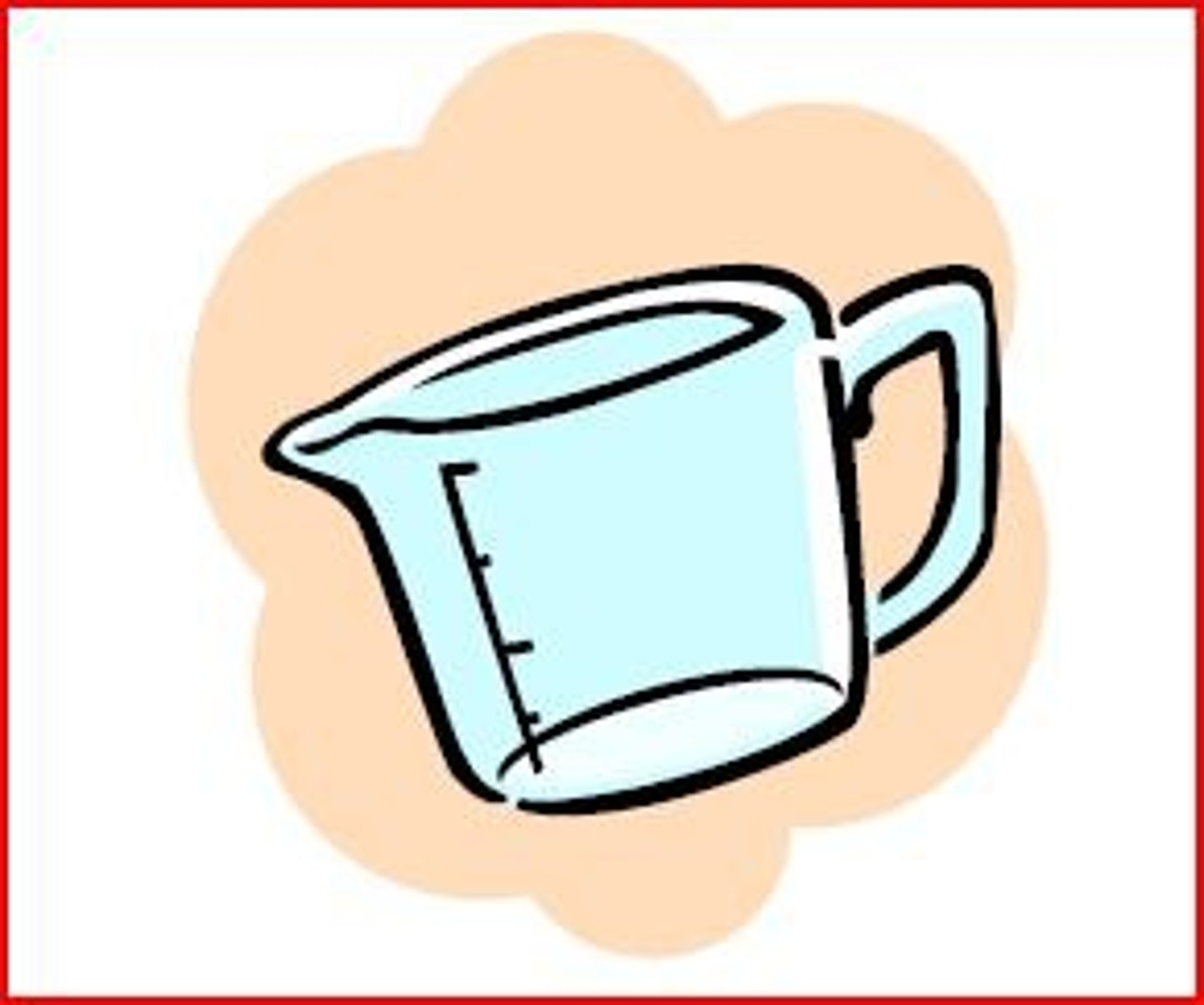
cup (c)
A customary unit of capacity.
1 cup = 8 fluid ounces.
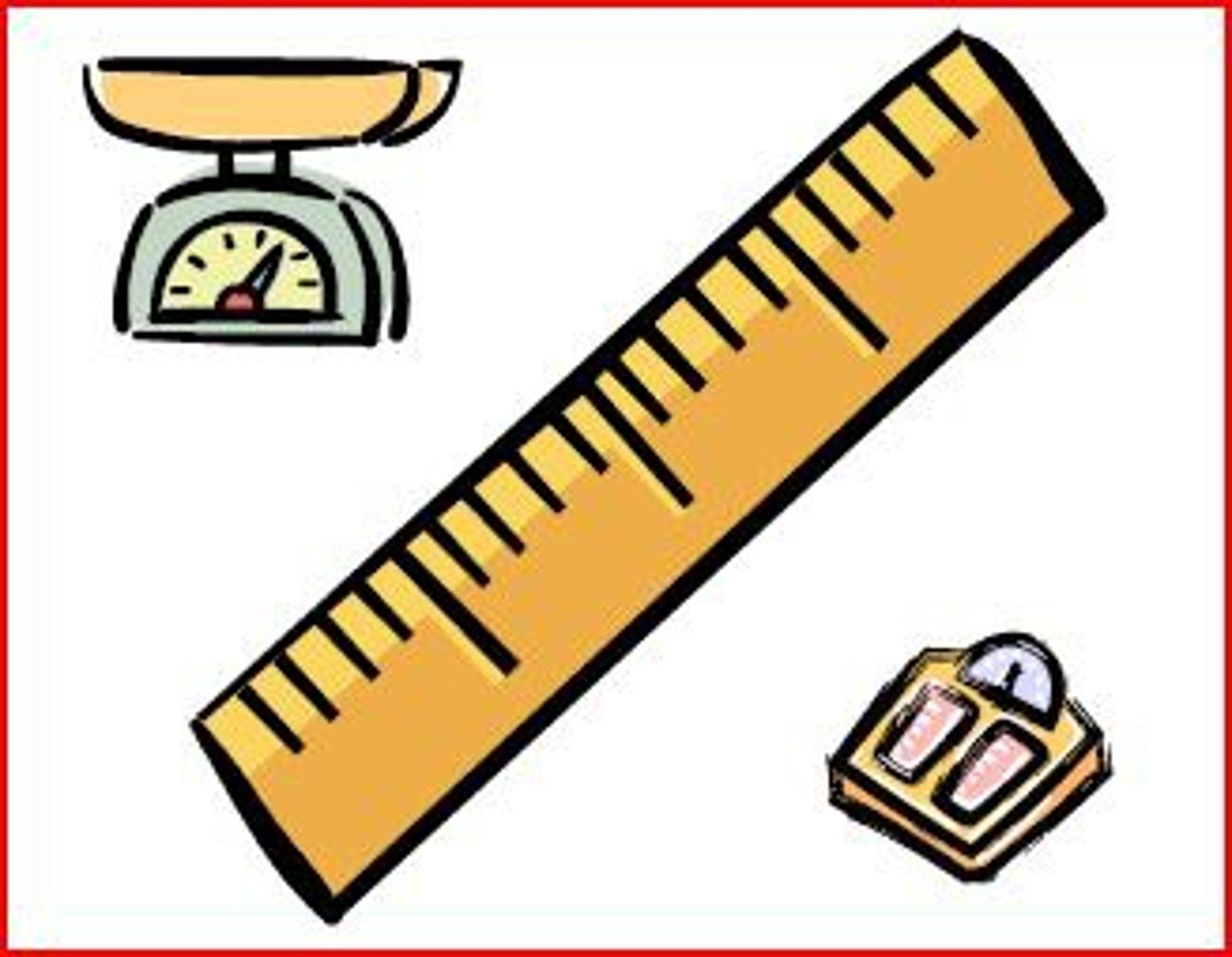
customary system
A system of measurement used in the U.S. The system includes
units for measuring length, capacity, and weight.
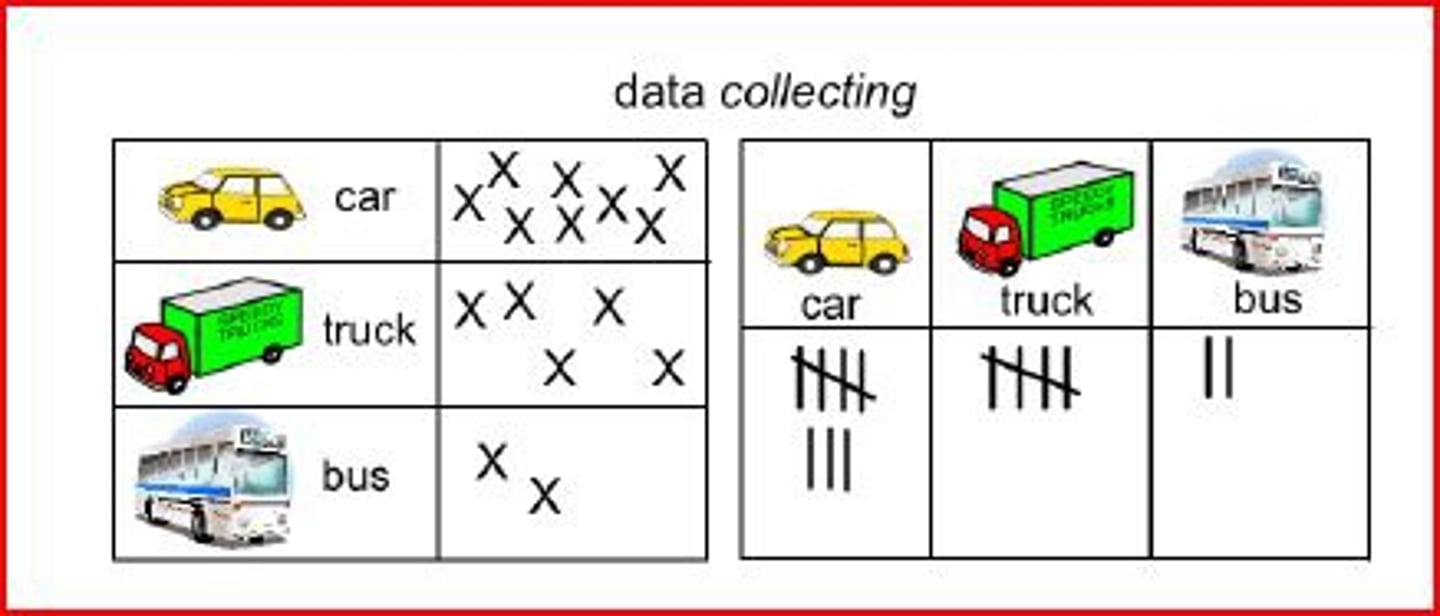
data
A collection of information gathered for a purpose. Data may be in the form of either words or numbers.
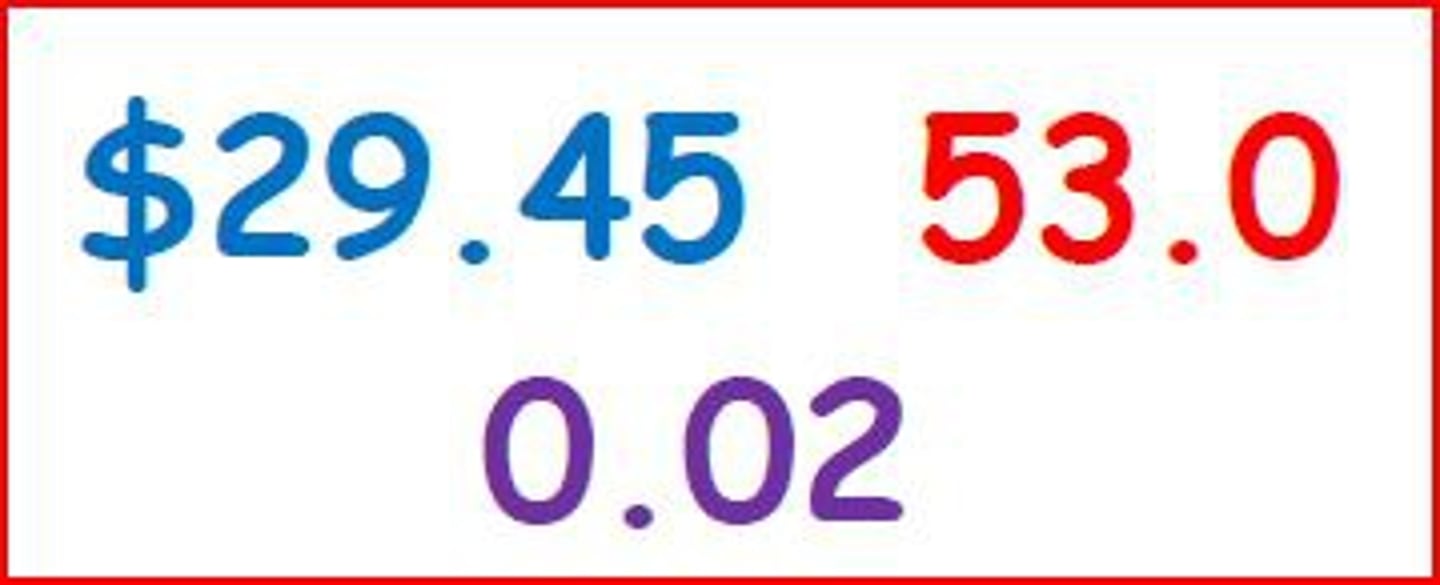
decimal
A number with one or more digits to the right of a decimal point.
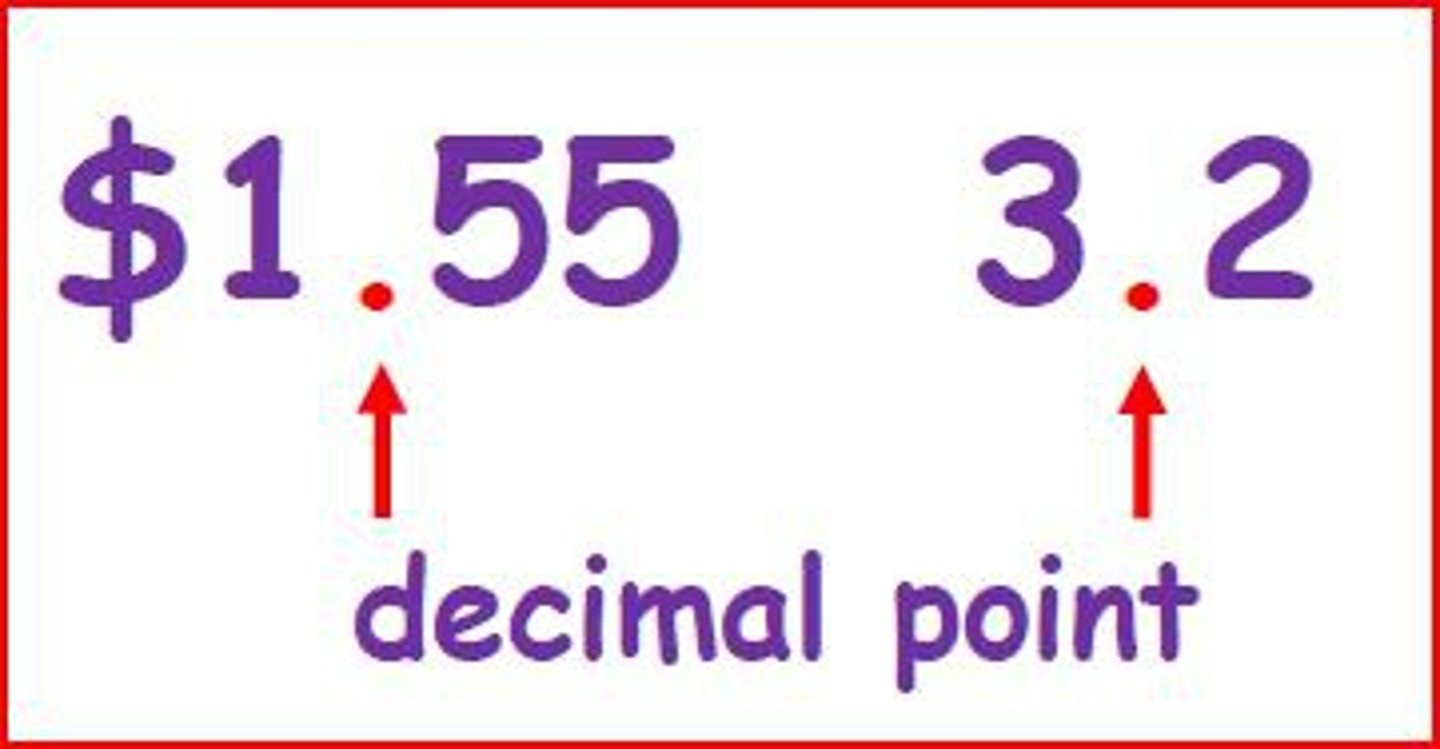
decimal point
A dot (.) separating the whole number from the fraction in decimal notation.
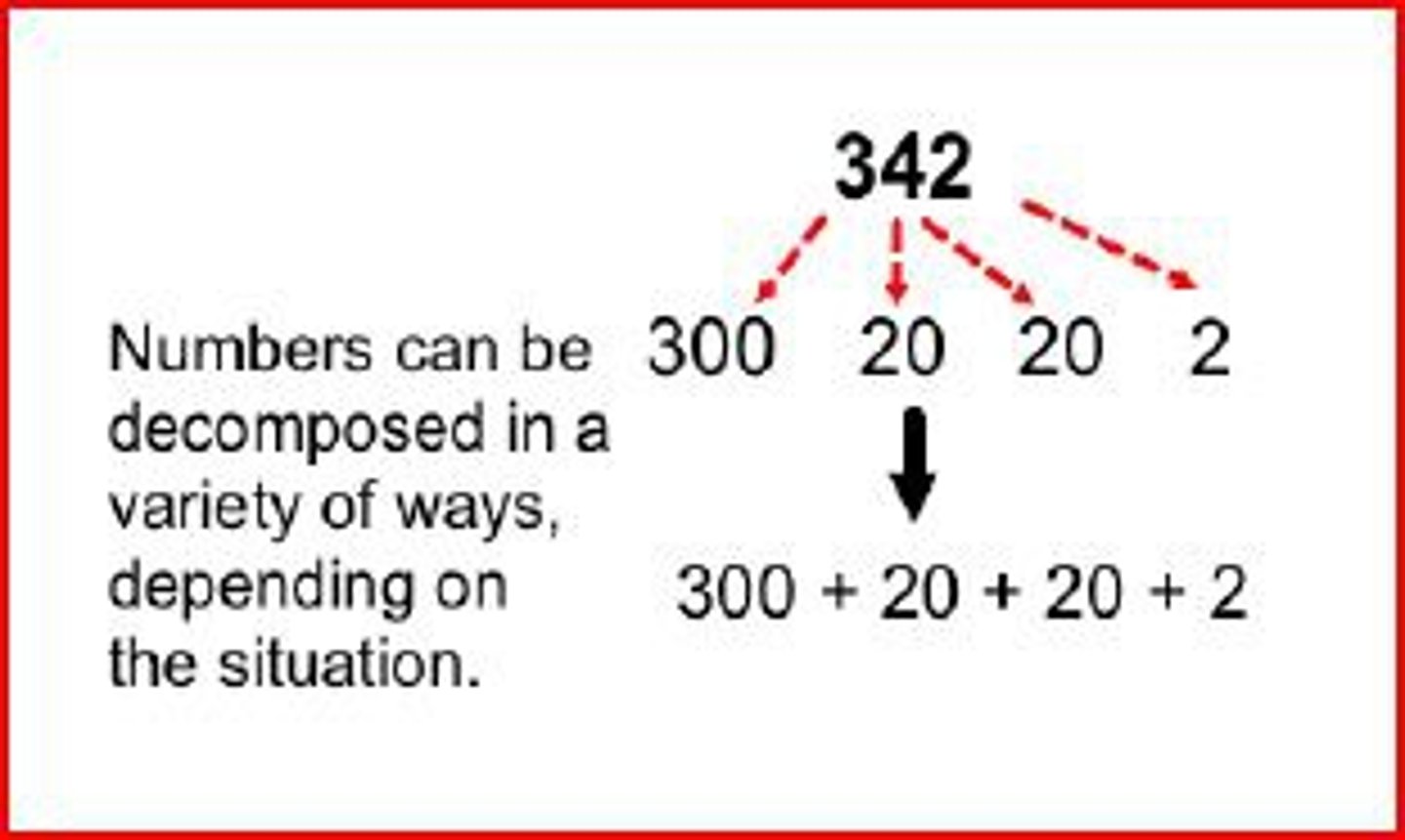
decompose
To separate into components or basic elements.
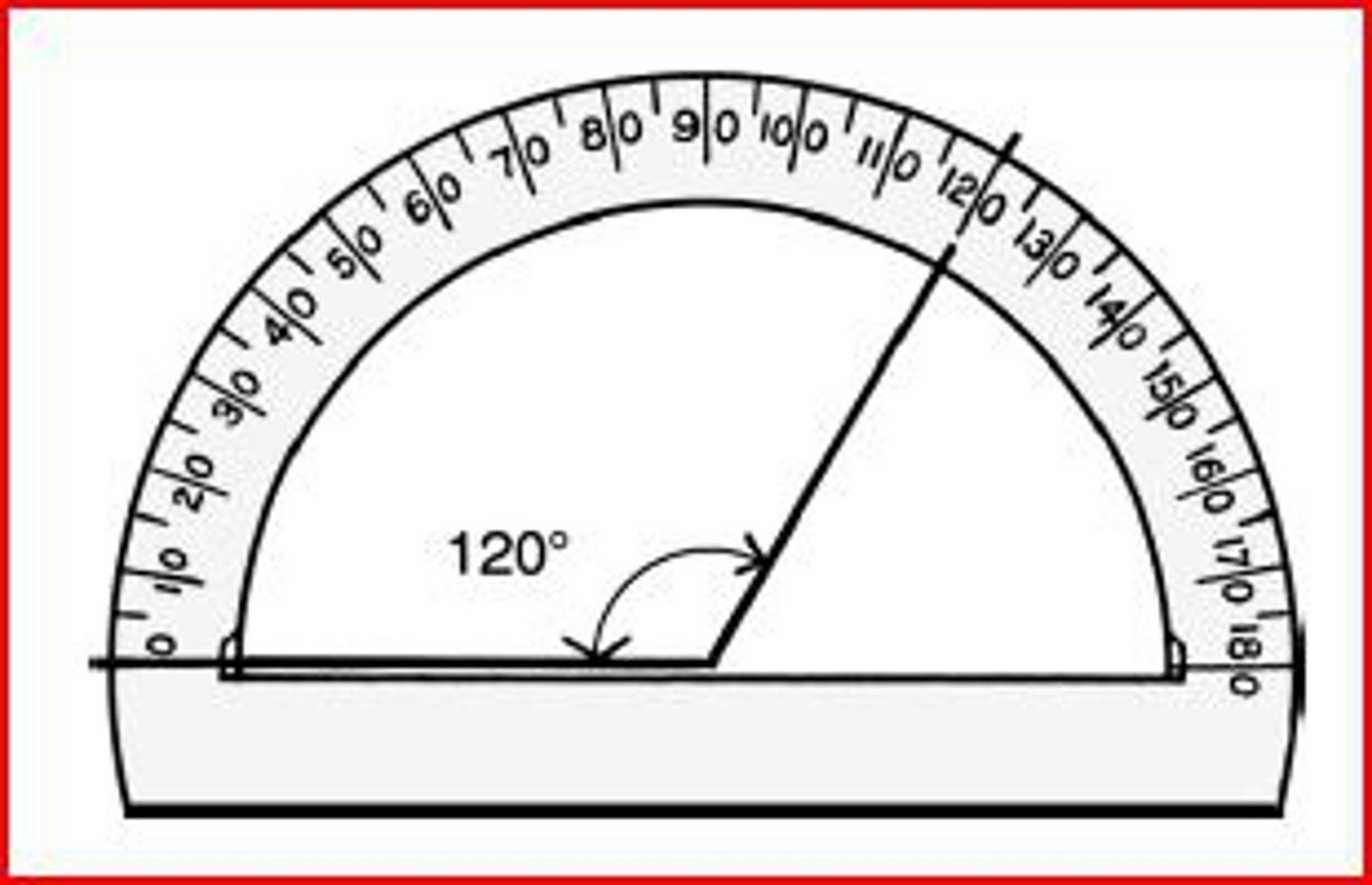
degree (angle measure)
A unit for measuring angles. Based on dividing one complete circle into 360 equal parts.
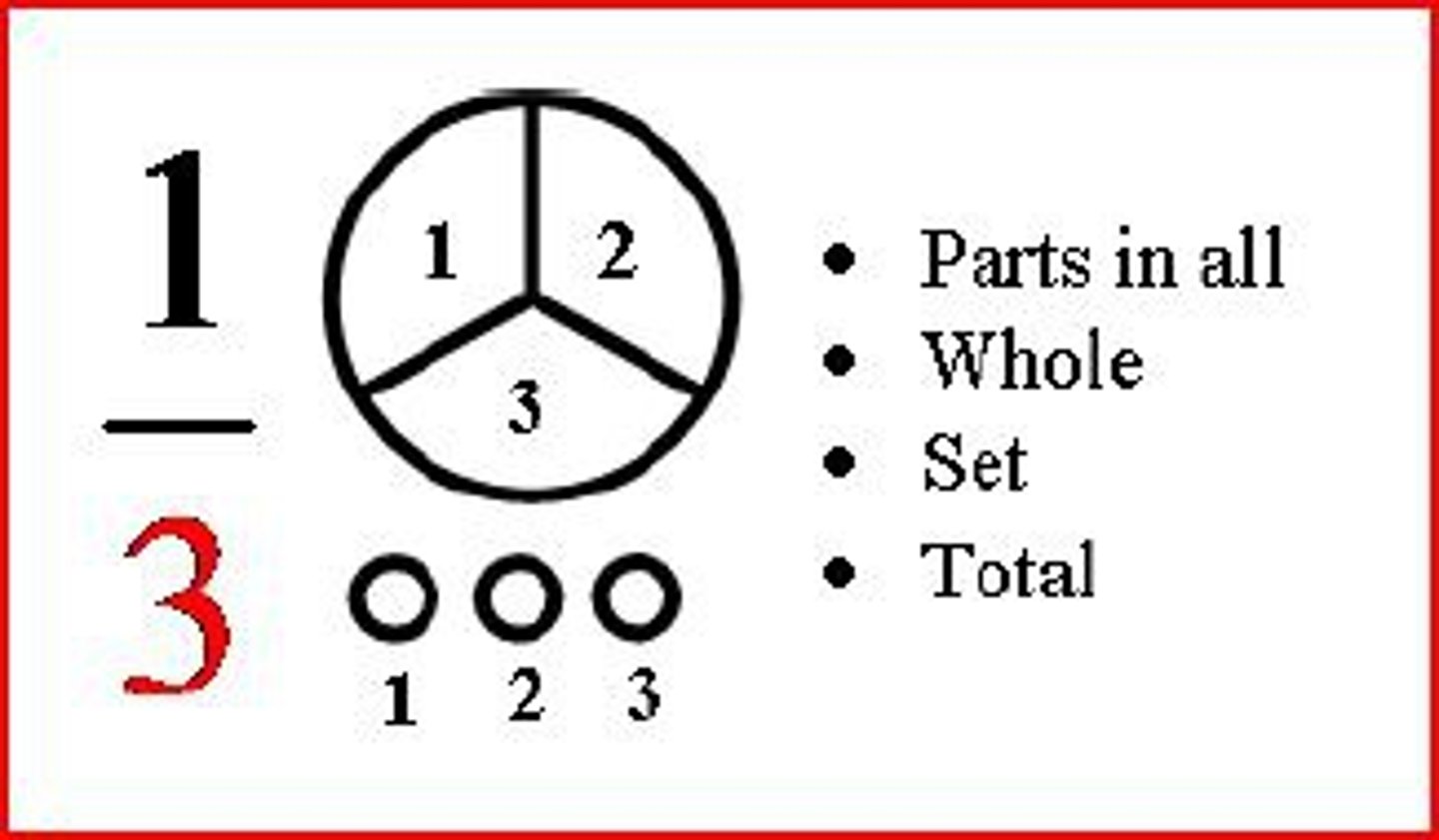
denominator
The quantity below the line in a fraction. It tells how many equal parts are in the whole.
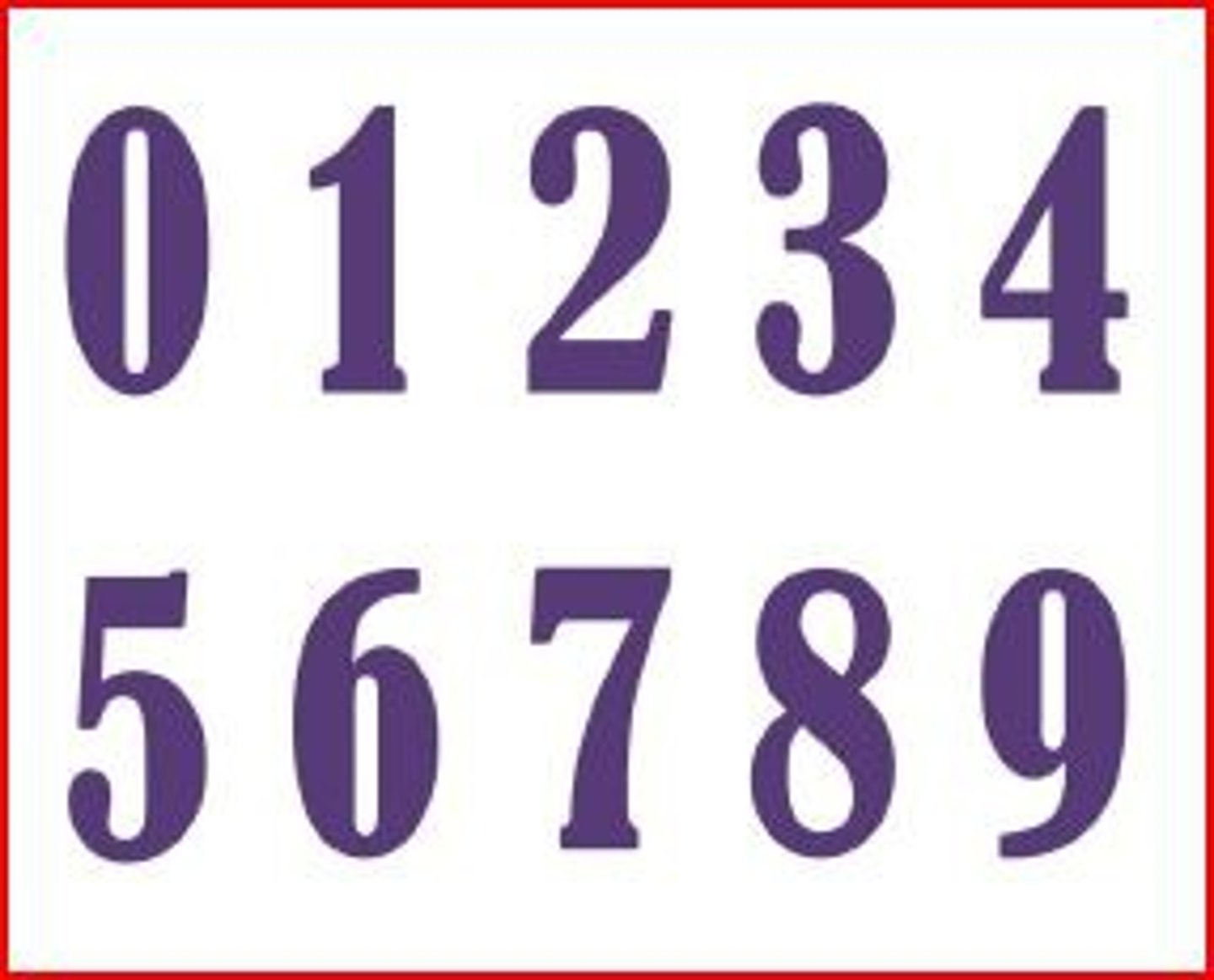
digit
Any of the symbols 0, 1, 2, 3, 4, 5, 6, 7, 8, and 9.
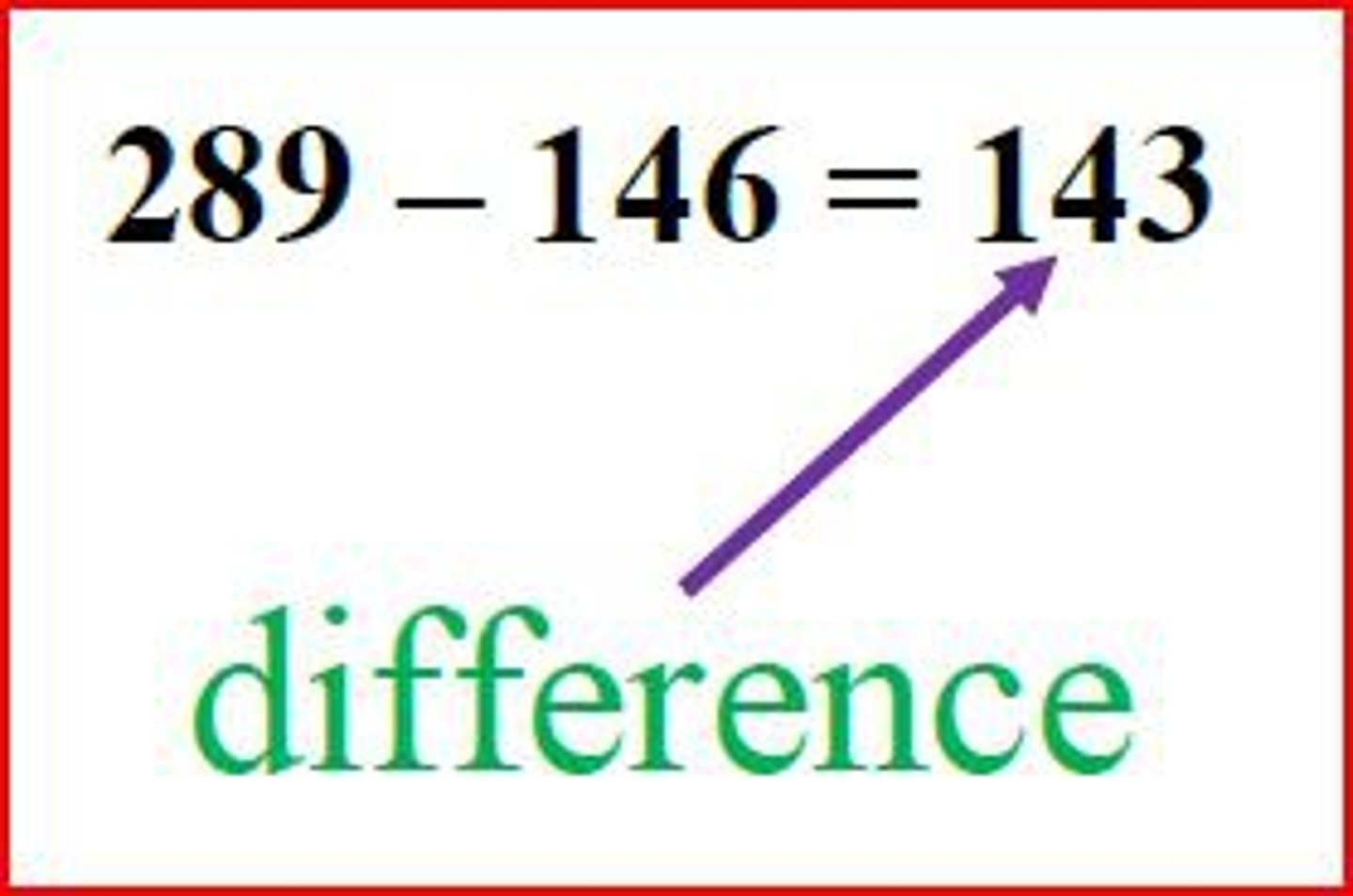
difference
The result of subtraction
.
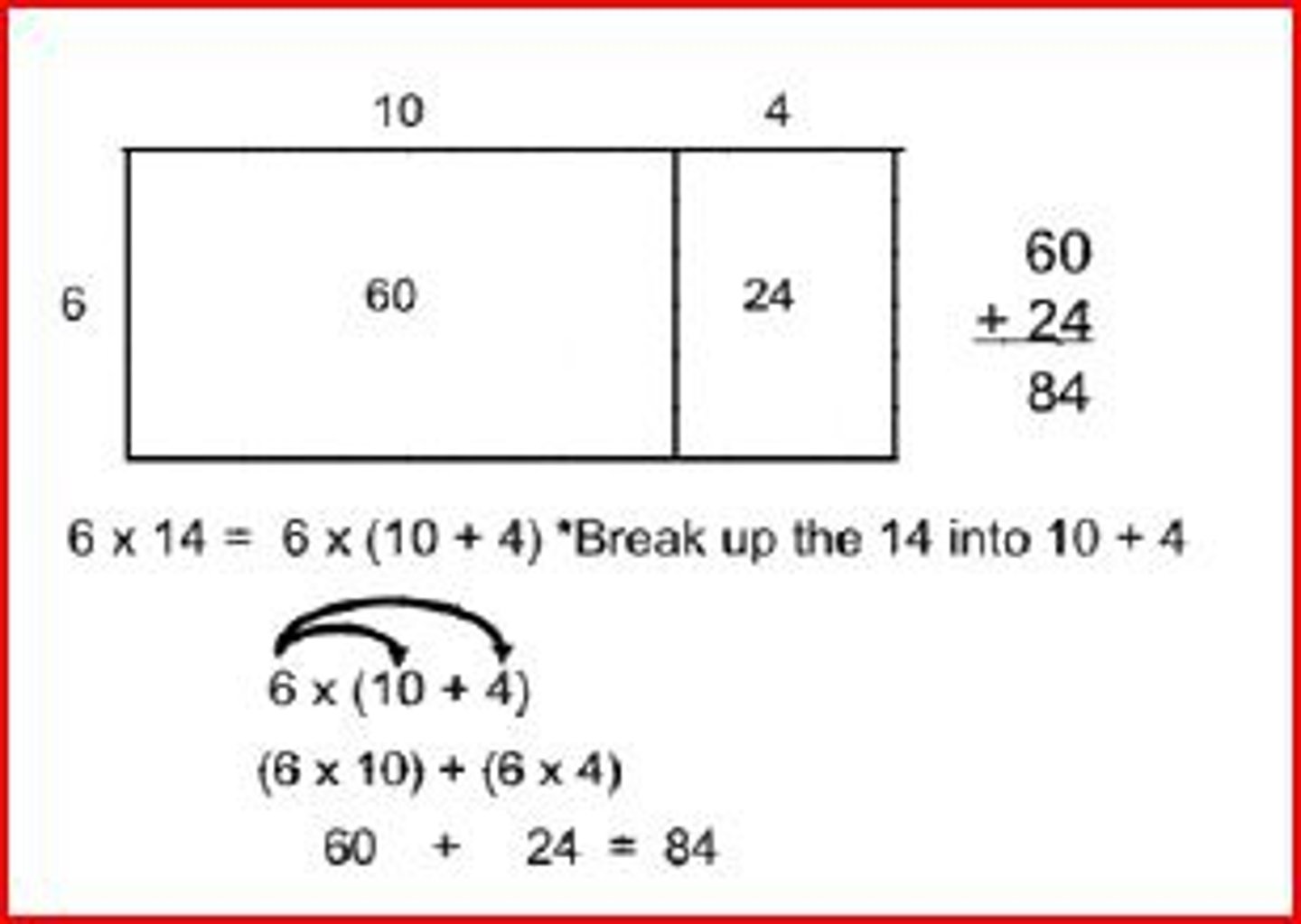
Distributive Property
The property that lets you multiply a sum by multiplying each addend separately and then add the products
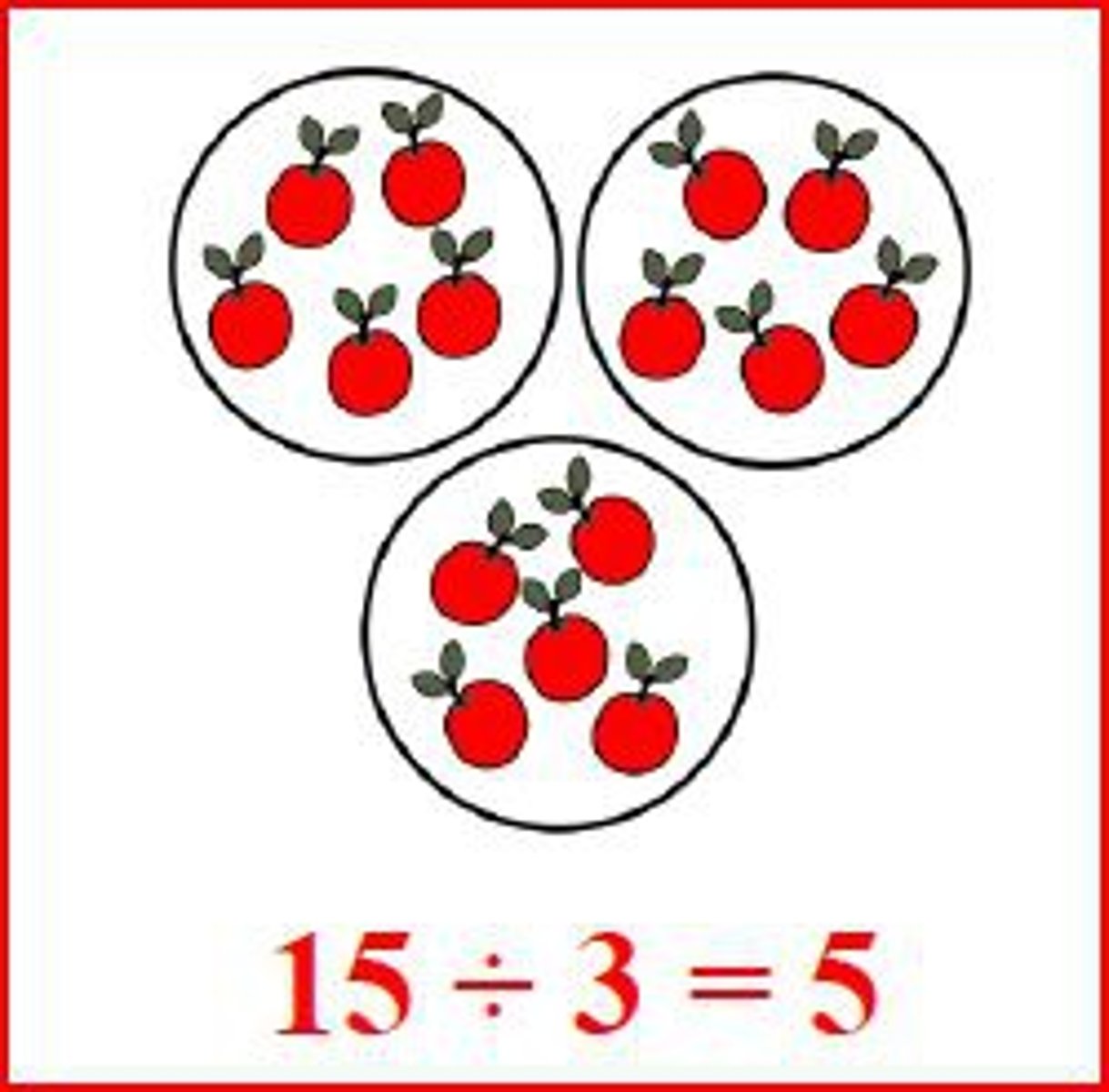
divide
To separate into equal groups and find the number in each group or the number of groups.
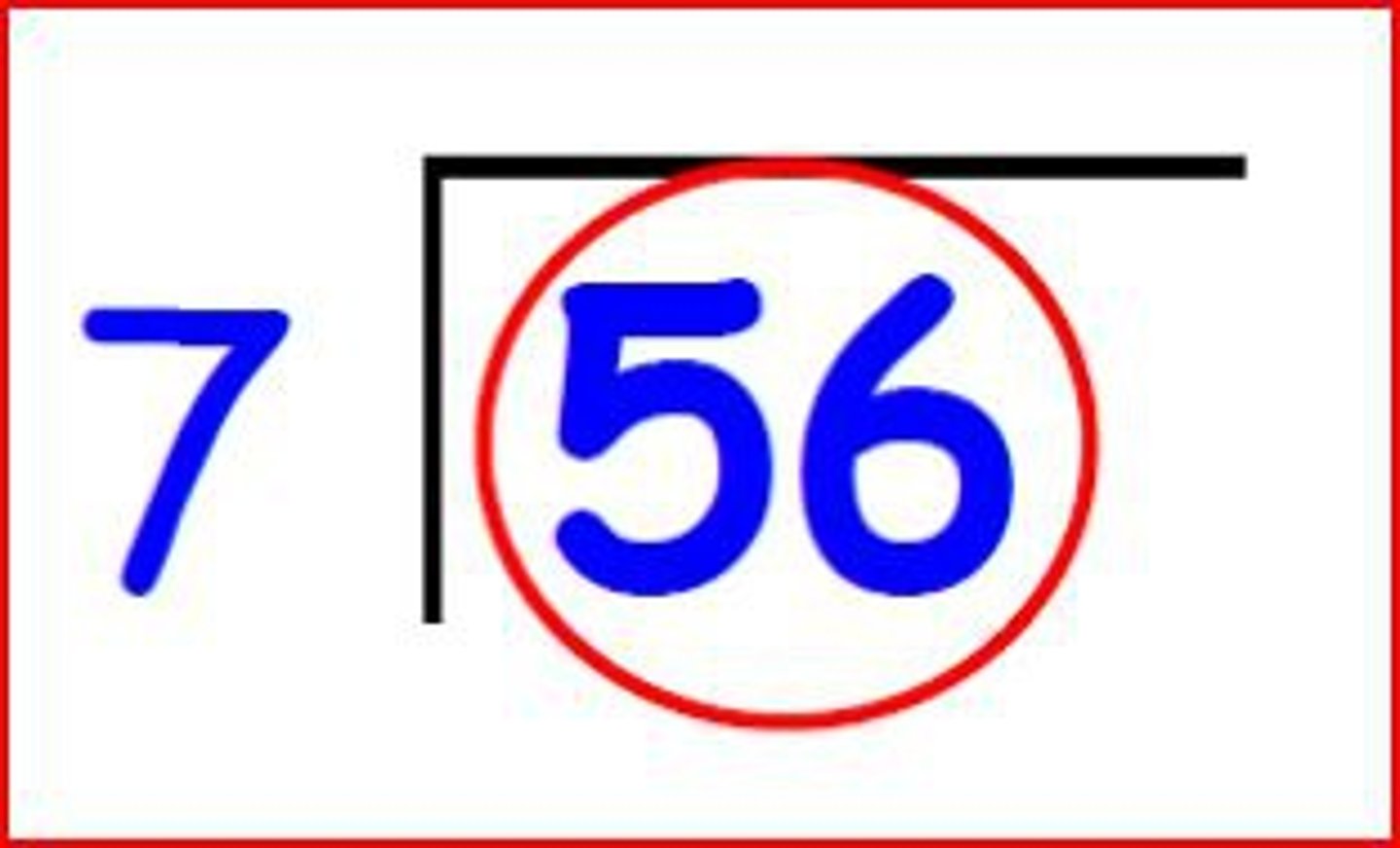
dividend
A number that is divided by another number.
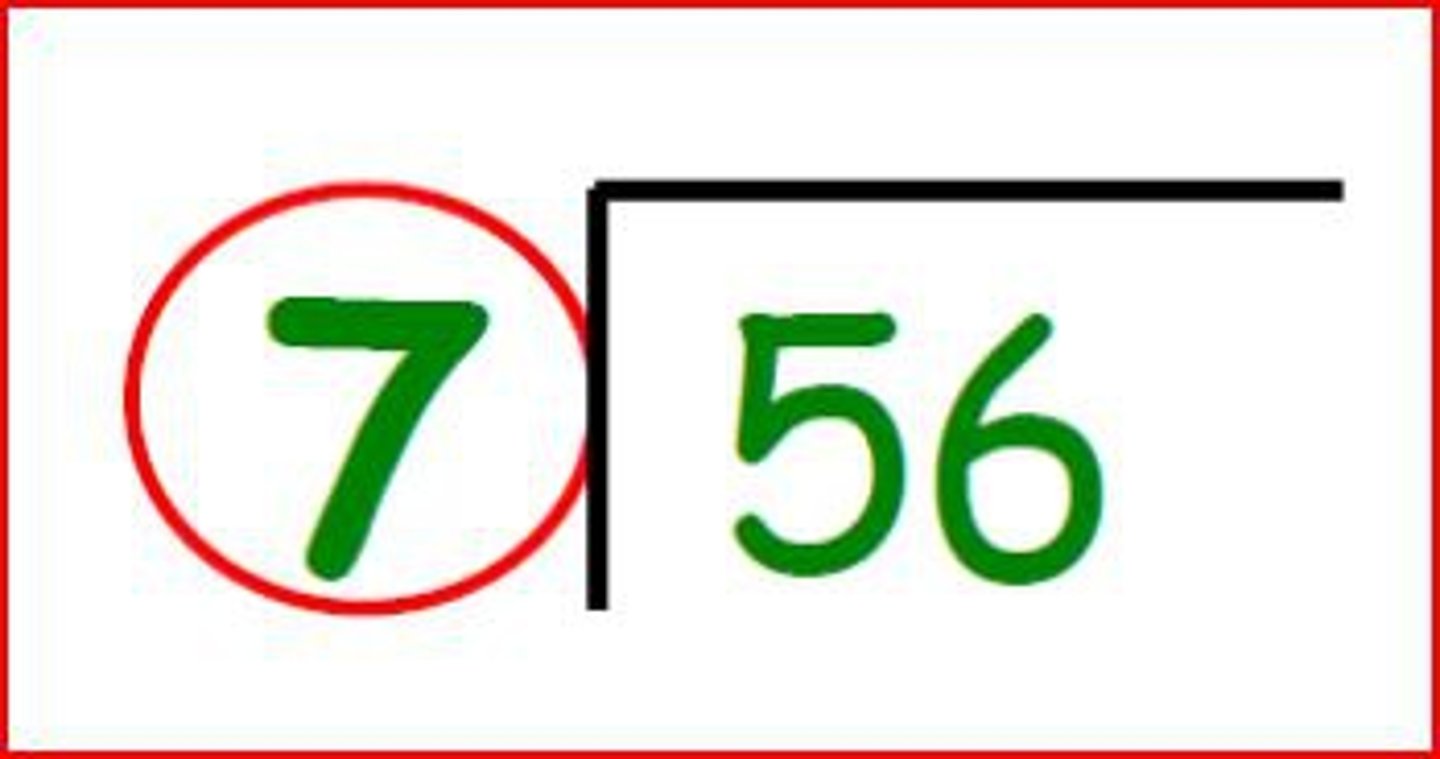
divisor
The number by which another number is divided.
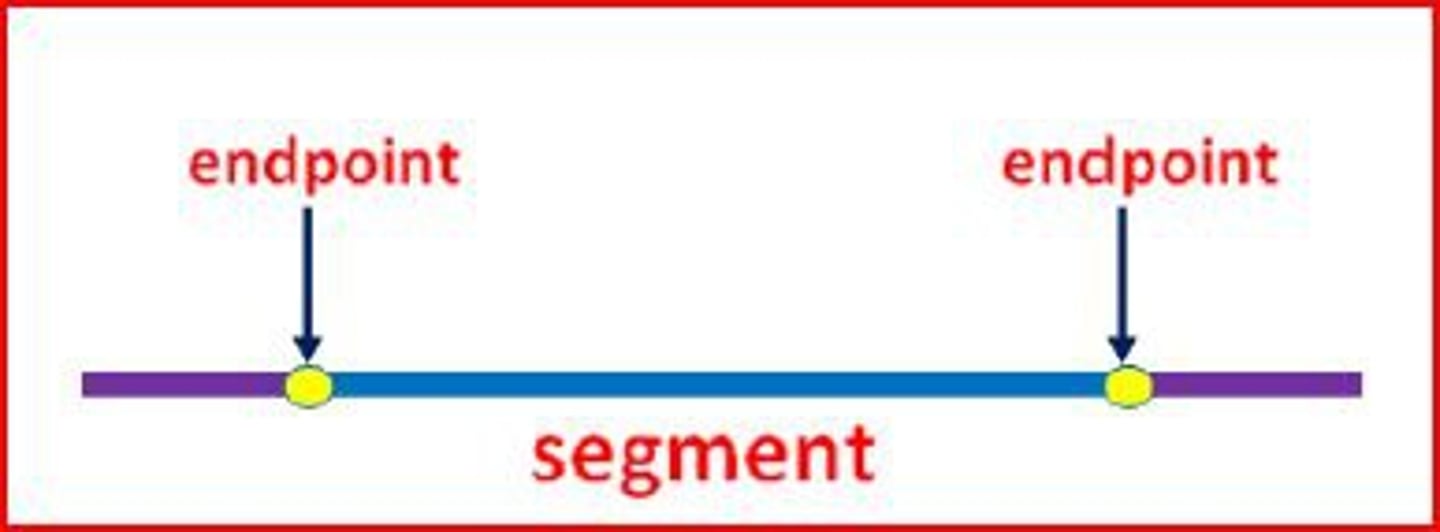
endpoint
A point at either end of a line segment, or a point at one end of a ray.
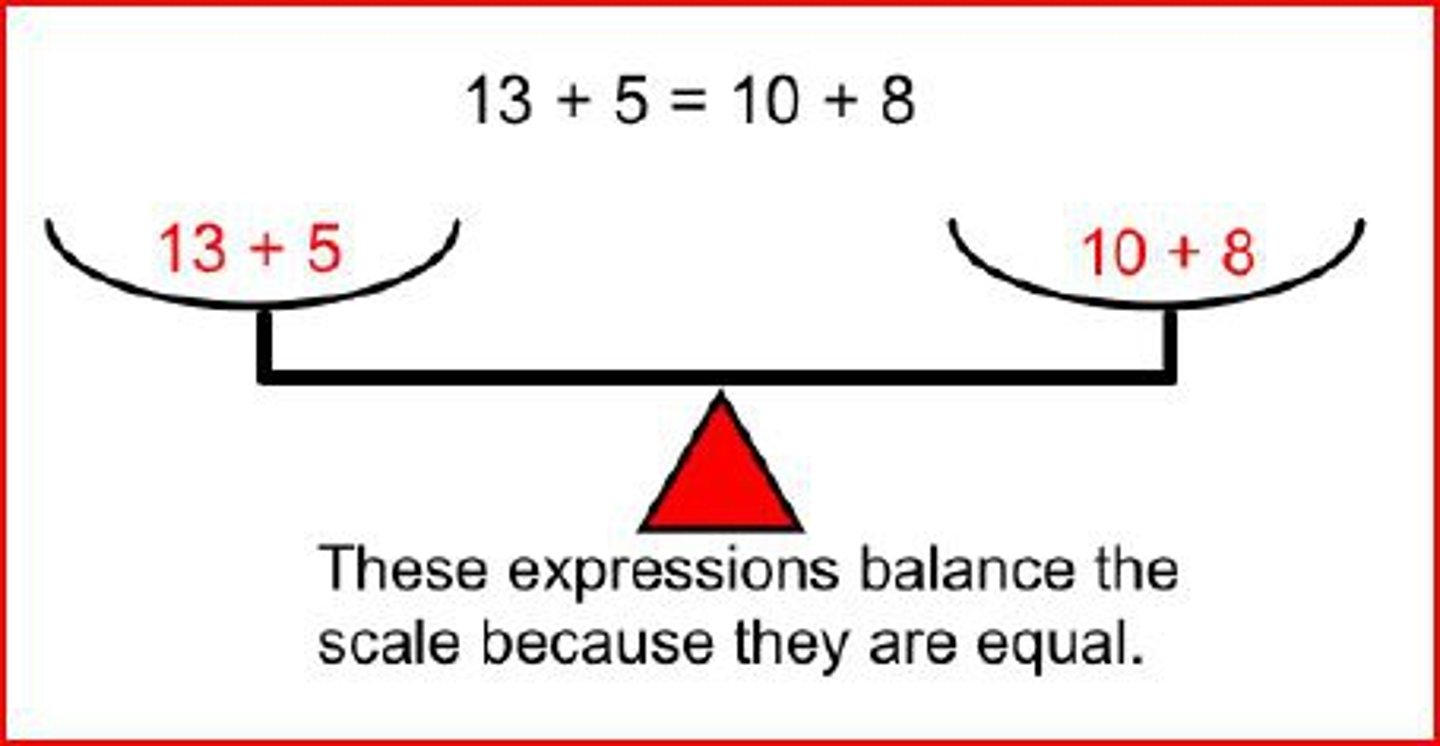
equal
Having the same value.
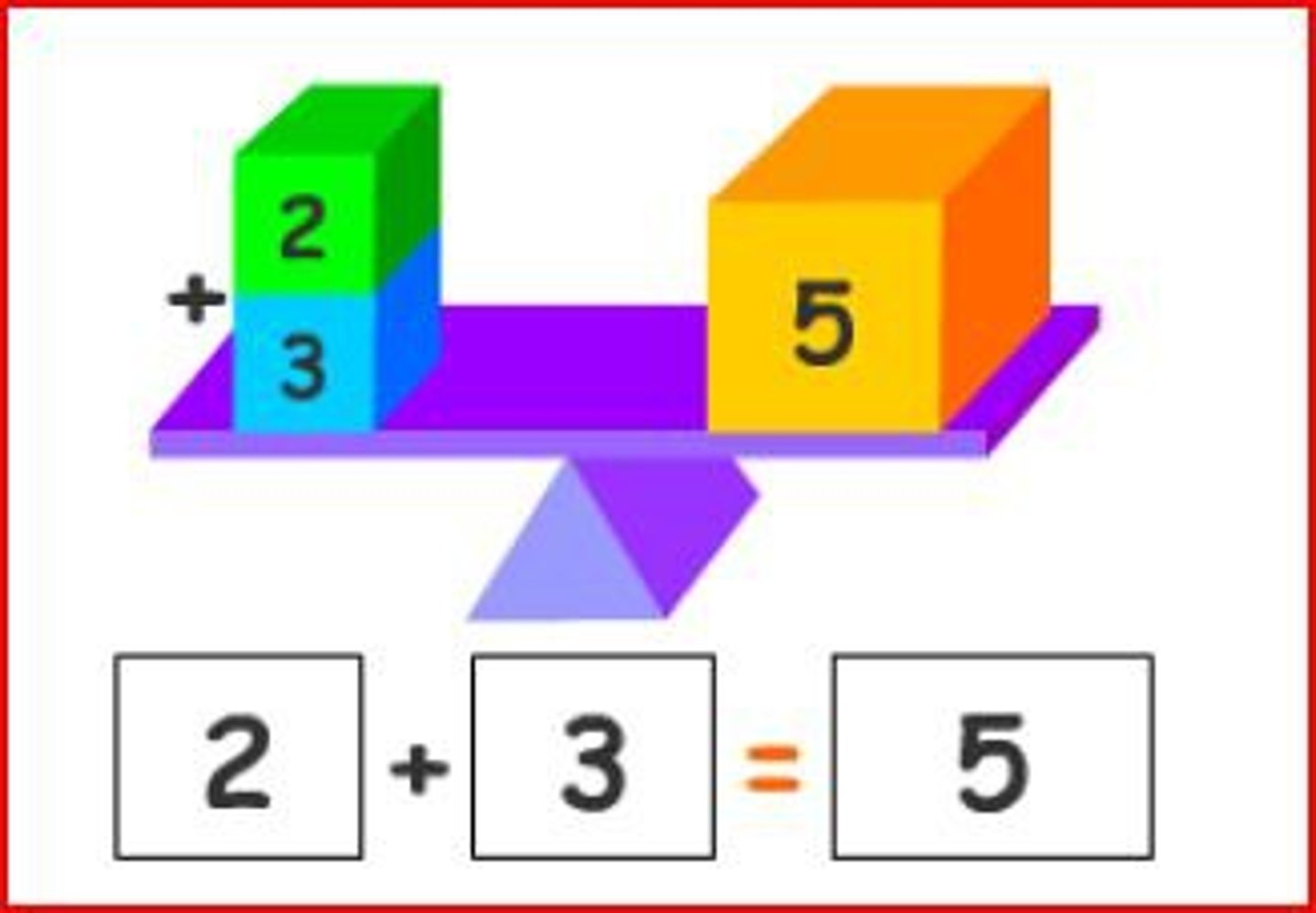
equation
Two algebraic expression set equal to each other.
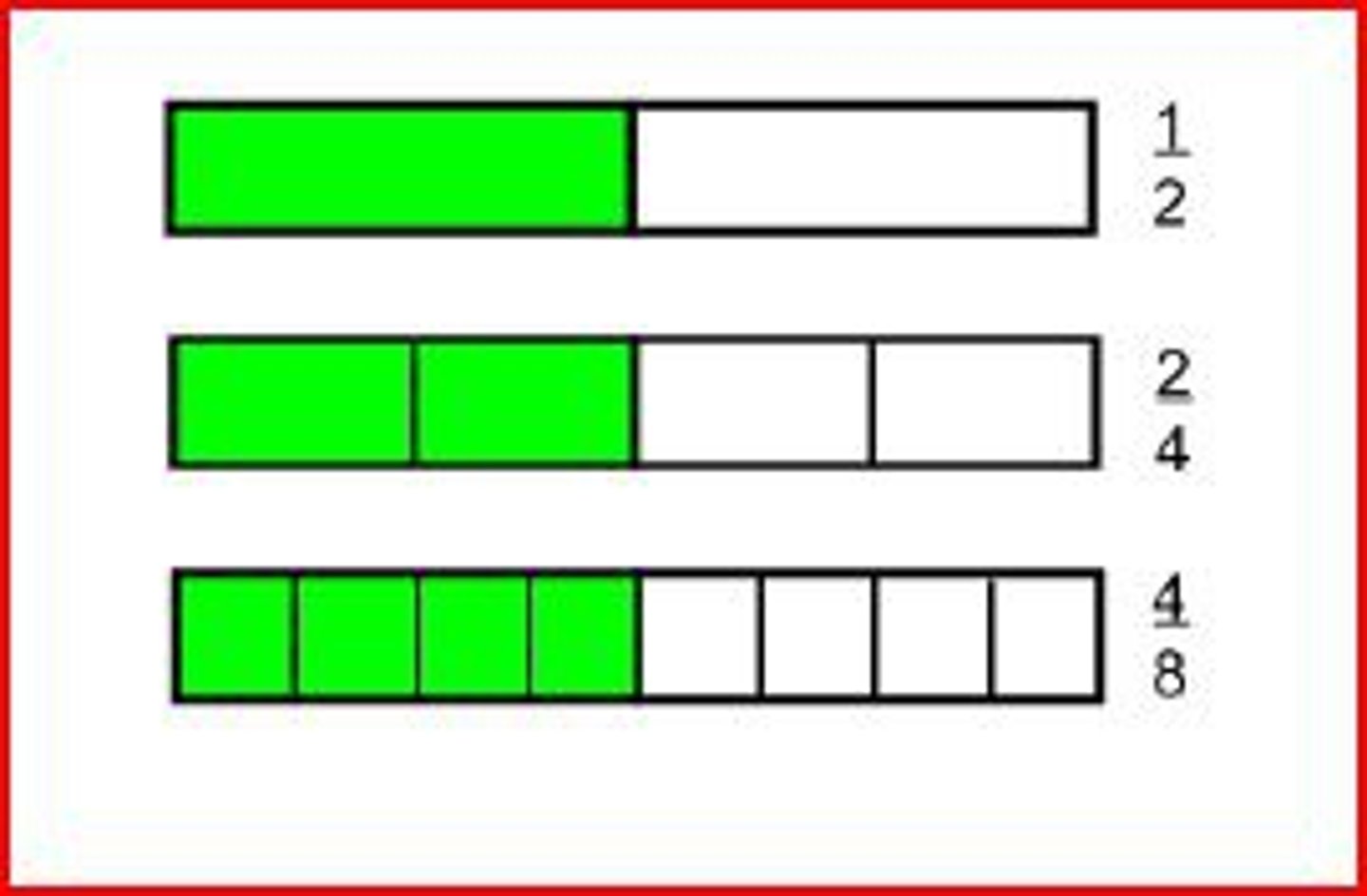
equivalent fractions
Fractions that have the same value.
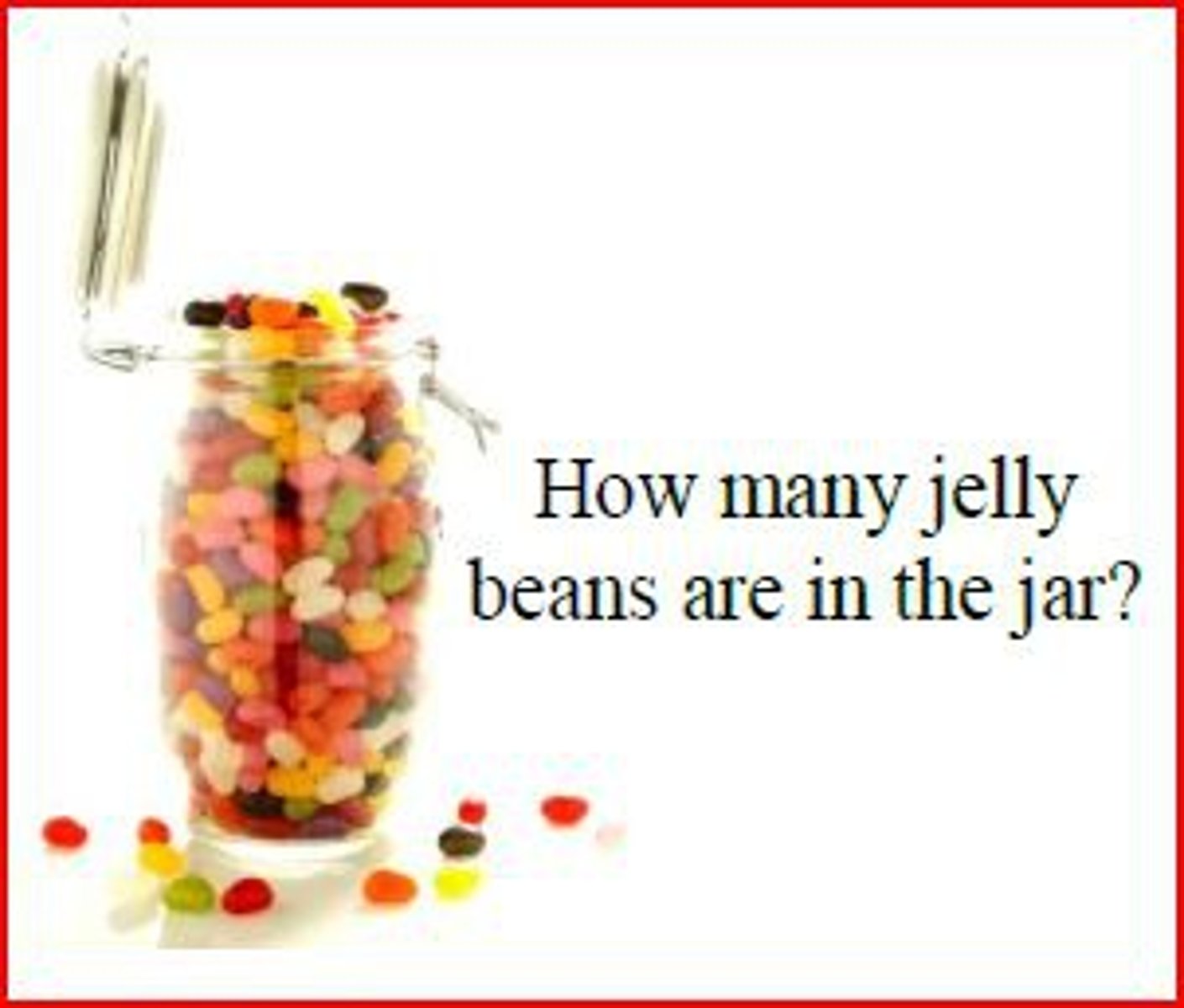
estimate
To find a number close to an exact amount
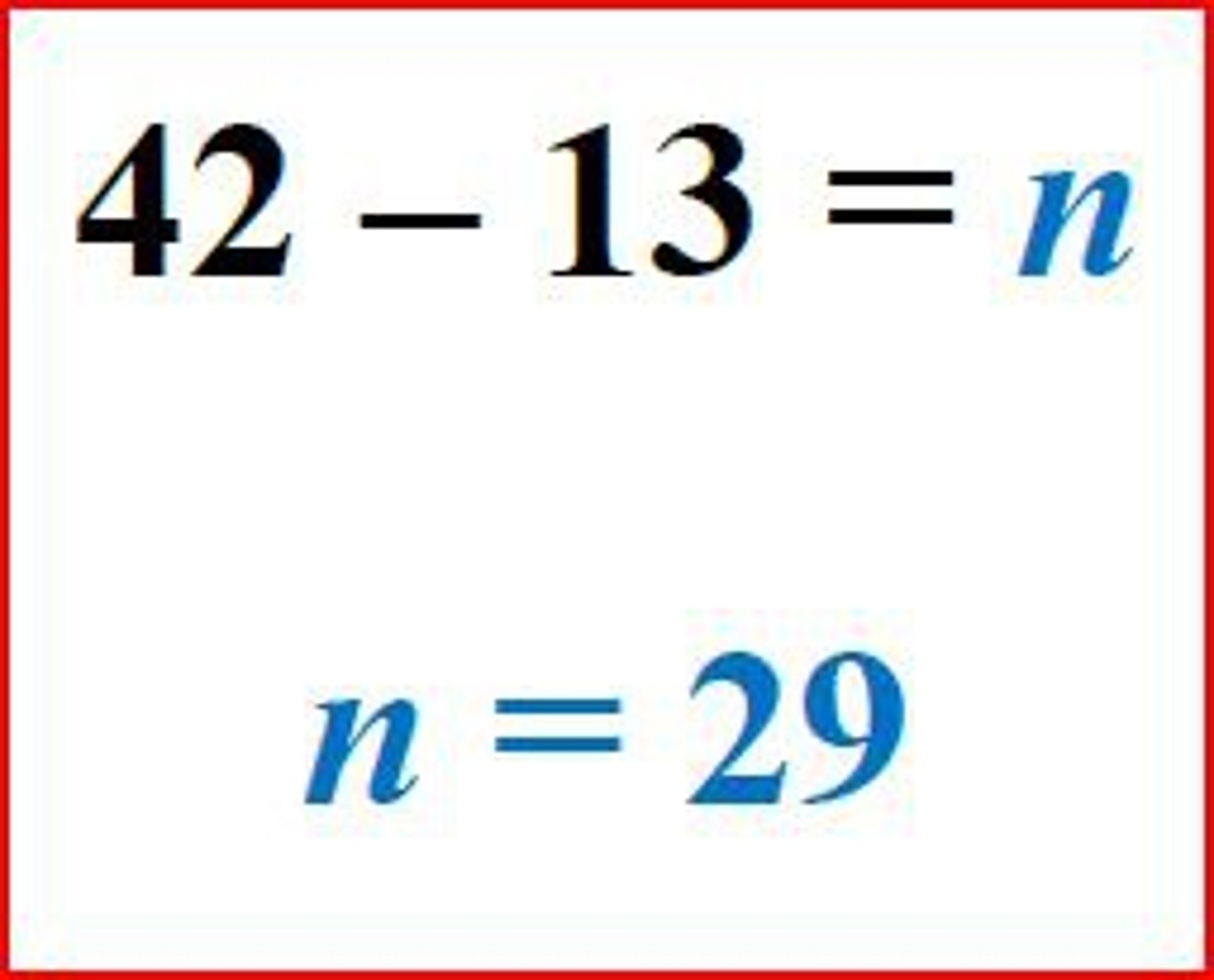
evaluate
To replace the variable(s) in an expression with numbers and then calculate the value of the expression.
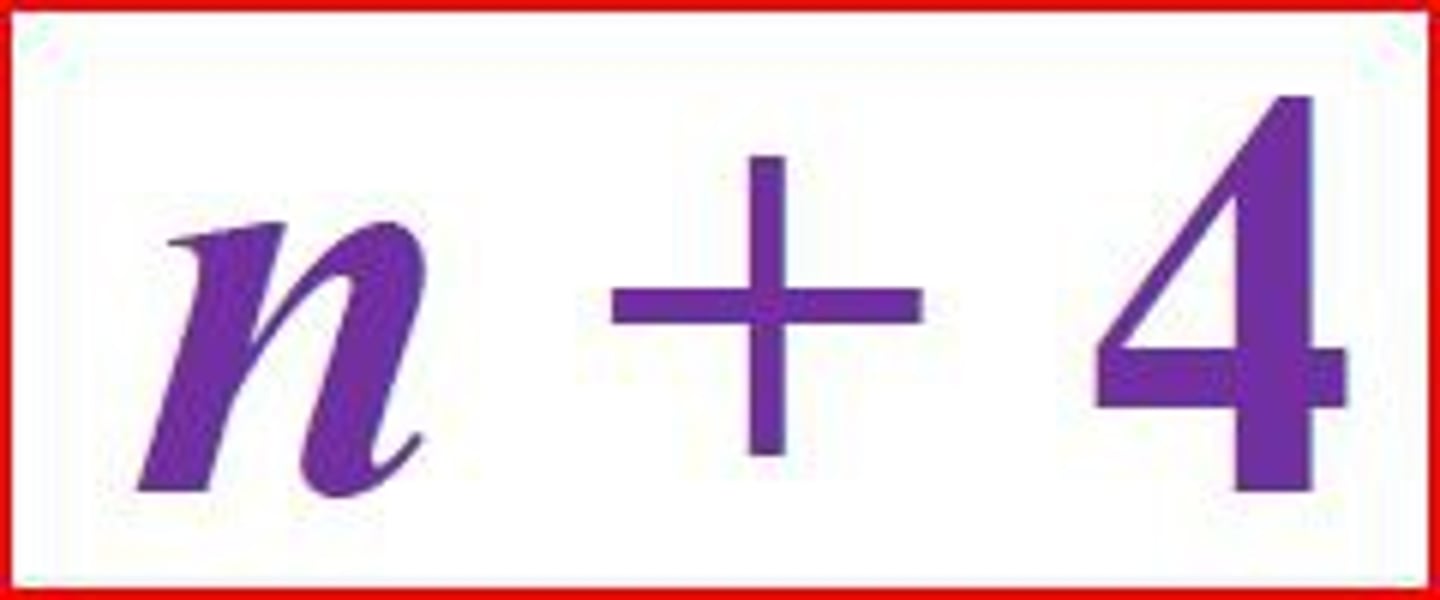
expression
A algebraic or mathematical phrase without an equal sign.
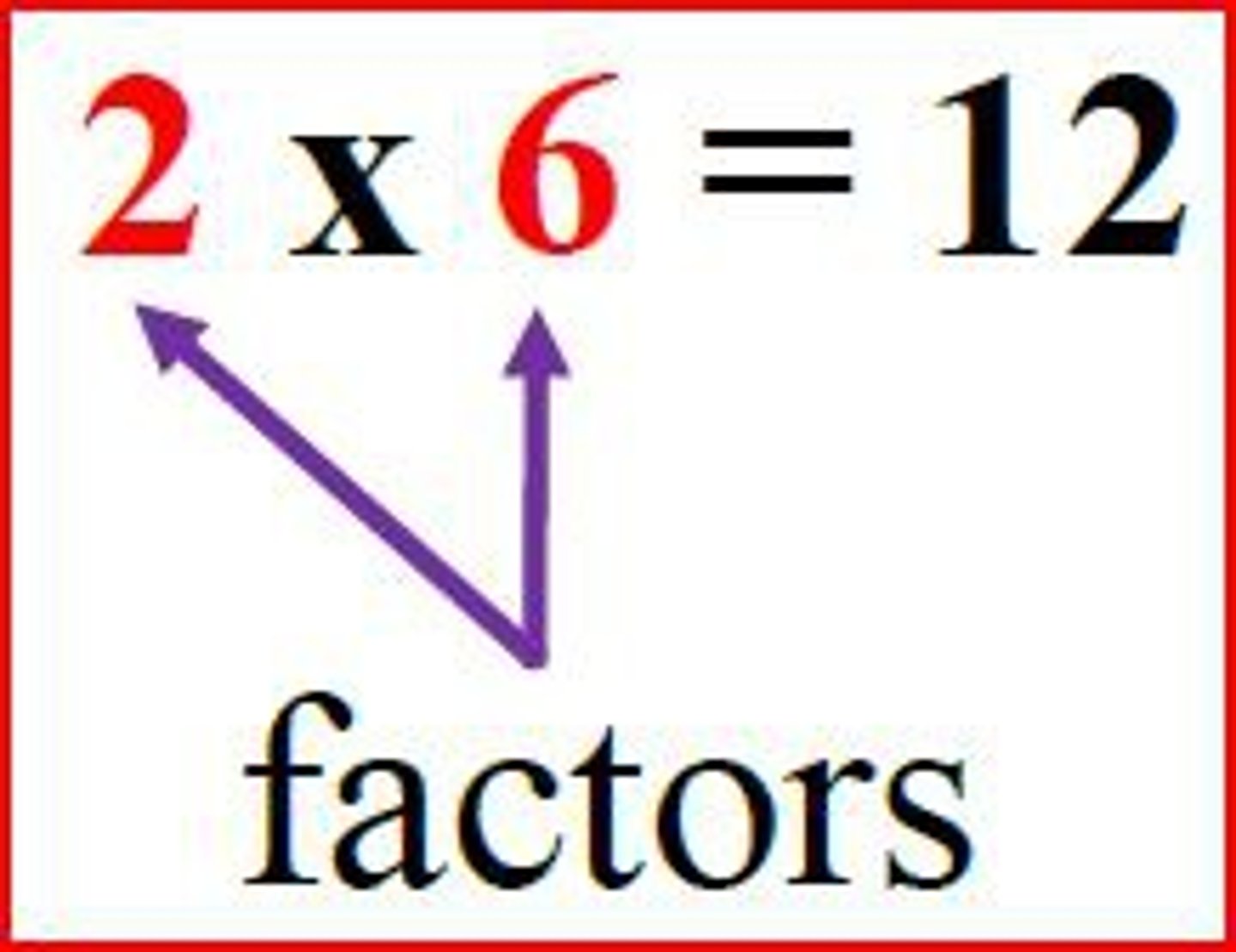
factor (noun)
The whole numbers that divide evenly into a given number
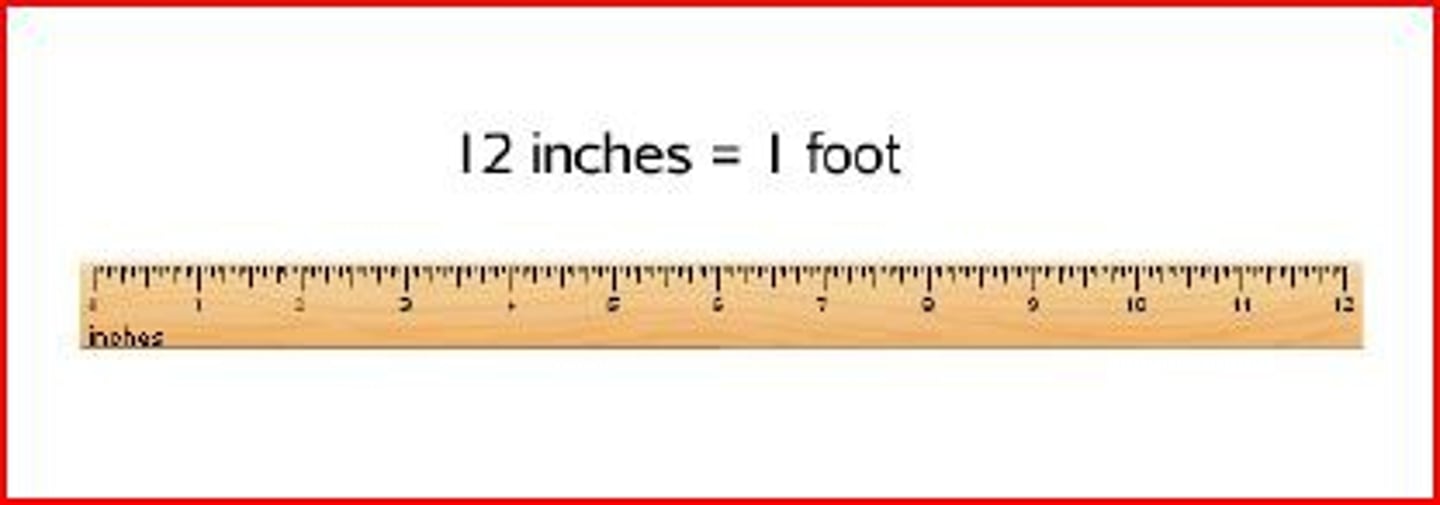
foot (ft)
A customary unit of length.
1 foot = 12 inches.
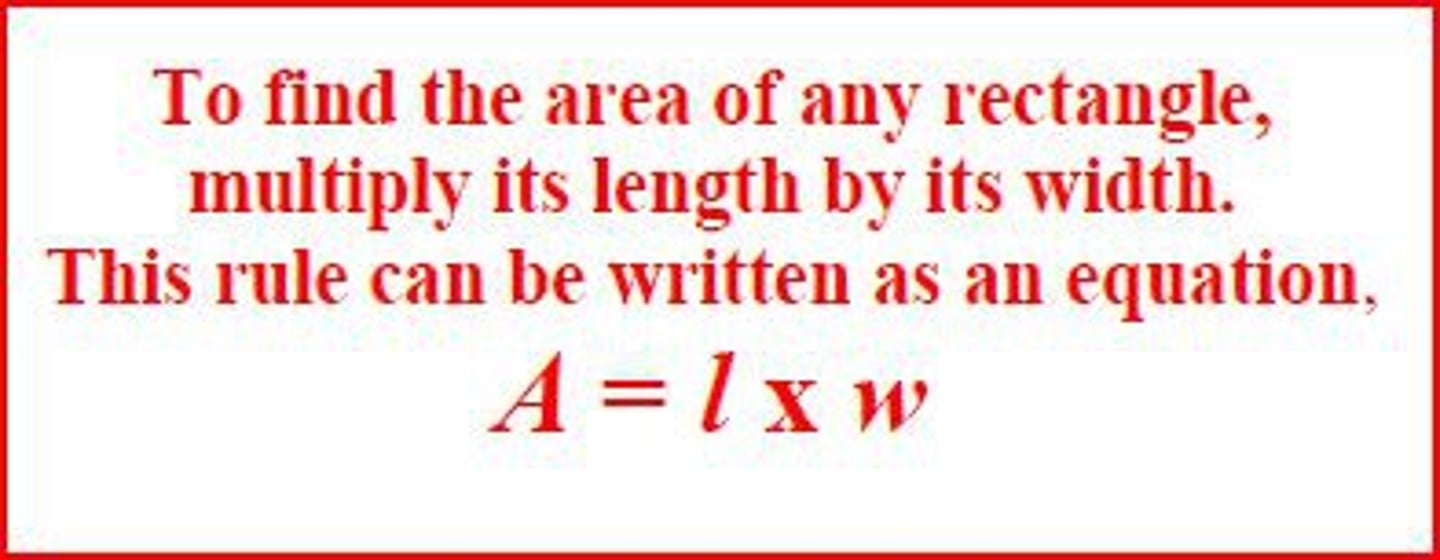
formula
A rule that is written as an equation.
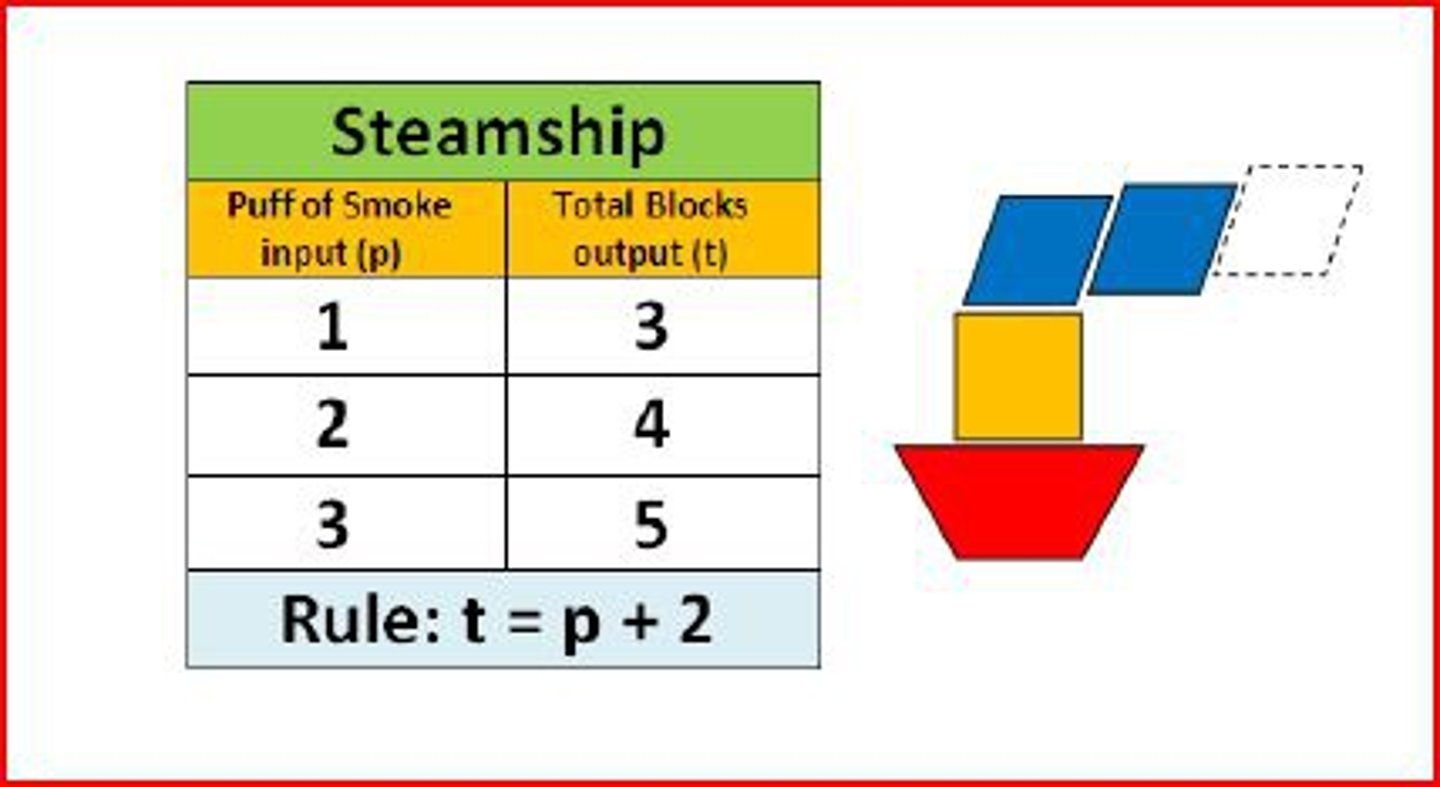
function table
A table that lists pairs of numbers that follow a rule.
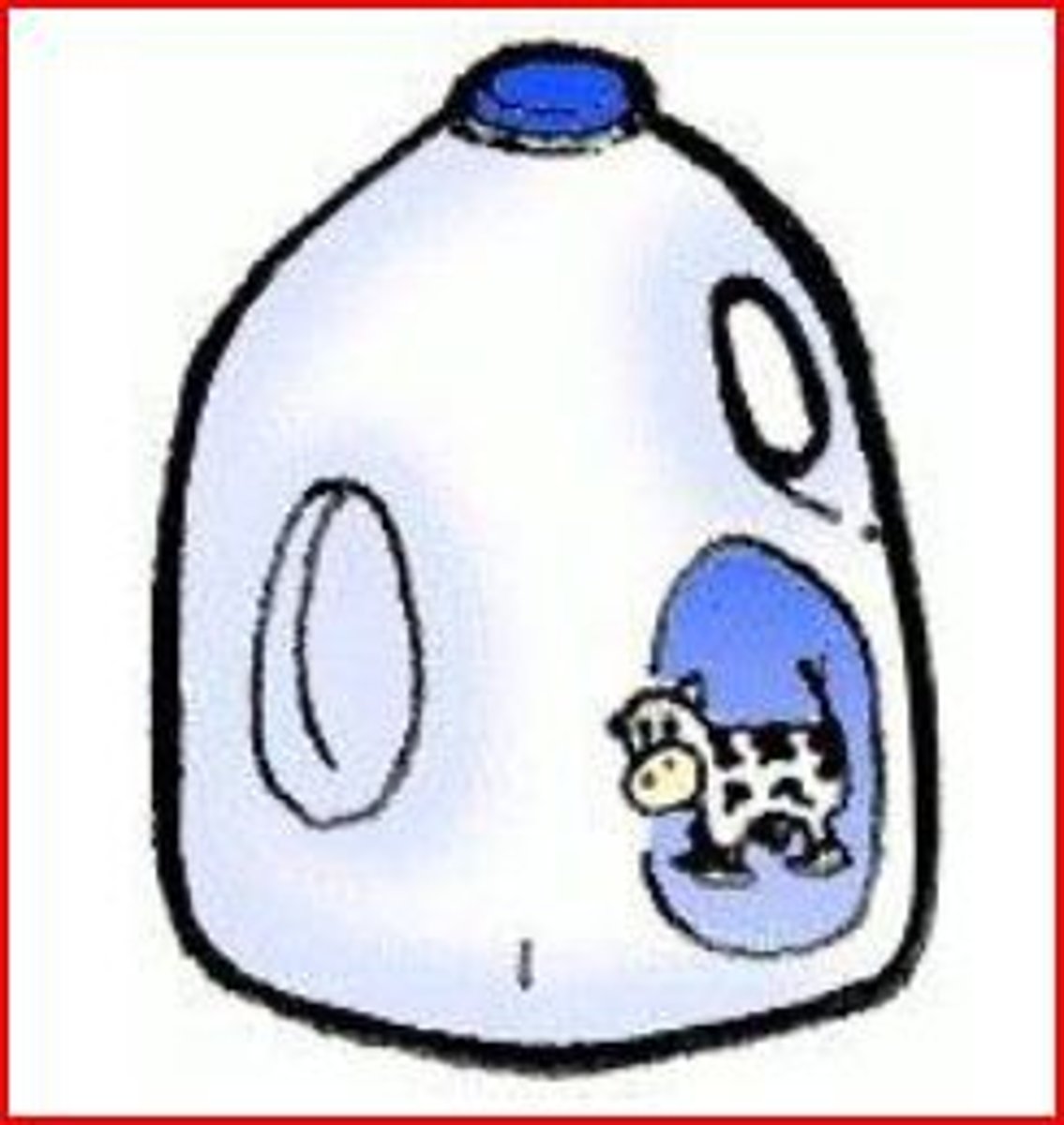
gallon (gal)
A customary unit of capacity.
1 gallon = 4 quarts.
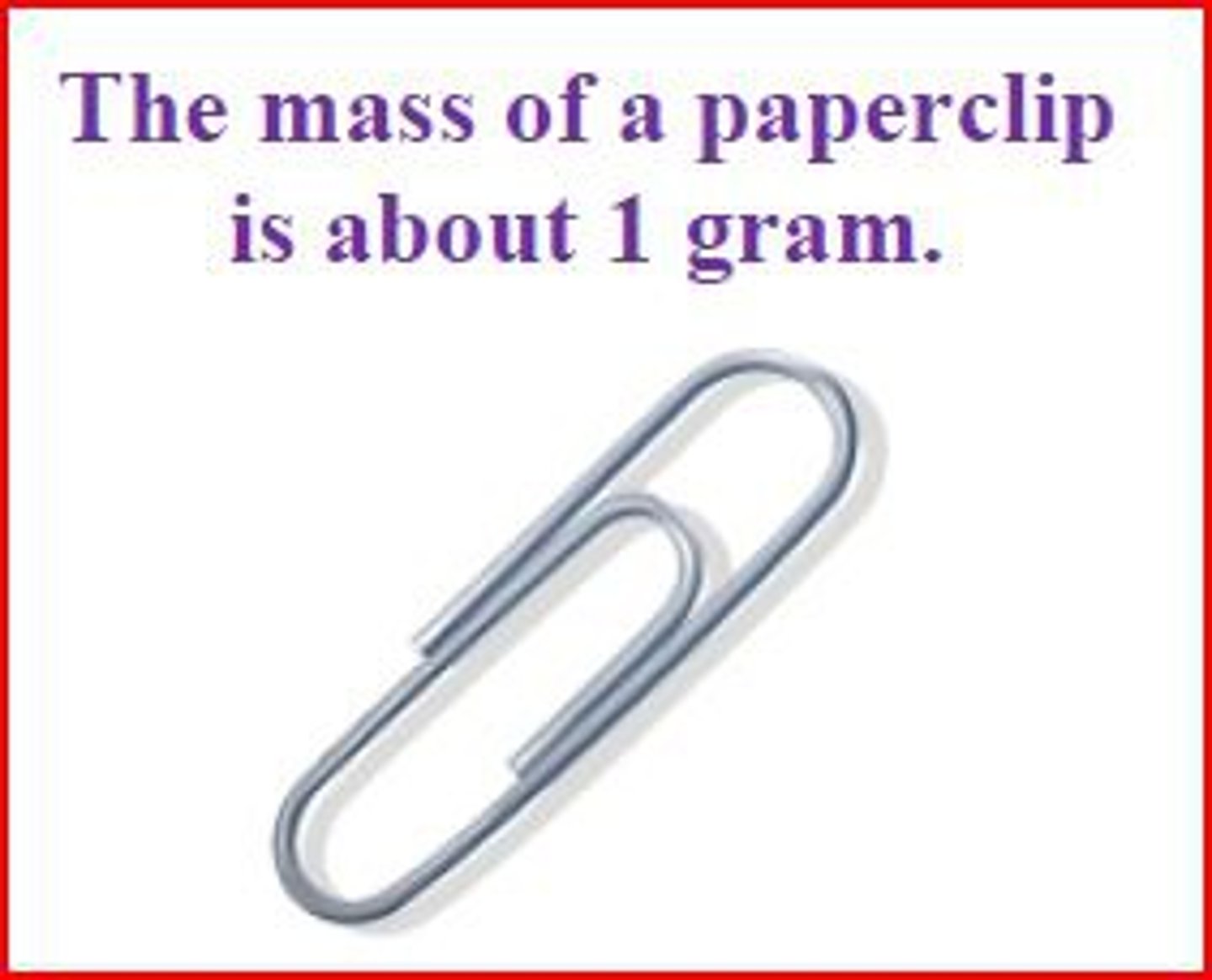
gram (g)
The standard unit of mass in the metric system.
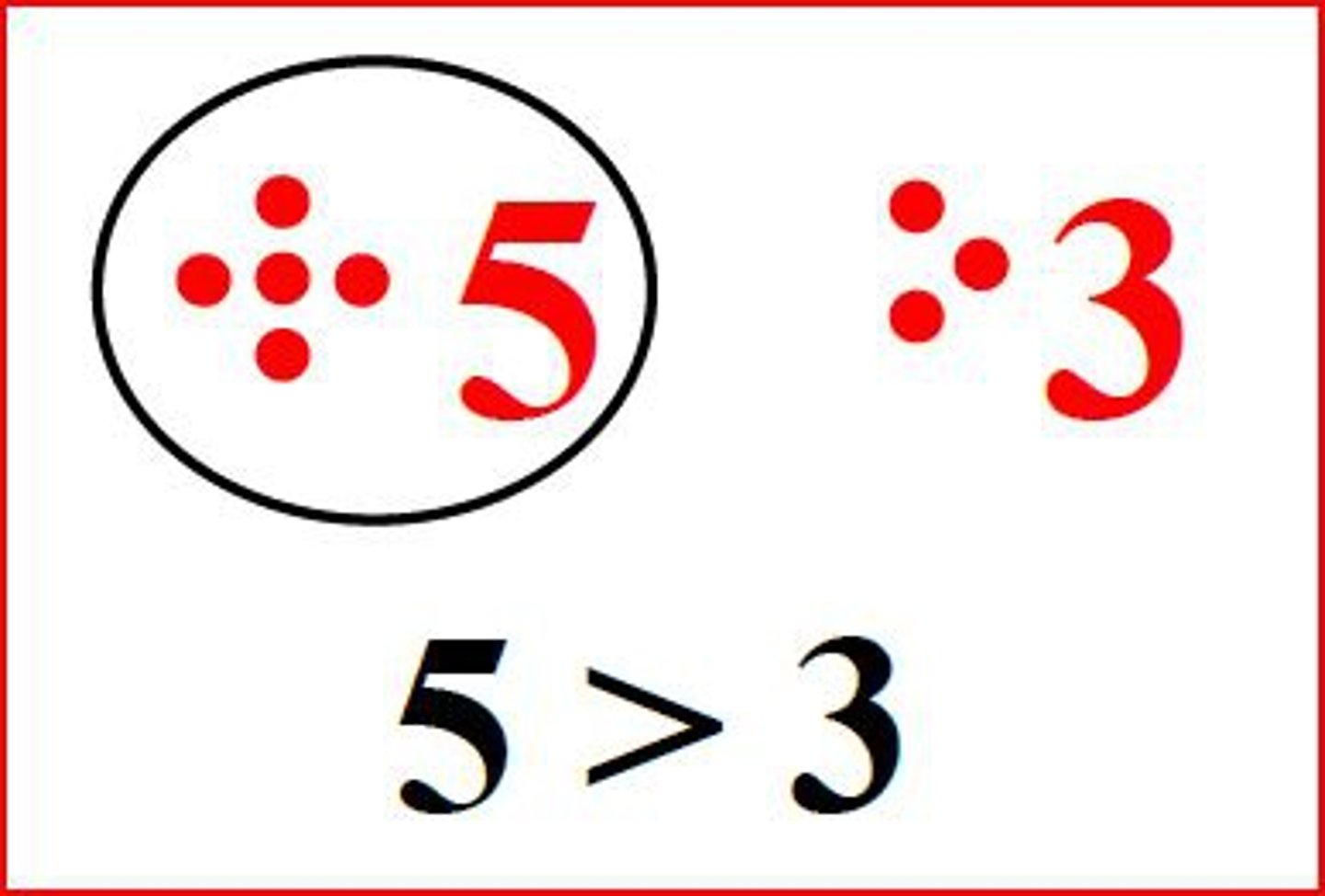
greater than
Used to compare two numbers when the first number is larger than the second number. (>)
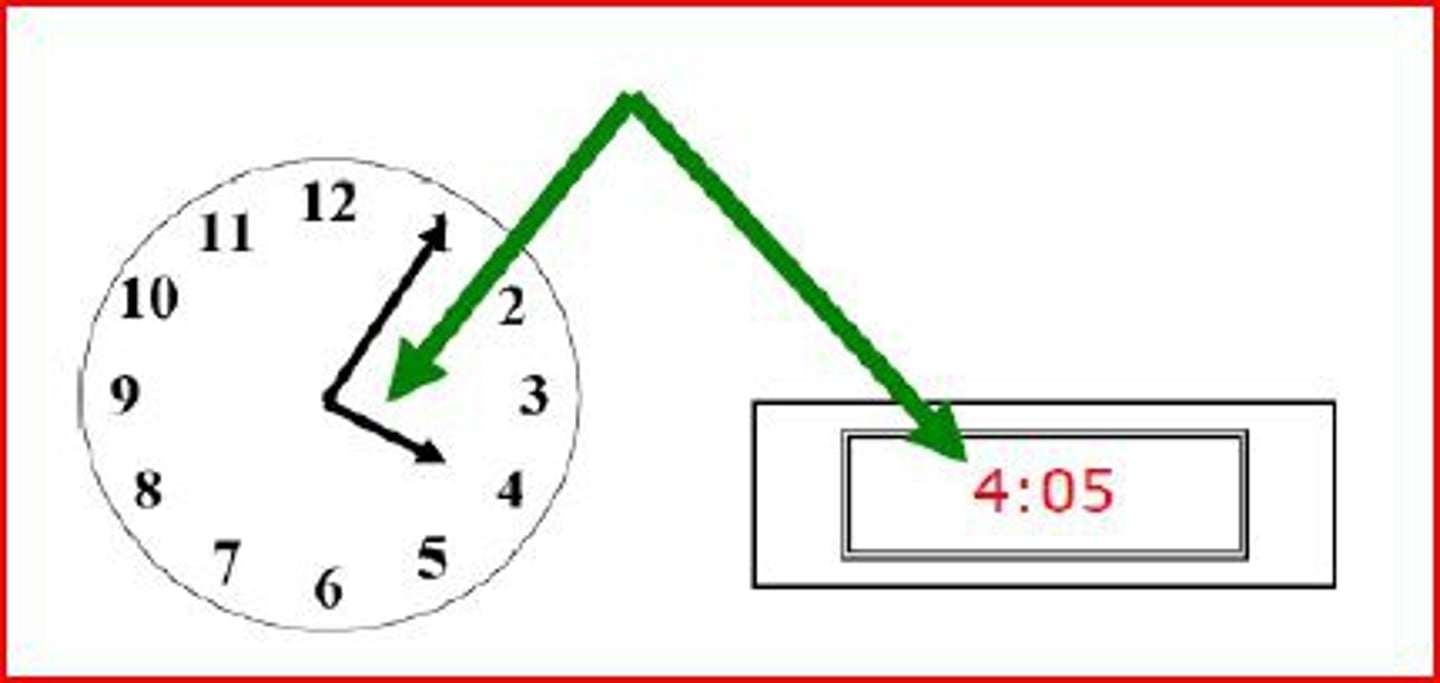
hour (hr)
A unit of time equal to 60 minutes,
1/24 of a day.
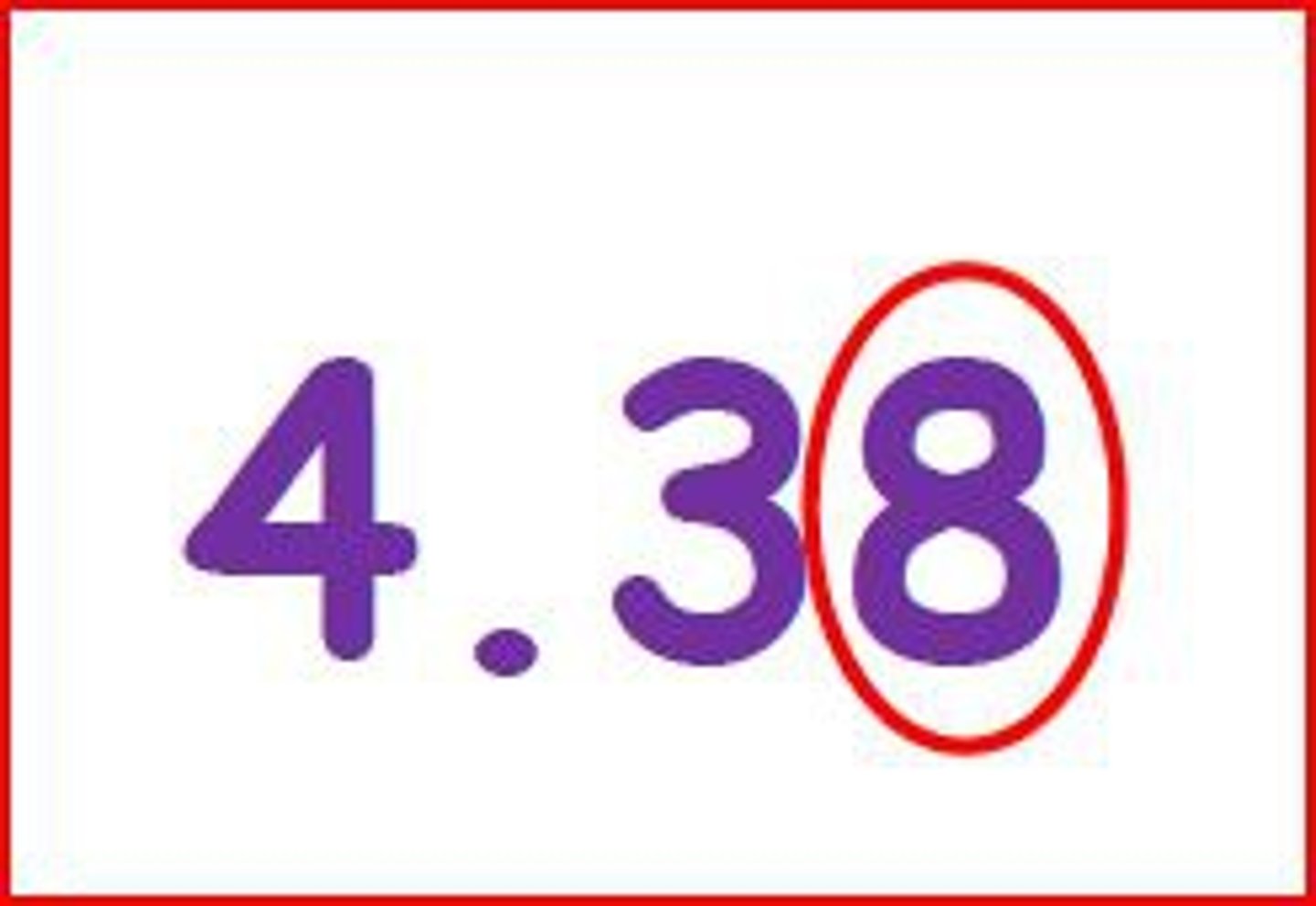
hundredths
In the decimal numeration system, hundredths is the name of the next place to the right of tenths.
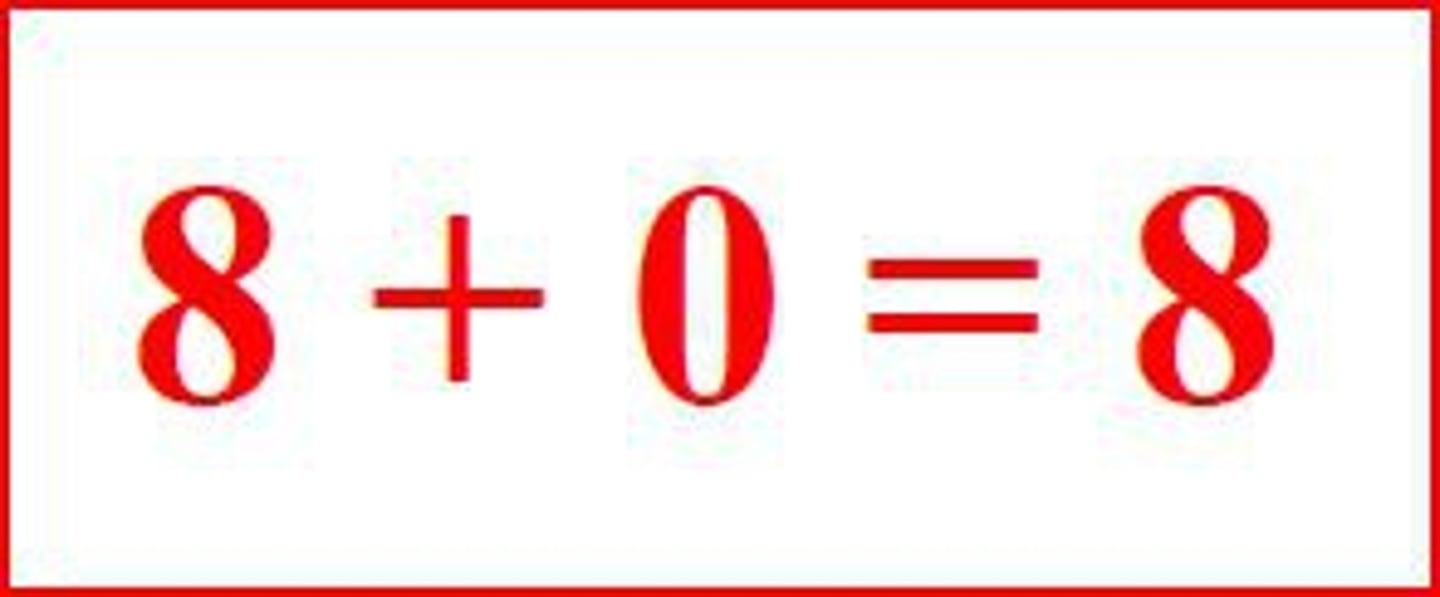
Identity Property of Addition
If you add zero to a number, the sum is the same as that number.
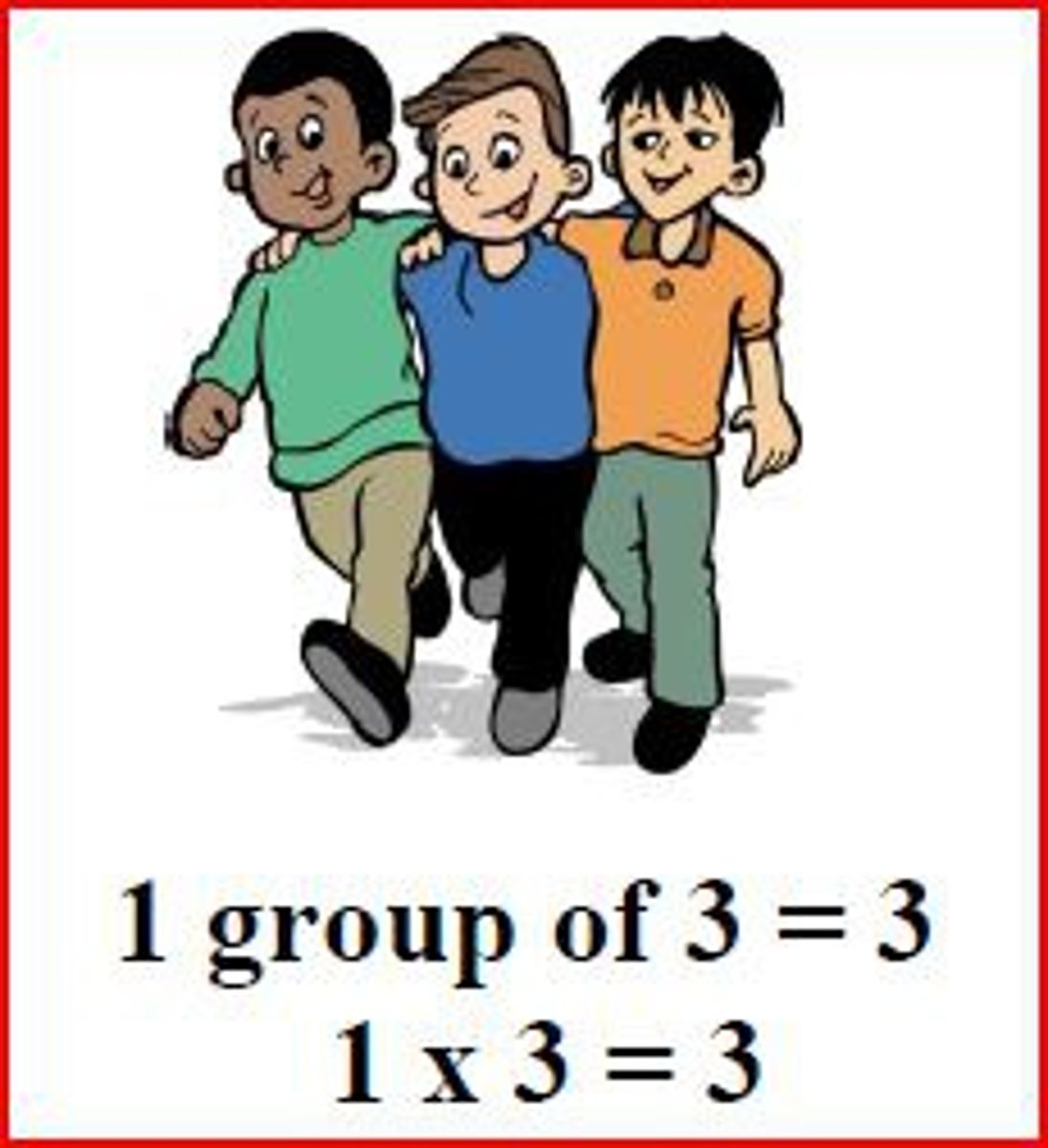
Identity Property of Multiplication
If you multiply a number by one, the product is the same as that number.
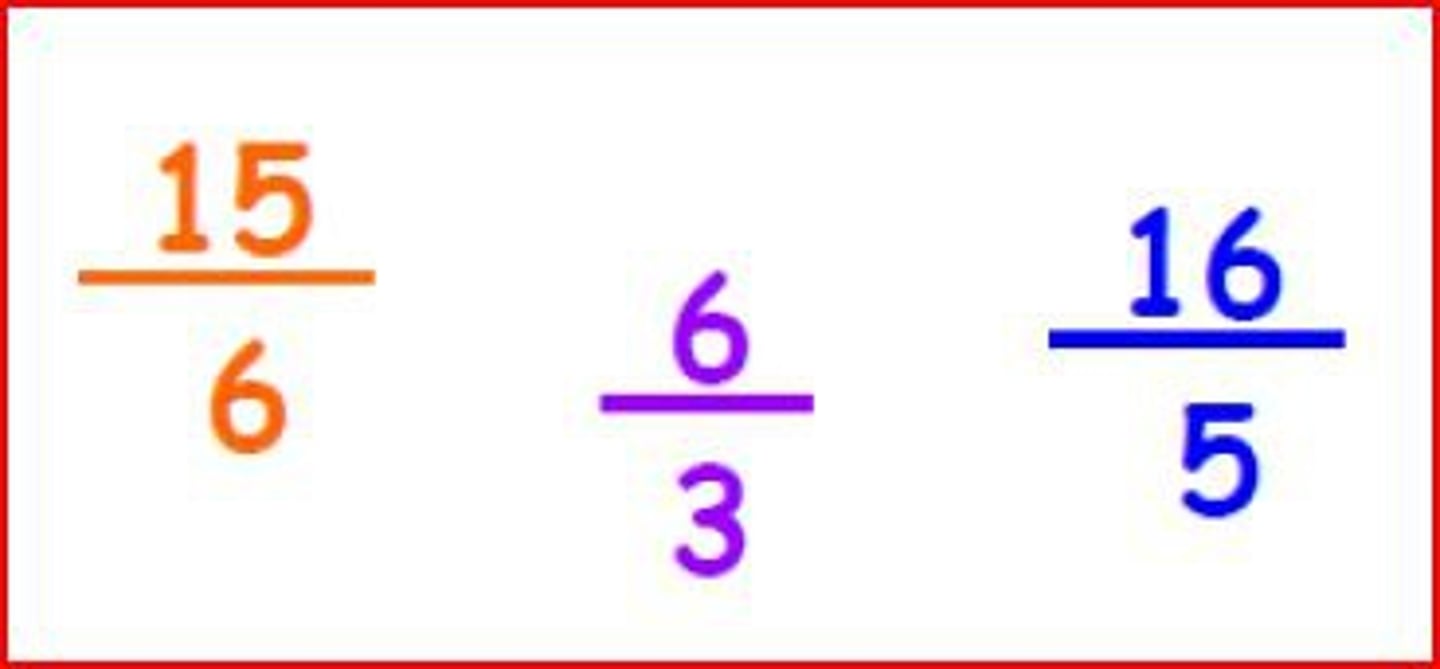
improper fraction
A term for a fraction whose numerator is greater than or equal to its denominator.
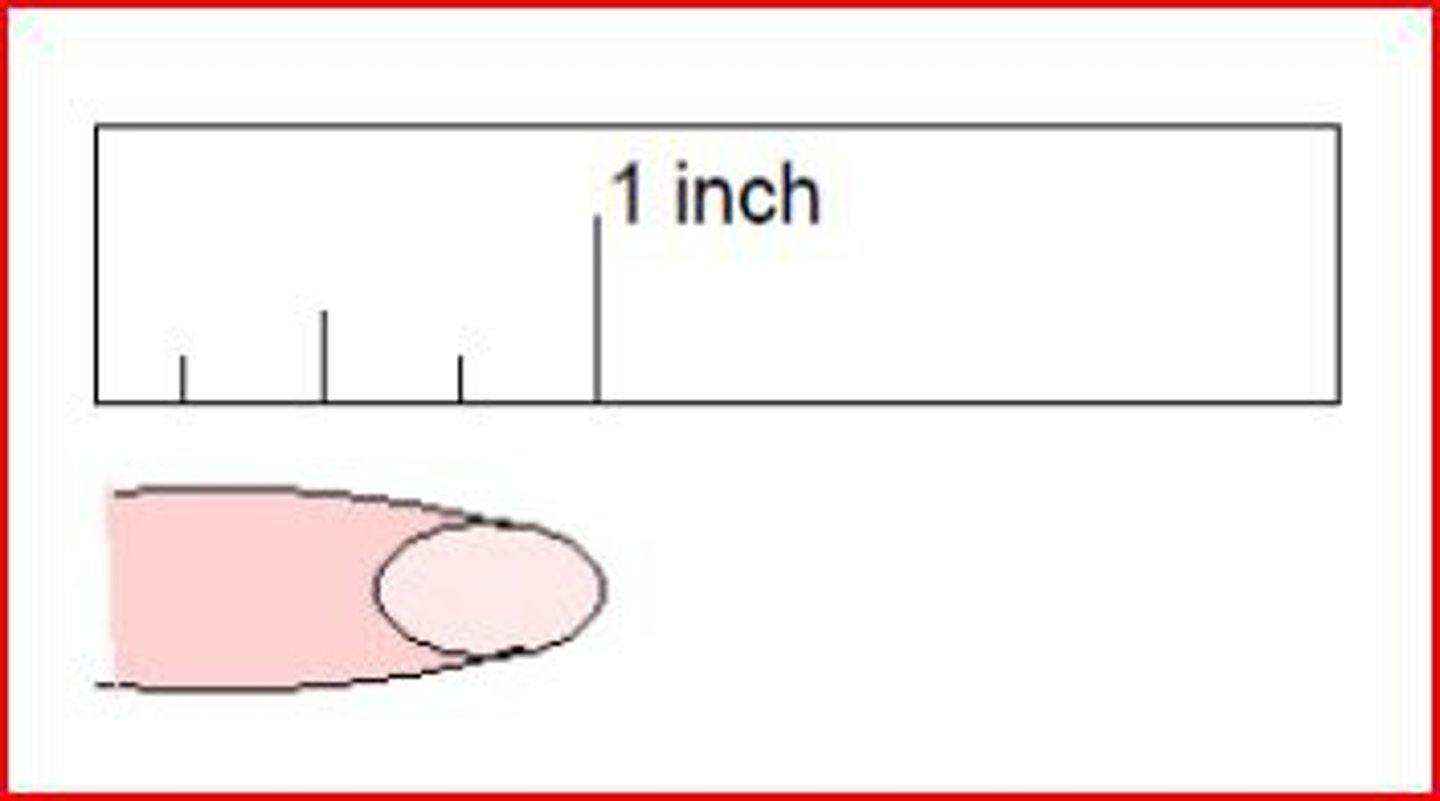
inch (in)
A customary unit of length.
12 inches = 1 foot.
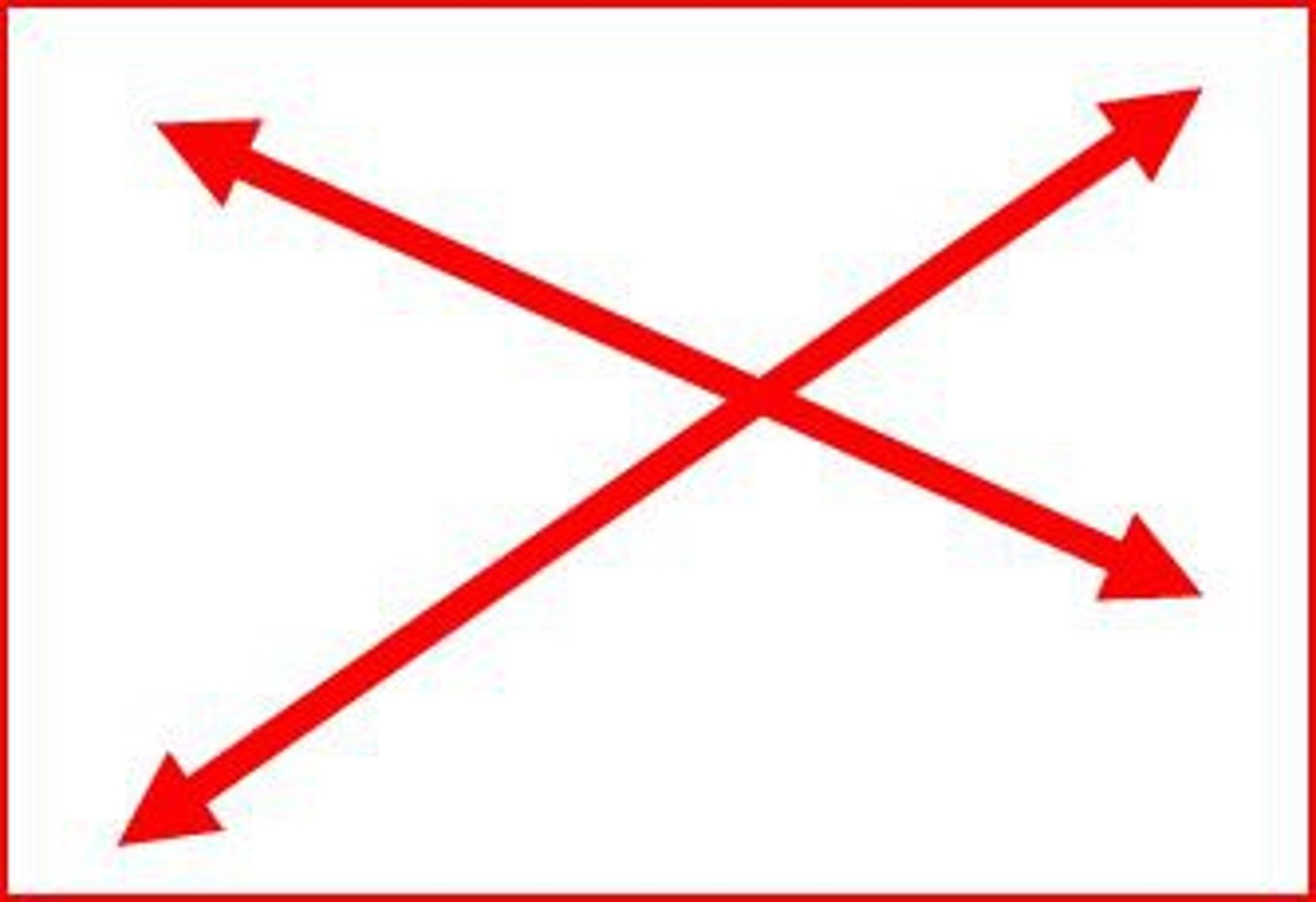
intersecting lines
Lines that cross at a point.
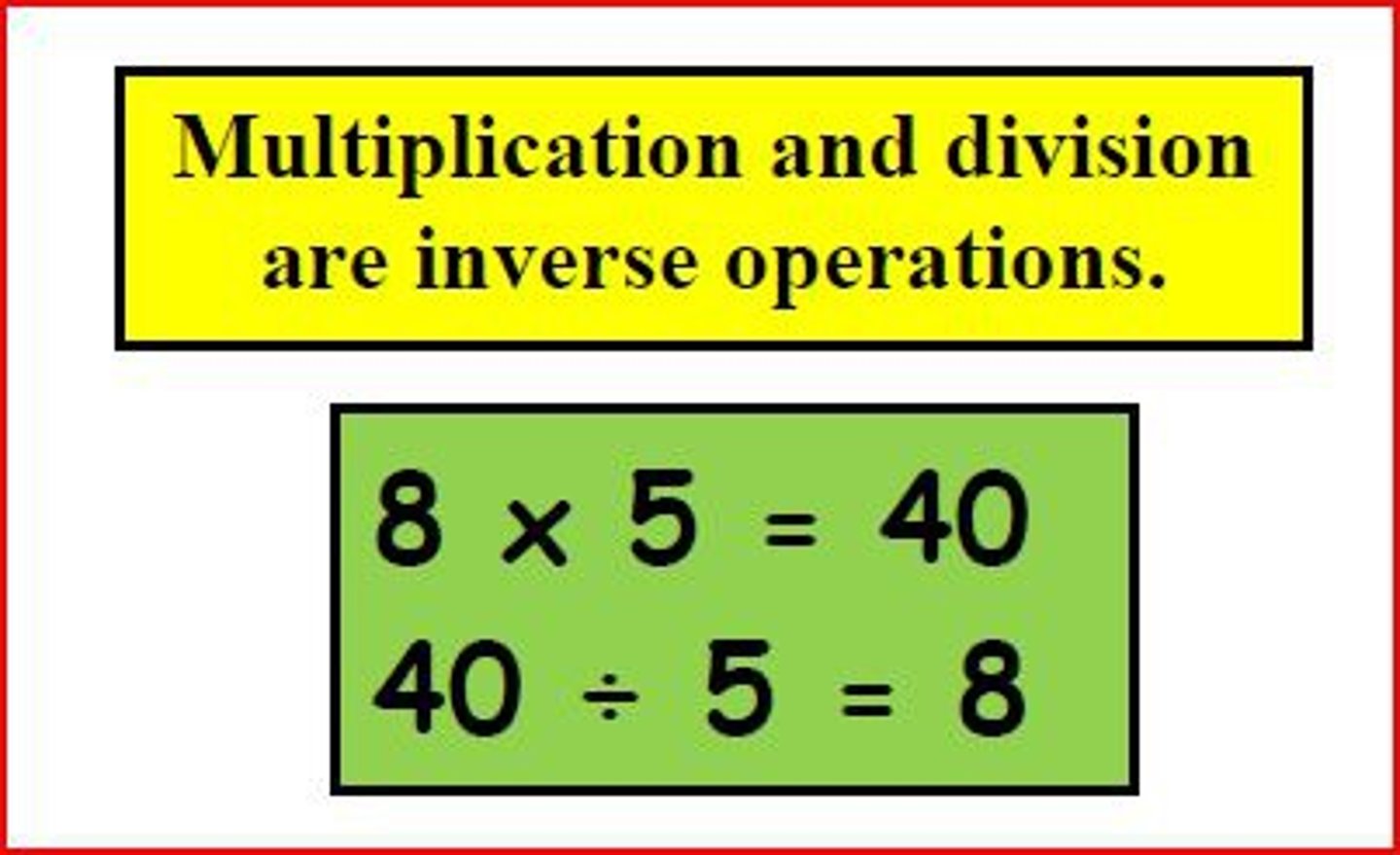
inverse operations
Operations that undo each other.
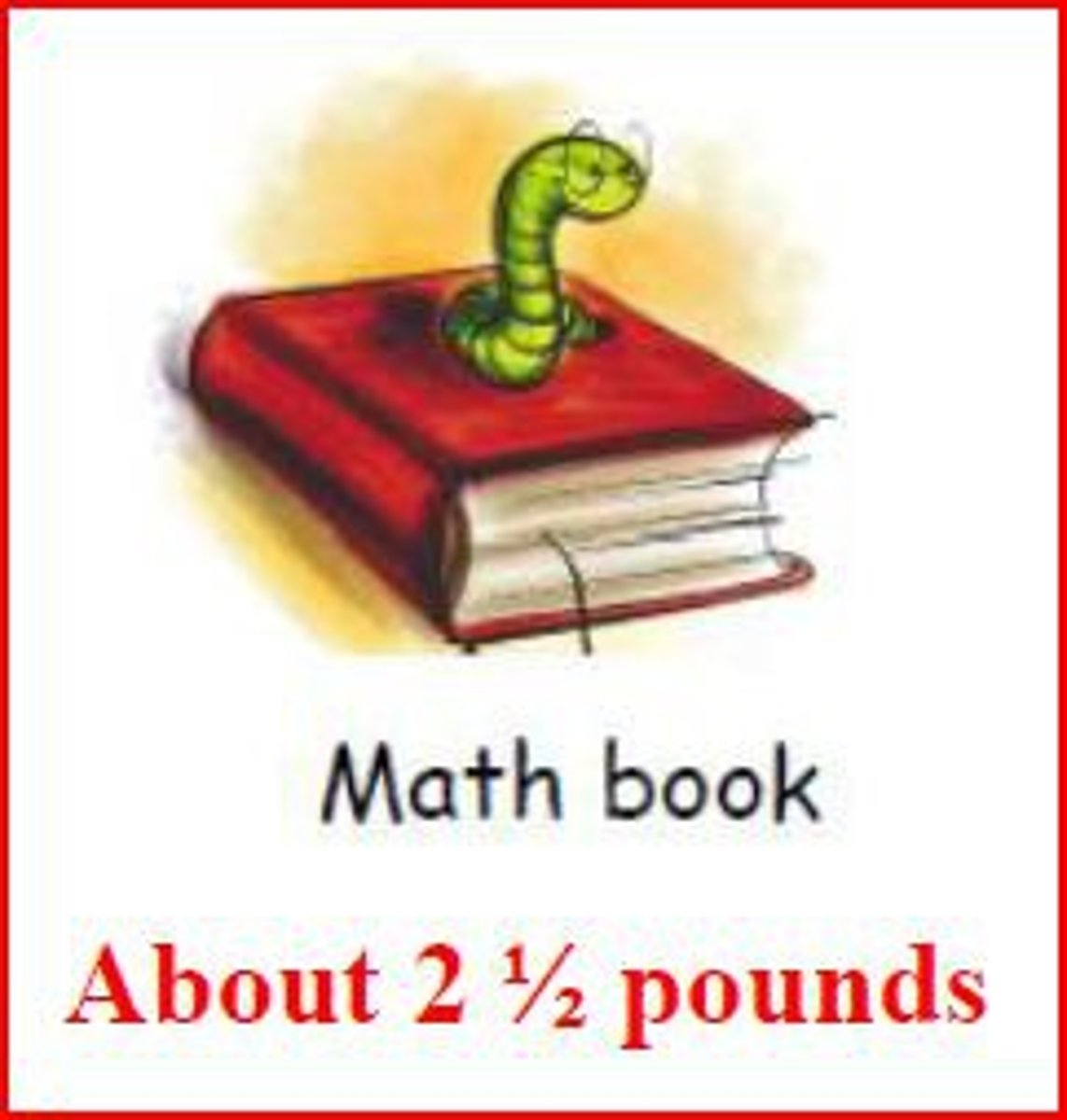
kilogram (kg)
A metric unit of mass equal to 1000 grams.
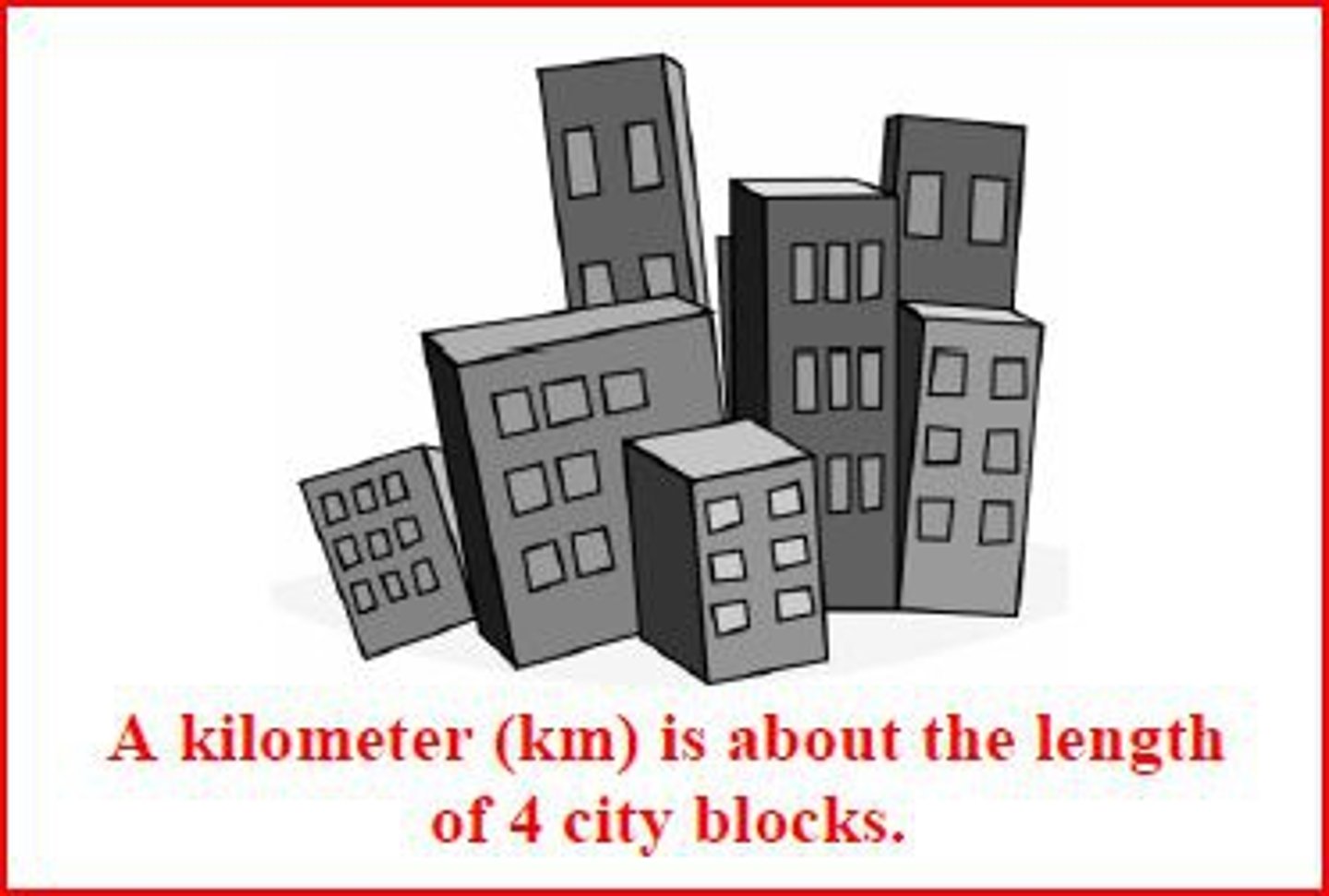
kilometer (km)
A metric unit of length equal to 1000 meters.
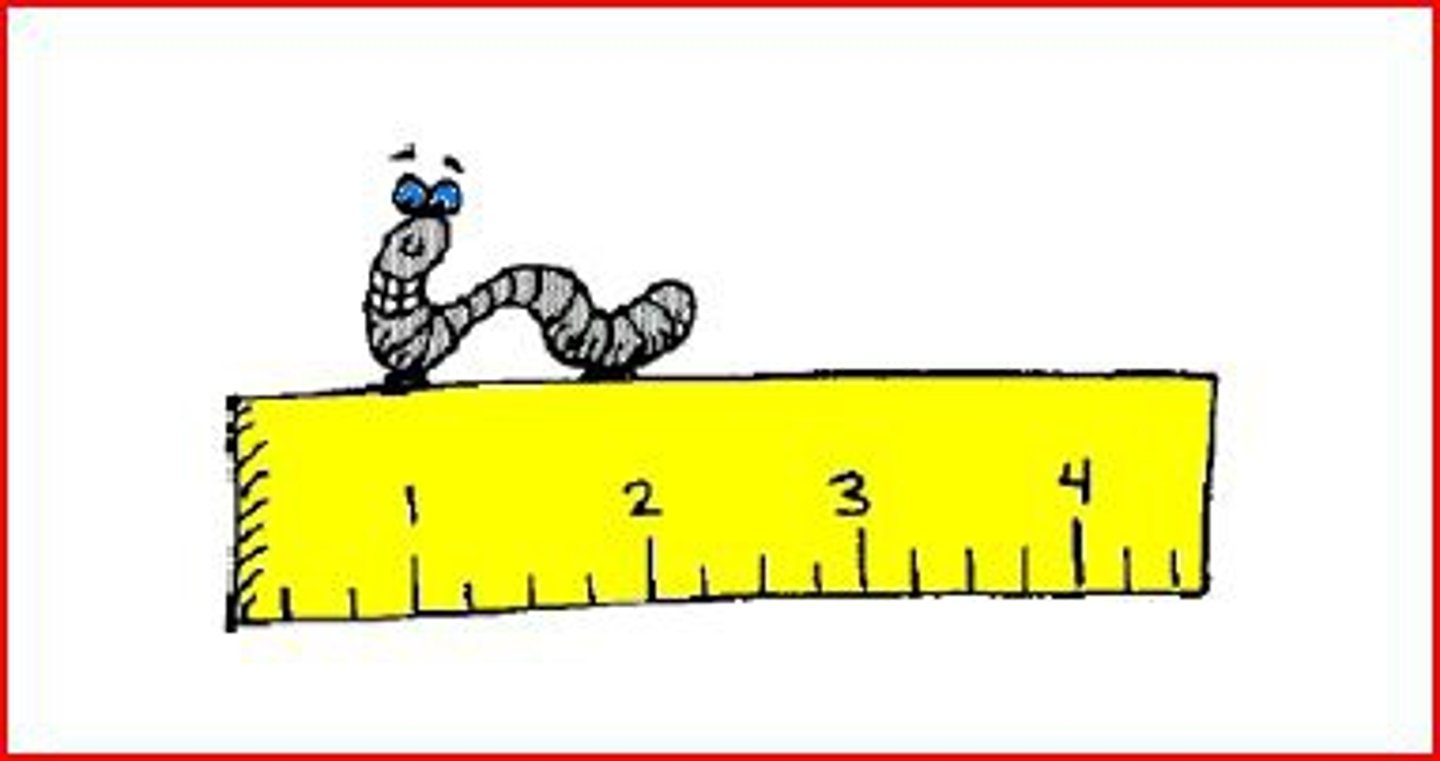
length
How long something is. The distance from one point to another.
Length is measured in units such as inches, feet, centimeters, etc.
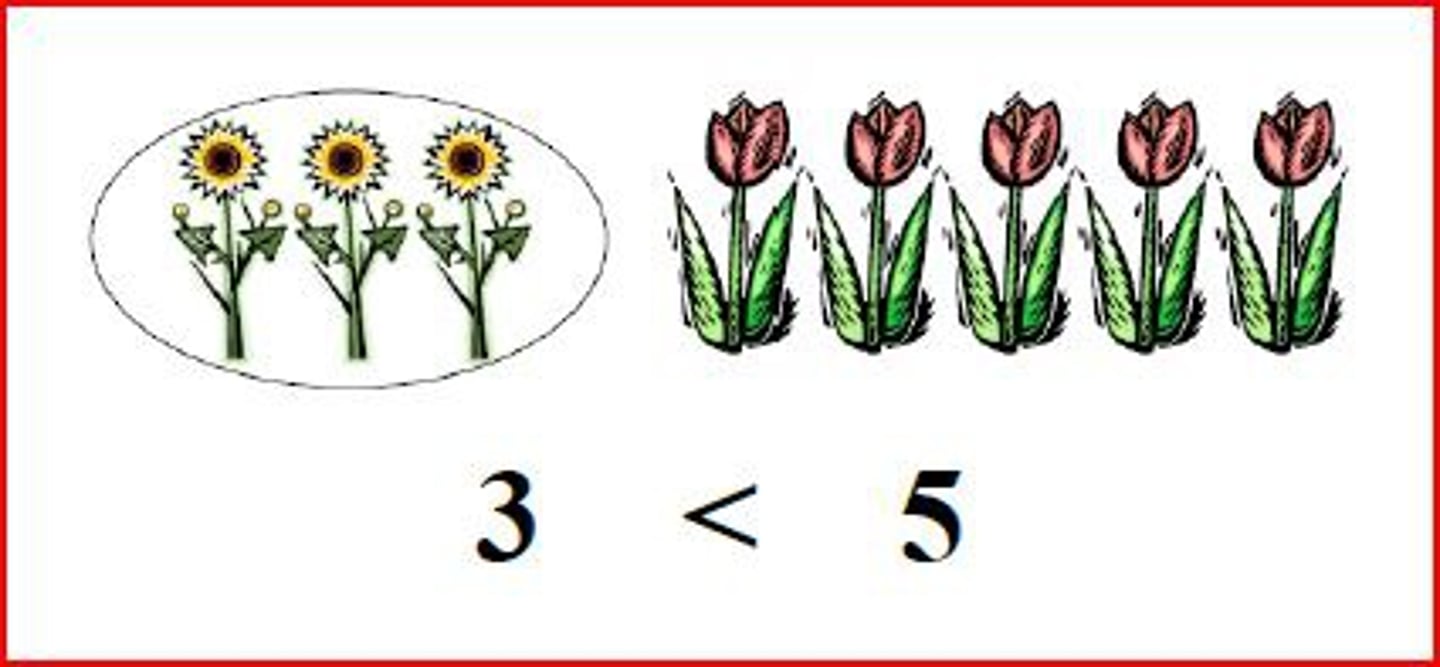
less than
Used to compare two numbers when the first number is smaller than the second number. (<)
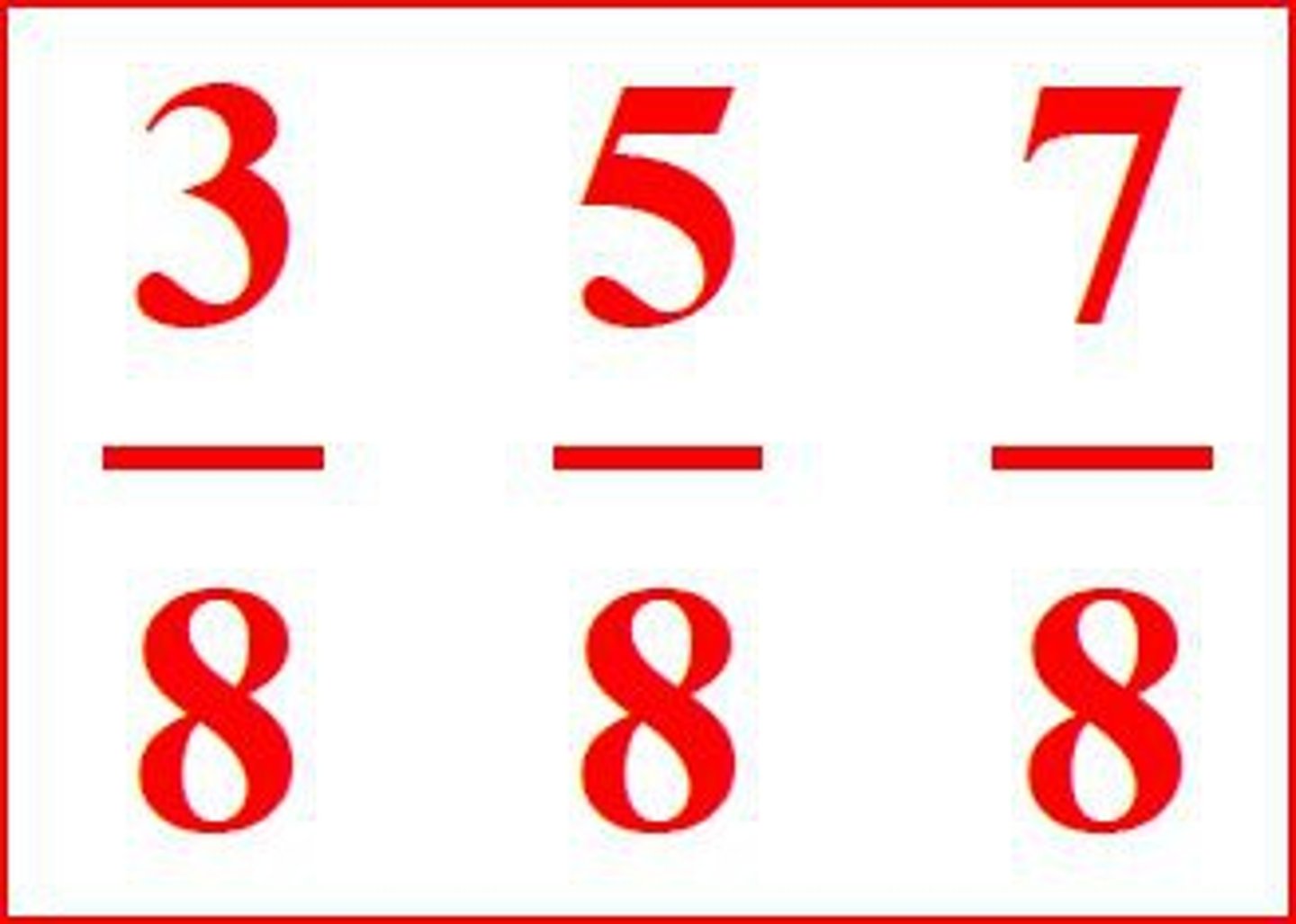
like denominators
The bottom numbers in two or more fractions that are the same.
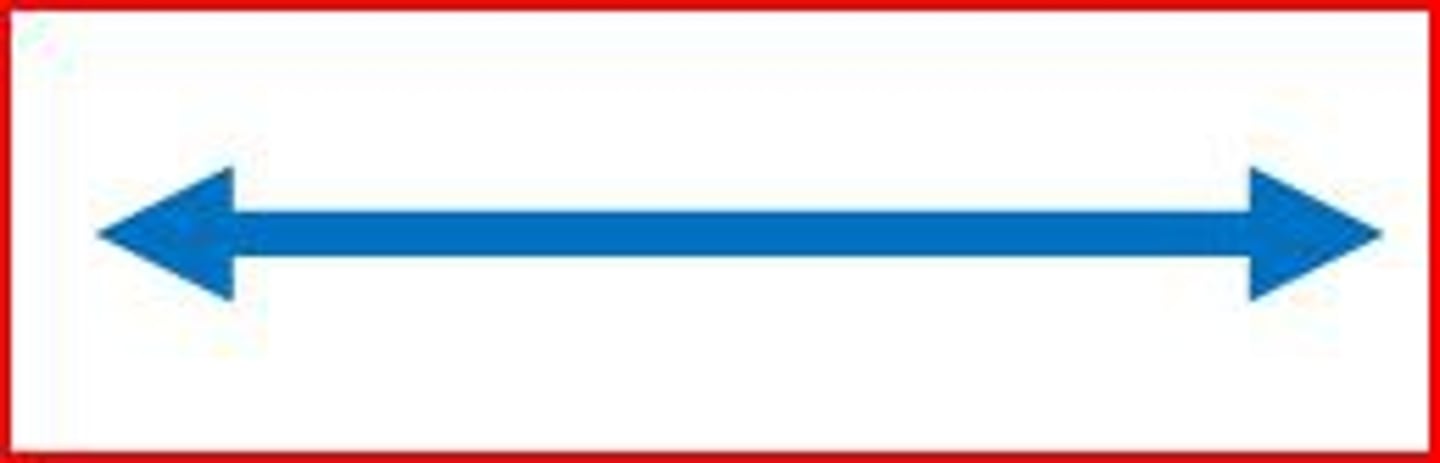
line
An infinite set of connected points continuing without end in both directions.
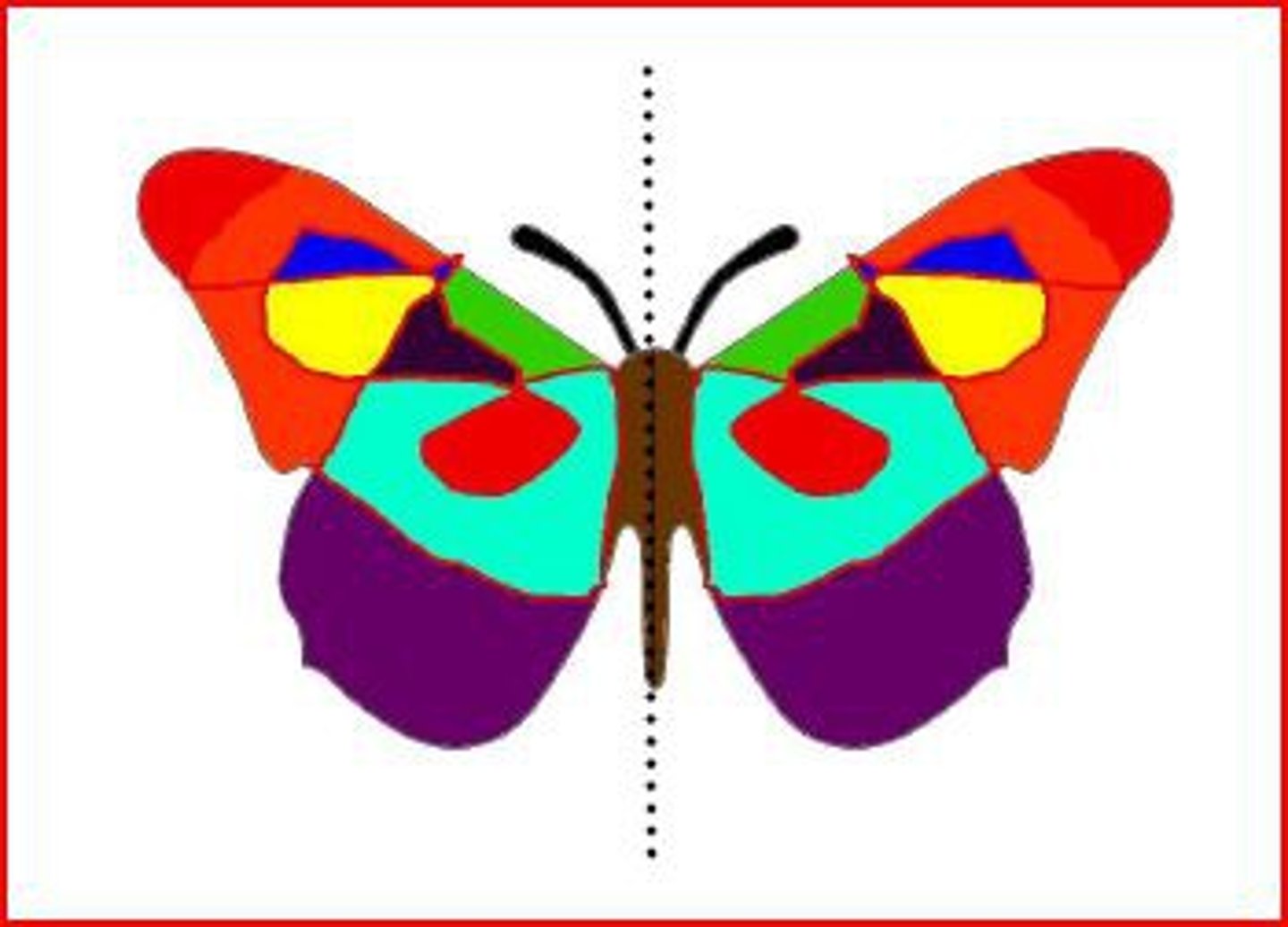
line of symmetry
A line that divides a figure into two congruent halves that are mirror images of each other.
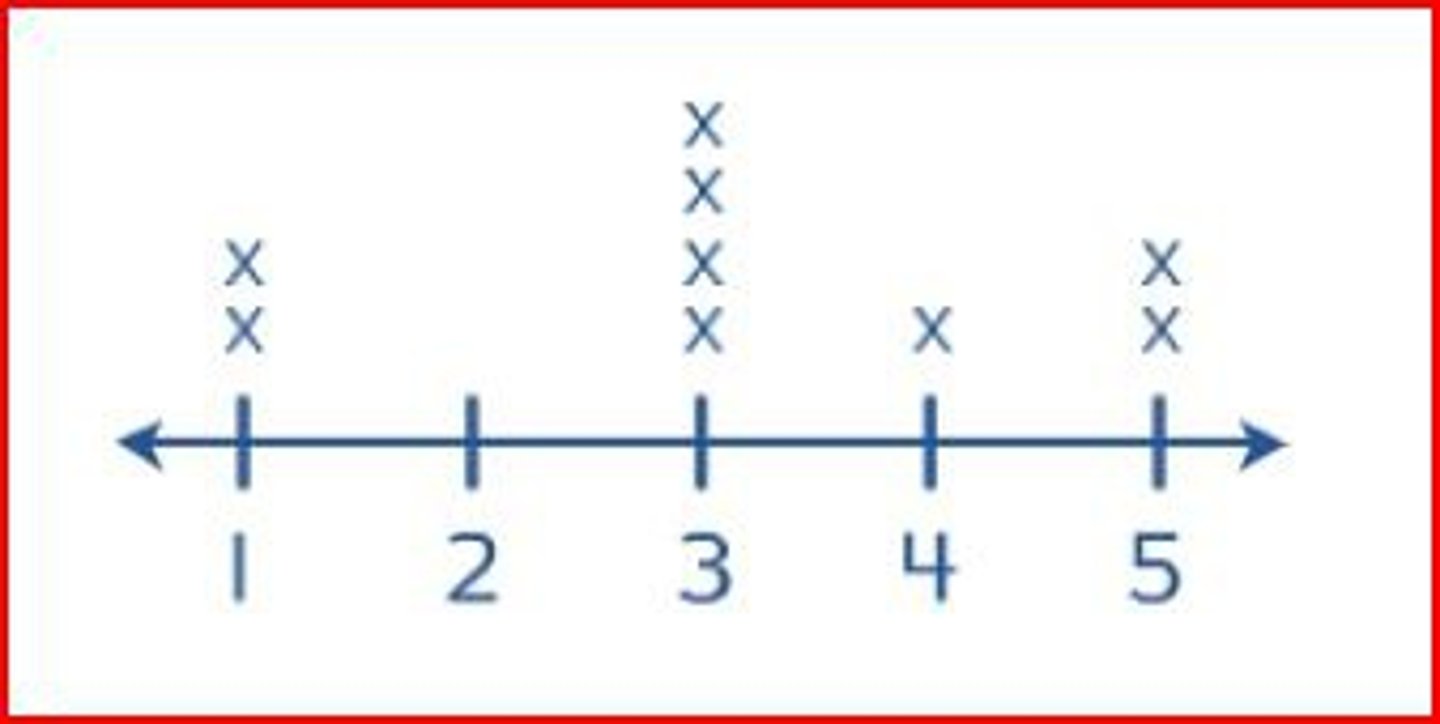
line plot
A diagram showing frequency of data on a number line.
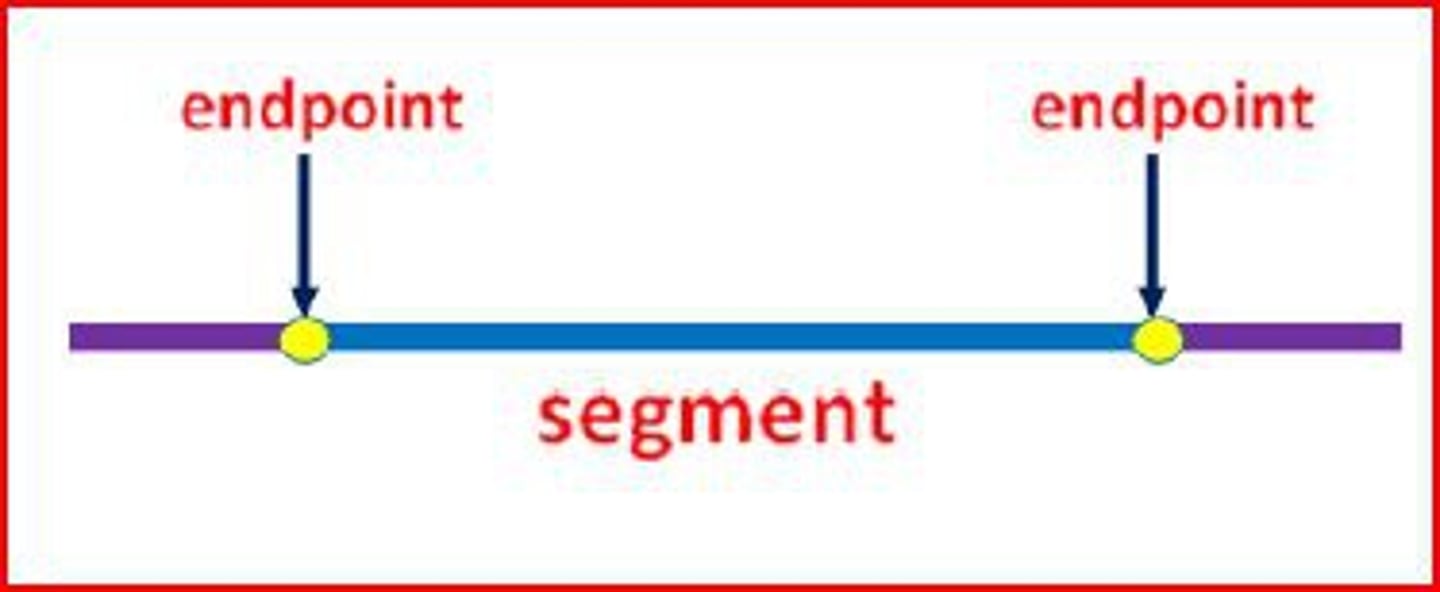
line segment
A part of a line with two endpoints.
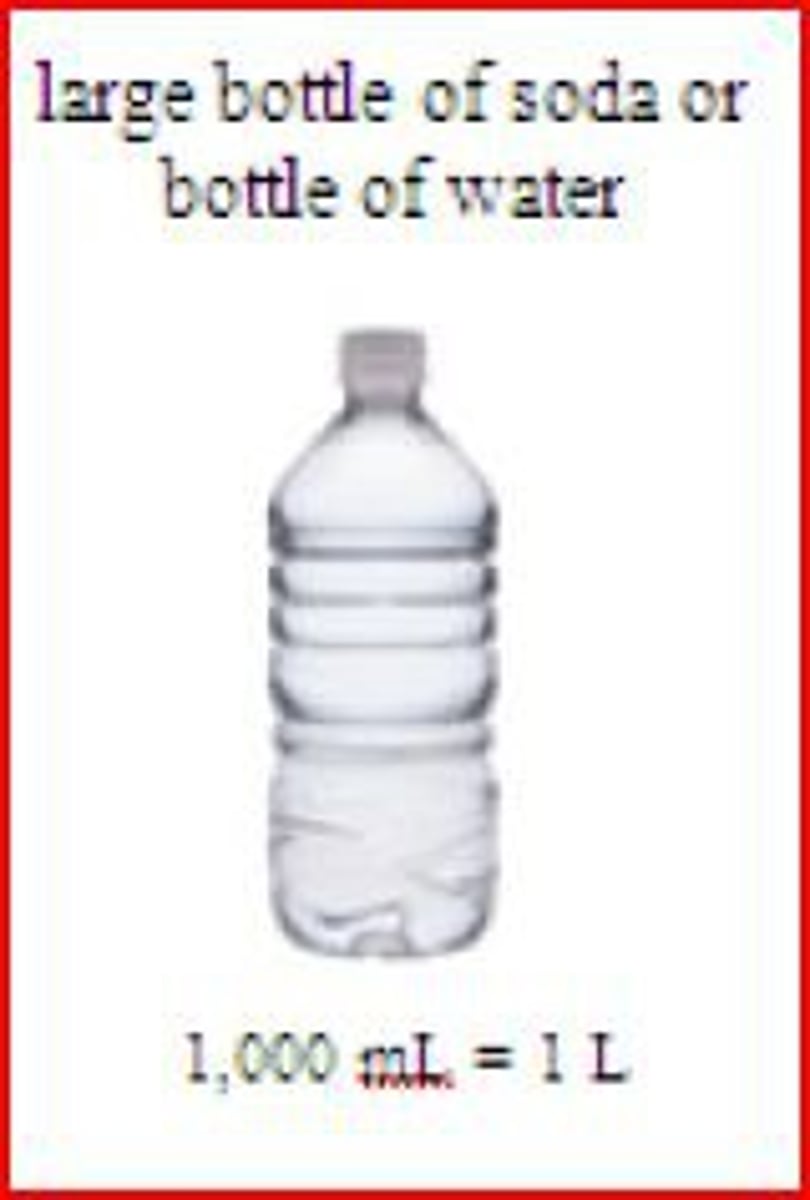
liter (L)
The basic unit of capacity in the metric system.
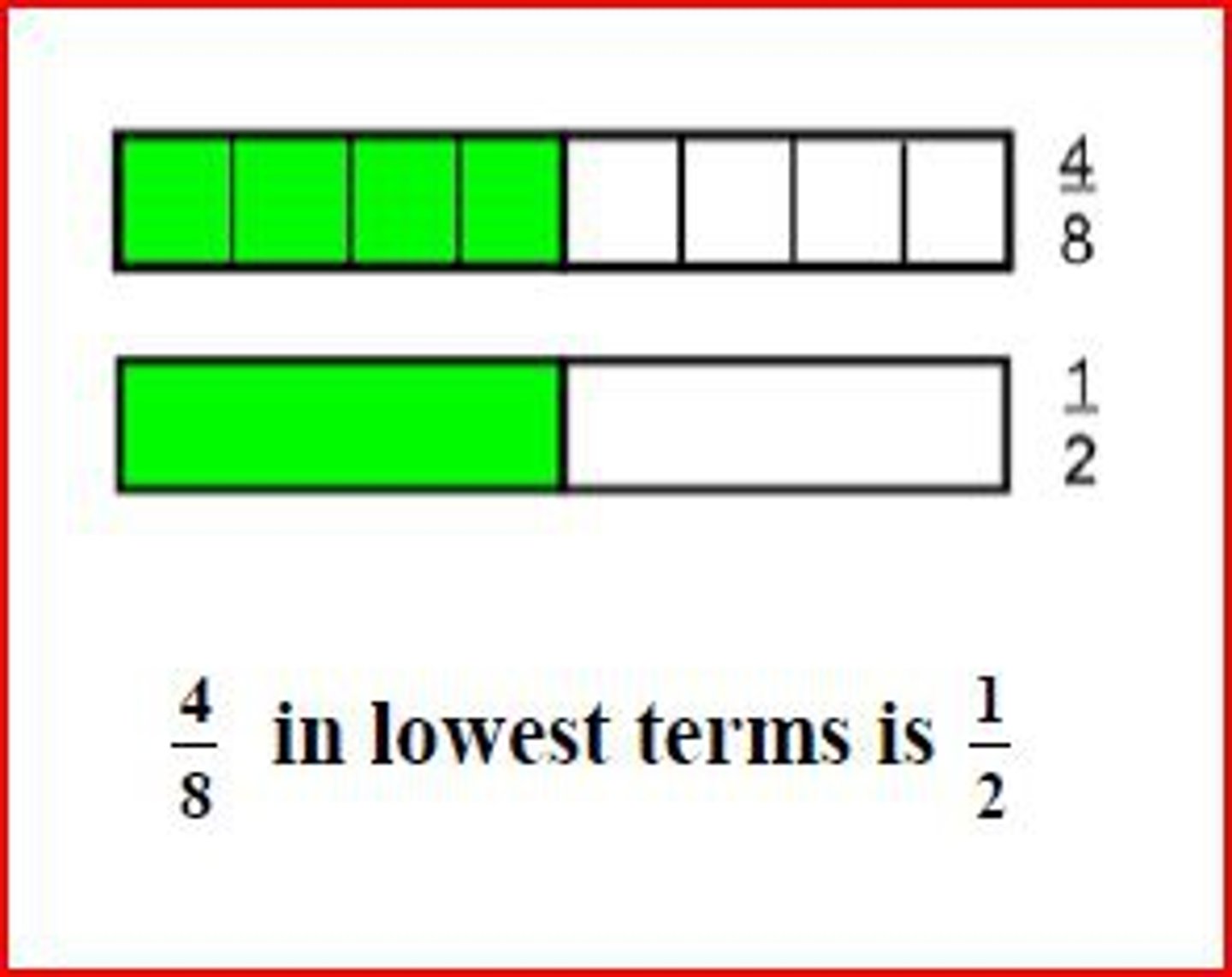
lowest terms
When a fraction is expressed with the fewest possible pieces. (Also called simplest form.)
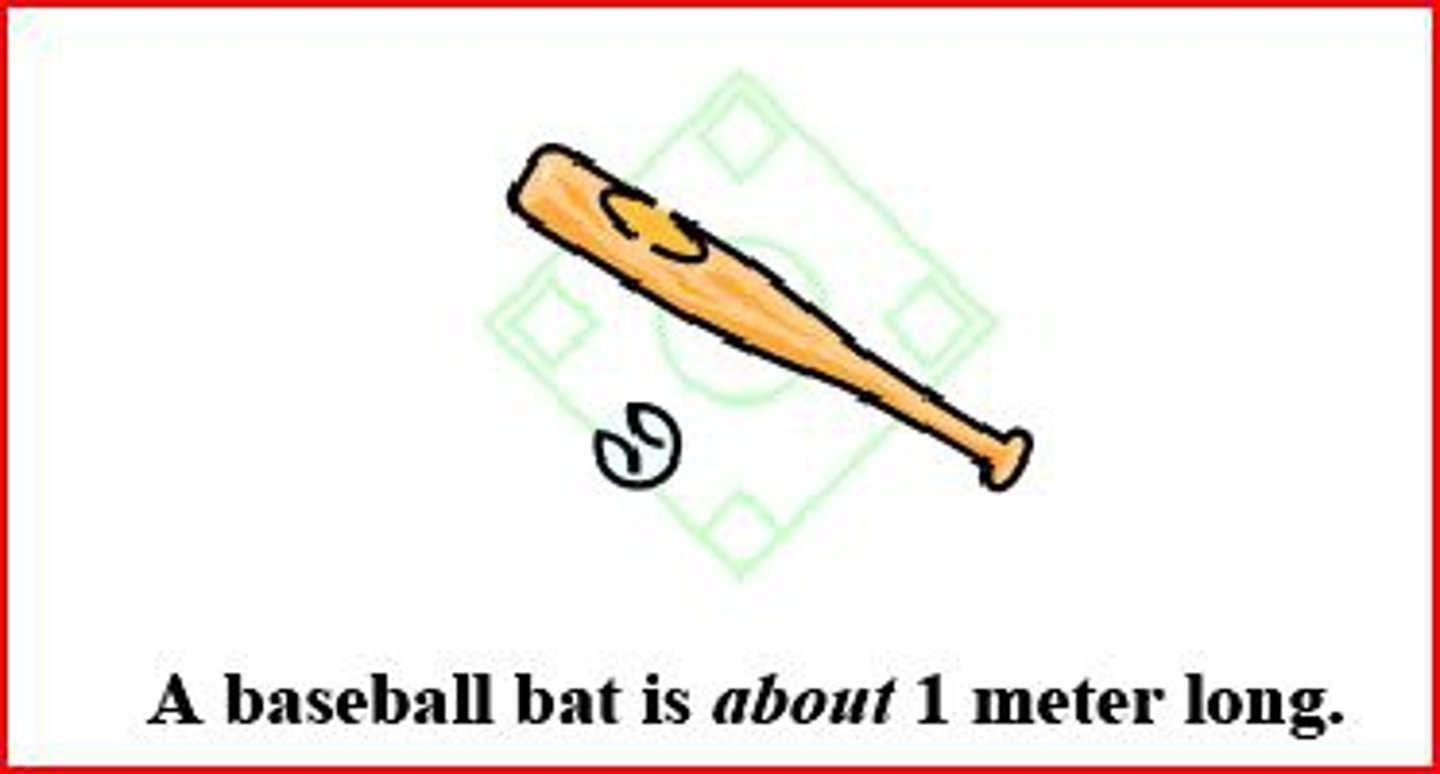
meter (m)
A standard unit of length in the metric system.
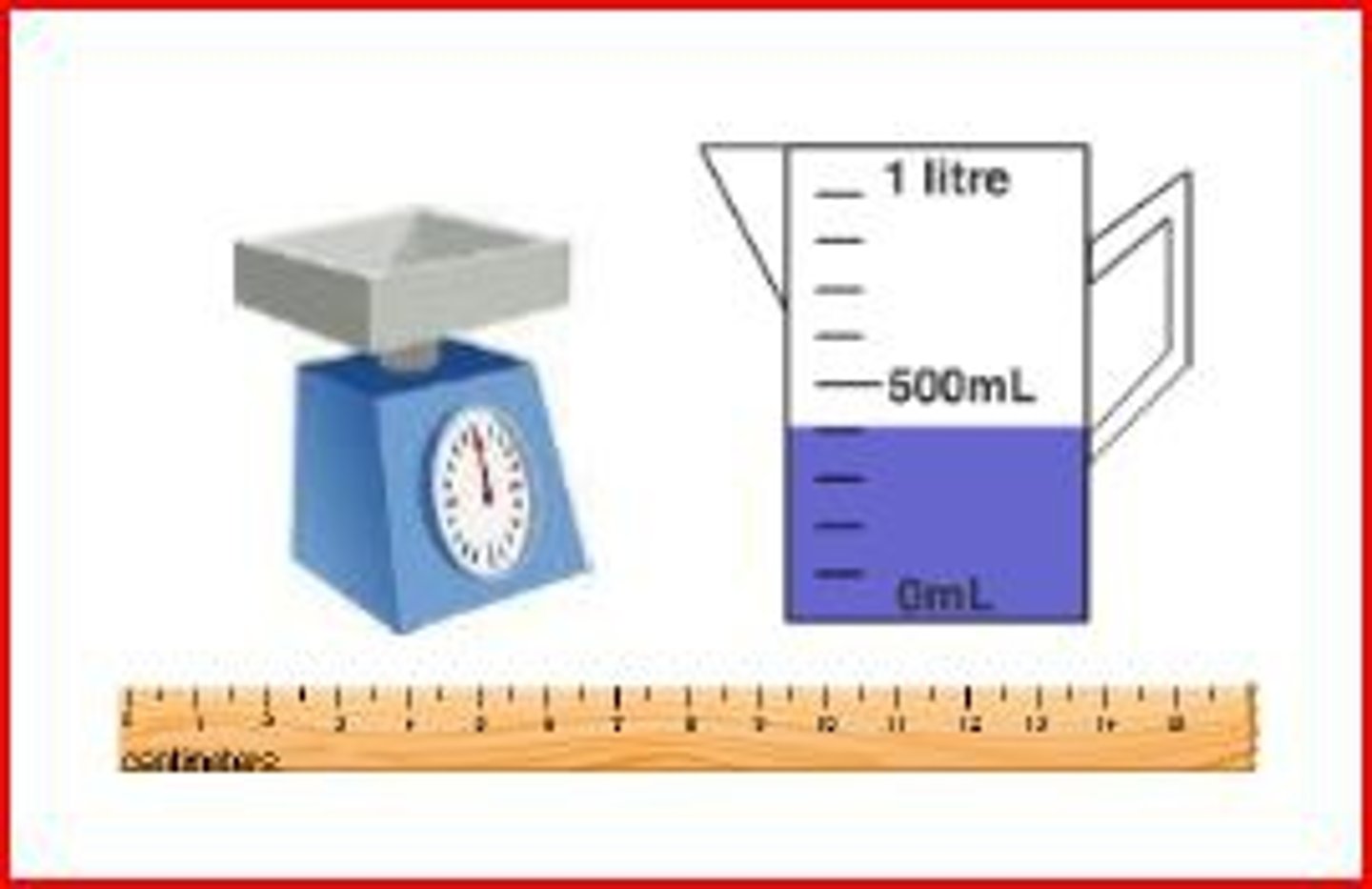
metric system
A system of measurement based on tens. The basic unit of capacity is the liter. The basic unit of length is the meter. The basic unit of mass is the gram.
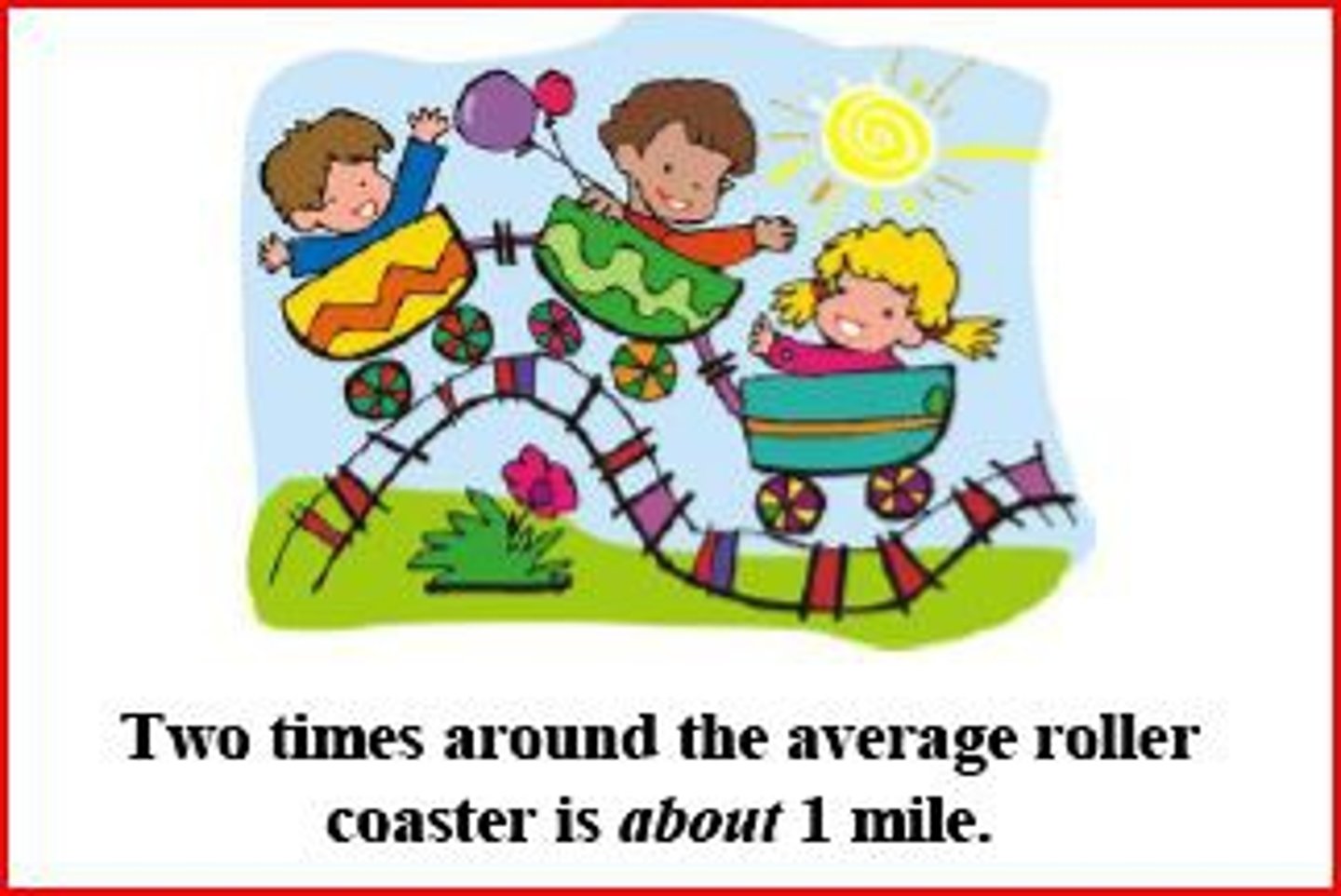
mile
A customary unit of length.
1 mile = 5,280 feet
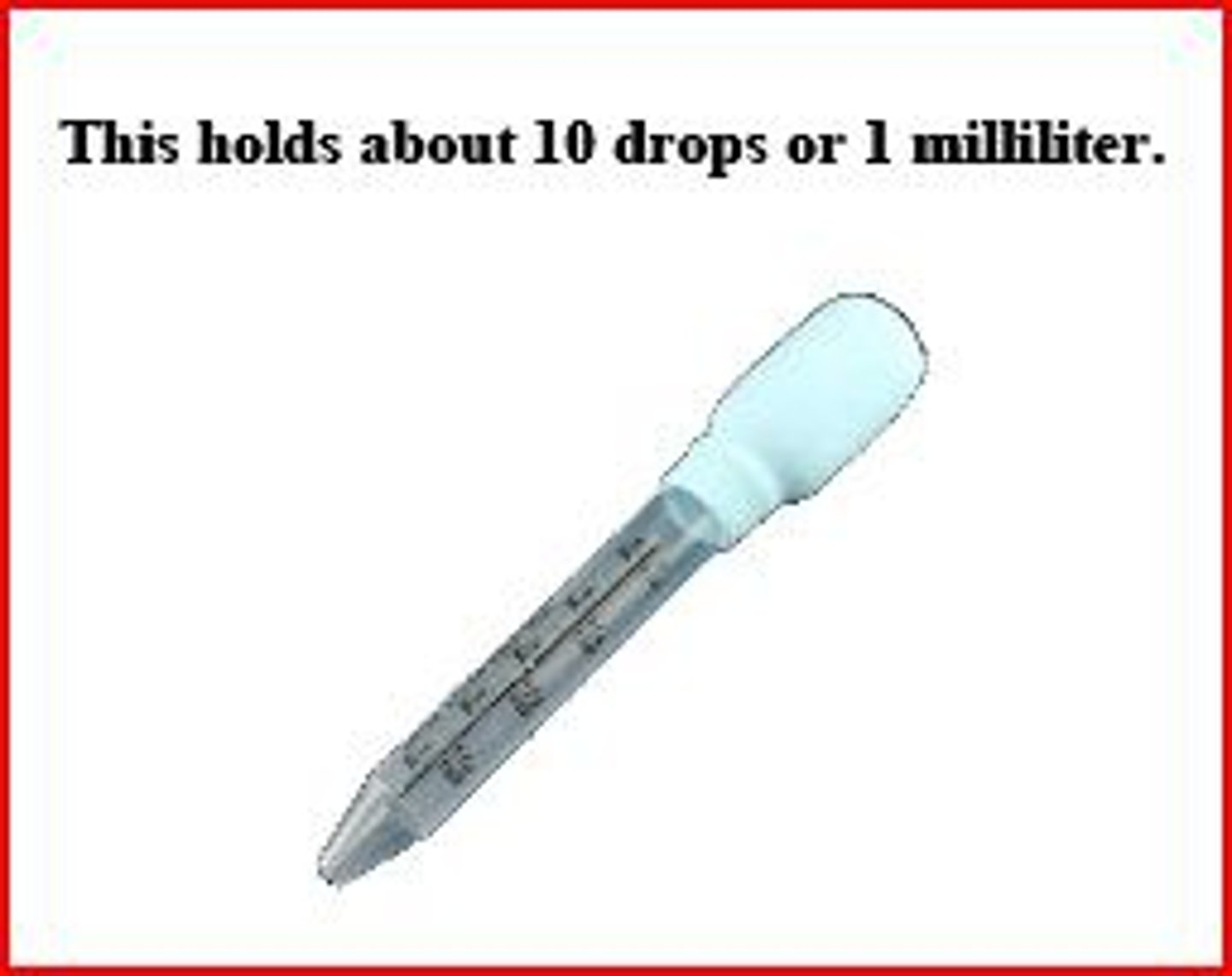
milliliter (mL)
A metric unit of capacity that is
1/1,000 of a liter.
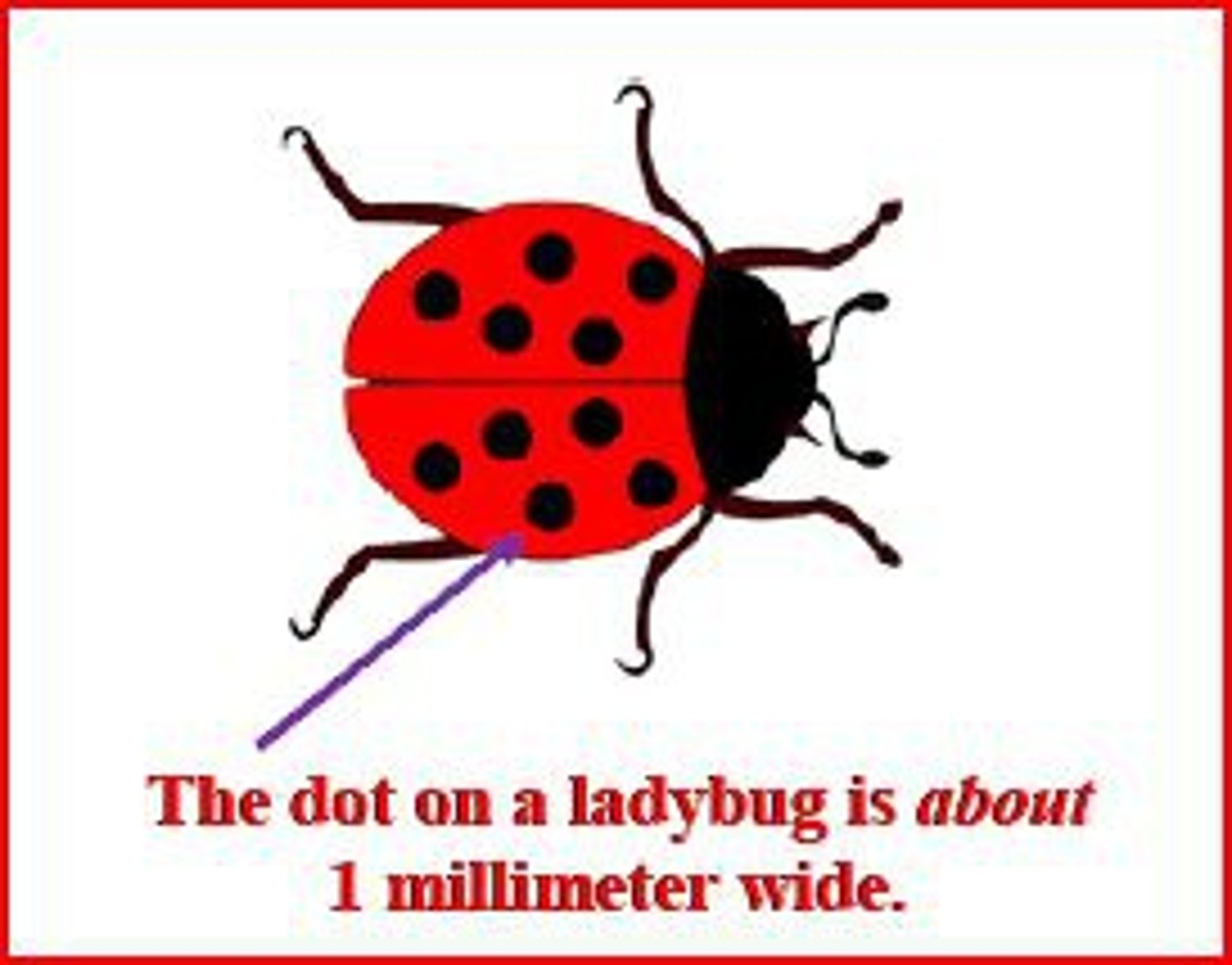
millimeter (mm)
A metric unit of length 1/1,000 of a meter
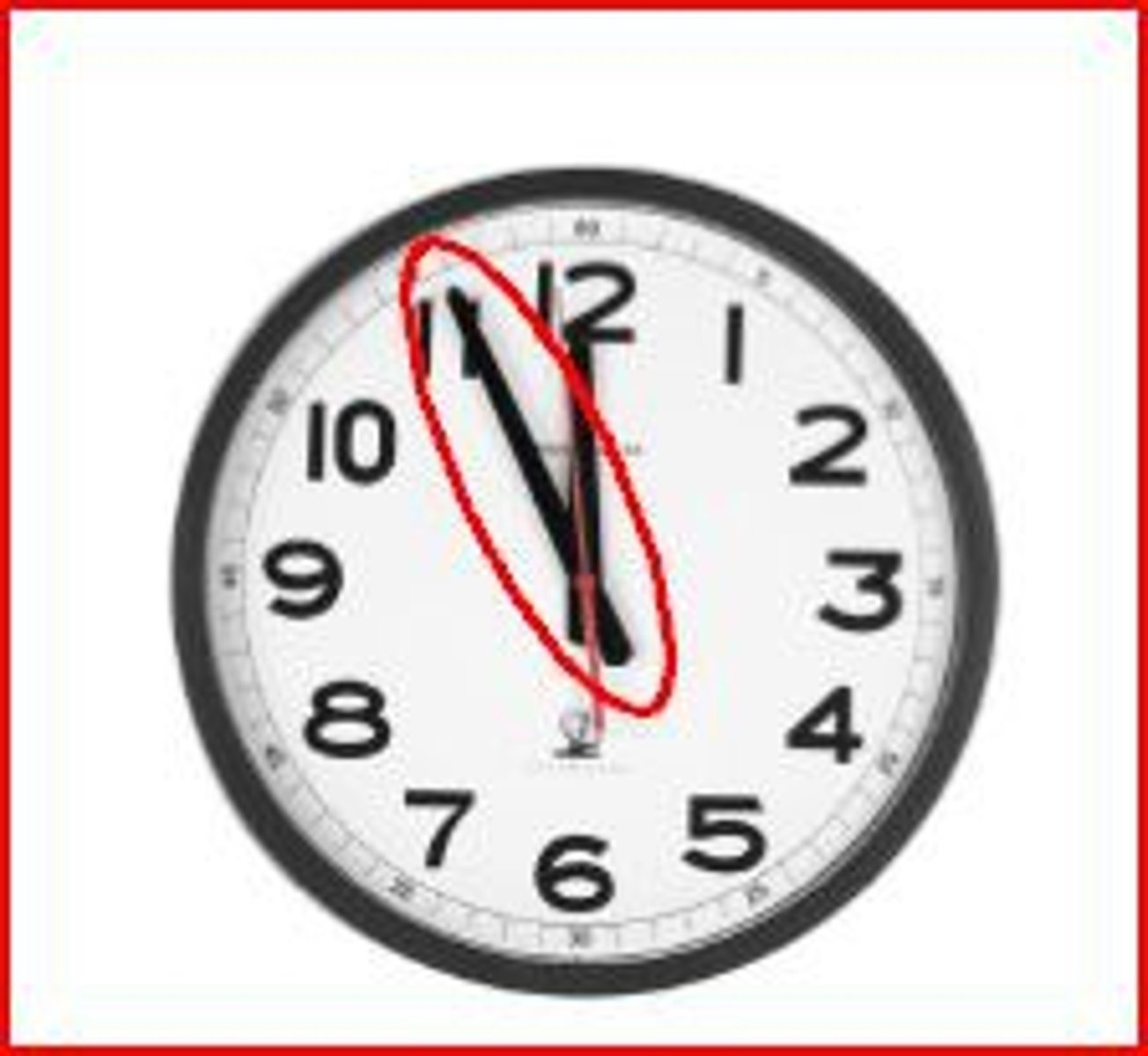
minute (min)
One sixtieth of an hour or 60 seconds.
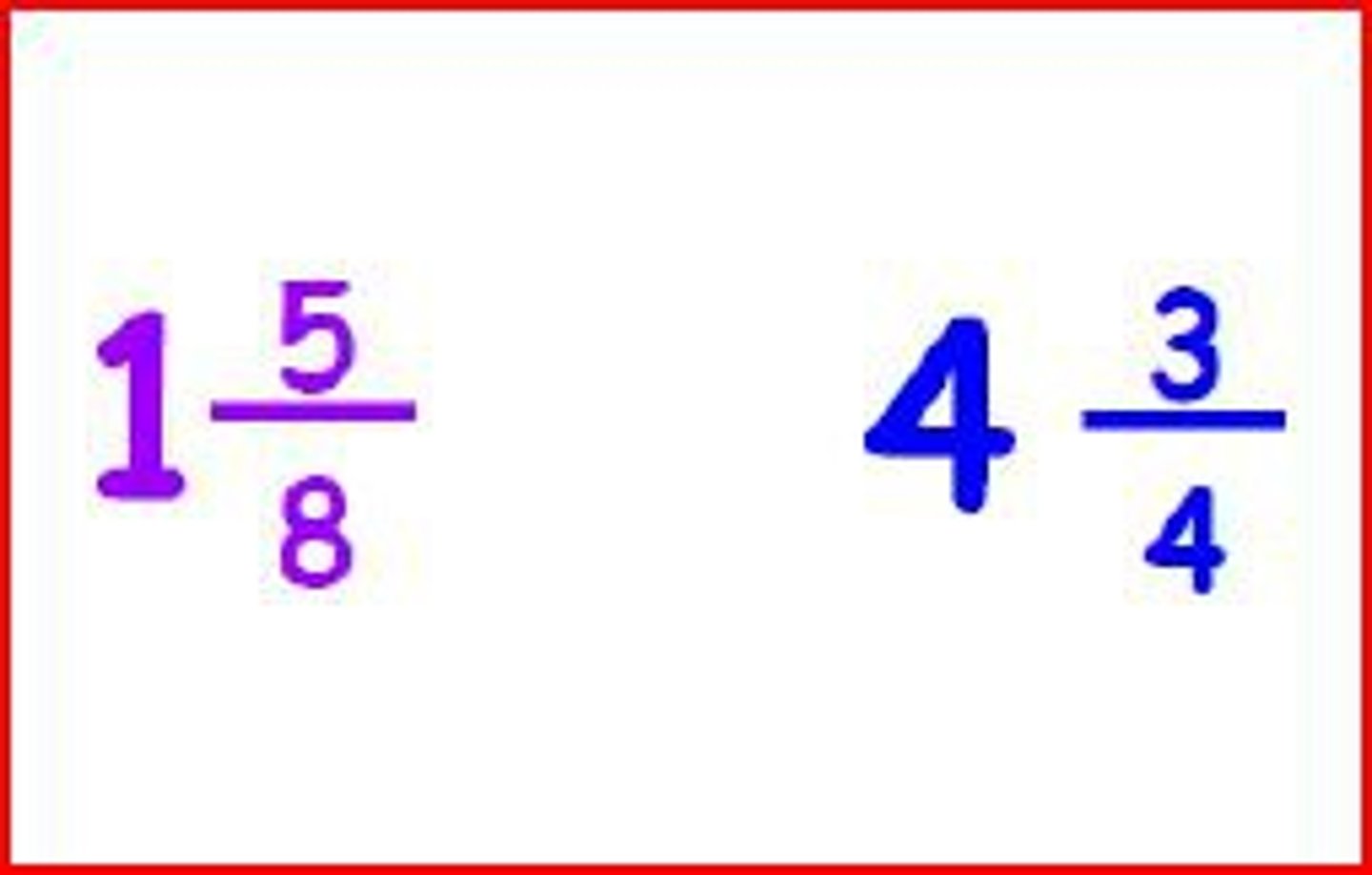
mixed number
A number that has a whole number (not 0) and a fraction.
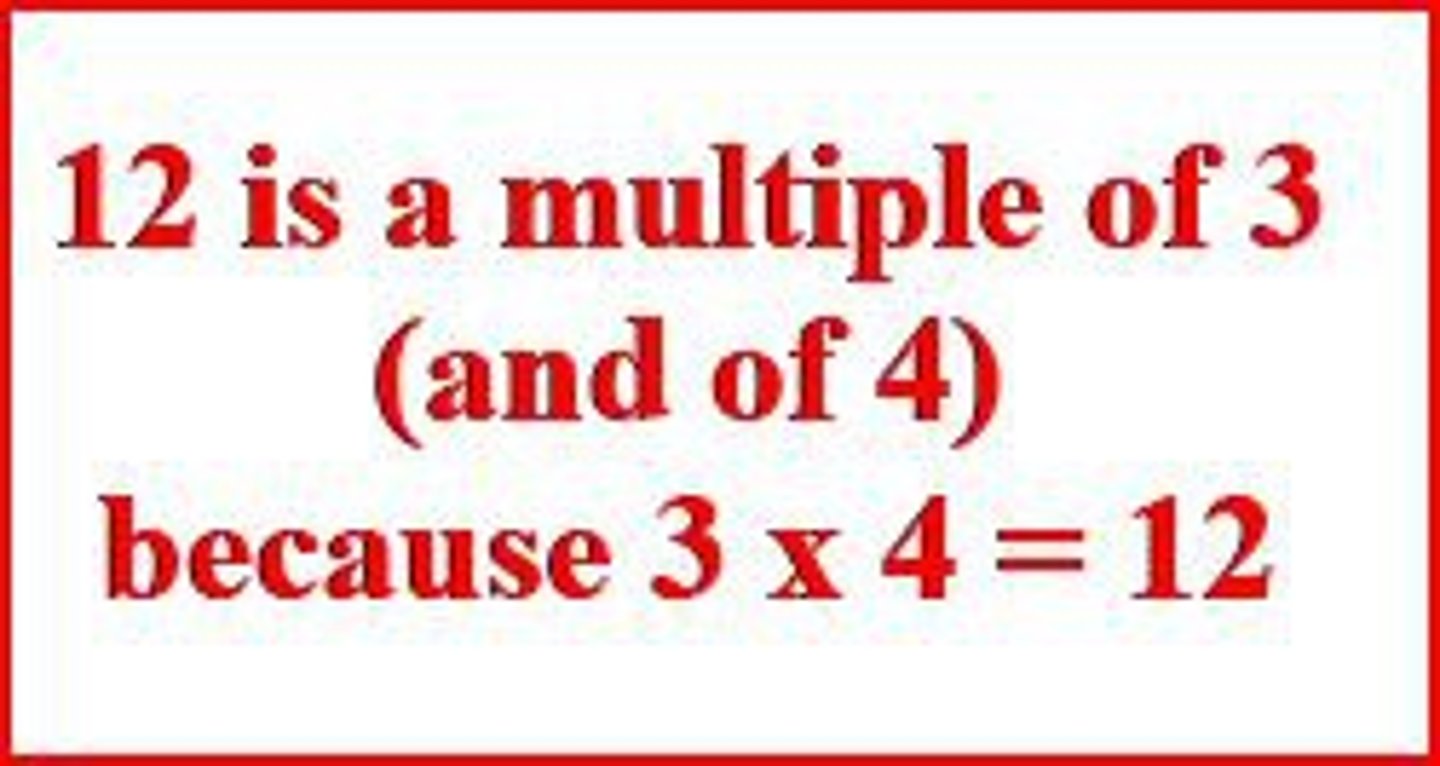
multiple
A product of a given integer and any other integer.
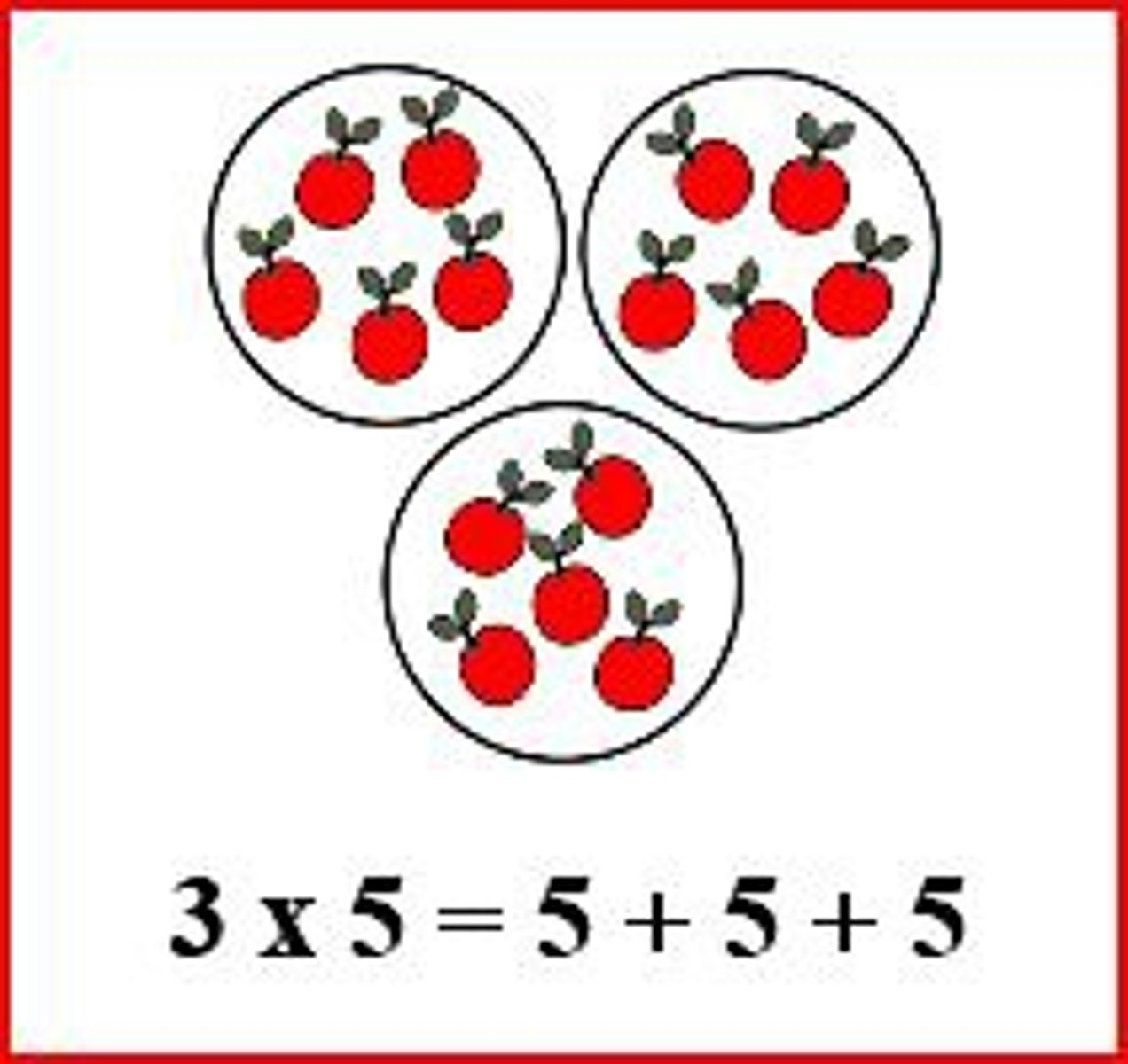
multiply
The operation of repeated addition of the same number.
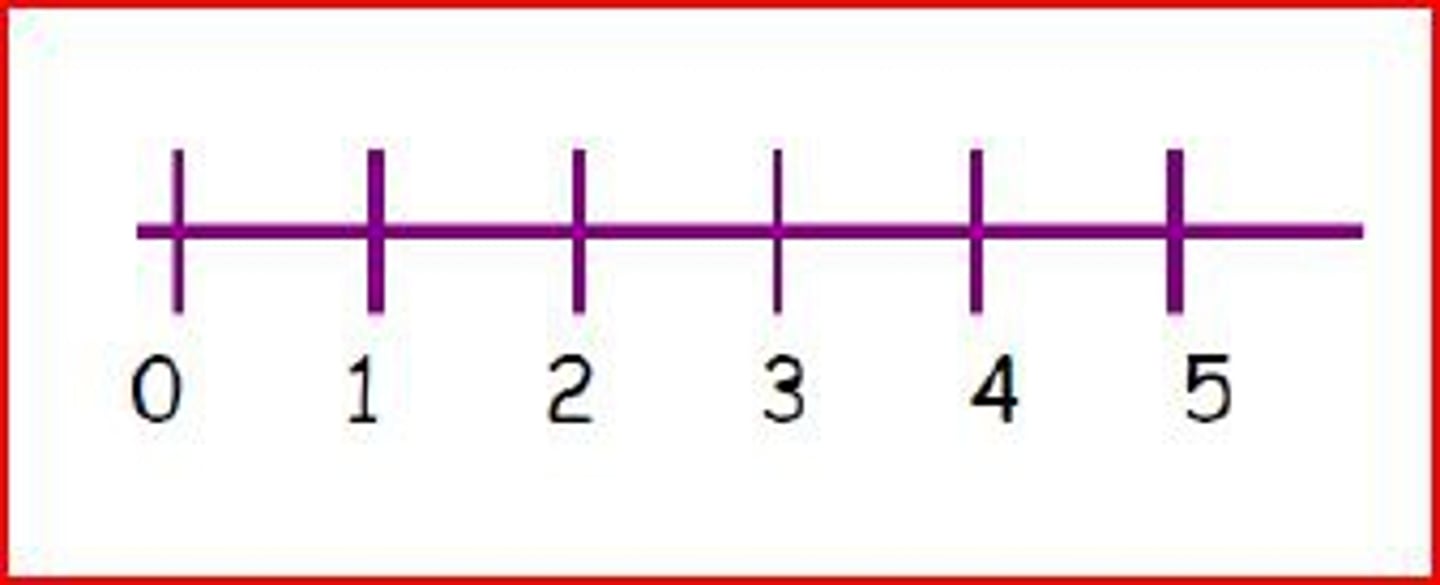
number line
A diagram that represents numbers as points on a line.
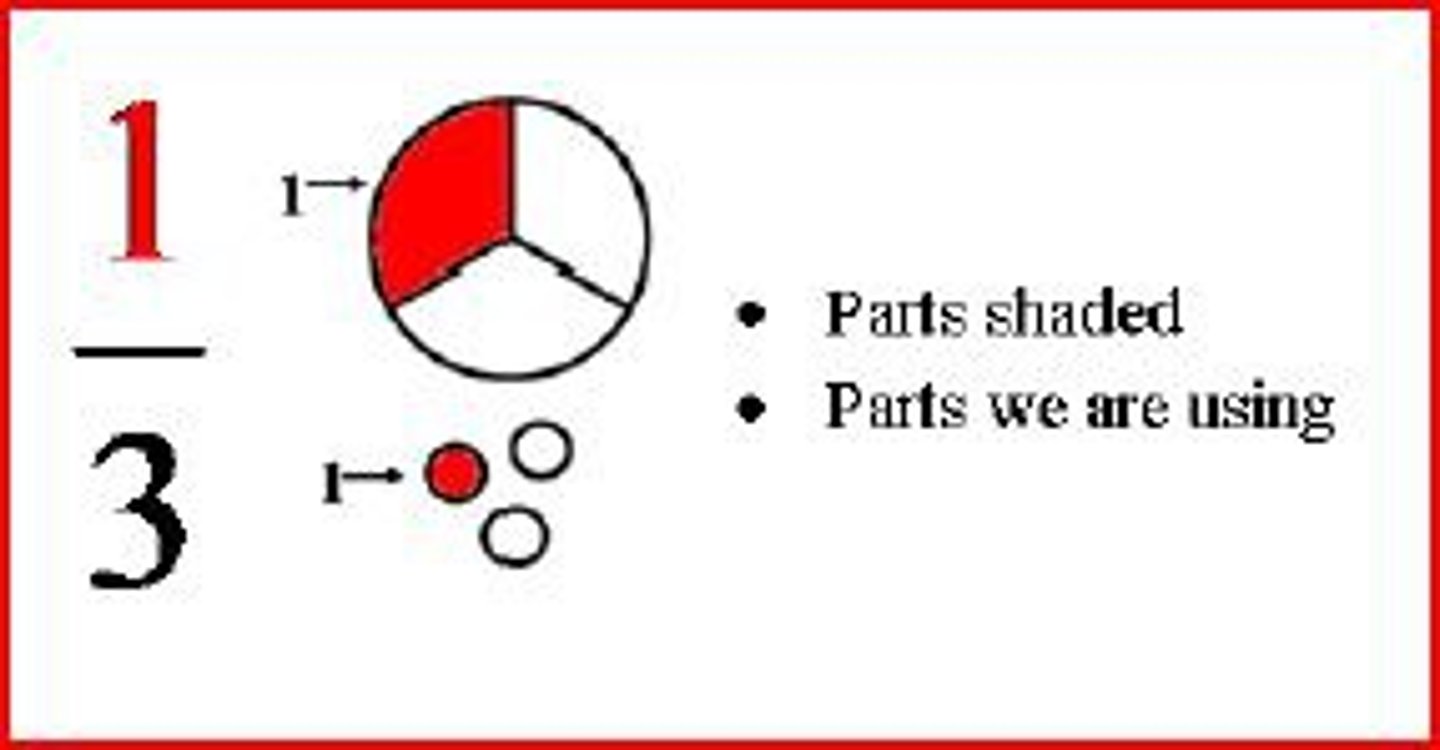
numerator
The number written above the line in a fraction. It tells how many equal parts are described in the fraction.
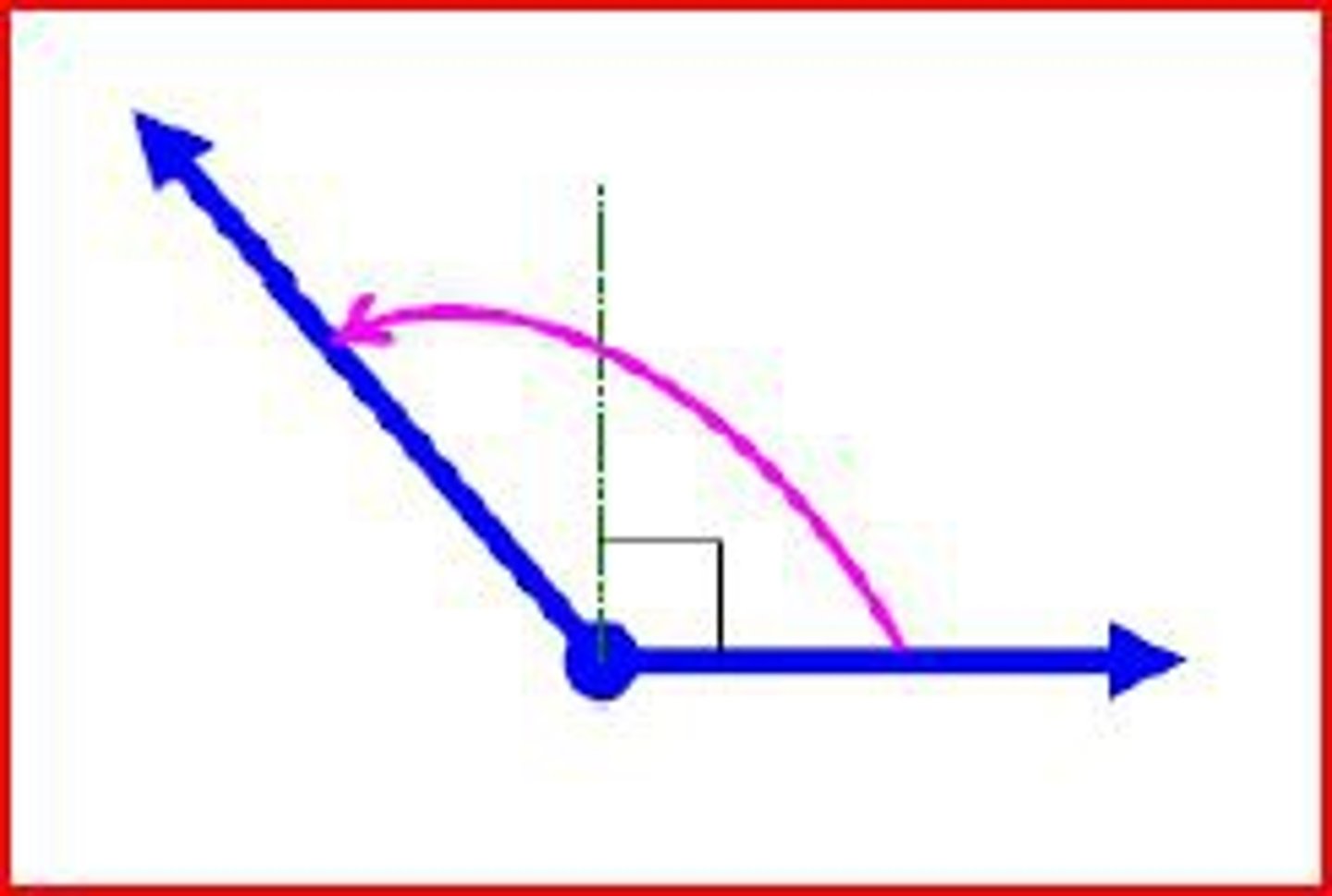
obtuse angle
An angle with a measure greater than 90º but less than 180º.
Order of Operations
A set of rules that tells the order in which to compute.
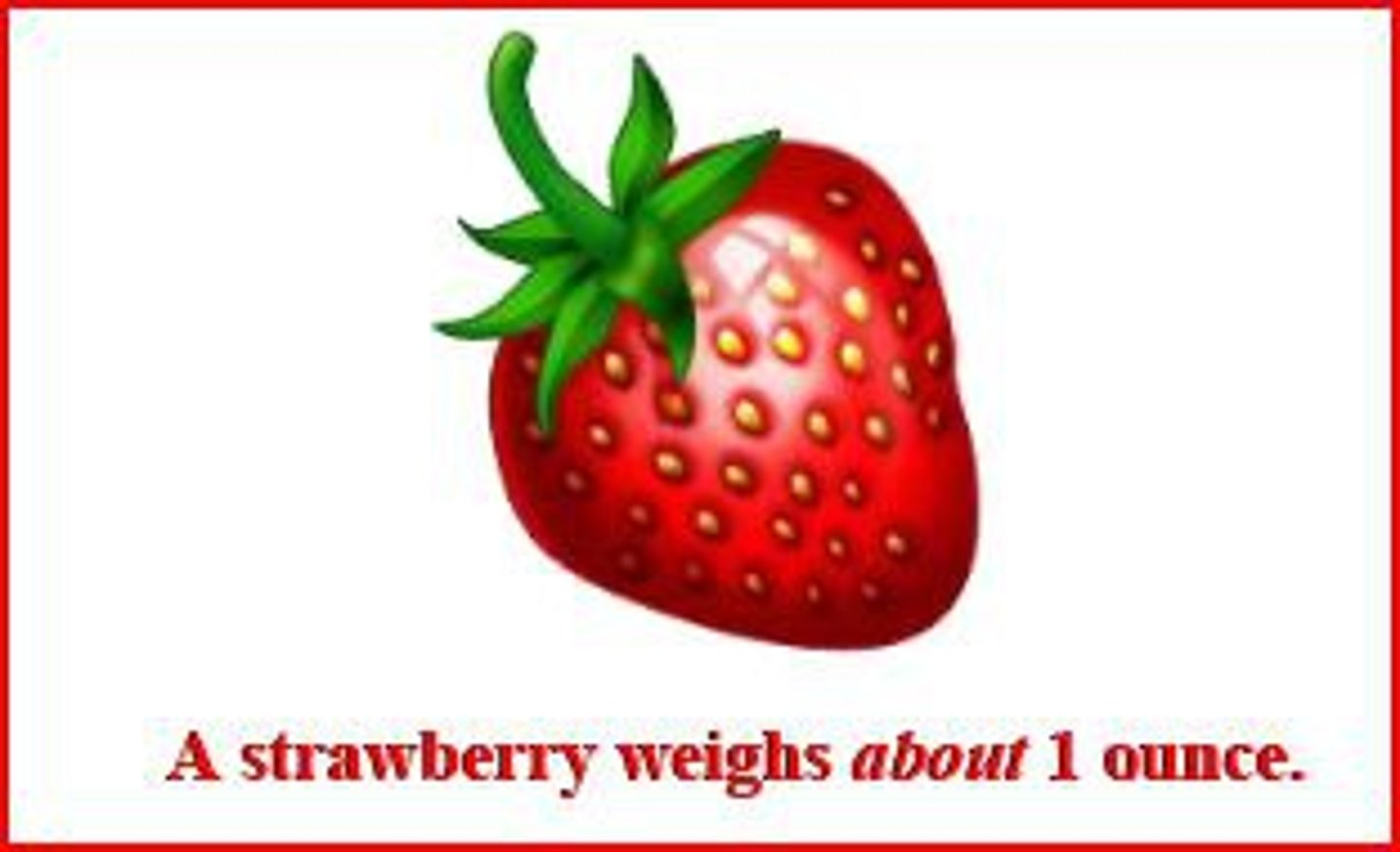
ounce (oz)
A customary unit of weight equal to one sixteenth of a pound.
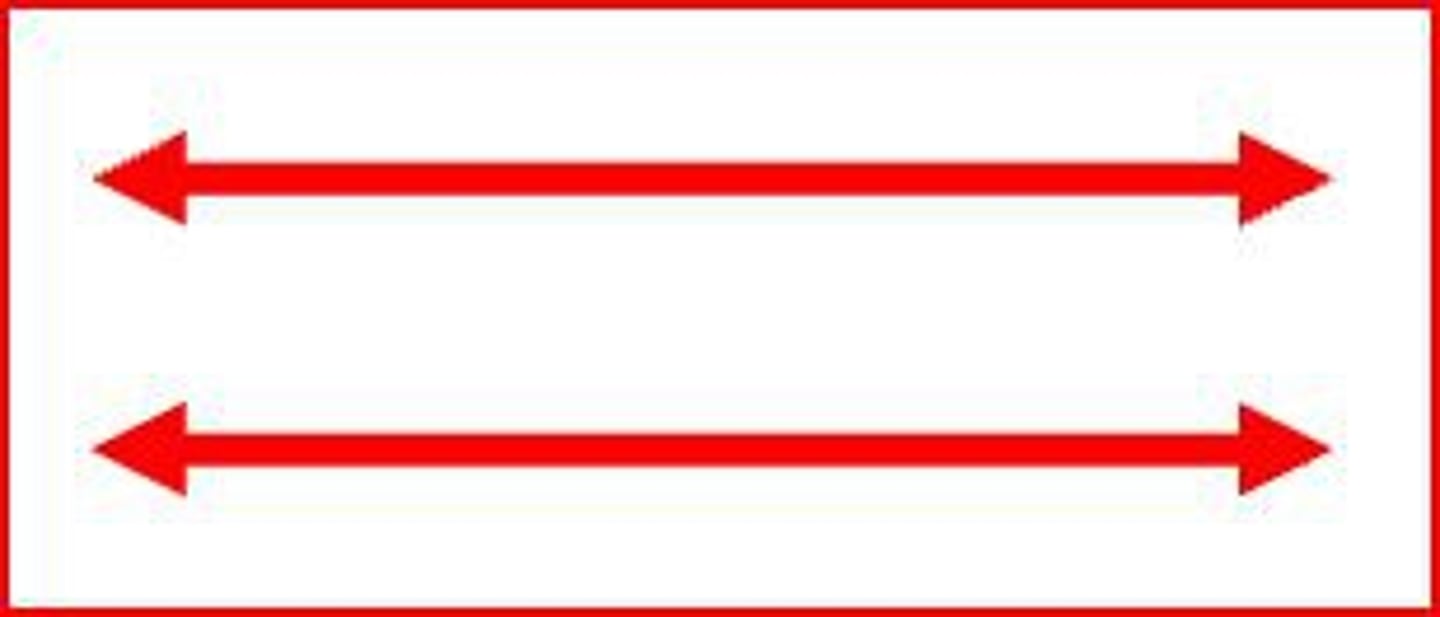
parallel
Lines or planes that are always the same distance apart. They do not intersect.
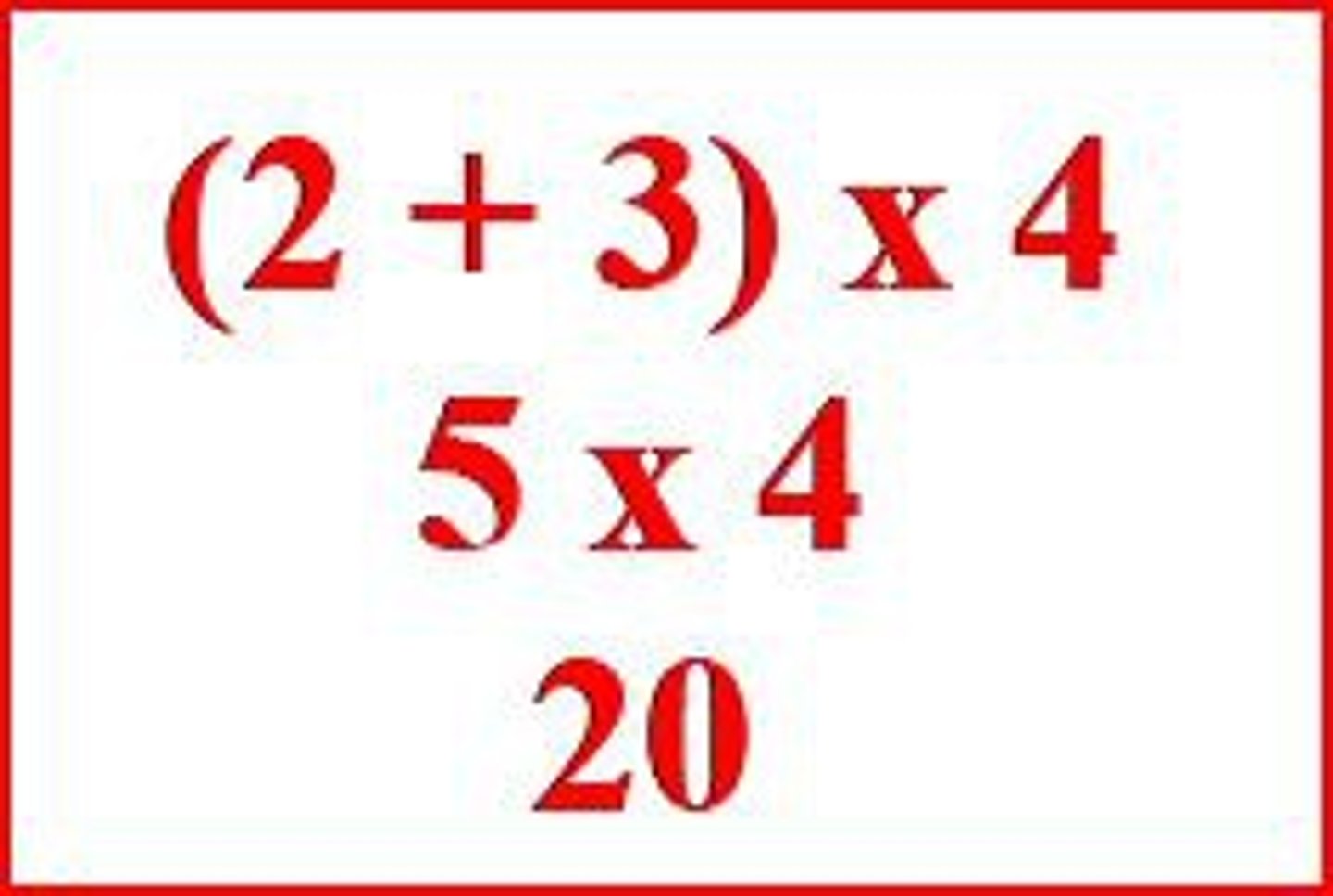
parentheses
( )
Used in mathematics as grouping symbols for operations. When simplifying an expression, the operations between these symbols are performed first.
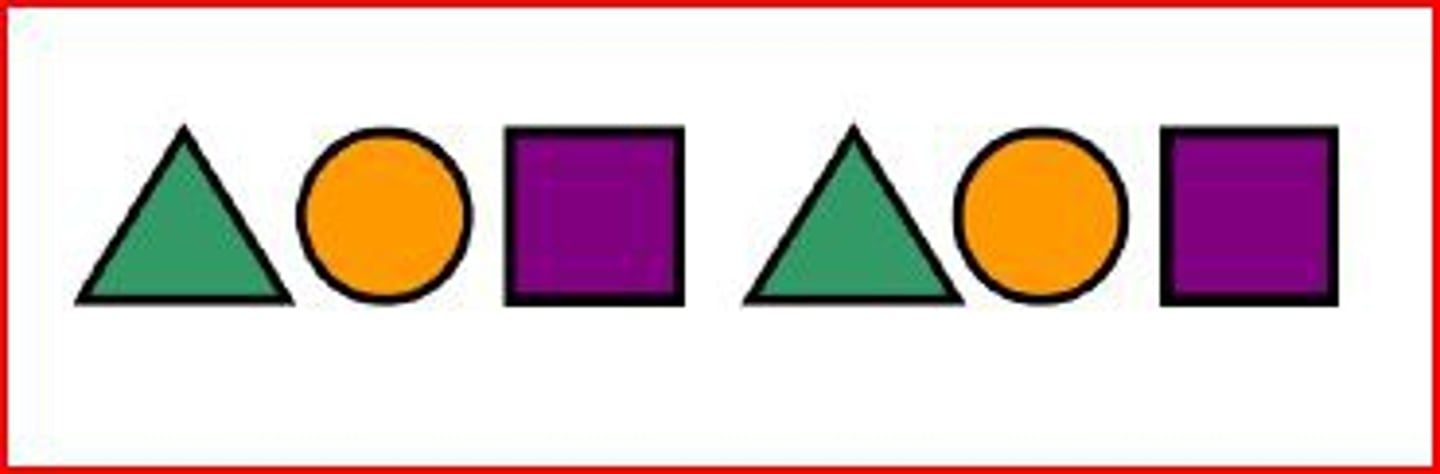
pattern
A repeating or growing sequence or design. An ordered set of numbers or shapes arranged according to a rule.
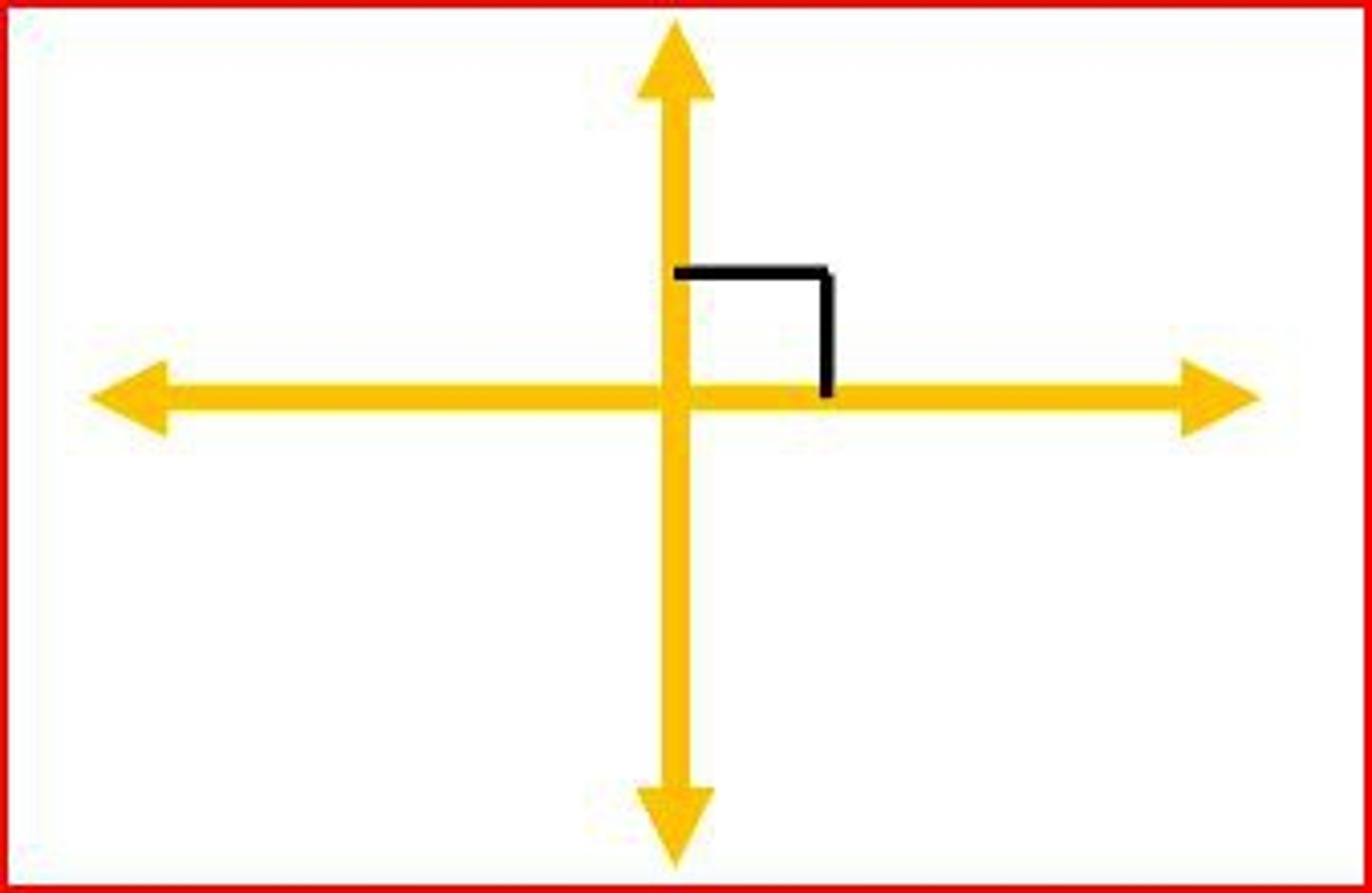
perpendicular
Two intersecting lines or planes that form right angles.
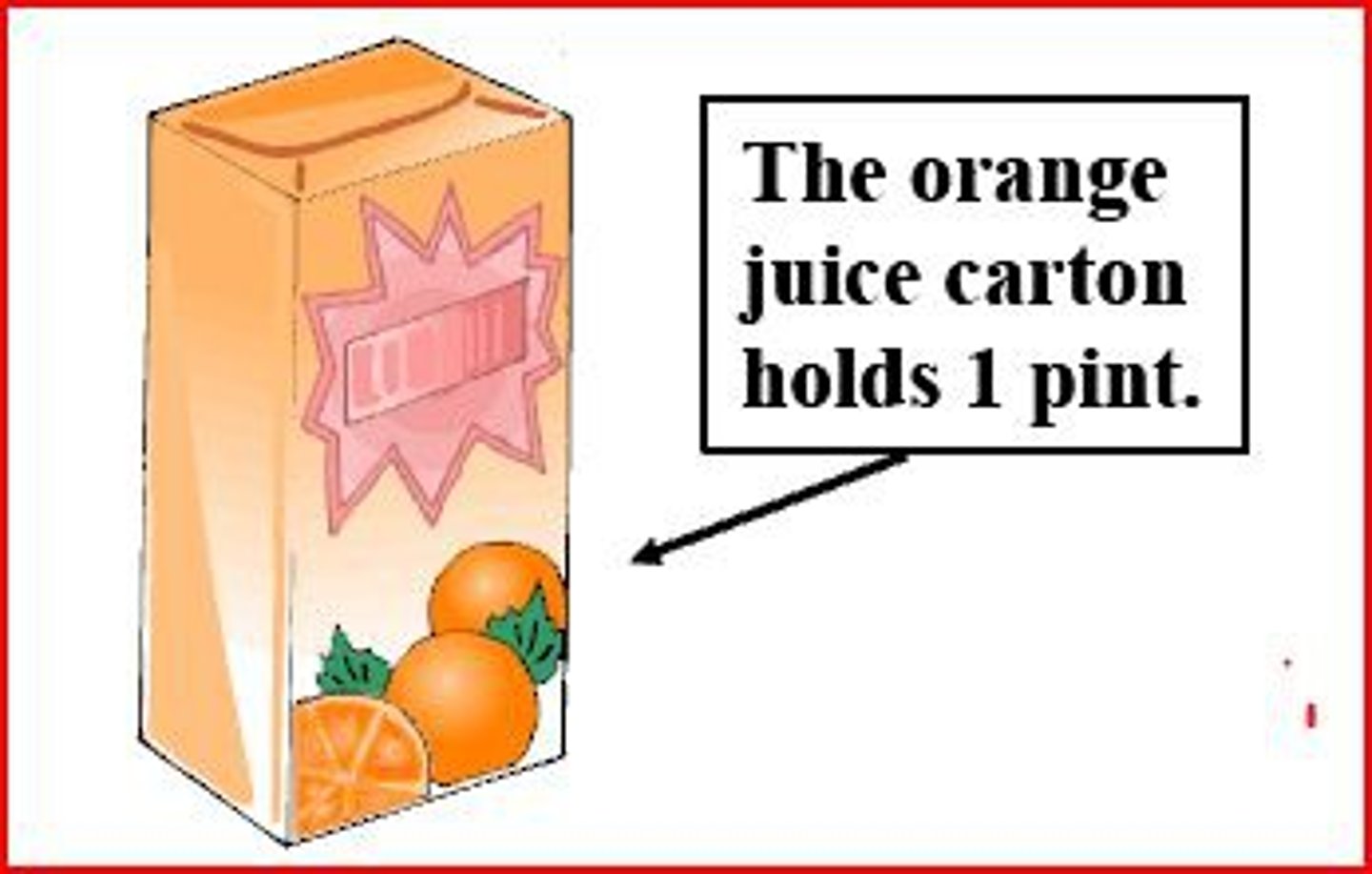
pint (pt)
A customary unit of capacity.
plane figure
A two-dimensional figure.
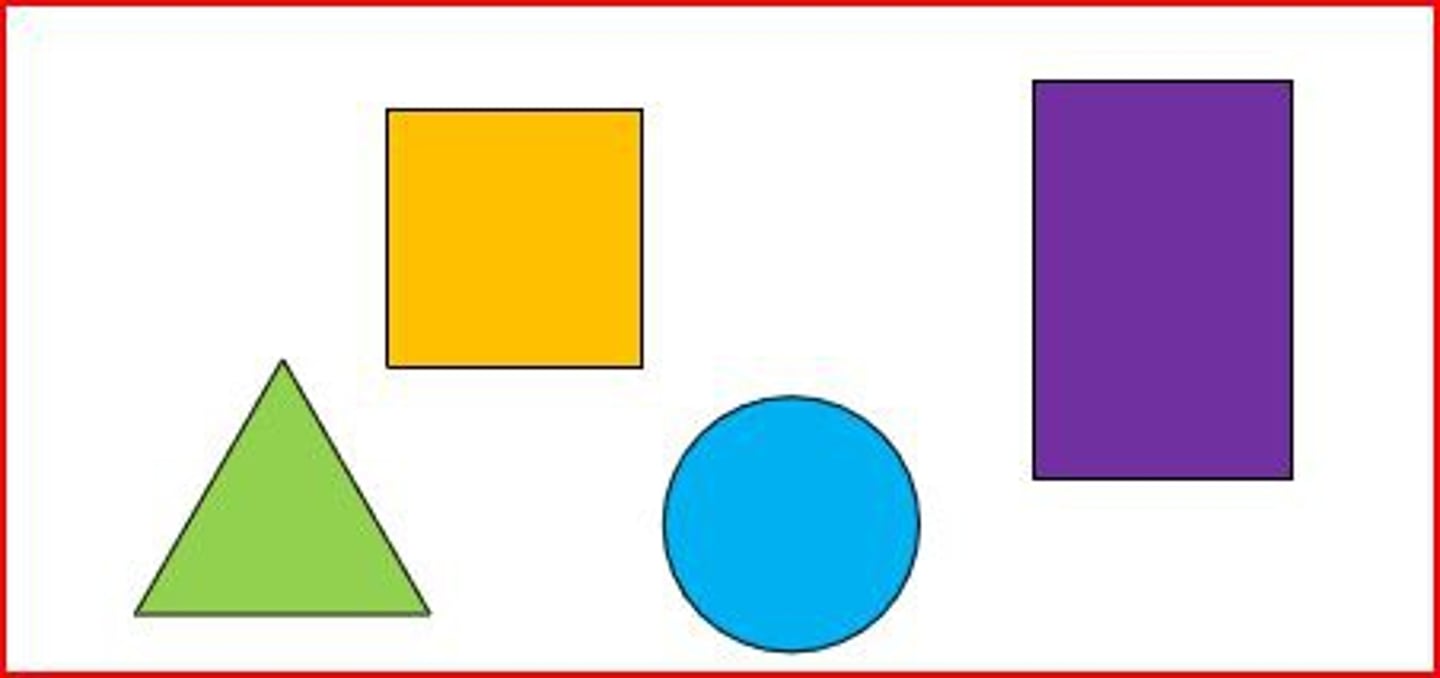
point
The exact location in space represented by a dot.
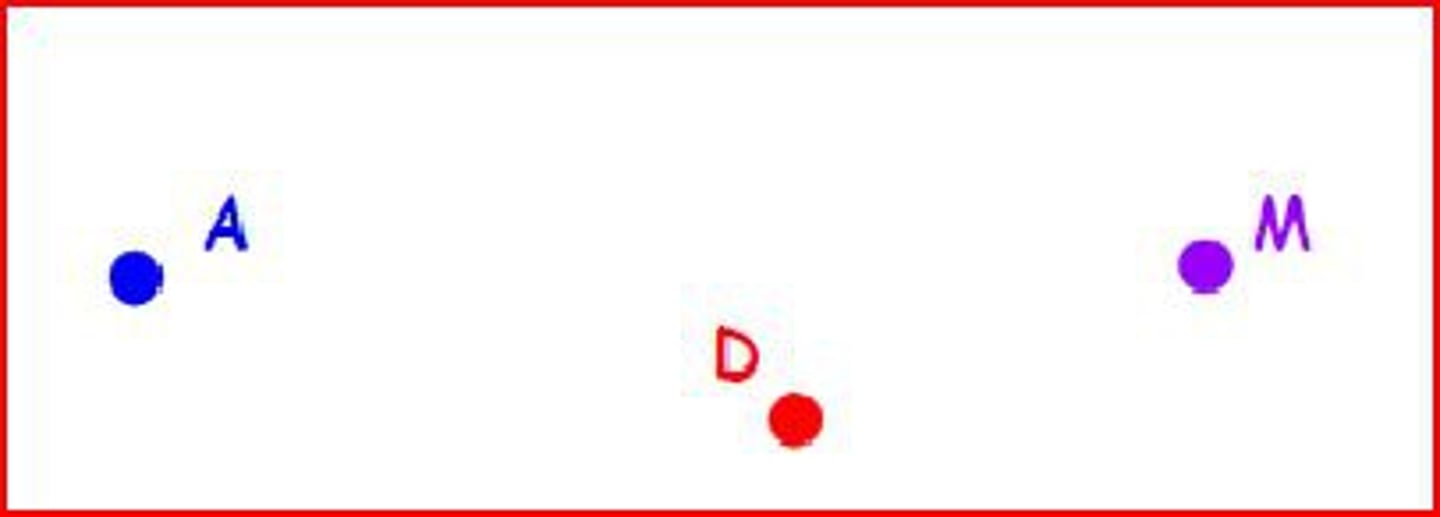
pound (lb)
A customary unit of weight.
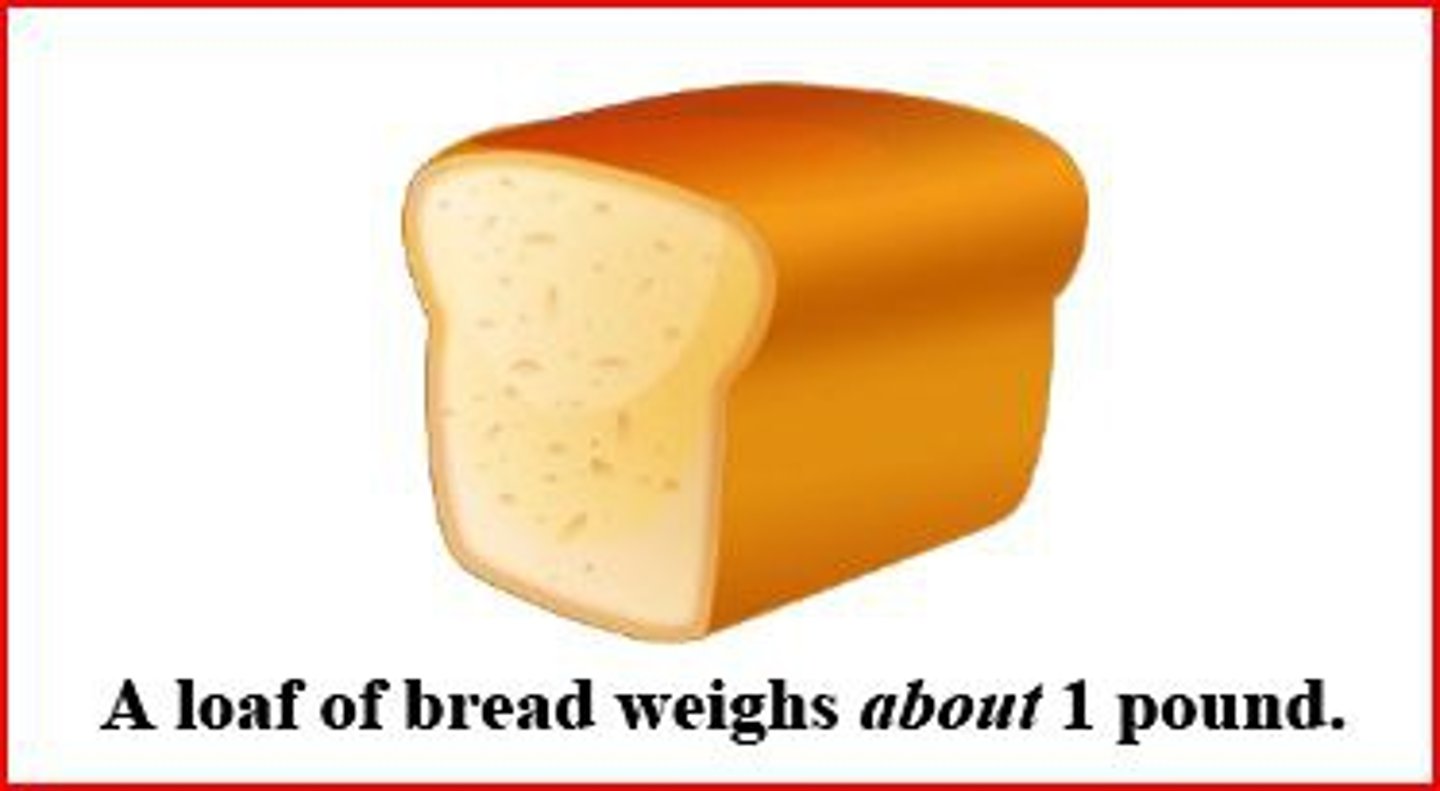
prime number
A whole number greater than 0 that has exactly two different factors, 1 and itself.
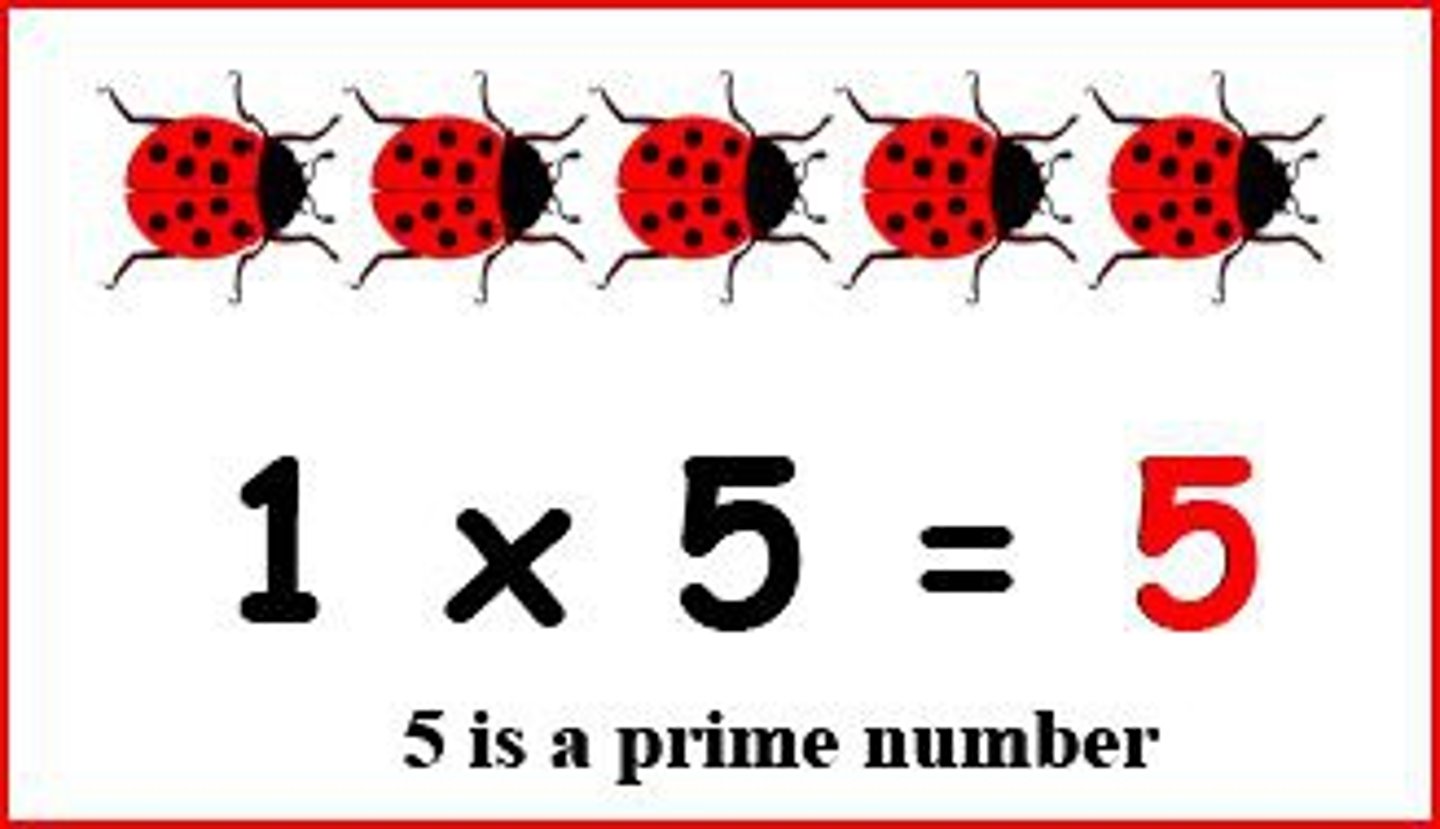
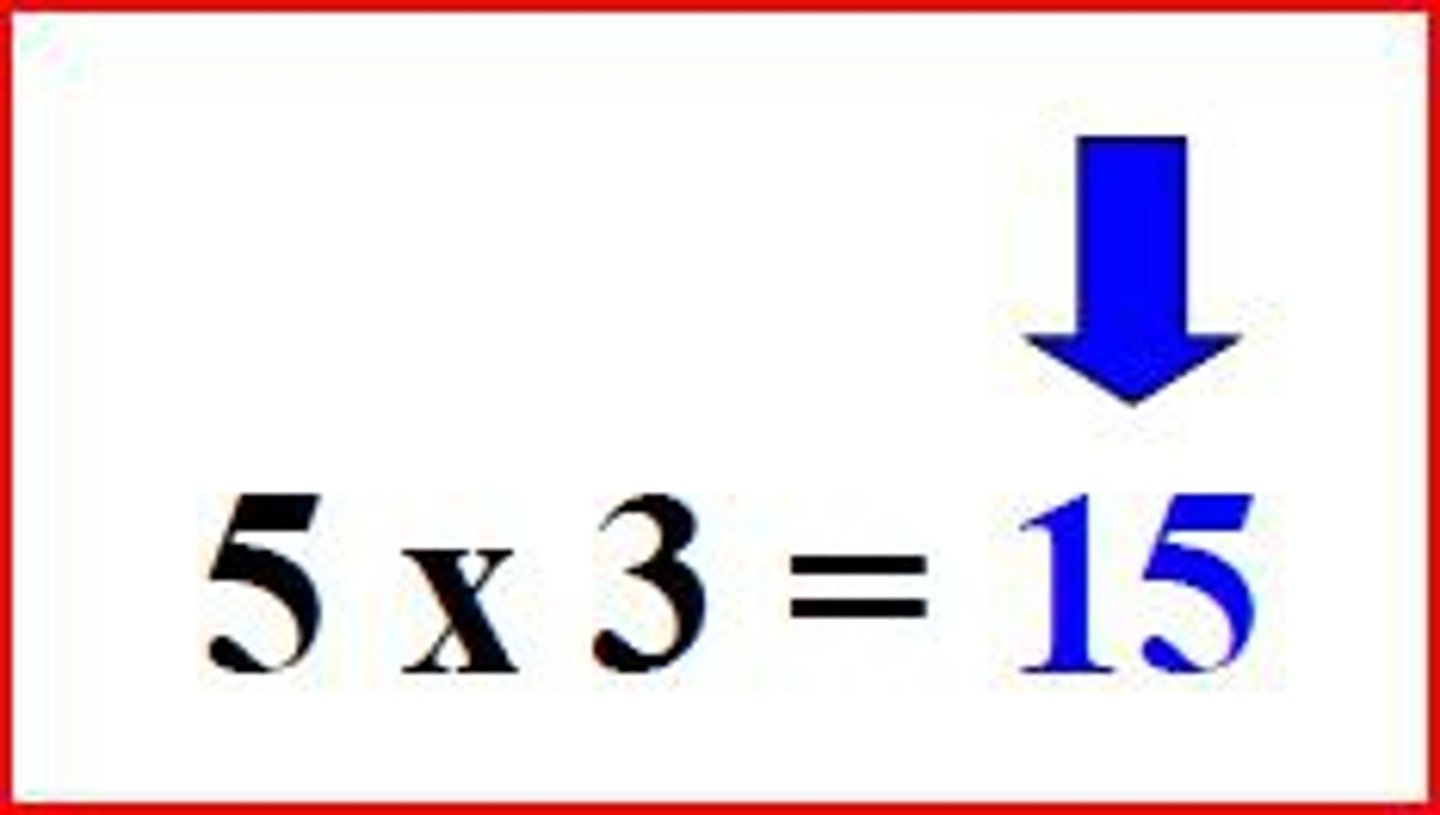
product
The result of multiplication.
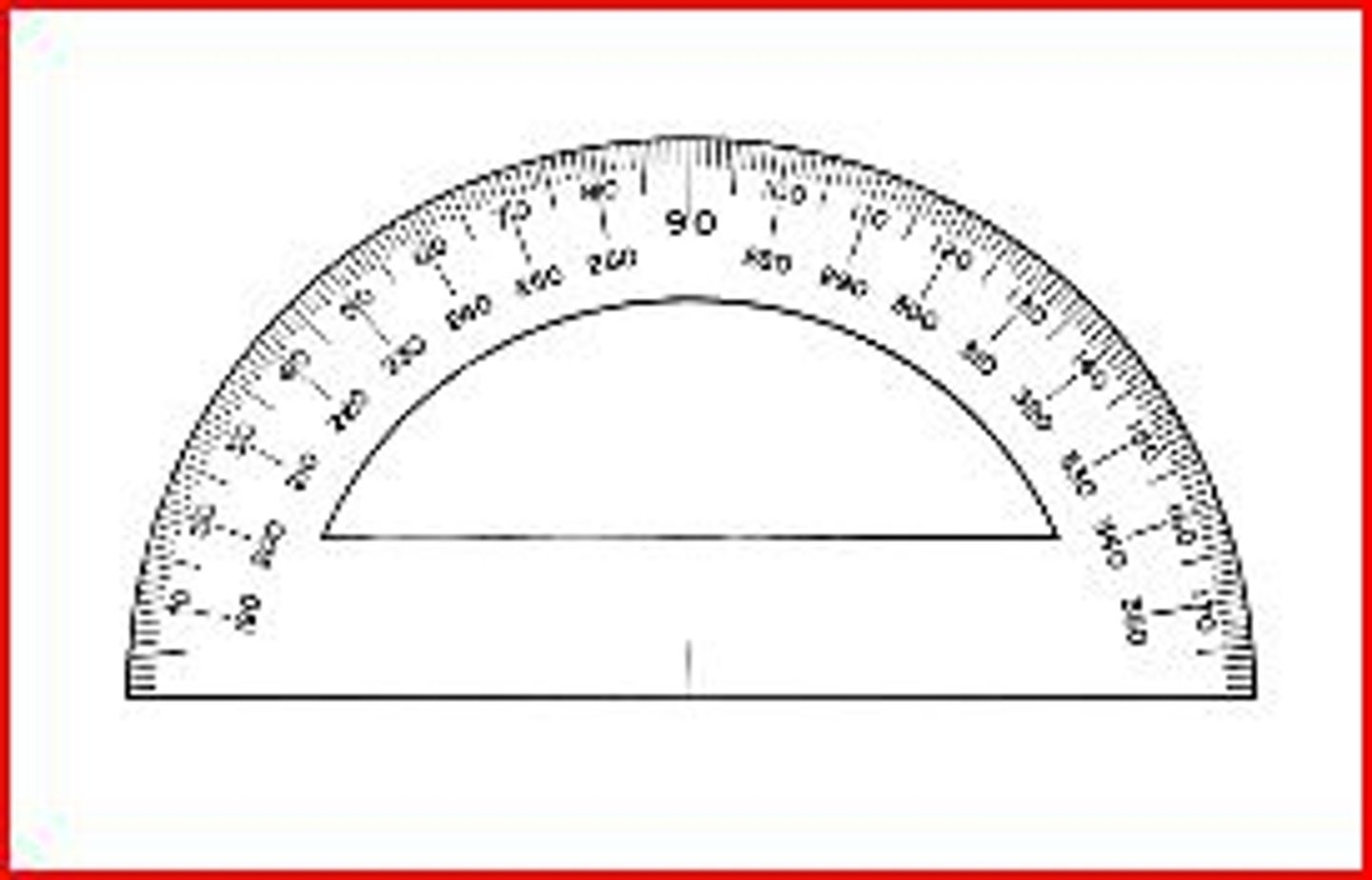
protractor
A tool used to measure and draw angles.
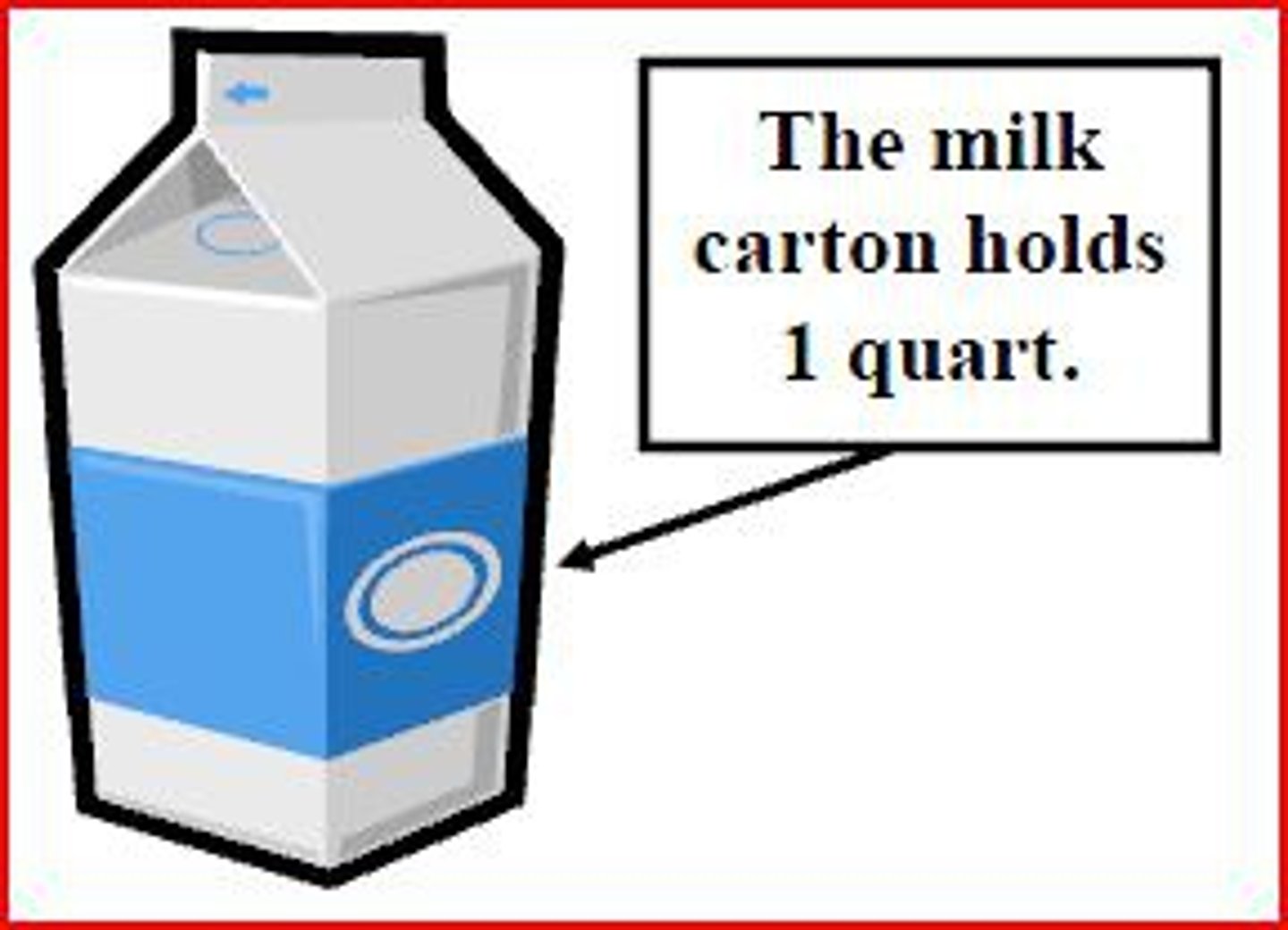
quart (qt)
A customary unit of capacity equal to 1/4 of a gallon.
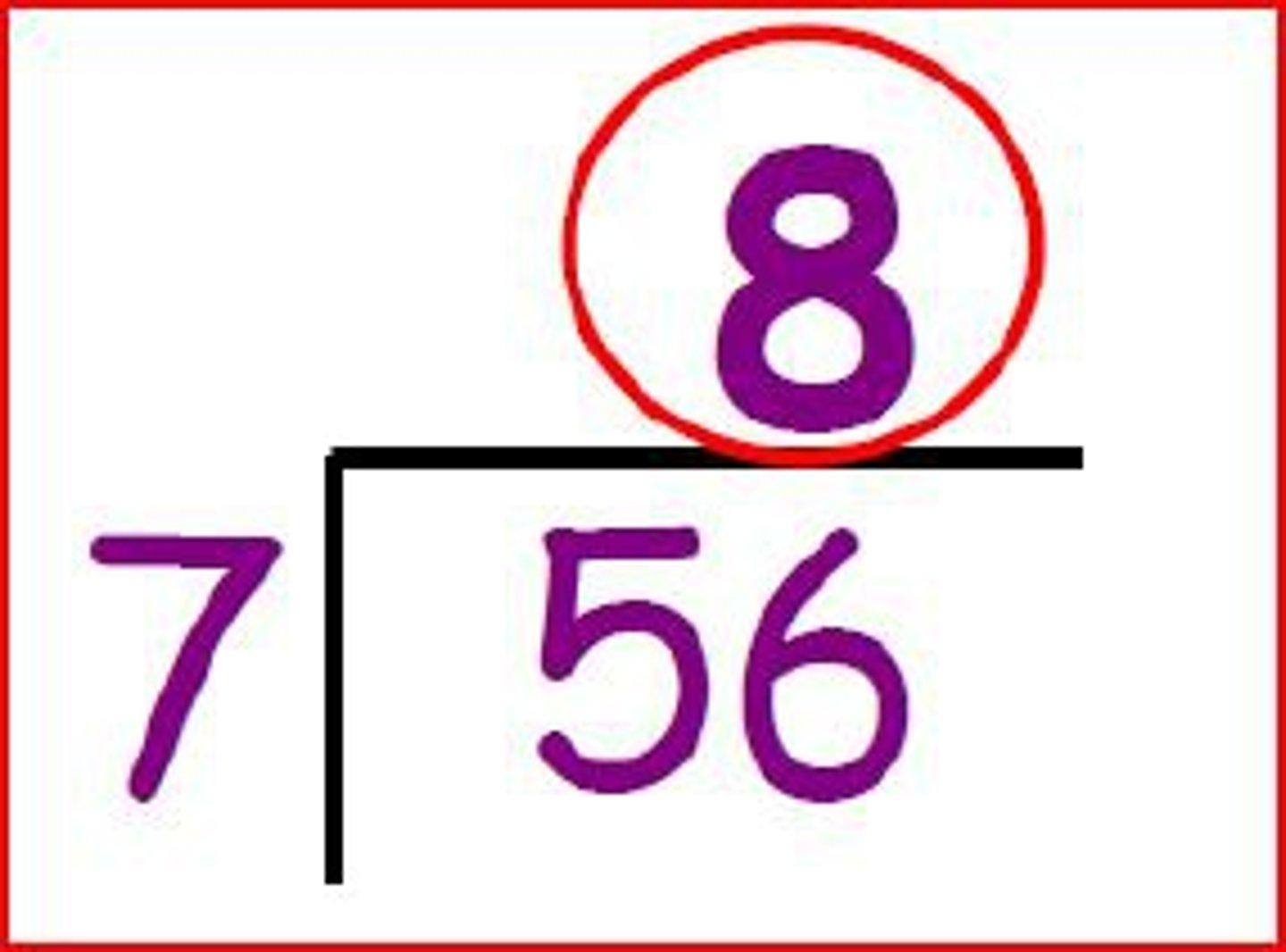
quotient
The result of division.
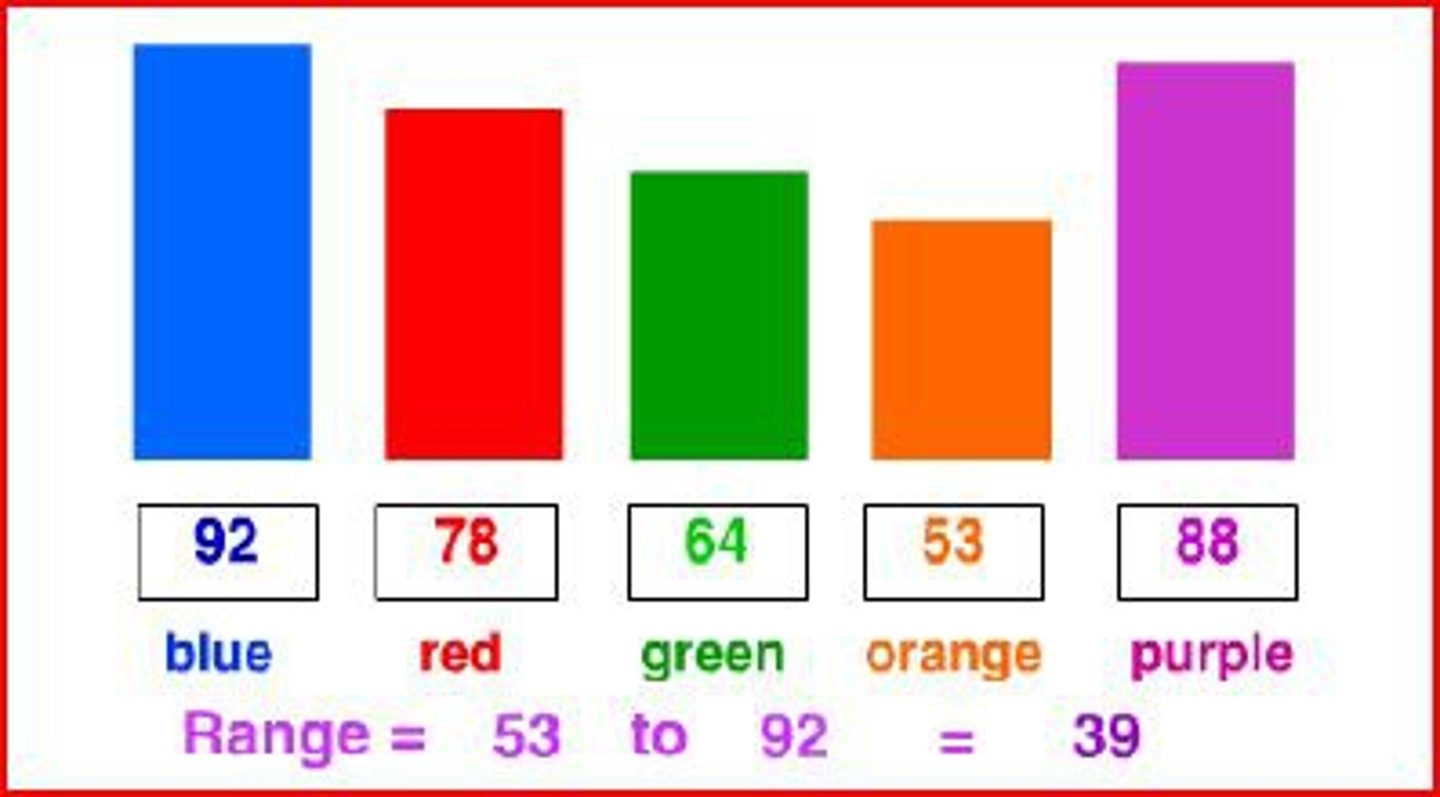
range
The difference between the greatest number and the least number in a set of data.
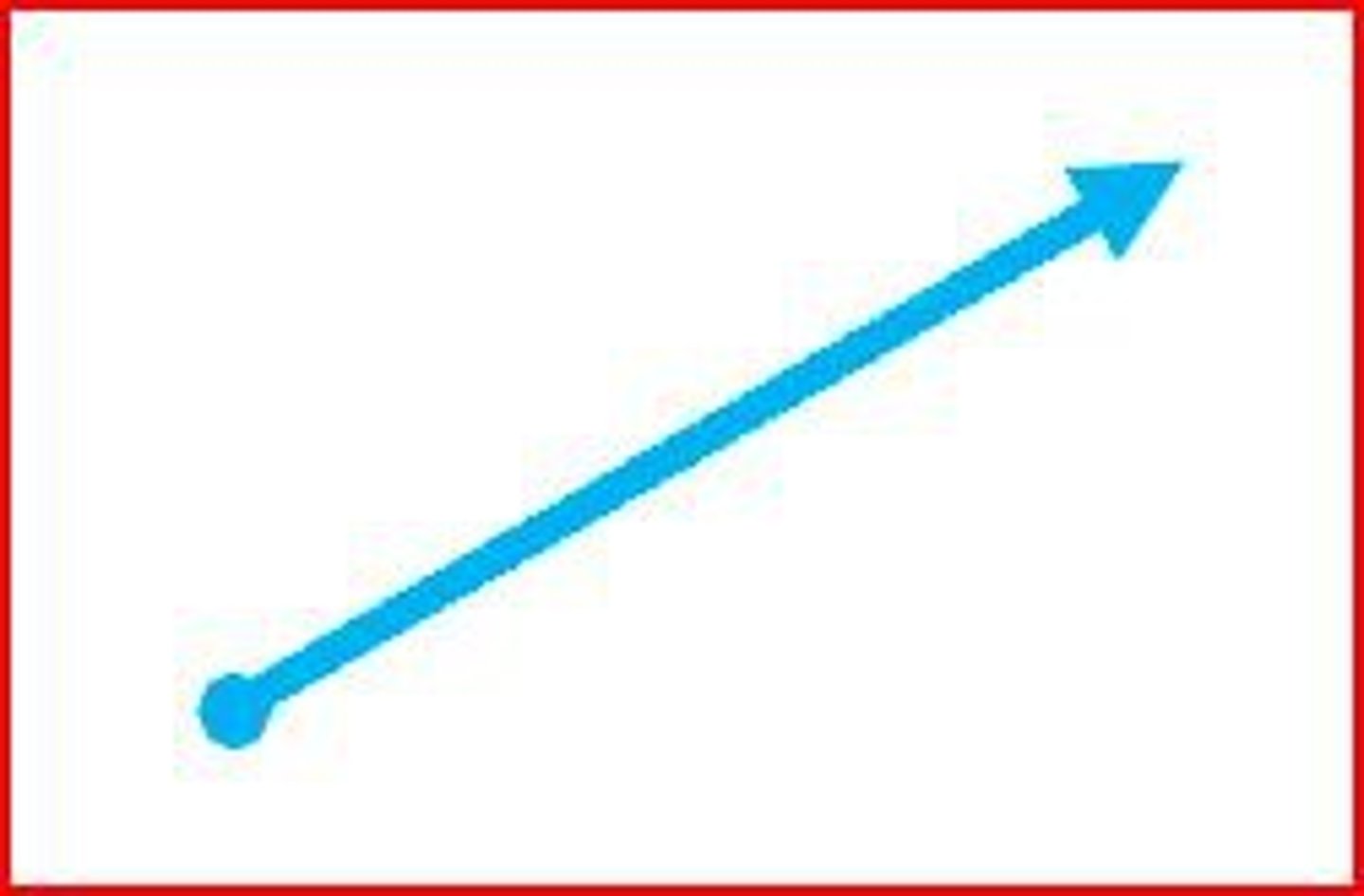
ray
A part of a line that has one endpoint and goes on forever in one direction.
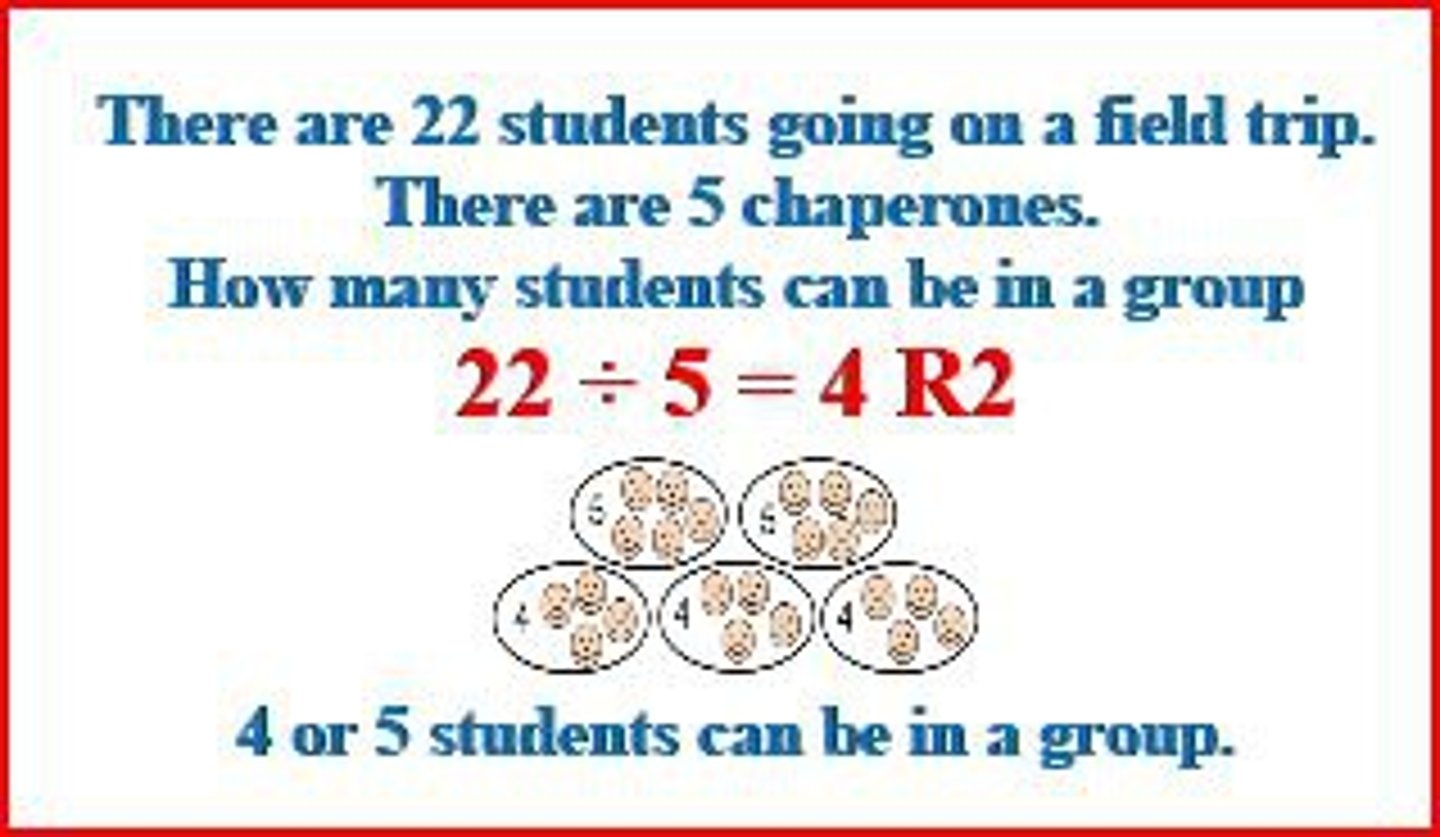
remainder
The amount left over when one number is divided by another.
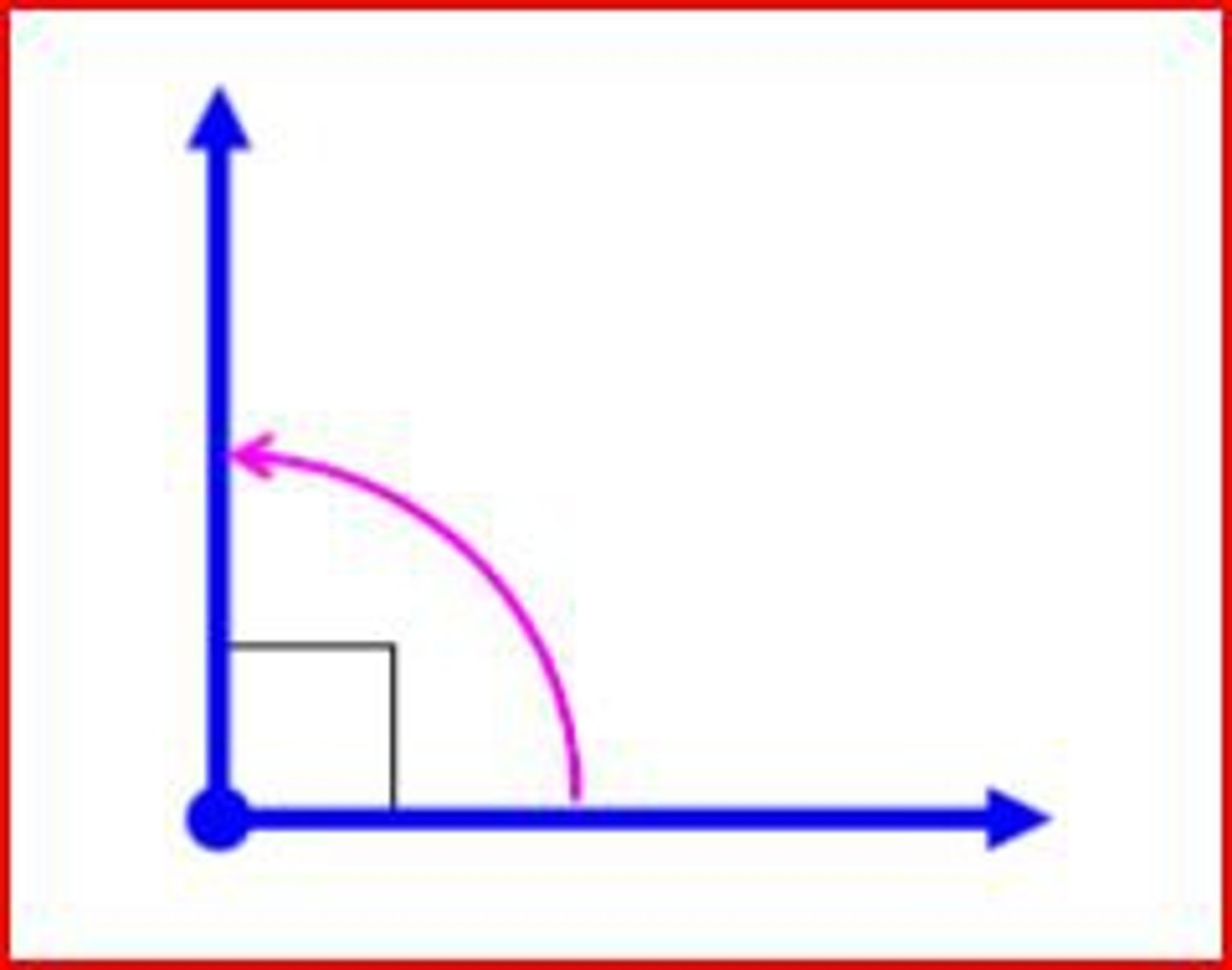
right angle
An angle that measures exactly 90º.
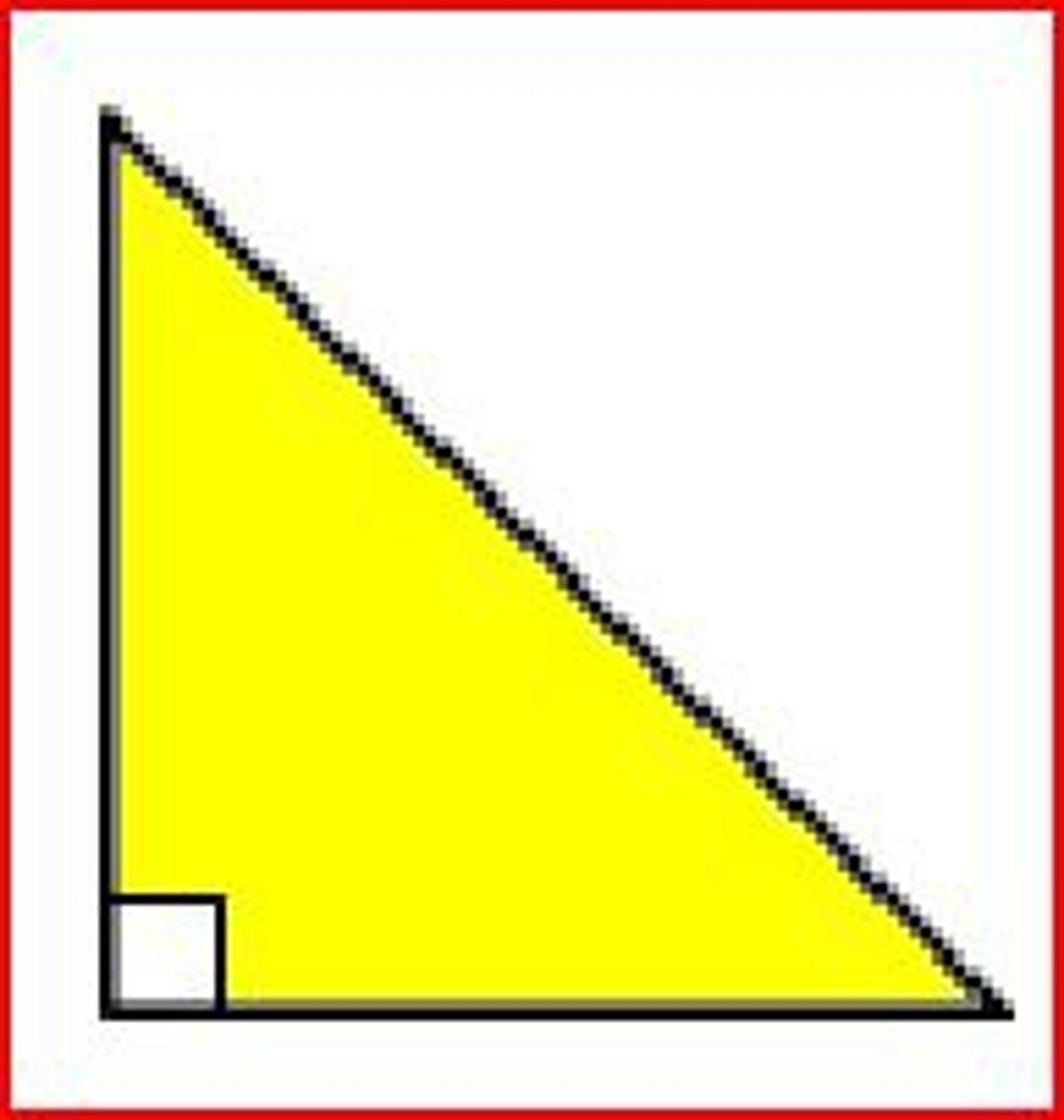
right triangle
A triangle that has one 90º angle.