electricity
 Call Kai
 Learn
Learn Practice Test
 Spaced Repetition
 Match
Match Flashcards
 Knowt Play
1/29

There's no tags or description
Looks like no tags are added yet.
Name | Mastery | Learn | Test | Matching | Spaced | Call with Kai |
|---|
No analytics yet
Send a link to your students to track their progress
30 Terms
Neutral
Charge of atoms
Charged atom
Imbalanced electrons and proton due to electron exchange
Static electricity
Stationary build up of charge on the surface of a material (wants to return to ewuilibrium)
Free/ valence electrons
Electrons that are free to move
Contact induced
Neutral objects rubbed together to create friction which facilitate electrons transfer
Charge induced
Neutral objects comes close to charged objects so the like charges repel, polarising the neutral object
Discharge
If Charge builds up electrons can be released (lightning, batteries)
Insulators
Materials with less valence electrons and resist currents (rubber)
Conductors
Matter with lots valence electrons that allows currents to pass
Currents
Movement of charge, moving electrons that carry energy that turns into other forms as electricity passes
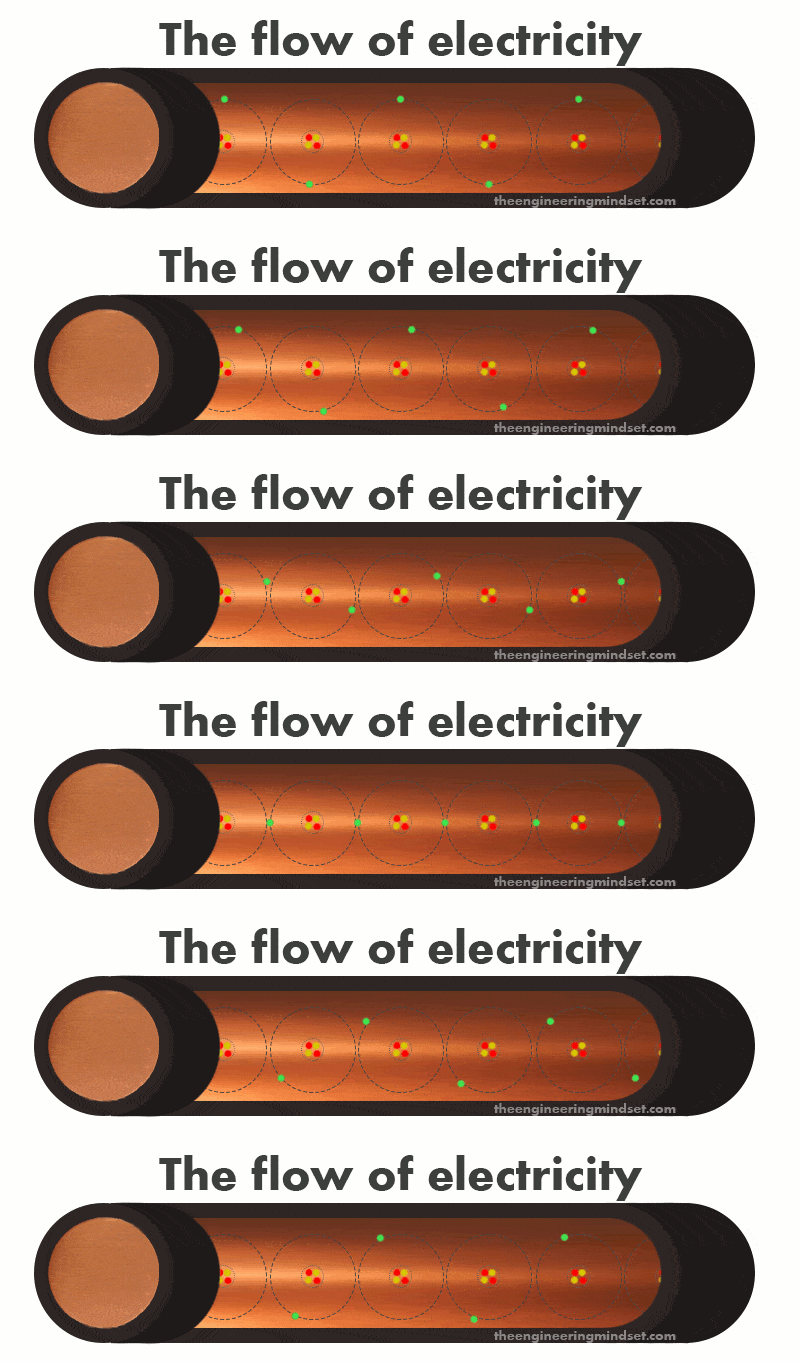
Energy source
Battery/outlet
Energy user
Globe/device
Conventional flow
From positive to negative terminal
Electrons flow
Actual flow of current from negative to positive terminal
Amperes
Used to measure current(I) flowing through a point per second
Direct current(DC)
Electrons flow along wire in same direction (battery, steady, less efficient)
Alternating current (AC)
Electrons go back and forth along wire (outlet) but energy travels forward through electromagnetic fields
Ammeter
Measures current in amperes
Voltage
Measured in volts. The amount of energy supplied to charges by source, pushing electrons from the negative to positive terminal, pushing electrons, making the current
Voltmeter
Compares energy of electrons before vs after passing a point (also measures energy across a battery)
Resistance
How difficult it is for a current to flow through a material/ component (R)
Resistors
Components with known resistance that ensures other components get desired voltage
Series circuit
Circuit with 1 path, 1 loop, voltage divided among components, resistance adds
Parallel circuit
Multiple paths for current to flow, total current divided among branches, total R<1 resistor
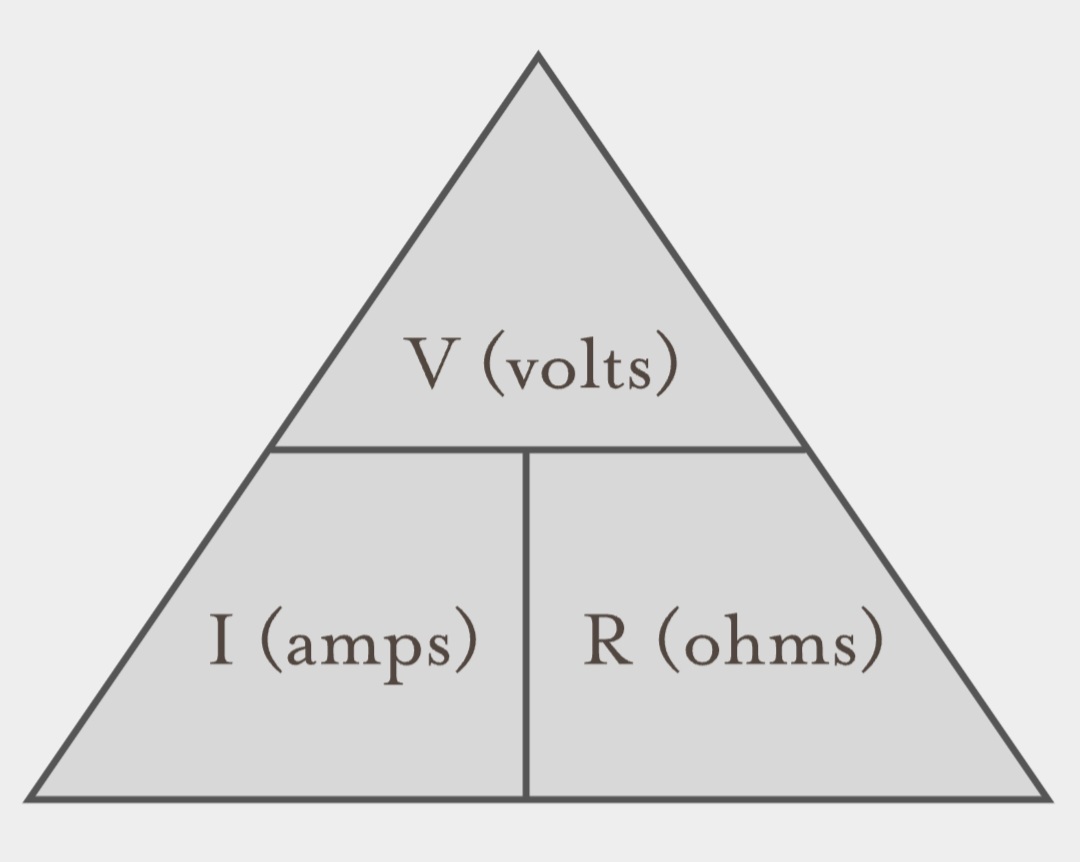
Ohm's law
Electric potential (voltage) creates a flow of electricity (current)
Electric potential
Amount of work needed to move a unit of charge (charged particles) from one point to another
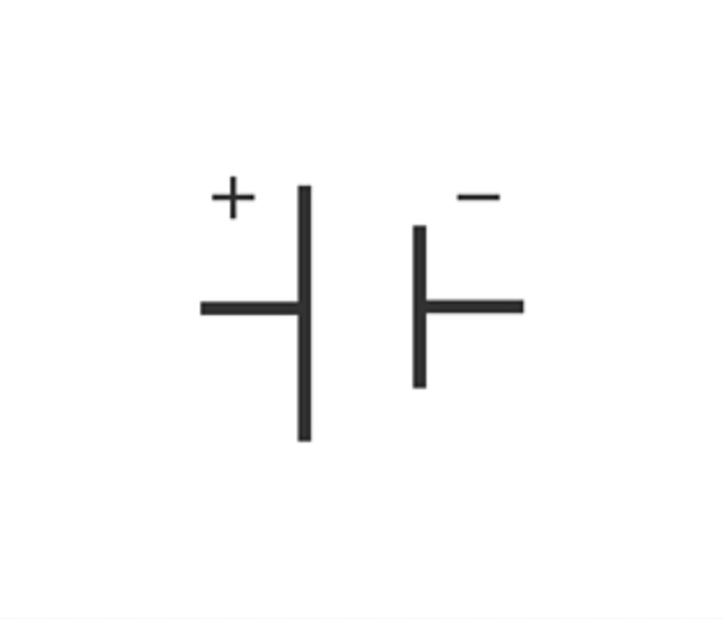
Cell
Light
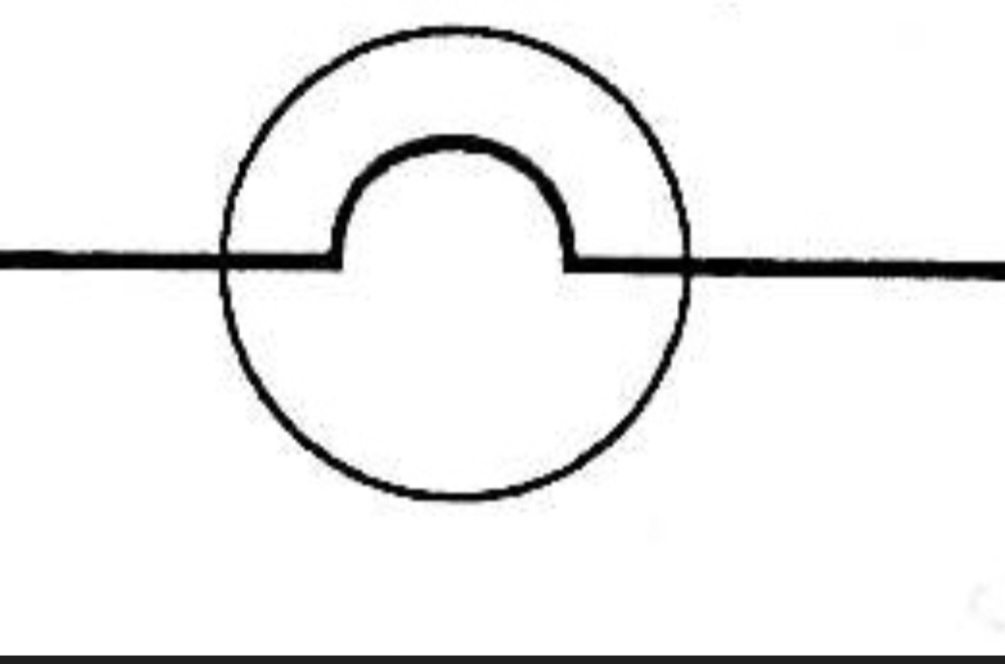
Voltage supply
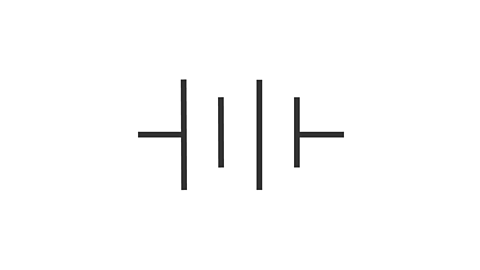
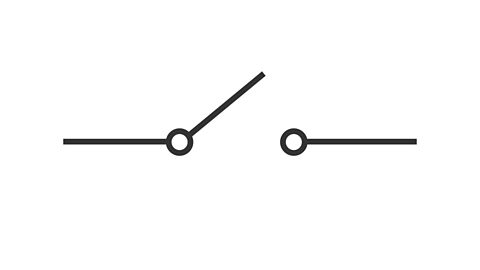
Switch