Adaptations for animal transport
 Call Kai
 Learn
Learn Practice Test
 Spaced Repetition
 Match
Match Flashcards
 Knowt Play
1/43

There's no tags or description
Looks like no tags are added yet.
Name | Mastery | Learn | Test | Matching | Spaced | Call with Kai |
|---|
No analytics yet
Send a link to your students to track their progress
44 Terms
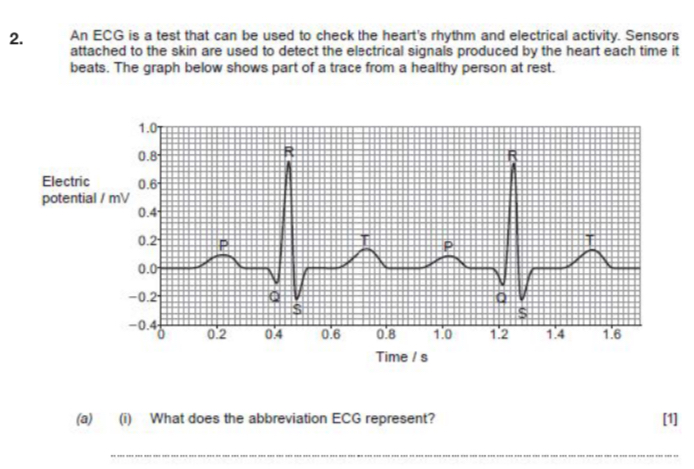
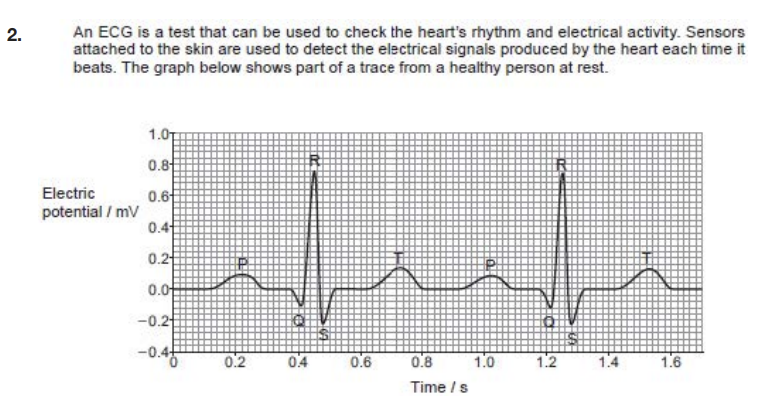
(ii) Calculate the heart rate of the person in beats per minute = (bpm)
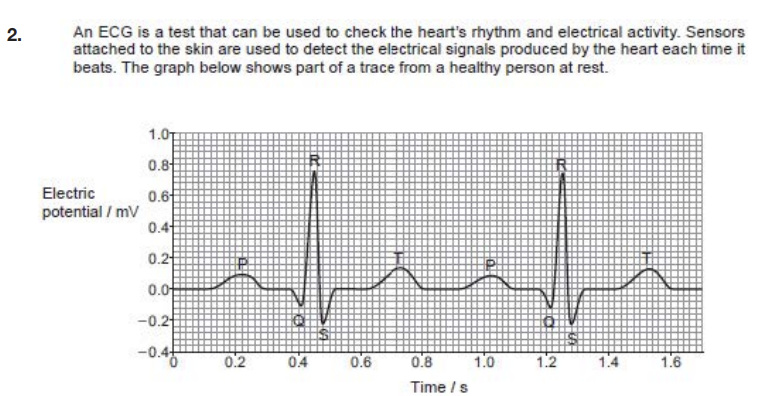
(iii) Explain the events occuring during
I. The P wave (3 marks)
II. The QRS complex (3 marks)
III. The T wave (3 marks)

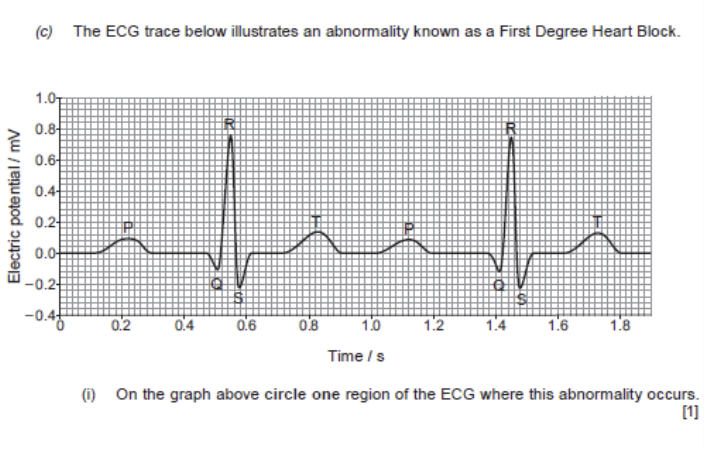
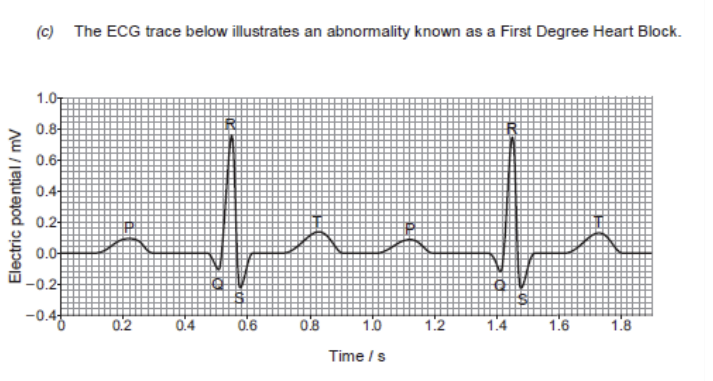
(ii) Conclude which region of the conducting tissue of the heart is affected by first degree heart block.
(iii) Suggest the effect that first degree heart block woukd have on the functioning of the heart
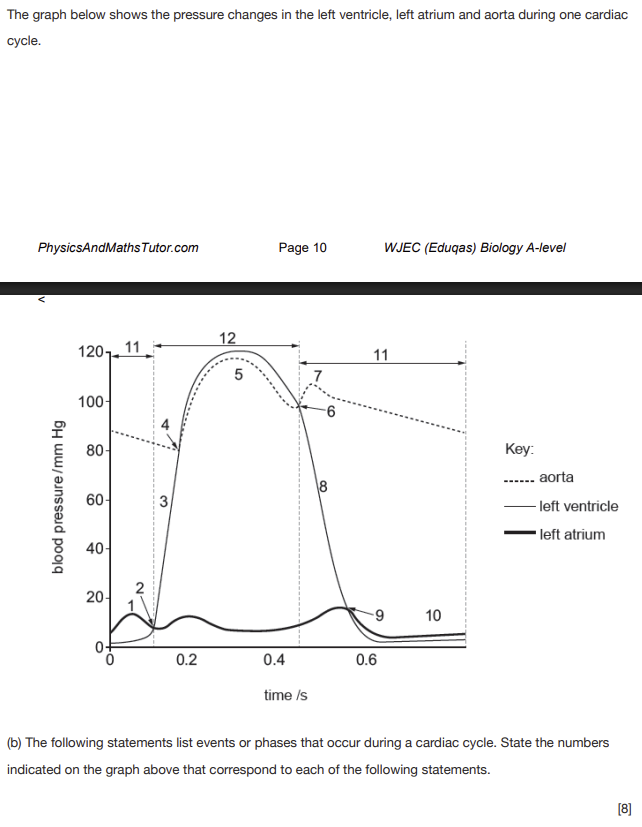
(i) ventricular diastole (ventricles are relaxing):
(ii) recoil of aorta:
(iii) atrial systole:
(iv) closing of semi-lunar valves:
(v) opening of semi-lunar valves:
(vi) atrio-ventricular valves close:
(vii) ventricular systole (ventricles are contracting):
(viii) passive filling of atrium by venous return:
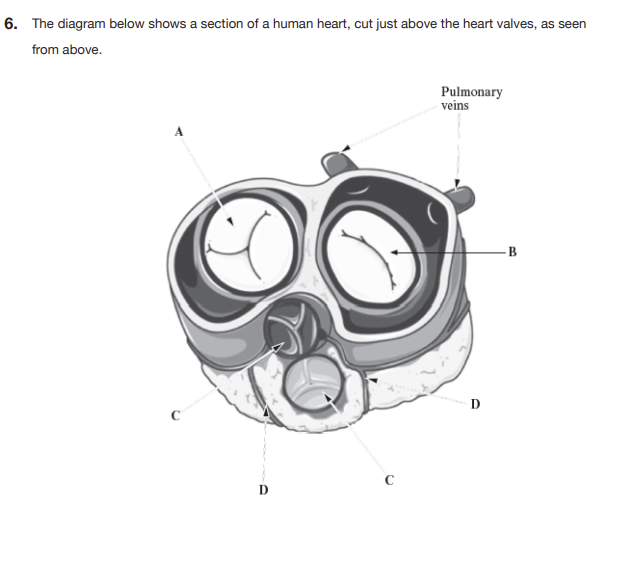
(a) Name valves A, B and C (3 marks)
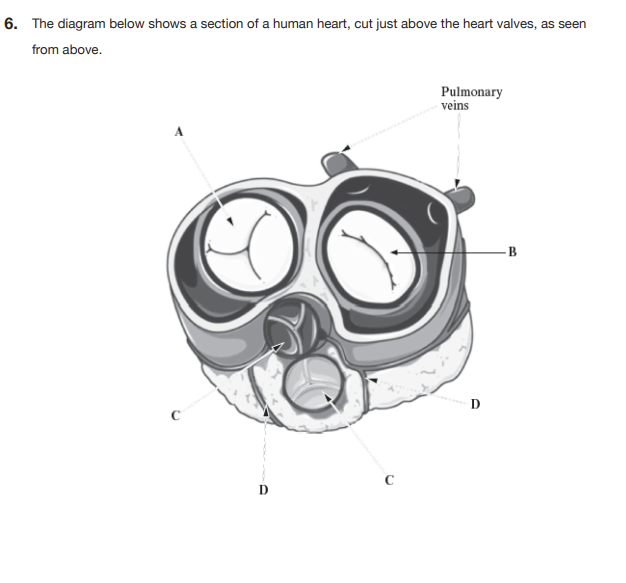
(b) Name blood vessels D which are found on the surface of the heart and explain their function. (2 marks)
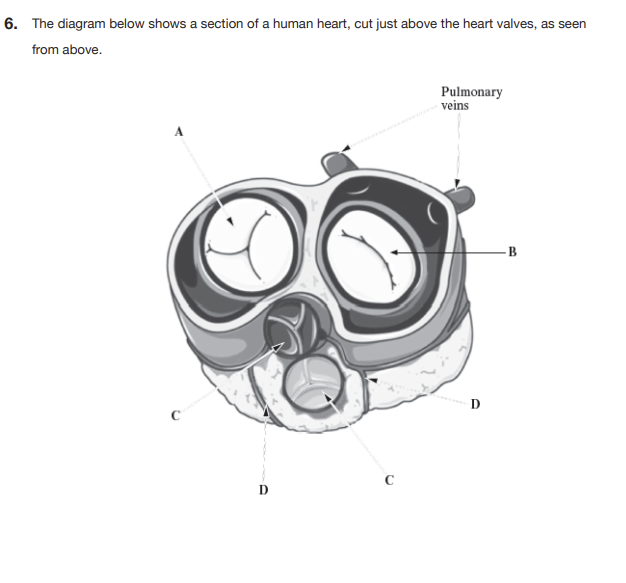
(C) (i) Explain why valve B often has to be replaced because it ceases to work effectively and why valve A rarely needs replacing

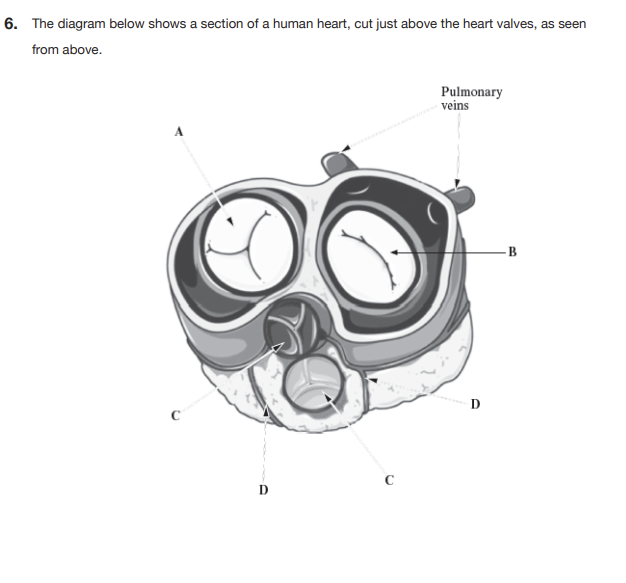
(iii) Suggest one symptom a person with a failing valve B may have. (1 mark)
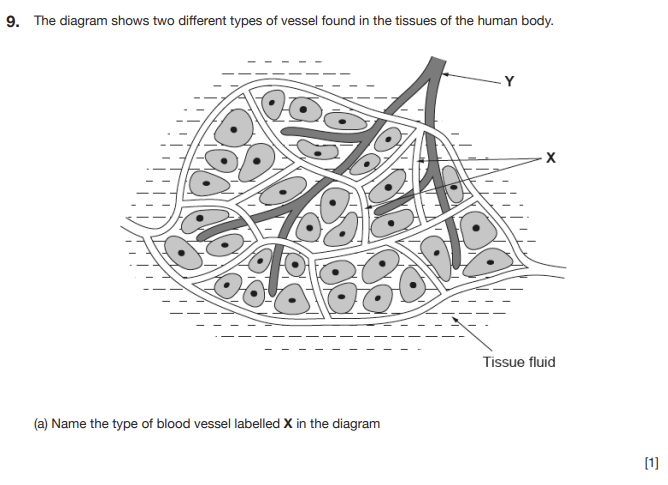
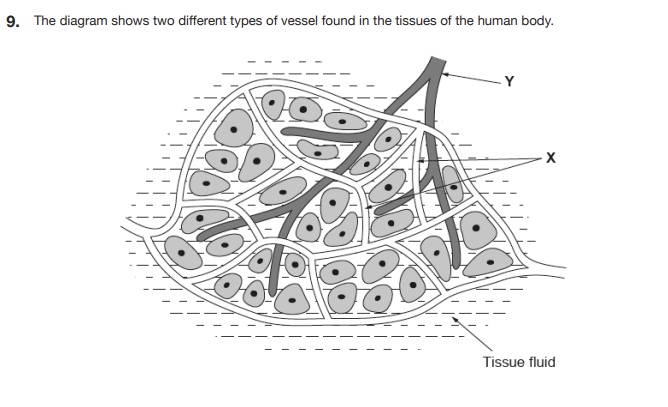
(b) Name the fluid found in vessel Y. (1 mark)
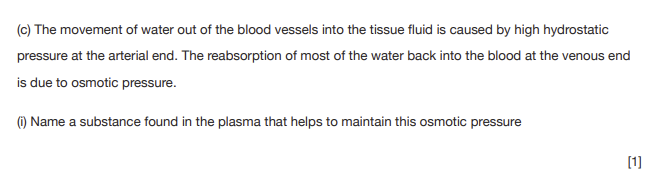
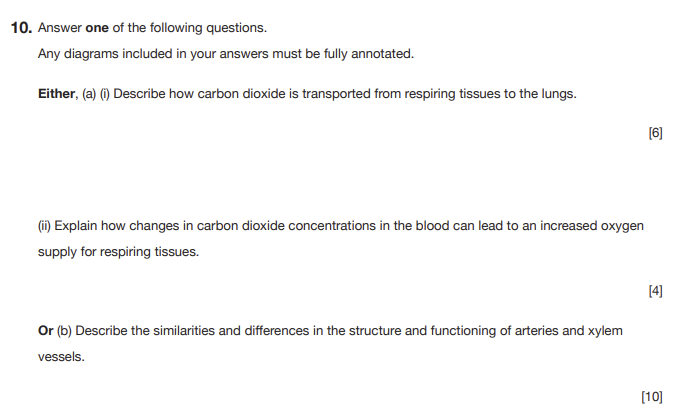
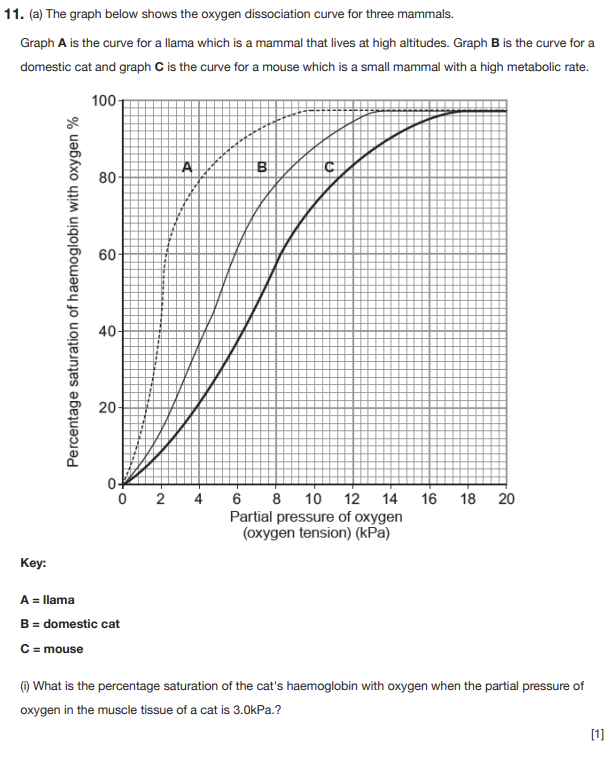
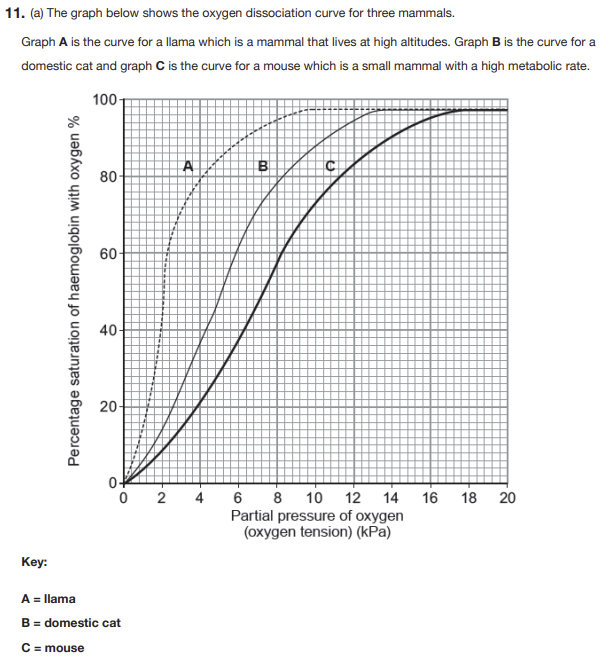
(b) State which of the three curves represents the haemoglobin with the lowest affinity for oxygen at 3.0kPa. (1 mark)
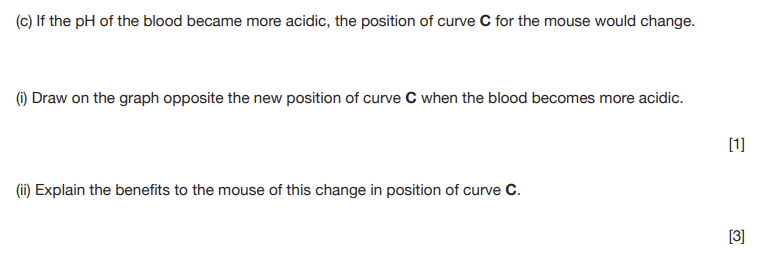
Look at previous question picture for reference.

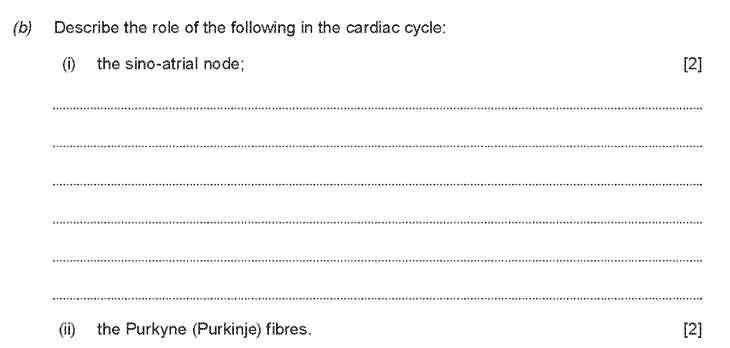
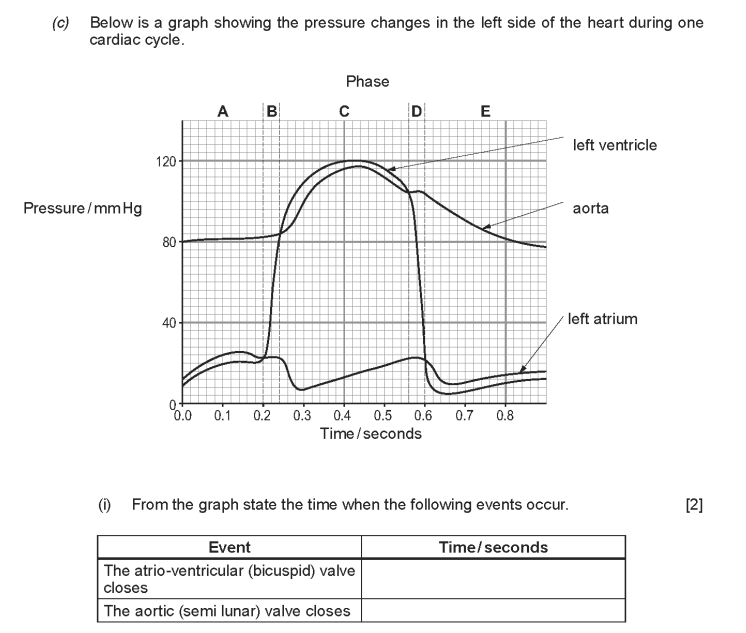
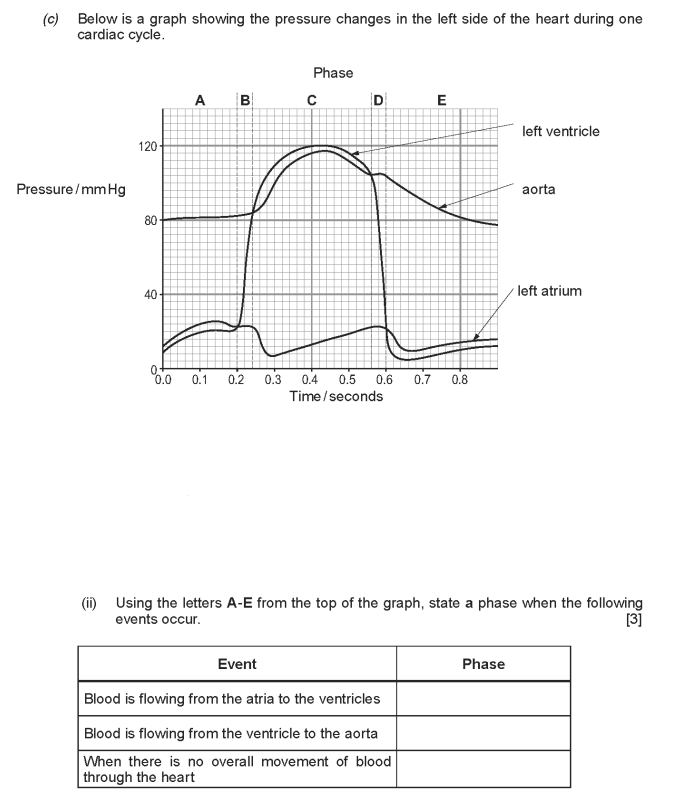



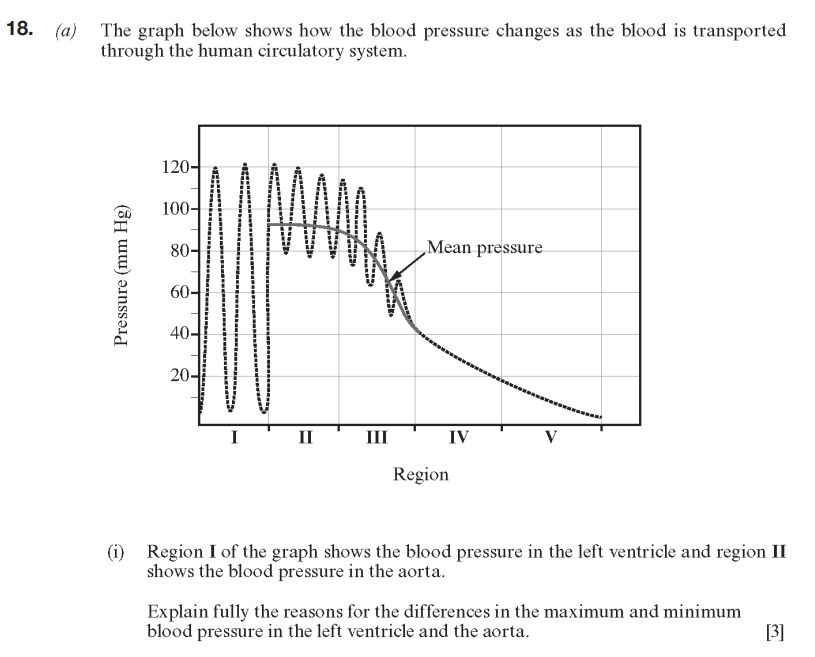
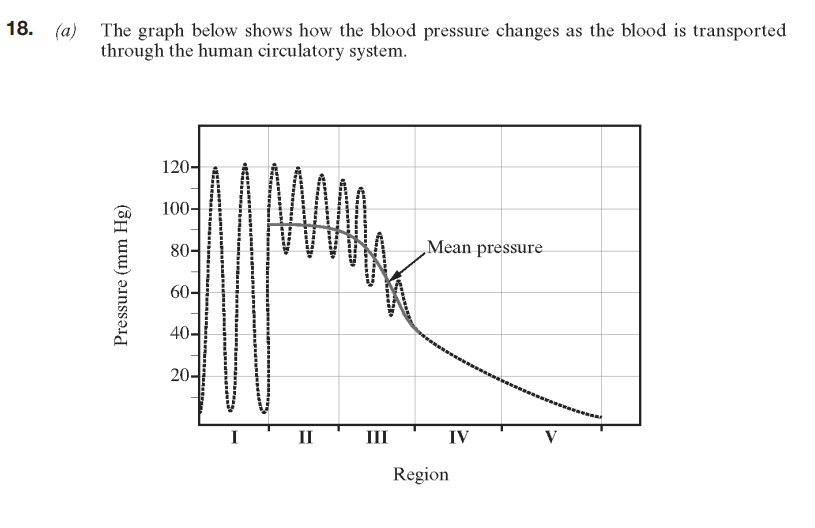
(ii) why does the blood pressure decrease so rapidly in region III (1 mark)
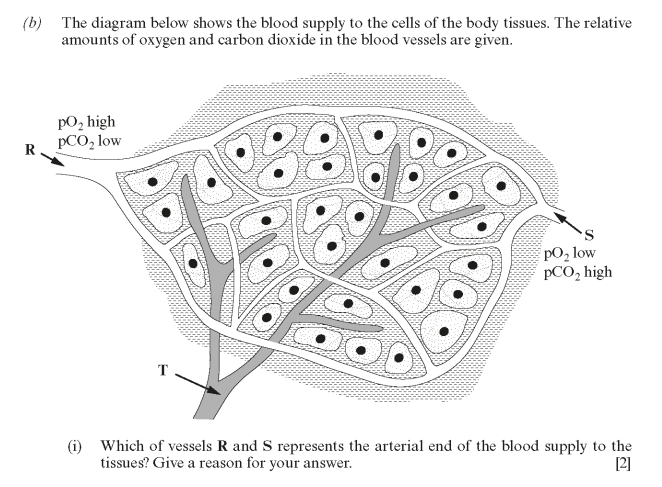


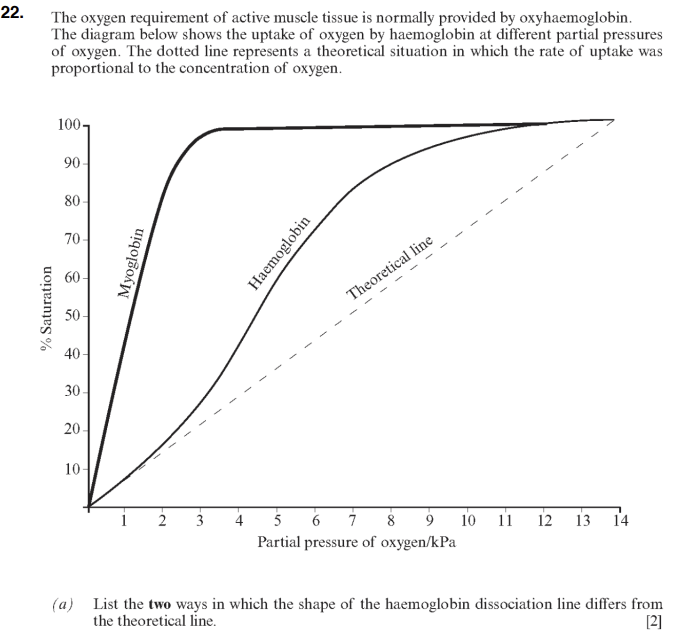
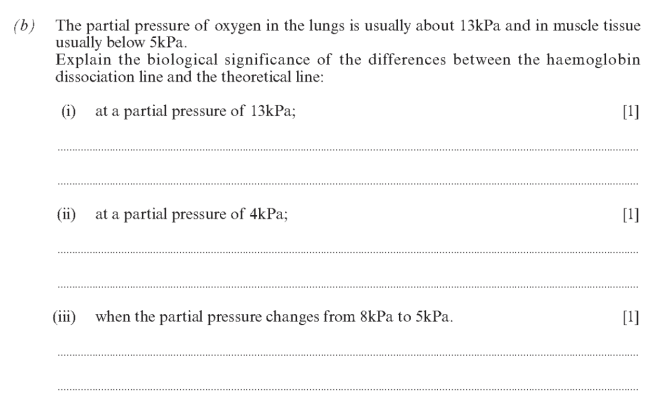
Look at prevoous picture for reference.