3.4.1 Mass transport in animals
 Call Kai
 Learn
Learn Practice Test
 Spaced Repetition
 Match
Match Flashcards
 Knowt Play
1/10

There's no tags or description
Looks like no tags are added yet.
Name | Mastery | Learn | Test | Matching | Spaced | Call with Kai |
|---|
No analytics yet
Send a link to your students to track their progress
11 Terms
What is the structure of haemoglobin?
quaternary protein with four polypeptide chains
each polypeptide chain contains a haem group
What is the role of haemoglobin?
located within red blood cells to transport oxygen around the body
How does haemoglobin transport blood around the body?
each haem group binds reversibly to an oxygen molecule
Give four structural features of an artery and how they are related to their function
thick smooth muscle tissue to withstand high blood pressure
thick elastic tissue stretches and recoils to maintain blood pressure
narrow lumen to maintain blood pressure
smooth endothelium to reduce friction
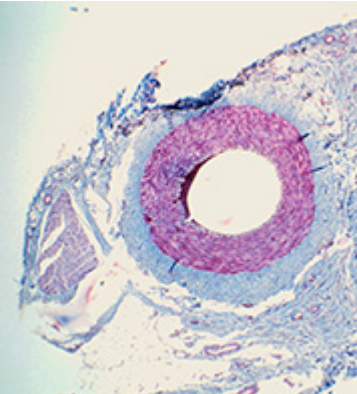
Describe how the structure of an arteriole relates to its function
thick smooth muscle layer to control blood flow to capillaries
thin elastic layer as pressure is low
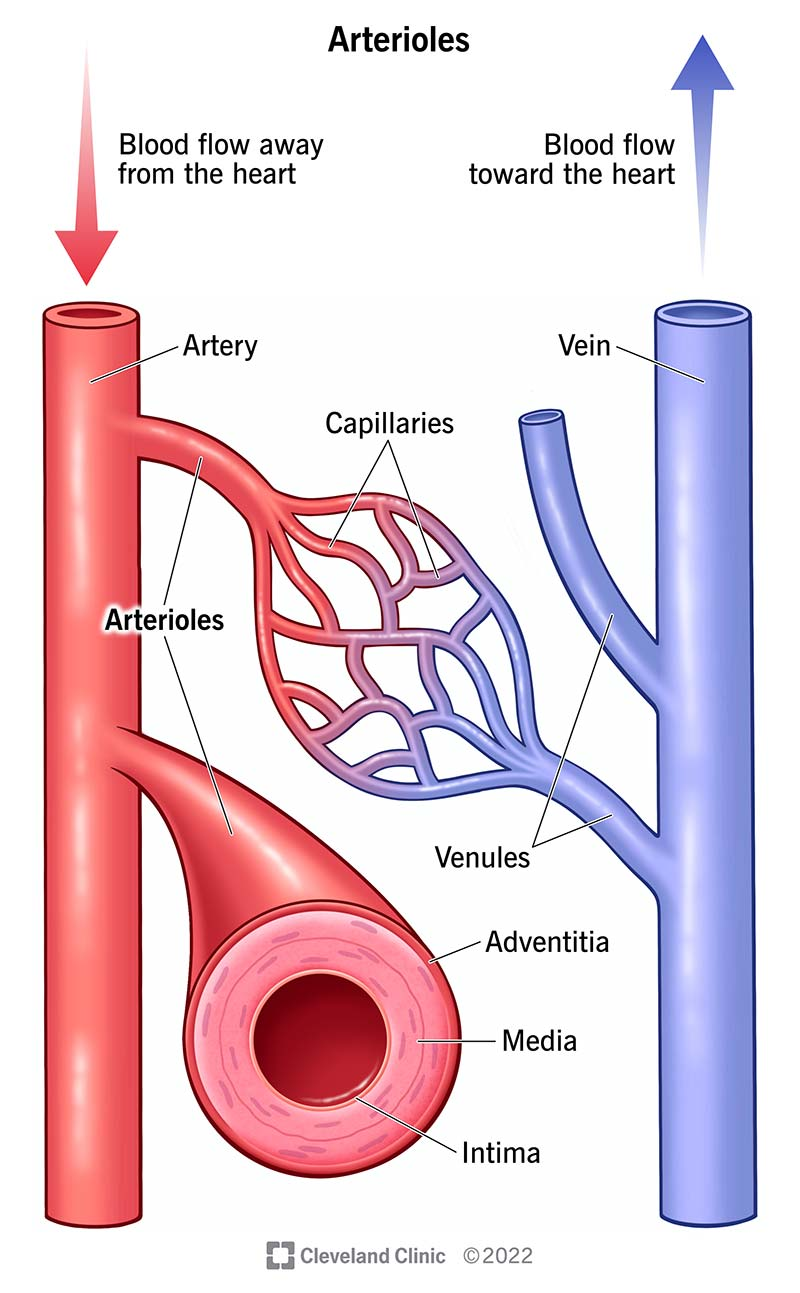
Explain how an arteriole can reduce the blood flow into capillaries
smooth muscle contracts
narrows lumen (vasoconstriction)
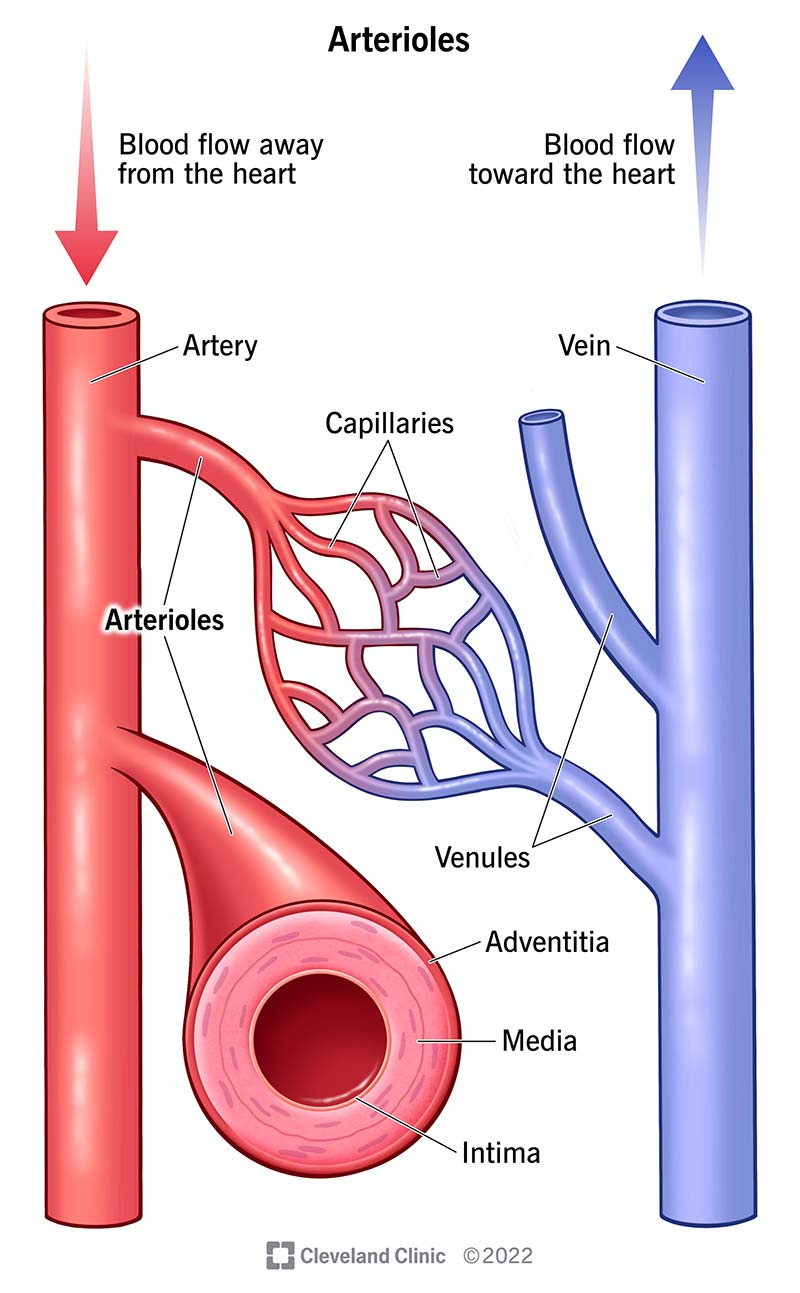
Explain how an arteriole can increase the blood flow into capillaries
smooth muscle relaxes
widens lumen (vasodilation)
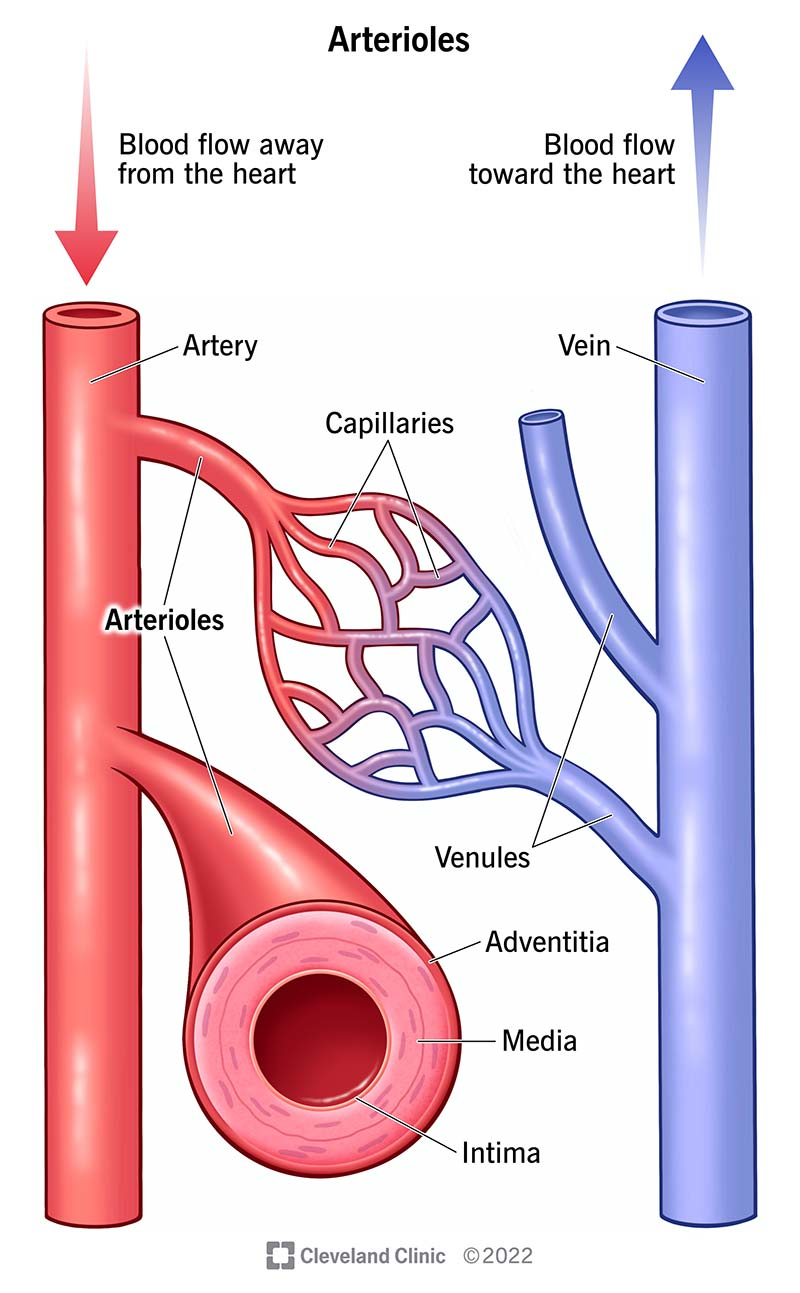
How does the thickness of the elastic and muscle layer differ between an artery and an arteriole?
artery has thinner muscular layer/arteriole has a thicker muscle layer
artery has a thicker elastic layer/arteriole has thinner elastic layer
Explain how the structure of veins relates to their function
thin elastic and muscle tissue as pressure is lower
wide lumen
valves to prevent backflow of blood
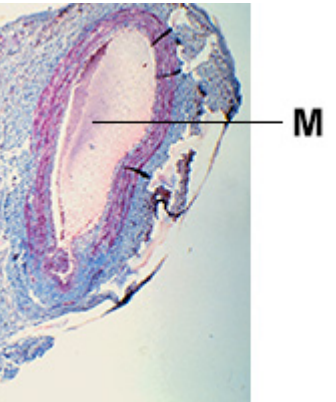
How does the thickness of the elastic and muscle layer differ between an artery and a vein?
veins have thinner elastic and muscle layer/arteries have thicker elastic and muscle layer
Describe two structural features of a capillary that relates to its function
wall made up of one cell thin layer of endothelial cells which reduces diffusion distance
narrow lumen reduces rate of blood flow to maximise time for diffusion
pores between cells of the capillary wall so small molecules can be forced out