Spanish Arts & Monuments - Unit 1: Heritage
 View linked note
 Call Kai
 Learn
Learn Practice Test
 Spaced Repetition
 Match
Match Flashcards
 Knowt Play
1/32

There's no tags or description
Looks like no tags are added yet.
Name | Mastery | Learn | Test | Matching | Spaced | Call with Kai |
|---|
No analytics yet
Send a link to your students to track their progress
33 Terms
What is cultural heritage?
It is the legacy of physical artifacts and intangible attributes inherited from past generations, maintained in the present, and passed on to future generations.
What is tangible heritage?
Physical objects or places we can touch or see (e.g., buildings, monuments, artworks).
What is intangible heritage?
Non-physical elements like traditions, rituals, music, and oral history.
What is movable heritage?
Portable objects of historical value (e.g., tools, books, jewelry).
What is immovable heritage?
Heritage fixed to a location (e.g., monuments, historic cities).
What does UNESCO stand for?
United Nations Educational, Scientific and Cultural Organization.
When was UNESCO founded?
1945, after World War II.
What is UNESCO’s main mission?
To promote peace through international cooperation in education, science, culture, and communication.
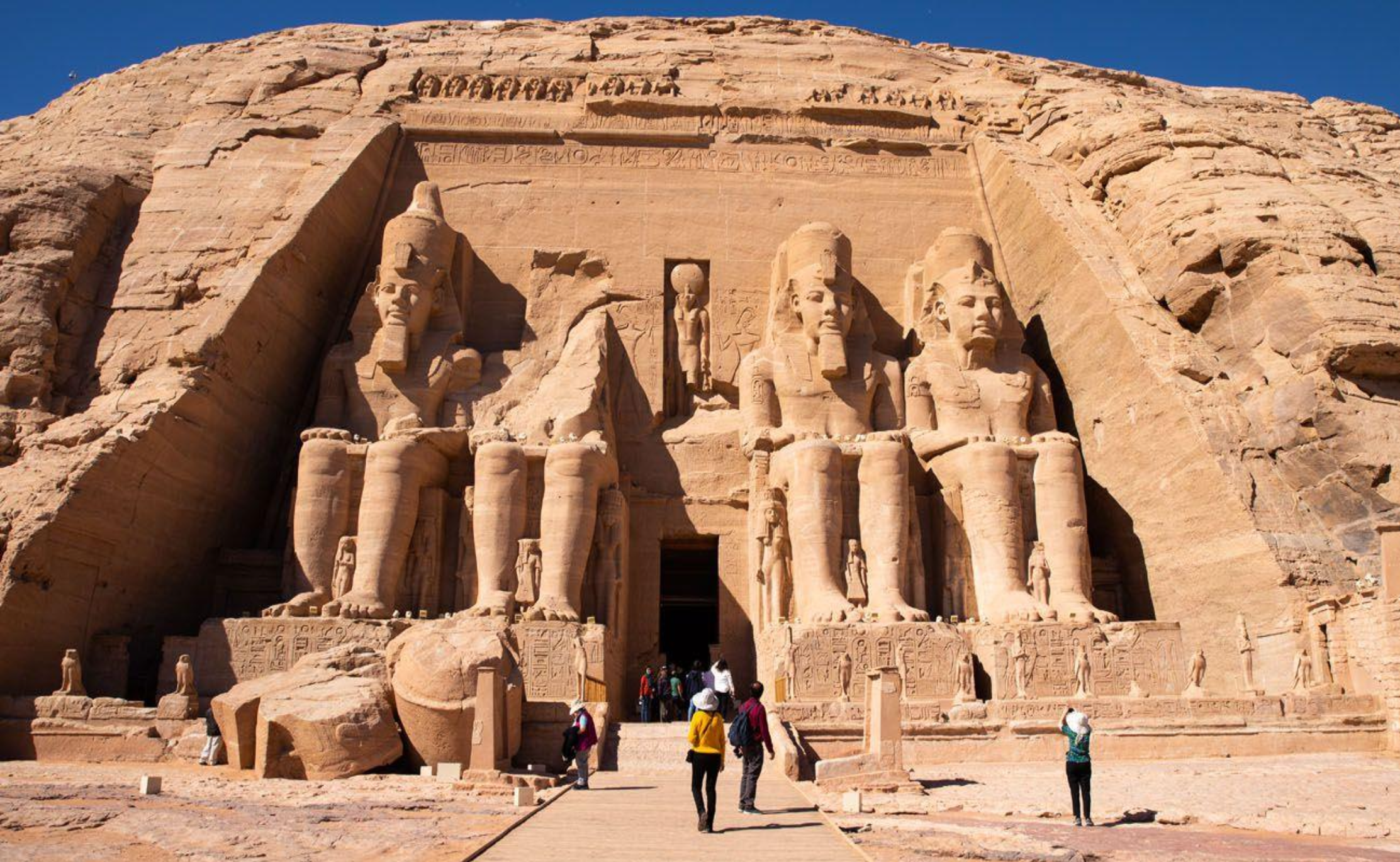
Name one key UNESCO cultural preservation project.
The relocation of the Abu Simbel temples in Egypt (1960).
What is the connection between UNESCO and heritage?
UNESCO designates and protects World Heritage Sites to preserve cultural and natural heritage.
Where does the name “Iberia” come from?
From the Greek word Ibēríā, based on the Ebro River (Ibēr).
What legendary figure is associated with the Iberian Peninsula?
Hercules (Heracles in Greek mythology).
Why did Hercules perform 12 labors?
As punishment for killing his family during a fit of madness caused by Hera.
What was the Garden of the Hesperides?
A mythical garden with golden apples guarded by the three graces and the dragon Ladon.
What do Hercules' labors symbolize?
Heroism, redemption, and overcoming divine and earthly challenges.
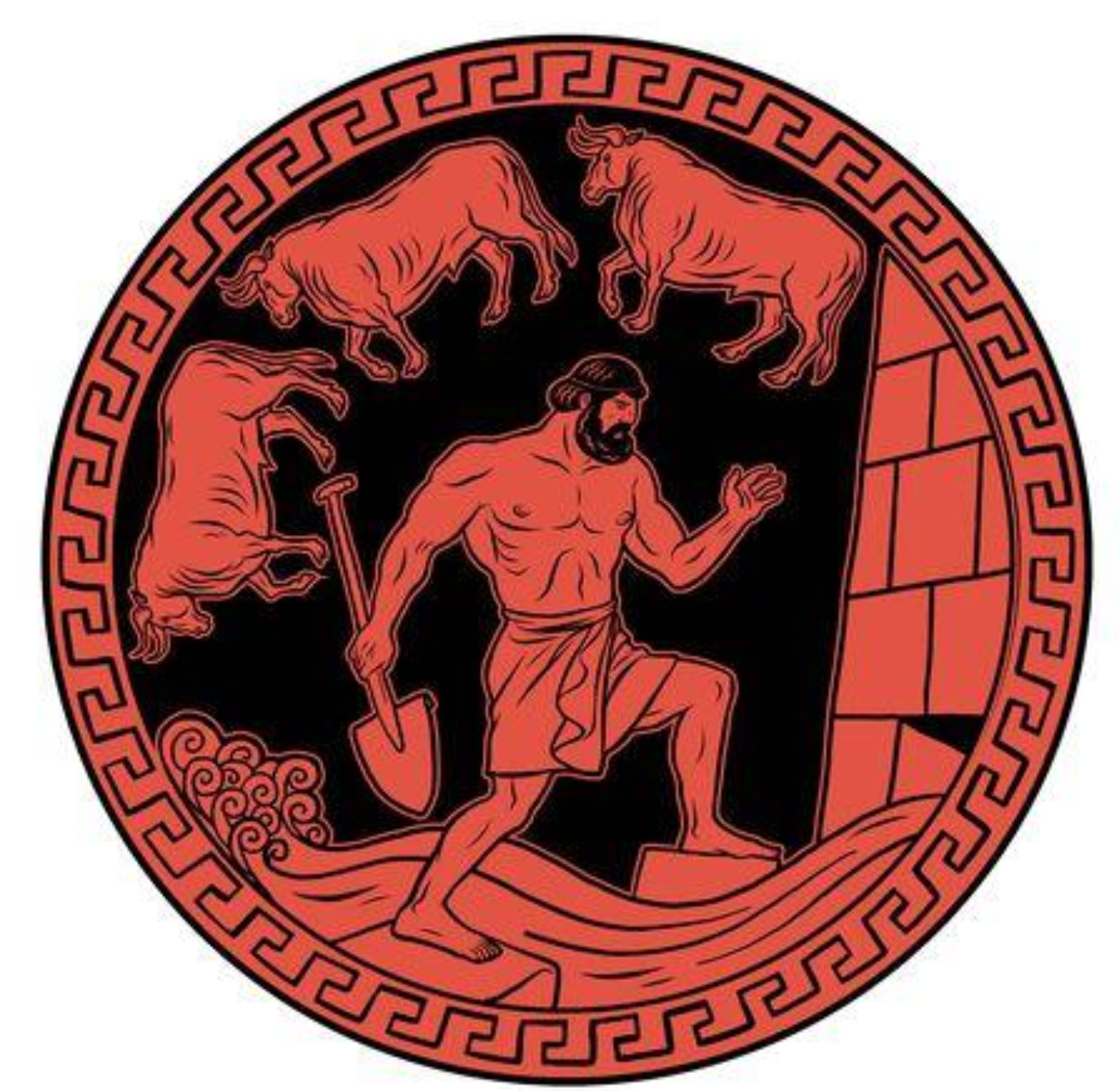
Name the labor and symbolism in this img:
This is the 5th labor, also known as the Augean stables, the picture resembles hercules using the river to clean the stables.
Name the four main civilizations in pre-Roman Iberia.
Iberians, Celts, Phoenicians (and Carthaginians), Greeks.
How were Iberian societies structured?
Hierarchically: kings, nobles, warriors, priests, artisans, and slaves.
What was the Lady of Elche?
A 65 kg limestone bust of an iberian woman used possibly as a funerary urn
How did Iberians treat their dead?
Cremation, ashes in urns, buried in stone tombs with symbolic guardians.
Where did the Celts originate?
British Isles and Ireland.
What were "Castros"?
Circular city-fortresses used by the Celts.
What are “Verracos”?
Stone animal figures, possibly used as totems.
What burial practices did Celts follow?
Inhumation, cremation, sky burial, and inclusion of grave goods.
What kind of civilization were the Phoenicians?
A thalassocratic (sea-based) merchant civilization from modern Lebanon.
What is significant about Phoenician sarcophagi?
Anthropomorphic (humaoid) design with Greek and Egyptian artistic influences.
What did the Greeks build in Iberia?
Ports and harbors (e.g., Emporion, Hemeroskopeion), not full cities.
What were key features of Greek ceramics?
Mythological themes, geometric patterns, and use of black/red figure styles.