Regulation of Gene Expression in Eukaryotes
 Call Kai
 Learn
Learn Practice Test
 Spaced Repetition
 Match
Match Flashcards
 Knowt Play
1/65

There's no tags or description
Looks like no tags are added yet.
Name | Mastery | Learn | Test | Matching | Spaced | Call with Kai |
|---|
No analytics yet
Send a link to your students to track their progress
66 Terms
The two main factors that determine transcriptional regulation are
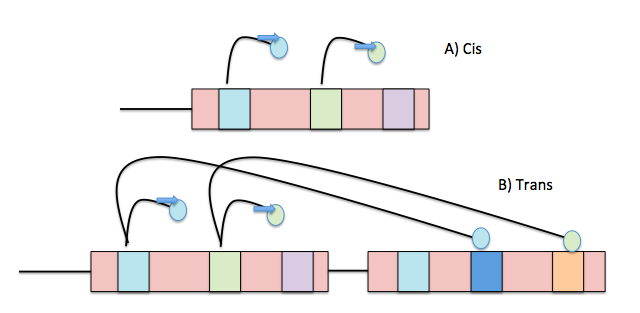
interactions of cis and trans regulators and chromatin state
interactions of cis and trans regulators refer to
the coordination between DNA sequences and regulatory proteins with the physical transcriptional machinery (RNA polymerase II)
chromatin state refers to how
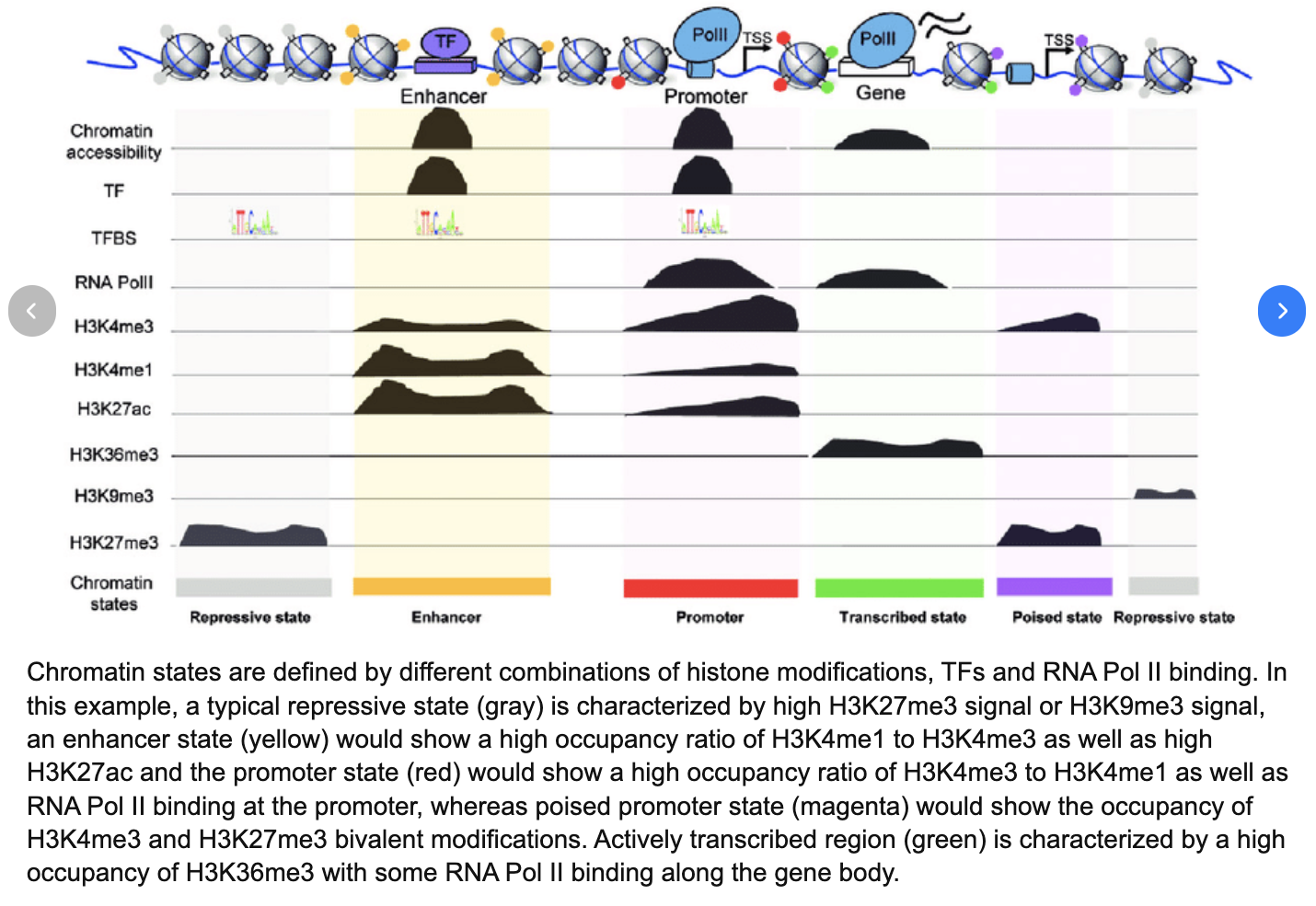
the physical organization of the genome determines if, when, and where genes are accessible to be transcribed
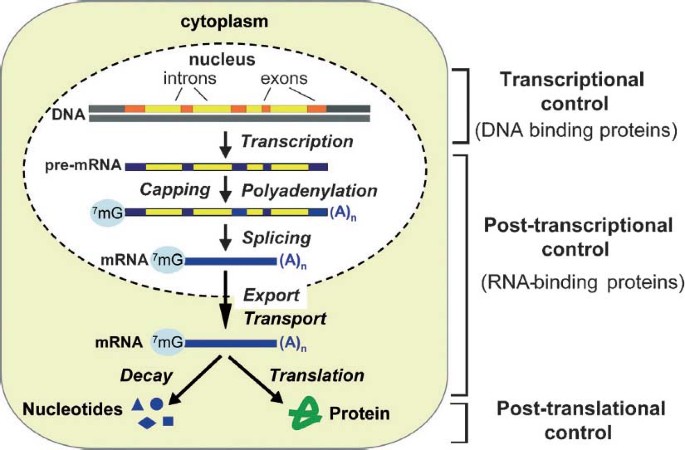
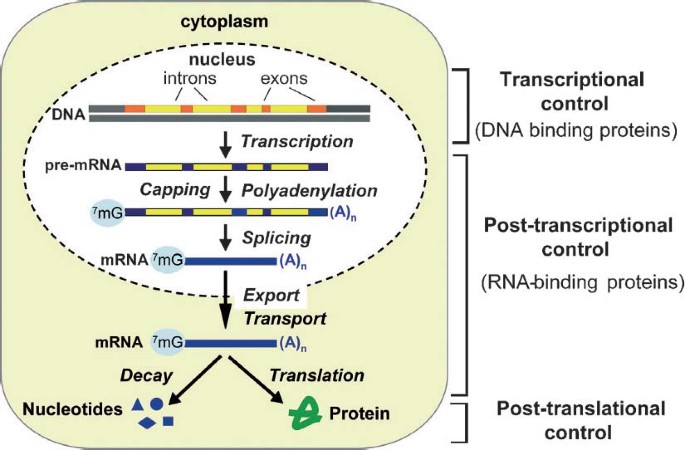
post-transcriptional regulation occurs
after the mRNA transcript has been produced
mechanisms of post-transcriptional regulation includes
alternative splicing, mRNA stability control, and RNA interference
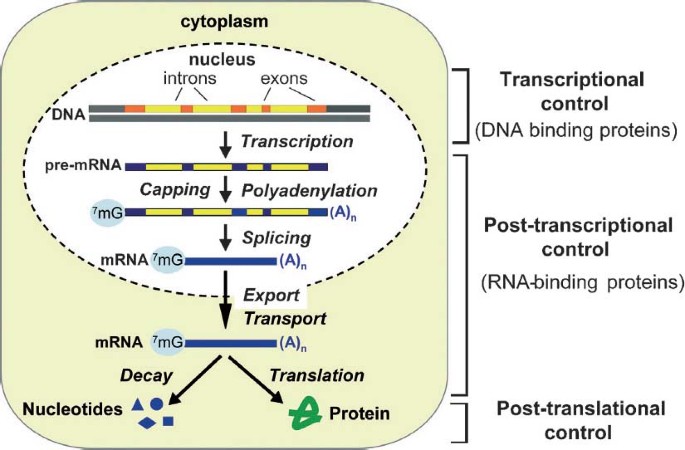
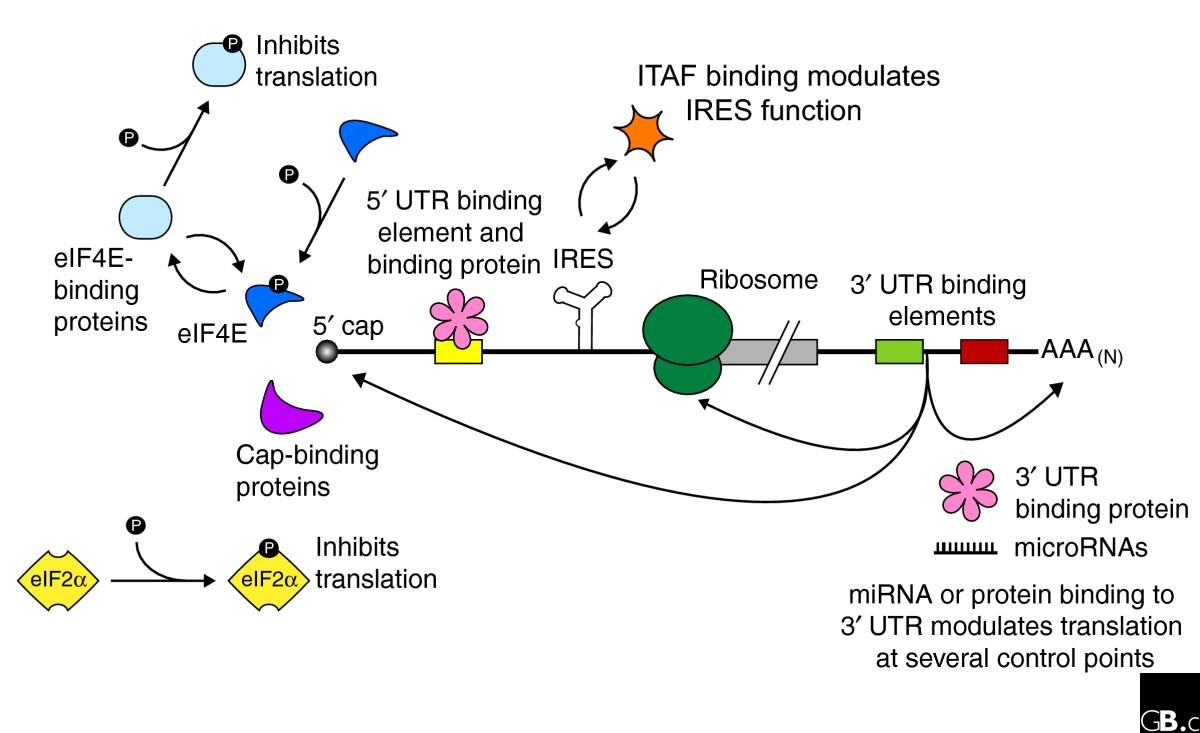
translational regulation deals with factors affecting
the synthesis of proteins
translational regulation specifically affect
differential rates of translation initiation and elongation efficiency
post-translational regulation finalizes
modifications after a polypeptide is formed
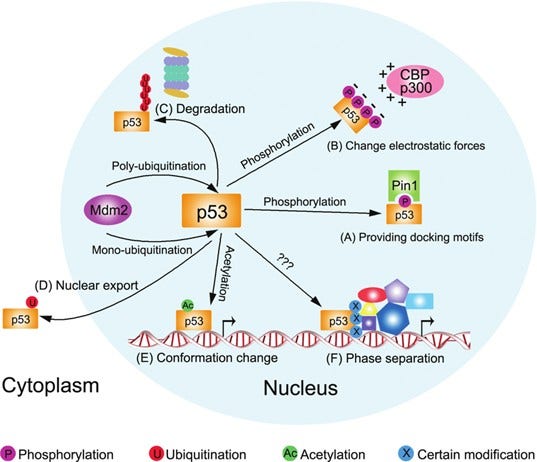
post-translational regulation include
protein folding, chemical modifications of amino acids, protein sorting/trafficking, and protein degradation
trans-acting factors are also known as
transcription factors (TFs)
TFs possess specific structural motifs that allow them to
bind directly to the DNA molecule
TFs attach at
transcription factor binding sites (TFBS)
Parts of the TF proteins initiate transcription by interacting
directly or indirectly with RNA Pol II and associated general TFs at the promoter
TFs that promote or increase gene expression (activators) often
stabilize the RNA Pol II complex at the promoter through mediator proteins
TFs that inhibit or reduce gene expression (repressors) operate by
competitive binding
interacting with bound activators to prevent their function
directly interacting with RNA Pol II or initiation TFs to block the process
cis-regulatory sequences are
DNA sequences where TFs bind to control nearby genes
cis-regulatory sequences are unique in the sense that they are
orientatiion-independent: can function even when flipped (5’ → 3’)
cis-regulatory sequences are found
upstream, downstream, or within introns
[they get with everyone]
immediately adjacent to the transcription state site is the
promotor, which contains the TATA box or other sequences required to recruit RNA Pol II.
enhancers are
cis-regulatory sequences that promote transcription when bound by activator TFs
silencers are
cis-regulatory sequences that repress transcription when bound by repressor TFs
multi-functional sequences are
cis-regulatory sequences that act either as enhancers or silencers depending on the combination of activators and repressors currently bound.
in order to identify cis-regulatory DNA/sequences in different species, researchers use 2 main computational methods:
identifying evolutionary conservation in non-coding regions across species
predicting clusters of binding sites for specific transcription factors— scan genome for unusual dense binding motifs
in order to identify cis-regulatory DNA/sequences in different species, researchers use 2 main experimental methods:
mutational analysis and reporter gene constructs
in mutational analysis, researchers
mutate a specific non-coding region and measure the resulting gene expression. if mutation reduces expression, the region likely contains an enhancer. if it does the opposite, it likely contains a silencer.
in reporter gene constructs, researchers create
a fusion gene with a functional promoter and a visible reporter (e.g. protein producing color/fluorescence). putative enhancers are placed upstream to see if they drive expression.
a researcher uses reporter gene construct to identify cis-regulatory DNA. Two regions are tested and neither alone drives expression, but together they do. This means
they are both necessary but not individually sufficient
genes can be regulated independently in different tissues by
using different enhancers
The Drosophila Yellow Gene 9which controls the formation of black melanin in the fly’s cuticle, wings, and mouthparts) are controlled by
separate tissue-specific enhancers, in which different sets of TFs present in the tissues bind to respective enhancers to drive expression at specific times and locations
nucleosomes are composed of
eight histone proteins (H2A, H2B, H3, H4) wrapped with about 146 base pairs of DNA
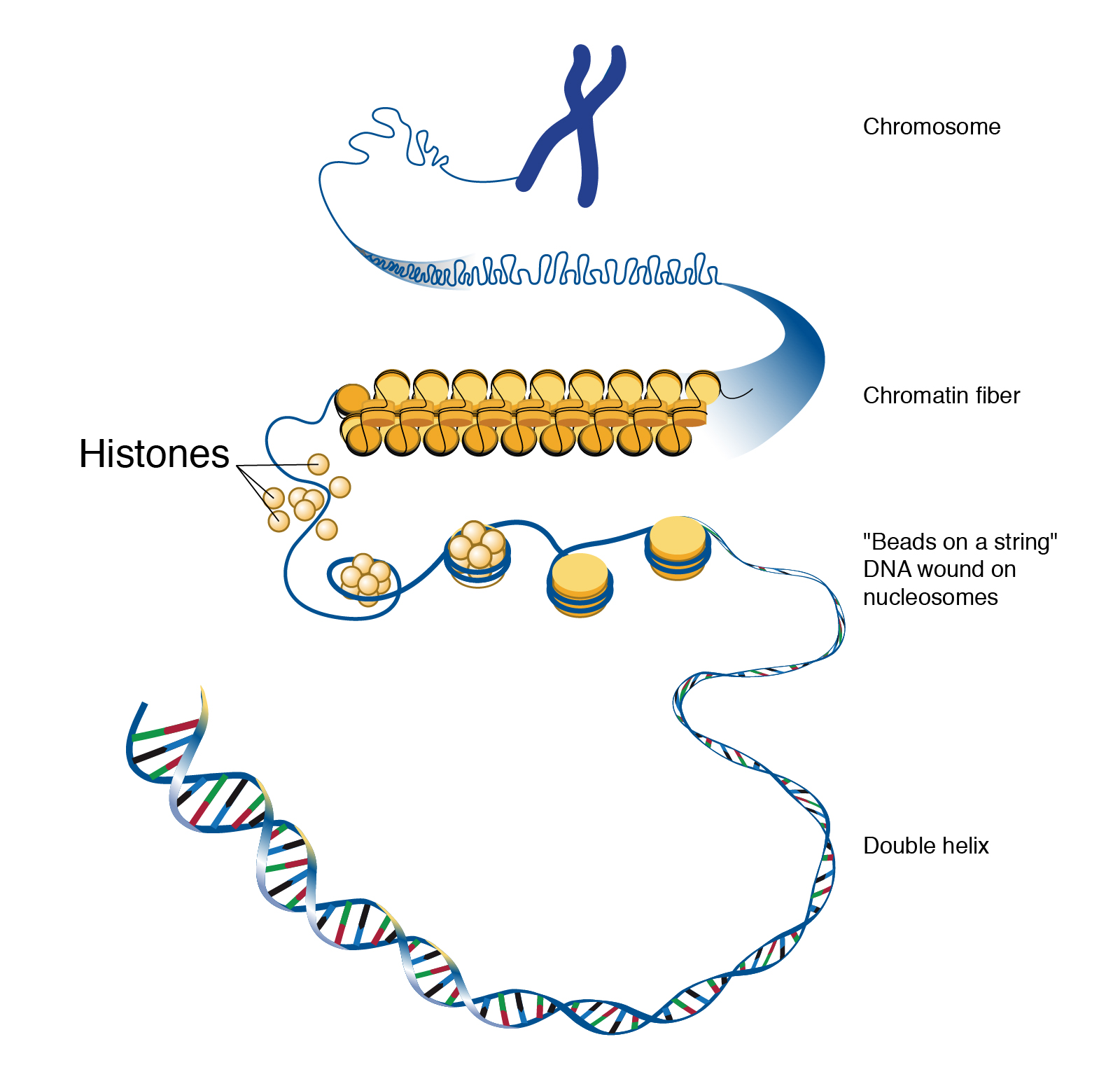
the highest level of DNA compaction is in the form of a
chromosome
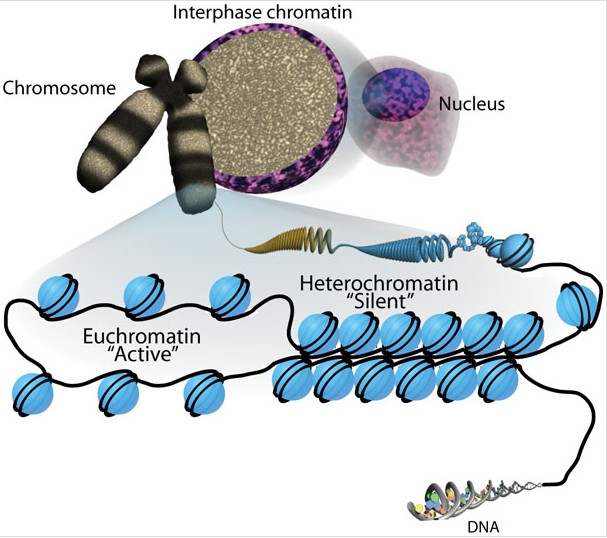
chromatin can either be
euchromatin (open chromatin) or heterochromatin (closed chromatin)
euchromatin appears as
light bands in G-banded karyotypes. they are accessible for RNA Pol II, and transcription can occur
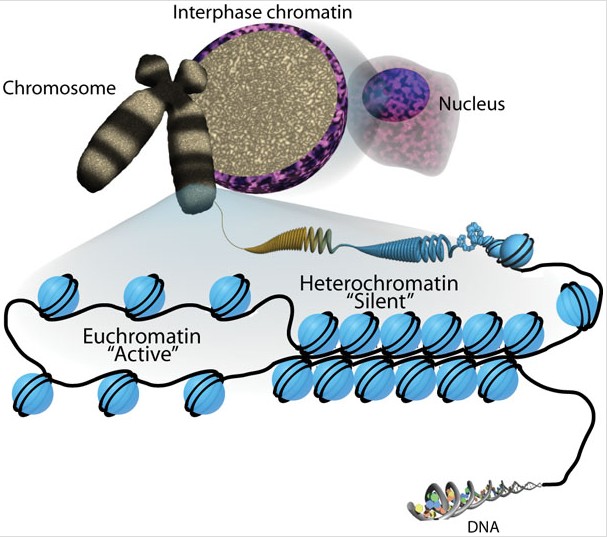
heterochromatin appears as
dark bands in G-banded karyotypes. They are highly condensed, so transcription is unable to occur
controlling the positioning and density of nucleosomes to allow access to promotors are done by
chromatin remodeling complexes
functions of chromatin remodeling complexes include
nucleosome sliding, nucleosome eviction, nucleosome assembly/spacing, and histone replacement
in histone replacement,
standard histones are replaces with variants that are easier to displace
SWI/SNF is responsible for
sliding/ejection for opening
SWR1 is responsible for
histone replacement for opening
ISWI is responsible for
positioning for closing
in histone tail modifications,
post-translational chemical groups are added to amino acids on histone tails
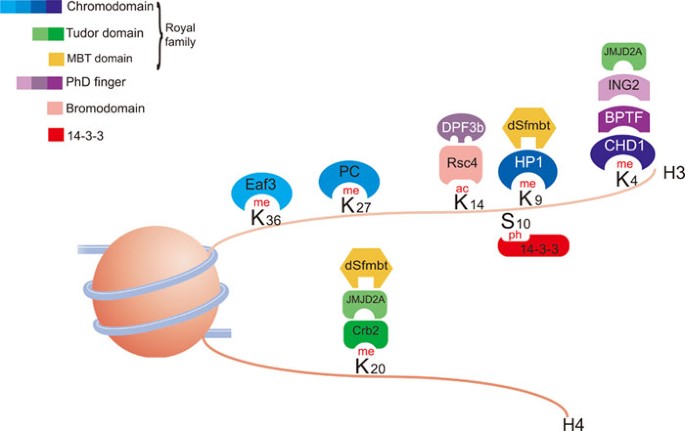
the histone code hypothesis refers to how
combinations of modifications (methylation & acetylation) have specific meanings for chromatin stability
DNA methylation primarily occurs in
CpG dinucleotides
clusters of CpG sites (aka CpG islands) are usually found at
promoters
unmethylated CpG islands are
open chromatin and transcription occurs
methylated CpG islands are
closed chromatin and transcription is repressed
genomic imprinting is a form of
epigenetic regulation in which gene expression depends on the parent of origin— offspring will selectively methylate/silence either the maternal or paternal copy of a gene
imprinting reset refers to how
germ-line imprints are erased during development and re-established during gametogenesis
in post-transcription regulation there are 5 types of alternative splicing:
exon skipping/inclusion
alternative 3’ splice sites
atternative 5’ splice sites
mutually exclusive exons
intron retention
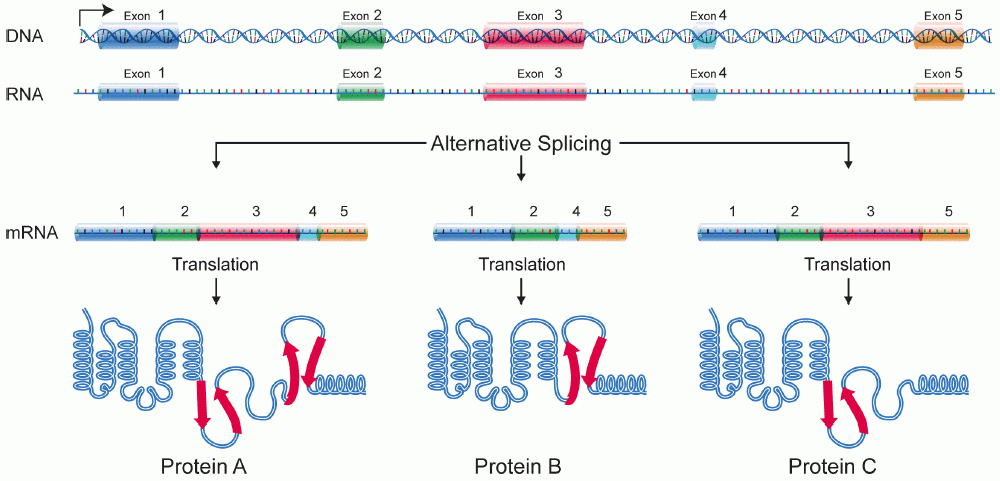
through alternative splicing rat a-tropomyosin gene produces
9 distinct mature mRNAs across muscle, brain, and fibroblast cells
in drosophila, sex is determined by the proteins
transformer and transformer 2
in female drosophilia, the proteins, transformer and transformer 2 are
produced. These proteins bind to exon 4, recruiting splicing factors to its 3’ splice site, resulting in a female-specific RNA
4 mRNA stability factors include
poly(A) tail length
sequences in the 3’ untranslated region (UTR)
chemical/hormonal factors
small regulatory RNAs (siRNAs and miRNAs)
RNA interference (RNAi) refers to how
dsRNA destroys endogenous (growing) mRNA
in RNAi, the dsRNA is first
cleaved into fragments. RISC (RNA-Induced Silencing Complex) then binds the fragments and unwinds it to keep a single-stranded guide strand. It then targets complementary mRNA, in which they are either cleaved/degraded, translated or repressed, or sequestered in P-bodies
miRNAs usually have
imperfect base-pairing and results in translation block or degradation
siRNAs usually have
perfect base-pairing and results in mRNA degradation
this regulatory RNA is encoded in the genome, is transcribed by RNA Pol II, and produce hairpins
miRNA
this regulatory RNA can be exogenous or endogenous (growing) and start as long dsRNA
siRNAs
dosage compensation functions to
equalize gene expression between sexes in organisms with chromosomal sex determination
mammalian X-inactivation initiates at the
X inactivation center (XIC) and spreads
the inactive X is coated by the XIST (X inactive specific transcript) gene produces
a functional non-coding RNA produced by the XIST (X inactive specific transcript) gene
in dosage compensation, the chromosome
condenses into a Barr body
drosophilia hypertranscription occurs in
XY males
the single X chromosome is bound by
MSL (male-specific lethal) protein complex and roX RNAs
the MSL (male-specific lethal) protein complex modifies
histones to open the chromatin, increasing transcription from the male X chromosome by two-fold