5. NSAIDs
 Call Kai
 Learn
Learn Practice Test
 Spaced Repetition
 Match
Match Flashcards
 Knowt Play
1/27

There's no tags or description
Looks like no tags are added yet.
Name | Mastery | Learn | Test | Matching | Spaced | Call with Kai |
|---|
No analytics yet
Send a link to your students to track their progress
28 Terms
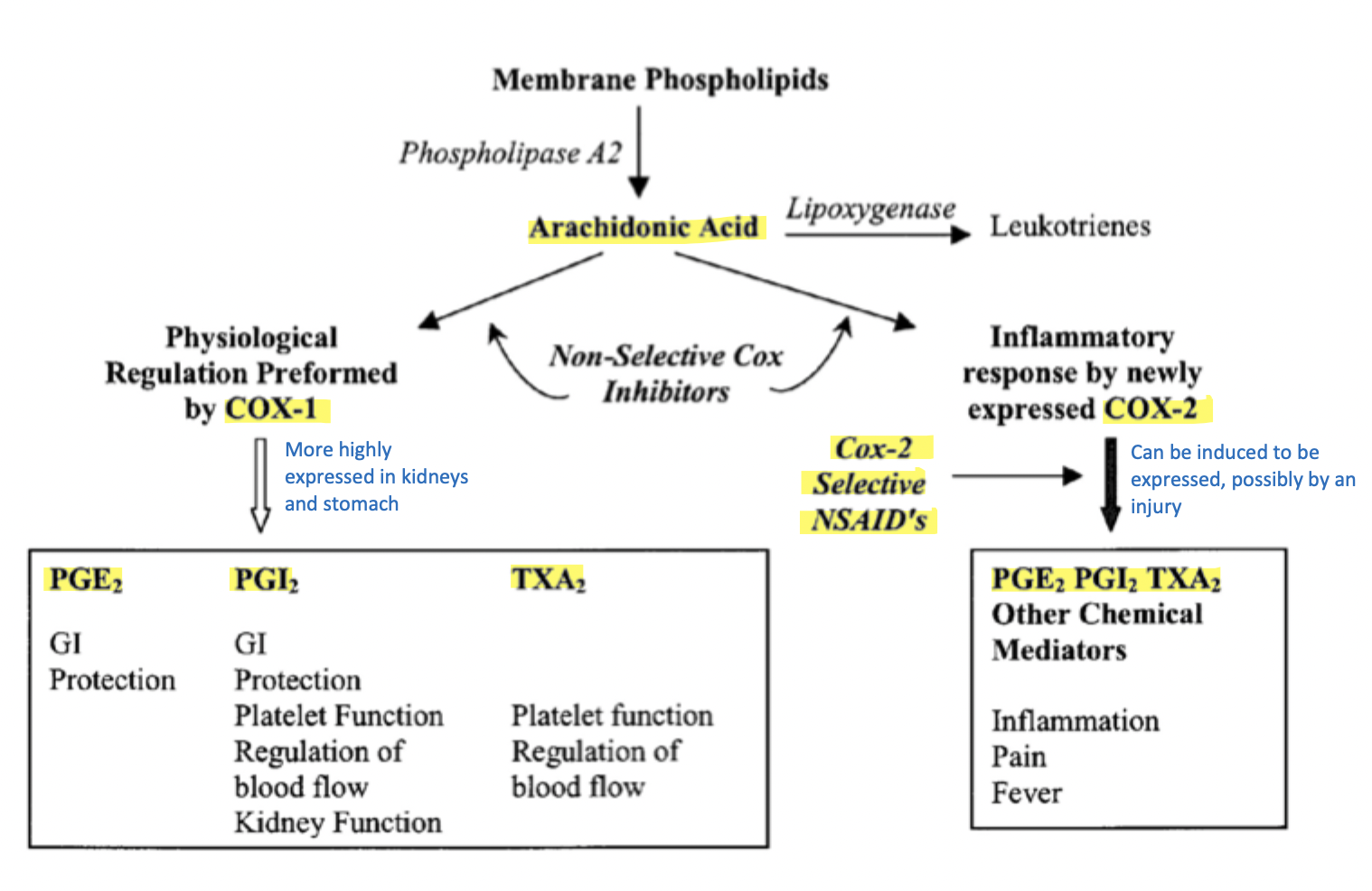
NSAIDs mechanism
Significance of selectivity
local pain and inflammation - COX-2 selective is beneficial for use b/c it would not inhibit normal basal levels of COX-1, which are important for protecting the stomach
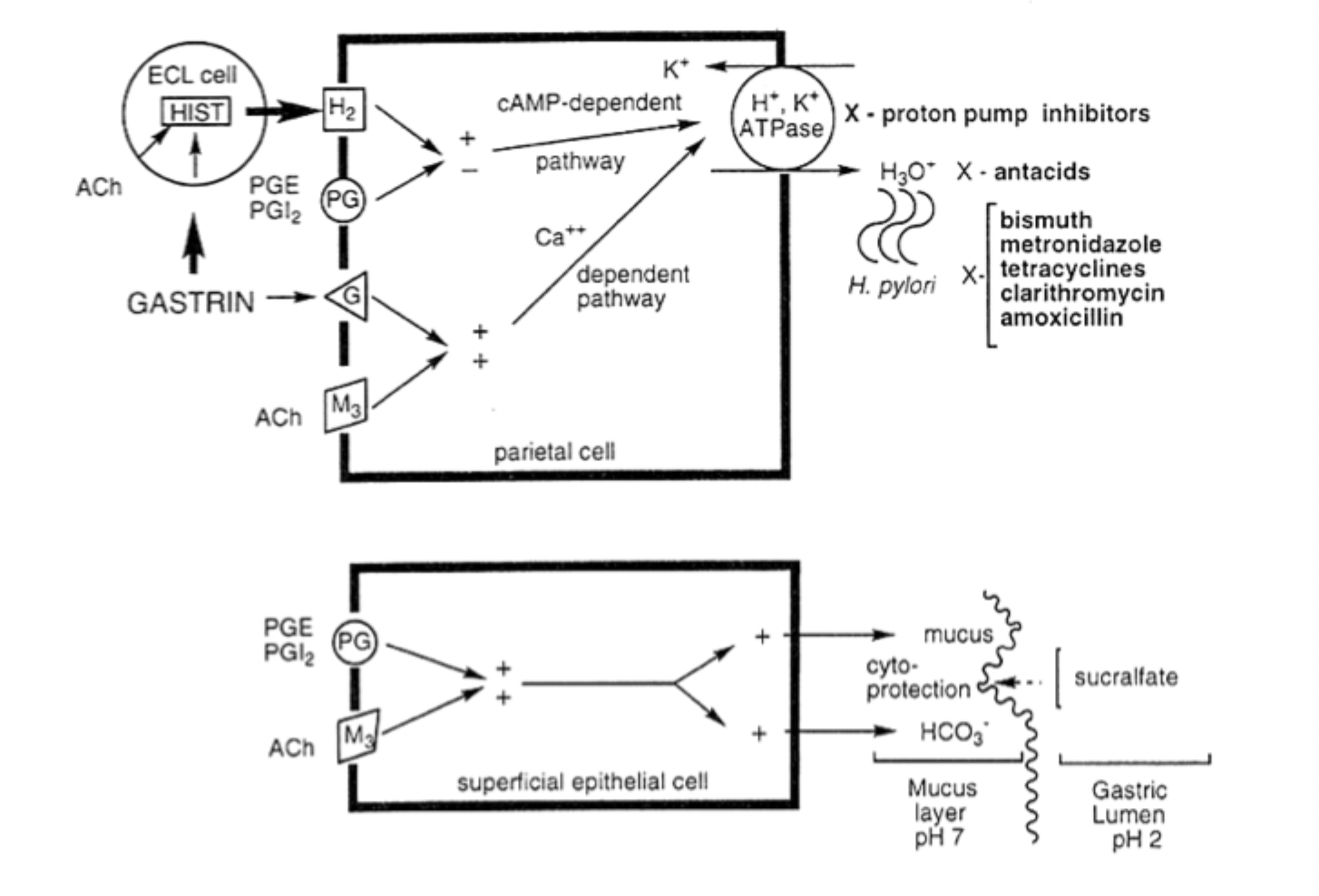
Gastric acid/defense mechanisms
How stomach acid is controlled and why some NSAIDs can irritate the stomach
Histamine increases stomach acid
binds to H2 receptors in stomach cells and activates proton pumps, which releases H+ = more acid in the stomach
this can be blocked by H2 Blockers, PPIs, Antacids
Prostaglandins help protect the stomach
PGE2 and PGI2 - these reduce proton pump activity, lower stomach acid production, and help maintain healthy balance in the stomach
Why NSAIDs hurt the stomach
COX is needed to make PGs
COX → PGs → Less acid
PGs are also involved in the production of mucin - protects the stomach
NSAIDs are organic acids, so when released in the stomach, these organic acid contribute to acidity, and organic, so will be able to penetrate into cells of stomach
these block COX enzyme leading to fewer PG production, so stomach loses its natural protection, acid production may increase, and lining of stomach becomes more vulnerable to irritation and ulcers
Prostanoid synthesis
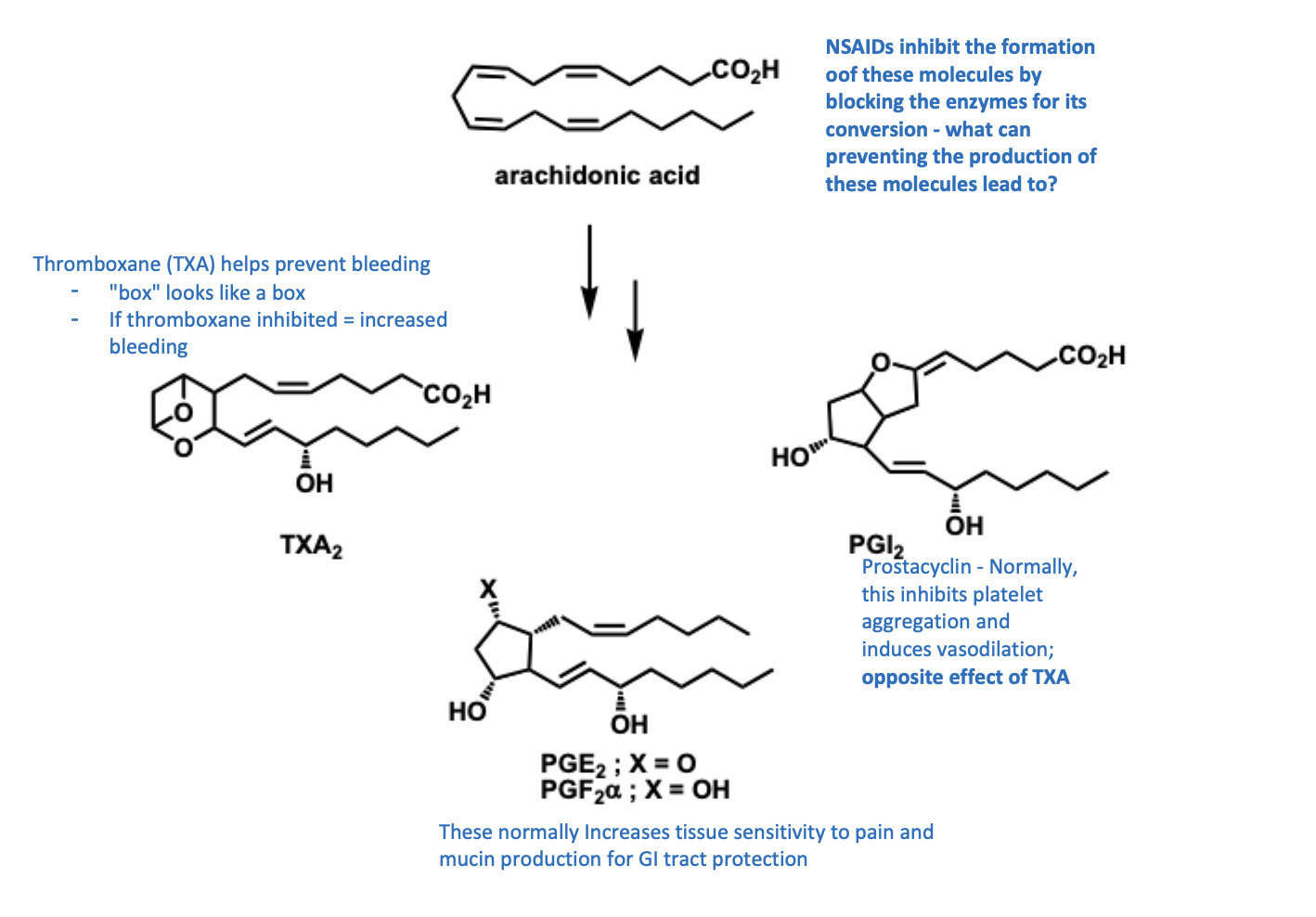
Prostanoids are a family of biologically active lipid mediators produced from arachidonic acid through the cyclooxygenase (COX) pathway.
Examples: PGE2 PGI2 TXA2
Arachidonic acid bound to COX
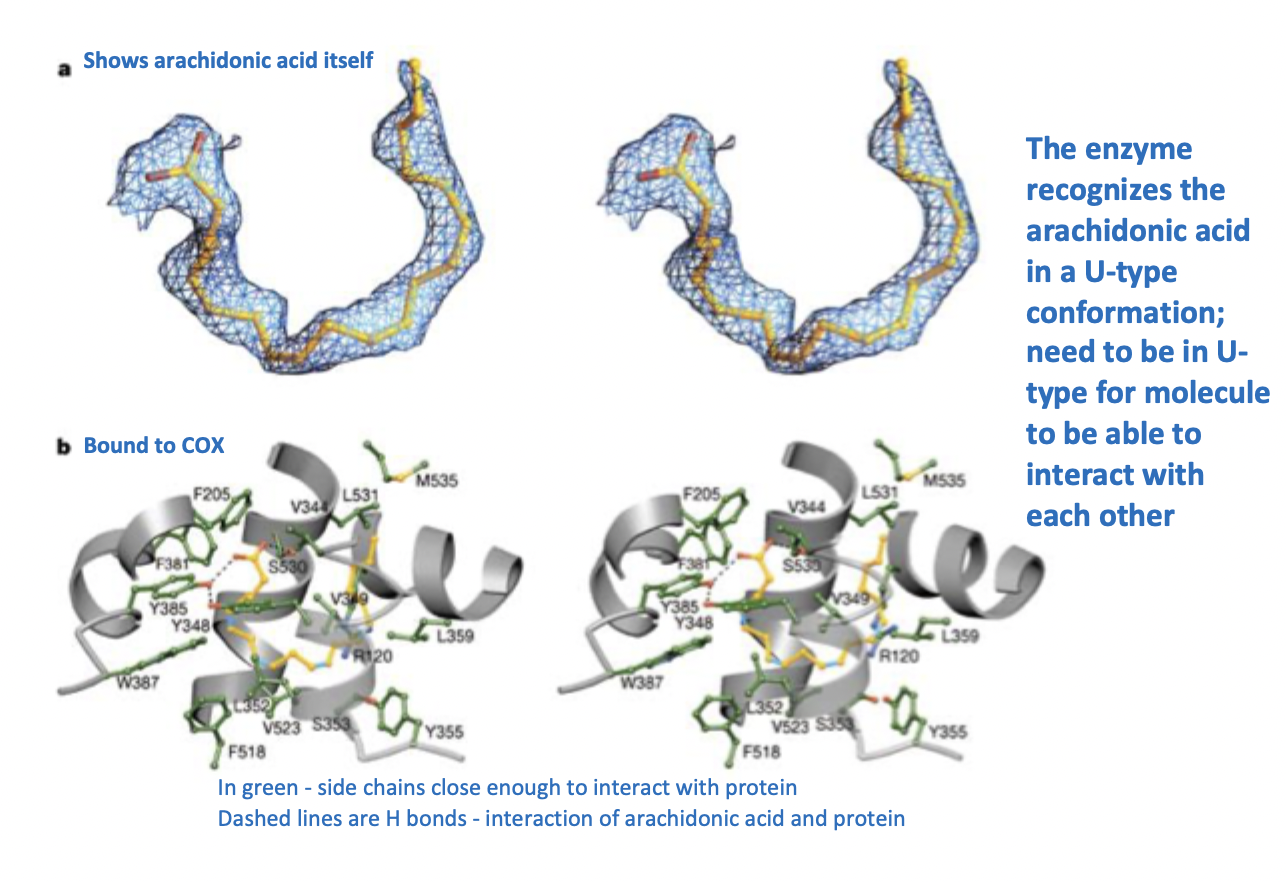
Pharmacophore
An acidic group - usually a carboxylic acid
Lipophilic unsaturated region - benzene, aromatic rings, double bonds of hydrocarbons
Why? b/c NSAIDs mimic arachidonic acids, the natural substrate of the COX enzyme
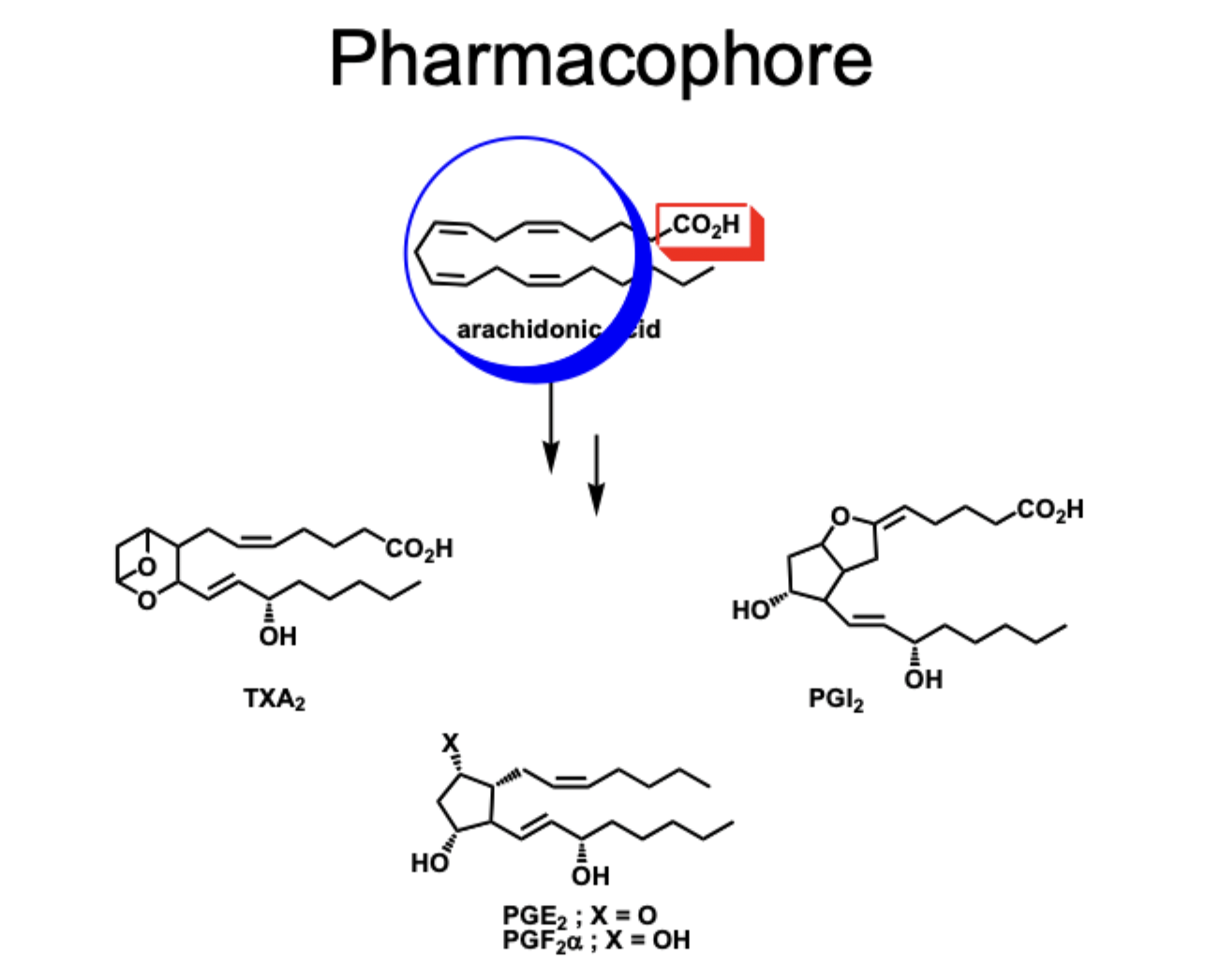
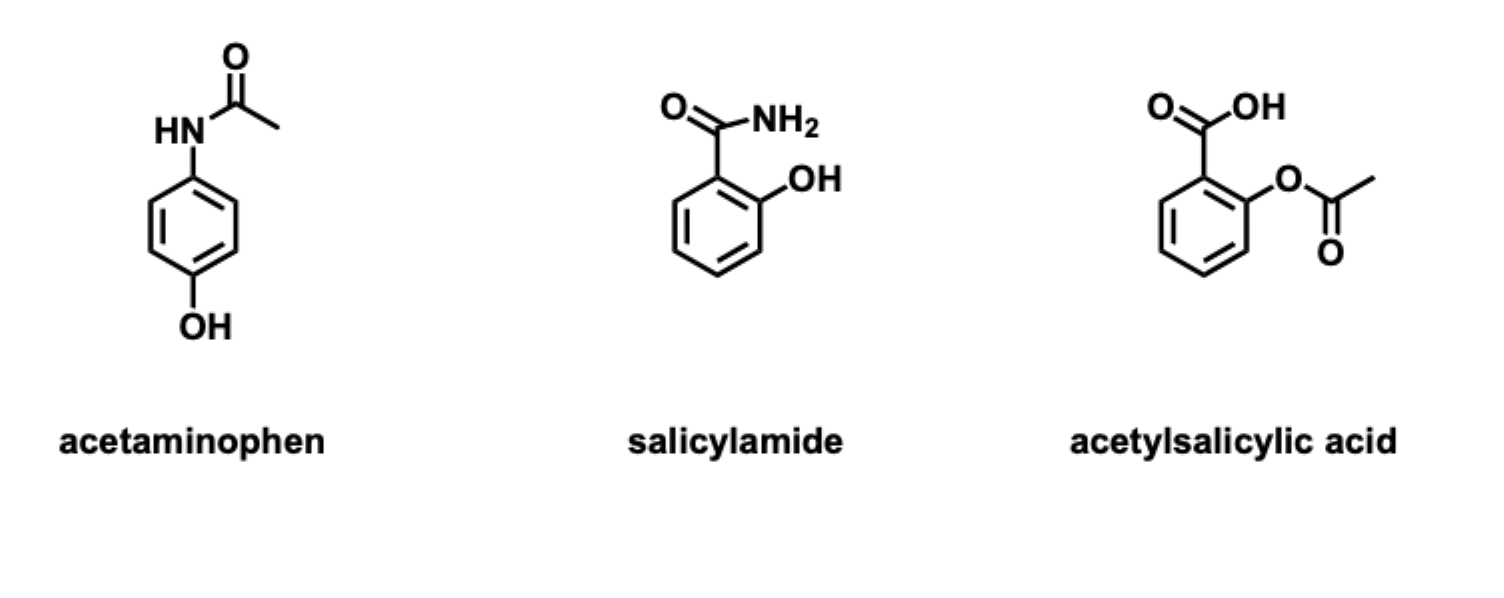
What makes acetylsalicylic acid (aspirin) a true NSAID
use its pharmacophore
All of these treat pain but only aspirin is the true NSAID here because it has:
carboxylic acid
aromatic ring
can inhibit COX enzymes, therefore:
pain relief, fever reduction, anti-inflammatory effects
Acetaminophen has:
aromatic ring
carbonyl group
BUT no NSAID pharmacophore and weak/no peripheral COX inhibition, therefore it has
pain relief fever reduction, very little anti-inflammatory effect
Why NSAIDs can have different structures
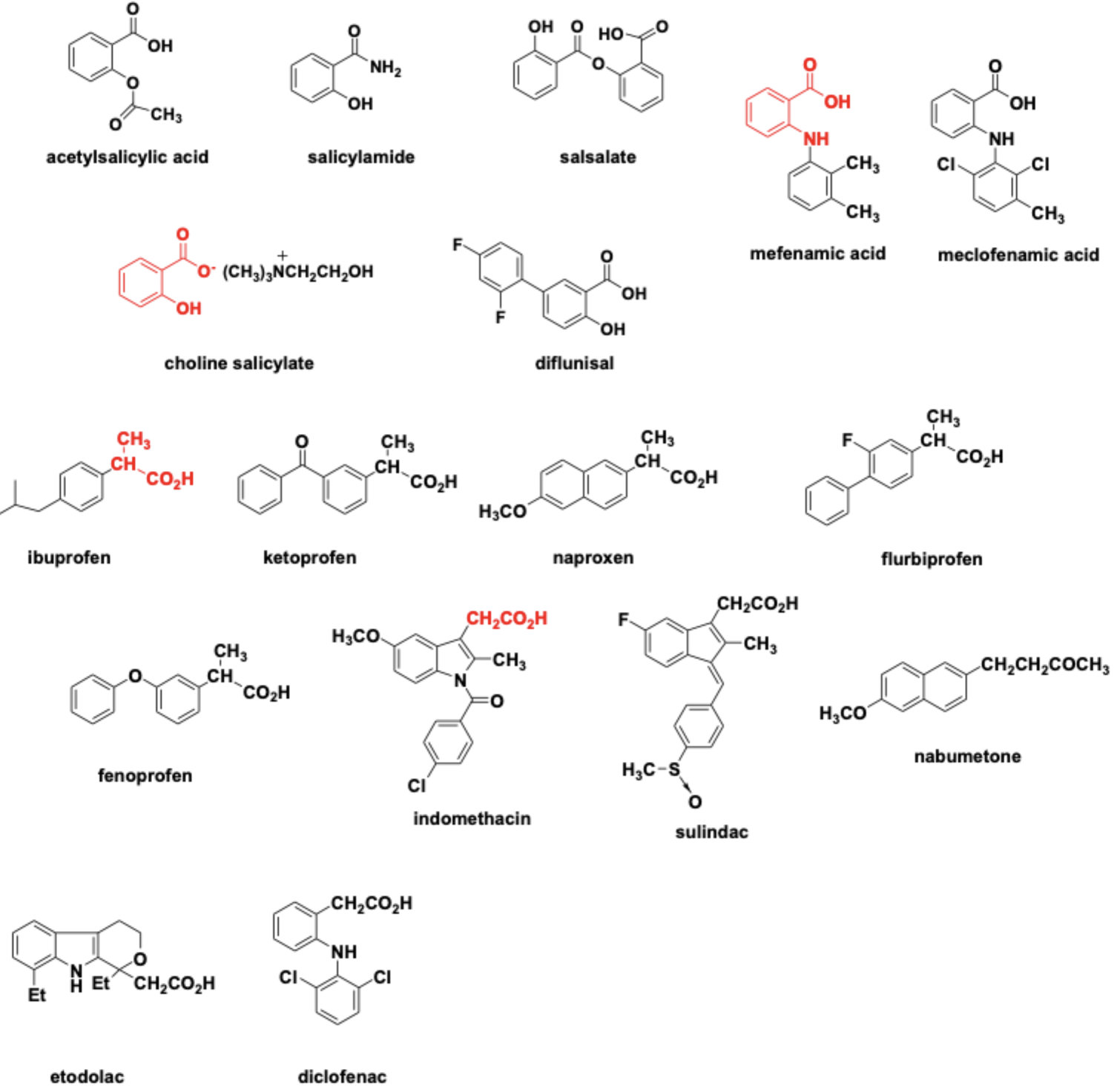
Look at drugs like:
Aspirin
Ibuprofen
Flurbiprofen
Indomethacin
Naproxen
They all look different.
But they all contain:
An acidic group
A lipophilic aromatic region
So they all satisfy the NSAID pharmacophore
note: nabumetone does not have a CO2H group
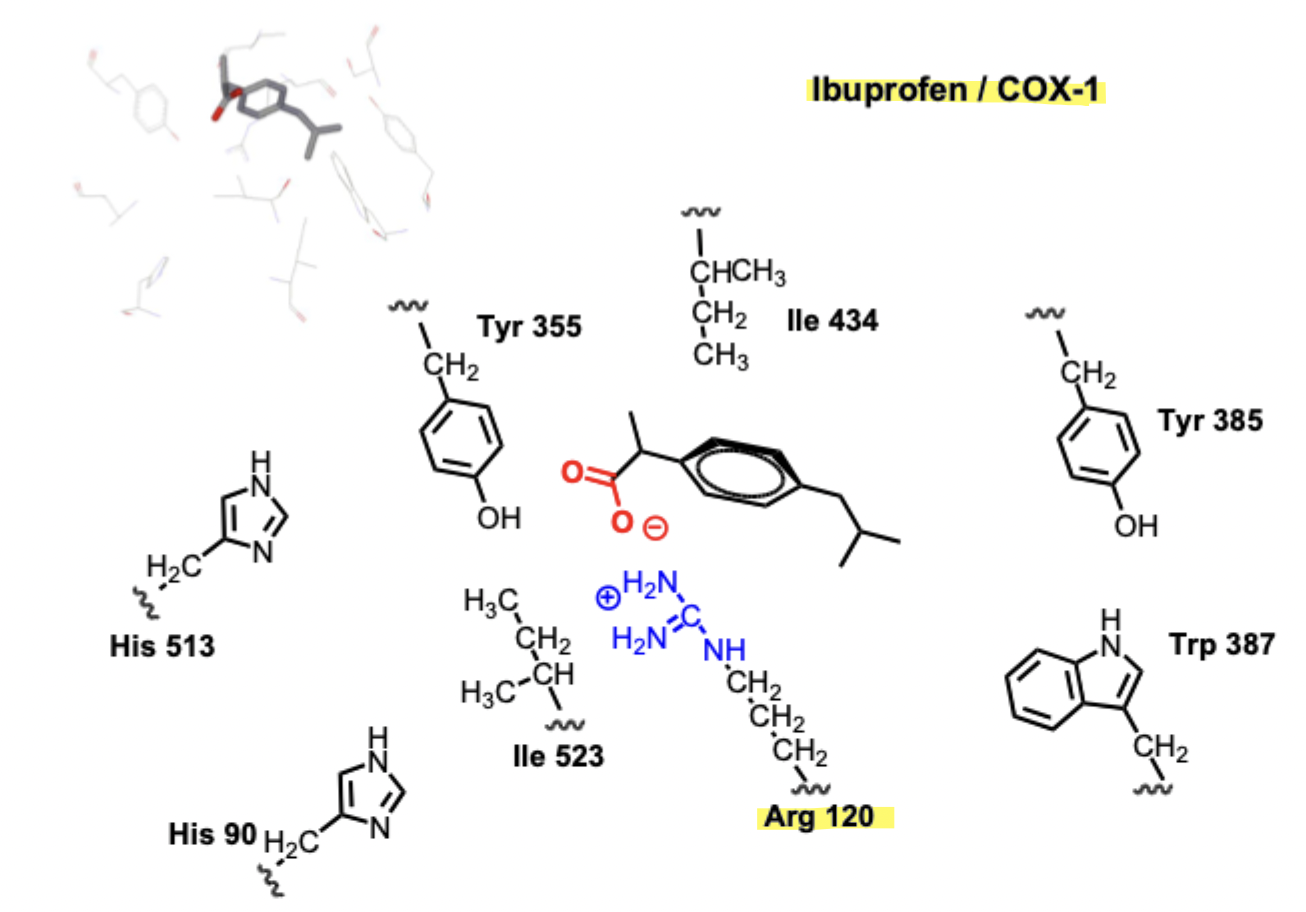
Ibuprofen - COX-1
How NSAIDs bind COX
Binds to the same site as arachidonic acid
The COX enzyme has an amino acid called:
Arginine 120
Arginine is positively charged.
The NSAID carboxylate is negatively charged.
So they form a strong:
Ion-ion interaction
(-) NSAID ↔ (+) Arginine
This is the strongest binding interaction.
Exam Pearl
Carboxylic acid = anchor
The acidic group grabs onto Arg120 and holds the drug in place.
After the carboxylic acid anchors the drug:
The aromatic rings fit into a:
Hydrophobic pocket
A pocket lined with non-polar amino acids.
So:
Acid group anchors
Aromatic rings fill the pocket
Together they block COX activity.
Why Acidic NSAIDs Accumulate in Inflamed Tissue
Inflamed tissue has Lower pH (more acidic)
In acidic environments:
Carboxylic acids become more Neutral (uncharged); Neutral molecules cross membranes better.
Therefore NSAIDs enter inflamed tissue more easily.
This helps them concentrate where inflammation exists.
Why NSAIDs bind albumin
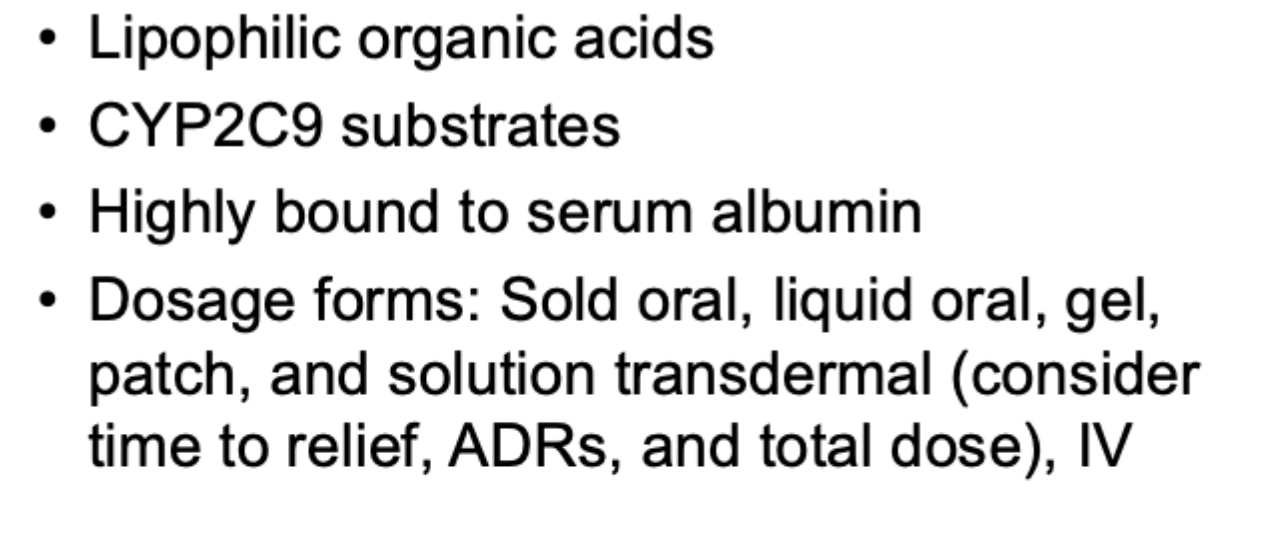
NSAIDs are acidic and lipophilic
Albumin loves acidic, lipophilic drugs
Therefore NSAIDs are highly protein bound (often > 95%)
Why warfarin interacts with NSAIDs
Warfarin also binds albumin strongly. If an NSAIDs displaces warfarin: more free warfarin = more bleeding
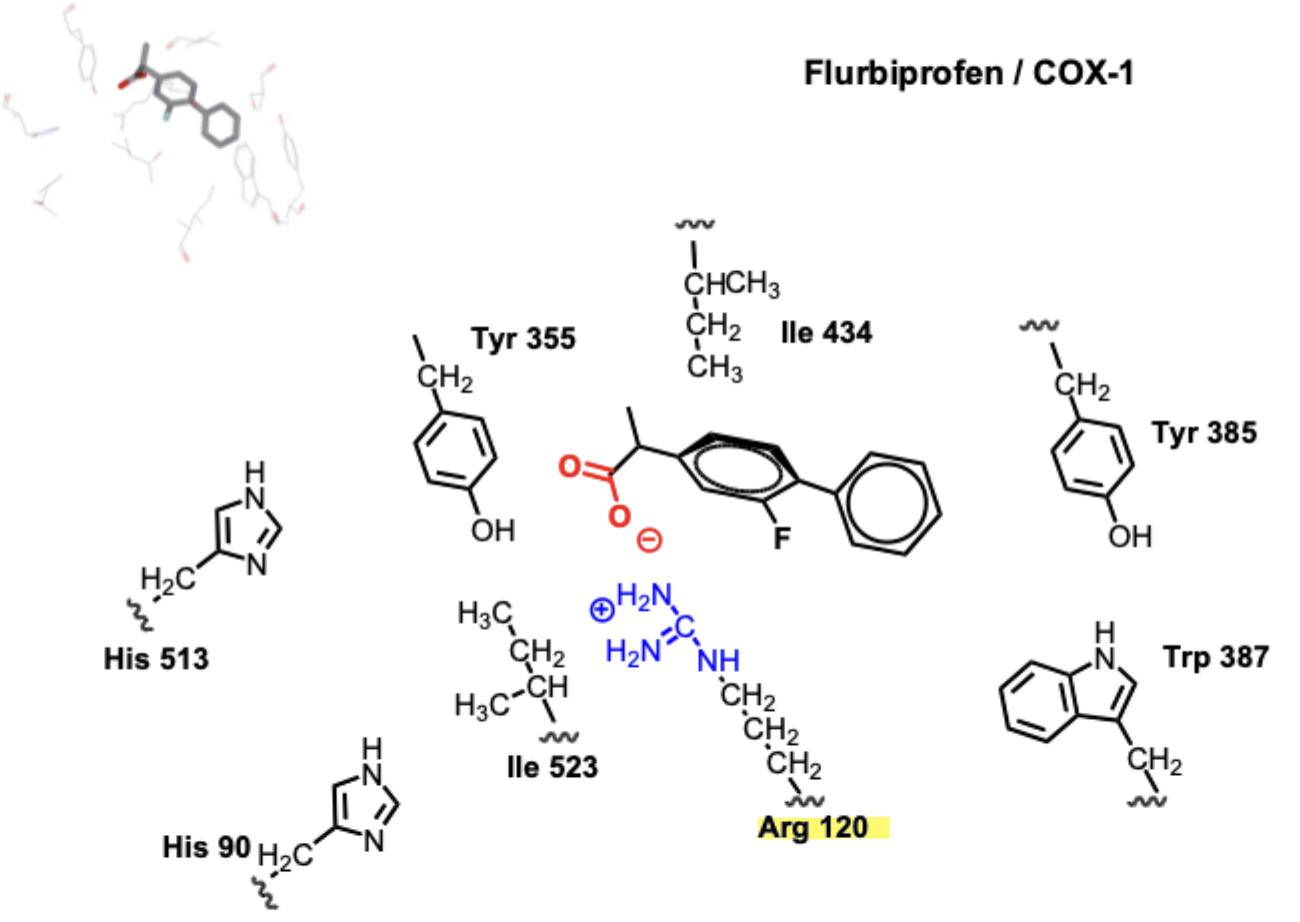
Why flubiprofen is more potent than ibuprofen
Ibuprofen has:
One aromatic system
Flurbiprofen has:
Two aromatic rings
More aromatic rings means:
Larger molecule
More contact/tighter binding with hydrophobic pocket
Stronger binding
Therefore - More potency
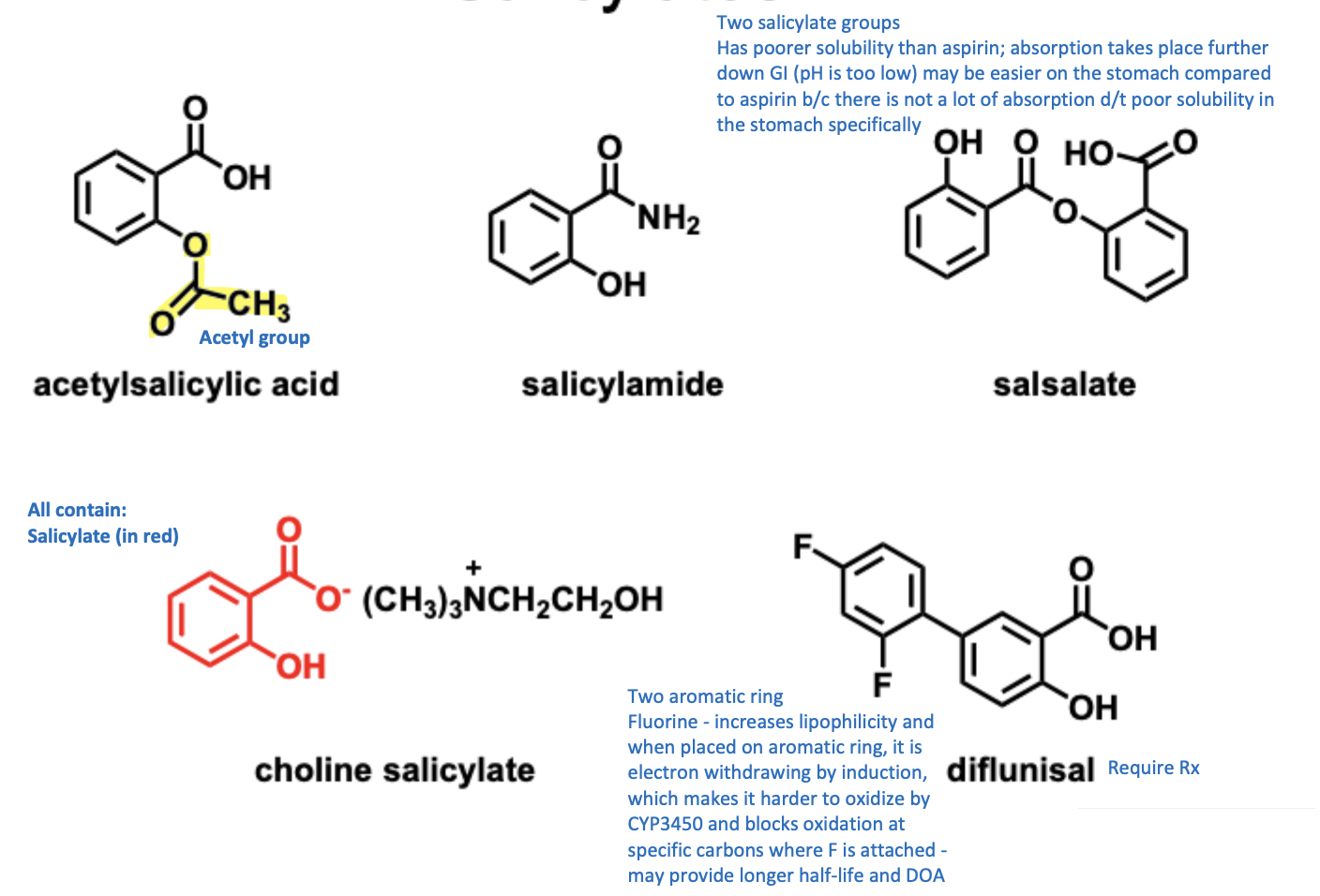
Salicylates (sub-class)
Contains
CO2H attached directly to aromatic ring and a orthohydroxyl group or modified hydroxyl group
these are OTC except Diflunisal
Acidity of molecules
Diflunisal has pKa of ~3
most acidic
others are a little higher ~3.5
the -sal is in the generic name to recall that these are salicylates
General SAR for salicylate NSAIDs
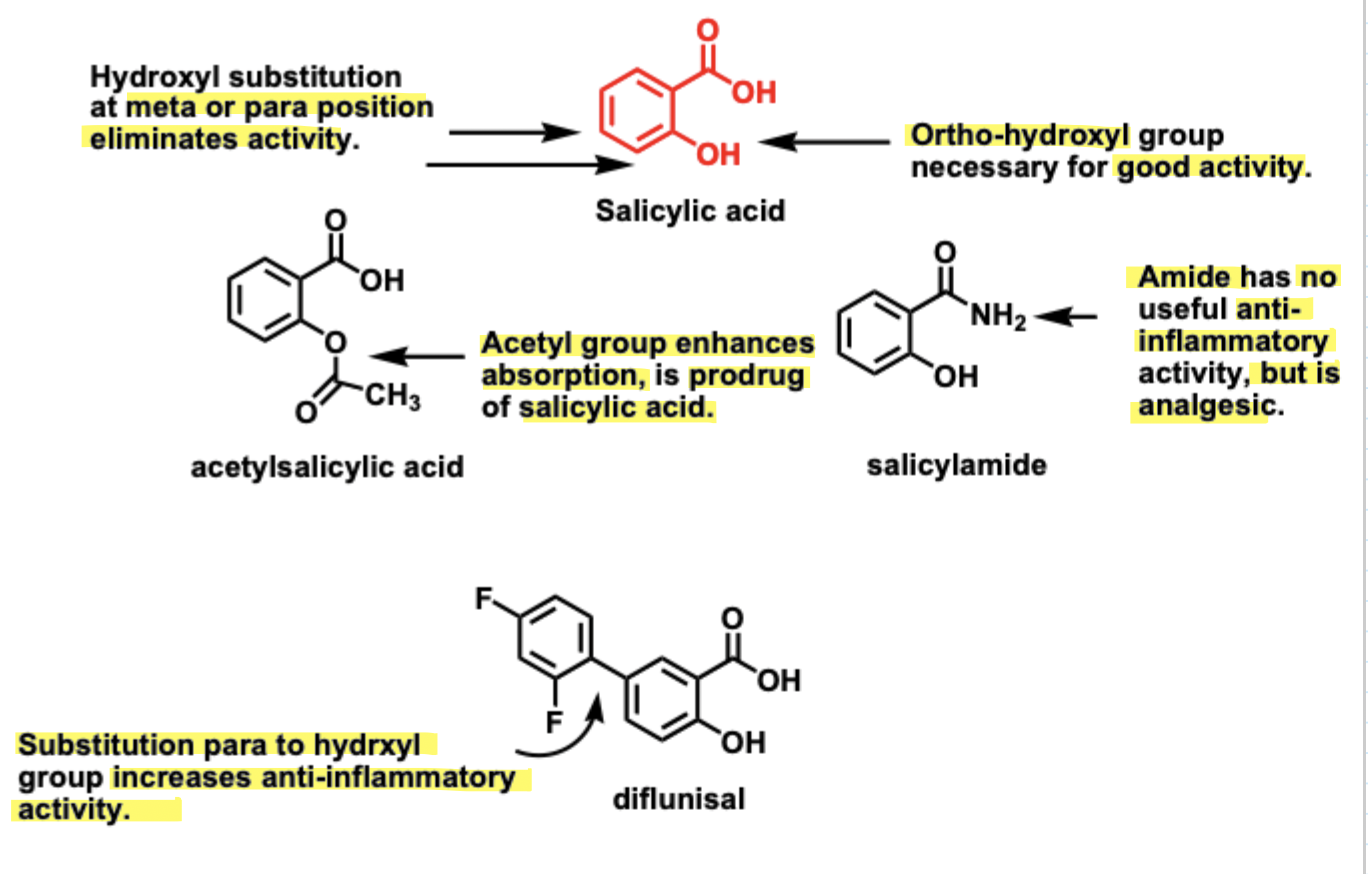
aspirin being a prodrug of salicylic acid is controversial
What makes aspirin unique
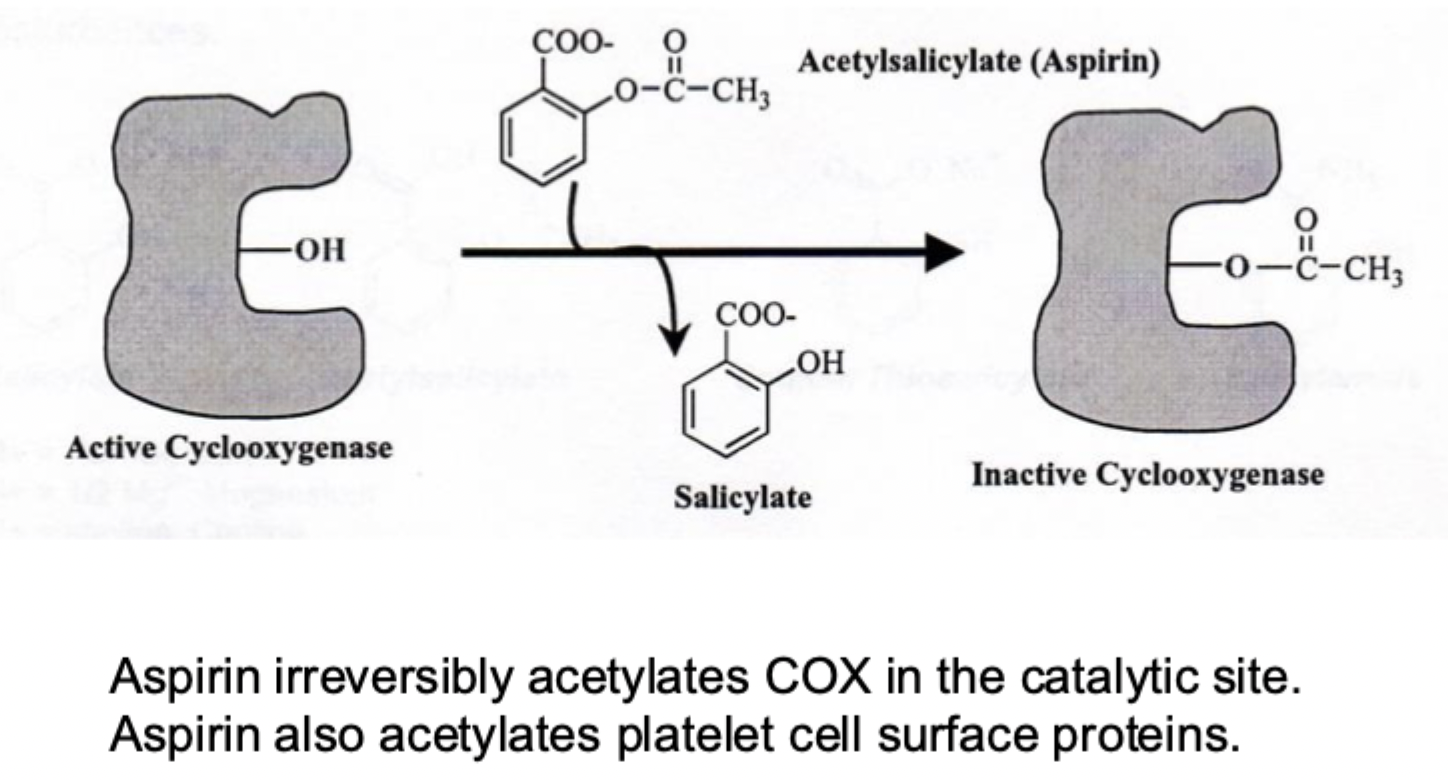
Aspirin = Acetyl group = Irreversible COX inhibition
No acetyl group (salicylate) = only reversible inhibition.
Aspirin is unique because its acetyl group covalently acetylates a serine residue in COX, causing irreversible inhibition of platelet COX-1 and long-lasting anti platelet effects for the life of the platelet (about 8–10 days).
Why baby aspirin works
low dose aspirin taken daily:
continuously destroys COX in newly formed platelets
keeps thromboxane levels low
prevents clot formation
that’s why pts take 81 mg aspirin qd for prevention of MI, stroke, other thrombotic events
Why does old aspirin smell like vinegar?
Aspirin + water -→ Salicylic acid + acetic acid (vinegar)
Clinical pearl
Storage: Heat + moisture accelerates aspirin breakdown - hydrolysis
if aspirin smells strongly like vinegar, it is degrading
Why does aspirin degrade itself?
carboxylic acid group can help catalyze its own hydrolysis - called self-catalyzed degradation
Aspirin metabolism
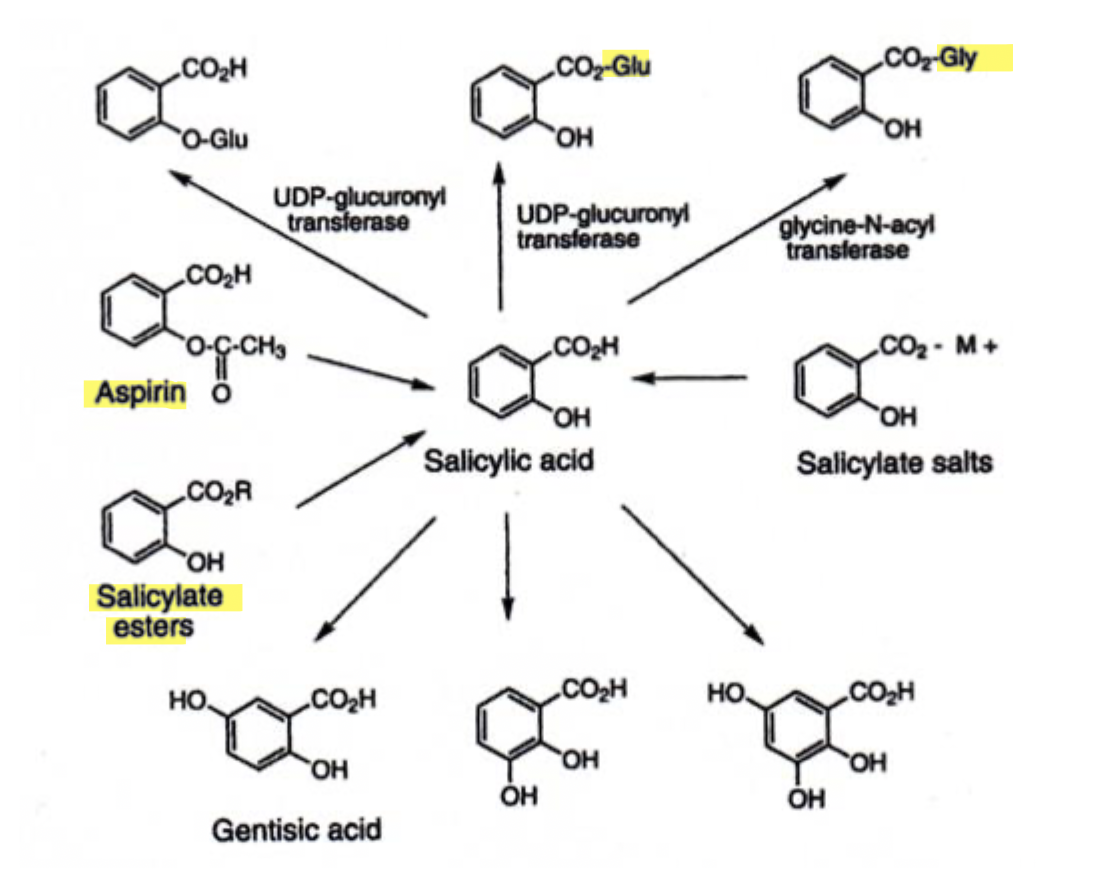
how is aspirin converted and what is it converted to
what are the different processes that eliminate salicylate acid (3)
Toxicities (3)
Conversion via hydrolysis: Aspirin → salicylate acid (still active, meaning it can still have effects on the body)
The liver further metabolizes salicylate acid and want to make it easier to eliminate the drug from the body via oxidation:
CYP 450 enzymes add oxygen to different spots on the aromatic ring
Glucuronidation - addn of glucuronic acid to salicylate acid makes the molecule more water soluble and easier to excrete in the urine
attaches to hydroxyl group or carboxylic acid
Glycine conjugation - addn of glycine
main pathway for salicylate acid excretion
Toxicity
one of the glucuronidation products called acyl glucuronide can be chemically reactive; this is NOT unique to aspirin, can also occur in other NSAIDs
Salicylate hypersensitivity reaction
Reye’s syndrome
pt may have suffered from viral infection (flu) and taking aspirin in that time can develop an autoimmune disease of brain and liver swelling
use of aspirin in young children is not recommended due to this
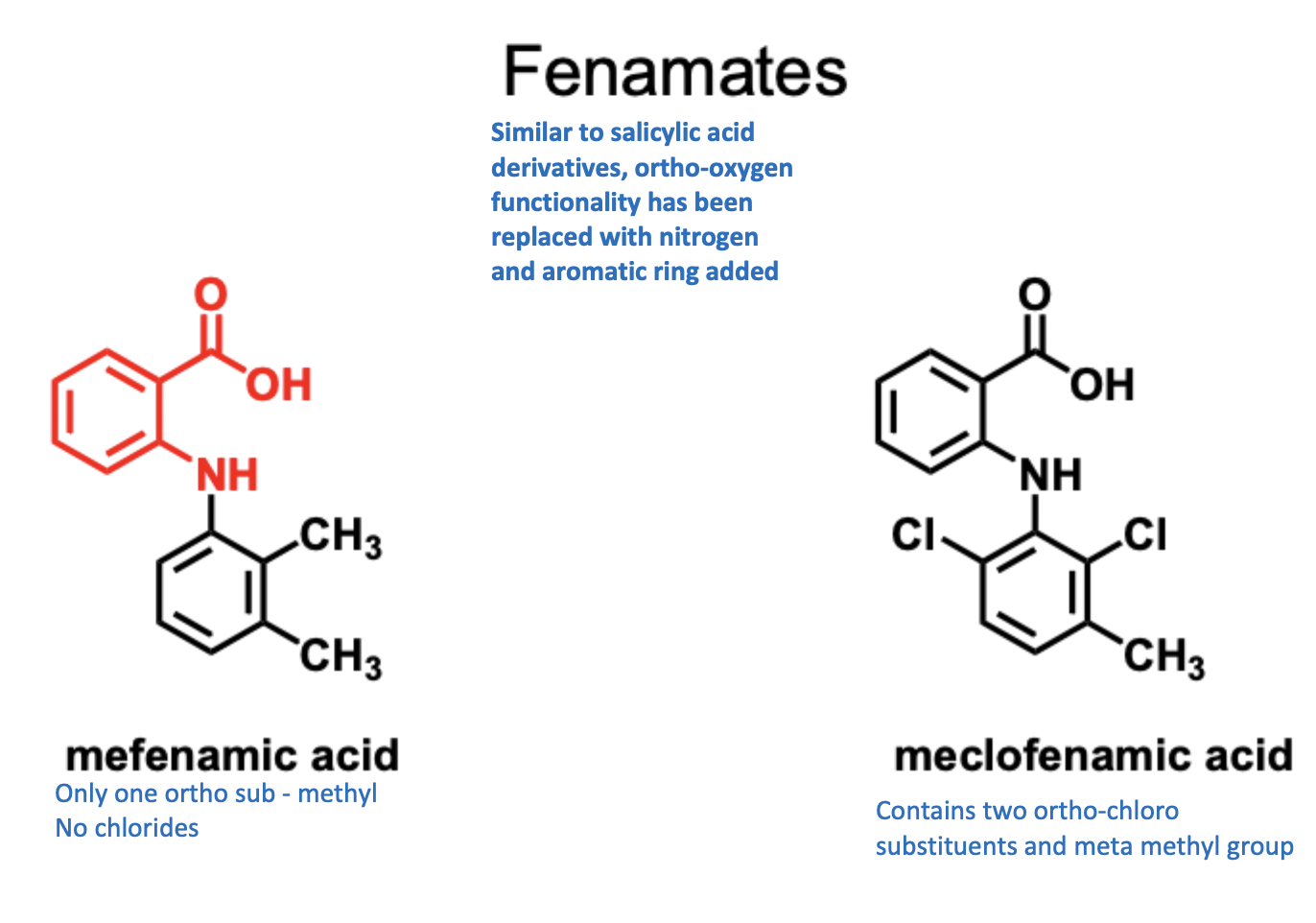
Fenamates - closely related to salicylates
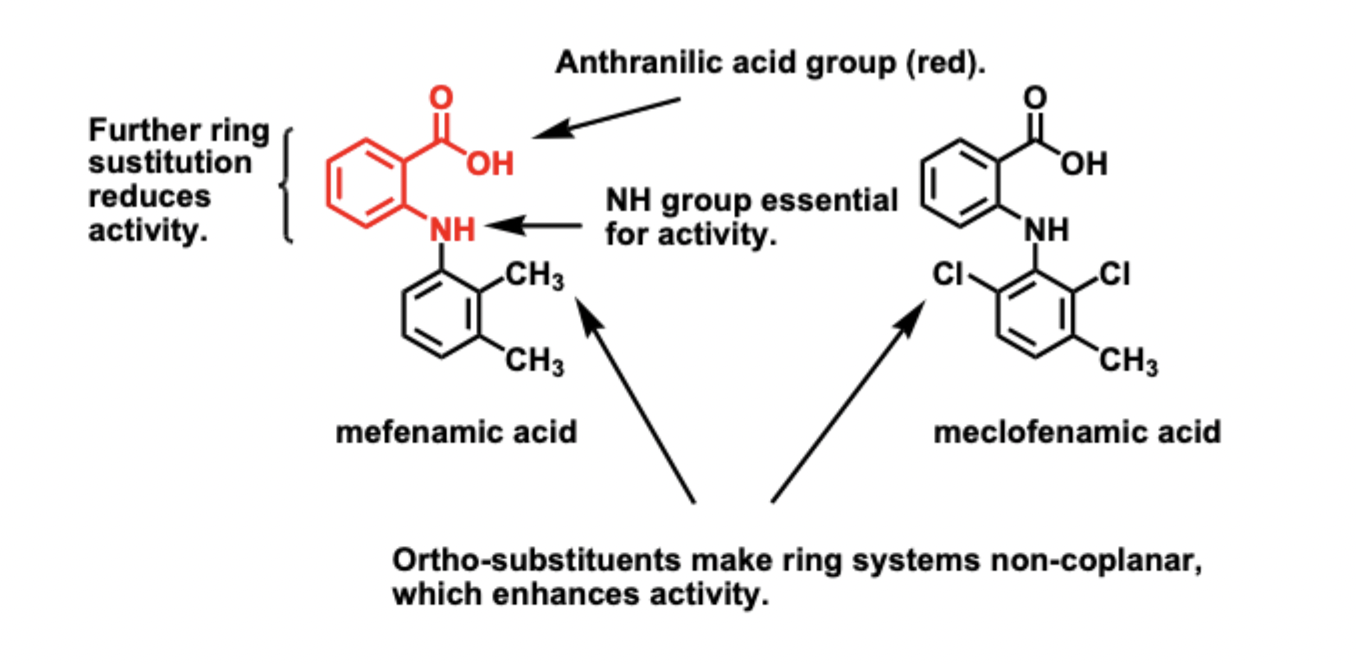
General SAR for fenamate NSAIDs
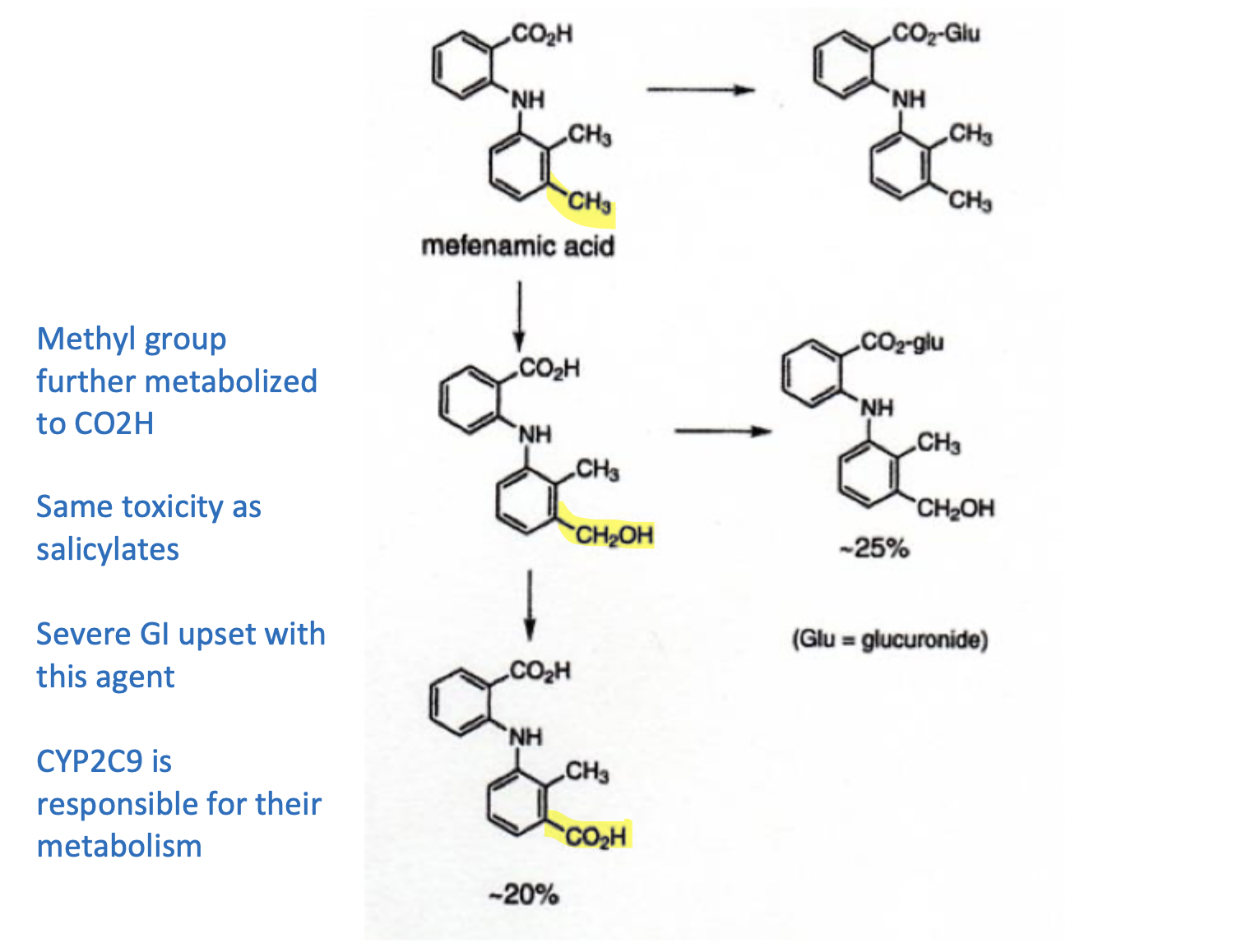
Fenamate metabolsim
Anywhere where there’s a benzylic methyl, it is a hot spot for cytochrome P450 metabolism
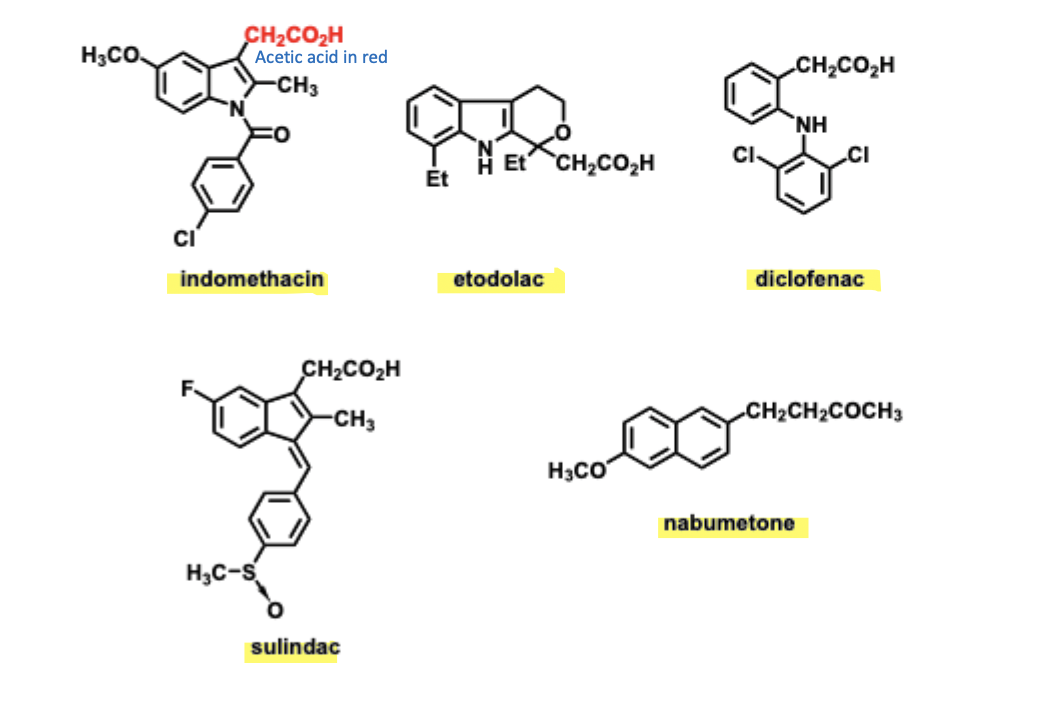
Acetic acids
all have acetic acid portion except nobumatine
Etodolac has a chiral center in the molecule
Solindac and Diclofenac are associated with higher incidence of liver toxicity
Diclofenac structure is similar to acetaminophen
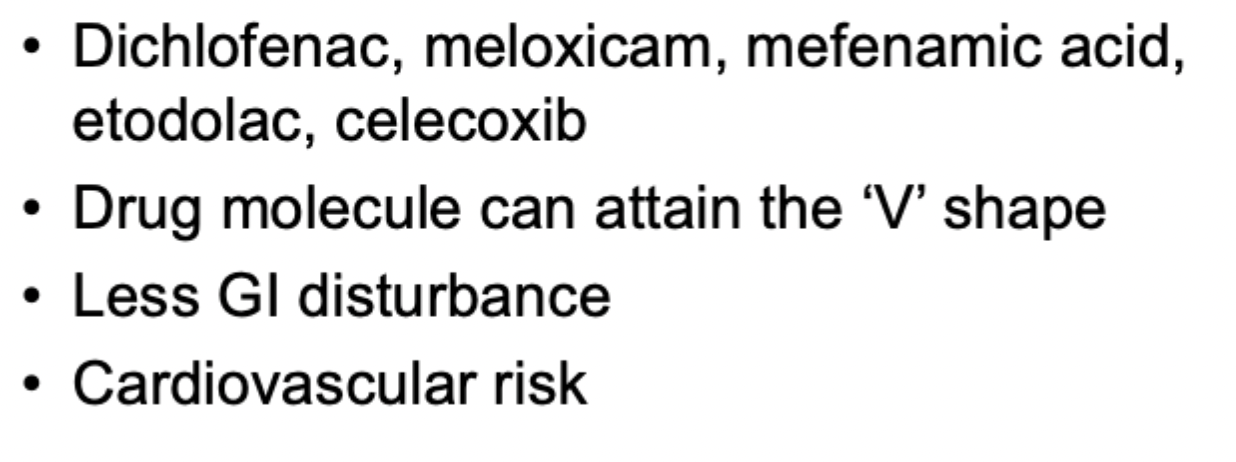
Etodolac and diclofenac are COX-2 selective molecules
All are Rx
but diclofenac can be purchased OTC (cream/gel)
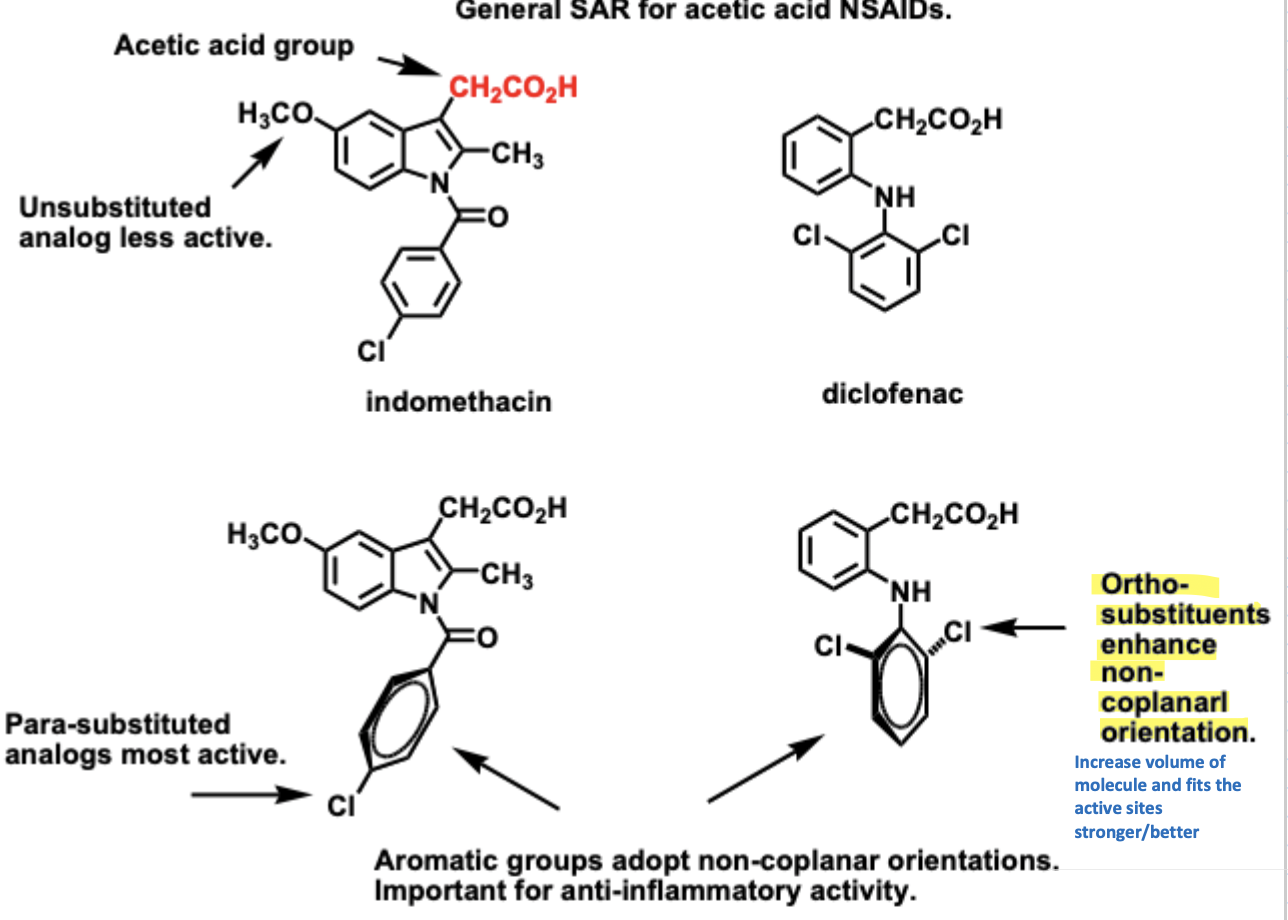
General SAR for acetic acid NSAIDs
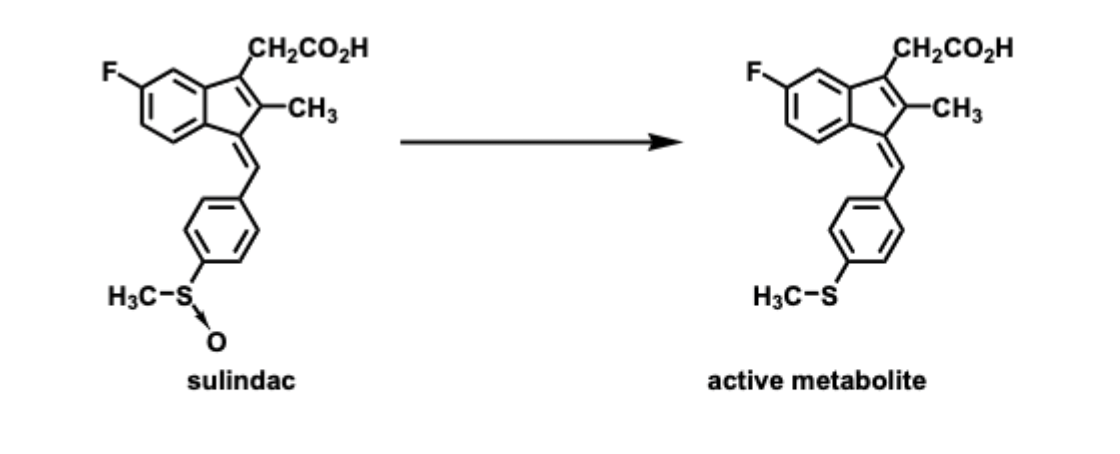
Sulindac and nabumetone are prodrugs
Sulindac
Active form conversion: reduction of the sulfoxide to the sulfide; may also oxidize the sulfoxide all the way to the sulfone
Nabumetone - does not have a carboxylic acid, it has a ketone
needs to be bioactived to the carboxylic acid
Active form conversion:
Oxidation: insert oxygen between the carbonyl and CH2 group
Hydrolysis occurs
Further oxidation occurs
Active carboxylic acid metabolite
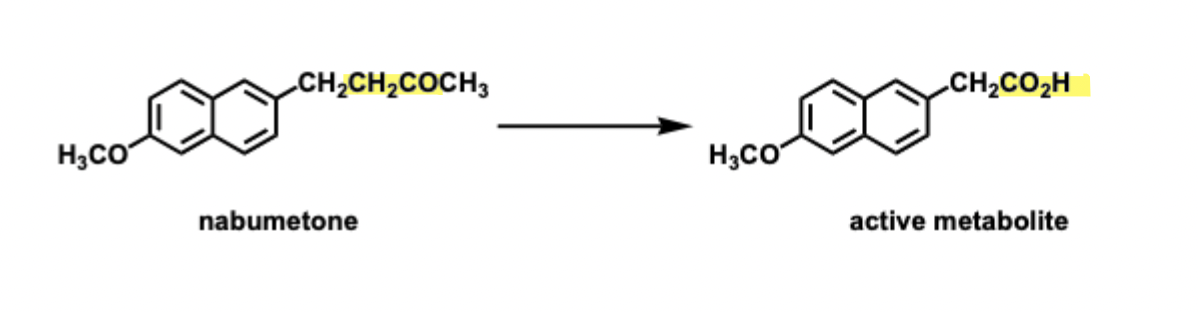
CYP3A4 activates these prodrugs?
Propionic acids
None are COX-2 selective
All have the aromatic ring and propionic acid structure
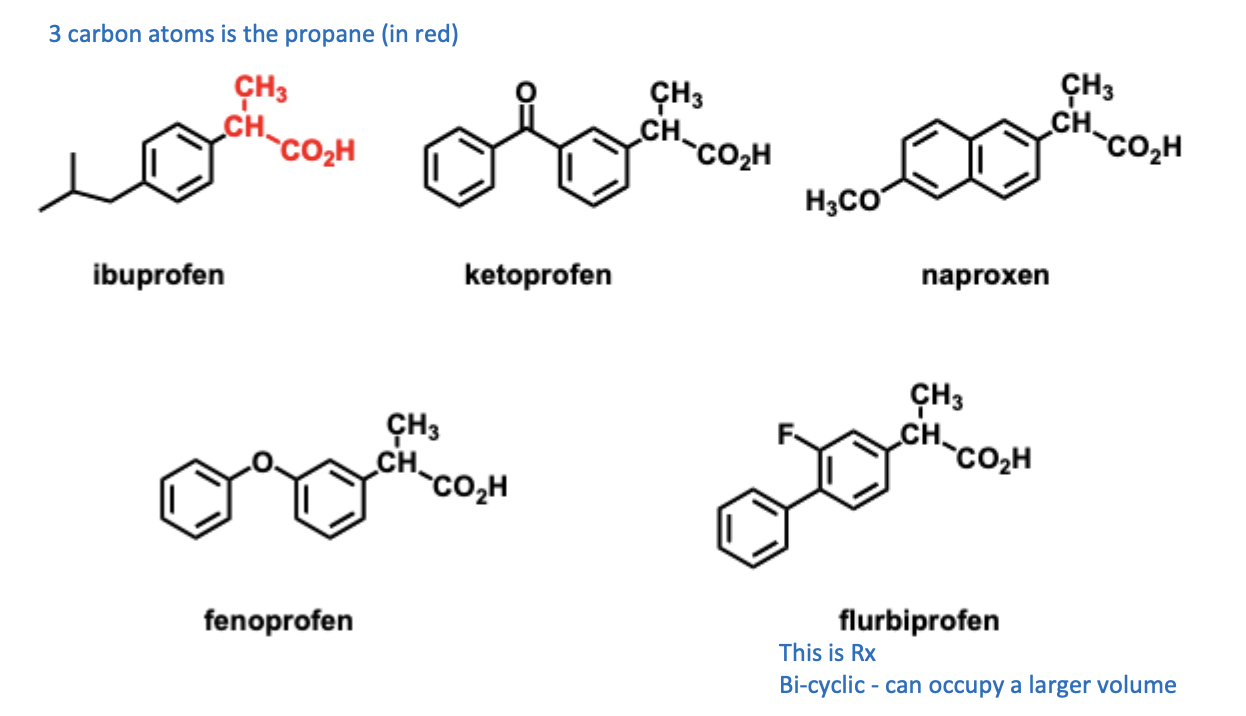
General SAR for propionic acid NSAIDs
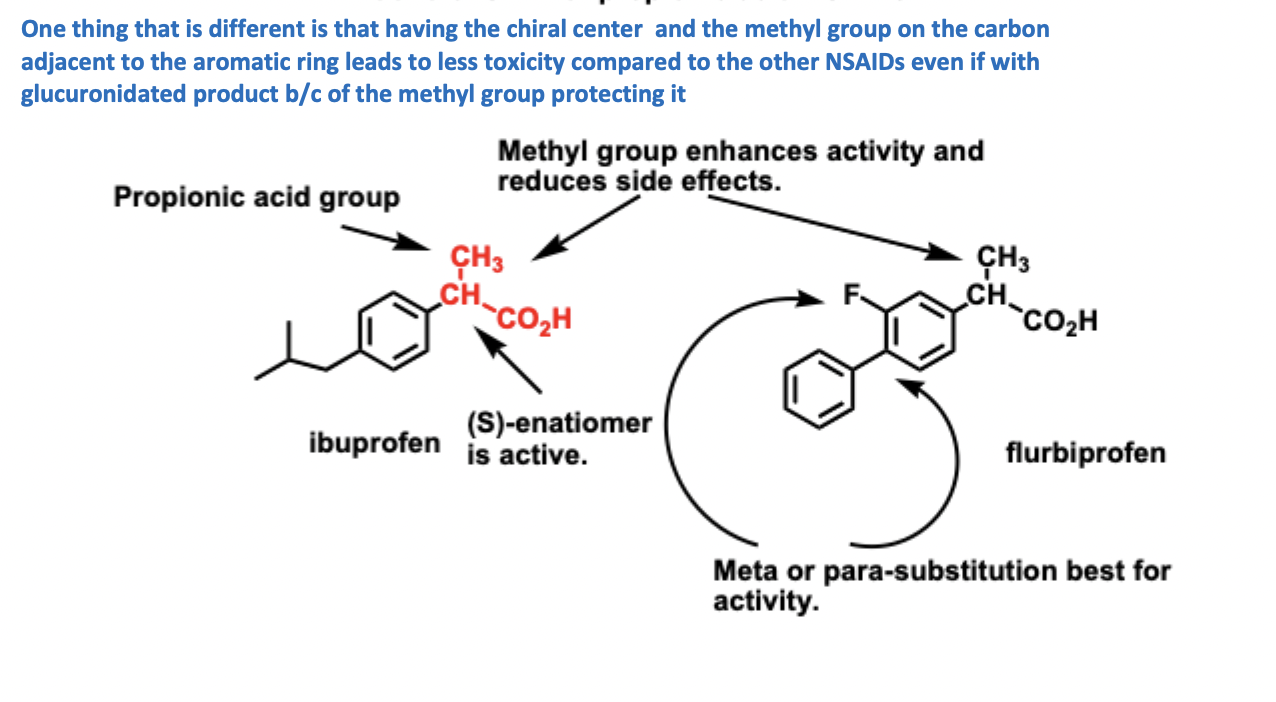
Oxicams
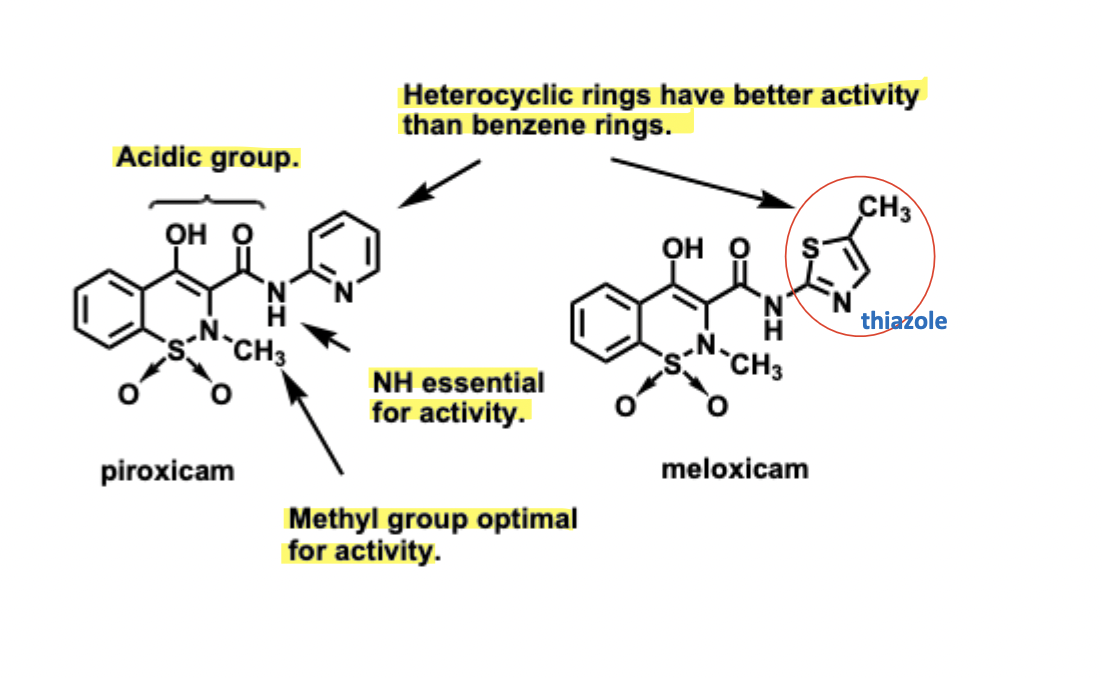
these are enolic acids (acidic)
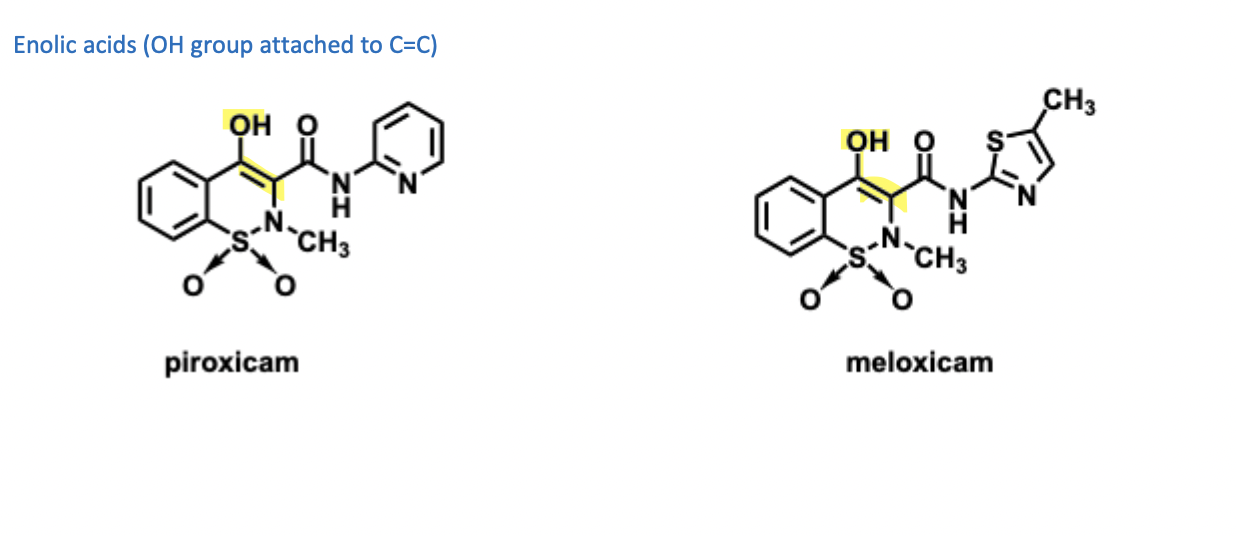
General SAR for oxicam NSAIDs
meloxicam is COX-2 selective b/c:
the electronic of thiazole ring changing conformational preferences in the molecule
Coxibs (COX-2 Selective)
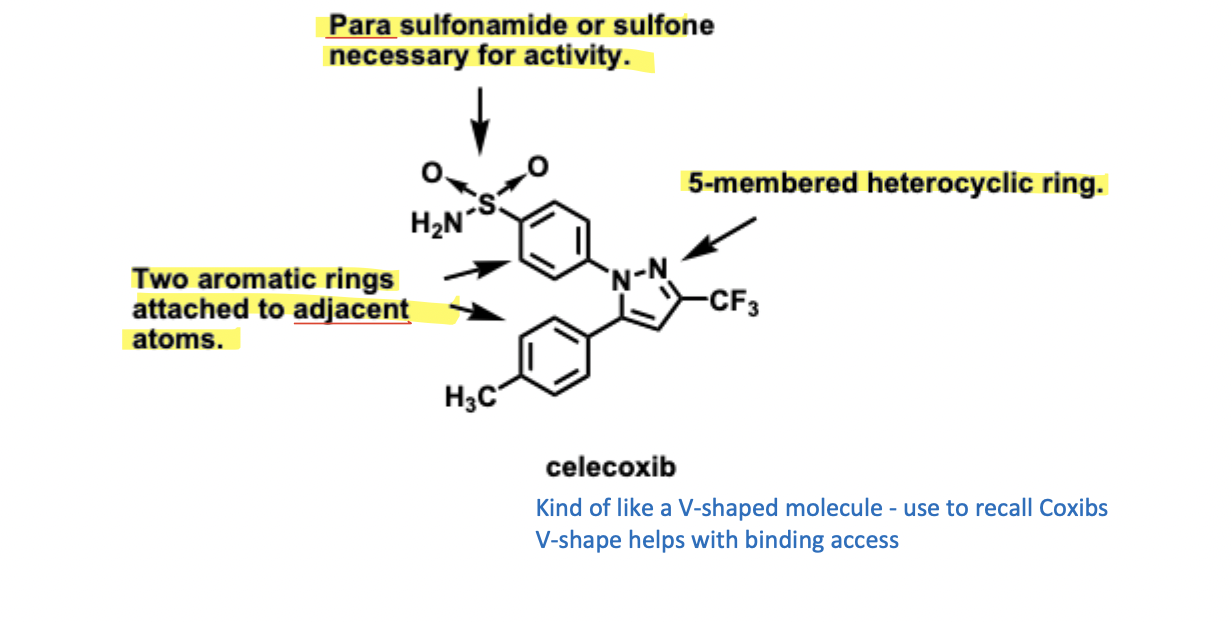
these are purposefully designed to be COX-2 selective
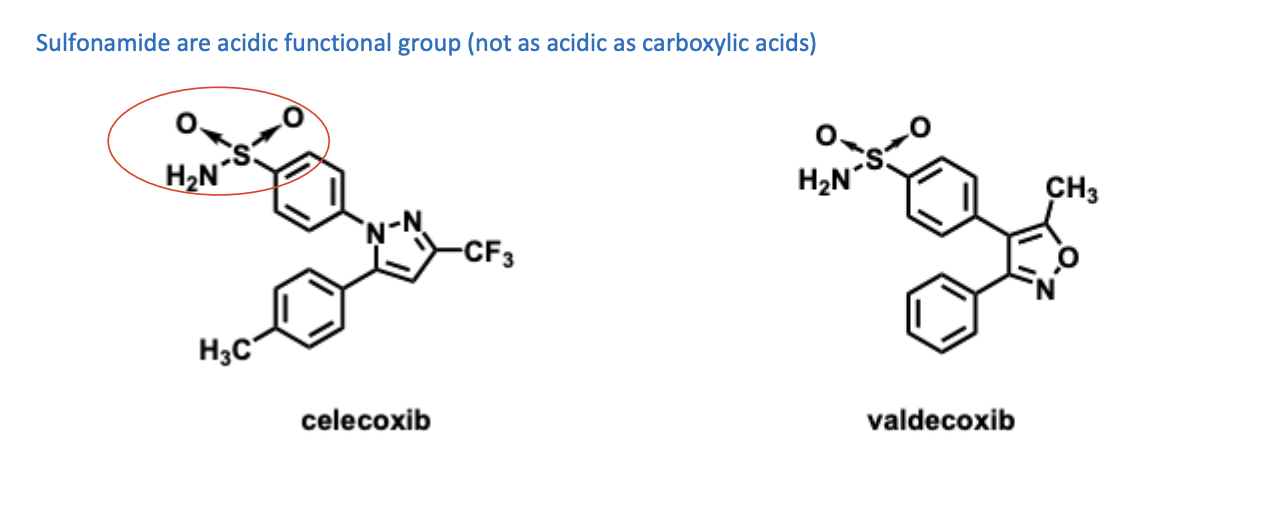
General SAR for coxib NSAIDs
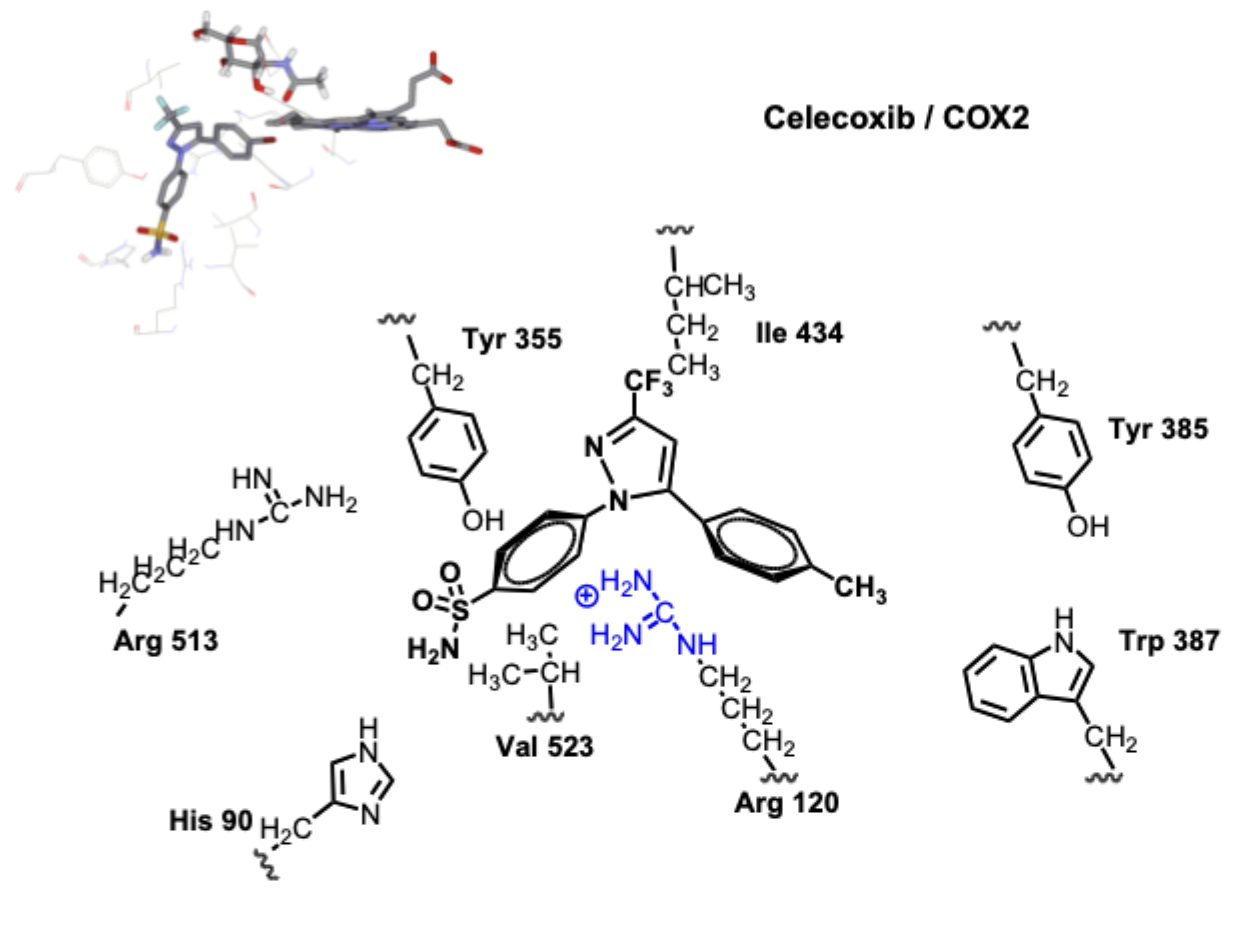
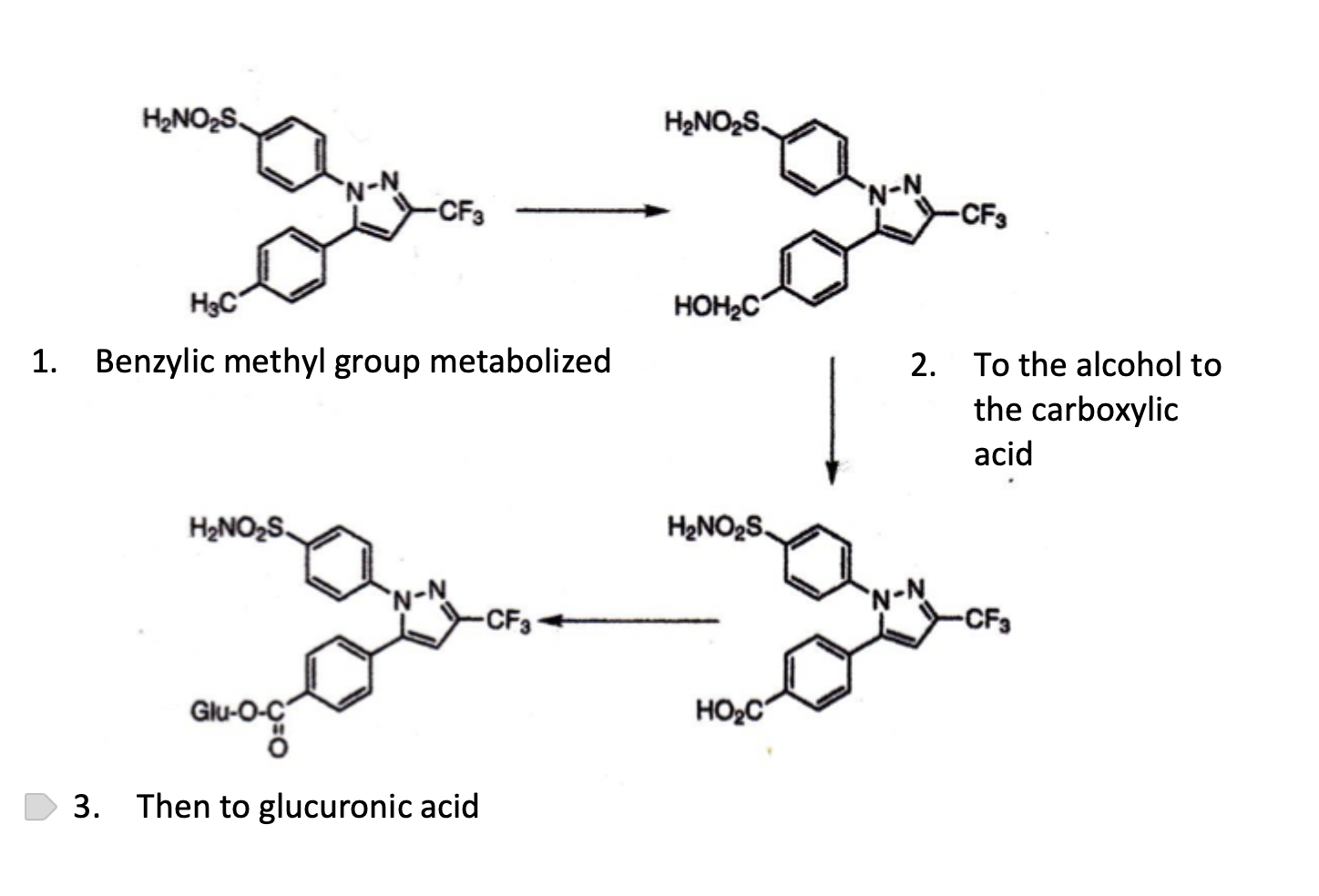
Coxib metabolism
If Chloro or Fluoro group instead of methyl group, metabolism is not well achieved - had too long of a half life
COX-2 selective charatertics
NSAID Generalizations