VETT 111 Final Exam
 Call Kai
 Learn
Learn Practice Test
 Spaced Repetition
 Match
Match Flashcards
 Knowt Play
1/124

There's no tags or description
Looks like no tags are added yet.
Name | Mastery | Learn | Test | Matching | Spaced | Call with Kai |
|---|
No analytics yet
Send a link to your students to track their progress
125 Terms
What is veterinary toxicology?
Area of science pertaining to the diagnosis and treatment of intoxication in pets, livestock, and wildlife species
What is a toxicant?
A toxic agent / a toxic substance resulting from human activity
What is a toxin?
A poison produced by a biologic source (including venom)
What is acute toxicosis?
Effects appear in first 24 hours
What is chronic toxicosis?
Effects products by prolonged exposure (>3 months)
What is toxicity?
The degree to which a substance can cause harm
What is LD50?
Dose that is lethal to 50% of test subjects
How can intoxication occur?
Inhalation, ingestion, absorption, percutaneous
What factors into the toxicity of a substance?
Species, age, health status, route of exposure, dose, ADME, duration of exposure, frequency of exposure, environment
What are the principles of therapy in toxicosis of animals?
Prevent exposure, supportive/symptomatic treatment, specific antidotes
When is inducing emesis contraindicated in toxicosis cases?
If the toxicant can do even more damage coming back up, if the patient is convulsing, if the patient is sedated, if the patient is already vomiting, etc.
What is a gastrotomy?
What is a rumenectomy?
What are contraindications for activated charcoal in toxicosis cases?
Caustic substances and hydrocarbon as it is ineffective, planned endoscopy or abdominal surgery, GI obstruction, risk of aspiration pneumonia, severe dehydration, hypernatremia, hypovolemic shock, ileus, recent intestinal surgery, protracted vomiting
What are supportive/symptomatic treatments for toxicosis cases?
Anticonvulsants, analgesics, maintain airway/oxygenation, +/- treat for shock, dehydration, electrolyte imbalance, cardiac dysfunction
specific antidotes lecture 10
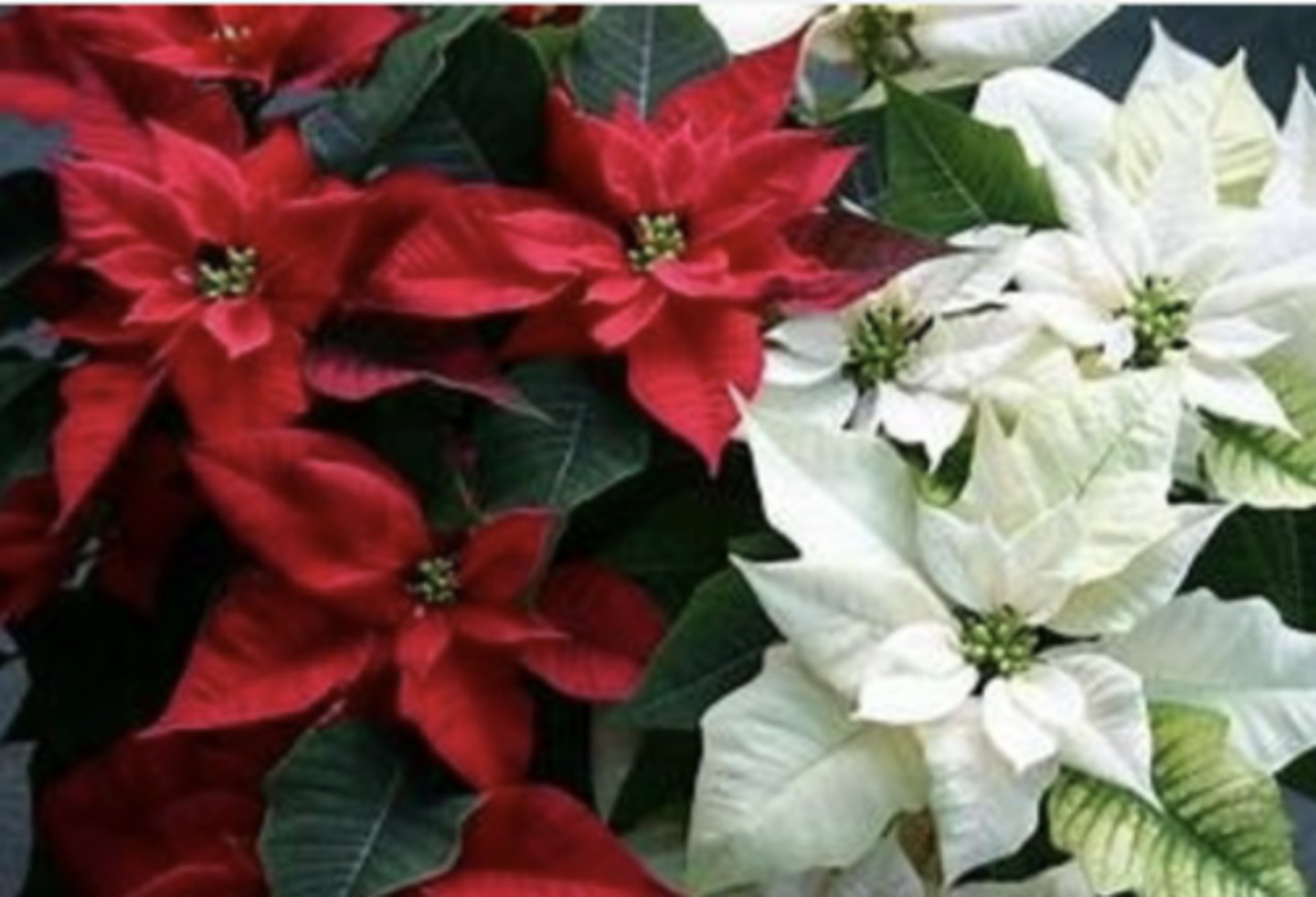
What species are poinsettias toxic to?
Dogs, cats, horses
Sap is irritating to mouth and stomach
What are the clinical signs of poinsettia intoxication?
Vomiting, ptyalism, diarrhea, skin, or eye irritation
Is treatment usually necessary for poinsettia intoxication?
Not unless clinical signs are severe
What is ptyalism?
Hypersalivation
Poinsettias
What are azaleas also known as?
Rosebay, rhododendron
Azaleas
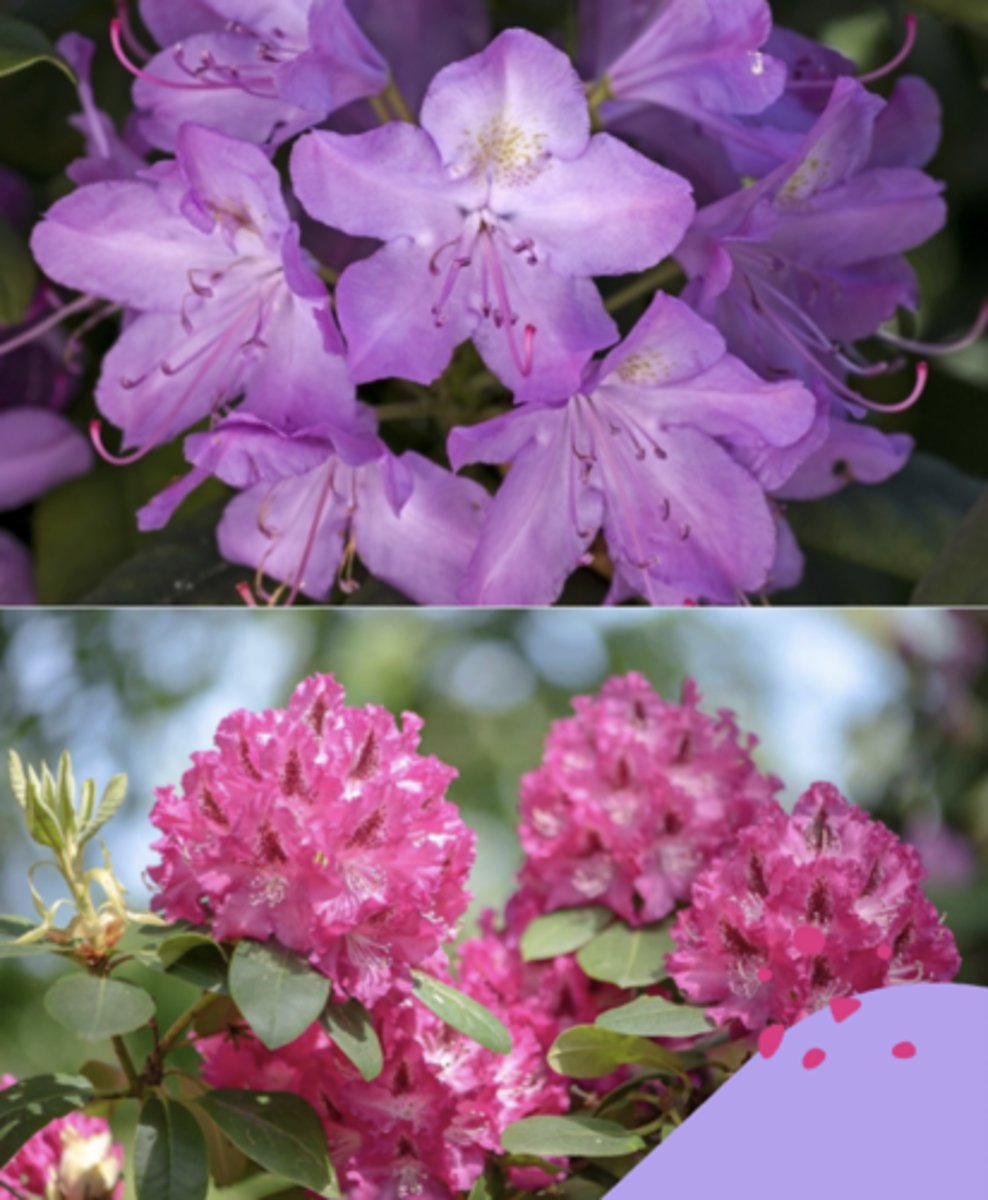
Which species are azaleas toxic to?
Dogs, cats, horses, goats, etc.
What makes azaleas toxic?
Grayanotoxins disrupt sodium channels
What are the clinical signs of azalea intoxication?
Vomiting, diarrhea, ptyalism, weakness, heart failure, arrhythmias, tremors, seizures, death
What is the prognosis of azalea intoxication?
Fair with treatment
Are lilies toxic to dogs?
Yes, but not as severely as cats
Which part of a lily is toxic?
Any part, including pollen and the water it is in
What does lily intoxication lead to?
Kidney failure that is fatal especially if treatment is delayed
Which lilies can lead to acute kidney injury?
Easter lily, Japanese lily, oriental lily hybrids, casa blanca lily, tiger lily, daylilies
Which lilies can make pets sick but do not result in acute kidney injury?
Peruvian lily, lily of the valley, calla lily/trumpet lily, peace lily, flame lily
What is oleander also known as?
Rose-bay
What is the scientific name of oleander?
Nerium oleander
What species is oleander toxic to?
Dogs, cats, horses
What makes oleander toxic?
Cardiac glycosides lead to electrolyte imbalance in the heart
What are the clinical signs of oleander intoxication?
Ptyalism, abdominal pain, diarrhea, colic, tremors, seizures, depression, death
Hyperkalemia, arrhythmias
Is there an antidote available for oleander intoxication?
Yes but it is expensive and reserved for severe, life-threatening cases
What is the scientific name of foxglove?
Digitalis purpurea
What species is foxglove toxic to?
Dogs, cats, horses
What makes foxglove toxic?
Cardiac glycosides (primarily digitalis and digoxin)
What are the clinical signs of foxglove intoxication?
Ptyalism, abdominal pain, vomiting, diarrhea, colic, tremors, seizures, depression, death
Hyperkalemia, arrhythmias
Is there an antidote available for foxglove intoxication?
Yes but it is expensive and reserved for severe, life-threatening cases
What species is marijuana toxic to?
DOGS!!!!, and cats
What makes marijuana toxic?
Delta-9-THC; and since CBD products are not well regulated, they can contain small amounts of THC that are enough to cause toxicity
What are the clinical signs of marijuana intoxication?
Lethargy, vomiting (more likely in cats), ataxia, bradycardia, sedation, urinary incontinence, excitation, ptyalsim, mydriasis, hypothermia, tremors, hypotension, seizures, coma, death (rare)
Are urine drug tests useful for diagnosing marijuana toxicity?
No; dogs do not reliably produce the metabolite that urine drug tests are testing for, leading to false negatives even in severe cases
Good correlation in cats, but still not perfect
How is marijuana toxicity treated?
Supportive care; IV lipid emulsion therapy if hypotensive or comatose
What is blue-green algae?
Cyanobacteria found in lakes, ponds, and rivers
What does blue-green algae appear as?
Blue-green or red-brown blooms, mats, foam, scum; water smells of rotting plant material
What species is blue-green algae fatal to?
Dogs, humans, etc.
What makes blue-green algae toxic?
Cyanotoxins that lead to liver and neurologic injury after injection
What are the clinical signs of blue-green algae intoxication?
VOmiting, diarrhea, lethargy, pale MM, collapse, ptyalism, tremors, dyspnea, muscle rigidity, paralysis, seizures, respiratory arrest, sudden death
How is blue-green algae intoxication treated?
Supportive care; maybe blood products if coagulopathy due to liver failure
Is there an antidote for blue-green algae intoxication?
No
What does ingestion of Amanita spp. cause?
Acute liver failure; GI signs 6-12 hours after exposure, liver failure, death in 1-2 days if severe
What does ingestion of psilocybin, hydrazine, and isoxazole mushrooms cause?
Neurologic signs; onset in minutes to hours (<6hrs): weakness, ataxia, tremors, seizures, alternating lethargy and agitation, GI signs
What does ingestion of muscarinic mushrooms, etc. cause?
GI signs; onset in minutes to hours (<6hrs): vomiting, diarrhea, hypovolemia, bradycardia, SLUDGE signs
What does ingestion of Cortinarius spp. cause?
Potentially nephrotoxicity, but no reports in dogs or cats; signs delayed 12 hours to days: PU/PD, vomiting, dehydration
What are SLUDGE signs?
Salivation, lacrimation, urination, dyspnea, GI upset, emesis
How is mushroom intoxication treated?
Stabilize, decontaminate, provide supportive care
If possible, once stable, contact expert for identification of the mushroom
What are methylxanthines?
Theobromine and caffeine
What makes methylxanthines toxic?
They increase intracellular calcium, increase epinephrine/norepinephrine, etc.
What species are methylxanthines toxic to?
Dogs, cats
What other differentials can methylxanthine intoxication appear as?
Amphetamine intoxication, pseudoephedrine intoxication, cocaine intoxication, antihistamine intoxication, antidepressant intoxication
When do clinical signs appear following methylxanthine exposure?
6-12 hours after
What clinical signs does a 20mg/kg dose of methylxanthine intoxication cause?
Vomiting, diarrhea, polydipsia, restlessness
What clinical signs does a 40-50mg/kg dose of methylxanthine intoxication cause?
Tachycardia, bradycardia, hypertension, hypotension, tachypnea, muscle tremors, hyperthermia, arrhythmias, cyanosis, muscle tremors, may develop pancreatitis
What clinical signs does a 60+mg/kg dose of methylxanthine intoxication cause?
Seizures
How much milk chocolate can be fatal to a dog?
1 once per pound of body weight potentially fatal
How is methylxanthine intoxication diagnosed?
EKG, bloodwork
How is methylxanthine intoxication treated?
Stabilize, treat symptoms, decontimate (emesis/gastric lavage), urinary catheter to make sure methylxanthines not reabsorbed by bladder mucosa
Should activated charcoal be used in the treatment of methylxanthine intoxication?
No; only in high dose exposures where emesis has not been successful
What is xylitol?
Sweetner in sugar-free foods, deodorants, sunscreen, etc.
What species is xylitol toxic to?
Dogs
What does a >75 mg/kg xylitol intoxication cause?
Insulin release leading to hypoglycemia (30 mins to 18 hours) leading to vomiting, weakness, ataxia, depression, hypokalemia, seizures, coma, death
What does a >500 mg/kg xylitol intoxication cause?
Liver injury (unknown mechanism) hours to days after exposure, leading to vomiting, depression, icterus, coagulopathy, hyperbilirubinemia, thrombocytopenia, hyperphosphatemia, death
How is xylitol intoxication diagnosed?
History, exam/blood work
How is xylitol intoxication treated?
Decontamination (emesis if asymptomatic), hospitalization, IV fluids + dextrose, serial bloodwork (BG q1-2 hours, liver values q24hrs), hepatoprotectants (SAM-e, silymarin, N-acetylcysteine)
What percentage of canine xylitol intoxication cases with liver injury died/were euthanized?
62%
What other differentials can xylitol intoxication appear as?
Insulinoma, heat stroke, mushroom intoxication, blue-green algae intoxication, sago palm toxicity
What is blackpatch?
Rhizoctonia leguminicola infection of red clover and other legumes in hot/humid weather. When severe, leaves/stems die, making them look blackened/scorched
What does slaframine cause?
Hypersalivation ("slobbers")
What species is blackpatch toxic to?
Horses, ruminants, camelids
What are the biggest risks of blackpatch intoxication?
Dehydration and electrolyte abnormalities
Is treatment for blackpatch intoxication necessary?
Maybe not if signs are mild, just remove from source
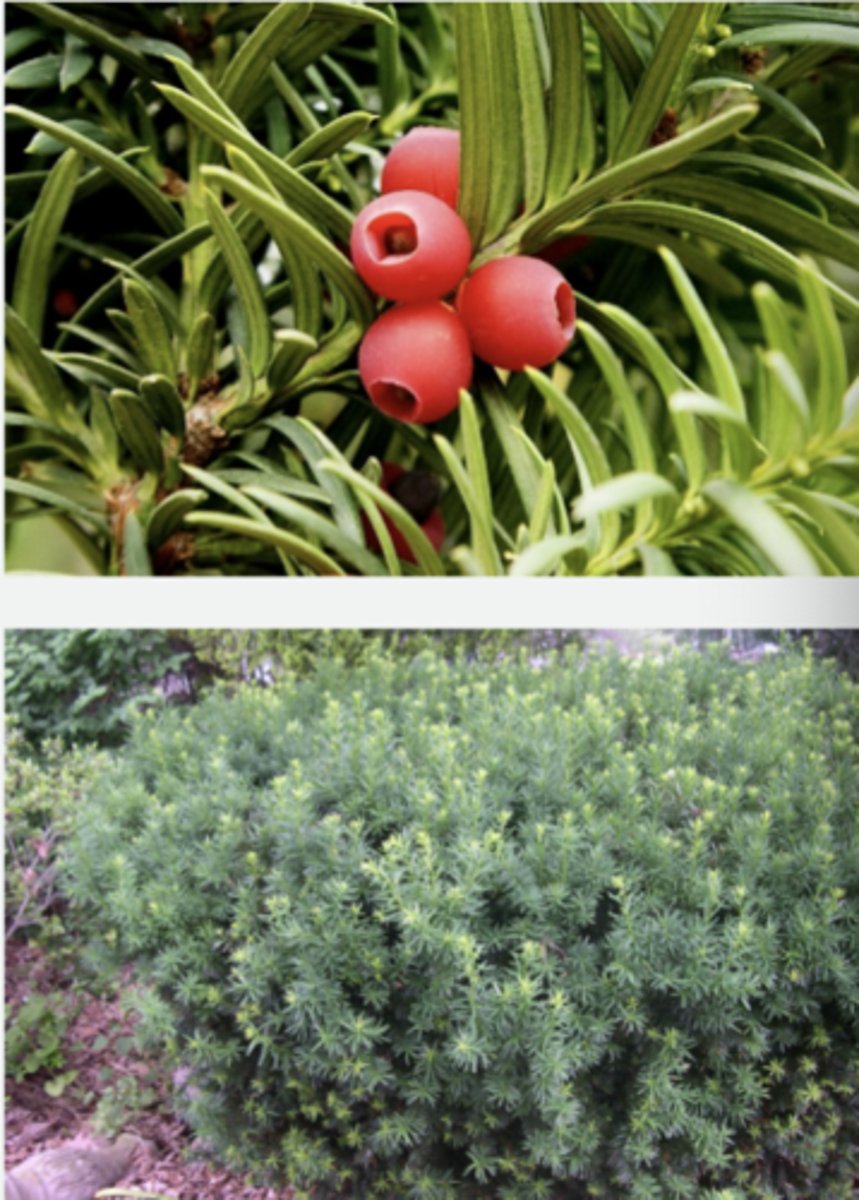
What is the scientific name for yew?
Taxus spp.
What is yew?
Ornamental shrubs containing toxic alkaloids
What species is yew toxic to?
Sheep, cattle, horses, goats, pets, people, etc.
What are the clinical signs of yew intoxication?
Vomiting, diarrhea, bradycardia, dyspnea, nervousness, tremors, ataxia, seizures, sudden death (only because people do not tend to check on livestock very often)
How is yew intoxication diagnosed?
Observance of leaves in the stomach/rumen
How is yew intoxication treated?
Remove animal from source, atropine if needed
Yew
What makes bracken fern toxic?
Contains several toxic compounds and carcinogenic in many species (low doses, long exposure)
What species is bracken fern toxic to?
Cattle, horses, sheep
What does bracken fern intoxication cause?
Coagulopathy and urinary tract neoplasia -> hematuria -> anemia, weakness, weight loss, dyspnea, pale MM, hemorrhage
What does bracken fern intoxication lead to in sheep?
Bright blindness (tapetal hyperreflecitivity and blindness)
What does bracken fern intoxication lead to in horses and other monogastrics?
Bracken staggers if high doses for long duration (anorexia, weight loss, ataxia, crouched stance while arching the back and neck, standing with feet placed wide apart, trembling, arrhythmias, seizures, death)
What are ionophores?
Feed additives that increase gains in food producing species (monensin, lasalocid, salinomycin)
What species are ionophores toxic to?
Horses, dogs, rabbits