Food Deserts
 Call Kai
 Learn
Learn Practice Test
 Spaced Repetition
 Match
Match Flashcards
 Knowt Play
1/4

Earn XP
Description and Tags
Project
Name | Mastery | Learn | Test | Matching | Spaced | Call with Kai |
|---|
No analytics yet
Send a link to your students to track their progress
5 Terms
Food Deserts
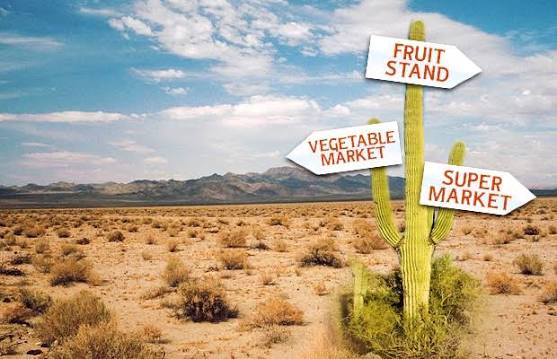
Food deserts are areas that have limited access to affordable and nutritious food.
Food Deserts
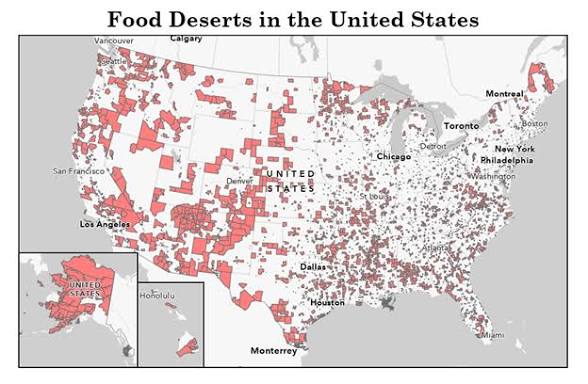
In the United States alone, approximately 54 million people live with food insecurity, with more than half of those people living in food deserts.
Food Deserts
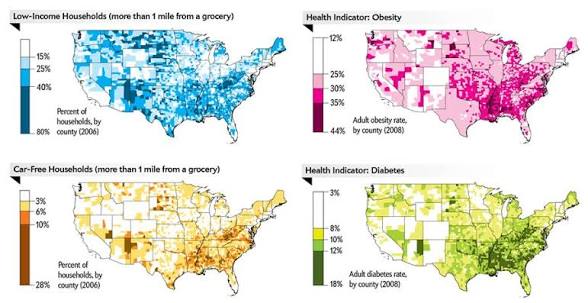
The health consequences of this are serious. Long term limited access to healthy and nutritious food is a major reason many people suffer higher rates of obesity, type 2 diabetes, and cardiovascular disease. To put it in perspective, people living in food deserts have a 44% higher risk of a heart attack compared to those with better access to nutritious food. Adults who are food insecure are two to three times more likely to develop type 2 diabetes. And the life expectancy of people living in food deserts is more than two years lower than those living in areas with better food access.
Food Deserts
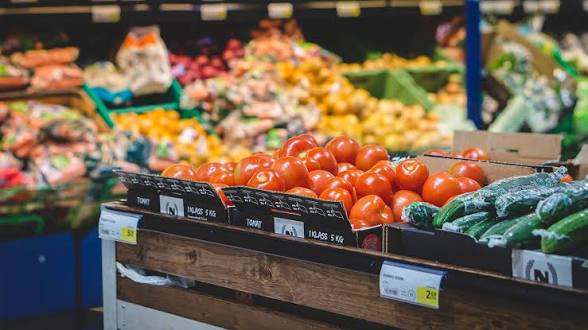
So how does a food desert form in the first place? There are two major reasons. First, major food retailers tend to shy away from low income areas, choosing to establish stores in higher income areas instead to ensure more profit. This leaves entire communities without a grocery store within a reasonable distance. Second, about 2.3 million people in the United States live more than a mile from a supermarket and have no vehicle. Even if a store exists nearby, getting there is a significant barrier for a large portion of the population living in these areas. Together, these two factors trap communities in a cycle that is very difficult to break out of through traditional solutions alone.
Food Deserts
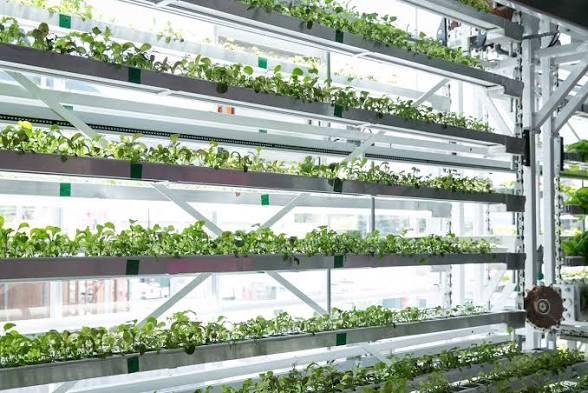
That is where hydroponics comes in. Hydroponics is a method of growing food without soil, allowing for year round production of healthy and nutritious food that can be implemented in any setting like urban buildings, shipping containers, schools, community centers, and more. Because a hydroponic farm can be established directly within a food desert community, it directly addresses the transportation barrier. Residents no longer need a car or a long commute to access fresh produce it can be grown right where they live.
While hydroponics does require regular maintenance and attention, that is actually an opportunity rather than a drawback. That need for maintenance opens the door for job creation, providing employment to people in the low income communities that need it most. Combined with affordable pricing, hydroponics offers a solution that feeds communities, employs them, and empowers them at the same time.
With affordable prices, job opportunities, year round production, and the ability to be established anywhere, hydroponics presents itself as one of the most promising solutions to food deserts that we have today and as the technology continues to improve, its potential will only grow.