Parasitology lecture

0.0(0)
Studied by 13 people
call kaiCall Kai
learnLearn
examPractice Test
spaced repetitionSpaced Repetition
heart puzzleMatch
flashcardsFlashcards
GameKnowt Play
Card Sorting

1/91

flashcard set

Earn XP

Description and Tags

Last updated 1:23 AM on 5/27/26
Name
Mastery
Learn
Test
Matching
Spaced
Call with Kai

No analytics yet

Send a link to your students to track their progress

92 Terms

1
New cards
One organism benefits while the host is harmed
Parasitism
2
New cards
Protozoa-unicellular
helminths-multicellular, worms
ectoparasites-multicellular, ticks, mites
Classification
3
New cards
capsule like sac that encloses organisms in their dormant or larval stage
Cyst
4
New cards
active feeding stage of protozoan parasite
trophozoite
5
New cards
adult or sexually mature parasite
Definitive/final host
6
New cards
developmental stages
intermediate host
7
New cards
soil, water, vegetation
extracorporeal
8
New cards
>obain 3 stool samples in a 10 day period
>ova and parasites: O&P
>Transportation-liquid is good for 30 min, semisolid 1 hour, formed 24 hour
>Preservatives: 10% formalin-wet mounts, concentration techniques
PVA-polyvinyl alcohol-permanent stains
Parasite specimen collection and handling
9
New cards
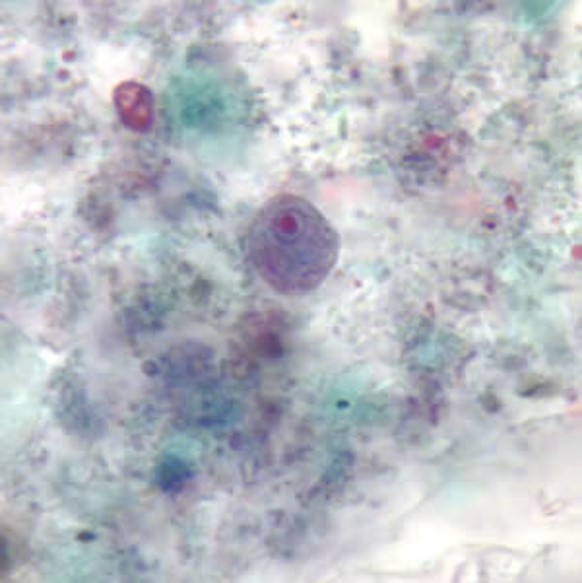
10% formalin
What preservative is better for eggs, cysts, and larvae
10
New cards
PVA
What preservative is best for eggs, cysts, and trophozoites
11
New cards
Cellophane tape test, blood, urine, sputum, other tissues
Ways to collect specimen
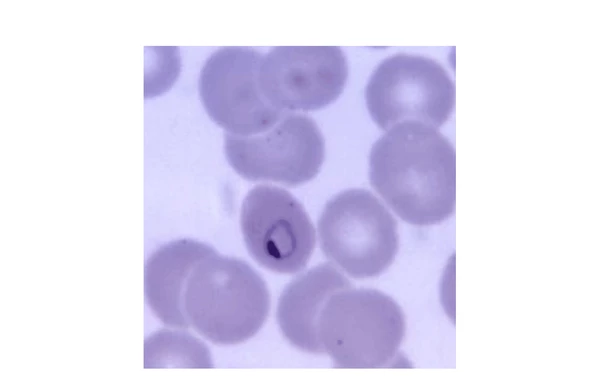
12
New cards
trophs
Softer consistency more likely contain
13
New cards
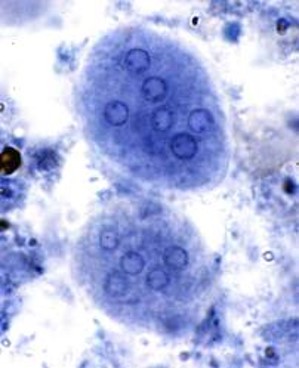
cysts
formed consistency more likely to contain
14
New cards
>separate parasites from fecal debris
Useful for recovering eggs, cysts, and larvae
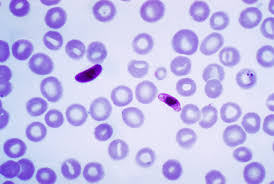
>Trophs are usually destroyed
Concentration techniques
15
New cards
Iodine- protozoan cysts
Trichrome-protozoan trophozoites and cysts
modified acid fast stain-sporozoa
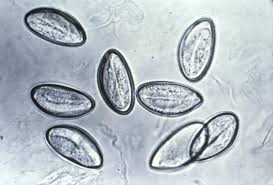
Stain techniques
16
New cards
Human ingests developed egg, larval form hatches in intestine
Nematode life cycle
17
New cards
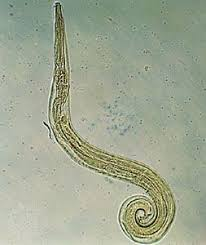
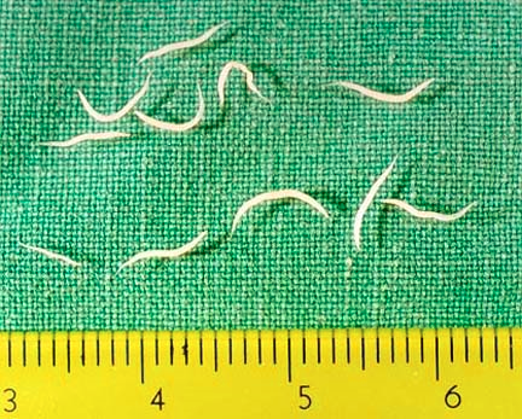
<p>Pinworm-most common nematode infection in U.S.</p>

Pinworm-most common nematode infection in U.S.

Enterobius vermicularis
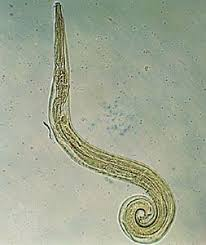
<p>Enterobius vermicularis</p>
18
New cards
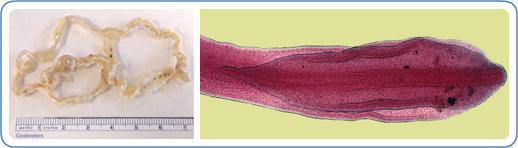
<p>What worm is this</p>

What worm is this

enterobius vermicularis/pinworm

19
New cards
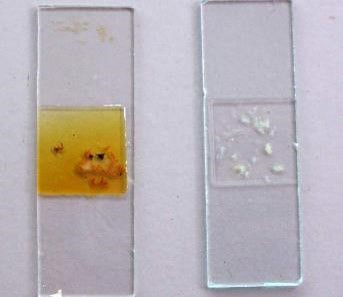
Most common in children, fecal oral or fecal to any surfaces
Symptoms: perianal itching
Diagnosis: cellophane tape test
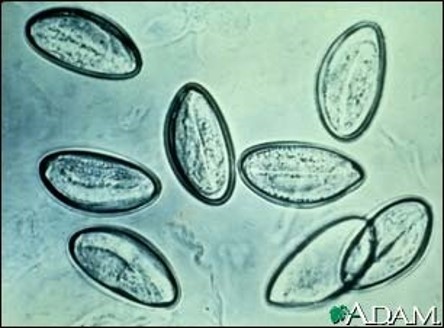
Cycle and diagnosis of enterobius vermicularis
20
New cards
Pinworm
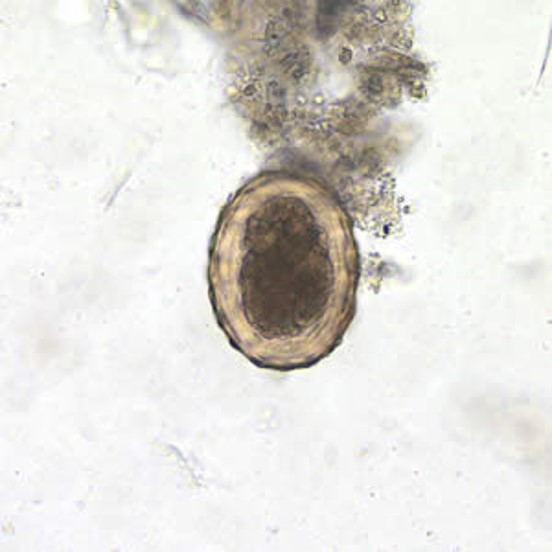
What is this egg
What is this egg
21
New cards
Pinworm
What is this adult
What is this adult
22
New cards
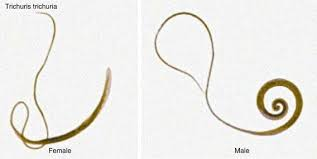
<p>whipworm-southern U.S.
transmission: ingest infective eggs from soil or on food
Adult worms live in colon</p>

whipworm-southern U.S. transmission: ingest infective eggs from soil or on food Adult worms live in colon

Trichuris trichiura
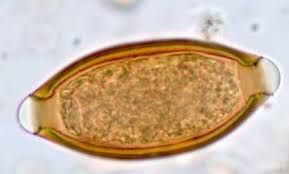
<p>Trichuris trichiura</p>
23
New cards
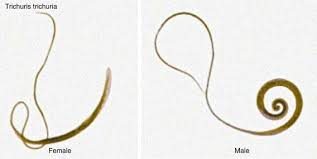
<p>What is this adult</p>

What is this adult

trichuris trichiura/whipworm
24
New cards
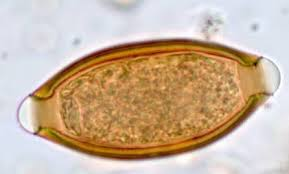
<p>what is this egg</p>

what is this egg

trichuris trichiura/whipworm

25
New cards
light infection: asymptomatic
heavy infection: enteritis, diarrhea, rectal prolapse
Diagnostic stage: eggs in feces
Symptoms of trichuris trichiura
26
New cards
"roundworm"
largest intestinal roundworm
Southern U.S.
Ascaris lumbricoides
27
New cards
infective egg from soil or food, larval migration through liver and lungs, adult worms in small intestine
light infection: asymptomatic
Heavy infection: pneumonia, diarrhea and bowl obstruction
Diagnosis: eggs or adults in feces, adults may exit from nose, mouth
Transmission and symptoms of Ascaris lumbricoides
28
New cards
Ascaris adult
NOTE: normally earth worm color this is preserved
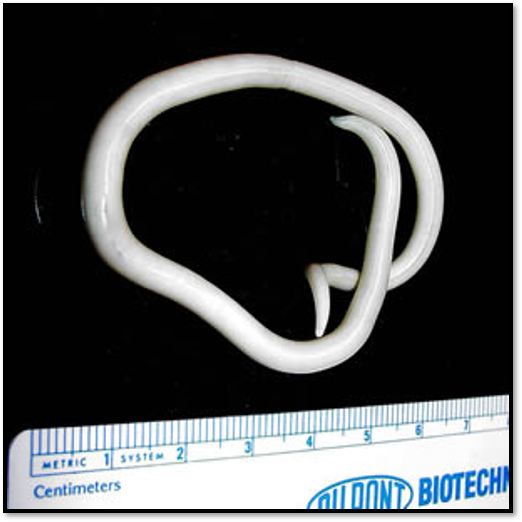
What is this
What is this
29
New cards
Ascaris fertilized egg
What is this egg
What is this egg
30
New cards
hookworm
infective larvae penetrate host skin
larva migrate through blood and lungs, cough up larva and swallow to bring adults into small intestine
Necator americanus
31
New cards

necator americanus/hookworm

What is this
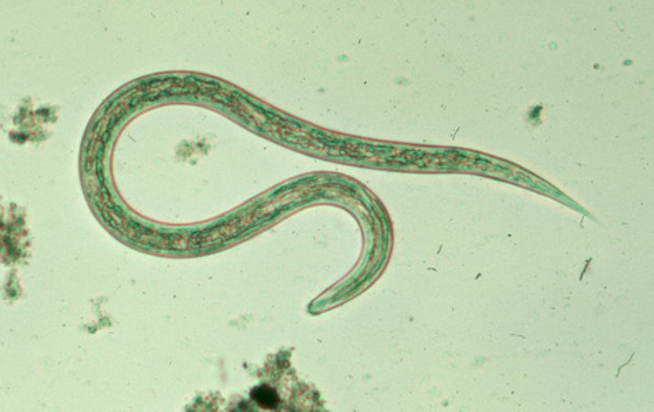
<p>What is this</p>
32
New cards

Hookworm/necatar americanus

What is this egg
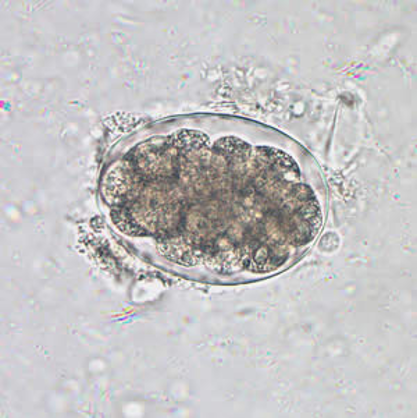
<p>What is this egg</p>
33
New cards
trichina worm
ingestion of encysted larva in undercooked meat
Adults live in small intestine, larval migration from striated muscle (diaphragm, eye muscles, arms)
symptoms: gastric distress, fever, muscle pain, eosinophilia- produce a lot of eosinophils
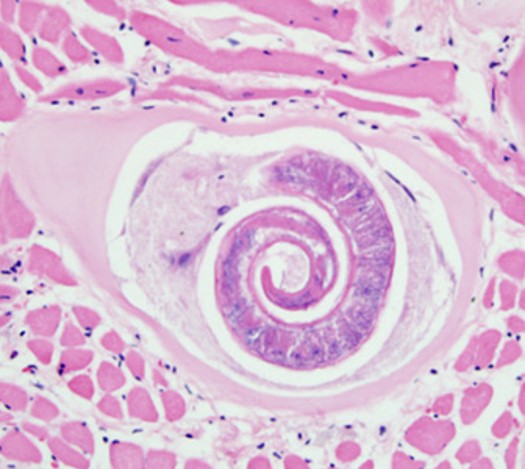
Trichinella spiralis
34
New cards
<p>trichinella spiralis</p>

trichinella spiralis

What are these larvae
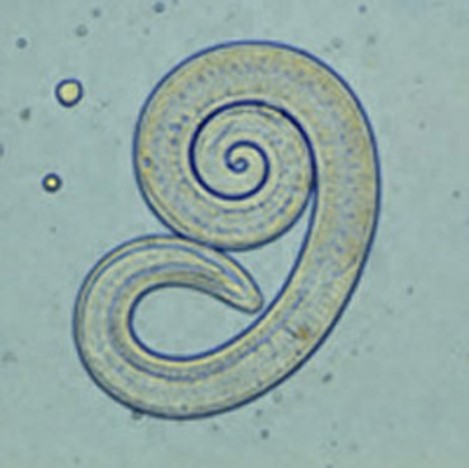
<p>What are these larvae</p>
35
New cards
look for intact worms, consistency, color
macroscopic examination
36
New cards
protozoa-unicellular
Cysts and trophs are only in what group
37
New cards
wet mount prep: use unpreserved stool, saline prep for motile, iodine prep to enhance detail but can kill trophs, sometimes sealed with nail polish, use low power scanning, high power for suspicious structures
microscopic examination for O&P
38
New cards
separate parasites from fecal debris
flotation, sedimentation
Fecal concentration
39
New cards
use a solution which have a higher specific gravity than the parasites, parasites move to the top and debris sinks to the bottom. Produce cleaner material than the sedimentation technique but eggs and cysts will often collapse
Flotation
40
New cards
use solutions of lower specific gravity than the parasites, parasites fall to the bottom. Easier to perform and less prone to errors but trophs do not survive
Sedimentation
41
New cards
allows for the ID of nuclear detail, size, internal structures
Trichrome staining
42
New cards
cytoplasm: blue/green
Nuclear chromatin, karyosomes, chromatoidal bars, RBC: dark red/purple
Eggs/larvae: red
Yeast/background: green
Trichrome stain
43
New cards
Tapeworm
Adult lives in small intestine
Intermediate hosts: cow, pig, fish
Infective stage: larval form
transmission: ingestion of larval form
Diagnosis: eggs, proglottids, or scolex in feces
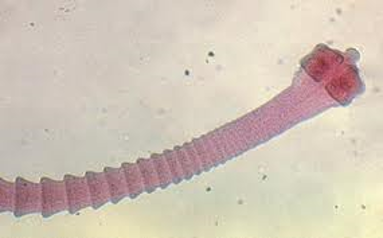
Cestode life cycle
Cestode life cycle
44
New cards

what is an example of a cestode

tapeworm, tinea species

45
New cards
segments of the tapeworm body where it absorbs nutrients from our intestines- have male and female reproductive organs
Proglottids
46
New cards
Dwarf tapeworm
ingestion of infective egg in food or water-auto reinfection is common
Light infections: asymptomatic
Heavy infections: abdominal pain, diarrhea
Hymenolepis nana
Transmission
Symptoms
47
New cards
Hymenolepis nana: dwarf tapeworm
What is this egg
What is this egg
48
New cards
beef tapeworm (up to 50 feet long)
cow
larva ingested in undercooked beef
asymptomatic or abdominal pain, diarrhea, weight loss
Taenia saginata
Intermediate host
transmission
symptoms
49
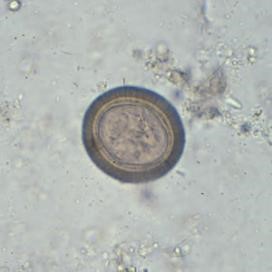
New cards
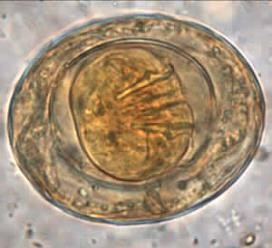
Pork or beef tapeworm-can't tell by egg but can tell by proglottids
What is this egg
What is this egg
50
New cards
Pork tapeworm (up to 30 feet)
larva ingested in undercooked pork
asymptomatic or abdominal pain, diarrhea, weight loss
Taenia solium
transmission
symptoms
51
New cards
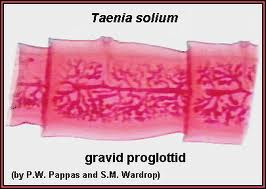
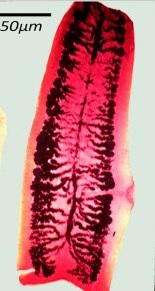
<p>Taenia solium proglottid</p>

Taenia solium proglottid

what proglottid is this
52
New cards
<p>taenia saginatta </p>

taenia saginatta

what proglottid is this

53
New cards
Fish tapeworm (up to 60 feet)
crustacean, fish
larva ingested in raw or undercooked freshwater fish
abdominal pain, weight loss, macrocytic anemia due to B12 deficiency
Diphyllobothrium latum
intermediate host
transmission
symptoms
54
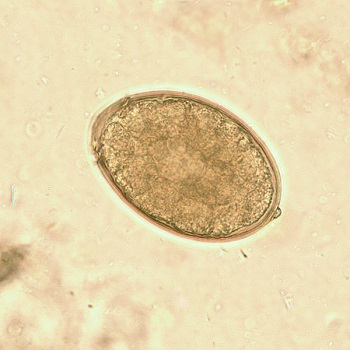
New cards
Fish tape worm egg
What is this
What is this
55
New cards
<p>What is this</p>

What is this

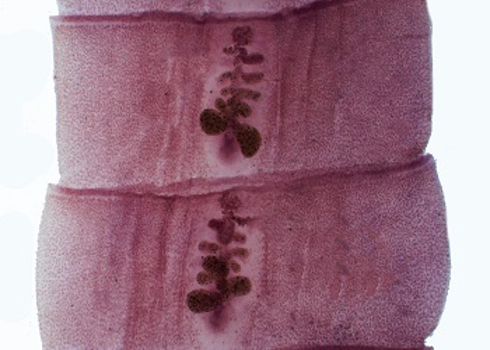
Diphyllobothrium latum fish tapeworm
56
New cards
Fish tape worm proglottids
What is this
What is this
57
New cards
Dog tapeworm
We are accidental hosts
infective eggs move to liver or lung
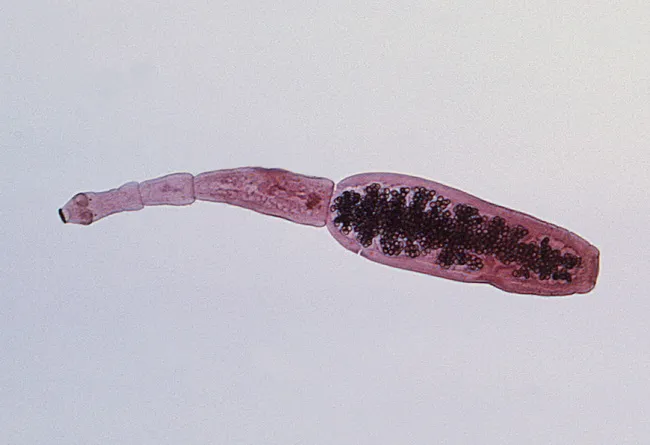
Echinococcus granulosus
58
New cards
<p>What is this</p>

What is this

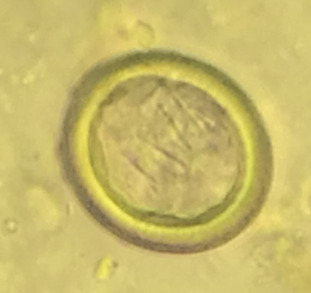
Echinococcus granulosus Dog tapeworm
59
New cards
<p>What is this</p>

What is this

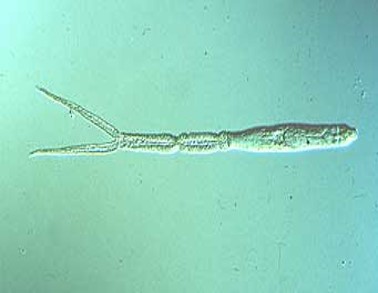
Echinococcus granulosus Dog tapeworm
60
New cards
swimmers itch: from fresh water contaminated by duck feces or snails, allergic response to penetration
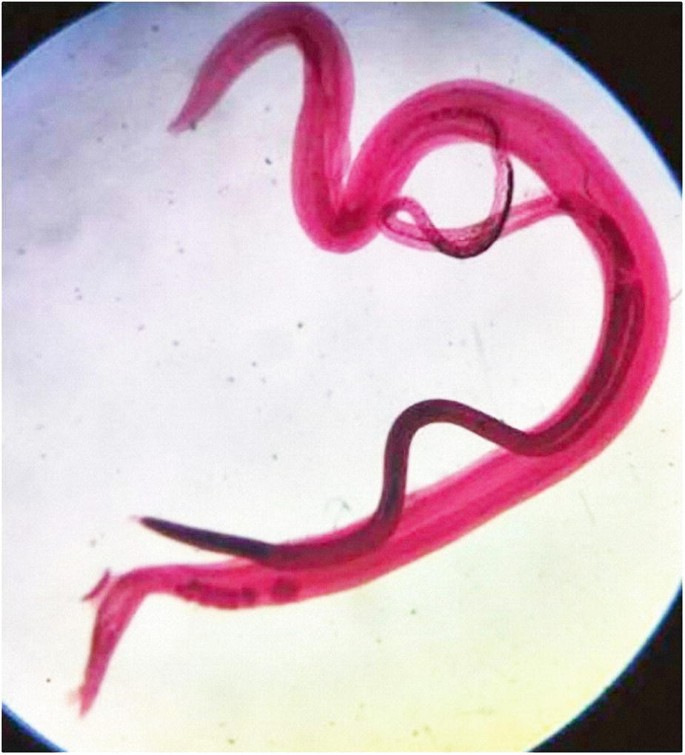
Schistosoma species-flukes
61
New cards
Schistosoma-swimmers itch
What is this
What is this
62
New cards
<p>what is this</p>

what is this

Schistosoma haematobium bladder fluke
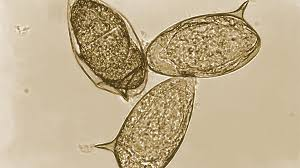
63
New cards
<p>what is this</p>

what is this

Schistosoma egg

64
New cards
Amoeba-motile via pseudopods
Flagellates-have flagella
Sporozoa- non-motile
Protozoan
65
New cards
Amebic dysentery-abdominal pain with bloody diarrhea
ingest infective cysts from fecally contaminated food and water
Trophs in large intestine
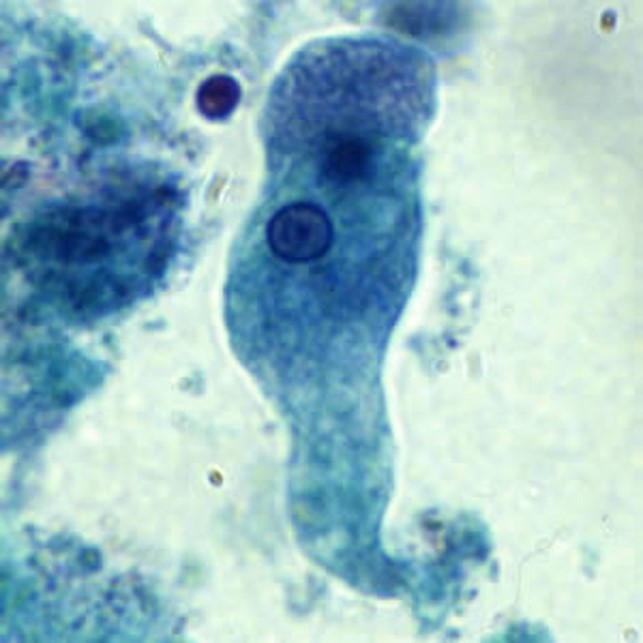
Entamoeba histolytica
66
New cards
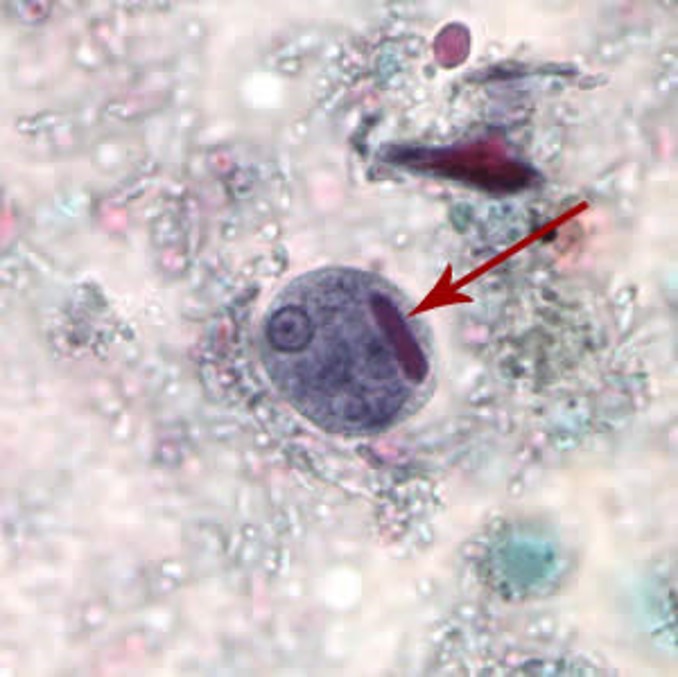
Entamoeba histolytica troph
What is this
What is this
67
New cards
Entamoeba histolytica cyst
What is this
What is this
68
New cards
traveler's diarrhea
Watery diarrhea, explosive, foul smelling, malabsorption syndrome
Ingest cysts in fecally contaminated food or water
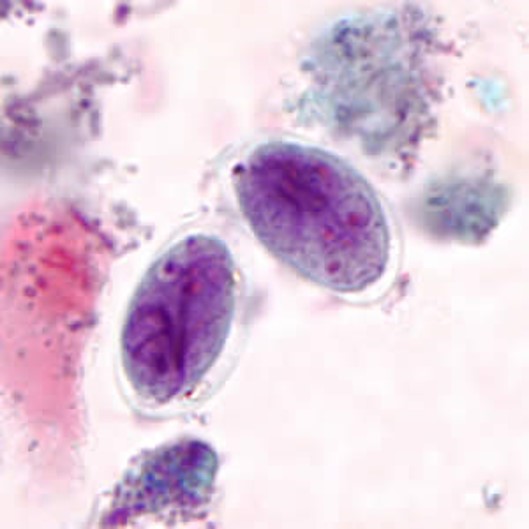
Giardia lamblia
69
New cards
Giardia lamblia cyst
What is this
What is this
70
New cards
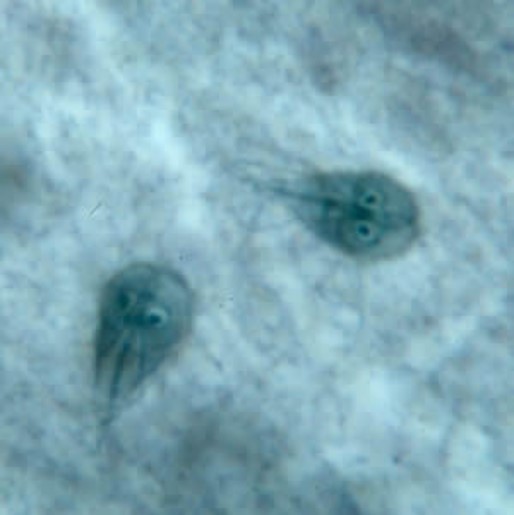
Giardia lamblia troph
What is this
What is this
71
New cards
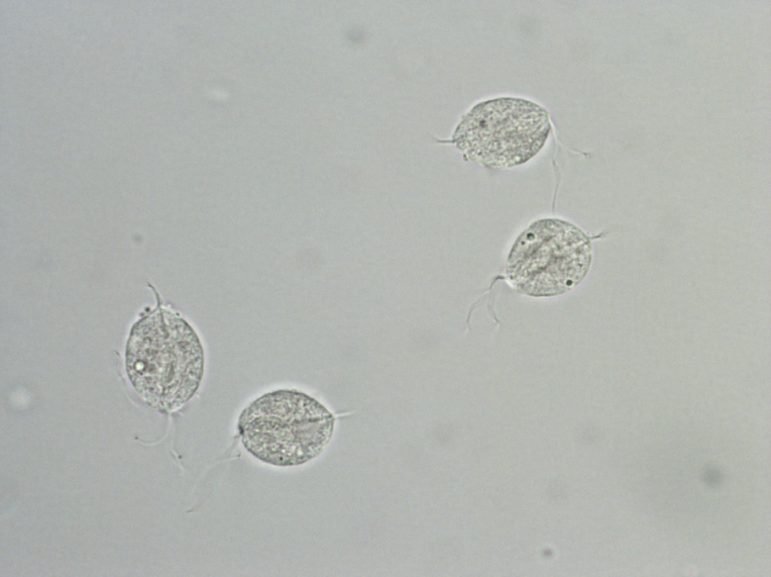
vaginitis, urethritis
irritating frothy vaginal discharge in females, males usually asymptomatic
sexual contact
trophs in urethra or vagina, urine
Trichomonas vaginalis
causes
symptoms
transmission
diagnosis
72
New cards
Trich-only if it's moving
What is this
What is this
73
New cards
chagas disease
fever, muscle pain, malaise, occur 2-3 weeks after the bite-chronic damage to the heart may occur
Diagnosis: trypomastigotes in blood, amastigotes in heart and other tissues
Xenodiagnosis: examine bugs for organism
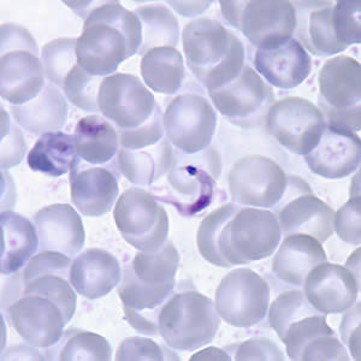
Trypanosoma cruzi
74
New cards
Trypanosoma cruiz
What is this
What is this
75
New cards
plasmodium vivax-most common
plasmodium malariae
plasmodium falciparum-most severe
plasmodium ovale-rare
Cyclic fever, chills, anemia
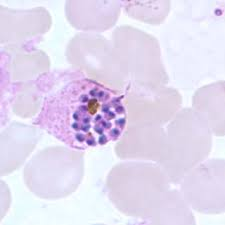
Plasmodium species:malaria
76
New cards
<p>what is this</p>

what is this

plasmodium ovale

77
New cards
<p>What is this</p>

What is this

plasmodium falciparum

78
New cards
<p>what is this</p>

what is this

plasmodium malariae troph
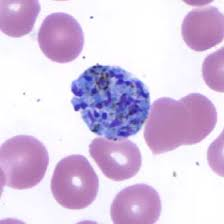
79
New cards
<p>What is this</p>

What is this

plasmodium vivax troph

80
New cards
Nonpathogenic
Cyst: 1-8 nuclei, eccentric karyosome
Troph: 1 nuclei, ingested bacteria, no RBC
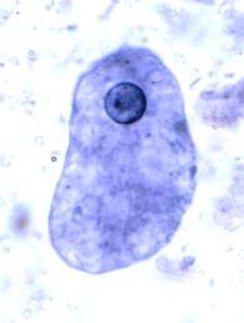
Entamoeba coli
81
New cards
Entamoeba coli troph
What is this
What is this
82
New cards
Entamoeba coli cyst
What is this
What is this
83
New cards
nonpathogenic, irregular clumped karyosome, no peripheral chromatin
Endolimax nana
Endolimax nana
84
New cards
acquired from contaminated fruit and veggis, immature oocysts are found in the feces and are 8-10 um
Cyclospora cayetanensis
85
New cards
Cyclospora cayetanensis
What is this
What is this
86
New cards
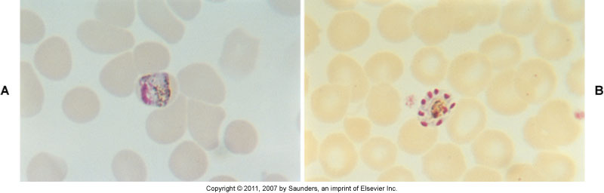
asexual phases in humans in the liver and in the RBC
Route of infection from female anopheles mosquito
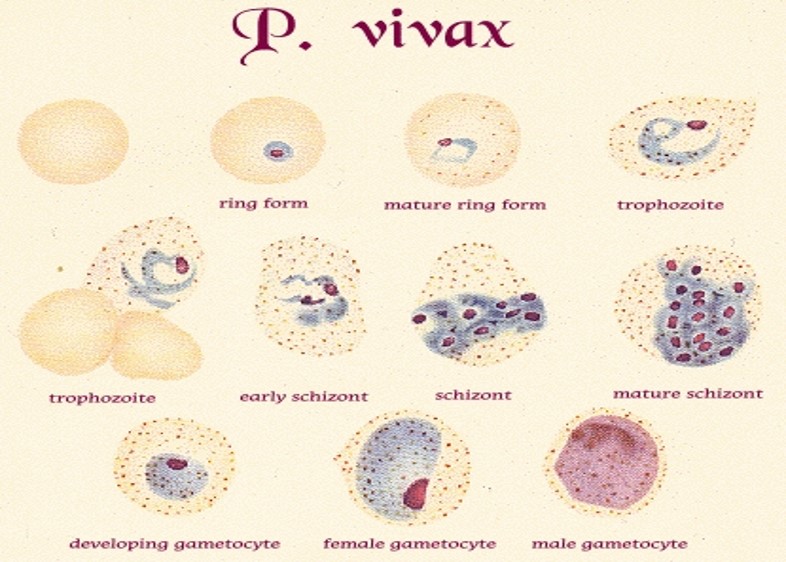
Plasmodium malaria
87
New cards
Not as severe 
Schuffner's dots
Invade retics (very immature RBC)
12-14 merozoites
gamete fills the cell
48 hour fever cycle
Not as severe
Schuffner's dots
Invade retics (very immature RBC)
12-14 merozoites
gamete fills the cell
48 hour fever cycle
Plasmodium vivax
88
New cards
malignant malaria-most severe
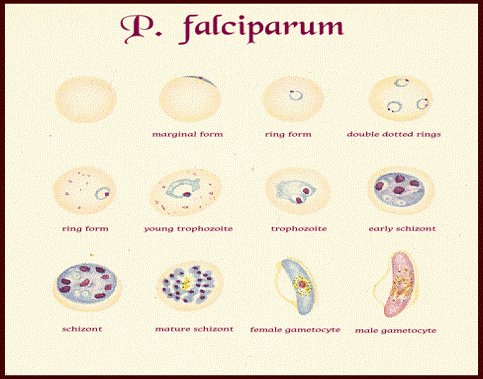
small delicate, double chromatin dots
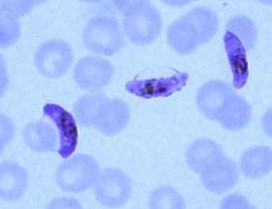
crescent-shaped gametocytes
malignant malaria-most severe
small delicate, double chromatin dots
crescent-shaped gametocytes
Plasmodium falciparum
89
New cards
plasmodium falciparum
What is this
What is this
90
New cards
72 hour fever cycle
invades older RBC
band form of troph
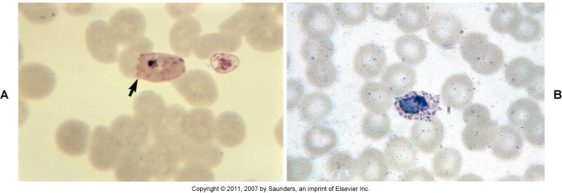
72 hour fever cycle
invades older RBC
band form of troph
plasmodium malariae
91
New cards
RBC has fringed edge
schuffner's dots
resembles vivax
RBC has fringed edge
schuffner's dots
resembles vivax
Plasmodium ovale
92
New cards
penetrate intestinal cell, tachyzoite formation, rupture the cells. Can form cysts in tissues of immunocompromised individuals. Can pass onto the fetus
Toxoplasma gondii