Cytology and Cell Biology Practice Flashcards
 Call Kai
 Learn
Learn Practice Test
 Spaced Repetition
 Match
Match Flashcards
 Knowt Play
1/47

Earn XP
Description and Tags
A comprehensive set of vocabulary flashcards covering cytology, cell organelles, biochemistry, genetics, and metabolic processes based on the provided lecture notes.
Name | Mastery | Learn | Test | Matching | Spaced | Call with Kai |
|---|
No analytics yet
Send a link to your students to track their progress
48 Terms
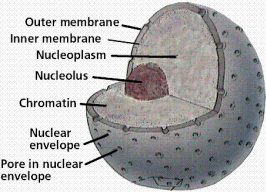
Nucleus
The cell's control center that contains genetic material and participates in cell division.
Nucleoplasm
The substance within the nucleus that surrounds the chromatin and nucleolus.
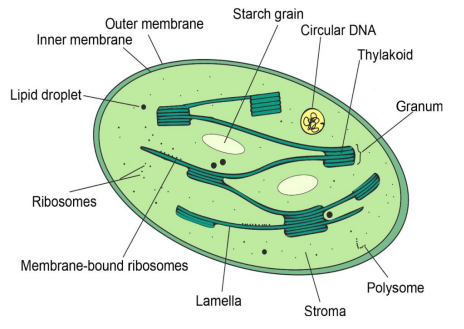
Chloroplast
A double-membranous organelle that provides photosynthesis by utilizing thylakoids and stroma.
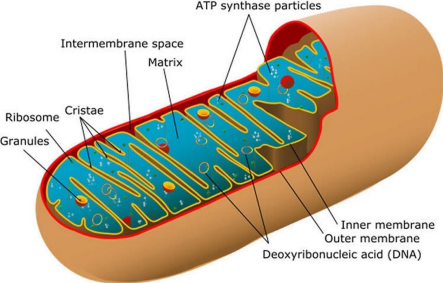
Mitochondria
Double-membranous organelles that carry out aerobic respiration and the synthesis of lipids.
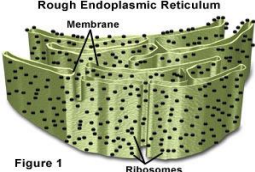
Rough Endoplasmic Reticulum (RER)
A membranous organelle involved in secretory protein production, phospholipid assemblage, and glycoprotein production.
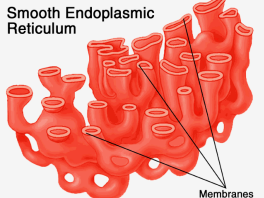
Smooth Endoplasmic Reticulum (SER)
An organelle responsible for the synthesis of lipids, metabolism of carbohydrates, storage of calcium ions, and detoxification of drugs and poisons.
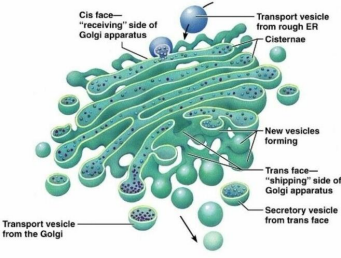
Golgi body (complex)
A single-membranous organelle responsible for the modification, packaging, storage, and transport of molecules, as well as the synthesis of cell wall components.
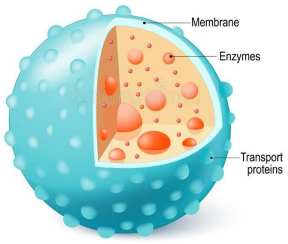
Lysosome
A single-membranous organelle containing enzymes for intracellular digestion, autophagy, and autolysis.
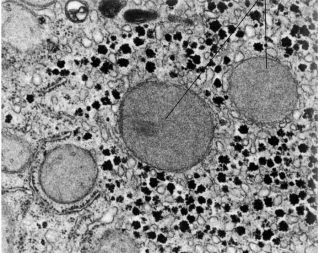
Peroxisomes
Single-membranous organelles that protect the cell from radicals formed during metabolic processes and take part in the metabolism of cholesterol and fatty acids.
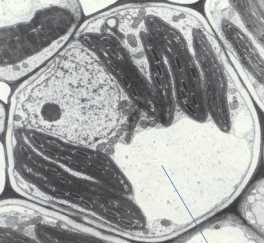
Central vacuole
A large plant cell organelle that maintains tonicity, stores inorganic ions like K+ and Cl−, and isolates harmful substances.
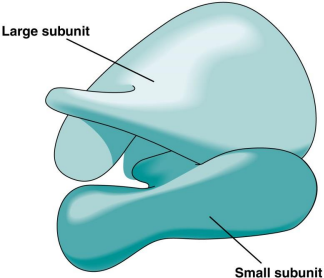
Ribosomes
Non-membranous organelles consisting of large and small subunits that serve as the site for protein synthesis.
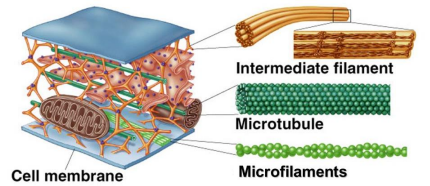
Cytoskeleton
A network of microfilaments, intermediate filaments, and microtubules responsible for cell movement, contraction, and division.
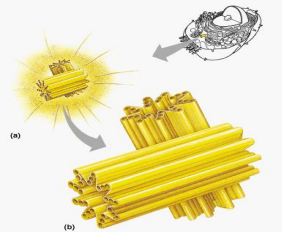
Centrioles
Non-membranous organelles responsible for microtubules assemblage and chromosome separation.
Capsule
A sticky carbohydrate layer in prokaryotic cells that helps the cell stick to surfaces and hide from immune systems.
Nucleoid
The region in a prokaryotic cell that holds genetic blueprints without a protective membrane.
Plasmid
Small DNA molecules in prokaryotes that often carry genes for antibiotic resistance.
Transformation
A type of genetic recombination where a donor cell releases a piece of DNA and a recipient cell actively takes it up.
Conjugation
Genetic recombination involving the transfer of DNA between bacterial cells in direct contact.
Transduction
The process by which a piece of DNA is transferred from a donor to a recipient cell by a virus.
Chemoautotrophs
Bacteria that obtain energy by oxidizing inorganic substances, such as Nitrosomonas and Nitrobacter.
Primary structure of proteins
The unique sequence of amino acids formed by peptide bonds during translation, exemplified by insulin and hemoglobin.
Secondary structure of proteins
Protein structures formed by hydrogen bonds resulting in coils called alpha helices or fold-backs called beta-pleated sheets.
Tertiary structure of proteins
A globular protein shape formed by bonds between amino acid radicals, such as disulphide, ionic, and hydrophobic bonds.
Quaternary structure of proteins
The association of two or more polypeptide chains, such as in hemoglobin or immunoglobulins.
Saturated fat
Fats with no double bonds in their structural formula, typically solid at room temperature.
Unsaturated fat
Fats containing one or more double bonds in their structural formula, typically liquid at room temperature.
Amylopectin
A substance in starch made of many 1,4 linked α-glucose molecules with branches formed by 1,6 linkages.
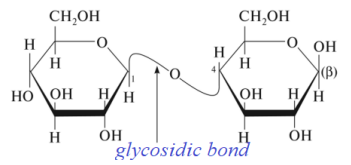
Cellulose
The structural part of plant cell walls consisting of β-glucose units linked by glycosidic bonds.
Enzyme
Globular protein macromolecules that act as catalysts to speed up chemical reactions without being consumed.
Competitive Inhibitor
A substance that competes with the substrate for the same active site on an enzyme, which is a reversible process.
Fluid Mosaic Model
A description of membrane structure where phospholipids and proteins move by diffusion, creating a mosaic pattern.
Phagocytosis
A form of endocytosis where a cell engulfs hard particles of food to form a food vacuole.
DNA Polymerase
An enzyme that forms phosphodiester bonds between nucleotides in the 5′ to 3′ direction.
RNA Polymerase
The enzyme that unwinds DNA and adds nucleotides to a growing RNA transcript during transcription.
Okazaki fragments
Short DNA segments synthesized discontinuously in the 5′ to 3′ direction on the lagging strand template.
Degenerate Code
A property of the genetic code where some amino acids are specified by several different triplets.
Rubisco
The enzyme that catalyzes carbon dioxide fixation by attaching CO2 to Ribulose-1,5-bisphosphate (RuBP).
Glycolysis
The metabolic pathway where glucose is oxidized into two pyruvates, yielding a net of 2 ATP and 2 NADH.
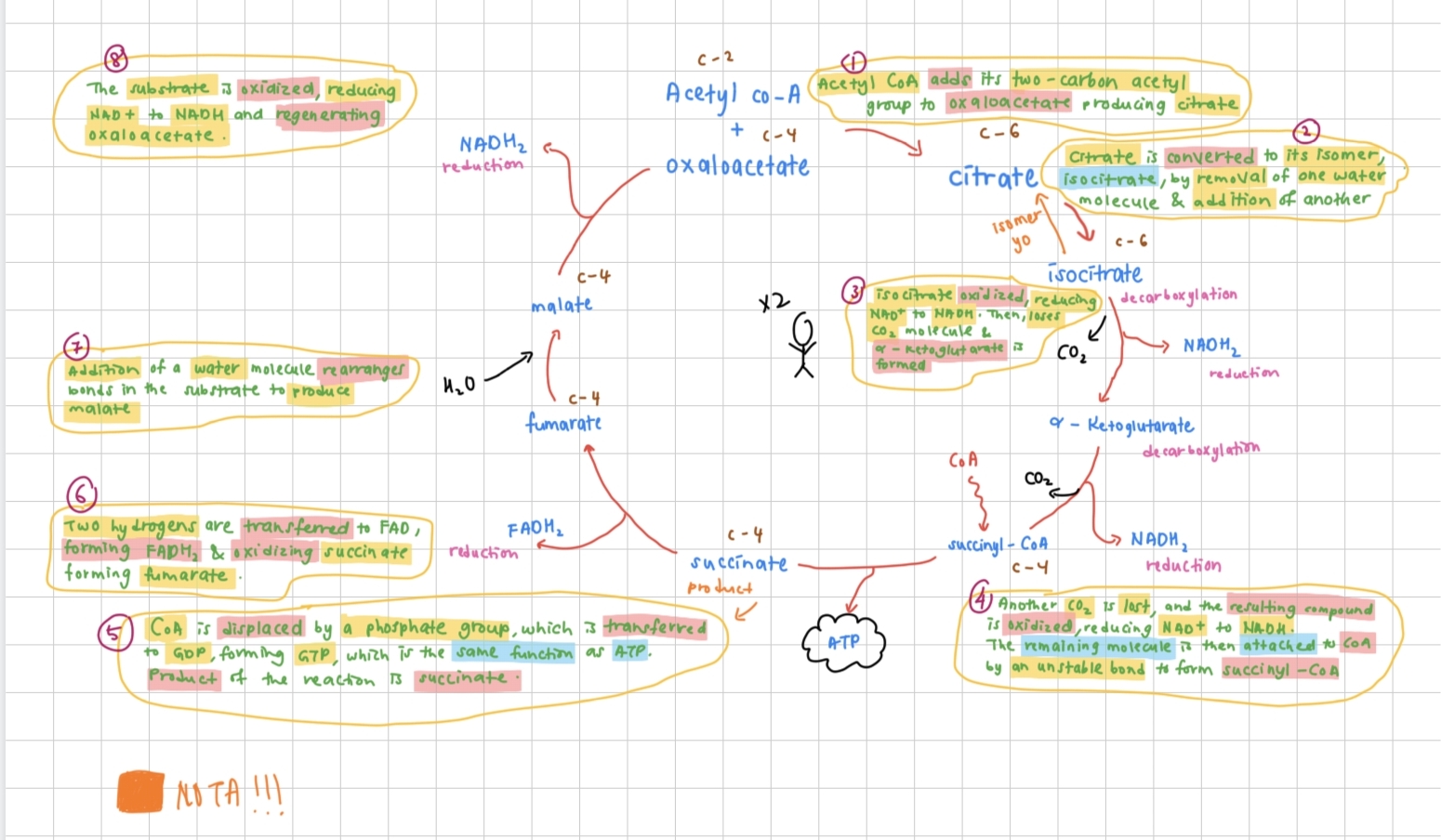
Krebs Cycle
The mitochondrial matrix process that oxidizes acetyl-CoA to produce 2 ATP, 6 NADH, 2 FADH_2, and 4 CO_2 per glucose molecule.
Oxidative Phosphorylation
The process of ATP formation resulting from the transfer of electrons from NADH or FADH_2 to oxygen via the electron transport chain.
Crossing-over
The exchange of genetic material between two homologous chromosomes during Prophase I of meiosis.
Chiasmata
The points where homologous chromosomes hold together and exchange genetic material during meiosis.
Binary fission
A type of asexual reproduction used by protozoans and prokaryotes involving simple division of the mother cell into two daughter cells.
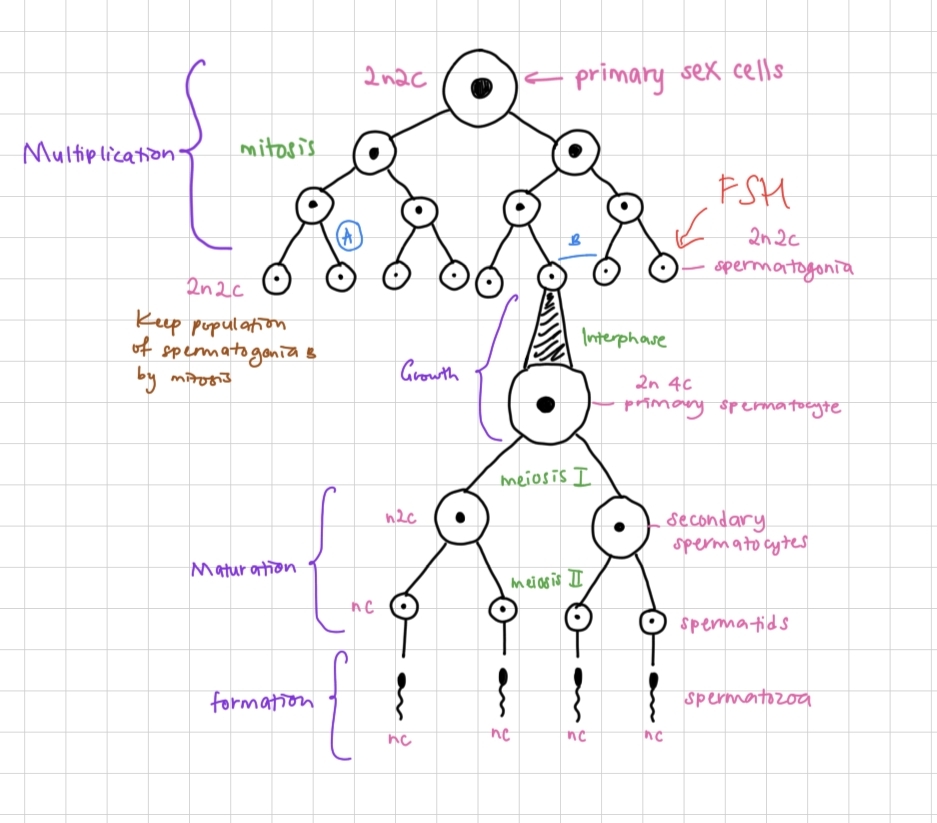
Spermatogenesis
The process of male gamete production where diploid spermatogonia undergo meiosis to produce four haploid spermatozoa.
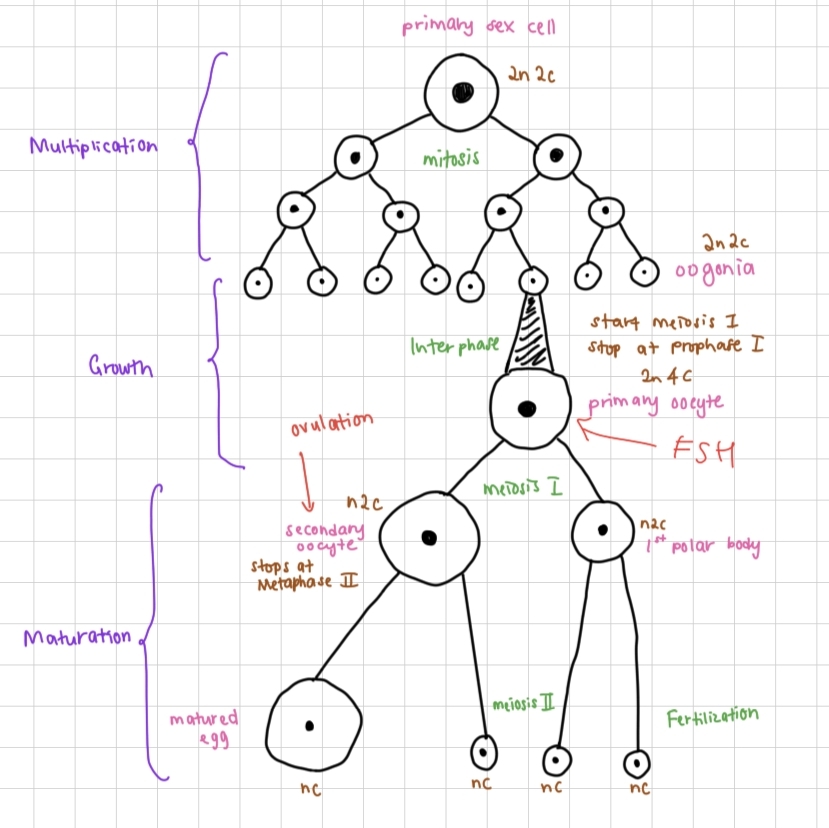
Oogenesis
The process of female gamete production initiated in the embryo and arrested at Prophase I until ovulation.
Morula
A second stage of embryogenesis consisting of a solid ball of 16-32 tightly packed blastomeres.
Blastula
A hollow sphere of cells with a fluid-filled cavity called a blastocoel, formed during early embryonic development.
Gastrula
An embryo stage characterized by the reorganization of the blastula into layers, including the ectoderm, mesoderm, and endoderm.