O Chem Exam 1
 Call Kai
 Learn
Learn Practice Test
 Spaced Repetition
 Match
Match Flashcards
 Knowt Play
1/44

There's no tags or description
Looks like no tags are added yet.
Name | Mastery | Learn | Test | Matching | Spaced | Call with Kai |
|---|
No analytics yet
Send a link to your students to track their progress
45 Terms
meth-
1 carbon
eth-
2 carbons
prop-
3 carbons
but-
4 carbons
pent-
5 carbons
hex-
6 carbons
hept-
7 carbons
oct-
8 carbons
non-
9 carbons
dec-
10 carbons
undec-
11 carbons
dodec-
12 carbons
tridec-
13 carbons
-ane
alkane suffix
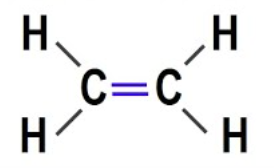
alkene
has at least one C-C double bond
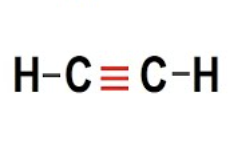
alkyne
has at leat one C-C triple bond
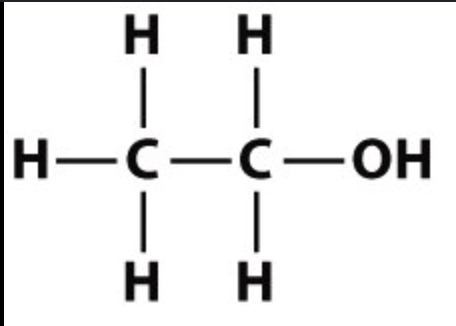
alcohol
has a hydroxyl (OH-) group attached to a carbon
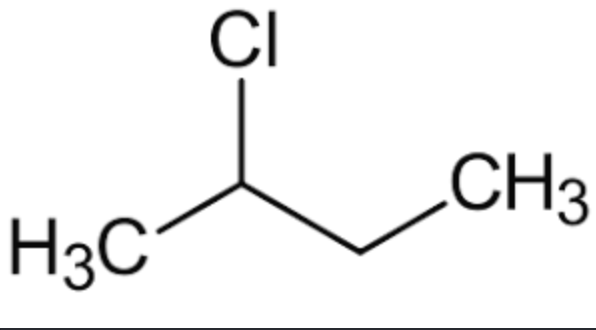
haloalkane (alkyl halide)
has a halogen attached to a carbon
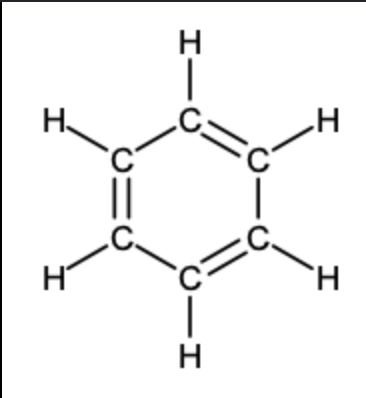
arene
has an aromatic ring of carbons
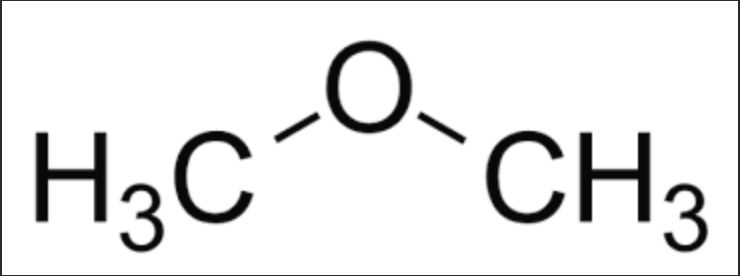
ether
has an oxygen between 2 carbons
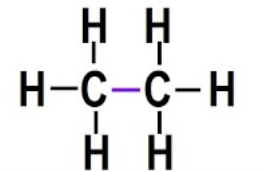
alkane
arise from a C-C sigma bond between the sp3 hybrid orbitals
are considered to be saturated hydrocarbons
formula is CnH2n+2
straight chain alkane
all carbons are connected in a row
are all named according to the number of carbons they have
branched-chain alkanes
all carbons are NOT connected in a row; some branch off the main carbon chain
are named according to the name and location of the branched carbons and the number of carbons they have in the main chain
constitutional isomers
have the same molecular formula, but different arrangements of atoms
alkyl groups
created by removing an H from an alkane
not stable on their own, but are part of a larger molecule
-yl
alkyl suffix
iso- (alkyl)
the H removed from alkane is internal
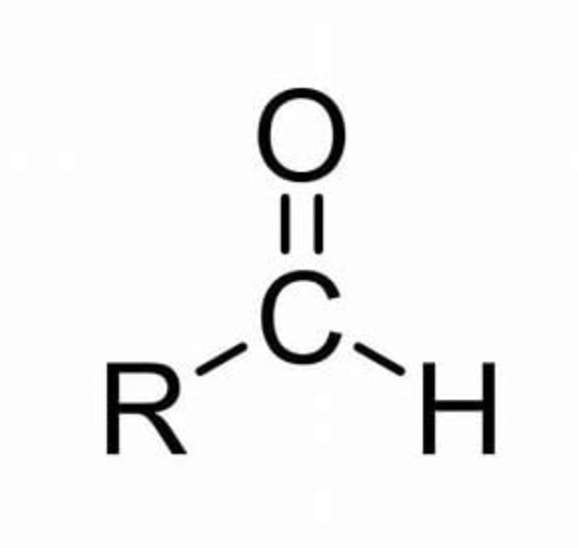
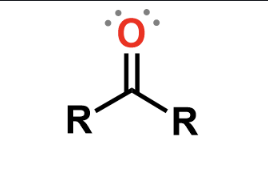
aldehyde
carbonyl group, has at least one hydrogen bonded to the C=O
ketone
carbonyl group, 2 carbons bonded to the C=O
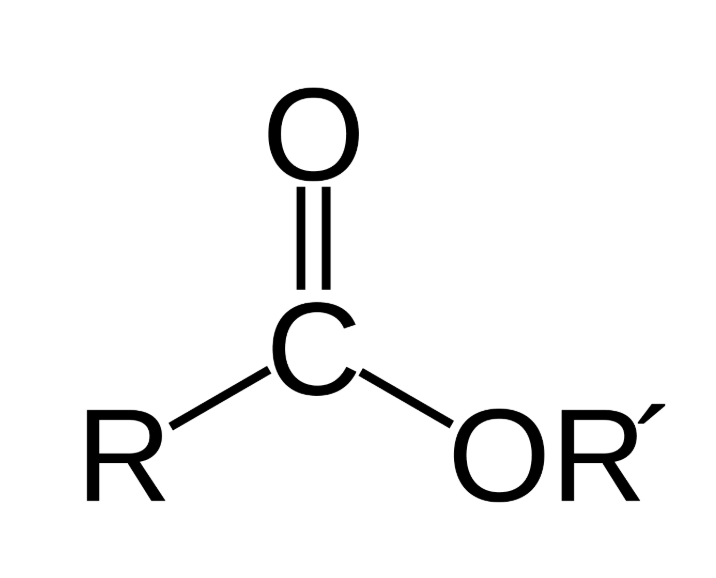
ester
carbonyl group, has an oxygen bonded to the C=O
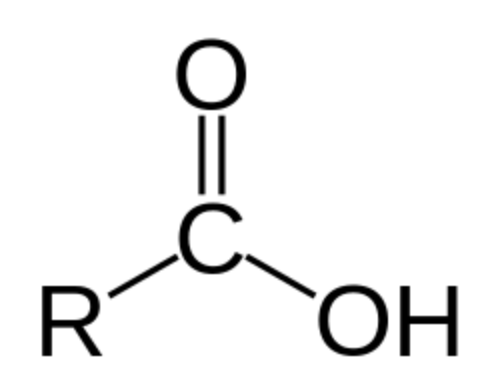
carboxylic acid
carbonyl group, has an -OH group bonded to the C=O
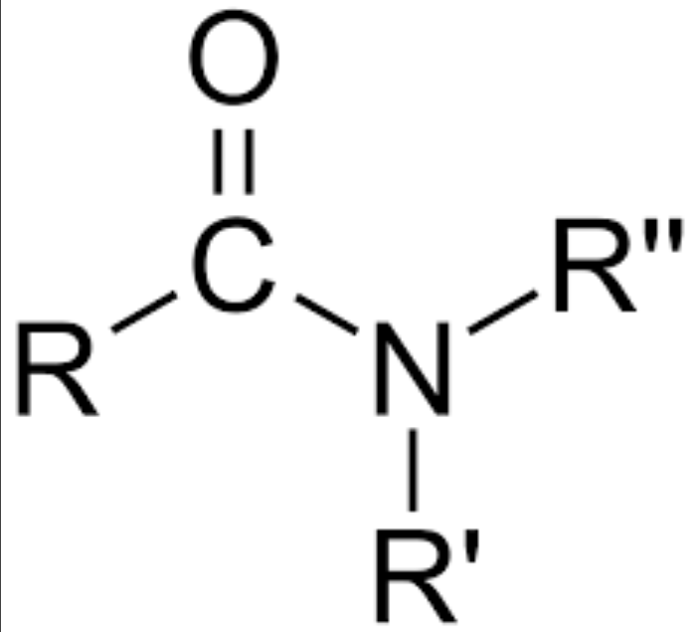
amide
carbonyl group, has an amine-like nitrogen bonded to the C=O
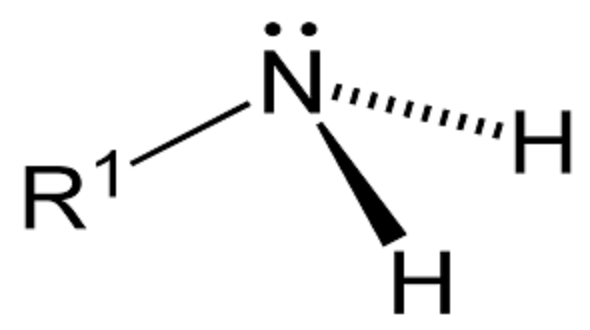
amine
has a carbon bonded to a nitrogen
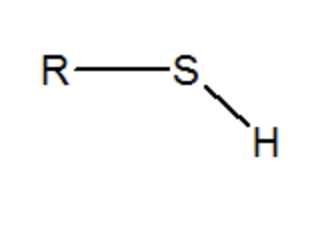
thiol
has a carbon atom bonded to the sulfur of an -SH group
cyclic
forms a ring
Lewis Base
lone pairs, carbon w/ negative charge
Lewis Acid
incomplete octets, metal cations
dispersion forces
force all atoms, ions, and molecules exert
dipole-dipole
only polar molecules/polyatomic ions exert this force
hydrogen bonding
each molecule must have one strongly electronegative atom O,N, or F
electronegative atom in one molecule must be chemically bonded to an H atom, and electronegative in other molecule must have a lone pair
ion dipole
only ions and polar molecule exert this force on each other
usually seen in acids/bases
sp geometry
linear
sp2 geometry
trigonal planar
sp3 geometry
tetrahedral
electron geometry
sigma bonds + lone pairs