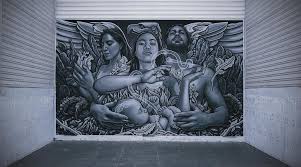
Mexican Muralism Final
 Call Kai
 Learn
Learn Practice Test
 Spaced Repetition
 Match
Match Flashcards
 Knowt Play
1/68

Earn XP
Description and Tags
Name | Mastery | Learn | Test | Matching | Spaced | Call with Kai |
|---|
No analytics yet
Send a link to your students to track their progress
69 Terms
Mexicanidad
The cultural and national identity of being Mexican, embodying a profound sense of pride and a fusion of indigenous, colonial, and modern traditions.
Maximato
A 1928-1934 period in Mexican history where former President Plutarco Elías Calles exercised behind-the-scenes control, acting as the 'Jefe Máximo' (Maximum Chief) of the Revolution while three different presidents served as puppets.
New Deal art
Art produced during the 1933-1943 period, spanning the height of the Great Depression until WWII.
PWAP (Public Works of Art Project)
The first pilot program focusing on public building decoration.
WPA/FAP (Federal Art Project)
The largest agency, employing thousands in fine arts, music, and theater.
Themes of New Deal art
The American Scene, Labor and Industry, Social Realism.
Economic Relief
Kept an entire generation of professional artists from starving.
Accessibility in New Deal art
Moved art out of private galleries and into public schools and hospitals.
Career Launchpad
Nurtured future legends like Jackson Pollock, Mark Rothko, and Jacob Lawrence.
Limitations of New Deal art
Censorship, Bureaucracy, Style Restrictions.
Locations of New Deal art
US Post Offices, Coit Tower (San Francisco), Timberline Lodge (Oregon), Public Schools, National Archives.
Chicano muralism
A powerful, public-facing art movement rooted in the 1960s/70s Civil Rights Movement, utilizing vibrant, large-scale public art to reclaim neighborhood spaces, celebrate mestizo heritage, and protest social injustice.
Cultural Identity and Heritage in Chicano muralism
Murals highlight mestizo heritage, incorporating Aztec and Mayan imagery, along with Mexican icons like the Virgin of Guadalupe.
Reclaiming Space and History
Murals assert a historical presence in the U.S. Southwest, challenging the dominant American narrative by focusing on the Mexican-American experience.
Social and Political Activism
Murals serve as 'visual declarations of resistance' against police brutality, educational inequity, and labor exploitation.
Community Pride and Unity
Murals unite residents by depicting local history, family, and community heroes.
Borderland Perspectives
Themes often merge cultures, exploring the duality of living between nations, languages, and identities.
Chicana Feminist Perspectives
Female artists challenged sexism within and outside the community, highlighting women's roles in social struggles.
Chicano identity
A chosen, politically conscious, and cultural identifier for Americans of Mexican descent, emphasizing pride in Indigenous roots and resistance to social inequality.
El Movimiento (the Movement)
A 1940s-1970s social and political campaign in the US empowering Mexican Americans, combating racism, and promoting cultural pride.
Barrio
A Spanish term for a neighborhood or district, commonly used to define a predominantly Hispanic or Latino neighborhood.
La raza
Spanish for 'the people' or 'the race', primarily used to describe people of Mexican or Latin American descent.
Post-graffiti
An artistic movement featuring former graffiti writers using traditional graffiti tools on legal surfaces.
Contemporary muralism
The living evolution of the early 20th-century Mexican movement, transforming public spaces into canvases for social change and cultural identity.
United Farm Workers (UWF)
The nation's longest-serving, most influential farm labor union, founded in 1962 by Cesar Chavez, Dolores Huerta, and Larry Itliong.
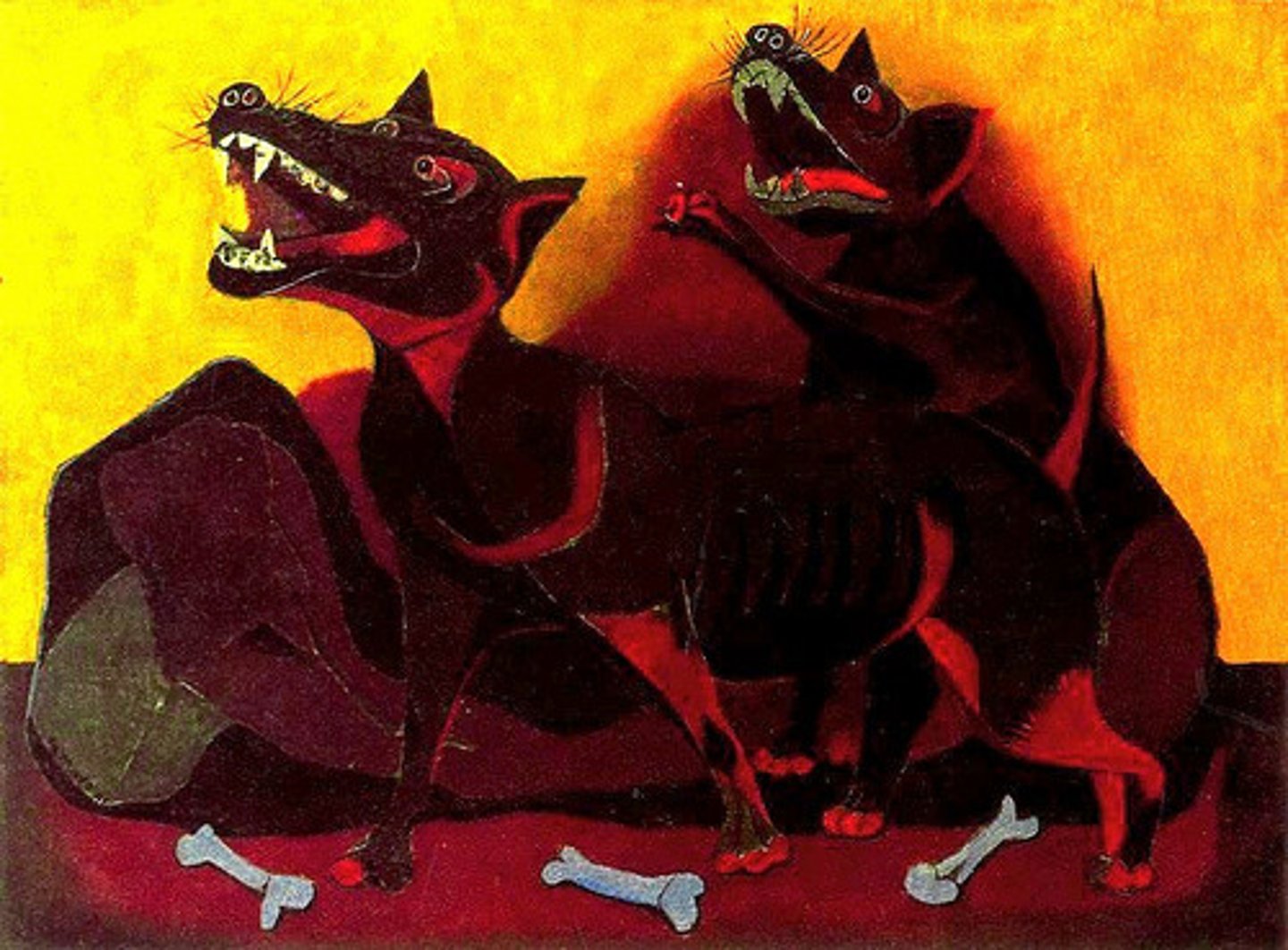
Rufino Tamayo
A pivotal 20th-century Mexican artist who transformed Modernism by bridging indigenous Mexican heritage with international avant-garde styles like Cubism and Surrealism.
Mexican Modernism Reimagined
Tamayo moved Mexican art away from strictly nationalistic and political themes toward a more subjective and poetic style.
Synthesis of Styles
Tamayo adroitly fused pre-Columbian motifs and Mexican folk art with European Modernism, proving that local identity could coexist with global artistic trends.
George Biddle
A foundational figure in 20th-century American art, most famous for initiating the New Deal federal art programs during the Great Depression.
The Catalyst
In 1933, Biddle wrote to FDR proposing a mural program modeled after the Mexican Mural Movement, which he believed could 'express the social ideals' of the New Deal.
The Legacy
Biddle's advocacy led to the Public Works of Art Project (PWAP) and eventually the Federal Art Project (FAP), which employed thousands of artists and produced hundreds of thousands of public works.
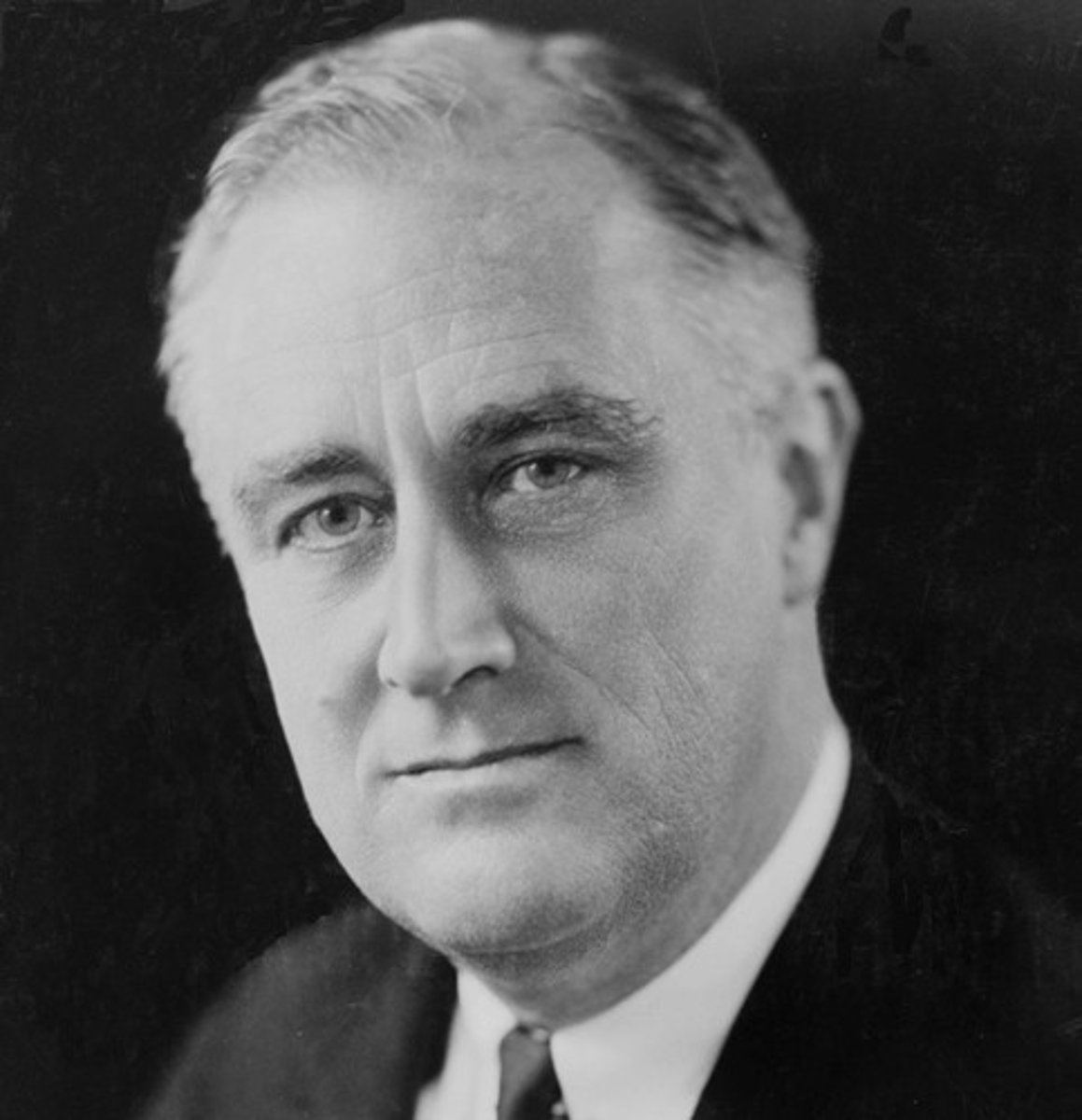
Franklin D. Roosevelt
Served as U.S. President from 1933 to 1945, steering the nation through the Great Depression and World War II with his 'New Deal' programs.
Bank Stabilization
Roosevelt immediately addressed the banking crisis by declaring a national 'bank holiday' and passing the Emergency Banking Act in 1933.
Financial Regulation
Created the FDIC to insure deposits and the SEC to regulate the stock market.
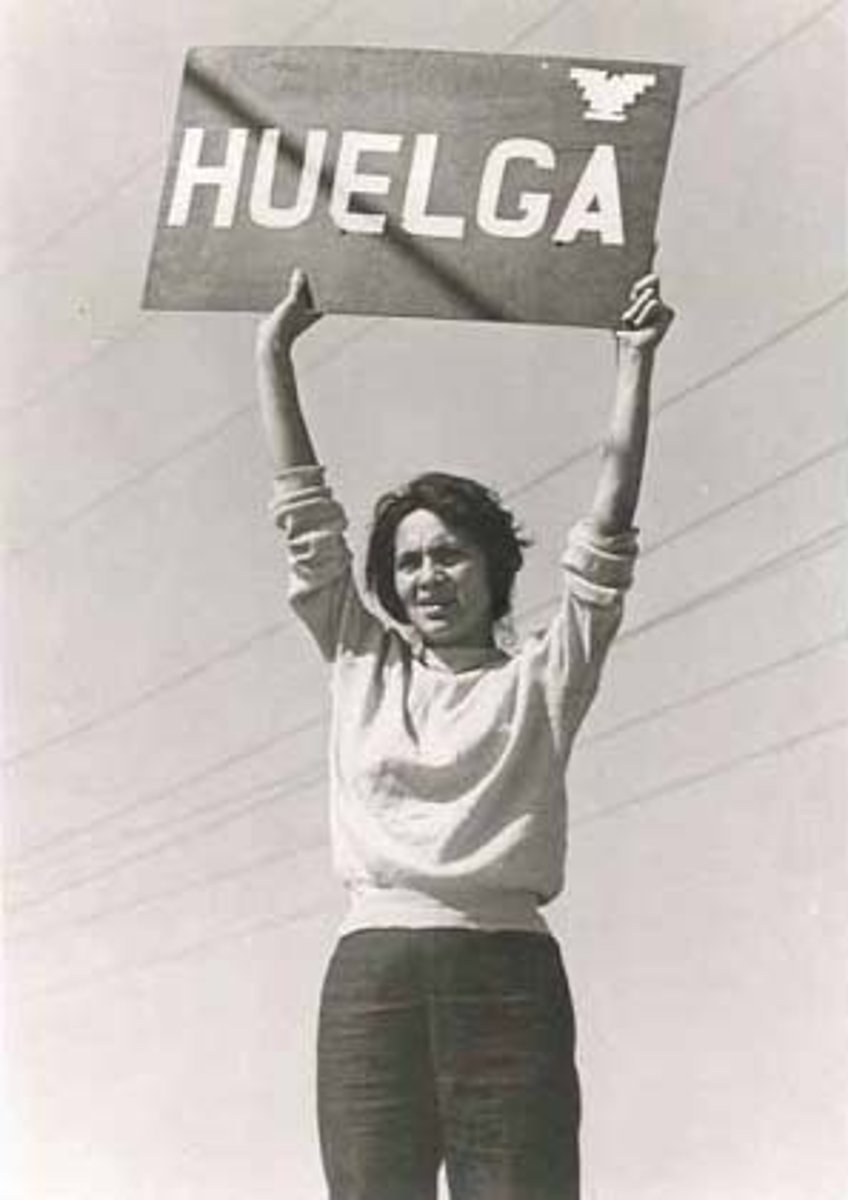
Dolores Huerta
A legendary labor leader and civil rights activist who co-founded the United Farm Workers (UFW) with César Chávez in 1962.
Co-Founder of UFW
In 1962, Huerta co-founded the National Farm Workers Association (later the UFW), the largest farmworker organization in America.
Negotiation and Lobbying
As a skilled negotiator, Huerta secured disability insurance, Aid For Dependent Families, and better wages for farmworkers, including the first-ever union contract with a California table grape grower in 1970.
Tamayo's mural themes vs. Los Tres Grandes
Tamayo's mural themes differed by prioritizing universal human experiences and aesthetic formalism over political propaganda and historical narrative.
Limitations for female muralists
Female muralists historically failed to gain recognition due to systemic barriers, including exclusion from art education and life-drawing classes.
Themes of female muralists
Female muralists, particularly starting in the 1970s, shifted public art to focus on themes of womanhood, community empowerment, cultural heritage, and socio-political critique.
Mexican muralism influence on Black historical art
Provided a model for utilizing public art to celebrate cultural pride, fight racial inequality, and depict historical narratives of resistance.
Mexican muralism influence on Abstract Expressionism
Profoundly influenced Abstract Expressionism by providing a model for monumental scale, raw emotional expression, and integration of personal politics into art.
Impact of America Tropical on Chicano art
Served as a foundational, albeit initially censored, inspiration for the Chicano art movement, providing a model for politically charged, public, and anti-imperialist art.
el Movimiento and the African American Civil Rights Movement
Mirrored the Civil Rights Movement by employing similar strategies of nonviolent resistance, community organizing, and grassroots activism.
Importance of barrios in the Chicano movement
Barrios served as the foundational cultural sanctuary, political power base, and canvas for the Chicano Movement.
New techniques in contemporary muralism
Evolved beyond traditional fresco through the adoption of industrial, digital, and eco-friendly materials.
Tagging vs. Post-Graffiti
Tagging is primarily unsanctioned and ephemeral, while post-graffiti is frequently legal and created for indoor galleries.
Mexican Muralism Model
International artists connect to the Mexican Muralism model by adopting its core tenets: large-scale, public art aimed at social education, political resistance, and strengthening cultural identity.
Historical Context of Artists
Know the biographical details that explain the artist's work, how they fit into the larger history of Mexican Muralism, and what historical social or political context shaped their work.
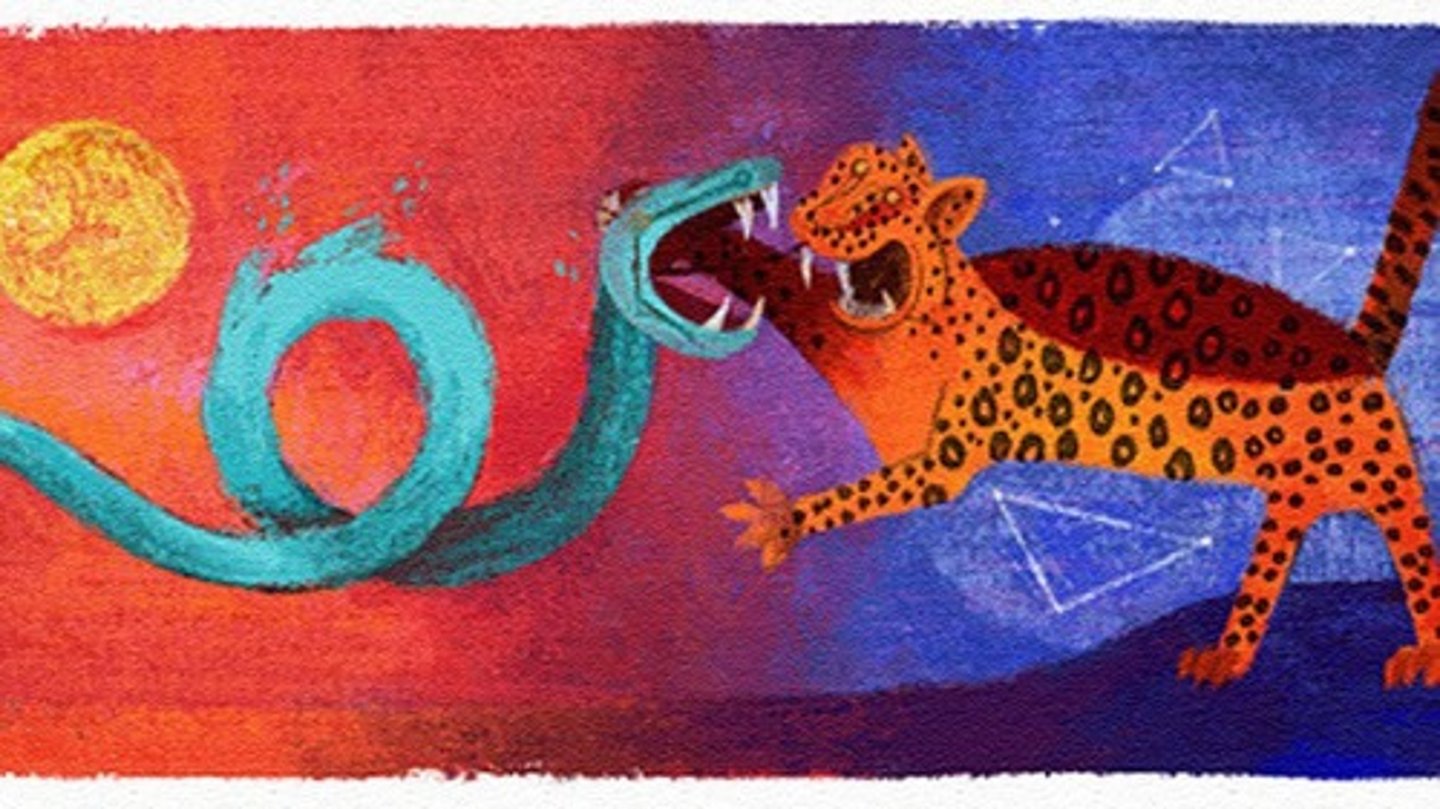
Duality - Rufino Tamayo
A cosmic, stylized battle representing dualities: darkness vs. light, jaguar vs. serpent, and Tezcatlipoca vs. Quetzalcoatl.
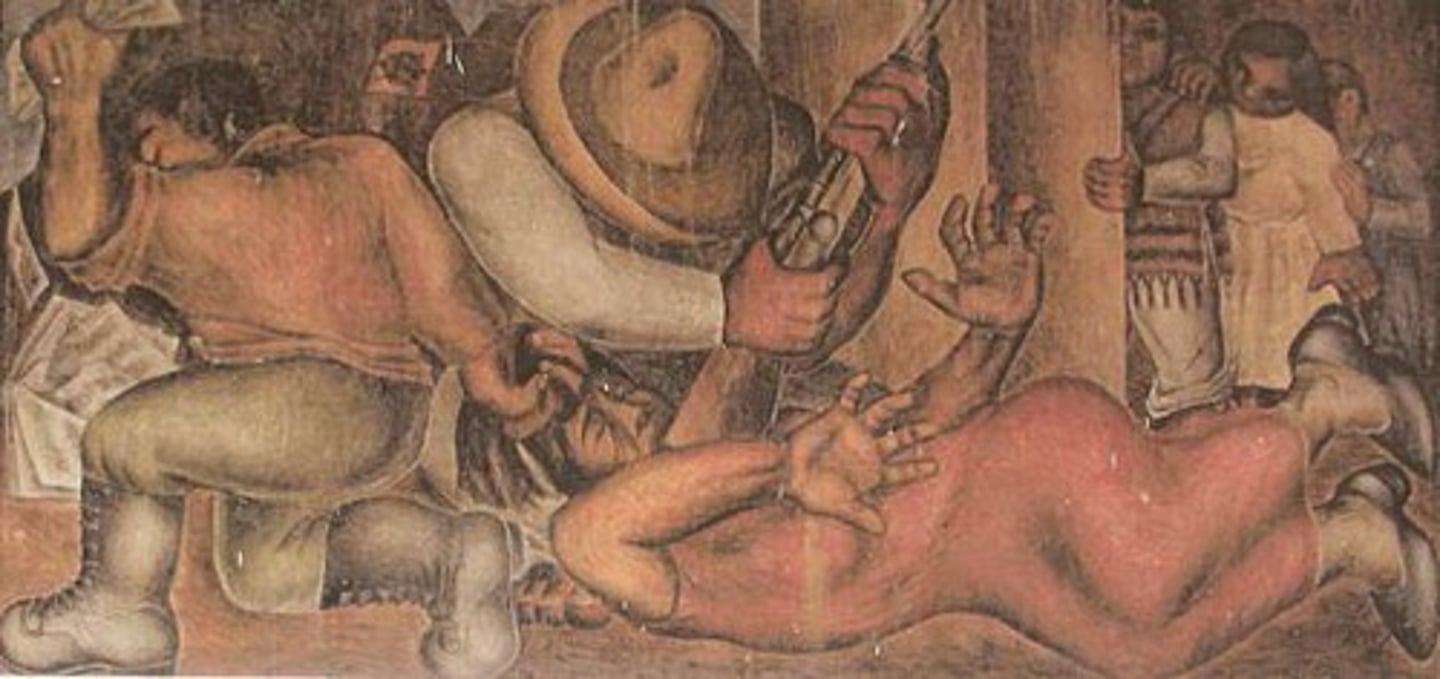
Attack on the Rural Teachers - Aurora Reyes
This reform was fiercely opposed by the Catholic Church and conservative groups, who viewed secular education as a threat to traditional values.
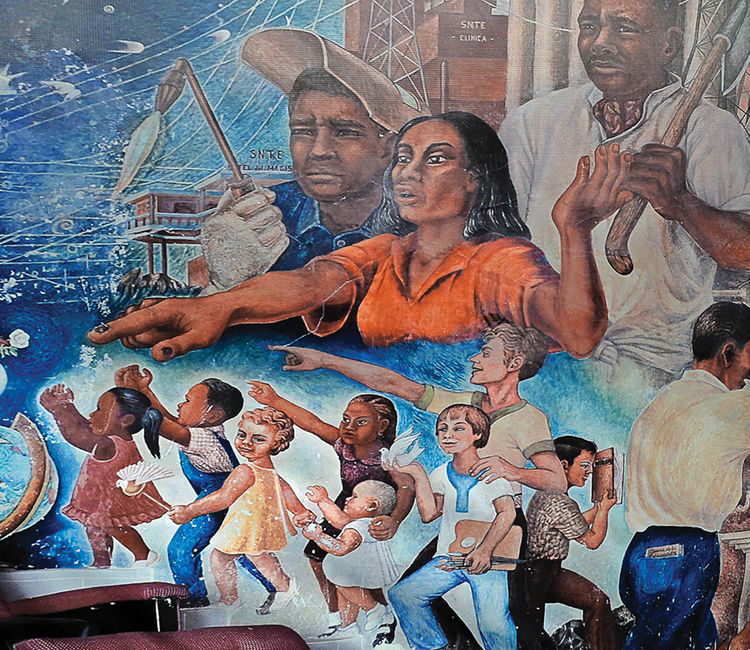
Presence of the Teacher in the National Historical Movements - Aurora Reyes
This mural is a cornerstone of Mexican muralism that successfully bridges the gap between educational labor and revolutionary history, seen through a feminist and socialist lens.
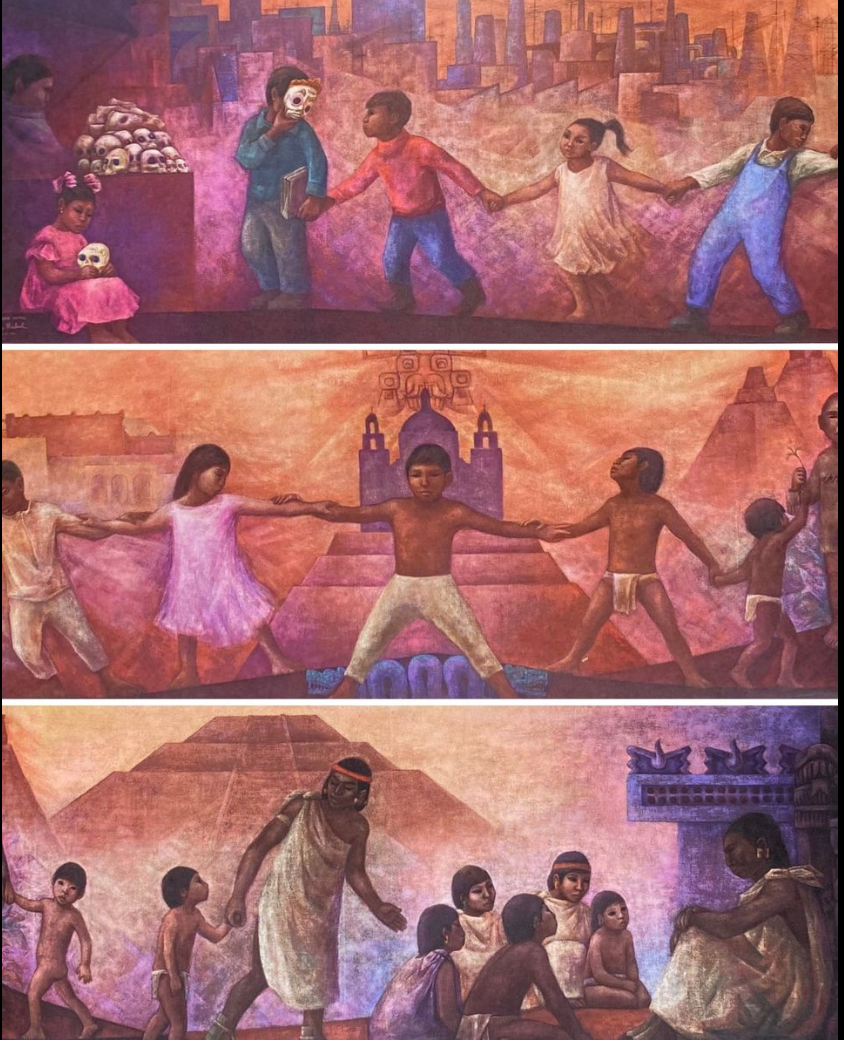
Circles of Time - Fanny Rabel
Circles of Time is a masterpiece of the Mexican Mural Renaissance that elevated the role of women in public art while honoring Maya philosophy.
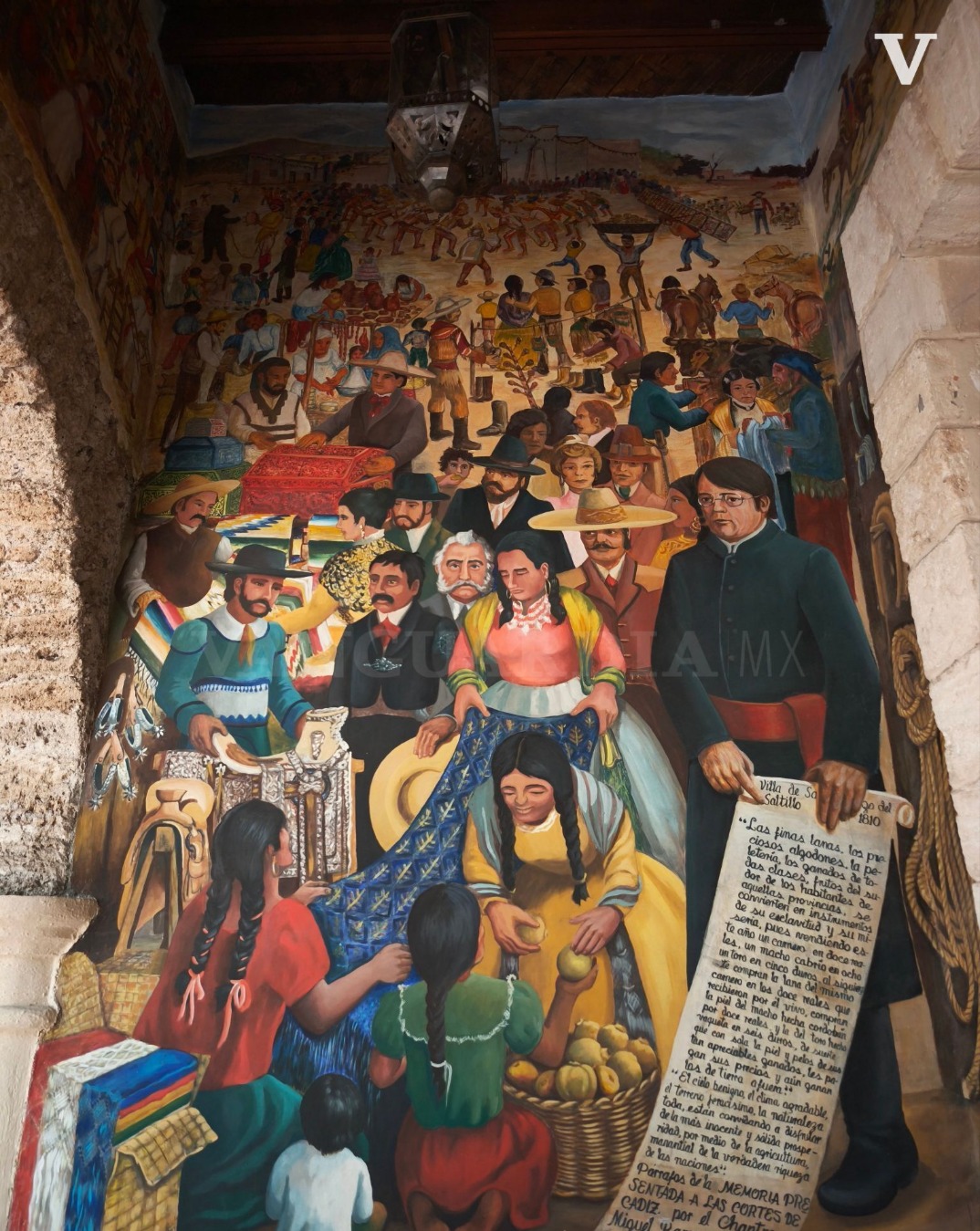
The History of Saltillo - Elena Huerta
400 Años de Historia de Saltillo, created by Elena Huerta Múzquiz between 1973 and 1975, is a 450-square-meter mural cycle in Coahuila, Mexico.
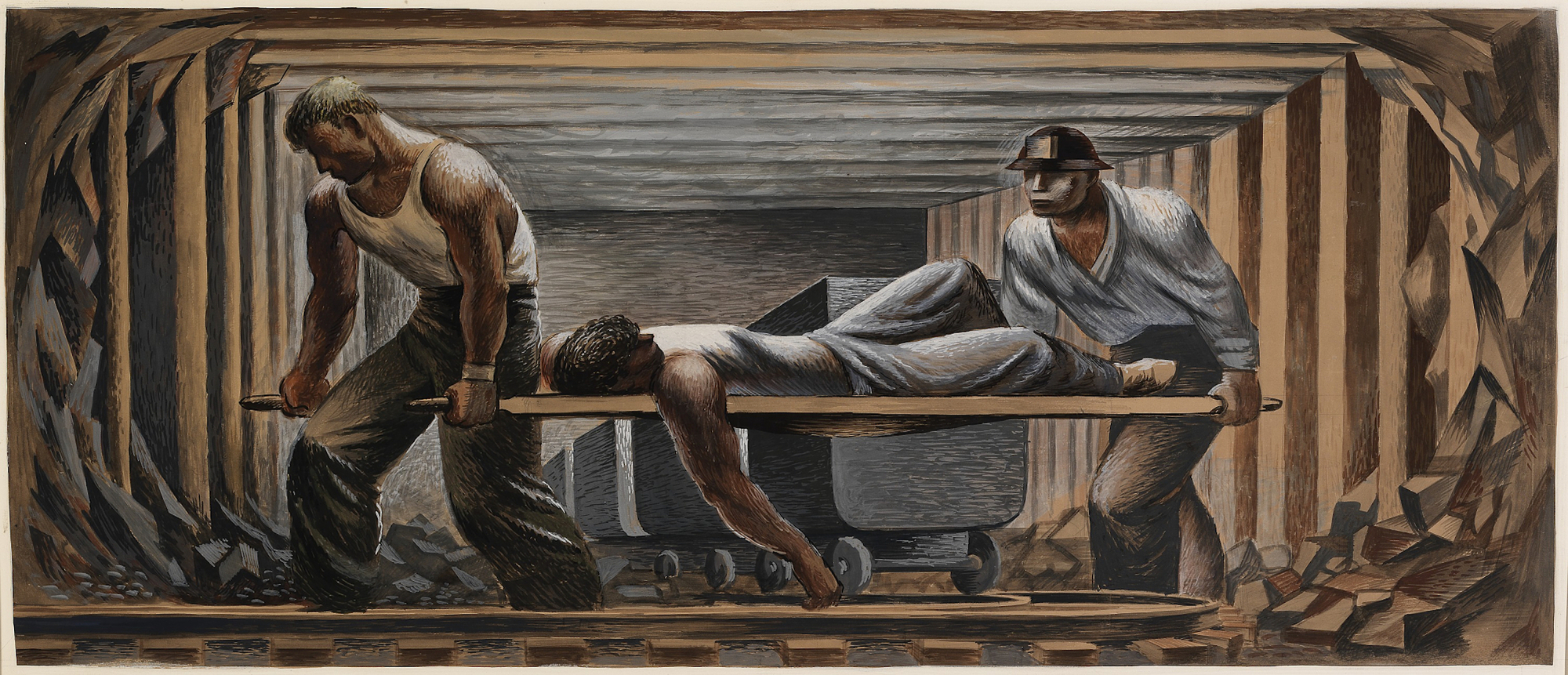
Mural study for Mine Rescue - Fletcher Martin
Although praised by the Mine & Smelter Workers Union, the design was rejected by local industrialists and mine owners in Kellogg.
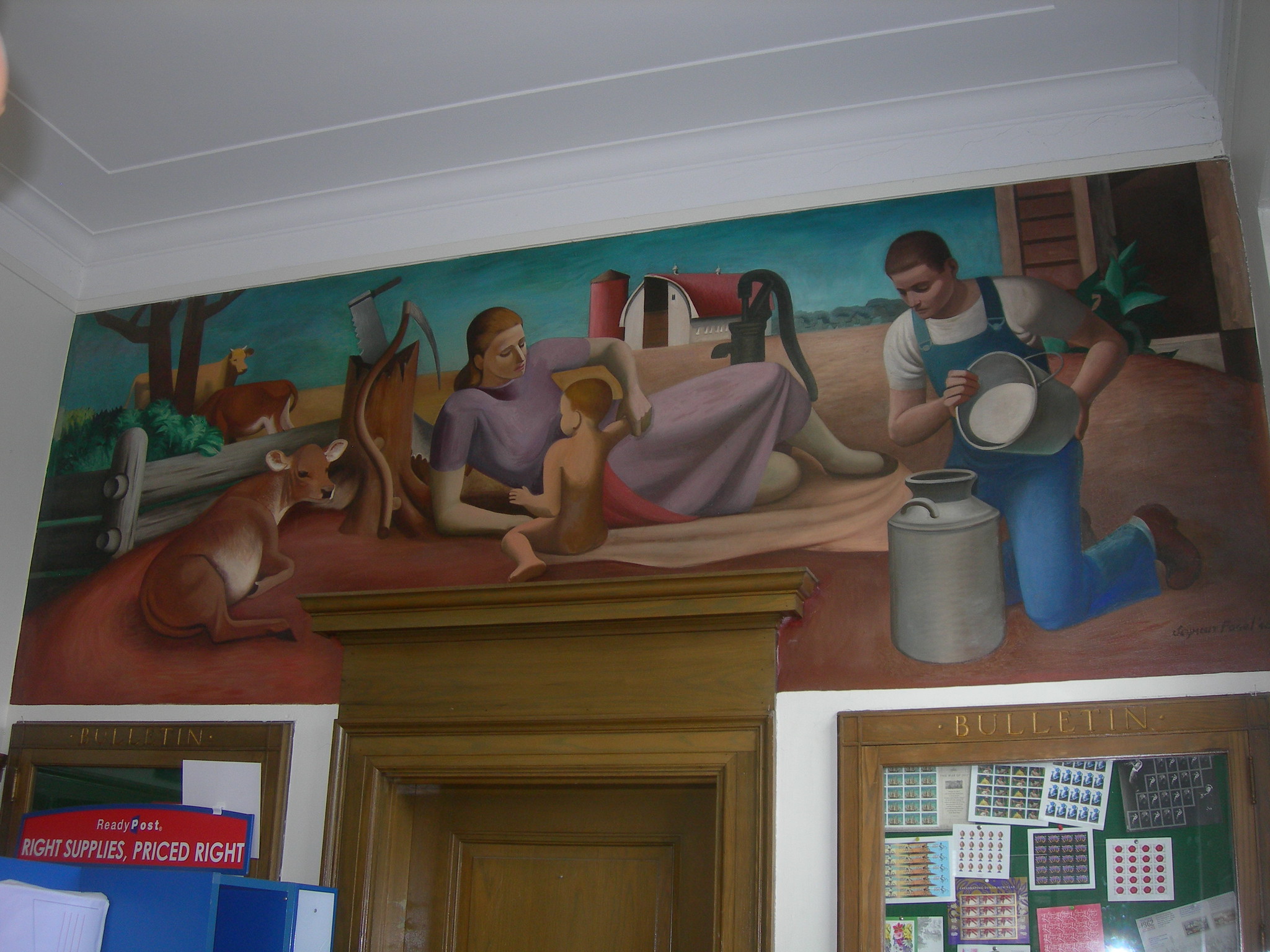
People of the Soil - Seymour Fogel
The mural was commissioned by the Treasury Section of Fine Arts, a New Deal program intended to bring high-quality art to the public during the Great Depression.
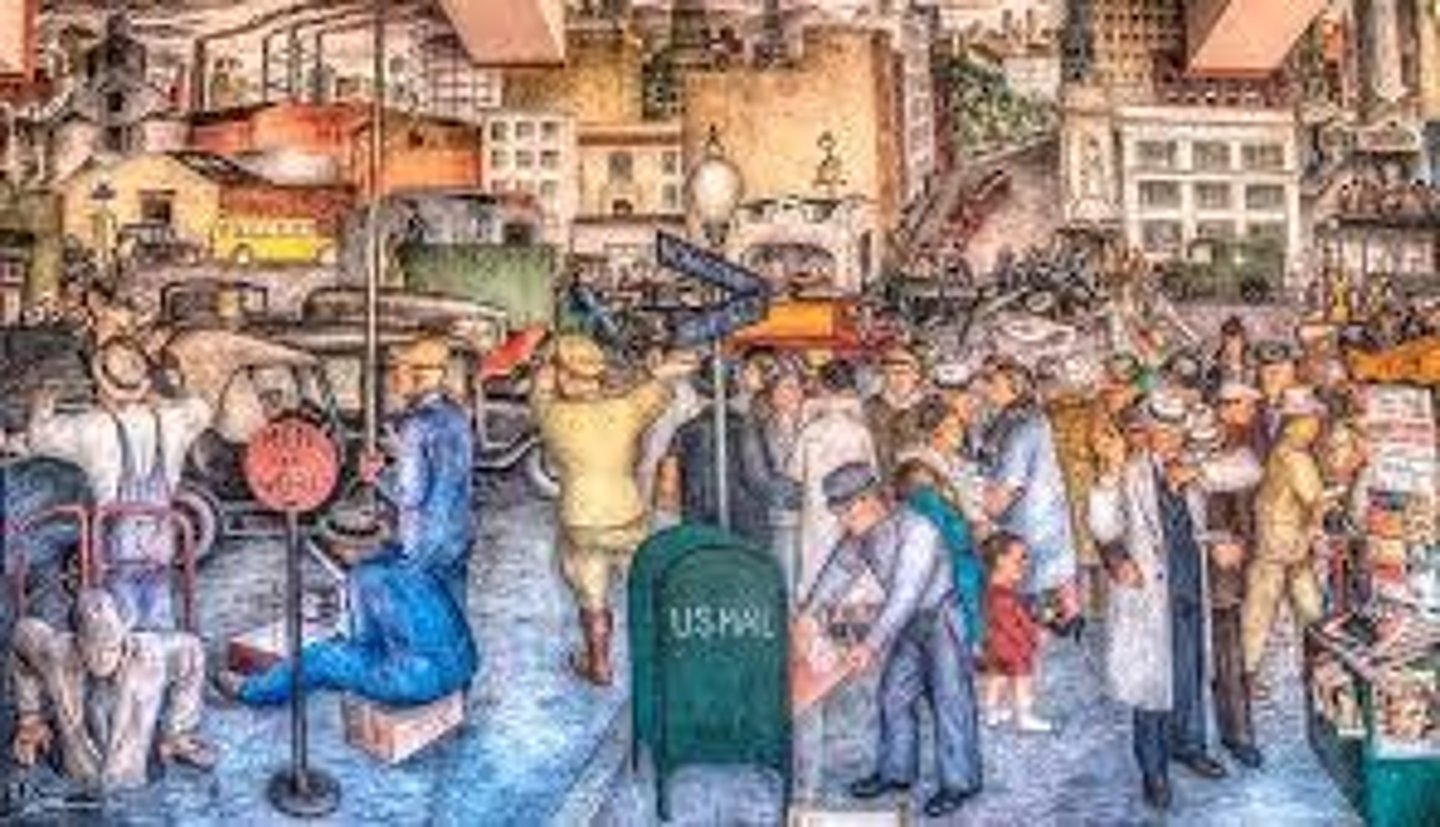
City Life - Victor Arnautoff
It was the very first project of the Public Works of Art Project (PWAP), a New Deal initiative designed to employ artists during the Great Depression.
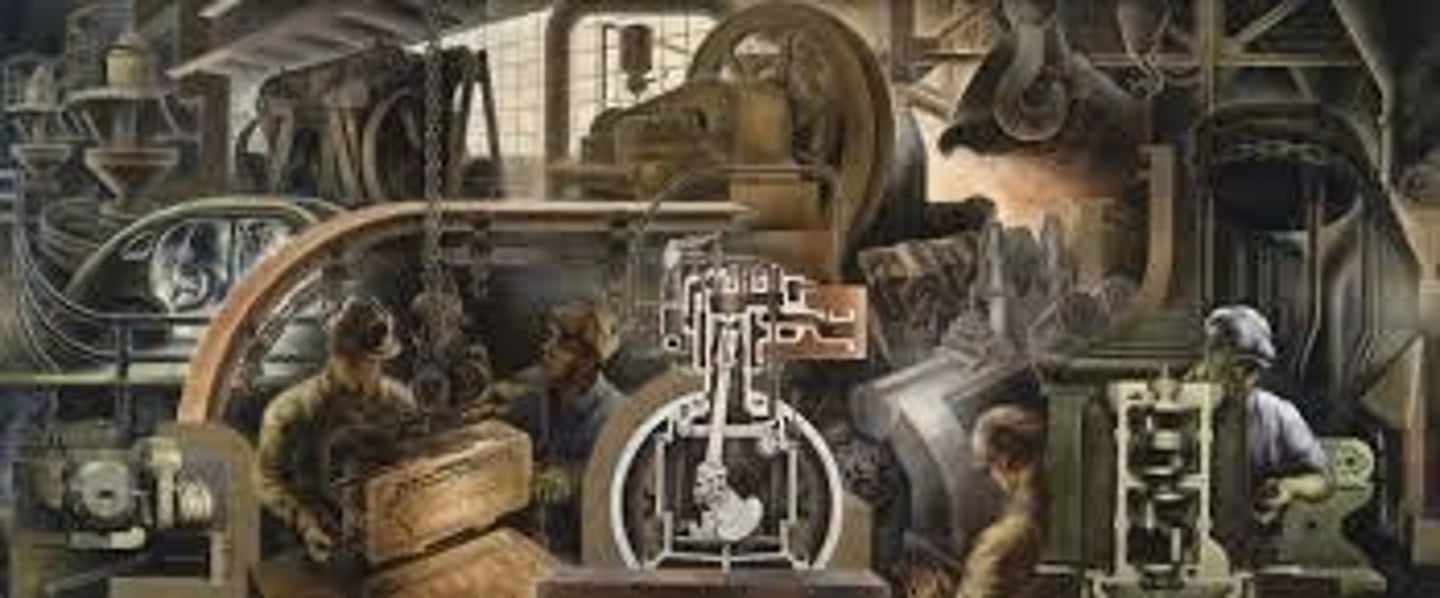
Automotive Industry - Marvin Beerbohm
A significant piece of Great Depression-era public art commissioned by the Works Progress Administration (WPA) in 1940-1941.
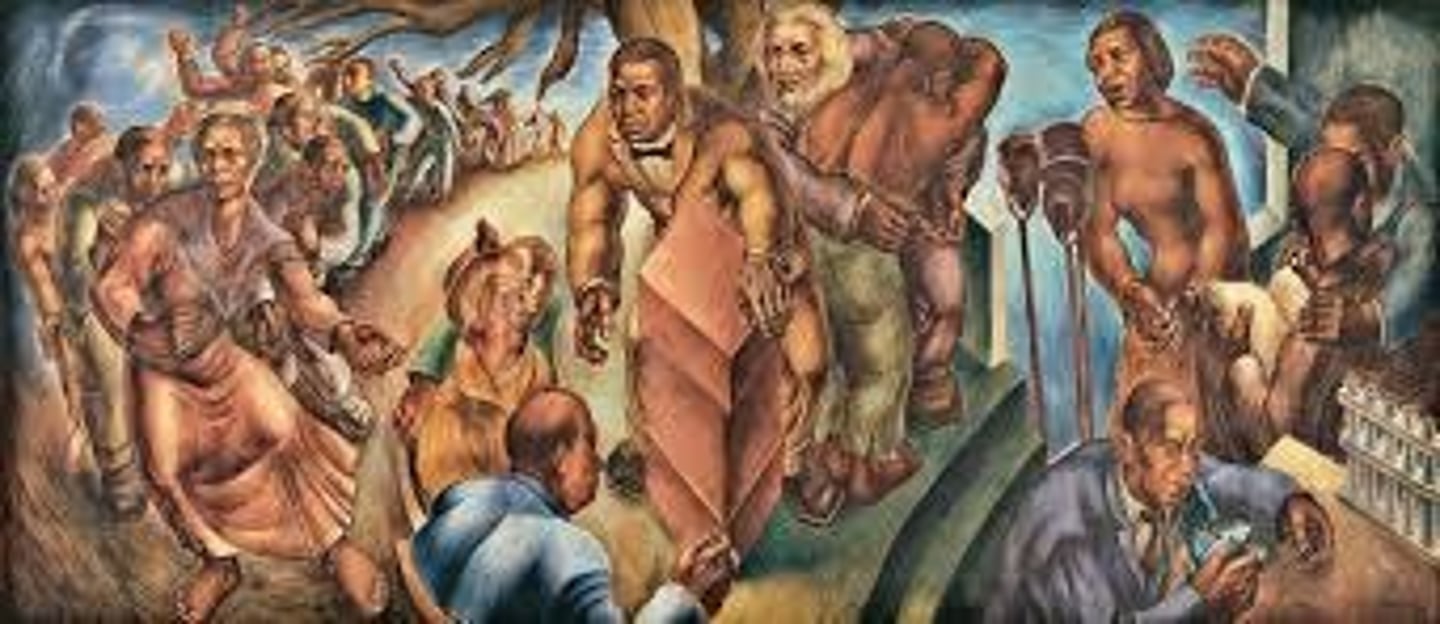
Progress of the American Negro: Five Great American Negroes - Charles White
The project was funded by the Works Progress Administration (WPA) Federal Art Project, which supported artists during the Great Depression.
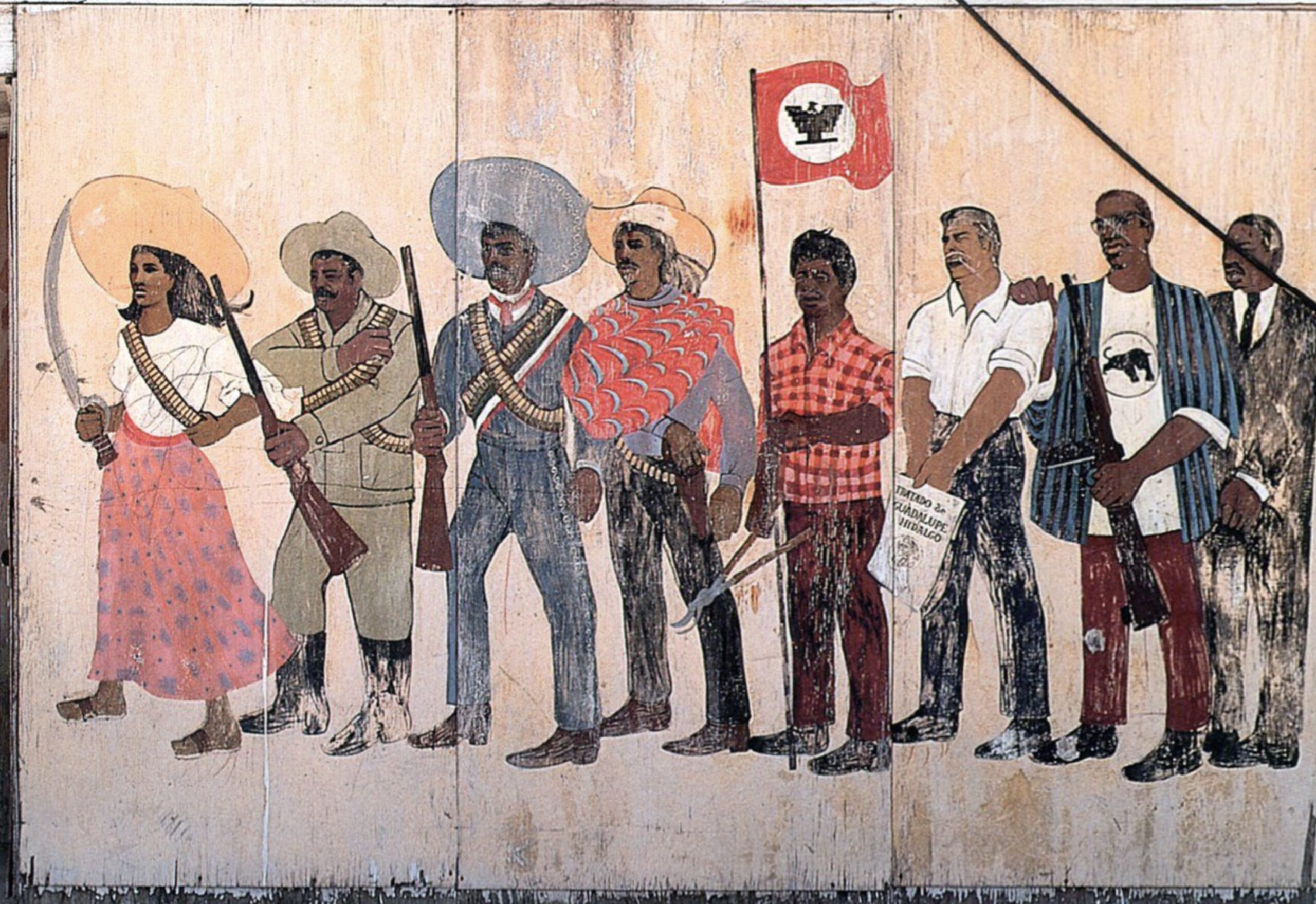
Del Rey Mural - Antonio Bernal
Created during the height of the United Farm Workers (UFW) struggle, the mural served as a backdrop for Teatro Campesino performances.
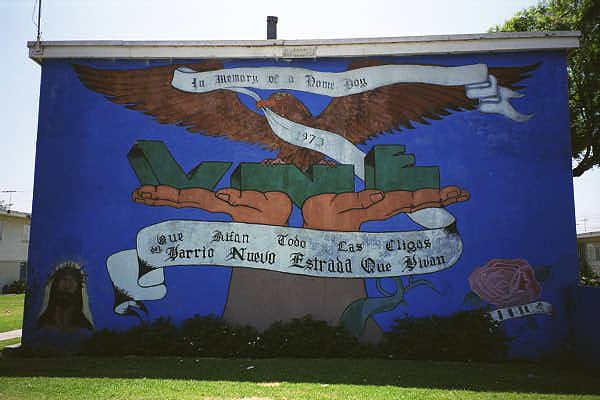
In Memory of a Home Boy - Daniel Martinez
It serves as a somber tribute to a victim of gang violence and remains one of the most culturally significant works within the historic Estrada Courts mural collection.
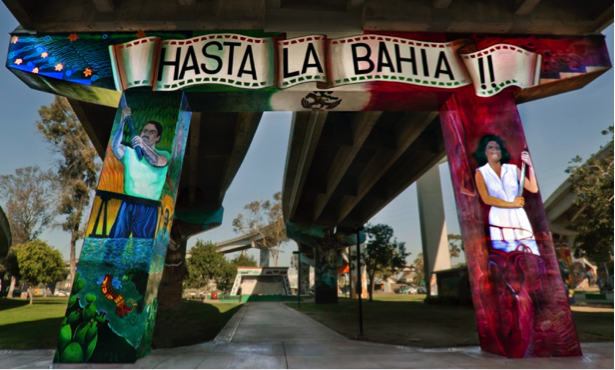
Chicano Park Takeover - Guillermo Rosette, Felipe Adame, and Octavio González
Features community activists stopping bulldozers grading land for a Highway Patrol station.
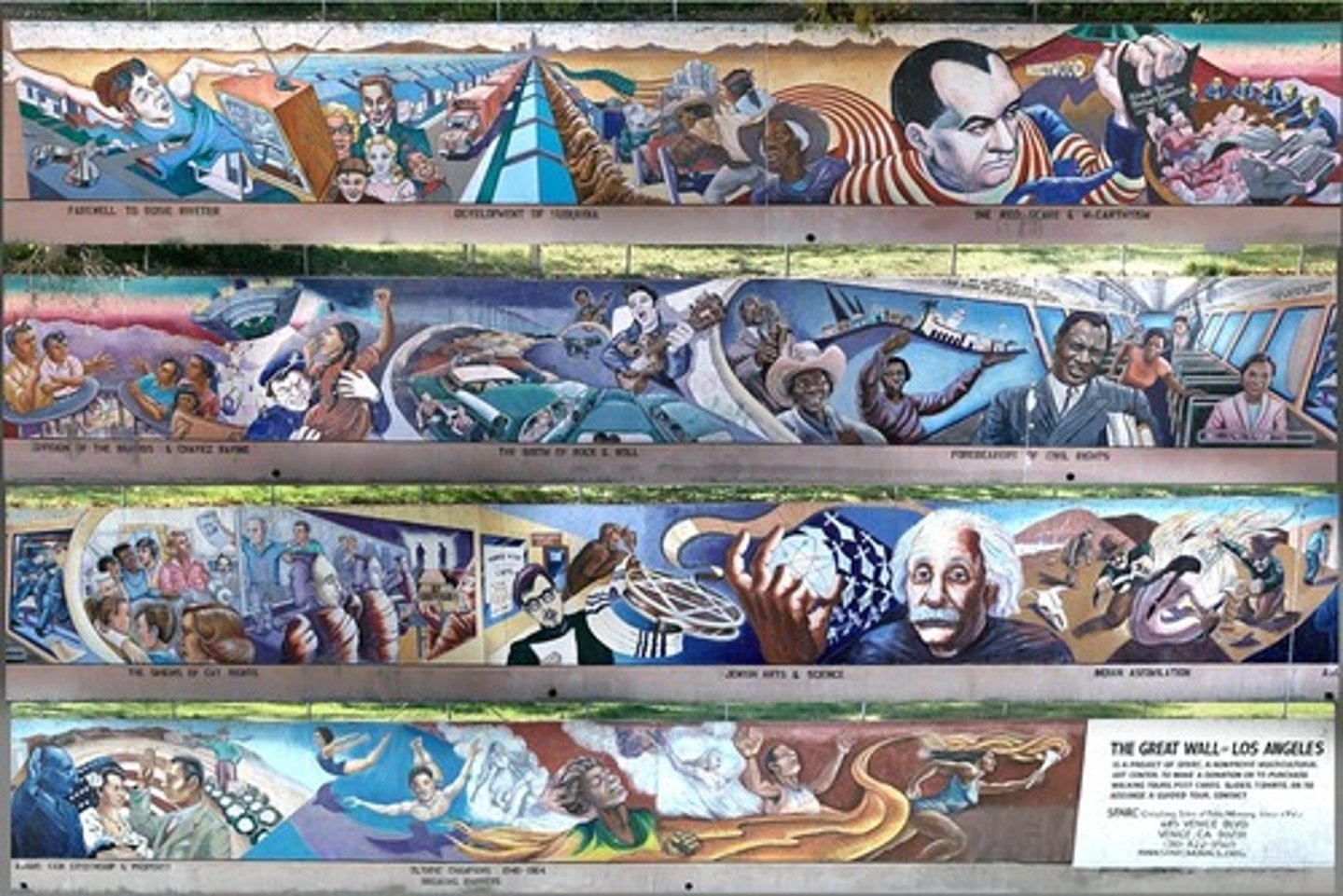
The Great Wall of Los Angeles - Judy Baca
A monumental half-mile-long mural located in the Tujunga Wash flood control channel in North Hollywood.
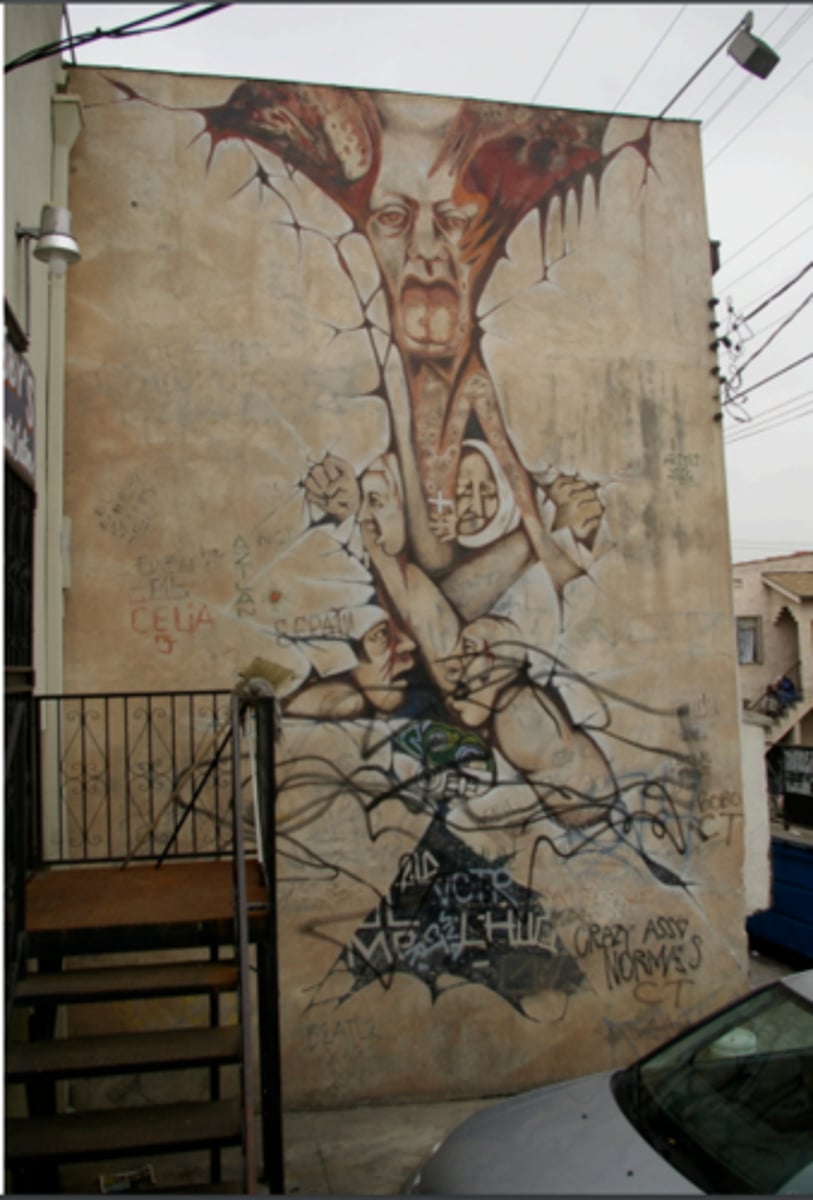
The Wall That Cracked Open - Willie Herrón III
It is a raw, visceral response to a personal tragedy that became a universal symbol of community struggle and resilience.
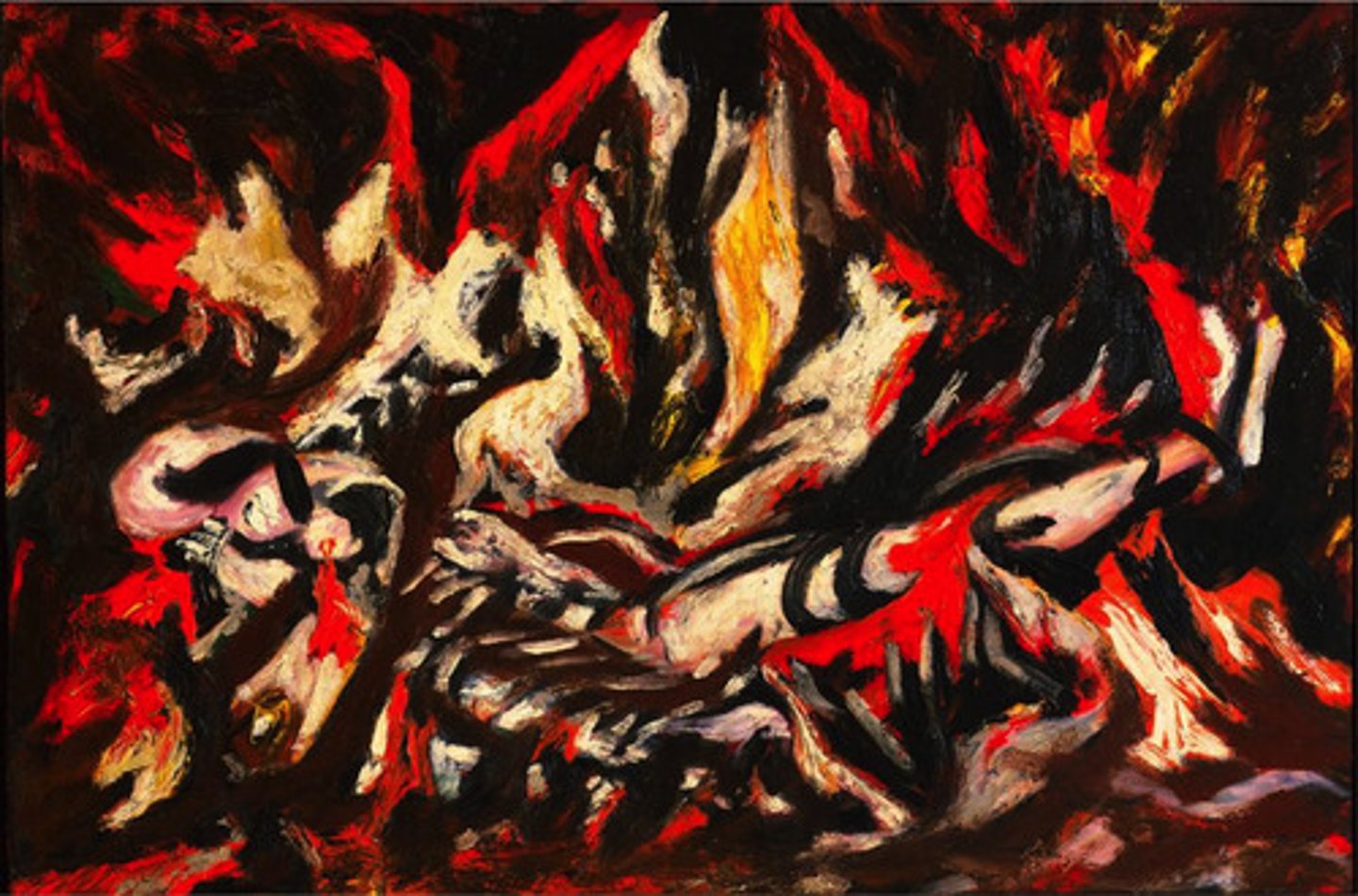
The Flame - Jackson Pollock
An oil on canvas painting by Jackson Pollock that serves as a bridge between his early figurative style and his later revolutionary drip abstractions.
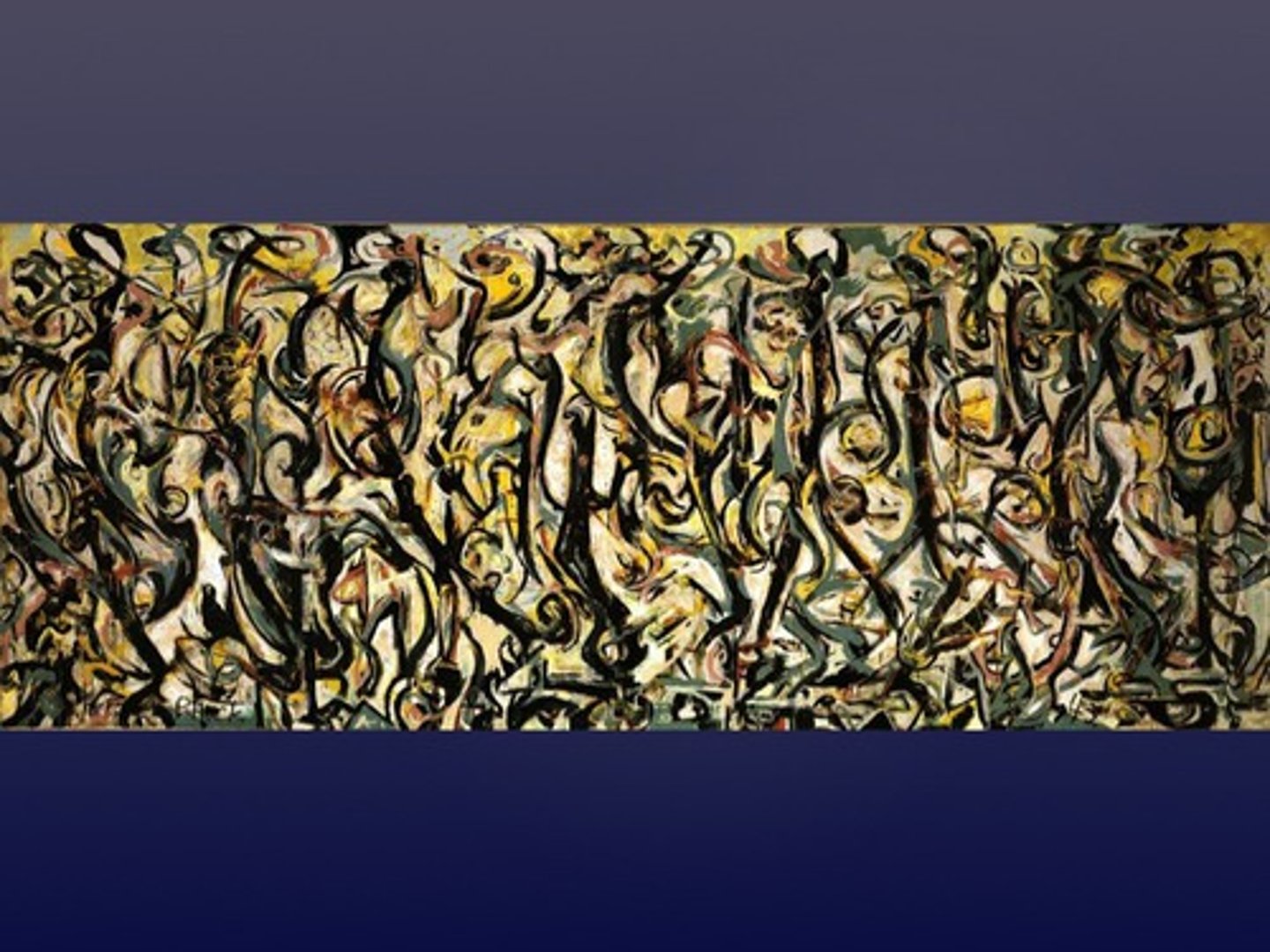
Mural - Jackson Pollock
Represents a pivotal shift from biomorphic surrealism to Abstract Expressionism.
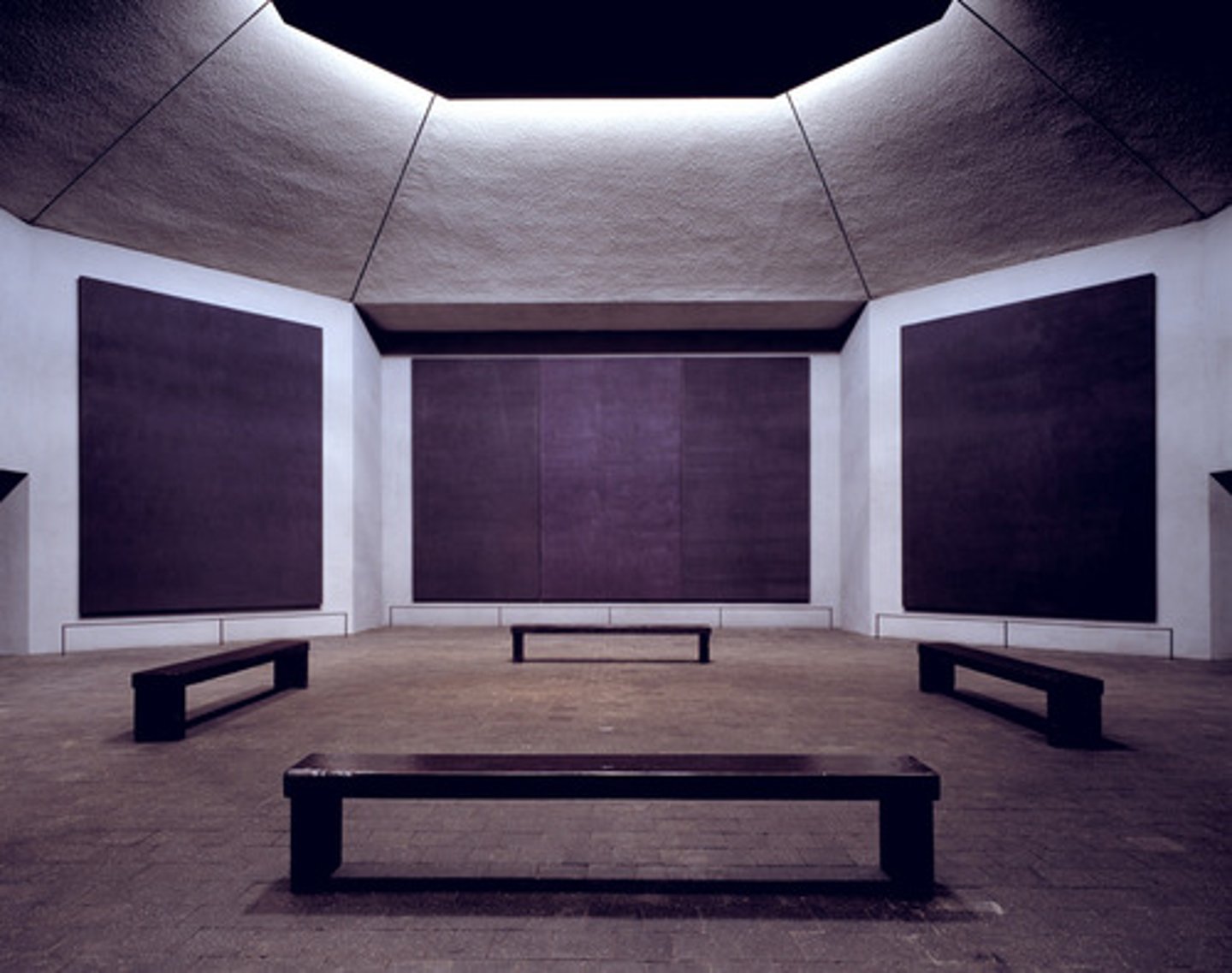
Rothko Chapel - Mark Rothko
Often referred to as his 'Black Paintings', these are large-scale, dark, monochromatic canvases designed specifically for the chapel's interior.
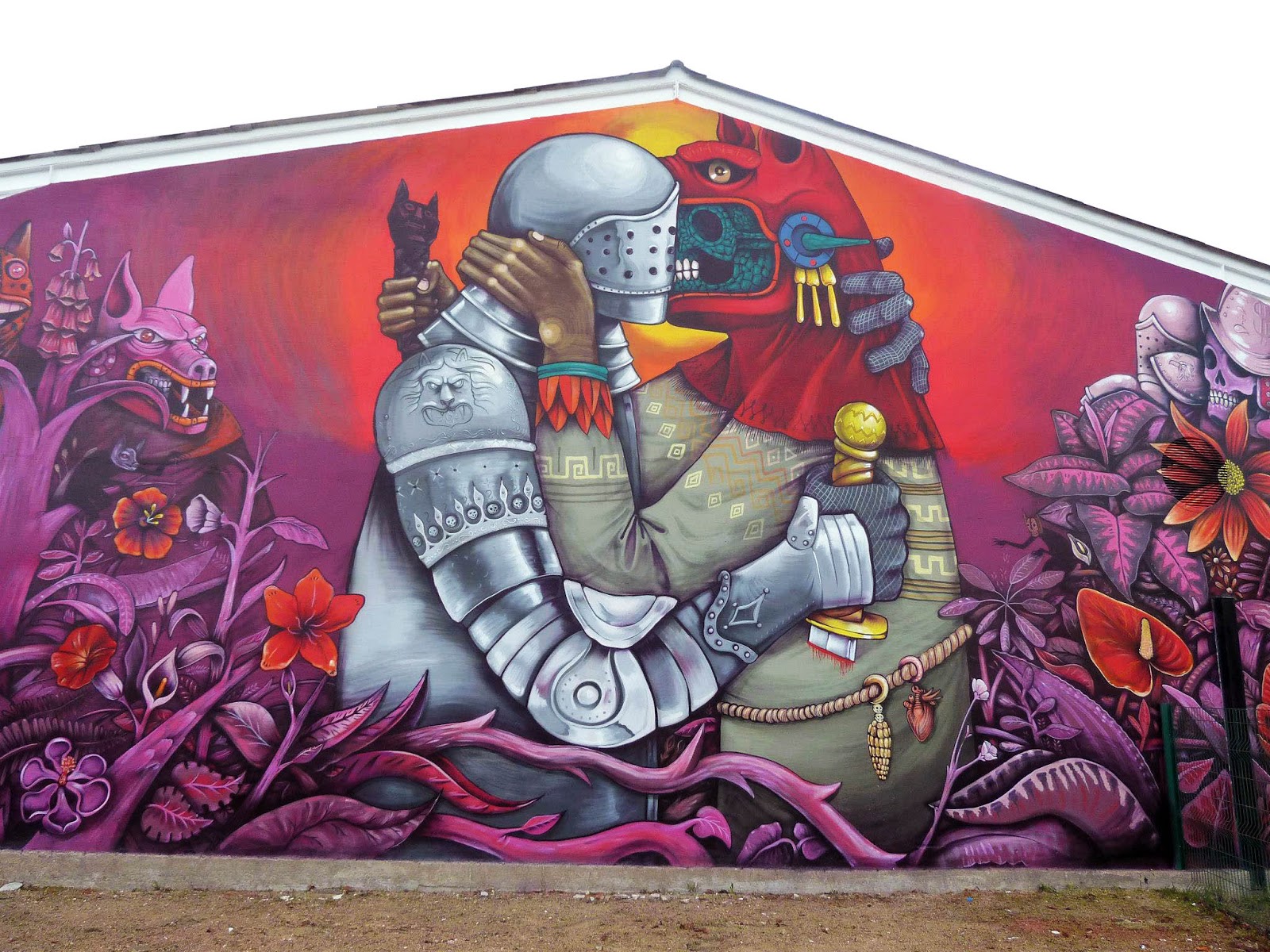
The Conquest of the New World by Spanish Conquistadors - Saner/Edgar Flores
The mural explores the violent integration of Spanish and Aztec cultures.
Juntos - Paola Delfin
It was created for the 'Barreal 2019' project and serves as a tribute to local women, mothers, and workers who built the community's strength.