Test Bank for Lewis's Medical-Surgical Nursing, 12th Edition
 Call Kai
 Learn
Learn Practice Test
 Spaced Repetition
 Match
Match Flashcards
1/100

There's no tags or description
Looks like no tags are added yet.
Name | Mastery | Learn | Test | Matching | Spaced | Call with Kai |
|---|
No analytics yet
Send a link to your students to track their progress
101 Terms
Admission Database
Initial assessment of patient health information.
Patient Input
Involvement of patients in care planning.
Nursing Role
Promotes health beyond just treating illness.

Evidence-Based Practice (EBP)
Care based on research, expertise, and preferences.
Clinical Judgment
Decision-making based on nurse's experience.
Patient Preferences
Individual choices influencing care decisions.

Nursing Process
Systematic approach for patient care management.
Problem-Solving Tool
Method to identify and address patient needs.
Nursing Interventions
Actions taken to improve patient health outcomes.
Biopsychosocial Model
Holistic approach considering biological and psychological factors.
Patient Outcomes
Results of care measured against expected goals.
Data Analysis
Evaluating information to assess care effectiveness.
Randomized Controlled Studies
Research design for testing treatment efficacy.
Patient Care Planning
Developing strategies for individual patient needs.
Nurse-Patient Relationship
Trust-based interaction for effective care.
Health Care Team
Collaborative group providing comprehensive patient care.
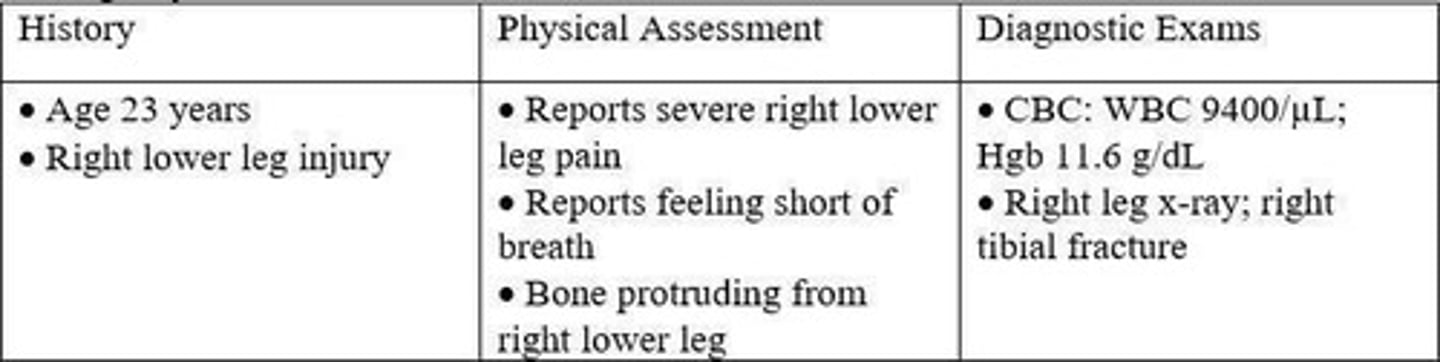
Patient Concerns
Issues affecting patient's emotional or physical well-being.
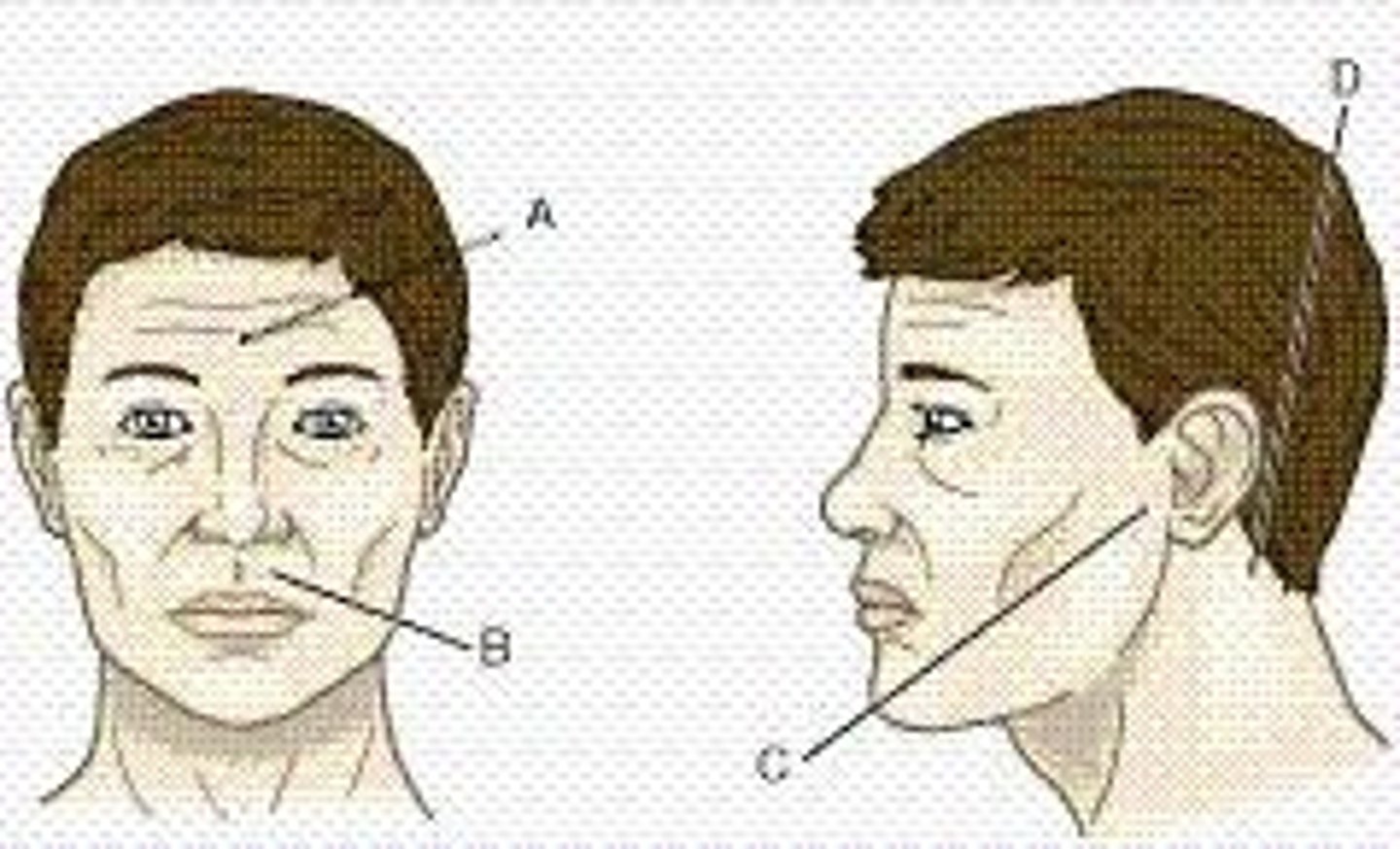
Child Care Arrangements
Plans for children's supervision during patient absence.
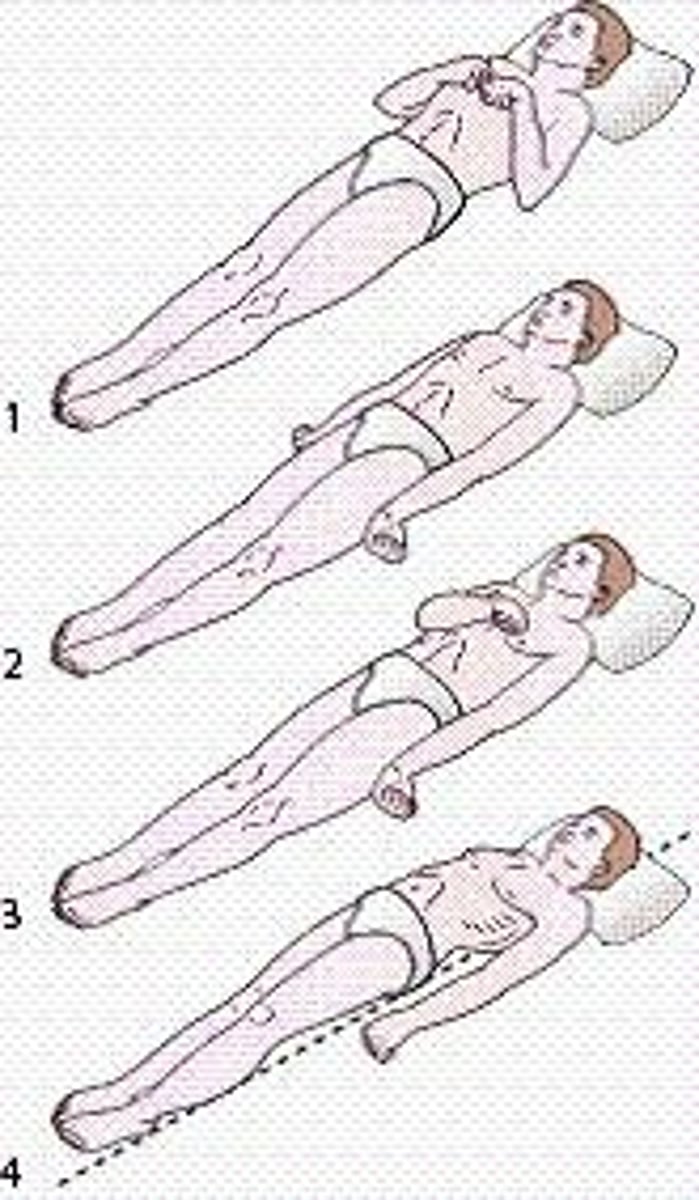
Reassurance
Providing comfort to alleviate patient anxiety.
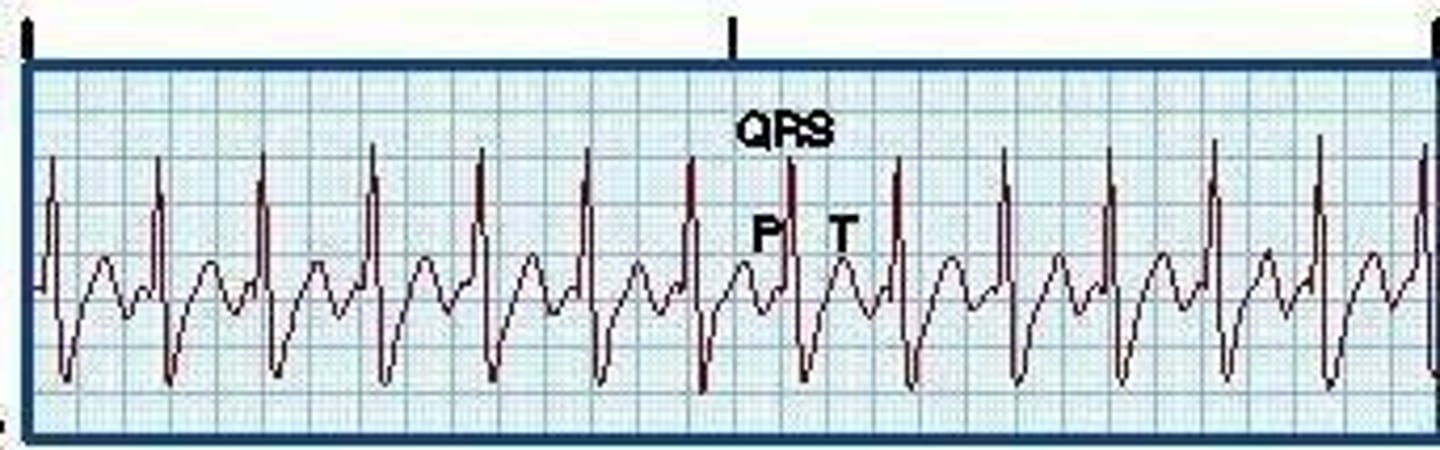
Communication
Sharing information to enhance patient understanding.
Nursing Theory
Framework guiding nursing practice and education.
Cognitive Level: Analyze
Assessing information for deeper understanding.
Cognitive Level: Understand
Comprehending concepts and their implications.
Assessment Phase
Gathering patient data to identify strengths and problems.
Evaluation Phase
Determining effectiveness of interventions on patient outcomes.
Clinical Problem Statement
Includes problem, causes, signs, and symptoms.
Hypovolemia
Deficient fluid volume often due to excessive loss.
Balanced Intake and Output
Measurable data indicating fluid volume resolution.
Assistive Personnel (AP)
Non-licensed staff trained for specific patient tasks.
Nursing Diagnosis
A clinical judgment about patient health issues.
Patient Education
Teaching patients about health management and interventions.
Cognitive Level: Analyze
Higher-order thinking to evaluate information critically.
Cognitive Level: Apply
Using knowledge in practical situations or scenarios.
Cognitive Level: Understand
Comprehending and interpreting information effectively.
Nursing Interventions
Actions taken to improve patient outcomes.
Patient Outcomes
Expected results from nursing interventions and care.
Diaphoresis
Excessive sweating, often due to fever.
Fluid Intake Importance
Essential for maintaining hydration and health.
Monitoring Vital Signs
Assessing blood pressure and pulse for health status.
Patient Goals
Desired outcomes set for patient care plans.
Health Problems Resolution
Determining if patient issues have been addressed.
Intervention Effectiveness
Evaluating if actions meet patient care objectives.
Patient-Centered Care
Care focused on individual patient needs and preferences.
Documentation
Recording patient care and progress in health records.
Delegation in Nursing
Assigning tasks to appropriate personnel based on scope.
Nursing Care Plan
A structured approach to patient care management.
Float Registered Nurse (RN)
RN from another unit assisting with patient care.
Assistive Personnel (AP)
Support staff performing basic patient care tasks.
Licensed Practical/Vocational Nurse (LPN/VN)
Nurse providing basic nursing care under RN supervision.
Scope of Practice
Legal boundaries defining healthcare provider duties.
Assessment
Evaluation of patient condition requiring RN expertise.
Delegation
Assigning tasks to other healthcare team members.
Bowel Sounds
Sounds indicating gastrointestinal activity, assessed by RN.
Oral Medications Administration
LPN/VN can give prescribed oral medications.
Insulin Administration
Float RN can administer insulin if trained.
Urinary Catheter Output Measurement
AP can measure output but not assess.
Initial Admission Assessment
Comprehensive evaluation done by RN only.
Blood Glucose Measurement
LPN/VN can perform finger-stick glucose tests.
Patient Teaching
Education on care requires RN involvement.
Case Manager Role
Coordinates patient care across multiple settings.
Spinal Cord Injury
Injury requiring specialized nursing care and coordination.
Transitional Care Facility
Rehabilitation setting before returning home.
Skilled Care Facility
Provides ongoing medical and nursing care.
Residential Care Facility
Long-term living arrangement with limited medical care.
Intermediate Care Facility
Offers care for patients needing assistance but not acute care.
Home Health Aide
Assists patients with daily living activities at home.
Patient Hygiene Assistance
Home health aide helps with bathing and oral care.
Diabetes Management Education
Teaching glucose monitoring requires RN expertise.
Patient Education
Teaching patients skills like diet and glucose monitoring.
Cognitive Level: Apply
Ability to implement learned knowledge in practice.
Nursing Process: Implementation
Executing nursing interventions based on assessment.
Quality Care Initiatives
Programs aimed at improving healthcare service quality.
Health Care Financing
Funding mechanisms affecting healthcare quality and delivery.
Clinical Outcomes
Results of healthcare interventions on patient health.
Patient Satisfaction
Patients' perceptions of care quality received.
Preventable Conditions
Health issues that could be avoided with proper care.
Informatics and Technology
Use of digital systems for patient documentation.
Electronic Health Record
Digital version of a patient's paper chart.
Delegation in Nursing
Assigning tasks to licensed practical/vocational nurses.
State Nurse Practice Act
Legal framework defining nursing scope of practice.
Agency Policies
Guidelines governing nursing practice within institutions.
Patient Stability
Condition of patients being stable or unstable.
Medication Administration Safety
Practices ensuring safe delivery of medications.
National Patient Safety Goals
Standards to enhance patient safety in healthcare.
Reliable Patient Identification
Using multiple methods to confirm patient identity.
Medication Labeling
Requirement for medications to have clear labels.
Laboratory Test Results
Data used to inform medication administration decisions.
Patient Discharge Instructions
Information provided to patients upon leaving care.
Nursing Competency
Demonstrating skills and knowledge in nursing practice.
Interprofessional Care Team
Collaboration among various healthcare professionals.
Quality of Care Measures
Metrics evaluating healthcare service effectiveness.
Hand Hygiene
Critical practice to prevent infection transmission.
Unlabeled Medications
Medications lacking identification pose safety risks.
Patient Assessment
Evaluating patient condition before medication administration.
Medication List
Current medicines provided to patient pre-discharge.
Clinical Judgment
Nurse's ability to assess and make decisions.
Priority Problems
Identifying most critical issues in patient care.
Change in Patient Status
Noticing alterations in a patient's health condition.
Data Assessment
Evaluating patient information for informed decisions.
Possible Solutions
Generating options to address patient health issues.