road lines and etc
 Call Kai
 Learn
Learn Practice Test
 Spaced Repetition
 Match
Match Flashcards
 Knowt Play
1/51

There's no tags or description
Looks like no tags are added yet.
Name | Mastery | Learn | Test | Matching | Spaced | Call with Kai |
|---|
No analytics yet
Send a link to your students to track their progress
52 Terms
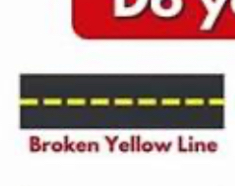
Broken yellow line
•Passing is allowed when safe
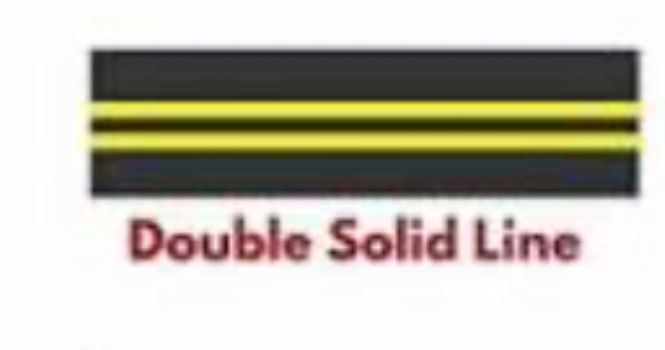
Double solid line
• no passing allowed
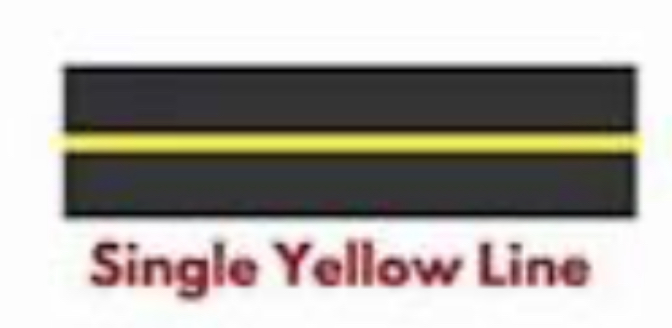
Single yellow line
• passing is allowed with extra caution
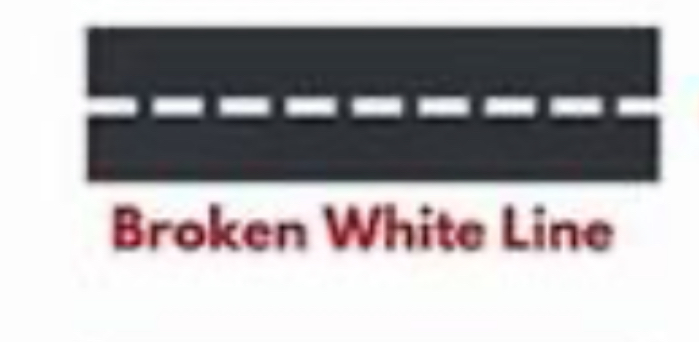
Broken white line
•crossing allowed while overtaking when safe
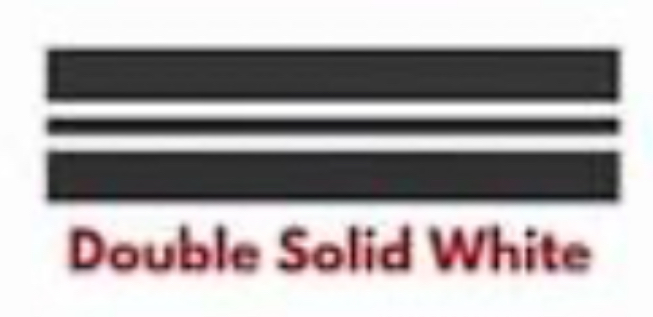
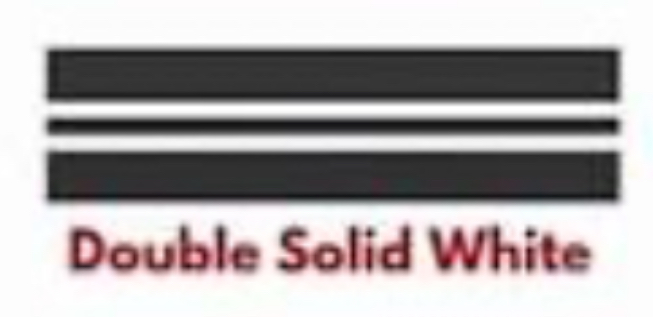
Double solid white lines
Discourage crossing lanes
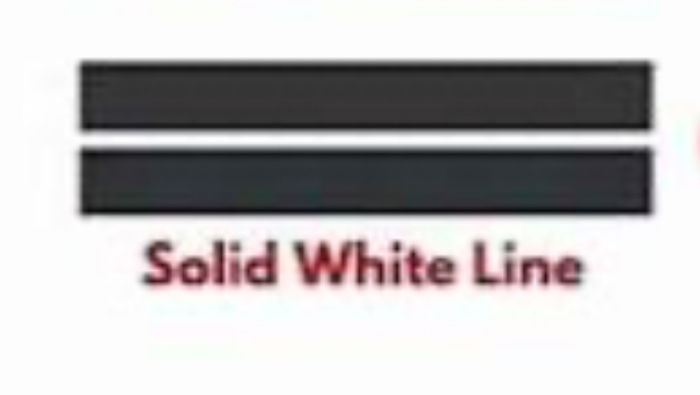
Solid white line
• lane changing not permitted
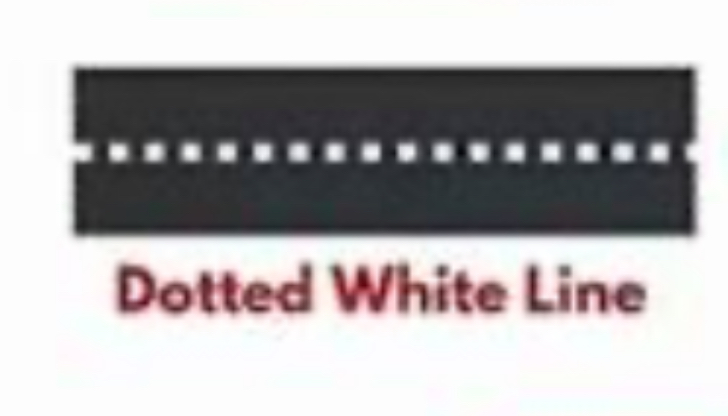
Doted white line
• indicates merging or auxiliary lanes
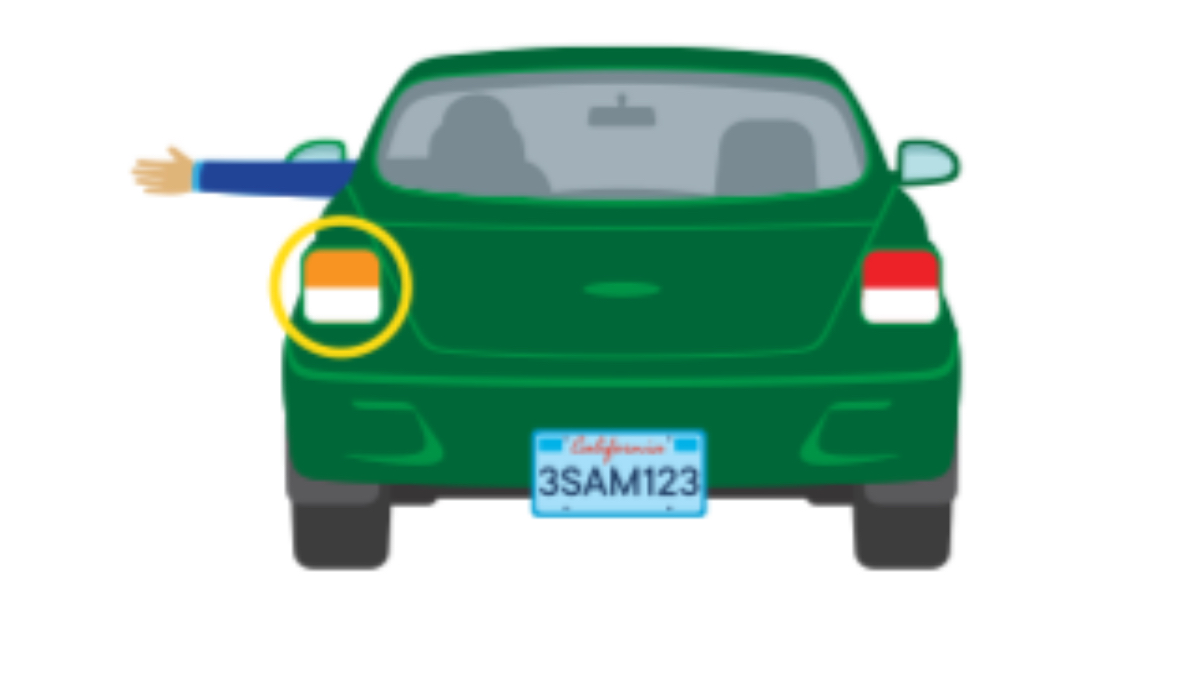
Signals
Left turn
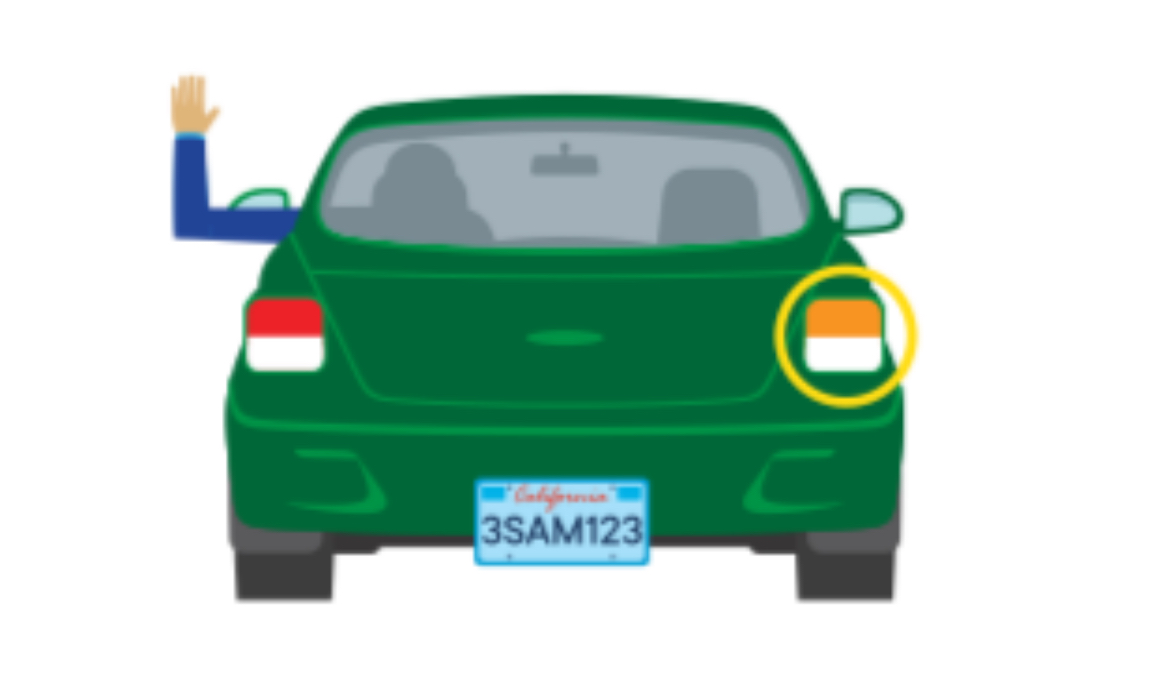
Signals
Right turn
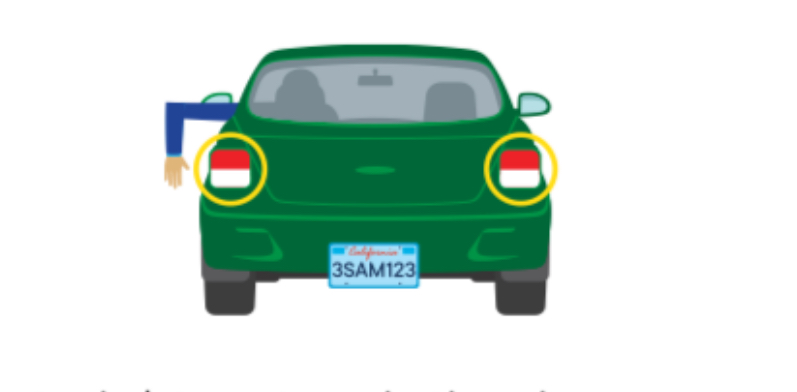
Signals
Slow or stop
Singlas
Always signal when you turn, change lanes, slow down, or stop.You can signal using your vehicle's signal lights or using hand-and-arm positions. If your signal lights are not functioning, or bright sunlight makes your signal lights hard to see, use the hand-and-arm signals shown in the image below.
When to signal
You should signal:
At least 100 feet before you turn.
Before every lane change.
At least five seconds before you change lanes on a freeway.
Before pulling next to the curb or away from the curb.
Even when you do not see other vehicles around you.
When you are almost through the intersection if you plan to turn shortly after crossing the intersection.
Remember to turn off your signal when you no longer need it.
Use your horn
Use your vehicles horn to let other drivers know you are there or warn others of a hazard. Use your horn to:
Avoid collisions.
Alert oncoming traffic on narrow mountain roads where you cannot see at least 200 feet ahead
Using your headlights
Your vehicle's headlights help you see what is in front of you. They also make it easier for other drivers to see your vehicle. Dim your high-beam headlights to low beams within 500 feet of a vehicle coming toward you or within 300 feet of a vehicle you are following. It is illegal to drive using only parking lights.
When to use your headlights
Use your headlights:
When it is too dark to see from 1,000 feet away.
Beginning 30 minutes after sunset.
Until 30 minutes before sunrise.
In adverse weather. If you need to use your windshield wipers due to fog, rain, or snow, you must turn on your low-beam headlights.
When conditions (such as clouds, dust, smoke, or fog) prevent you from seeing other vehicles.
On mountain roads and tunnels (even on sunny days).
When a road sign states that headlights must be on.
To help other drivers see your vehicle, especially when the sun is low on the horizon.

Solid red light
A red traffic signal light means STOP. You can turn right at a red light, if:
There is not a NO TURN ON RED sign posted.
You stop at the stop or limit line, yield for pedestrians, and turn when it is safe.
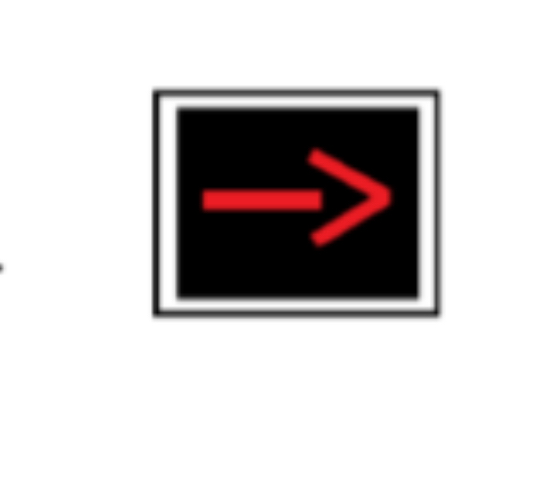
Red arrow
A red arrow means STOP. Do not turn at a red arrow. Remain stopped until a green traffic signal light or green arrow appears.
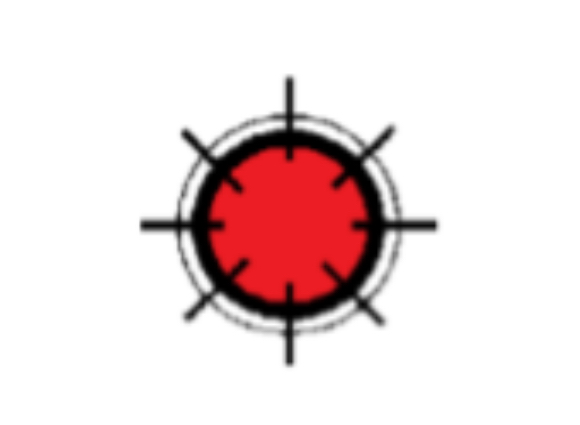
Flashing red light
A flashing red signal light means STOP. After stopping, you may go when it is safe.
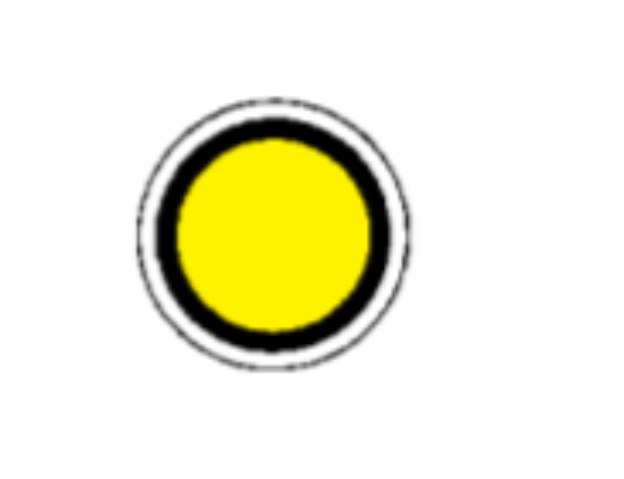
Solid yellow light
A yellow traffic signal light means CAUTION. The light is about to turn red. When you see a yellow traffic signal light, stop, if you can do so safely. If you cannot stop safely, cautiously cross the Intersection
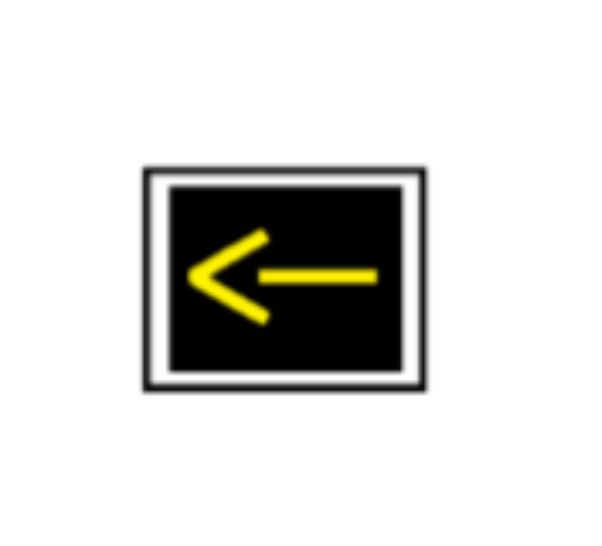
Yellow arrow
A yellow arrow means the protected turning time is ending. The signal will change soon. If you cannot stop safely or you are already in the intersection, cautiously complete your turn. Pay attention to the next signal. It could be a:
Green or red traffic signal light.
Red arrow.
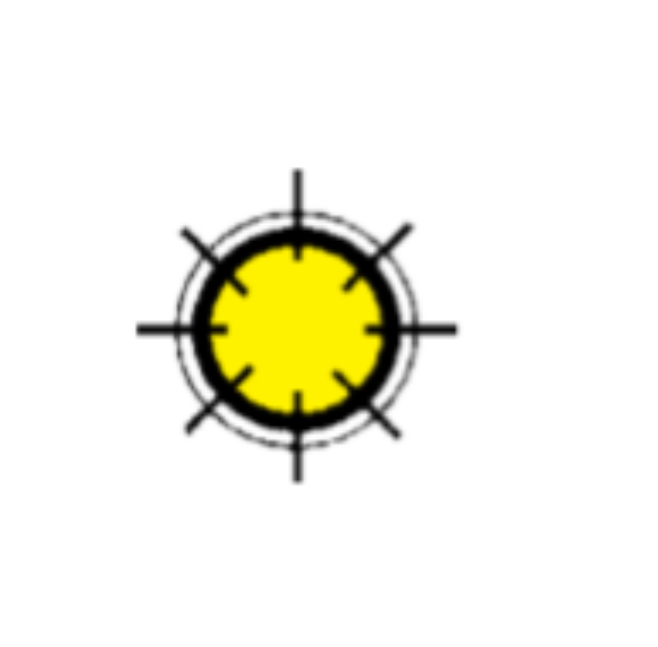
Flashing yellow light
A flashing yellow traffic signal light is a warning to PROCEED WITH CAUTION. Slow down and be alert. You do not need to stop.
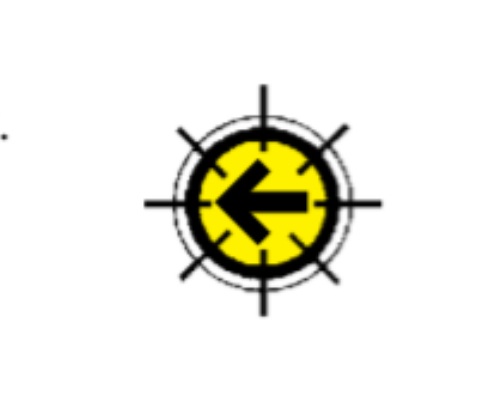
Flashing yellow arrow
You can turn, but your turn is not protected from other traffic.
Proceed to turn left after yielding to oncoming traffic and proceed with caution.
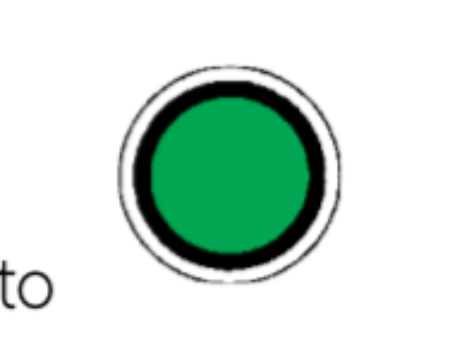
Solid green light
A green traffic signal light means GO. You should still stop for any vehicle, bicyclist, or pedestrian in the intersection. Only proceed if you have enough space without creating a danger to any oncoming vehicle, bicyclist, or pedestrian. Do not enter the intersection if you cannot get completely across before the traffic signal light turns red.
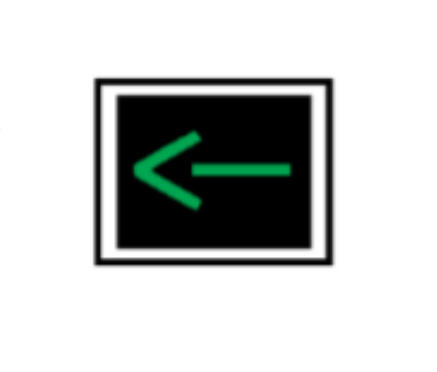
Green arrow
A green arrow means GO in the direction the arrow is pointing.
The green arrow allows you to make a protected turn.
Oncoming vehicles are stopped by a red traffic signal light.
Traffic Light Not Working
When a traffic light is not working, stop as if the intersection is controlled by STOP signs in all directions. Then proceed cautiously when it is safe to do so.
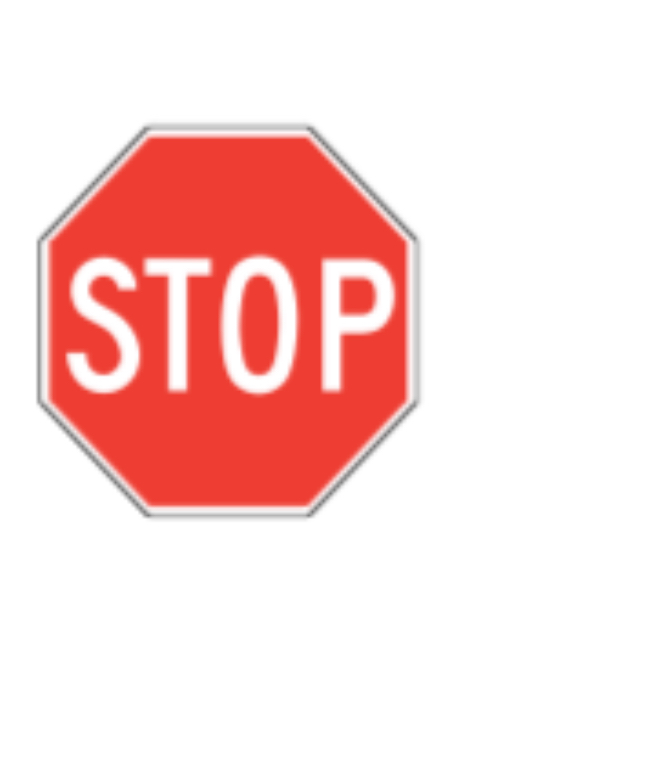
STOP Sign
Make a full stop before entering the crosswalk or at the limit line. If there is no limit line or crosswalk, stop before entering the intersection. Check traffic in all directions before proceeding.
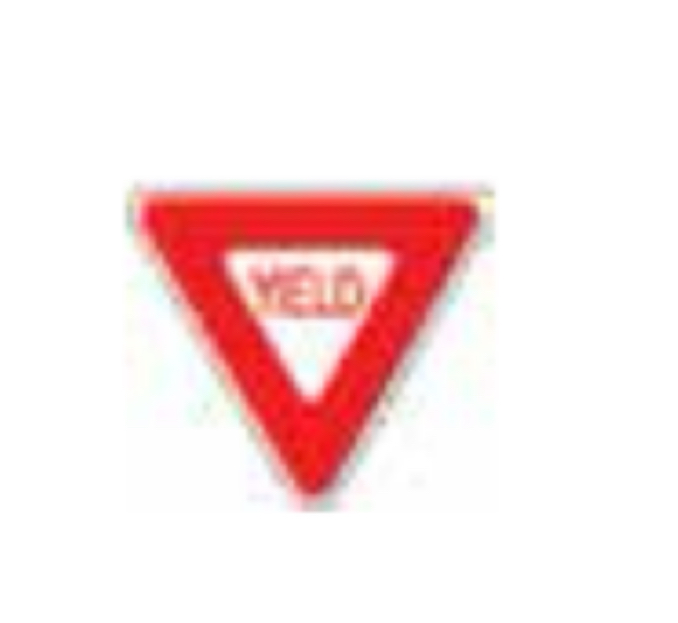
Red YIELD Sign
Slow down and be ready to stop to let any vehicle, bicyclist, or pedestrian pass before you proceed
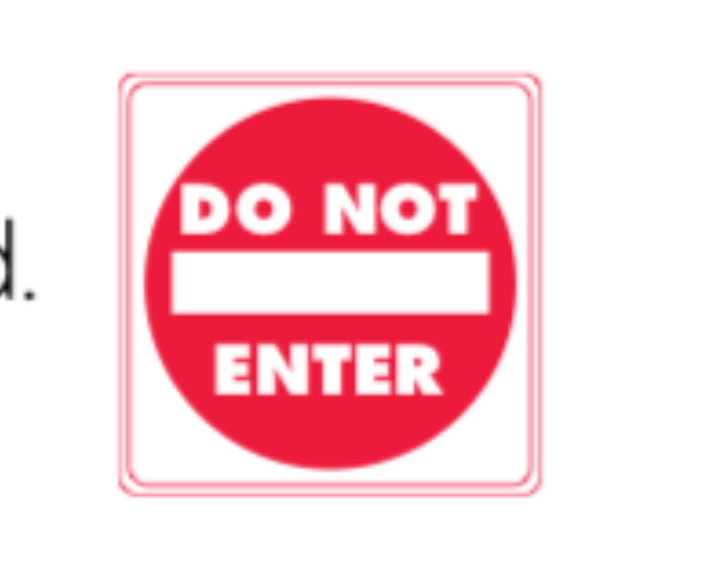
Red and White Regulatory Sign
Follow the sign's instruction. For example, DO NOT ENTER means do not enter the road or ramp where the sign is posted.
WRONG WAY Sign
If you enter a roadway against traffic, DO NOT ENTER and
WRONG WAY signs may be posted. When it is safe, back out or turn around. If you are driving at night, you will know you are going the wrong way if the road reflectors shine red in your headlights.
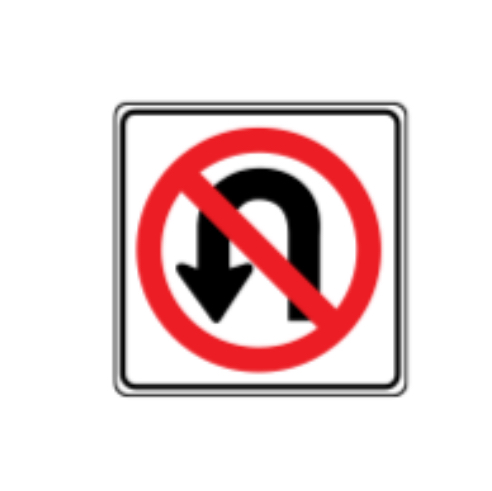
Red Circle with a Red Line Through It
The picture inside the circle shows what you cannot do and may be shown with words.
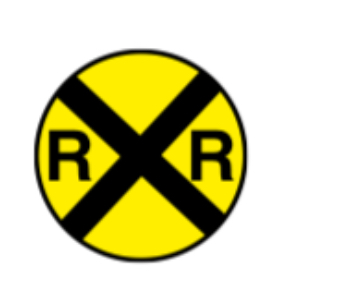
Yellow and Black Circular Sign or X-shaped Sign
You are approaching a railroad crossing. Look, listen, slow down, and prepare to stop. Let any trains pass before you proceed.
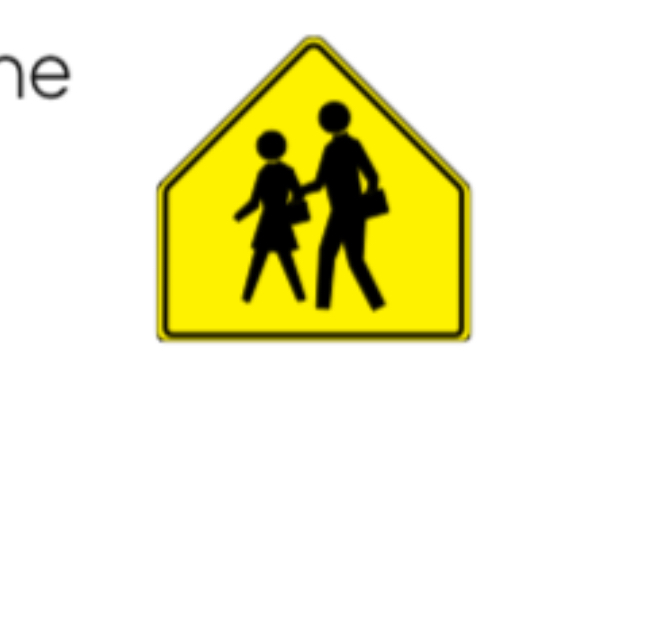
5-sided Sign
You are near a school. Drive slowly and stop for children in the crosswalk.
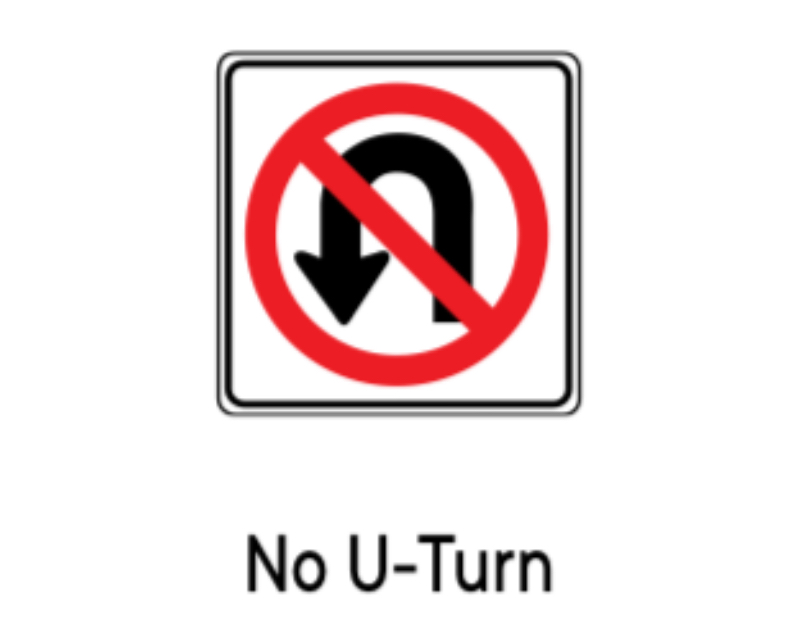
Signs
No u turn
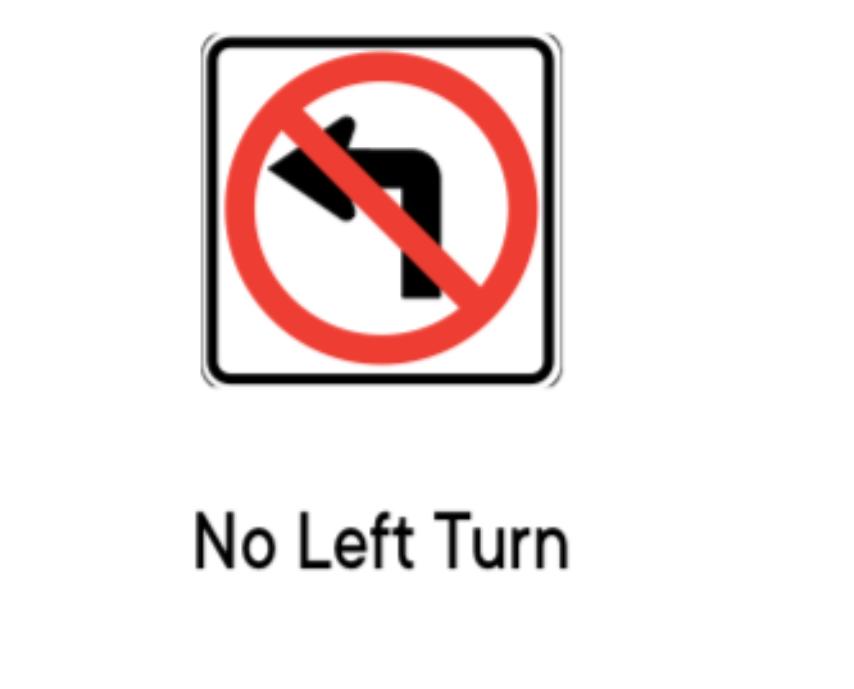
Signs
No left turn
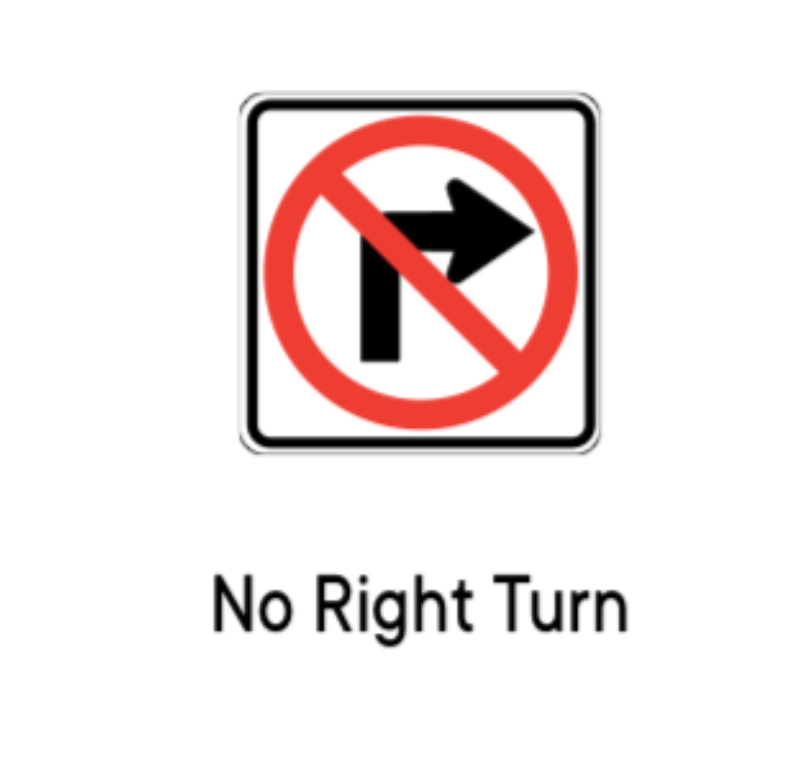
Signs
No right turn
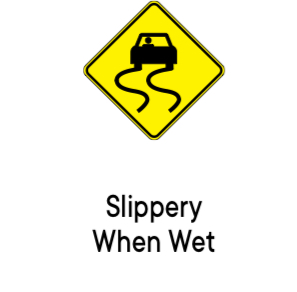
Warning signs
Slippery when wet
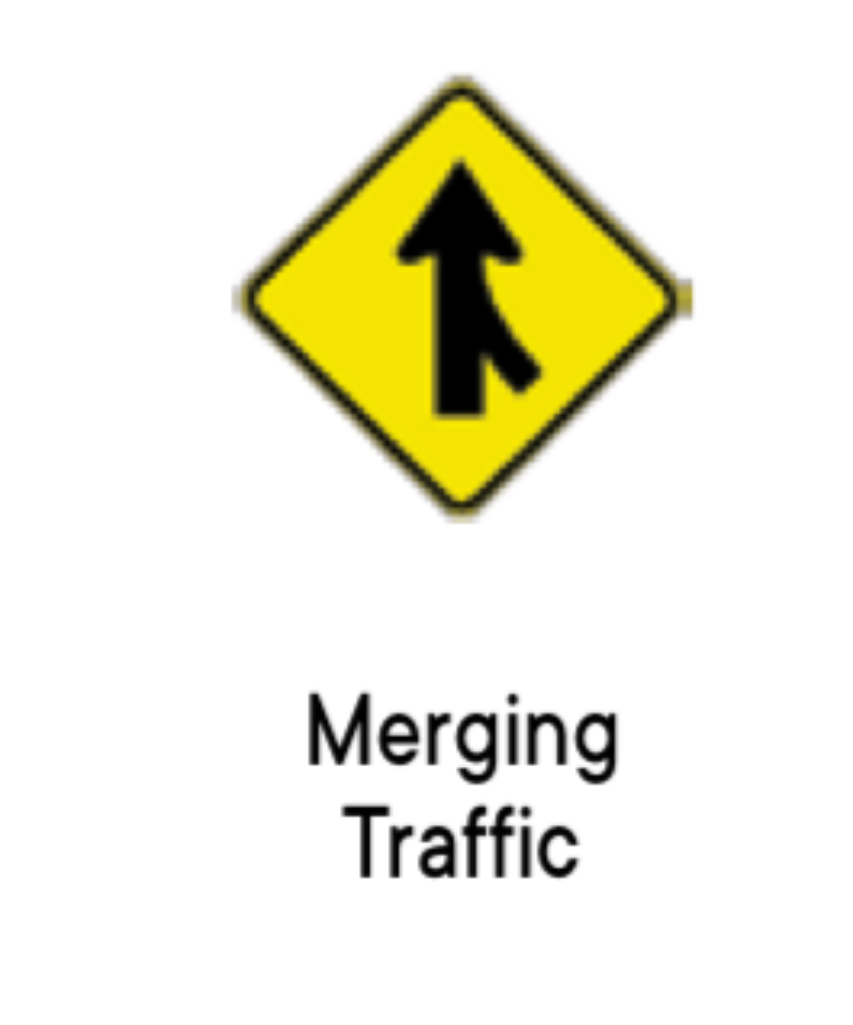
Warning signs
Merging Traffic
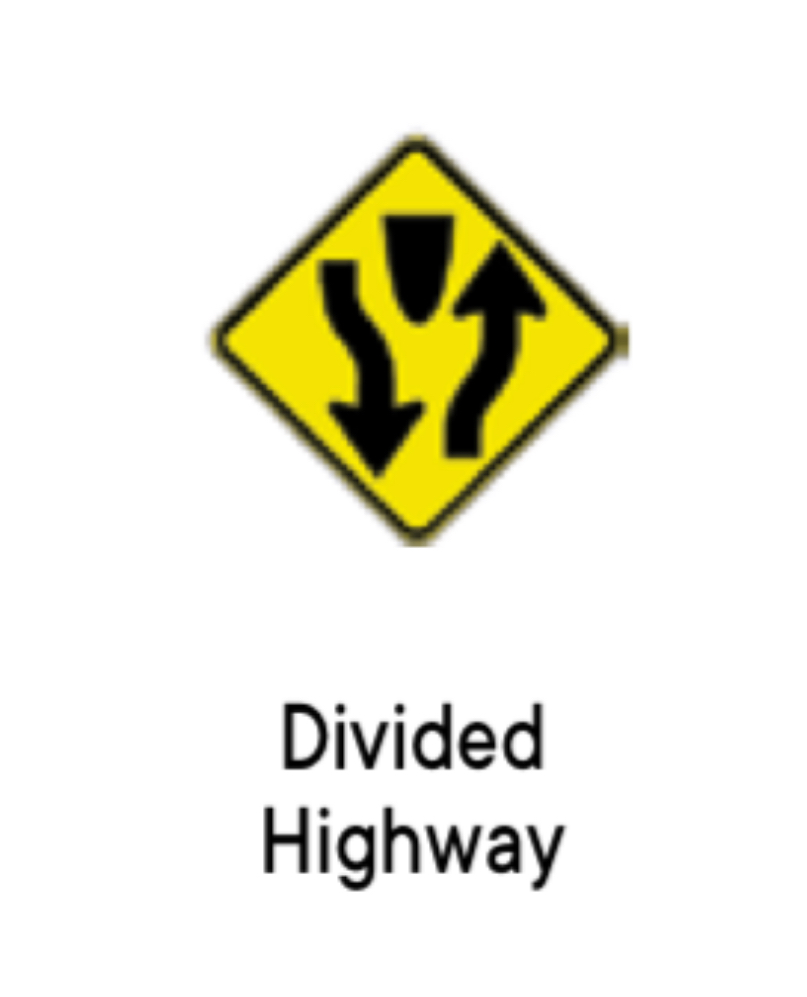
Warning signs
Divided Highway
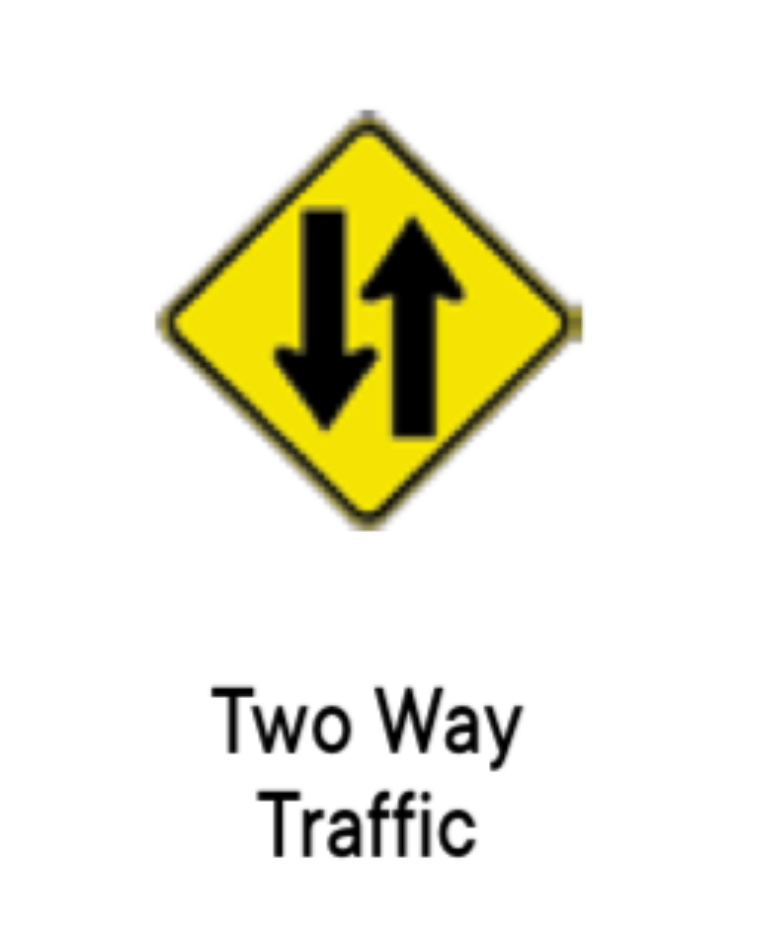
Warning signs
Two Way
Traffic
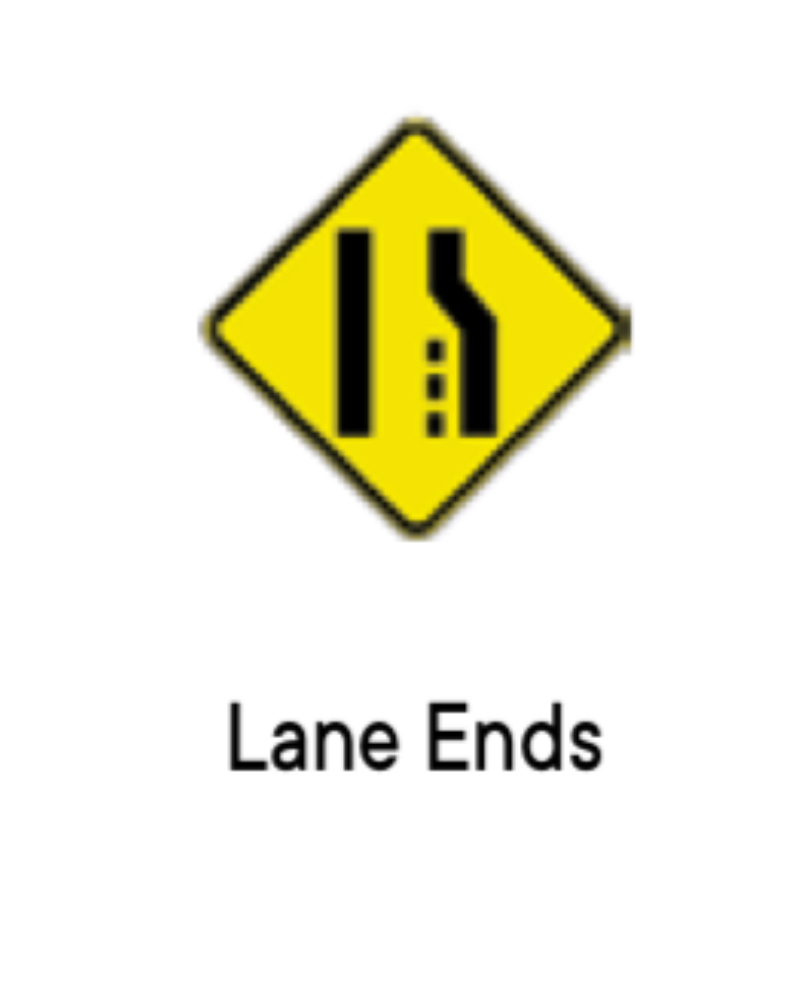
Warning signs
Lane Ends
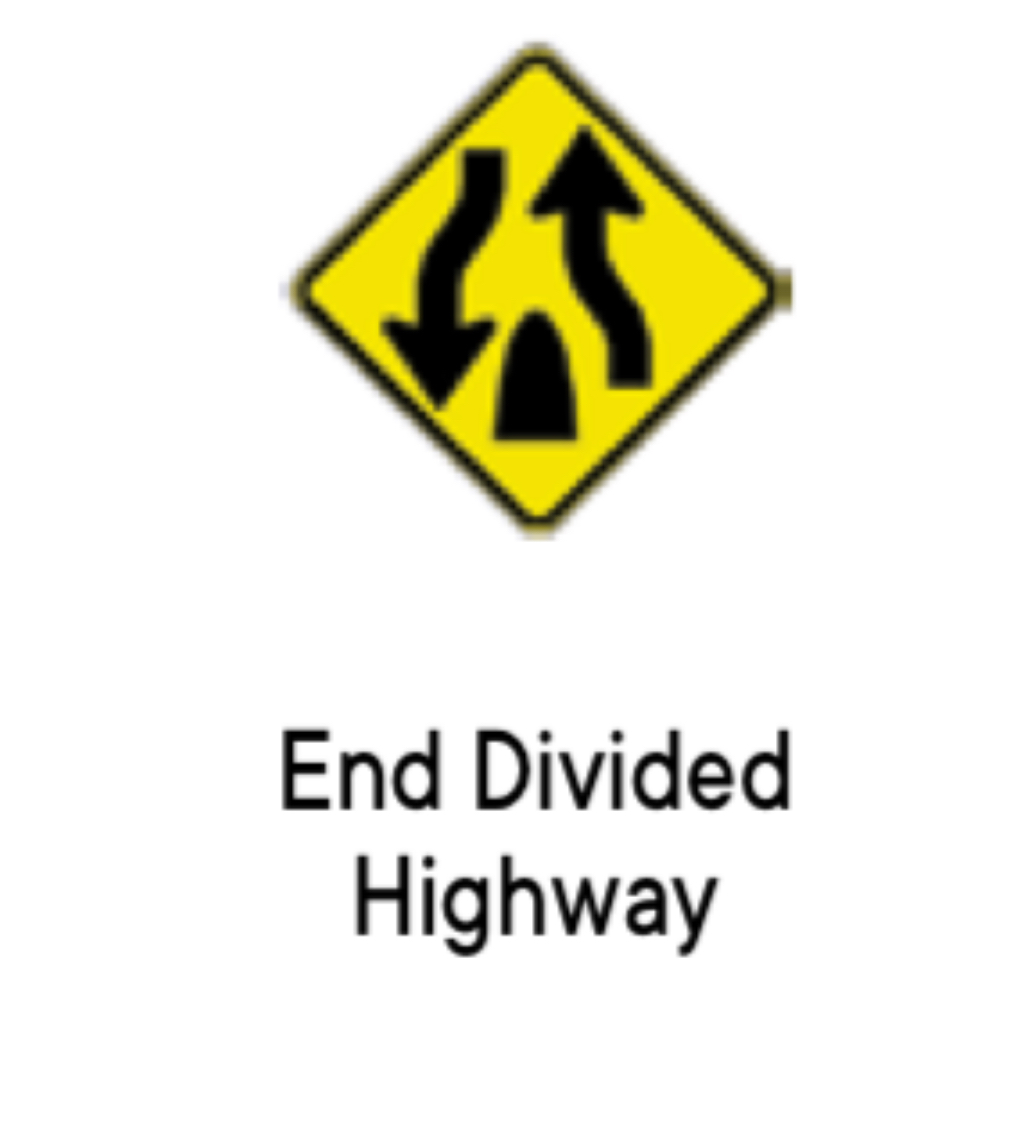
Warning signs
End Divided
Highway
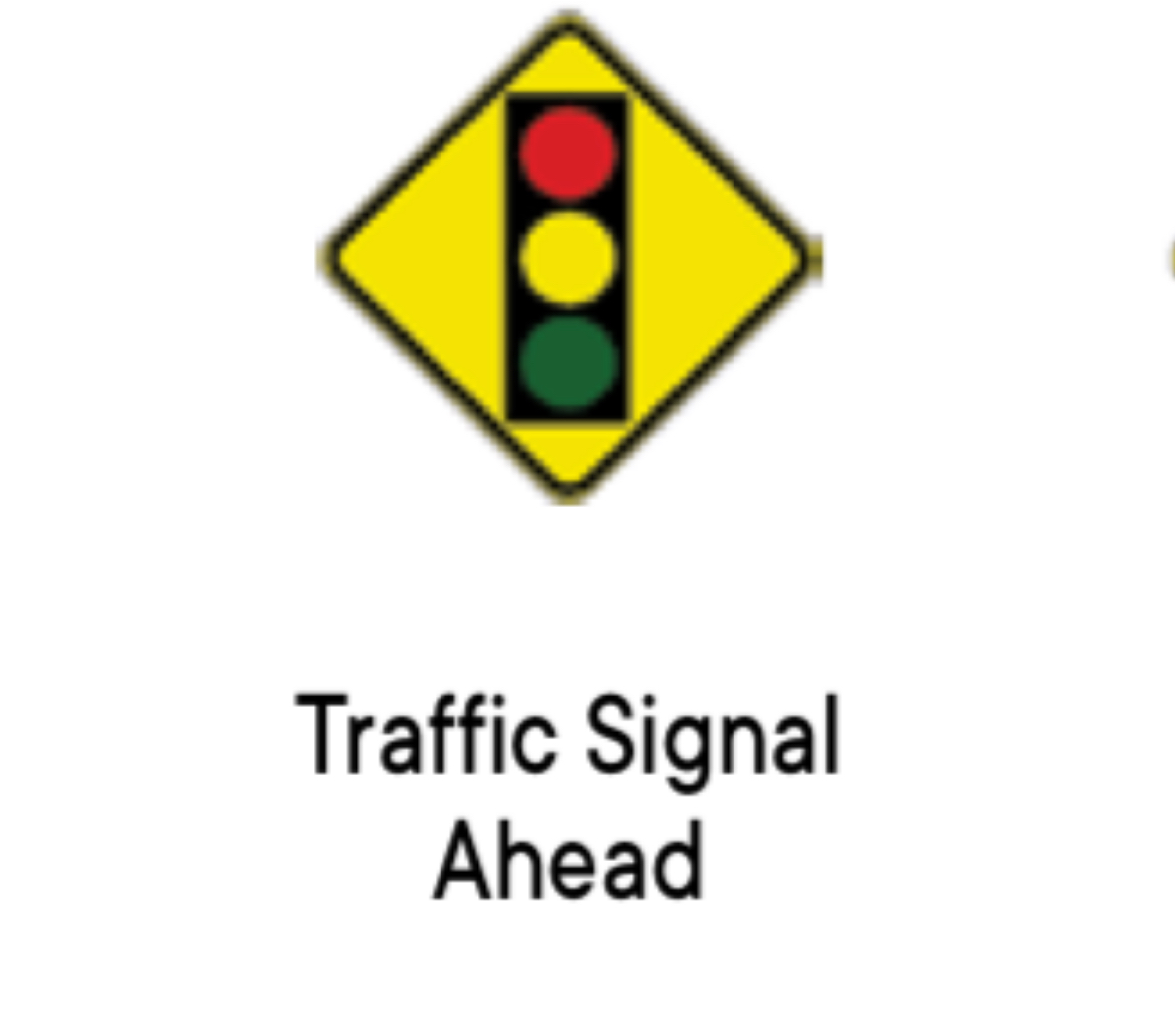
Warning signs
Traffic Signal Ahead
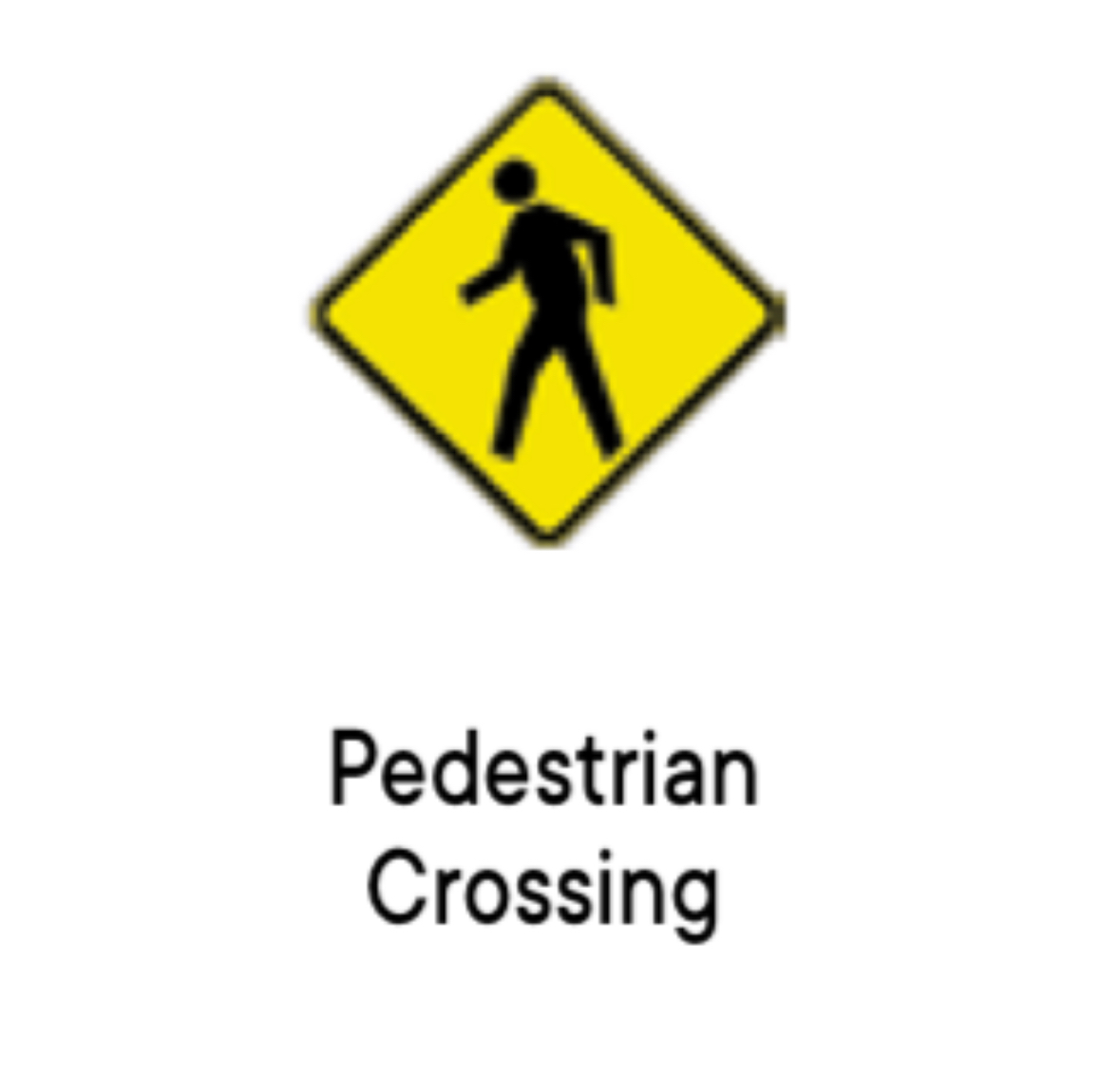
Warning sign
Pedestrian Crossing
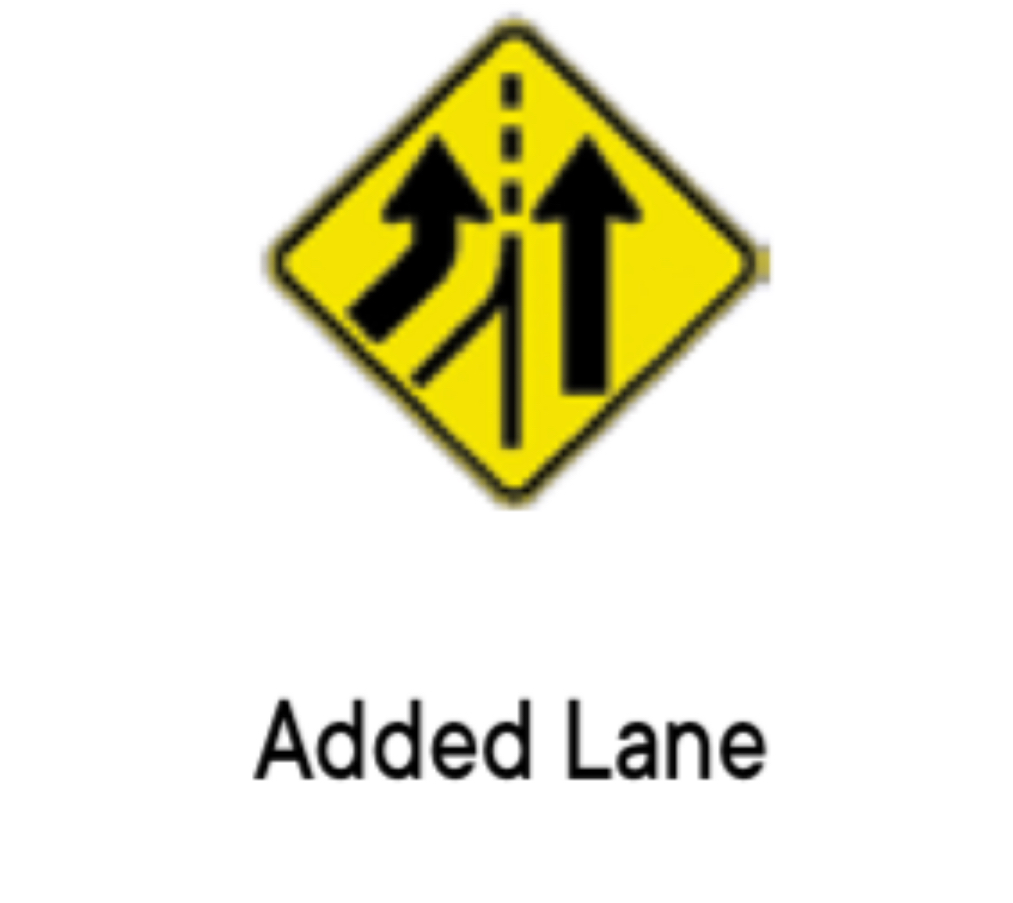
Warning sign
Added Lane
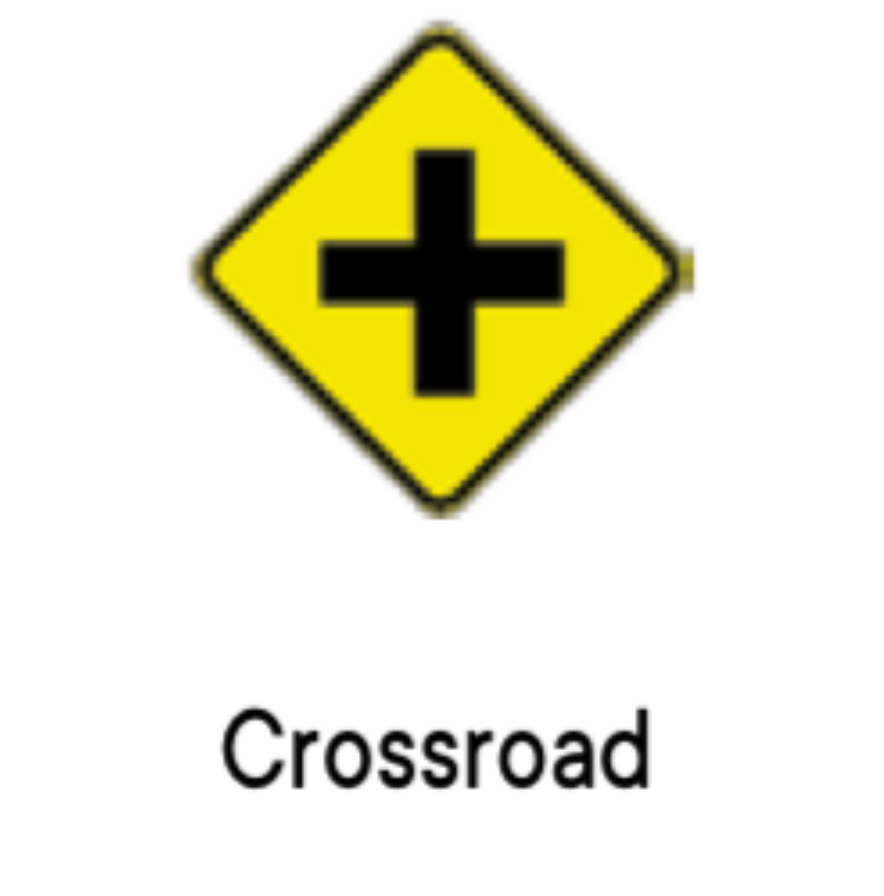
Warning sign
Crossroad
Warning sign
Stop Ahead
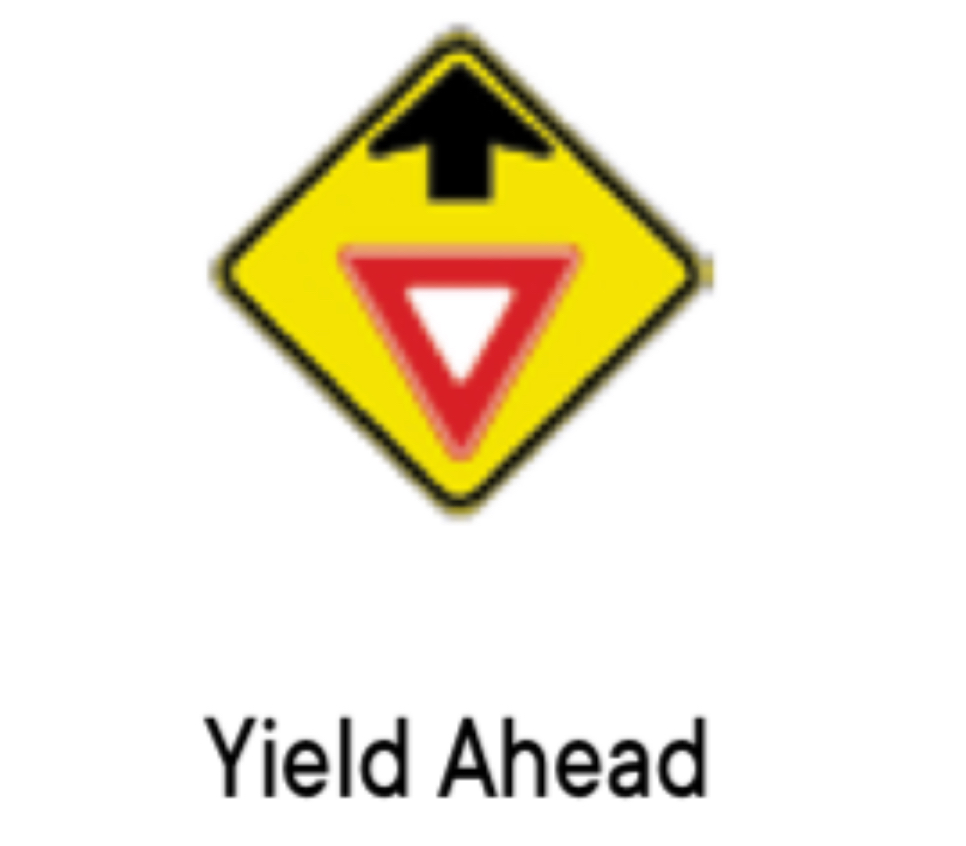
Warning sign
Yield Ahead
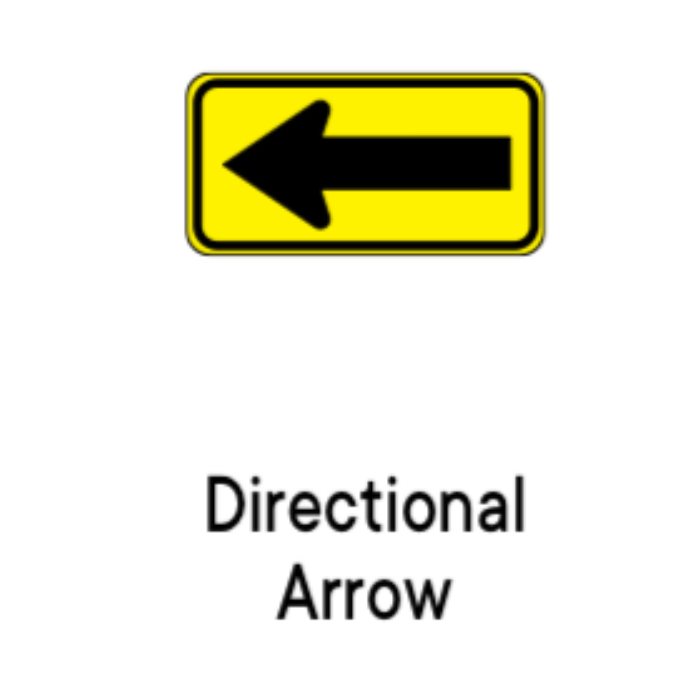
Warning sign
Directional arrow
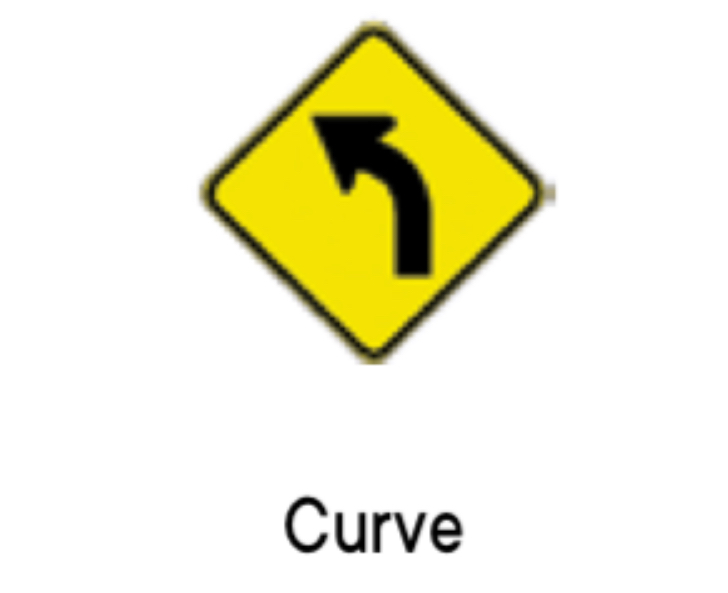
Warning sign
Curve
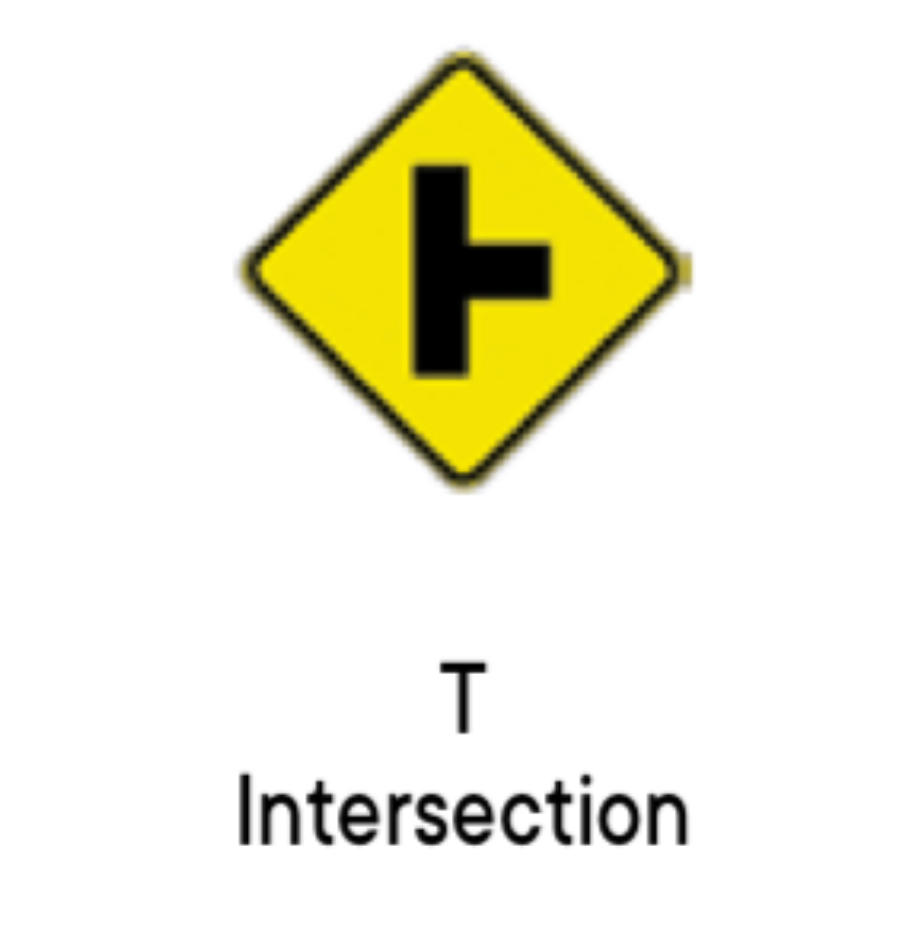
Warning sign
T intersection
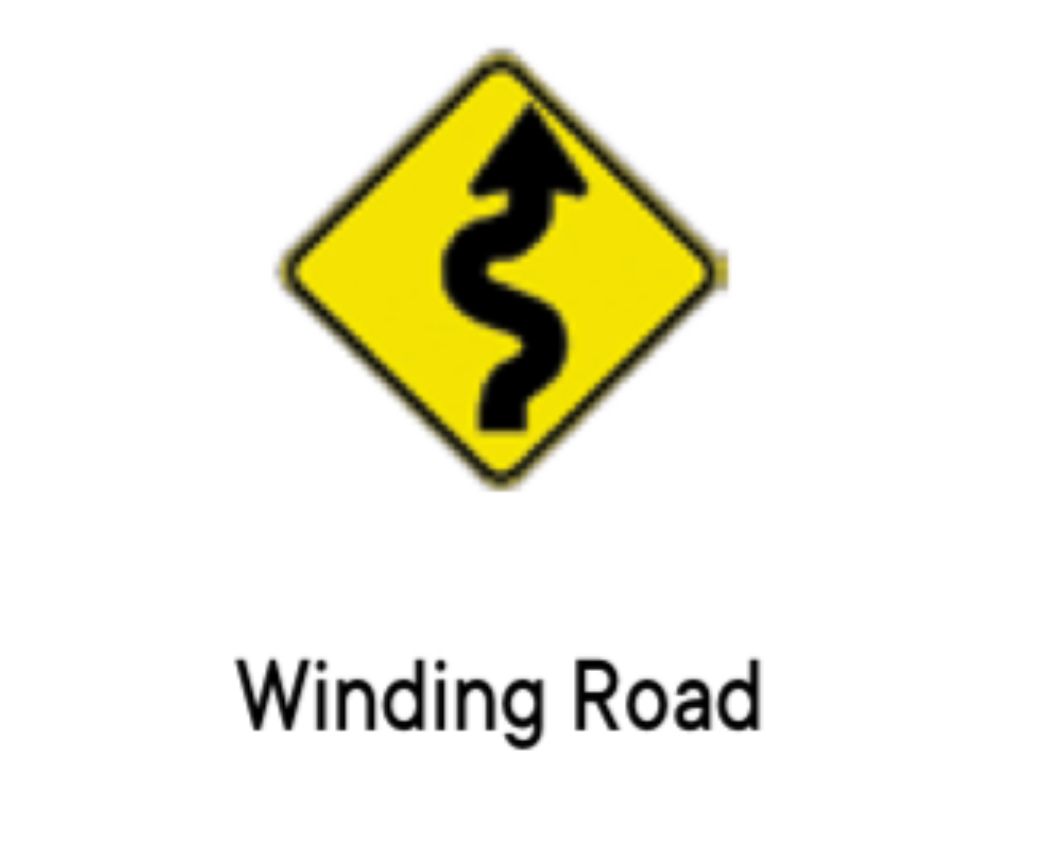
Warning sign
Winding road