Gluconeogenesis
 Call Kai
 Learn
Learn Practice Test
 Spaced Repetition
 Match
Match Flashcards
 Knowt Play
1/13

There's no tags or description
Looks like no tags are added yet.
Name | Mastery | Learn | Test | Matching | Spaced | Call with Kai |
|---|
No analytics yet
Send a link to your students to track their progress
14 Terms
Gluconeogenesis
making glucose from pyruvate
not a direct reversal of glycolysis
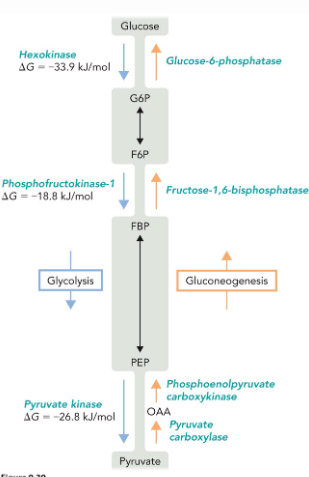
COMPARISON OF ENZYMES IN THE GLUCONEOGENIC AND GLYCOLYTIC PATHWAYS
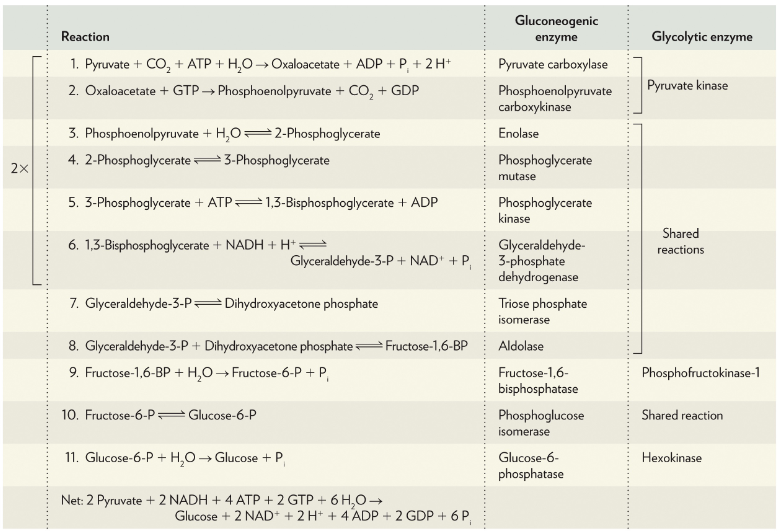
Why can enzymes catalyse the reverse direction?
stabilise the same transition state
dependent on concentrations
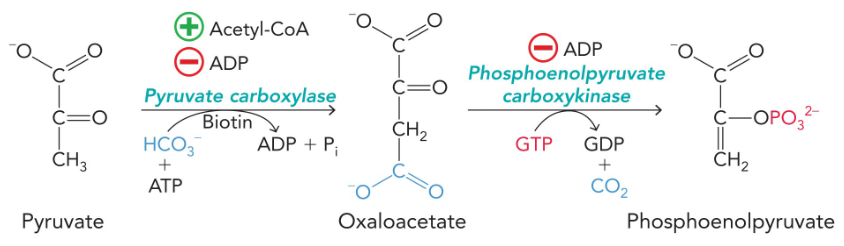
OAA shuttle in gluconeogenesis
pyruvate carboxylase + phosphoenolpyruvate carbokinase
replaces pyruvate kinase
regulated down by ADP and up by acetyl-CoA
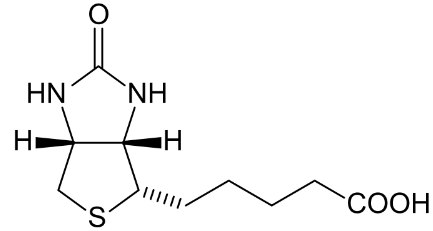
biotin (vitamin B7 or vitamin H)
CO2 carrier
pyruvate carboxylase
biotin carboxylation → carboxyltransferase
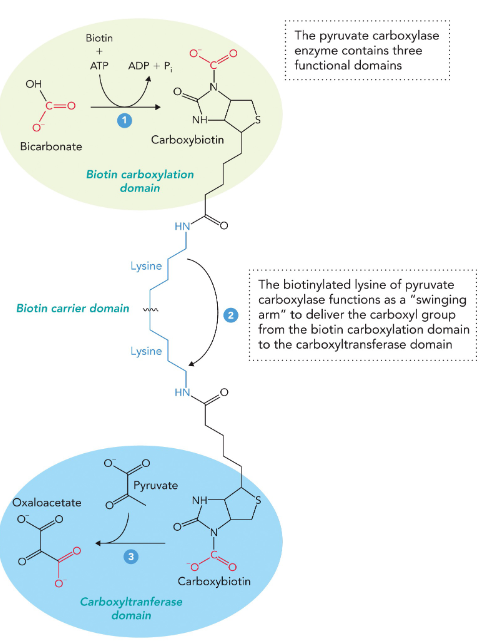
pyruvate carboxylase mechanism
pyruvate enol form
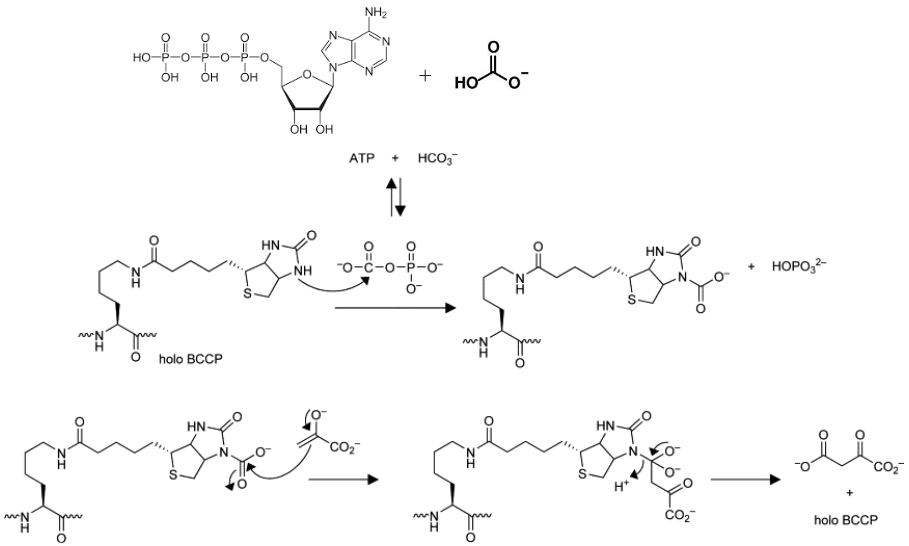
phosphoenolpyruvate carbokinase
makes enolate via decarboxylation → GTP attack
Fructose-1,6-bisphosphatase
key regulatory checkpoint
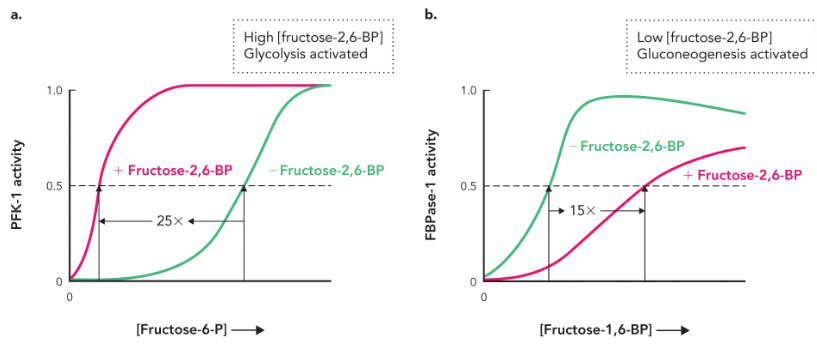
Fructose-2,6-BP
potent allosteric regulator of PFK-1 and FBPase-1 activity
activates PFK-1 and deactivates FBPase-1
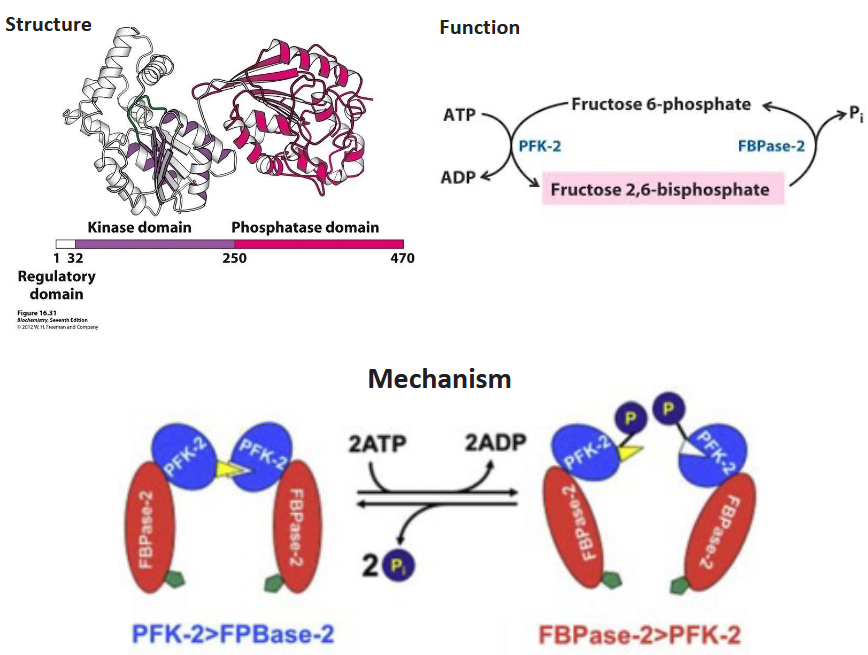
produced by PFK-2 and broken down by FBPase-2
PFK-2/FBPase-2
dual enzyme with a kinase and phosphaste domain
Fructose-2,6-BP produced by PFK-2 and broken down by FBP
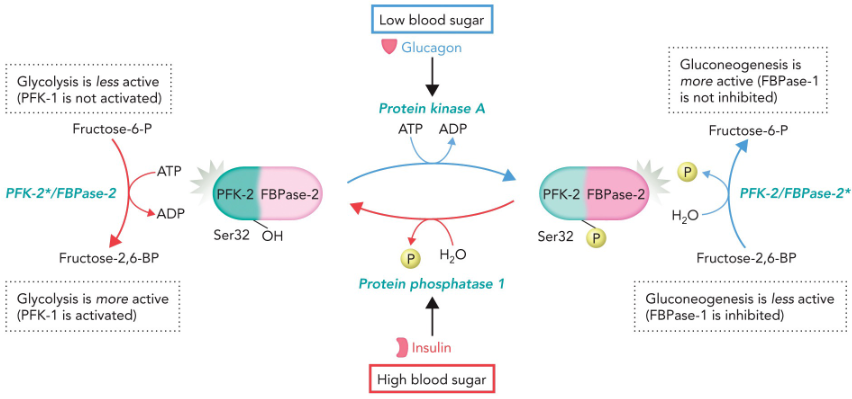
depends on phosphorylation state of Ser32
Regulation of PFK-2/FBPase-2
low blood sugar → glucagon → PKA → PFK-2 ON & FBPase-2 OFF
high blood sugar → insulin → PP1 → PFK-2 OFF & FBPase-2 ON
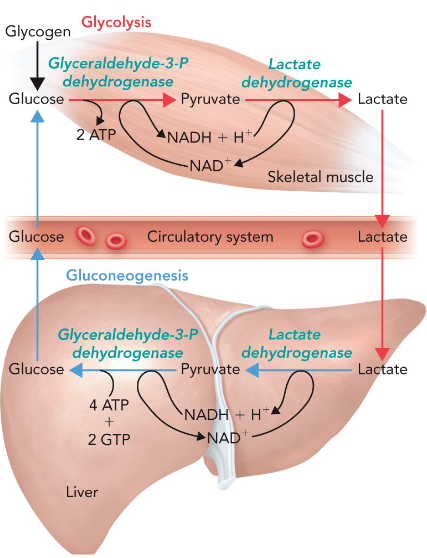
Glycolysis and Gluconeogenesis enzyme separation
don’t compete for the same substrates at the same location
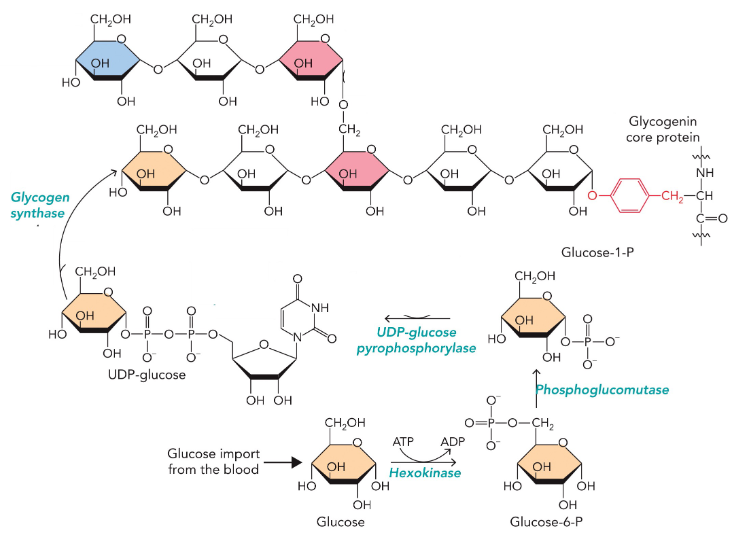
Glycogen Synthesis from Glucose
The glycogen synthase enzyme catalyzes a reaction that links glucose to nonreducing ends of glycogen, using UDP-glucose as the substrate. Generation of UDP-glucose requires the enzymes UDP-glucose pyrophosphorylase and nucleotide diphosphate kinase.
begins with glycogenin core protein Tyr194