25. Ruminant Anesthesia
 Call Kai
 Learn
Learn Practice Test
 Spaced Repetition
 Match
Match Flashcards
 Knowt Play
1/51

There's no tags or description
Looks like no tags are added yet.
Name | Mastery | Learn | Test | Matching | Spaced | Call with Kai |
|---|
No analytics yet
Send a link to your students to track their progress
52 Terms
1. production vs. pet
2. cost
3. standing (sedation + LA) vs. general anesthesia
what determines the approach to ruminant anesthesia
restraint and local anesthesia
mose simple ruminant anesthesia procedures require...
anesthesia
more complex ruminant procedures will require...
equine
what species is ruminant anesthesia compareable to
standing procedures
these are examples of what kind of procedures
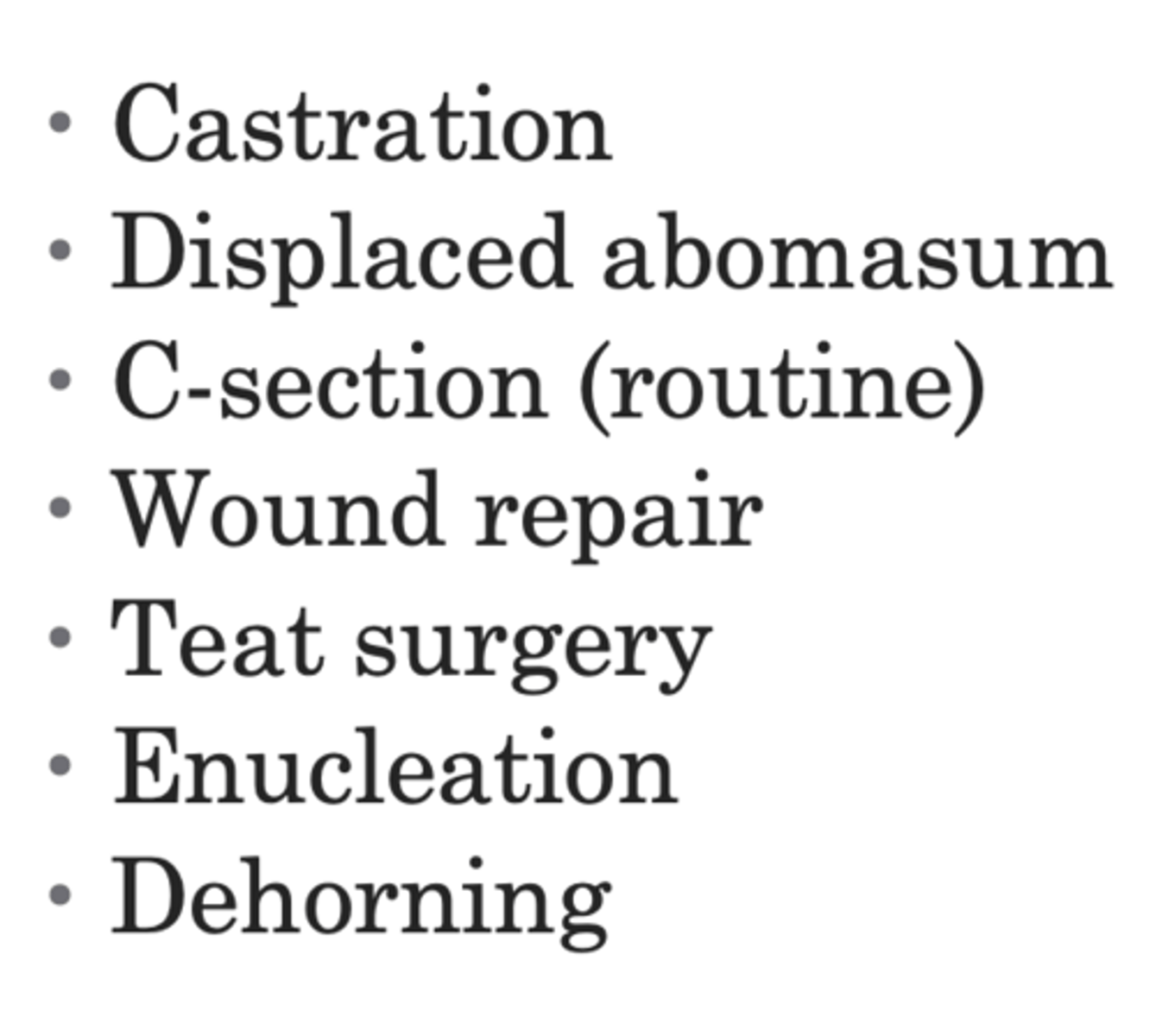
general anesthesia
these ruminant procedures may actually require...
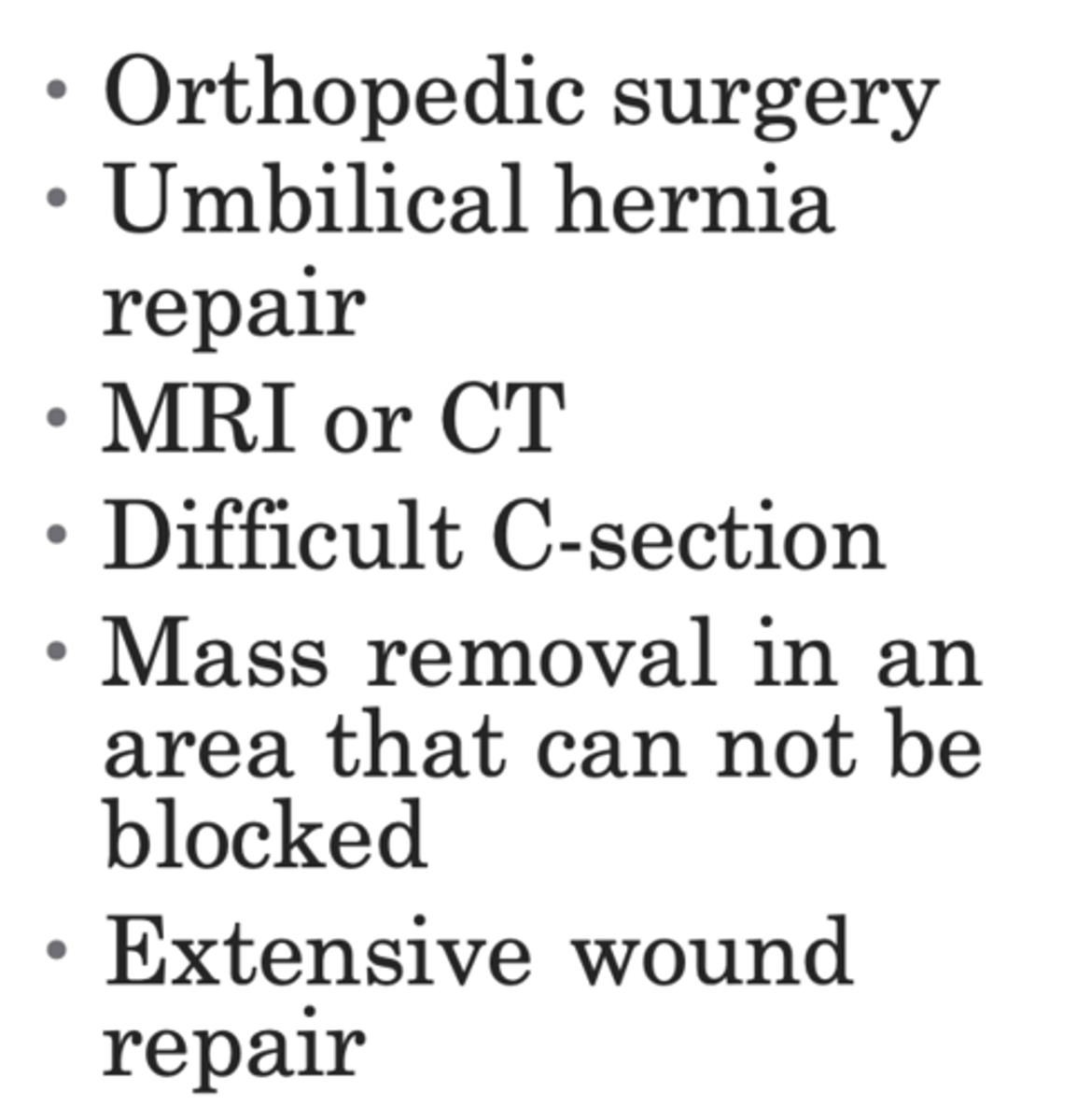
1. PE...can be limited in uncooperative patient
2. bloodwork like PCV/TS/BG
3. fasting may be helpful for general anesthesia
4. IV catheter placement
5. special equipment/personnel
6. drugs
7. intubation can be challenging
8. padding
general considerations for ruminant anesthesia
FARAD
what website can we consult to determine withdrawal times
they can get myopathy or neuropathy
why is padding important for ruminant anesthesia
1. hypersalivation ~50L/day
2. GI tract...bloat leading to decreased venous return and hypoventilation
3. regurgitation leading to potential aspiration pneumonia
4. rumen tube to drain and place head to allow drainage
5. light to inspicy larynx/pharynx before recovery
6. hypoventilation due to issues with recumbency
what are some of the anticipated complications of ruminant general anesthesia
1. immediate reflex airway closure
2. destruction of pulmonary lining due to acidity
3. leads to pulmonary edema, hypoxemia, cyanosis, and potential for death
what happens when there is aspiration of stomach/rumen content
rumen pH and amount of material aspirated
severity of aspiration of stomach contents depends on ____
endotracheal intubation and maintain sternal position with head up to elevate/protect the throat
what is the primary mechanism to prevent aspiration of stomach contents in all our anesthetized farm animals
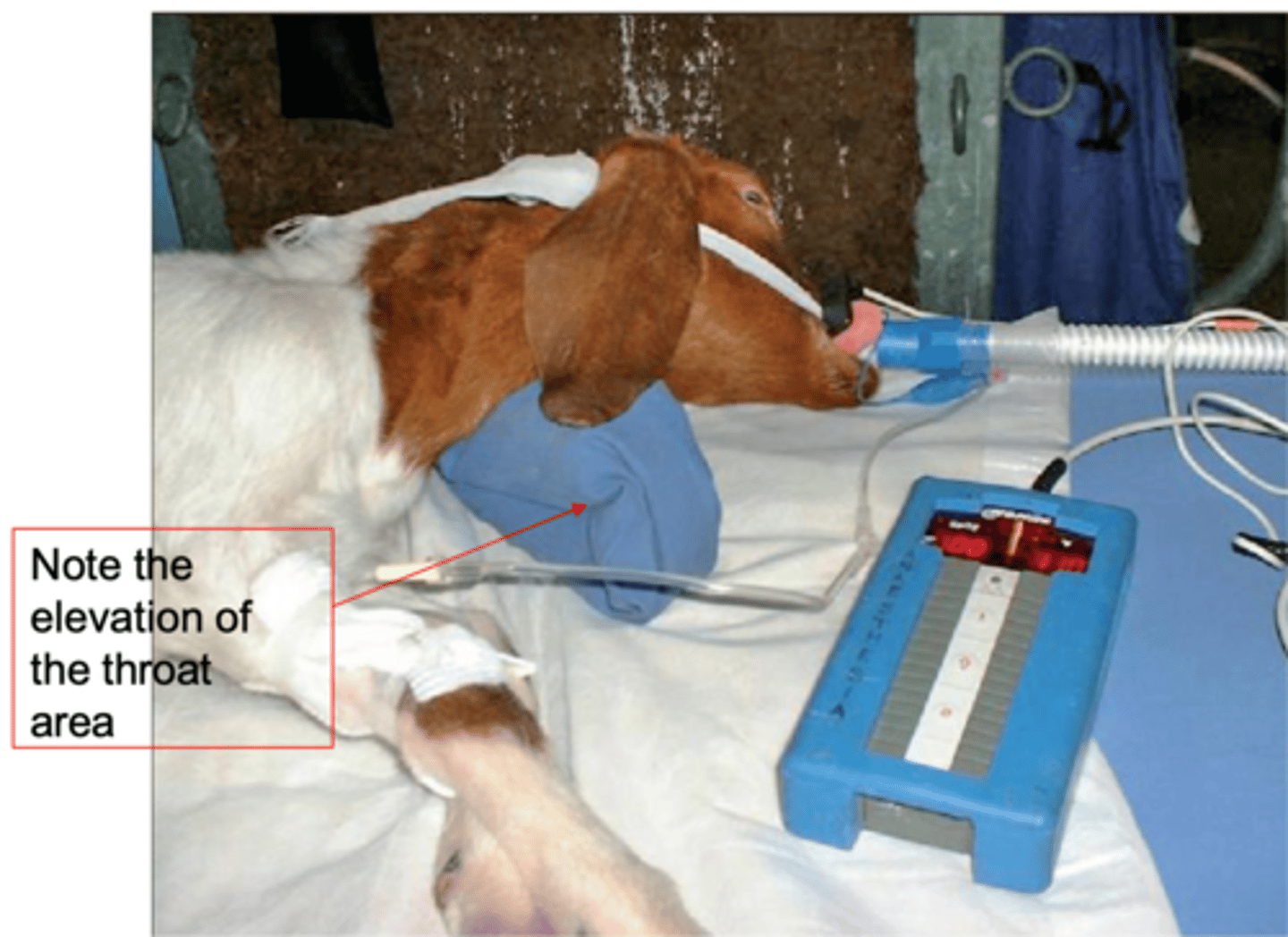
1. safety of animal and personnel working nearby
2. have enough experienced personnel to situatie the patient on a surgery table
important considerations for ruminant anesthesia
no food for 24-48 hrs, no water for 24 hrs
recommended fasting times for adult large ruminants
no food for 12-18 hrs, no water for 6 hrs
recommended fasting times for sheep and goats
NPO not typically required at <1 month but can withhold food 2-4 hrs if > 1 month
recommended fasting times for calves, lambs, kids
same as a simple stomach
how does the GIT of a ruminant function at <3 weeks of age
as a full ruminant
how does the GIT of a ruminant function at >3 months of age
reserve functional residual capacity
fasting helps to _____ since ruminants have a decreased Vt (tidal volume) compared to horses
bradycardia
fasting can lead to what in cattle
25%
even if fasting precautions are taken as many as _____ adult cattle still regurgitate under anesthesia
use a jugular vein that will be accessed most easily during surgery
considerations for IV catheter placement in ruminants
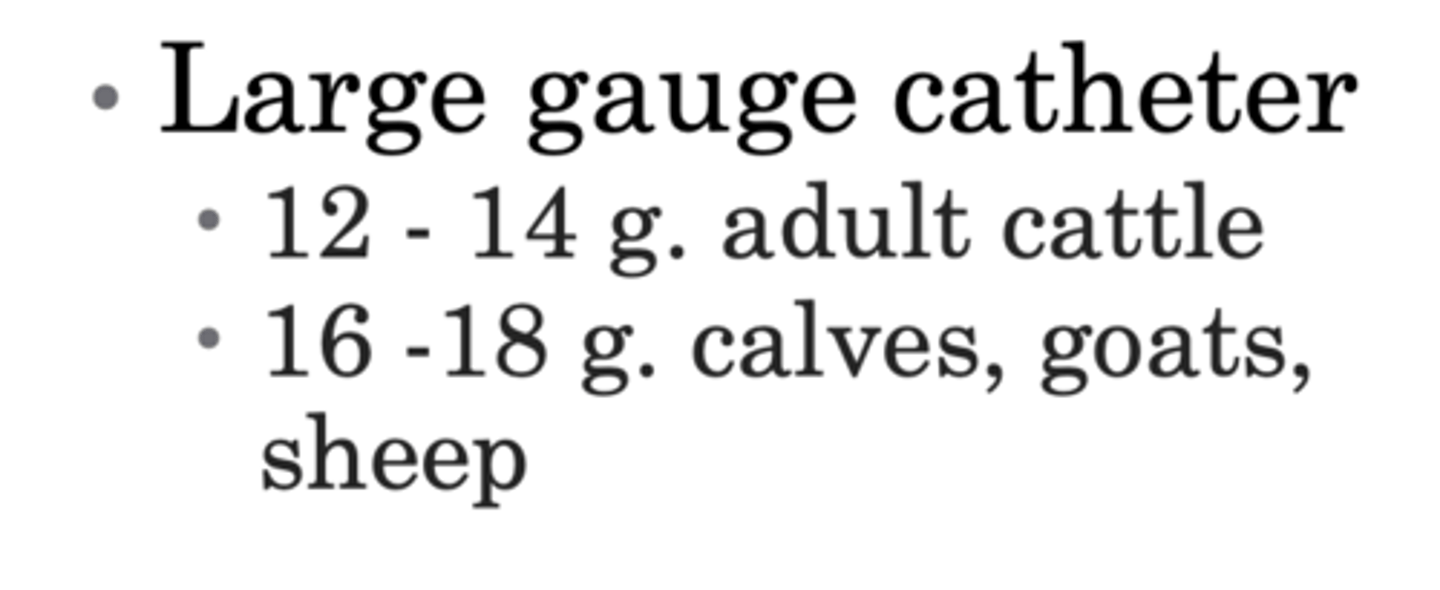
allows more manipulation and safety for a procedure
why is premedication important for ruminants
not approved for use in food animals by FDA....and Dr. Wilson hates it
use of acepromazine in ruminants
1. not approved for use in food animals by the FDA
2. more potent dose in ruminants so you should use 1/10th the dose as you would in equine
3. stressful environments cause prolonged response
4. can cause rumen atony/bloat and require you to pass a tube
indications of xylazine in ruminants
goats/ sheep as they have a risk for developing pulmonary hemorrhage and edema
what species are the most sensitive to xylazine and how do they respond
oxytocin-like effects that may cause premature delivery during last trimester
effects of xylazine on pregnant cattle
atipamezole, yohimbine, doxapram
what alpha 2-agonists reversals are commonly used in ruminant anesthesia
not commonly used as it causes salivary secretions to become more viscous increasing the risk of airway obstruction as well as bloat
anticholinergic use in ruminants
1. no analgesic effects with minimal sedation
2. midazolam or diazepam
3. flumazenil reversal not commonly done due to $$
functions of benzodiazepines in ruminants
butorphanol
what is the most common opioid used for ruminants
morphine, hydromorphone, buprenorphine
which opioids are not often used in cattle
1. ketamine...commonly combined with benzodiazepine or with guaifenesin as "double drip"
2. telazol
3. propofol...commonly due "ketofol" 2:2 to decrease cost
induction drug options in ruminants
prevent aspiration of saliva or rumen contents
why should we always intubate a ruminant during anesthesia
regurgitation
attempting intubation when patient is too light may result in ____
dorsal
more likely to regurgitate if placed in ____ recumbency
right lateral or sternal
less likely to regurgitate if placed in ____ recumbency
laryngoscope
what should we always use when intubating a ruminant
blind intubation w/ hand in adult cattle and laryngoscope use in small ruminants with hyper extended and elevated head and neck
how do we actually intubate ruminants
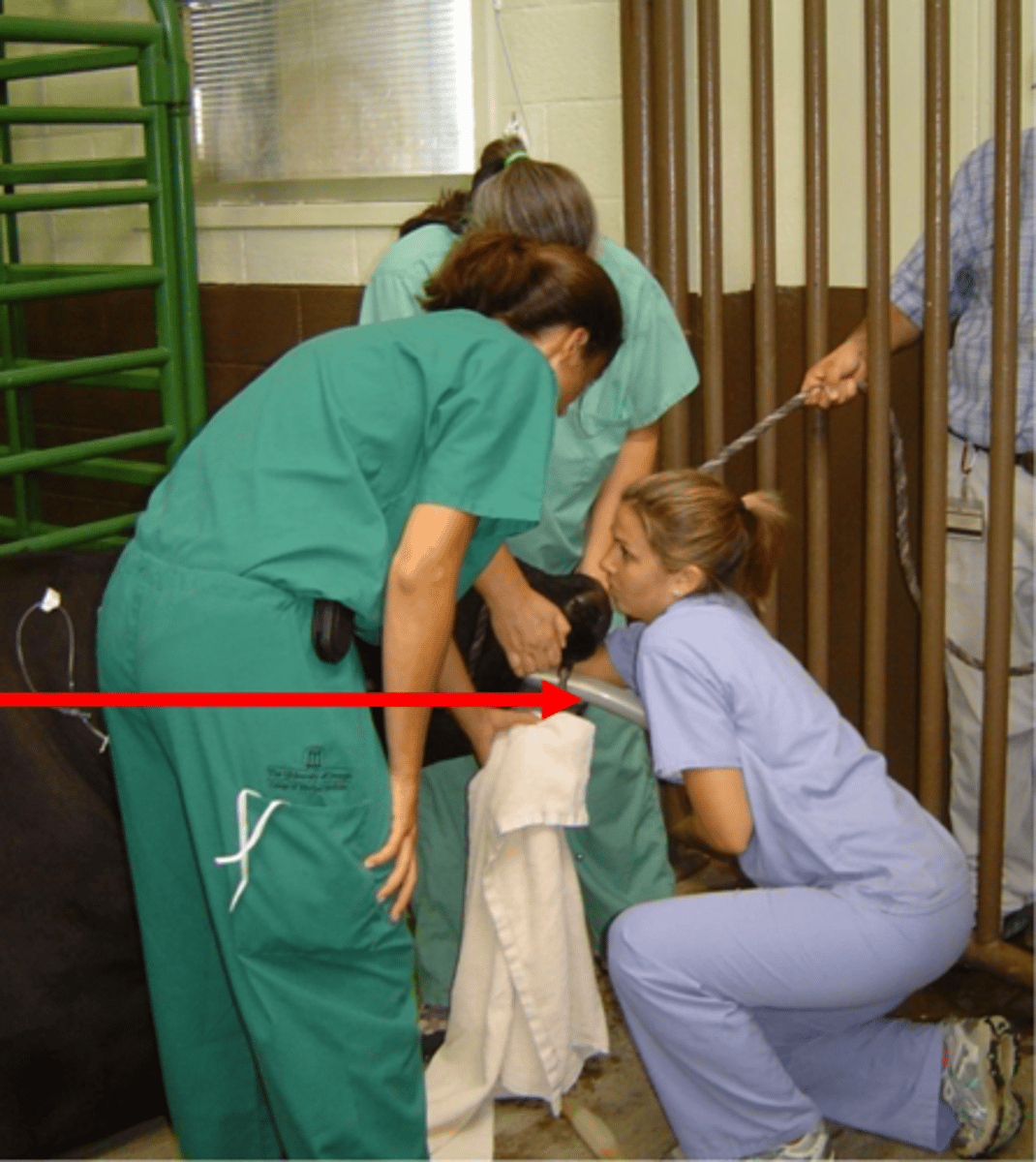
patient that is <60kg with a <18 ETT tube
what are the indications for the use of a small anesthesia machine in ruminants
10-30 ml/kg/min
O2 flow rate for ruminants
isoflurane
most common inhalant anesthetic for ruminants
1. padding
2. minimize pressure to radian n.
3. support up leg and align parallel to table
4. head down for saliva/regurge drainage
proper positioning of ruminants during anesthetic episodes includes
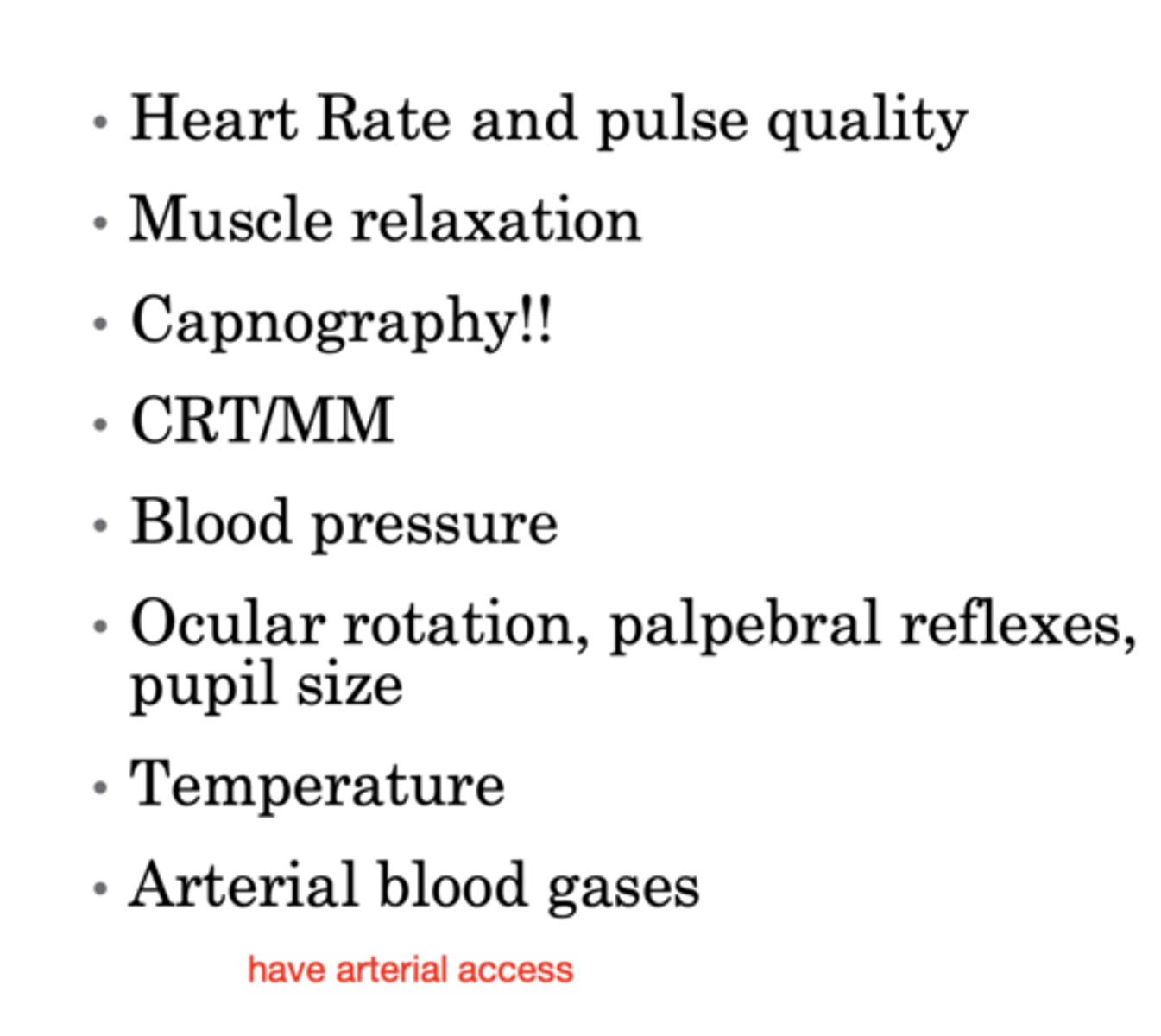
reviewed
review the monitoring parameters during ruminant anesthesia
>70 mmHg
what is the MAP we typically try to keep ruminants at during anesthesia
45-50 mmHg
what is the goal ETCO2 for ruminants to avoid hyperventilation as it is a common occurrence for ruminants
bradycardia
hypocarbia may cause ___ in ruminants
Vt at 10-20ml/kg and respiratory rate at 6-12 bpm
how do we utilize IPPV for ruminants to avoid excessive airway pressure
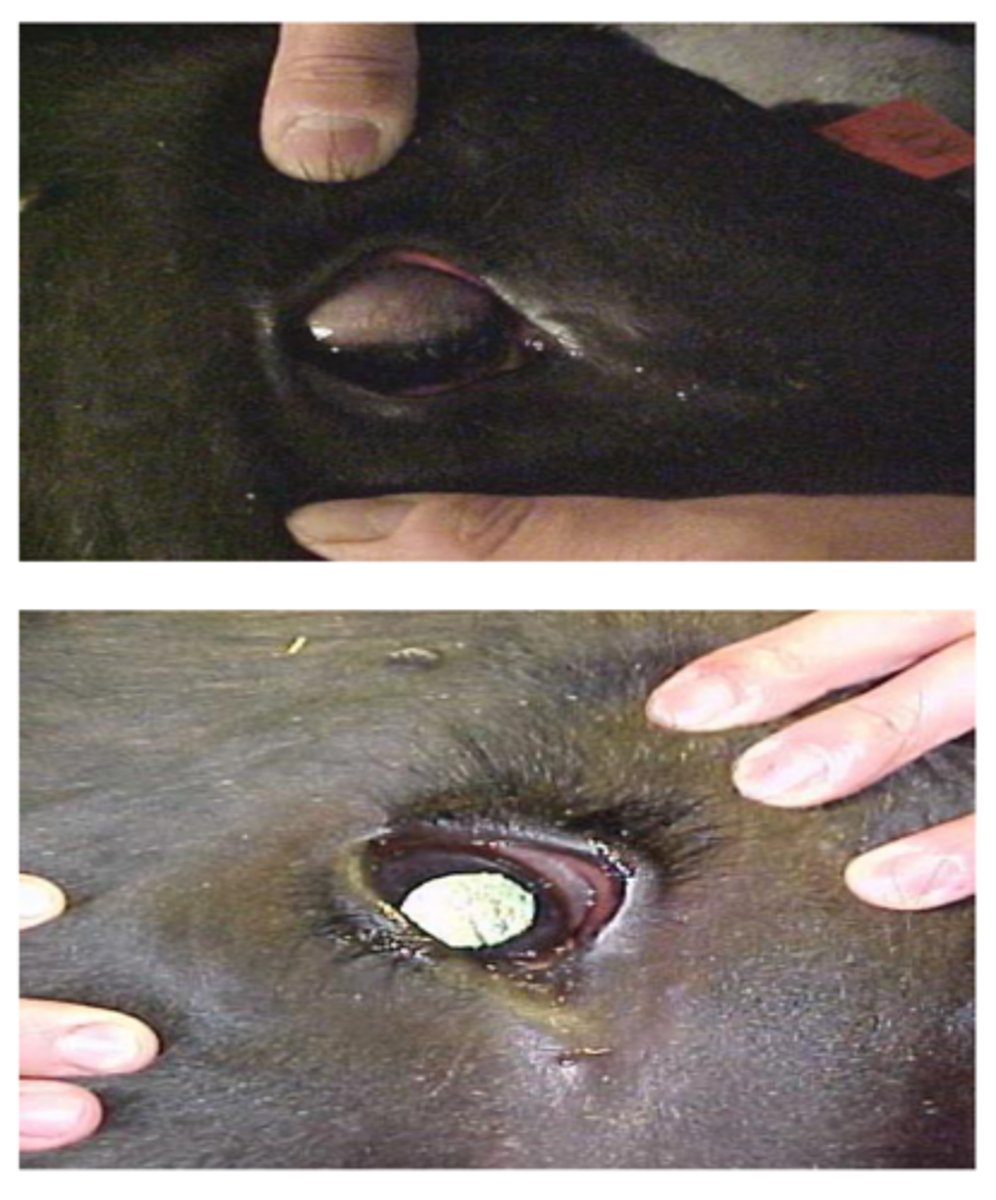
eye will rotate ventrally at induction and then rotate dorsally as depth increases
how can we describe ocular rotation under anesthesia for ruminants
1. leave Et tube until strong laryngeal reflex returns and pull while it is inflated
2. immediately check for airway patency
3. check for regurgitation and bloat
in terms of ruminant recovery
1/10th
the ruminant dose of xylazine is _____ the equine dosage